colombian sanctuary rescues & rehomes vulnerable animals in need
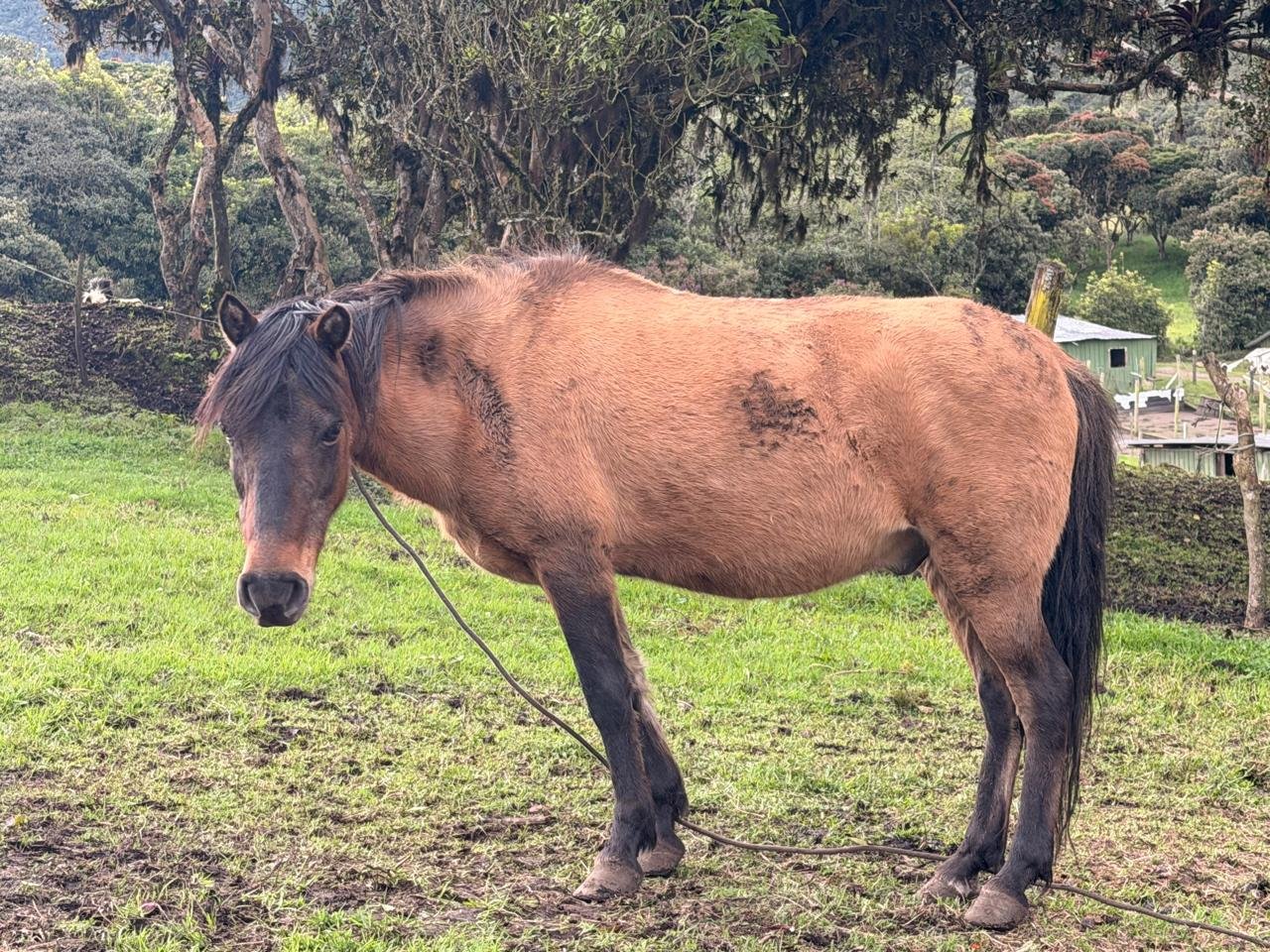
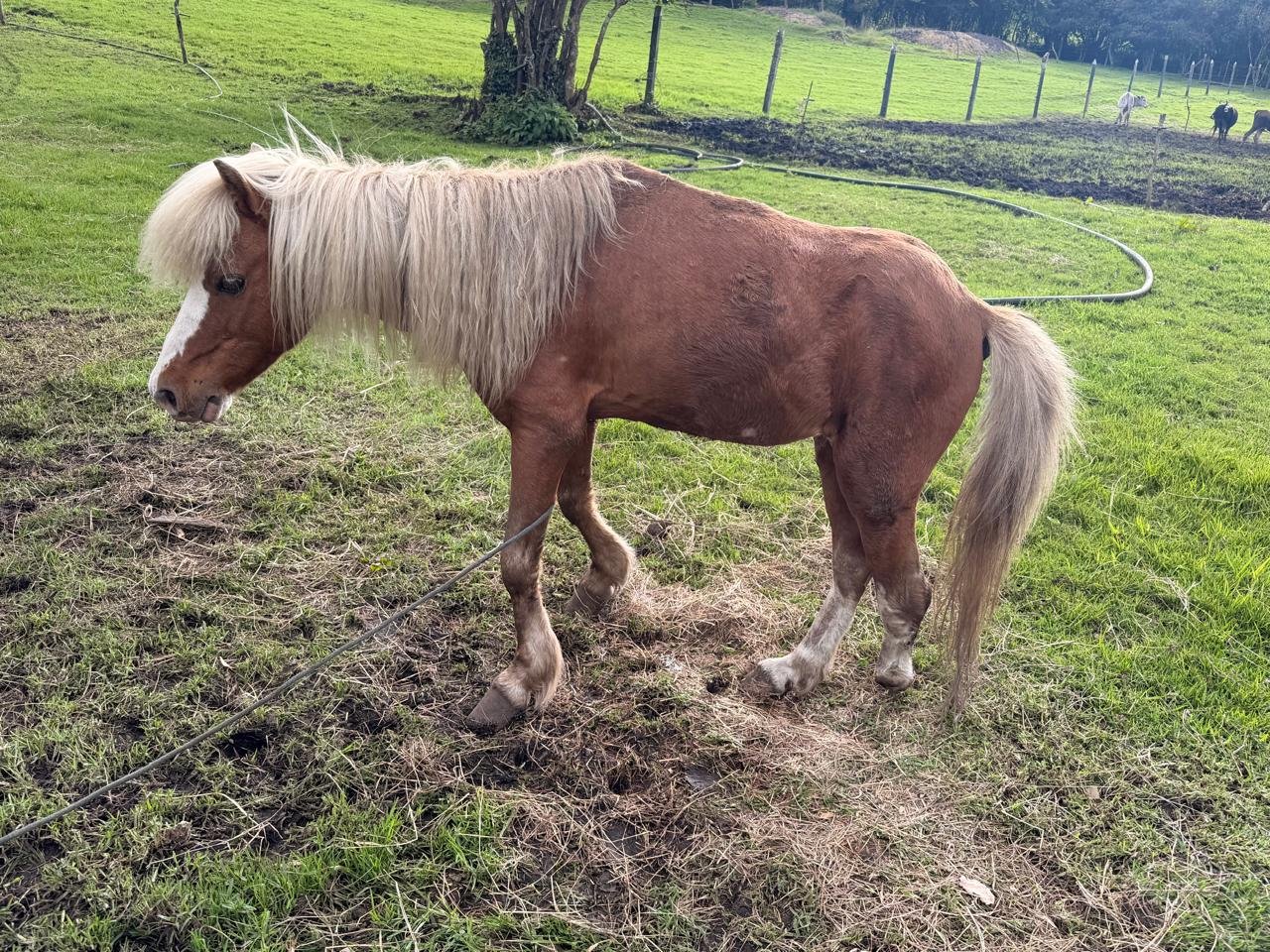
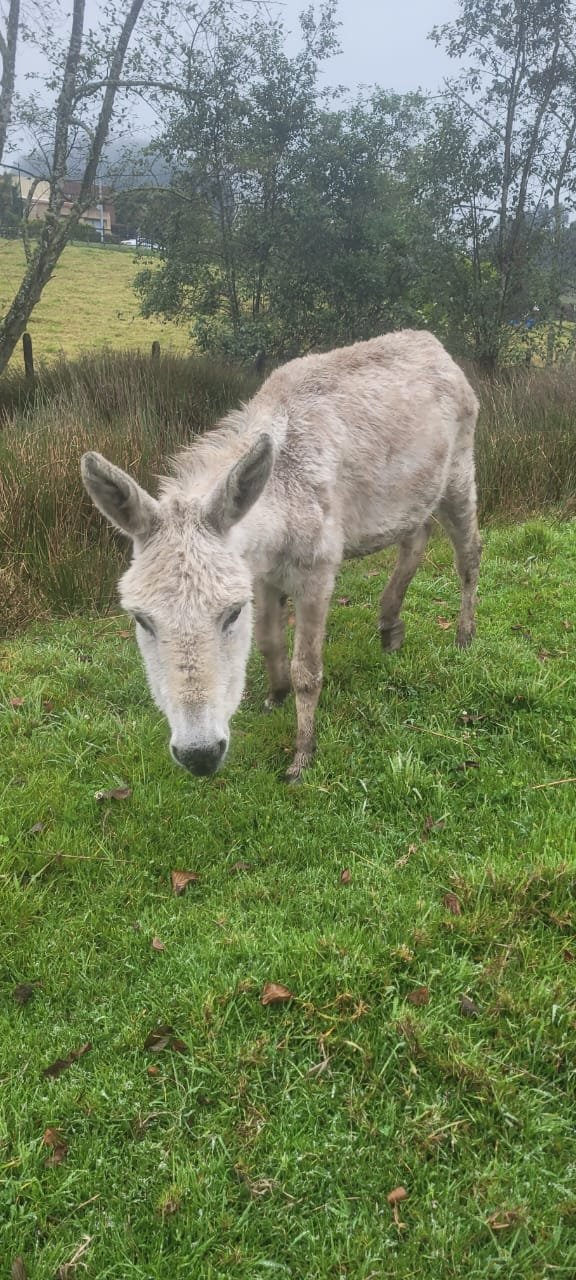
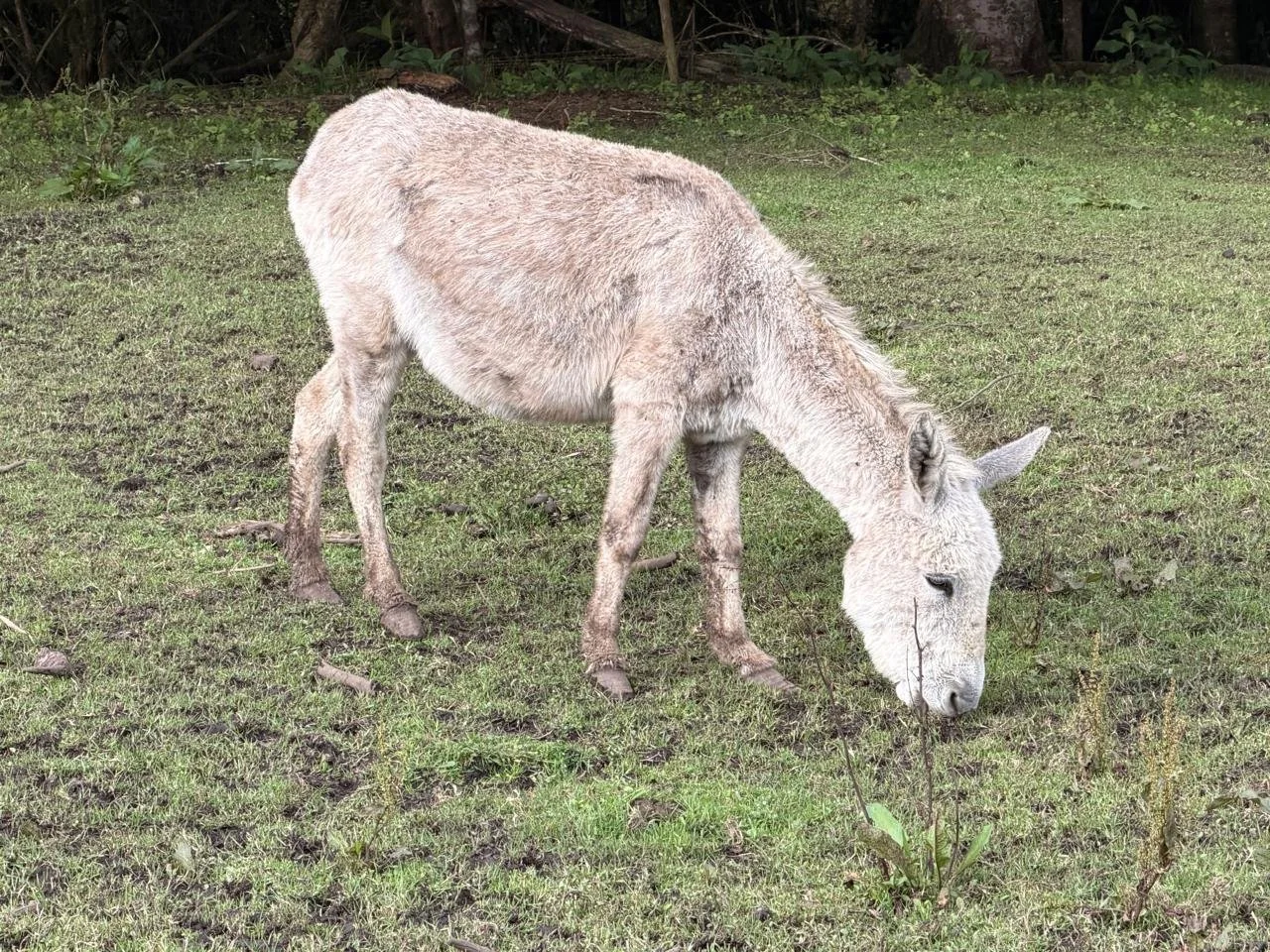
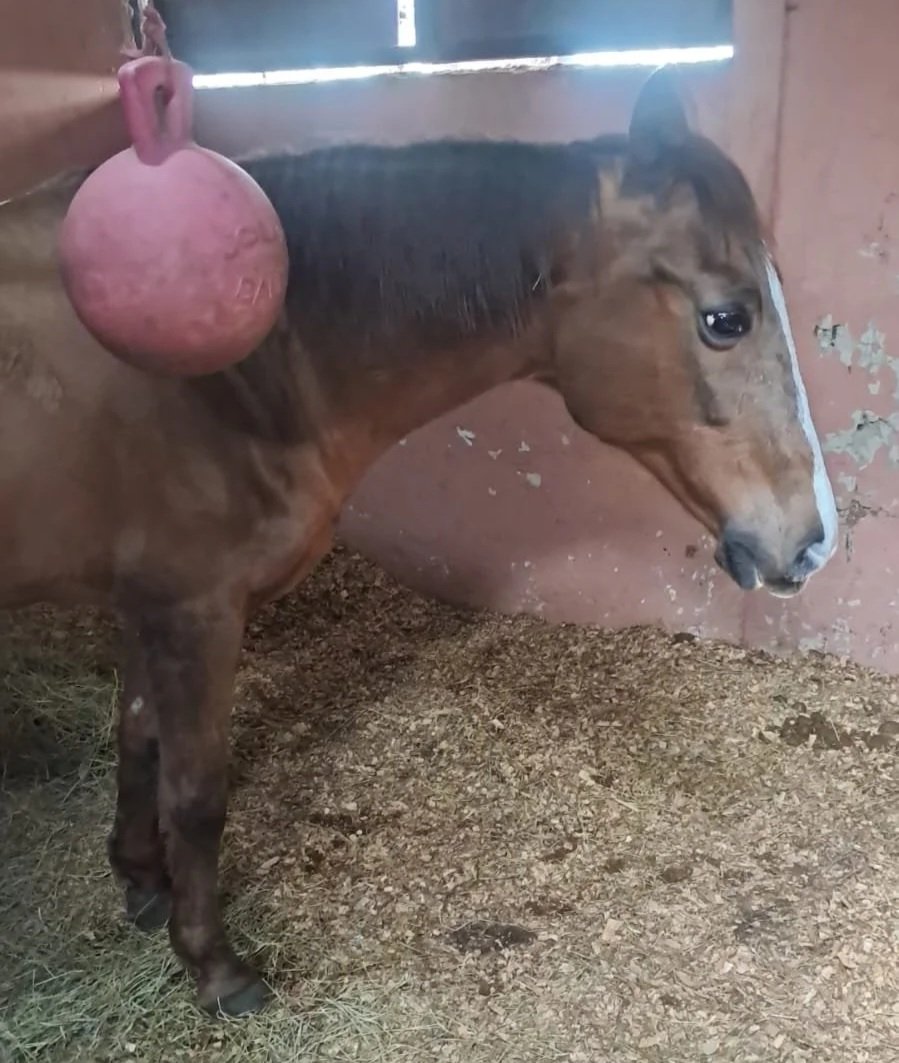
Namigni Animal Sanctuary in Colombia recently rescued multiple animals in desperate need, including a rejected calf from a bullfighting breeding farm, a discarded mare, four disabled ponies and an elderly donkey. Thanks to your kind support, these animals have all been successfully rehomed or will continue living at the sanctuary.
In addition, the team provided essential veterinary care for 27 equines at a rental operation in Cundinamarca. These animals had not received health check-ups for a long time, so greatly benefitted from this much-needed care and attention.
July Mobile Clinic
Context and Access
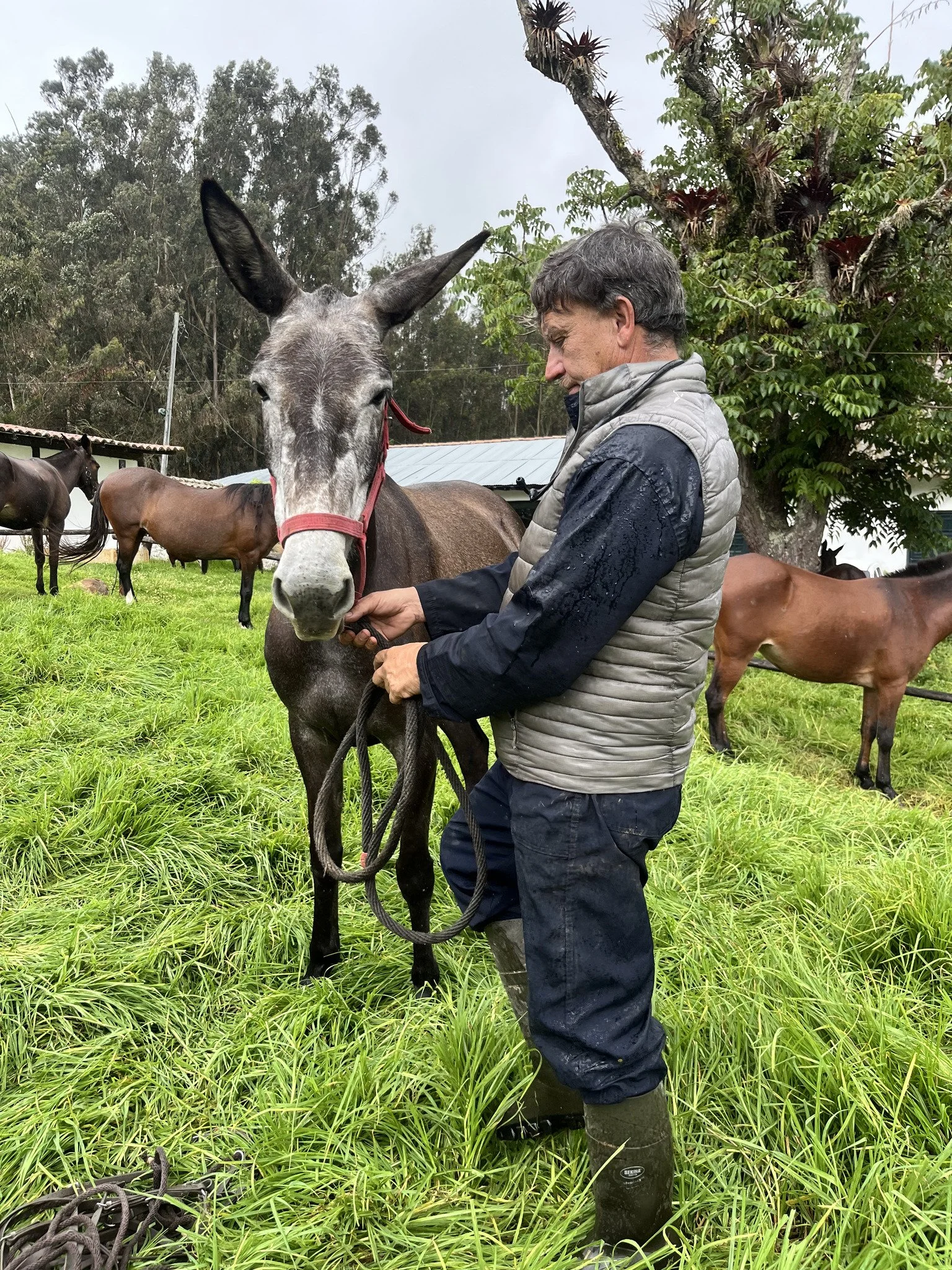
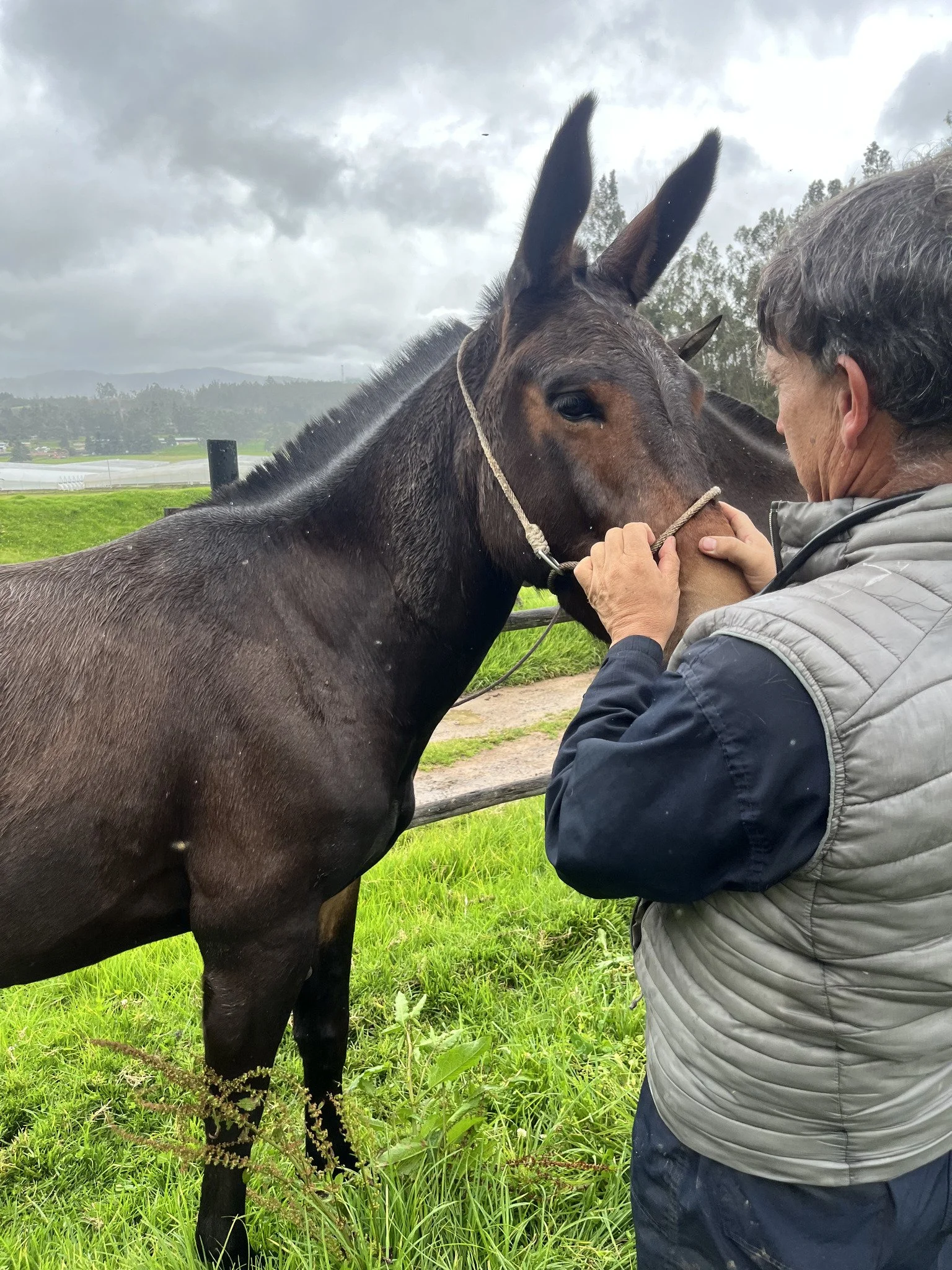
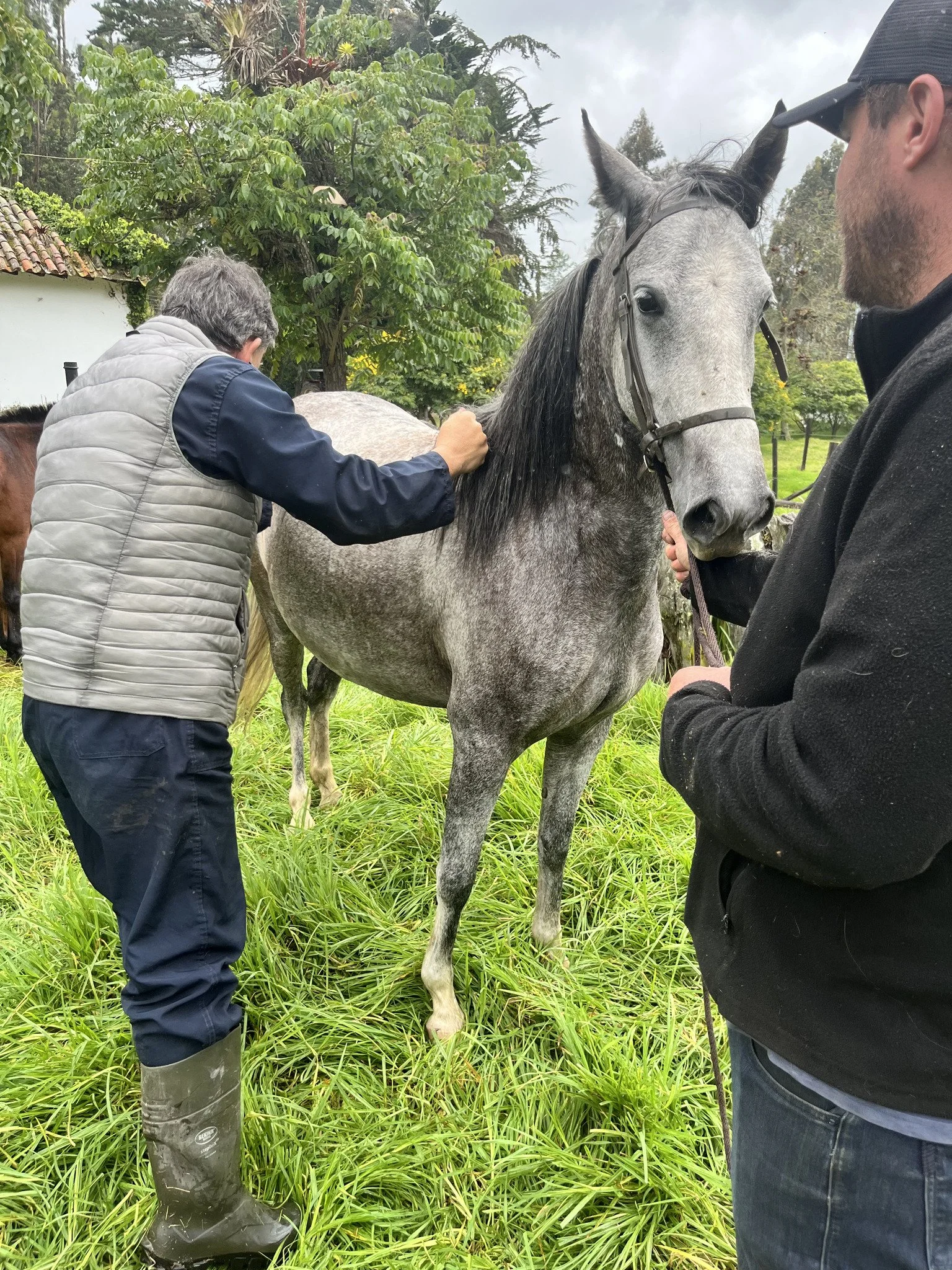
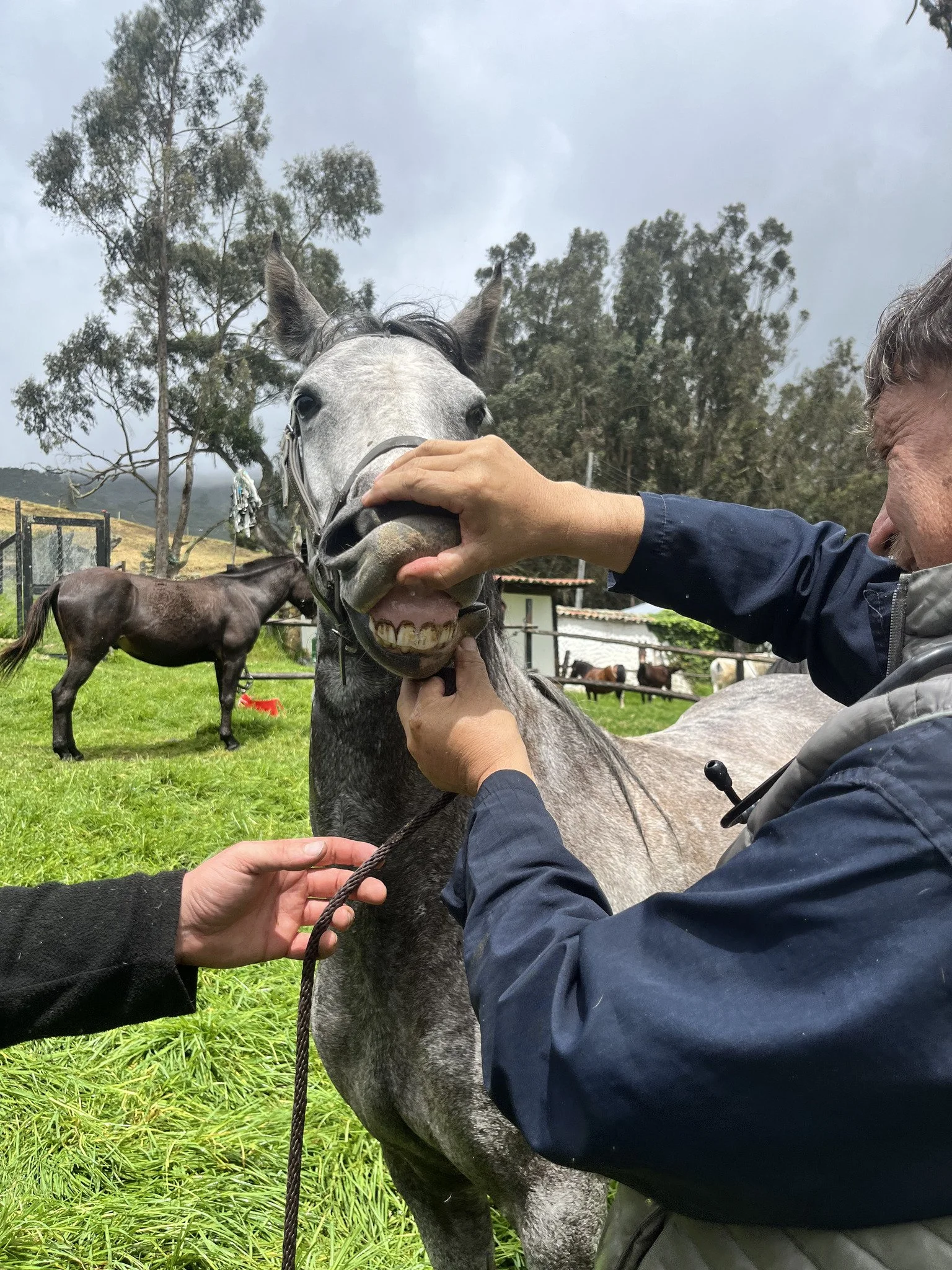
In July, the Namigni/AAA veterinary team, led by Dr Carlos Mario Jaramillo, conducted a mobile clinic at a mule rental operation in Cundinamarca. These operations often present significant animal welfare concerns, but this visit revealed a positive exception. The animals were generally in good condition, reflecting attentive management despite their demanding workload.
Clinic Findings and Interventions
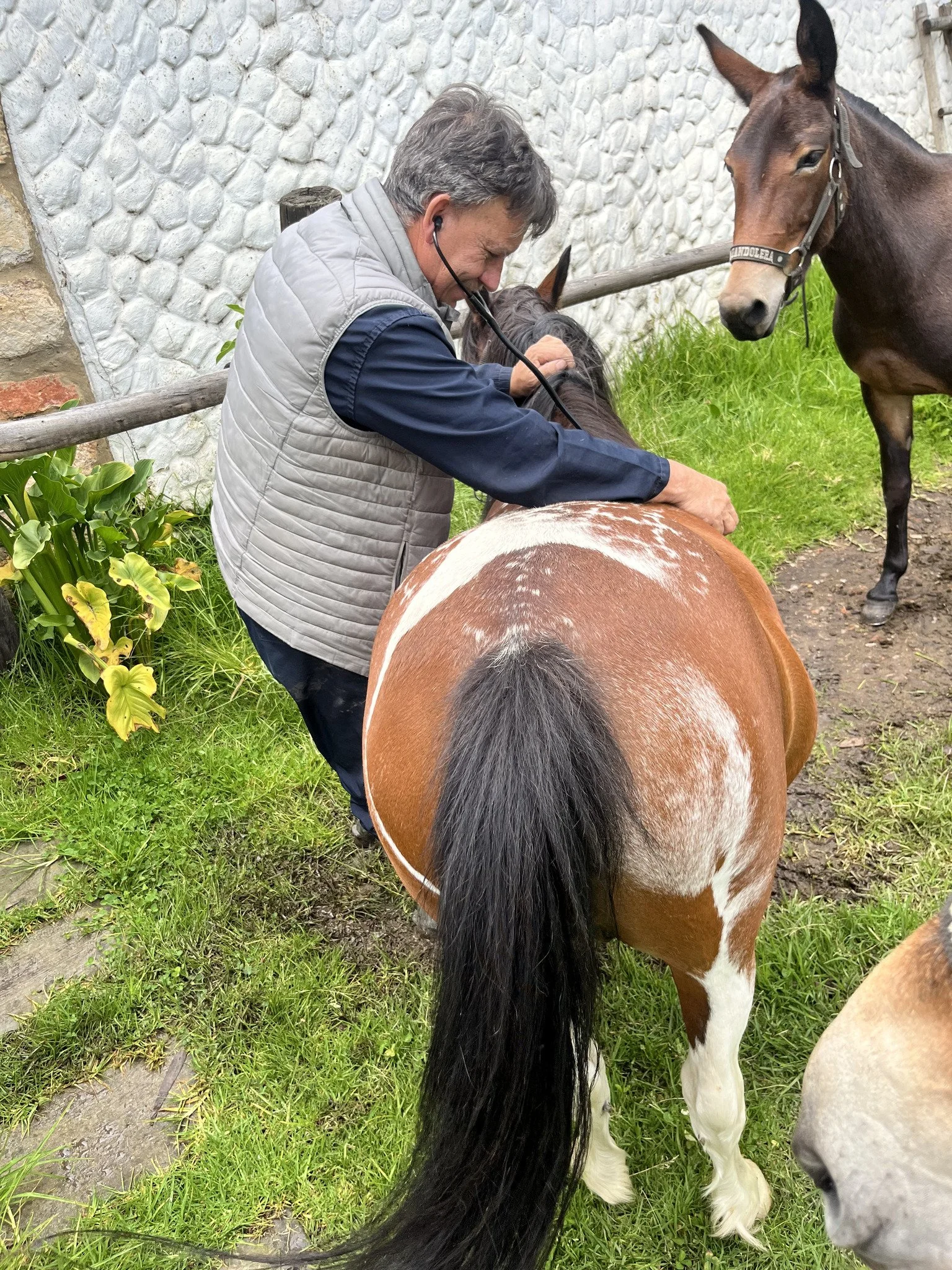
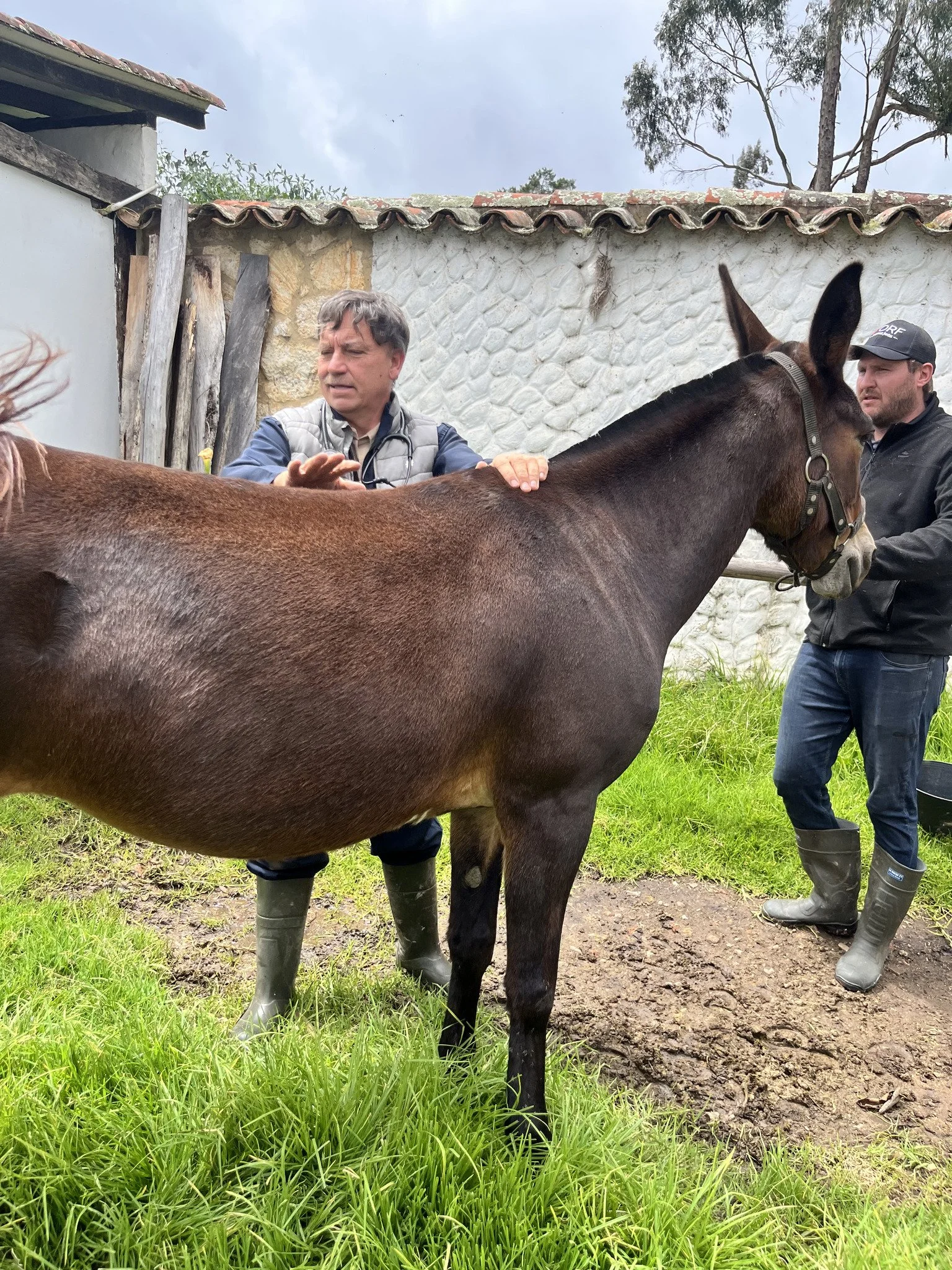
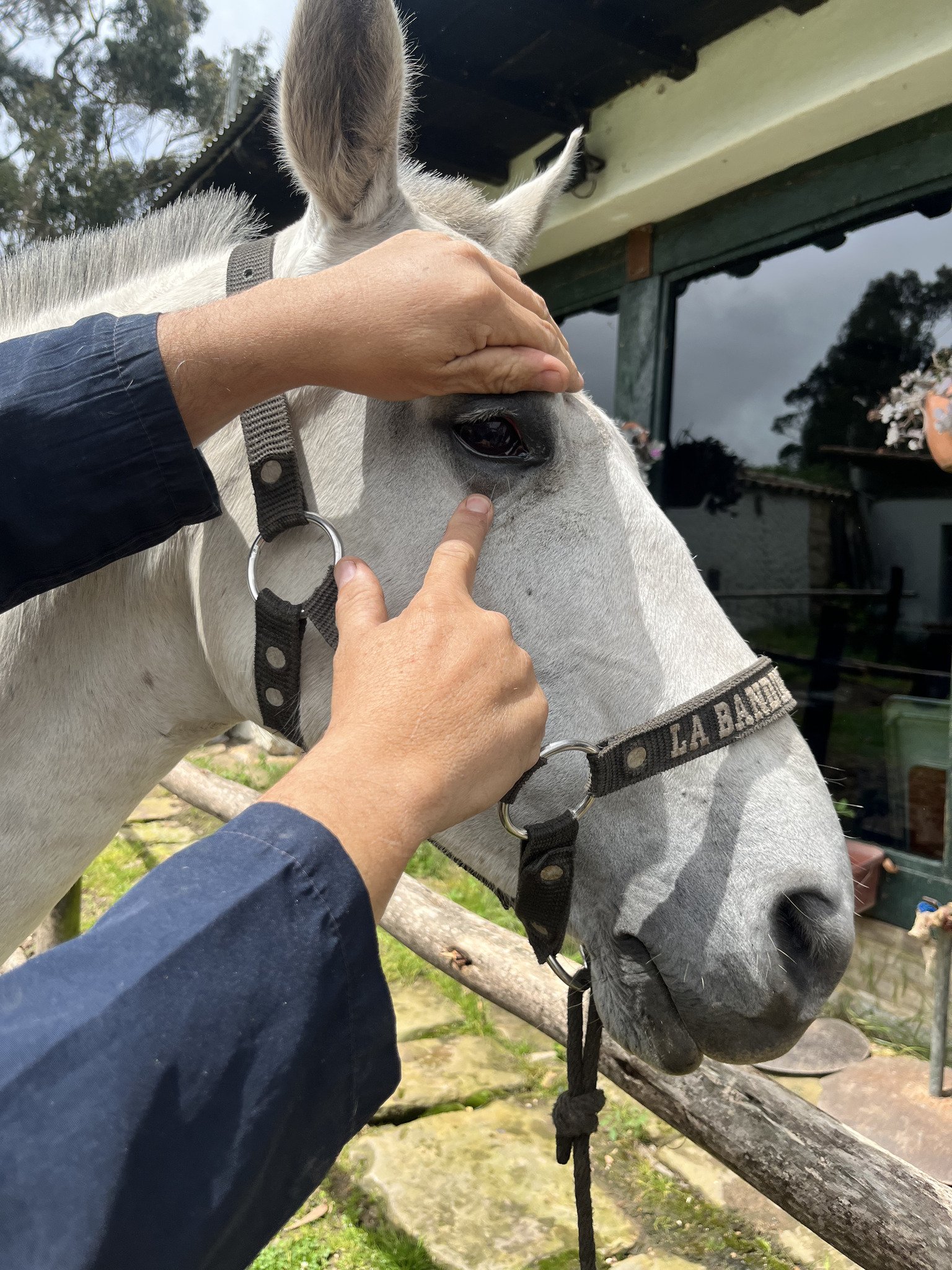
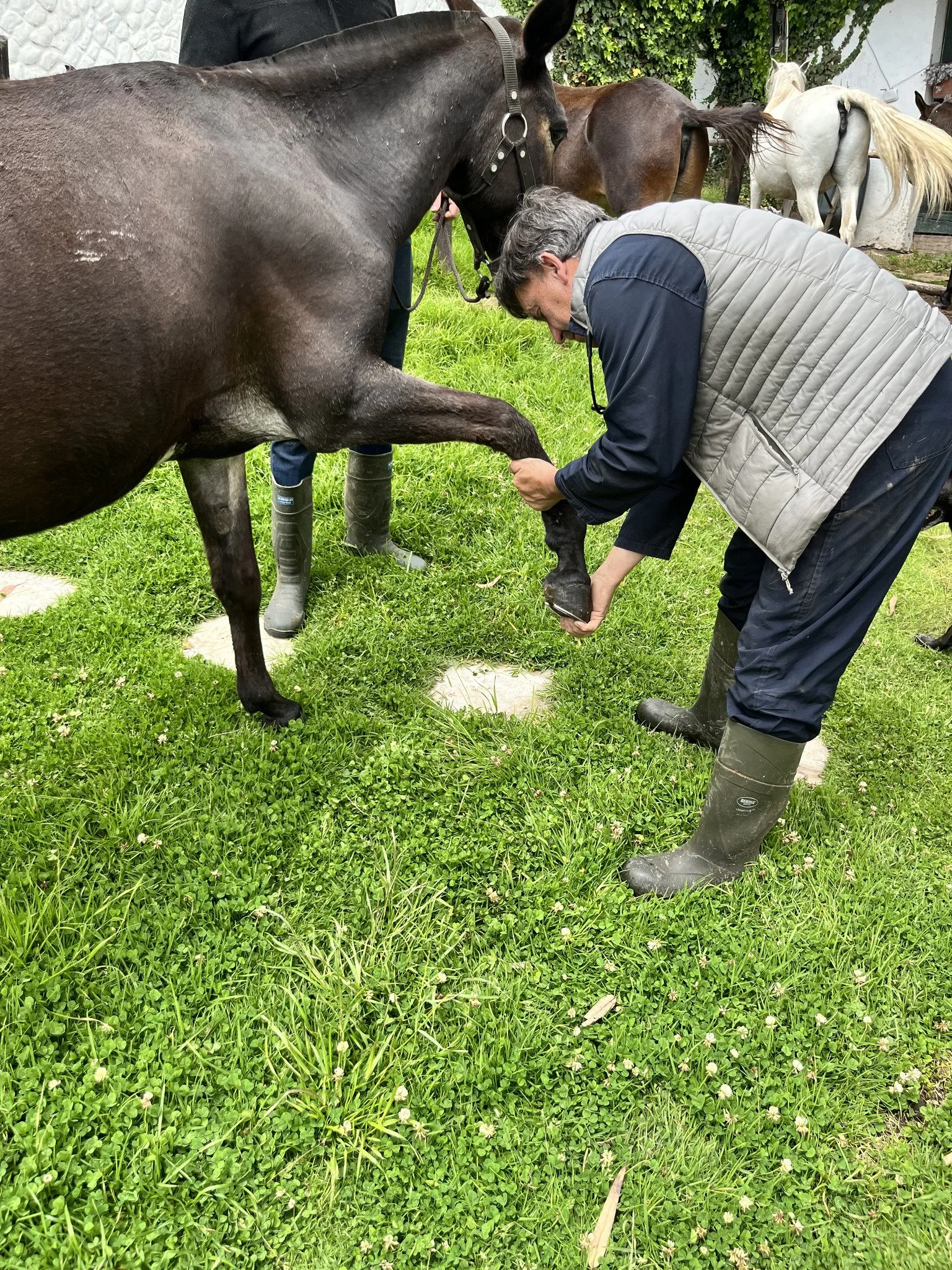
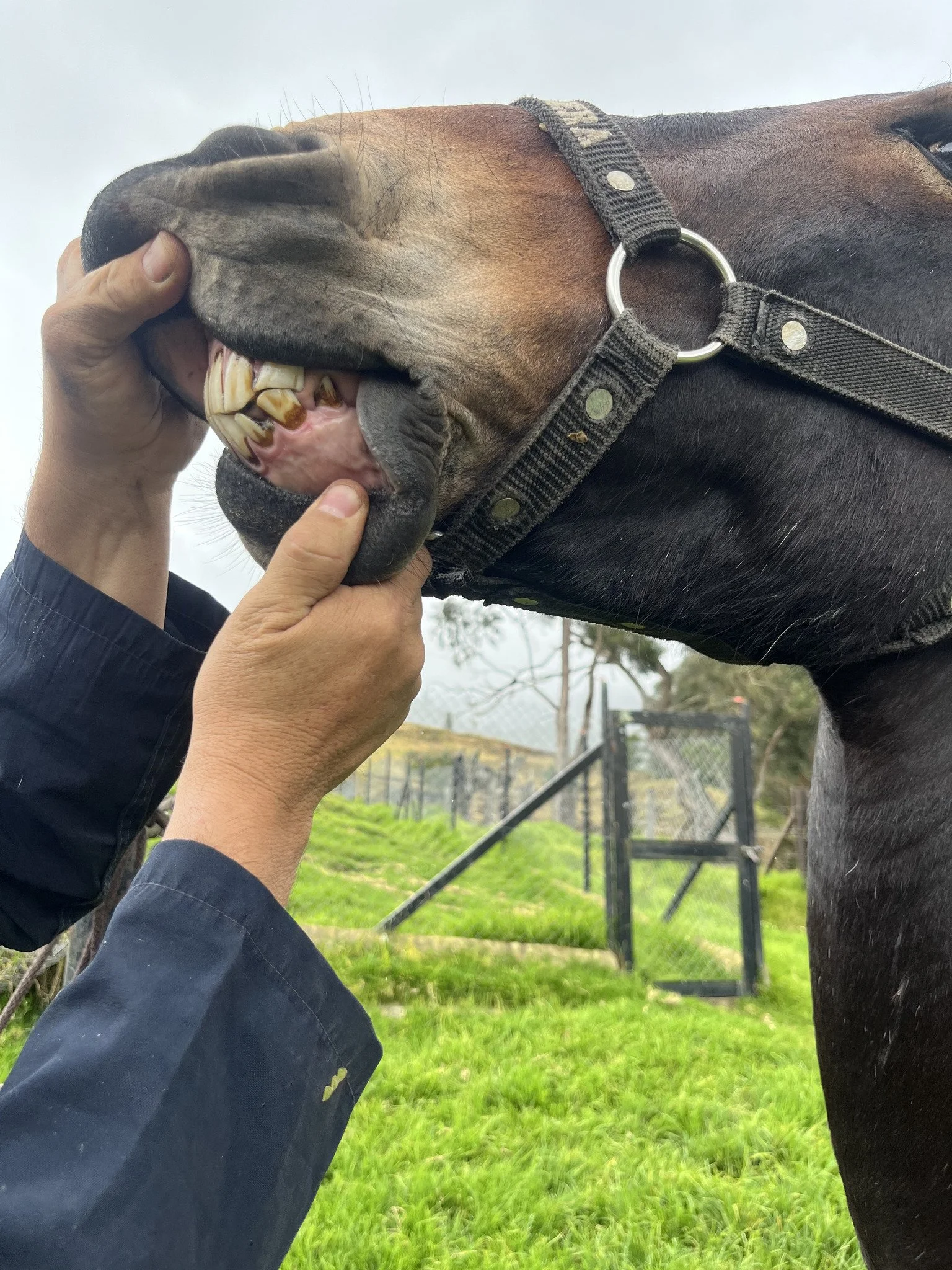
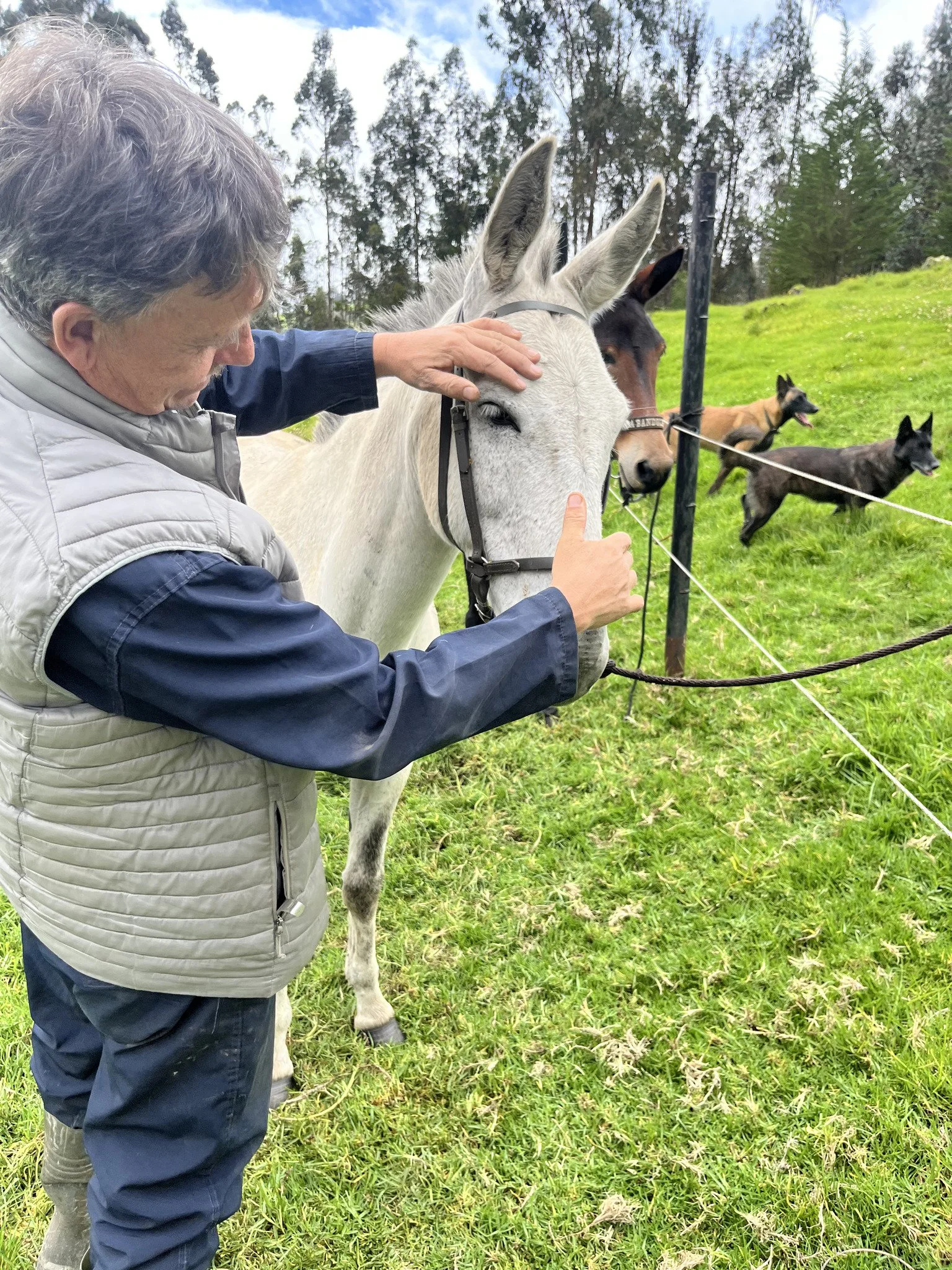
A total of 27 equines were examined, including 19 mules, six horses and mares, one pony, and a donkey. While overall health was satisfactory, the clinic provided essential preventive care and identified specific conditions requiring attention.
Systemic care: All animals received deworming and vitamin supplementation, as many had not undergone a clinical check‑up for a long period.
Cardiac condition: A heart murmur was detected in one mare, which the owner was unaware of. Pertinent recommendations were made considering this mare is used both for breeding and working purposes.
Visual impairments: A mare and a mule with partial blindness were examined, with recommendations provided for improved eye care.
Hoof care: Guidance was offered on better hoof management to prevent long‑term complications.
The team commended the owners for maintaining their animals in good condition, particularly given that they work five days per week in lengthy mule-riding experiences across different regions of the country.
July Rescues
Beyond the clinic, July included multiple urgent rescue and rehoming operations:
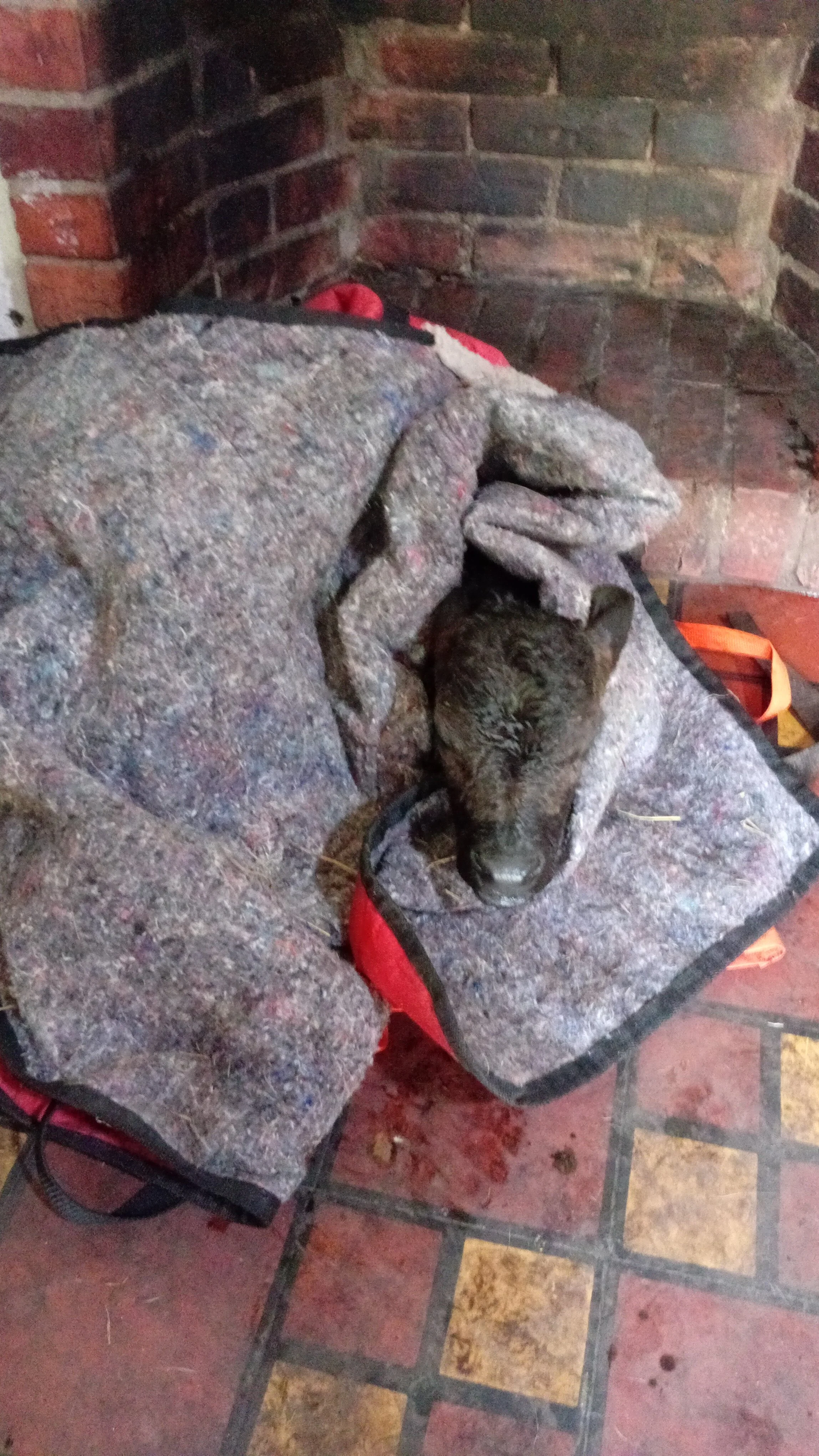
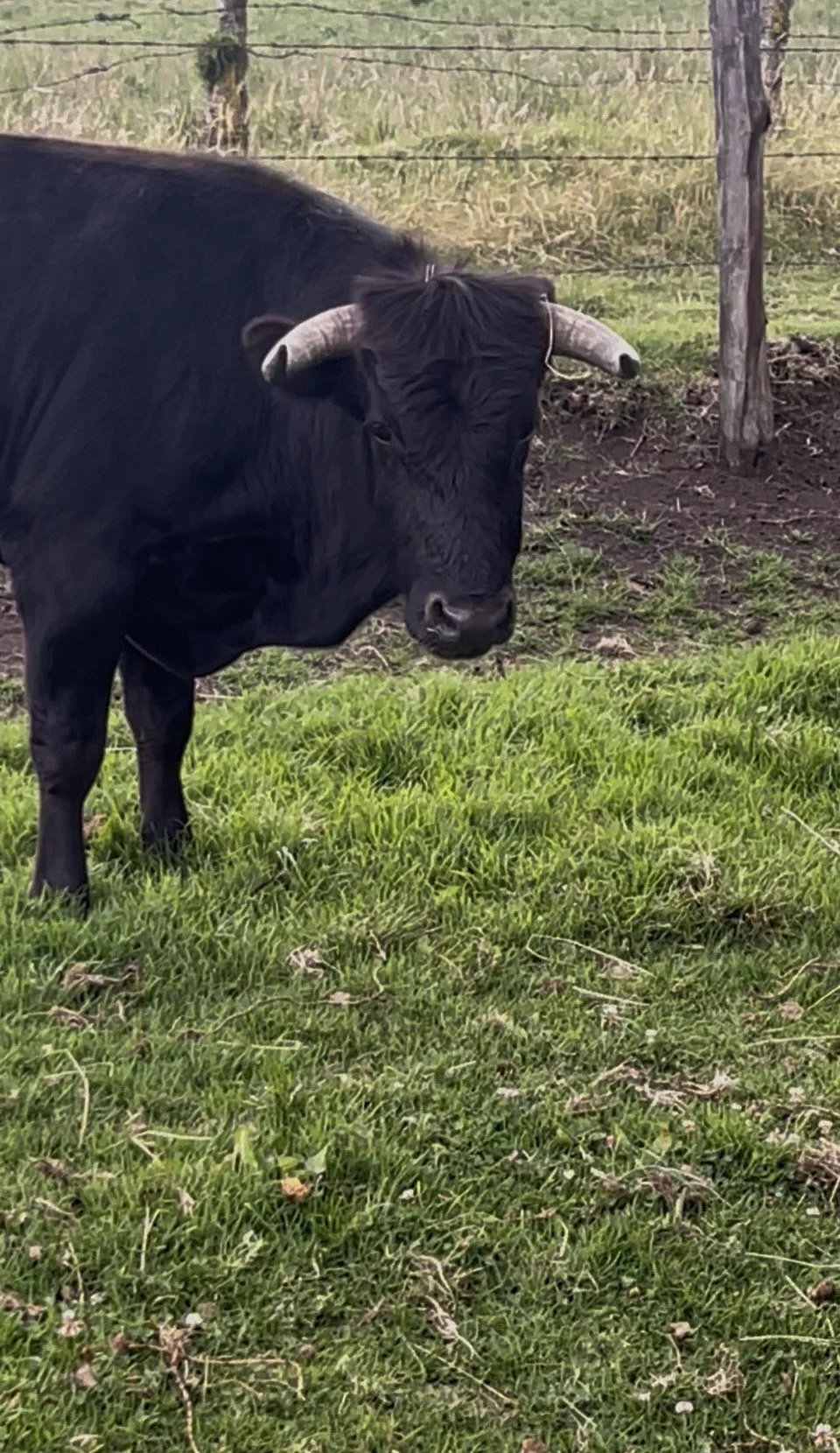
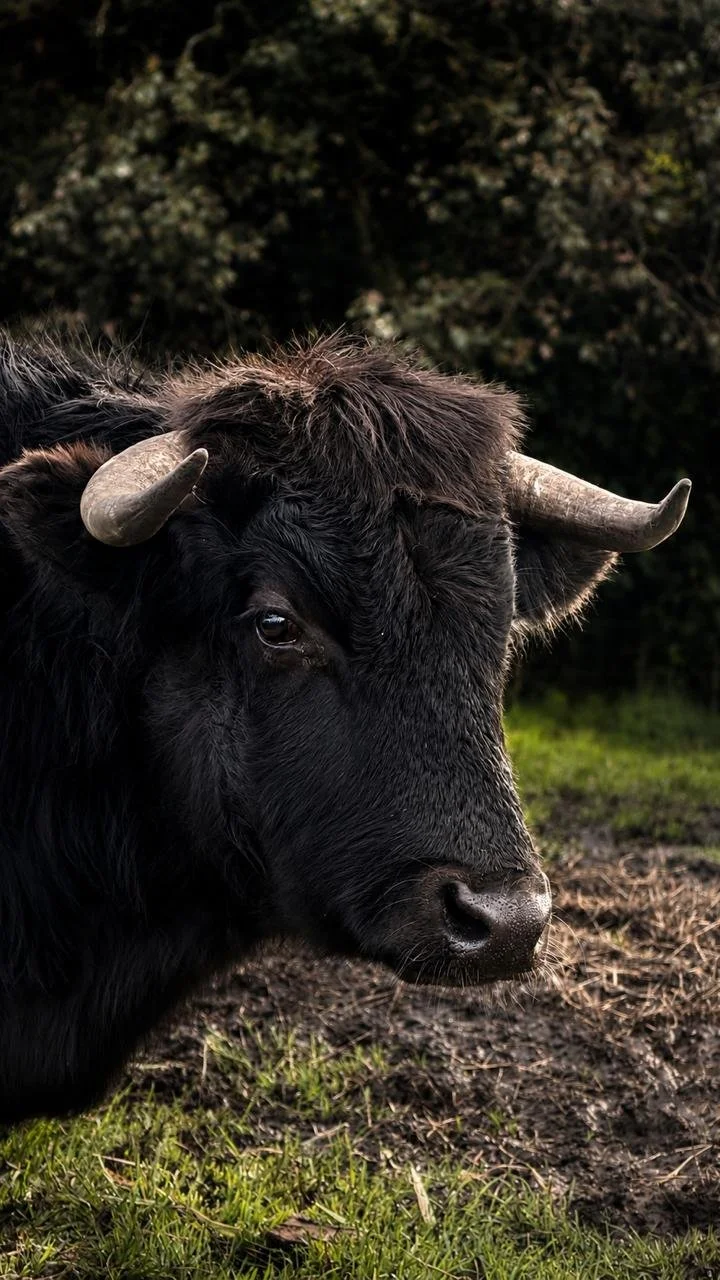
Spanish fighting cow calf: A newborn calf rejected by her mother on a bullfighting breeding farm was rescued. Emergency care with frozen colostrum and warming ensured her survival, and she is now thriving at the sanctuary.
Retired mare: An elderly mare discarded by an equestrian school was taken in and successfully rehomed, allowing her to live out her retirement in a loving environment.
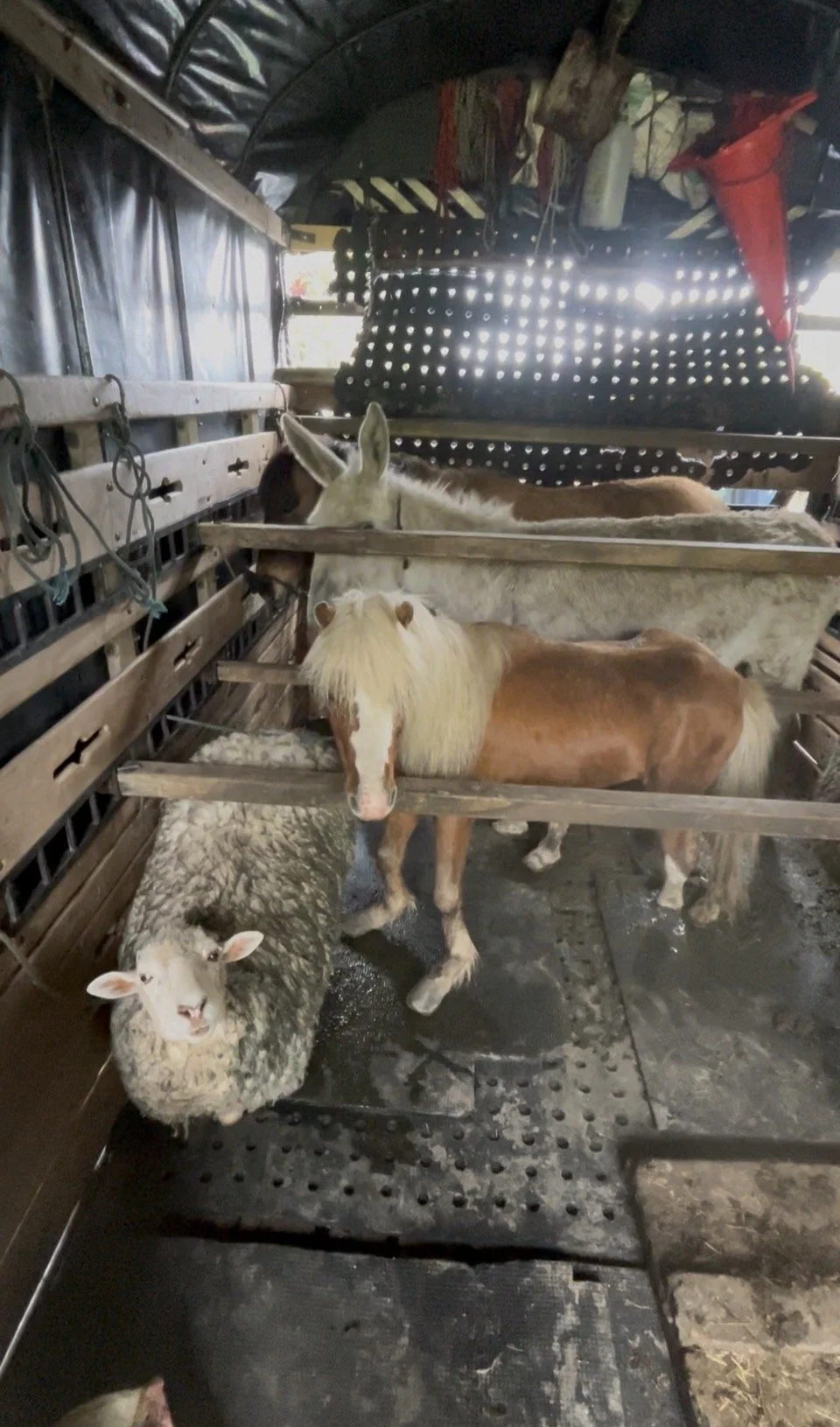
Group rescue: Four disabled ponies, three donkeys, four sheep, four pot‑bellied pigs, and 22 chickens were at risk of slaughter. All were responsibly rehomed, with the birds integrated into the sanctuary.
Dairy farm surrender: An old donkey and a young mule - poorly kept and unwanted - were rehomed responsibly after being surrendered by the farm owner.
These rescues highlight the importance of maintaining sanctuary capacity for urgent cases, while responsibly rehoming animals whenever possible to extend our impact.
Overall Impact
The July clinic demonstrated that positive welfare practices can exist even within demanding equine rental operations, while last month’s rescues emphasised the ongoing vulnerability of working and farmed animals across Colombia.
Preventive care, responsible rehoming, and emergency interventions combined to improve welfare outcomes for dozens of animals.
Conclusion
July’s activities reflect the resilience and adaptability of the Namigni/AAA collaboration. By delivering veterinary care, identifying hidden conditions, and responding to urgent rescue needs, our partnership continues to uphold its mission: preventing suffering, providing rehabilitation, and ensuring dignity for working and rescued animals.
sanctuary Update - Working Equines & Spanish Fighting Bulls
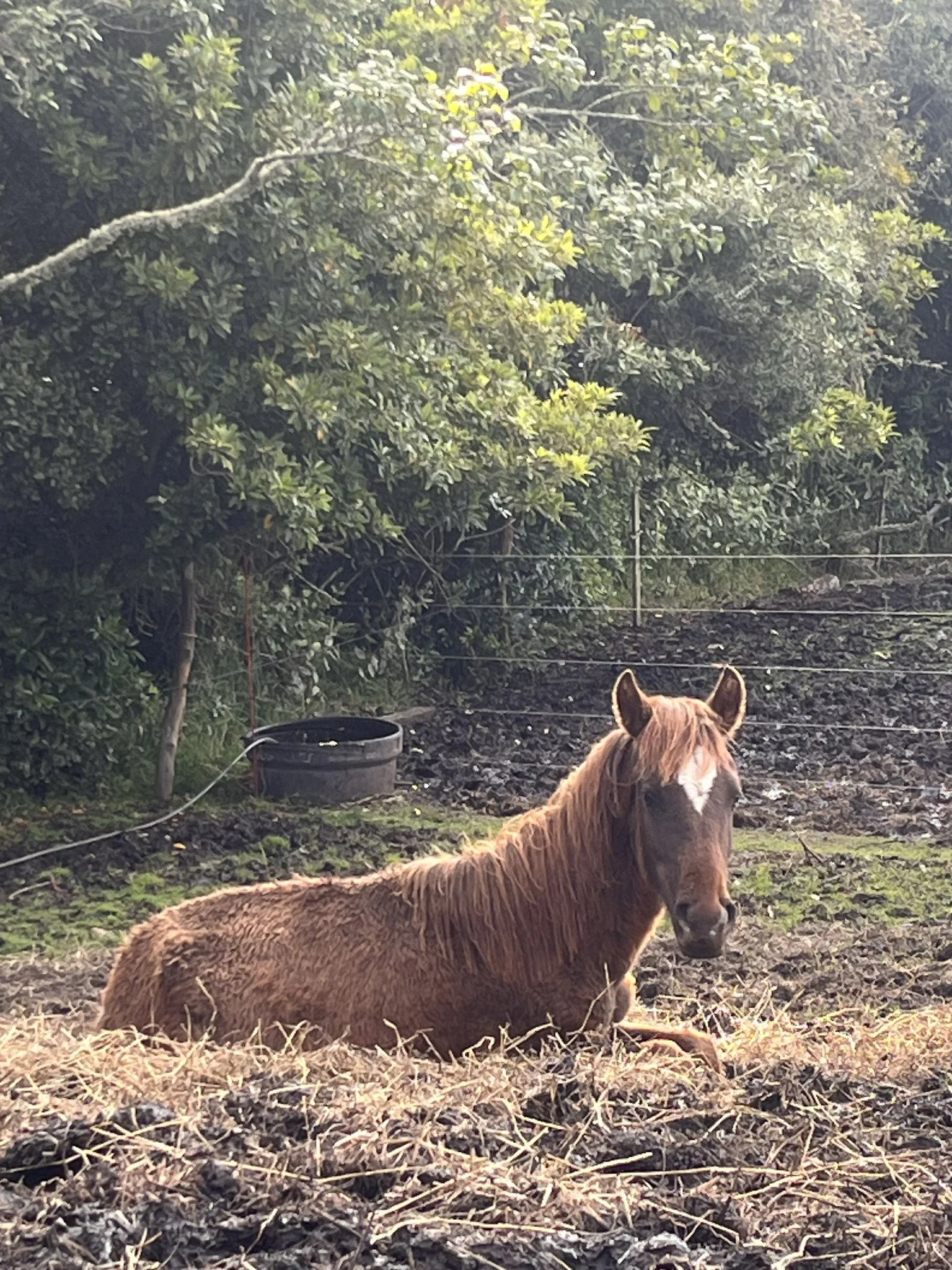
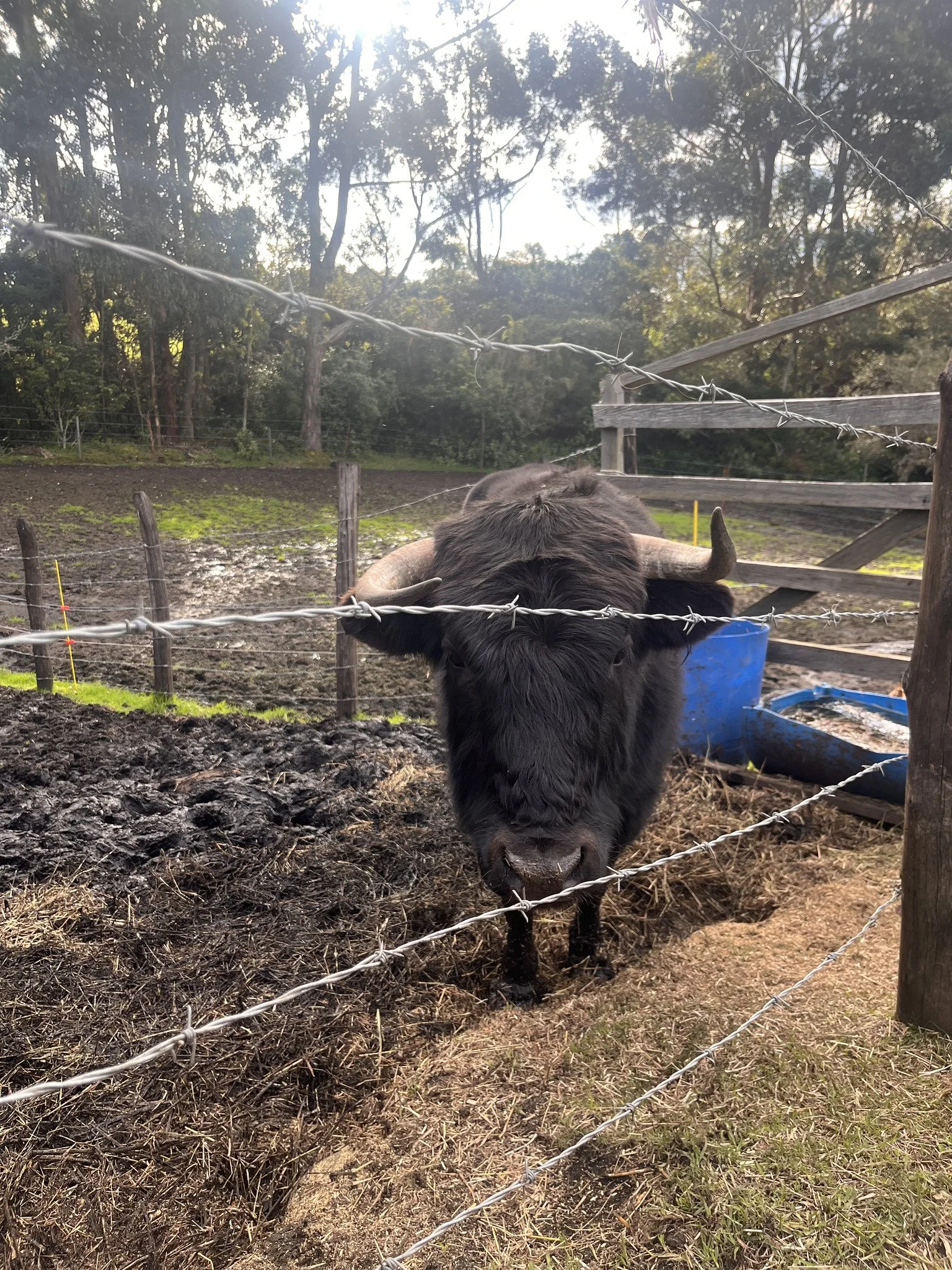
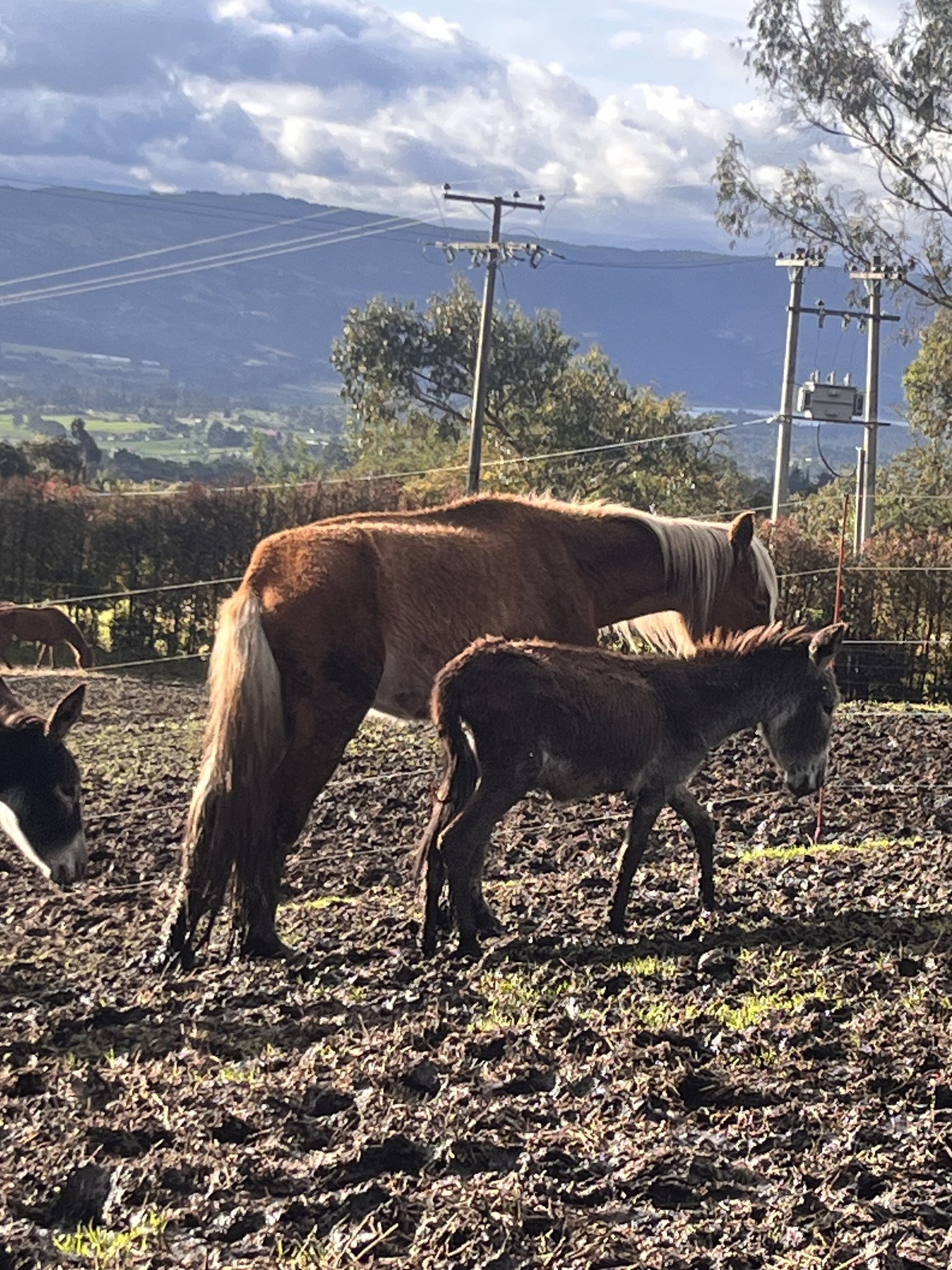
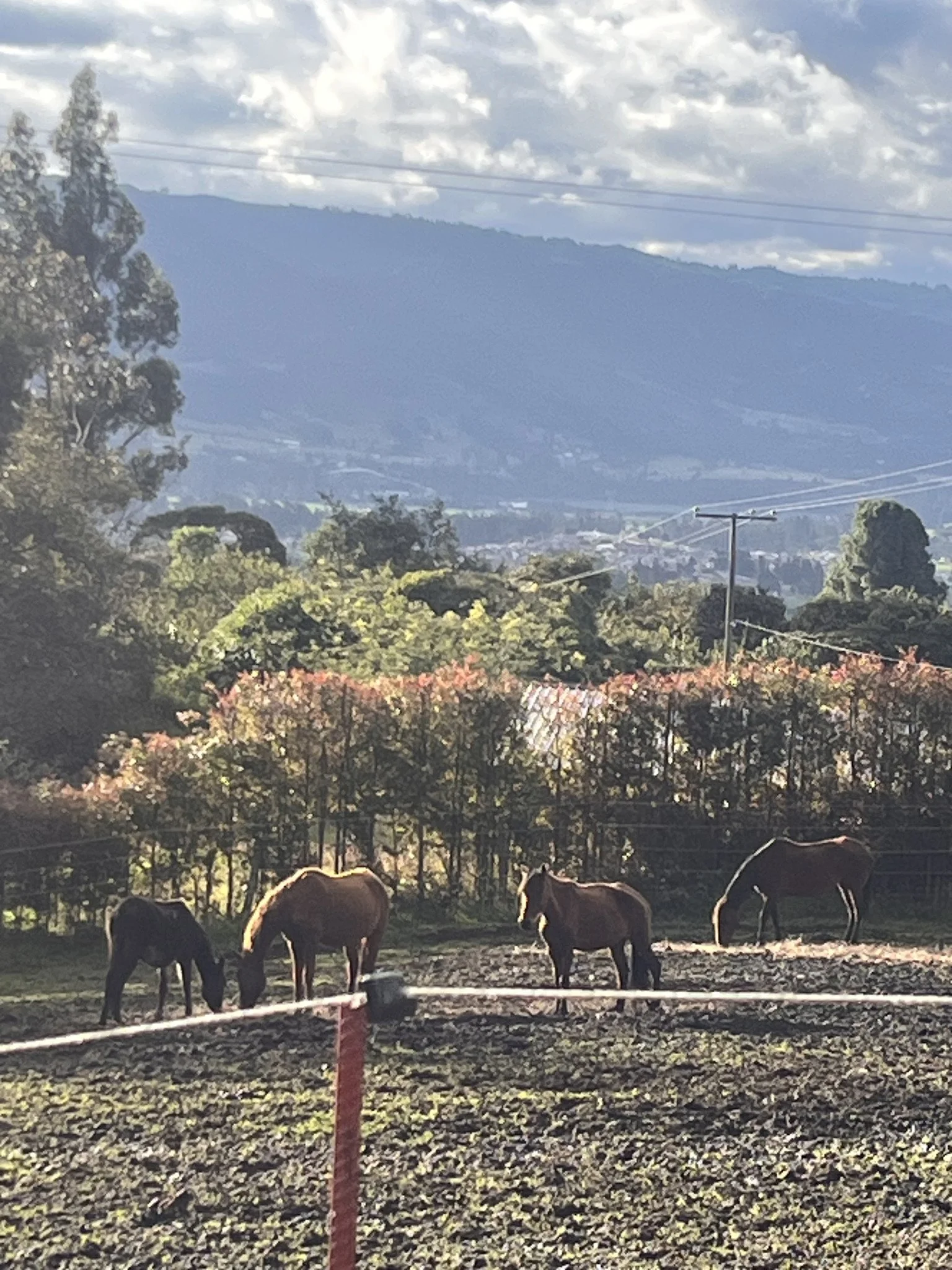
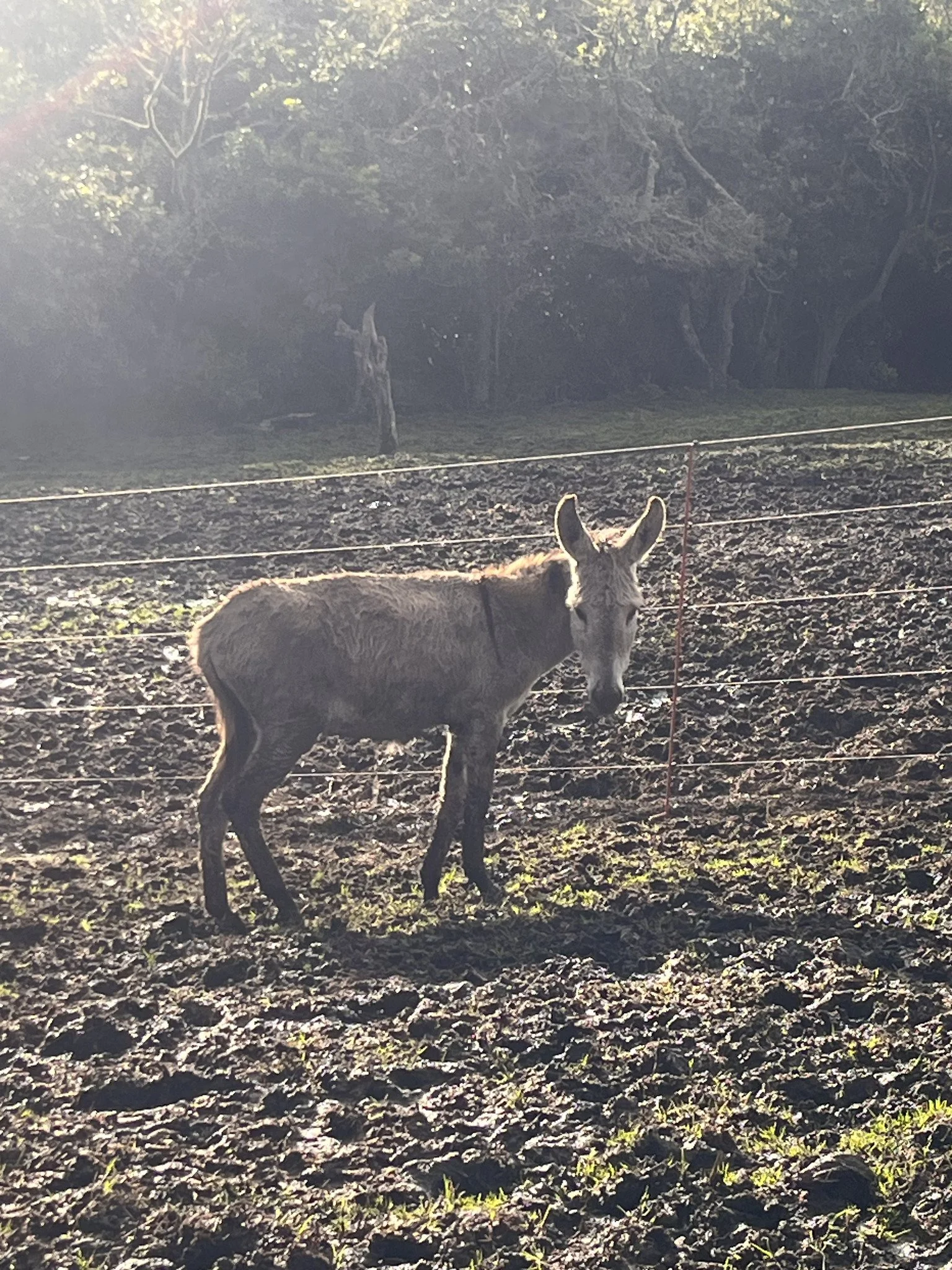
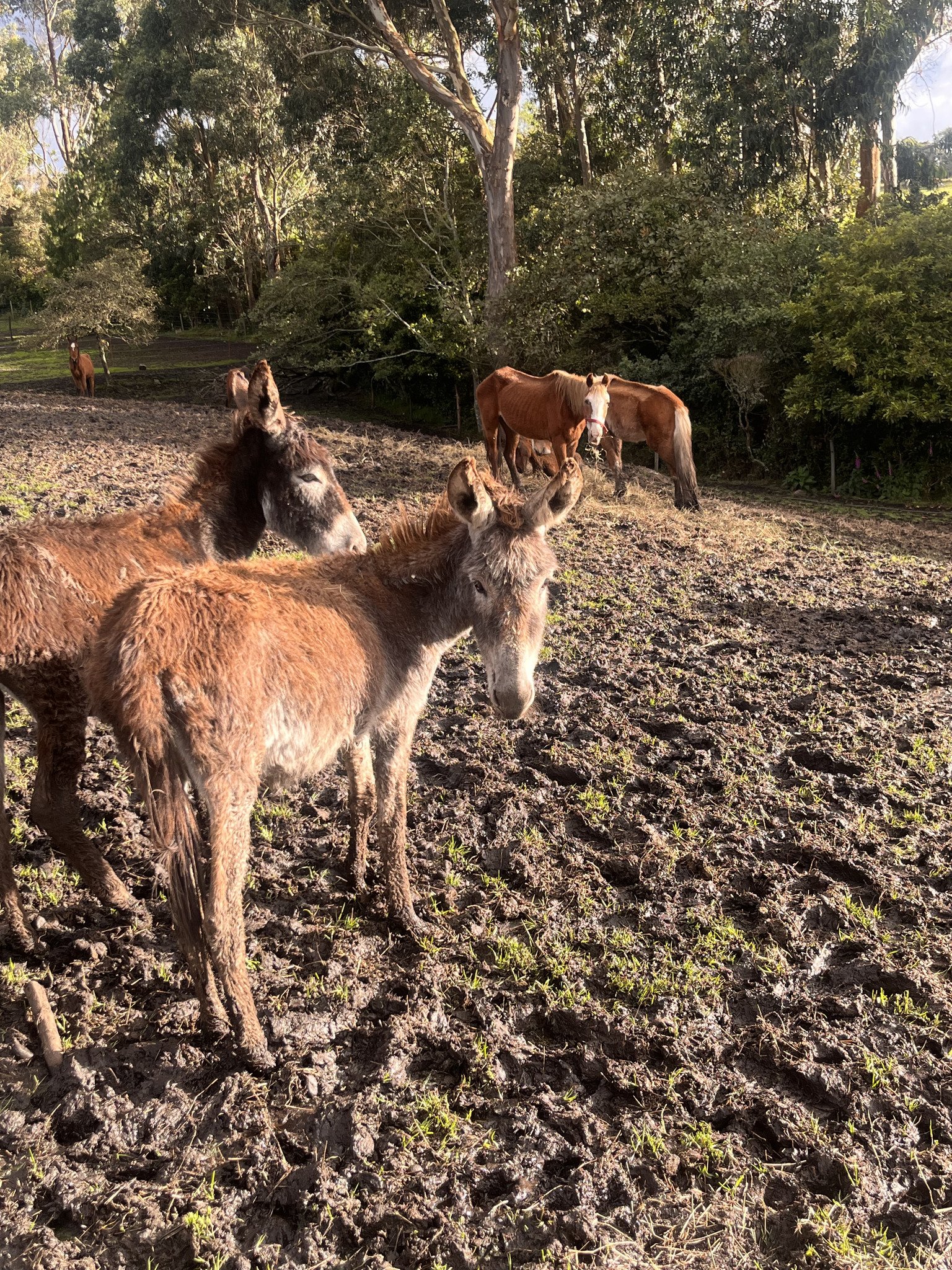
In July, the sanctuary faced one of its most challenging months to date. Extreme rainfall saturated the paddocks and created muddy conditions that complicated daily care. The broader climatic instability caused by the El Niño phenomenon — severe drought in some regions and relentless rain in others — continued to drive up feed prices.
Despite these pressures, the herd of rescued donkeys and horses remained stable, though the cold weather led to some weight loss. Extra calories were added to their diet to counteract the effects of the climate.
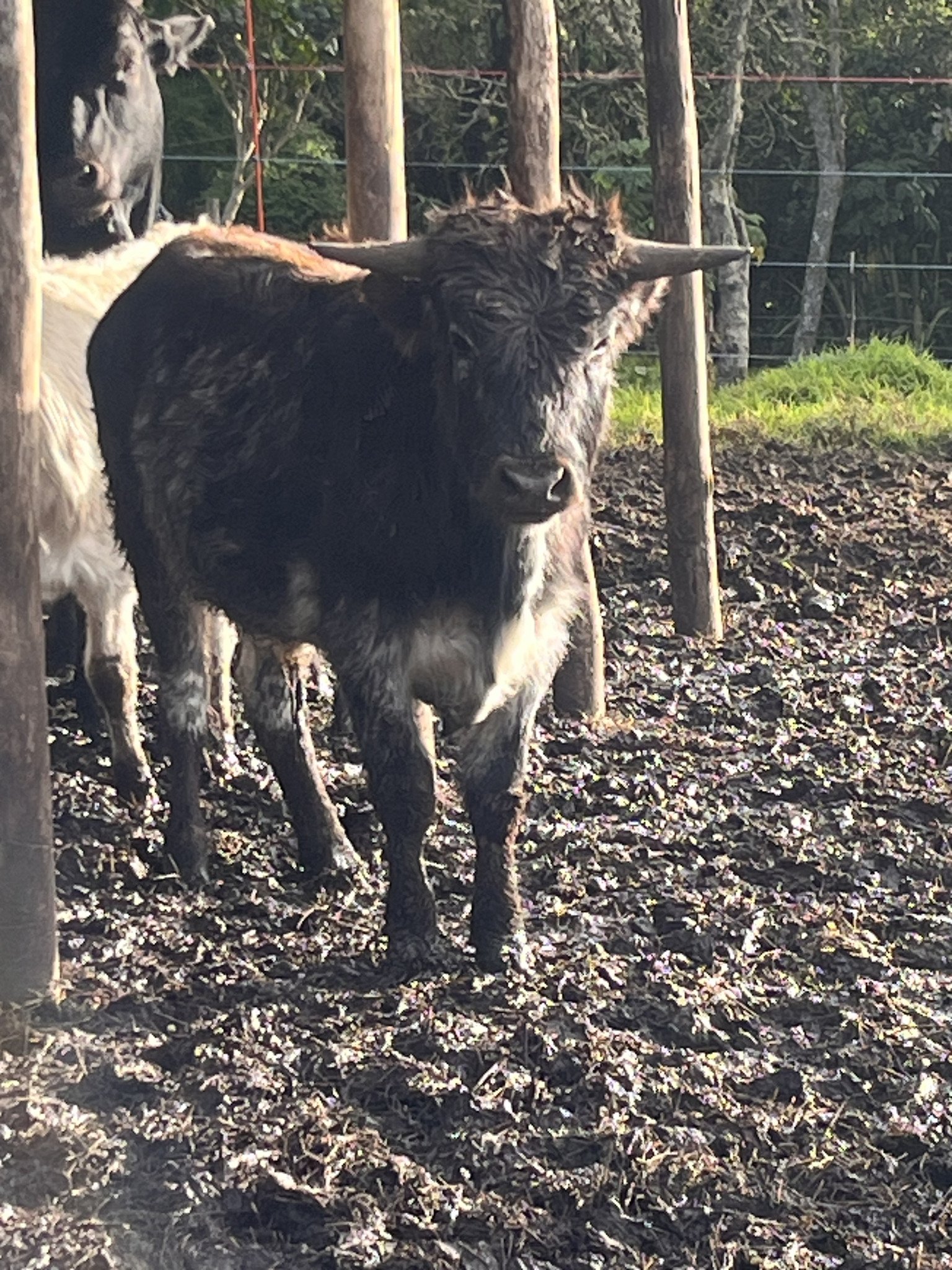
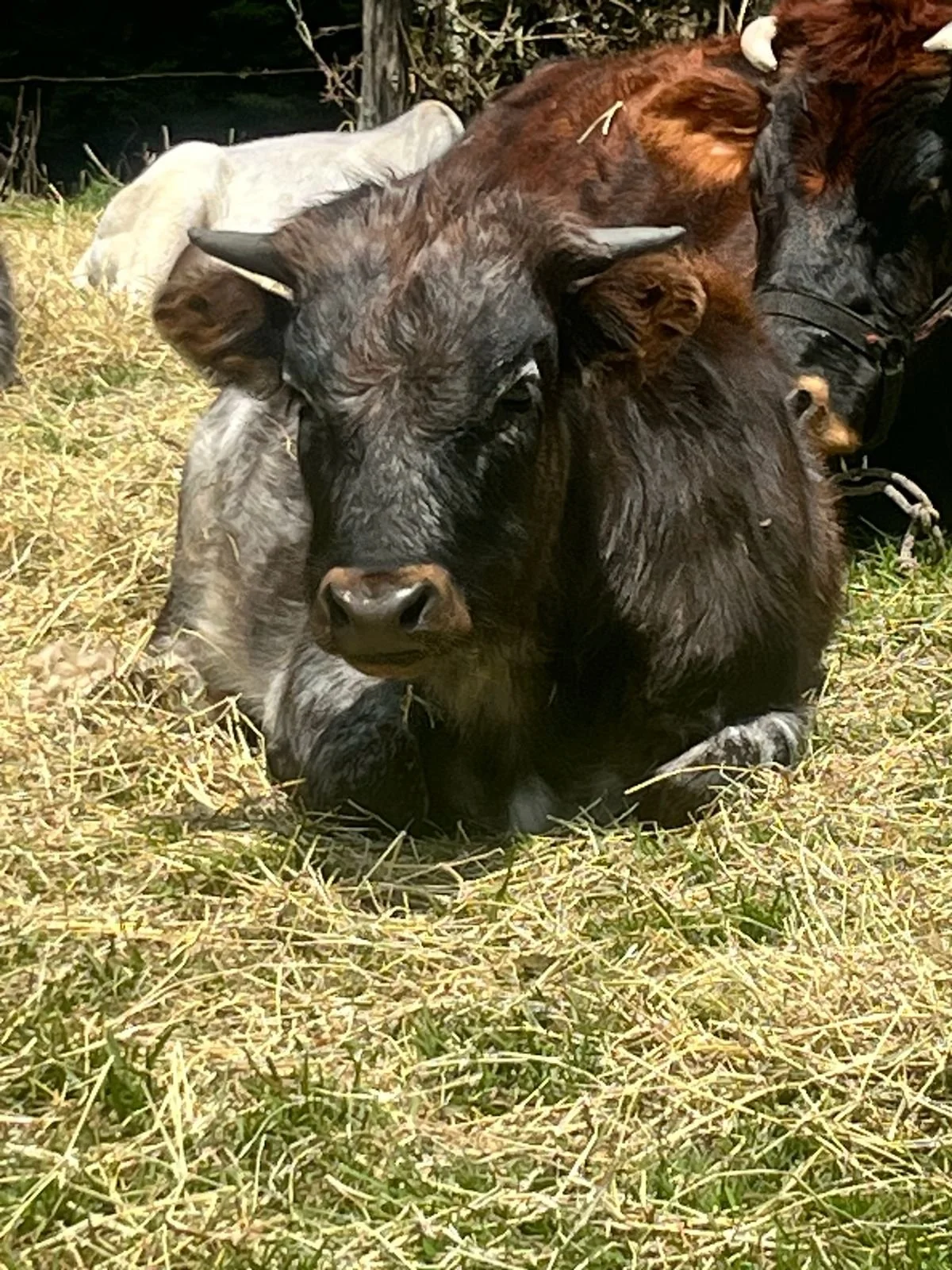
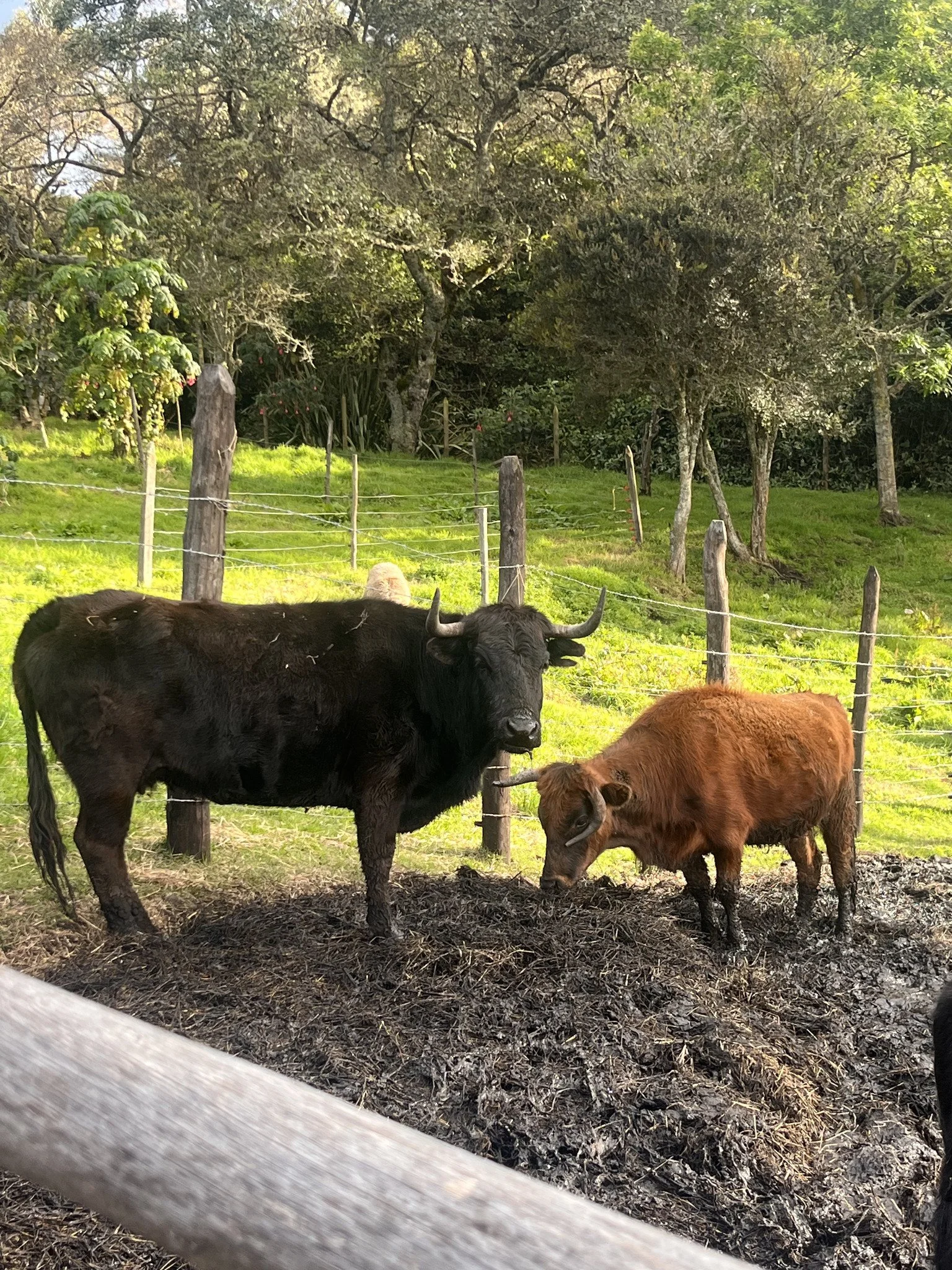
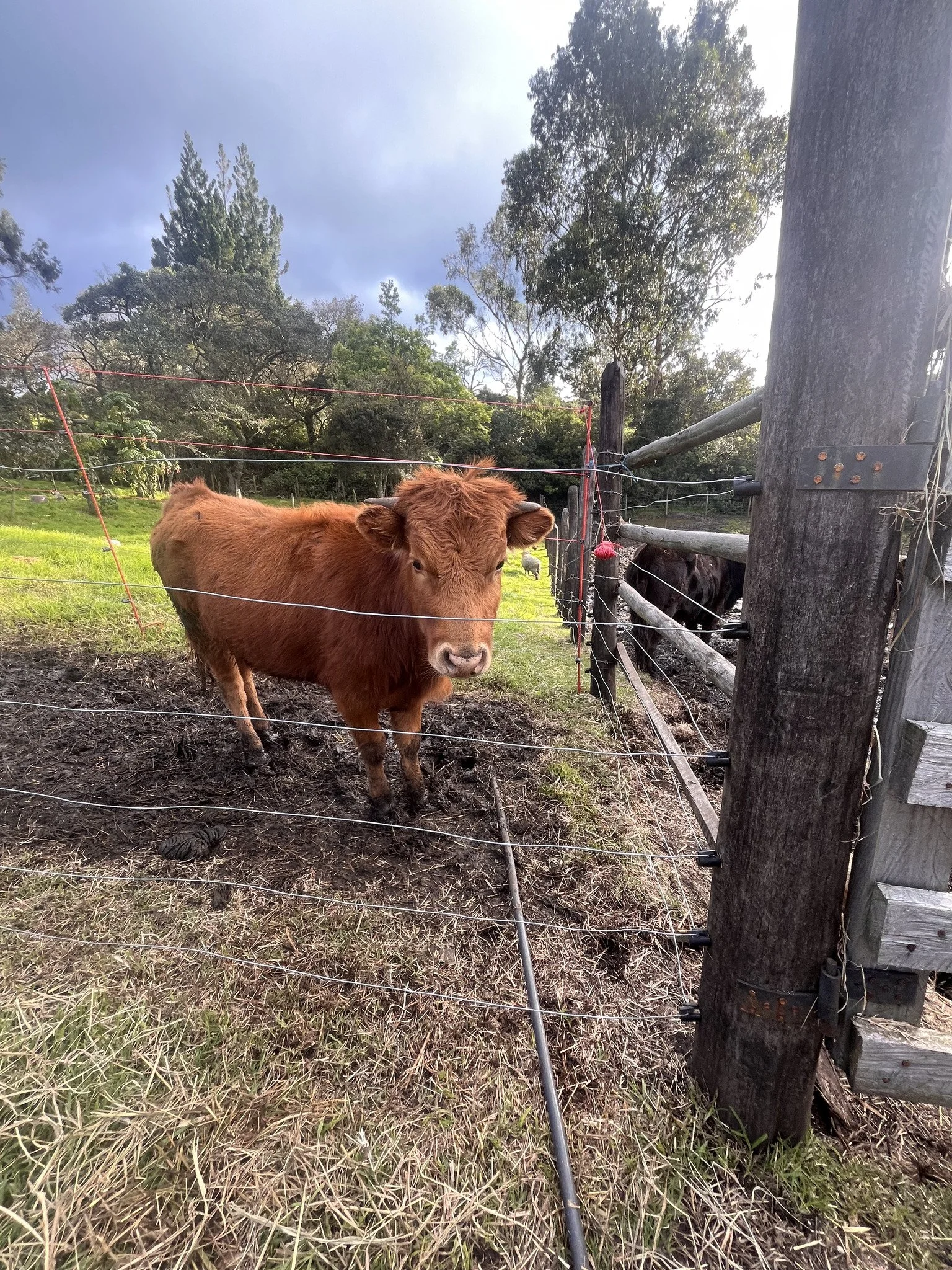
Last month also marked the beginning of our new AAA/Namigni program to support Spanish fighting bulls and cows in Colombia - one year ahead of the national bullfighting ban. Their paddocks were also affected by heavy rain, but the animals are adapting well under sanctuary care.
Conclusion
July highlighted both the resilience and adaptability of the sanctuary. Despite worsening environmental and economic pressures, consistent care was maintained for over 20 rescued equines and the herd of Spanish fighting bulls and cows.
Sustained support from AAA and patron Philip Wollen remains critical to ensuring that all rescued animals — whether donkeys, horses, or bulls — continue to receive adequate nutrition, medical treatment, and dignified living conditions in the face of volatile feed markets.