enhancing the lives, wellbeing & welfare of working animals in rural india
Our partner group, Action for Protection of Wild Animals (APOWA), aim to improve the lives and welfare of working animals in rural India. During July, they provided direct veterinary care for 102 horses and bullocks, and trained owners in animal health, welfare and humane husbandry. This ensures sustainable change is occurring to enhance the lives and wellbeing of working animals in this region long-term.
Project Summary
The Working Animal Welfare Project aims to improve the health, welfare, and conditions for working animals who support the livelihoods of poor communities.
Through the mobile clinic, a dedicated helpline, first-aid responders, and owner education, APOWA provides accessible veterinary care while building the knowledge and capacity of animal owners so they can sustain animal welfare practices in their everyday lives.
Rural Mobile Vet Clinic
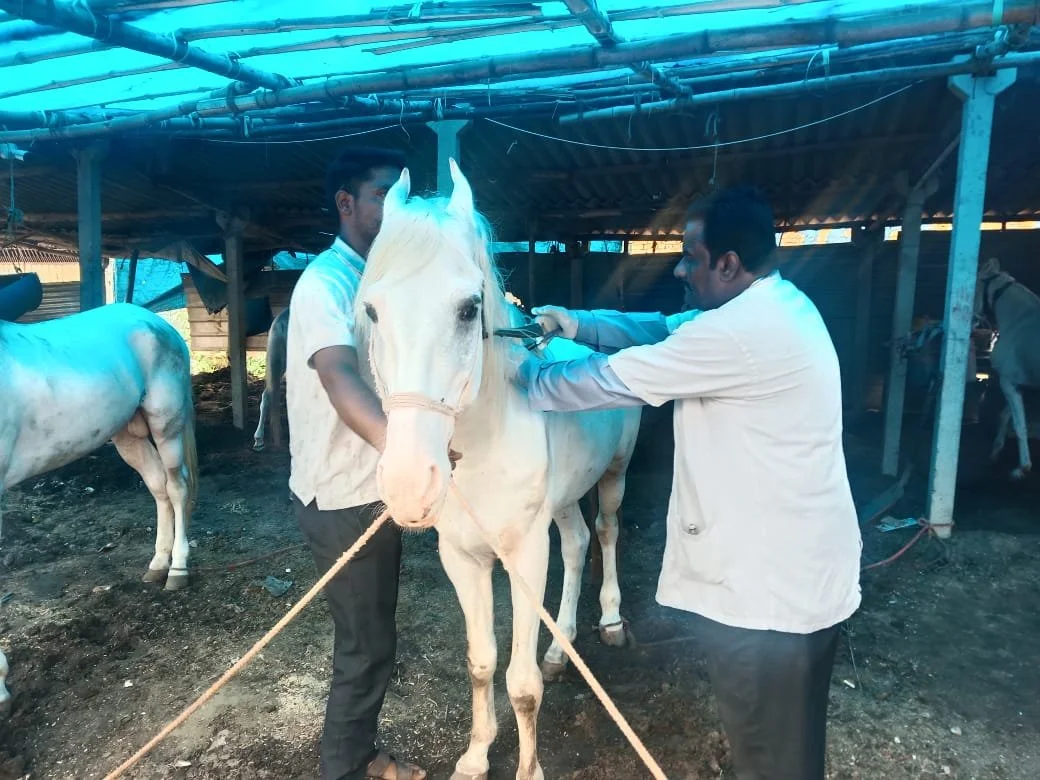
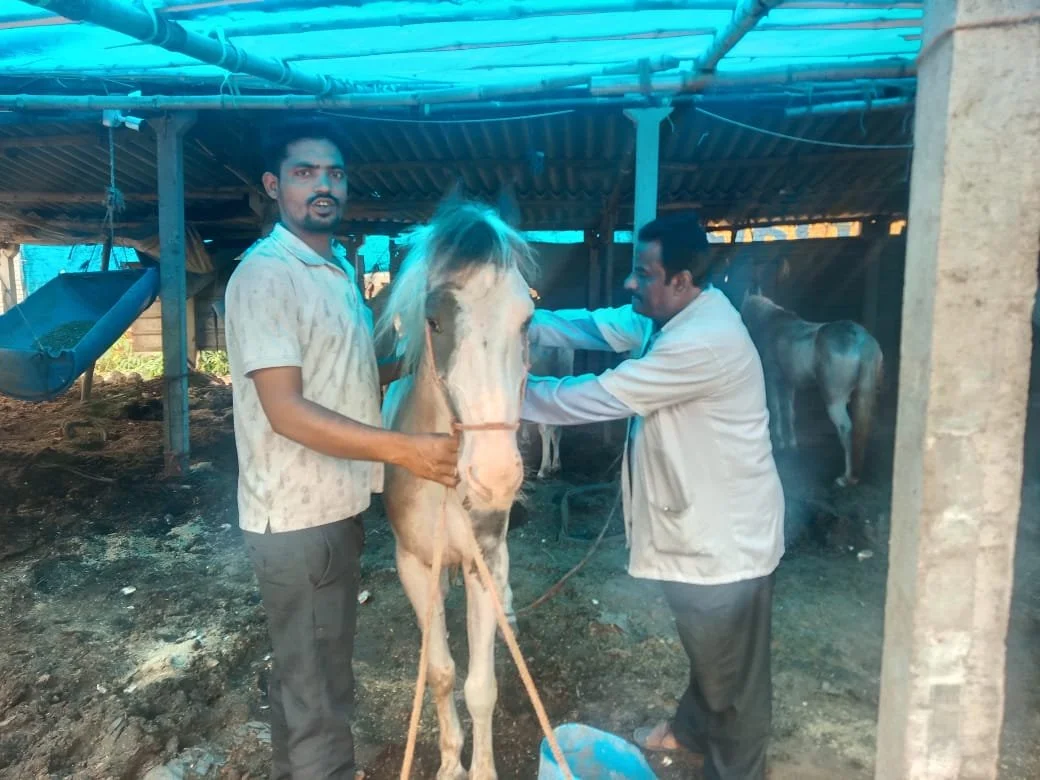
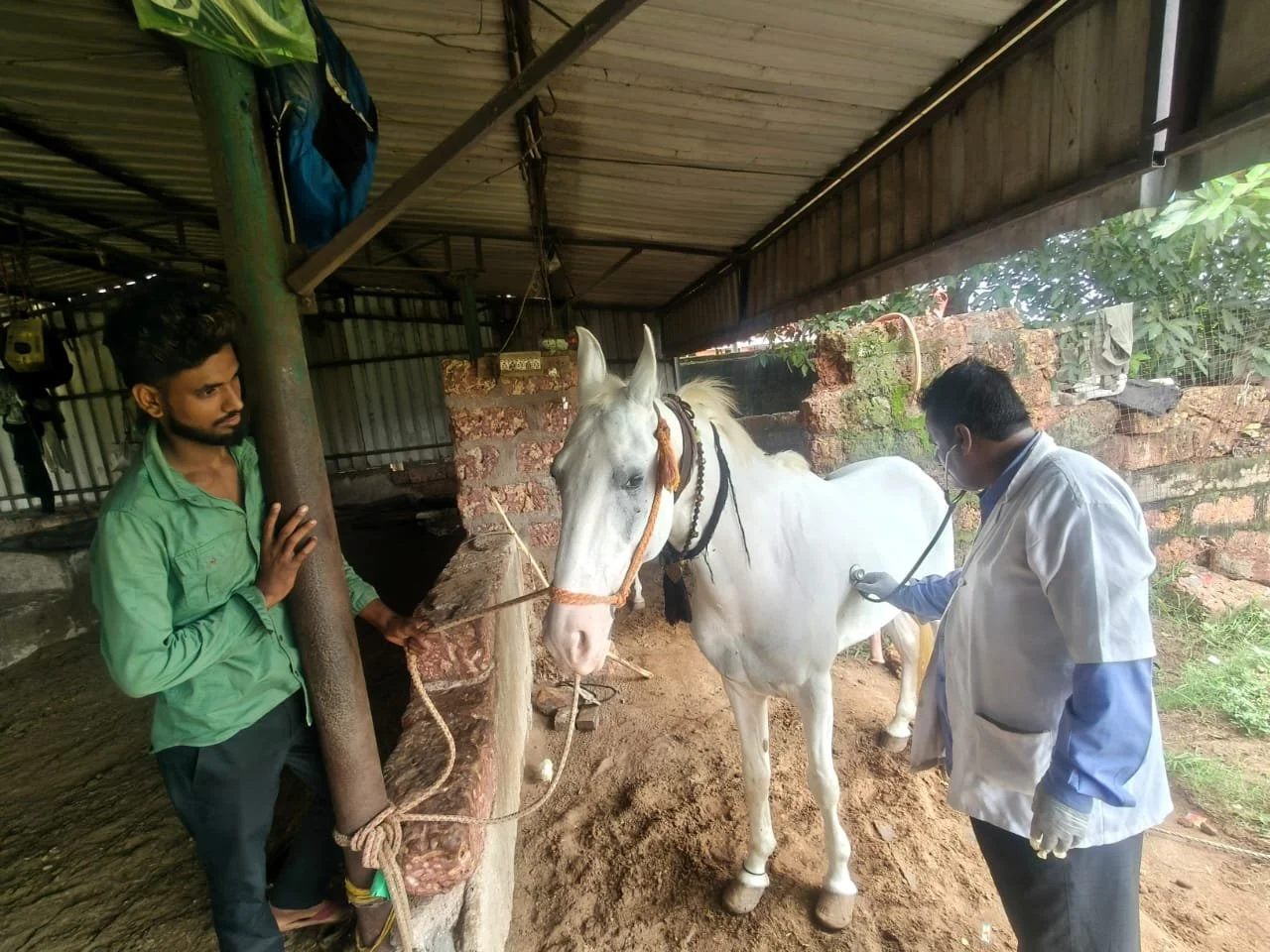
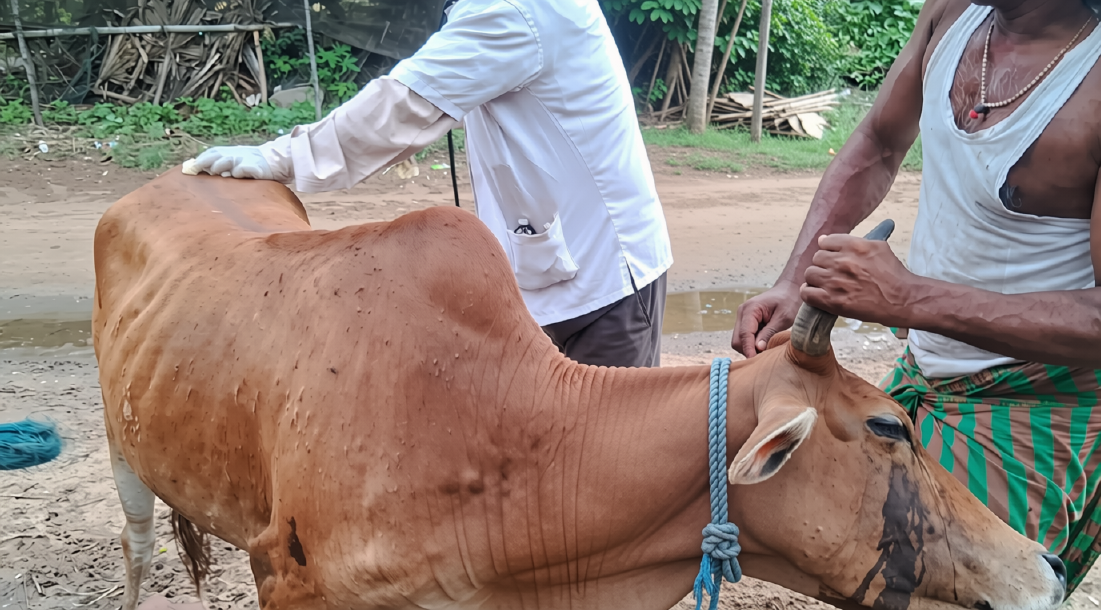
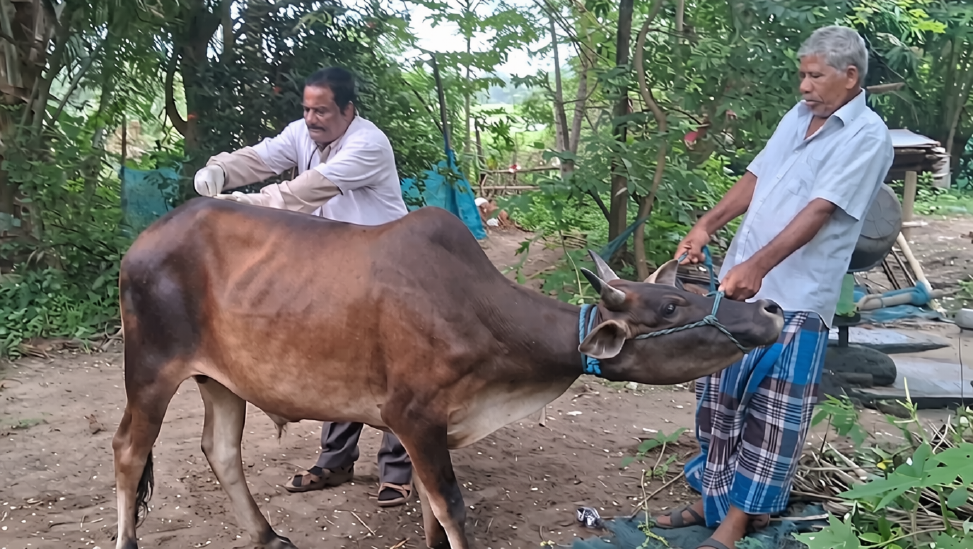
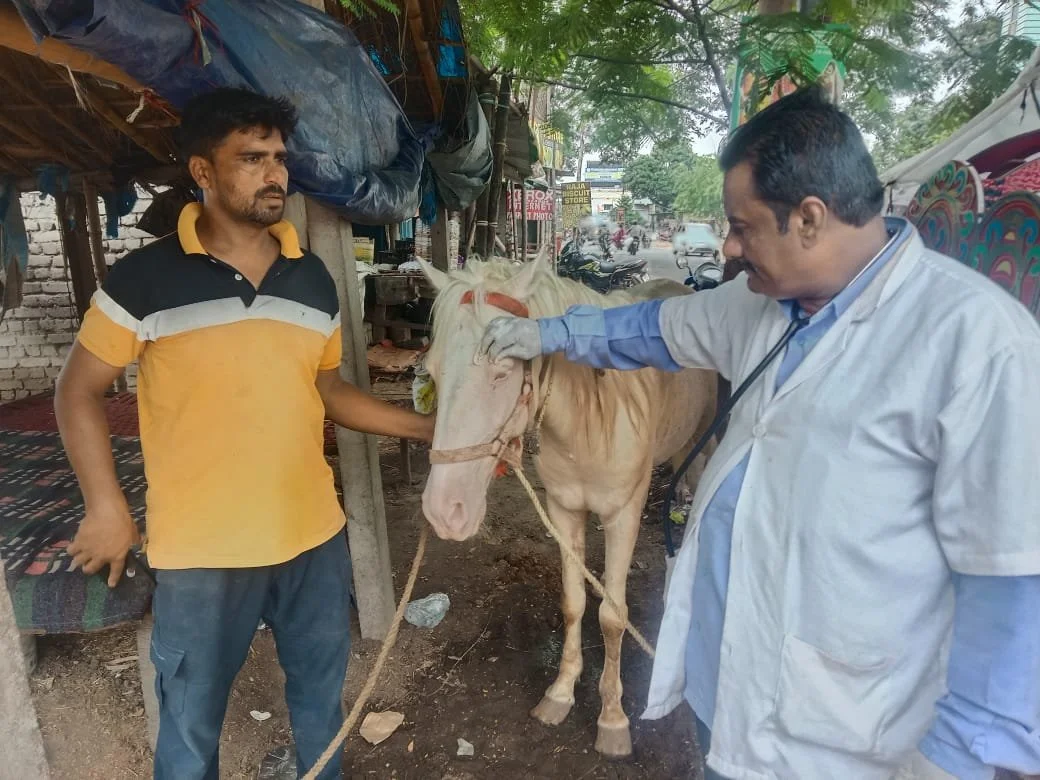
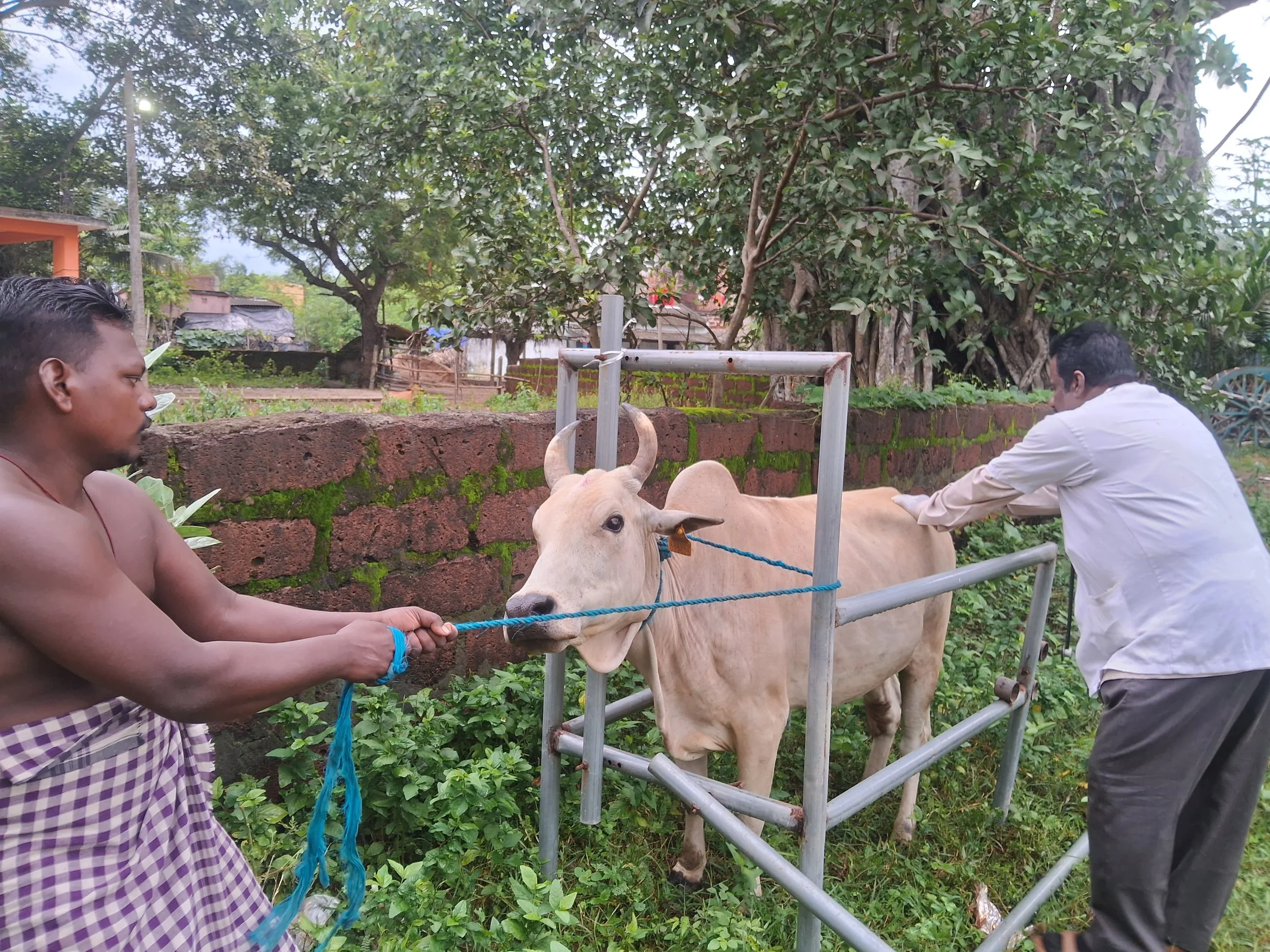
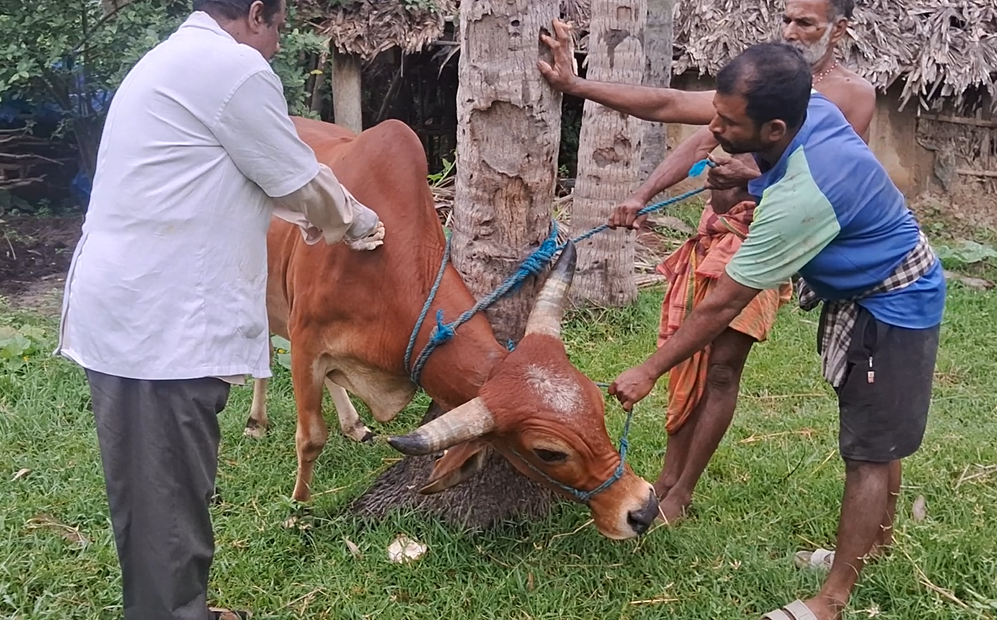
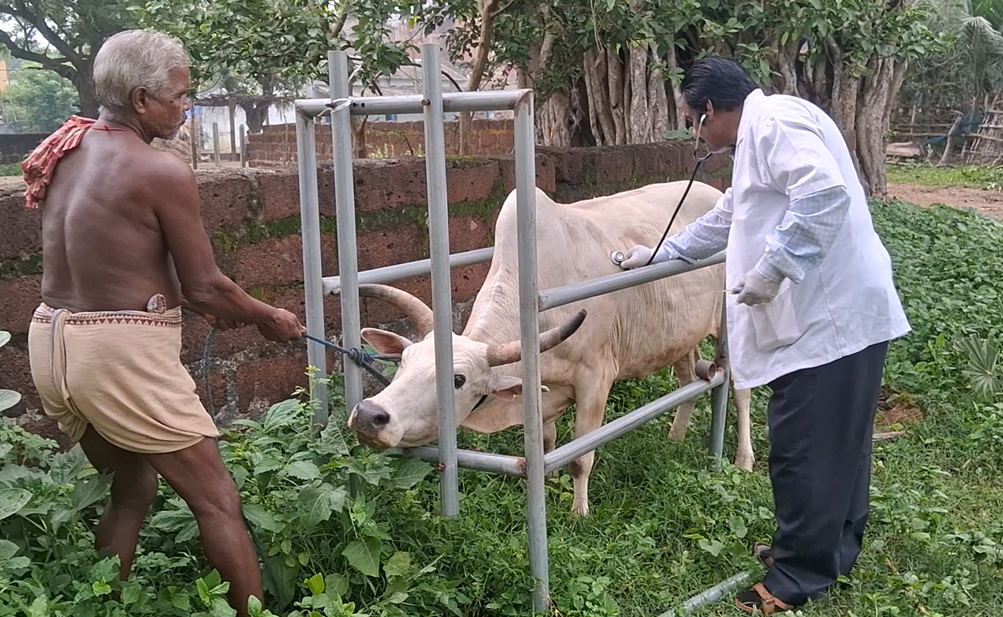
The mobile clinic operated in rural areas during July, providing direct veterinary treatment for working animals and conducting routine check-ups.
A total of 102 animals received treatment, and five general check-ups were completed to identify and address health concerns early. The vet team provided appropriate treatment to improve animals’ health, and also offered advice to owners.
Vet Helpline Service
The vet helpline continued to offer an accessible point of contact for animal owners seeking veterinary advice.
The service reached 28 people last month, offering guidance on animal care and addressing owner queries remotely. The helpline enabled owners to receive timely guidance on health concerns, basic care, necessary treatments and when to seek veterinary assistance.
First-Aid Care for Working Animals
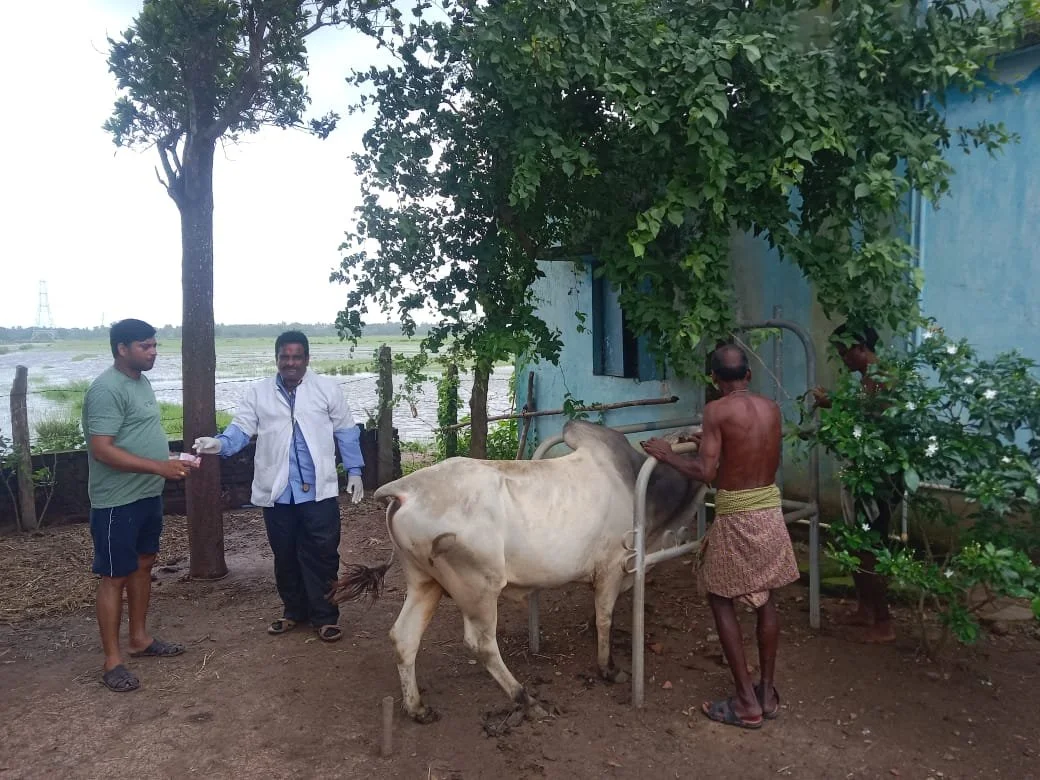
Trained community volunteers provided first-aid care to 54 working animals in July, addressing injuries and minor ailments on-site to prevent complications and reduce animal suffering.
Early first-aid intervention helped to prevent minor health problems from becoming more serious and supported animals’ wellbeing.
Training Workshops for Owners
Training workshops on animal health, welfare, and husbandry were conducted for 33 animal owners. These sessions aimed to strengthen owners' knowledge and skills regarding the health and welfare of their working animals.
The sessions promoted practical knowledge on animal nutrition, hygiene, routine health monitoring, injury prevention, humane handling and timely veterinary care. The training will help owners to recognise early signs of illness and take appropriate action to protect their animals.
Follow-up visits
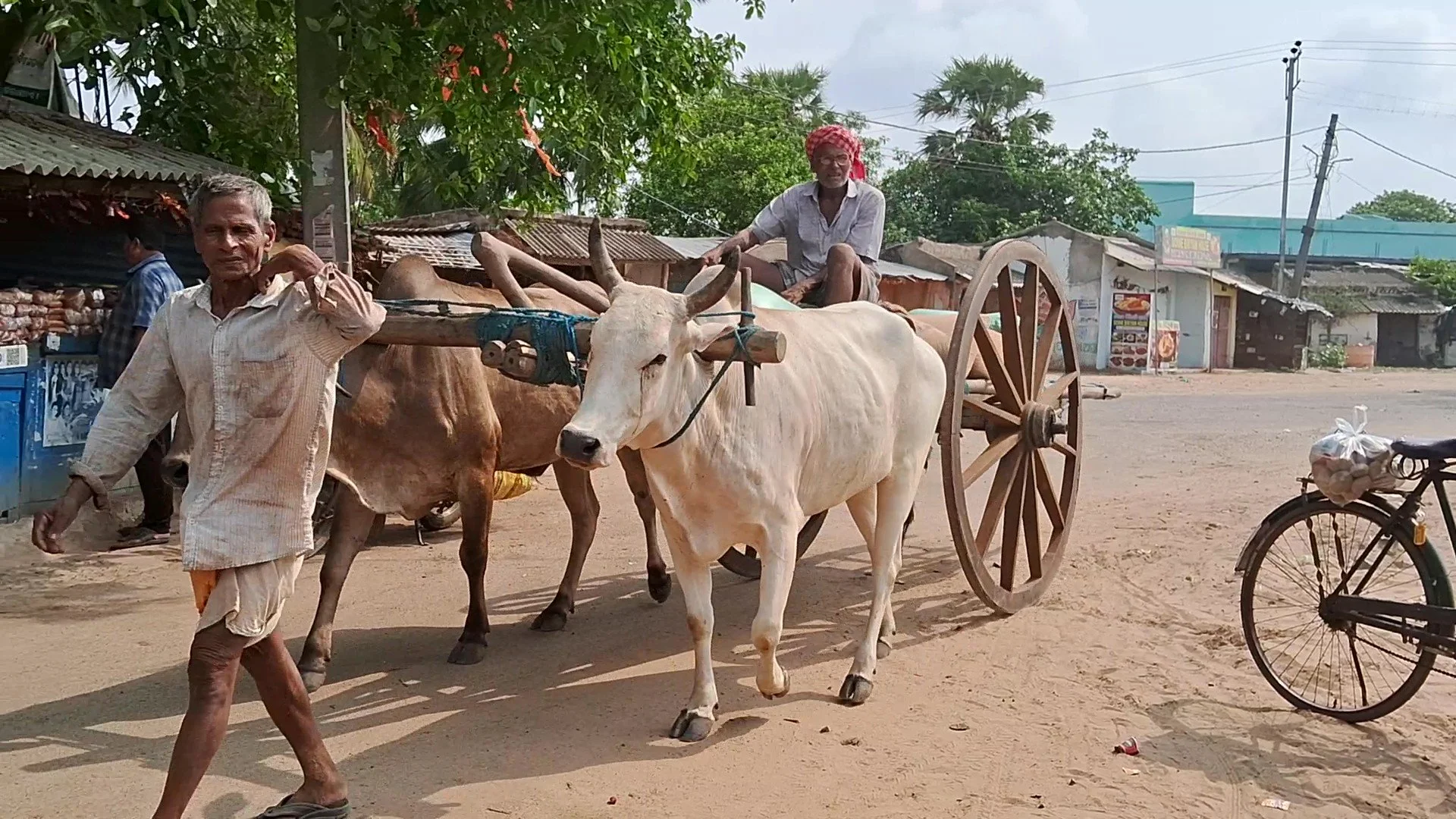
During July, the veterinary team conducted follow-up assessments for 42 previously-treated working animals. The purpose of these visits was to monitor their recovery and identify any continuing or emerging health concerns.
Follow-up visits were completed for 12 horses recovering from pyrexia, digestive disorders, weakness, eye and skin infections, and wounds. Visits were also undertaken for 30 bullocks with previous conditions including digestive disorders and loss of appetite, pyrexia, abscesses and wounds, eye infections, and internal parasitic infestations.
Conclusion
July’s activities reflect continued progress towards APOWA’s goal to improve the welfare of working animals through direct veterinary care, advice and support, and community capacity building.
With your support, the project will continue to strengthen preventive healthcare, promote responsible animal husbandry, improve early reporting of health problems, and expand awareness amongst owners so animals remain healthy and protected.