Reaching Isolated Working Animals in Rural Colombia with Essential Veterinary Care
In June, Namigni Animal Sanctuary, supported by Animal Aid Abroad, extended its outreach into isolated rural regions of Cundinamarca, Colombia. Despite challenging conditions, 34 horses and mules received vital veterinary care, marking an important step in improving welfare for working equids in underserved communities.
Extending Care into Rural Zones
Led by Dr Carlos Mario Jaramillo, the Namigni/AAA veterinary team conducted mobile clinics in Villeta and Nilo. These areas, characterised by hotter climates and isolated agricultural operations, presented distinct welfare challenges compared to the Northern Sabana. Limited authorisation restricted team size and documentation, yet the clinics represented a milestone in reaching animals often excluded from veterinary services.
Clinic in Nilo
Fifteen cattle‑handling horses were examined and treated. The herd showed poor overall condition, with fungal dermatitis, heavy tick infestations, and lack of shoeing.
Interventions included:
Ophthalmic surgery to remove a periocular tumour
Enucleation for a horse with severe ocular trauma
Supportive treatment for scrotal pathology
Deworming and vitamin supplementation for all animals
Guidance was also provided on harness use and shoeing, though receptivity was limited. A follow‑up clinic was strongly recommended to monitor surgical outcomes and reinforce preventive care.
Clinic in Villeta
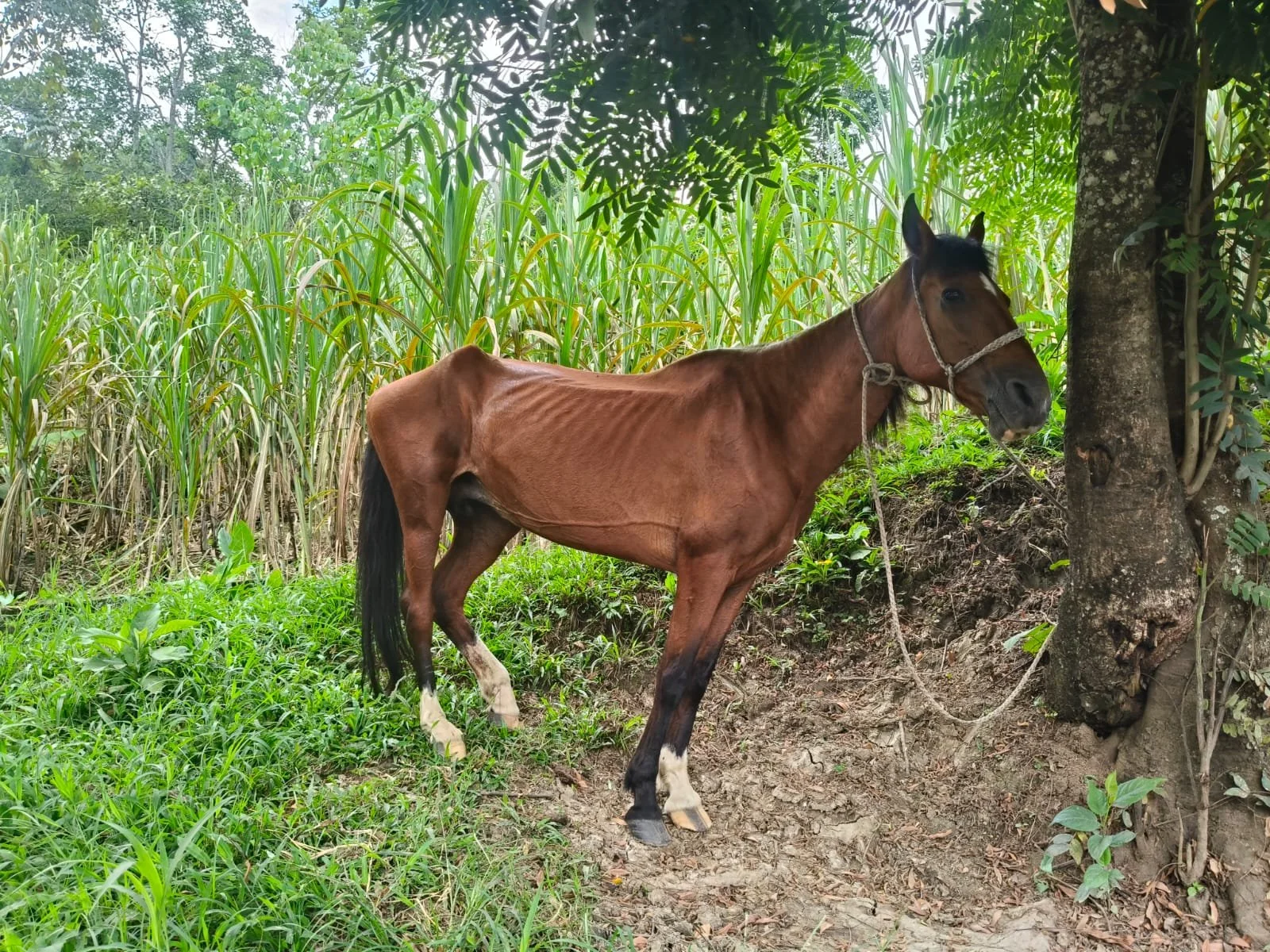
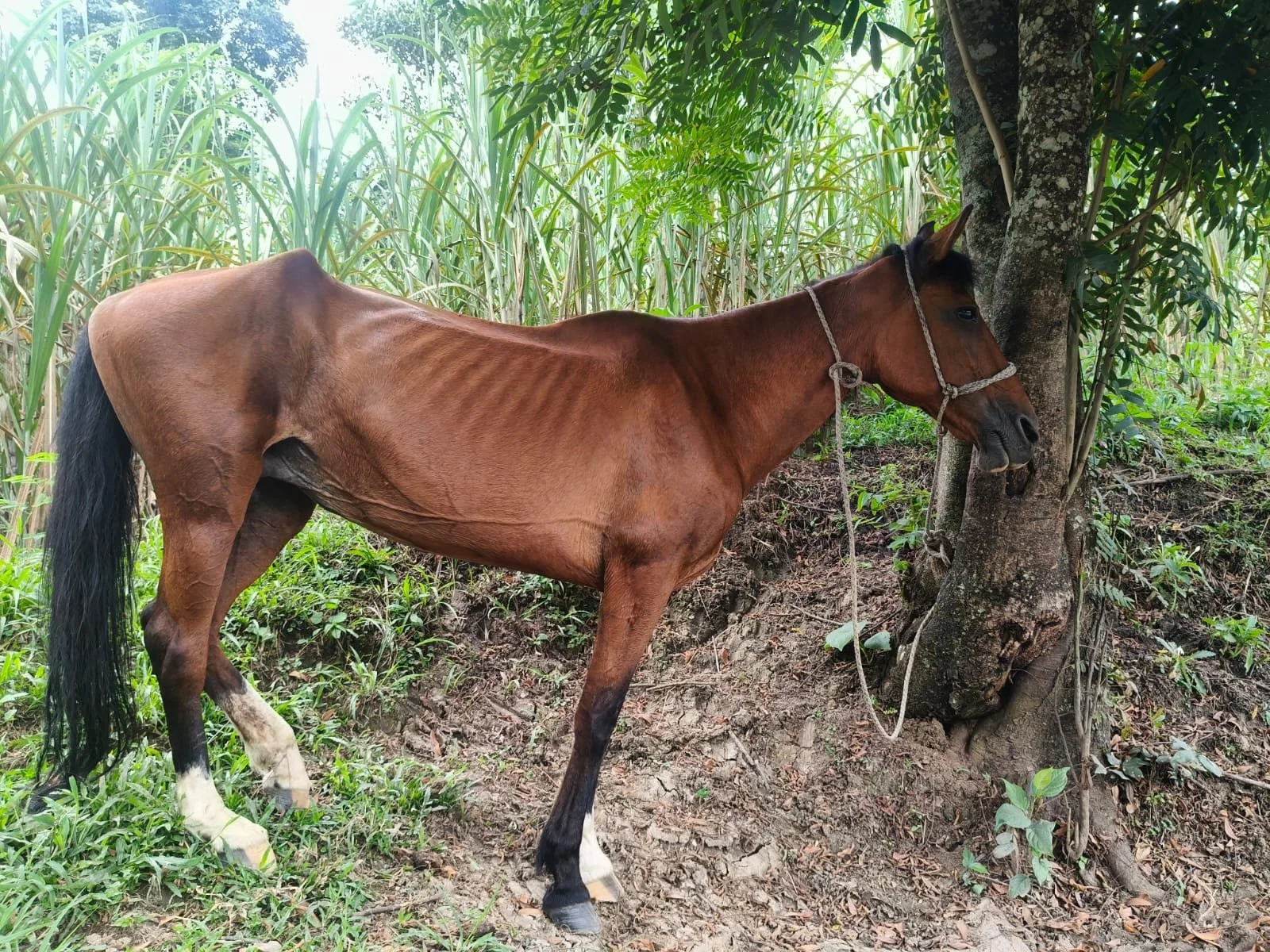
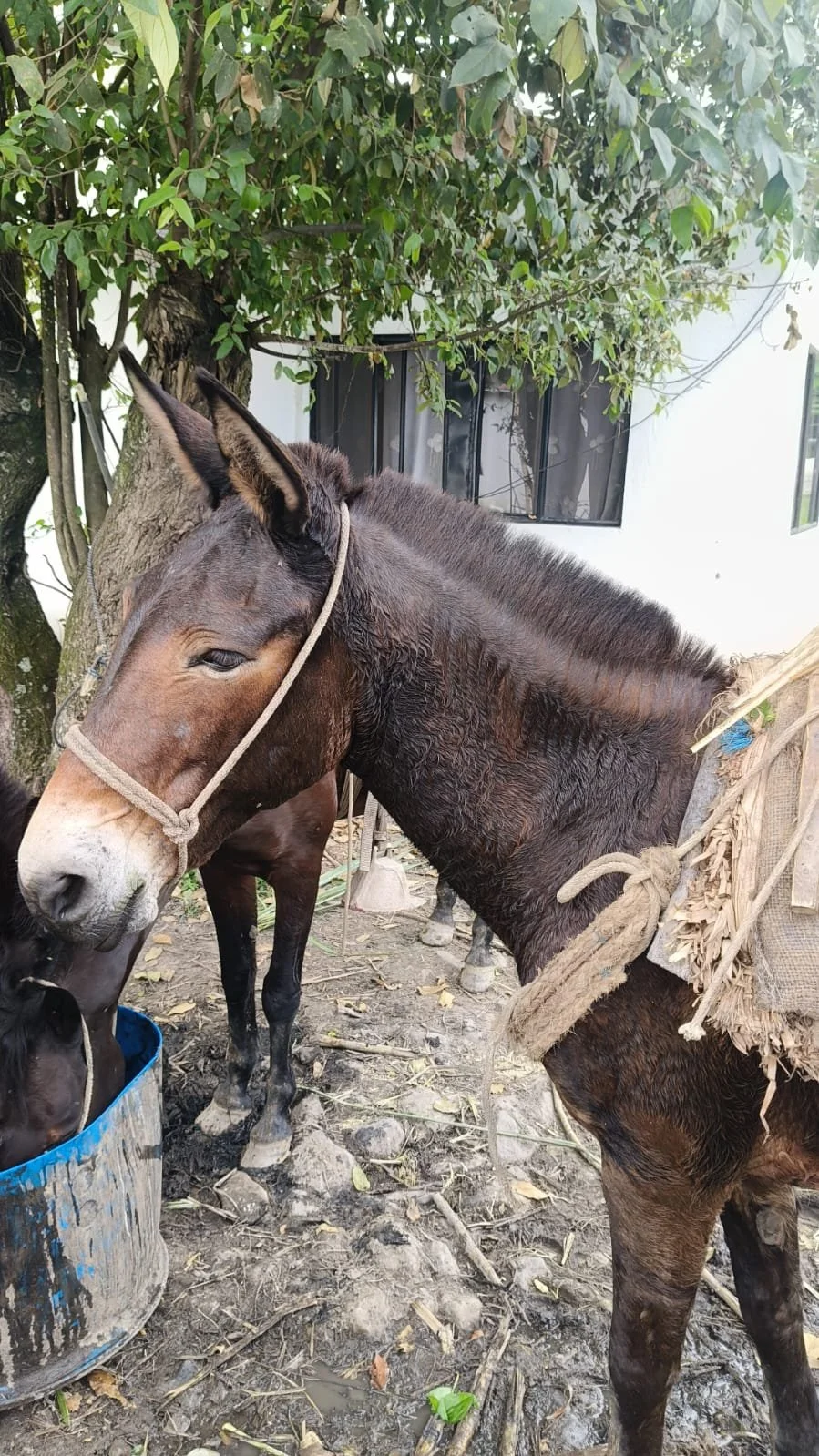
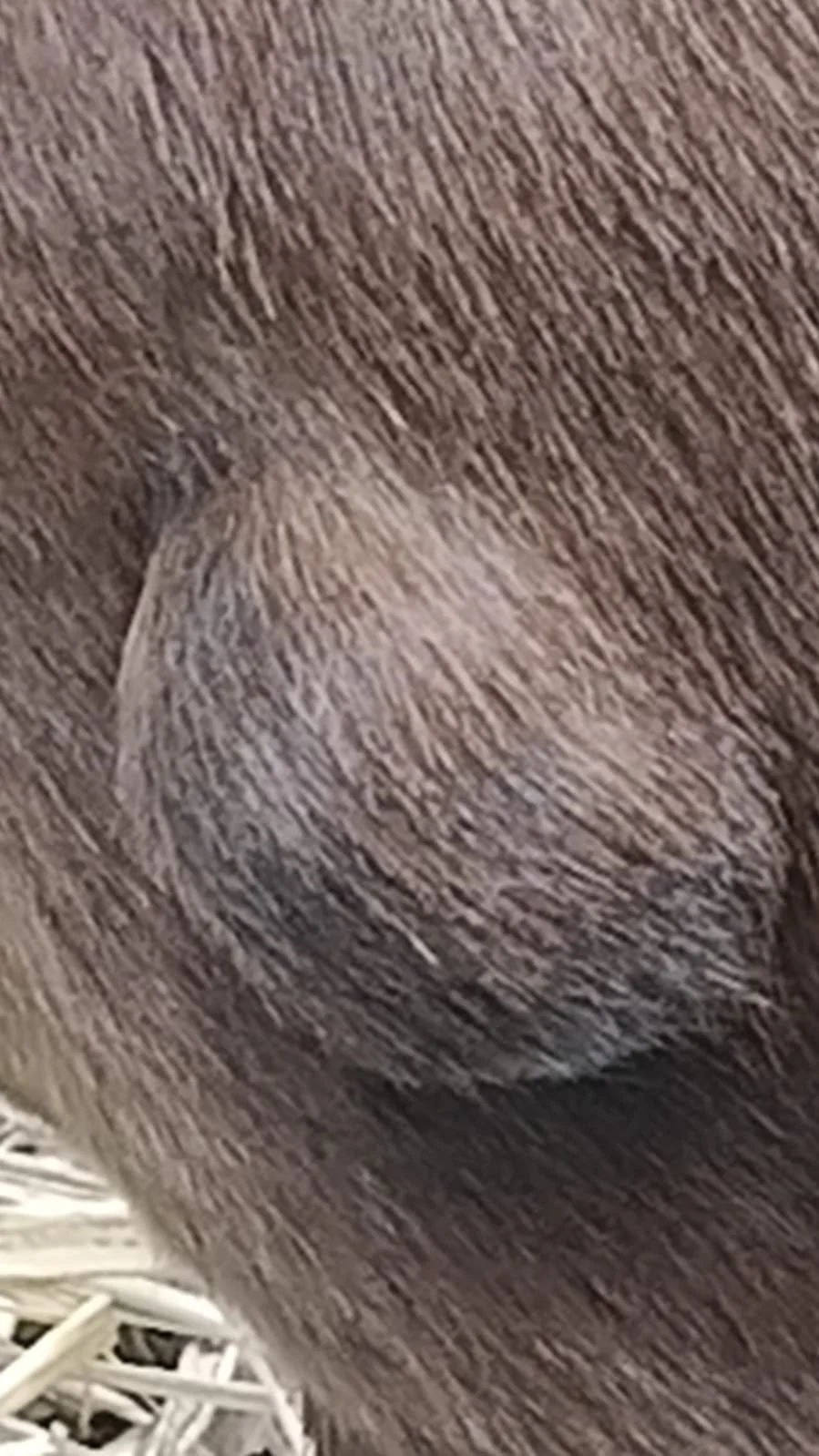
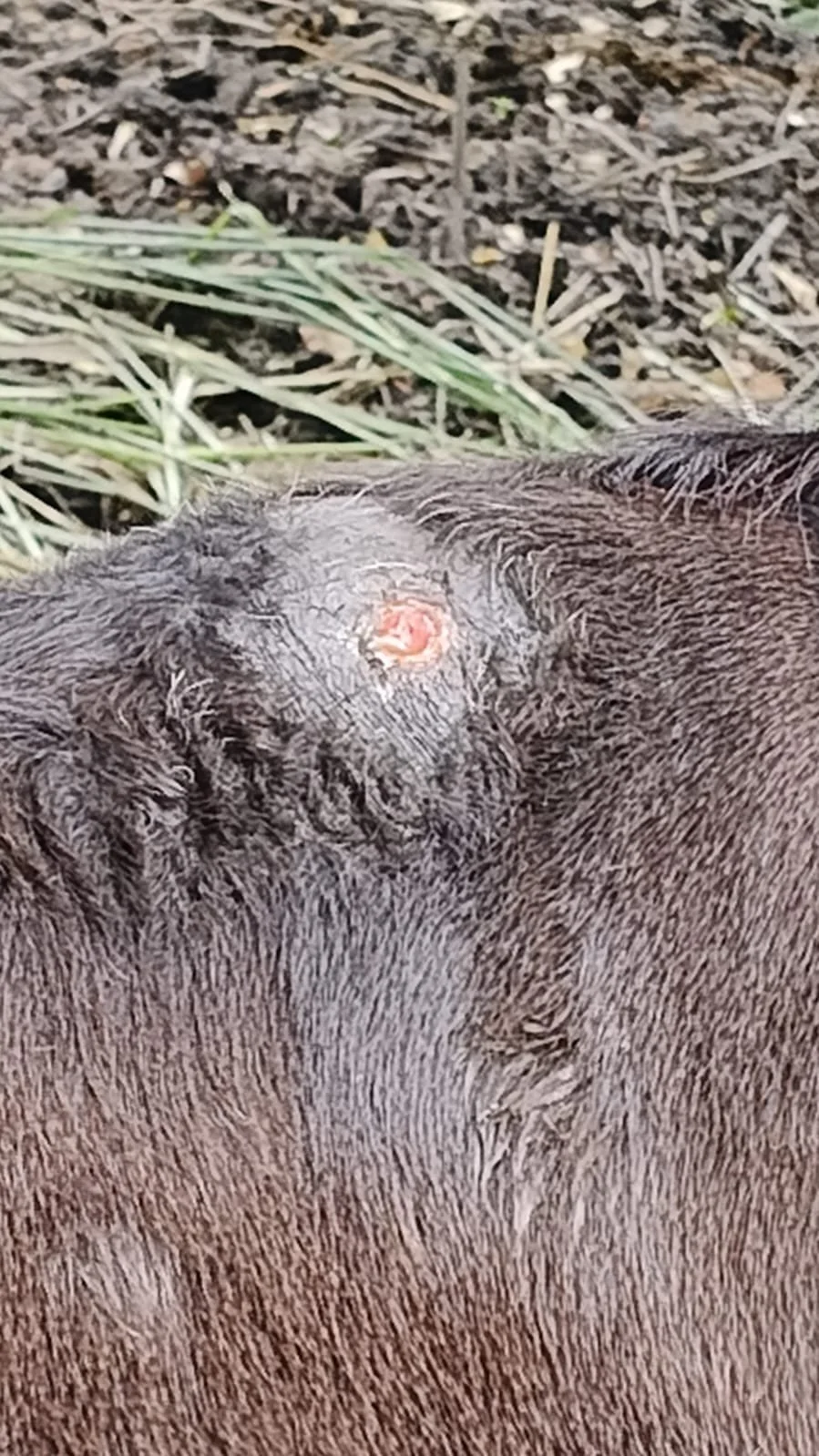
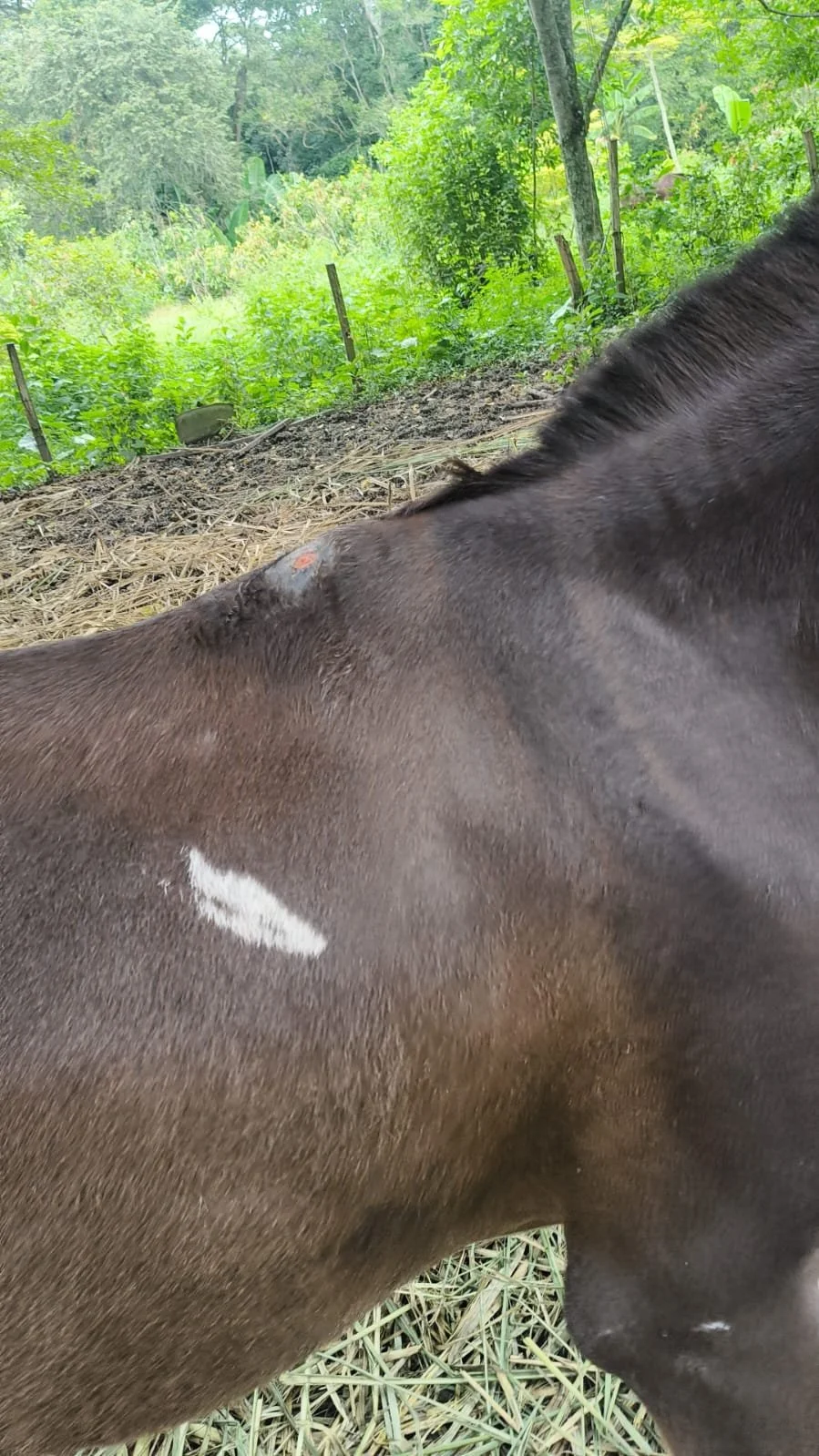
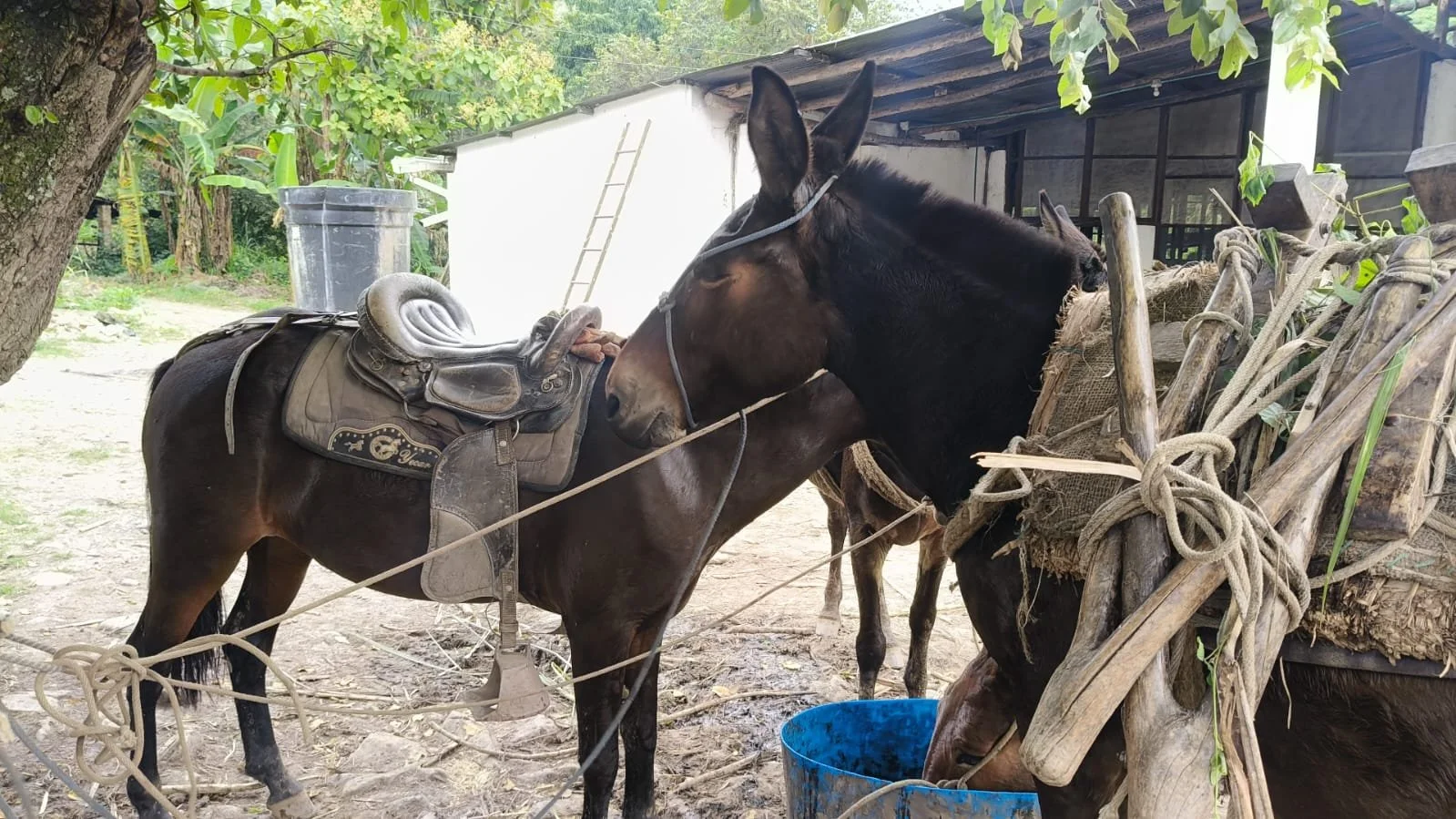
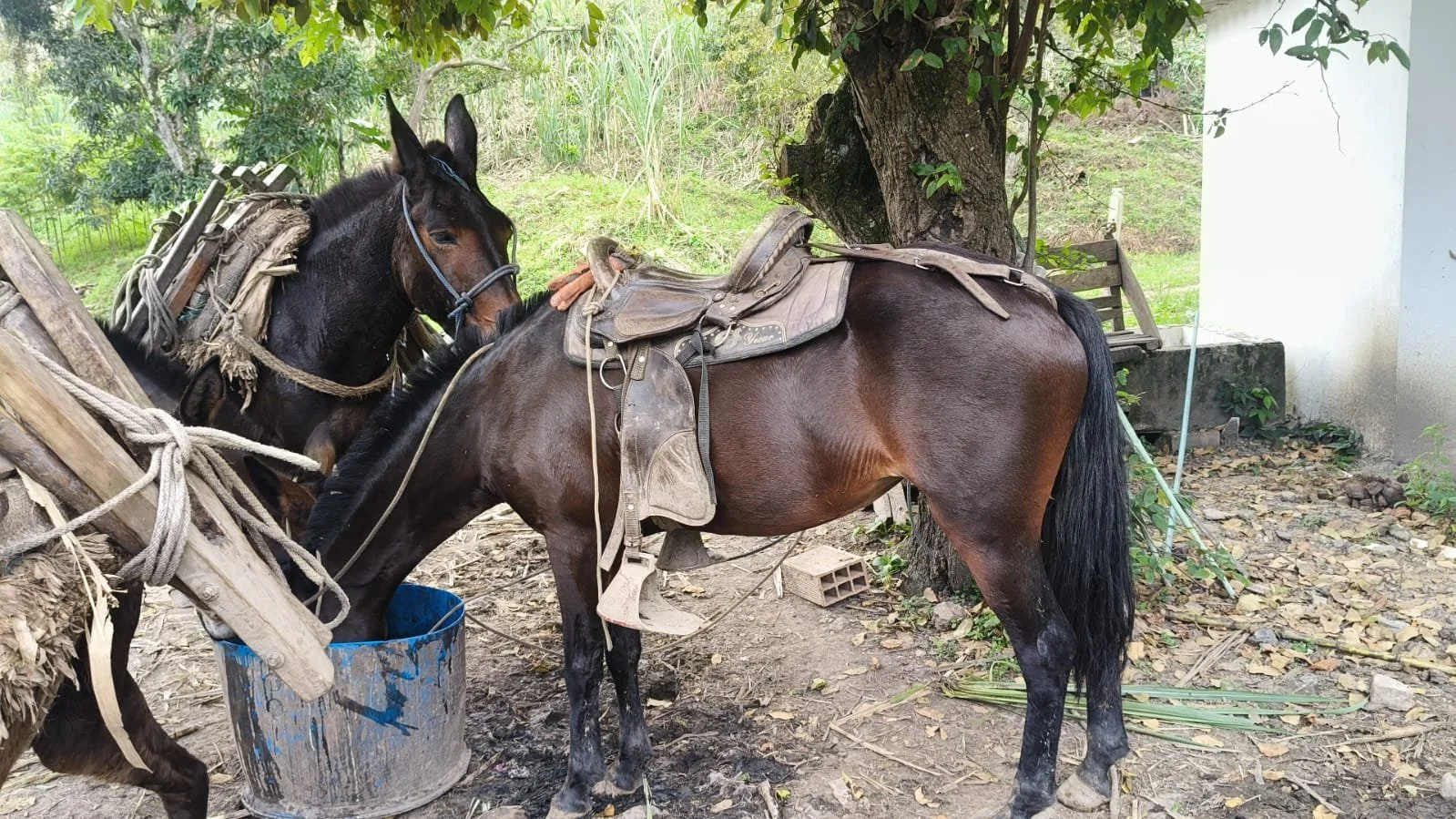
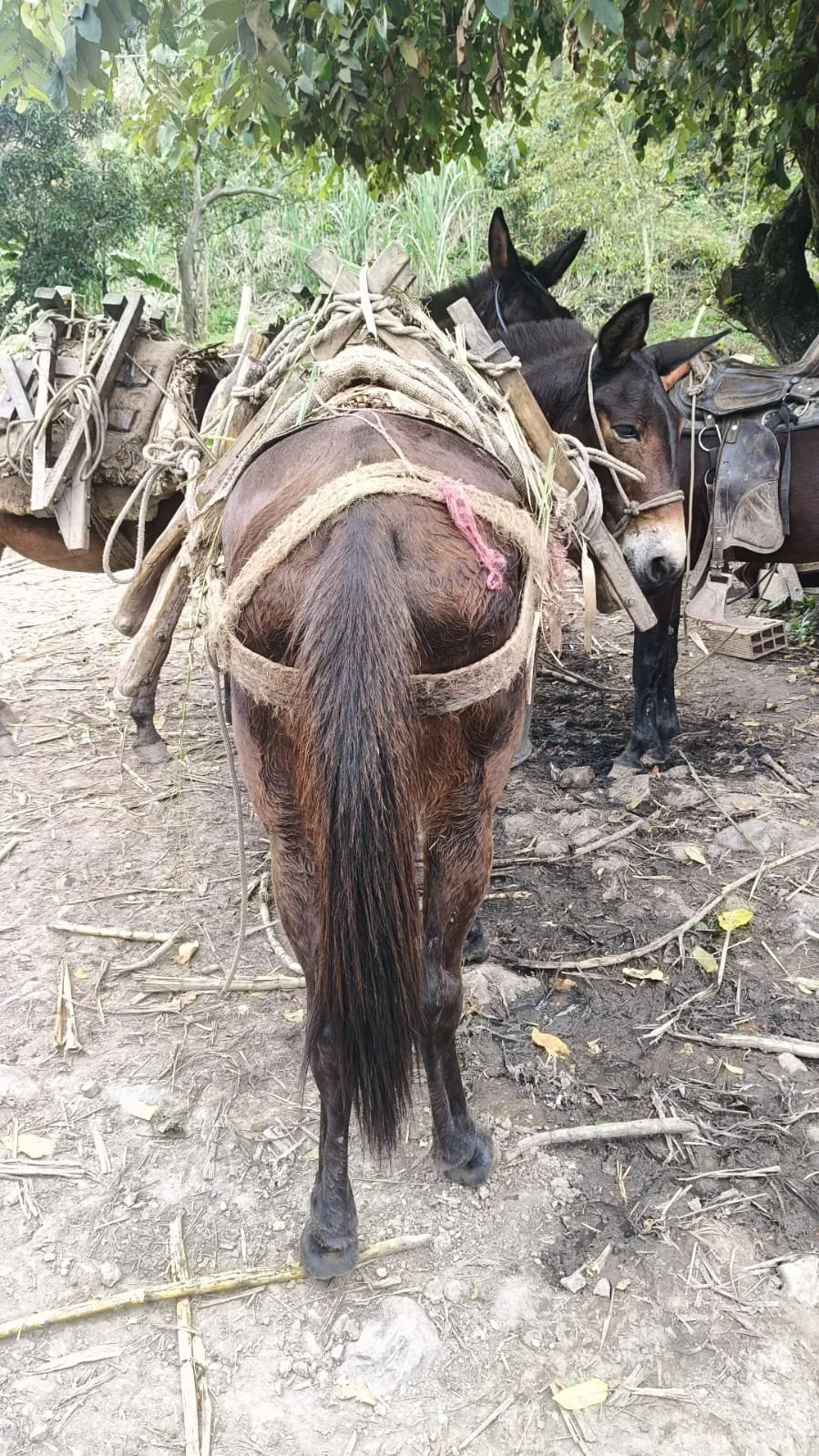
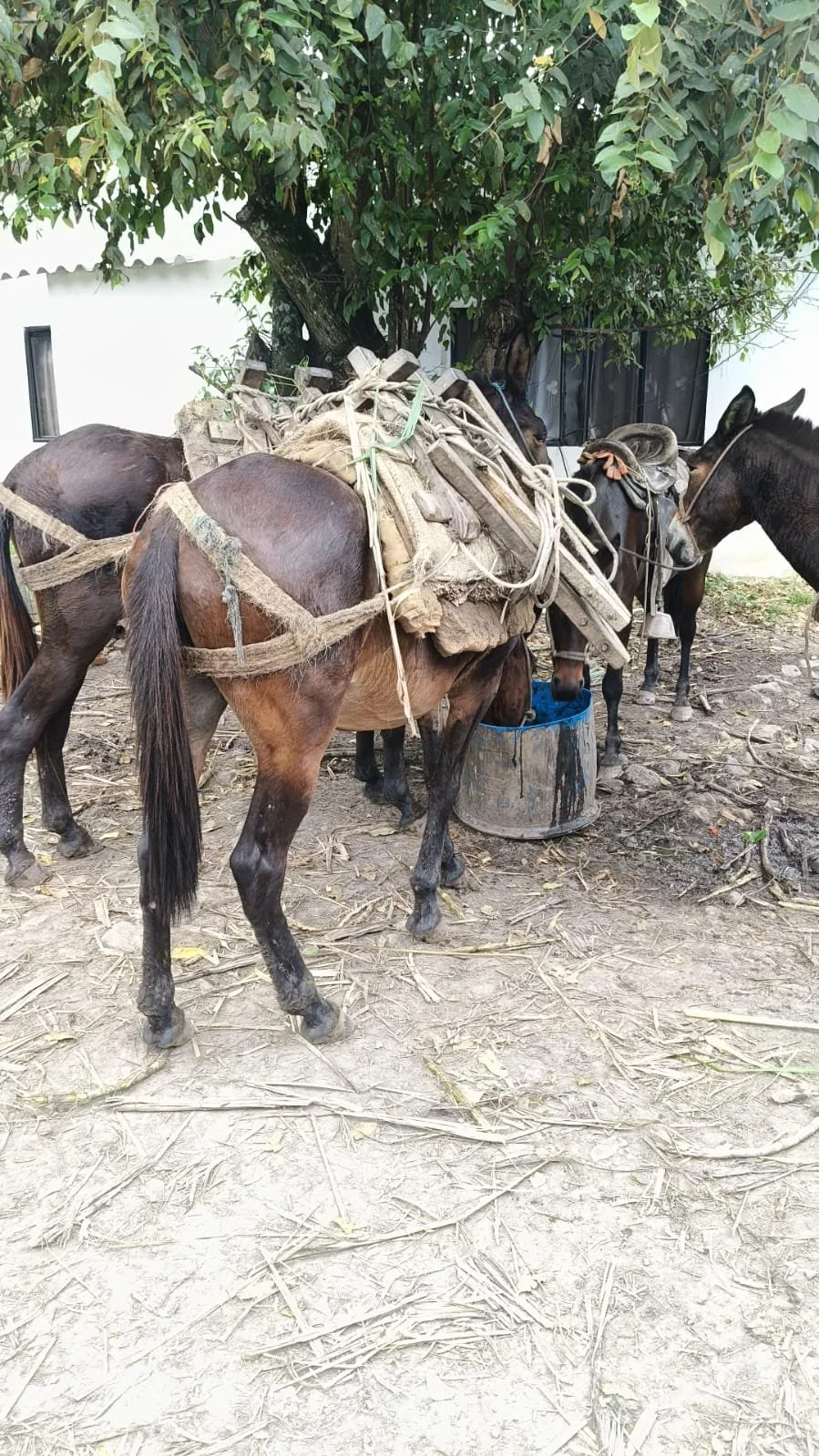
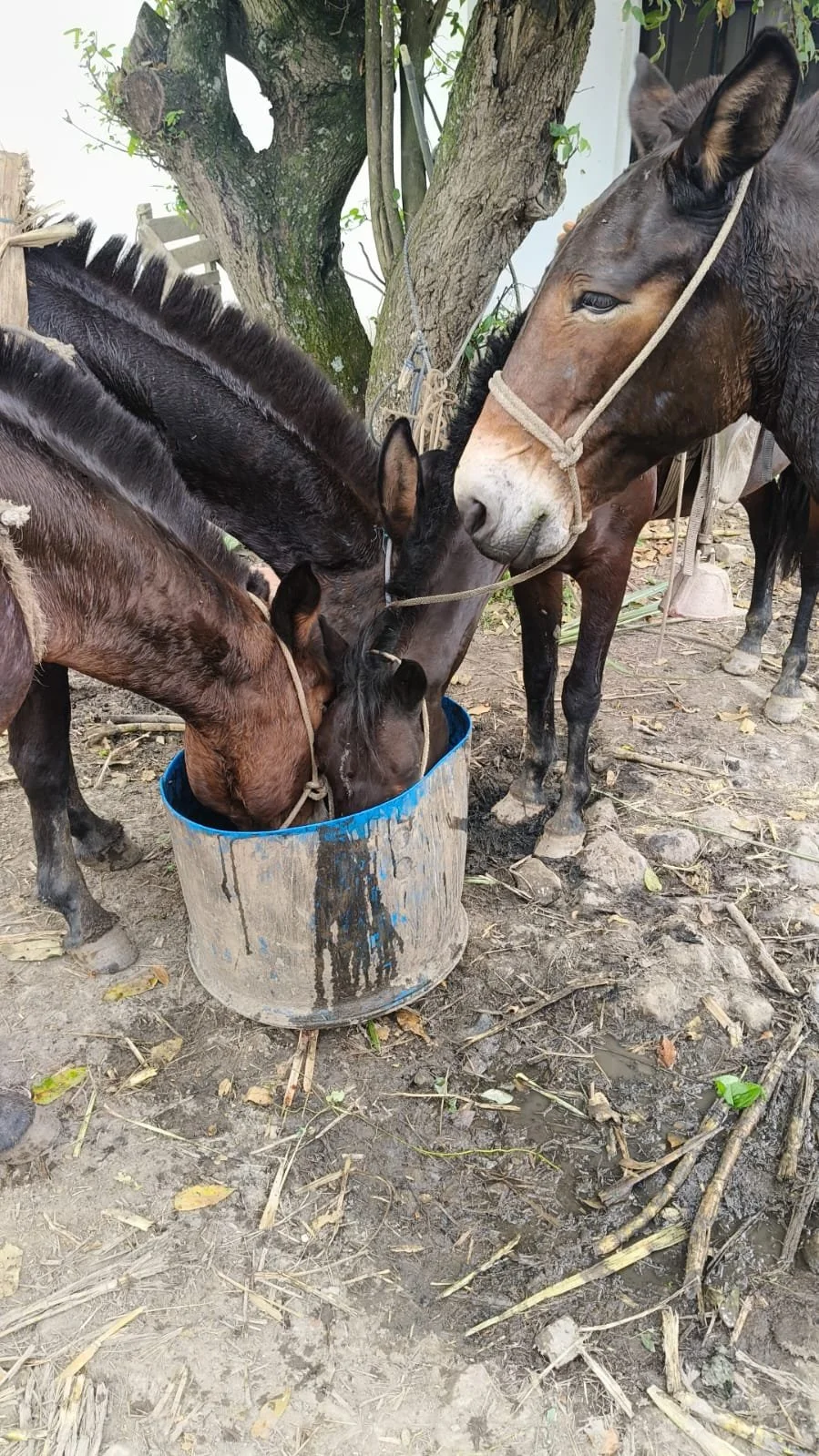
Nineteen mules working in sugar cane fields, along with several horses, were treated. Interventions included wound management, deworming, and vitamin supplementation. A geriatric horse was identified as needing retirement, though the owner declined sanctuary transfer. One mule presented with a tumour, but surgical removal was not authorised. Welfare recommendations focused on harnessing practices and general care, emphasising the link between improved welfare and better work performance.
Overall Impact
Across both clinics, 34 equids received systemic preventive care and targeted interventions. Surgical procedures addressed urgent conditions, while wound management and parasite control improved immediate welfare outcomes. These efforts demonstrate the feasibility and importance of extending veterinary outreach into Colombia’s deeper rural areas.
Challenges Faced
Limited authorisation restricted team size and documentation
Owner resistance to recommendations, such as retirement of geriatric animals and proper shoeing
Environmental conditions including heat, ticks, and fungal infections posed ongoing risks
Despite these barriers, the clinics established pathways for follow‑up visits and reinforced the mission to provide dignity and relief for working equids in underserved contexts.
Sanctuary Update
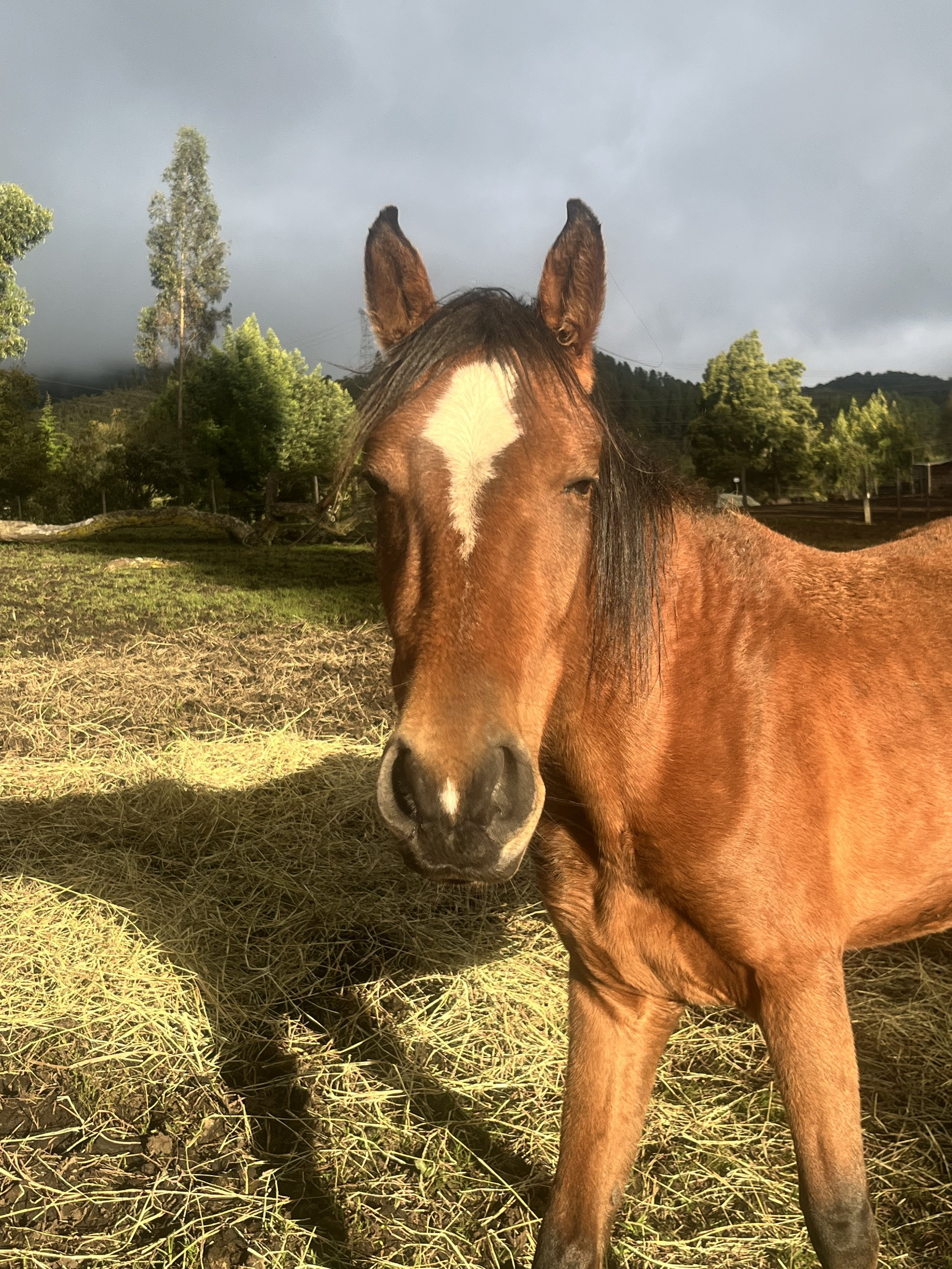
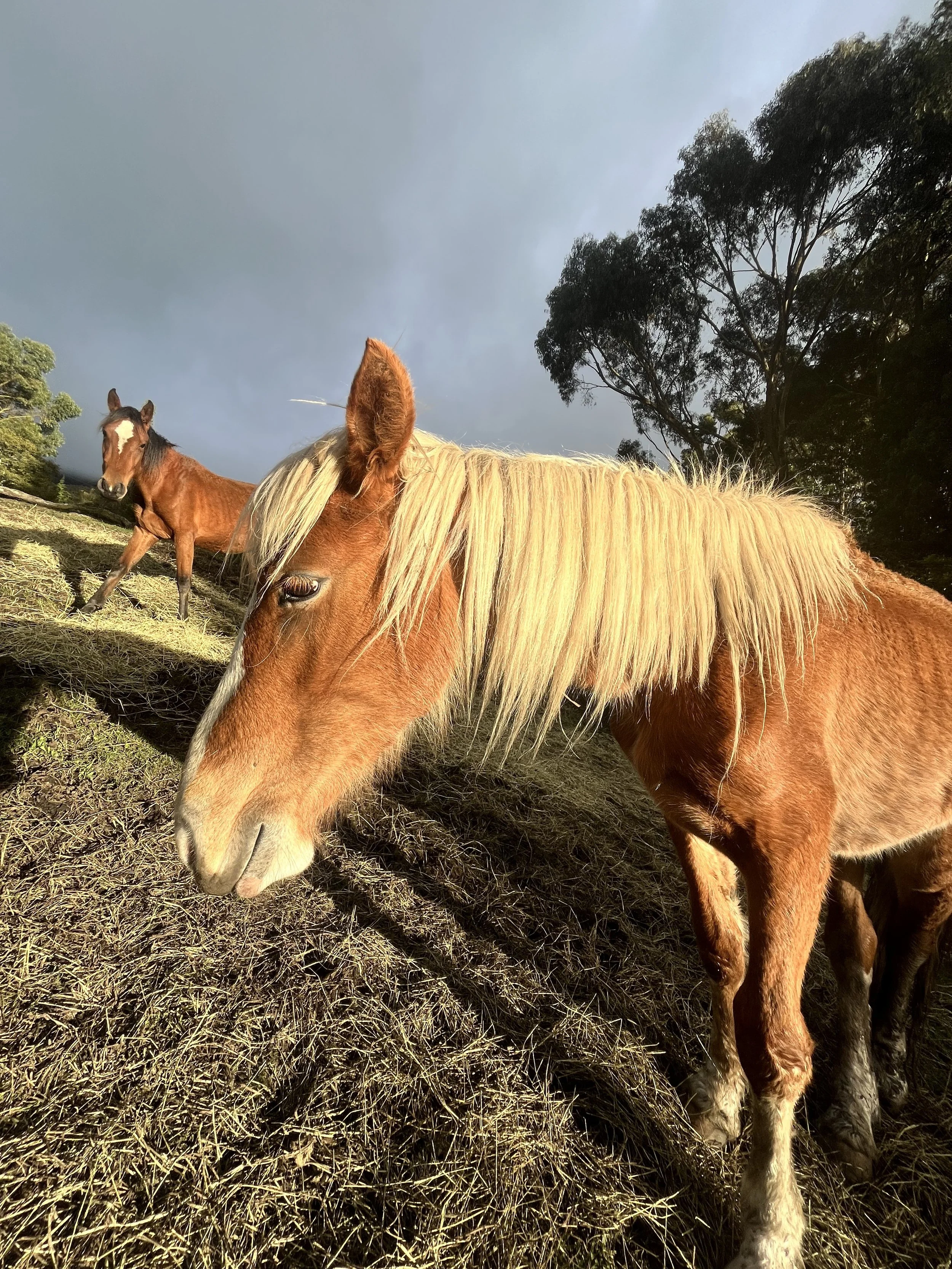
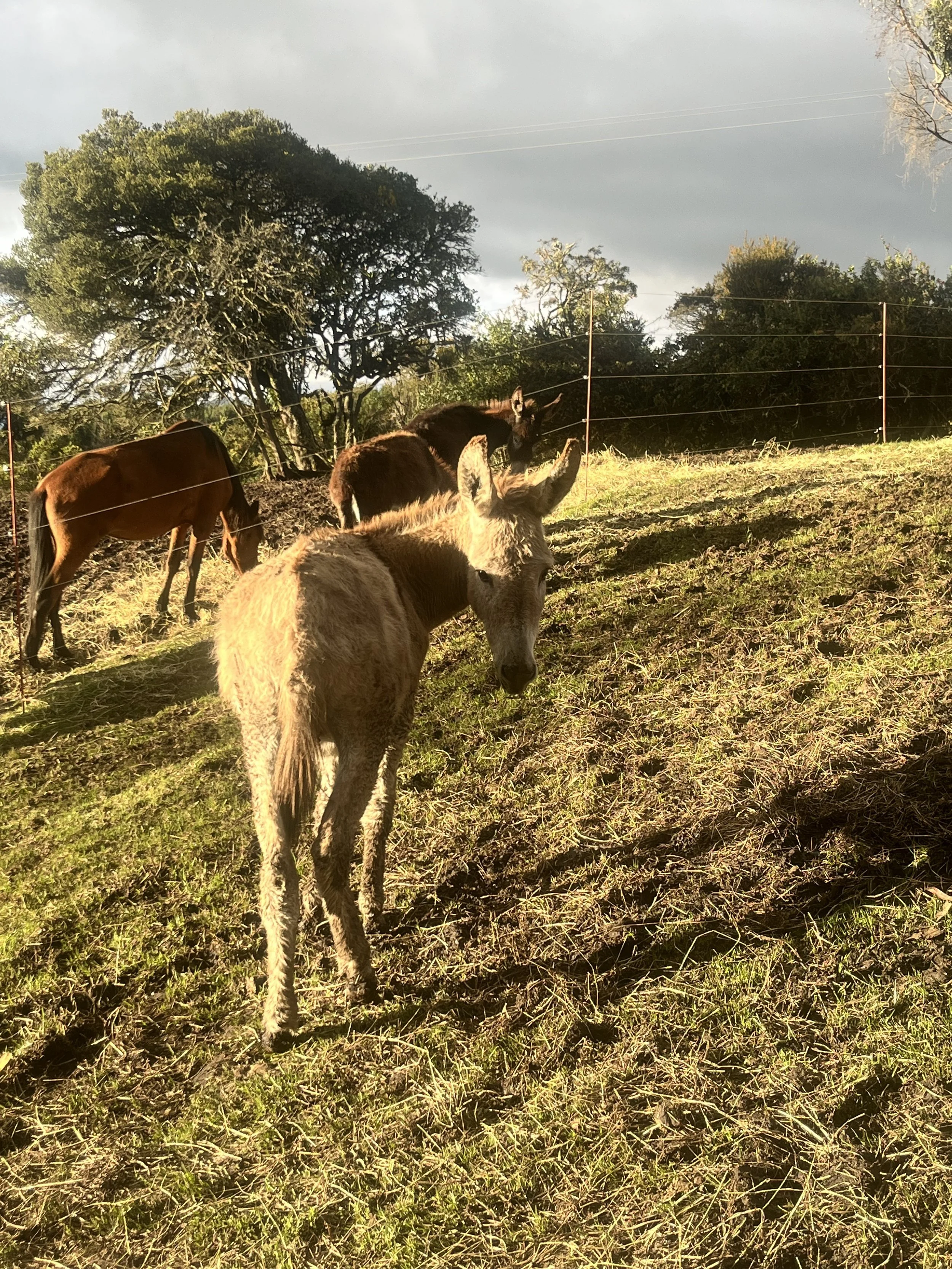
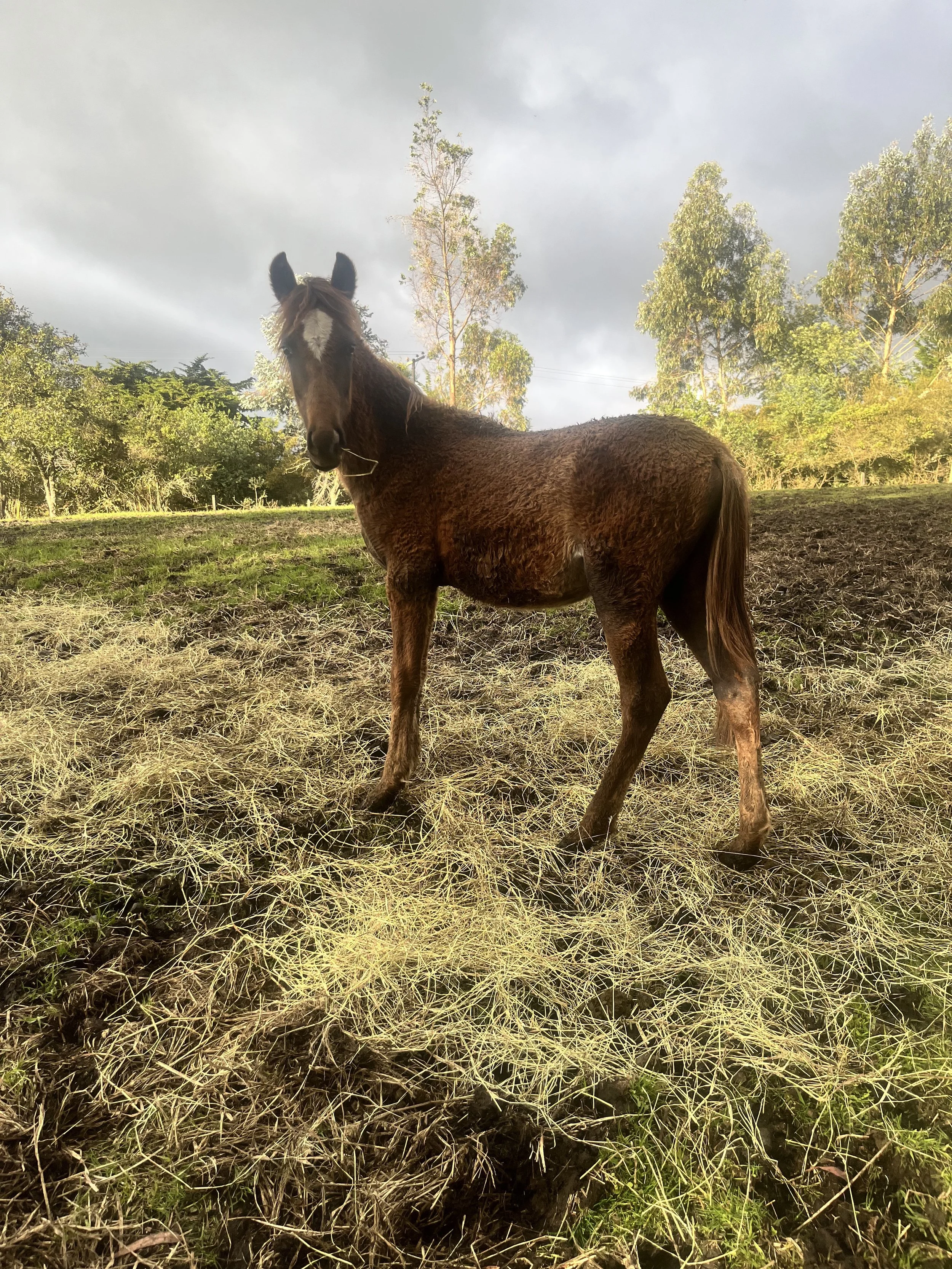
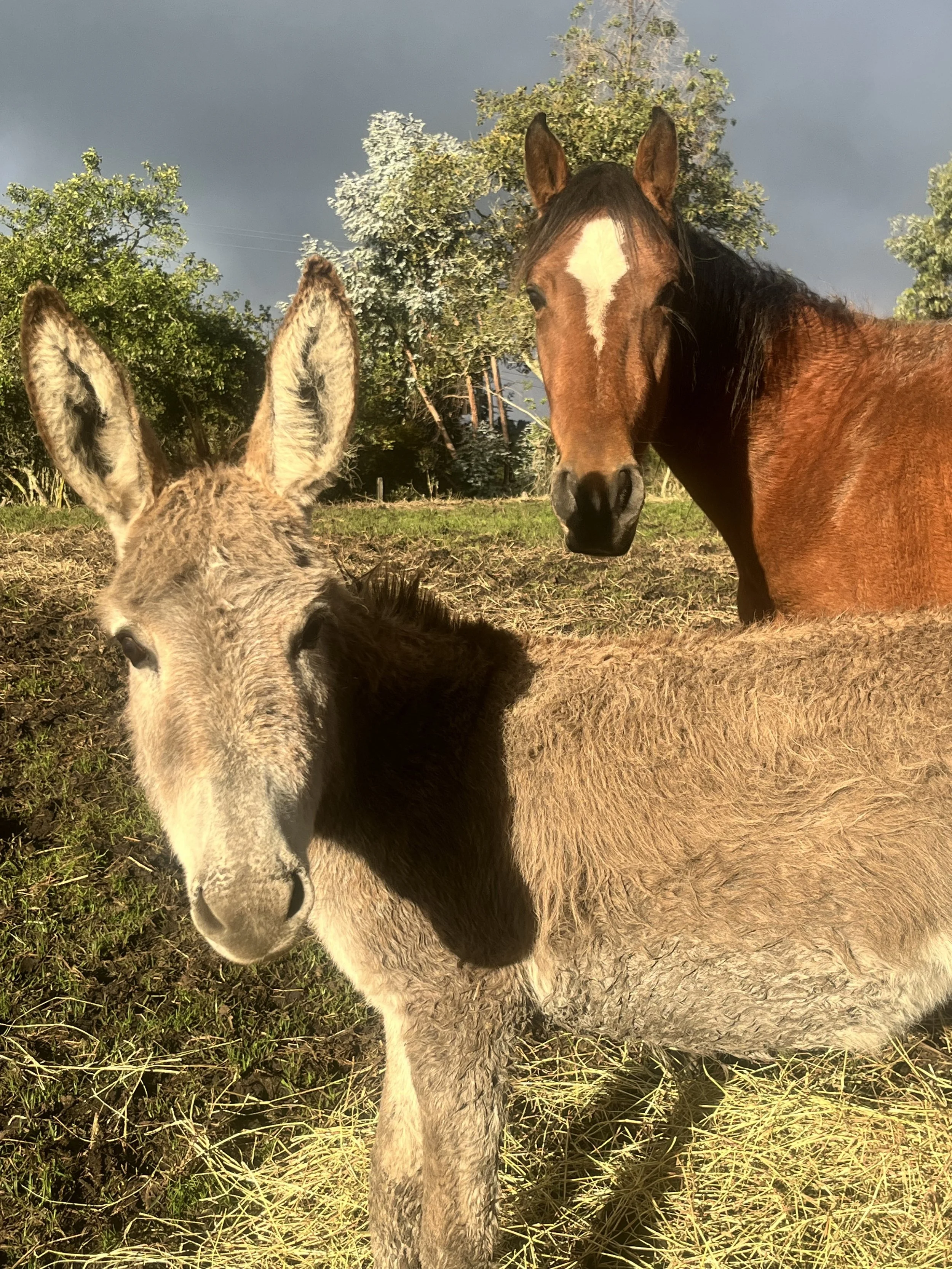
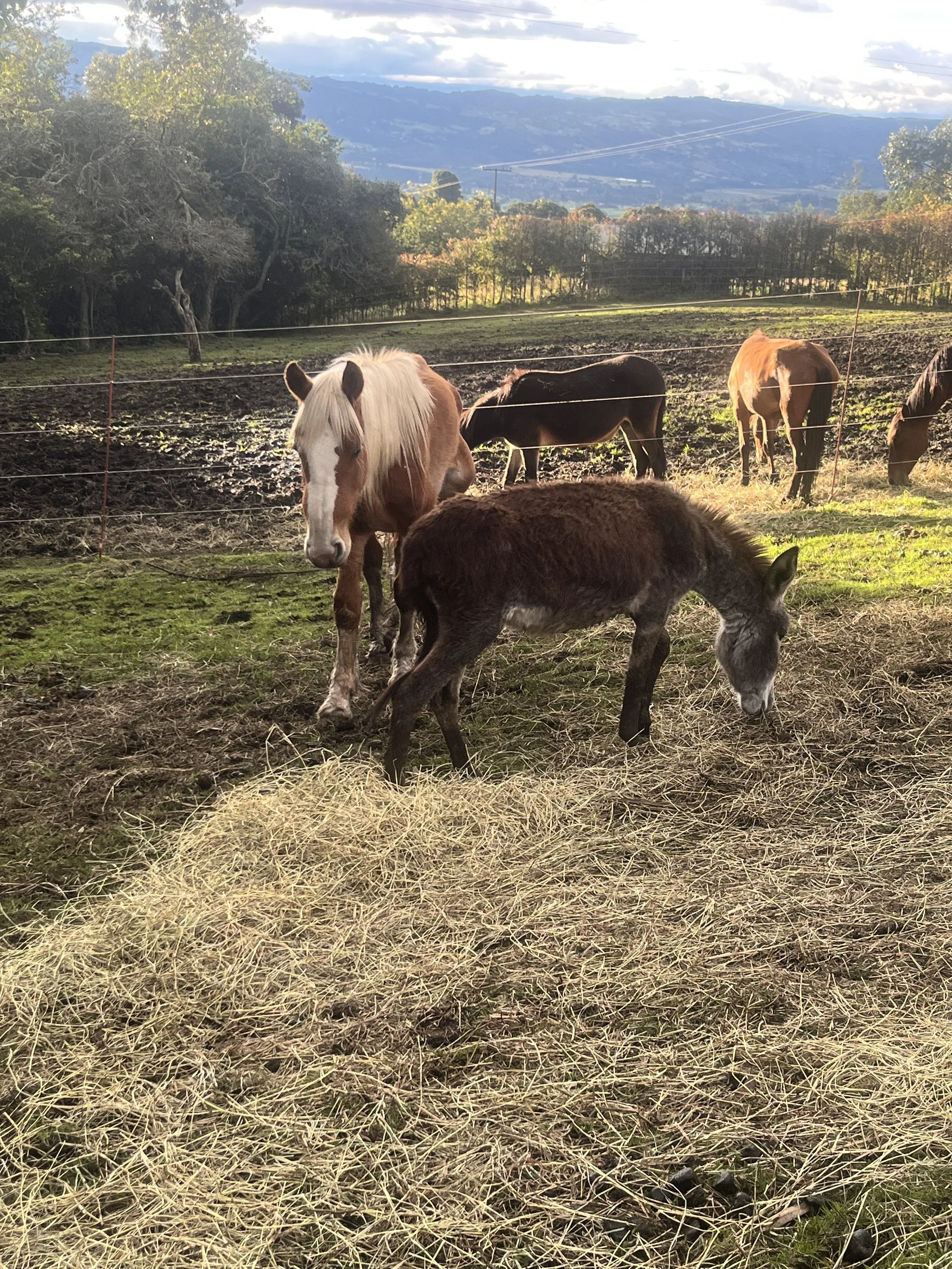
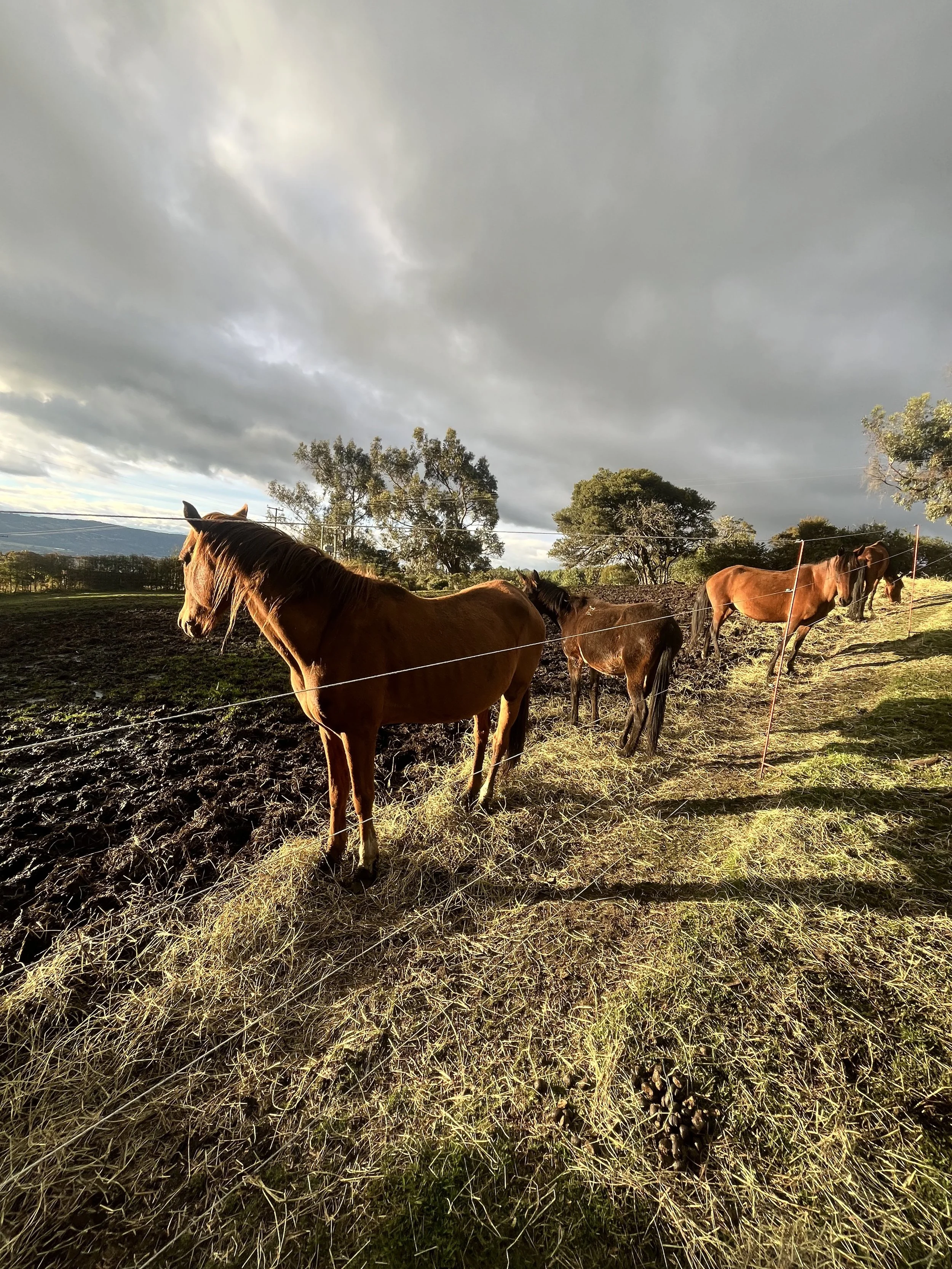
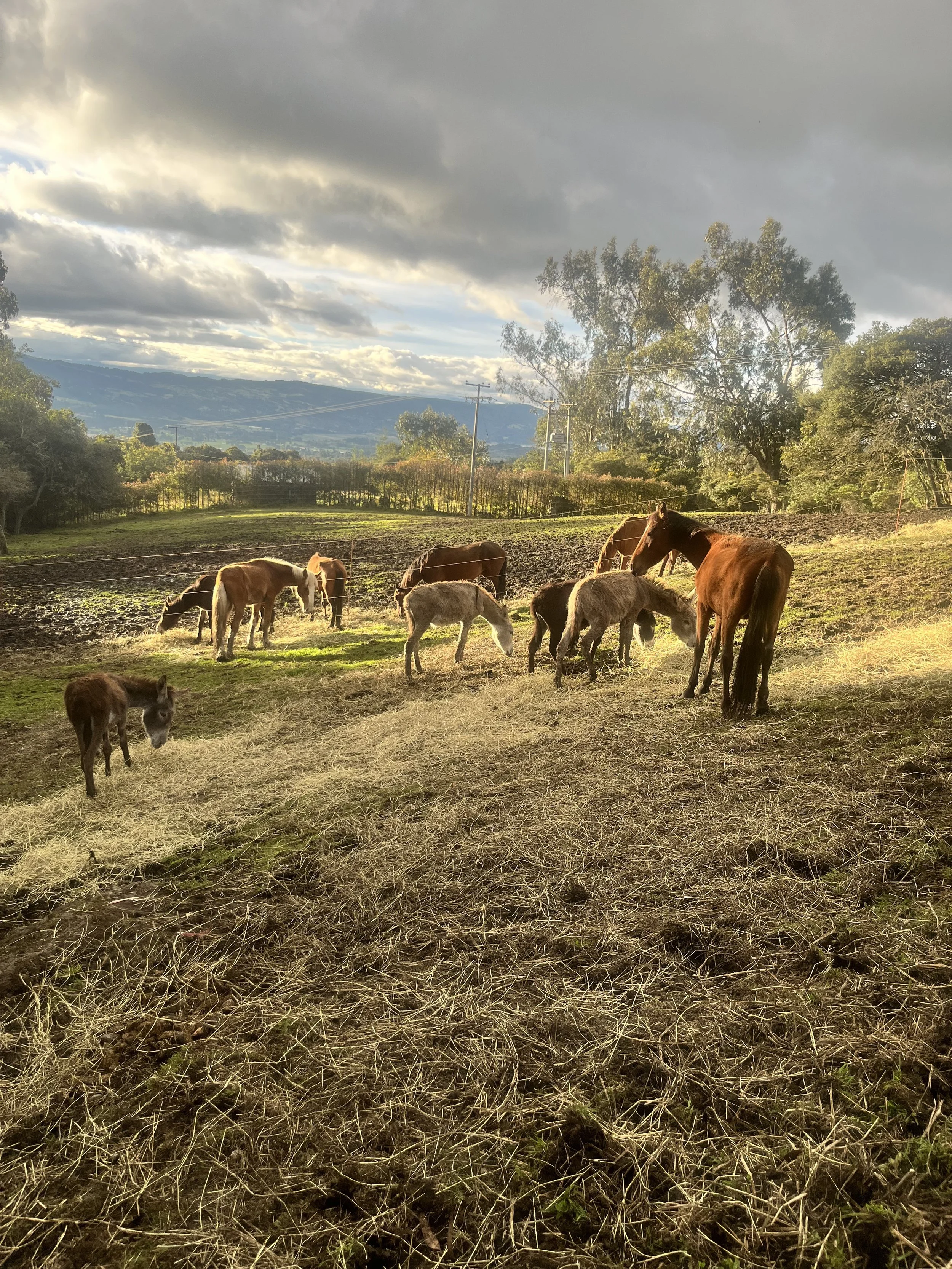
At Namigni’s sanctuary, over 20 rescued donkeys and horses continue to receive care despite rising feed costs. Excess rainfall in the Sabana disrupted forage production, while drought in other regions drove hay prices upward. This dual pressure highlights the vulnerability of equine welfare to climatic extremes and underscores the importance of sustained support. Once again, AAA’s support matched by the support of patron, Philip Wollen, was essential for the care of these animals.
Building a Future of Compassion
The June clinics in Villeta and Nilo reflect resilience and determination in reaching animals most at risk. By combining surgical interventions, preventive care, and welfare education, Namigni and AAA are ensuring that even the most isolated working equids receive compassionate treatment.
This progress is only possible because of your support. Every clinic, every rescue, and every sanctuary meal is a direct result of your generosity, allowing AAA to sustain partnerships like Namigni and continue improving the welfare of working animals in Colombia.