enabling recovery & wellbeing for animals rescued from neglect, abuse or abandonment

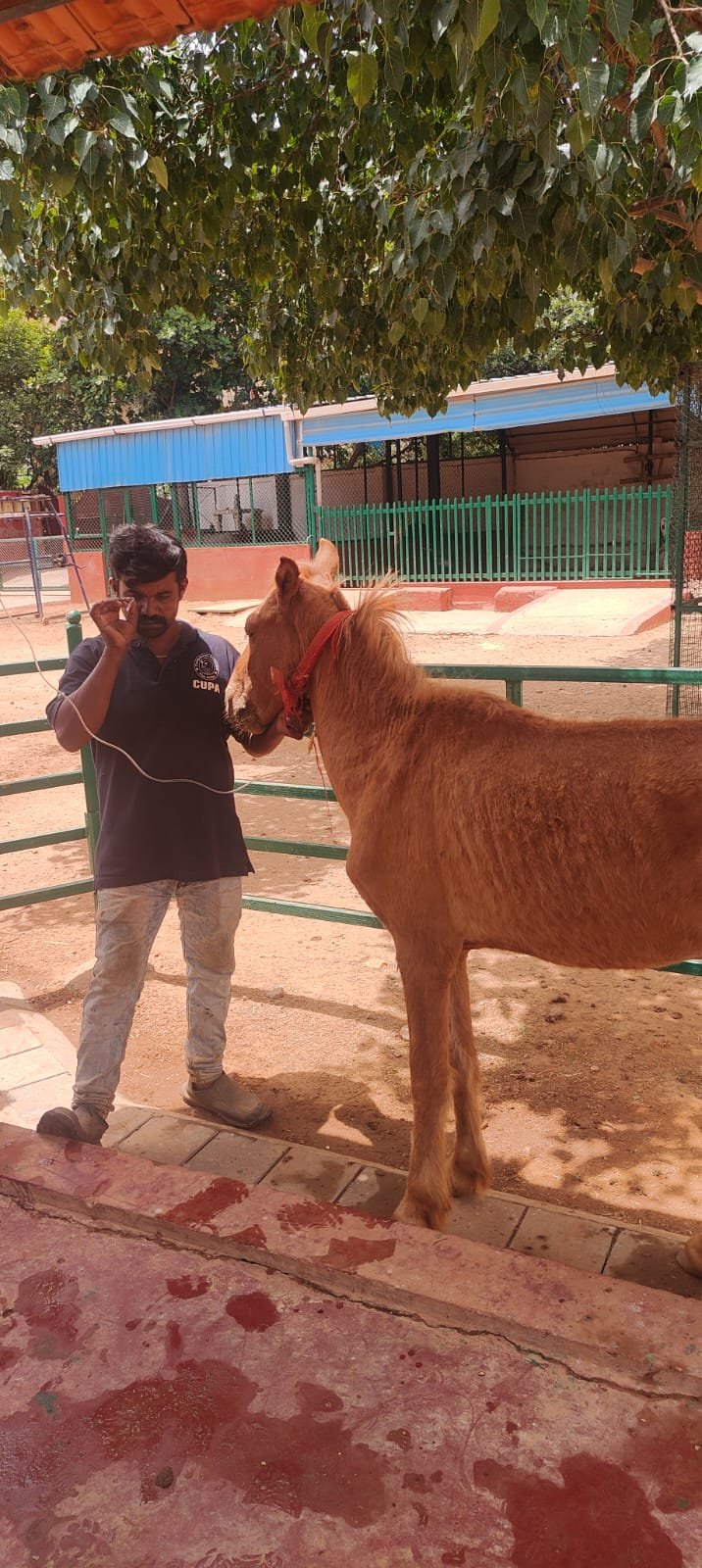
Our partner group, Compassion Unlimited Plus Action (CUPA), are currently caring for over 120 rescued working animals at their sanctuary in Bangalore, India. With your generous support, they were able to rescue four more animals during the past quarter. This included two ponies rescued from an abusive situation, and a mare with a severe leg fracture who was rescued together with her little foal.

Project Introduction 

Since 2012, CUPA's Large Animal Rescue & Rehabilitation Centre (LARRC) has served as a sanctuary for large working animals such as cows, bullocks, ponies, donkeys, and horses rescued from neglect, abandonment, or harsh working conditions. The centre currently provides a safe and nurturing environment for over 120 such animals, focusing on long-term rehabilitation and care. 

Our project aims to enhance the health and welfare of working and draught animals in Bengaluru, both within CUPA shelters and in the field. Through organised health camps and consistent nutritional support, the initiative targets ponies, donkeys, and bullocks who continue to play a vital role in transport and agriculture, especially in semi-urban and rural communities. 

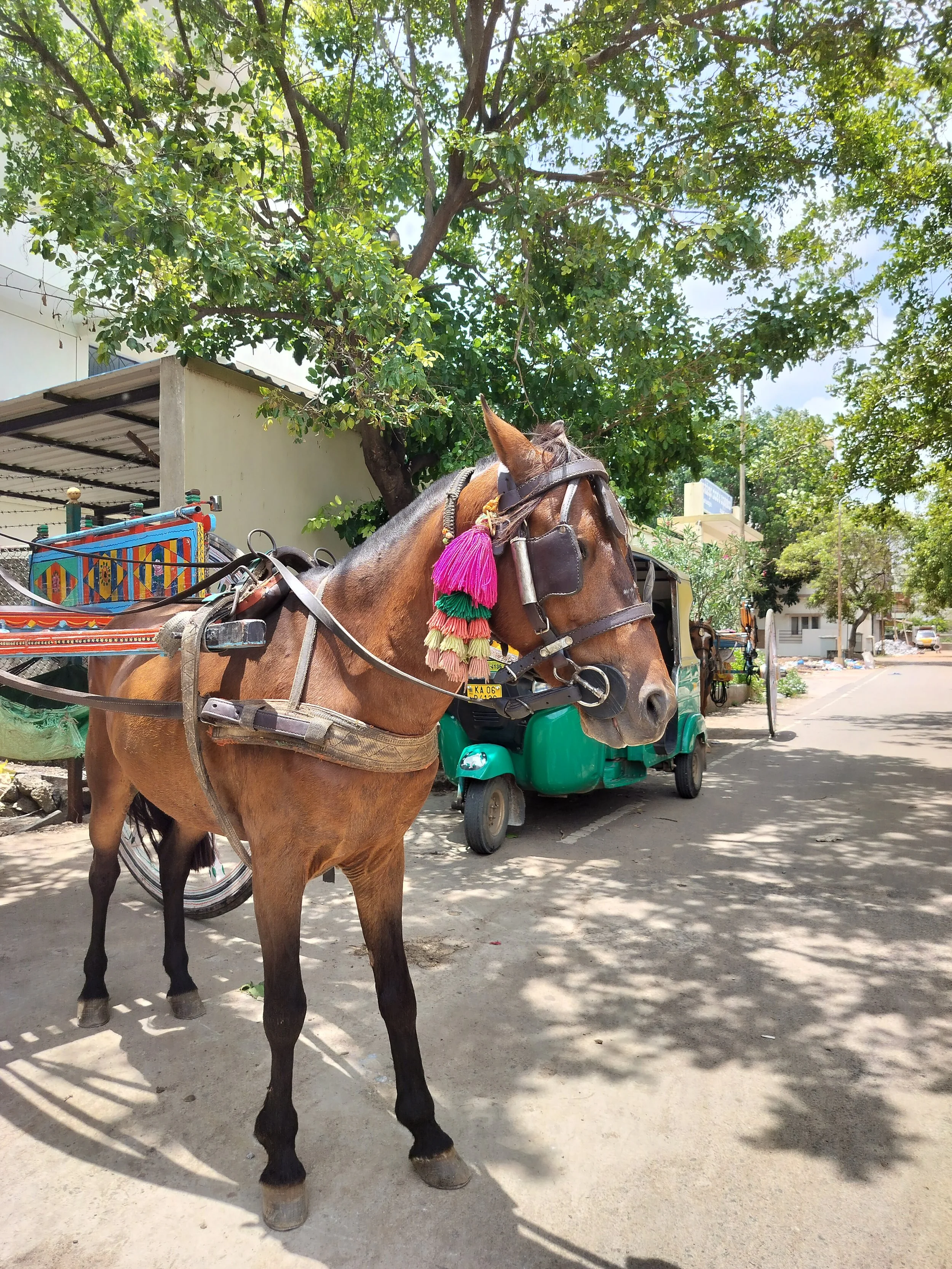
Among these are Tonga ponies - small yet resilient animals traditionally used to pull tongas (two-wheeled carriages). Despite their importance in affordable local transport, many suffer from poor nutrition and untreated health issues due to the limited means of their owners.

Similarly, bullocks - often employed in agriculture and for transporting goods - face comparable neglect, particularly in the face of urbanisation and modernisation, which has led to a decline in the use of traditional transport methods. 

This project focuses on delivering targeted healthcare interventions and nutritional support for approximately 250 to 300 animals over an 11-month period. By combining shelter-based rehabilitation with community outreach through health camps, the initiative seeks to significantly improve the quality of life for Bengaluru's remaining working and draught animals. 

Project Objectives 

  • Support for Animals Affected by Trauma: The initiative focuses on animals who have been victims of road accidents, cruelty, as well as those living with physical disabilities. Each case is approached with urgency and compassion to ensure timely intervention. 

  • Comprehensive Medical and Rehabilitative Care: Once rescued, animals receive thorough veterinary care and ongoing medical treatment. CUPA also ensures that animals requiring extended care have access to long-term shelter and supervision. 

  • Enhancing Animal Welfare and Quality of Life: Our program aims not only to treat injuries and illnesses but also to improve the overall wellbeing and dignity of rescued animals, allowing them to live in a safe, nurturing environment. 

  • Raising Community Awareness and Compassion: By sharing these stories and engaging with the public, CUPA promotes greater awareness of animal welfare issues and encourages compassion and responsible behaviour towards animals, especially those who are often overlooked. 

  • Rescue and Rehabilitate Large Working Animals: CUPA is committed to rescuing large working animals such as cows, bulls, horses, donkeys, and buffaloes. Many of these animals have been subjected to neglect, harsh working conditions, or abandonment. 

Shelter Treatments & Medical Care 

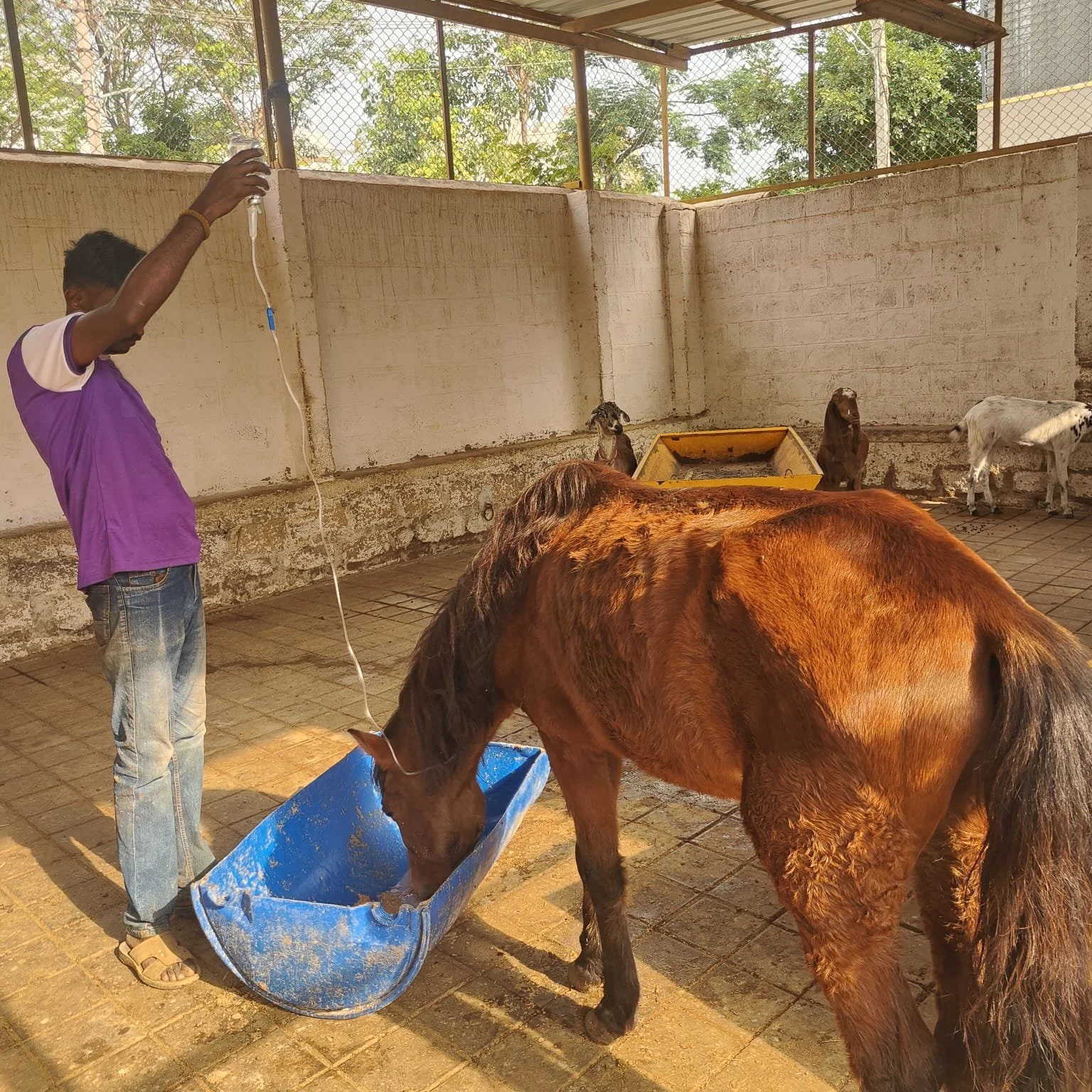
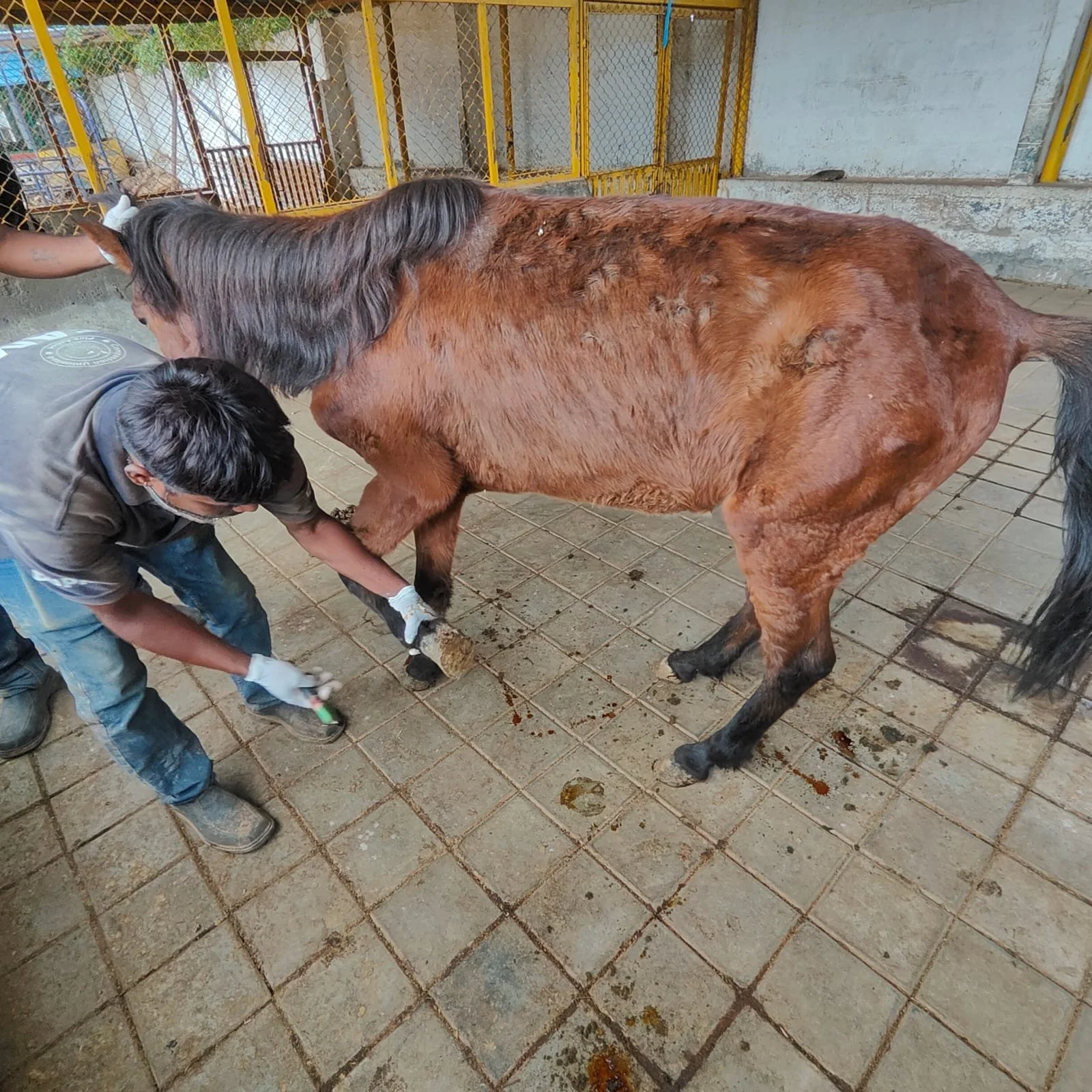
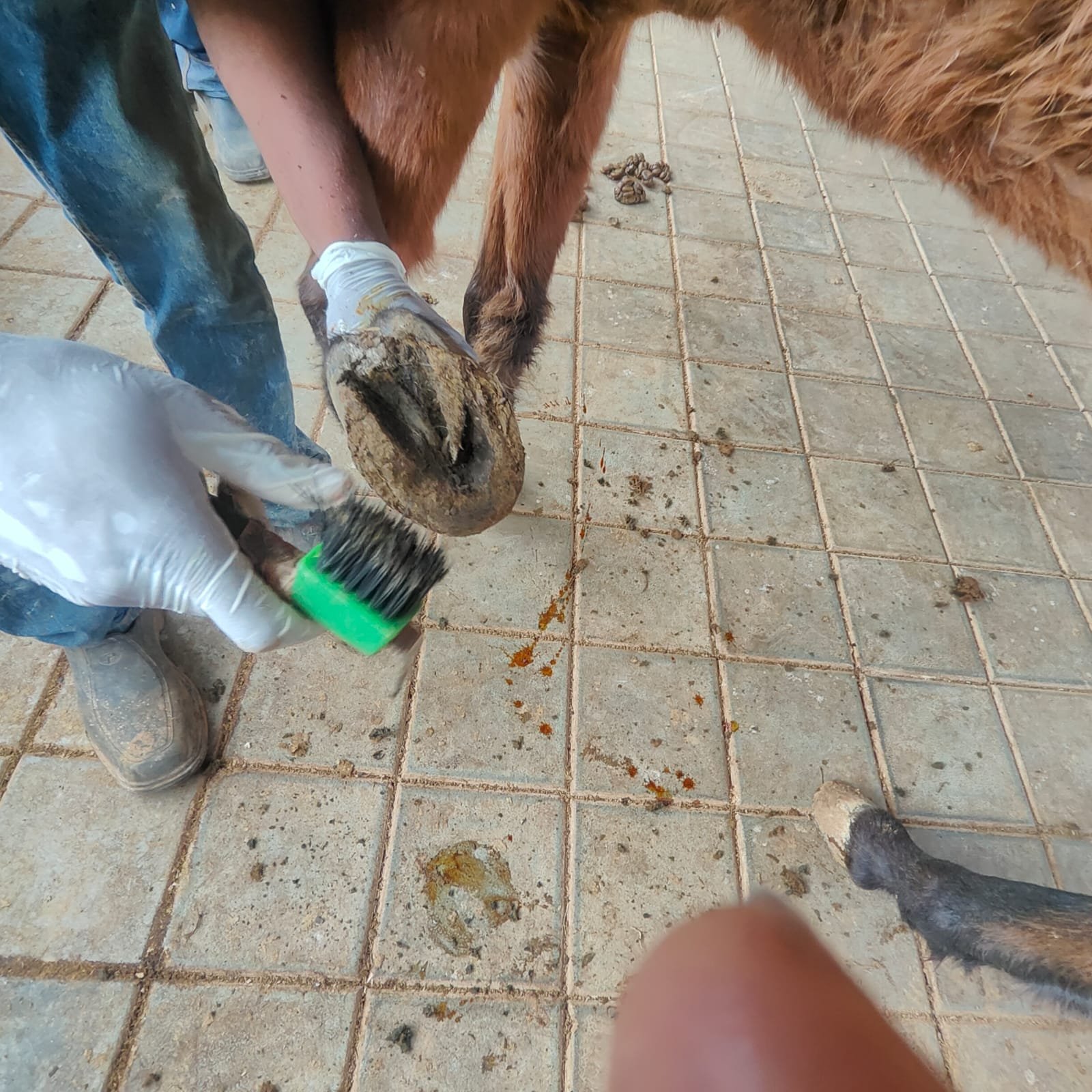
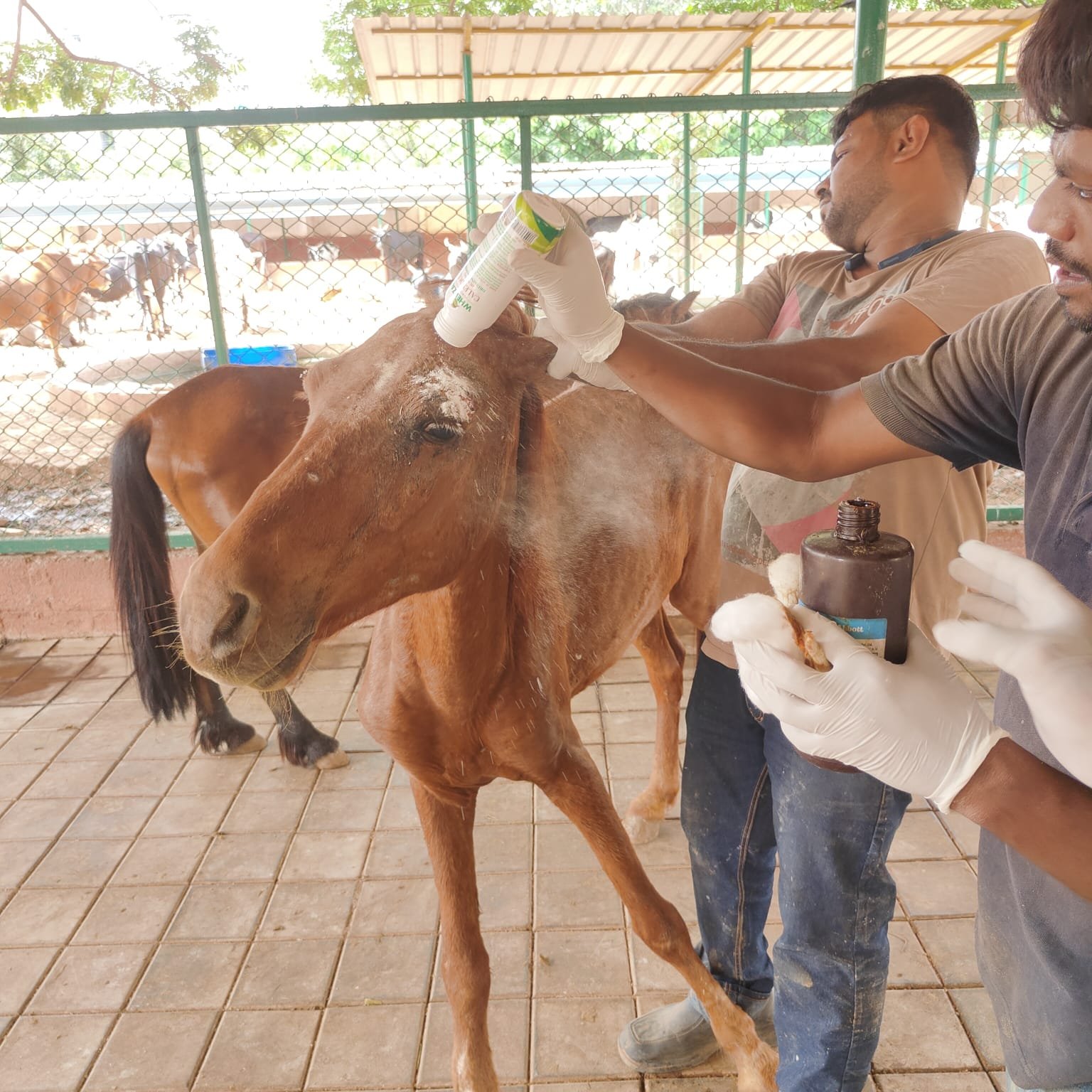
During this past quarter, the veterinary team at LARRC continued to provide comprehensive medical care to rescued equines and cattle, ensuring each animal received treatment tailored to his or her individual needs. 

Case Study 1: Improving Health Through Regular Anaemia Treatment 

Animals:

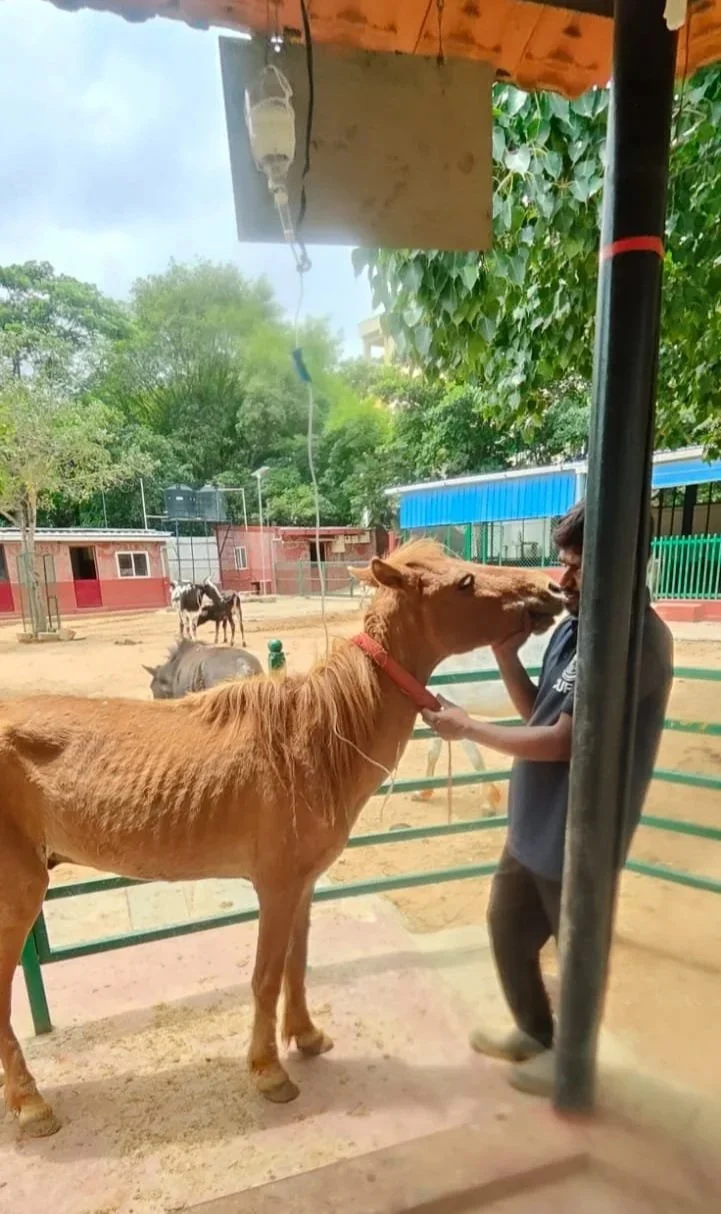
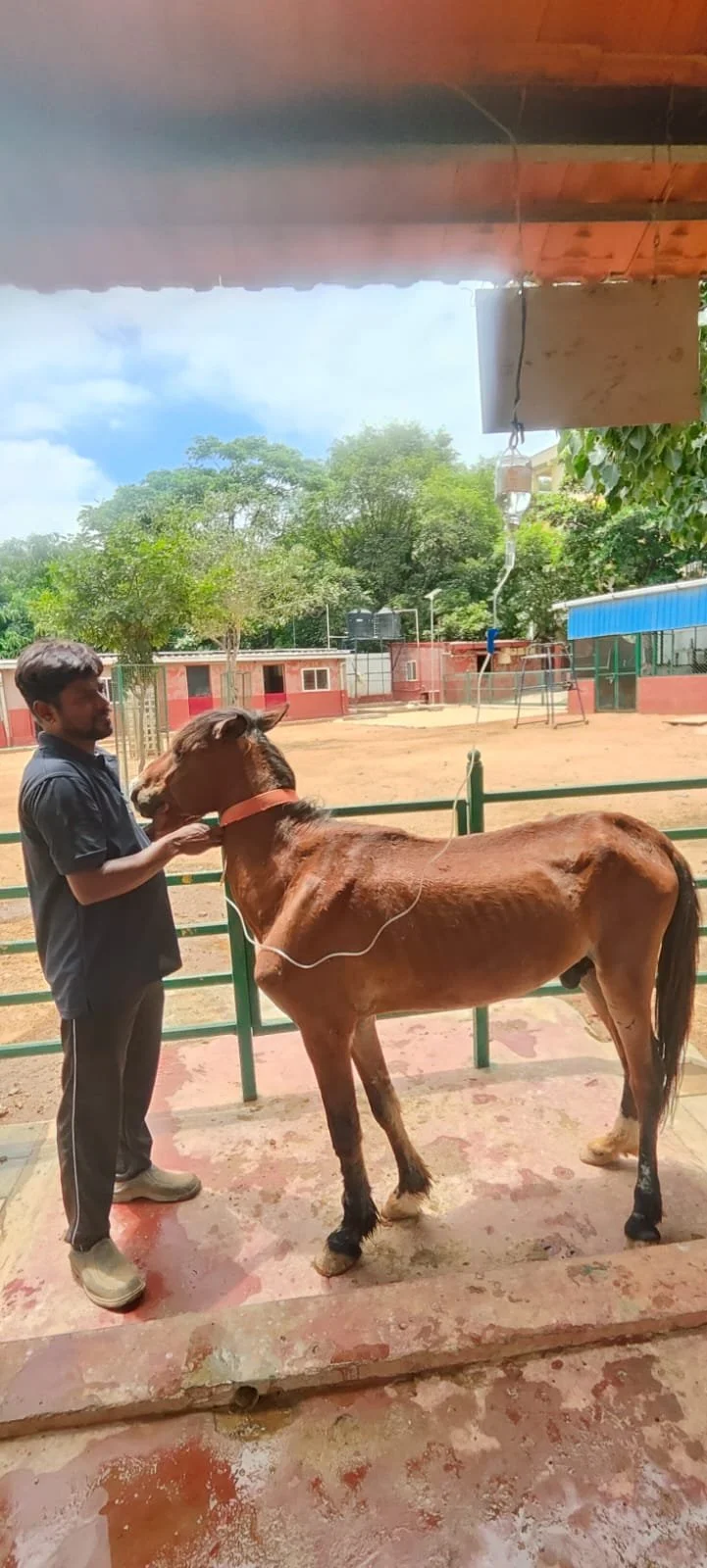
  • Thor and Ashwa (Ponies).

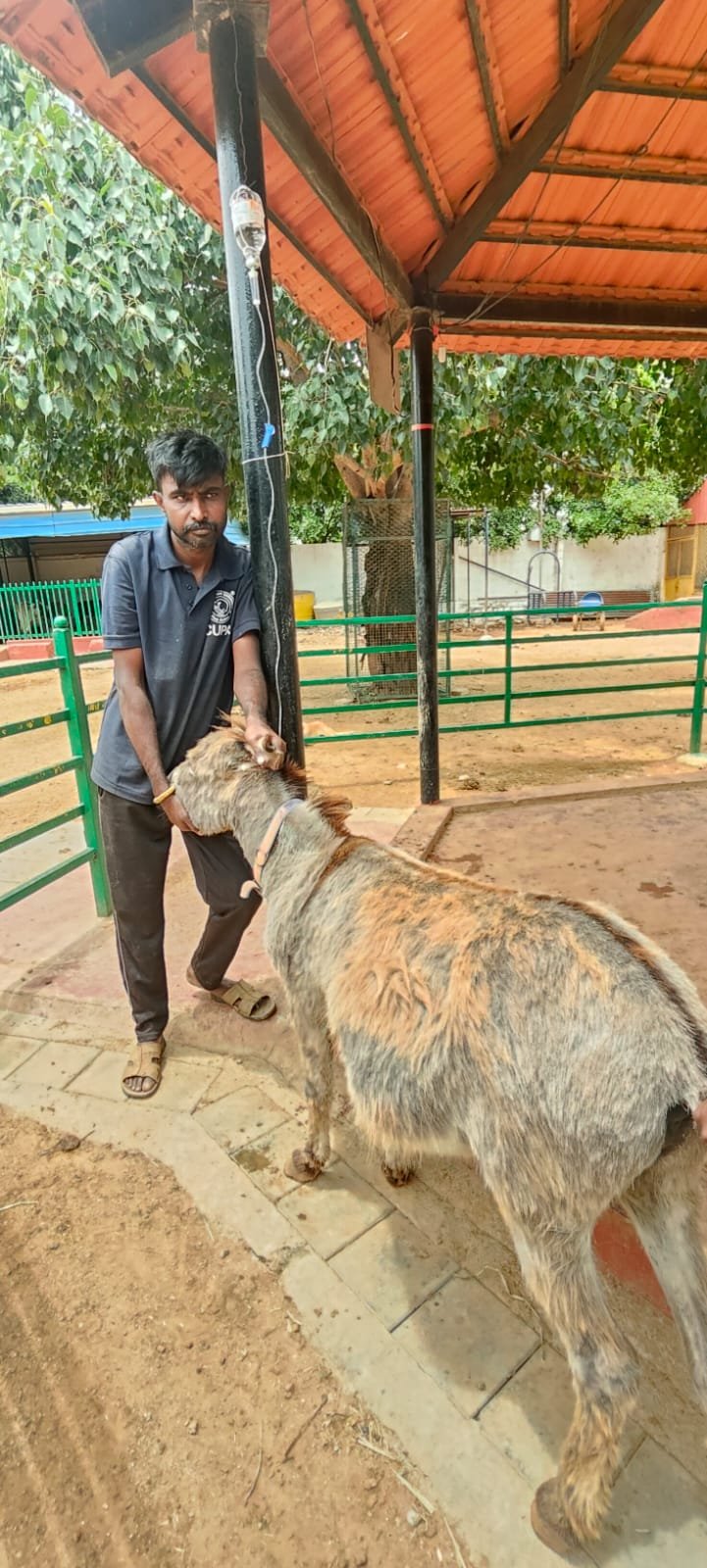
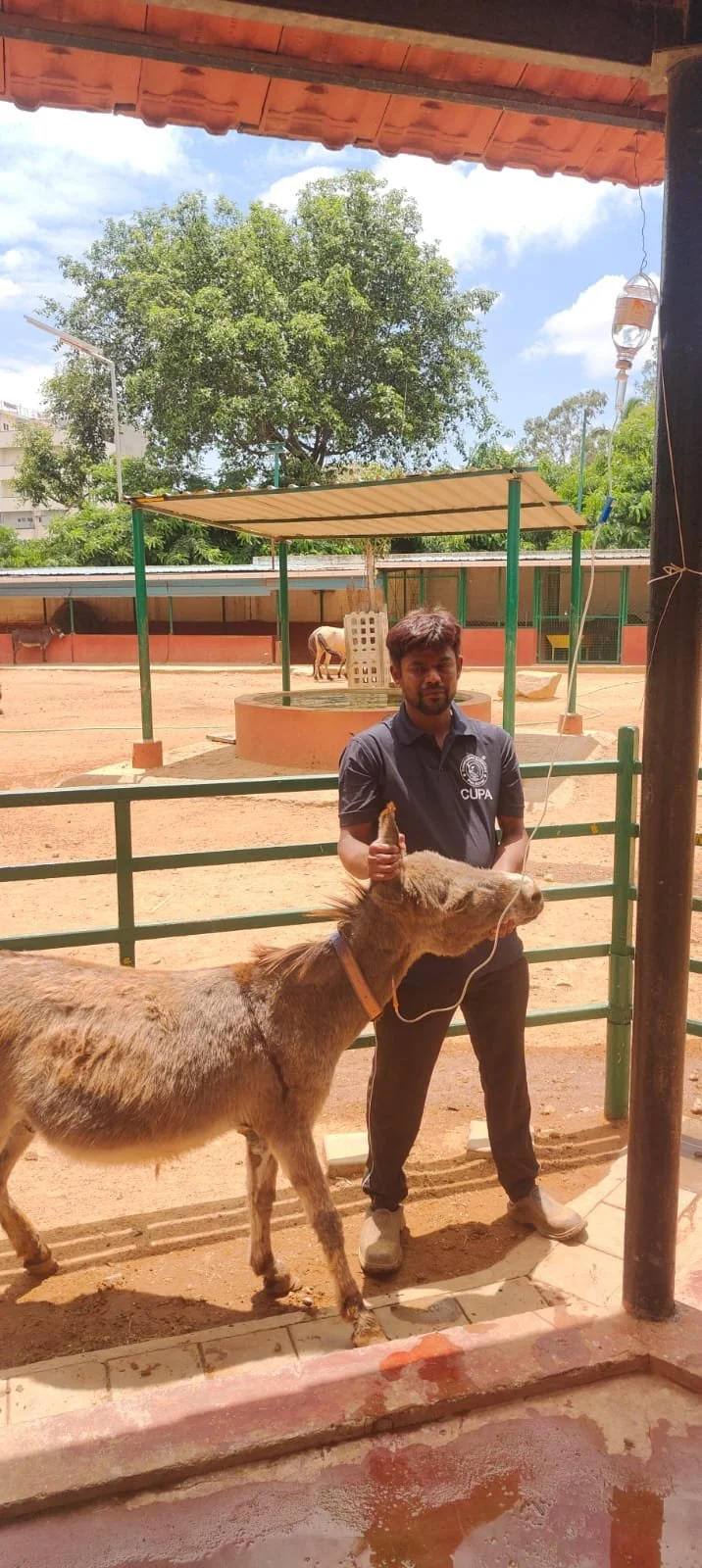
  • Tuluk, Barney, Pink Floyd, and Ashley (Donkeys). 

Several resident equines at CUPA LARRC require ongoing treatment for anaemia. Through consistent bi-weekly veterinary care, nutritional supplementation, and regular monitoring, Tuluk, Ashley, Barney, and Ashwa have shown significant improvements in their health and overall condition.

Due to age-related complications, Thor and Pink Floyd continue to receive lifelong treatment to maintain their quality of life. 

Impact: Regular preventive and supportive care has improved the health of four rescued animals, while ensuring continued comfort and wellbeing for two geriatric residents requiring long-term medical attention. 

Case Study 2: Asghar - Compassionate Care Until the End 

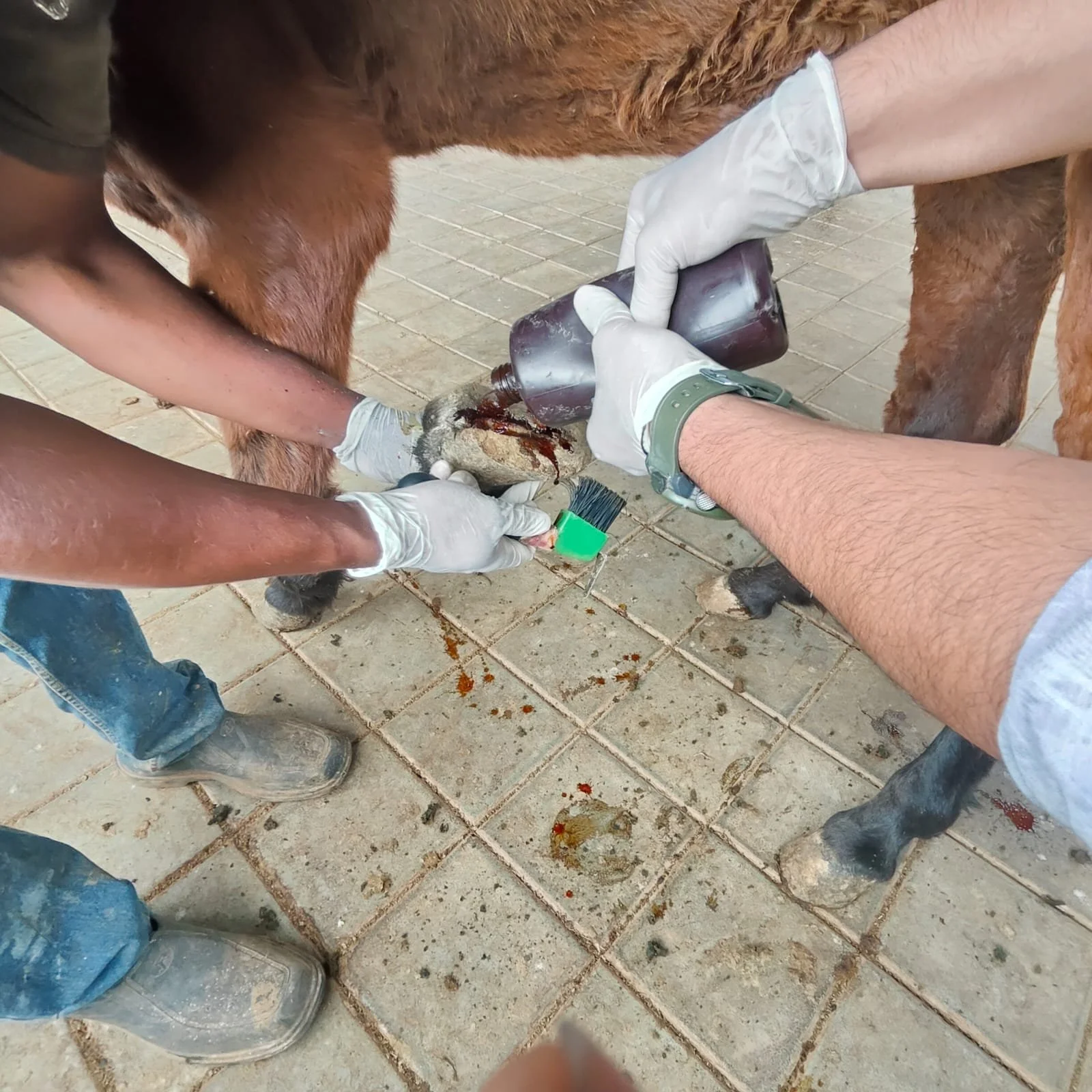
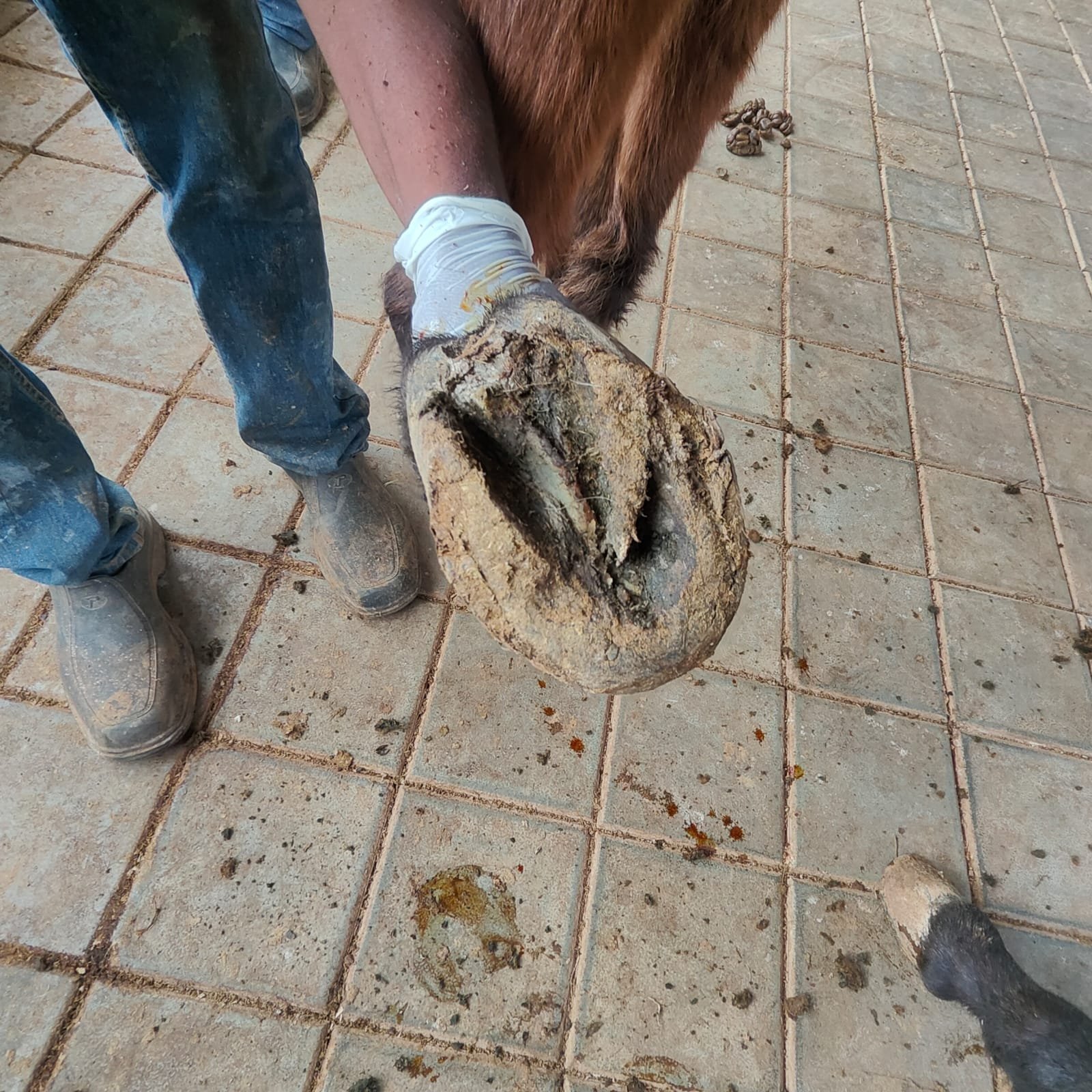
Asghar, a senior equine resident, received dedicated veterinary care for chronic hoof-related issues. Using a mobile X-ray unit, the veterinary team was able to accurately diagnose abnormalities within his hoof and provide targeted treatment alongside nutritional supplementation and routine medical care. His condition improved significantly, allowing him greater comfort and mobility during his final months. 

Sadly, Asghar passed away in the last week of June due to age-related causes. While his loss is deeply felt, he spent his final years receiving the specialised care, dignity, and compassion every rescued animal deserves. 

Impact: Advanced diagnostics and sustained veterinary intervention significantly improved Asghar's quality of life, ensuring comfort and pain management throughout his time at the shelter. 

Case Study 3: Supporting Thanos' Long-Term Rehabilitation 

Thanos was rescued in 2025 after developing neurological issues that affected his balance and movement, likely caused by years of draught work or previous abuse.

As neurological conditions require long-term management rather than immediate recovery, the veterinary team's focus has been on preventing secondary injuries, providing supportive treatment, and ensuring his comfort as he continues rehabilitation. 

Impact: Continuous veterinary care is helping Thanos maintain a better quality of life, while supporting his ongoing recovery and wellbeing. 

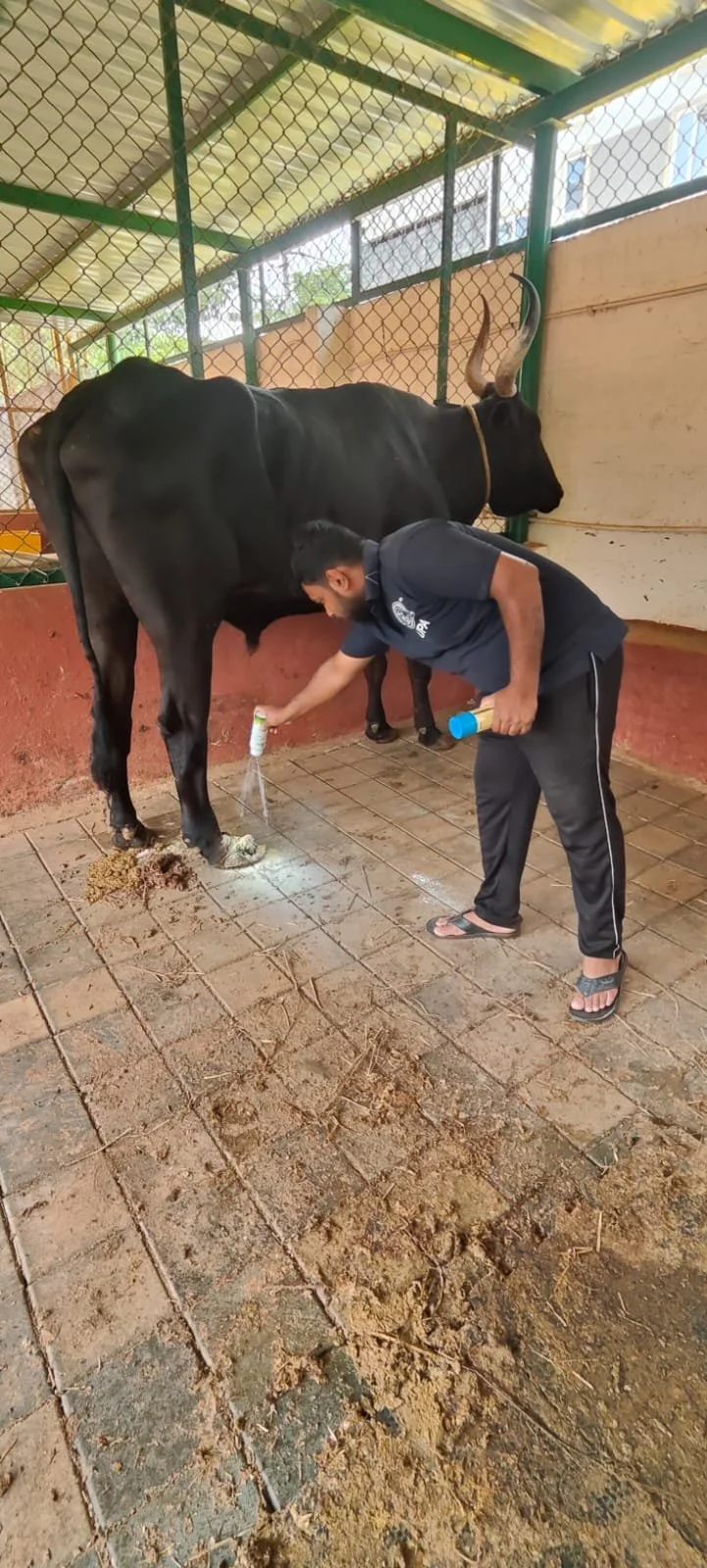
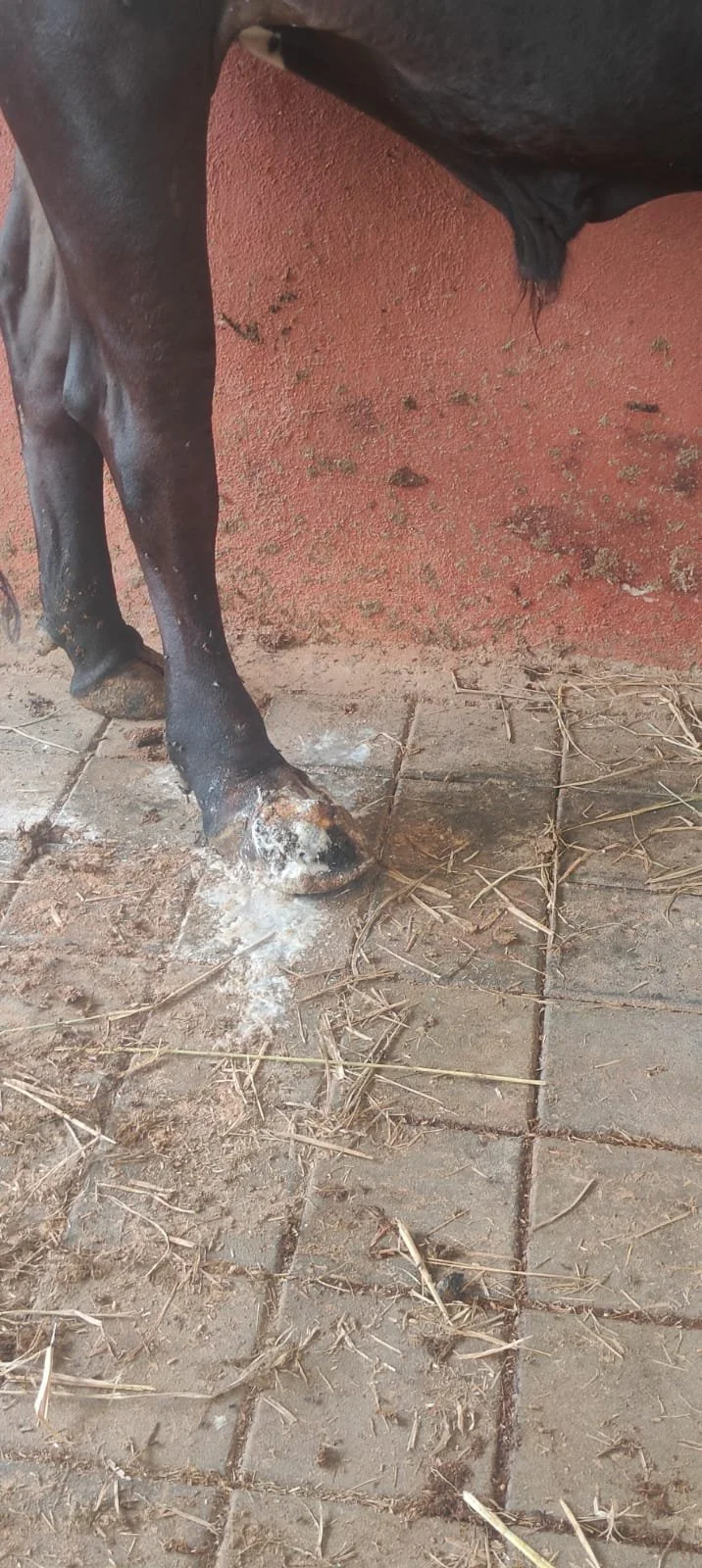
Case Study 4: Treating Shivaraj's Cancerous Hoof Growth 

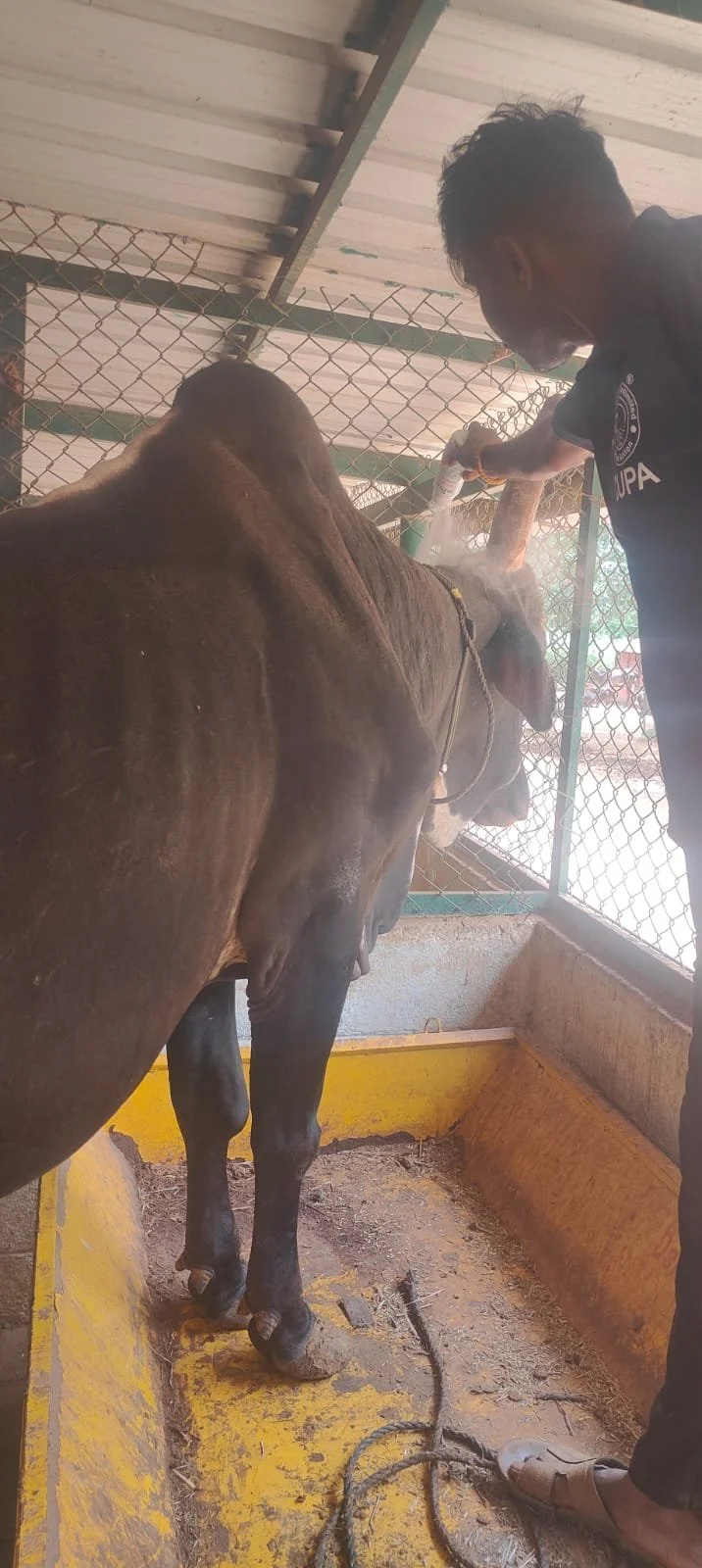
Shivaraj, a rescued bull, was admitted with a cancerous growth on his hoof that required intensive and consistent medical attention.

Through daily treatment, wound management, and close veterinary monitoring, the condition has shown marked improvement, reduced discomfort and improving his mobility. 

Impact: Timely and sustained medical intervention has significantly improved Shivaraj's condition and enhanced his overall welfare. 

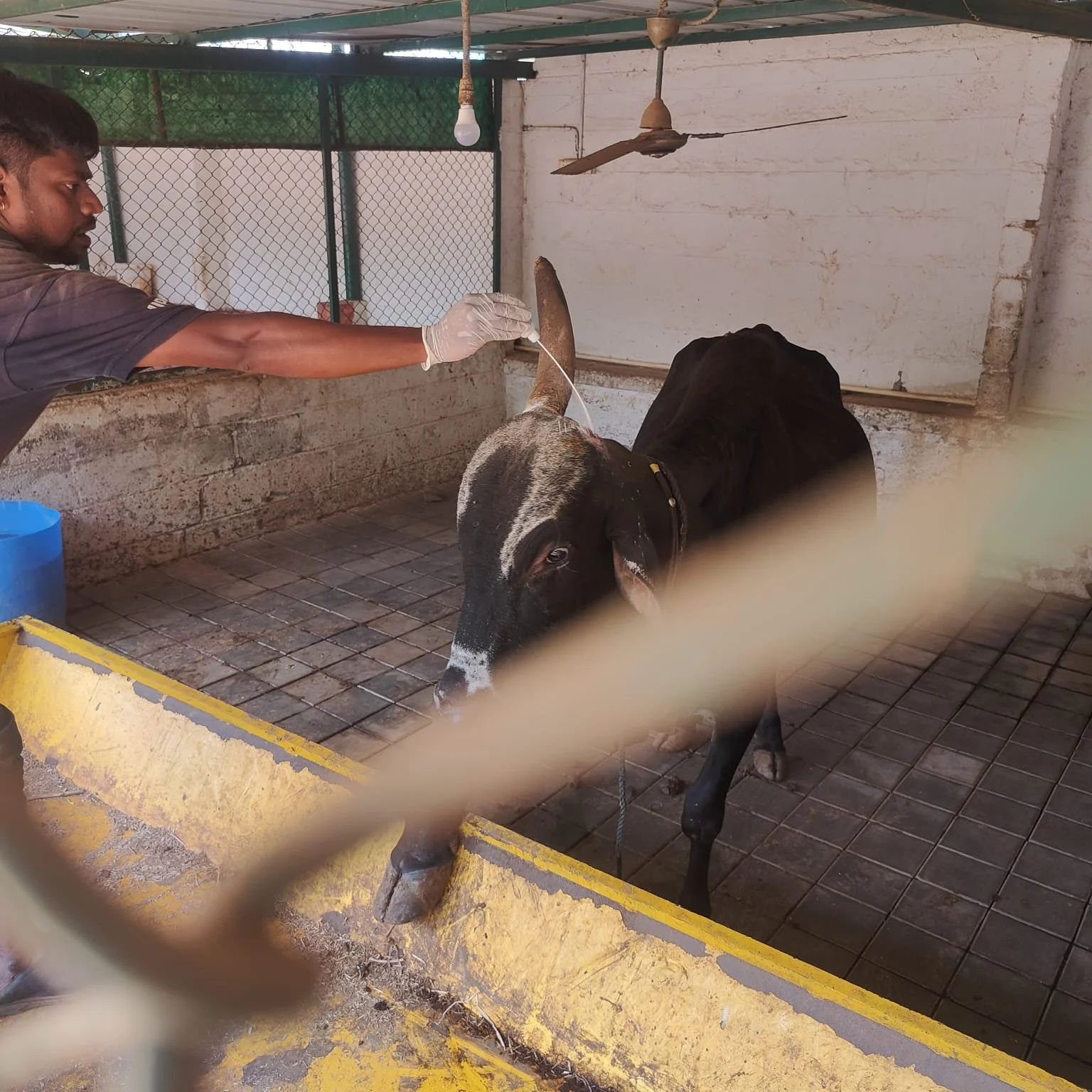
Case Study 5: Karun's Complete Recovery 

Karun, a rescued bull, arrived at CUPA LARRC with a severe broken horn injury that had created a deep cavity exposing the skull, placing him at high risk of infection and further complications.

Through intensive wound care, veterinary treatment, and regular monitoring, the injury healed successfully. 

Impact: Karun has made a full recovery and is now able to live comfortably, demonstrating the importance of timely veterinary intervention for severe trauma cases. 

Beyond these individual cases, the veterinary team continues to provide routine medical care for rescued bulls, equines, and donkeys at the shelter. This includes treating minor injuries, administering nutritional supplements, monitoring chronic conditions, and delivering preventive healthcare to ensure every rescued animal receives the long-term support they need to recover and thrive. 

Rescues & Rehabilitation 

Rescue and Rehabilitation of Fraser (Rockstar) and Cooke (Shaggy) 

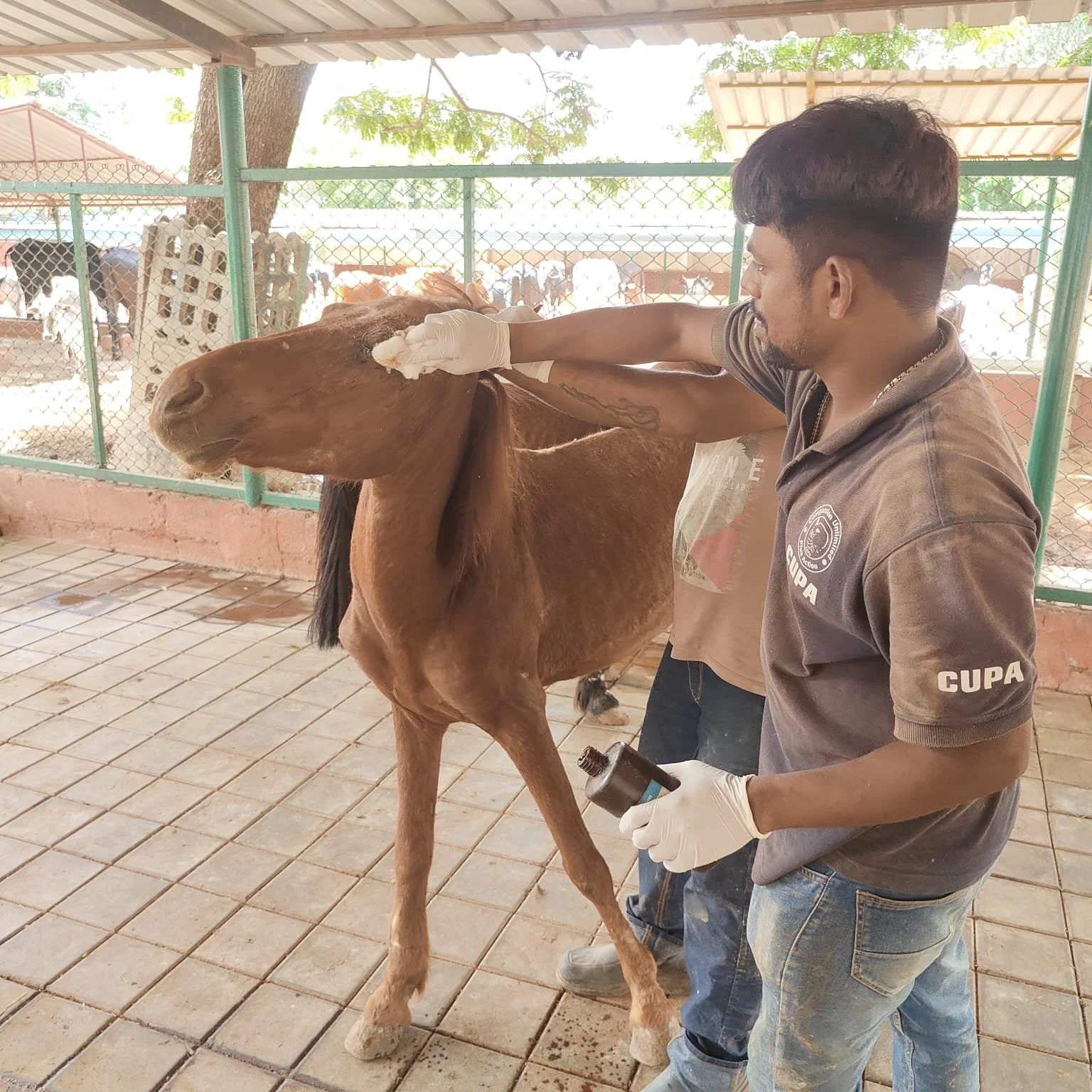
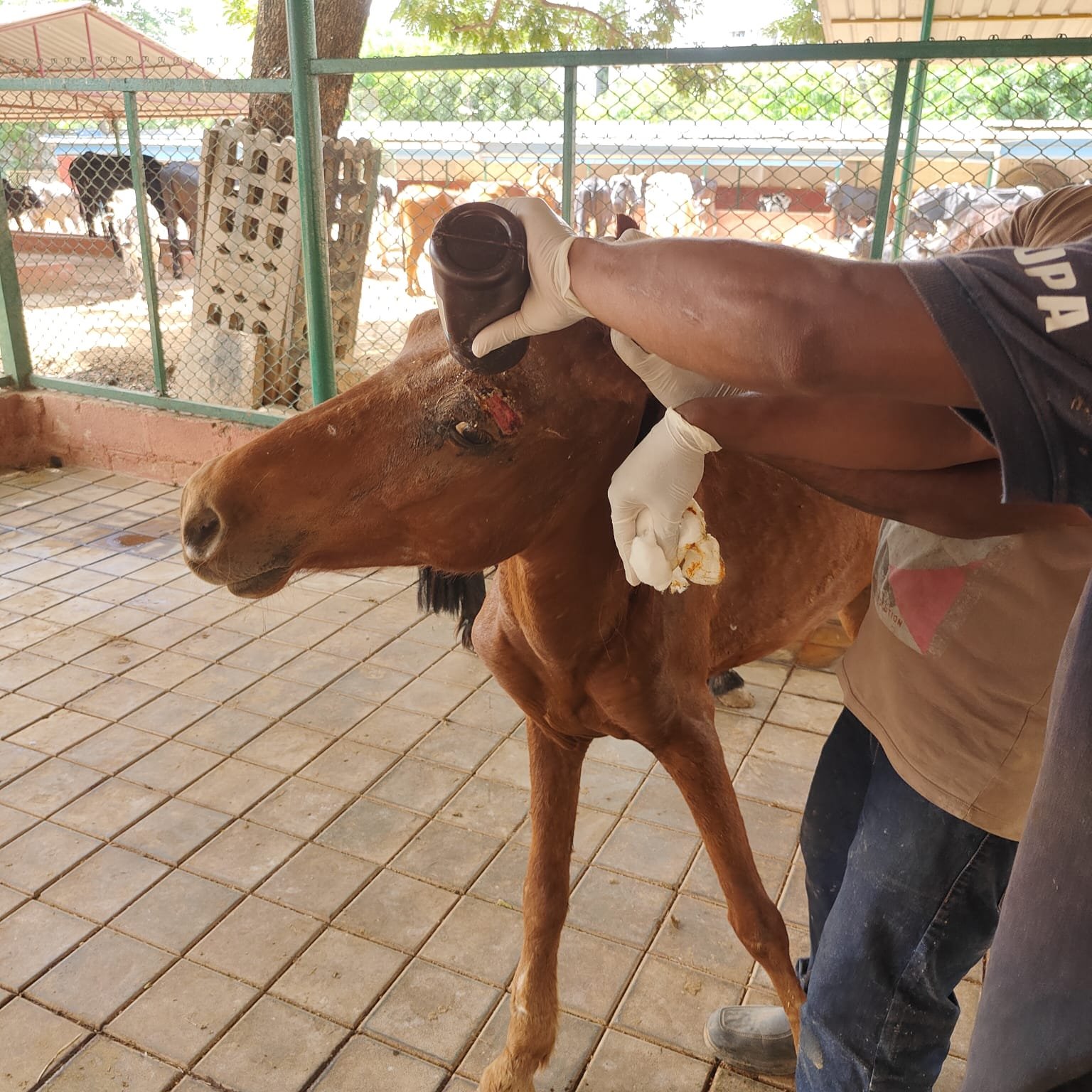
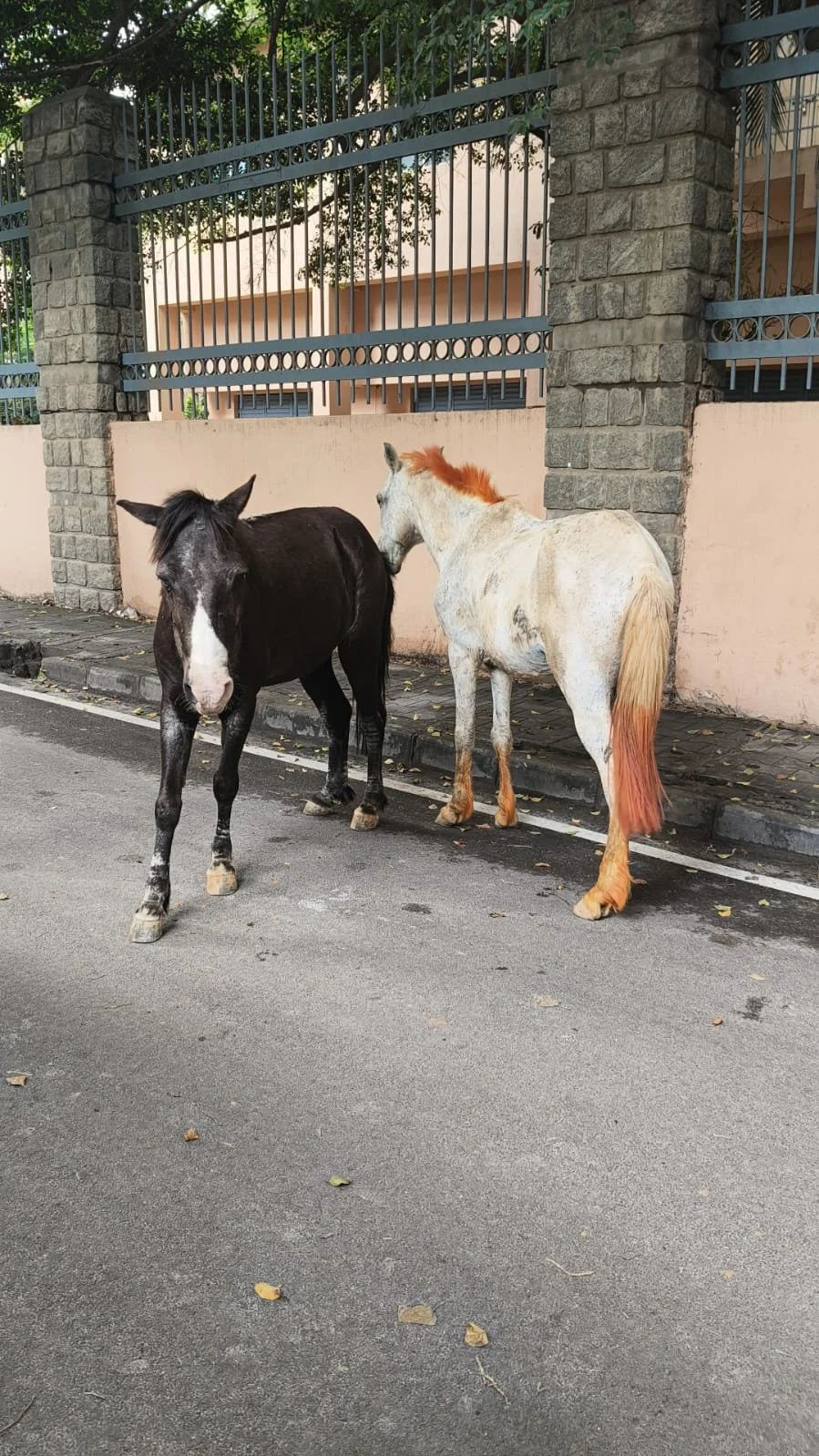
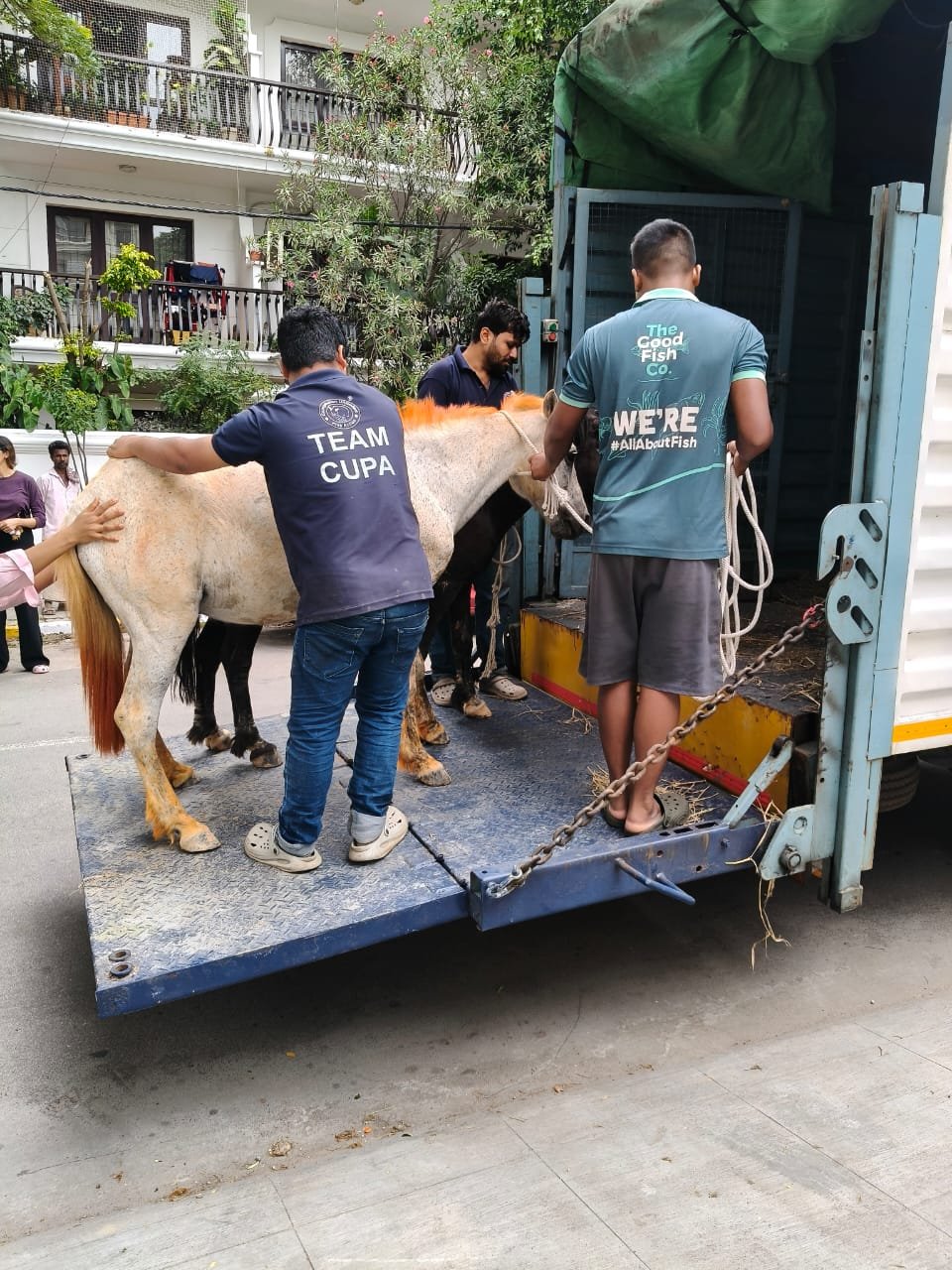
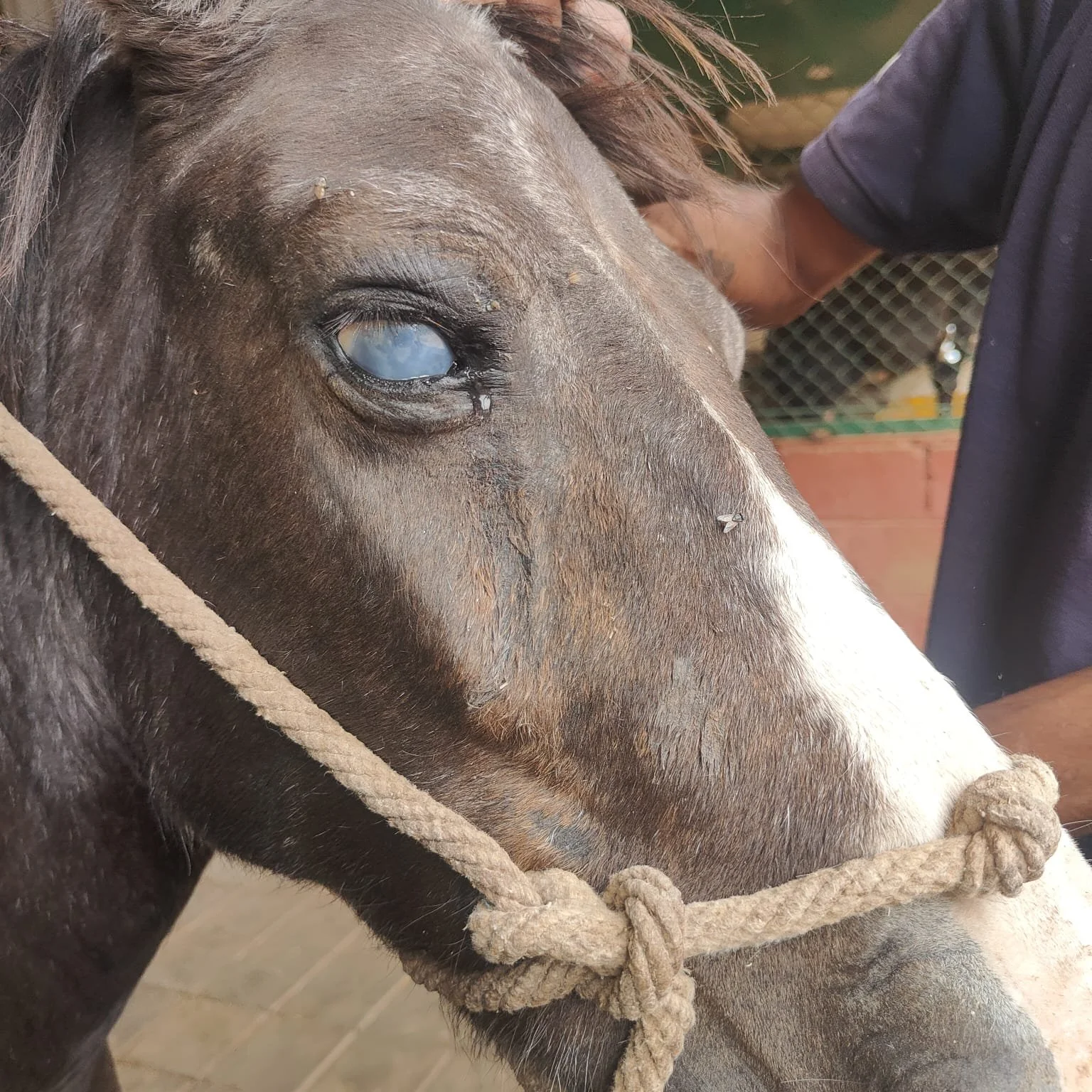
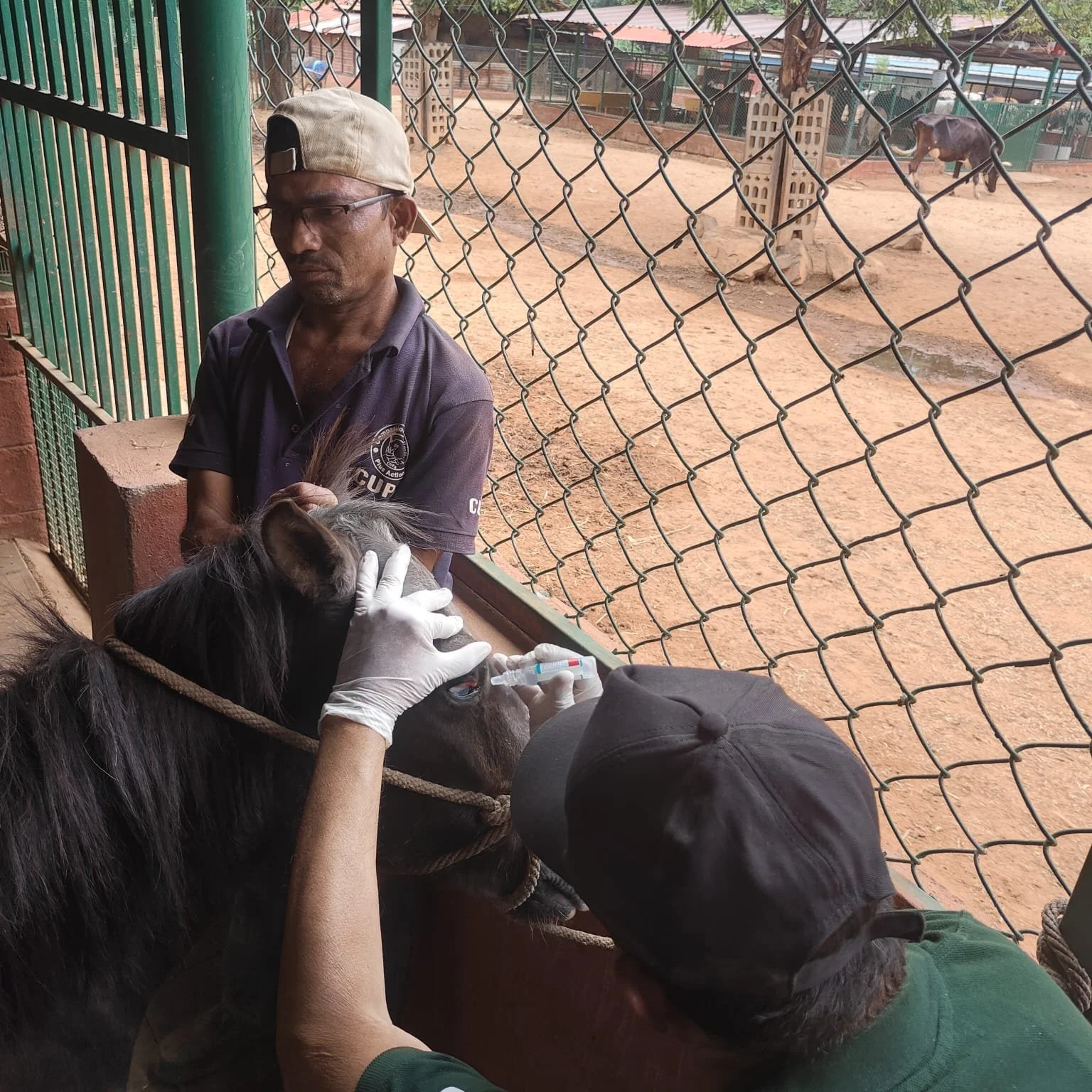
In June, CUPA - with support from local residents and the Bengaluru Police - rescued two ponies called Fraser (Rockstar) and Cooke (Shaggy) from Pulakeshinagar (Fraser Town), where they had been subjected to prolonged cruelty and abuse. 

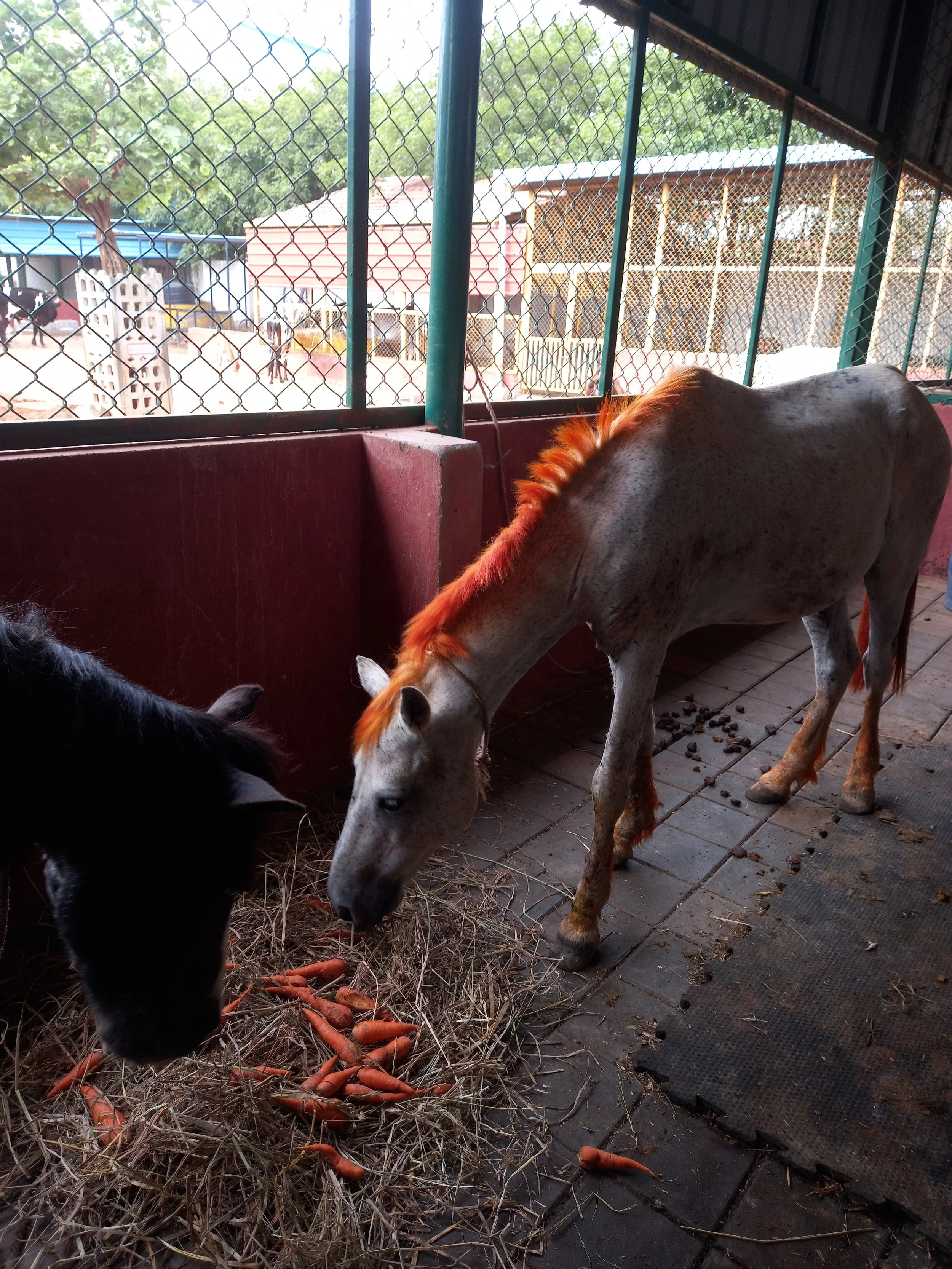
Following their rescue, veterinary examinations revealed that Cooke had lost vision in one eye and, due to advanced age, was experiencing reduced mobility and gait-related issues. Fraser, who had endured similar abuse, displayed clear signs of fear, anxiety, and behavioural stress. 

Both ponies were admitted to CUPA LARRC, where they are receiving specialised veterinary treatment, nutritional support, and a safe environment to aid their physical and emotional recovery. 

Impact: This rescue not only removed two vulnerable animals from an abusive environment but also provided them with the long-term medical care, rehabilitation, and security they need to recover and live with dignity. 

Emergency Rescue of Phoebe and Her Foal, Joey 

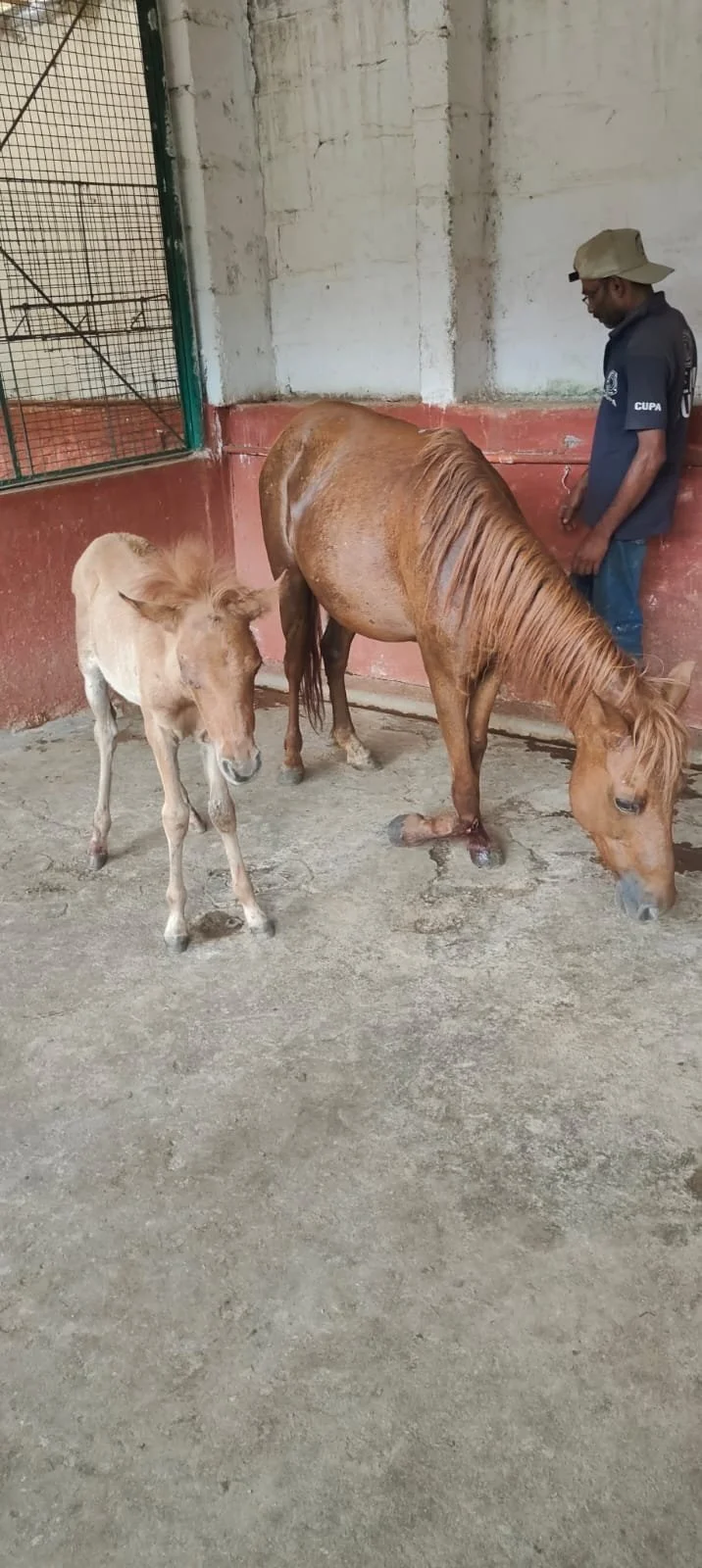
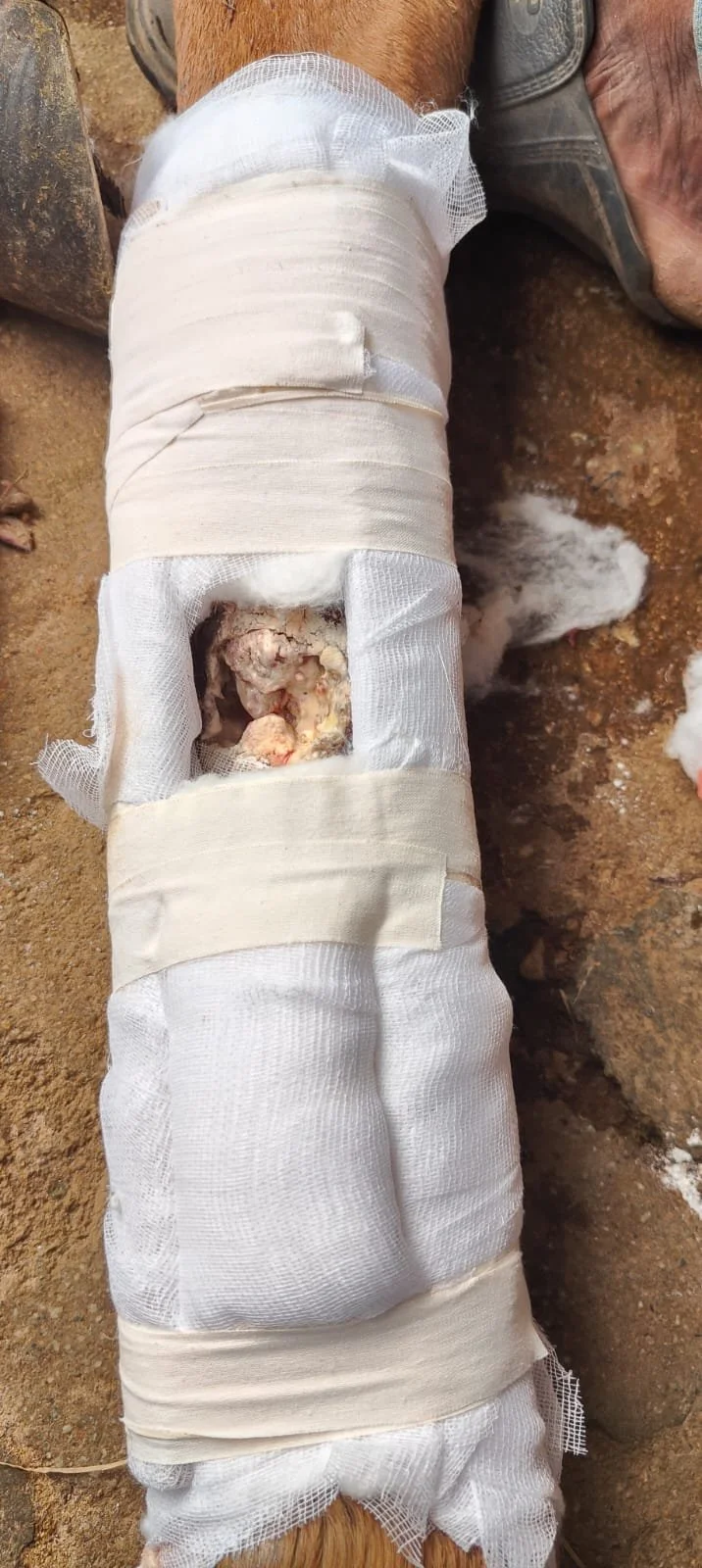
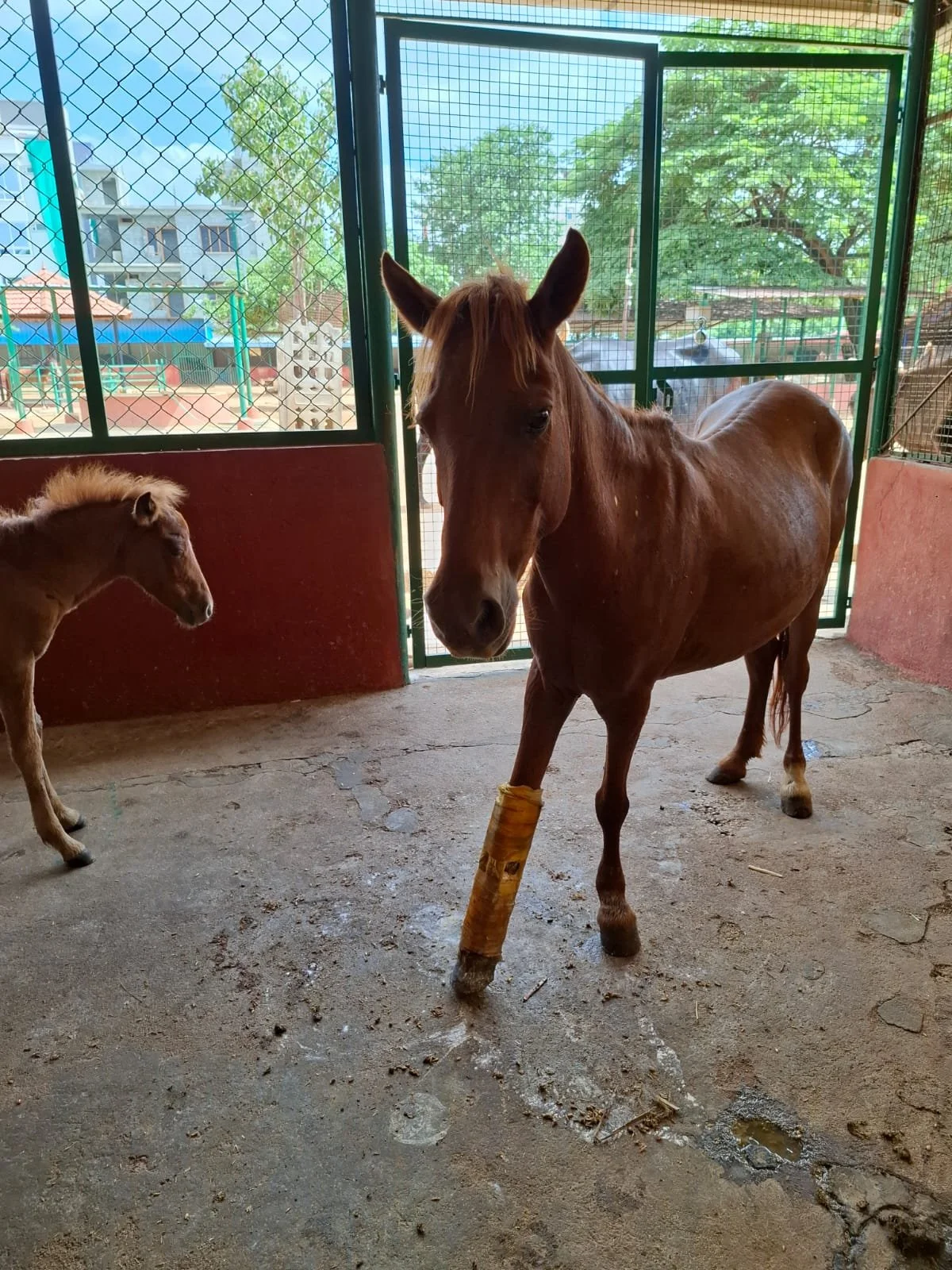
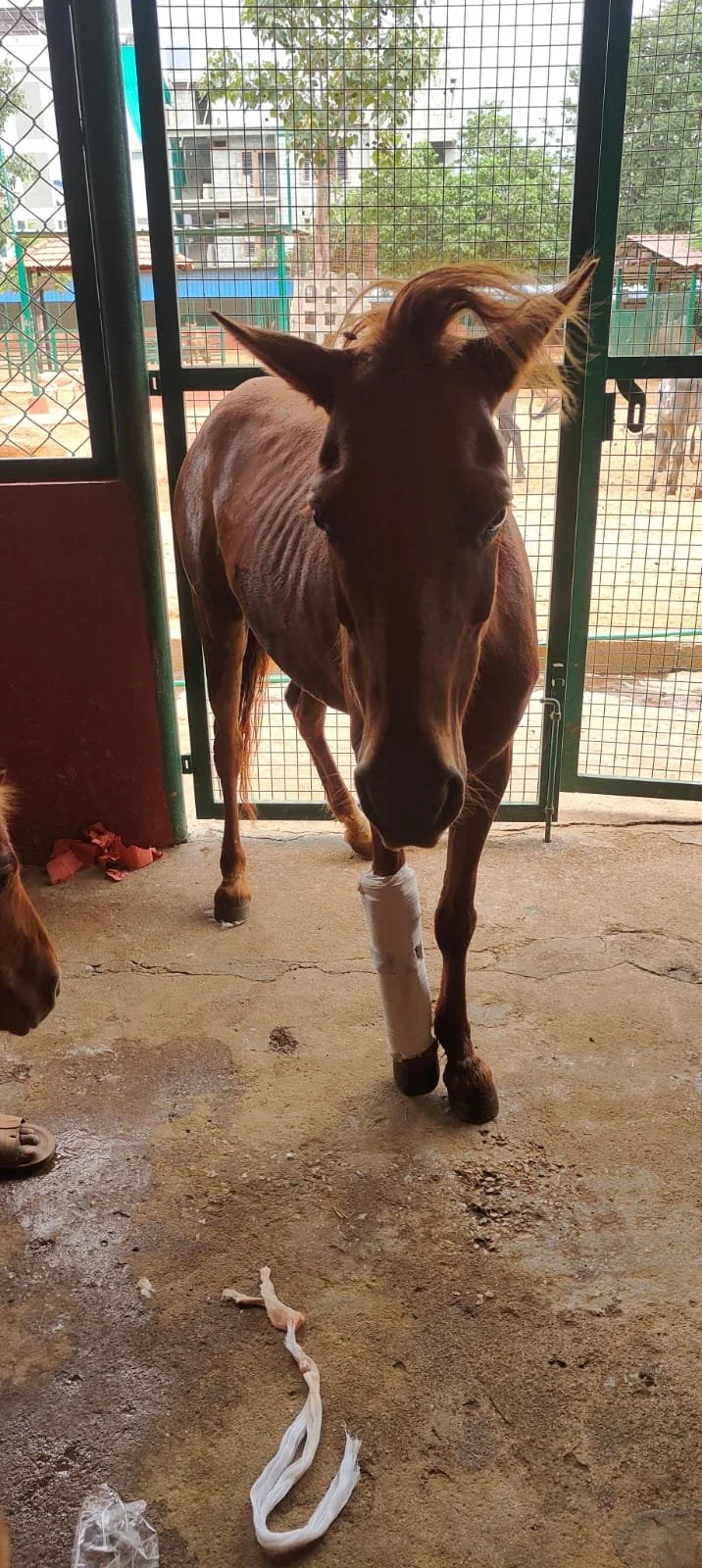
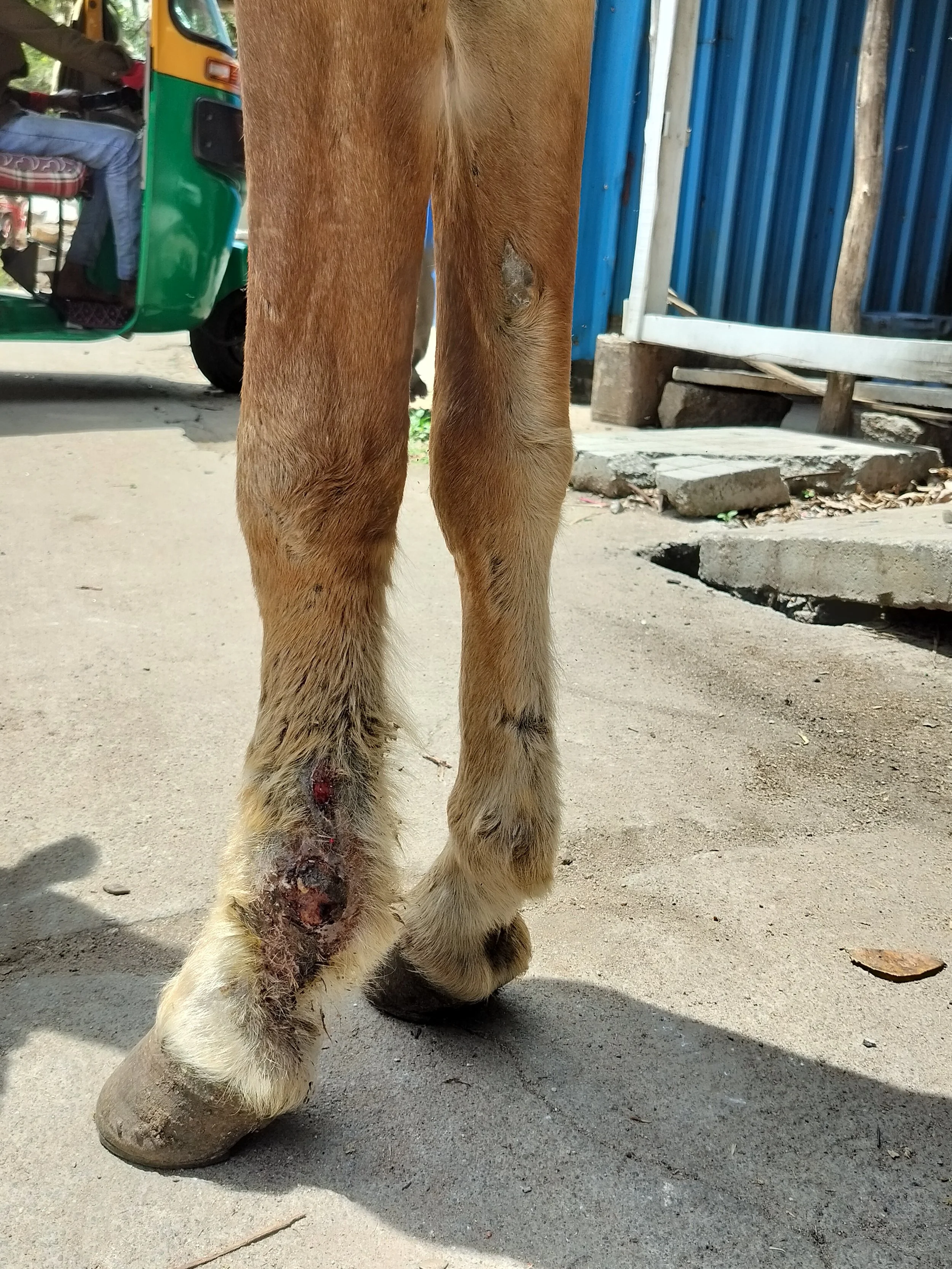
Towards the end of June, CUPA responded to an emergency call involving Phoebe - a mare who had sustained a fractured metacarpal bone following a severe road accident.

She was accompanied by her three-month-old foal, Joey, so the rescue team transported both mother and foal safely to CUPA LARRC to ensure they remained together throughout treatment. 

Phoebe is currently undergoing intensive veterinary care, with splints applied to stabilise the fracture and encourage bone healing. The veterinary team is closely monitoring her progress to determine whether the limb can be successfully saved. If healing is unsuccessful, amputation followed by fitting a prosthetic limb will be considered to restore her mobility and quality of life. 

Meanwhile, Joey continues to receive appropriate nutrition and care alongside his mother, ensuring his healthy development while minimising the stress of separation. 

Impact: Prompt rescue and specialised veterinary intervention have given Phoebe the best possible chance of recovery, while also ensuring mother and foal remain safely together, under continuous care during this critical period. 

Pony Health Camp 

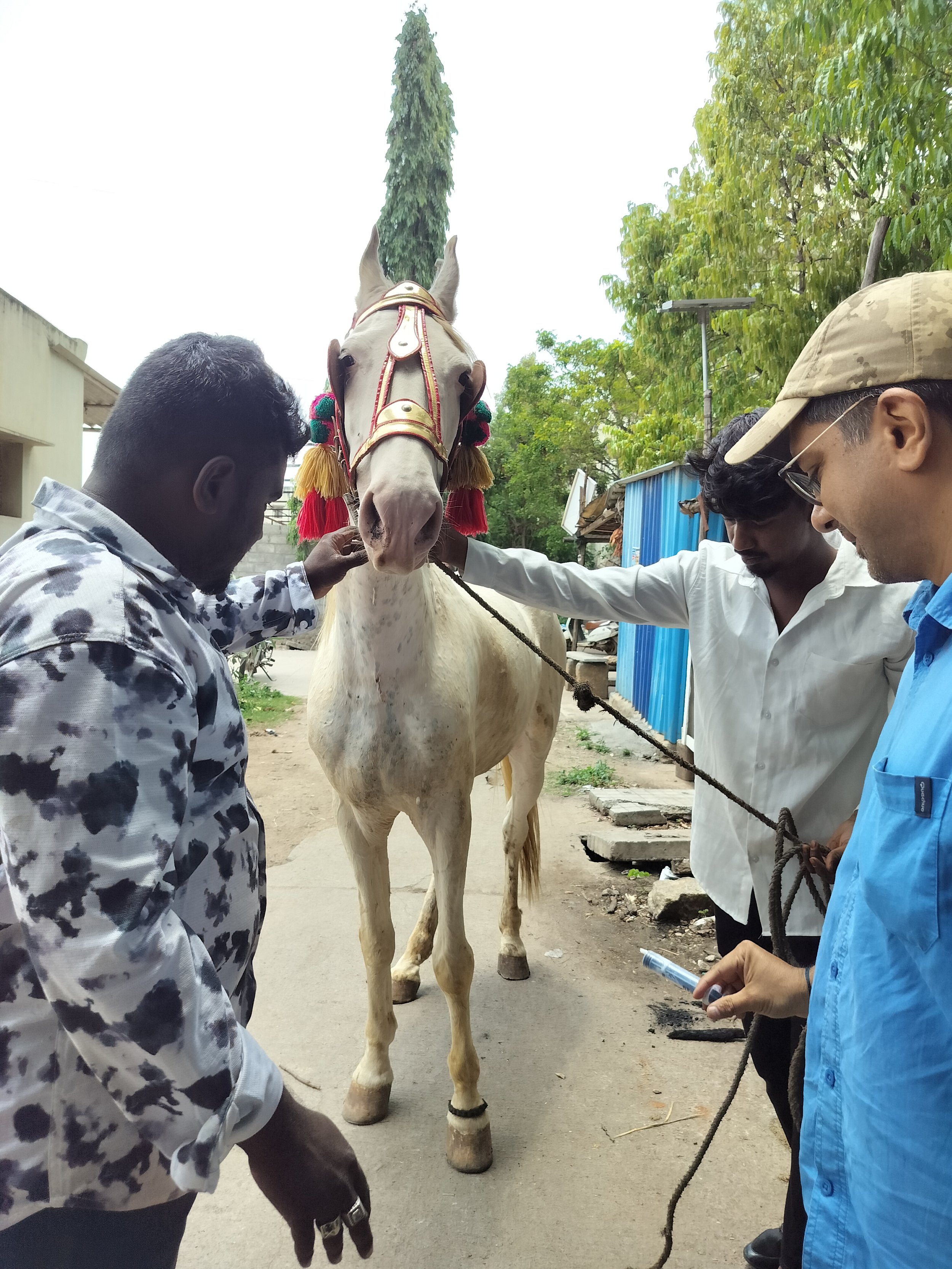
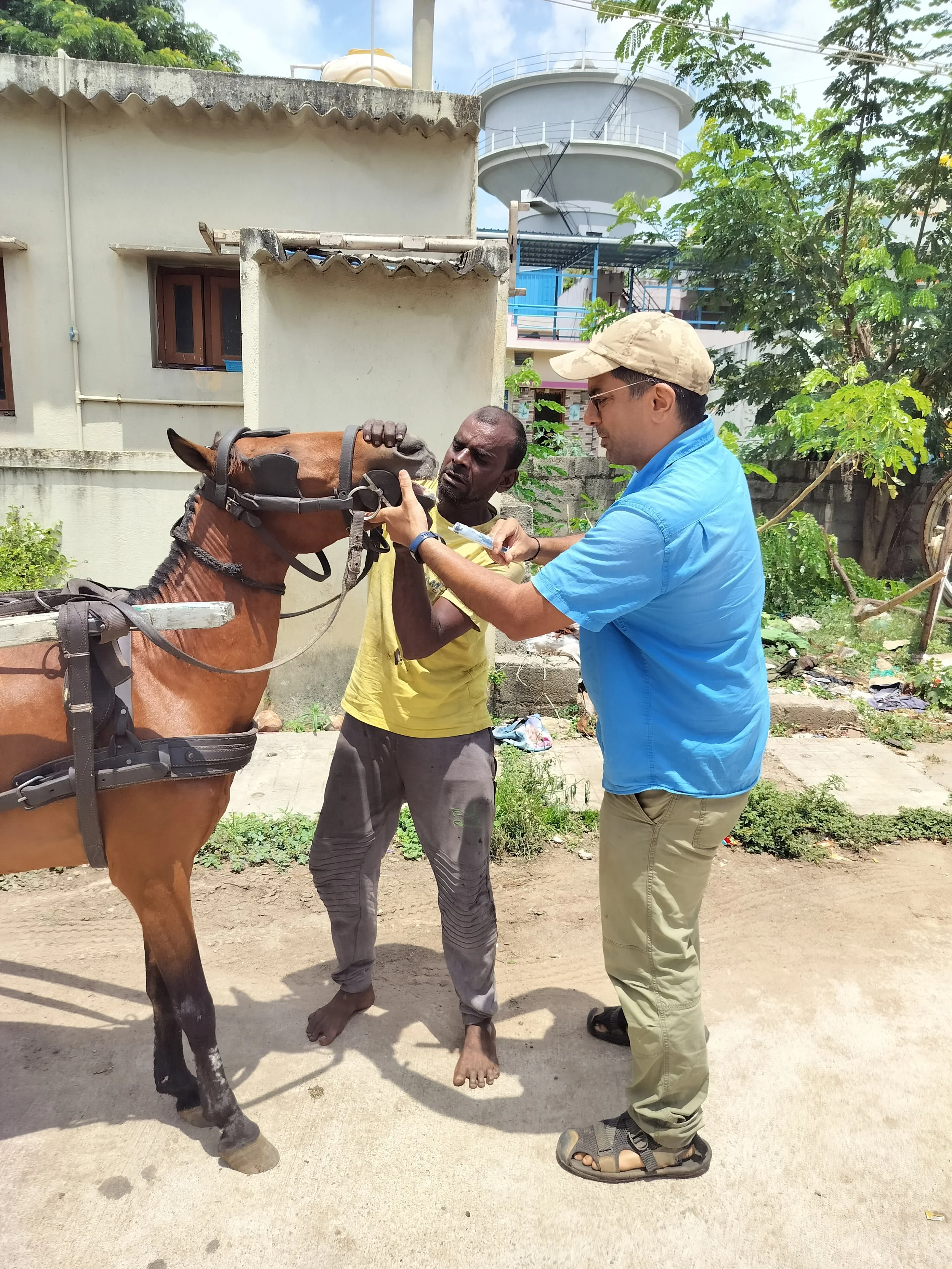
During the last quarter, CUPA conducted a Rural Pony Health Camp in Tumkur district, extending essential veterinary services to working ponies in underserved rural communities. 

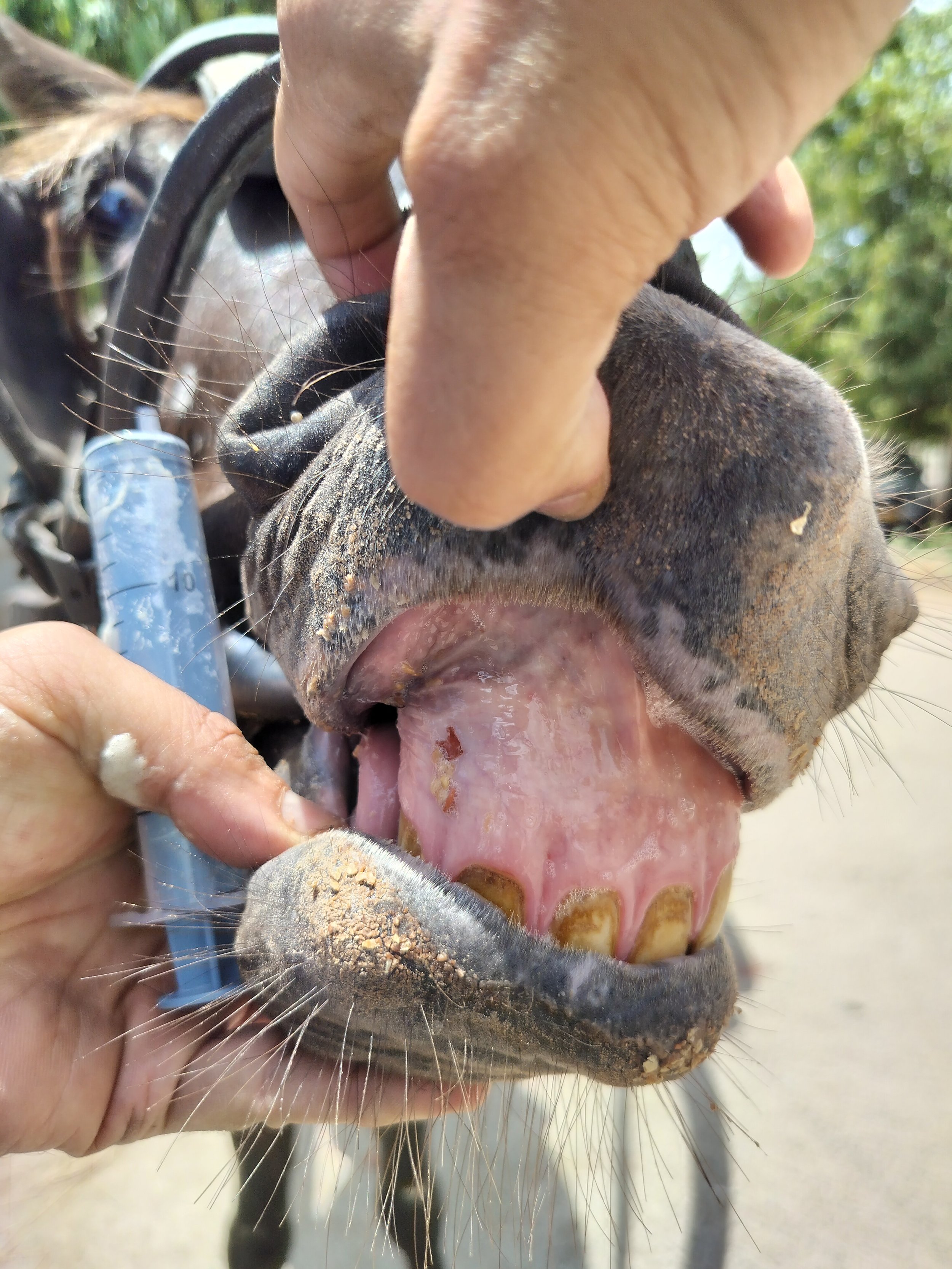
A total of 55 ponies underwent comprehensive health examinations, enabling the veterinary team to identify and address existing health concerns while providing preventive care. As part of the camp, every pony received deworming treatment to reduce the burden of internal parasites, improve nutrient absorption and overall health. 

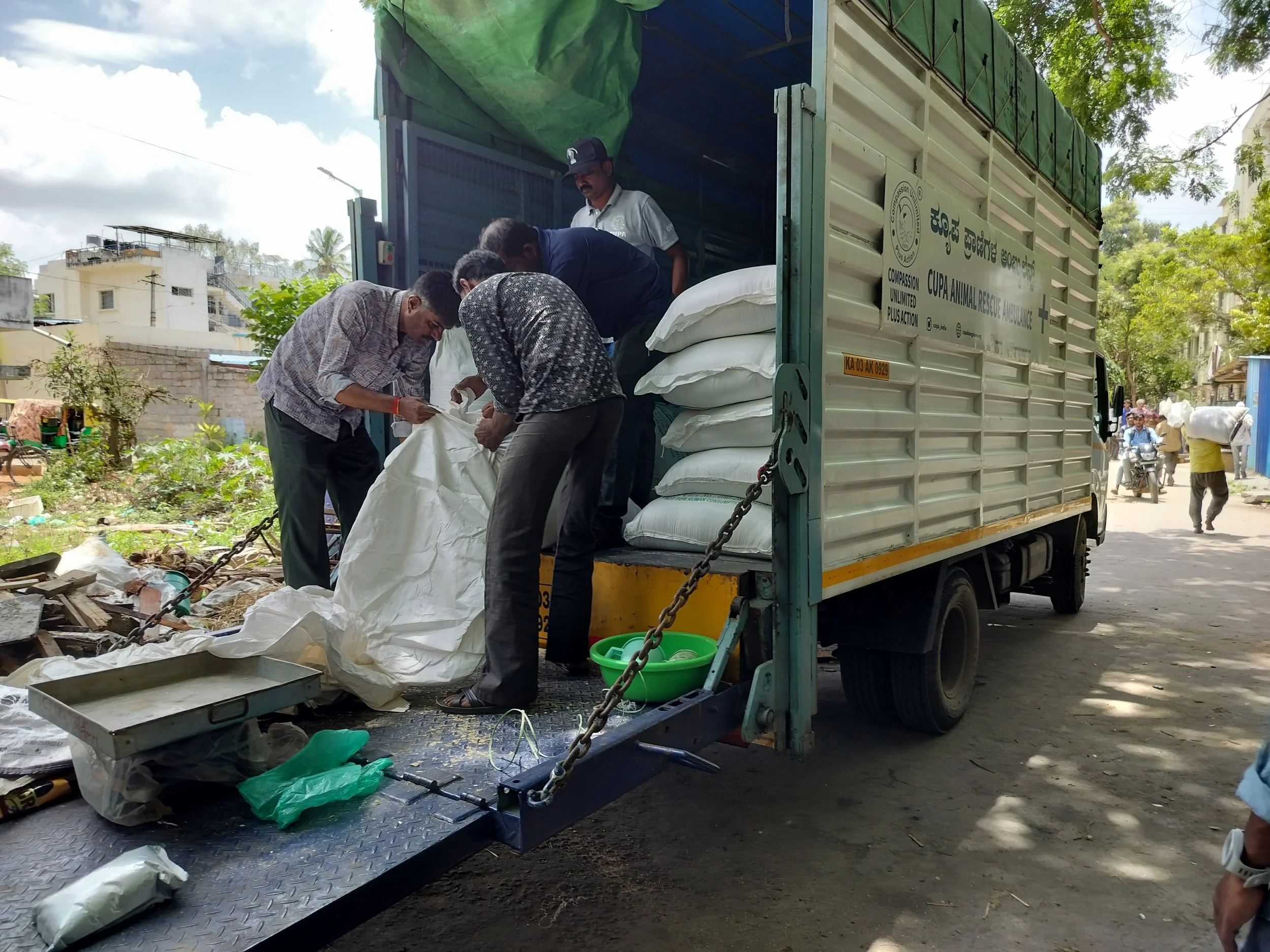
To support their long-term wellbeing, each pony was also provided with nutritional supplements sufficient for three months, helping to address common deficiencies and improve body condition. In addition, owners received one month's supply of feed, ensuring immediate nutritional support, particularly for animals with poor body condition or limited access to adequate fodder. 

Beyond treatments, the camp provided an opportunity to engage with pony owners about the importance of preventive healthcare, nutrition, and early intervention for injuries and illnesses, encouraging better welfare practices within the community. 

Impact: Through this outreach initiative, 55 working ponies received preventive healthcare and nutritional support that will continue to benefit them well beyond the camp.

By addressing health issues before they become severe and equipping owners with the resources and knowledge to care for their animals, the programme helps improve the welfare, resilience, and quality of life for working equines in rural communities. 

Conclusion & thanks

Your support has enabled CUPA to provide timely rescue, specialised veterinary treatment, long-term rehabilitation, and preventive healthcare to some of the most vulnerable animals in our care.

From responding to emergency rescues and treating complex medical conditions, to conducting rural health camps that prevent illness before it begins, every intervention helps reduce suffering and restore dignity to animals who have experienced neglect, abuse, or injury.

Together, we are not only saving lives but also creating lasting improvements in the health, welfare, and quality of life for rescued and working animals, ensuring they receive the compassionate care they deserve. 

Next
Next

reaching isolated working animals in rural areas of colombia with essential veterinary care