education & humane equipment improves welfare for donkeys in Malawi
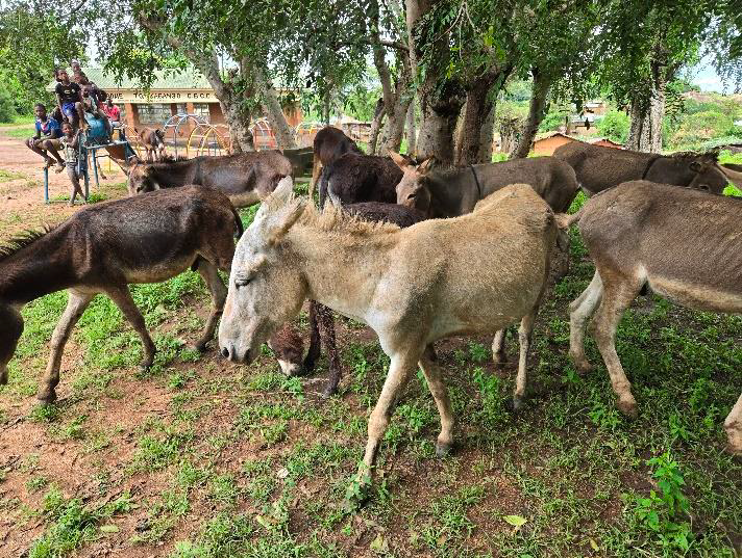
Animal Aid Abroad, together with our partner Lilongwe Society for the Protection and Care of Animals (LSPCA), is transforming the welfare of working donkeys in Malawi through veterinary care, education, and humane equipment. In March, mobile clinics and field visits reached 123 donkeys in Nkhoma and Mponela, delivering treatment, preventive care, and practical training for owners.
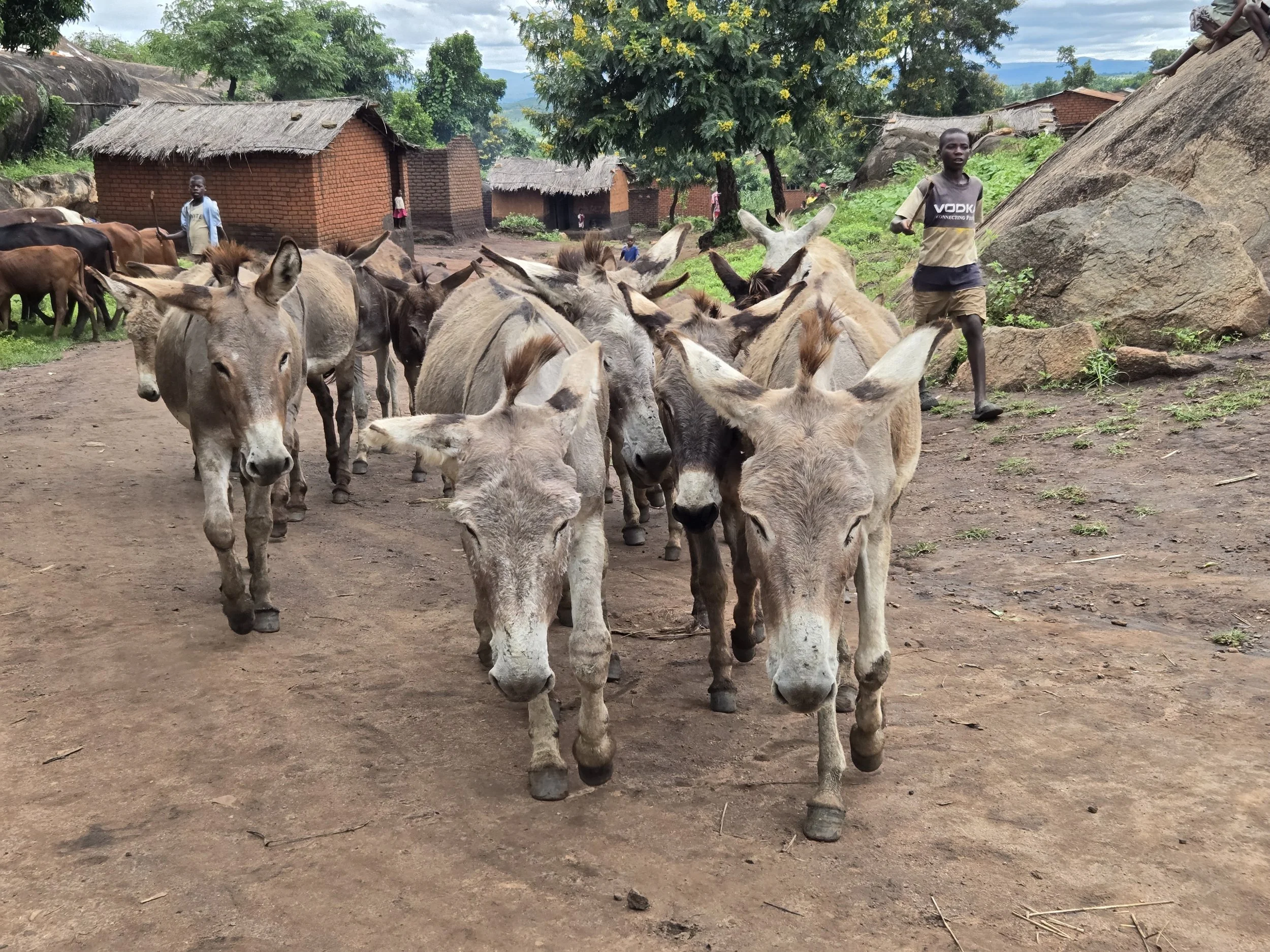
Donkey owners presenting animals for assessment and treatment at the Nkhoma mobile clinic.
Mobile Clinics and Veterinary Care
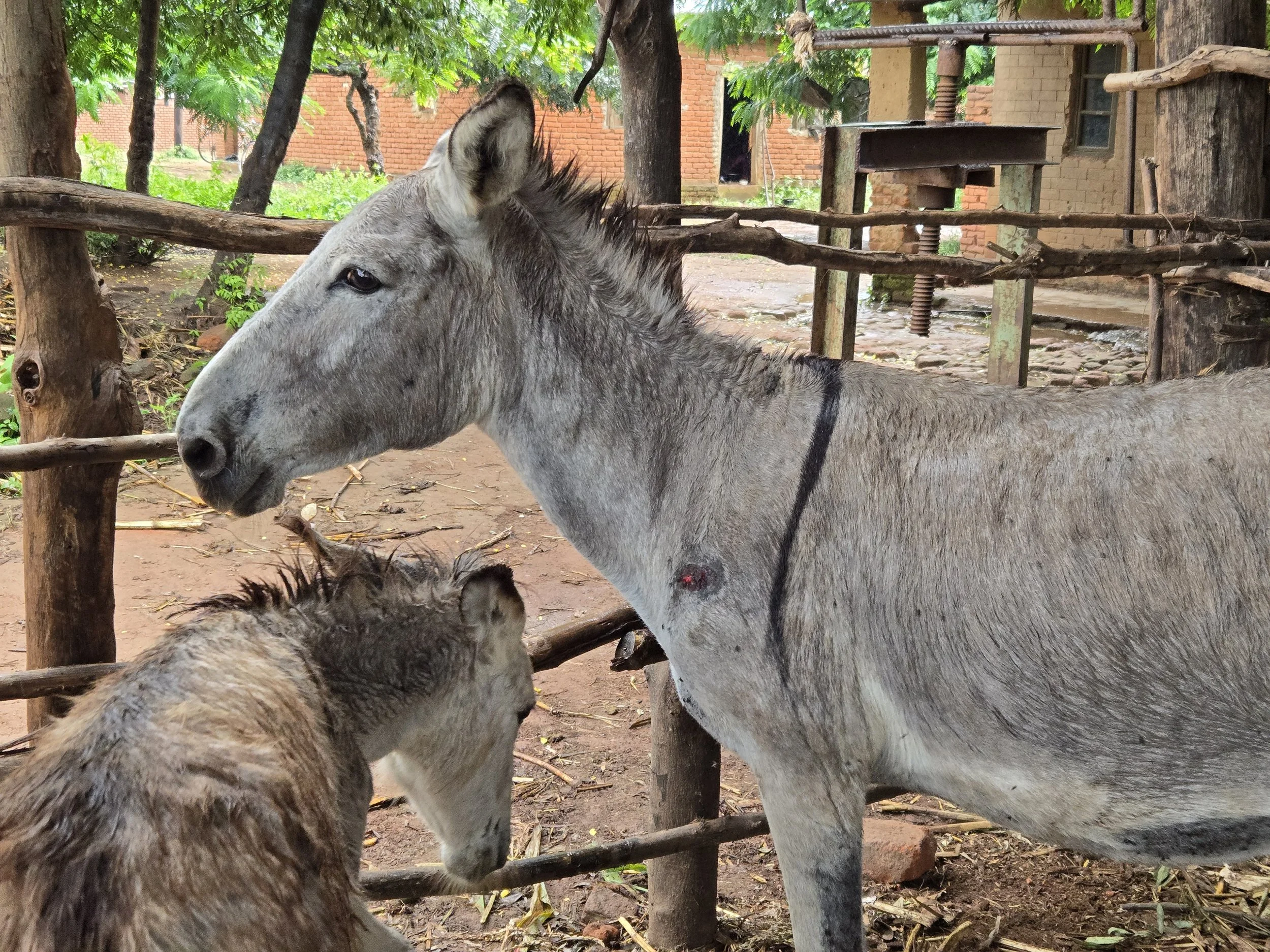
During the first mobile clinic in Nkhoma, 63 donkeys received treatment while another 60 were assessed and given preventive advice. Most animals were in fair condition, but three showed signs of trypanosomiasis, a disease common during the rainy season. Thanks to quick diagnosis and treatment with diminazene aceturate, the donkeys were stabilized, preventing further suffering. Routine care included wound management, antibiotics, multivitamins, and pain relief, ensuring healthier working animals.
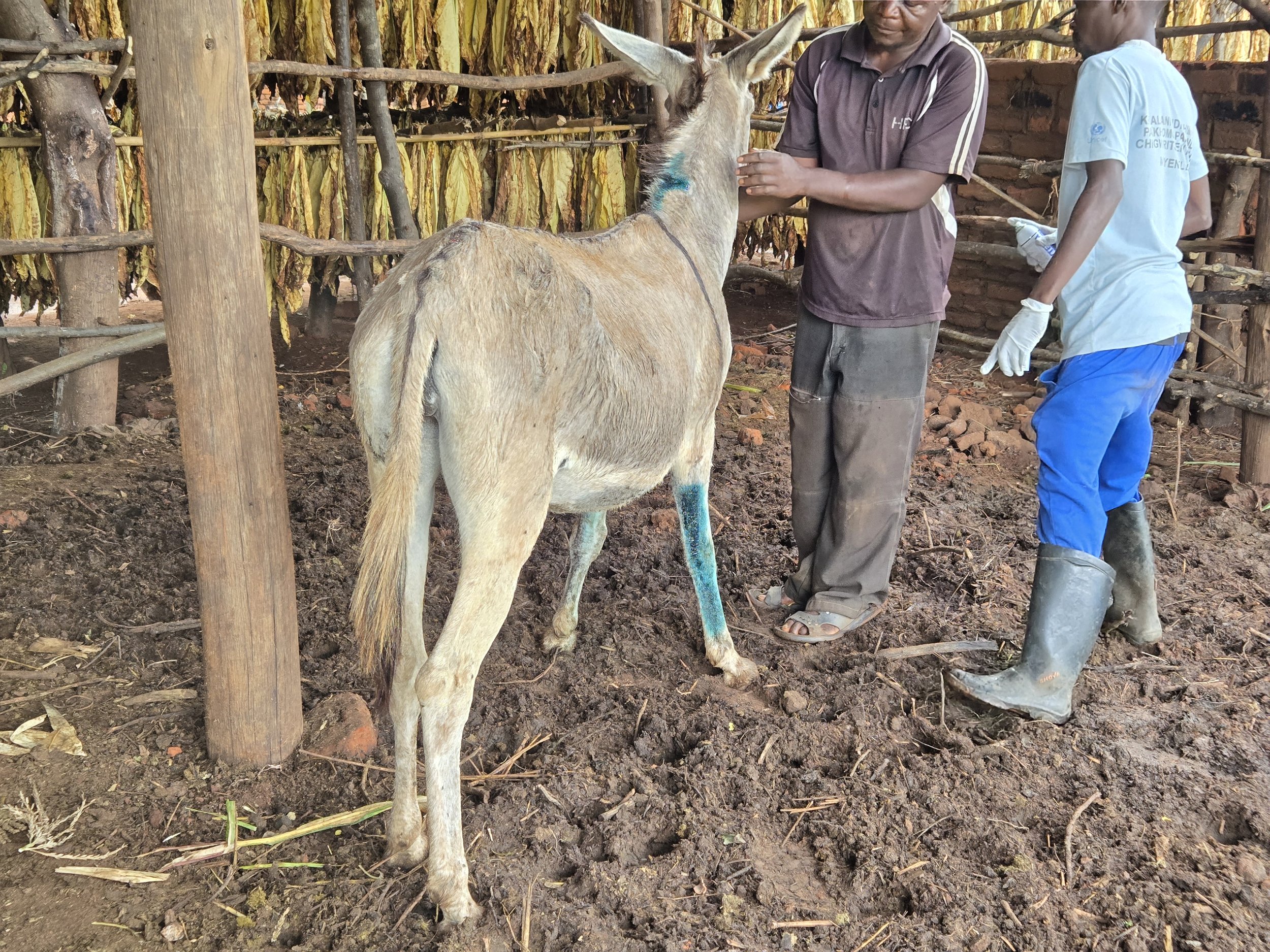
In Mponela, the team followed up on a donkey with a severe limb mass. After owners attempted unsafe self‑treatment, LSPCA provided proper wound care, pain relief, and antibiotics, while coordinating with government veterinary officers for ongoing follow‑up. This case highlighted the importance of timely veterinary intervention and owner education.
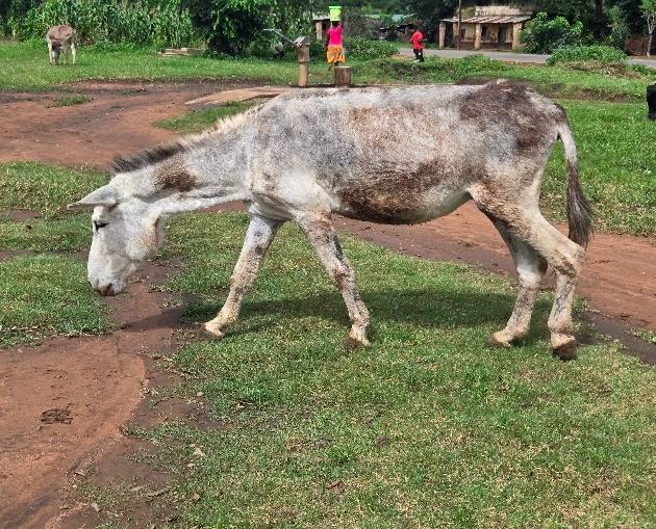
Donkey with clinical signs consistent with trypanosomiasis, identified and treated during the clinic.
Donkey with cart-related wound.
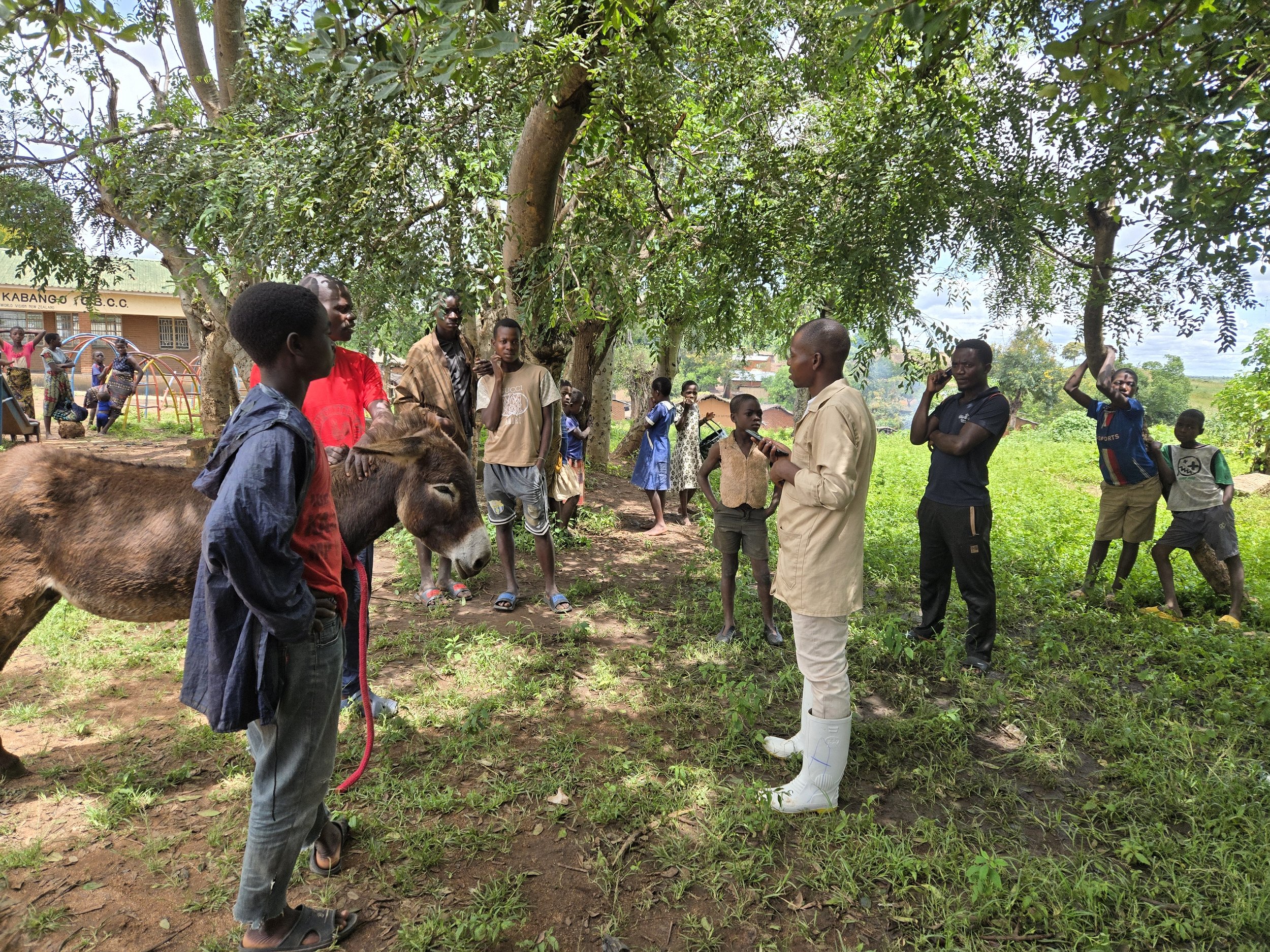
Community engagement on donkey welfare.
Harness Training and Equipment Improvements
To reduce injuries caused by poor harnessing, LSPCA worked with lead farmers to design and fit improved harnesses and pack saddles. Four pack saddles and three harnesses were built during training sessions, immediately improving load balance and reducing pressure points. Farmers also learned practical skills to maintain equipment and prevent injuries.
The team emphasized kraal hygiene to reduce parasites, conducting cleaning exercises and treating minor wounds during visits. These improvements directly enhance donkey welfare and encourage sustainable, humane practices among communities.
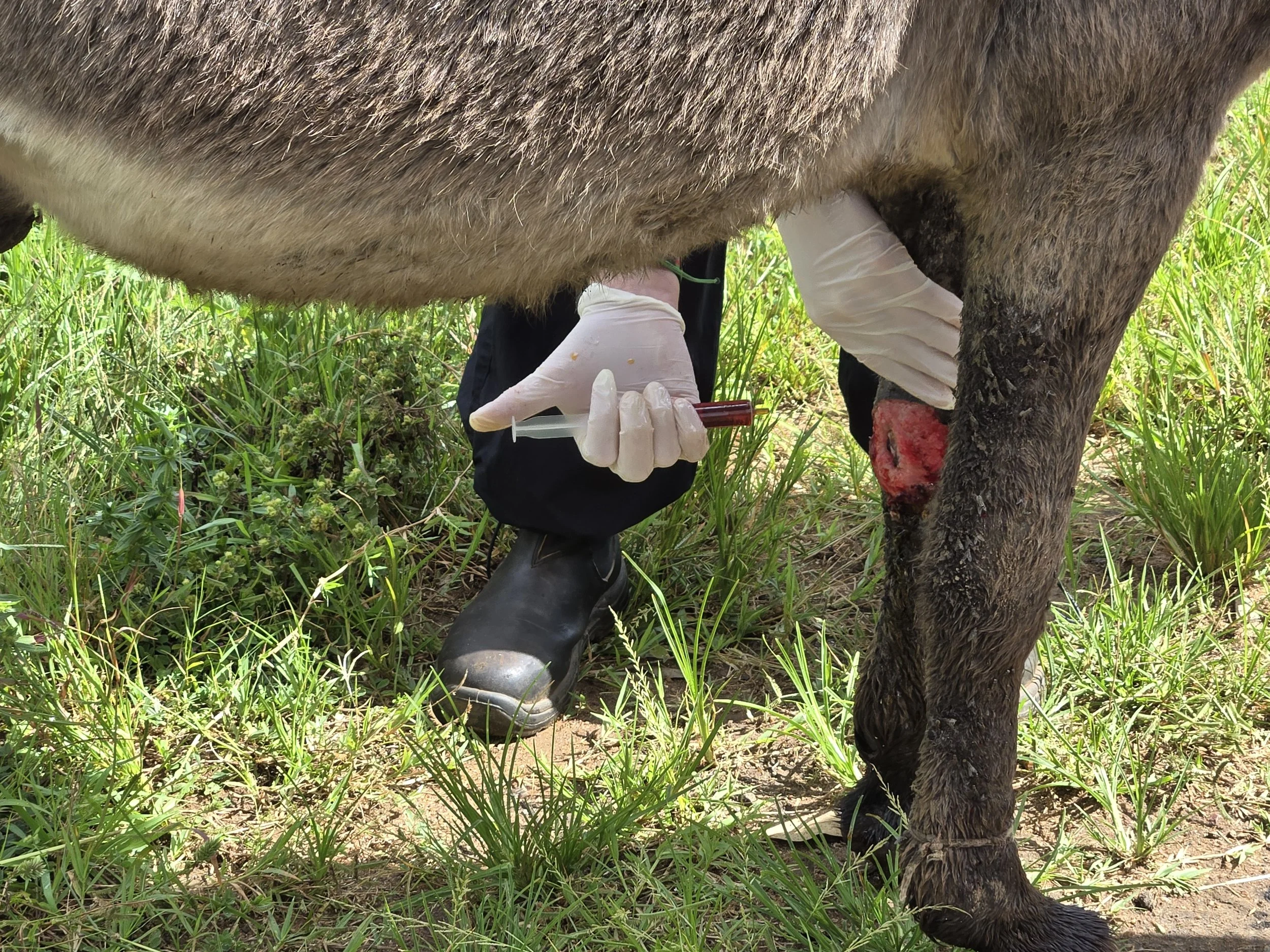
Wound management after removal of the protruding mass.
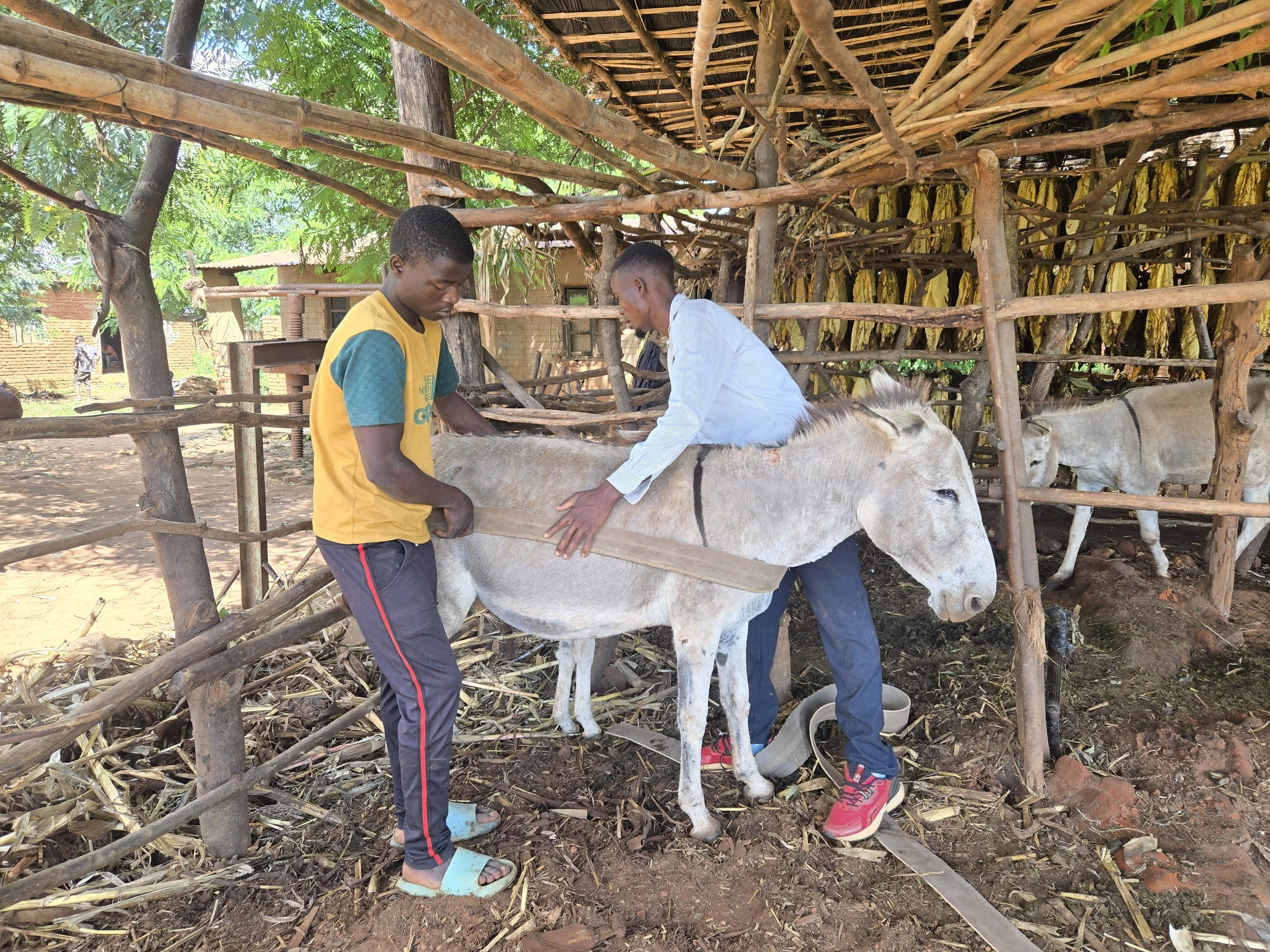
Harness training practical session.
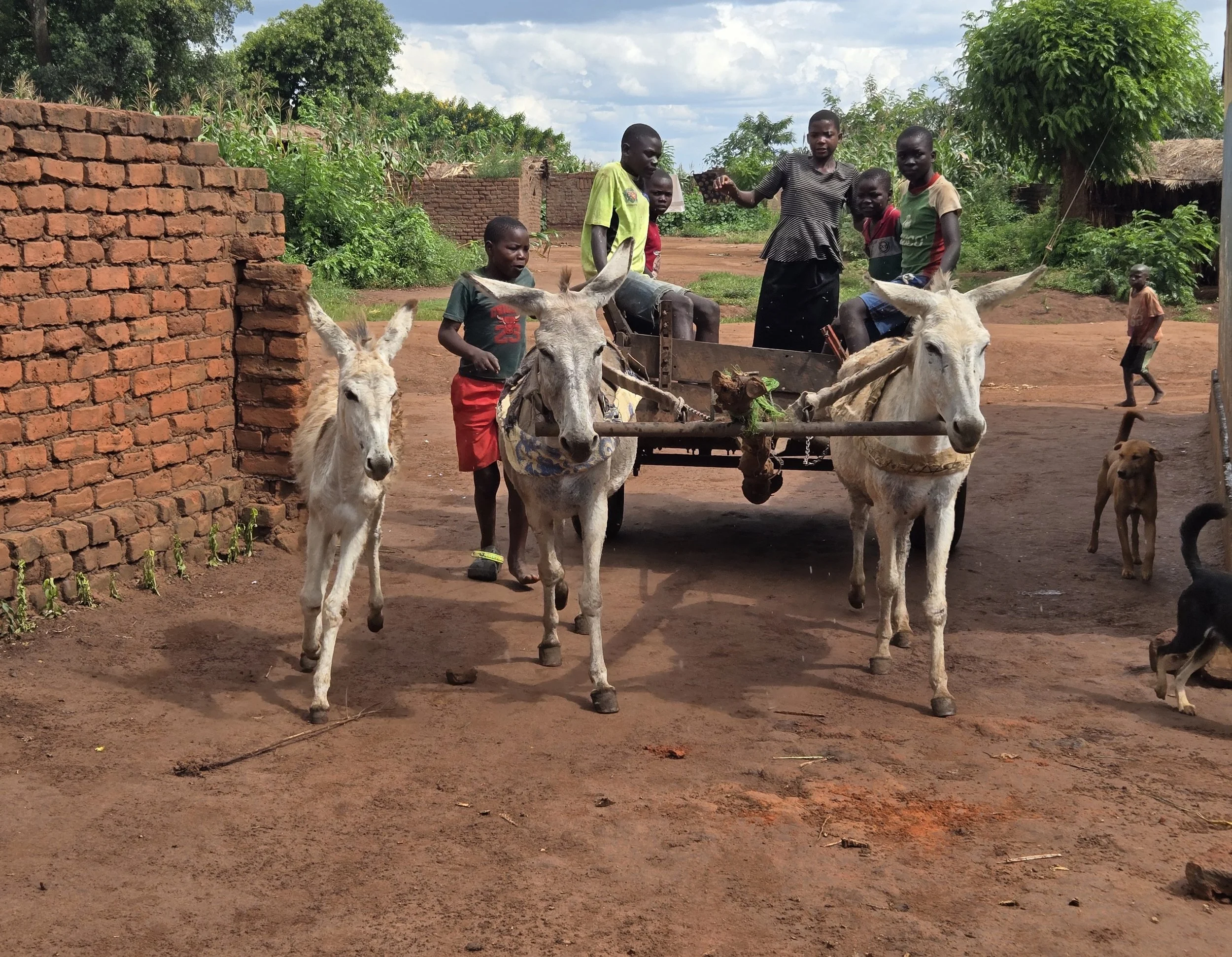
Community members testing improved harness systems during practical training.
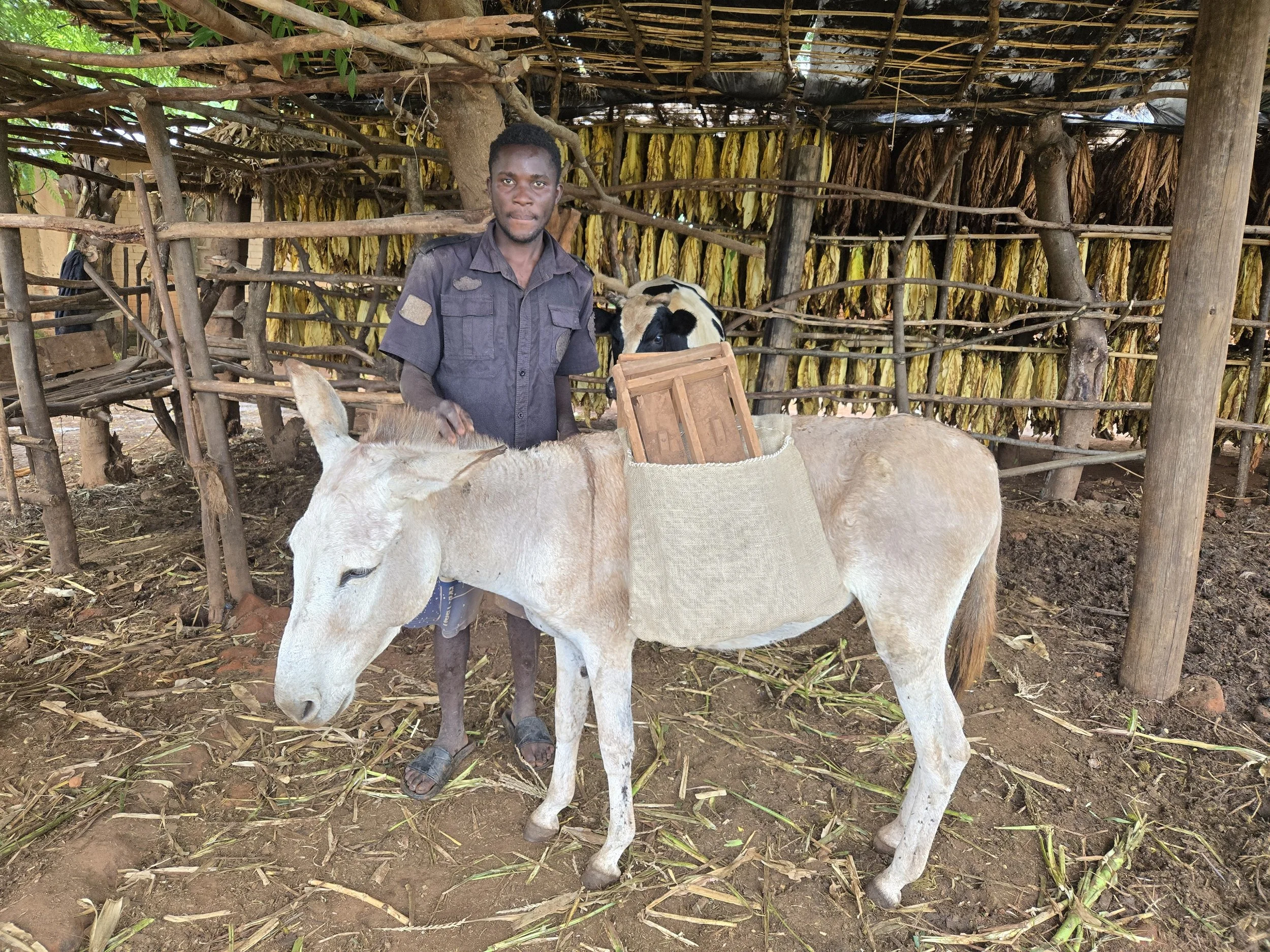
Donkey owner demonstrating correct use of a newly-developed pack saddle.
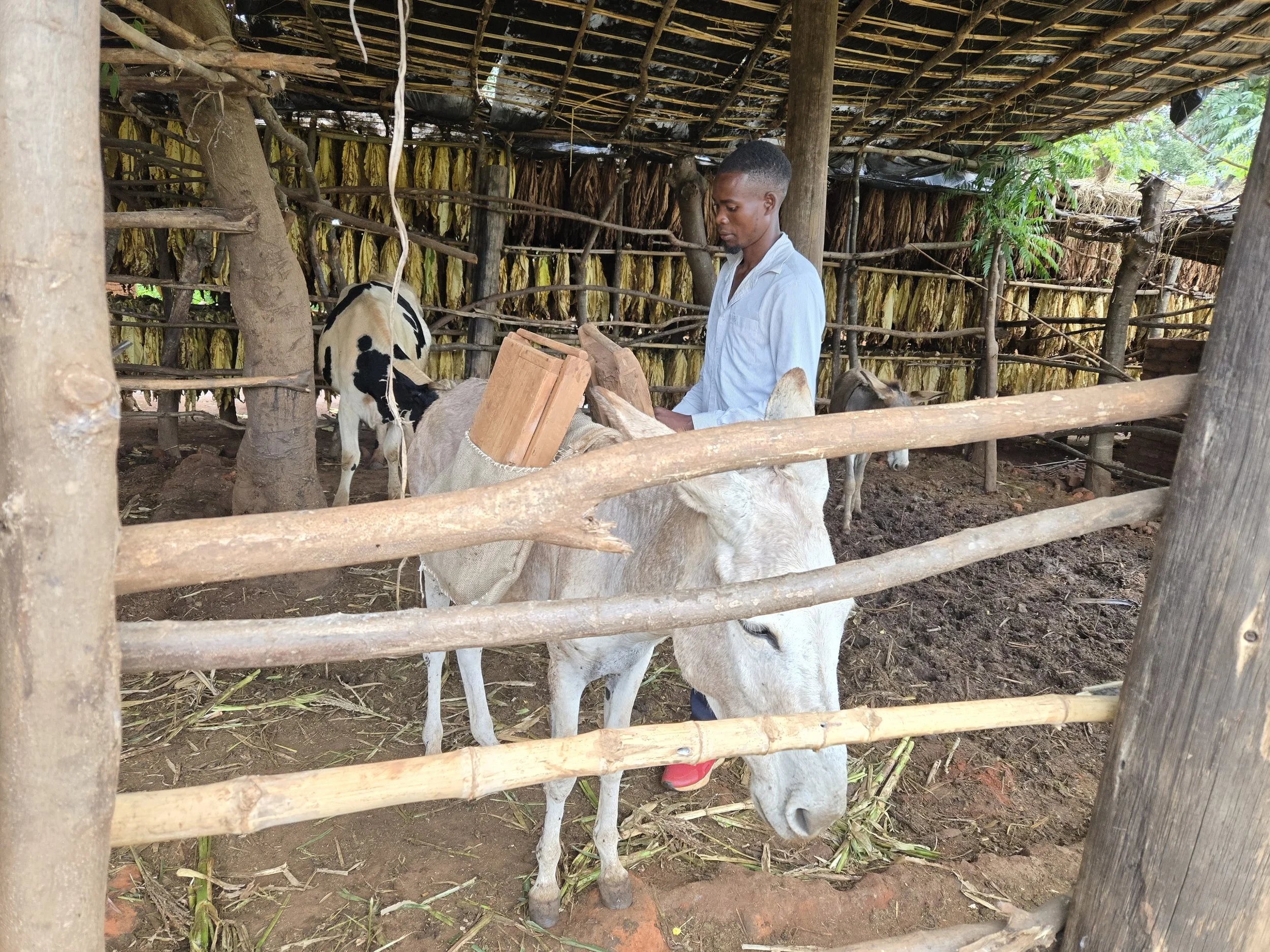
Pack saddle demonstration.
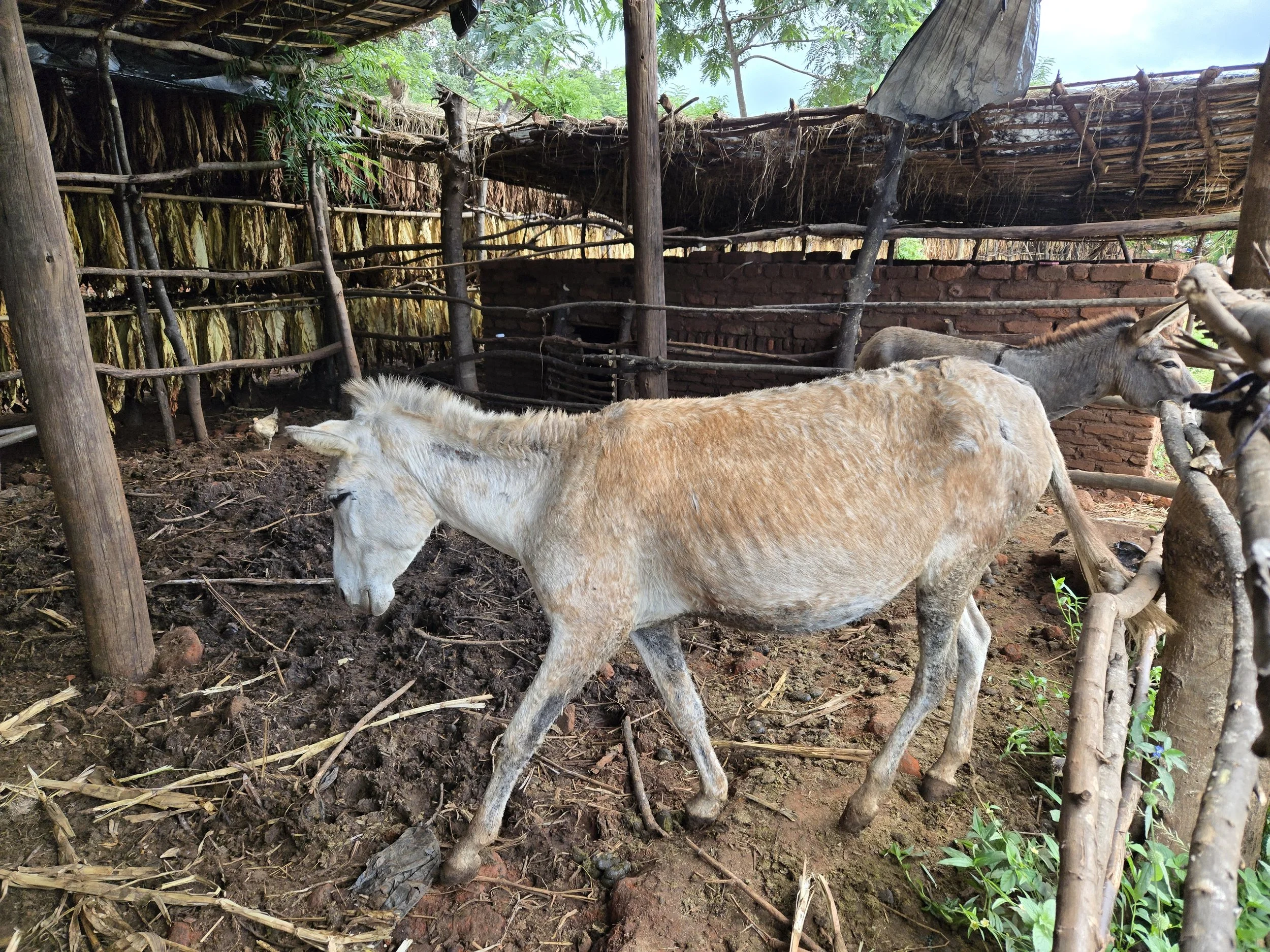
Kraal condition assessment
Global Impact Made Possible by You
Thanks to your support, donkeys in Malawi are receiving not only veterinary care but also the tools and education needed to live healthier, more dignified lives. Together, AAA and LSPCA are proving that local partnerships are the key to global change — turning burden into care for working animals across Africa.