addressing welfare issues for more donkeys in malawi
Our partner group, the Lilongwe Society for the Protection and Care of Animals (LSPCA), recently took their mobile vet clinic to several new areas in Malawi. They reached 91 donkeys who had not received treatment before and addressed some of the welfare issues they observed.
See how their mobile clinics are changing even more lives:
Introduction
In January 2026, the Lilongwe Society for the Protection and Care of Animals (LSPCA), with support from Animal Aid Abroad (AAA), initiated structured donkey welfare interventions in the Mngwangwa Extension Planning Area (EPA).
Through three mobile clinic and training visits, the team reached 91 donkeys and provided training to a total of 37 owners, herders, and farmers. These activities marked an important phase to introduce LSPCA’s interventions, assess prevailing welfare conditions, and prepare the community for sustained engagement throughout the year.
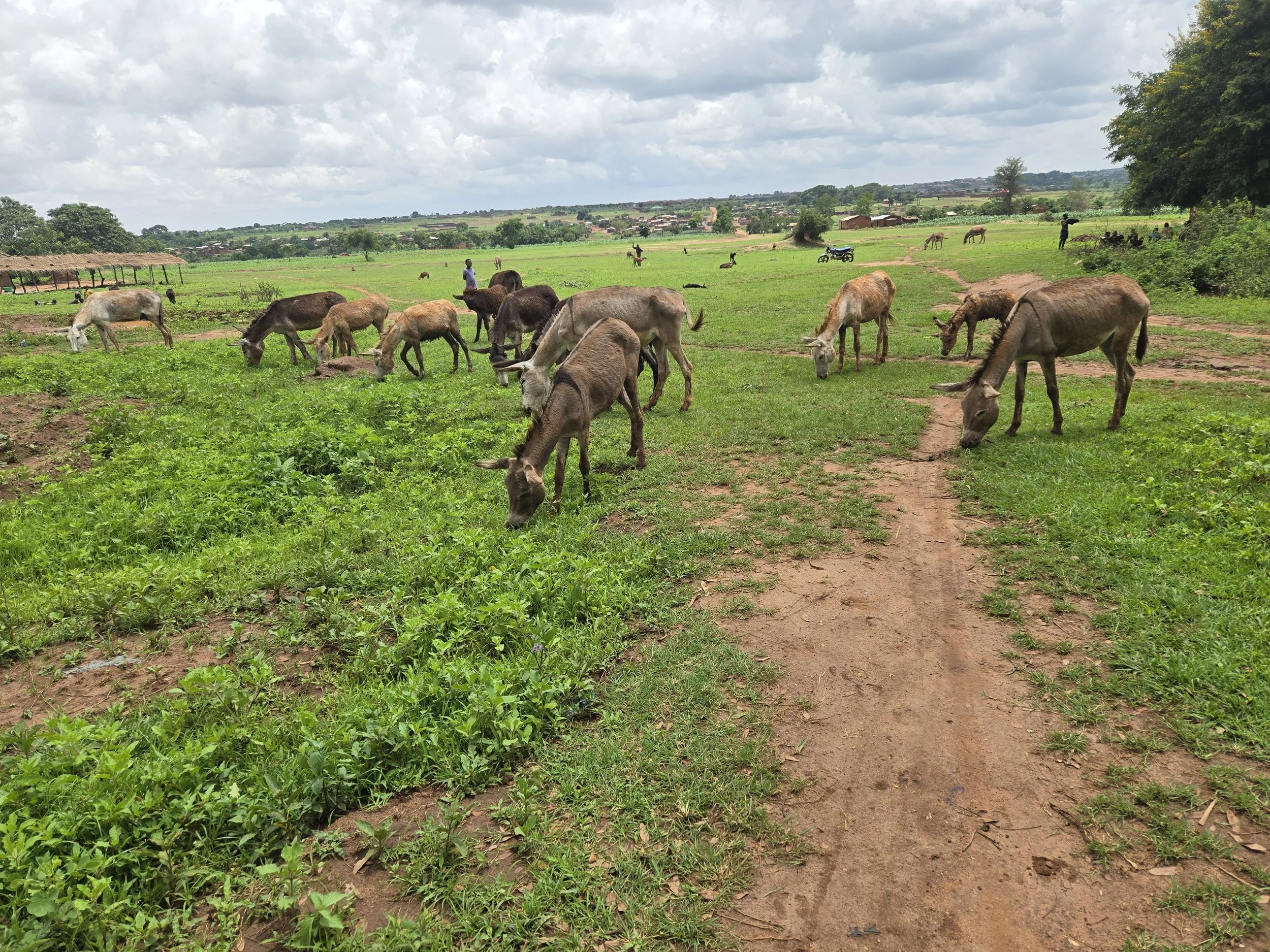
Mngwangwa is one of the largest EPAs in Lilongwe District and comprises Mngwangwa, Mpasa, Milindi, and Machenga. The area is increasingly affected by urbanisation, with grazing land steadily reduced as land is converted for settlement and crop production.
Although the rainy season has begun and maize and other crops have been planted, this has further limited available grazing areas. Grass regeneration remains slow, and the remaining grazing land is shared among all livestock species, placing continued pressure on working donkeys.

Combined with recurrent droughts, these factors have intensified reliance on donkeys for transport, water collection, and income-generating activities, increasing their vulnerability to overwork, injury, and chronic welfare challenges.
To complement these efforts, SPANA is supporting short-term interventions across the Mngwangwa EPA through the provision of water troughs and feed supplementation.
These emergency measures reinforce LSPCA and AAA’s activities by addressing immediate needs while strengthening the foundation for longer-term behaviour change and sustainable welfare improvements.
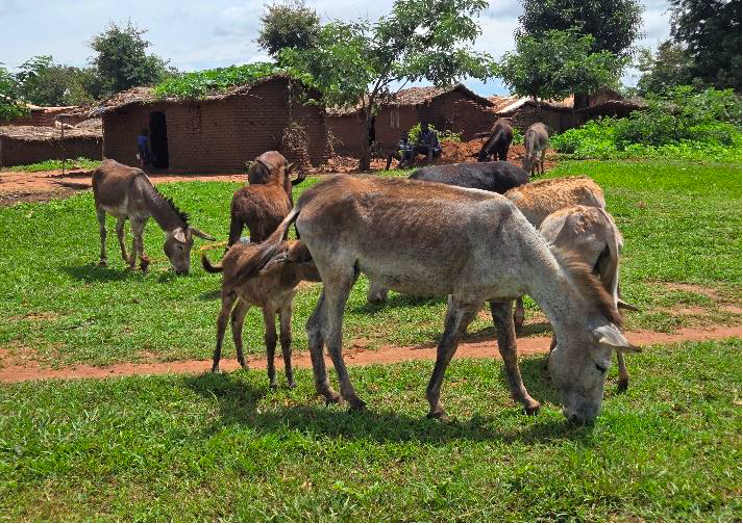
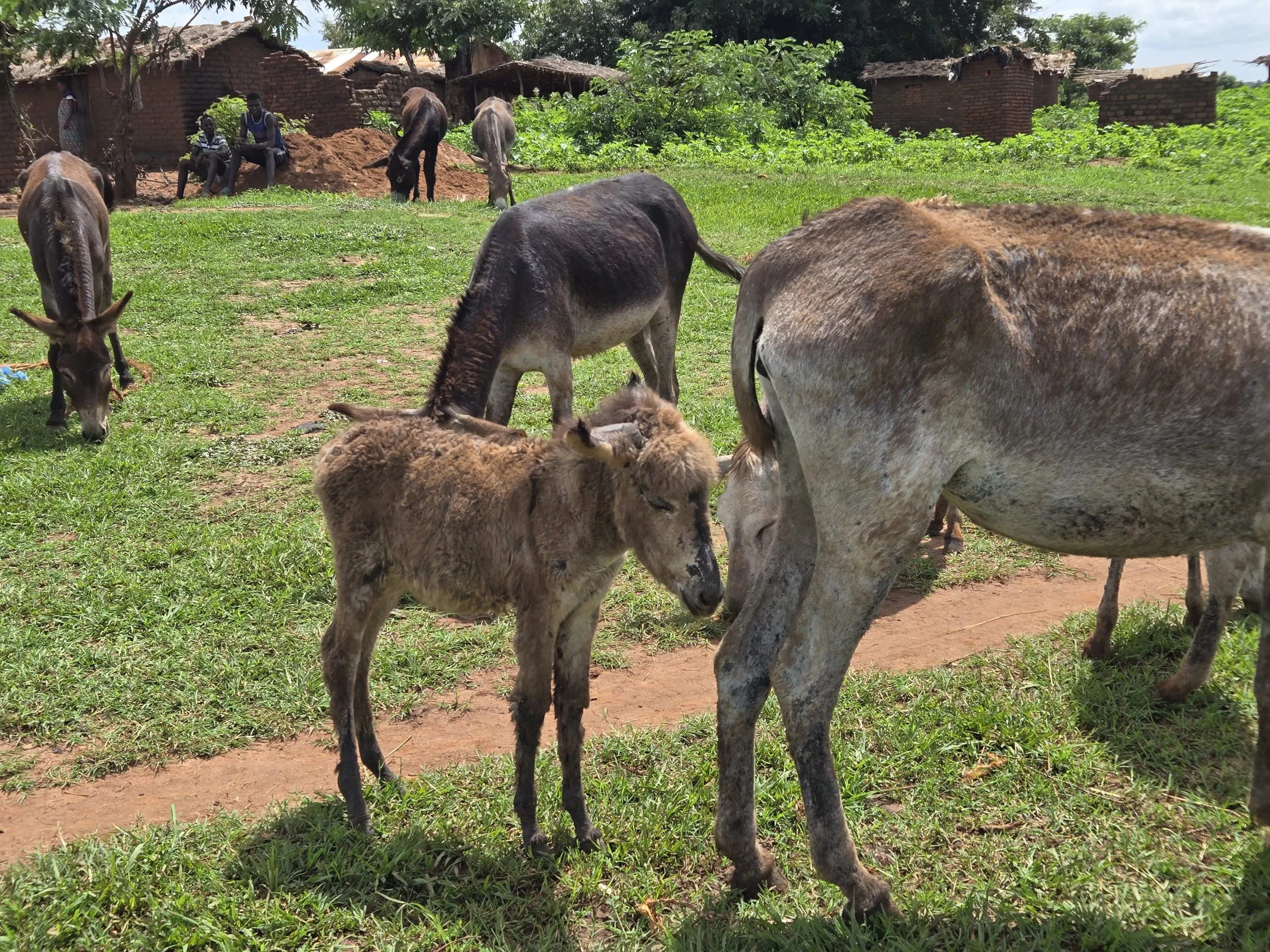
Donkeys arriving at the mobile clinic and grazing while awaiting treatment
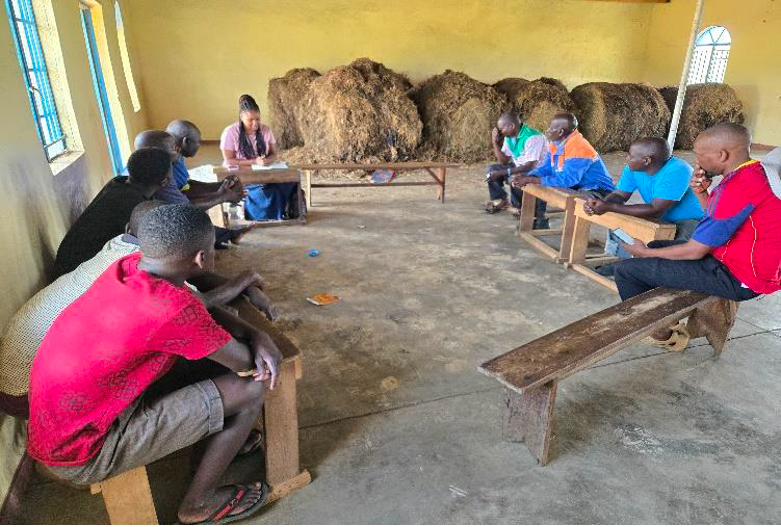
Training session with lead farmers, local chiefs, and a government veterinary officer
Mobile Veterinary Clinics
The mobile veterinary clinics conducted in January focused on Mngwangwa, Machenga, and Mpasa. Across the three sites, 91 donkeys were examined and treated, providing both immediate clinical intervention and a comprehensive assessment of donkey health and welfare in a previously unserved area.
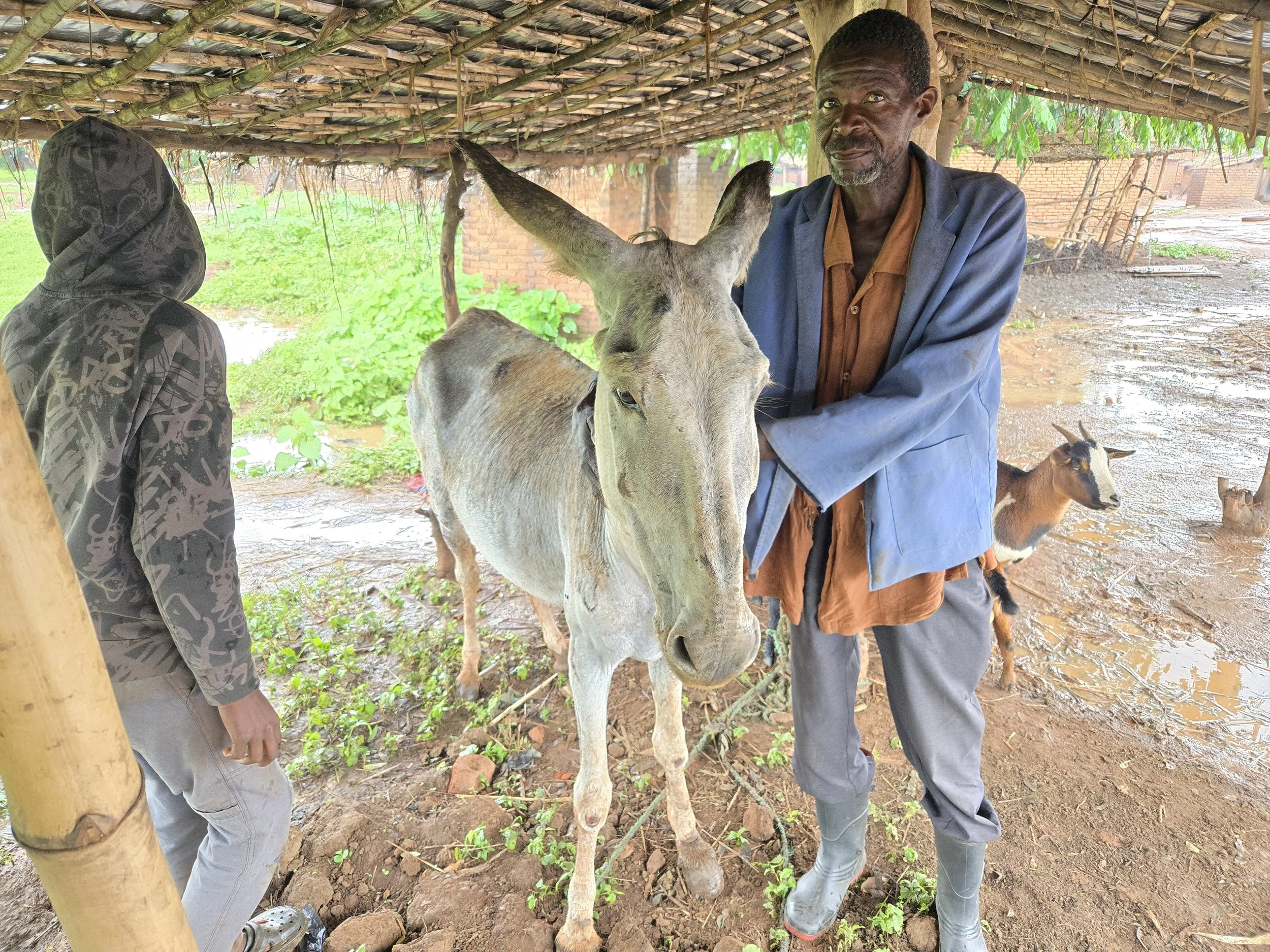
Alongside clinical work, 37 owners and herders received practical education. As expected for a newly-engaged community, turnout was lower than in established project areas, reflecting limited awareness of mobile clinic services and the broader donkey welfare programme. Despite this, the number of donkeys presented allowed for effective treatment delivery, basic welfare assessments, and on-site demonstrations.
In Mngwangwa, 35 donkeys were presented at the mobile clinic. A large proportion showed evident signs of chronic workload stress and the effects of environmental pressures. Many were visibly exhausted, exhibited poor body condition, and had compromised coat and skin health, reflecting prolonged nutritional and physical strain.
Several animals also bore wounds and scarring consistent with overwork and suboptimal handling, highlighting the cumulative impact of drought, shrinking grazing land, and high labour demands in an area that had previously received little to no welfare support.
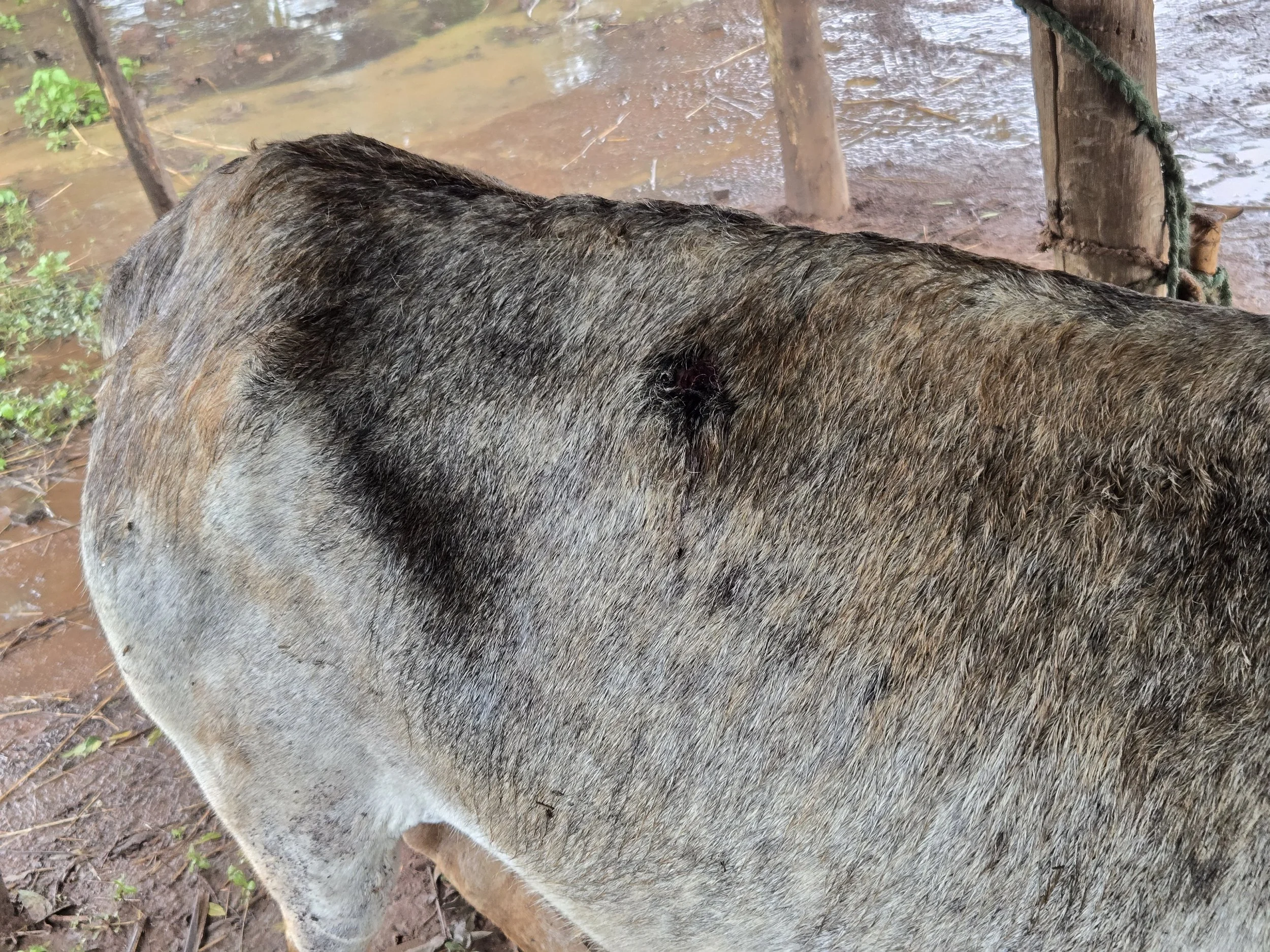
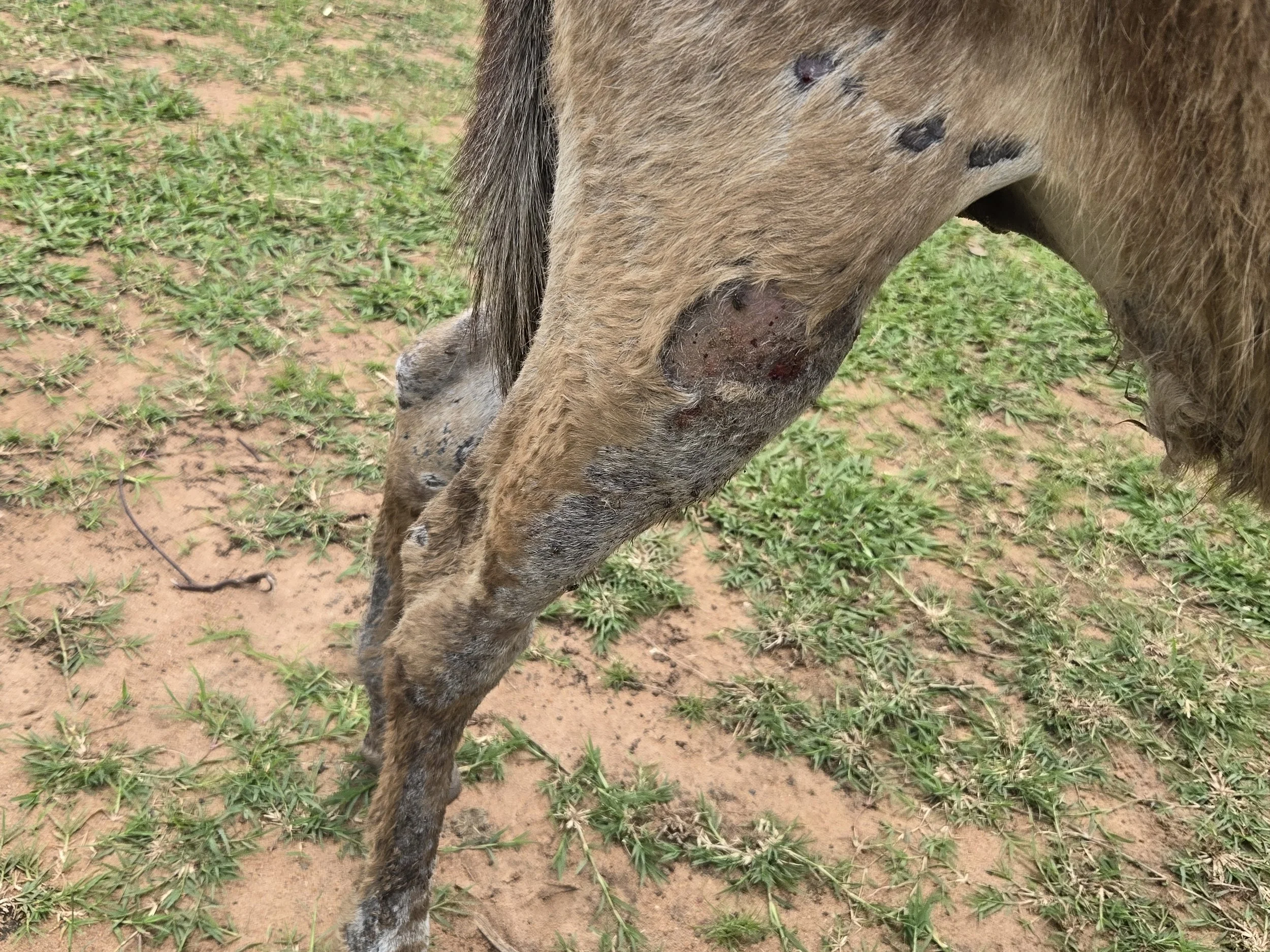
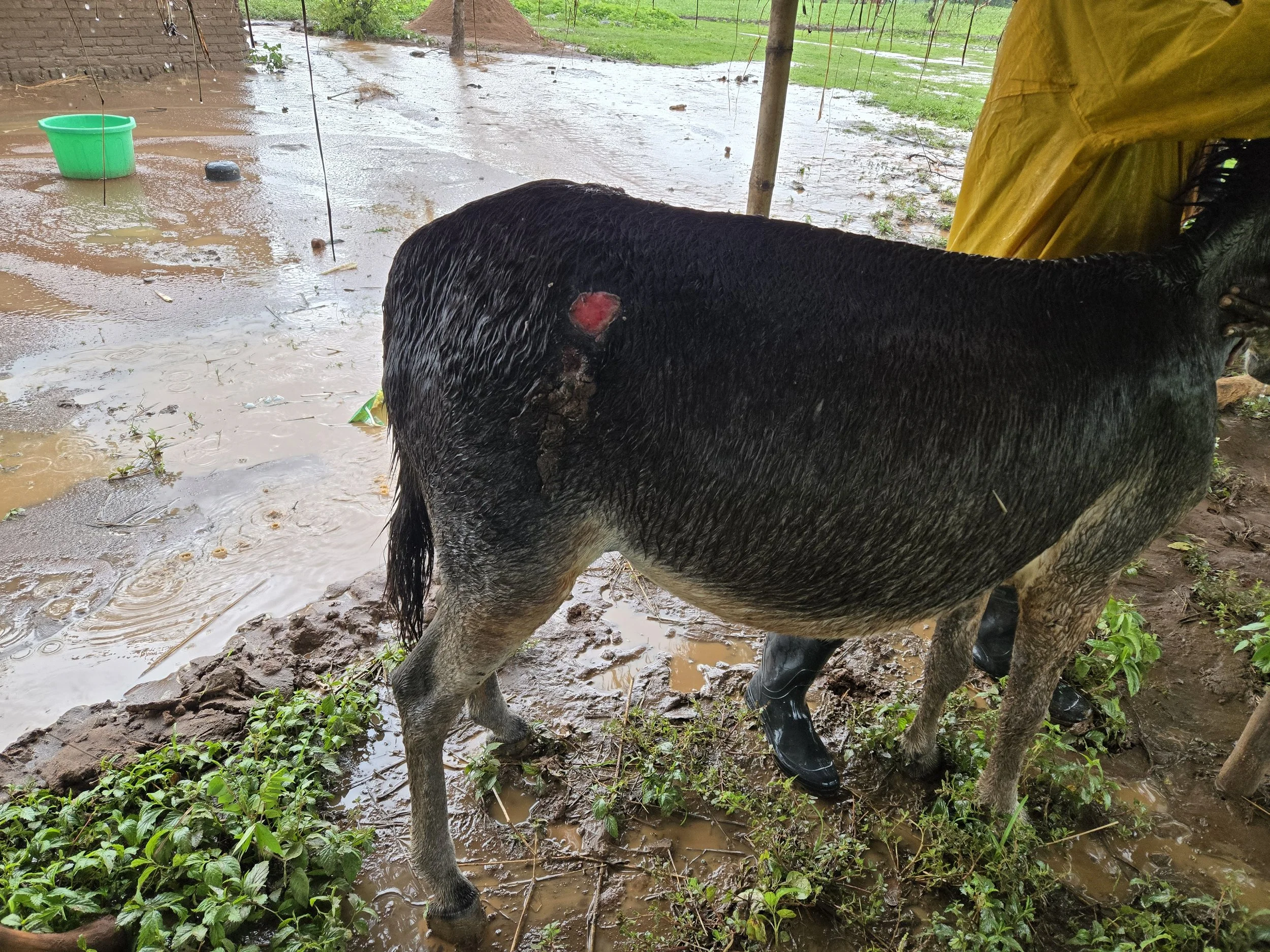
In Machenga, 29 donkeys attended the clinic. Overall, the animals appeared to be in better condition, with feeding levels that were generally adequate. Owners in this area demonstrated strong bonds with their donkeys and were able to clearly describe the challenges and concerns affecting their animals’ welfare.
While signs of workload stress were still present, the level of engagement suggested a positive environment for adopting improved welfare practices over time. Clinic attendance was also affected by heavy rainfall during the visit, which limited owner mobility and contributed to lower turnout.
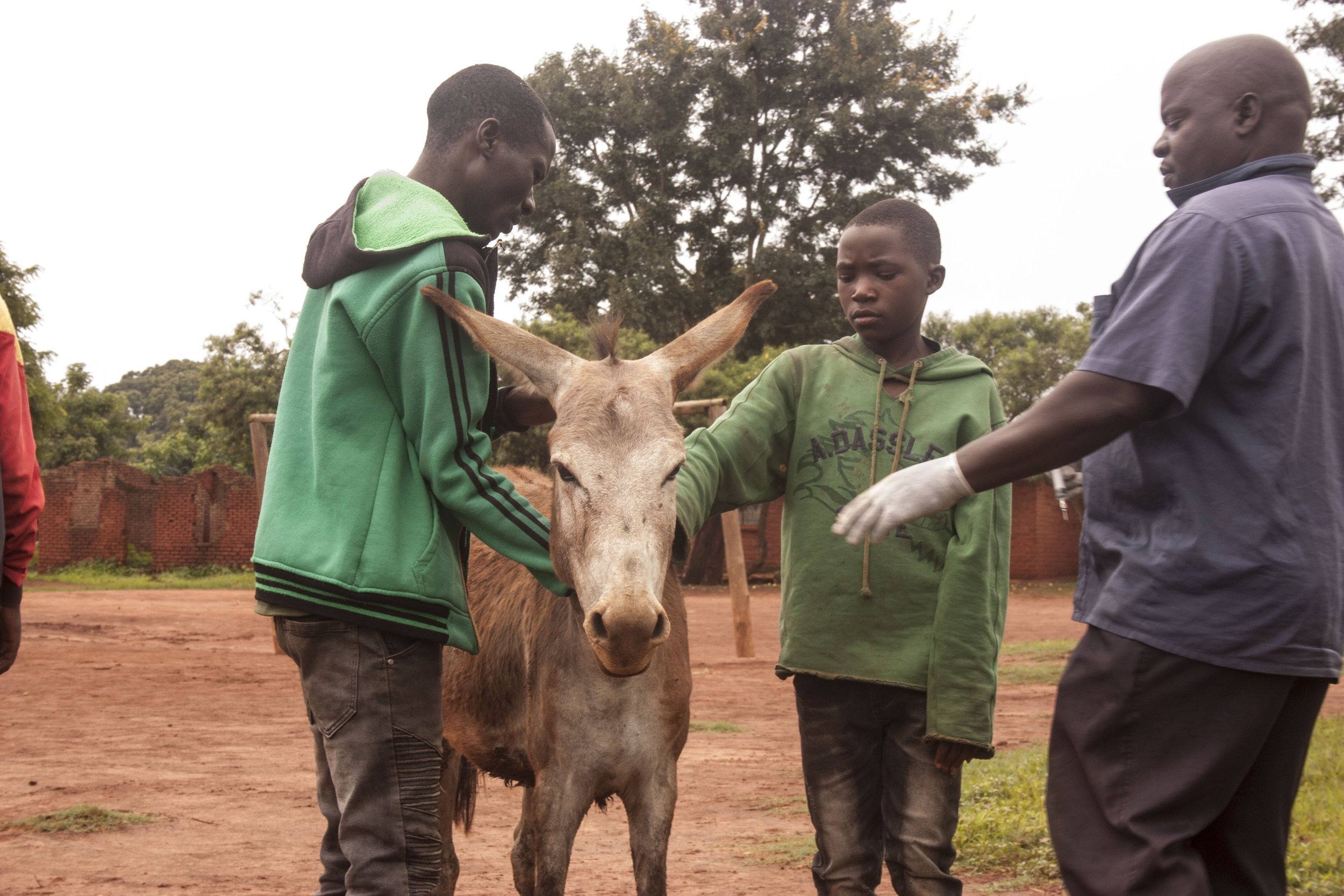
In Mpasa, 27 donkeys were brought forward for examination. Although similar welfare challenges were noted, they were generally less severe. Early signs of strain related to workload and limited feeding were observed, but fewer animals exhibited advanced body condition loss or extensive scarring. This variation across the EPA provided important insight into differences in management practices, workload intensity, and resource access, which will help guide area-specific prioritisation for future interventions.
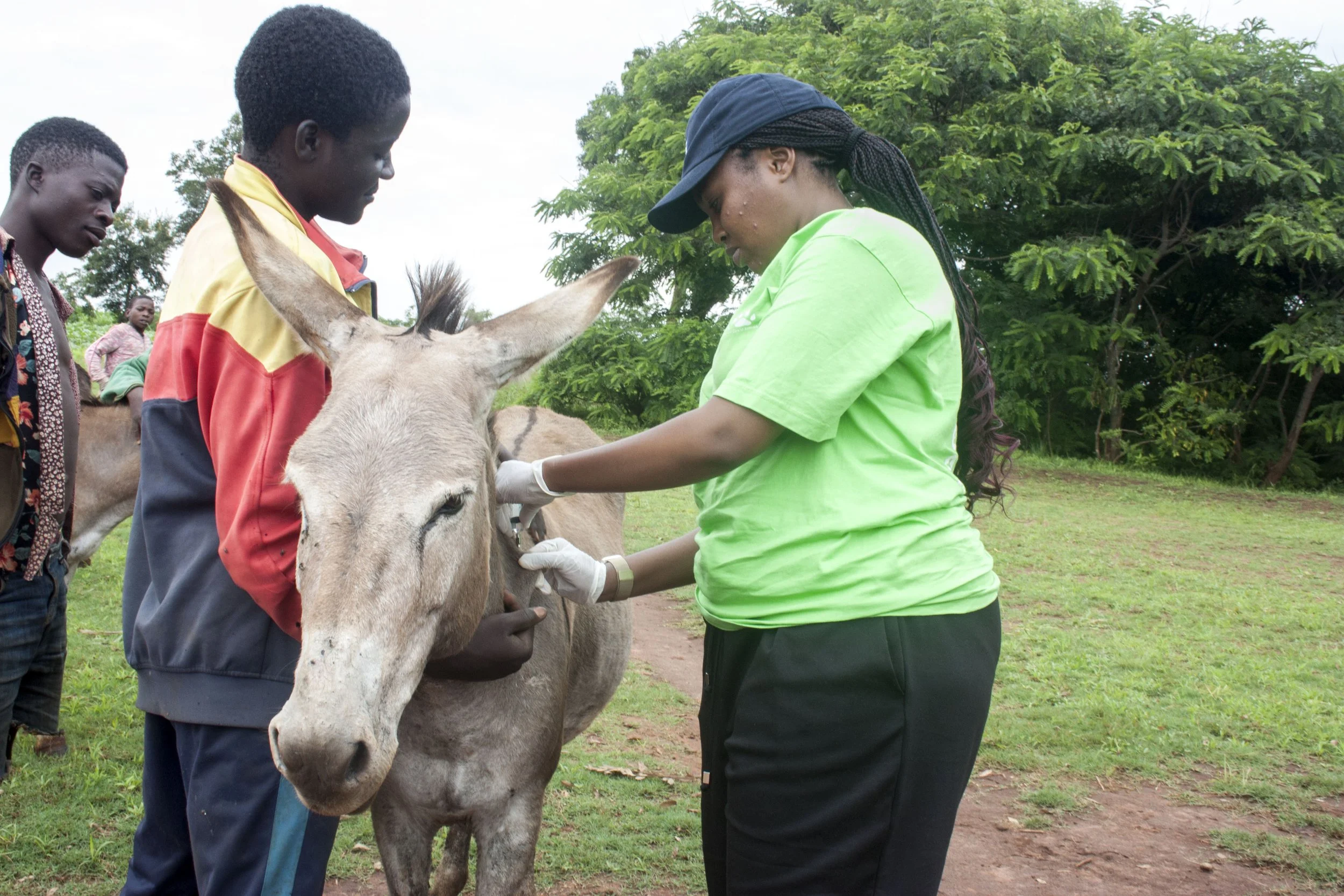
In response to these findings, the team provided treatments tailored to the animals’ conditions and delivered practical advice to owners, emphasizing simple daily inspection routines, and minor workload adjustments where feasible.
Owners were guided on recommended maximum working hours, appropriate workload limits, and the importance of regular rest periods, alongside small, achievable changes to prevent further welfare deterioration.
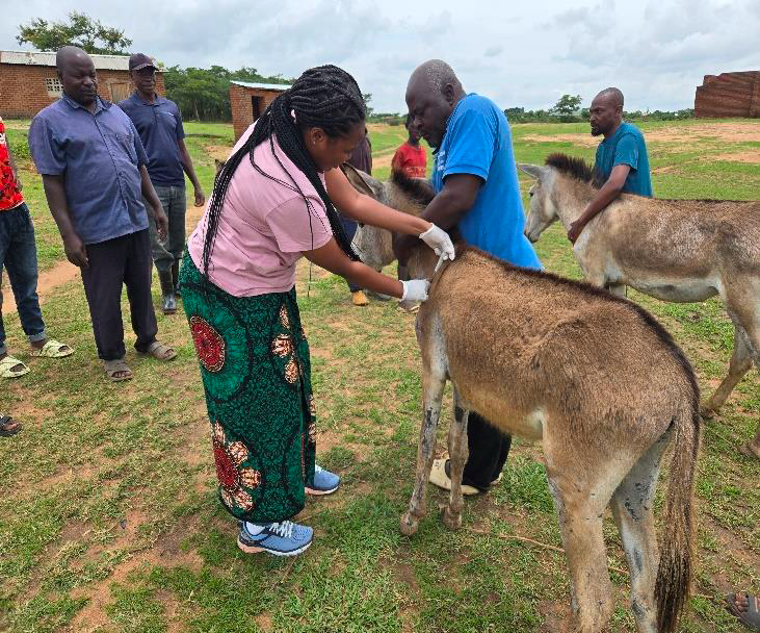
LSPCA staff providing clinical treatment to working donkeys
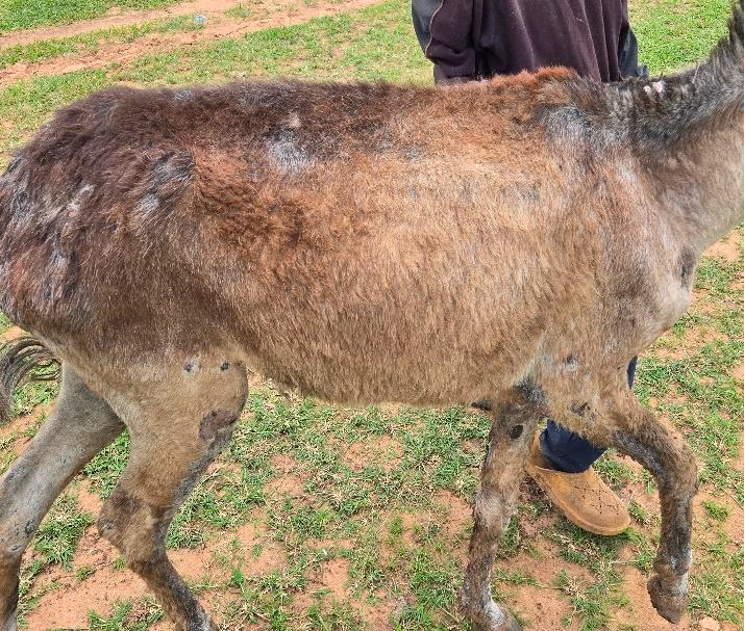
A donkey presenting with poor coat condition, with the owner reporting ongoing fly infestation challenges in Mngwangwa
Owner and Lead Farmer Training and Community Organisation
Training activities formed a central component of interventions in January. Owners and lead farmers showed strong engagement during both the mobile clinics and the three separate farmer education sessions.
It was particularly encouraging to observe the level of initiative taken by participants in Mngwangwa following these trainings. Donkey owners independently organised themselves into a community group named the ‘Ufulu wa Ziweto Club’, translated as the ‘Freedom of Animals Club.’
Members explained that the club will provide a platform for regular meetings to discuss new developments, share experiences, and support one another in improving animal care. They also highlighted the role the group will play in advising new members and peers on best practices for working donkey management.
The group has already developed its own committee structure and basic rules, and demonstrated strong motivation to continue learning about donkey welfare and preventative approaches to common challenges.
At present, the Ufulu wa Ziweto Club consists of nine members, representing an important early indicator of community ownership and sustainability of welfare interventions in Mngwangwa.
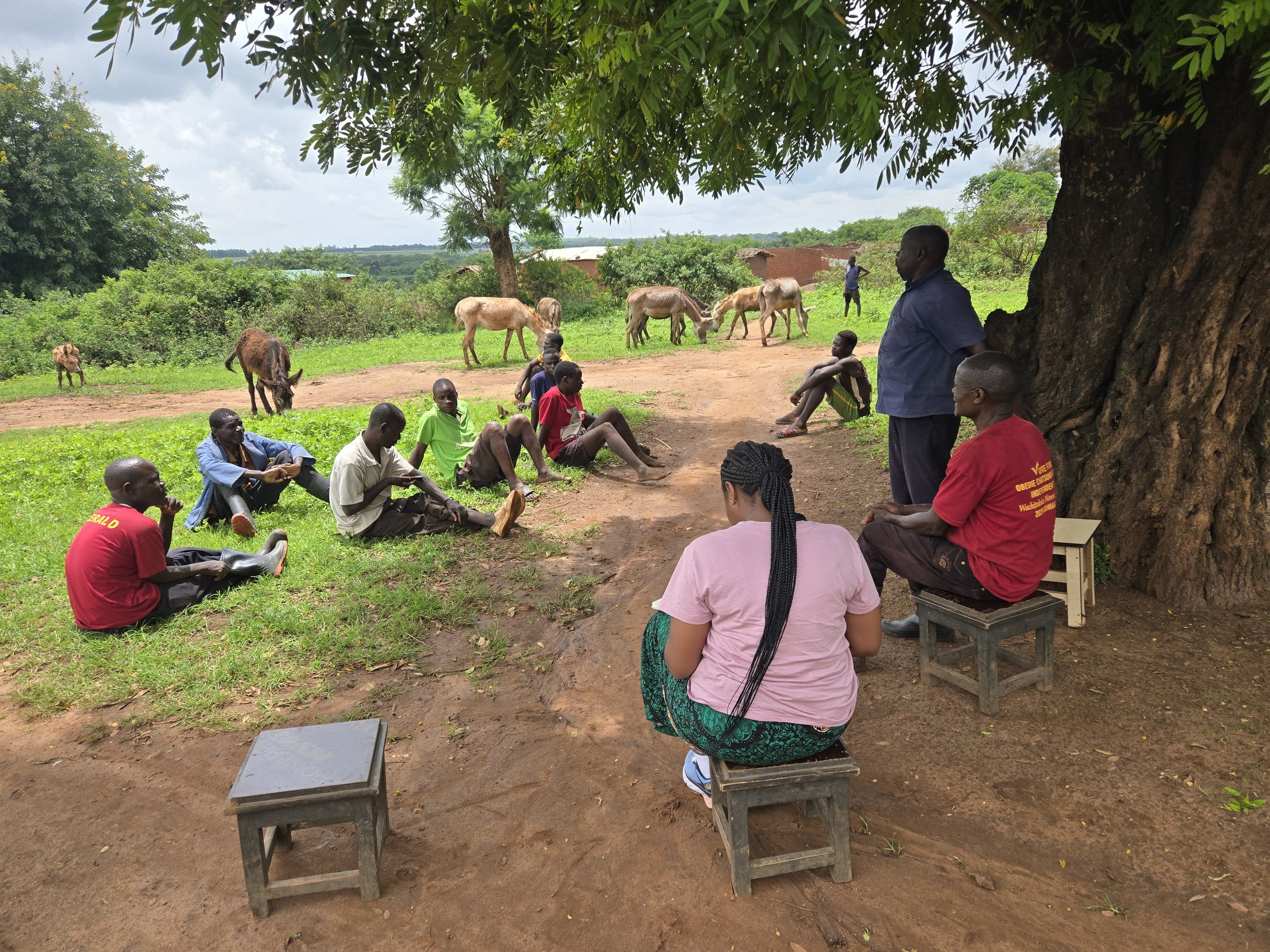
Introduction of donkey welfare concepts and education for farmers on how the project’s interventions support improved welfare
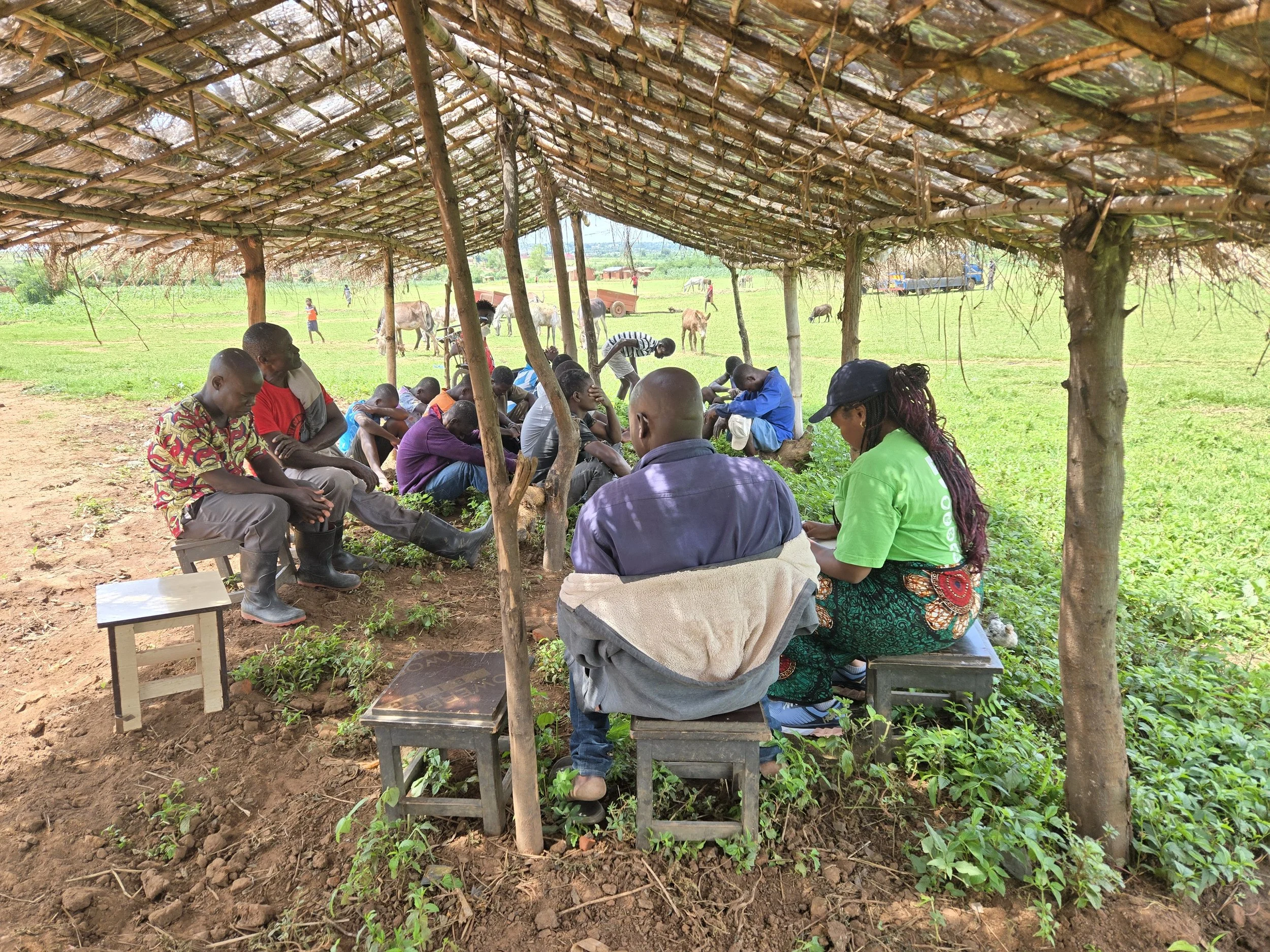
Harness and Pack Saddle Interventions and Behaviour Change
Being a newly-engaged area, Mngwangwa’s owners and herders are in the early stages of understanding and adopting improved donkey welfare practices. During the visits, the team introduced key concepts regarding humane handling, improved harnessing and workload management, stressing that sustainable behaviour change is a gradual process requiring repeated engagement, demonstration, and follow-up.
To support future equipment-based interventions, the LSPCA team worked closely with the project craftsman to develop improved pack saddles. Two pack saddles were developed as sample units, incorporating guidance on load distribution, stability and animal comfort. These samples will be used both for practical demonstration and as a foundation for scaling up improved harnessing solutions across the EPA.
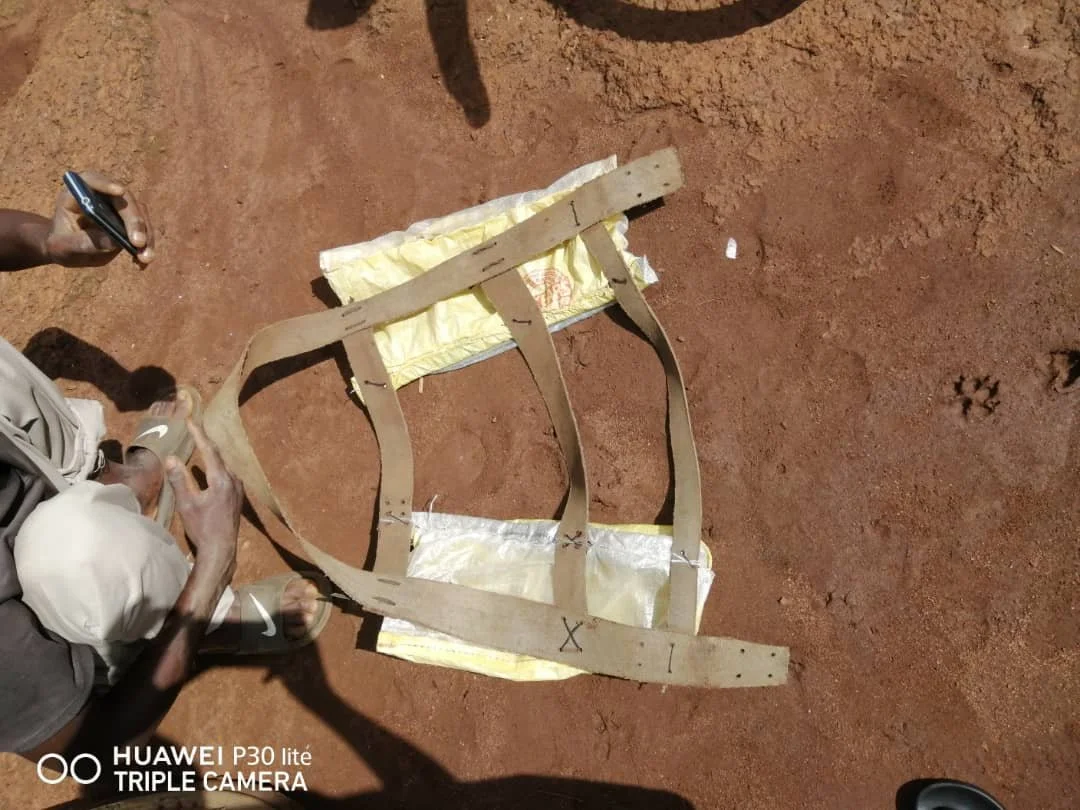
Development of a pack saddle prototype in collaboration with a local craftsman. The initial design proved unsuitable due to limited bag capacity and required further refinement.
Challenges
Early engagement in Mngwangwa provided useful insights that will help strengthen future interventions. Clinic turnout was initially lower than anticipated, largely due to limited prior exposure to donkey welfare services, the area being newly engaged, and periods of heavy rainfall during visits. Continued presence and consistent engagement are expected to improve participation over time.
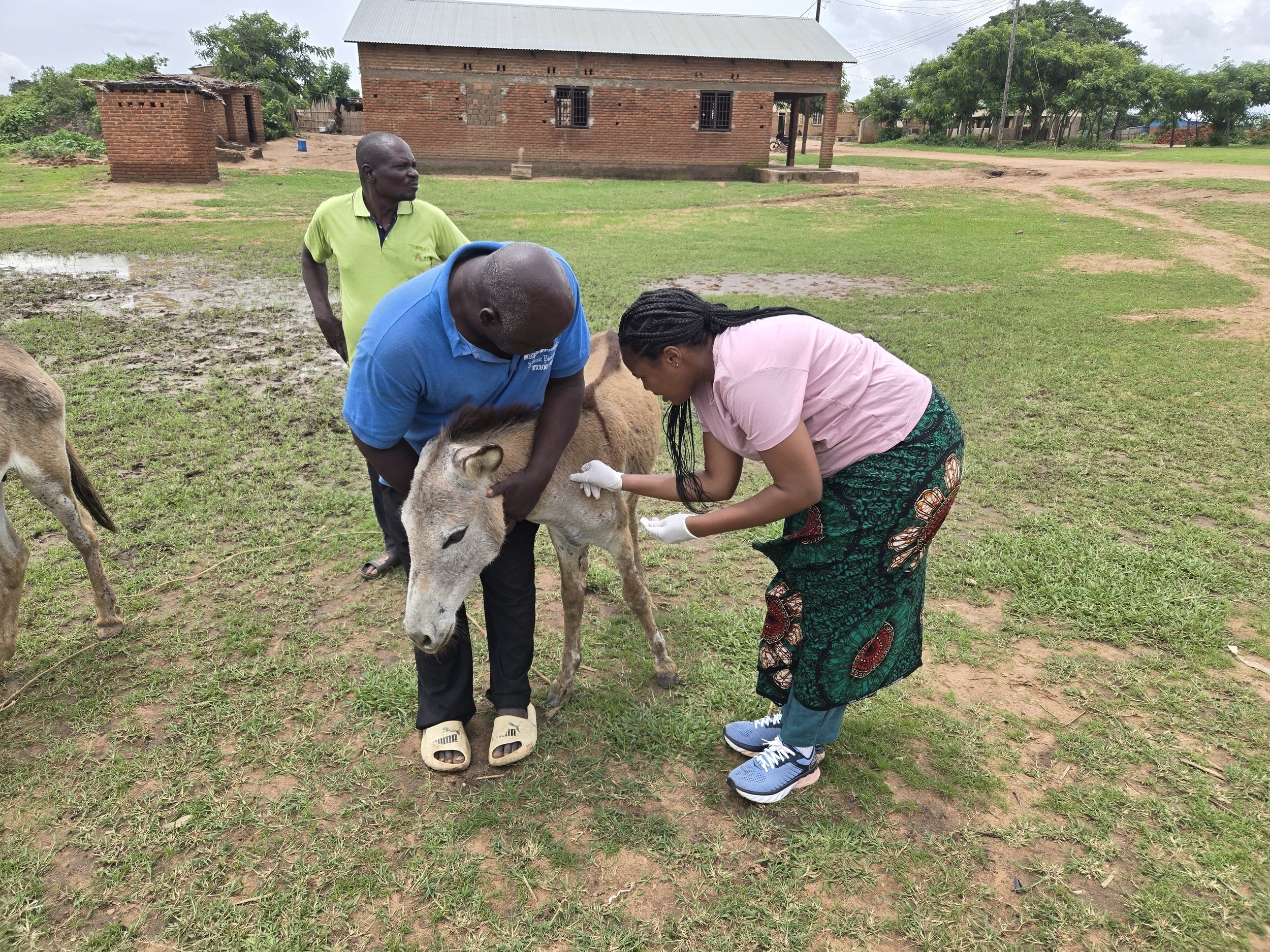
Discussions with owners also highlighted important learning needs. Some farmers were not aware that the presence of worms in faeces indicates a health problem requiring treatment, while fly infestations often occurring alongside alopecia were commonly reported. Hygiene practices were identified as a contributing factor to these issues.
These findings have informed the project’s training focus, reinforcing the importance of routine health checks, hygiene, and preventative care as part of ongoing donkey welfare support.
Conclusion and Looking Ahead
The activities conducted in January 2026 represent an important first step in extending structured donkey welfare support to Mngwangwa. Clinical services, training, early community organisation, and equipment development have laid a solid foundation for longer-term engagement.
LSPCA will build on this foundation by strengthening owner knowledge, supporting groups such as the Ufulu wa Ziweto Club, expanding the use of improved pack saddles, and reinforcing collaboration with government veterinary services. Guidance will increasingly emphasise preventative welfare practices, including workload limits, maximum working hours, and regular rest periods for donkeys, alongside practical routines for early identification of health issues.
In addition to Mngwangwa, interventions will now be extended to other areas of Nkhoma, Mponela, Mitundu, and Mpingu. However, recent increases in fuel prices is expected to raise the cost of veterinary drugs and consumables, which may affect both service delivery and project budgets.
Strategic planning and resource allocation will be key to maintaining effective implementation. Sustained engagement and community ownership will remain central to achieving lasting improvements in donkey welfare across the region.
With your wonderful ongoing support, the LSPCA can continue expanding their reach and address issues facing working donkey across more regions of Malawi.