From cruelty to compassion: caring for donkeys working in tanzanian gold mines
Our partner group, Lake Zone Animal Welfare Organization (LAZAWO), care for donkeys working in Tanzania’s gold mines. These animals face incredibly harsh conditions but are frequently abused, forgotten or abandoned. But with help from your heartfelt donations, LAZAWO are transforming cruelty into compassionate care.
1. Introduction
During August, the LAZAWO team continued to provide veterinary services and essential welfare support to donkeys working in six gold mines: Mgusu, Magenge, Rwamgasa, Stamico, Nyarugusu and Nyaruyeye. A total of 36 clinics were conducted, with veterinary care provided for 403 donkeys.
LAZAWO also successfully conducted an essay competition in ten primary schools, where pupils answered the question: “Why should a donkey never be subjected to cruelty?” The competition was designed to strengthen students’ understanding of animal welfare, responsible donkey ownership, and the importance of treating working animals with compassion and respect. The top ten pupils will be awarded a prize in recognition of their outstanding performance.
2. Clinical cases
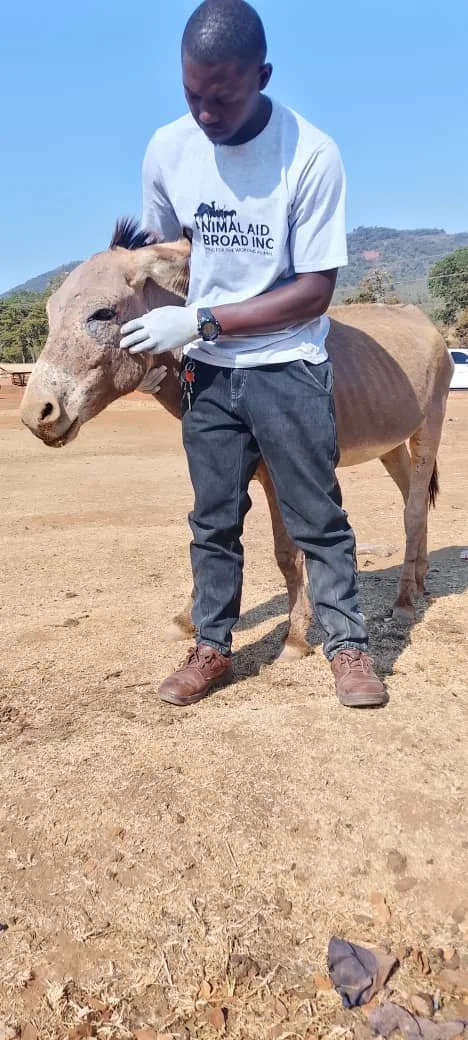
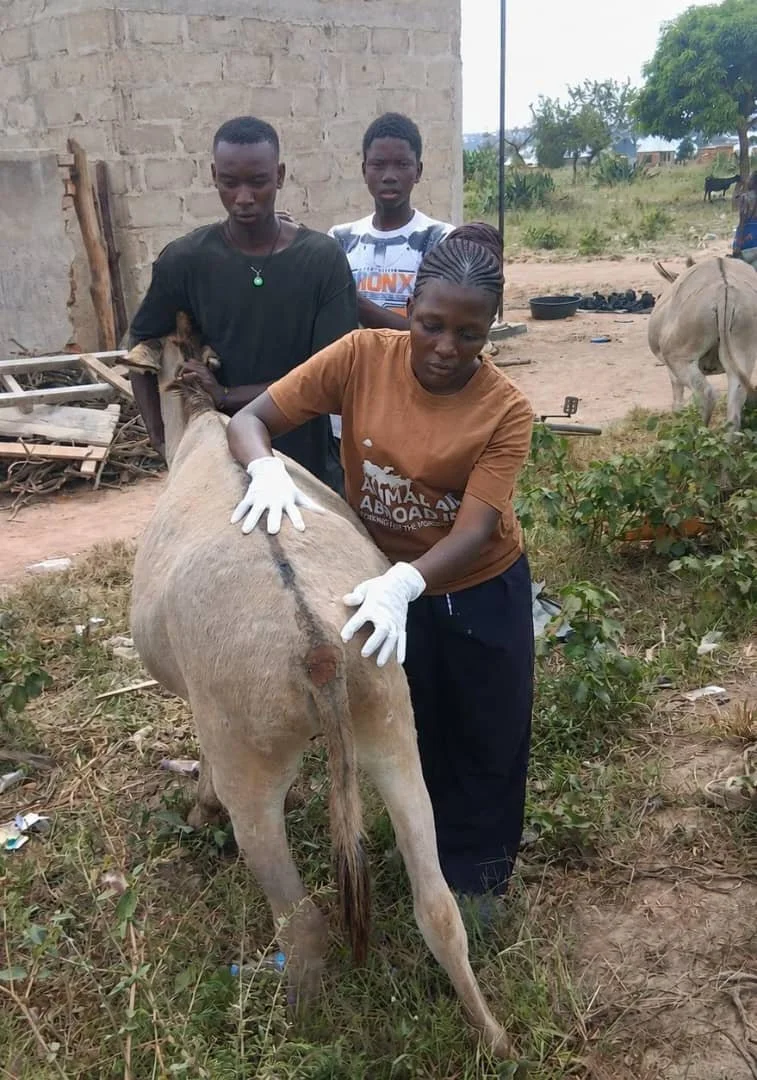
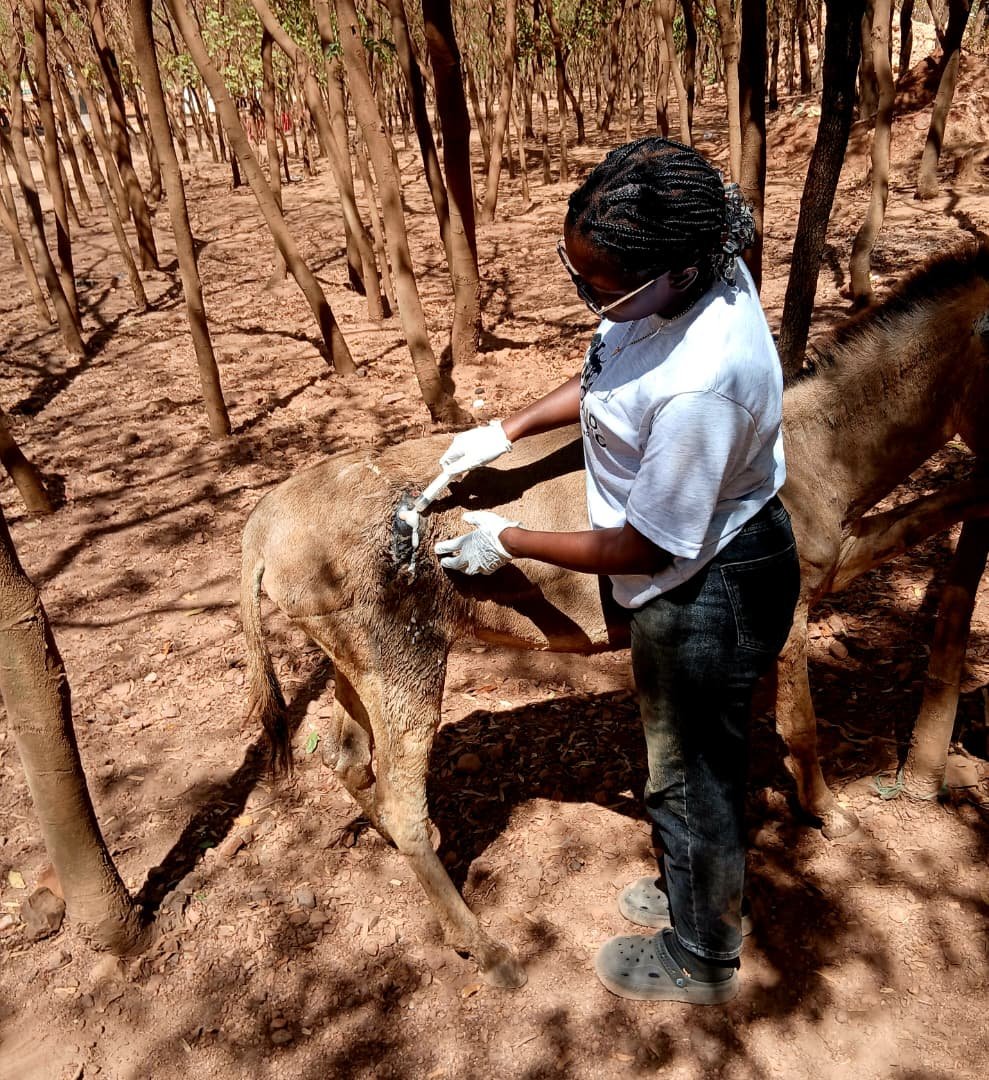
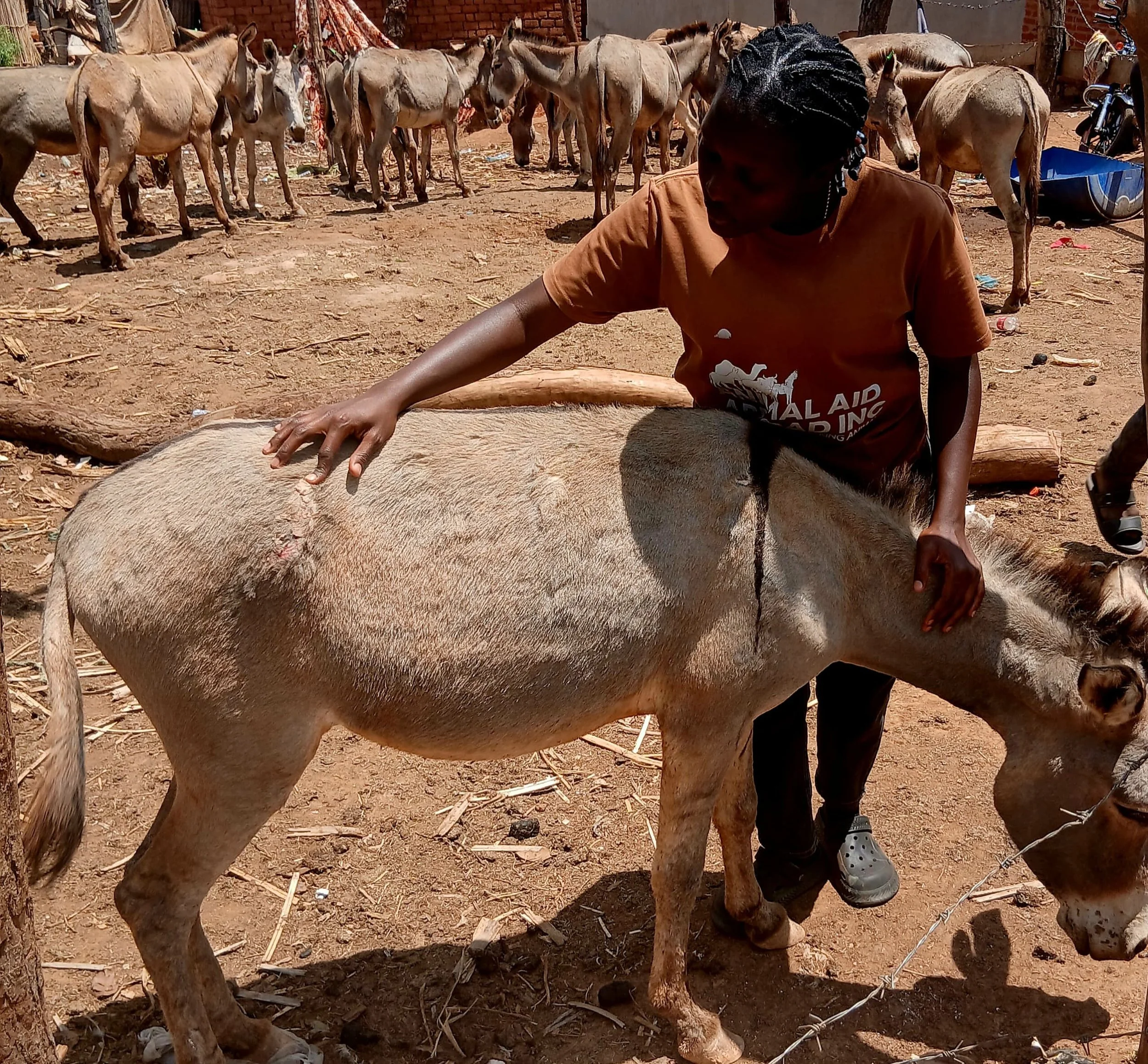
With the support of Animal Aid Abroad (AAA), the LAZAWO team provided interventions to donkeys in need of medical care.
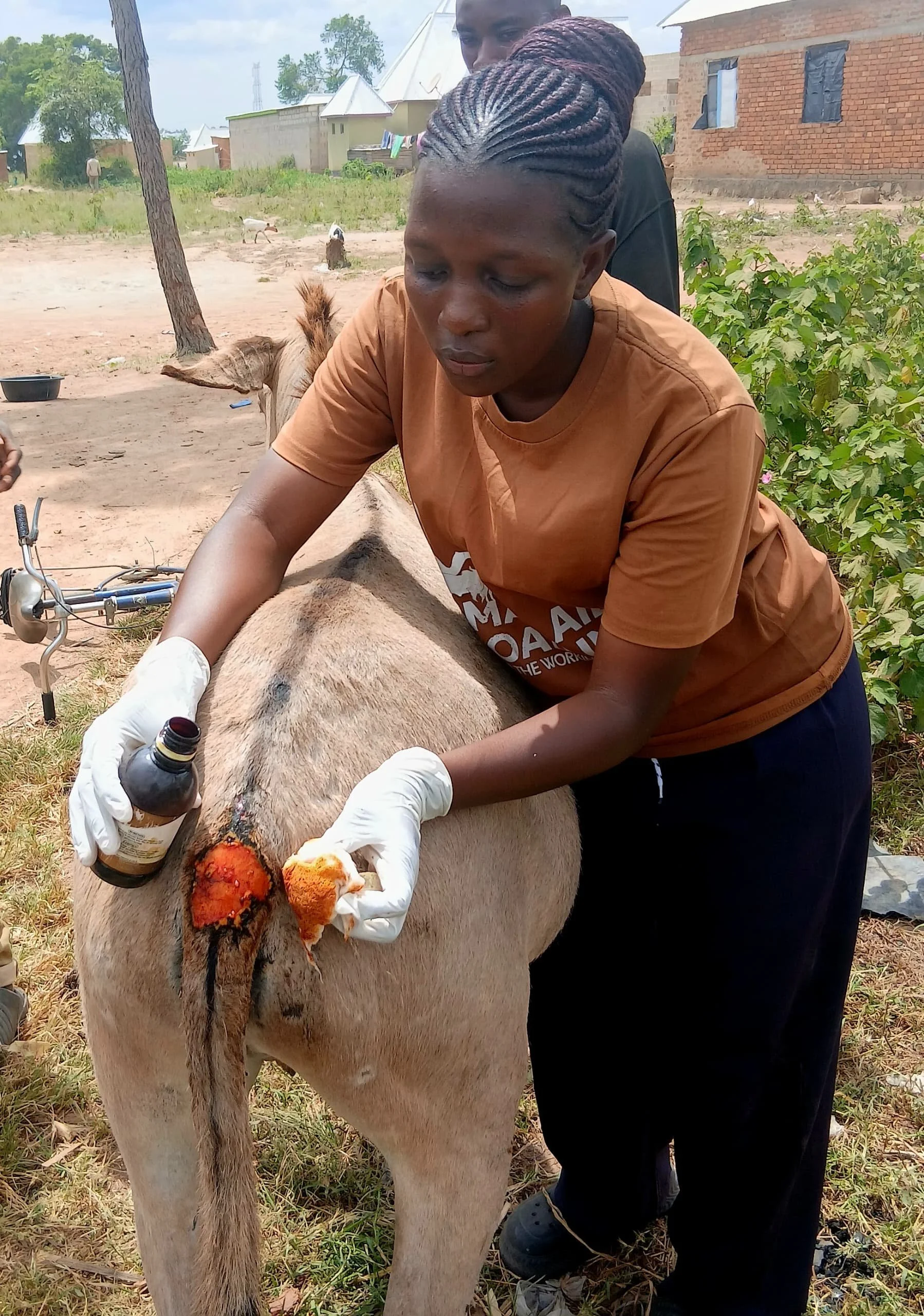
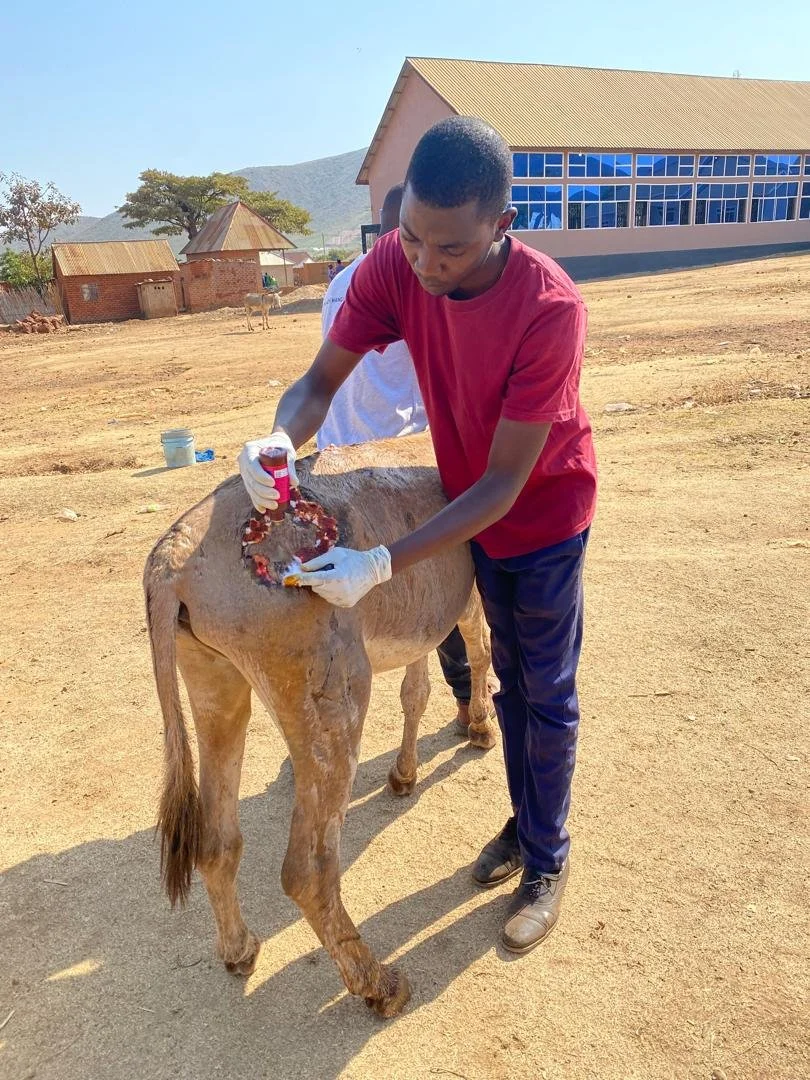
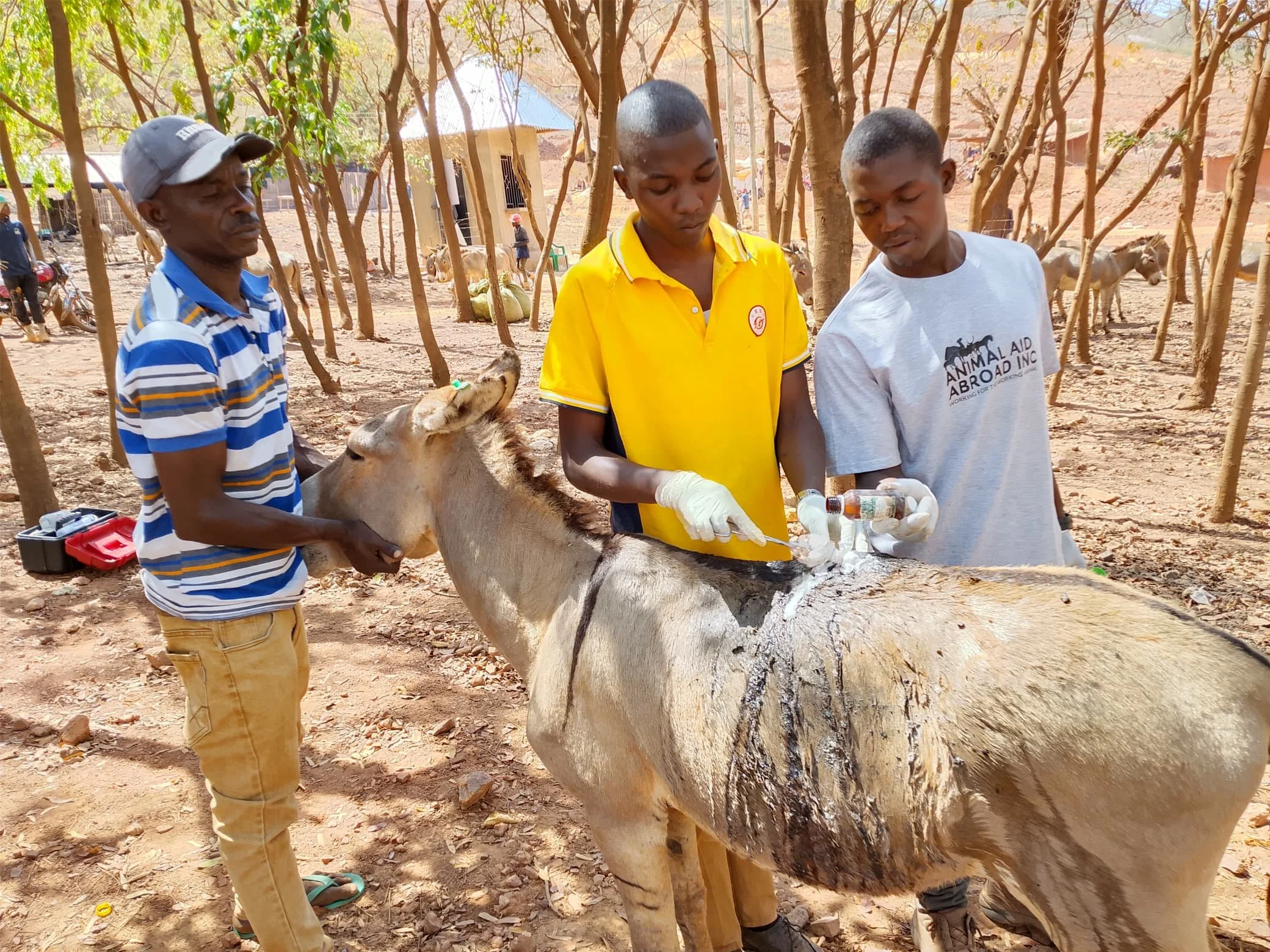
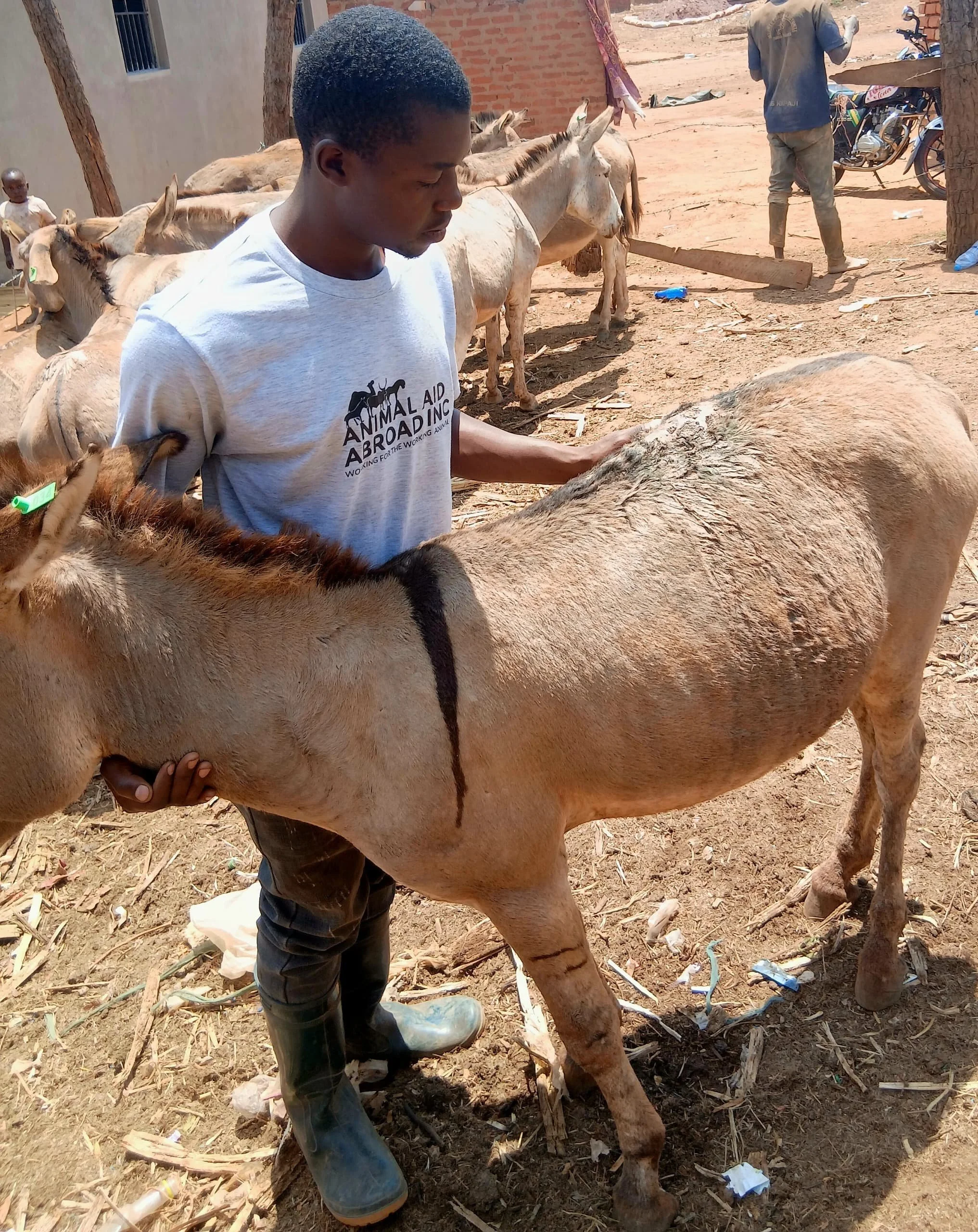
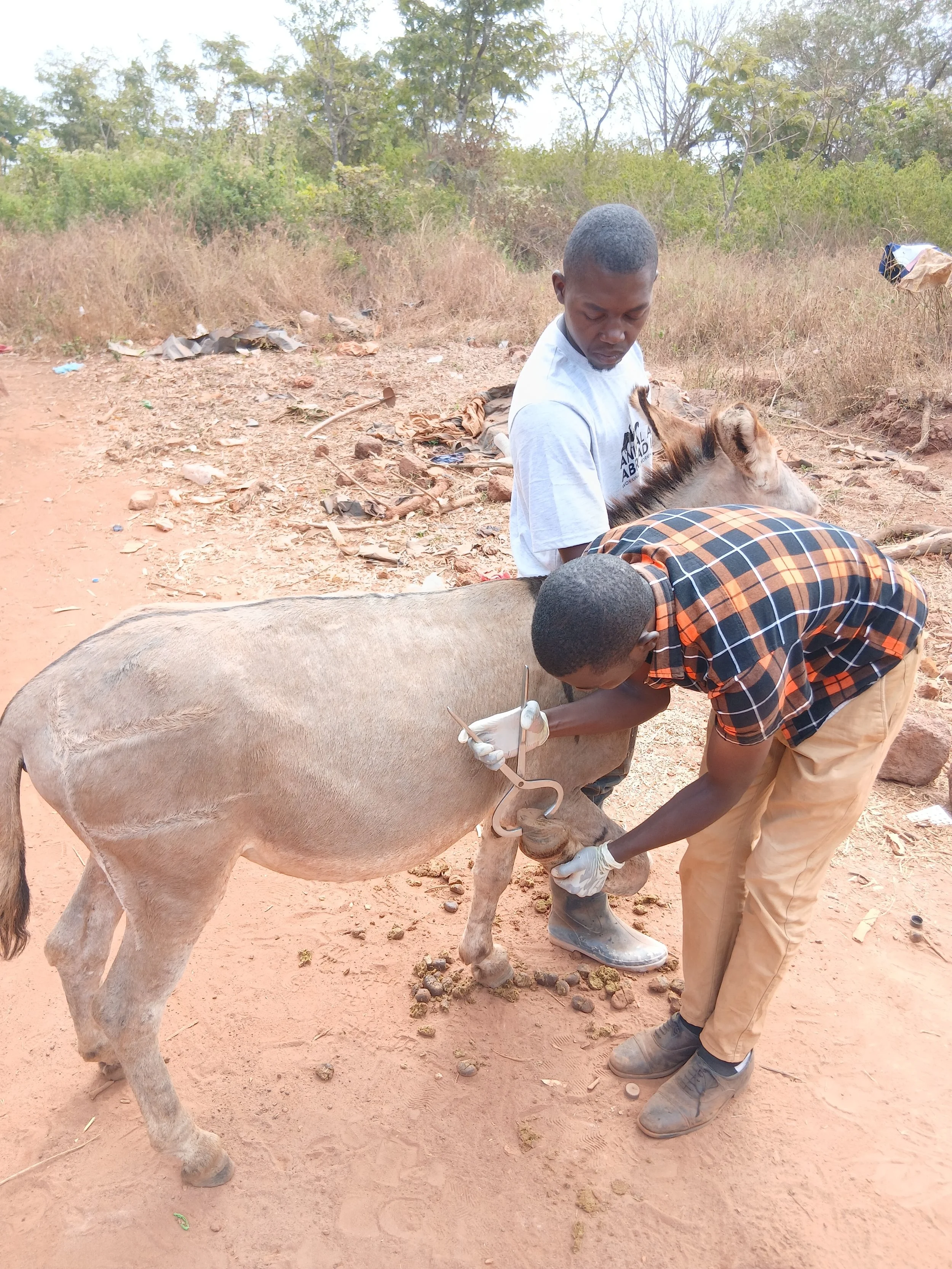
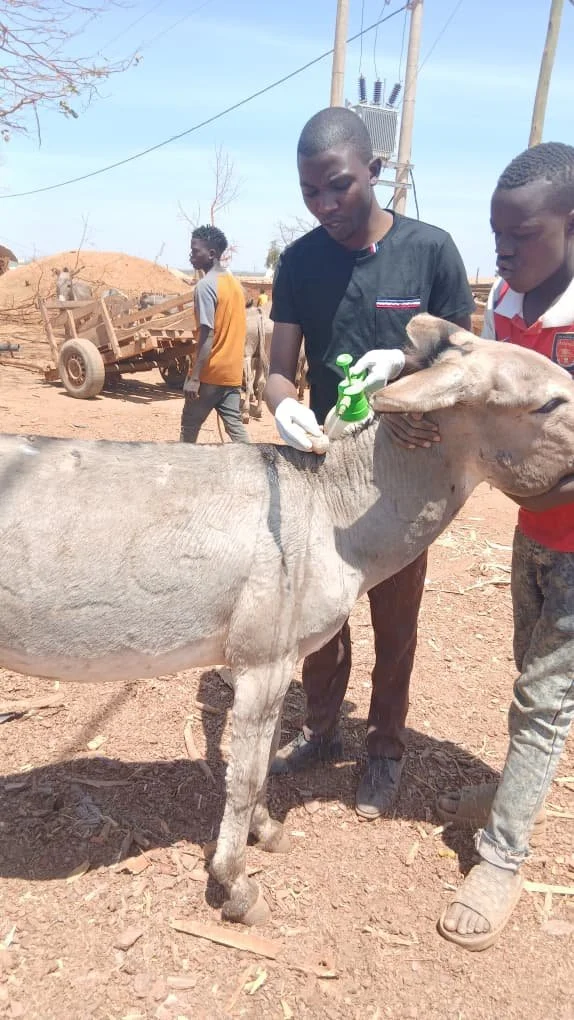
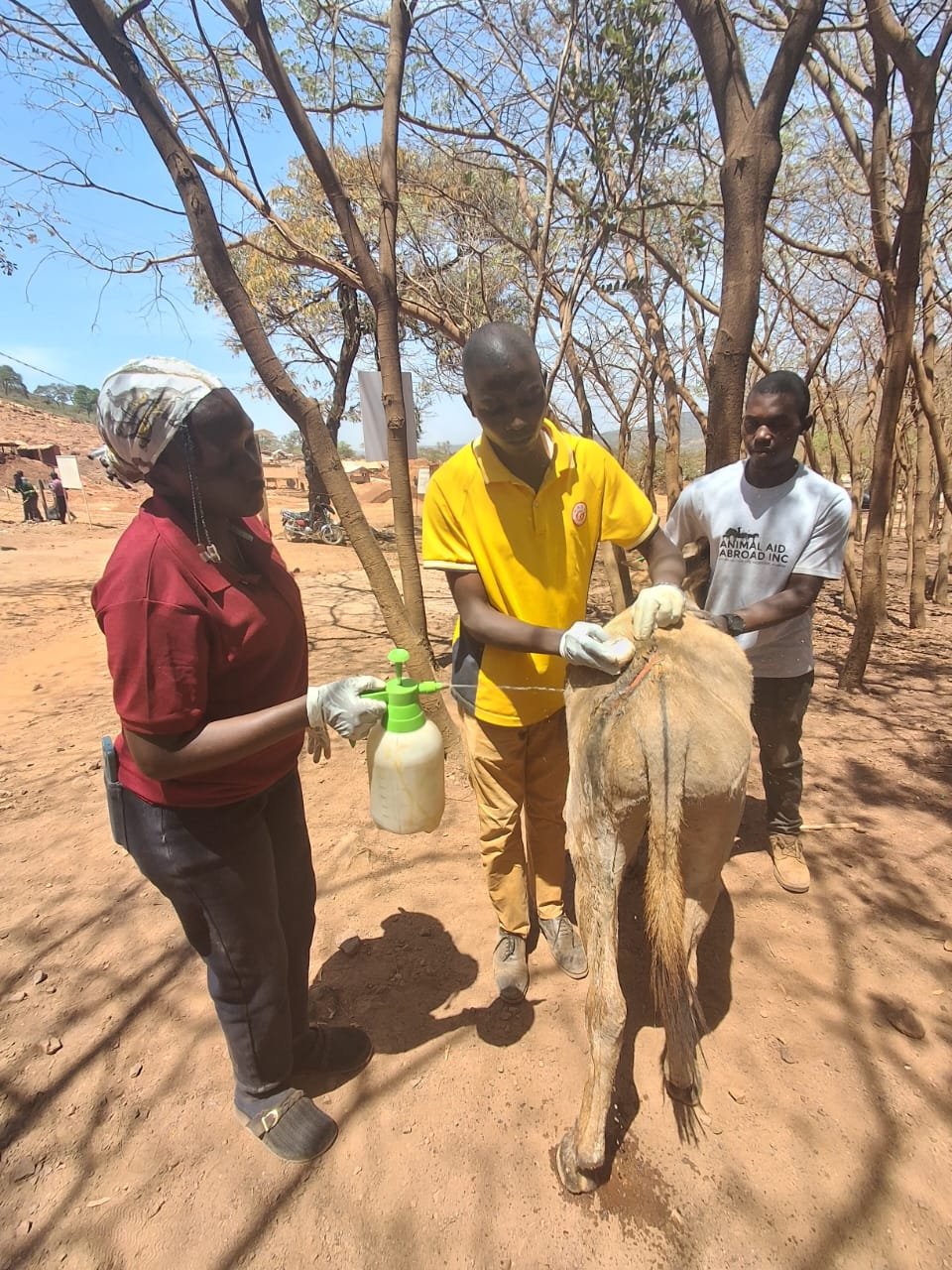
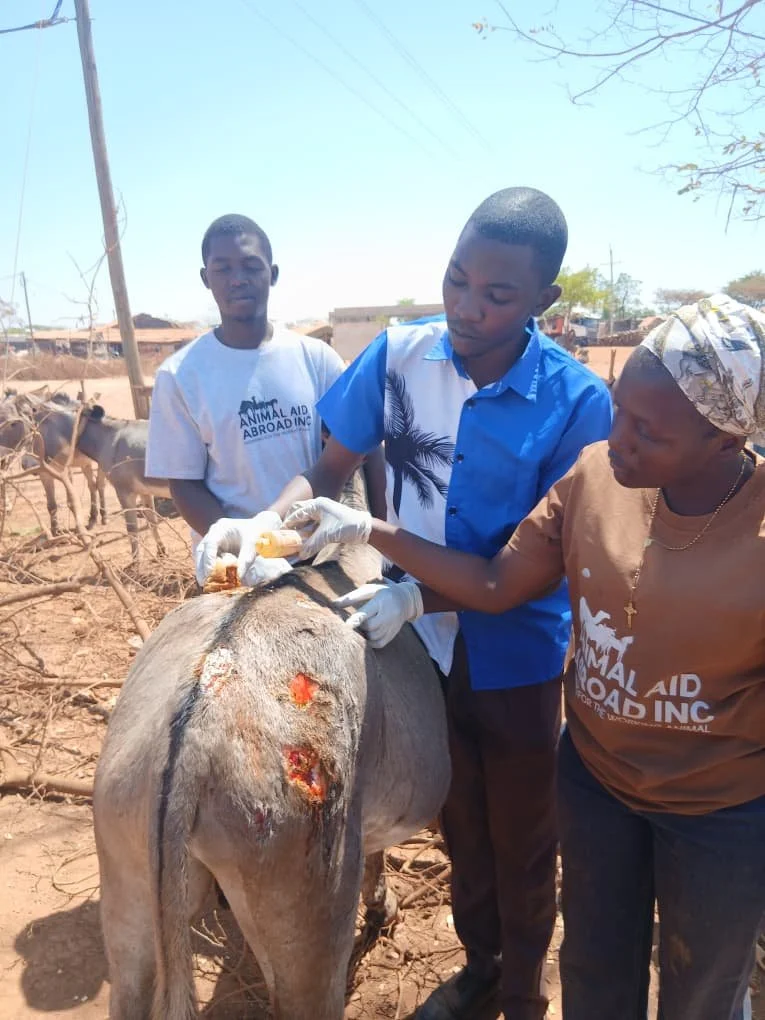
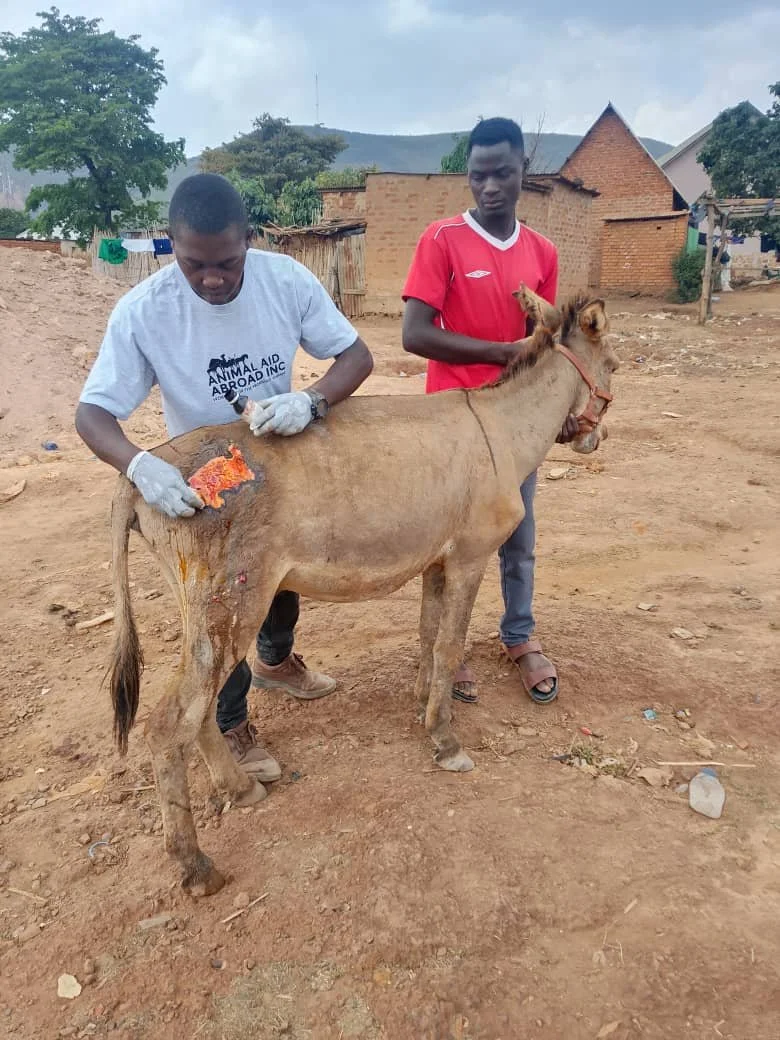
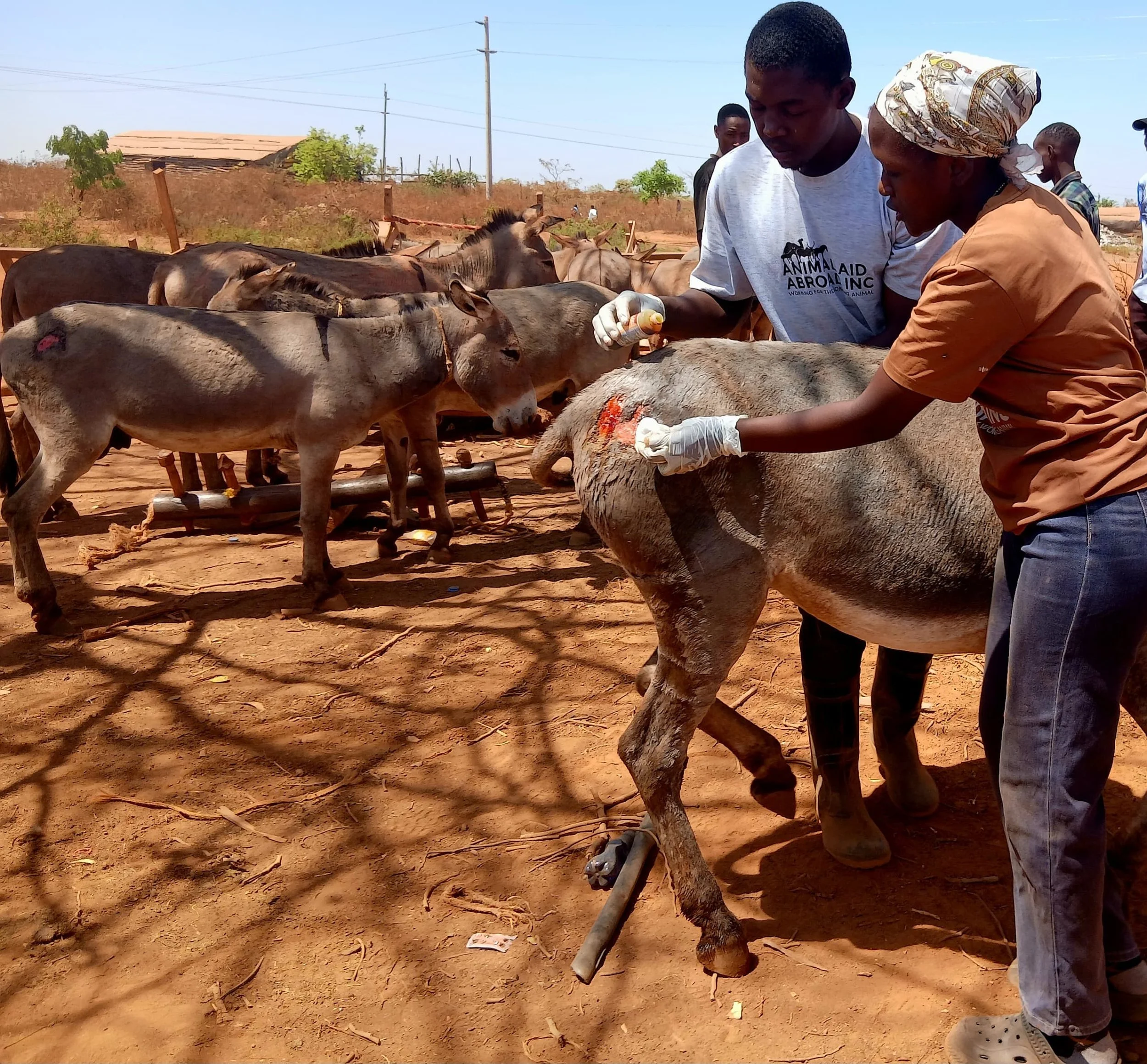
A range of clinical cases presented, including wounds, ophthalmic conditions, hoof issues, parasite infestations requiring deworming, respiratory disease, enteritis, ptyalism, lameness, hematomas, trypanosomiasis, mange, dermatophilosis and tetanus.

3. Outreach, general clinics and anti-cruelty program
3.1 Planned veterinary clinics
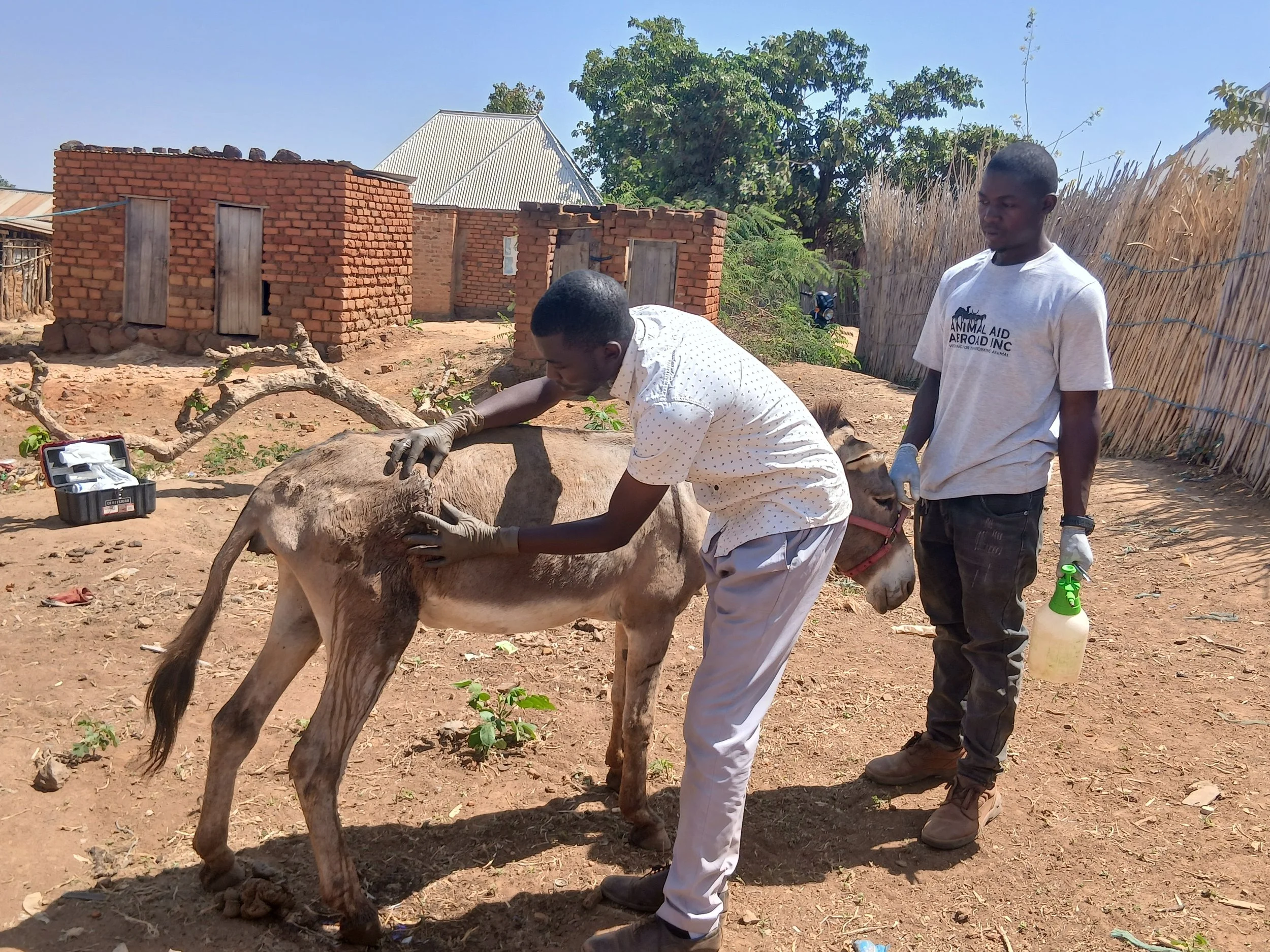
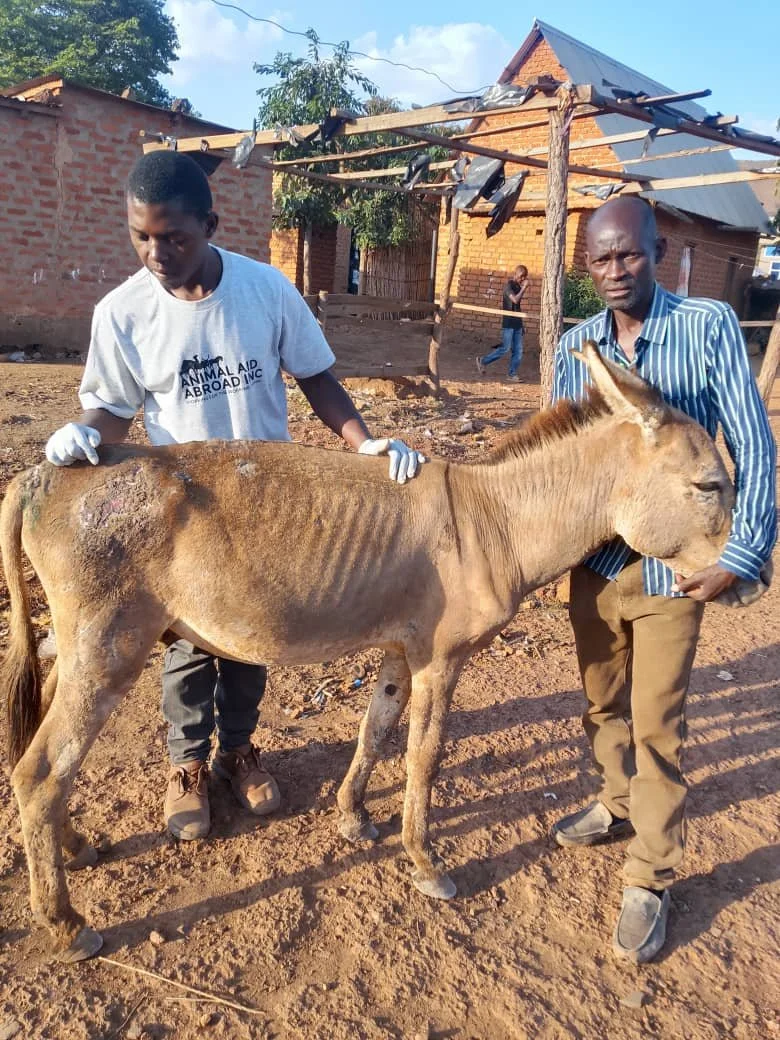
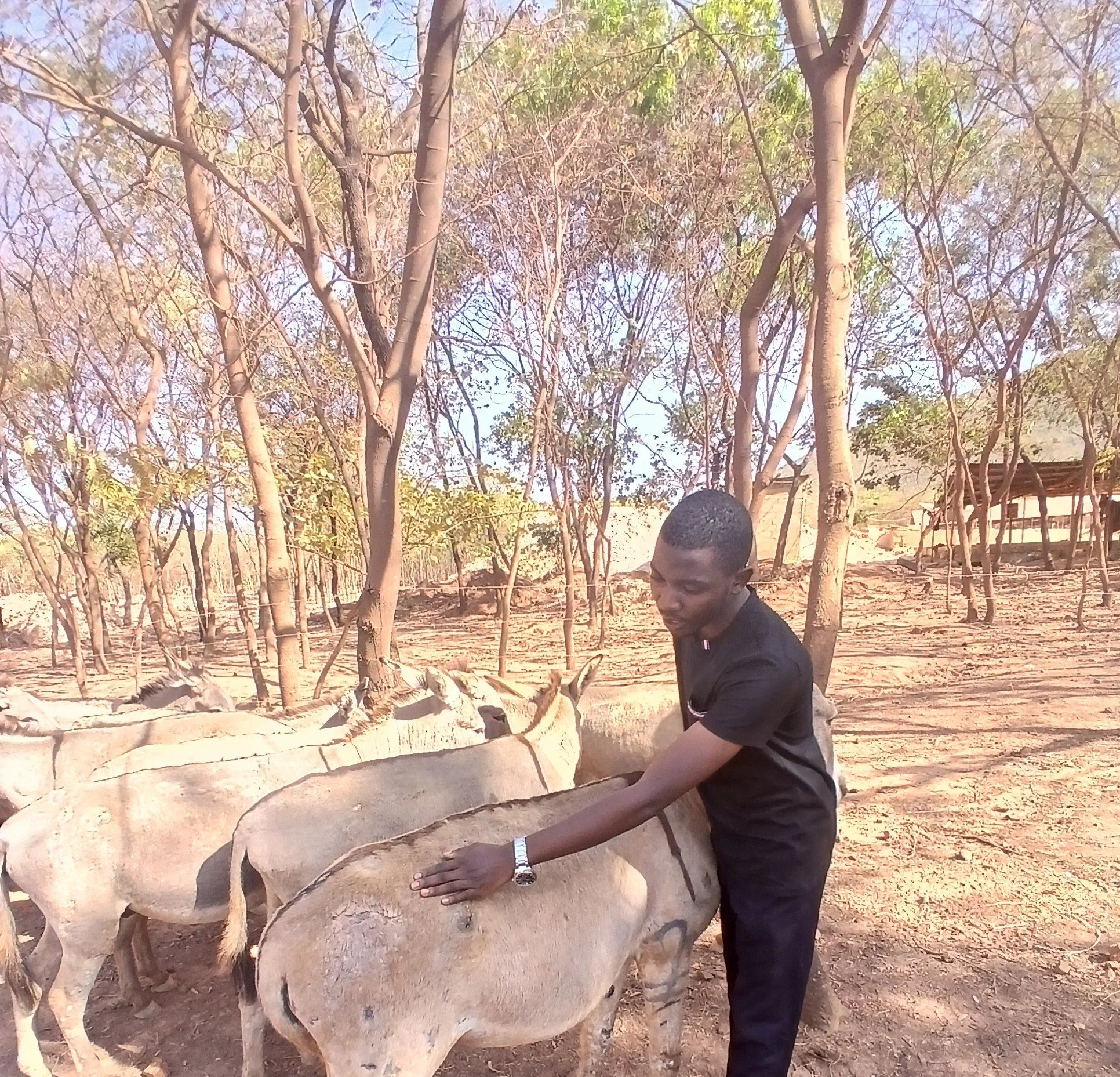
In August, the LAZAWO team conducted two major donkey clinics in the gold mines Magenge and Stamico. During these two clinics, a total of 205 donkeys with a variety of clinical presentations were treated.
3.2 Pre-clinic welfare sessions
A total of 47 participants - including both donkey handlers and donkey owners - brought their animals to receive veterinary care. The LAZAWO team conducted a donkey welfare session, during which participants received practical education on proper donkey handling, nutrition, health management, and actions that constitute cruelty and violate animal welfare laws.
3.3 Impact of pre-clinic welfare sessions
Education on animal welfare continues to be reflected among donkey owners and the wider community.
A good example is the case of Isack, who demonstrated compassion and responsibility by providing care for an abandoned donkey, even though the donkey was not his own. The donkey had been abandoned due to difficult family circumstances that forced the owner to relocate.
Isack’s response demonstrates positive changes in community attitudes towards working donkeys. It shows that donkey owners and community members are increasingly developing compassion and a stronger sense of responsibility for donkeys - particularly those working under challenging conditions in mining areas. This is an encouraging indication that animal welfare education is creating meaningful changes in how working animals are perceived, treated, and protected within the community.
Furthermore, some community leaders - especially at Mgusu - have taken an even stronger step by introducing strict measures to protect working donkeys from excessive workloads. If owners are found working their donkeys for more than six hours, they will be fined, referred to the police, or imprisonment for up to six months, depending on the circumstances and applicable local procedures. These measures have been warmly welcomed by our veterinary team because they demonstrate a growing commitment among local leaders to implement animal welfare principles.
The increasing involvement of local leadership is an important milestone for our project. It demonstrates that animal welfare education is not only raising awareness but also encouraging communities and their leaders to take concrete actions to safeguard the welfare, dignity, and working conditions of donkeys.
3.4. AAA anti-cruelty recognition program
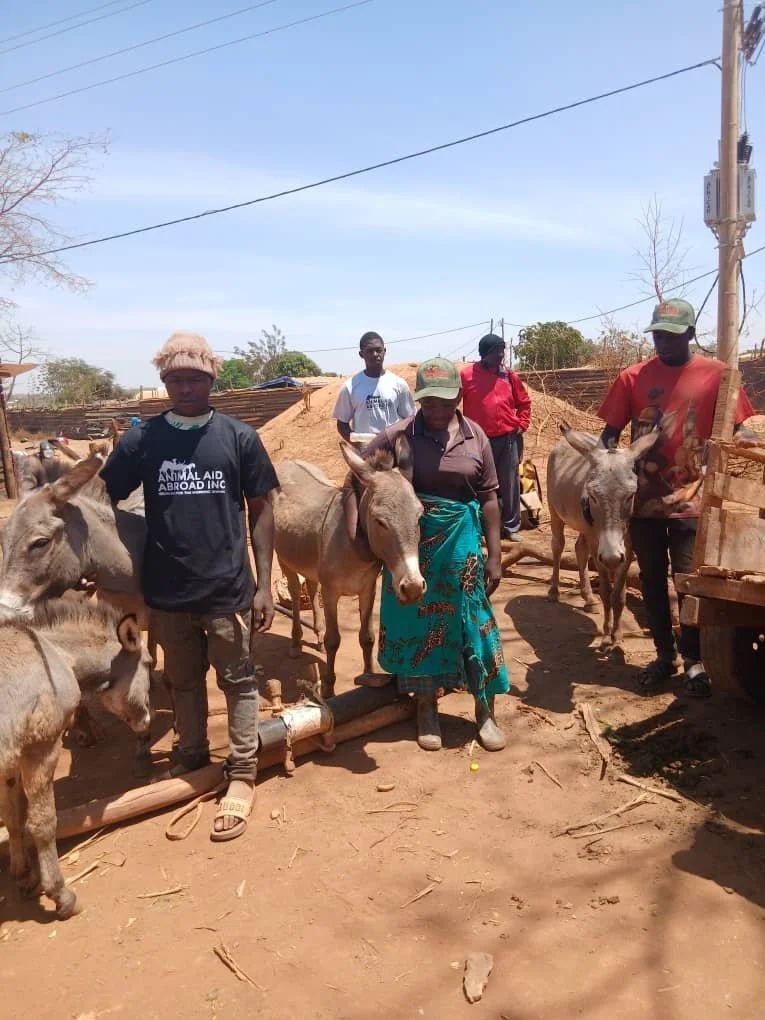
As part of our Anti-Cruelty Program, five exemplary donkey handlers - whose animals were observed to be in good condition despite their demanding workloads - were publicly recognised and rewarded. Three handlers from Mgusu were recognised, receiving either an AAA tee-shirt or hat. In Nyarugusu, two donkey handlers were similarly rewarded.


4. Case studies
4.1 Mwashi’s story: The hidden cost of food and water scarcity
In August, the LAZAWO team received an emergency call from Juma in Mgusu, reporting that a donkey named Mwashi was unable to stand. Mwashi had been kept together with other working donkeys in a designated resting area where some owners temporarily keep their animals while waiting to begin work.
When the owners came to take the donkeys to work, they noticed that Mwashi had remained lying down and was unable to stand. They attempted to help him get up, but their efforts were unsuccessful. Recognising the urgency of the situation, the veterinary team responded promptly and travelled to the site to assess him and provide the necessary care.
Following examination, Mwashi was provided with veterinary treatment, including intravenous administration of dextrose normal saline together with penicillin. Following the intervention, Mwashi responded positively: he stood up and was able to walk independently.
The team advised Juma to take Mwashi home, provide him with adequate food and clean water, and allow him sufficient time to recover fully before returning to work. This advice was followed, and Mwashi has continued to improve. He is now doing well and has successfully returned to work.
This case highlighted the importance of adequate nutrition and access to sufficient water in maintaining the health and strength of working capacity. Mwashi’s condition was associated with inadequate access to food, but after Juma followed the veterinary team’s advice and ensured that he received adequate food and water, Mwashi recovered well.
We are deeply grateful for the support of AAA, which makes timely veterinary interventions like this possible. Without your support, cases like Mwashi’s could have resulted in prolonged suffering. This timely intervention not only helped Mwashi recover but also provided his owner with practical knowledge on how to better care for his donkey’s health and welfare.

4.2 Mwasa’s story: Use and discard - a common form of cruelty
In August, the LAZAWO team received an emergency call from Isack in Rwamgasa regarding a donkey named Mwasa, who was reportedly very unwell, unable to eat, and unable to stand.
During the initial conversation, we sought to establish who owned the donkey. Isack explained that Mwasa was not his donkey but had been abandoned following the death of his owner, who tragically died in a mining pit. Following this incident, Mwasa was left without an owner to provide him with the necessary care and support.
Recognising the seriousness of Mwasa’s condition and the fact he had been left without appropriate care, the team responded promptly and travelled to Rwamgasa. Upon arrival, our team provided essential veterinary treatments including intravenous medications. After two hours, he was able to stand up and walk independently. The team also rescued Mwasa, transporting him to the sanctuary where he could receive closer monitoring, supportive care, and protection.
LAZAWO continues to monitor Mwasa closely and provide him with the care and attention he needs as he recovers. Mwasa is currently doing well and continues to improve. Considering the condition in which he was found and the fact he had been left without any form of care, his progress is very encouraging.
Mwasa’s story demonstrates the vital importance of timely veterinary intervention and rescue services for vulnerable working animals. Without prompt treatment, transportation, and continued care, we fear that Mwasa may not have survived.
We are sincerely grateful to AAA for making this intervention possible. The support provided for veterinary treatment and transportation played a crucial role in giving Mwasa a second chance at life. What could have been a heartbreaking loss became a story of rescue, recovery, and hope.
5. Essay competition and results
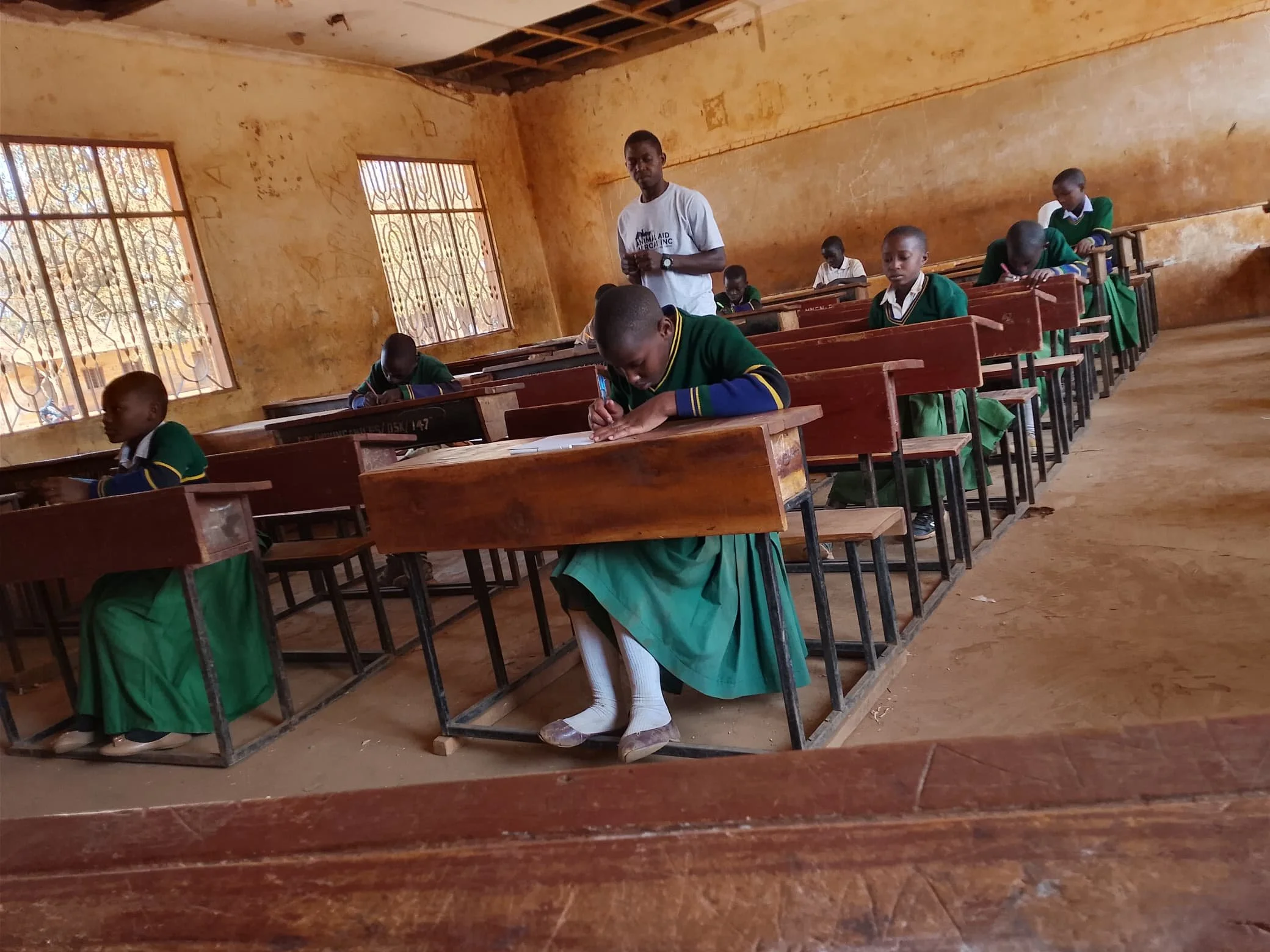
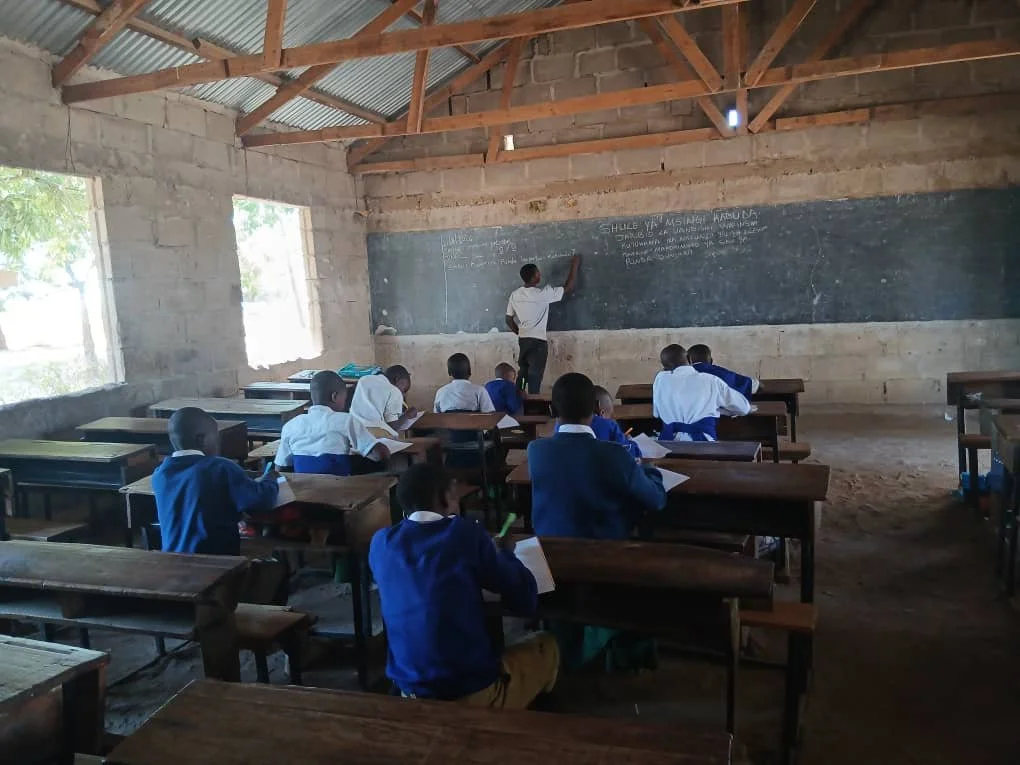
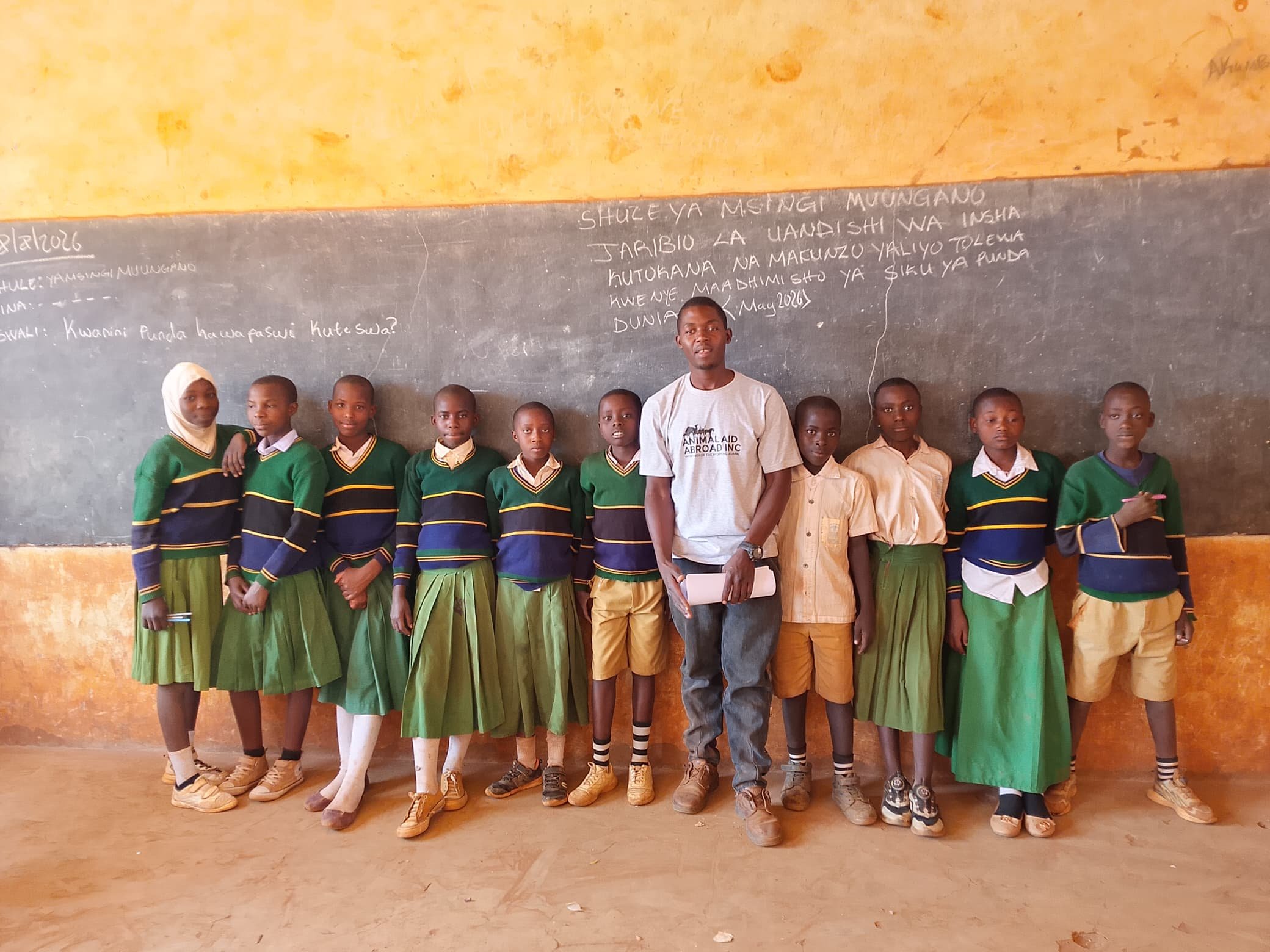
During August, the LAZAWO team successfully organised and conducted an essay competiton for primary school pupils in ten primary schools: namely Mgusu, Kaduda, Mshikamano, Muungano, Kaseme, Nyarugusu, Nyamigota, Shigongo, Mpovu, and Kasamwa Primary Schools. One hundred students took part in the examination.
The main question for the competition was: “Why should a donkey never be subjected to cruelty?” The competition was designed to strengthen students’ understanding of animal welfare, responsible donkey ownership, and the importance of treating working animals with compassion and respect. After a detailed assessment of the students’ performance, 10 pupils emerged as the best-performing candidates out of 100 participants.
Overall, the competition provided an important platform for engaging children in animal welfare education and encouraging them to think critically about the humane treatment of working animals. The strong performance of the students demonstrates the positive impact of continued awareness and educational activities within schools and communities.
6. Challenges and gaps
Although significant progress was made during August, we continue to face some challenges that affect the efficiency of our work. One of the main challenges is transportation, particularly when accessing remote mining areas where working donkeys need our support.
We would like to express our sincere gratitude for your generous support towards our vehicle. The vehicle has made a significant difference in our work and has greatly supported the implementation of various activities and strategies aimed at improving the welfare of working donkeys. We truly appreciate this valuable support and the positive impact it continues to have on our work in the field.
Appreciation
On behalf of the Lake Zone Animal Welfare Organization team, we would like to express our heartfelt appreciation to AAA for your continued support and commitment to improving the welfare of working donkeys. Your partnership has been a tremendous help in our work and has been a great encouragement to our team and the donkey owners we serve.
The donkey owners are very happy with this project, and they are seeing the benefits in the health and comfort of their animals. They are learning valuable knowledge, skills and confidence in donkey care through the support provided. This has had a positive effect on the communities and their eagerness to be involved in animal welfare activities.
We believe that with your kind support, progress will continue and our efforts to achieve better animal welfare will be even more successful. Your donations are helping us to create a future where working donkeys are cared for and respected.