rescued donkeys receive safety, protection & care at our partner sanctuary in tanzania
At Lake Zone Animal Welfare Organization (LAZAWO)’s sanctuary in Tanzania, 18 rescued donkeys are currently receiving compassionate care, veterinary treatment, nutritious feed and a peaceful environment in which they can recover. With support from your kind donations, these donkeys are now free from pain, injury, illness and suffering.
Overview
During August, LAZAWO’s sanctuary continued to provide care and long-term support for donkeys requiring special attention, treatment and rehabilitation. Throughout the month, the sanctuary remained committed to improving the health and welfare of rescued donkeys through veterinary care, proper nutrition, and daily monitoring.
During the reporting period, a donkey named Mwasa was successfully rescued from Rwamgasa, and admitted to the sanctuary for treatment and rehabilitation.
Donkey Care at the sanctuary
All rescued and rehabilitated donkeys at the sanctuary continue to receive comprehensive veterinary care, individualised nutritional support, and close daily monitoring based on their specific medical and welfare needs. Each animal follows a tailored rehabilitation plan designed to address the underlying conditions that necessitated their rescue.
Throughout August, the donkeys were maintained under a high standard of professional husbandry and veterinary supervision, ensuring continuous assessment of their health status, timely medical interventions, adequate nutrition, and a safe, stress-free environment that promotes full physical recovery and psychological well-being.
As a positive outcome of these ongoing efforts, a donkey called Nkwimba has made a remarkable recovery, and has successfully met all health and welfare criteria required for discharge. This donkey, who was rescued in July, has now been safely returned to his owners after completing his rehabilitation program. Prior to his release, comprehensive clinical evaluations confirmed that he had regained sufficient health, body condition, and functional capacity to return safely to the owner.
Veterinary Activities
Continued treatment & rehabilitation:
Throughout August, the veterinary team continued providing compassionate care and rehabilitation to previously-rescued donkeys residing at the sanctuary.
Routine management included feed supplementation, provision of adequate grazing, wound treatment and dressing, administration of prescribed medications and regular health-monitoring practices. These interventions were carried out to promote recovery and improve the overall health and welfare of the animals.
Internal parasite examination:
As part of routine health monitoring, faecal samples were collected from selected donkeys residing at the sanctuary for internal parasite examination. The samples were examined under a microscope to detect the presence of gastrointestinal worm eggs and assess parasite burdens. The findings guided appropriate deworming and parasite control measures, helping to improve the health and welfare of the donkeys through evidence-based treatment.
New rescue case
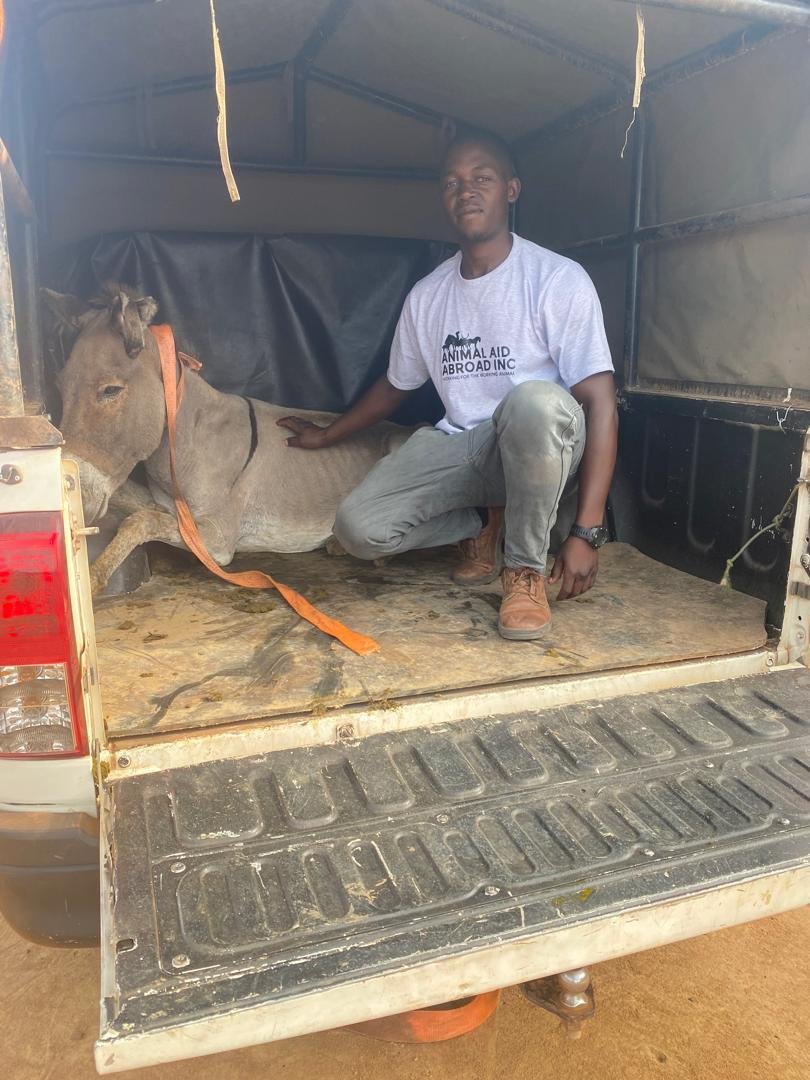
During August, a donkey named Mwasa was rescued from Rwamgasa following the death of his owner, Mbinga, who tragically died in a mining pit. Following his death, Mwasa was abandoned and left without access to proper veterinary care or adequate food. Mwasa was exhausted after being abandoned for a considerable time in a stressful environment, and needed to be rescued to avoid further suffering.
Mwasa was rescued and transported safely to the sanctuary, where he was given a full veterinary check-up and treatment. Mwasa had access to clean water, good feed and a pleasant environment to rest and recuperate in.
He also received regular health checks, hoof care, parasite control and body condition checks as part of his rehabilitation program.

Nkwimba’s Story
Nkwimba was originally found in Mgusu after having been unable to stand up for two days. Following continued close monitoring and intensive veterinary care, Nkwimba has made remarkable progress. He is now stable and in good condition, to the extent that there are no longer any concerns about his overall health. However, he remains at the sanctuary under the close supervision and care of LAZAWO’s veterinary team.
We are truly proud of AAA’s support in Nkwimba’s case. The timely support provided through essential medicines and veterinary supplies played a critical role in saving his life. Without that support at such a crucial moment, we could have lost Nkwimba - an outcome that would have left a painful and lasting memory for the veterinary professionals involved, along with his owner. Nkwiba’s recovery is therefore a powerful reminder of the importance of timely veterinary support and the positive impact AAA’s assistance has on the lives of working animals.
The LAZAWO team extends our heartfelt gratitude to Animal Aid Abroad for your generous financial support, and for providing the medications that made Nkwimba’s treatment and recovery possible.
Current sanctuary status
As of the end of August, the sanctuary is housing 18 rescued donkeys: nine permanent residents with different needs, and nine donkeys undergoing rehabilitation.
All rescued donkeys continue to receive consistent, compassionate, and professional care from the sanctuary attendant under the close supervision of the LAZAWO team.
Conclusion and Appreciation
LAZAWO sincerely appreciates the continued support provided by Animal Aid Abroad. Your generous assistance enables the sanctuary to continue rescuing, treating, rehabilitating, and providing lifelong care to donkeys in need.
We remain grateful for your support and look forward to continuing our shared commitment to improving donkey welfare in Tanzania.