there for working animals in times of crisis: colombia’s earthquake, drought & wildfires
Recently, Namigni Animal Sanctuary in Colombia have had multiple crises to contend with. On August 10th, Colombia experienced a 7.4 magnitude earthquake. At the same time, the El Niño phenomenon triggered severe drought and widespread wildfires, which impacted working animals in many ways. Thanks to your kind support, the sanctuary could deploy an emergency veterinary team to treat working animals affected by these extreme events.
August Mobile Clinic & Emergency Response Report
Lead Veterinarian: Dr. Carlos Mario Jaramillo
Locations: Páramo Guerrero (Cundinamarca), San Luis, Ortega, Valle San Juan and Suárez (Tolima).
1. Pre‑Emergency Mobile Clinic – Páramo Guerrero
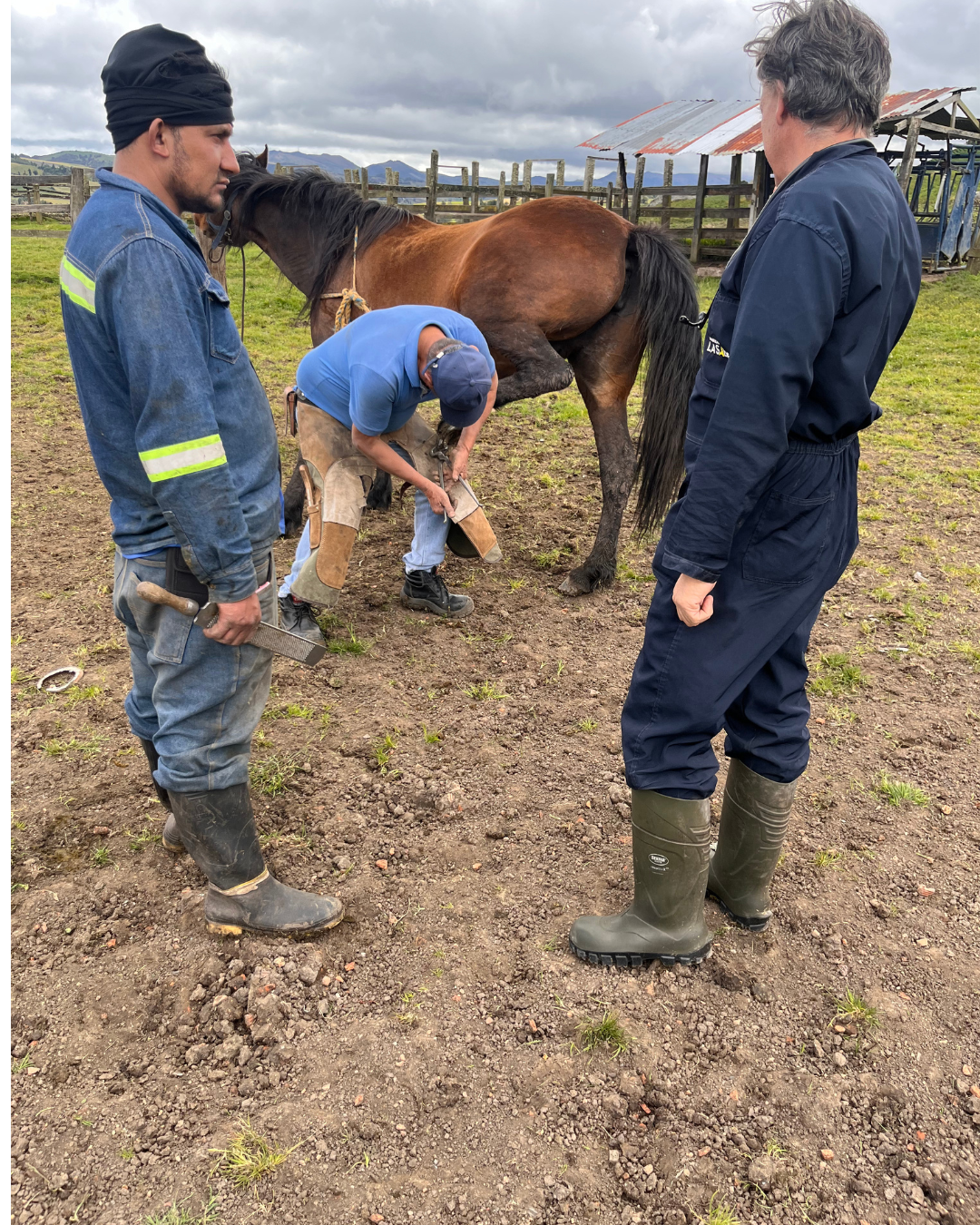
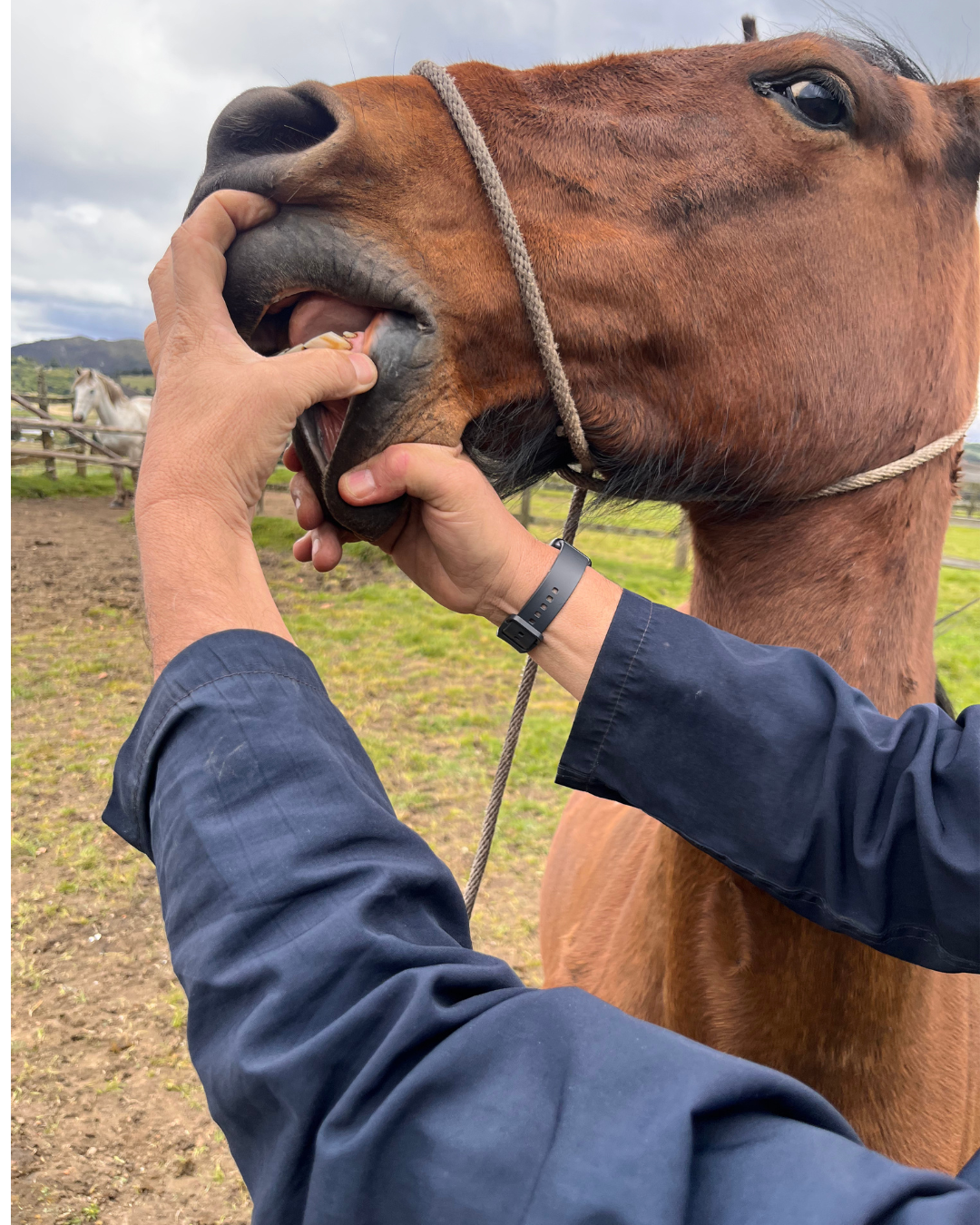
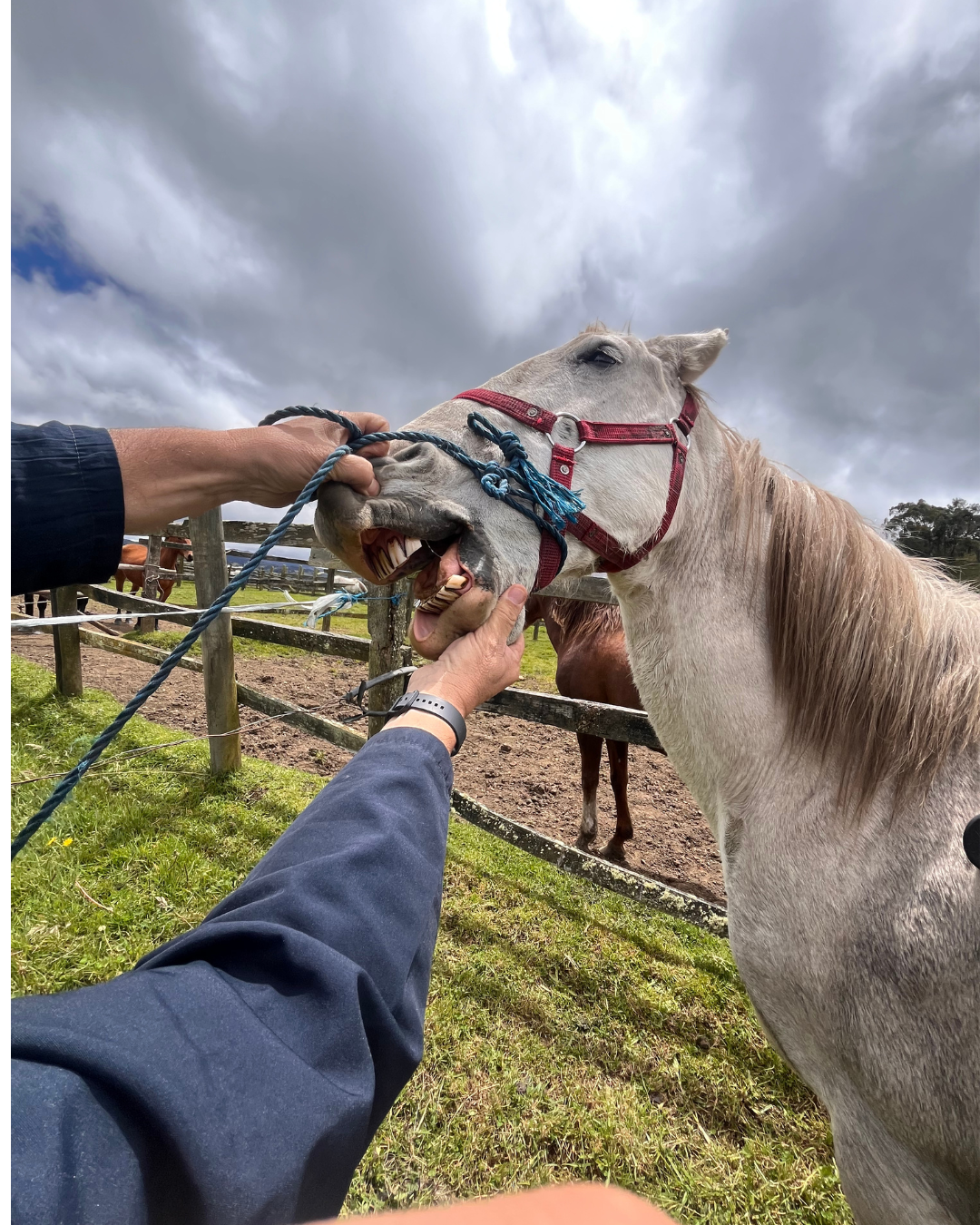
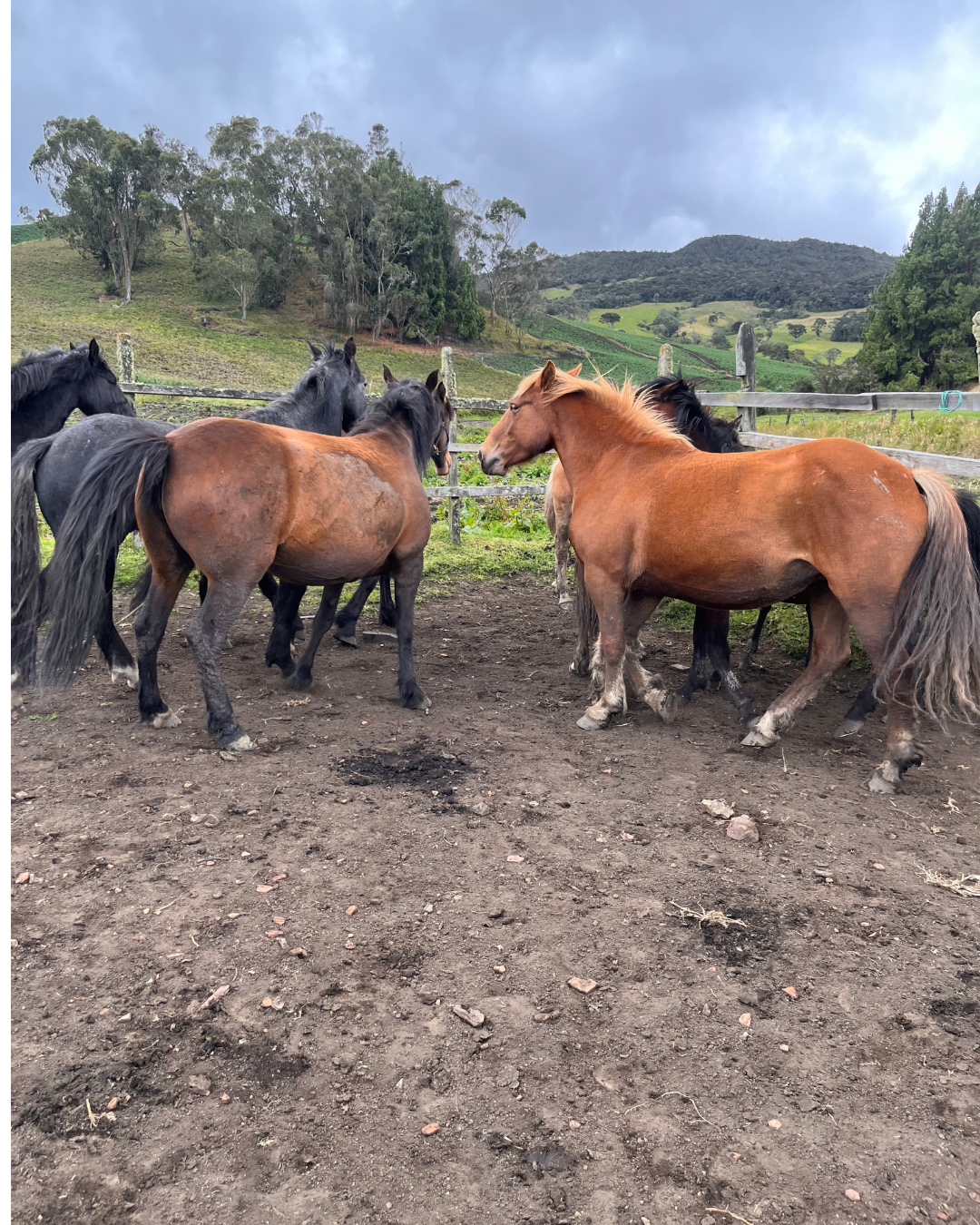
In early August, prior to the national emergency, Dr. Carlos Mario Jaramillo conducted a mobile clinic at a large dairy operation in Páramo Guerrero. The farm employed 21 working horses (including two foals), and two donkeys for milk transport and ploughing.
Clinical Findings:
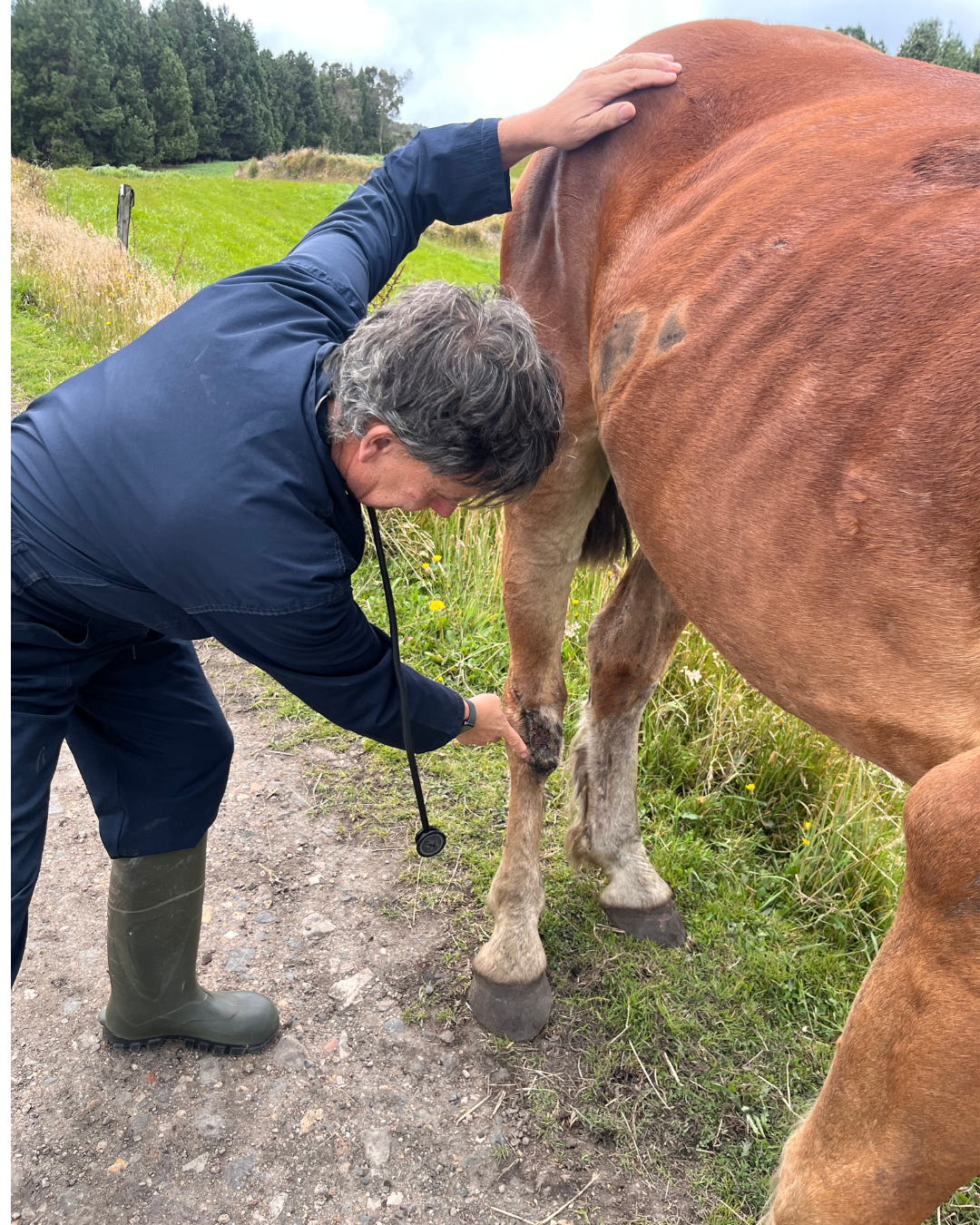
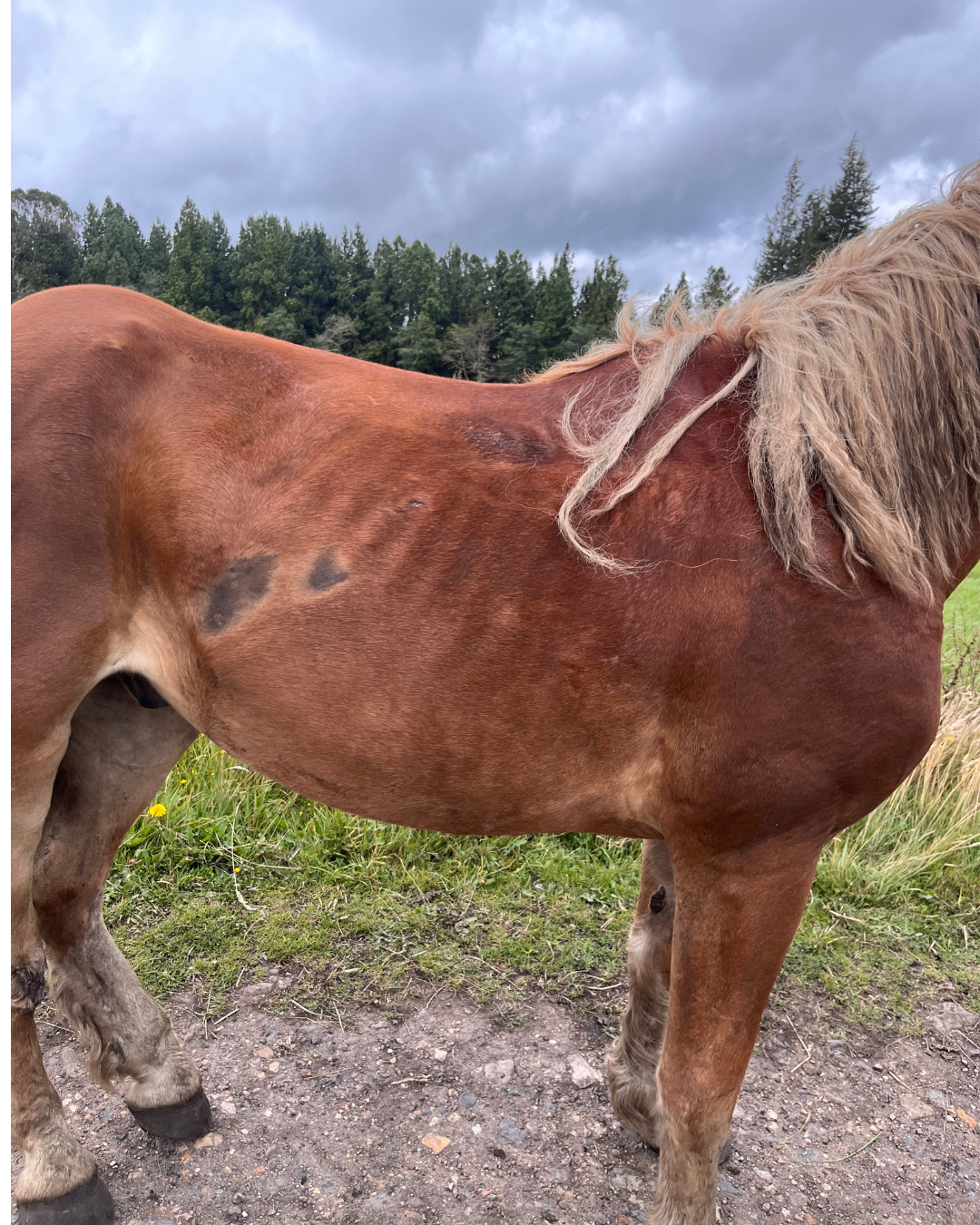
All horses presented with adequate body condition but exhibited severe hoof neglect.
Multiple untreated superficial wounds were observed.
No significant abnormalities were noted in the donkeys.
Interventions:
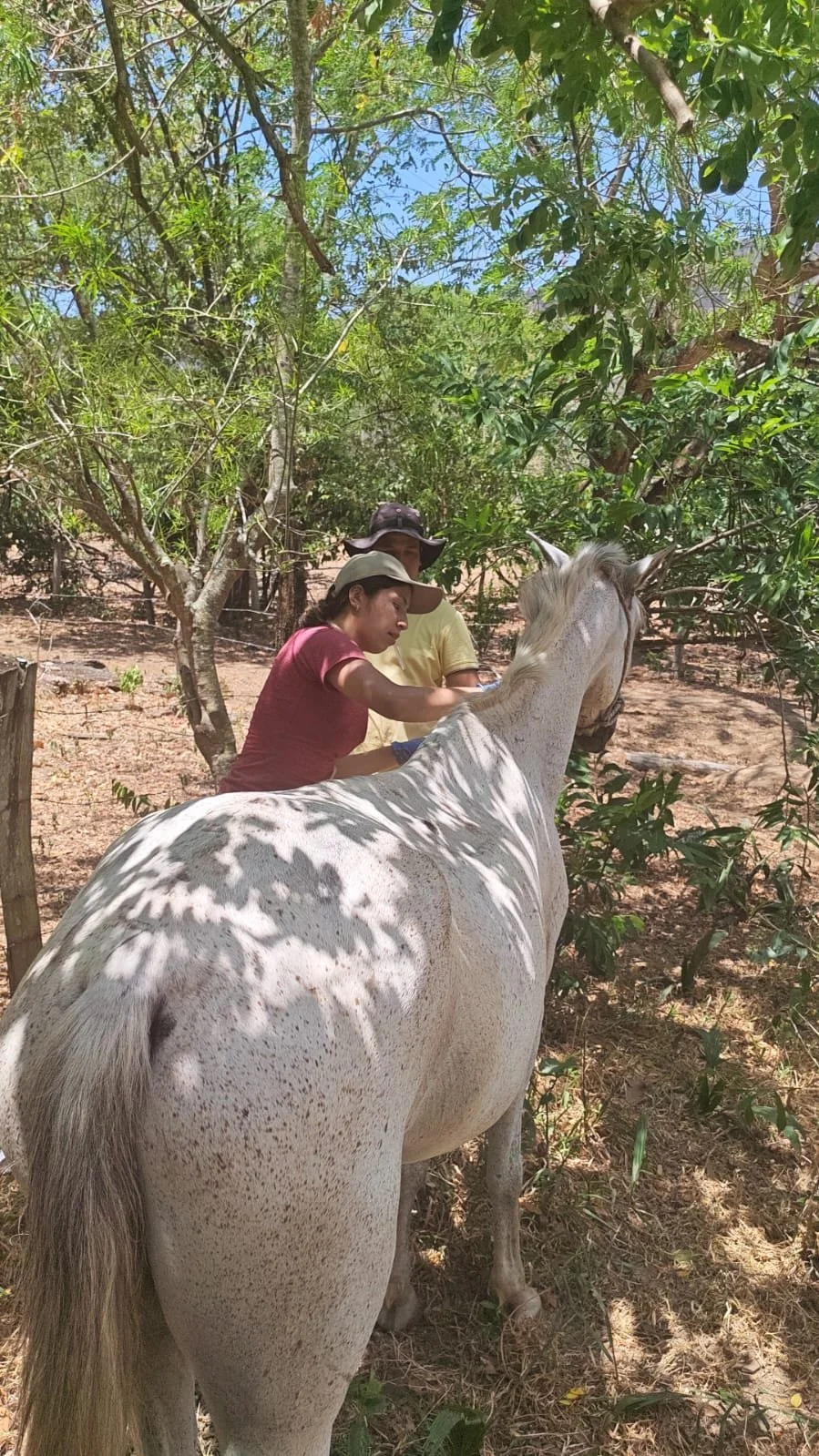
Wound cleaning and dressing.
Broad‑spectrum deworming of all equines.
Farrier completed corrective trimming and shoe replacement for all horses.
Donkeys required no farrier intervention.
2. National Emergency Context – Earthquake & El Niño Wildfires
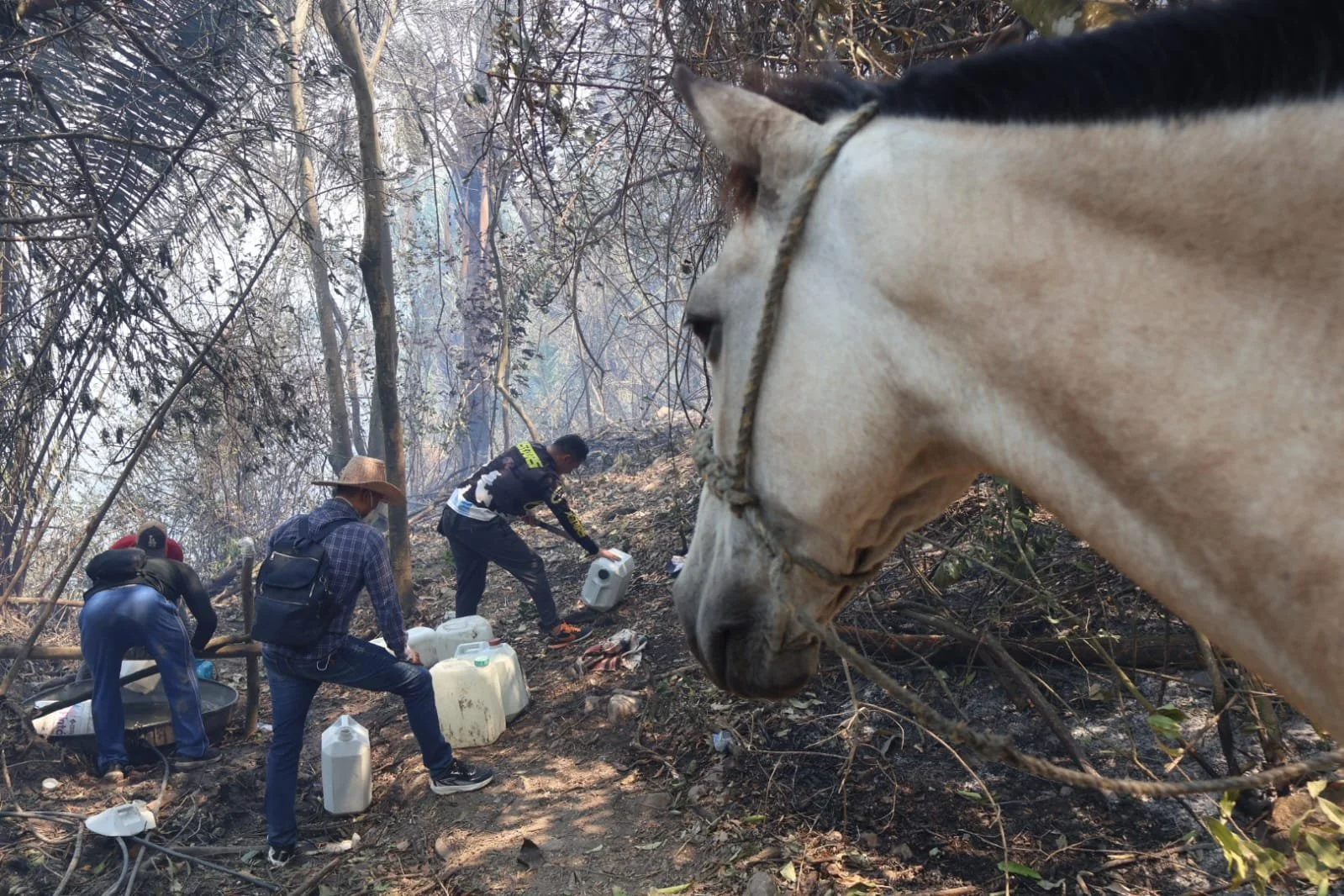
On 10th August 2026, Colombia experienced a 7.4 magnitude earthquake, devastating urban centres (Pereira, Manizales, Quibdó and Cali), and destroying multiple rural towns. Concurrently, the El Niño phenomenon triggered severe drought and widespread wildfires, particularly in Tolima, with secondary impacts across Cundinamarca, Valle, Nariño and Santander.
Key Impacts on Working Animals:
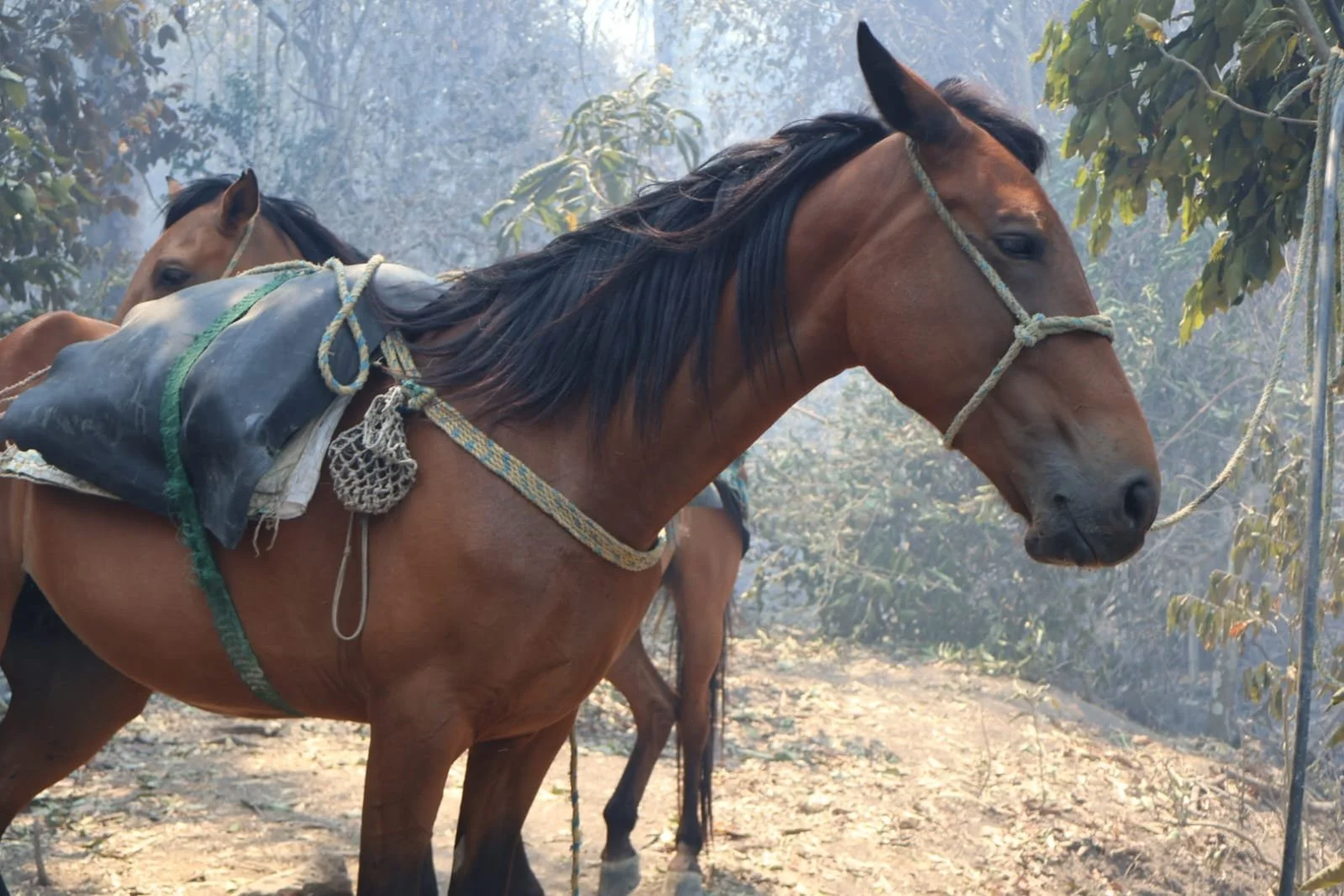
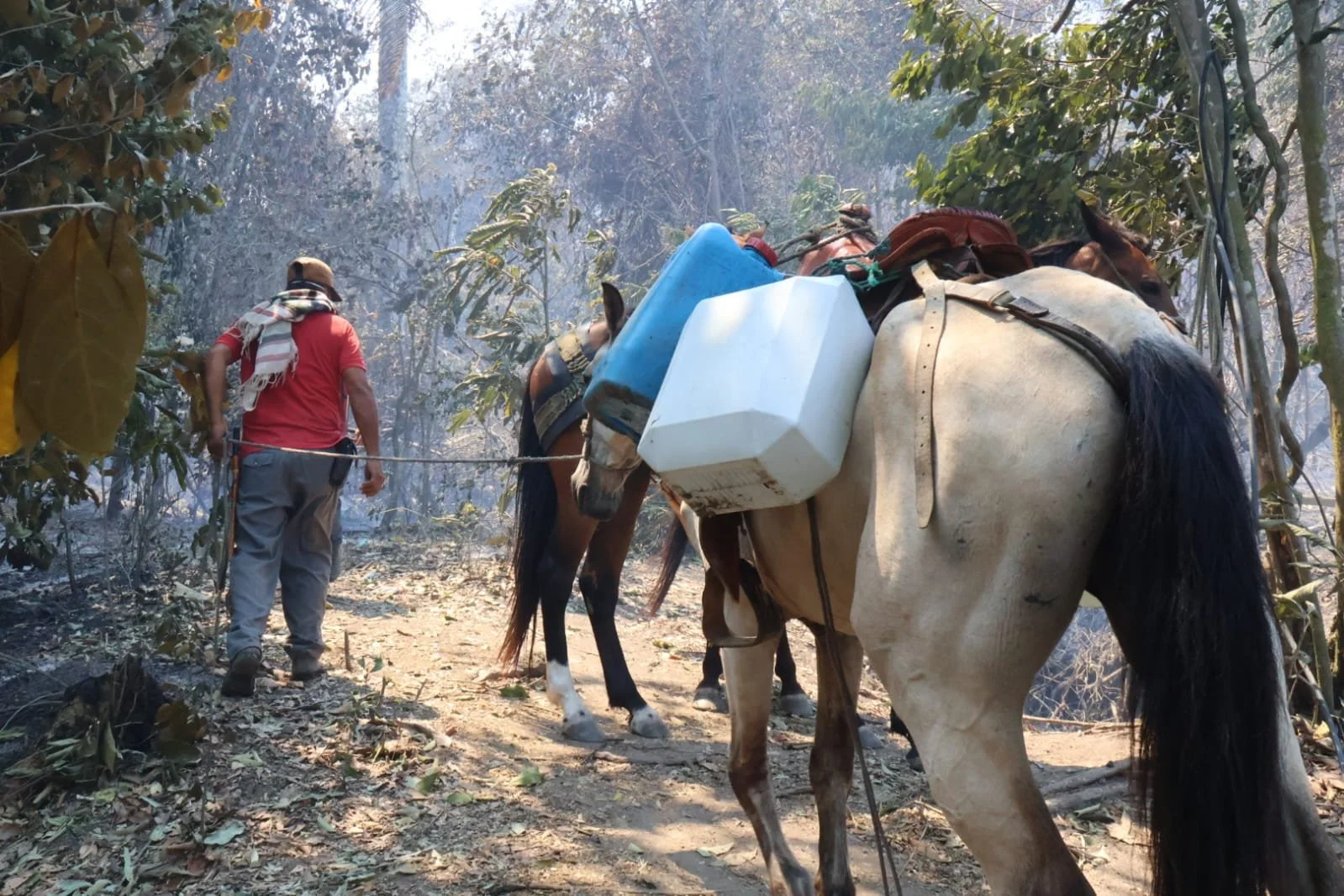
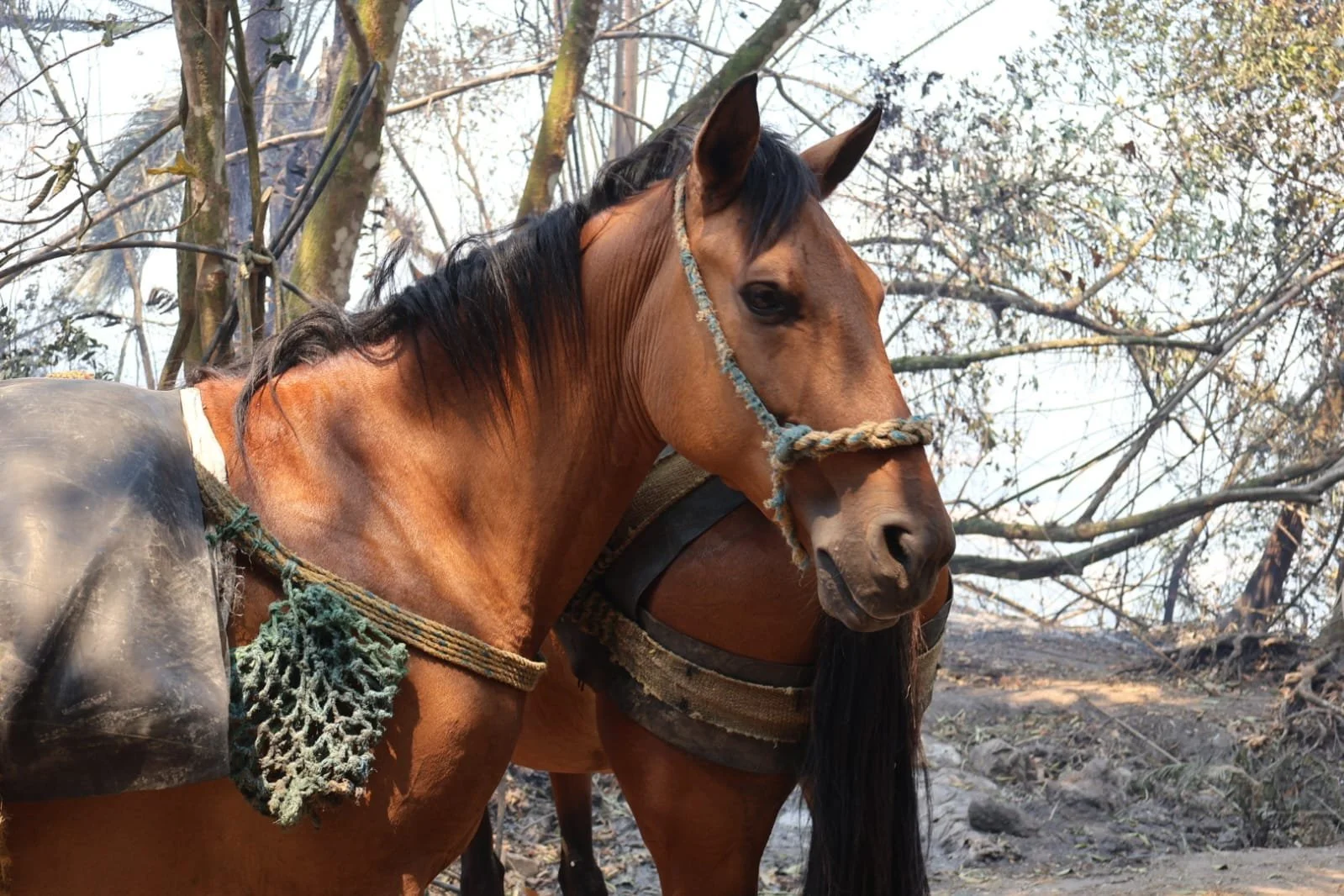
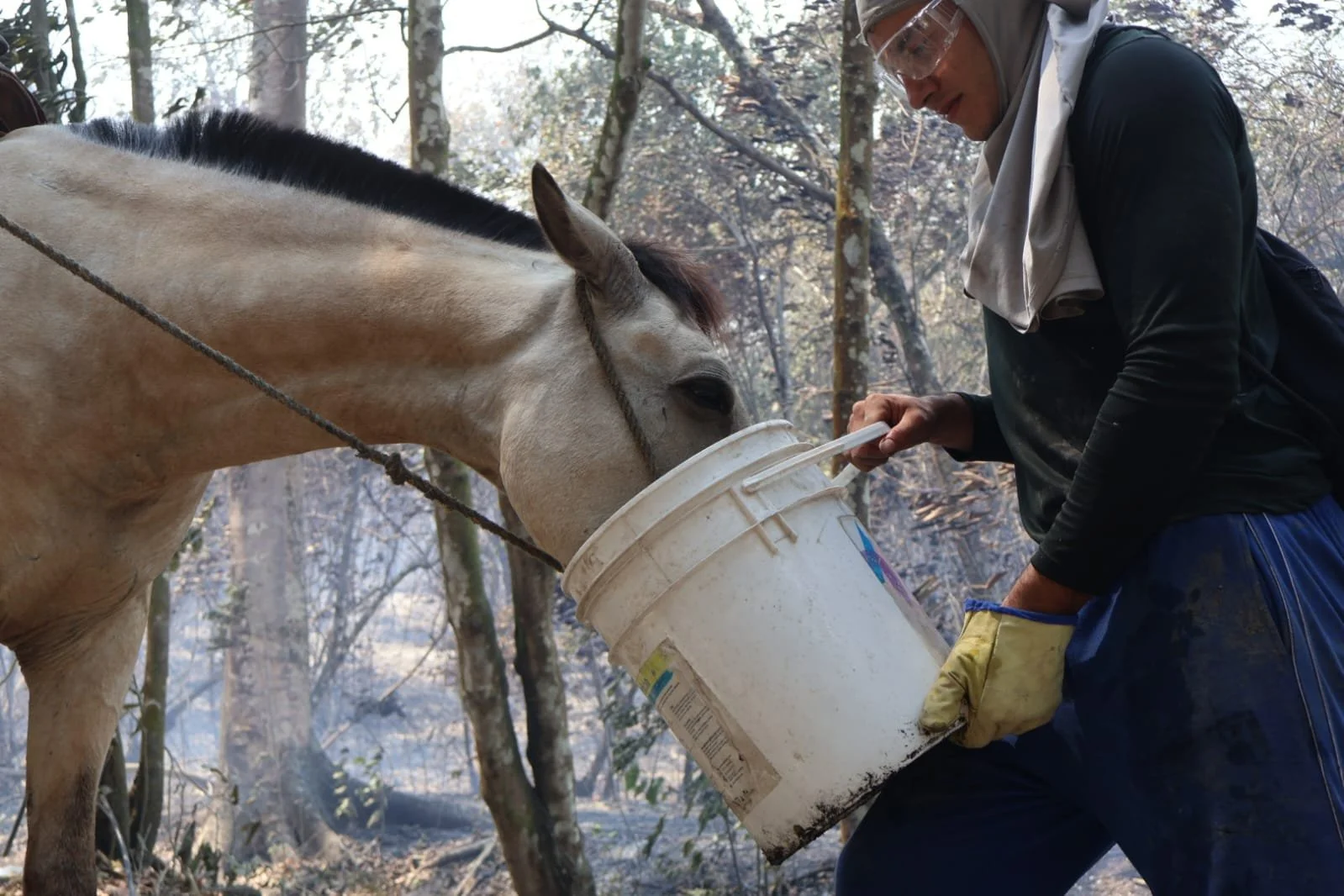
Equids (horses, mules and donkeys) were deployed to transport water to fire fronts.
High incidence of exhaustion, dehydration, burns, and harness‑related injuries.
Acute shortage of pasture and hay; prices escalated beyond sustainable levels.
Several equids were caught by fires and died in tragic conditions.
3. Emergency Veterinary Response – Tolima
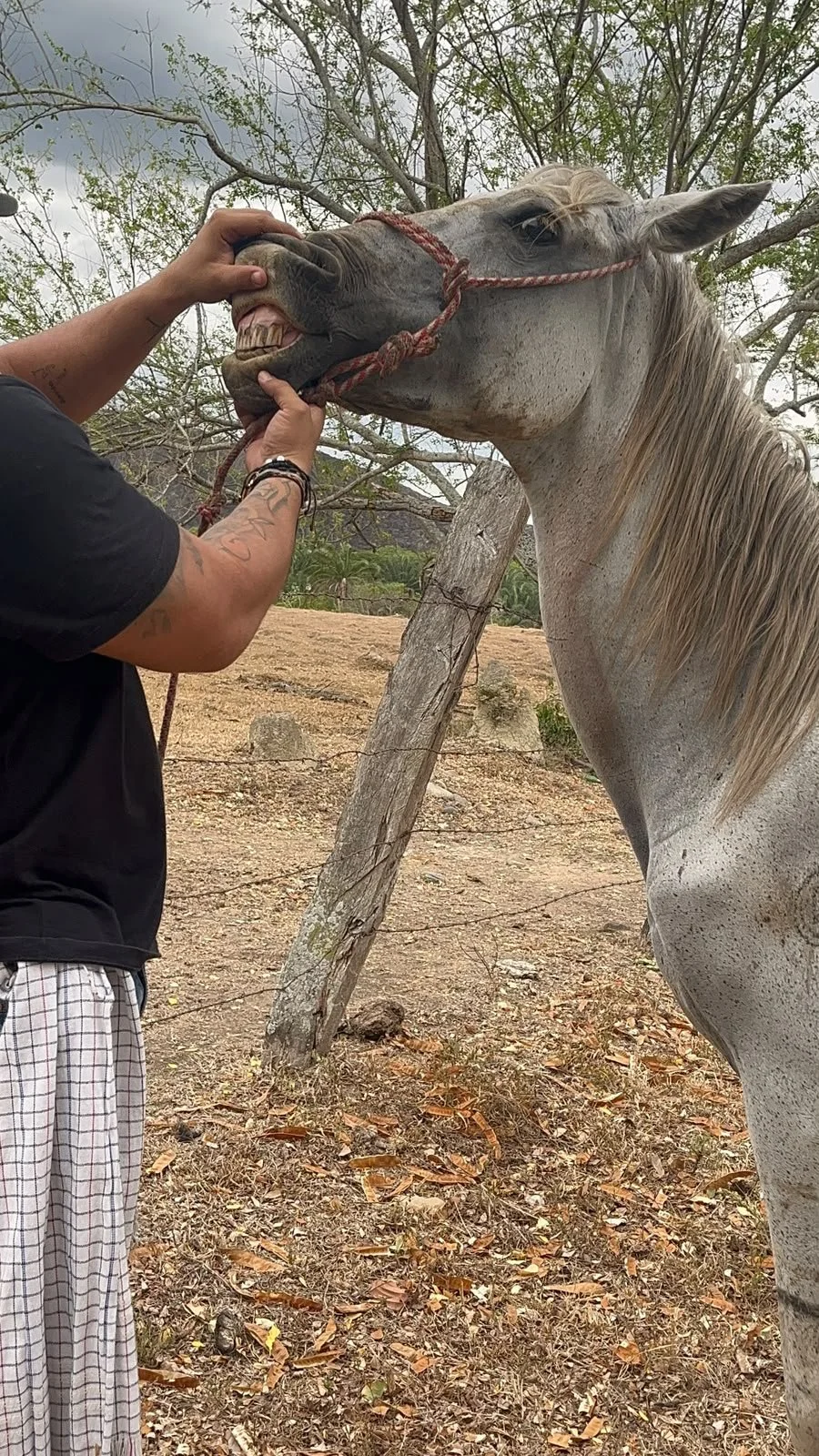
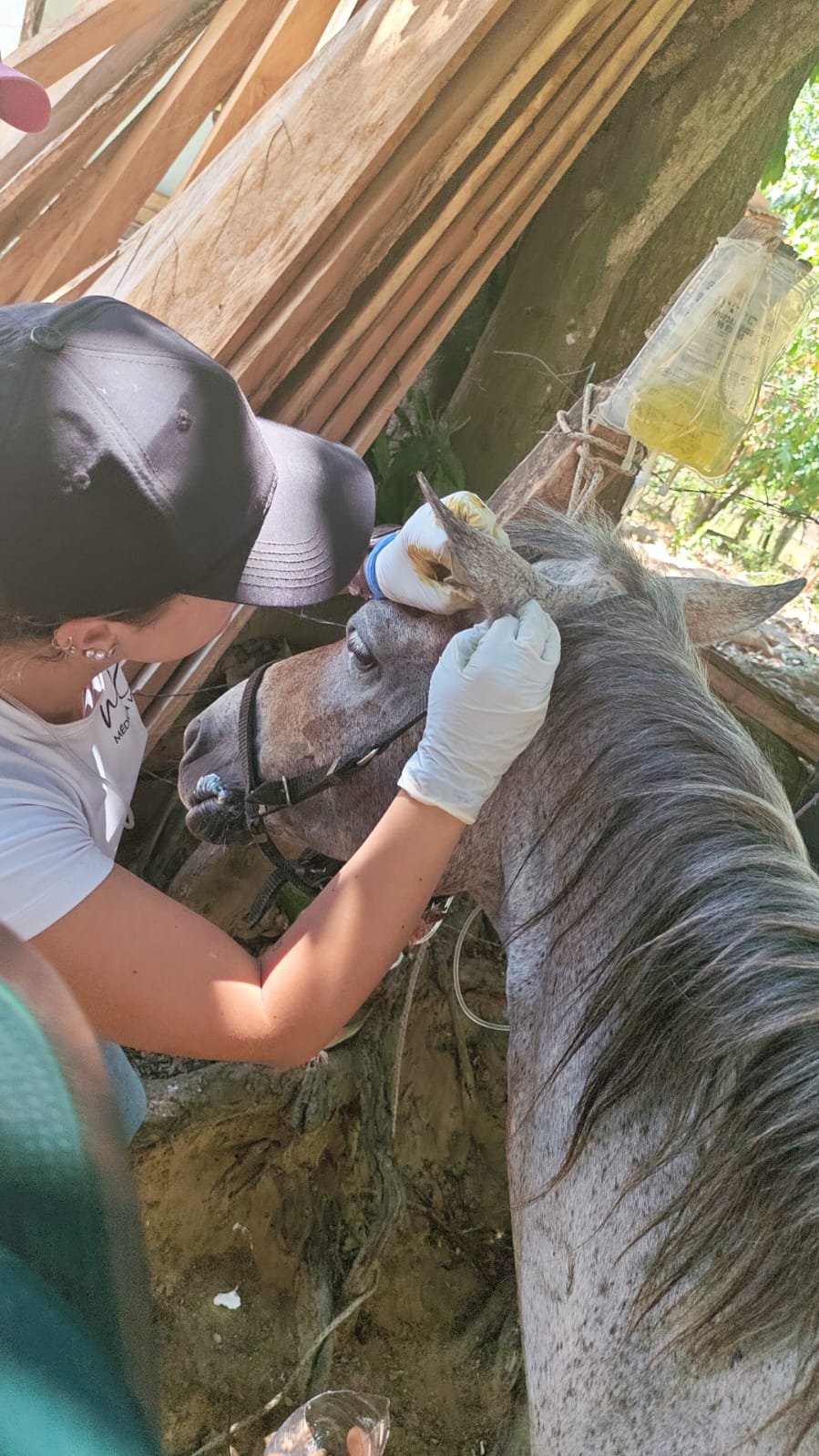
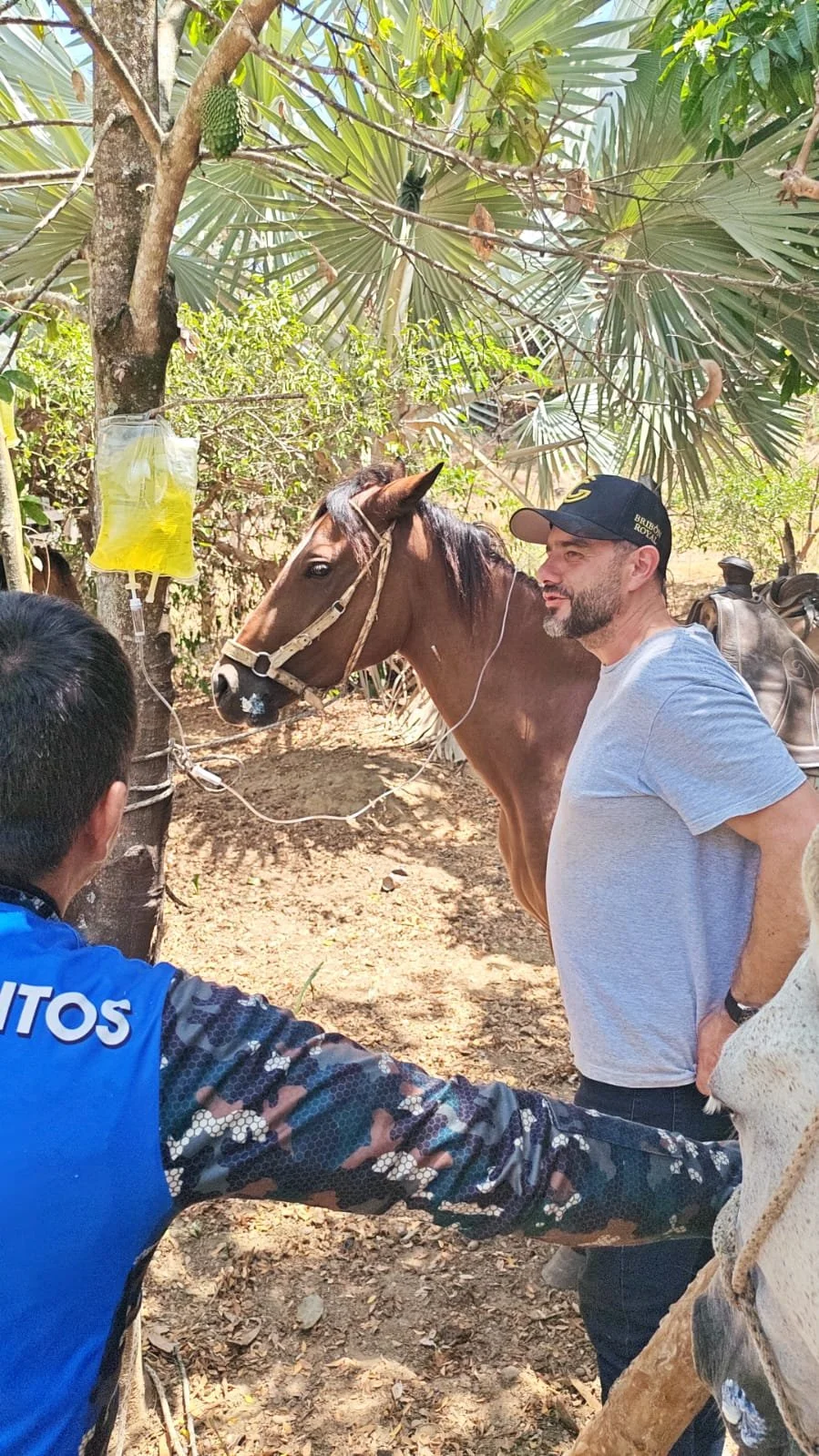
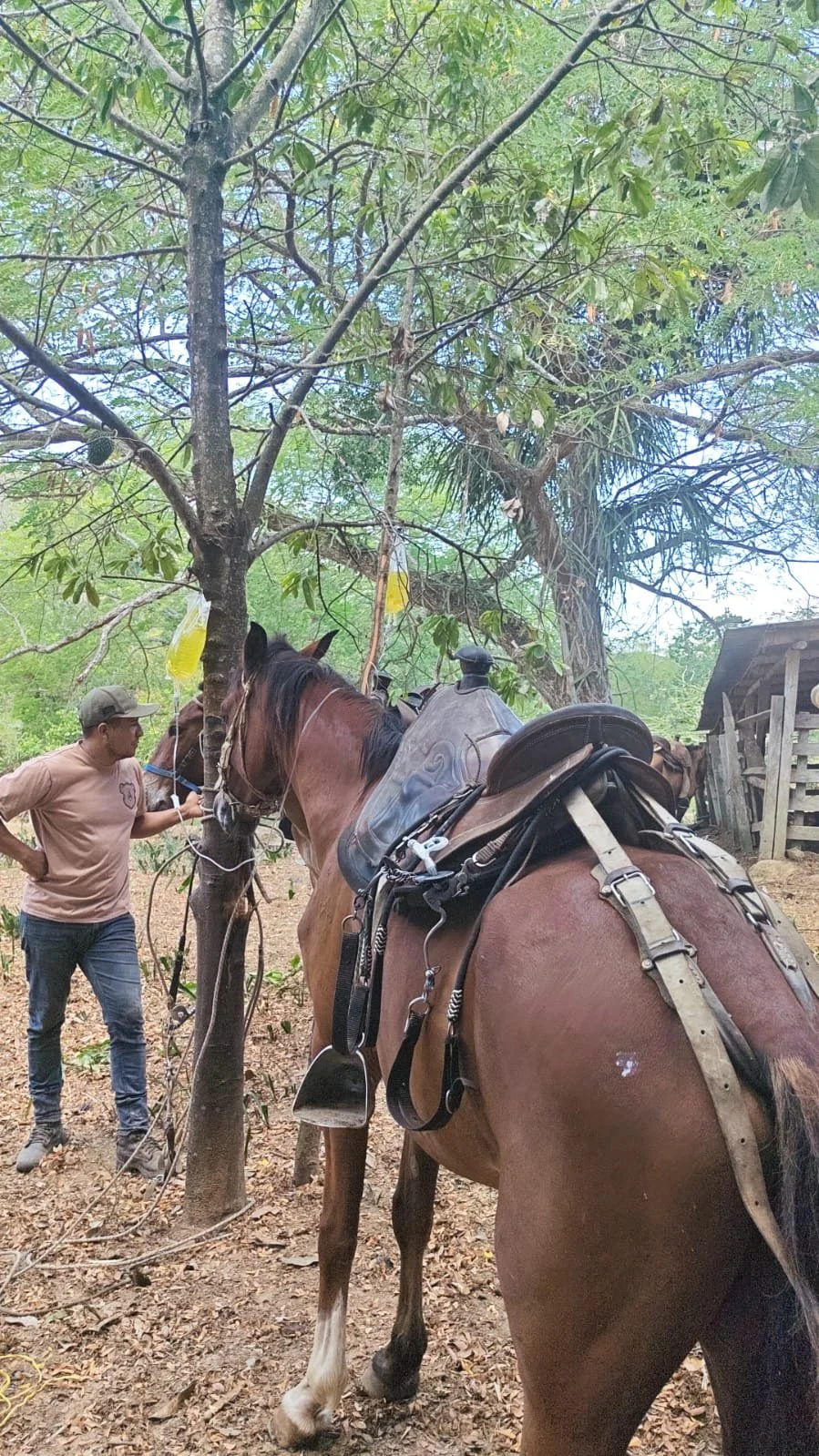
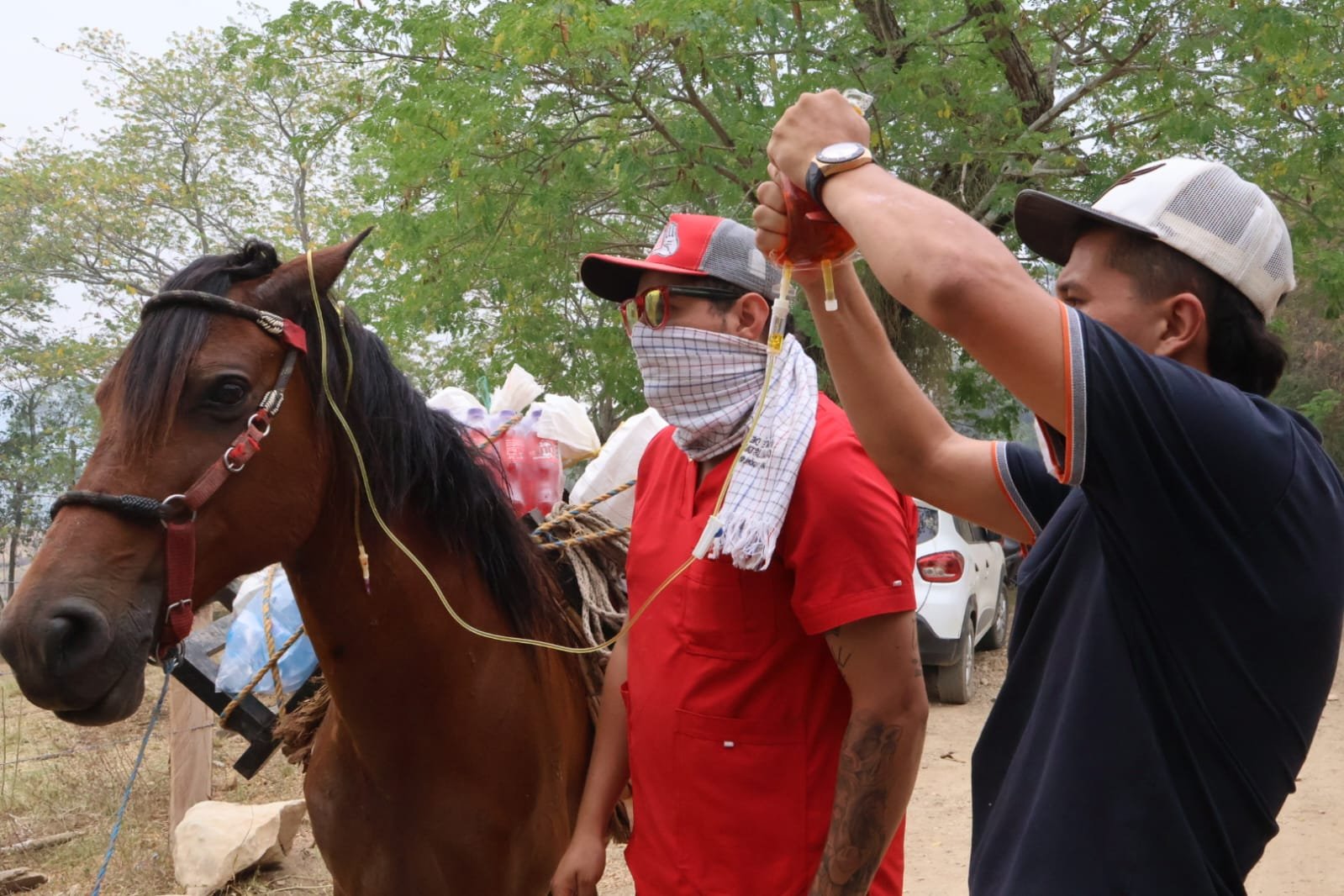
Namigni Animal Sanctuary coordinated volunteer veterinary teams to deliver urgent care in San Luis, Ortega, Valle San Juan and Suárez.
Interventions:
Equids: >200 horses and mules treated for burns, dehydration, exhaustion, parasitic disease and wounds.
Food Relief: Emergency feed and hydration provided to equids, cattle and pigs.
Livestock: >150 bovines and swine received nutritional support and medical care.
Challenges:
Extreme resource demand due to prolonged El Niño (forecast to persist until February 2027).
Scarcity of hay and rising feed costs.
High prevalence of tetanus linked to contaminated wounds and low vaccination coverage.
4. Overall Impact & Strategic Transition
The August intervention delivered significant relief but highlighted the magnitude of the dual disaster. With conditions expected to worsen, Namigni and AAA concluded Stage One (acute emergency response) and initiated planning for Stage Two: addressing abandonment and surrender of working equids due to feed scarcity.
5. Sanctuary Update – Equines & Fighting Bulls
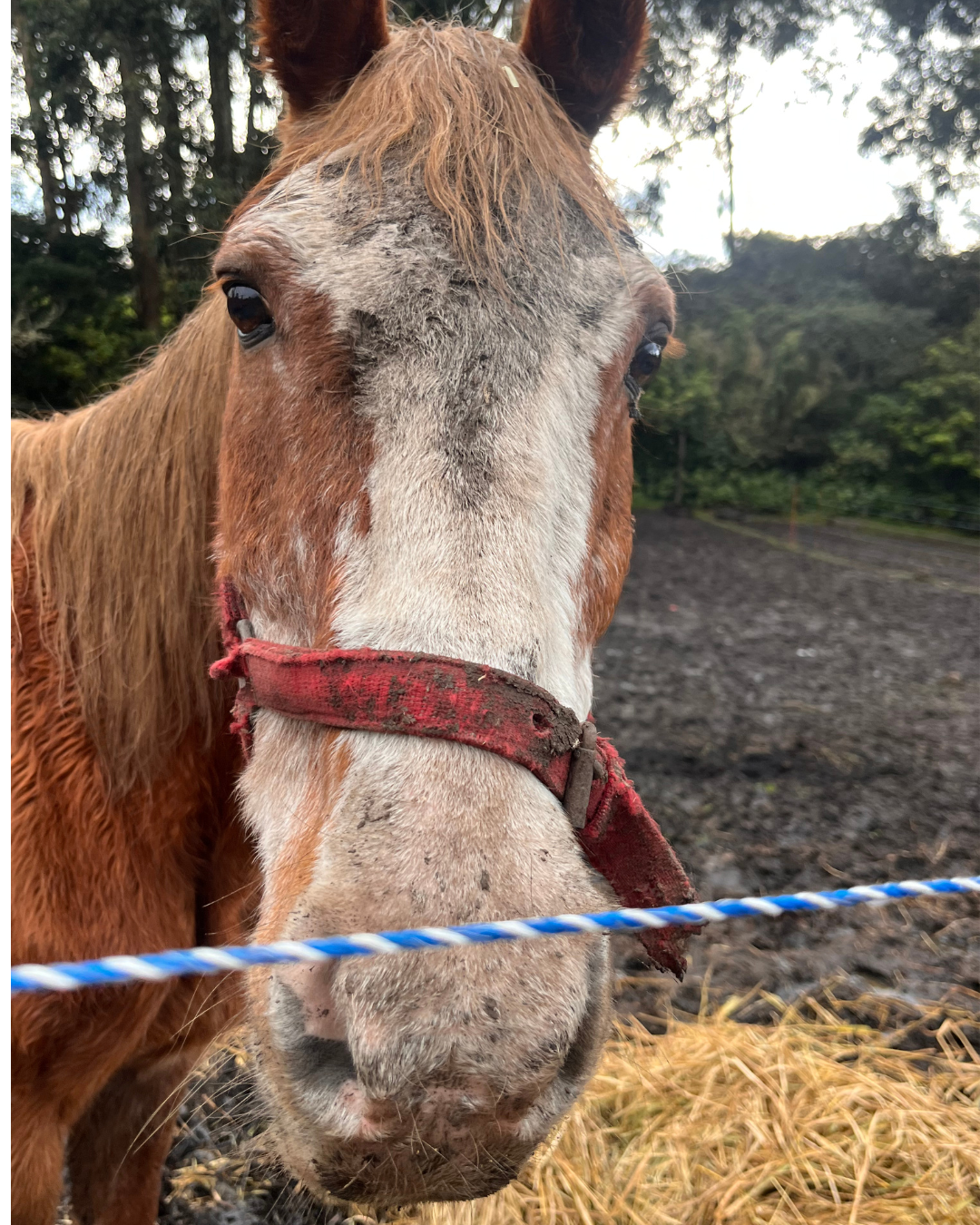
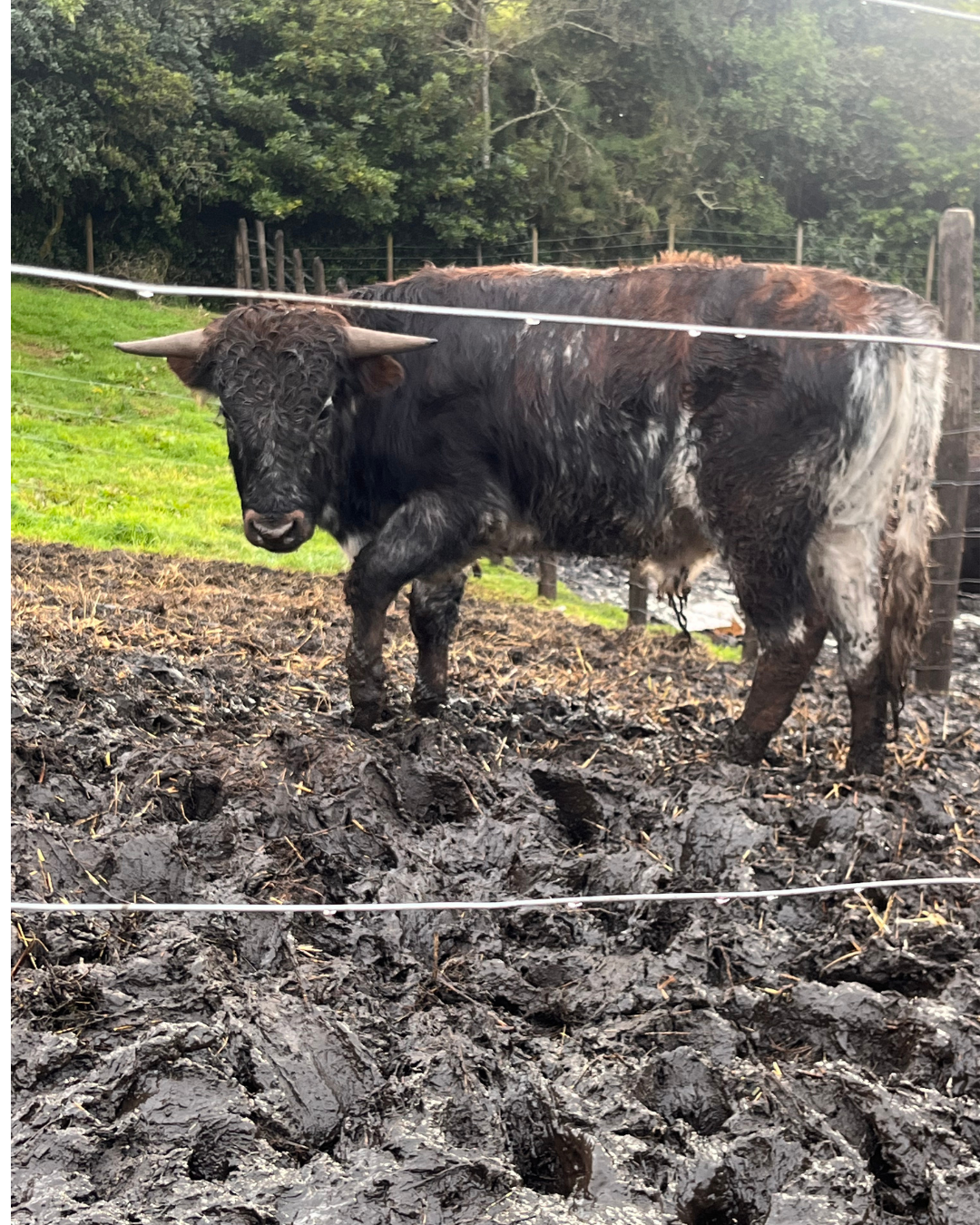
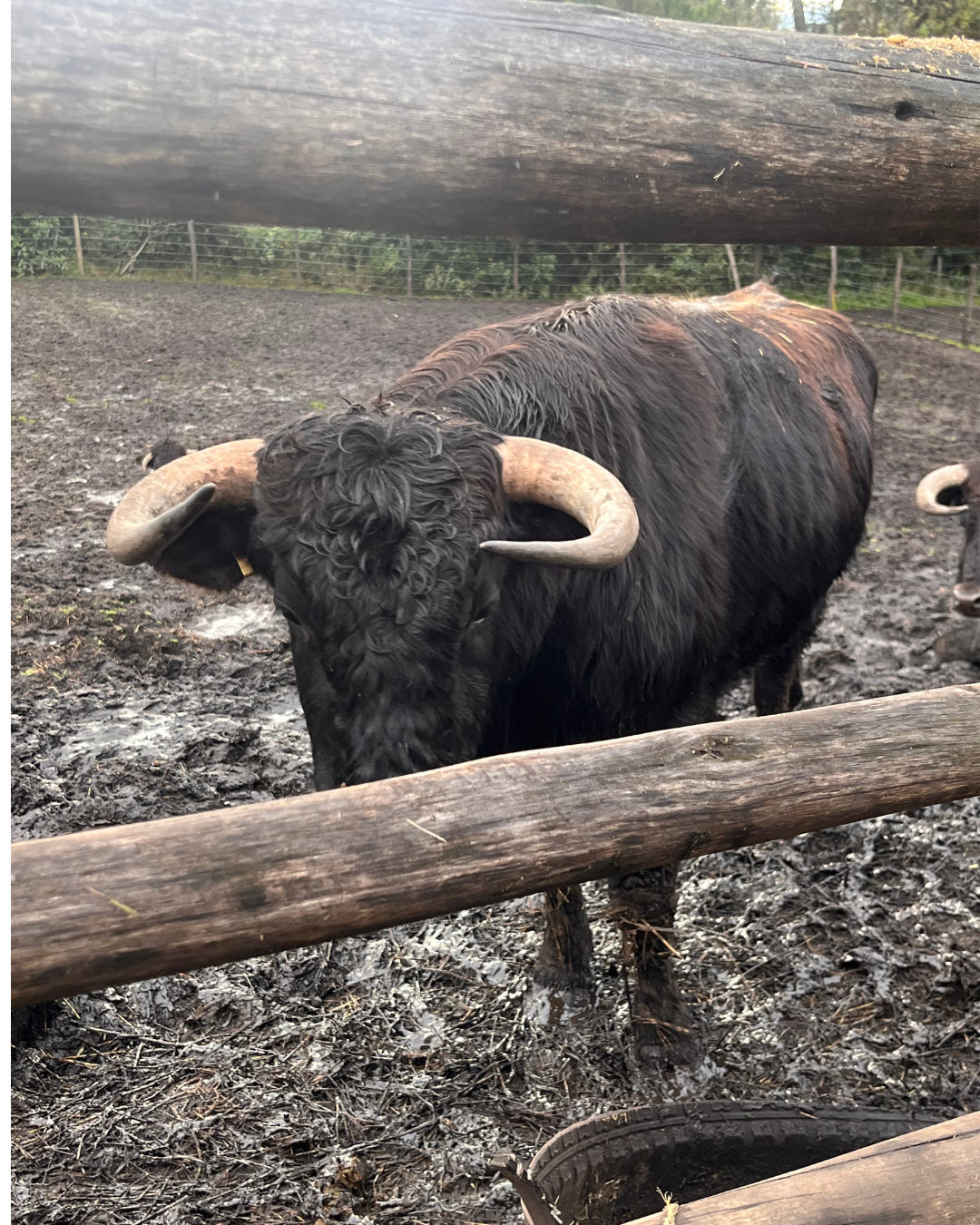
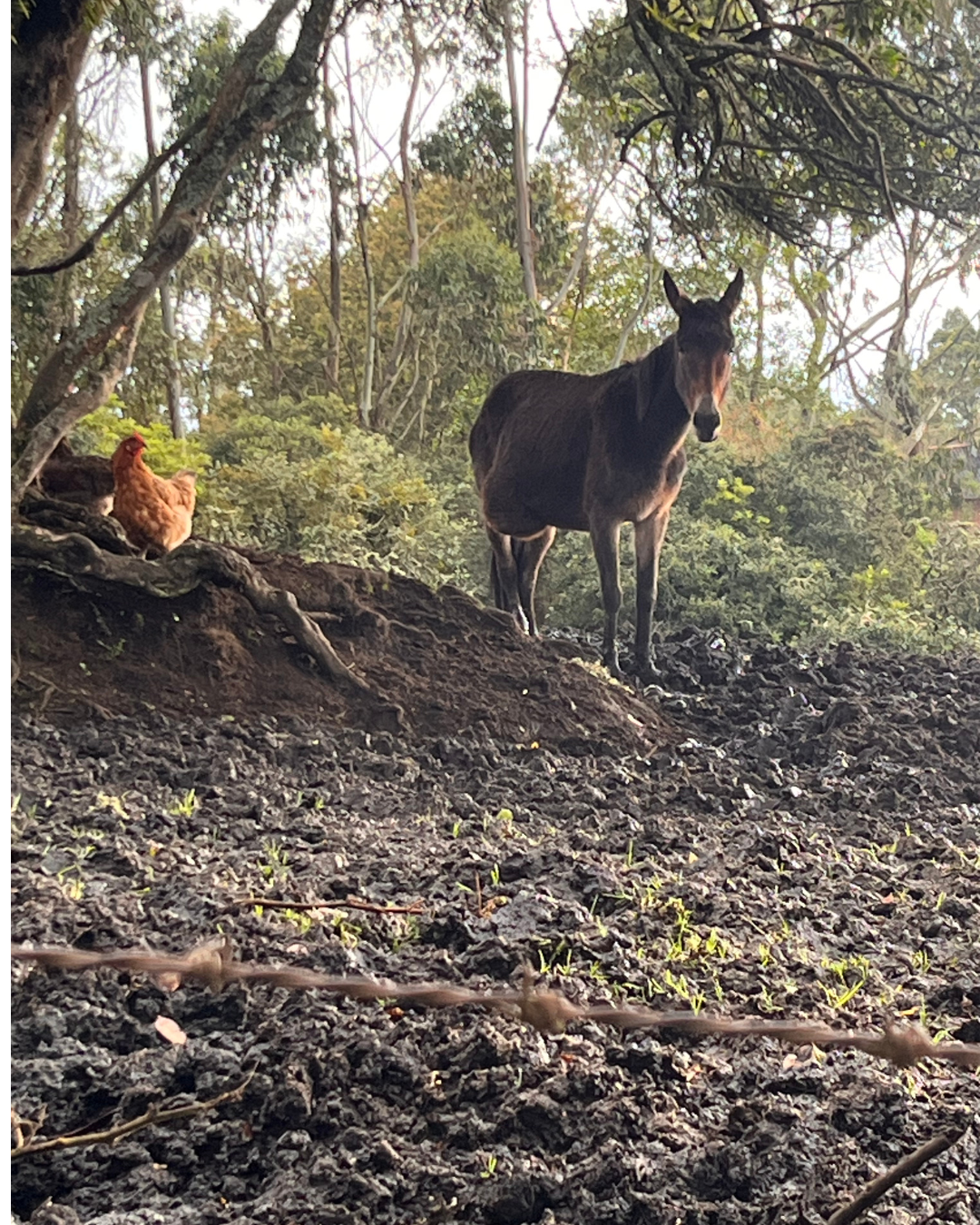
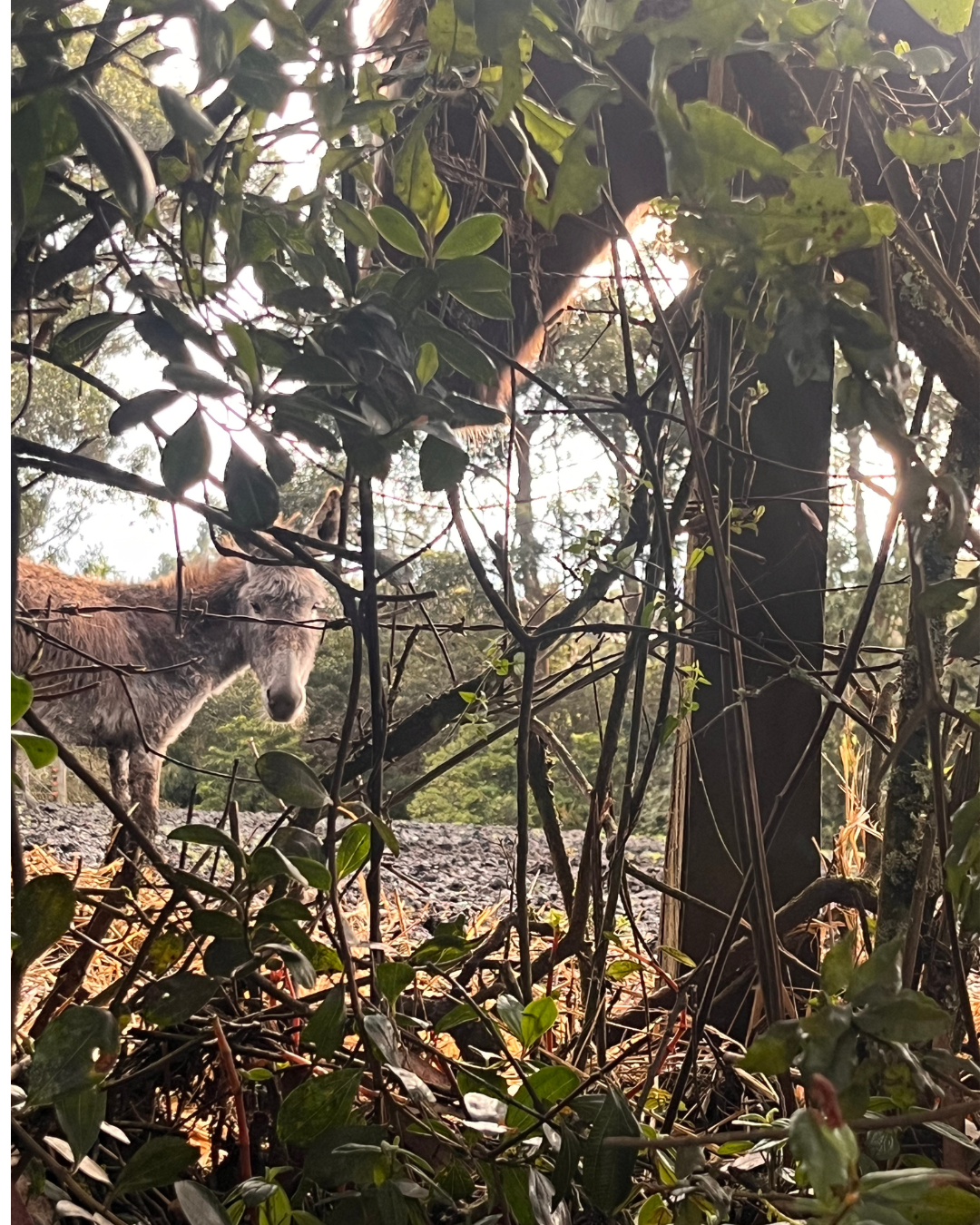
Extreme Weather: While the El Niño phenomenon has been causing severe droughts in other regions of Colombia, in Guasca, where the sanctuary is located, Namigni has been hit by very cold temperatures and unstoppable rain since early June.
Rescued Equines: Persistent heavy rainfall since June created muddy paddocks and low temperatures, leading to weight loss despite increased caloric supplementation.
Spanish Fighting Bulls & Cows (AAA Program): Despite adverse weather, the herd demonstrated resilience with stable body condition.
6. Conclusions
August represented an extraordinary operational challenge for Namigni Animal Sanctuary and AAA in Colombia. The combined effects of earthquake destruction, El Niño drought, and regional flooding created unprecedented strain on resources and animal welfare.
Without AAA’s support - matched by patron Philip Wollen - sustaining interventions and sanctuary operations would not have been possible. This collaboration remains critical as Colombia faces months of ongoing crisis and escalating animal welfare needs. Thank you so much for your generous support.