A Special Visit from an Equine Vet + New Equipment Improves Donkeys’ Welfare
Our fantastic partner group, the Lake Zone Animal Welfare Organization (LAZAWO), are continuing to alleviate the suffering of working donkeys in the gold mining regions of Geita, Tanzania.
During November, they had a special visit from a UK-based equine vet, Dr Neil. He delivered essential dental and ophthalmological equipment, and provided additional veterinary training for the LAZAWO team.
Read on to see how your donations are improving the lives and welfare of these vulnerable donkeys:
1. Background summary
November marked another period of committed service by the LAZAWO team towards promoting the welfare of working donkeys in six Geita gold mines, made possible through your generous support.
Despite the critical role these donkeys play in sustaining the livelihoods of local communities, they continue to face harsh working conditions, including rugged terrain, heavy loads and makeshift harnesses, all of which contribute to serious health challenges. Without our presence, many of these donkeys would still be living in pain. Your continued funding enabled our team to maintain steady field operations throughout November, ensuring that these hardworking animals could access essential veterinary care.
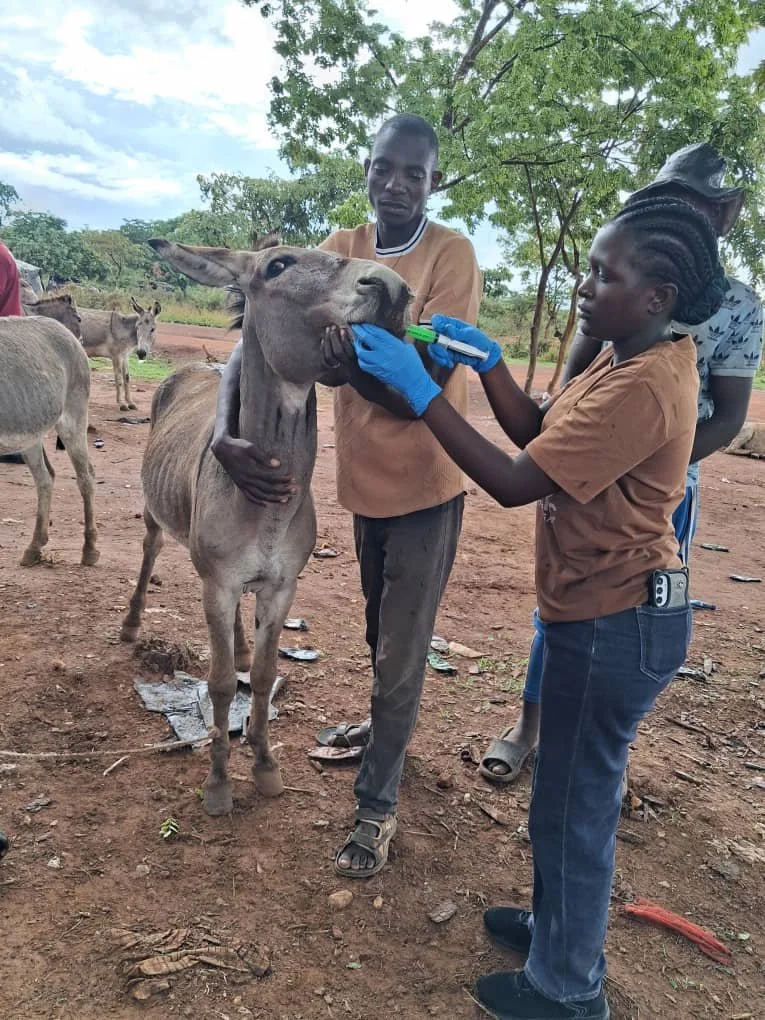
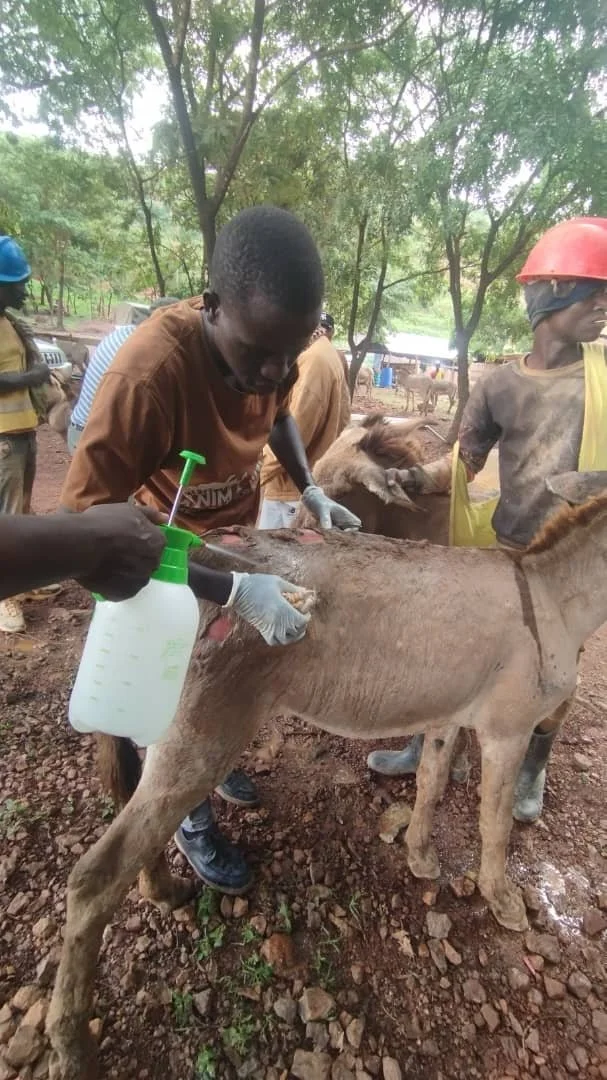
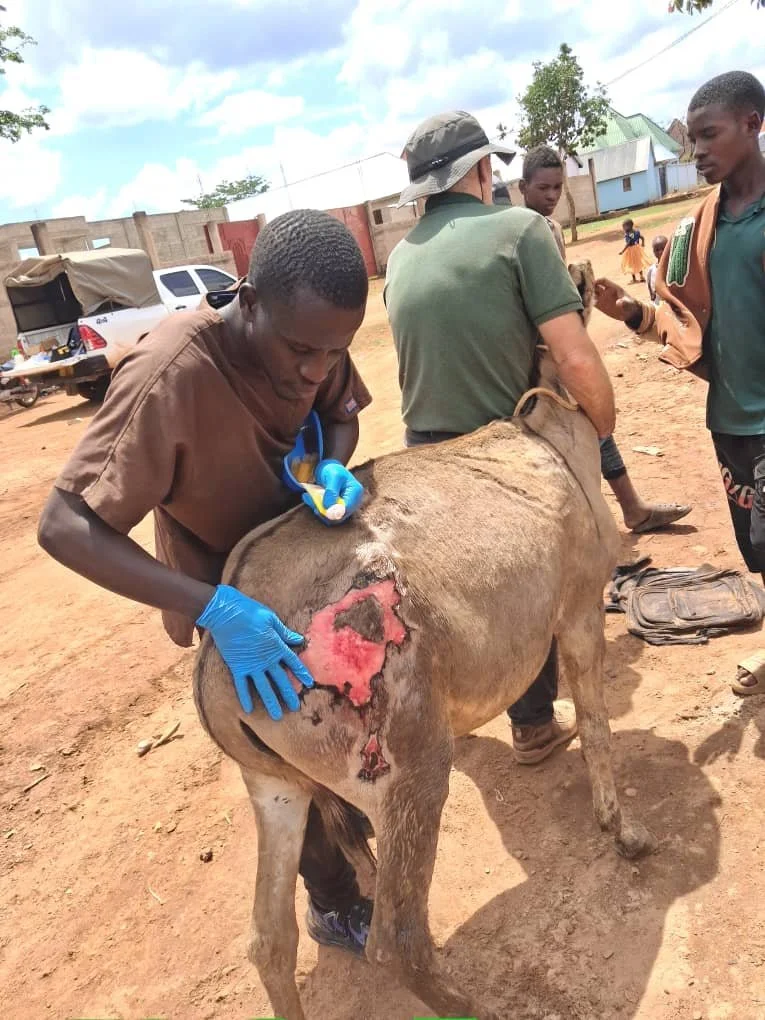
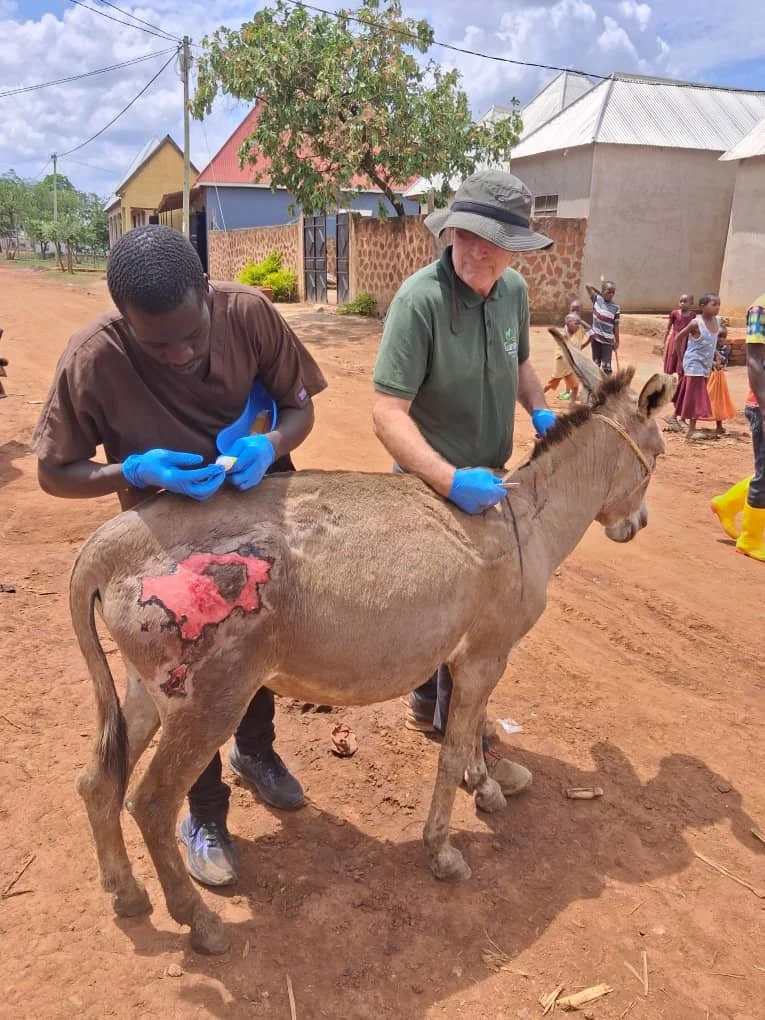
A notable highlight of the month was a special visit from Dr Neil, a UK-based equine veterinarian, who brought important diagnostic tools made available thanks to your support. These included a microscope, ophthalmoscope, stomach tube, dental gag and other equipment crucial for worm counts and clinical examinations. Through structured donkey clinics conducted with Dr Neil, our team gained valuable knowledge about examination techniques and decision making, particularly regarding dental and ocular assessments. During these clinics, we identified dental issues and eye problems in several of the donkeys examined.
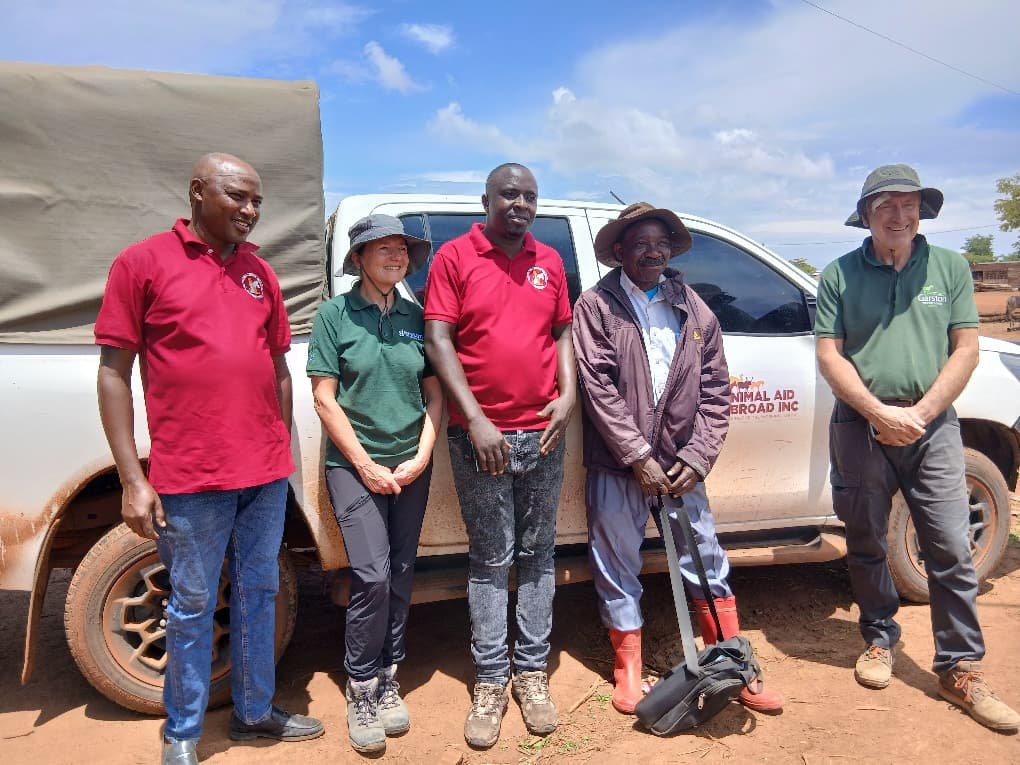
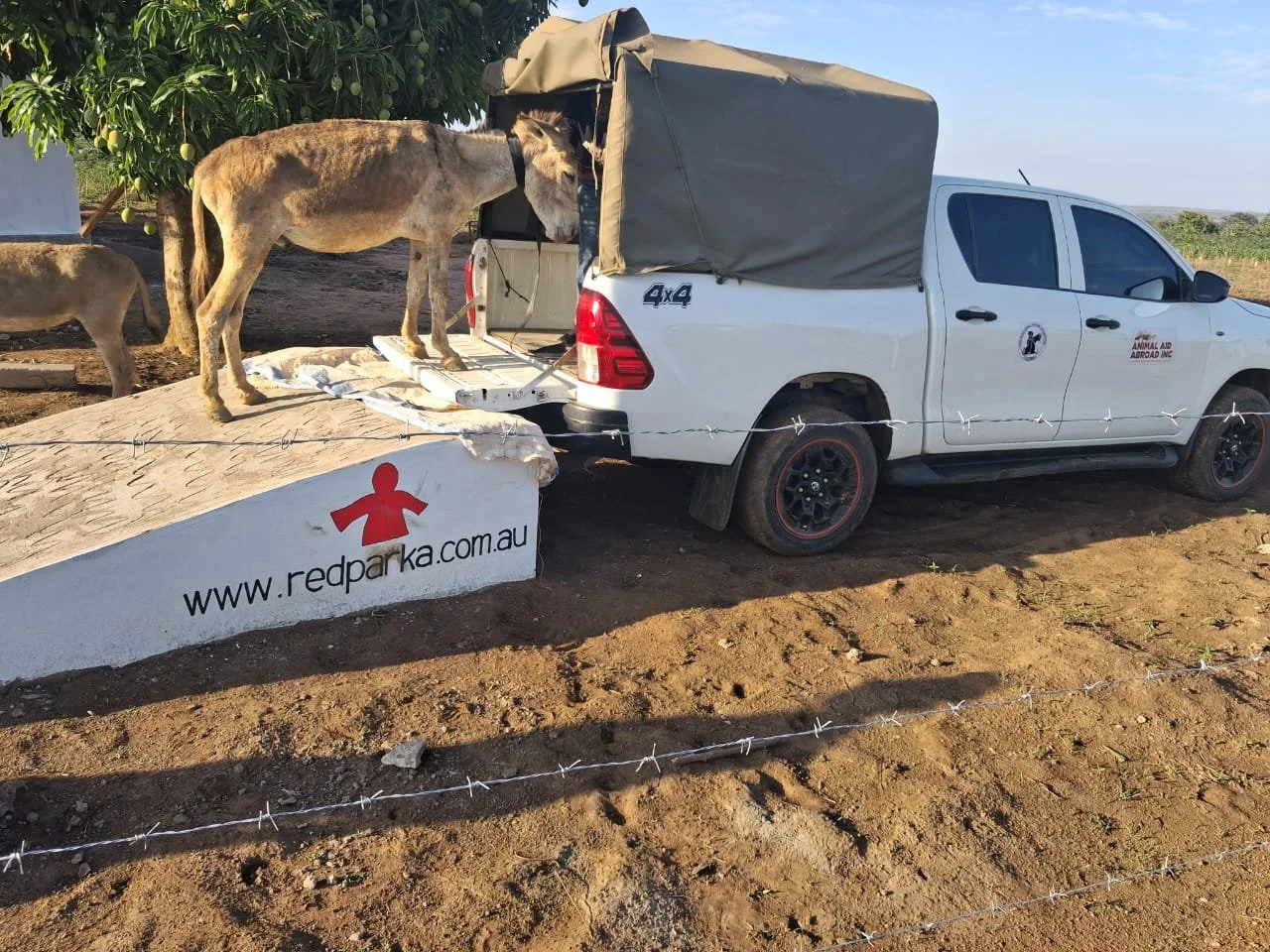
In total, November recorded veterinary conditions in 324 donkeys, identified through these structured clinics and our routine field visits. Additionally, we carried out three donkey rescues, transporting the animals to our sanctuary using our special vehicle.
2. Veterinary conditions
During November, our team was involved in the management of a wide range of veterinary conditions. We recorded 324 cases, which included different types of wounds, abscesses, mange infestation, eye infections, sarcoid, haematomas, lameness, respiratory infections and other conditions requiring deworming.
Thanks to your kind provision of medicines and other essential materials, we were able to make timely, humane and welfare-focused decisions for every case we encountered. This ensured that the donkeys facing health challenges could recover in comfort.
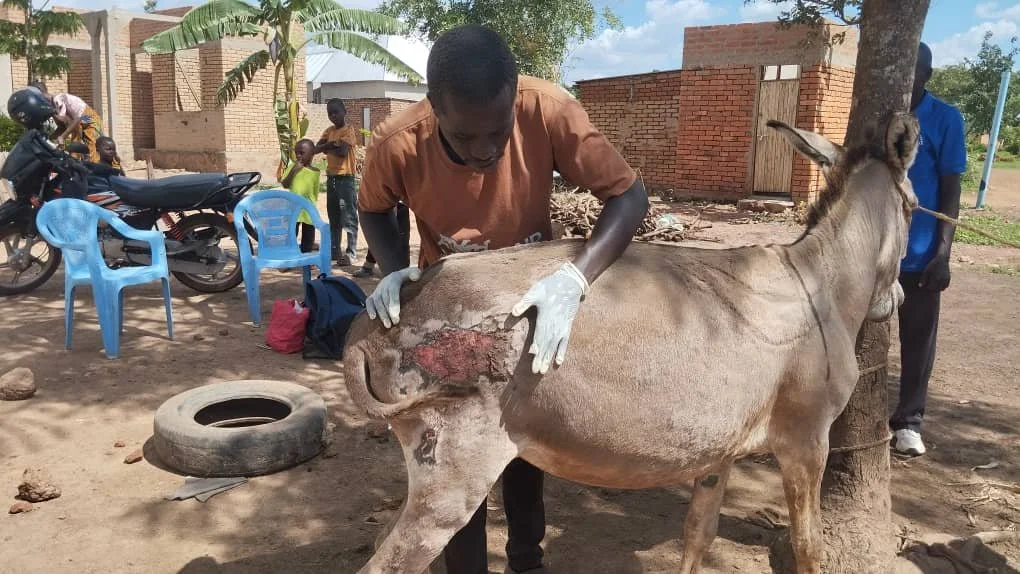
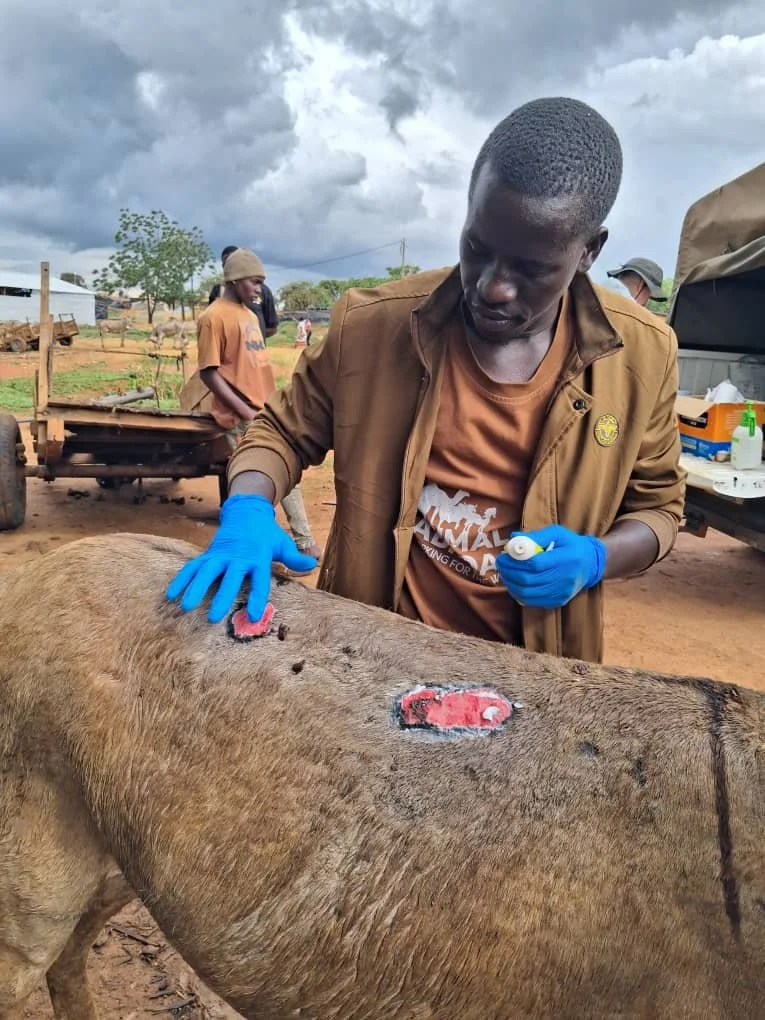
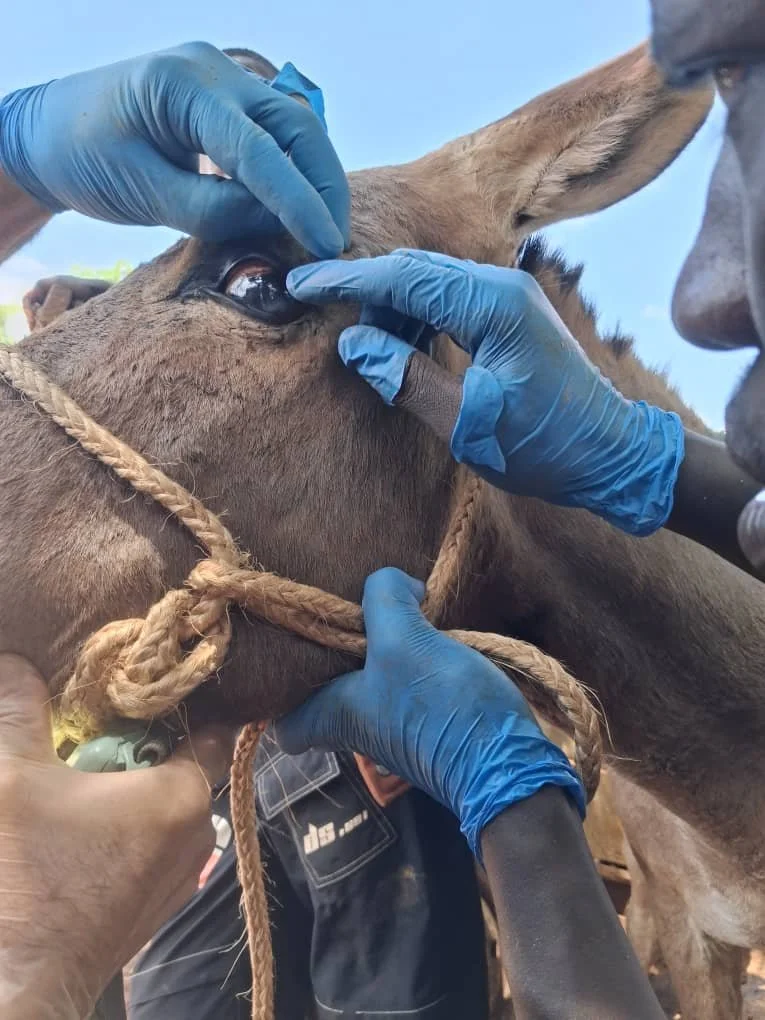
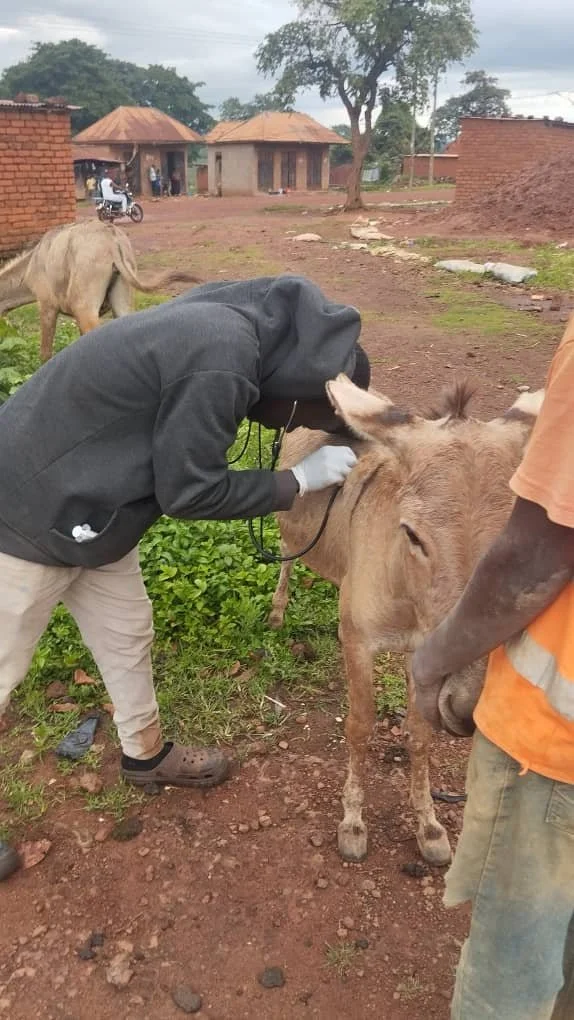
We also maintained strict follow-ups on delayed-healing cases to address any factors hindering recovery. Seeing these donkeys heal is not only our success, but also yours due to your generous commitment to helping the hardworking donkeys of Geita.
The LAZAWO team feel honoured to be part of promoting their welfare, and responding to every case immediately and with compassion.
3. Follow-up and ongoing case monitoring
In November, we followed up donkeys receiving treatment, including those undergoing wound care at our sanctuary, cases discovered during field visits, and donkeys seen in special clinics. Follow-up injections were also administered as needed.
Revisiting previously treated donkeys ensured proper healing, correct medication use and checking owner compliance with care recommendations. It also allowed for early detection of any complications.
Notable improvements were seen in donkeys with skin conditions, deep wounds and early lameness. Owners expressed satisfaction with progress and showed increased responsibility in preventing further injuries through better load management.
These follow-up visits underscored that lasting animal welfare depends not only on veterinary interventions, but also on the continued engagement of donkey owners and attendants.
4. Veterinary clinics and outreach
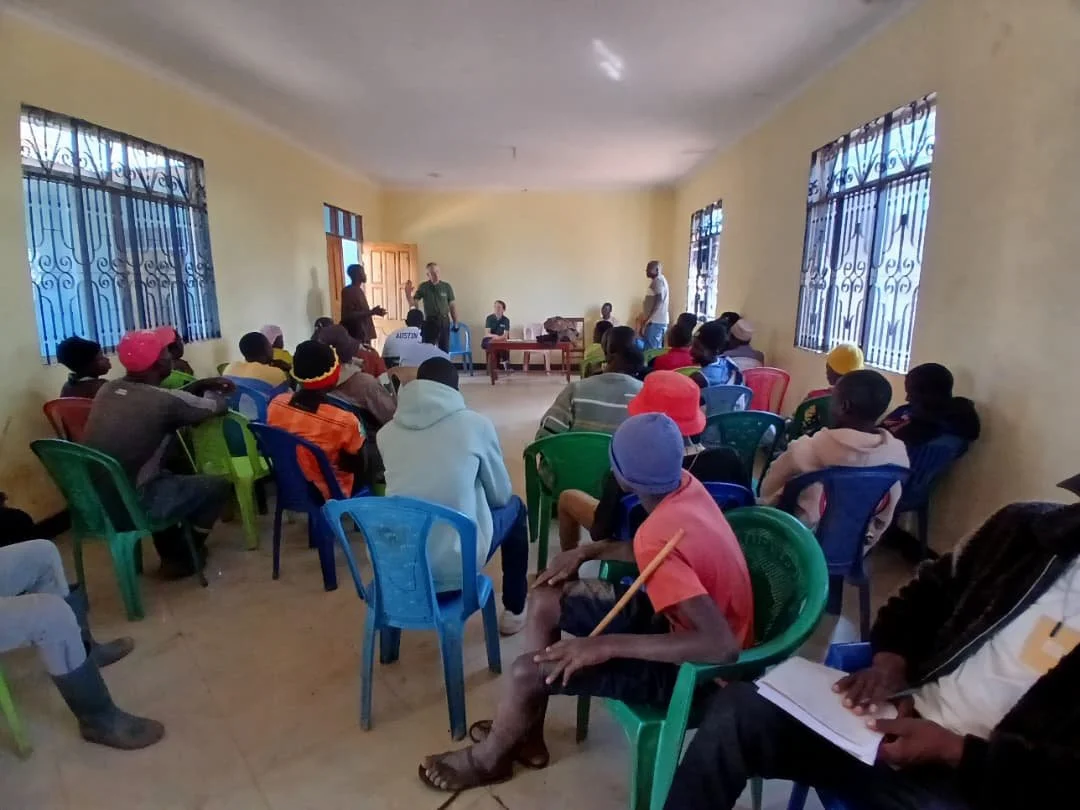
During November, with Dr Neil, we conducted clinics in four Geita gold mines: Mgusu, Lwamgasa, Magenge and Stamico. These clinics involved routine health examinations, as well as assessing the suitability of harnessing materials we had provided during previous clinics.
These clinics included dental examinations using the dental gag brought by Dr Neil, allowing 20 donkeys to be examined. The results generally indicated the presence of dental disease in these working donkeys of Geita. The dental pathologies observed were correlated with poor body condition, suggesting improper digestion of feed, coupled with the heavy duties these donkeys perform. Before the use of the gag, such conditions might have been tentatively attributed to worms.
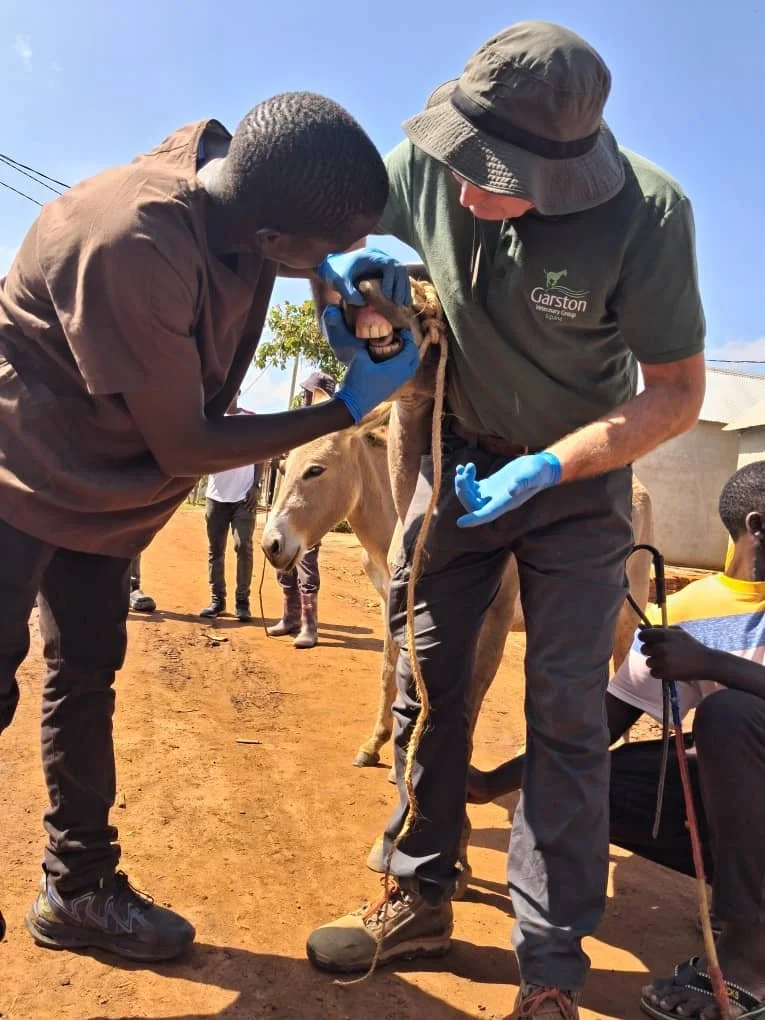
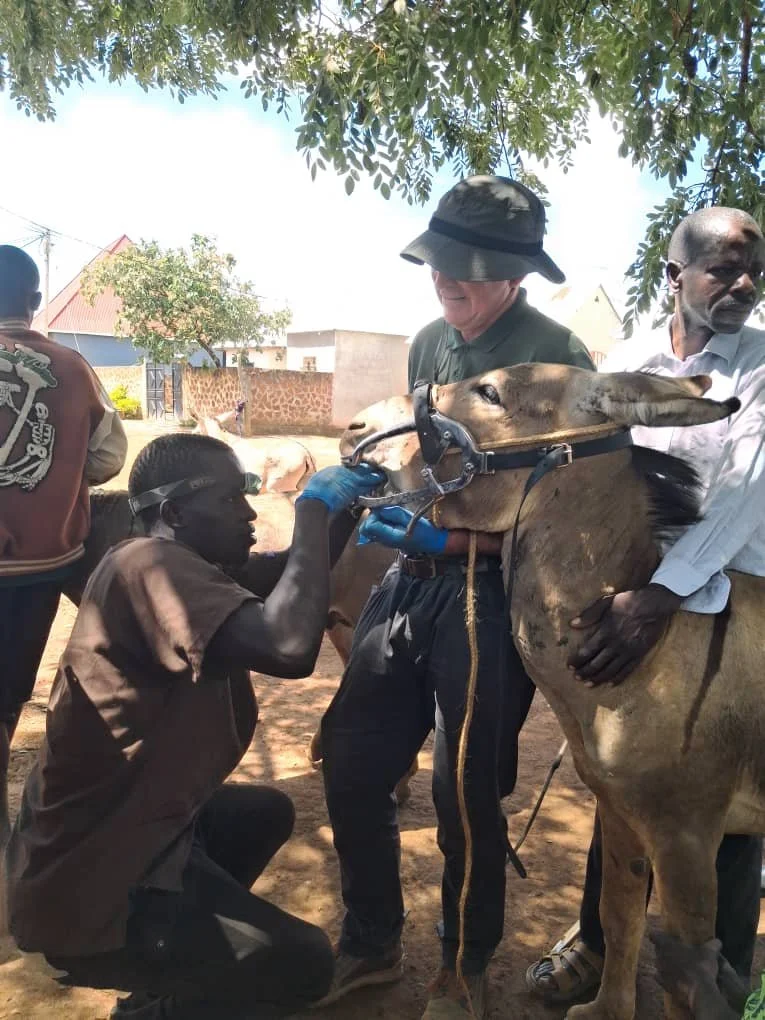
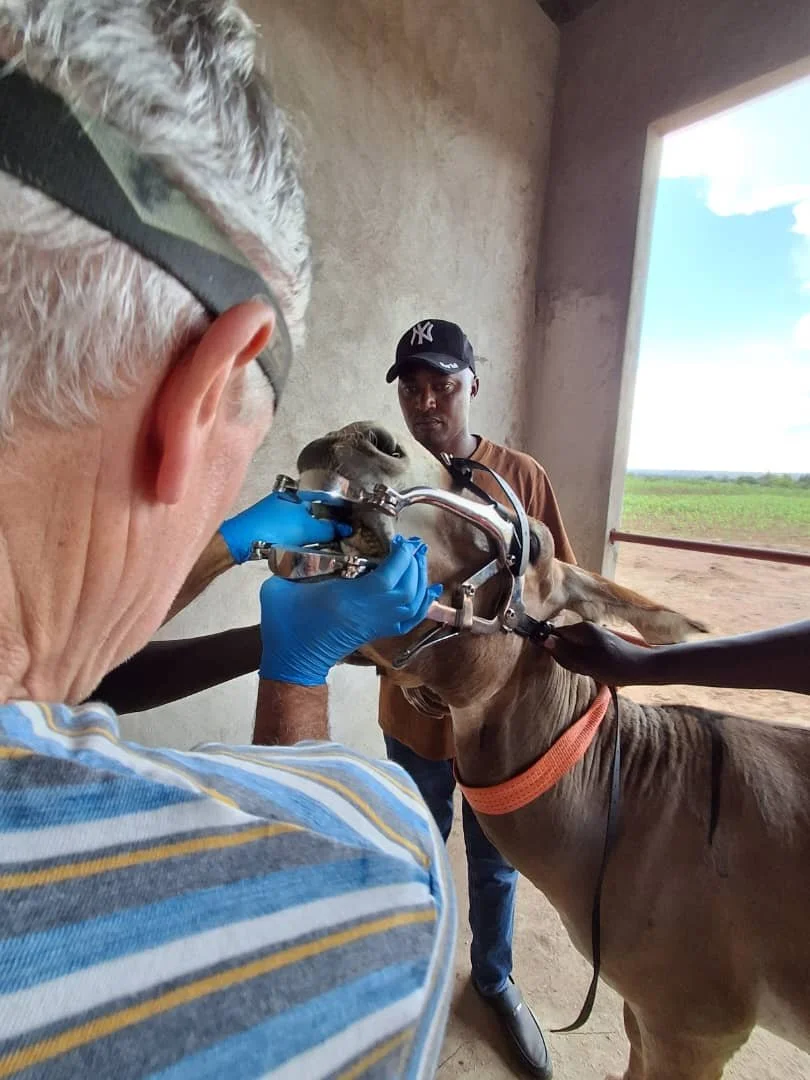
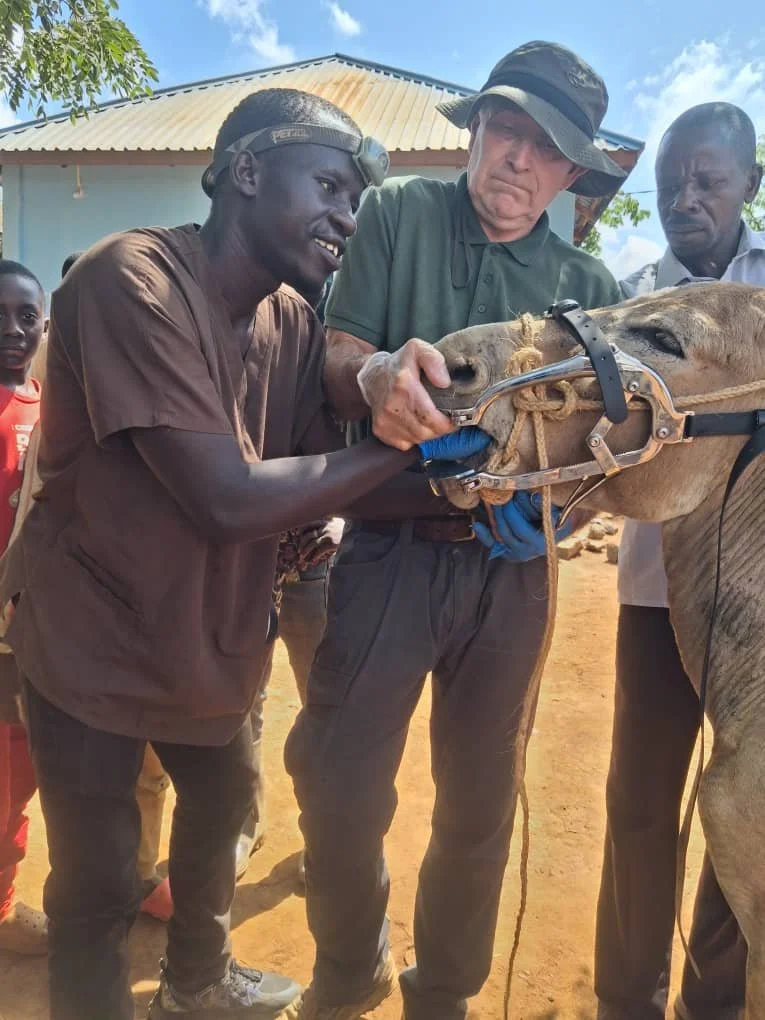
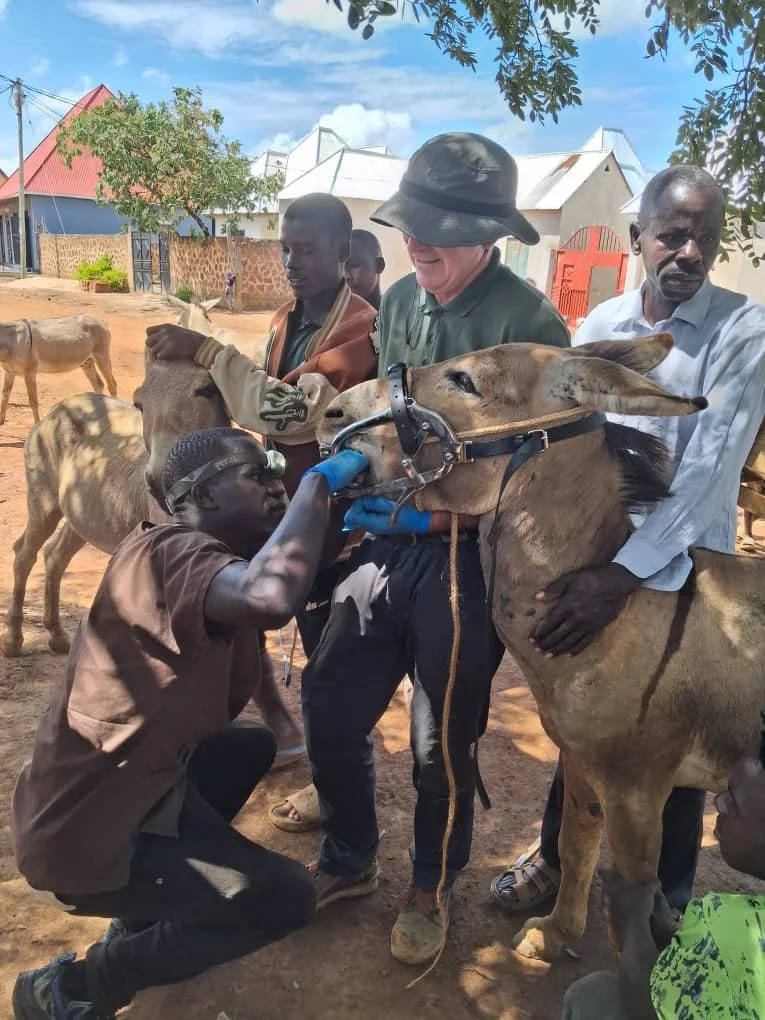
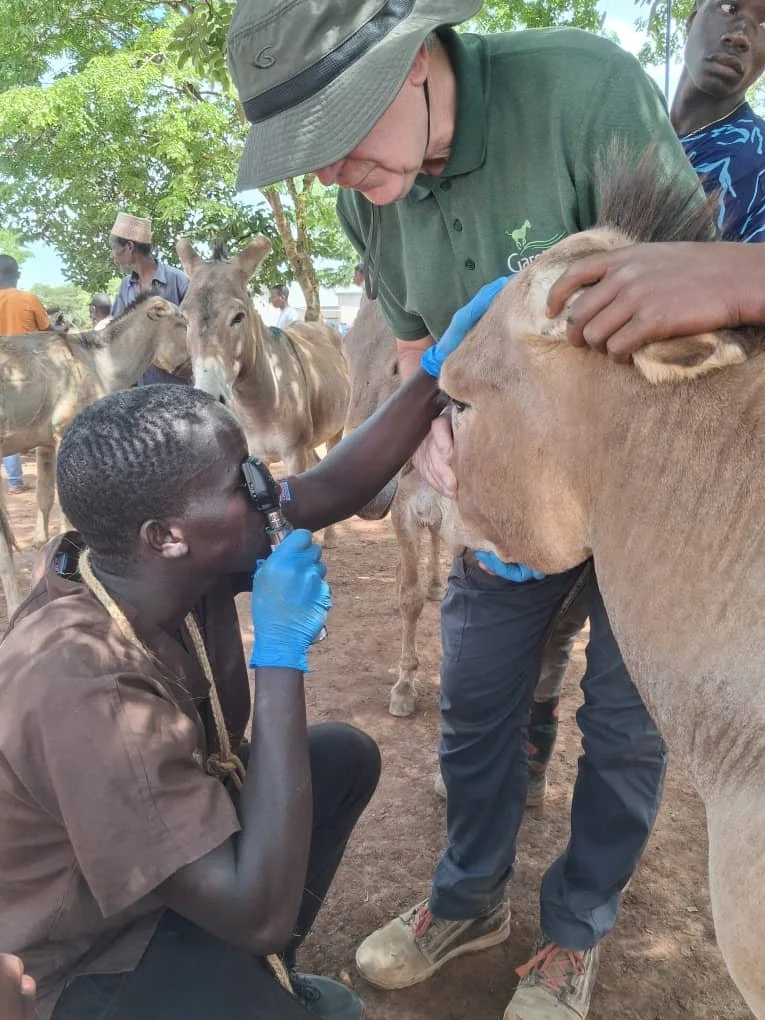
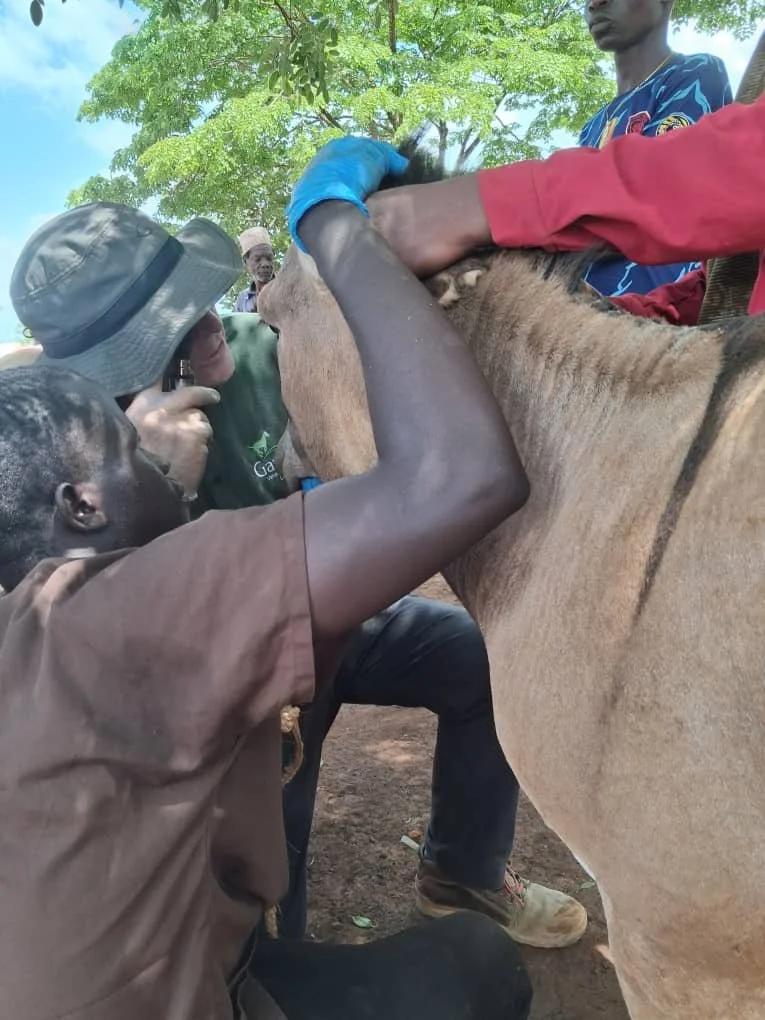
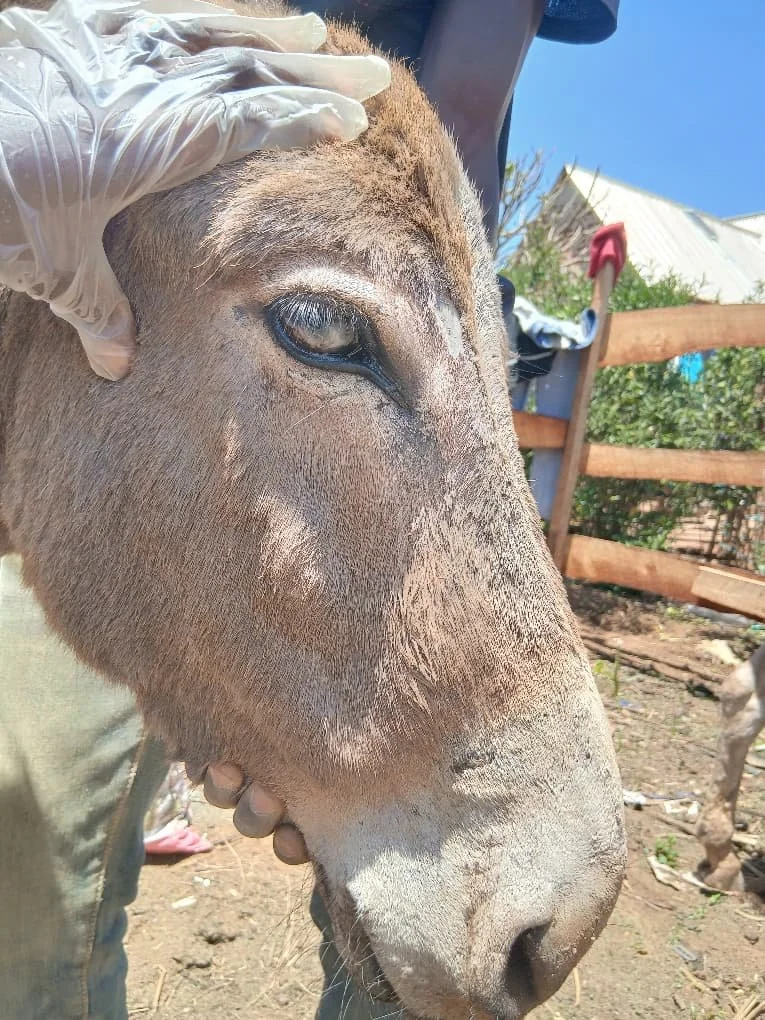
Through these clinics, we were also able to examine donkeys presenting with ocular pathology. Among the 12 donkeys examined with the ophthalmoscope you recently donated, seven had already developed partial to complete blindness due to the formation of fibrotic tissues (scarring). We tentatively associated this with either plastics or elastic rubber from vehicle tyre strips striking the eye during restraint or while working in bushes. We educated attendants on these issues and planned a program to guide donkeys without applying manual strikes, to prevent further cases of cruelty-related eye injuries.
Through these clinics and following some daily field visits, we were able to collect faecal samples from the working donkeys and undertake worm screening. No eggs were detected in the samples, suggesting either the success of previous routine deworming or a low worm burden in these donkeys. This finding guided us to reduce the deworming budget from 16 ivermectin bottles per month to three bottles, allowing the remaining budget to be allocated toward increasing wound management materials.
5. Impacts of clinics and outreach
Through our clinics and outreach programs in the four gold mines, our project has gained significant recognition among donkey owners and attendants. Many now actively request assistance for their donkeys, which is evident from the increasing number of phone calls we receive seeking treatment and advice. This growing trust in LAZAWO motivates us in our mission to promote good working conditions and welfare for working donkeys.
As previously reported, our presence in the field and direct work with donkeys in these mines has drawn attention from the community, with many donkeys in need of care. The veterinary office in Geita has also referred cases to us. When Dr Neil visited the Geita office, the staff expressed their enthusiasm for the project, confident that LAZAWO will extend assistance to more community donkeys thanks to your invaluable support.
These clinics have enabled us to identify various pathologies affecting the working donkeys in Geita - particularly dental conditions such as excessive wear, tearing, overgrowth and misalignment. This insight informs our plans to provide basic dental services.
Additionally, our daily outreaches allowed us to assess the suitability of the harnessing materials recently distributed to donkey attendants. Until recently, these materials were not being widely used due to issues like slippage and discomfort for the animals. Together with Dr Neil’s expertise, we have identified factors such as cart design and load-carrying techniques that contribute to these challenges. With your support, we aim to address these issues to improve working conditions and reduce the risks associated with poorly designed equipment.
The recently-donated microscope and related equipment, including MacMaster slides, pipettes and sample containers, have enabled us to screen donkeys for parasitic infections. Preliminary results indicate that worm burdens in these working donkeys are relatively low. Furthermore, with the donation of a stomach tube, we have gained practical experience from Dr Neil on the proper and humane use of this device, particularly for cases of colic.
Overall, these activities strengthen our capacity to provide timely and effective veterinary care and improve donkey welfare.

6. Challenges
During our veterinary activities in November, we faced several challenges. One major issue was our vehicle, which required servicing due to worn shock absorbers, tyres, brake pads and a depleted battery. The vehicle had to be sent to Mwanza for maintenance, which caused significant transport challenges for the team when moving between locations.
We encountered a rare situation in which an animal could not be saved, and humane euthanasia was the only remaining option to prevent further suffering. With assistance from Dr Neil, the procedure was carried out under general anaesthesia. In the unlikely event that a similarly unavoidable case arises in the future - only after all possible options have been exhausted - we know we can provide a humane outcome.
We are extremely grateful for the donation of essential tools, including a microscope, dental gag, stomach tube, ophthalmoscope, MacMaster slides, and other small lab instruments. These tools have already helped us identify various pathologies. Since we now have a microscope and slides, we would like to further strengthen our diagnostic capabilities by acquiring fecal flotation fluids, blood screening reagents, blood staining reagents such as Giemsa stain, and a machine for complete blood count analysis.
These additions will enhance our diagnostic capabilities, enable more accurate treatment decisions, and ultimately improve the quality of care we provide.
7. Case study
From cruelty to recovery: the resilience of a working donkey named Didasi
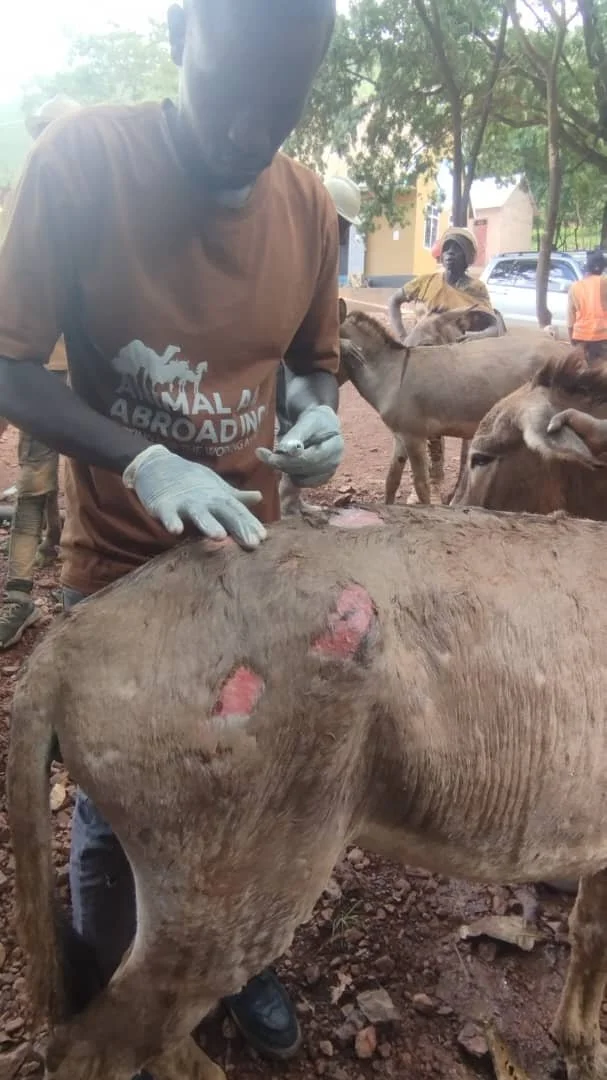
During our clinic in Mgusu, we were called by a donkey attendant who had noticed an animal in extreme distress. This donkey, called Didasi, was in severe pain and had deep cuts on his back and coccygeal area.
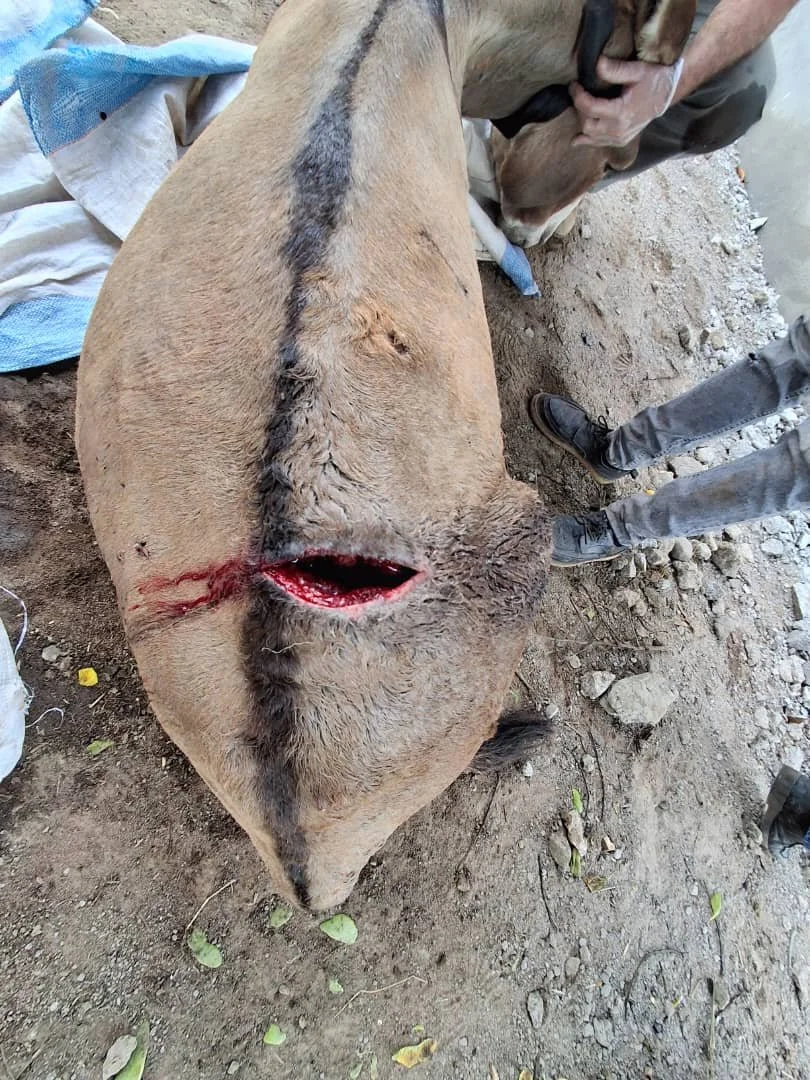
We urgently transported this donkey to our sanctuary using our rescue vehicle. Upon arrival, Didasi was placed under sedation, allowing us to thoroughly clean and disinfect his wounds and administer appropriate pain relief.
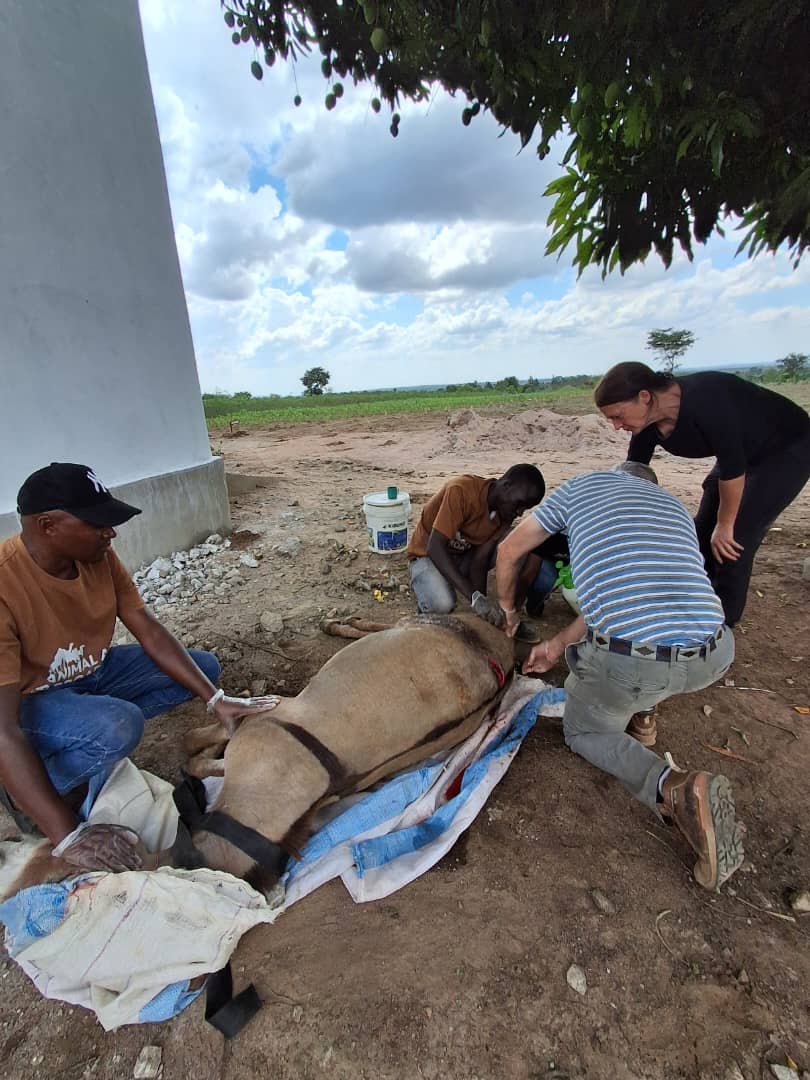
Following this, we implemented regular wound dressing and applied local grade honey every two days. Through proper care, compassionate handling and good nutrition, Didasi showed remarkable recovery.
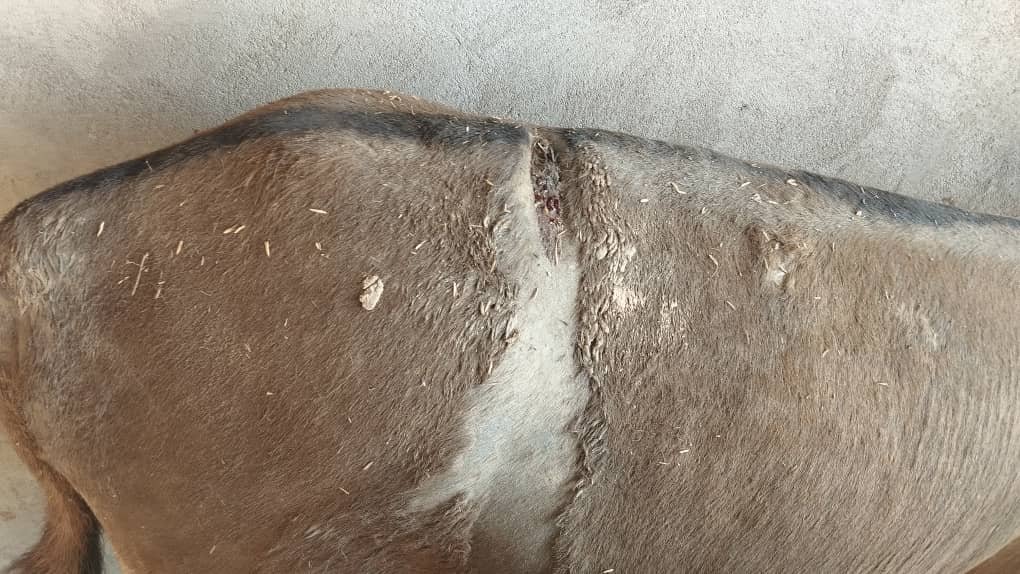
The rapid healing of these once terrifying injuries highlights the importance of dedicated donkey sanctuaries. This success is a testament to Animal Aid Abroad’s and Networking for Animals’ commitment to help working donkeys. Your support is truly changing lives. At LAZAWO, we feel deeply honoured to be part of this transformative program, witnessing firsthand the resilience of donkeys like Didasi and the profound impact of compassionate veterinary care.
8. Donkey sanctuary activities
8.1 Donkey rescue activity
In November, the sanctuary rescued three donkeys. Didasi had severe knife wounds on the gluteal and coccygeal areas and remains under treatment. Mayele was found with a severe cut on his left limb and mild fetlock swelling, and is receiving continuous care. Manyanza arrived with multiple hindquarter wounds and is also under our care.
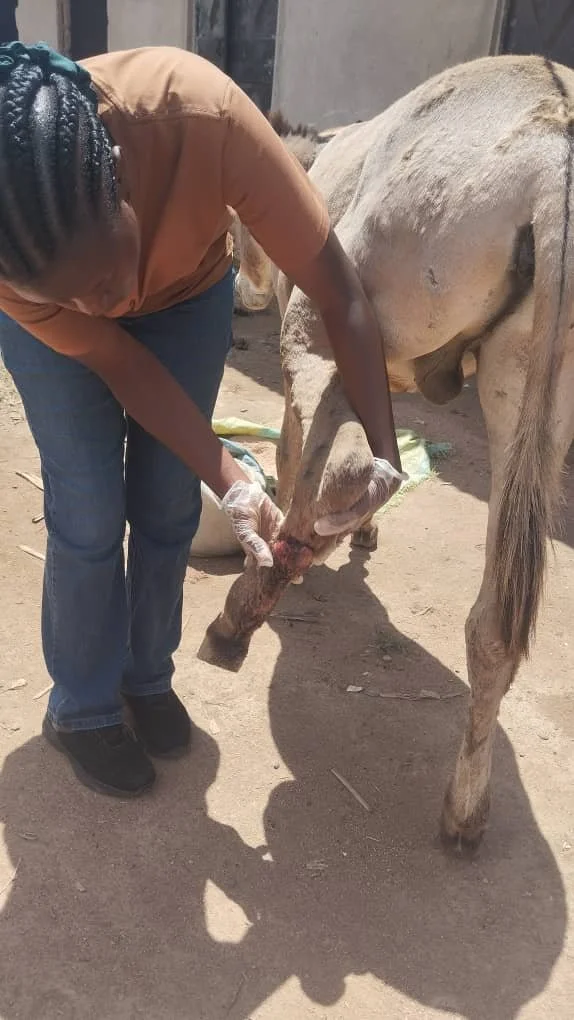
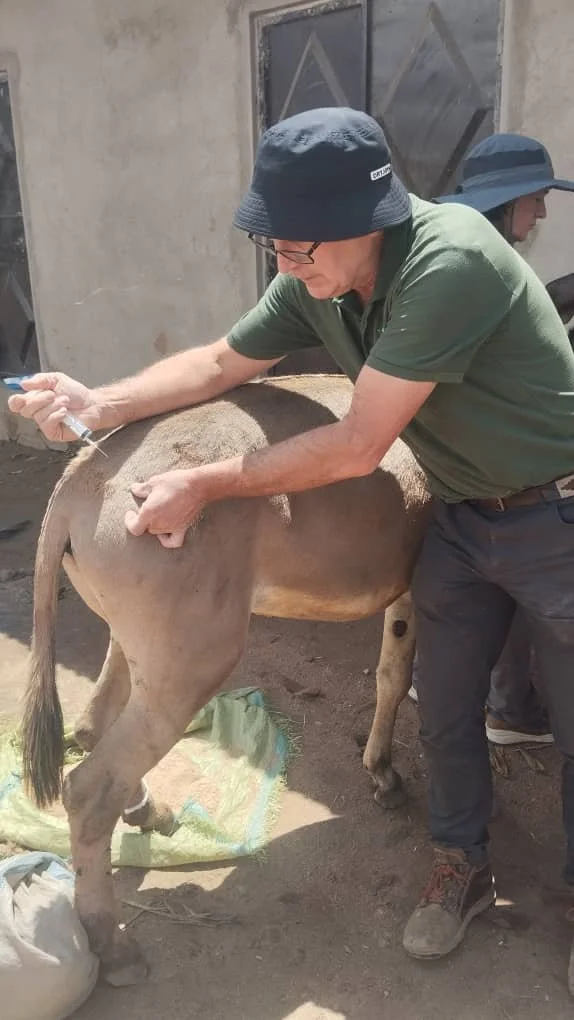
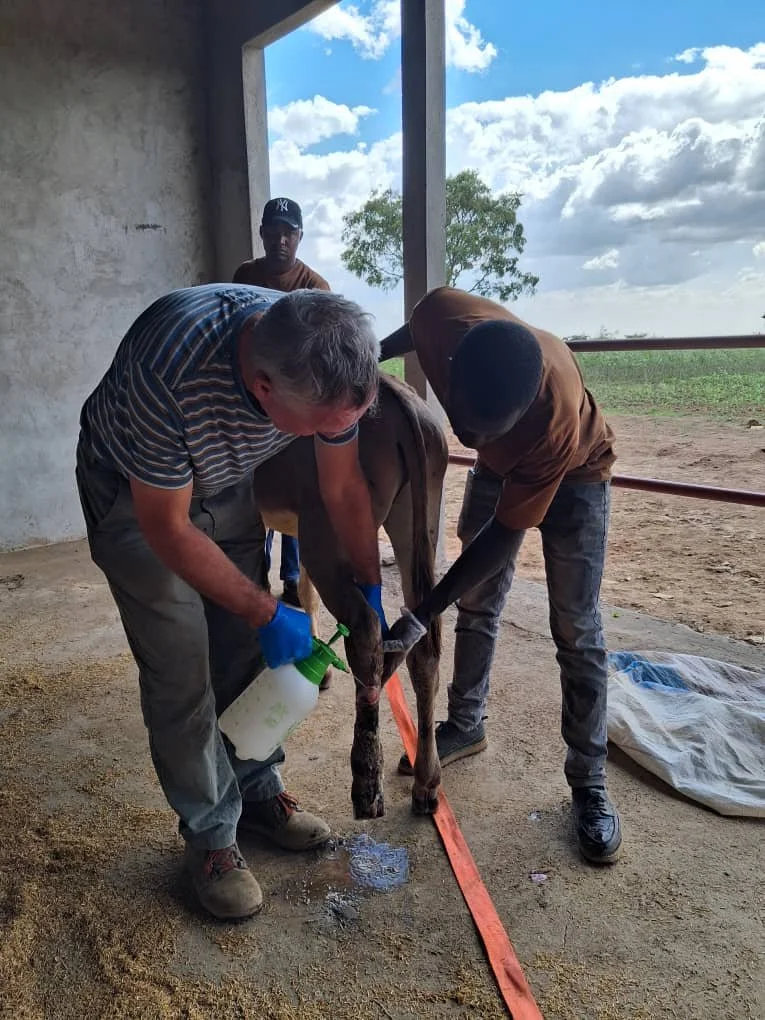

Fela suffered severe cuts on both hind limbs with complete tendon severance, making recovery impossible. After consultation with Dr Neil and with the owner’s consent, euthanasia was performed under general anaesthesia, as the injuries were sadly beyond treatment.
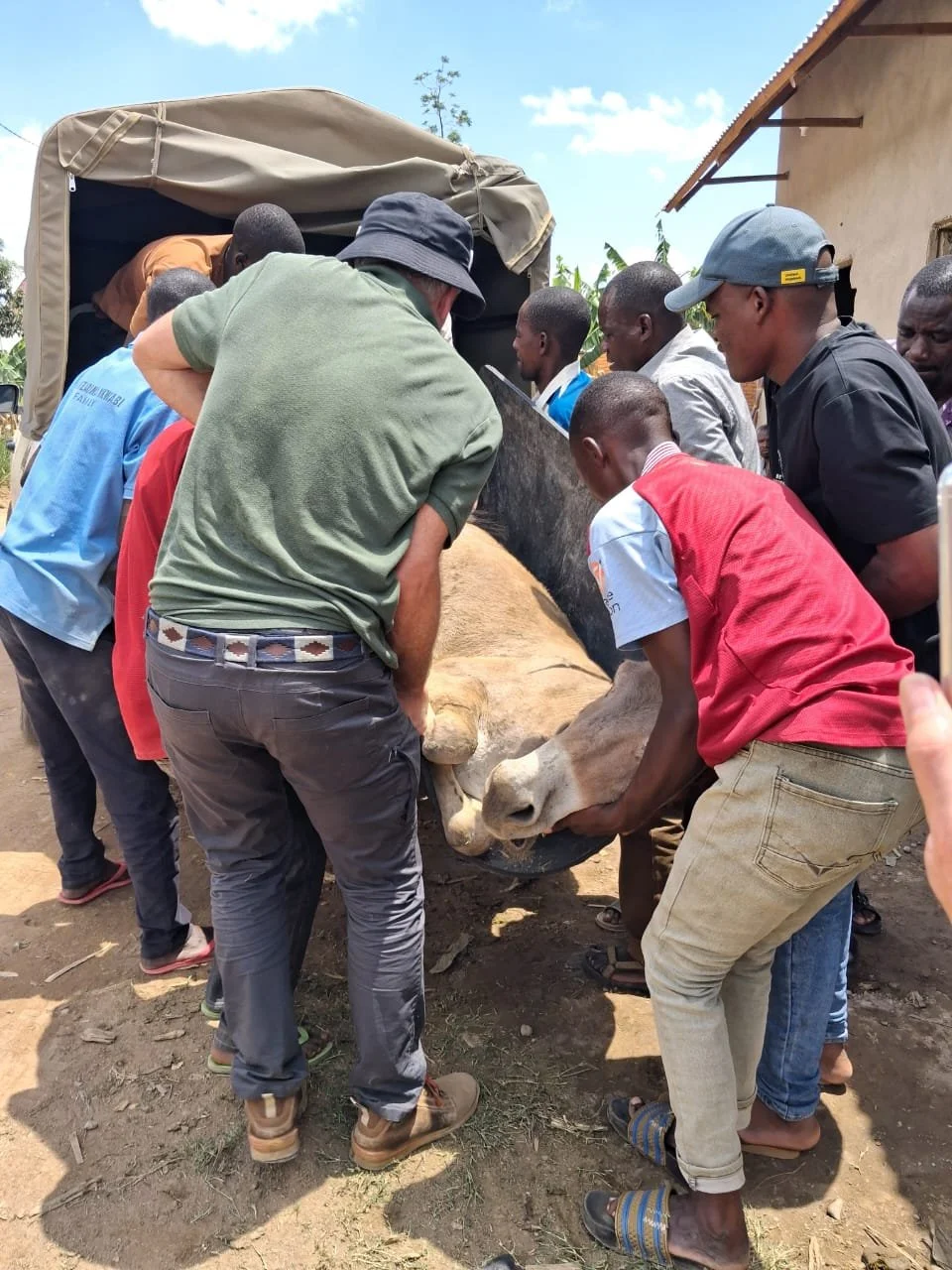
8.2 Current residents at the sanctuary
The sanctuary currently hosts nine donkeys, including six permanent residents and three recent rescues. They are monitored daily, assisted to graze and treated for wounds. This is all made possible due to your ongoing support, which provides medications, transport and veterinary care.
9. Conclusion and appreciation
November has been an extraordinary month for our working donkey project, marked by progress, learning and compassionate care. We had the privilege of hosting Dr Neil, whose expertise and dedication gave our donkeys a special experience. Through his hands-on guidance, these animals felt the gentle, caring touch of a committed veterinarian. This care was only made possible with the generous support of Animal Aid Abroad.
Thanks to your generous donations, we also completed our Lab and Store Building at the sanctuary. This facility will ensure secure storage for tools, medications and essential supplies, while providing a suitable environment for conducting laboratory diagnostics. This allows for more consistent, timely and effective care for our working donkeys in the field.
LAZAWO and the Geita working donkey communities are deeply grateful for your continued dedication and generosity. Your support is transforming the lives of so many donkeys in need. We extend our heartfelt thanks to all Animal Aid Abroad supporters for making this life-changing work possible.