inspiring the next generation in tanzania to be animal welfare advocates
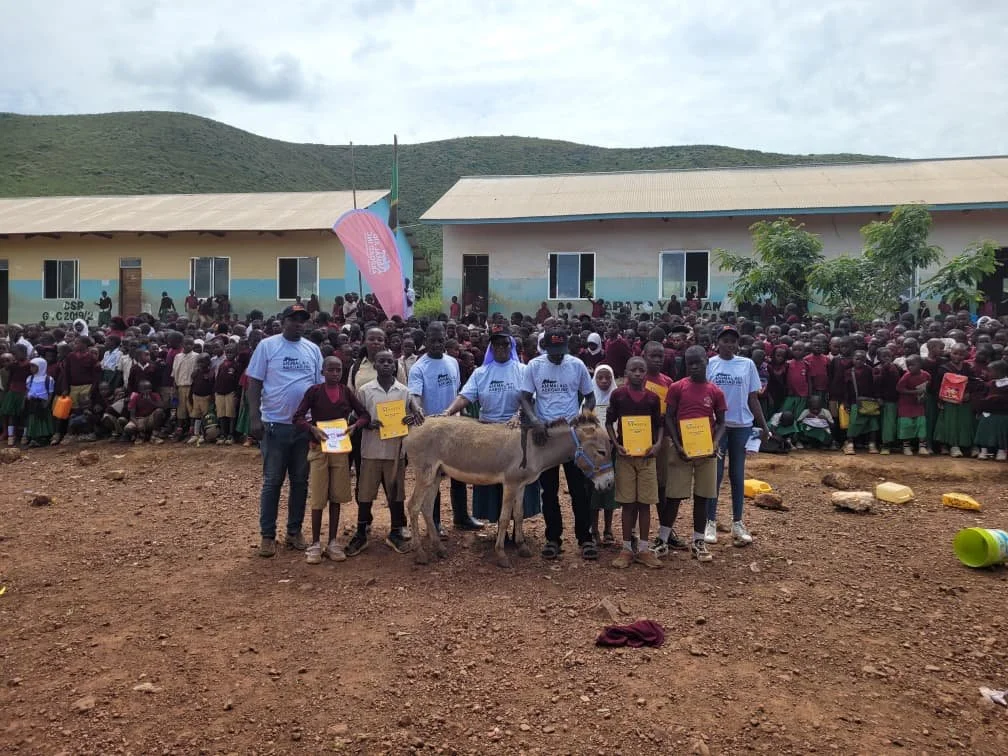
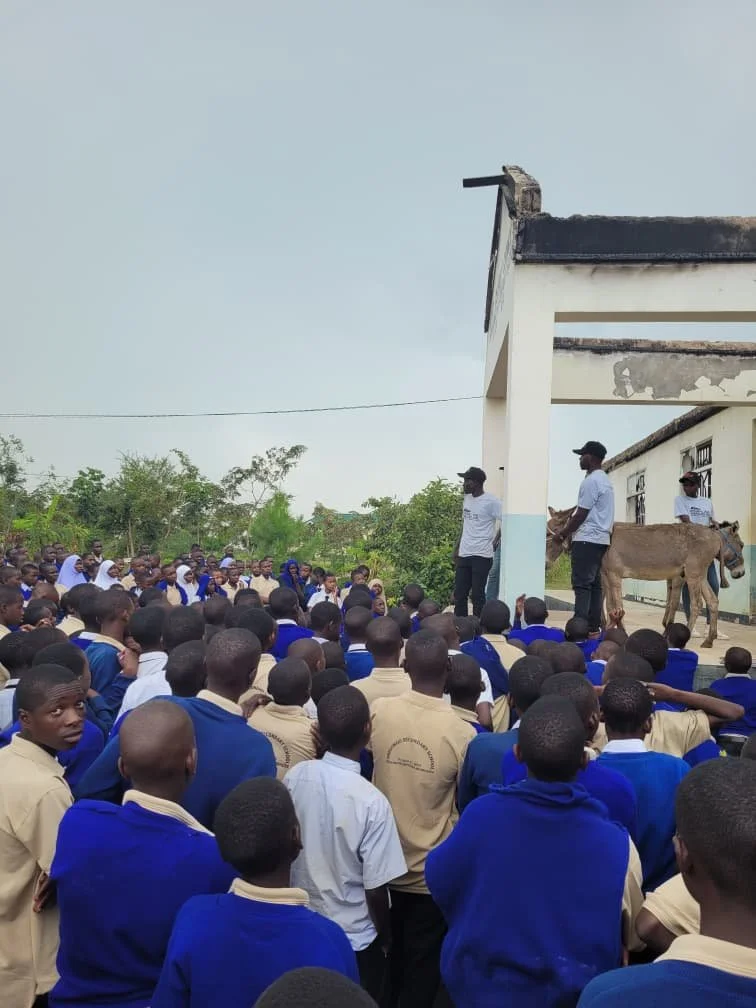
As part of World Donkey Day, Lake Zone Animal Welfare Organization (LAZAWO) in Tanzania educated 6,669 primary school students about donkey welfare and the importance of treating working animals humanely. This will create long-term change and inspire young people to become future advocates for animal welfare.
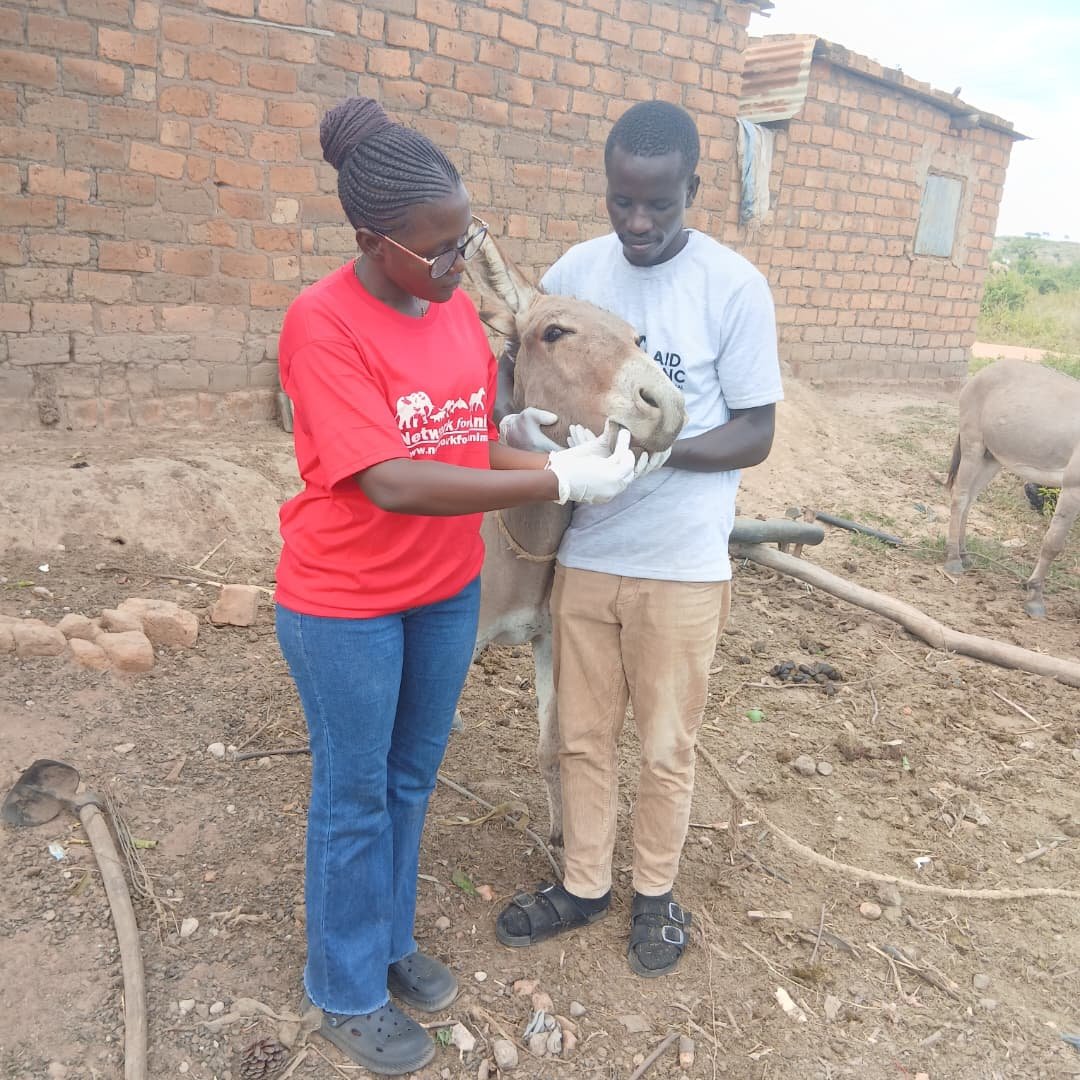
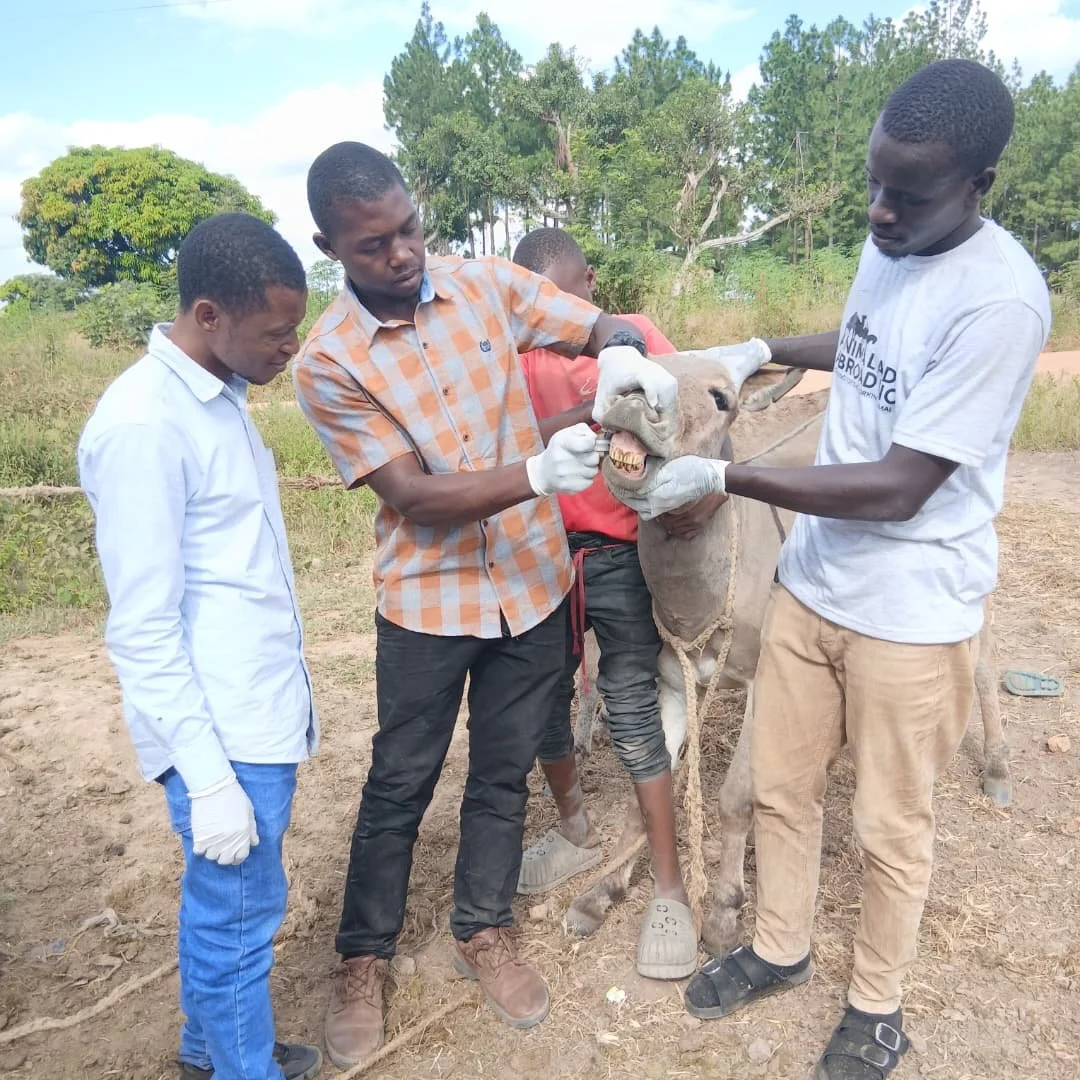
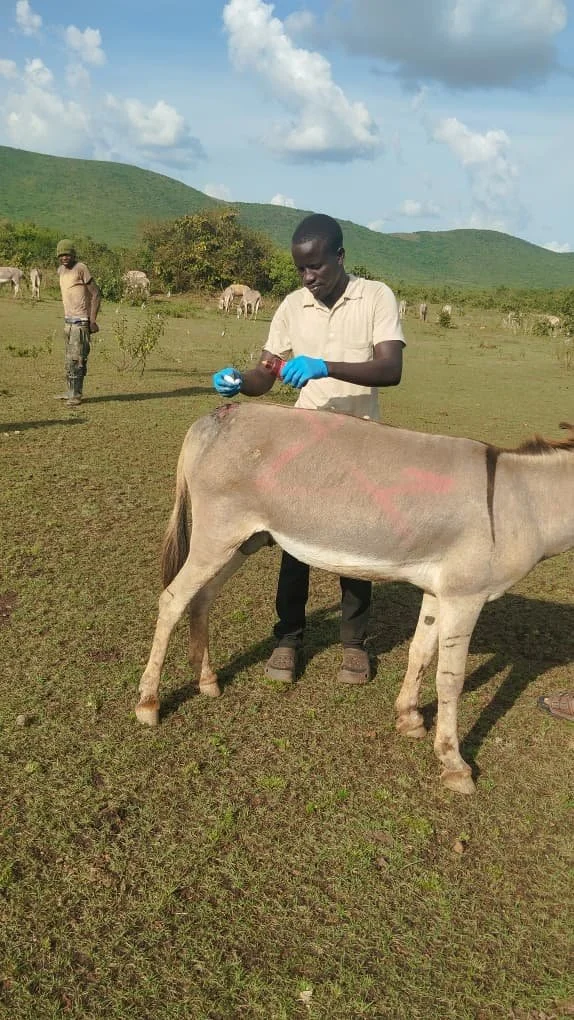
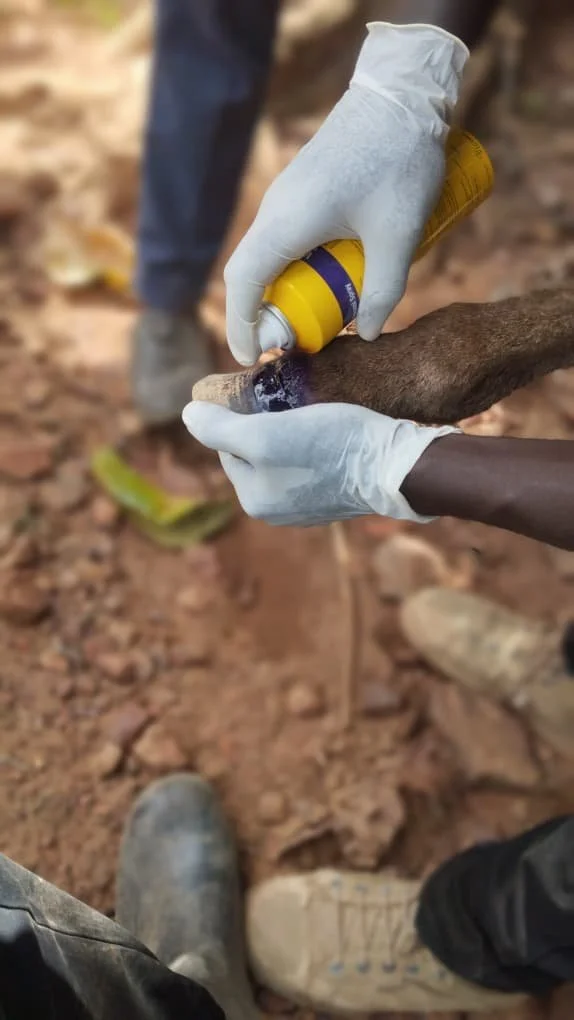
The team also reached an astonishing 916 working donkeys during May.
1. Background Information
During May, the LAZAWO team continued providing essential veterinary care and welfare support for hardworking donkeys. This occurred across the six major mining areas of Geita - Nyarugusu, Nyaruyeye, Lwamgasa, Stamico, Magenge, and Mgusu - as well as in surrounding community areas.
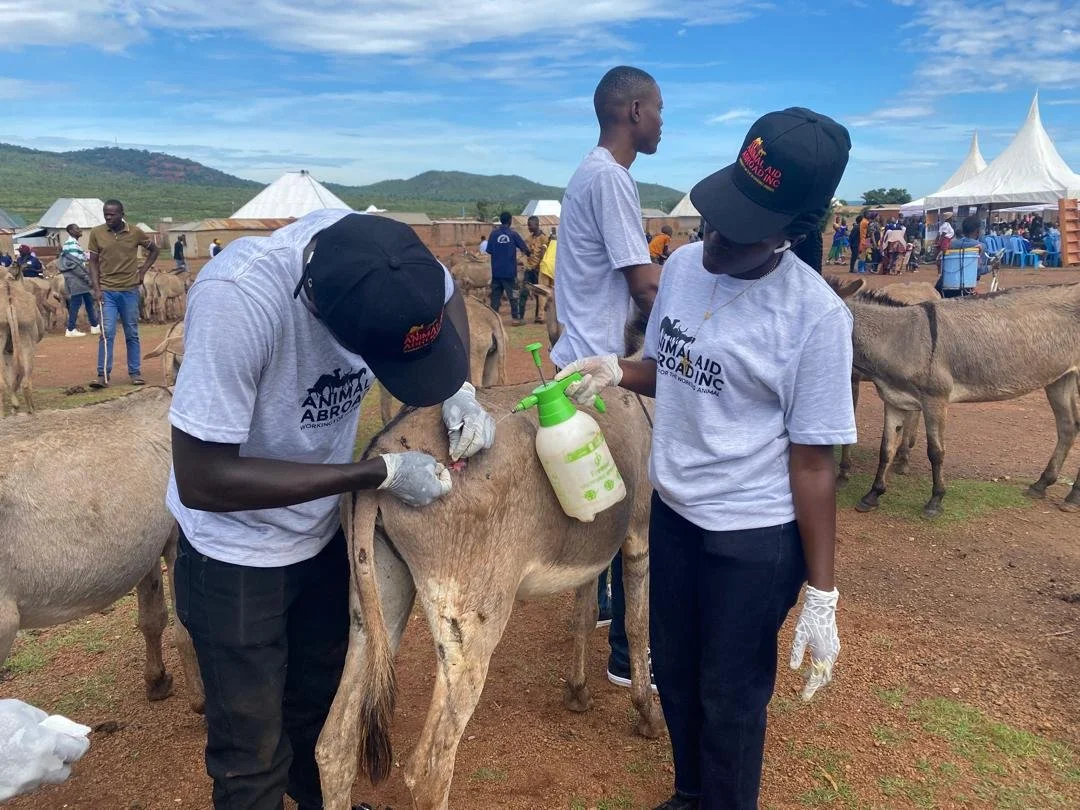
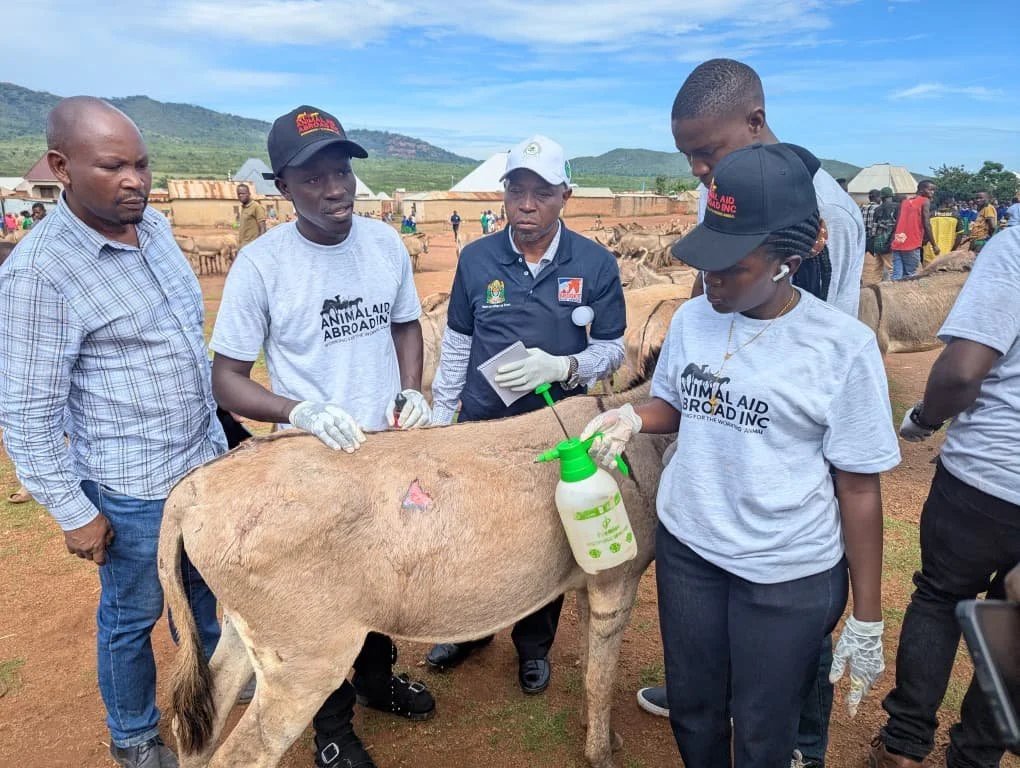
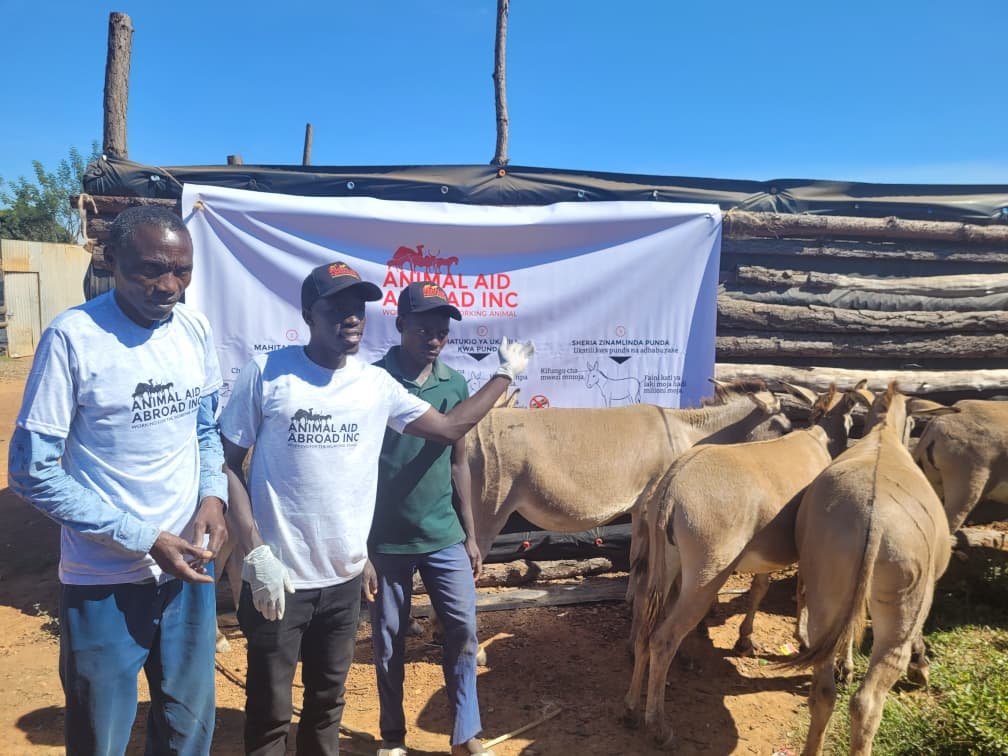
A major highlight of the month was the celebration of World Donkey Day on May 8th. The event was preceded by extensive awareness campaigns conducted in primary and secondary schools, community education activities, and media engagement aimed at promoting donkey welfare and responsible ownership. Through these activities, hundreds of community members, students, donkey owners, and handlers were reached with important messages regarding compassionate donkey care.
Throughout May, 916 donkeys were reached via World Donkey Day activities, routine field clinics and special outreach activities.
May also marked a period of organisational transition with the arrival of new team members, Dr Andrew Tito and Frank. This occurred following the tragic loss of Emmanuel Peter Mollel in April, and the departure of Dr Adenius Kagaruki. Despite these changes, the team remain committed to delivering high-quality veterinary services and donkey welfare interventions throughout Geita.
2. Veterinary Conditions Treated
A total of 916 donkeys were examined and treated in May via veterinary outreach clinics conducted during World Donkey Day celebrations and through routine daily field clinics.
A wide range of clinical conditions were encountered, including wounds, respiratory infections, eye infections, lameness, hematomas, trypanosomiasis, mange, dermatophilosis, ptyalism, hoof cracks and tick-borne diseases. Other welfare-related conditions were also seen and treated, which are associated with the demanding work undertaken by these animals. Each donkey received compassionate and professional treatment tailored to his or her condition.
These interventions were made possible through the generous support of Animal Aid Abroad. Without your dedication and commitment to improving the welfare of working donkeys, many of these animals would have continued to suffer from painful and debilitating conditions. Your support continues to make a profound difference in the lives of Geita’s hardworking donkeys.
3. Follow-Up Care
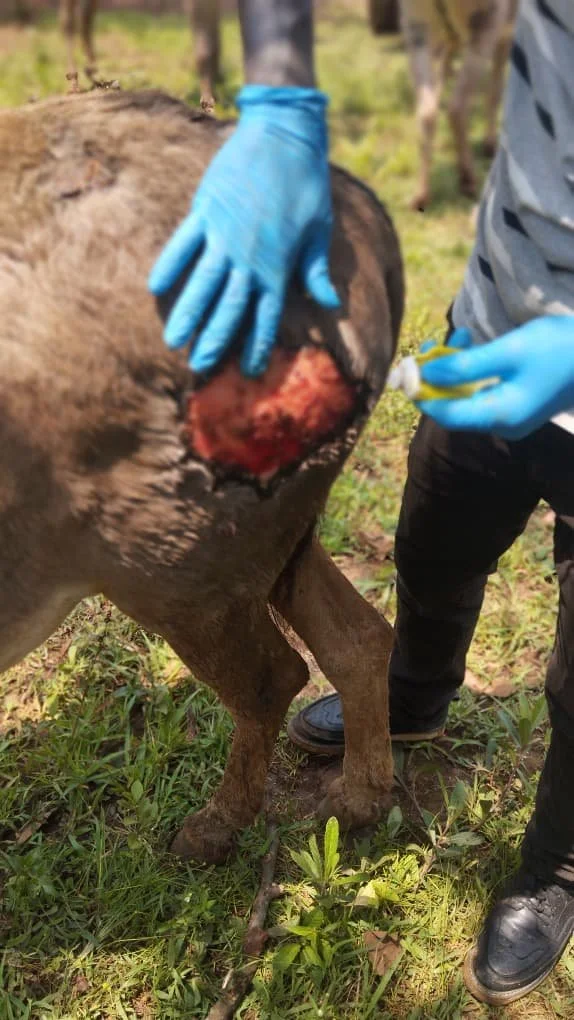
3.1 Njinga - a donkey recovering from a severe cut wound in Nyaruyeye
As reported in April, Njinga was a victim of serious cruelty that resulted in a severe coccygeal wound. Our team responded immediately and provided lifesaving treatment, including wound debridement, suturing, medication, and supportive care.
With your ongoing support, Njinga received regular follow-up visits, monitoring, wound assessment, and suture removal.
We are pleased to report that Njinga has made remarkable progress and is recovering well with no significant complications observed.
This successful outcome belongs to you. Without your support, the injury could have progressed into severe infection, prolonged suffering, or even Njinga’s death. Njinga's recovery stands as a testament to the impact of your compassion and commitment to donkey welfare.
3.2 Stella (Mama Deo) - a donkey with a hind limb fracture
In April, Stella - a working donkey from Stamico - sustained a hind limb fracture that required immediate veterinary attention. Following clinical assessment, a plaster of Paris cast was applied to stabilise the affected limb.
Throughout May, Stella continued receiving post-fracture management, including pain medication, nutritional support, monitoring of the cast, and regular welfare assessments. Recovery from such injuries is often prolonged, but we are encouraged by her progress so far.
Stella remains under close observation and continued care. We remain hopeful that, through ongoing management, she will continue to improve and regain comfort and function.
3.3 General follow-up activities
Throughout May, the team continued conducting follow-up visits for numerous donkeys treated during routine clinics and outreach programs. These visits were essential for monitoring healing, adjusting treatments where necessary, identifying complications early, and ensuring satisfactory recovery outcomes.
Using veterinary supplies, medicines, and the rescue vehicle funded by Animal Aid Abroad, our team was able to reach remote communities and provide continuous care to vulnerable animals.
Many donkeys showed significant improvement and returned to a good quality of life. These recovery stories are a direct result of your unwavering support and dedication to assisting working donkeys in Geita.
4. Outreach, General Clinics and Anti-Cruelty Program
Last month, the LAZAWO team conducted two major donkey clinics in Mgusu and Magenge. A total of 102 donkey handlers attended the clinic in Mgusu, while 69 handlers participated in Magenge.
During these sessions, participants received practical education on correct donkey handling, nutrition and health management. They were also taught what actions constitute cruelty and violate animal welfare principles. Discussions also covered local laws, responsibilities of donkey owners, and possible penalties associated with acts of cruelty.
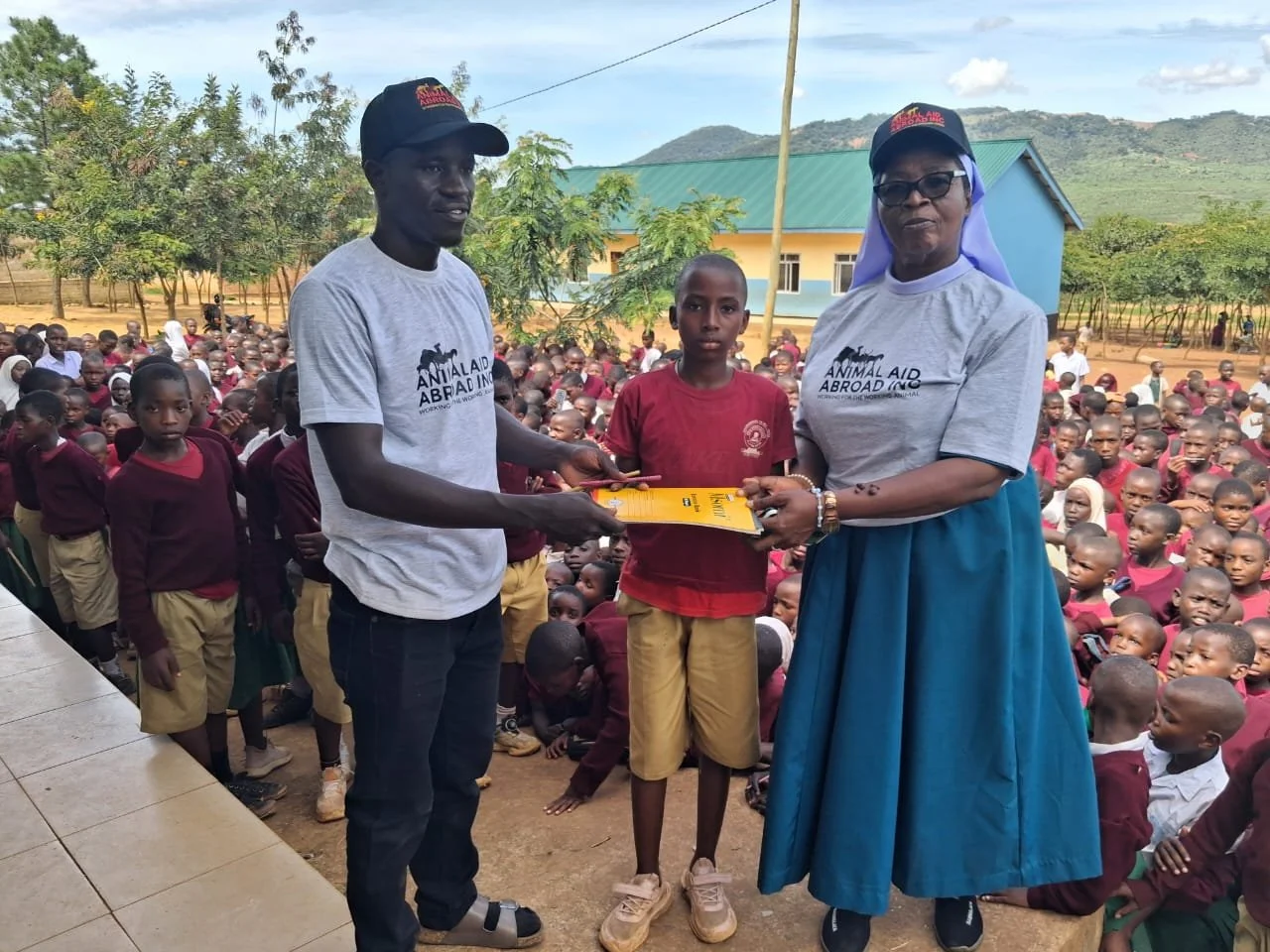
As part of World Donkey Day celebrations, the team visited ten primary schools. During these visits, 6,669 students and 107 teachers were educated on donkey welfare, including the five domains of animal welfare, humane treatment of working animals, and the importance of compassion towards donkeys. The goal was to inspire the younger generation to become future advocates for animal welfare.
The awareness campaign was further amplified through media engagement, including a television appearance on Star TV. This helped to spread donkey welfare messages to a much broader audience across Tanzania, particularly within the Geita region.
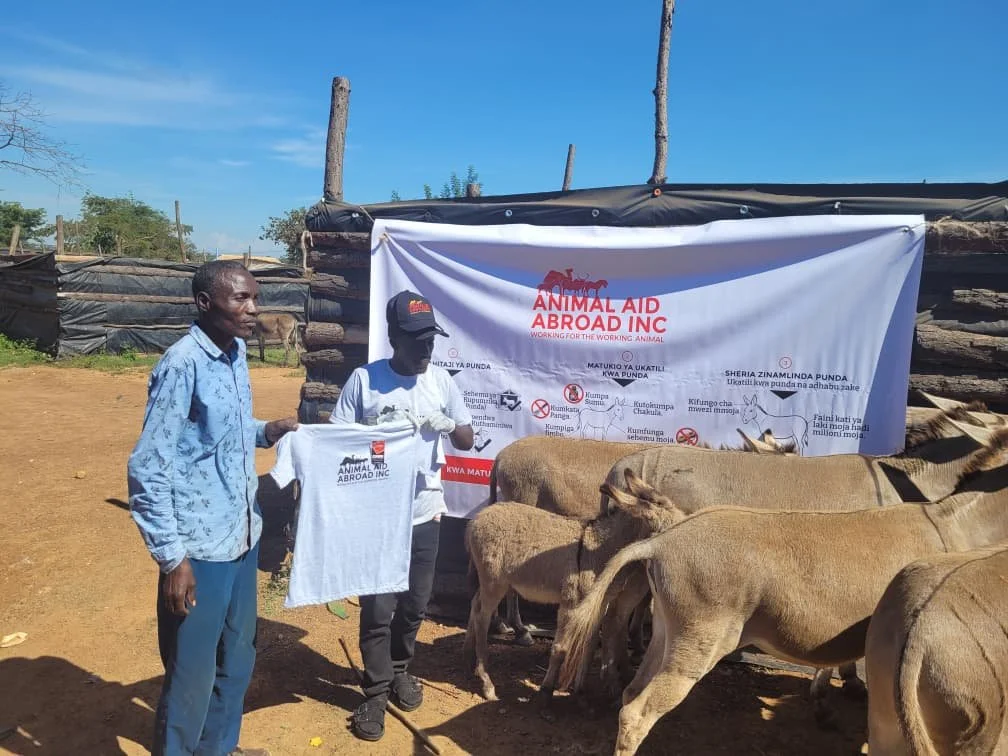
As part of our Anti-Cruelty Program, five exemplary donkey handlers whose animals were in good condition were publicly recognised and rewarded. Three handlers from Mgusu received AAA tee-shirts or hats, while two handlers from Magenge received an AAA tee-shirt and a hat.
These awards served as positive reinforcement and motivation for other handlers to adopt good welfare practices and demonstrate responsible donkey ownership.
4.1 Impact of Outreach Activities
Many owners and handlers demonstrated increased awareness of donkey welfare issues. This was particularly noticeable during the Star TV program, where viewers actively participated by asking questions, reporting welfare concerns, and seeking veterinary assistance for their donkeys.
We have also observed encouraging behavioural changes amongst handlers. This includes reducing the use of harmful handling tools, and reporting individuals who harm donkeys to LAZAWO.
Furthermore, leadership within mining communities - particularly in Mgusu - has begun discouraging the use of donkeys with active wounds on mining routes. This represents an important step towards reducing work-related suffering and promoting humane treatment.
One example occurred in Mgusu involving a crop farmer who allegedly injured a working donkey using a sharp object. Following reports from community members, the suspect fled for several days before being apprehended by local police.
After spending a day in police custody, he agreed to compensate the owner for any days the injured donkey would be unable to work. He also publicly apologised and pledged never to repeat such actions, further committing himself to promoting donkey welfare within the community.
This case demonstrates the growing effectiveness of awareness campaigns and anti-cruelty advocacy. It also reflects the strong message delivered during World Donkey Day celebrations, where the Geita regional Commissioner emphasised the importance of protecting working donkeys and holding perpetrators of cruelty accountable.
5. Case Study
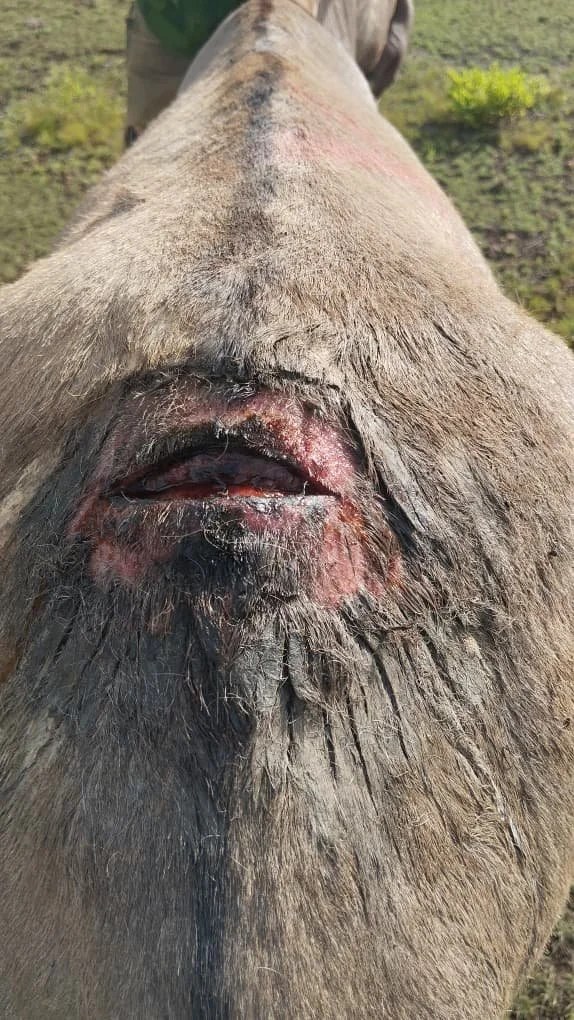
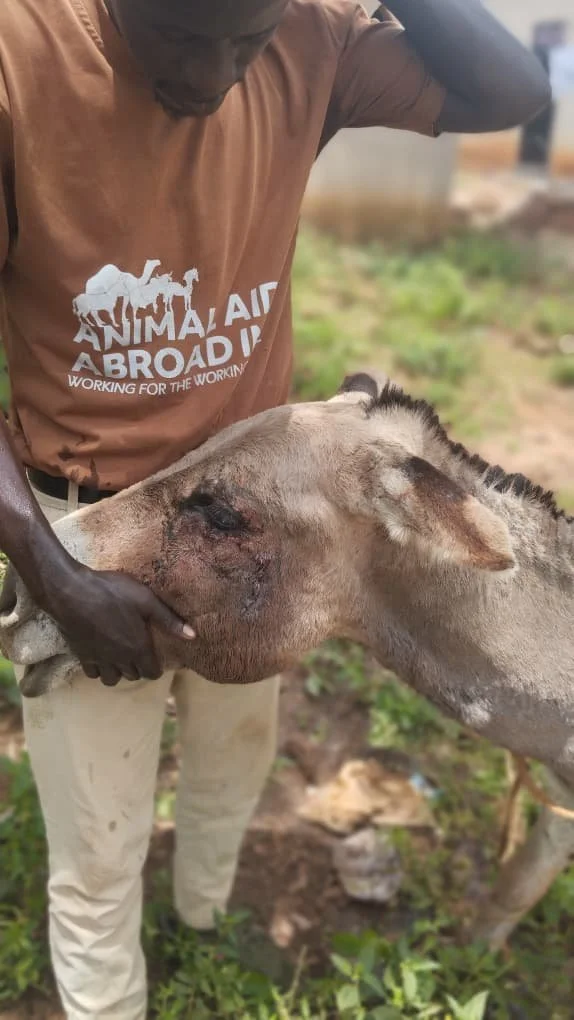
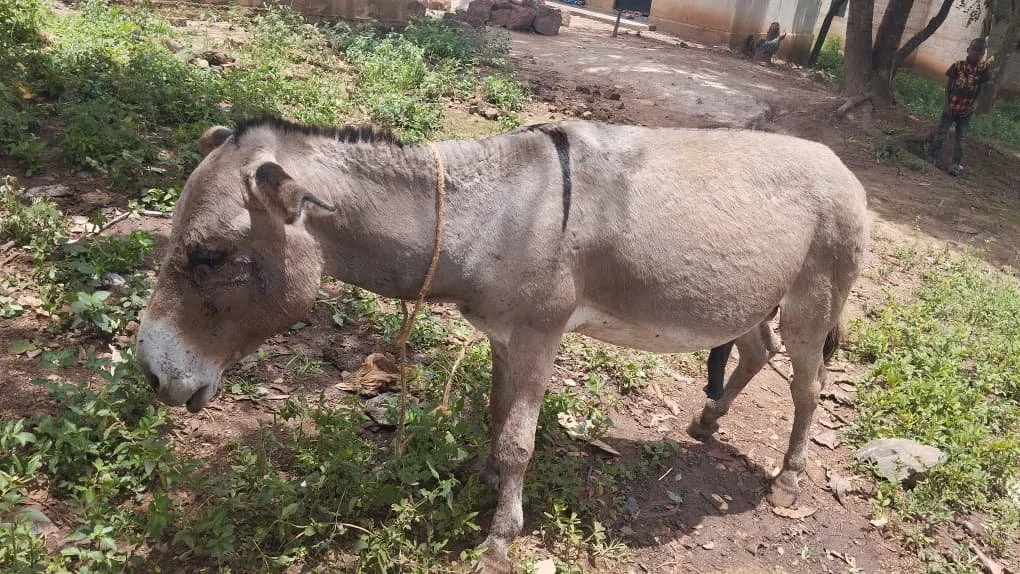
5.1 Majata - a donkey with severe cheek tissue loss and bone exposure in Mgusu
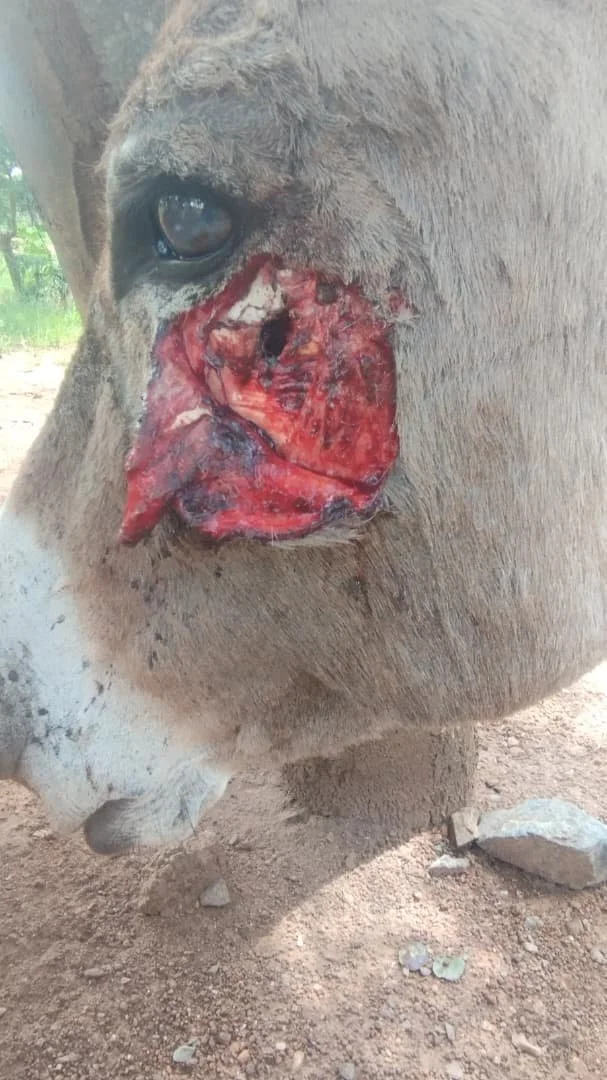
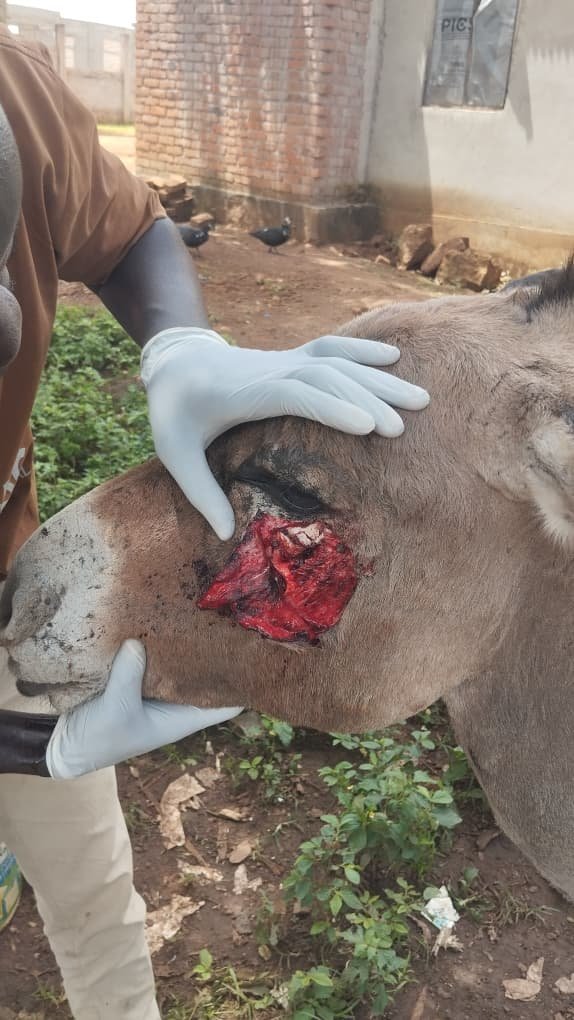
Our team received an urgent call from Peter regarding his donkey, Majata. He reported finding his donkey with severe facial bleeding and visible exposure of the cheek bone.
Witnesses informed Peter that a nearby farmer had been seen throwing a sharp object toward Majata shortly before the injury occurred. After observing the severity of the injury, the suspected individual fled the area.
Upon arrival, our team conducted a thorough examination and found extensive soft tissue damage involving severe cheek tissue loss with exposure of the underlying bone. Poor Majata was experiencing significant pain, distress, and continuous bleeding.
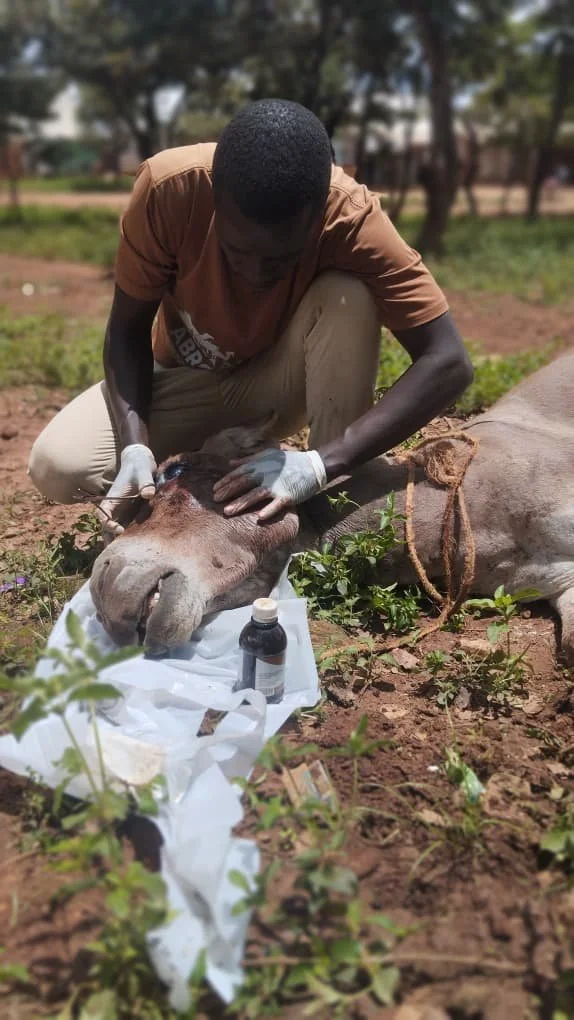
Under general anaesthesia and with great care, the displaced tissues were surgically repositioned and repaired. Appropriate medications, wound management, pain relief, and supportive treatments were administered. These veterinary supplies are made available through your kind donations.
Following treatment, Majata was closely monitored to assess healing progress and manage any complications that might arise due to the severity of the injury.
We are pleased to report that Majata is recovering well. Although he has not yet returned to work, no major complications have been observed, and healing continues satisfactorily.
This successful intervention highlights the importance of rapid-response veterinary care and community reporting systems. The LAZAWO team remains deeply grateful for your continued commitment to improving the lives of working donkeys in Geita.
6. Gaps and Challenges
Despite progress achieved during May, several challenges remain. In particular, some community members continue to demonstrate limited awareness and resistance to behaviour change, contributing to occasional cases of cruelty.
Nevertheless, the momentum generated through World Donkey Day activities increased enforcement, public recognition programs, and community engagement. This is expected to gradually encourage positive behavioural transformation.
During May, multiple donkey deaths associated with tetanus were recorded. This highlights the urgent need to strengthen preventive healthcare measures, particularly through the introduction of tetanus vaccination programs within the working donkey population.
Additionally, feedback received during school outreach activities demonstrated a strong need for sustained engagement of young people through donkey welfare clubs, competitions, educational programs, and other initiatives designed to cultivate a future generation that values and protects working donkeys.
7. Appreciation
The LAZAWO team extend our deepest gratitude to Animal Aid Abroad for your unwavering support of the Geita Working Donkey Project.
Your support continues to transform the lives of hundreds of donkeys through the provision of veterinary treatment, rescue services, welfare education, and compassionate care. The healing stories, successful recoveries, and growing awareness witnessed throughout Geita are direct reflections of your generosity and commitment.
On behalf of the donkey-owning communities of Geita and the hardworking animals whose lives have been improved, we sincerely thank you for standing with us in promoting donkey welfare and reducing suffering.
We also wish to express our heartfelt appreciation for your financial and technical support in facilitating the successful celebration of World Donkey Day. With your assistance, hundreds of community members, donkey owners, handlers, government leaders, school children, and media representatives were engaged in meaningful discussions about donkey welfare.
The event achieved remarkable success and generated significant awareness across the region. Such impact would not have been possible without your vision, generosity, guidance, and belief in LAZAWO.
Thank you to all of AAA’s wonderful supporters for making LAZAWO’s many achievements possible, and for creating long-term change for donkeys in Tanzania.