Animal Aid Abroad (AAA) is proud to partner with the Blue Cross of India (BCI) in Chennai, one of our newer collaborations focused on improving the welfare of working equines and other large animals. With your support, BCI’s Mobile Hospital, shelter, and veterinary team are alleviating suffering and delivering compassionate care to hundreds of animals across rural and urban areas of Chennai.
April Outreach: Expanding Access to Veterinary Care
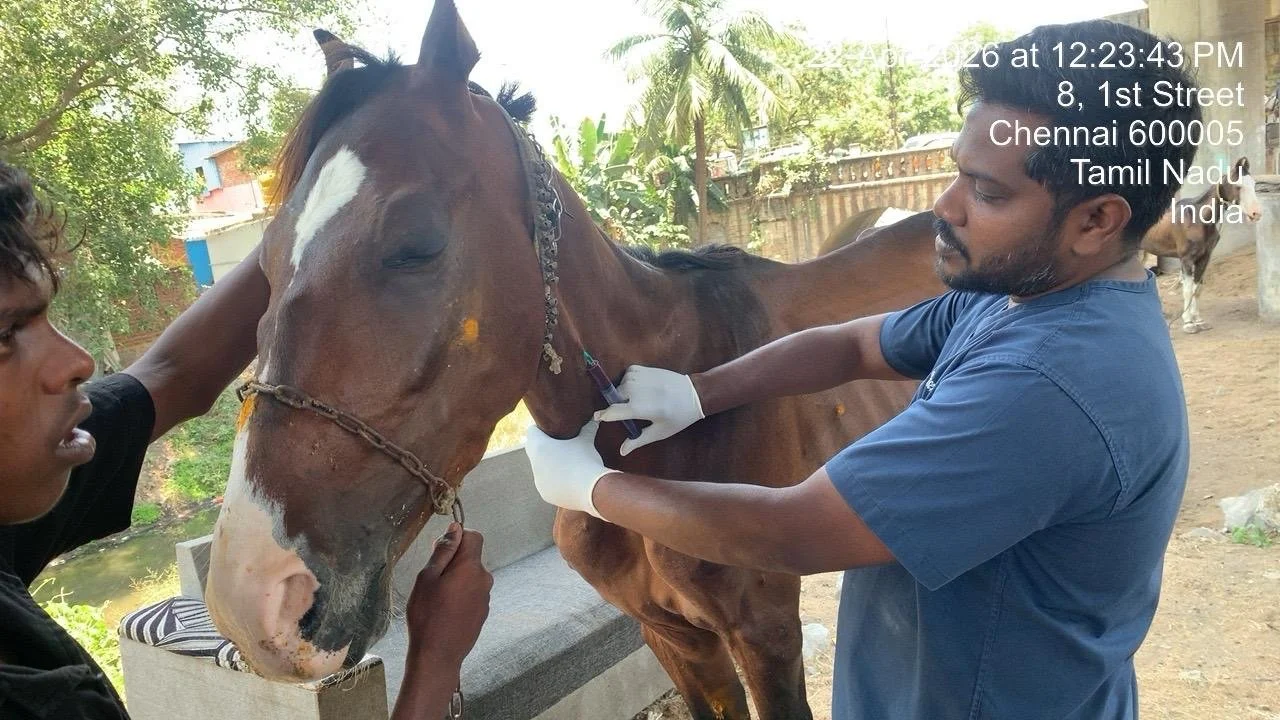
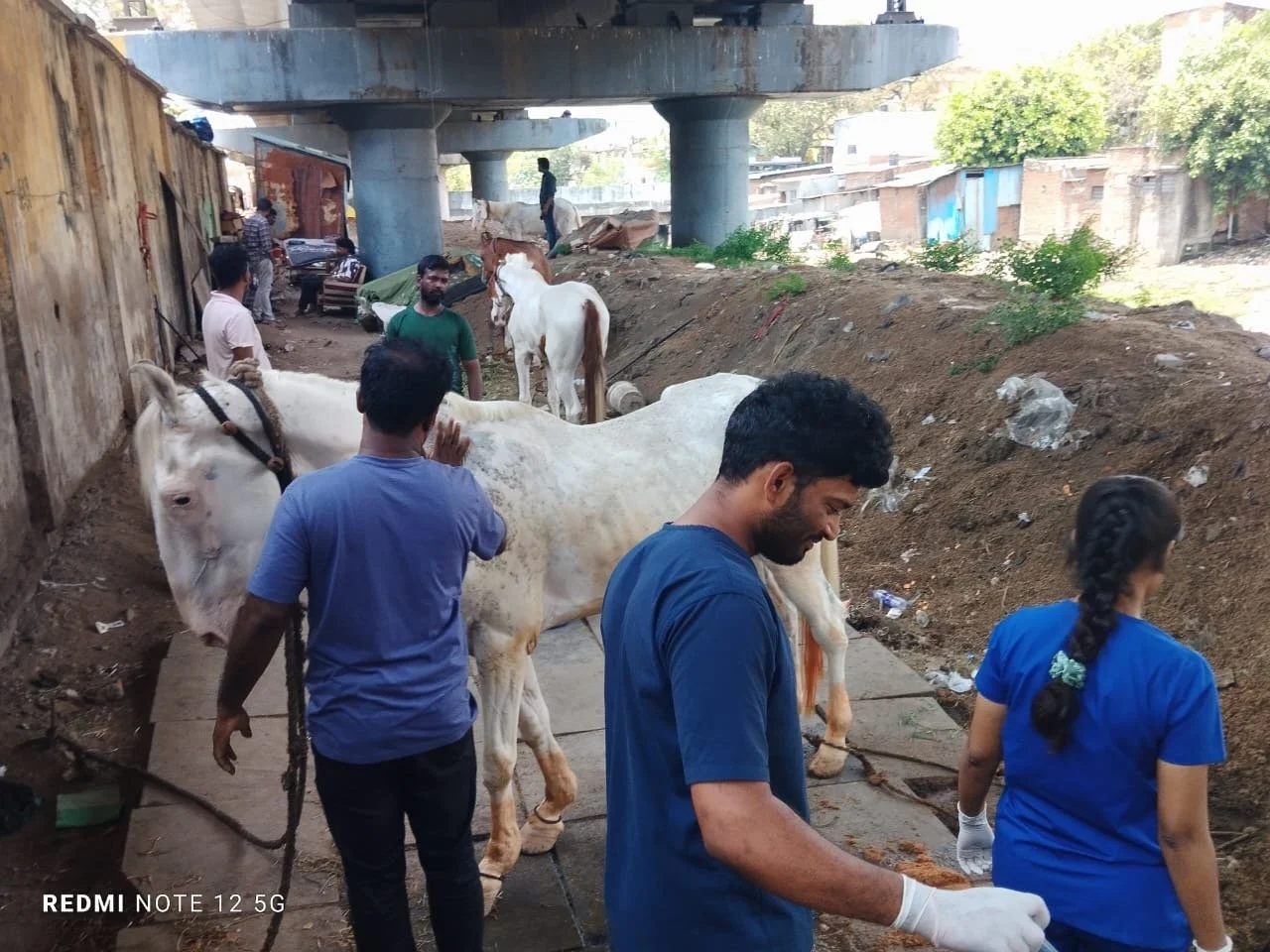
In April, BCI’s Mobile Hospital conducted outreach visits across several rural areas, providing general health check‑ups, mineral supplements, and preventive parasite treatments. A total of 298 animals were dewormed or given supplements.
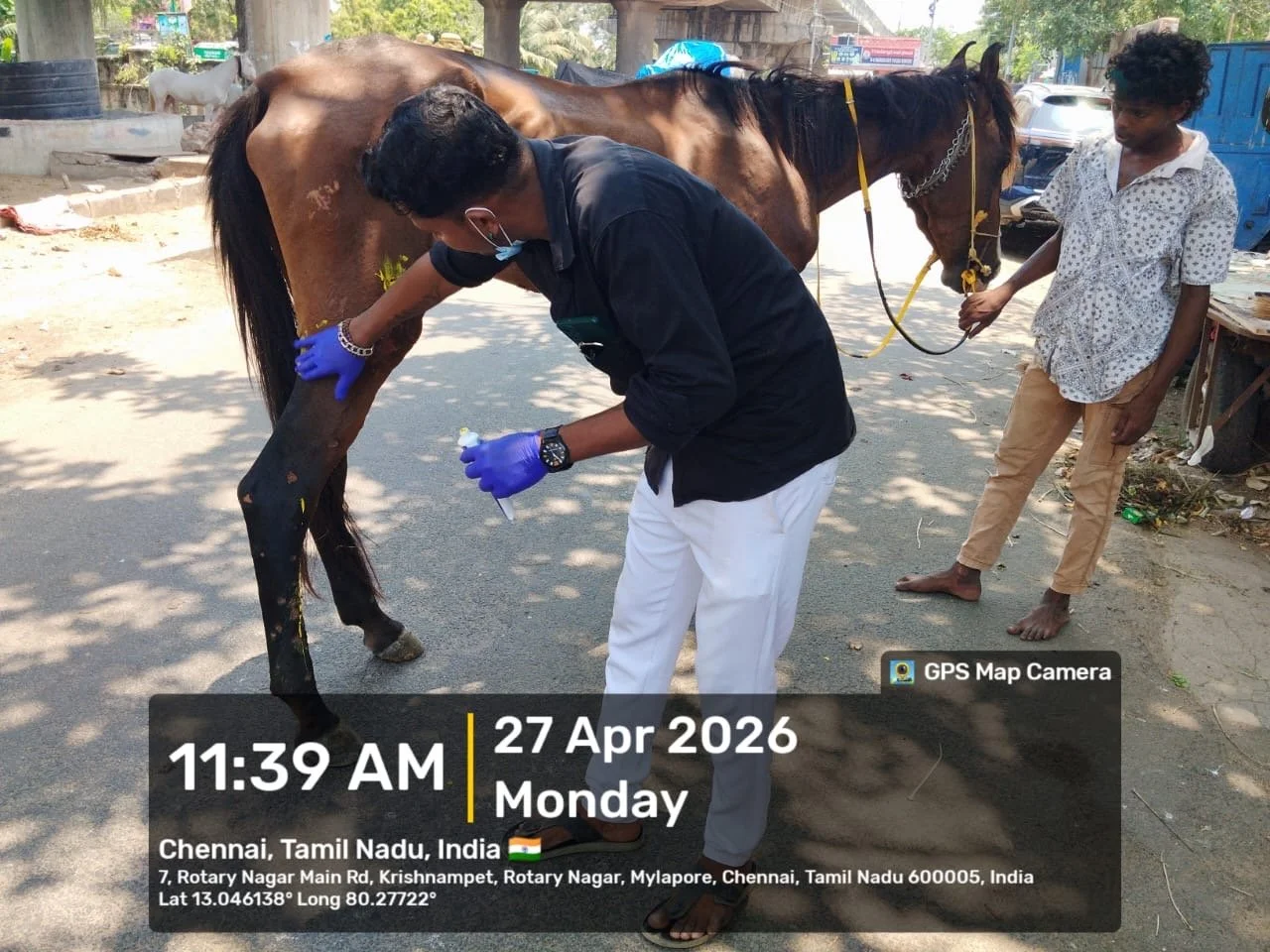
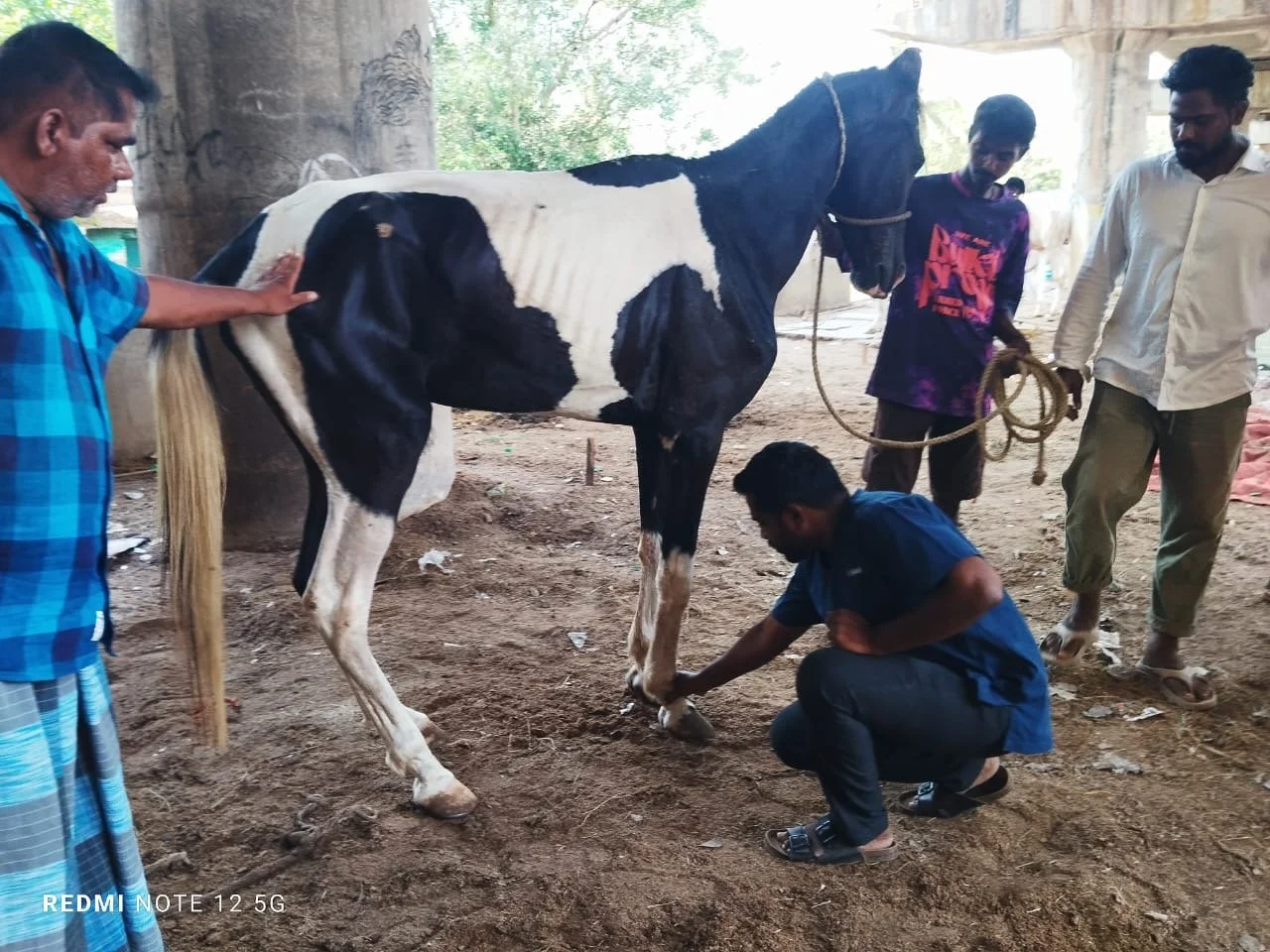
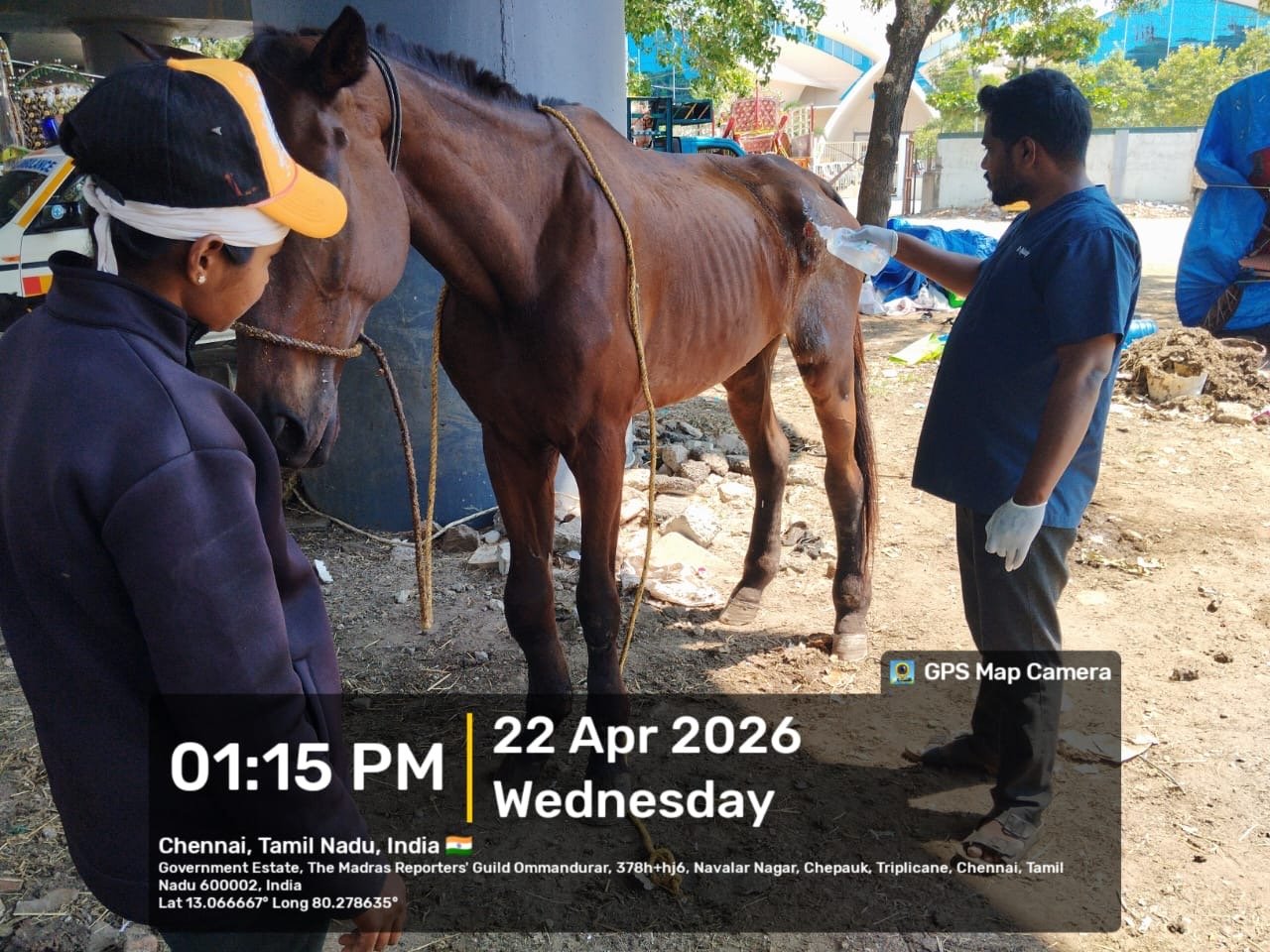
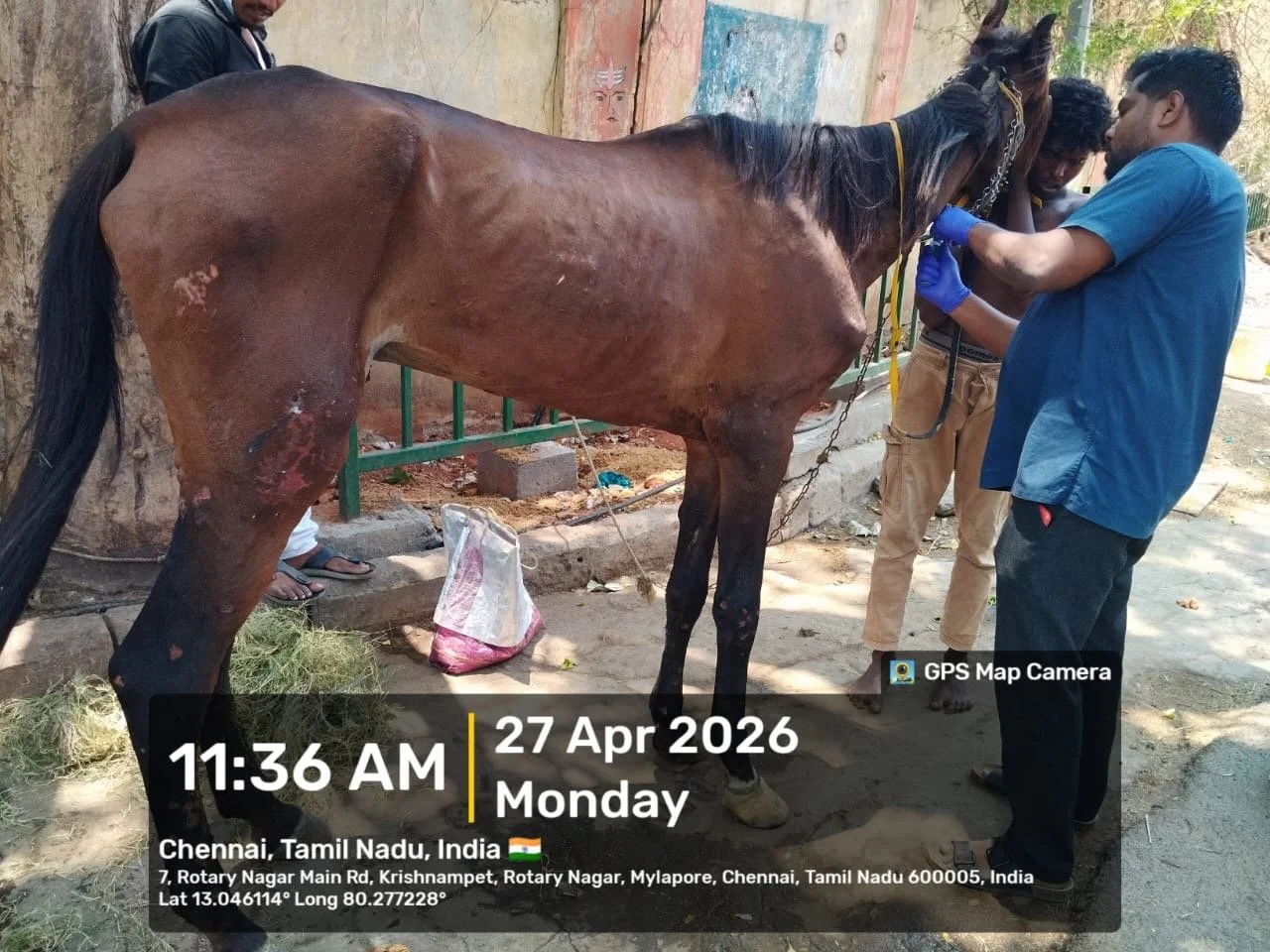
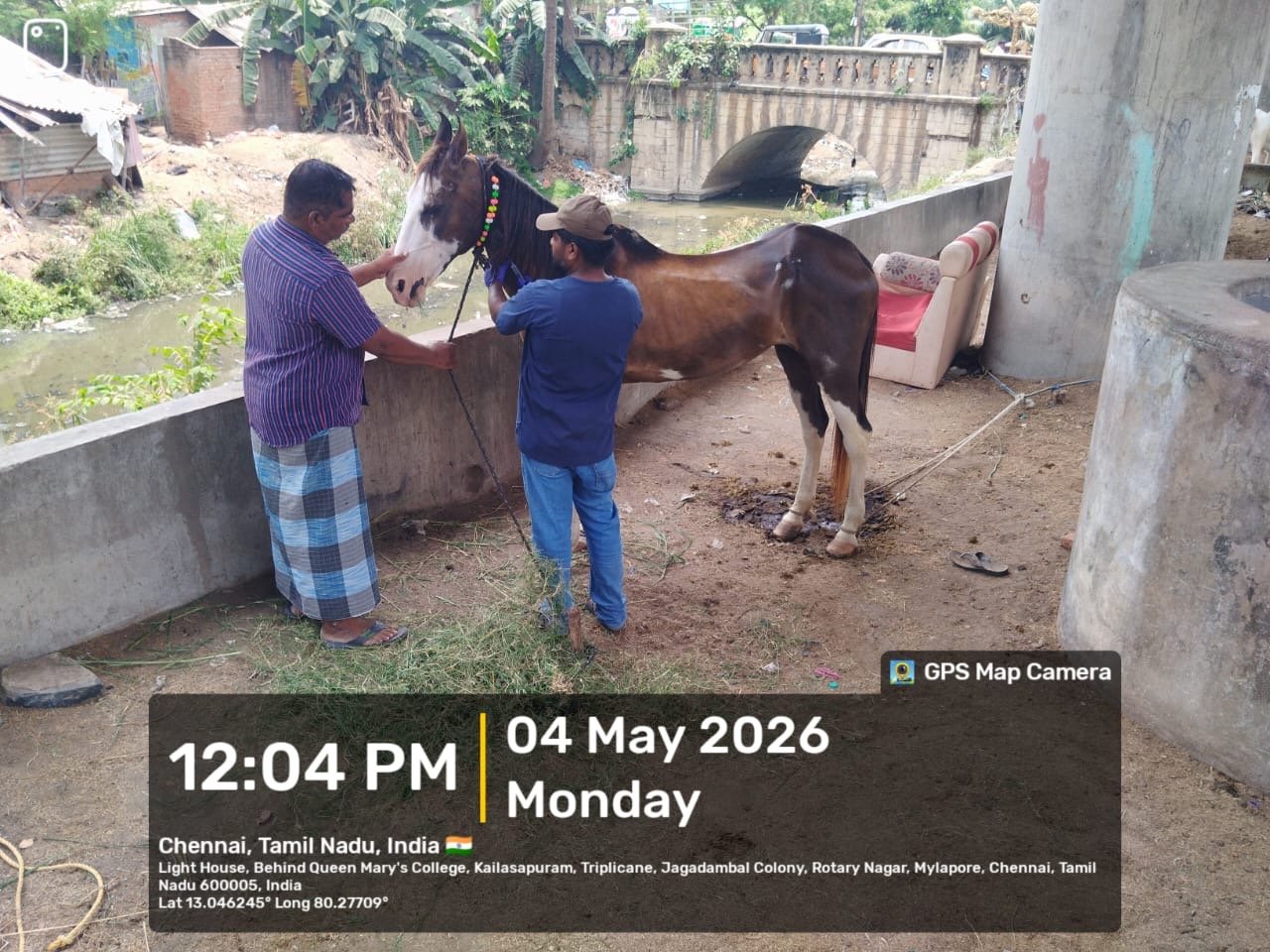
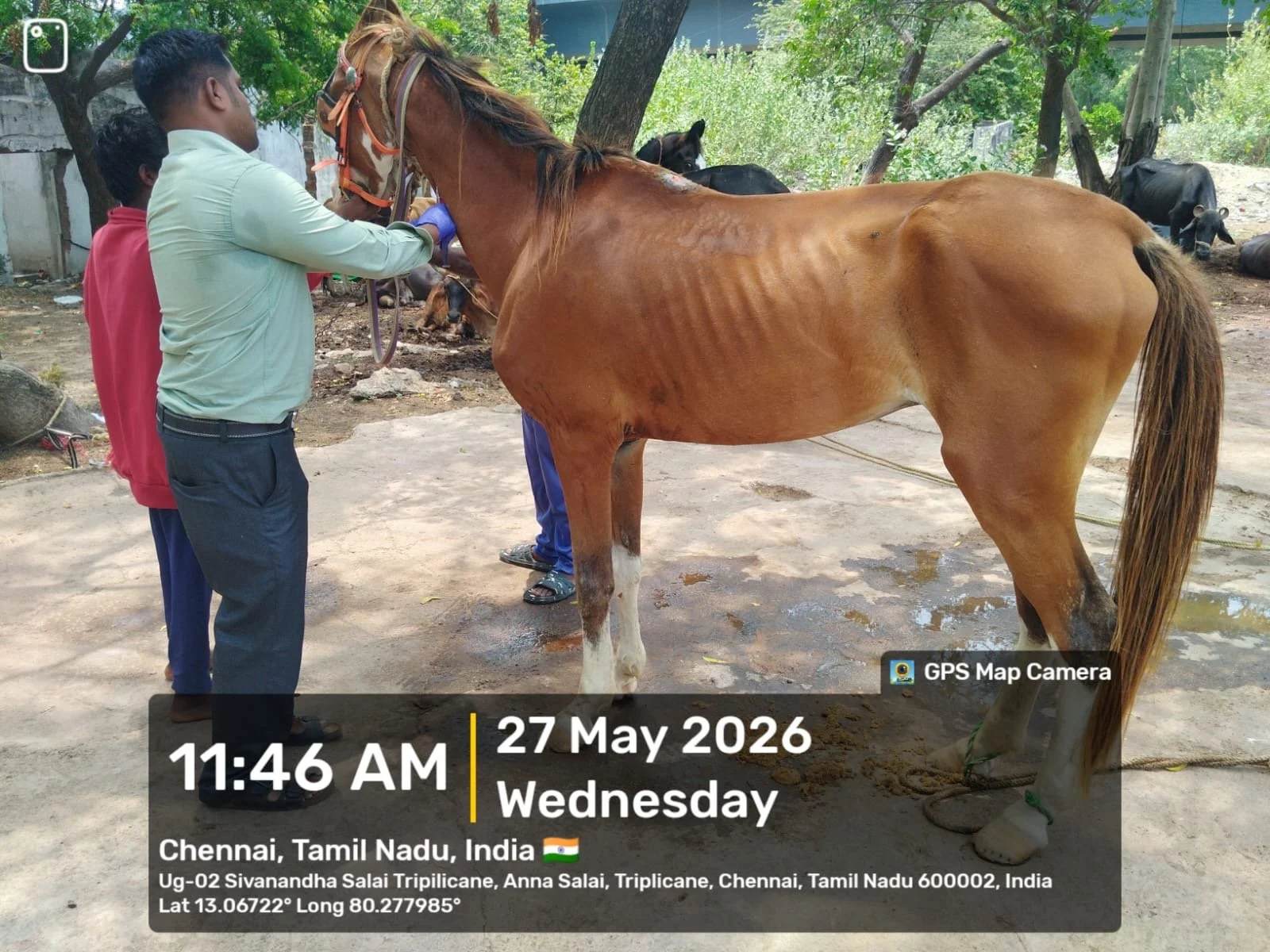
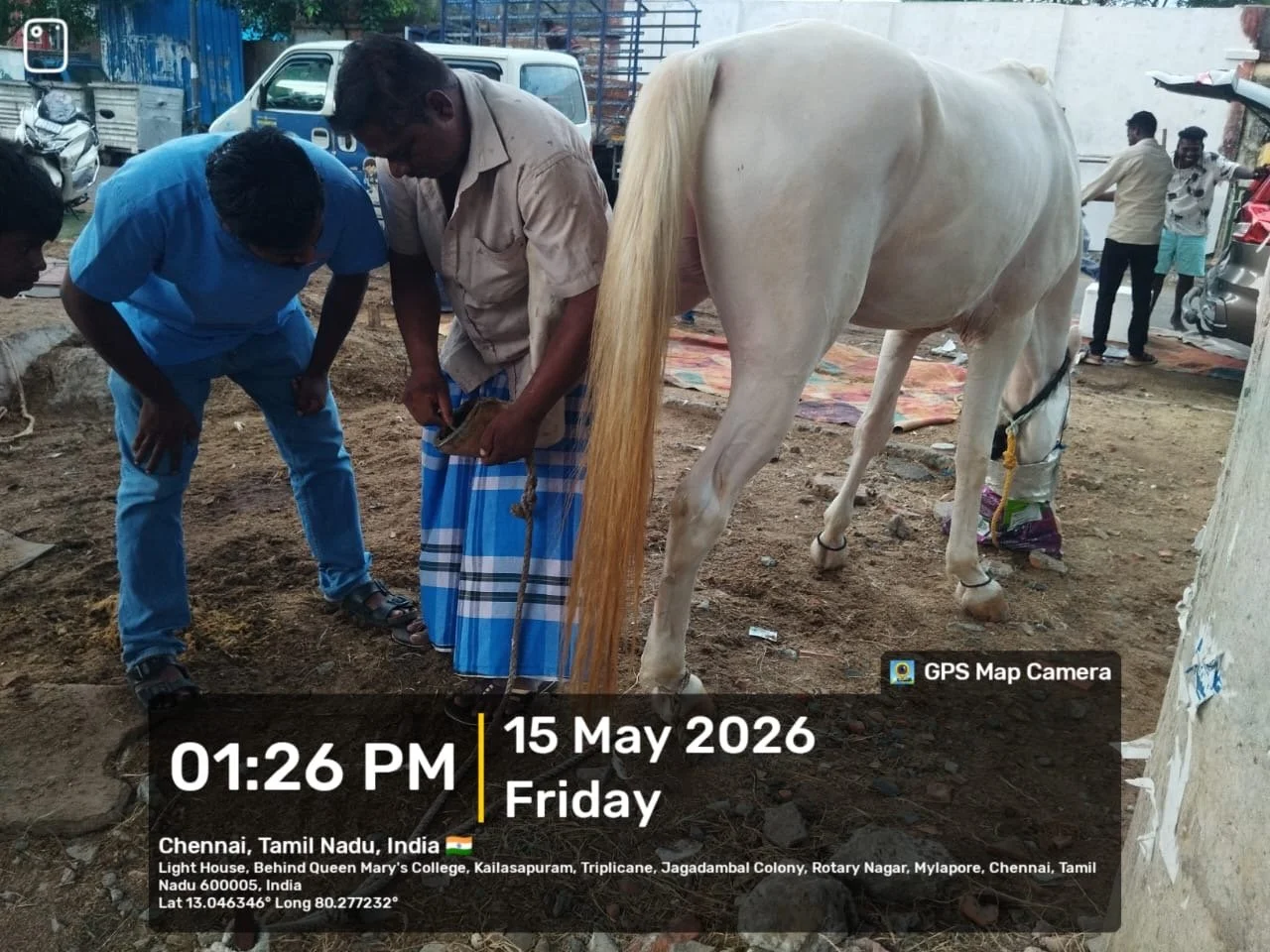
Horses received treatment for musculoskeletal and hoof‑related conditions, including lameness, bed sores, and maggot‑infested wounds. Veterinary care also addressed respiratory, reproductive, and gastrointestinal issues such as glanders and colic.
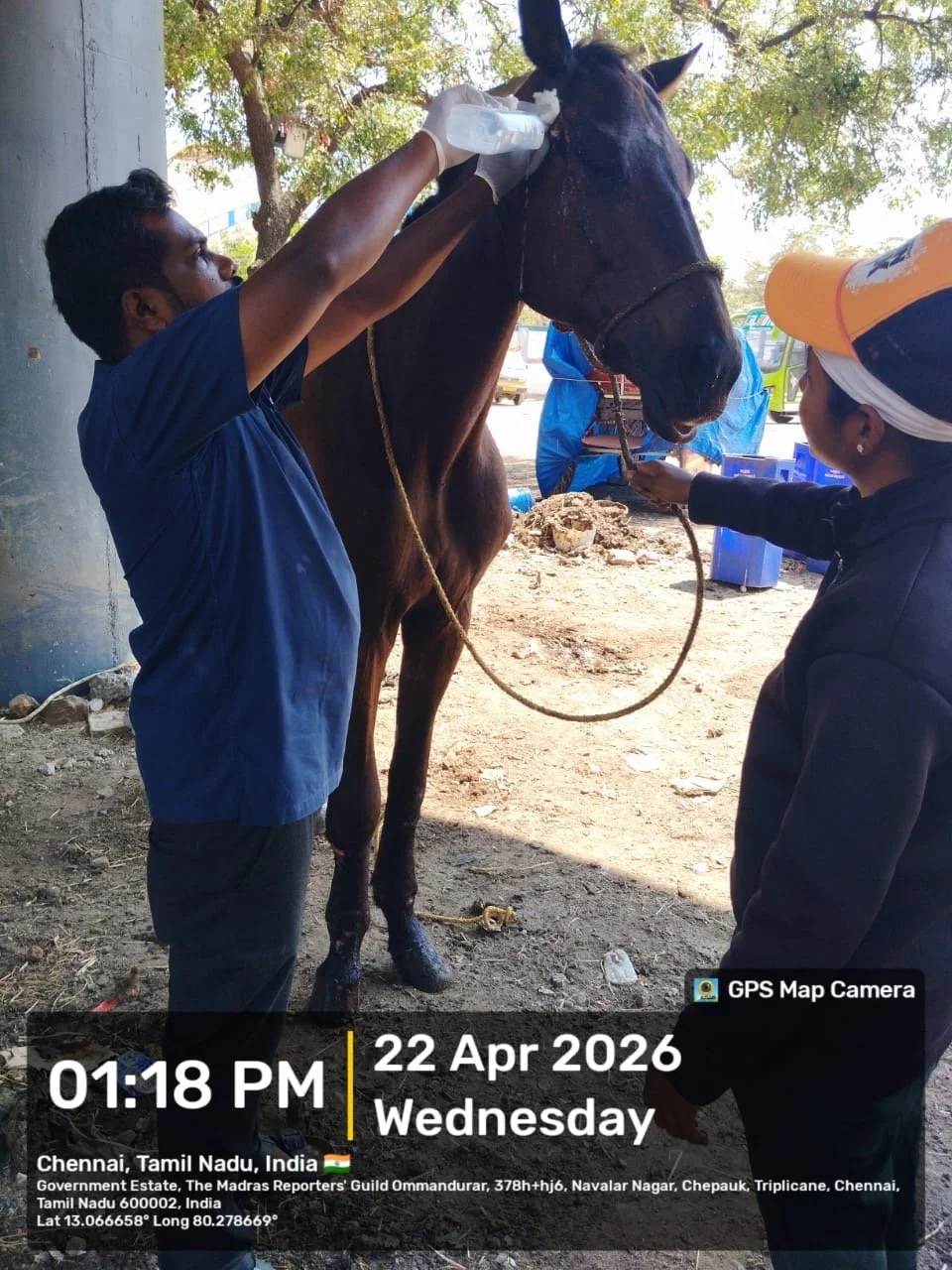
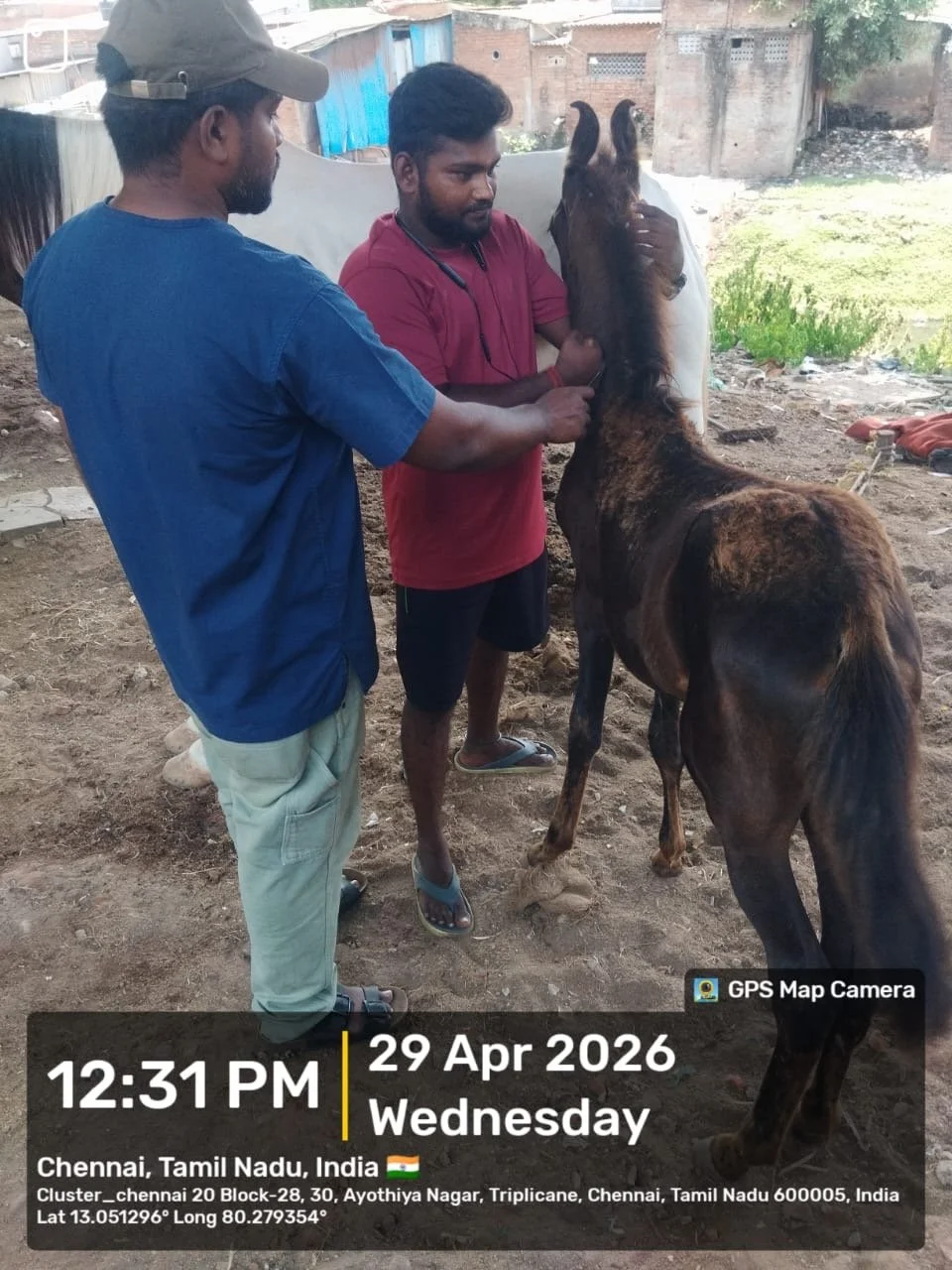
Highlights included:
Rescue and treatment of two large animals whose caregivers could not provide adequate care.
Expansion of the Mobile Hospital’s coverage radius from 10 km to 15 km, reaching more animals in need.
Provision of essential medical supplies to support the Mobile Hospital, Outpatient Department, and sanctuary.
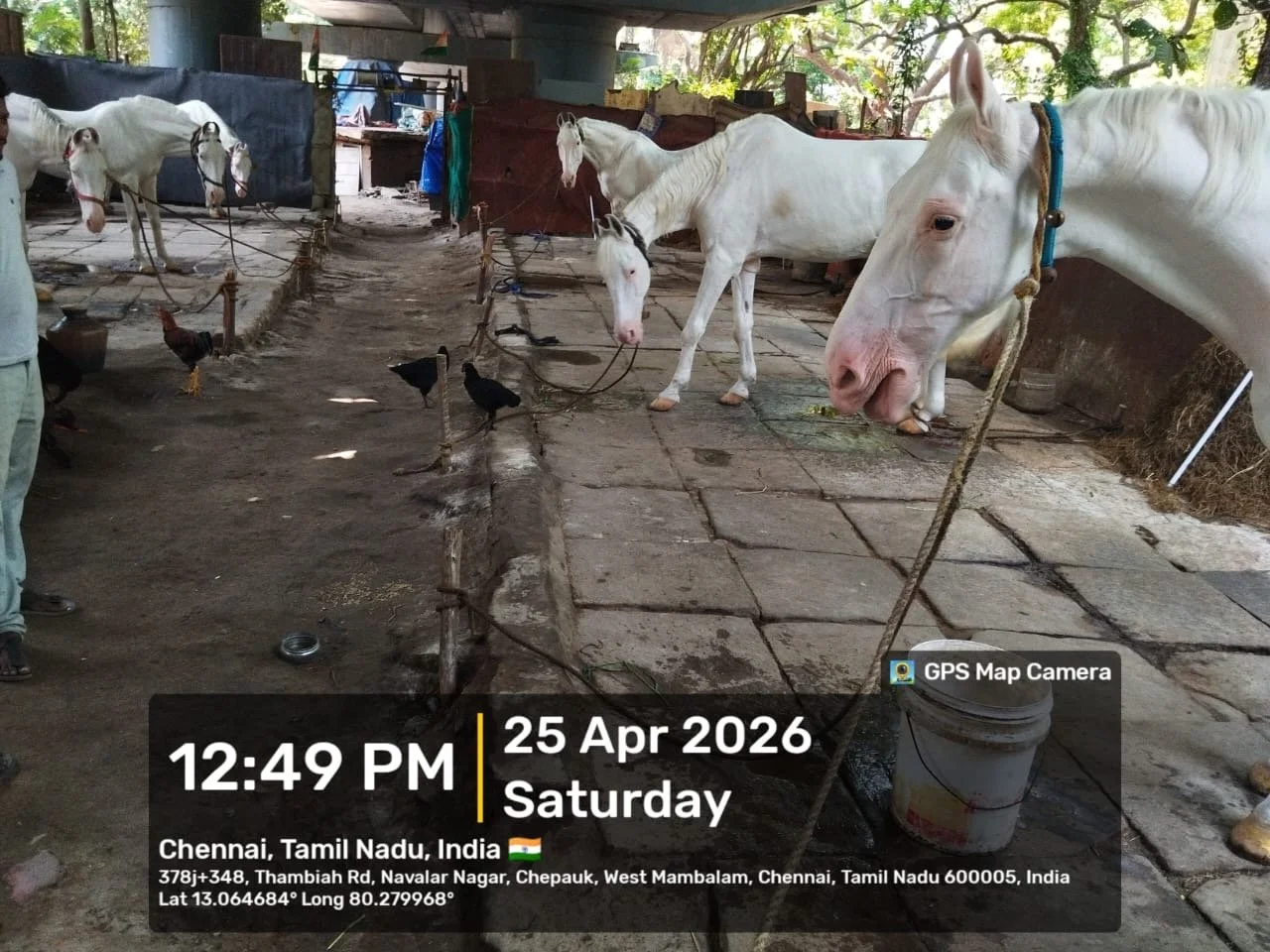
Ongoing care for approximately 200 large animals housed at the BCI shelter.
May Outreach: Strengthening Continuity of Care
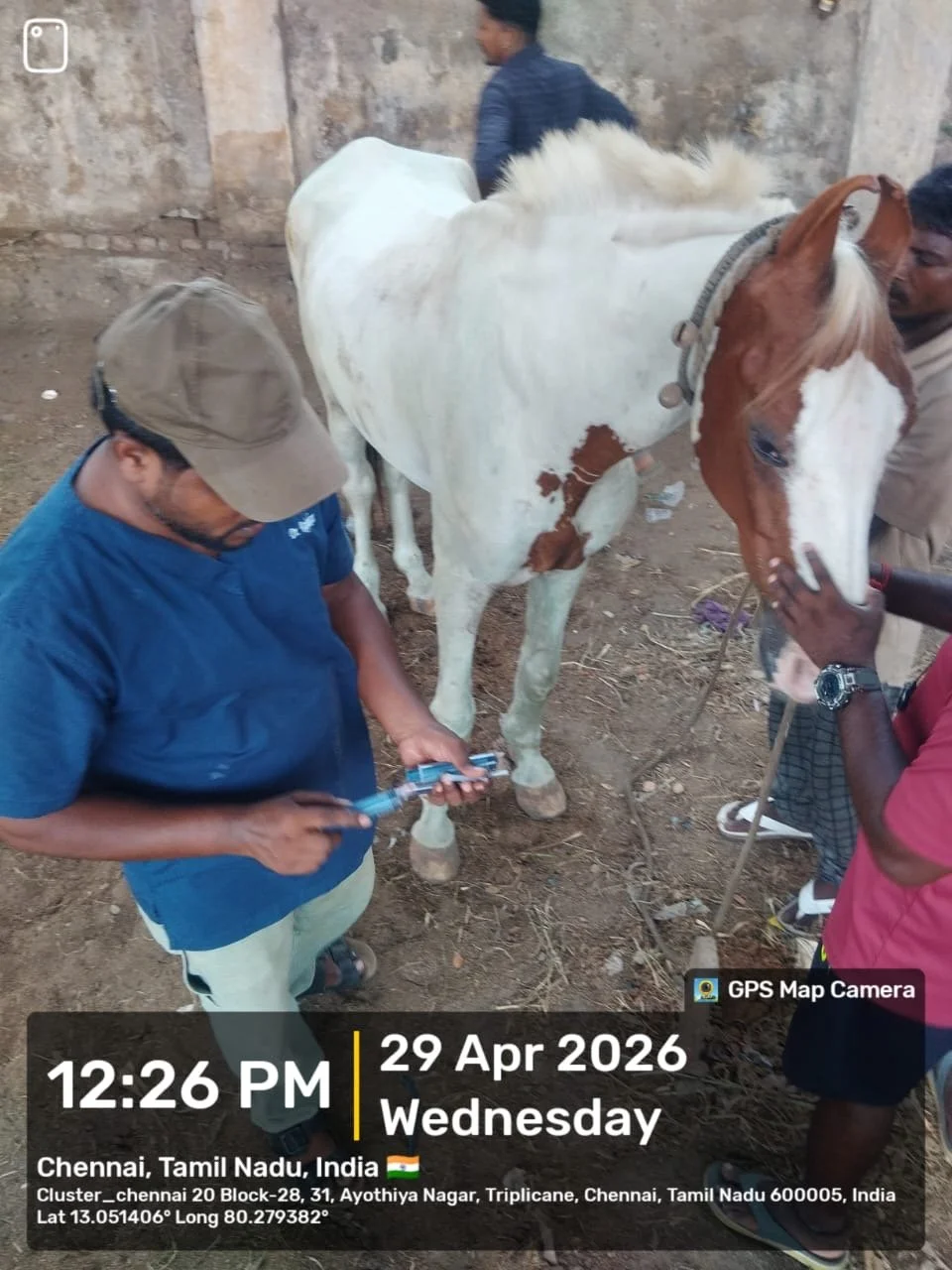
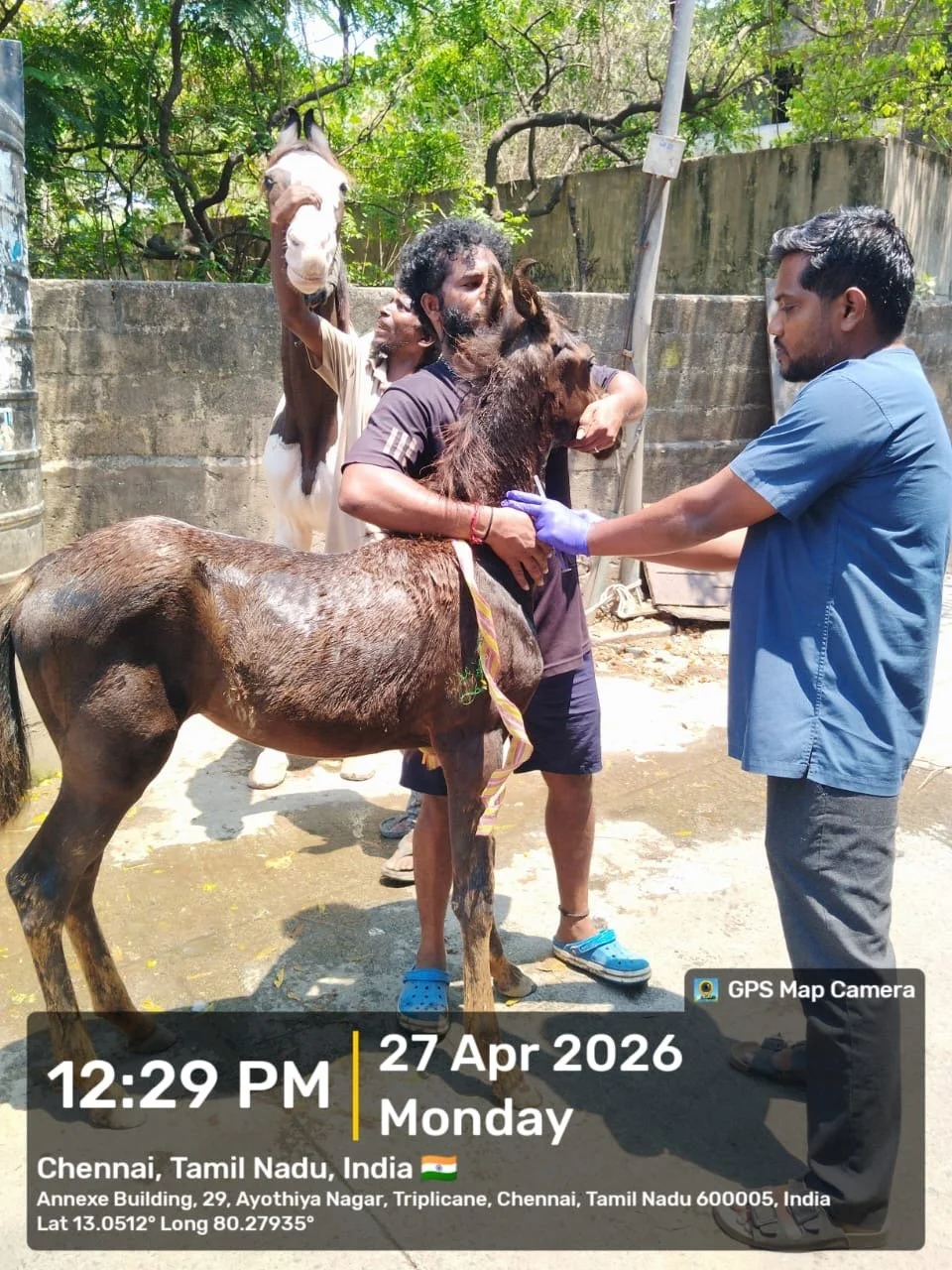
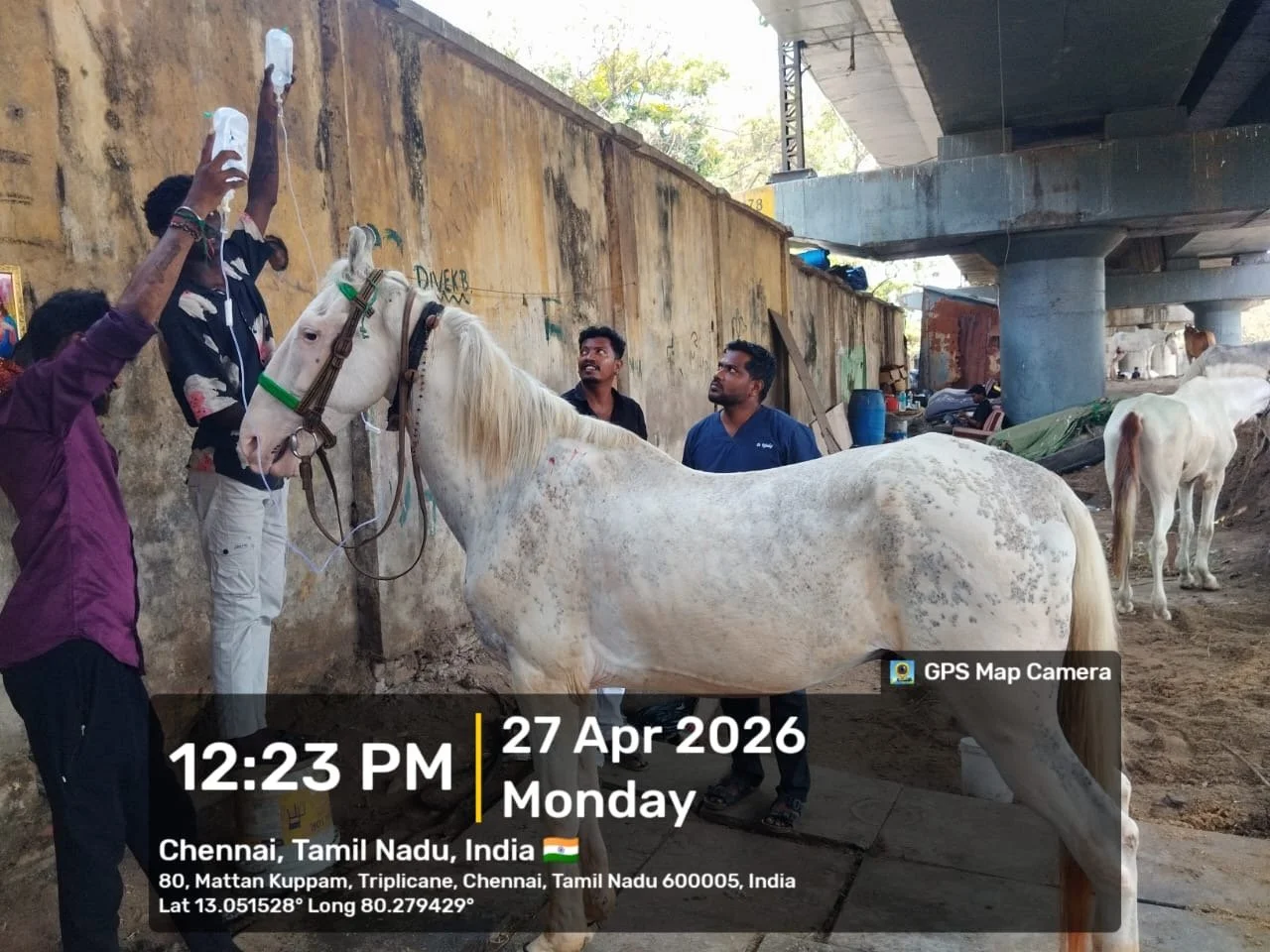
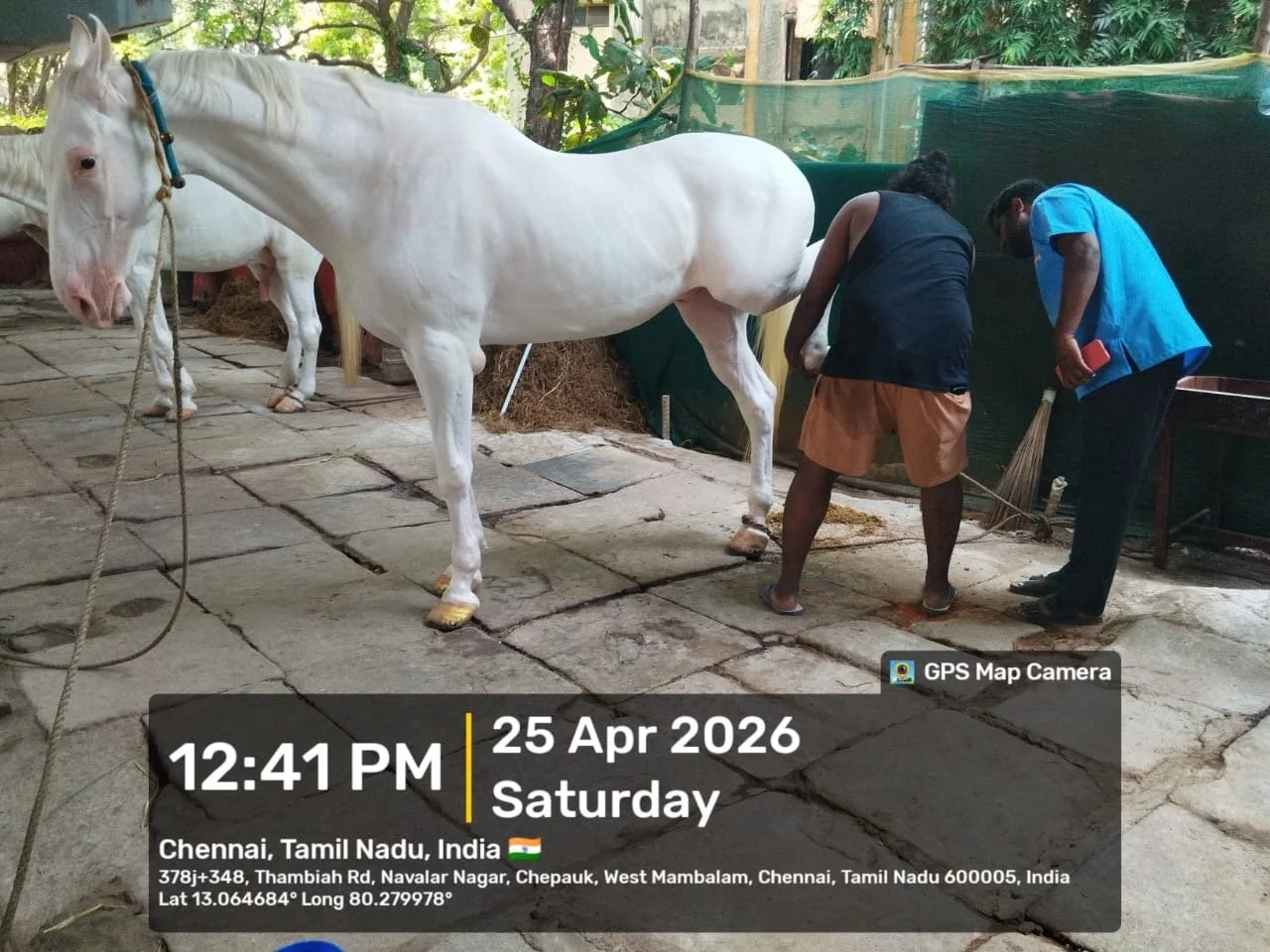
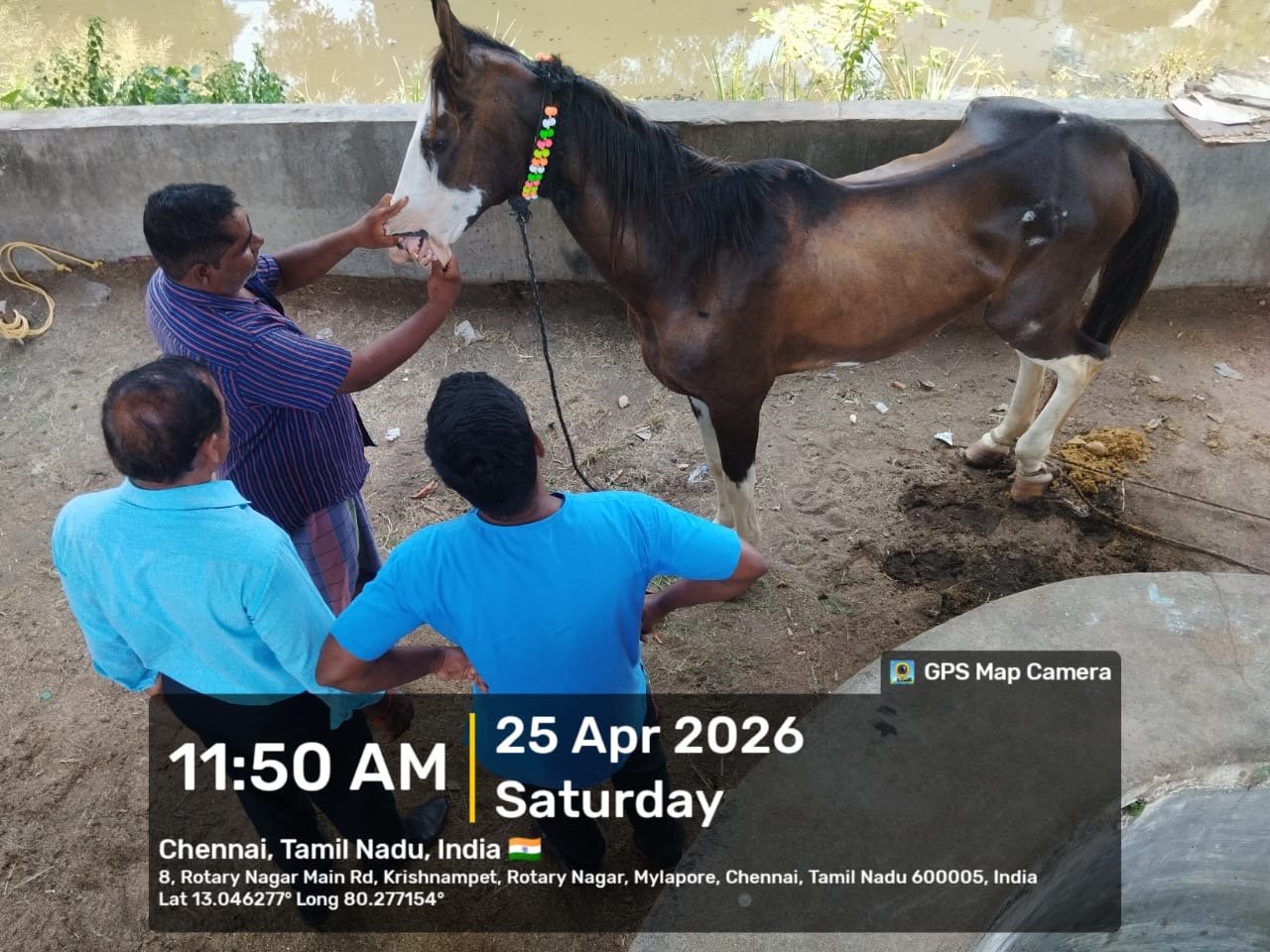
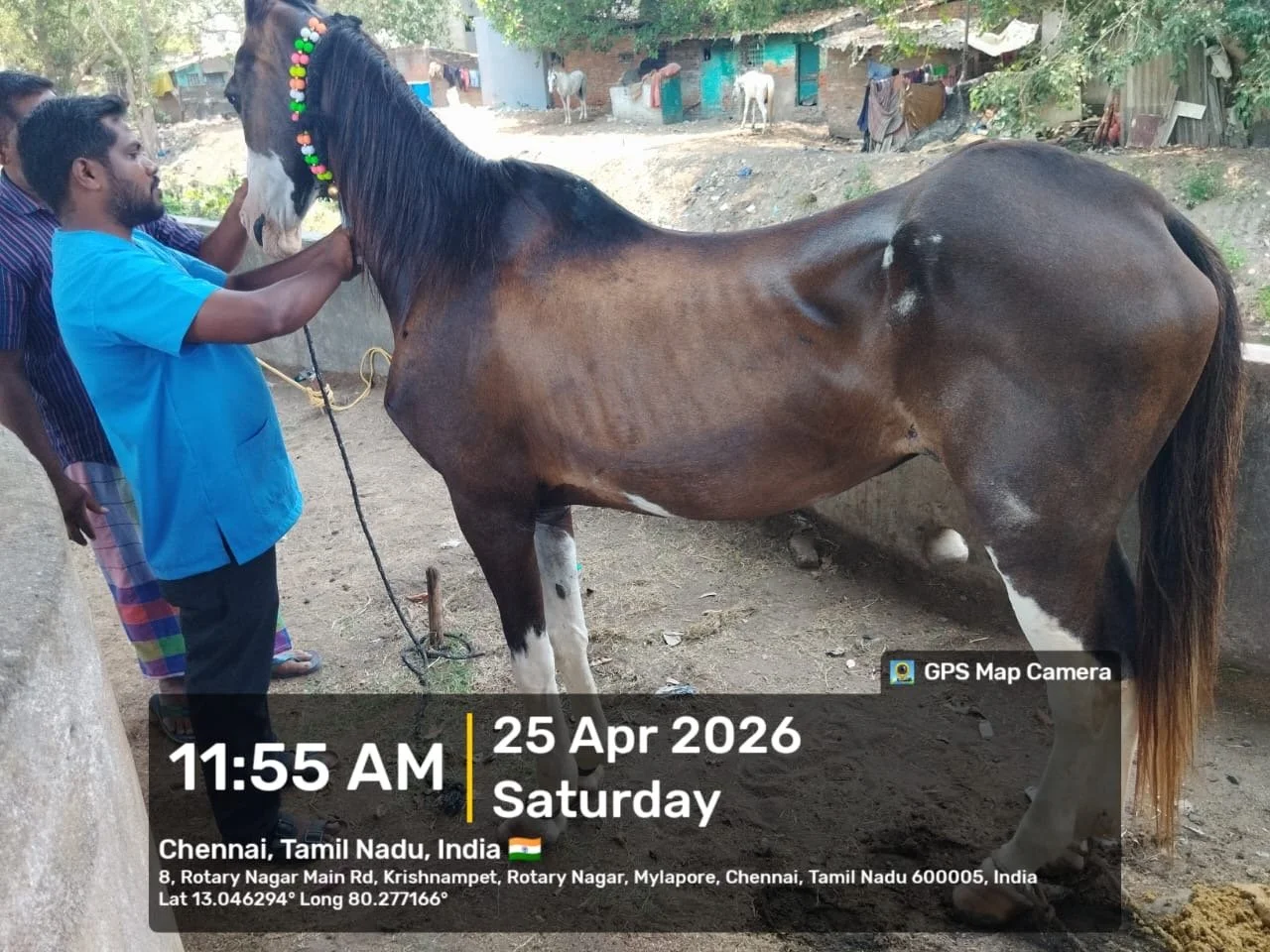
In May, the Mobile Hospital continued its outreach across both rural and urban areas, attending to a higher number of cases than previous months. This reflected the growing demand for field‑based veterinary services.
Key highlights included:
Follow‑up visits that strengthened relationships between veterinary personnel and caregivers, improving treatment compliance.
Timely veterinary treatment and nutritious feed for all working animals housed in the shelter.
Support for operational staff, including two veterinarians and para‑veterinary personnel, ensuring continuity of care.
Challenges in Chennai
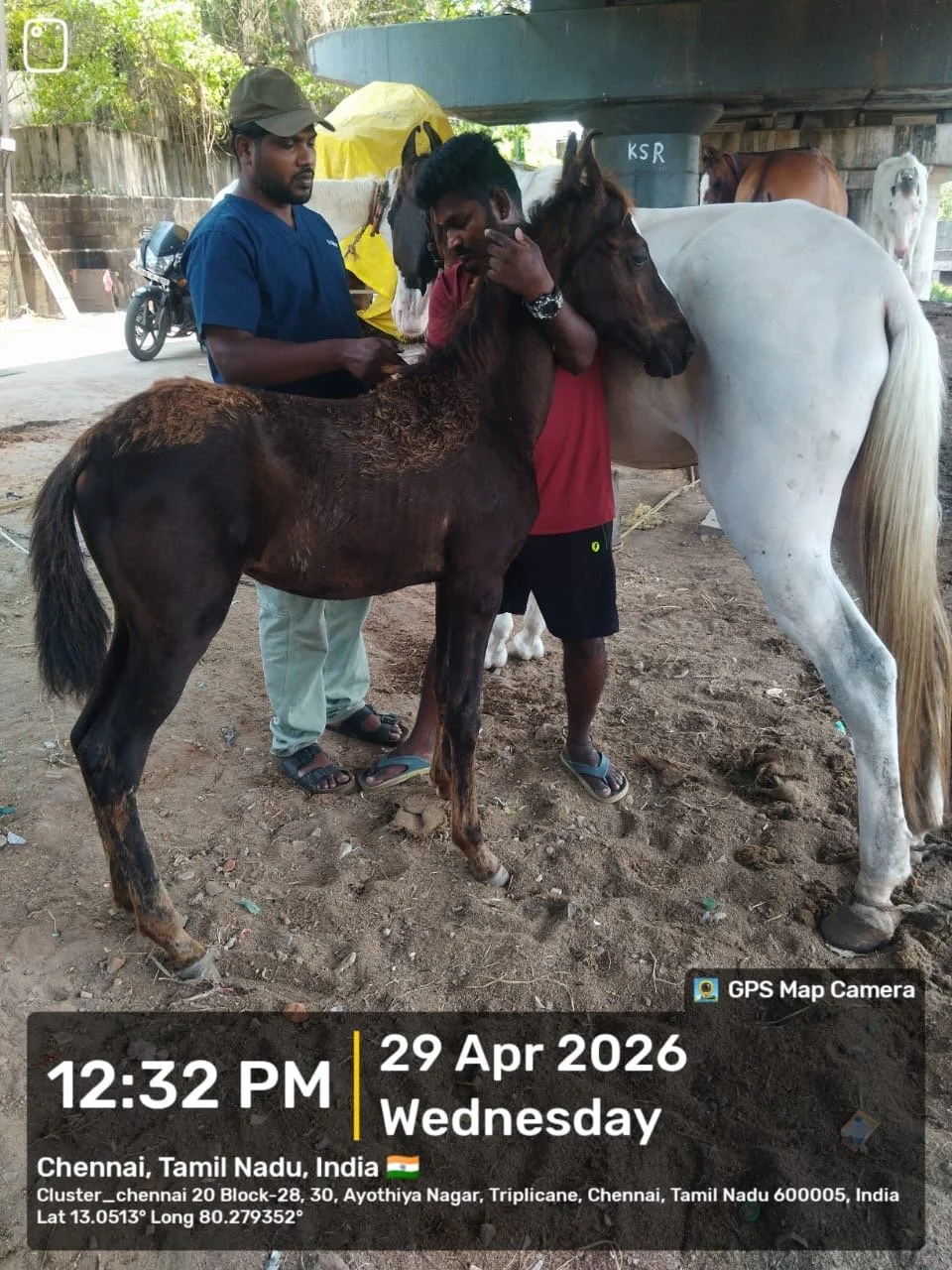
Field operations faced difficulties due to extreme summer heat, which affected both animals and veterinary teams. Locating working animals during outreach visits was often challenging, and caregiver unavailability limited timely intervention. In some cases, self‑treatment or delayed veterinary consultation led to complications requiring more extensive medical management.
Case Studies: Compassionate Interventions
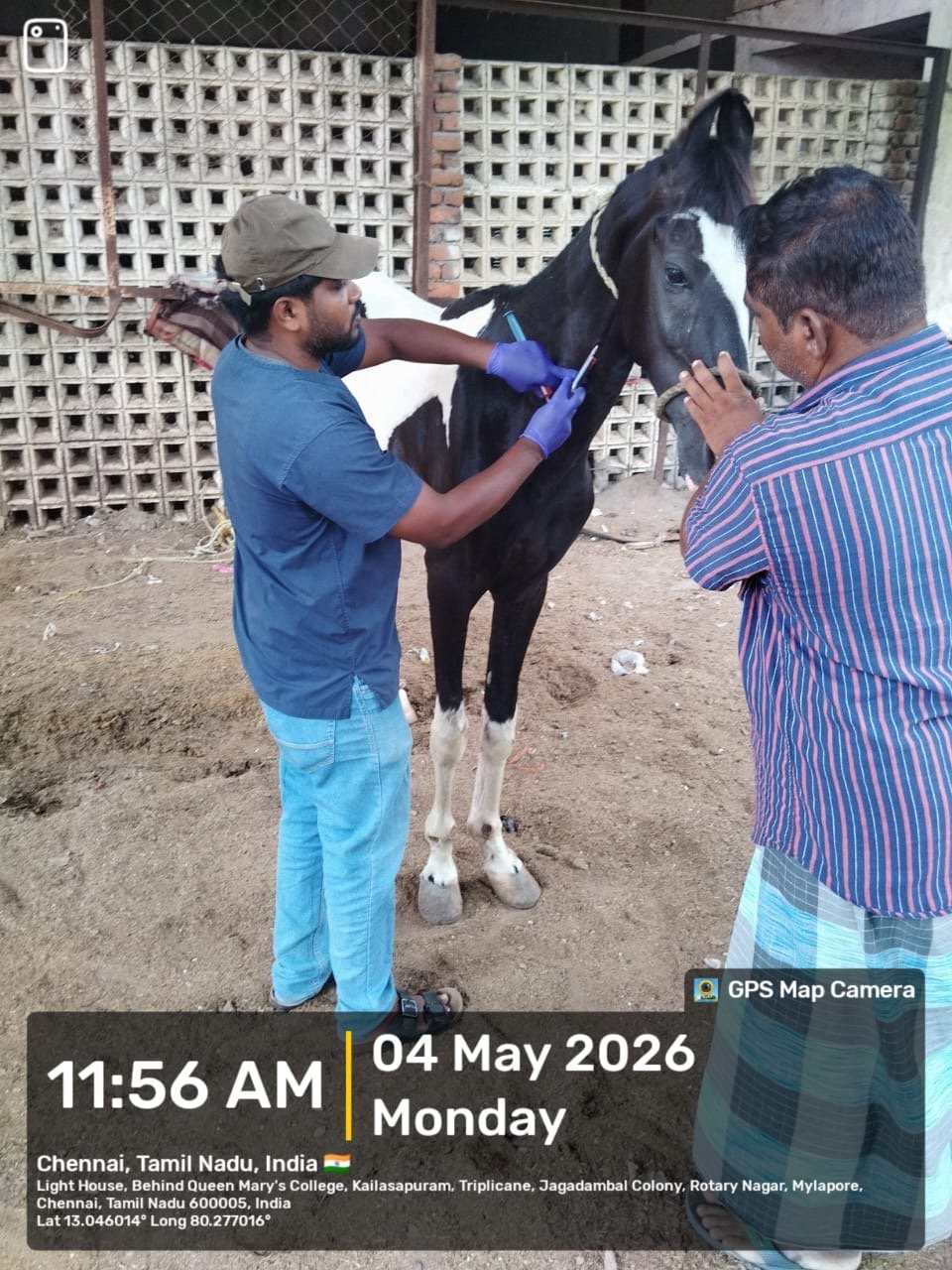
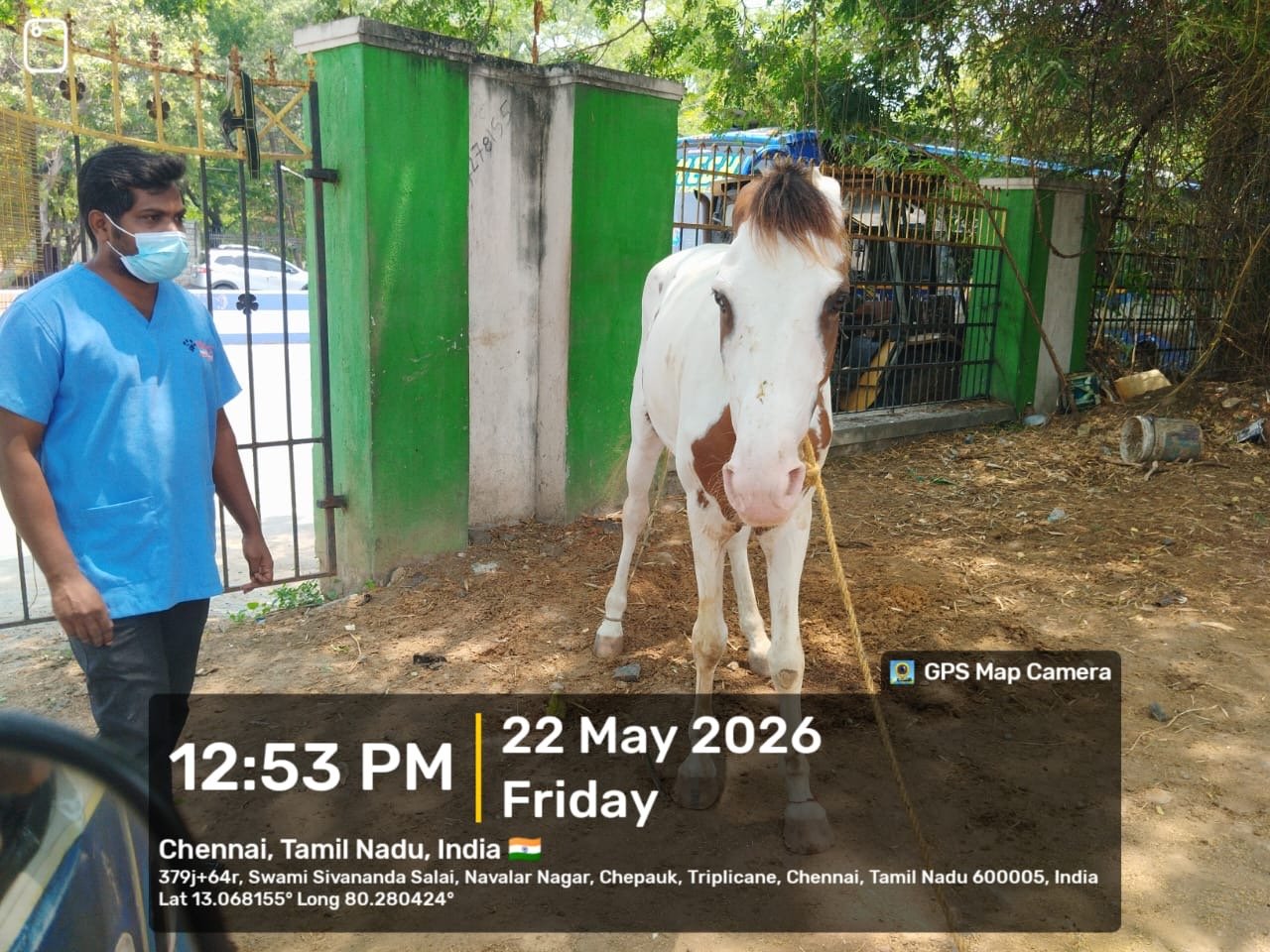
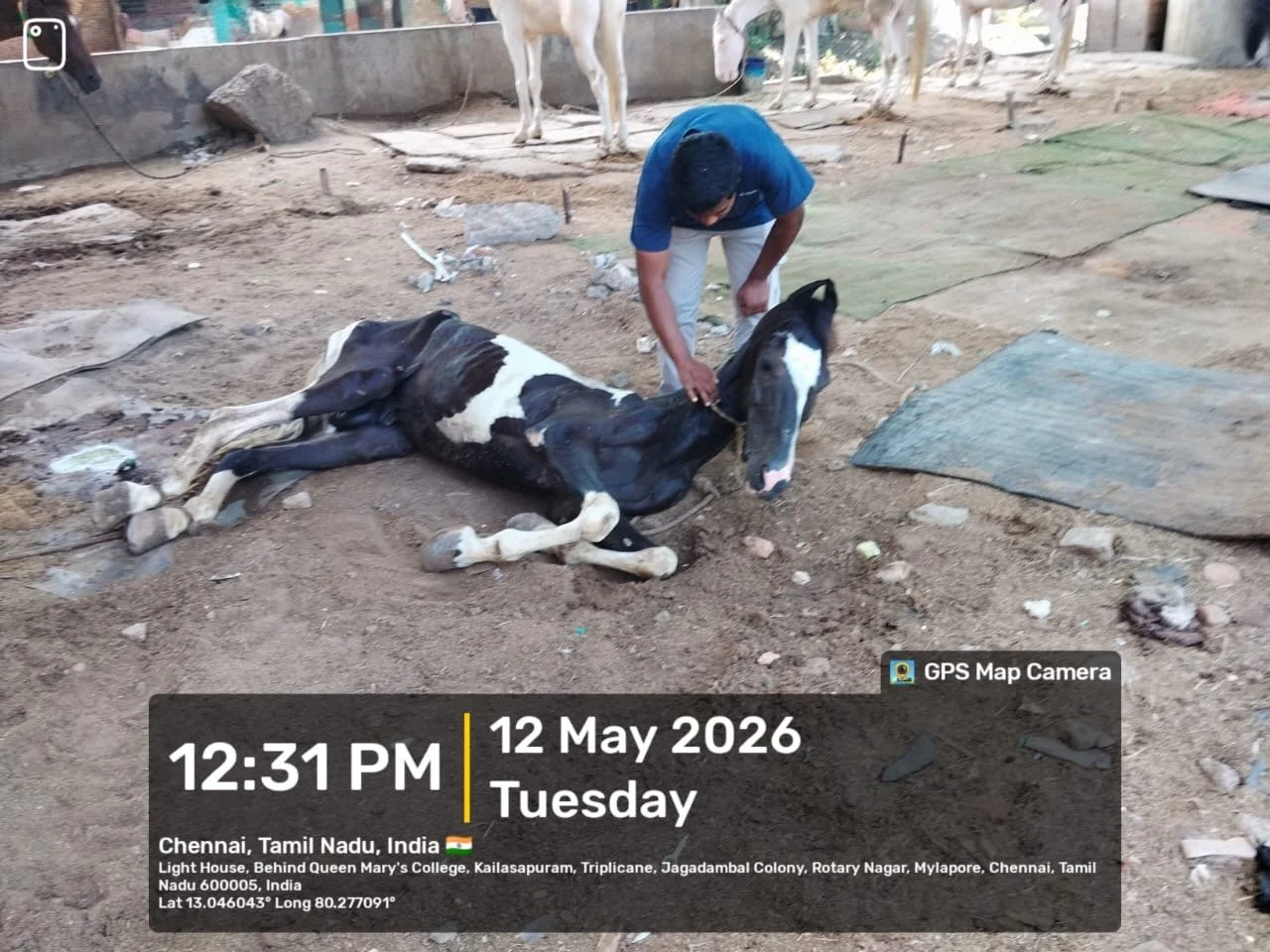
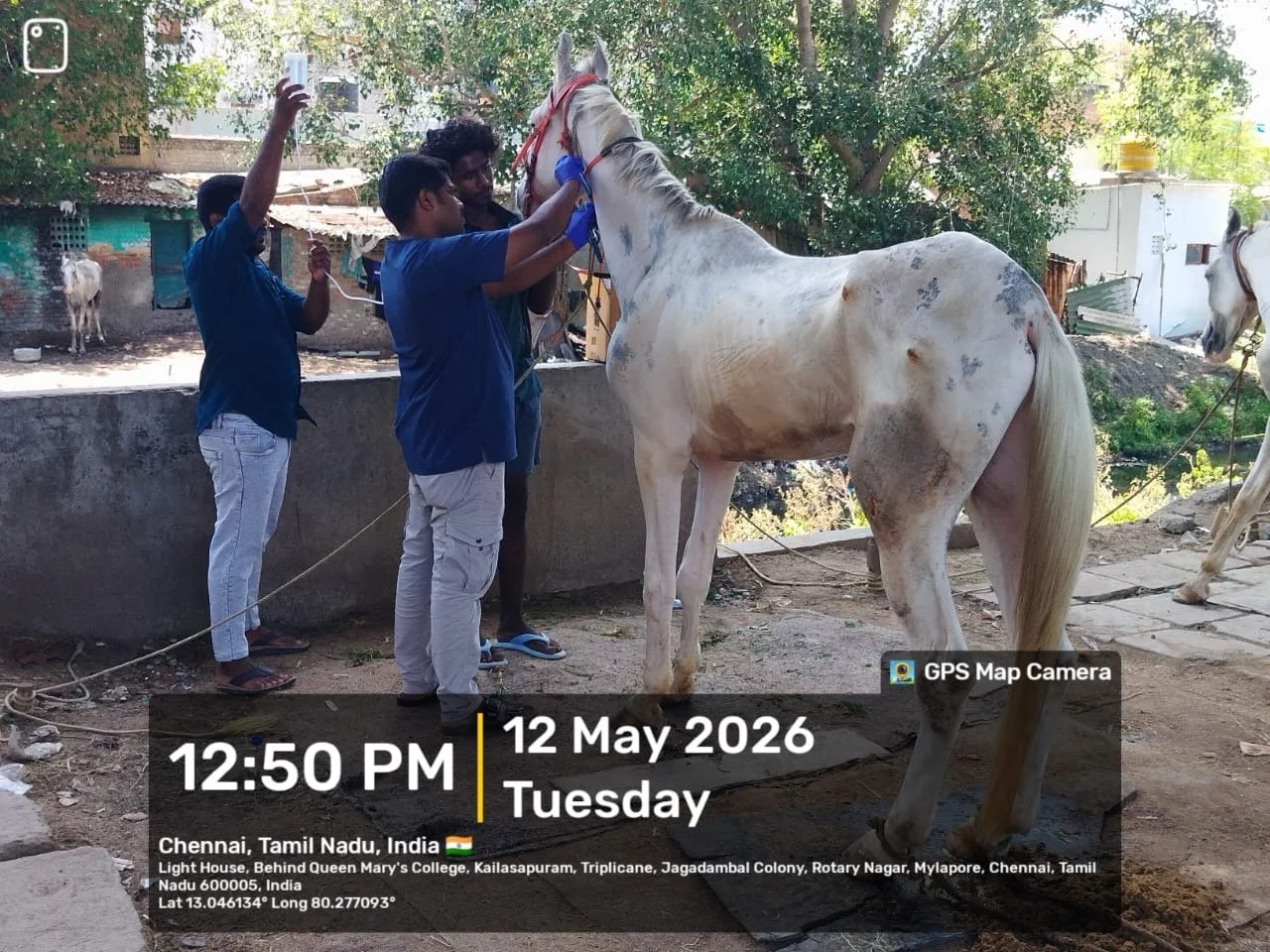
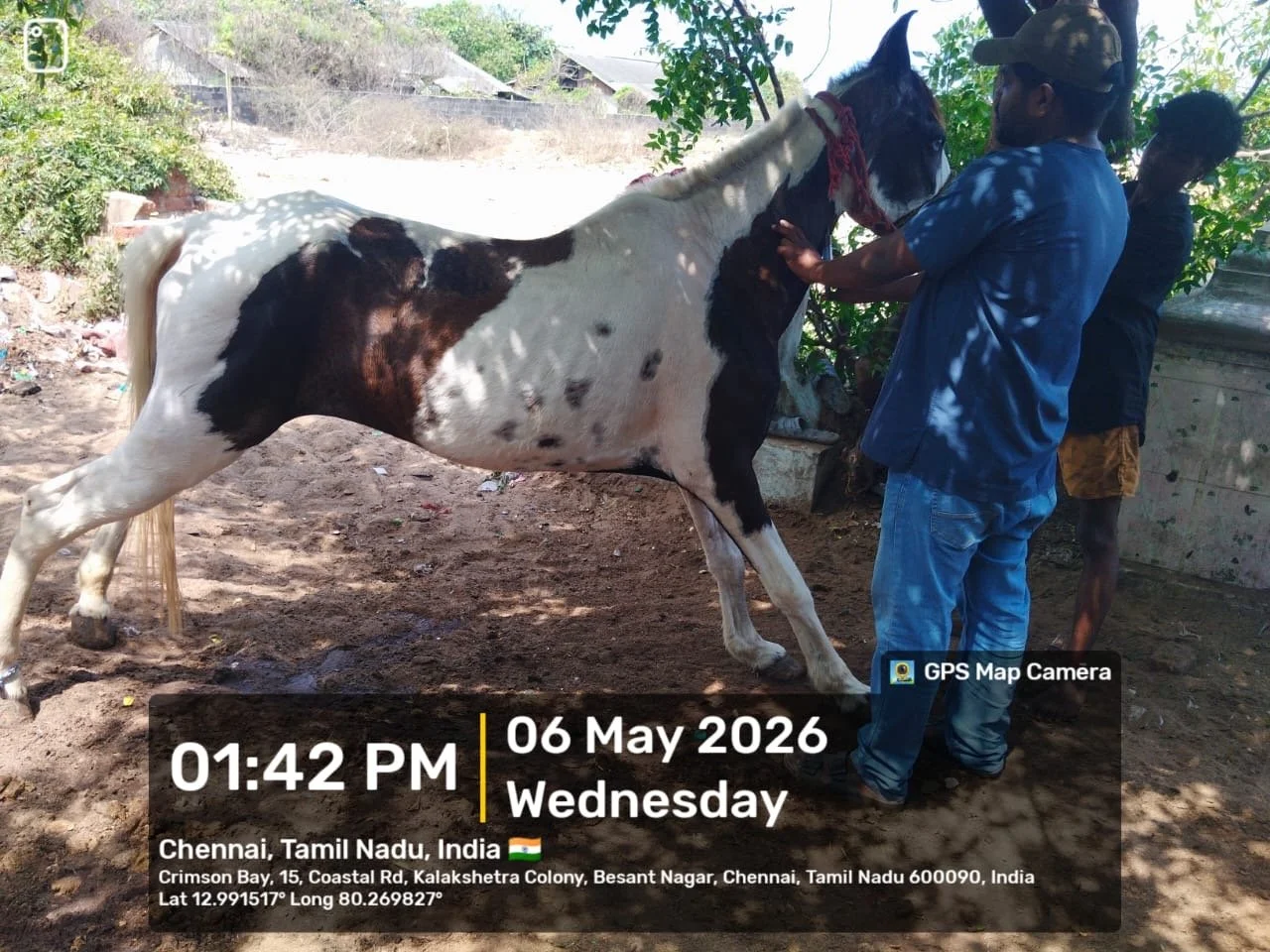
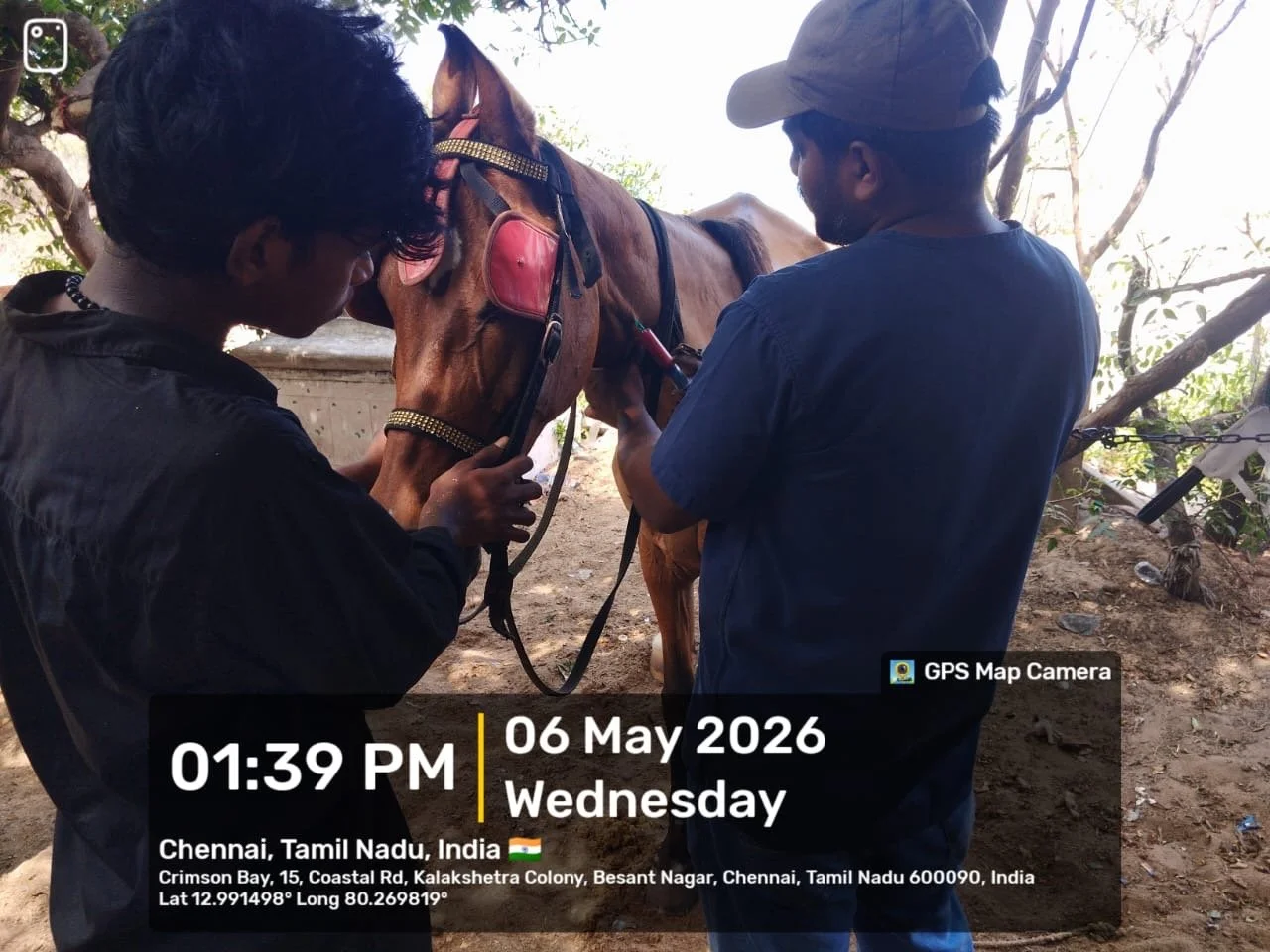
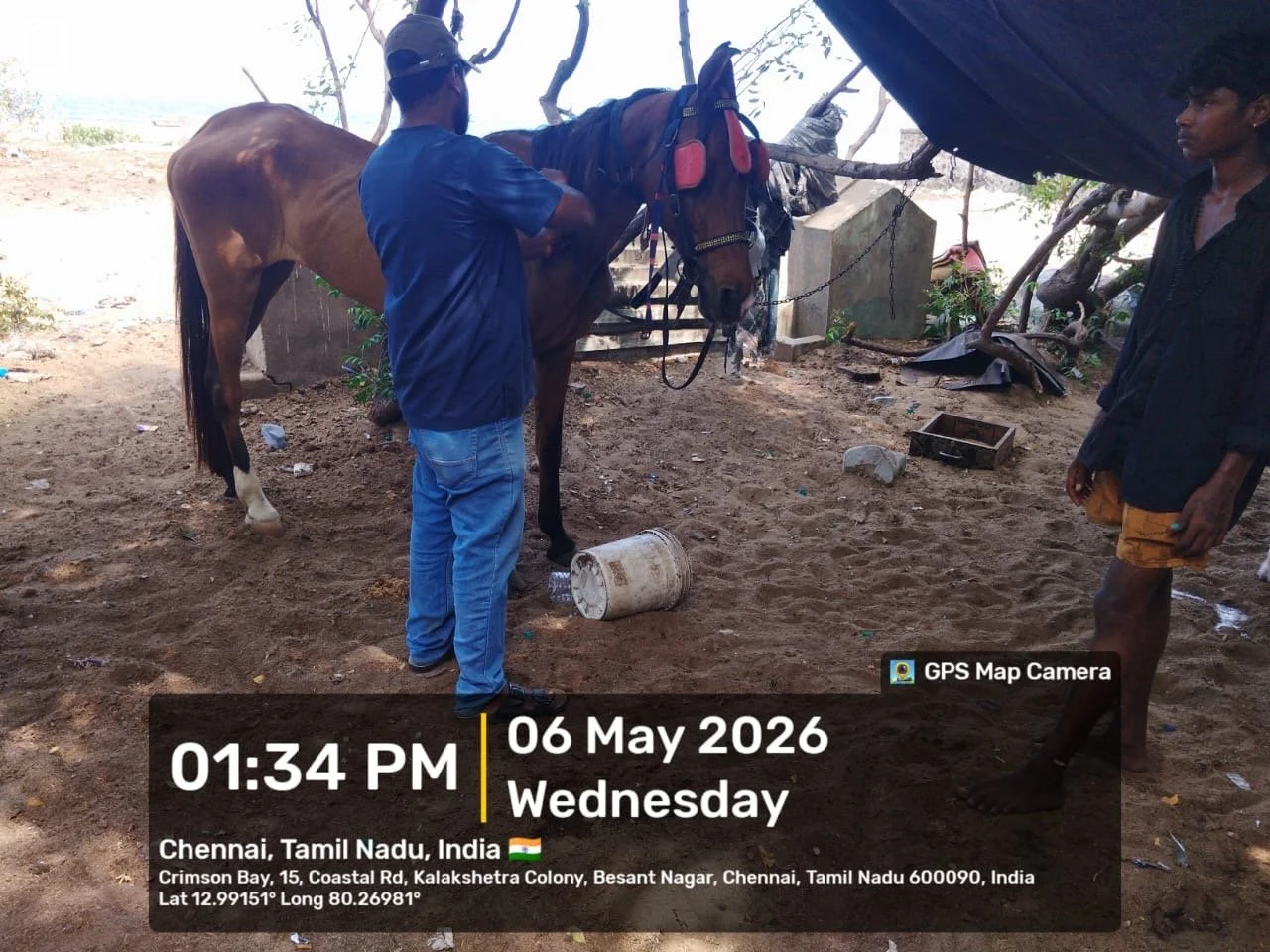
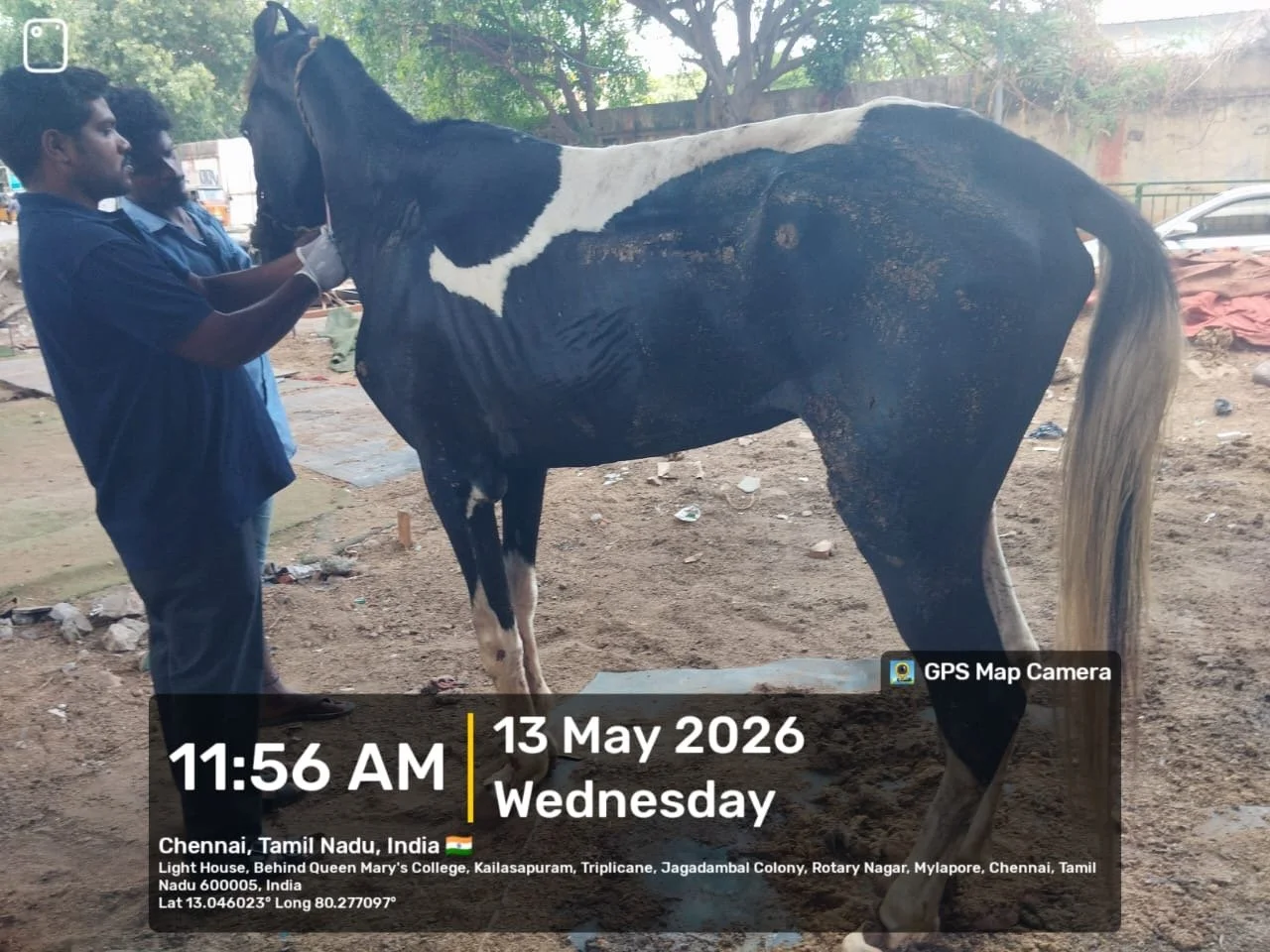
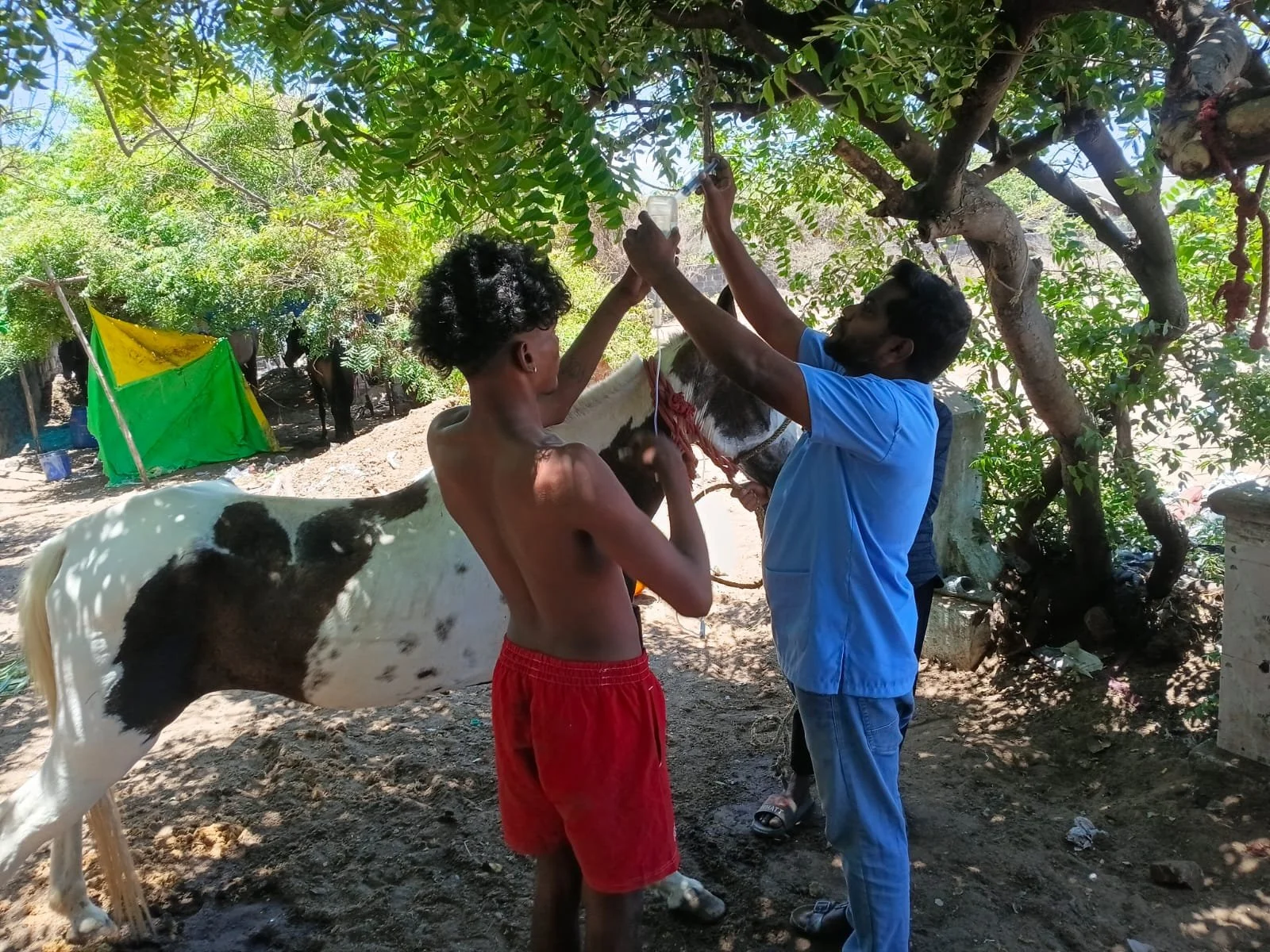
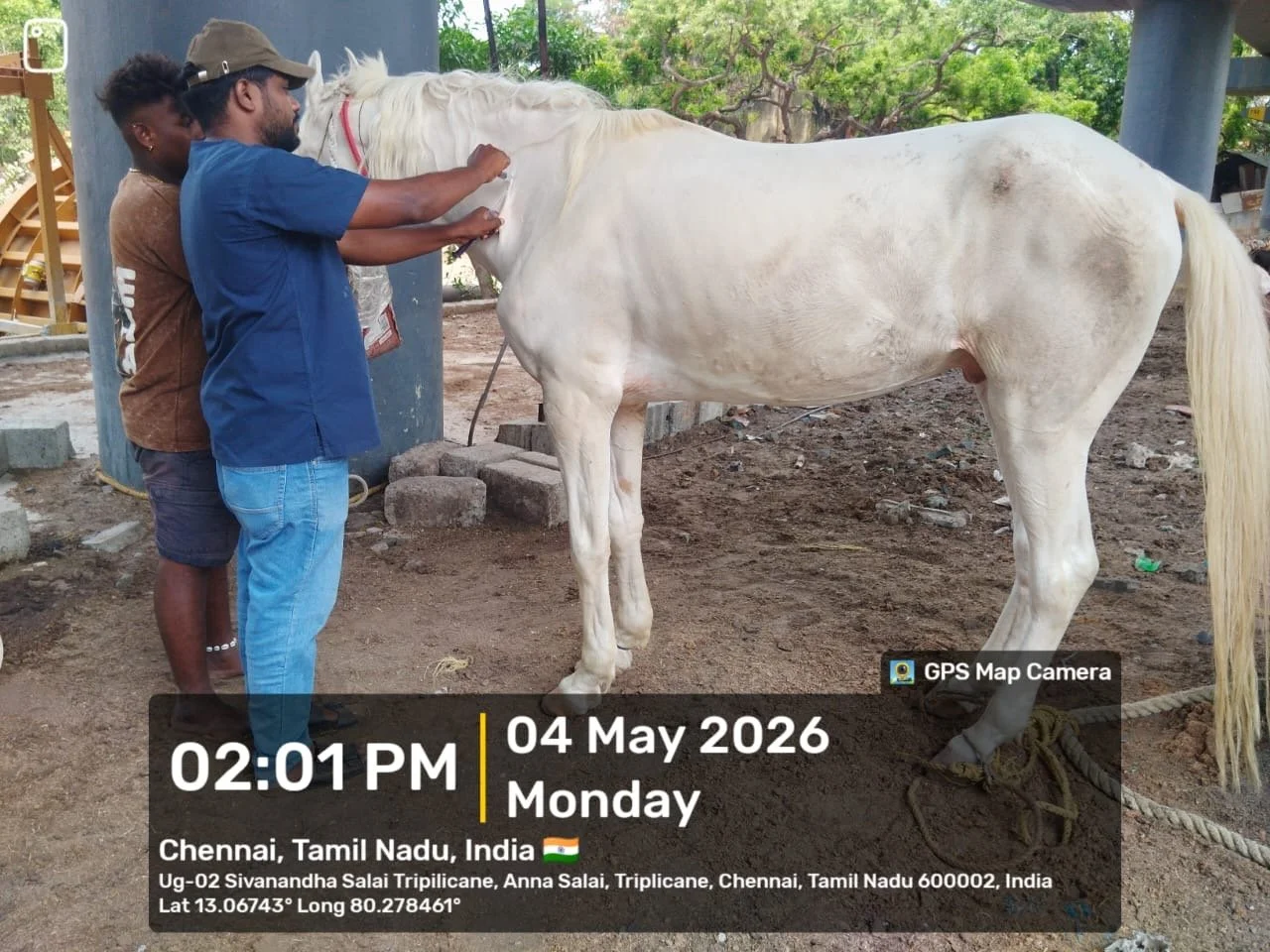
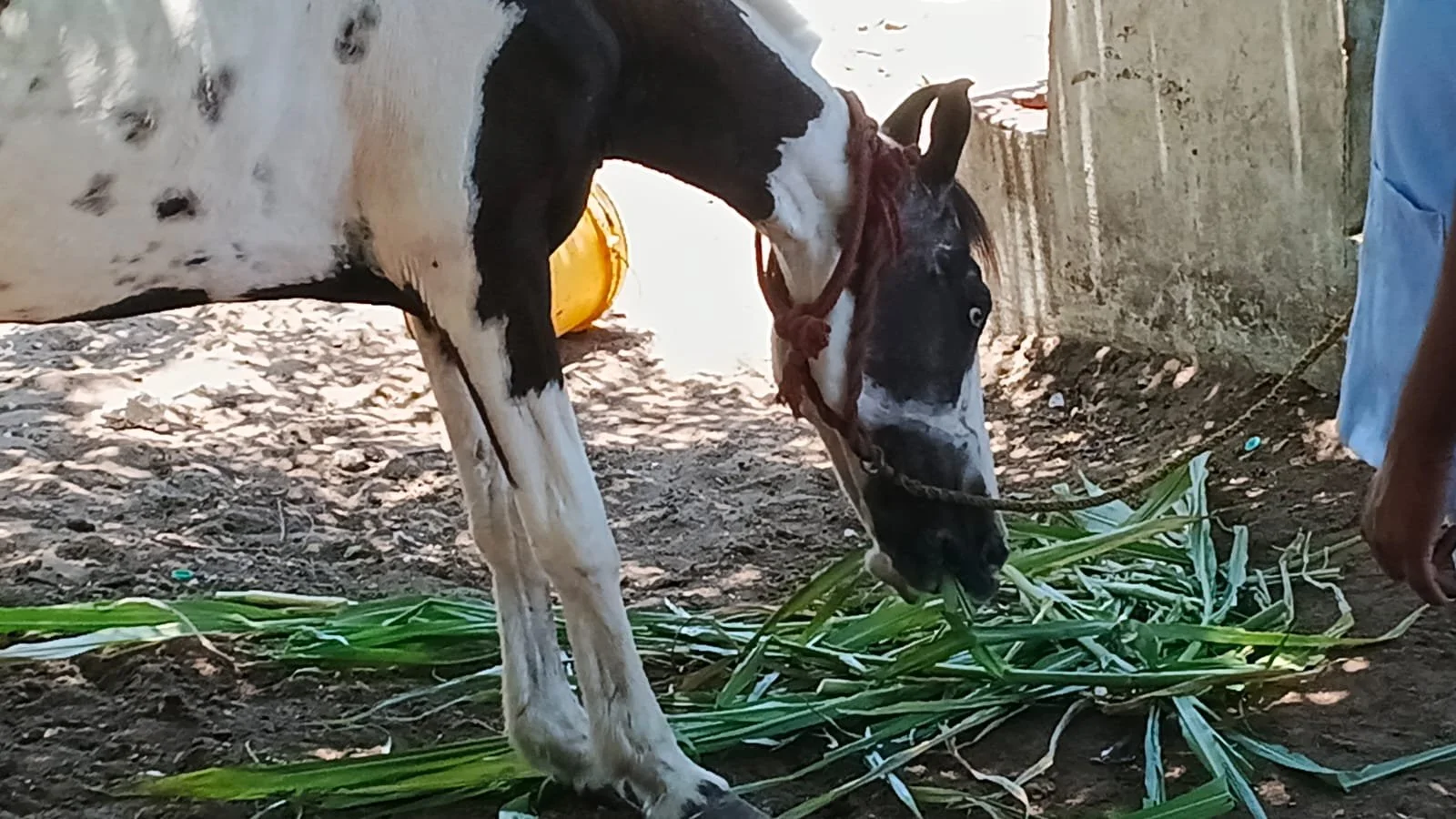
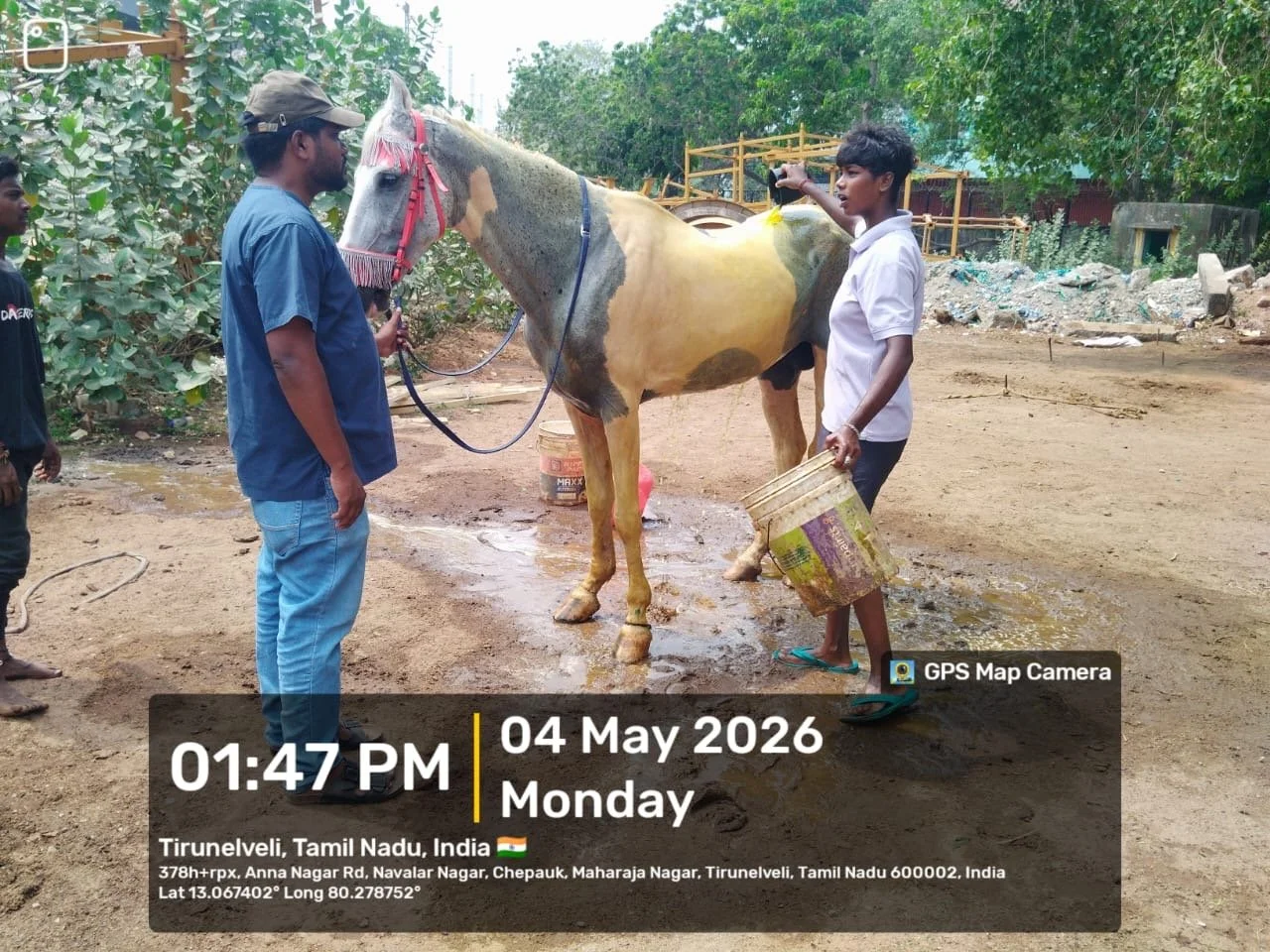
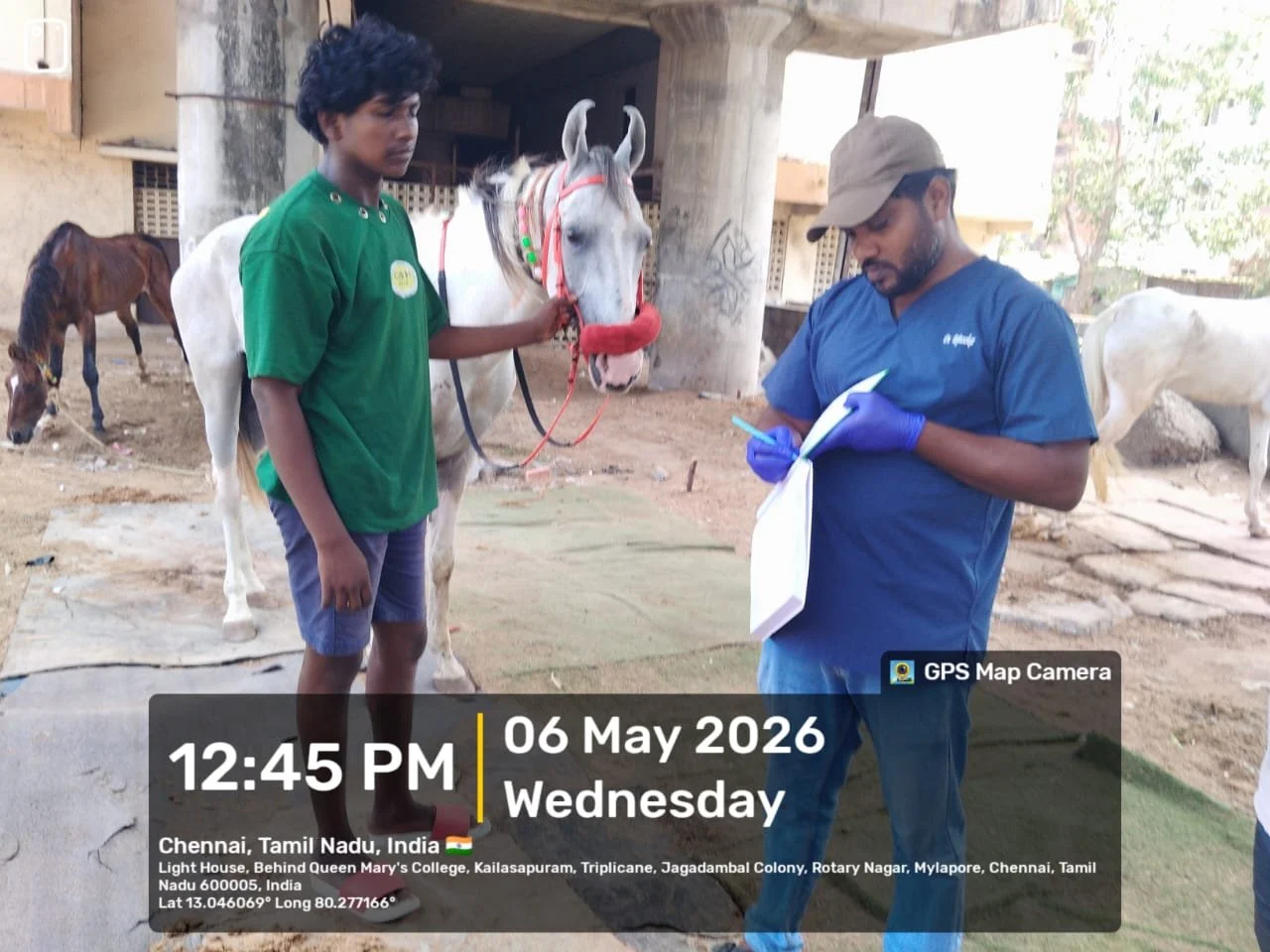
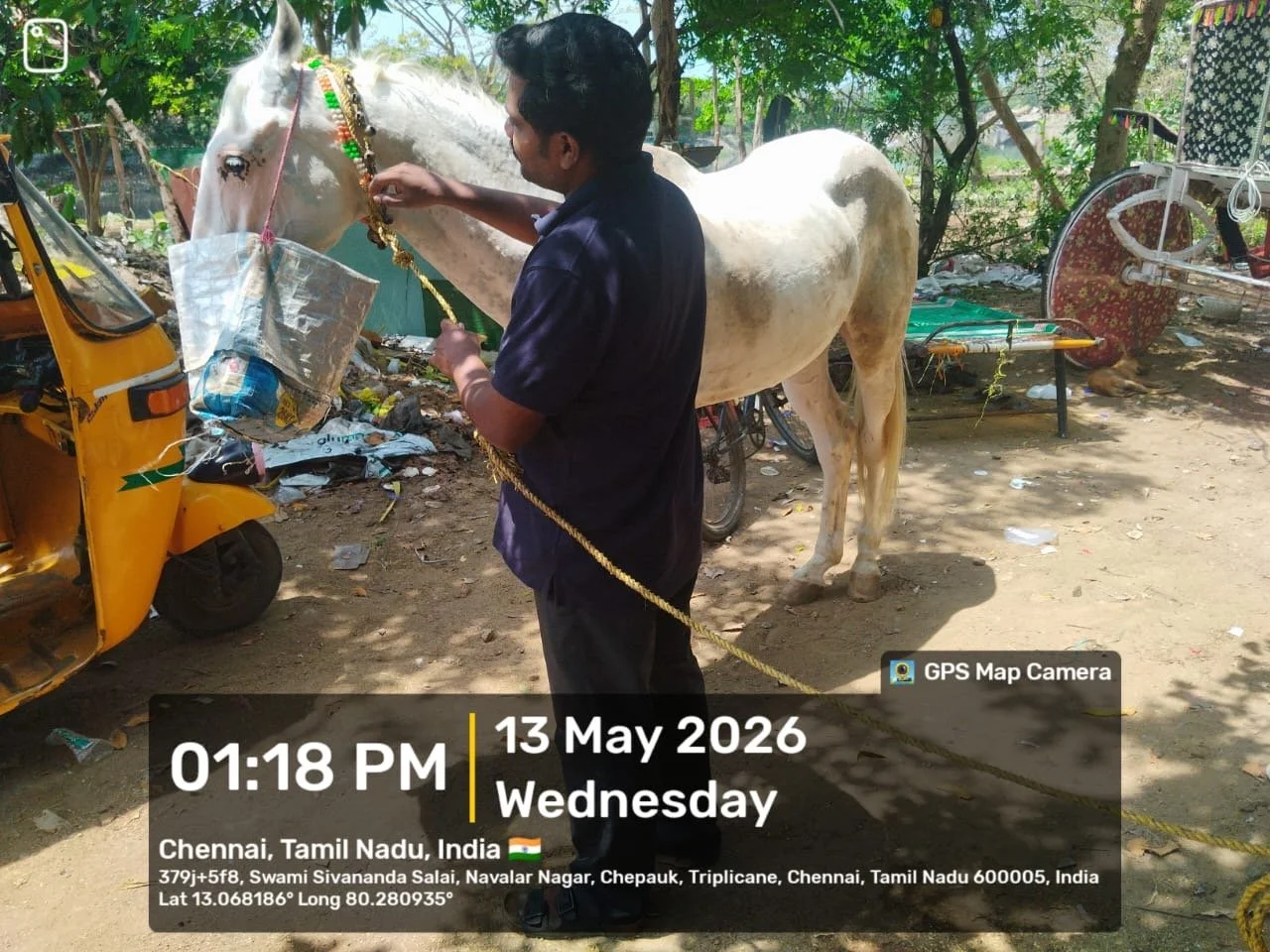
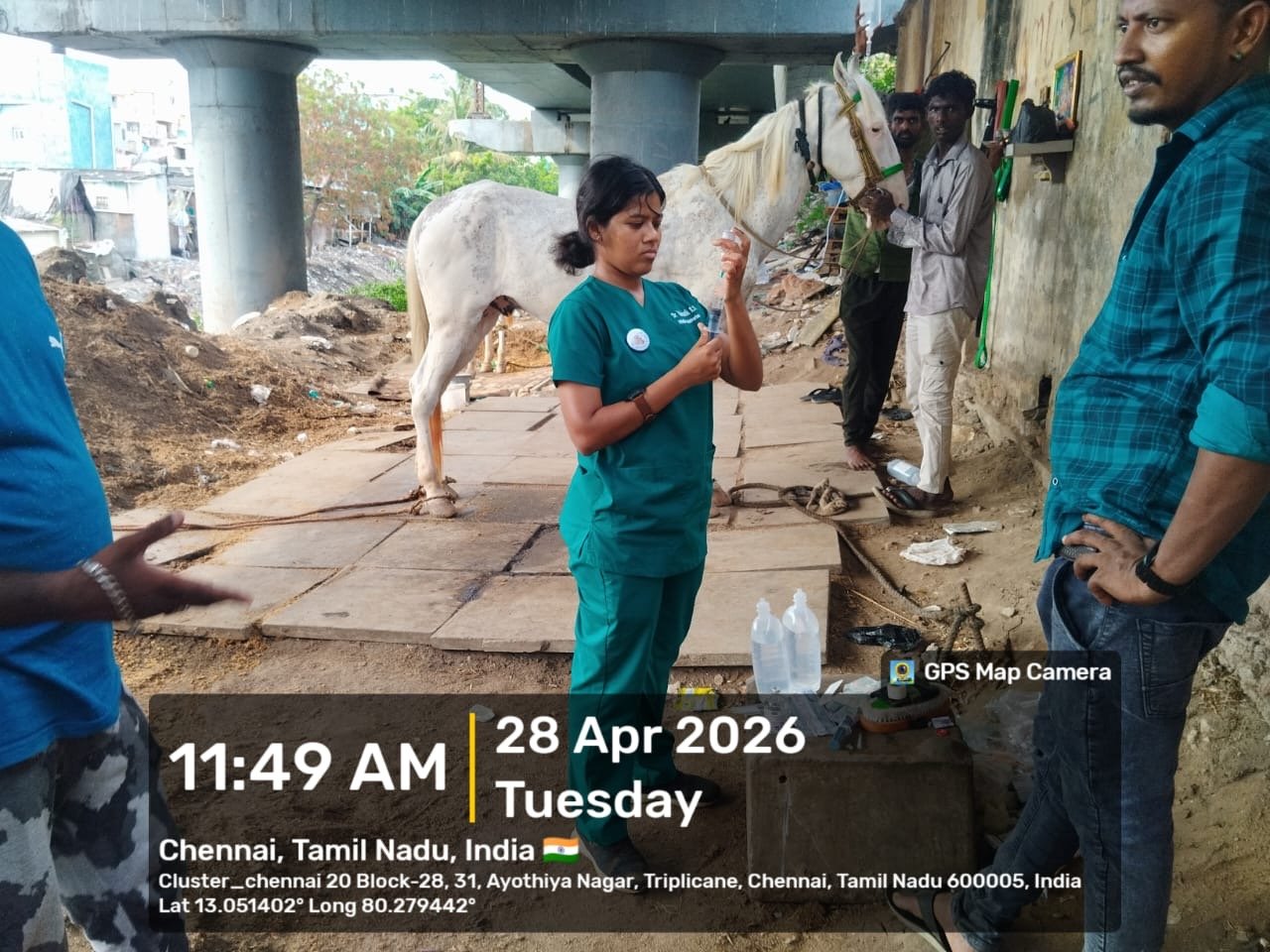
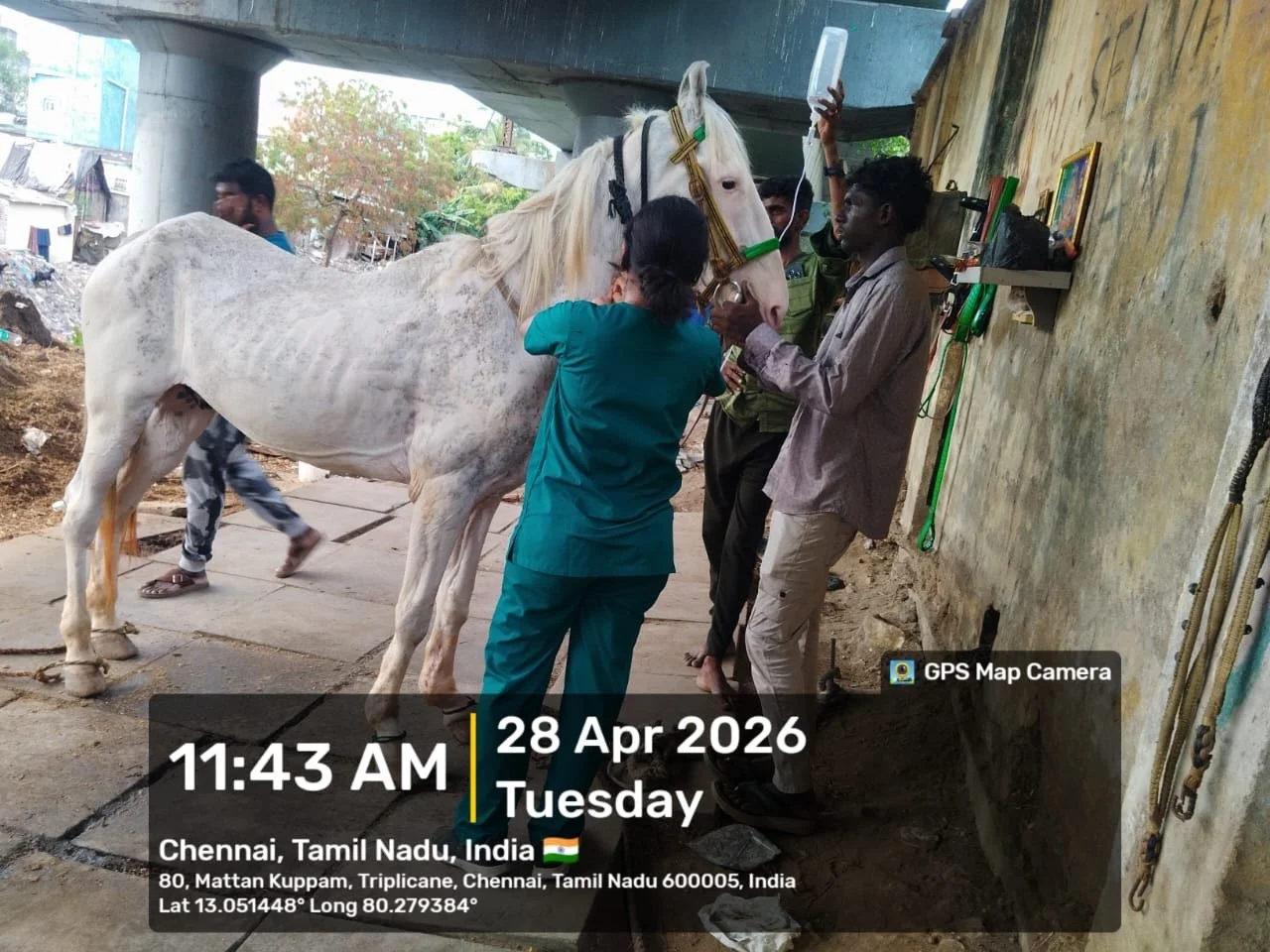
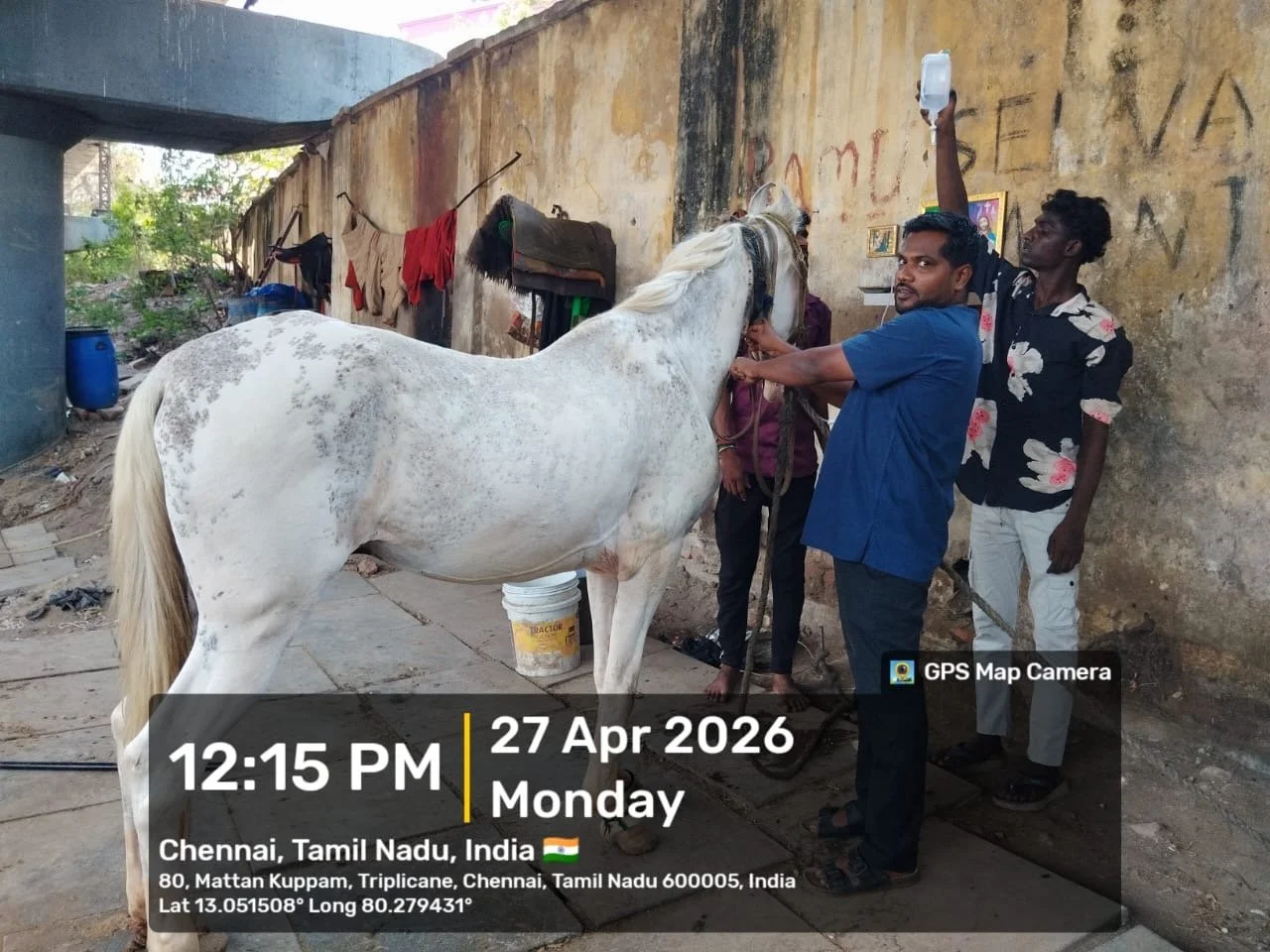
Severe colic in a beach horse: A horse providing joyrides along Chennai’s Triplicane beach developed life‑threatening colic. BCI’s veterinary team performed a nasogastric intubation to decompress the stomach and stabilize the animal. With supportive care and monitoring, the horse recovered.
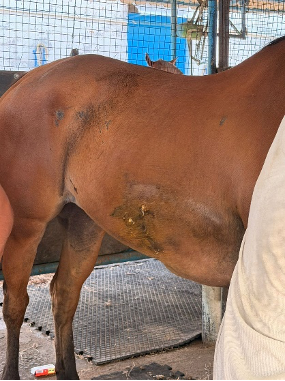
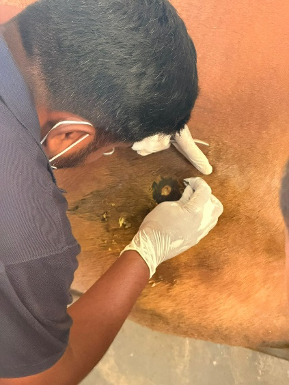
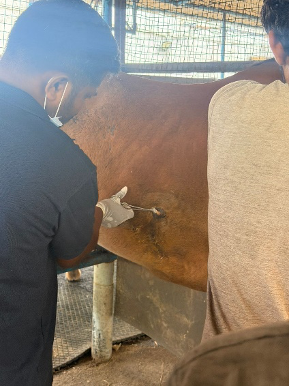
Abdominal abscess in a working horse: Another beach horse developed a painful abscess. The Mobile Hospital responded promptly, cleaning and draining the wound, administering antibiotics and pain relief, and guiding the caregiver on hygiene and follow‑up care. The horse made a full recovery.
Case Studies: Compassionate Interventions
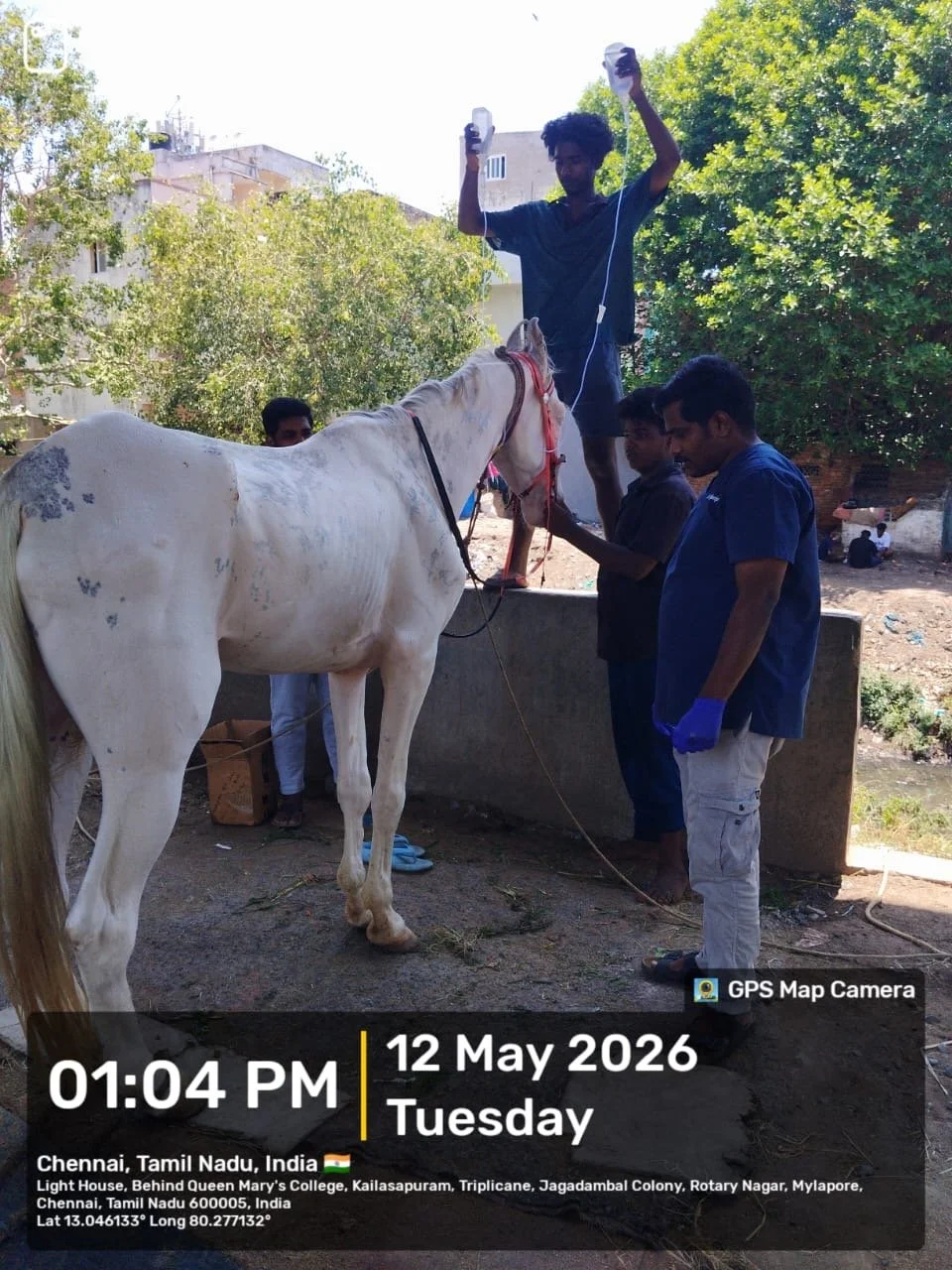
Severe colic in a beach horse: A horse providing joyrides along Chennai’s Triplicane beach developed life‑threatening colic. BCI’s veterinary team performed a nasogastric intubation to decompress the stomach and stabilize the animal. With supportive care and monitoring, the horse recovered.
Abdominal abscess in a working horse: Another beach horse developed a painful abscess. The Mobile Hospital responded promptly, cleaning and draining the wound, administering antibiotics and pain relief, and guiding the caregiver on hygiene and follow‑up care. The horse made a full recovery.
Turning Burden into Care
Through this partnership, AAA and BCI are proving that local partnerships are the key to global change. By combining mobile clinics, shelter care, and community engagement, we are ensuring that working animals in Chennai receive comfort, dignity, and protection.
Thank you for your ongoing support. Together, we are alleviating suffering and reaching hundreds of working animals across Chennai, India.