Offering Care, Compassion and Dignity for South Africa’s Working Animals
In June, Blind Love, supported by Animal Aid Abroad, provided veterinary care for 76 horses and 18 donkeys through outreach clinics and intensive rehabilitation at their Care Stations. Their work is transforming suffering into compassion and dignity for working animals across South Africa.
Working Horse Programme
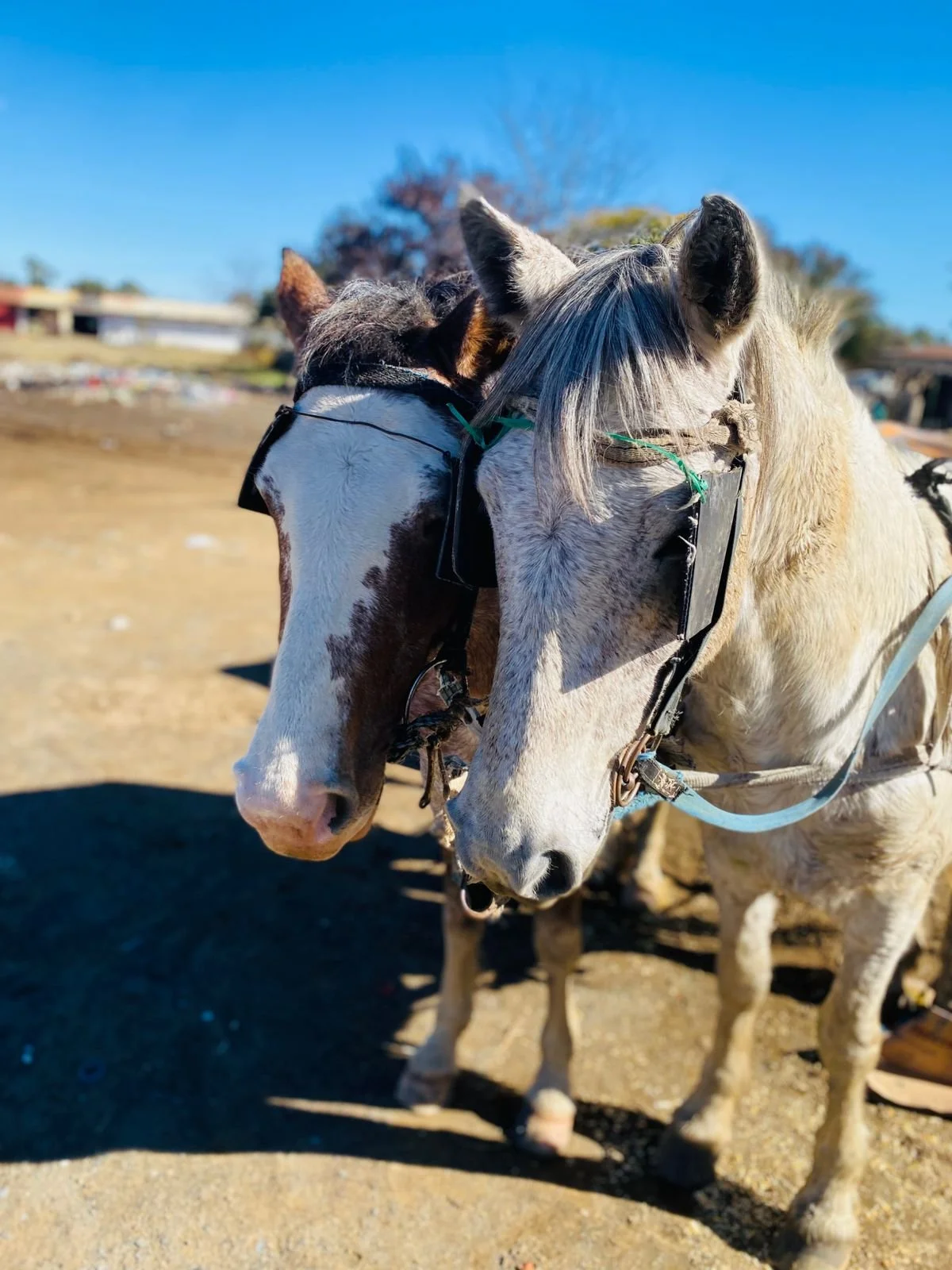
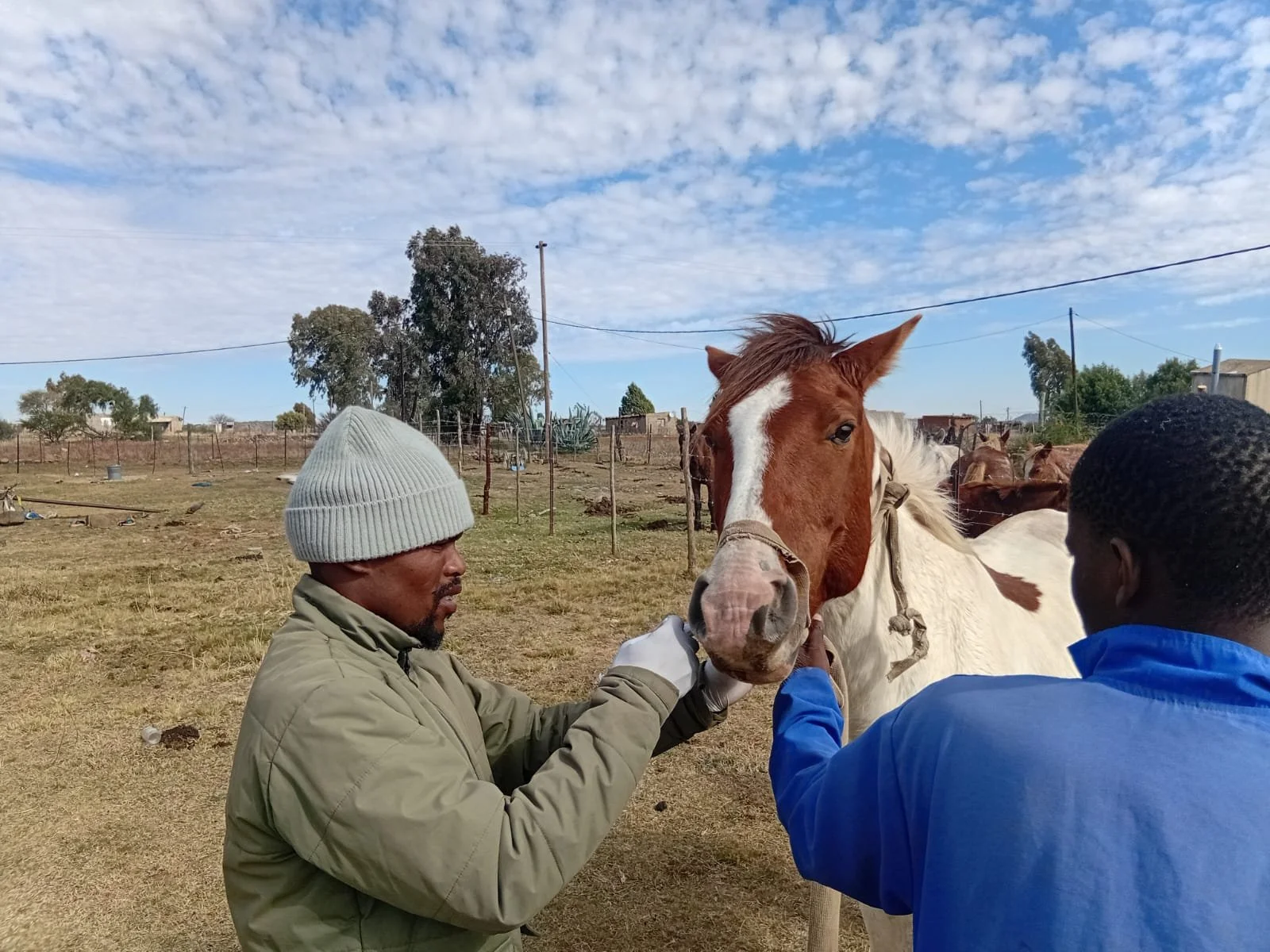
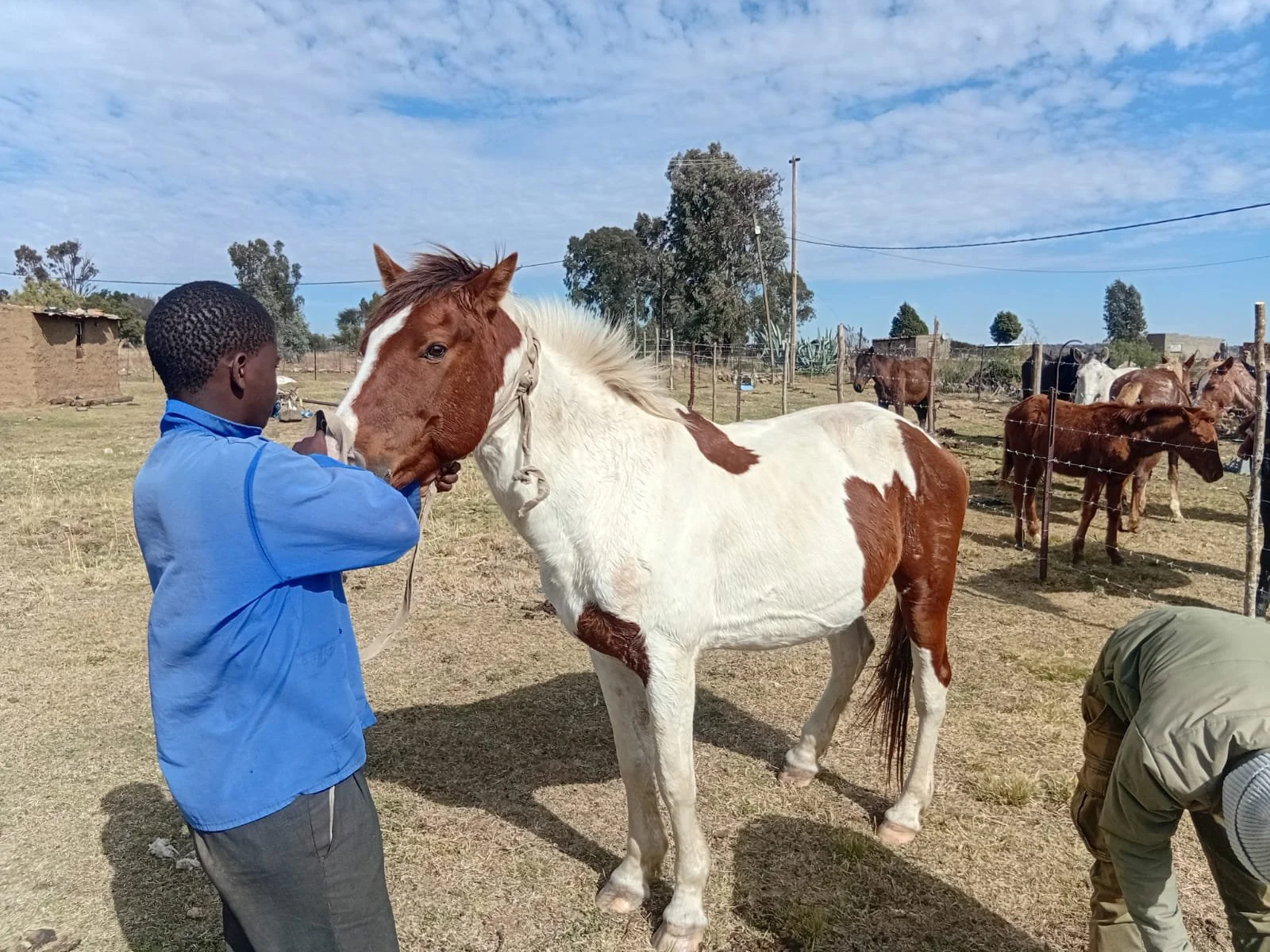
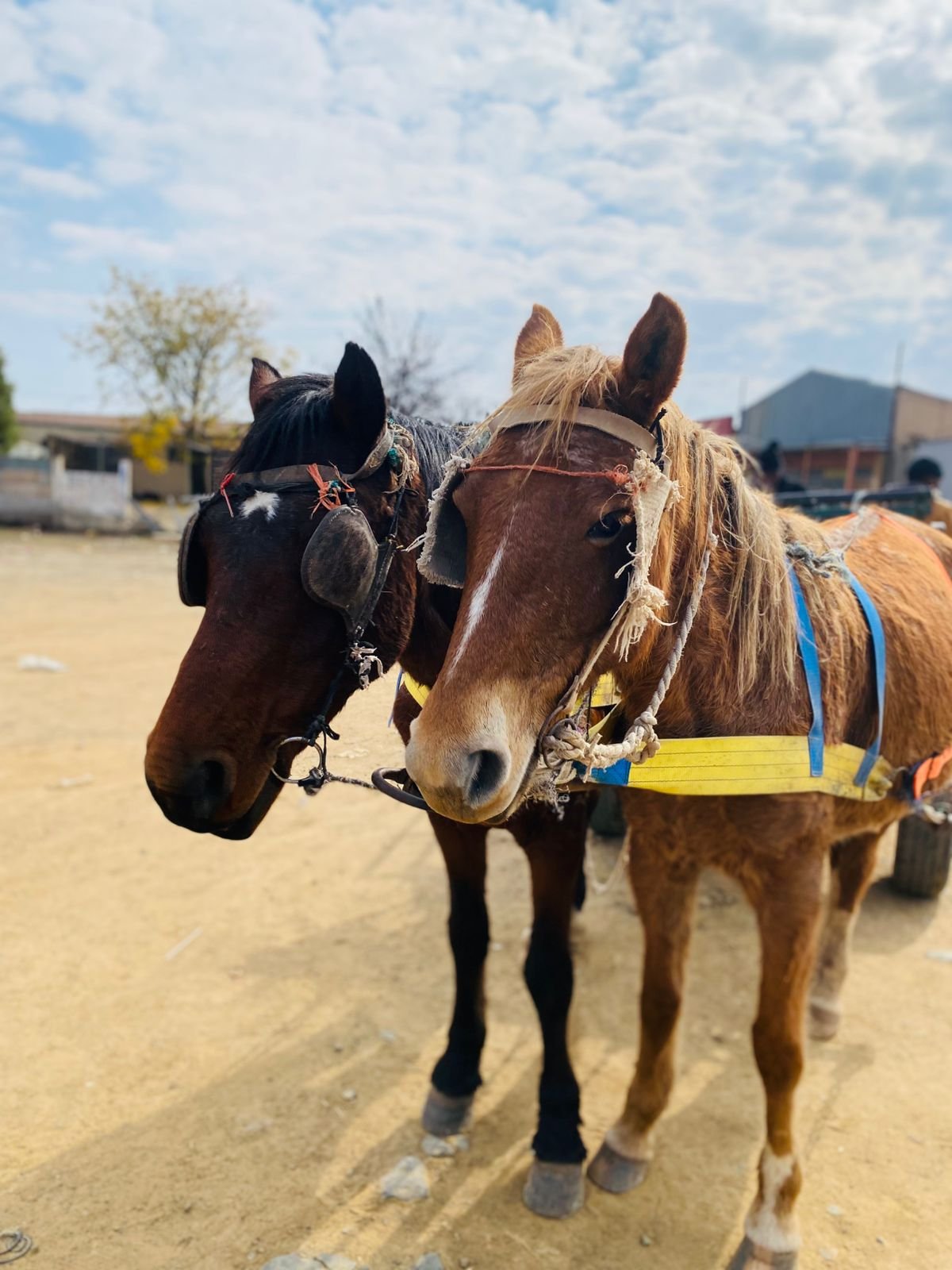
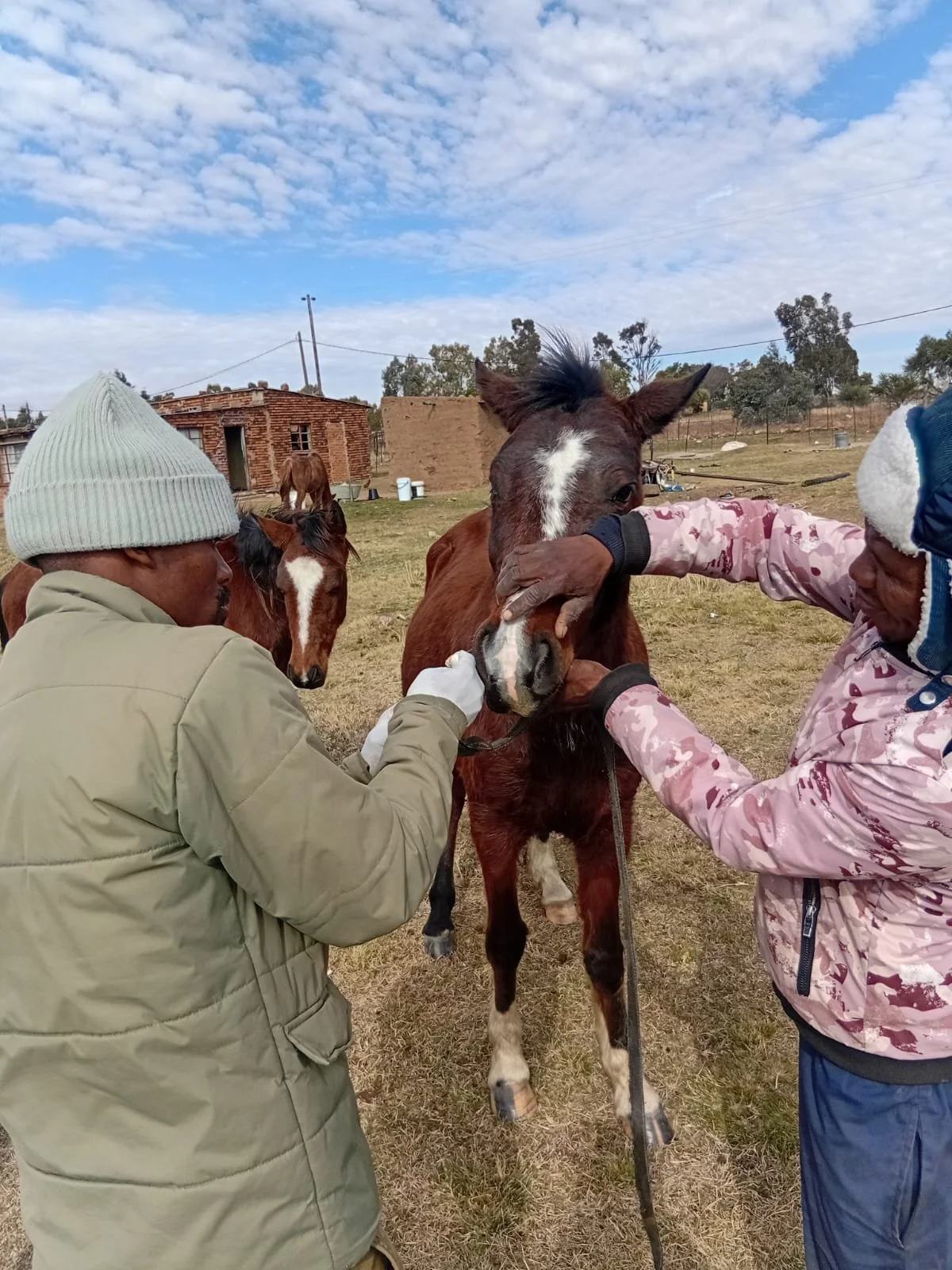
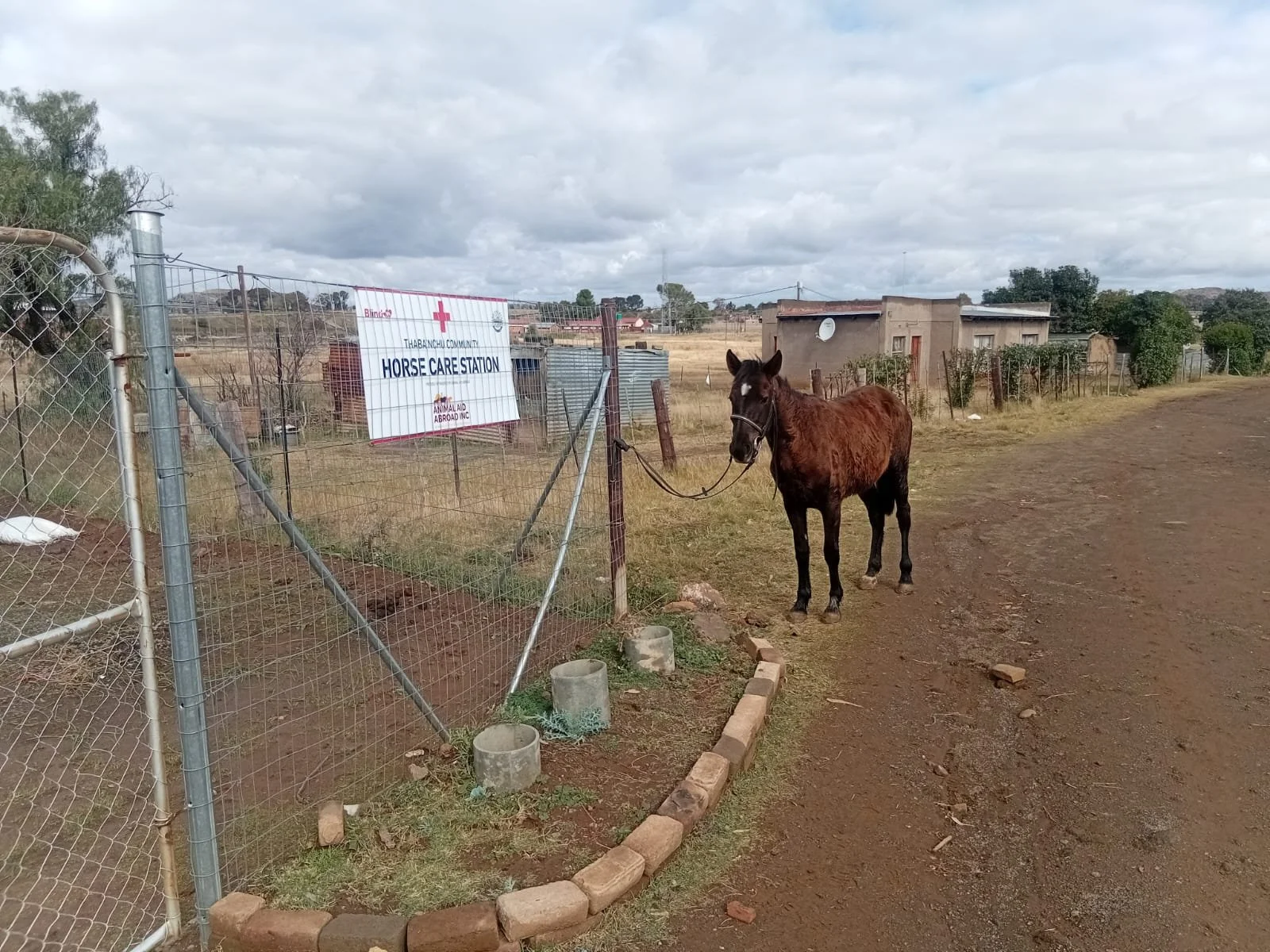
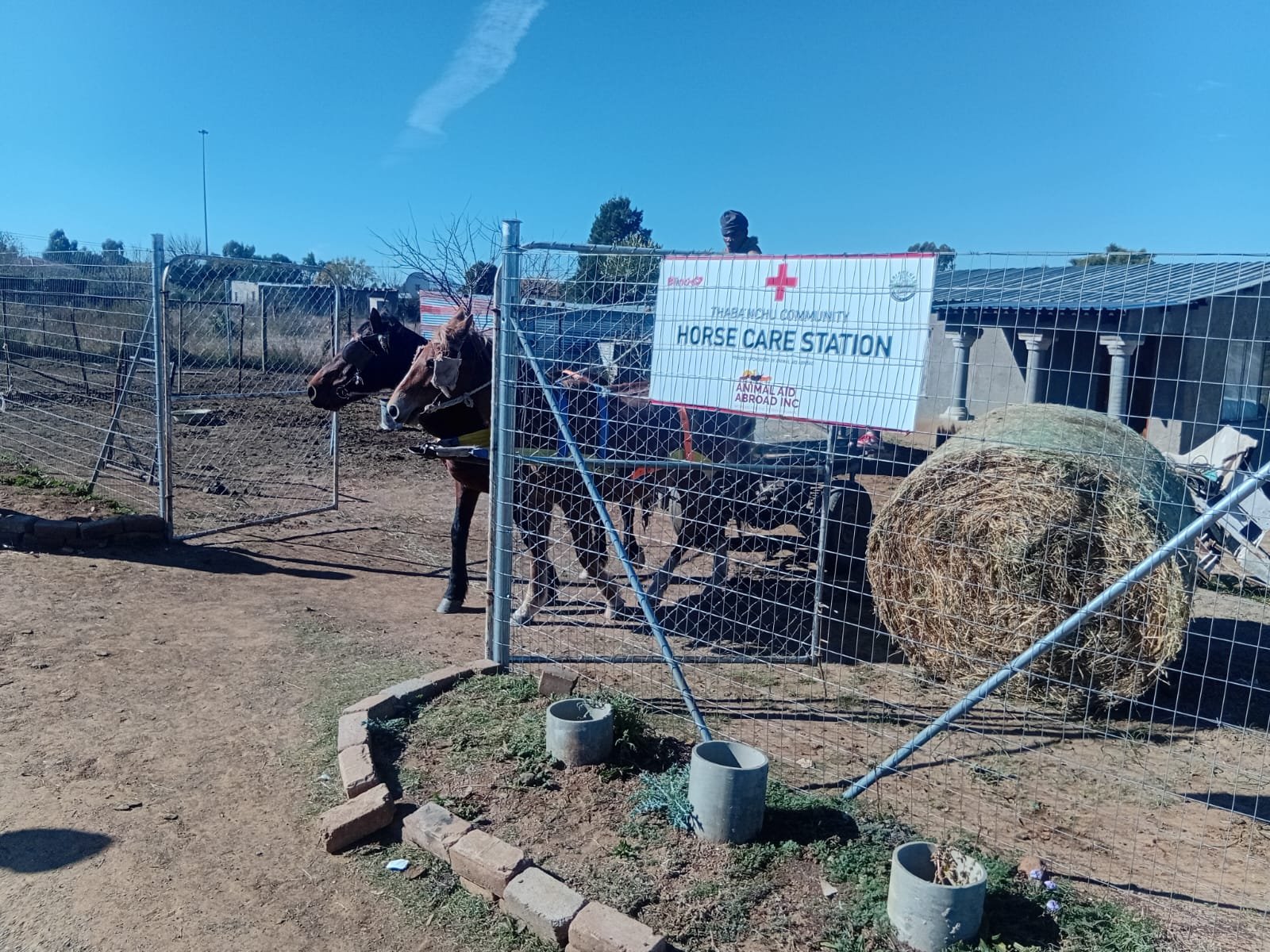
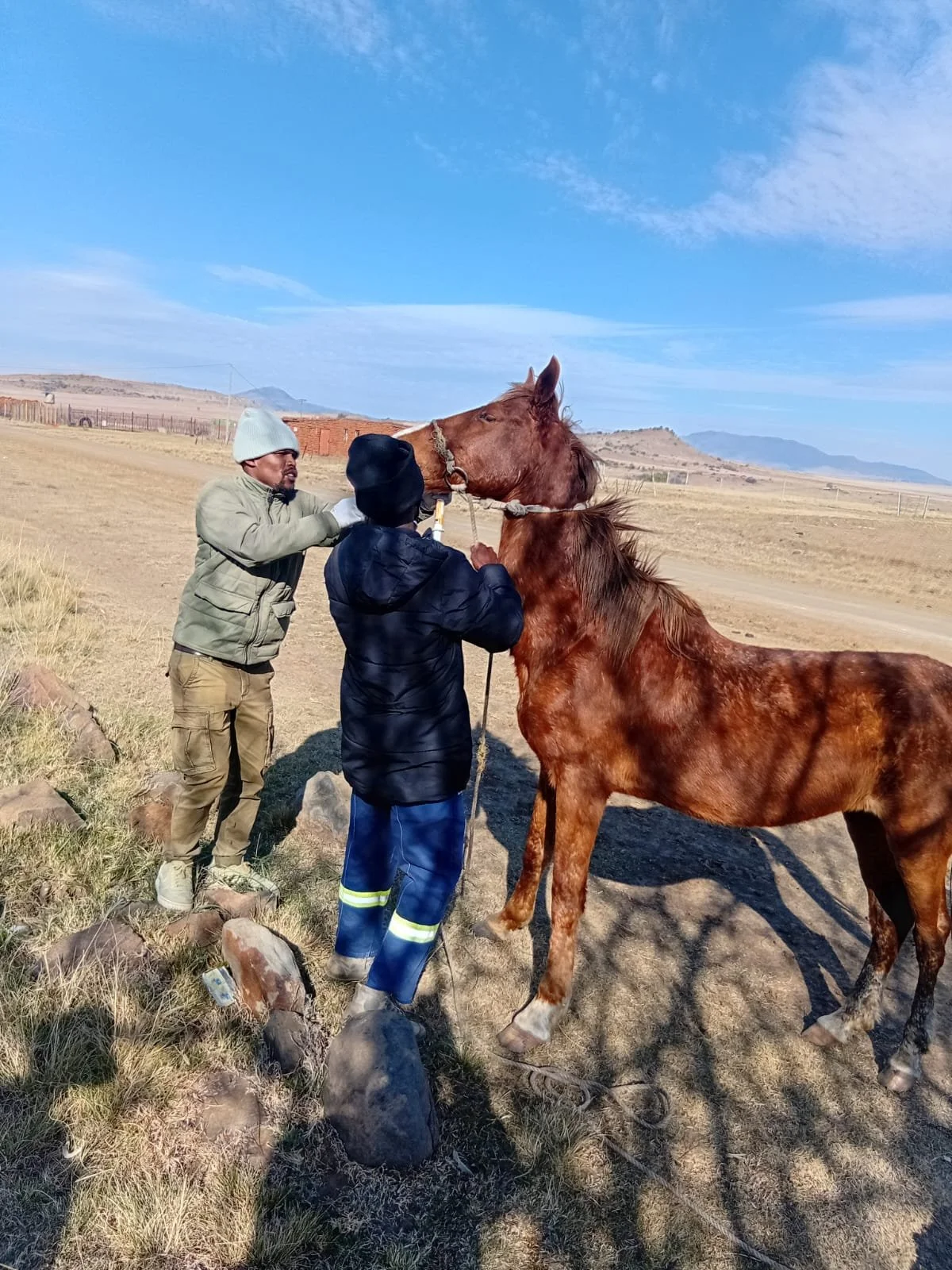
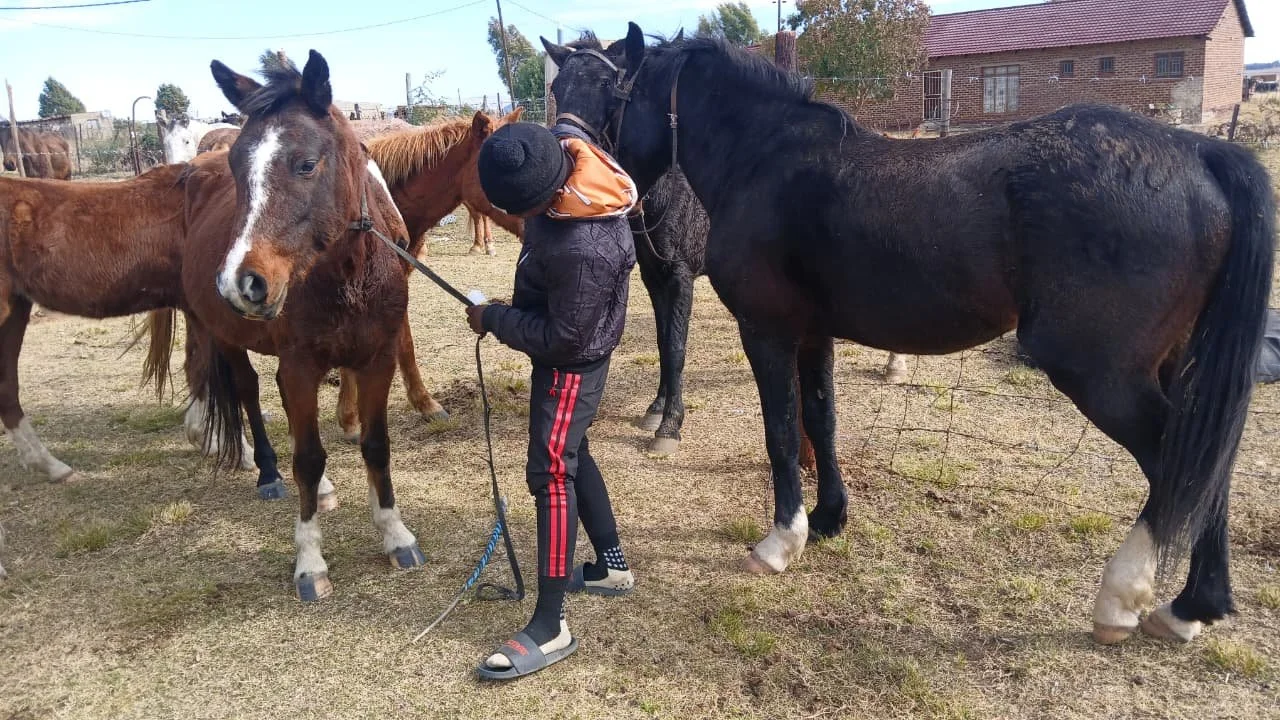
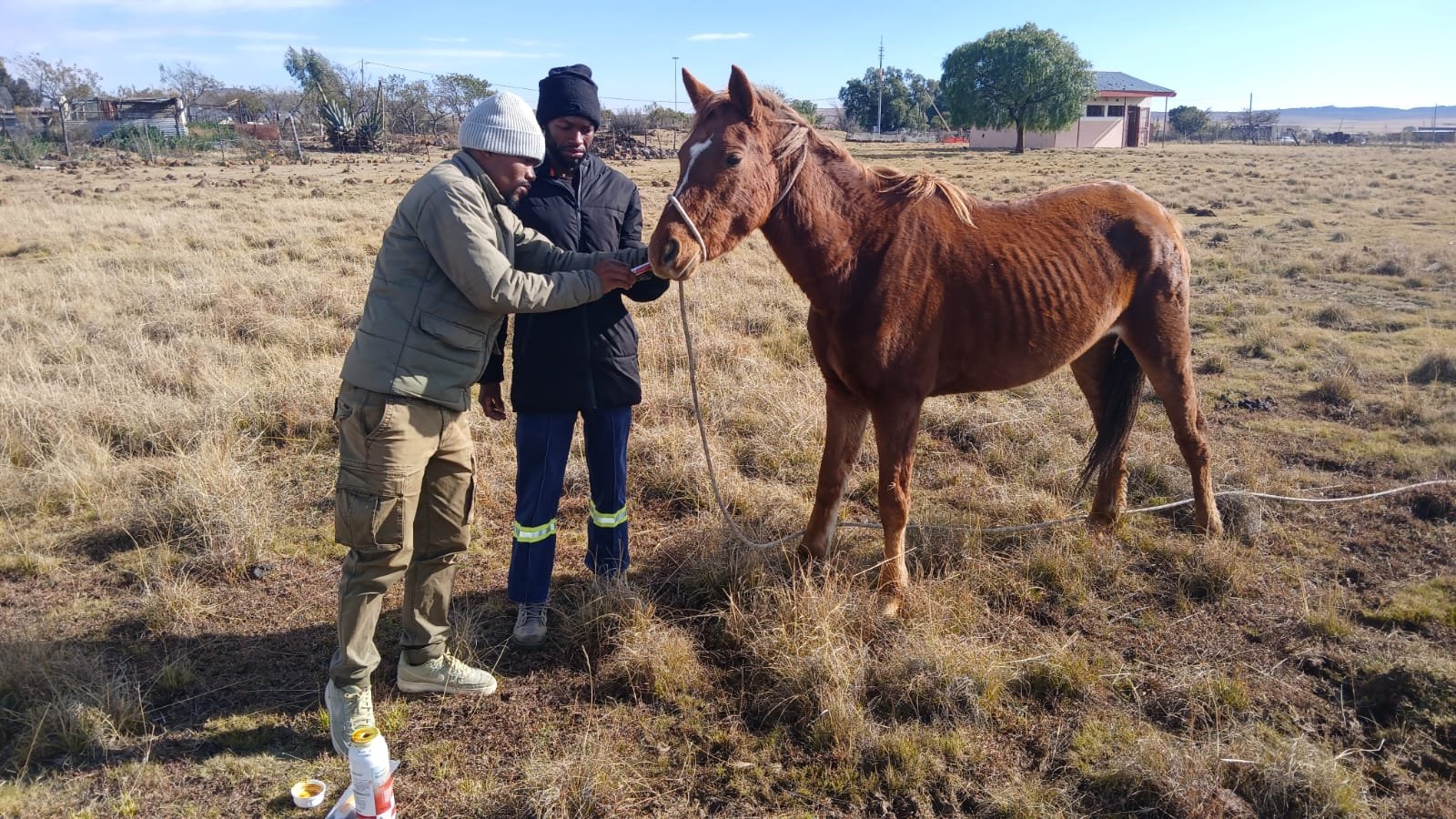
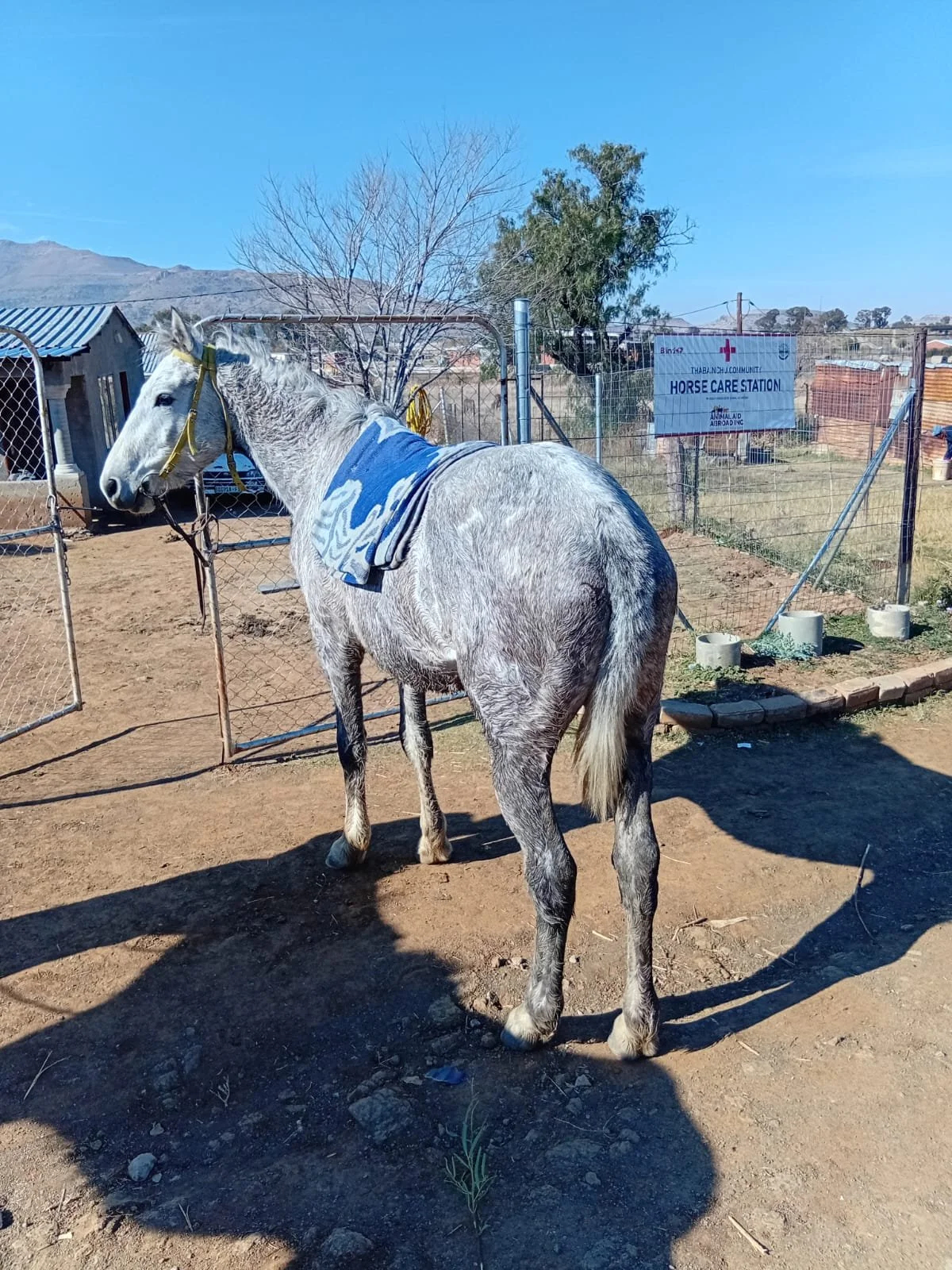
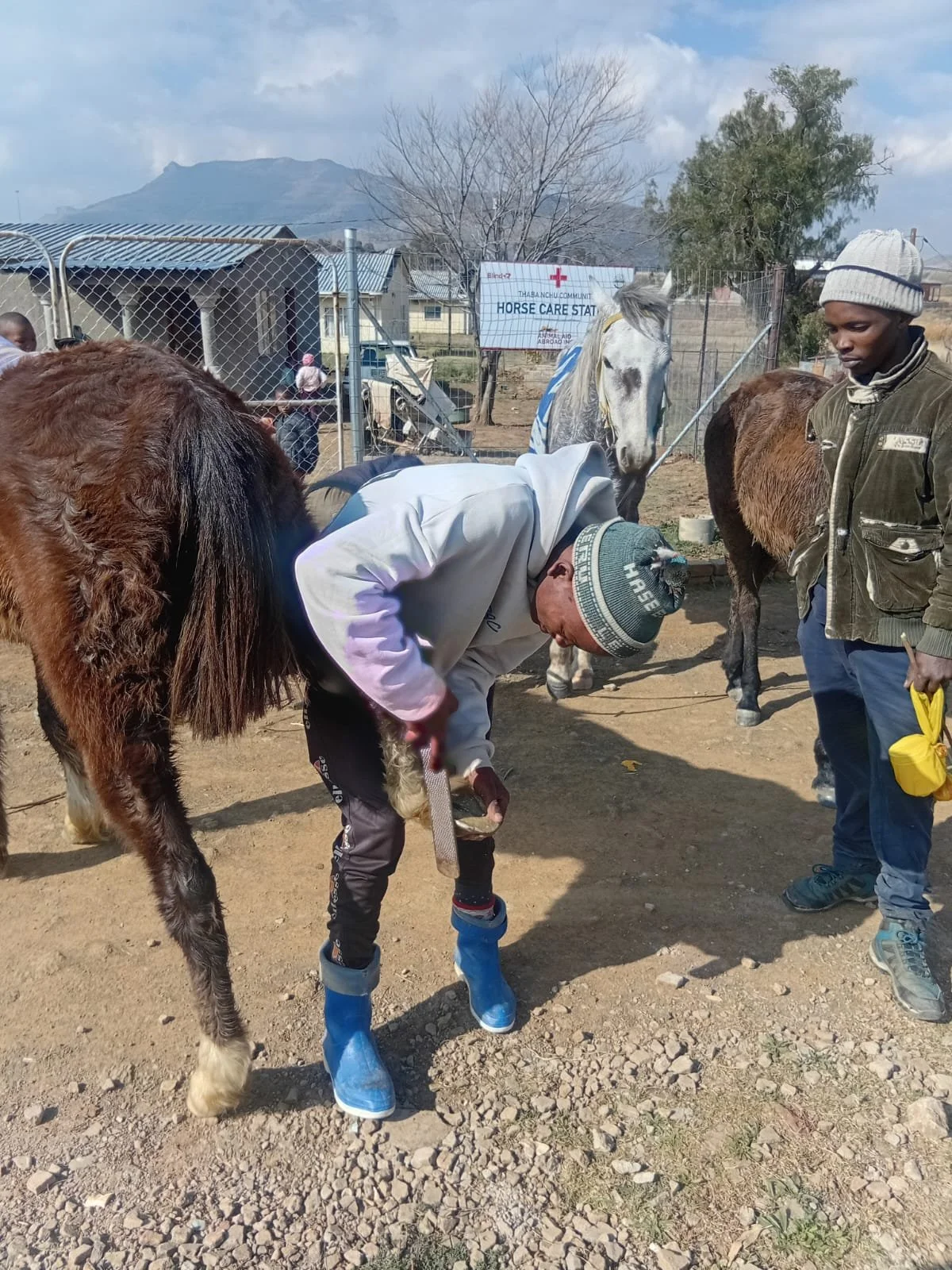
Outreach activities were conducted across the Free State Province, including Thaba ‘Nchu, Botshabelo, Cart Horse Rank and surrounding villages. A total of 64 horses received treatment during outreach days, while 12 horses were cared for at the Horse Care Station.
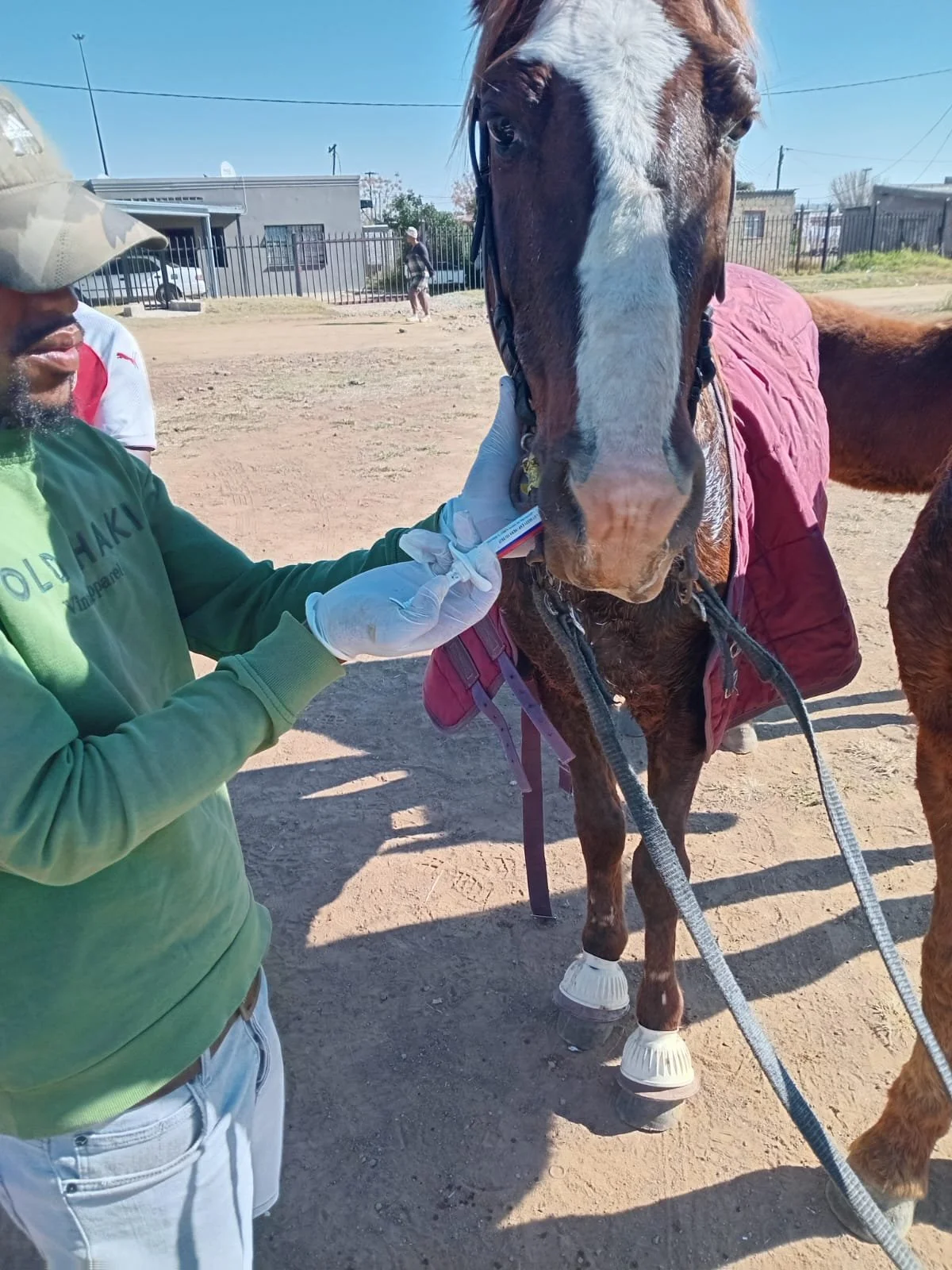
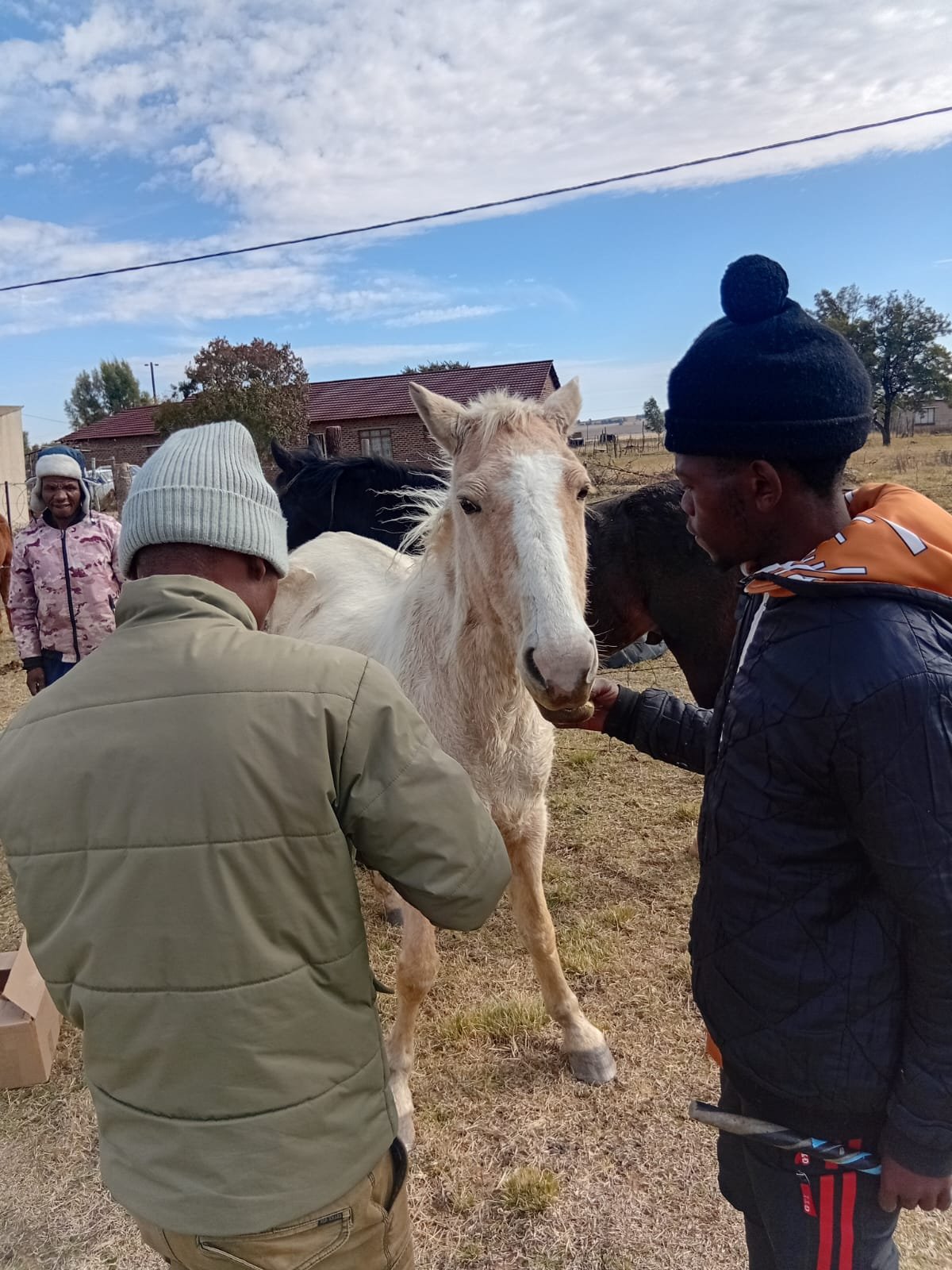
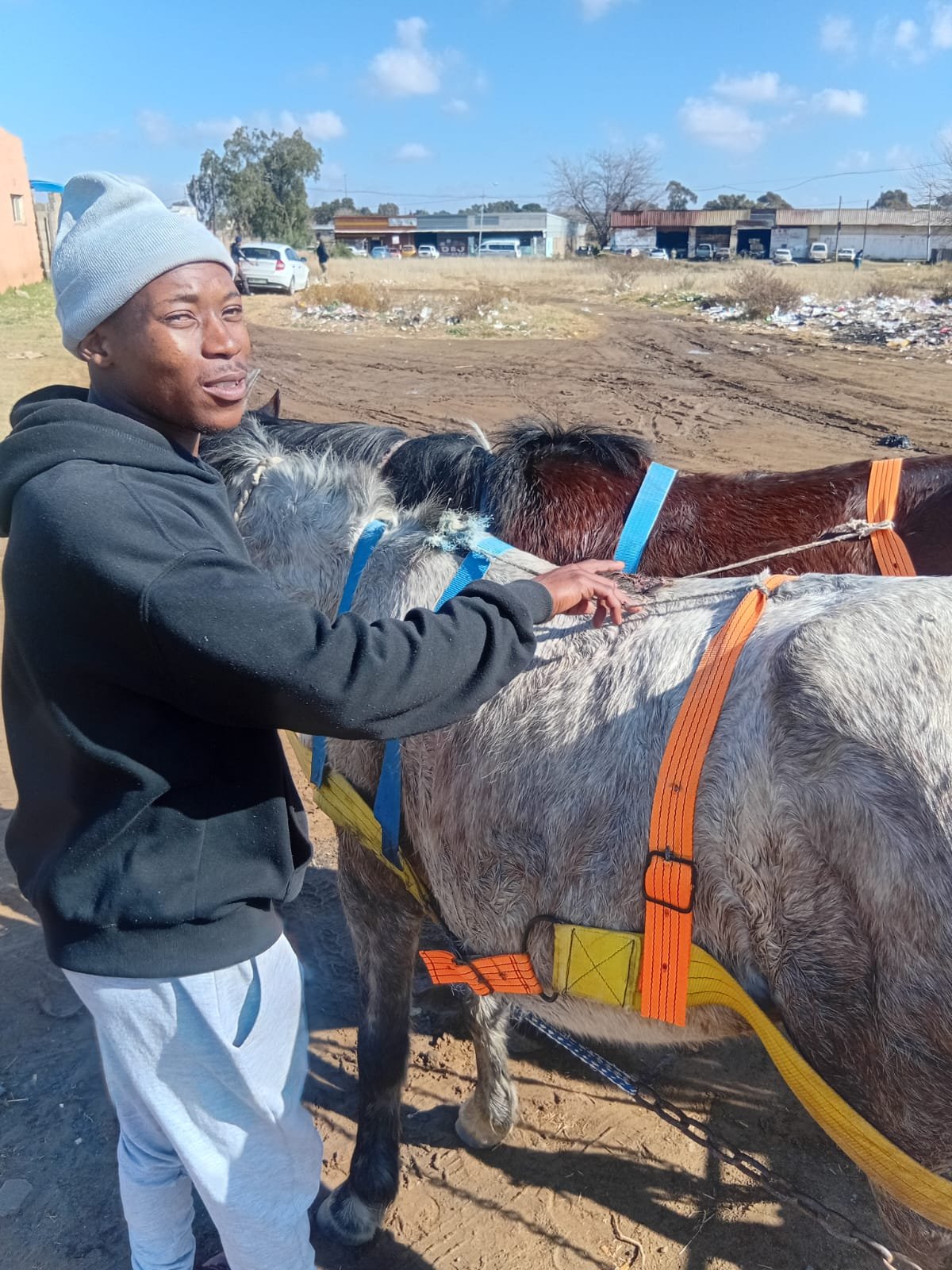
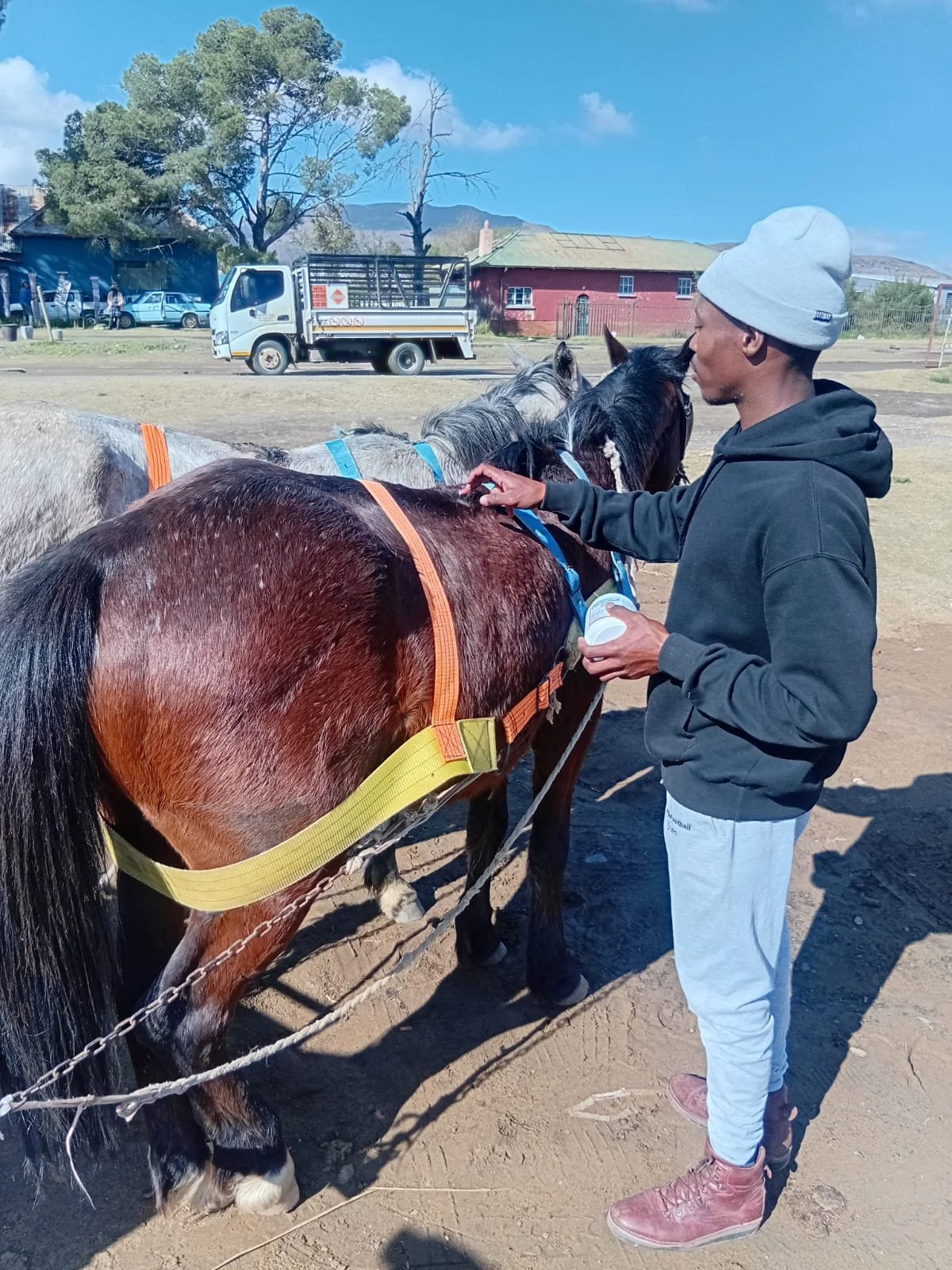
Treatments included health assessments, parasite control, wound care, hoof inspections, farrier services, and harness adjustments. Donated tack and winter blankets were distributed, ensuring horses were better equipped for the colder months. Owners from neighbouring villages also attended, reflecting growing community engagement.
Outreach Dates & Activities
Outreach days were conducted on:
• 3 June – Thaba ‘Nchu - Horse Rank
• 5 June – Thaba ‘Nchu - Care Station
• 6 June – Thaba ‘Nchu - Horse Rank
• 12 June – Thaba ‘Nchu - Care Station
• 14 June – Rural villages - Paradys & Sediba
• 16 June – Thaba ‘Nchu - Care Station
• 24 June – Thaba Nchu - Horse Rank
Addressing Welfare Challenges
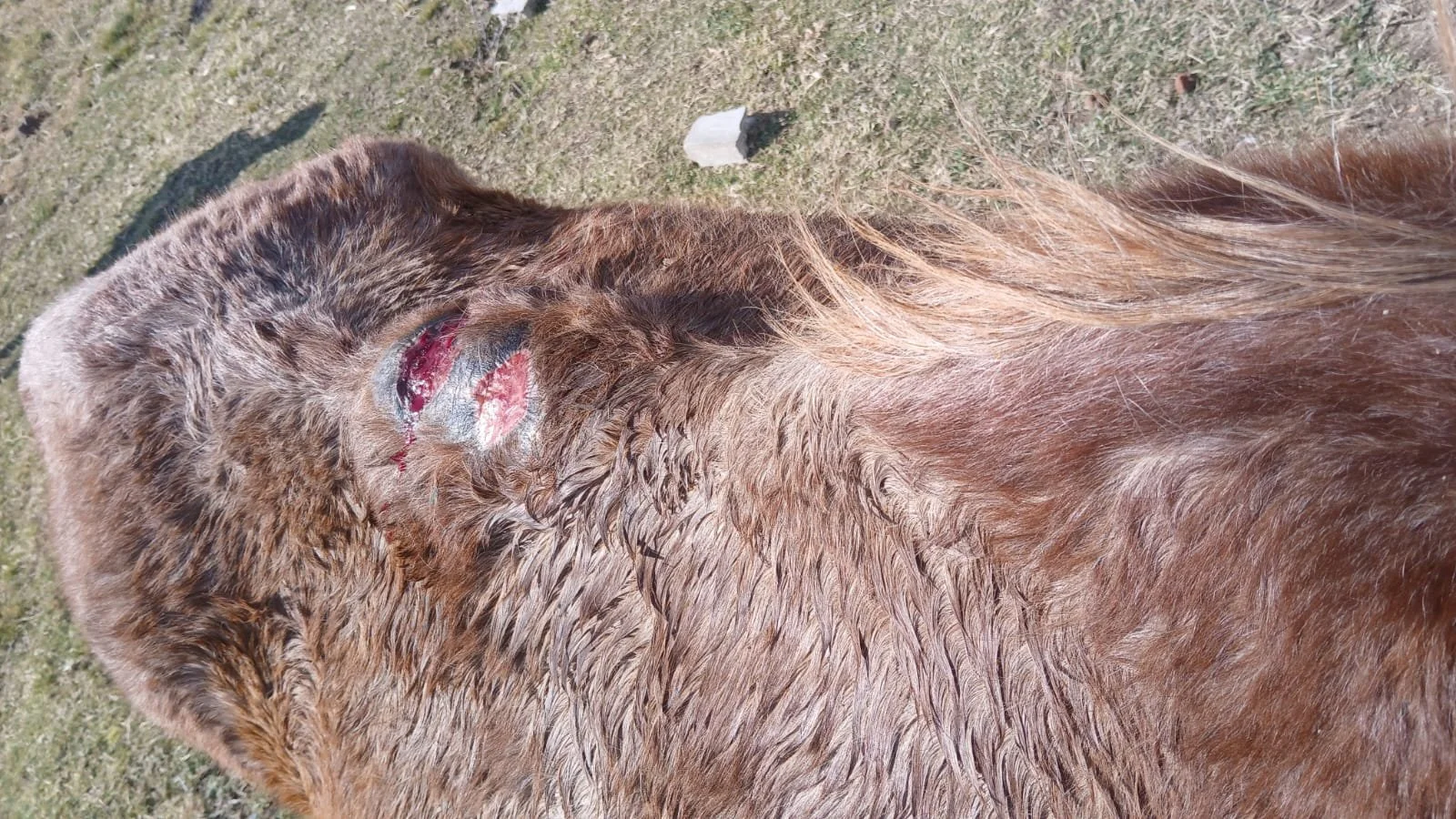
Severe saddle sores remained a recurring issue, often linked to horses being stolen and ridden long distances with ill‑fitting tack. These injuries required ongoing treatment and highlighted the need for continued education and equipment replacement.
On 1 June, five horses suffering from sarcoids were referred to the State Veterinarian for assessment, with veterinary students joining to develop treatment plans. Encouragingly, no new cases of African Horse Sickness were reported during June, offering relief after earlier losses.
Working Donkey Programme
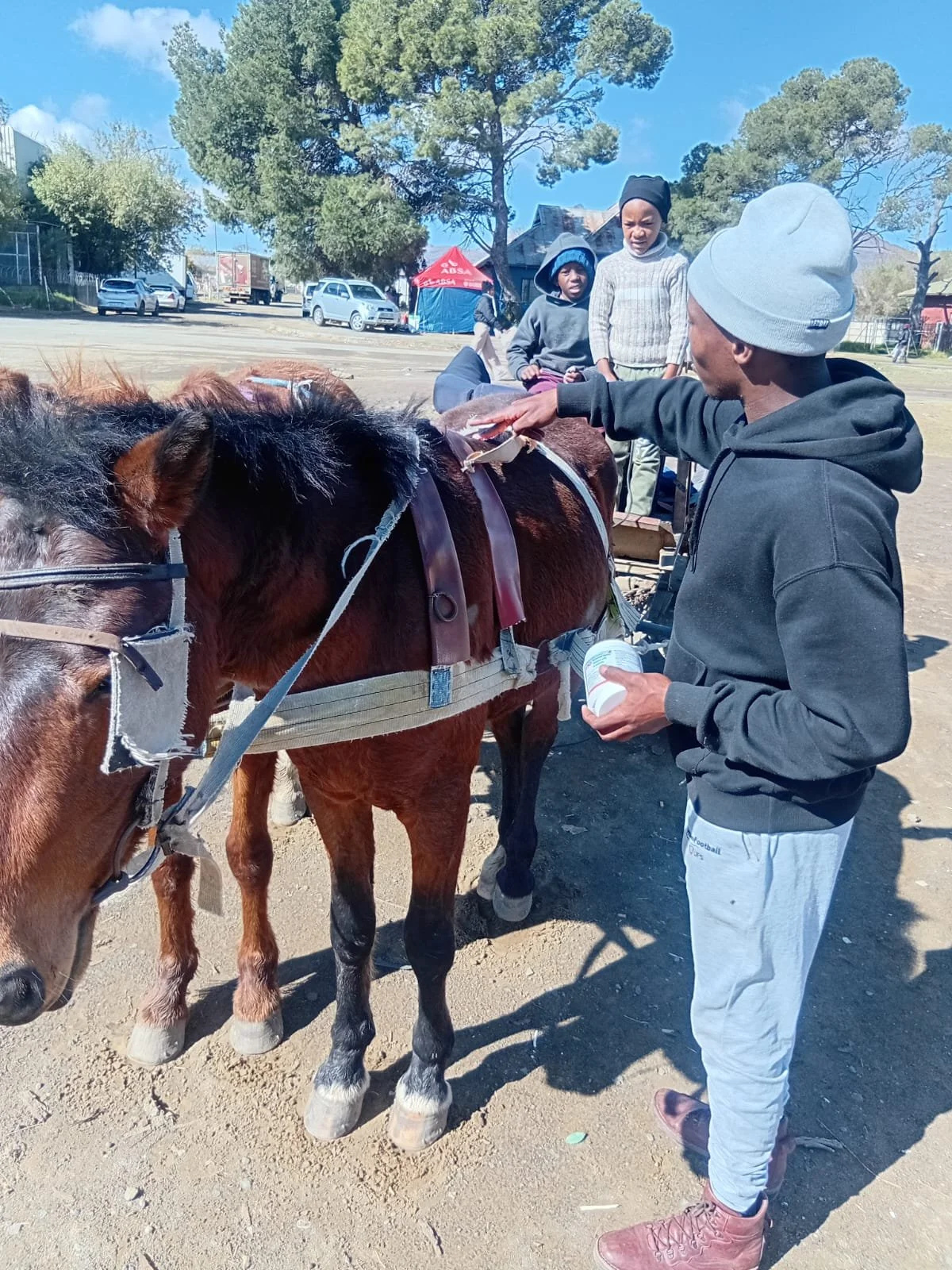
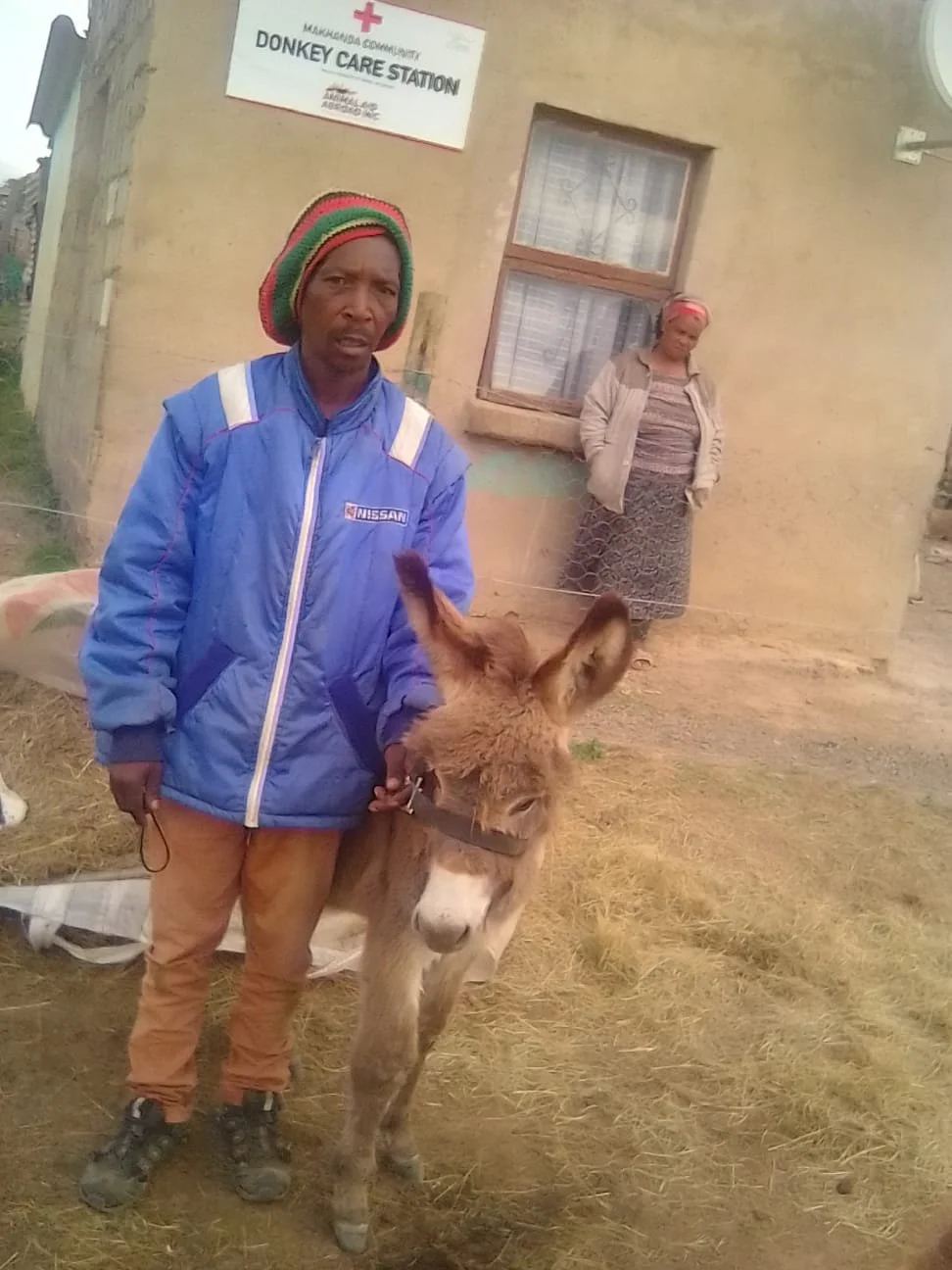
In Makhanda, Eastern Cape, 18 donkeys attended the monthly outreach clinic, receiving parasite treatment, hoof care, wound management, and harness adjustments. At the Donkey Care Station, intensive nursing continued for long‑term patients, with daily wound care and feed deliveries supporting recovery.
Infrastructure Improvements
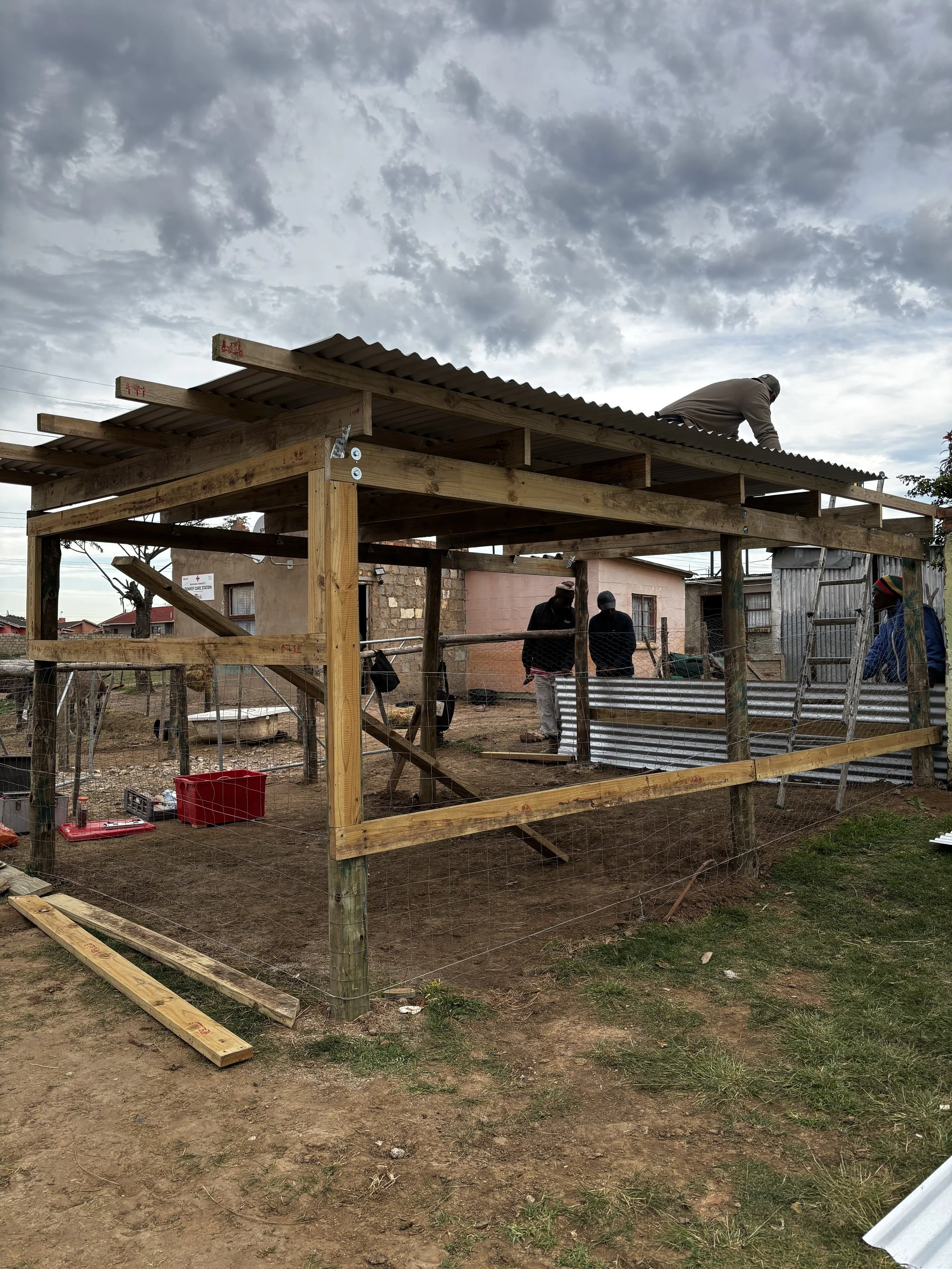
Severe flooding in Makhanda on 4 June caused the collapse of a roof beam at the Care Station. Fortunately, no animals or people were injured. The structure was rebuilt with stronger corrugated iron roofing, brick walls, and a new water tank. Gutters and taps will complete the upgrade, ensuring safer, weatherproof facilities for recovering animals.
Overall Impact
64 horses treated through outreach activities
12 horses received ongoing care at the Horse Care Station
18 donkeys treated at the monthly outreach clinic
Intensive daily nursing continued for multiple donkey patients
Infrastructure upgrades completed following flooding
An orphan donkey foal was rescued after his mother was killed by a car
Ongoing Care
Throughout June, Michael Plaatjie continued providing daily nursing care to all patients at the Care Station. This included wound care, such as regular bandage changes to ensure healing.
Feed deliveries continued to support the growing number of animals receiving long-term care and rehabilitation.
Building a Future of Compassion
Blind Love’s work demonstrates how outreach clinics, intensive rehabilitation, and infrastructure improvements can transform the lives of working animals. Each treatment, each recovery, and each act of compassion reflects the mission of AAA and its partners to restore dignity and wellbeing.
This progress is only possible because of your support. Every clinic, every rescue, and every improvement is a direct result of your generosity, allowing AAA to sustain partnerships like Blind Love and continue improving the welfare of working animals in South Africa.