In July, our partner Blind Love in South Africa treated 71 working horses and 54 working donkeys, and turned its monthly donkey clinic in Makhanda into a Mandela Day celebration, complete with a parade of 22 donkey carts and a fresh coat of paint for the Donkey Care Station.
July at a glance
Partner: Blind Love, South Africa
71 working horses treated in Thaba 'Nchu, Botshabelo and nearby villages
54 working donkeys treated in Makhanda (Grahamstown)
Mandela Day parade of 22 donkey carts
Orphaned foal Kwe Kwe found a forever home at the sanctuary
Rainwater harvesting system completed at the Donkey Care Station
Working Horse Program
Where: Thaba 'Nchu, Botshabelo, the Cart Horse Rank and surrounding rural villages, Free State
Blind Love held seven outreach days in July: one rural clinic in Zone 1 outside Botshabelo, and the rest at the Thaba 'Nchu Horse Rank in town. In total, 71 horses were treated, and between clinics owners kept bringing horses to the Horse Care Station for follow-up care.
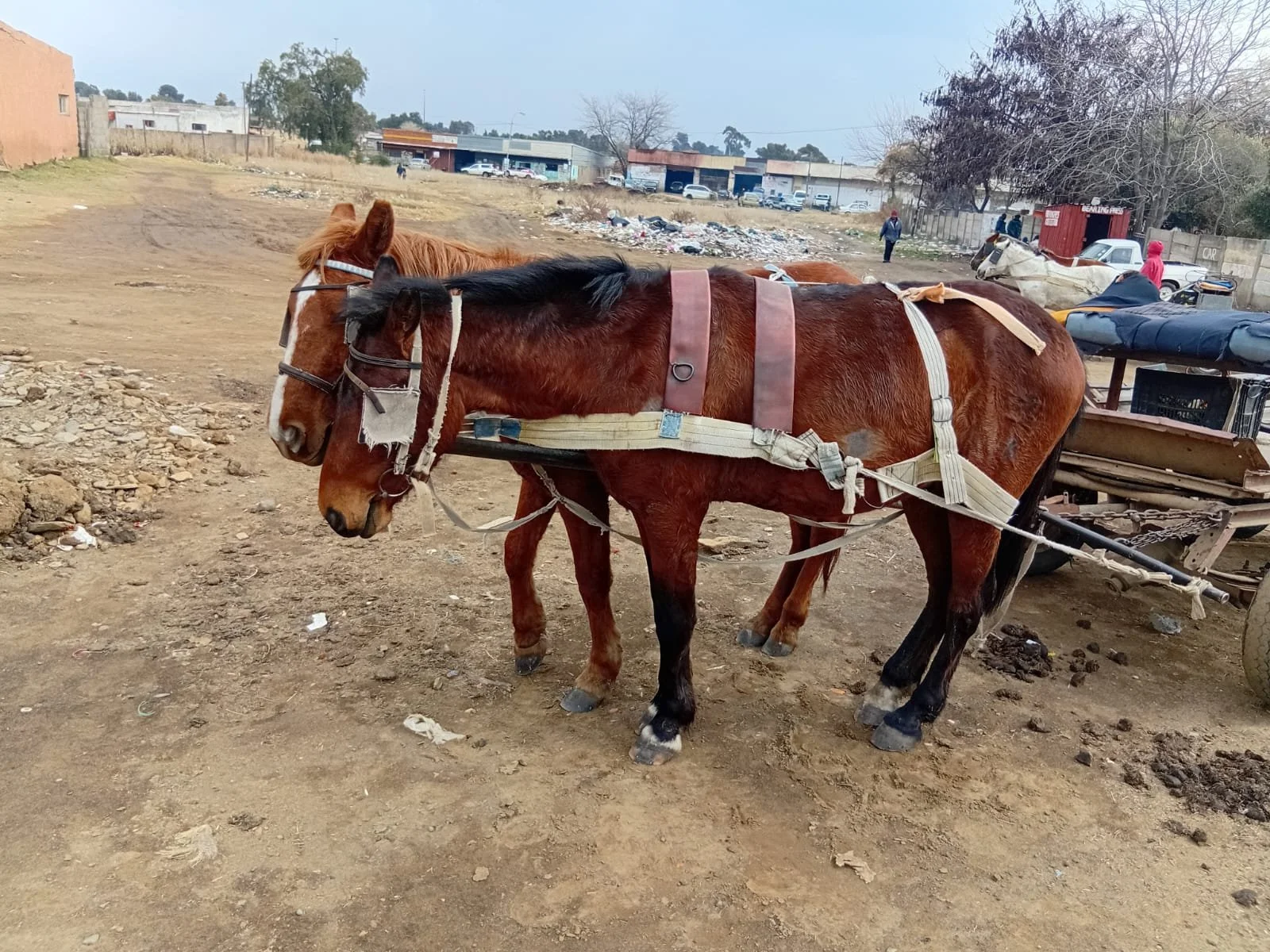
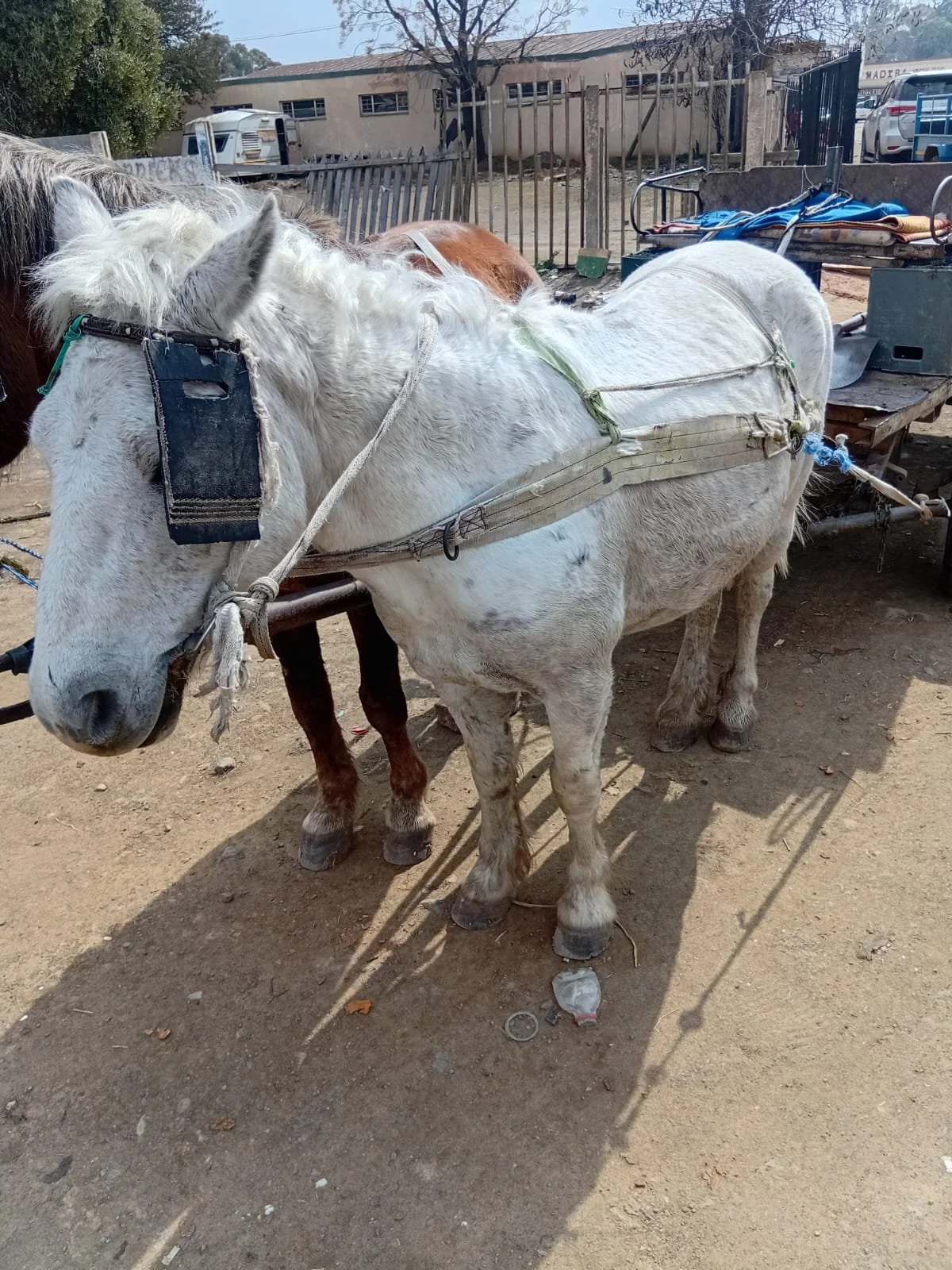
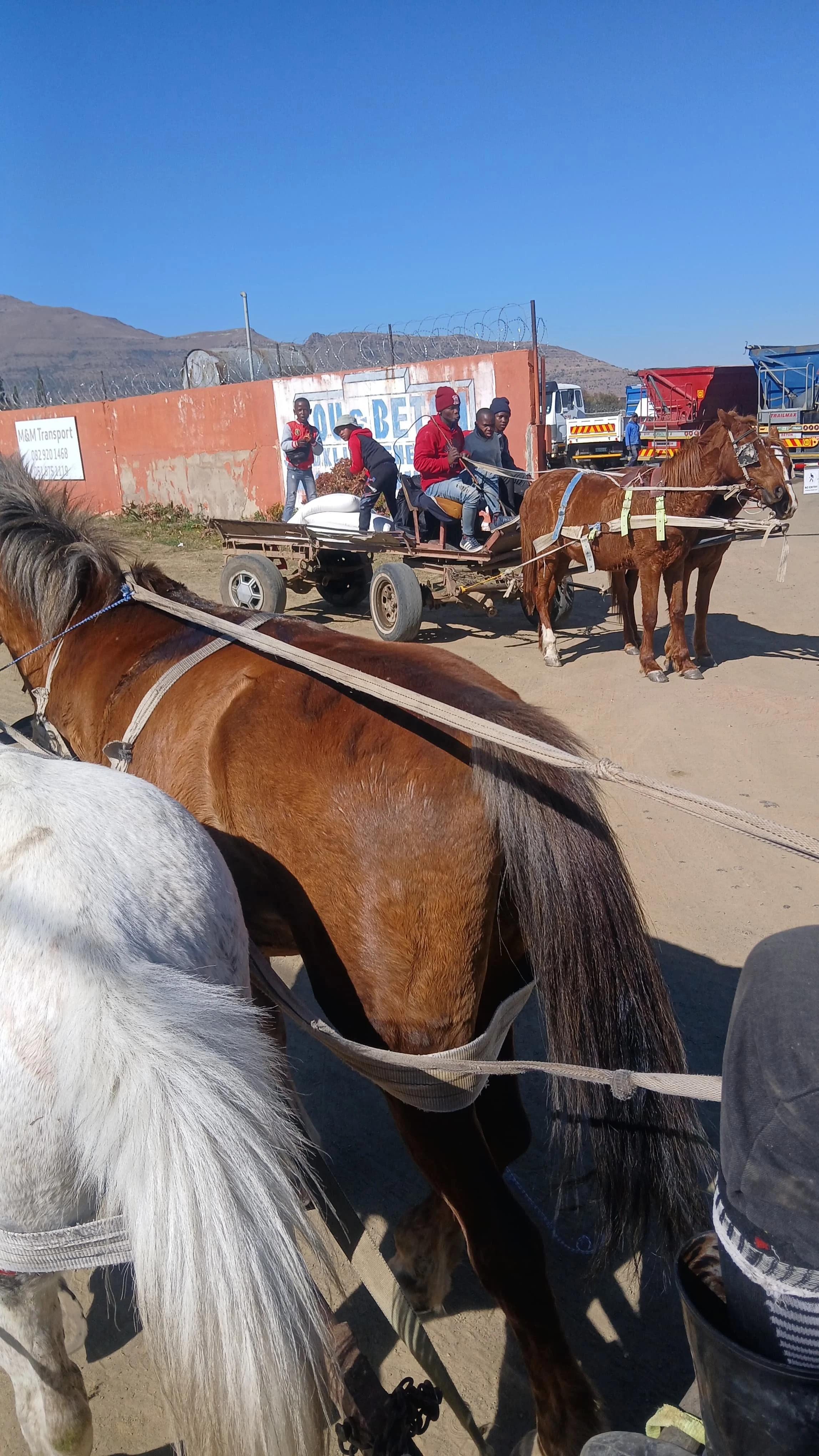
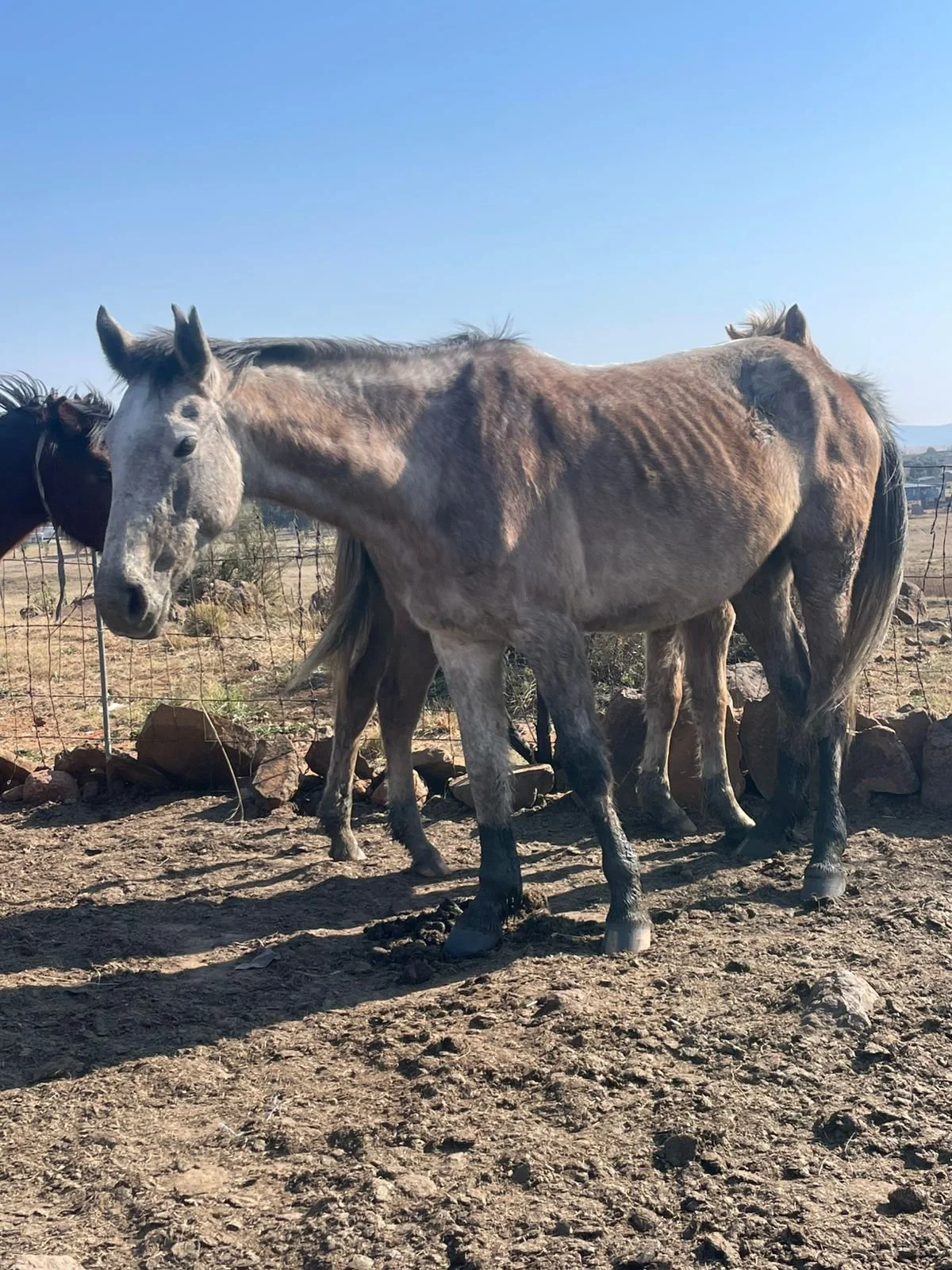
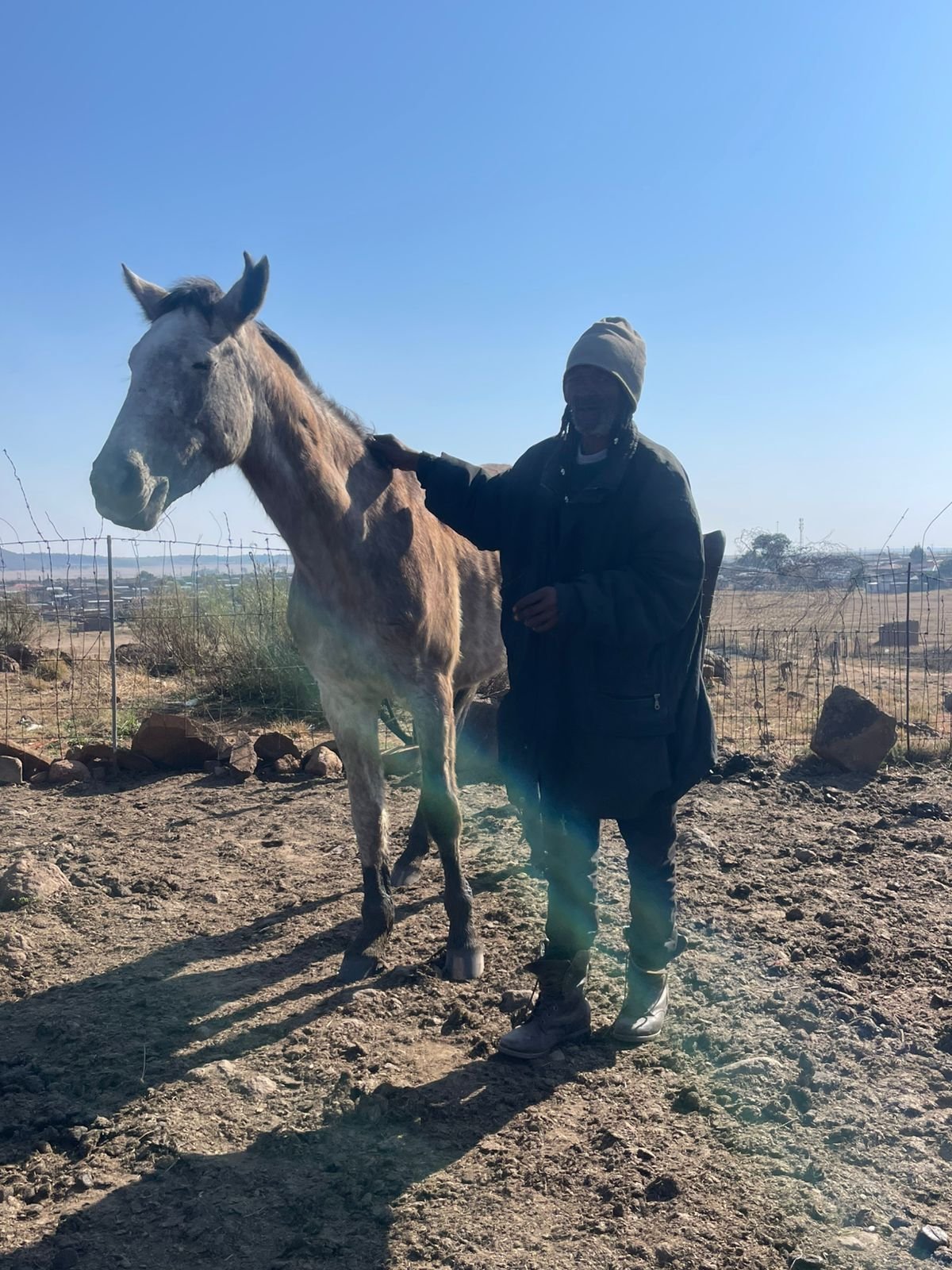
At the clinics and the Horse Care Station, horses received:
General health checks
Internal and external parasite control
Cleaning and treatment of minor wounds
Hoof checks and trimming where needed
Harness and tack checks, with replacement harnesses where needed
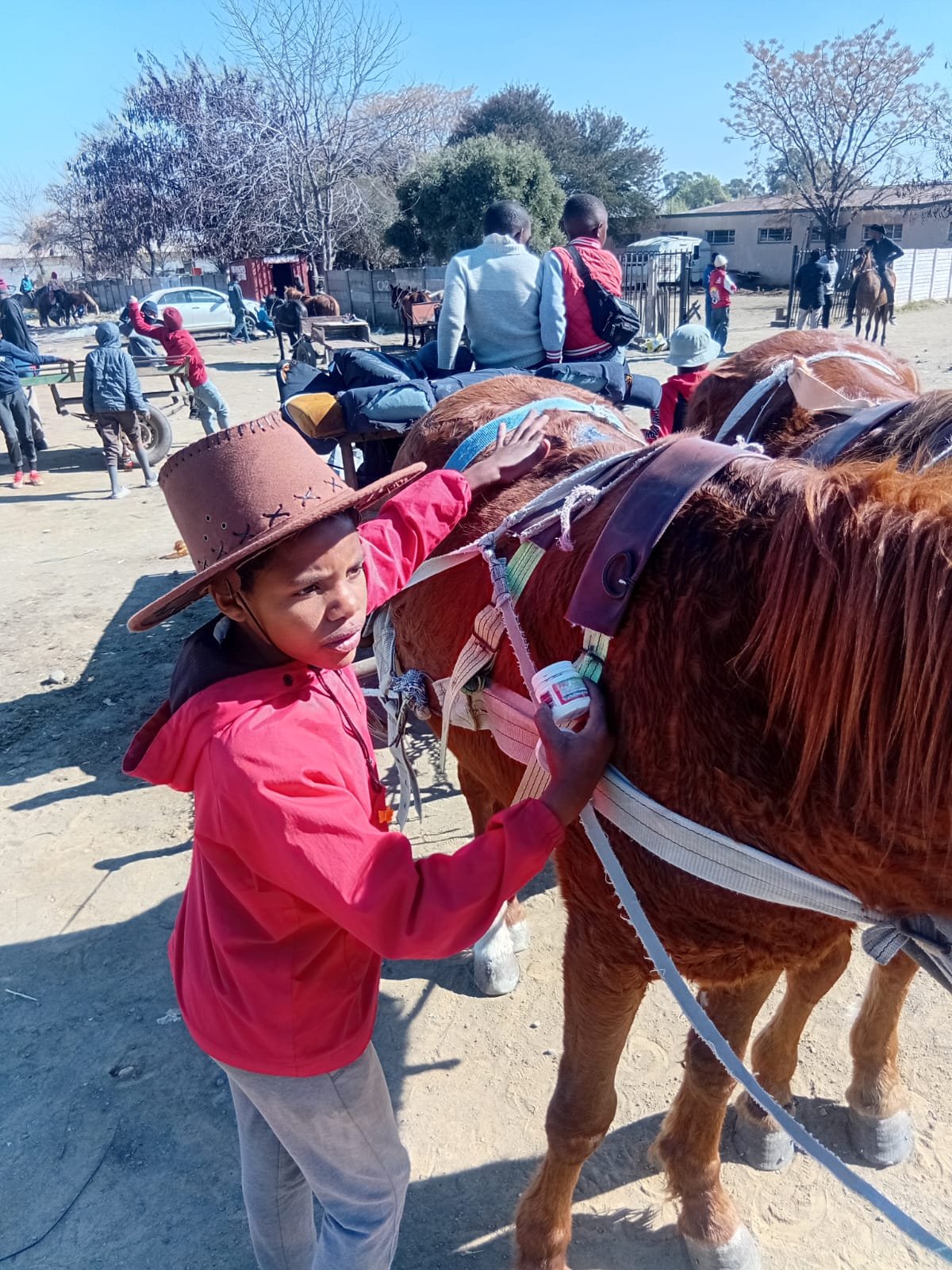
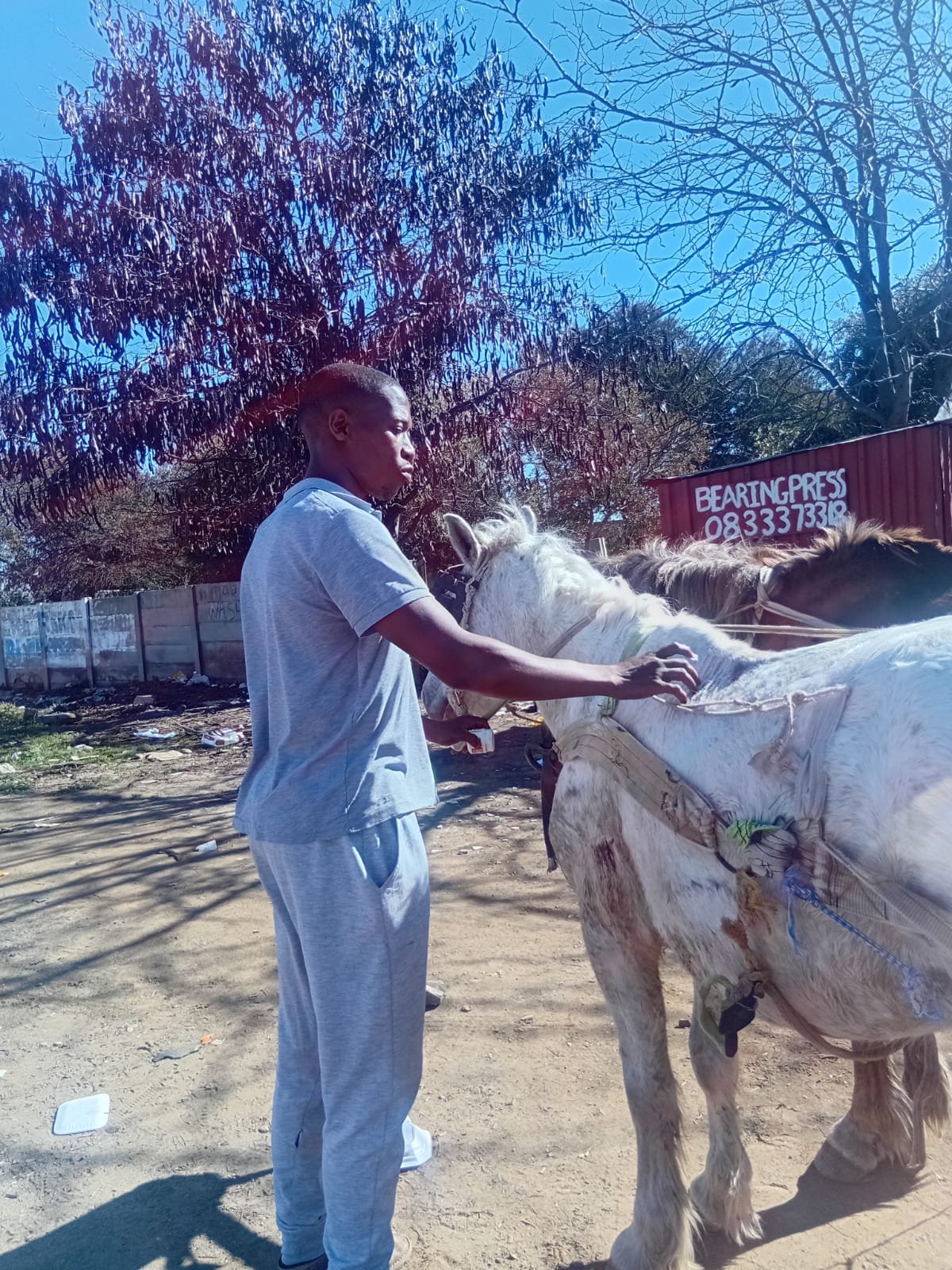
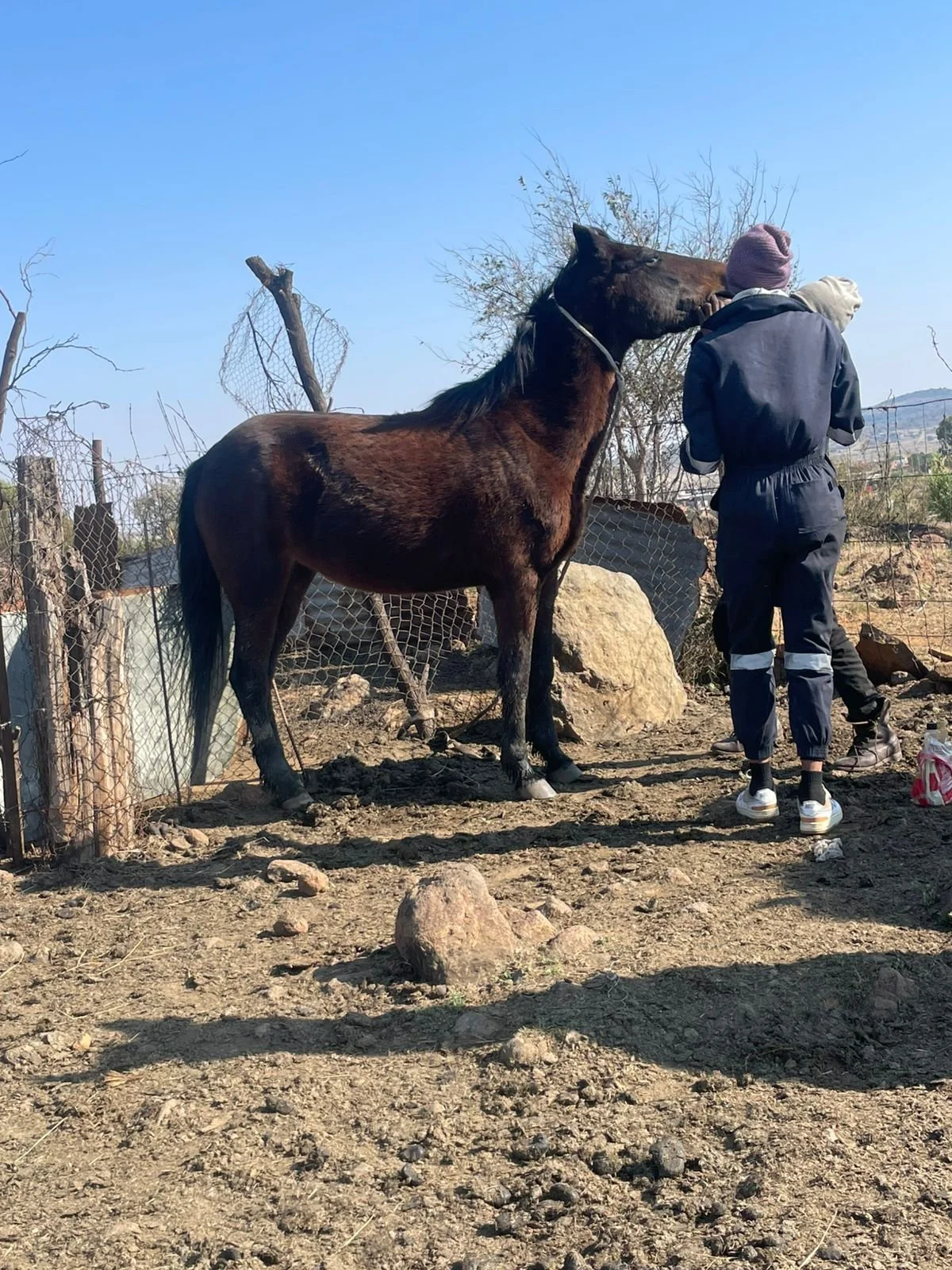
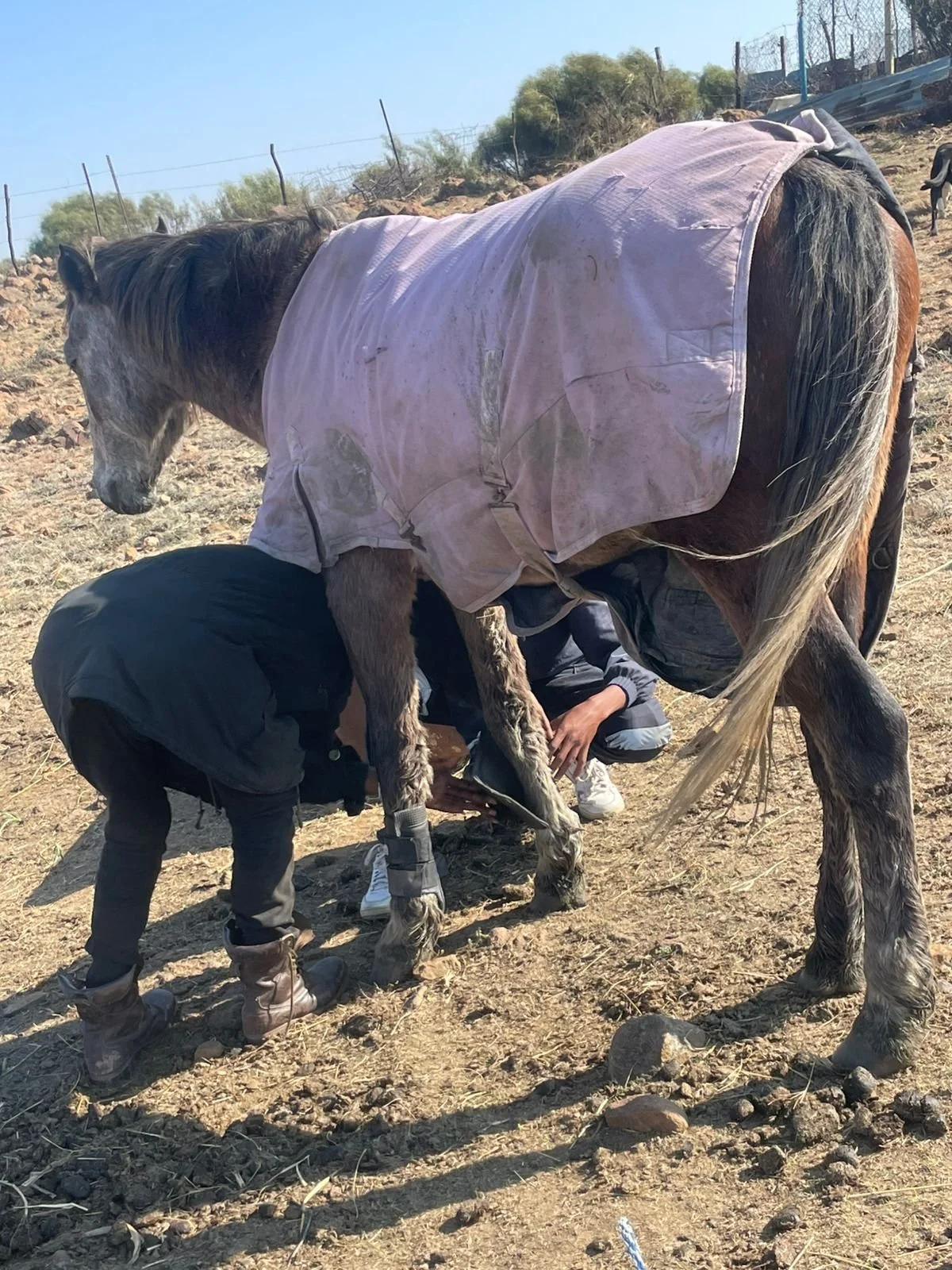
With July in the middle of the Free State winter, there were no new cases of African horse sickness, and the cold meant far fewer flies and ticks than in warmer months.
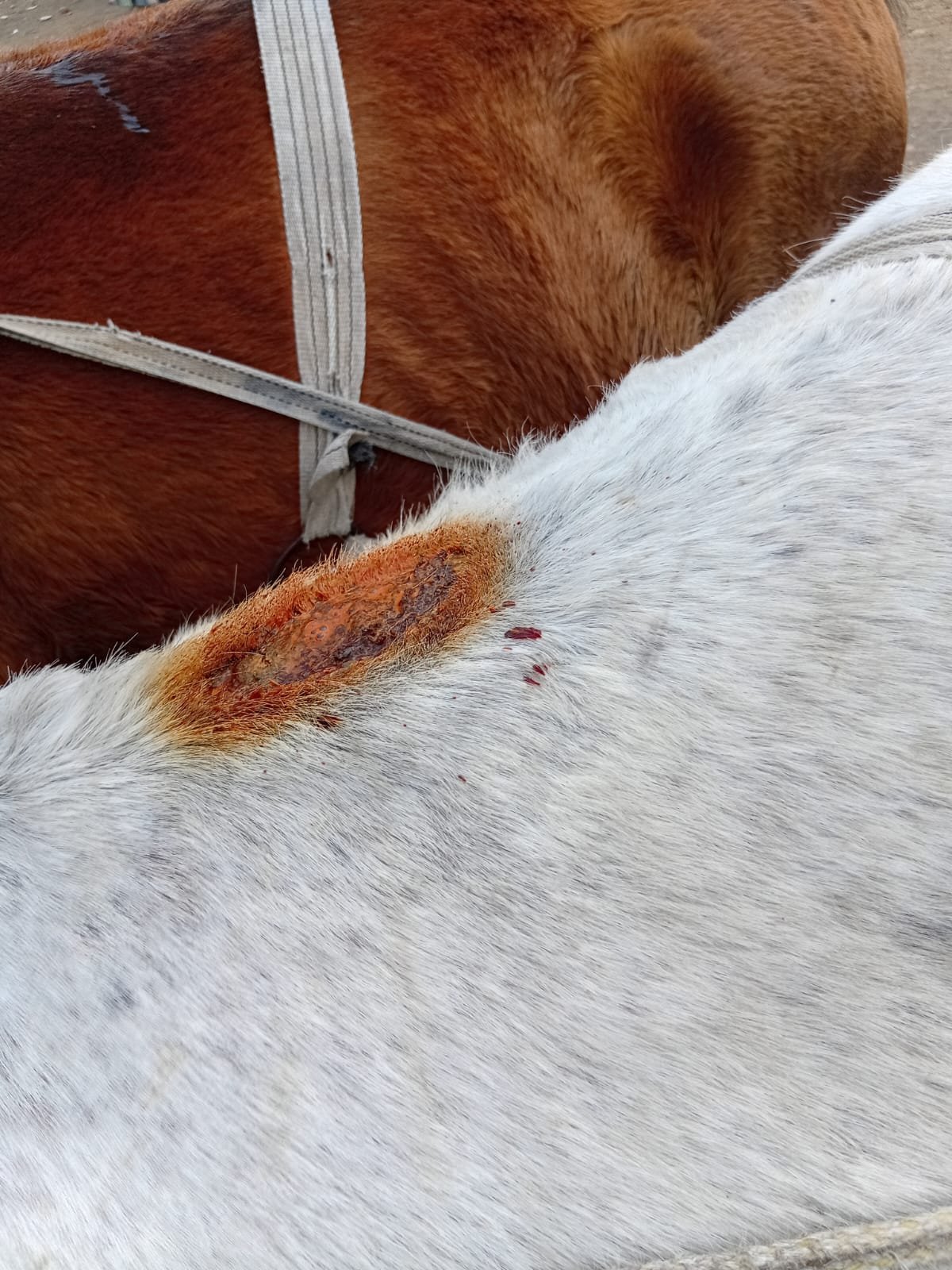
Most horses had minor wounds that needed cleaning, treatment and advice for owners on ongoing care. Saddle sores remained the most common welfare problem, and owners regularly brought their horses back to the Horse Care Station between clinics for follow-up treatment.
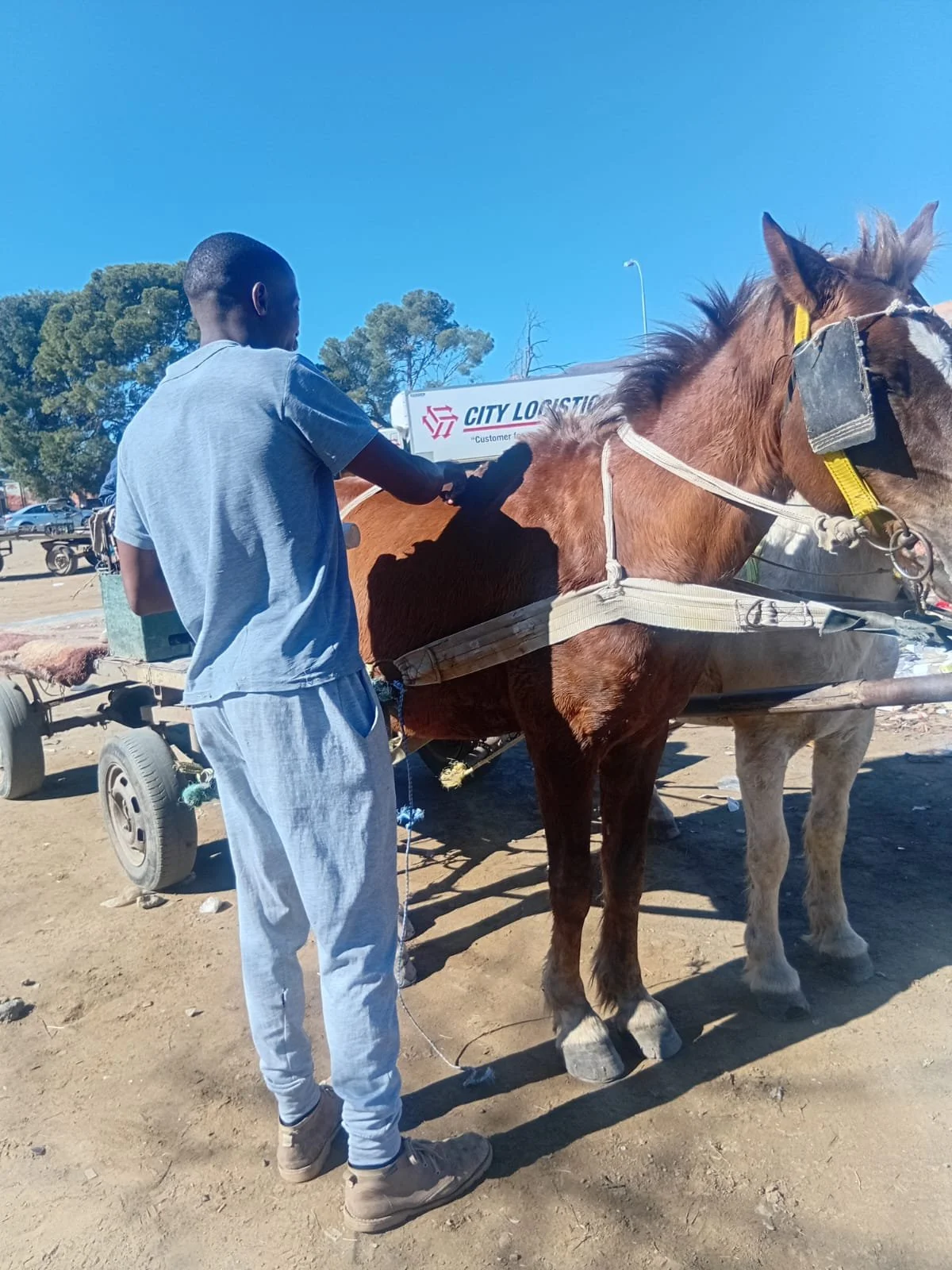
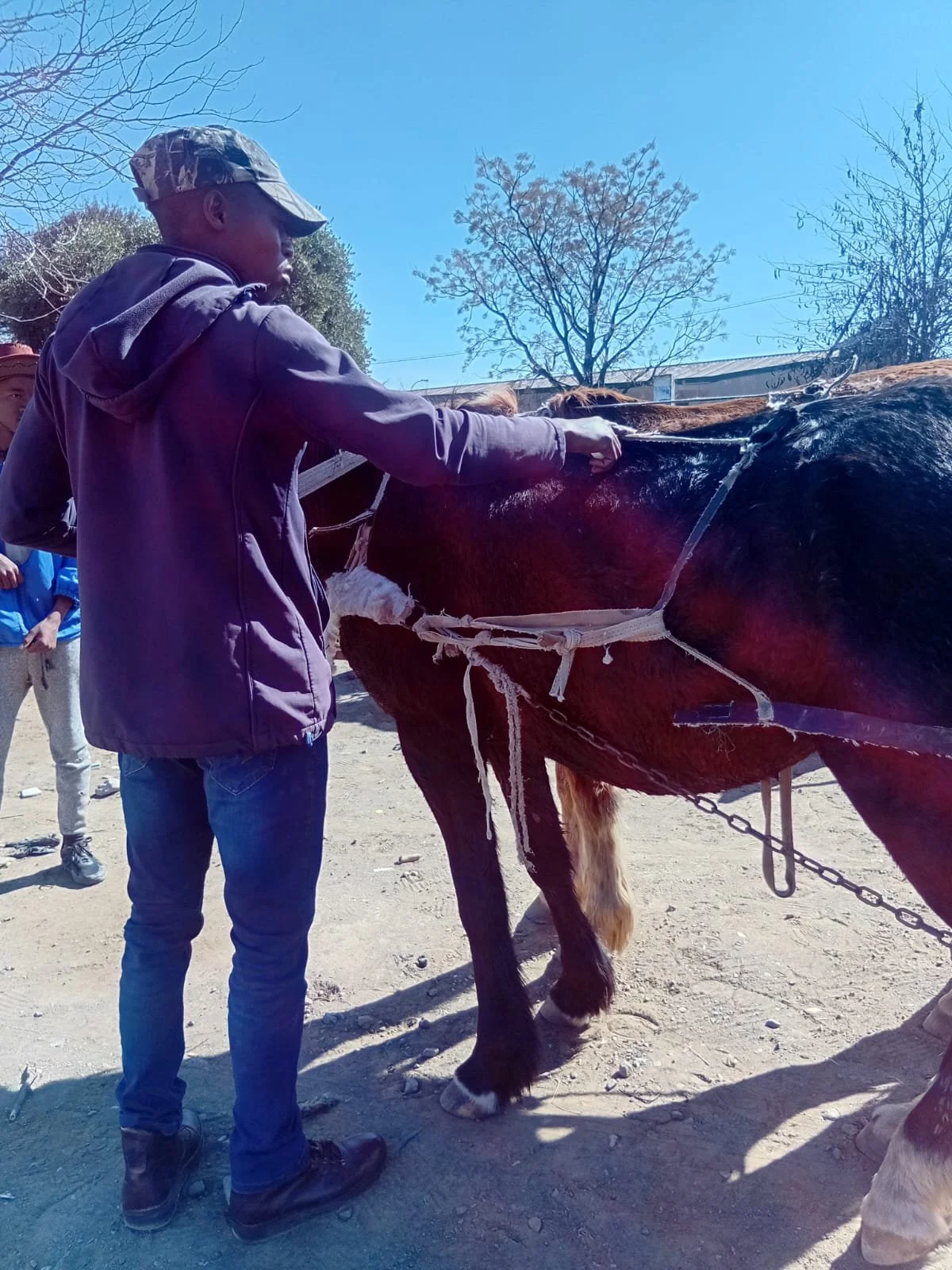
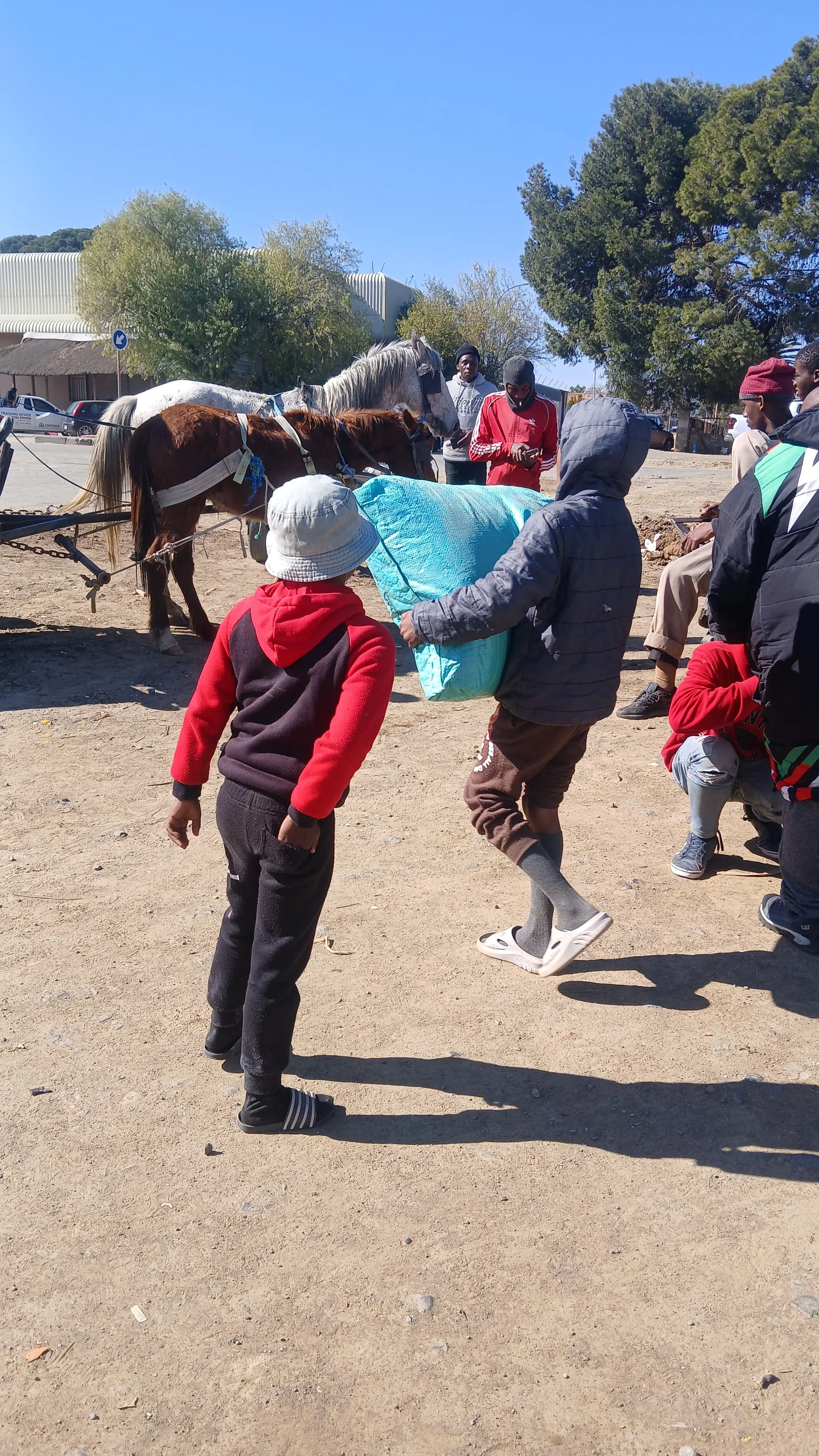
Because winter makes good grazing scarce, Blind Love handed out feed to working cart horses on 25 July to help them keep their condition.
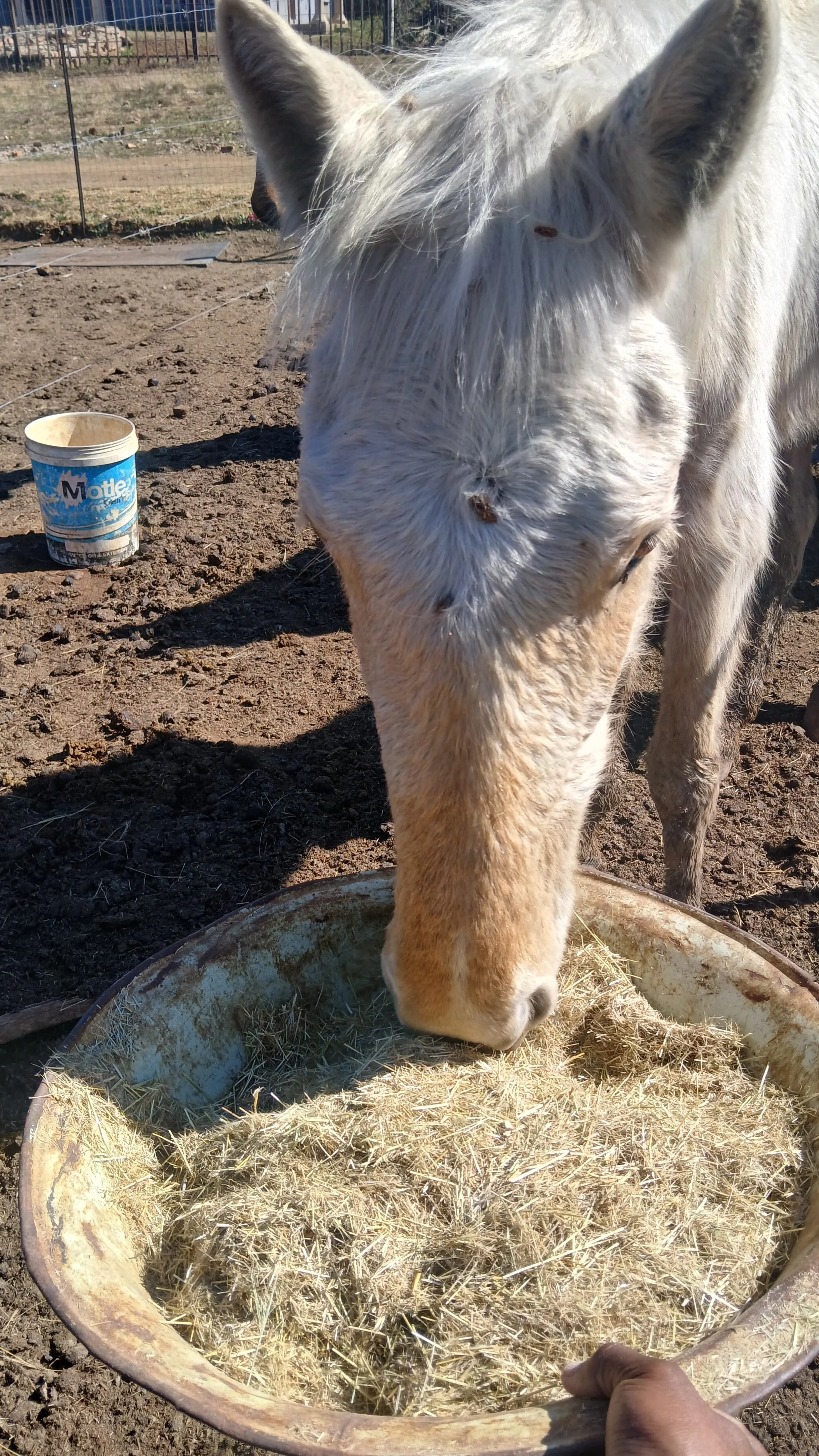
Overall, July was a steady month of routine preventive care, wound treatment and owner education.
Working Donkey Program
Where: Makhanda (Grahamstown), Eastern Cape
July was especially memorable, as the monthly donkey clinic was combined with a Mandela Day community event on 18 July, celebrating the tradition of giving 67 minutes of service to the community.
Local people were invited to bring paint and brushes to give the Donkey Care Station a fresh coat of paint, meet the donkeys and their owners, and bring carrots for the animals.
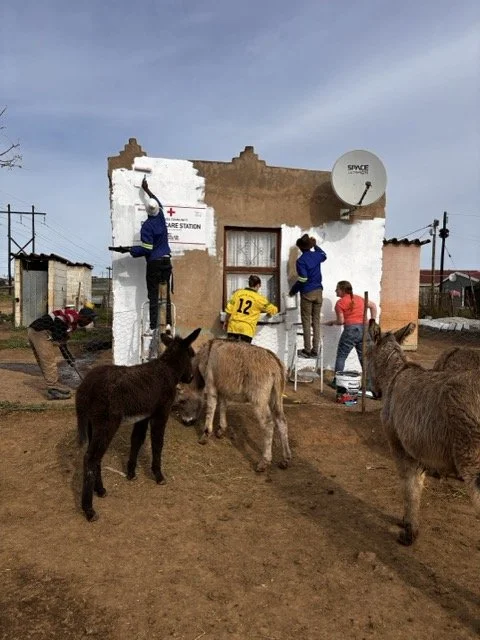
Donkey owners joined in enthusiastically, repainting their carts and repairing tyres. The morning ended with snacks and cold drinks for everyone and a wonderful community atmosphere.
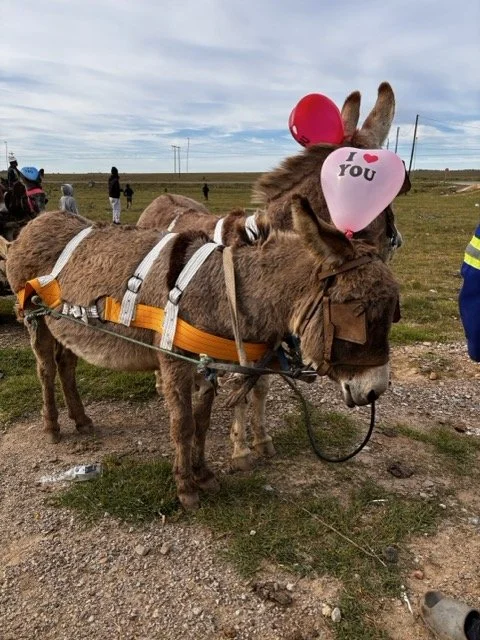
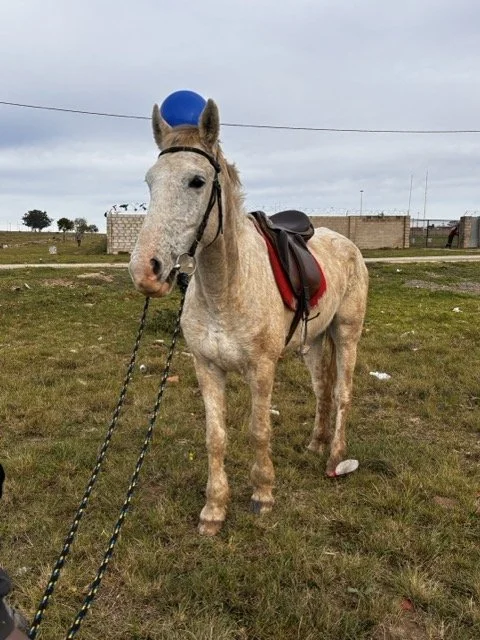
The day began with a colourful parade along Makana Way, led by a pony, with 22 donkey carts following behind to the Care Station.
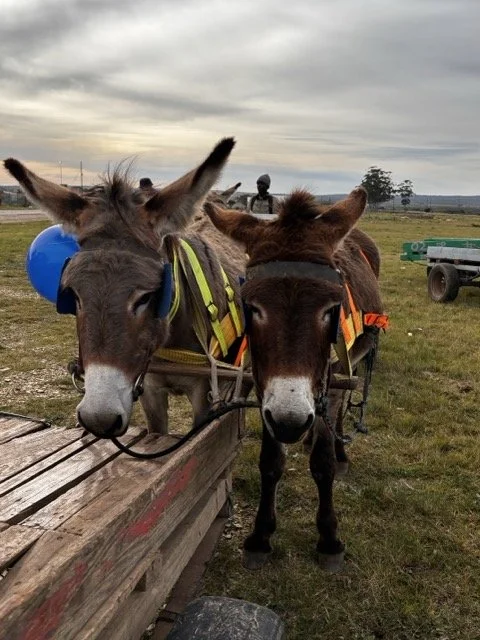
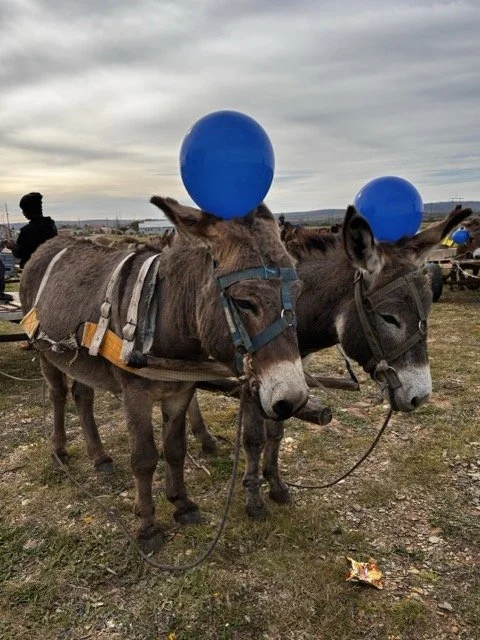
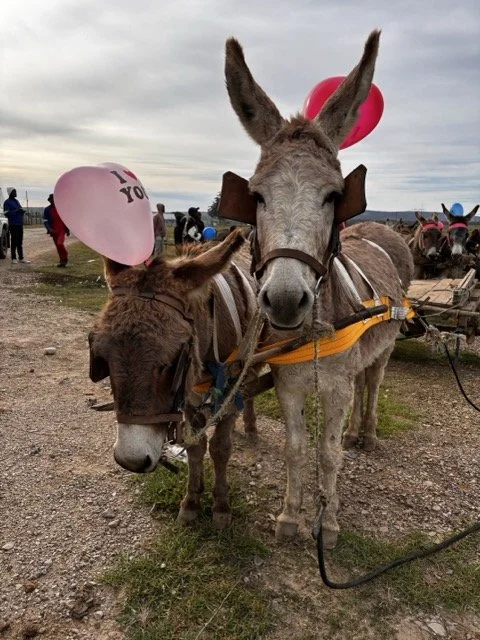
A total of 54 donkeys came to the clinic. Their care included:
General health checks
Internal and external parasite treatment
Cleaning and treatment of wounds and minor injuries
Hoof care where needed
Harness and tack checks
Harness replacements and adjustments where needed
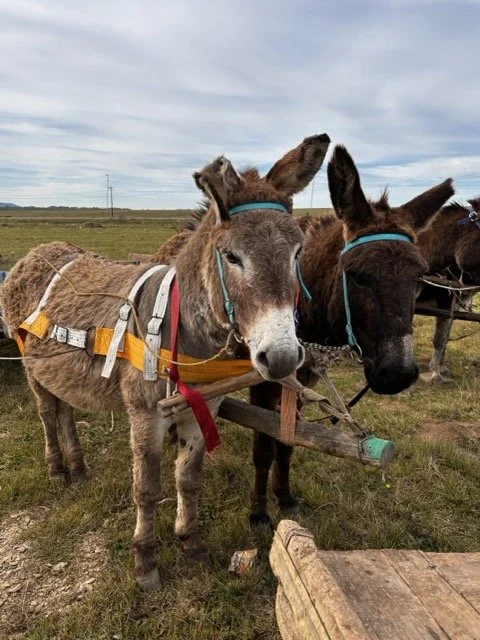
Thanks to local volunteers, the Donkey Care Station now has a beautiful fresh coat of paint.
Kwe Kwe finds a forever home
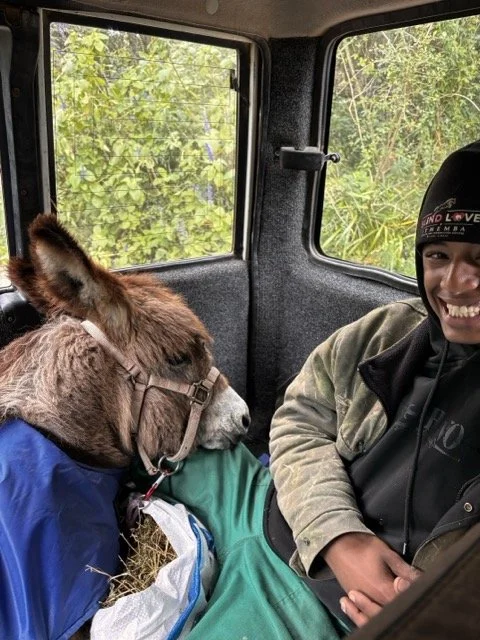
One of July's highlights was welcoming an orphaned foal to Blind Love's sanctuary. His owner no longer wanted to keep him, so on 1 July he moved to the sanctuary permanently.
He has been named Kwe Kwe, meaning "small boy", in memory of Boy, the much-loved donkey he bonded with in his first weeks at the Donkey Care Station before Boy was sadly put to sleep. Kwe Kwe has settled in beautifully and shares his paddock with Percy, who has quickly become his attentive guardian.
Water for the Care Station
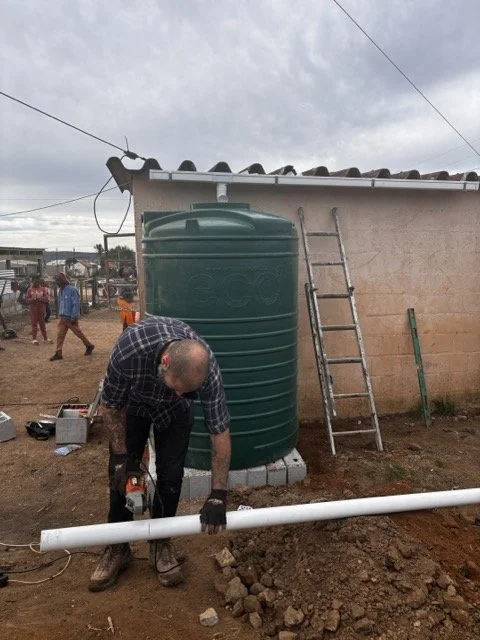
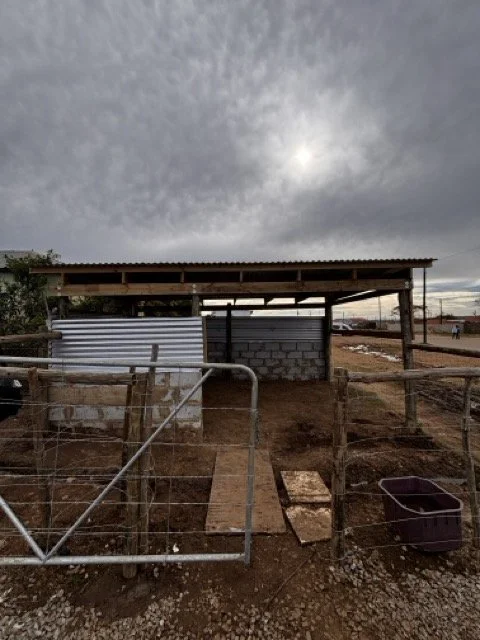
The last stage of the Donkey Care Station building project is complete, with a new water tank, guttering and plumbing installed. The system is now working and ready to collect rainwater, giving the animals in care a reliable long-term water supply.
Feed deliveries
Feed was delivered to the Donkey Care Station twice in July, with lucerne pellets and teff hay for donkeys in rehabilitation and long-term care.
July in summary
Working Horse Program
71 horses treated through outreach
Routine parasite control, wound care and hoof trimming
Harnesses replaced and tack checked where needed
Feed handed out during the winter grazing shortage
Follow-up care for saddle sores and minor wounds at the Horse Care Station
No new cases of African horse sickness
Working Donkey Program
54 donkeys treated at the Mandela Day clinic
22 donkey carts in the Mandela Day parade
Volunteers repainted the Donkey Care Station, and owners repaired and repainted their carts
Orphaned foal Kwe Kwe moved permanently to the sanctuary
Rainwater harvesting system completed
Regular deliveries of lucerne pellets and teff hay
Thank you
Blind Love sincerely thanks Animal Aid Abroad supporters for backing both its Working Horse and Working Donkey programs. Your support also strengthens its Community Care Stations, which provide emergency treatment, daily nursing and long-term rehabilitation for injured or neglected working donkeys, and help the team respond to the changing needs of horses and donkeys throughout the year.
Support working horses and donkeys in South Africa
Your gift helps Blind Love treat wounds, provide winter feed and care for animals like Kwe Kwe. Donate to Animal Aid Abroad today.
Animal Aid Abroad (AAA) is an Australian charity, founded in 2007 and run entirely by volunteers, that supports local partner organisations caring for working animals across Africa, Asia, Latin America and the Middle East.