improving the health & welfare of donkeys working in tanzania’s gold mines
Our partner group in Tanzania, Lake Zone Animal Welfare Organization (LAZAWO), provided 456 donkeys with essential veterinary care last month. They particularly focus on vulnerable donkeys working in the gold mines of Geita. Through their educational programs, LAZAWO are also creating long-term change for donkeys by improving community behaviours and attitudes around animal welfare.
1. Introduction
During July, the LAZAWO team continued to provide veterinary services and essential welfare support for donkeys working in six gold mines across Mgusu, Magenge, Lwamgasa, Stamico, Nyarugusu and Nyaruyeye. The team also examined and treated donkeys in nearby communities.
Dr. Habakuki joined LAZAWO in July - initially working as a volunteer veterinarian under the supervision of Dr. Zacharia and with support from Frank and Leocardia, the vet technicians. This arrangement provided an opportunity for mentorship, practical learning, and close collaboration in delivering veterinary and animal welfare services. Following this volunteer period, Dr. Habakuki was offered the full-time position of veterinary surgeon.
In July, 49 clinics were conducted across mining sites and local communities. Through these clinics, veterinary services were provided to 456 donkeys.
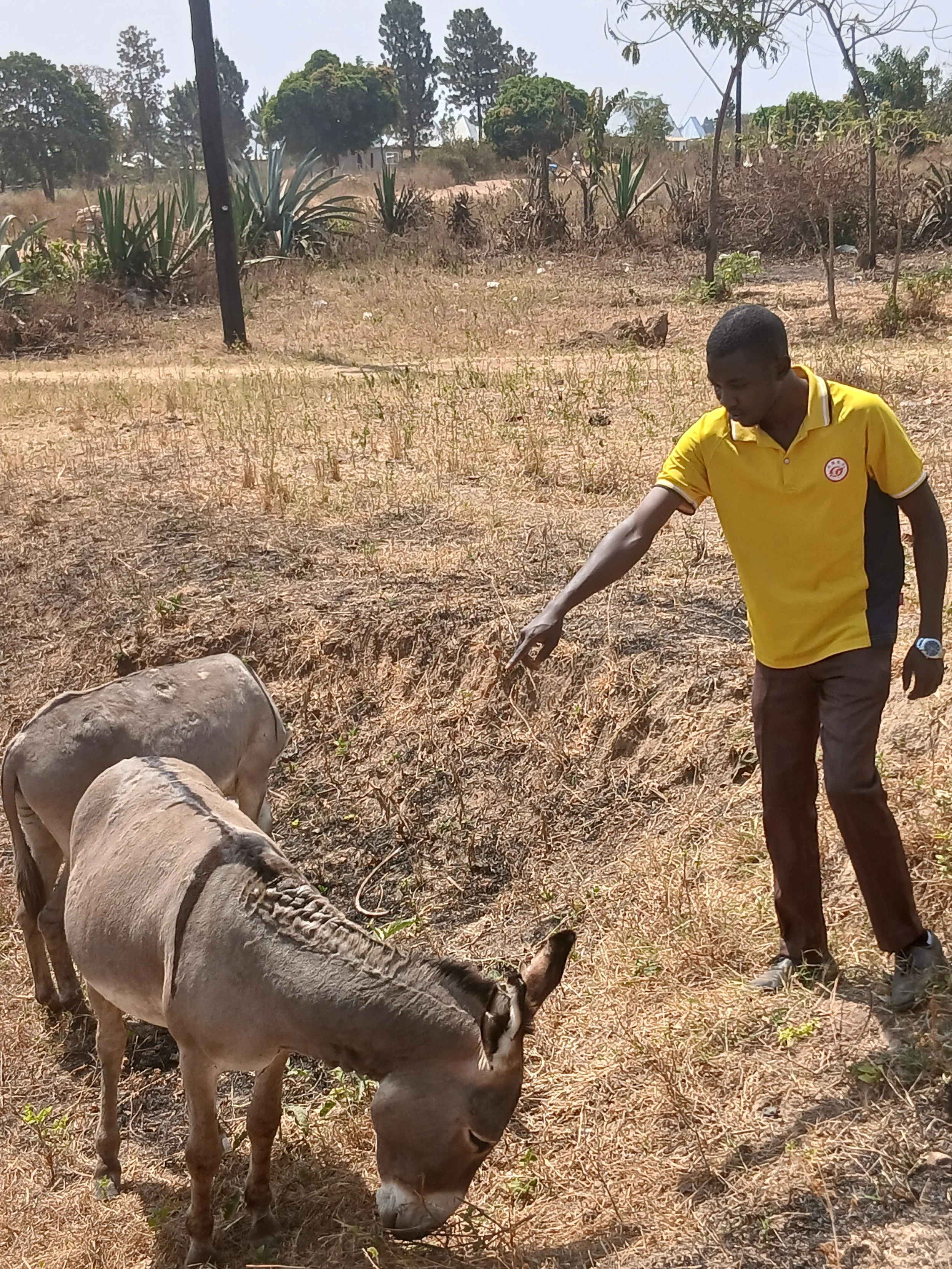
We faced a difficult situation in the Mgusu mine where a drought-induced grazing shortage led to many donkeys losing significant amounts of weight. We also saw an increase in the number of tetanus cases at Mgusu. Sadly, 20 donkeys passed away as a result of starvation and tetanus.

2. Clinical Cases
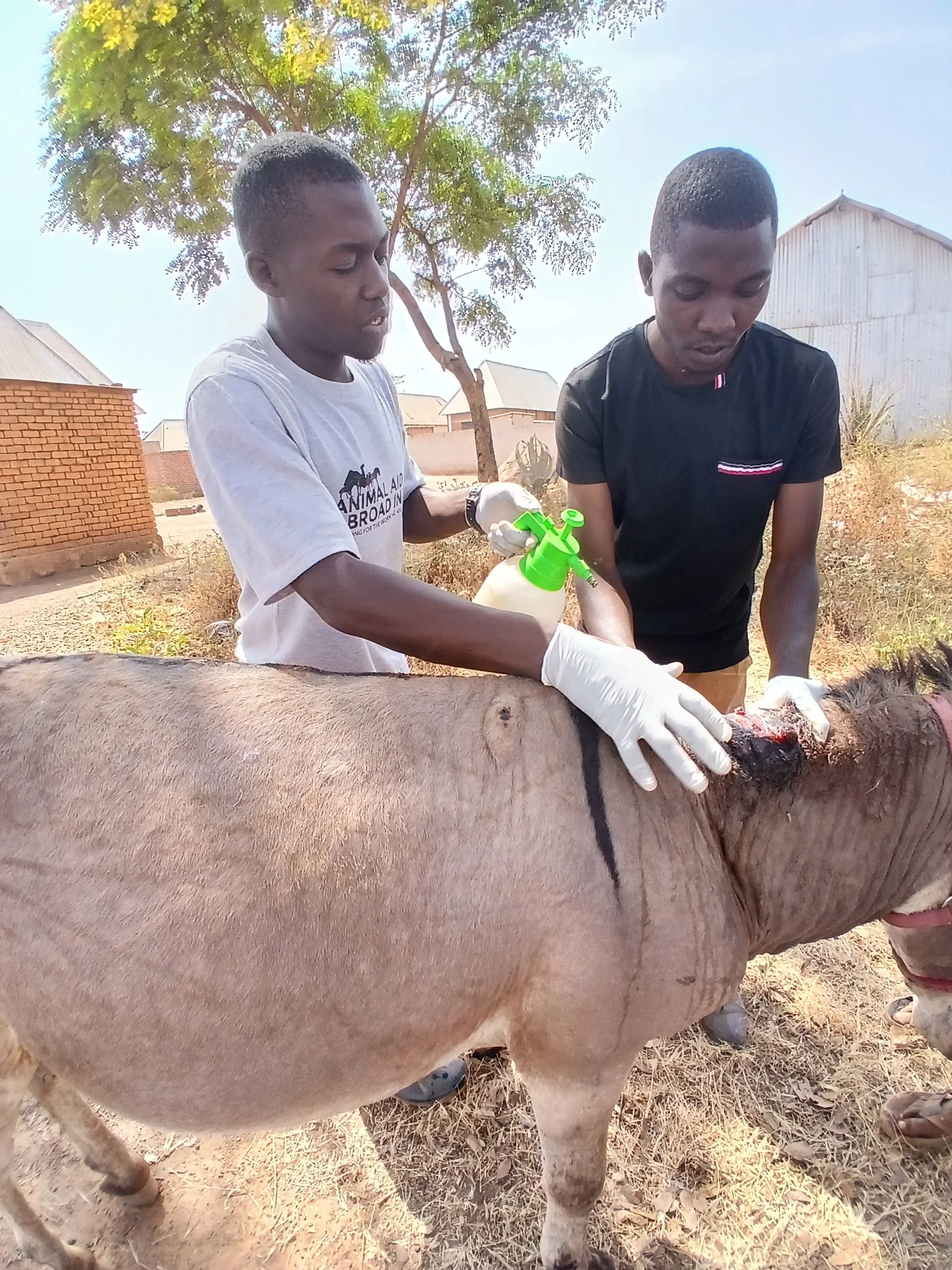
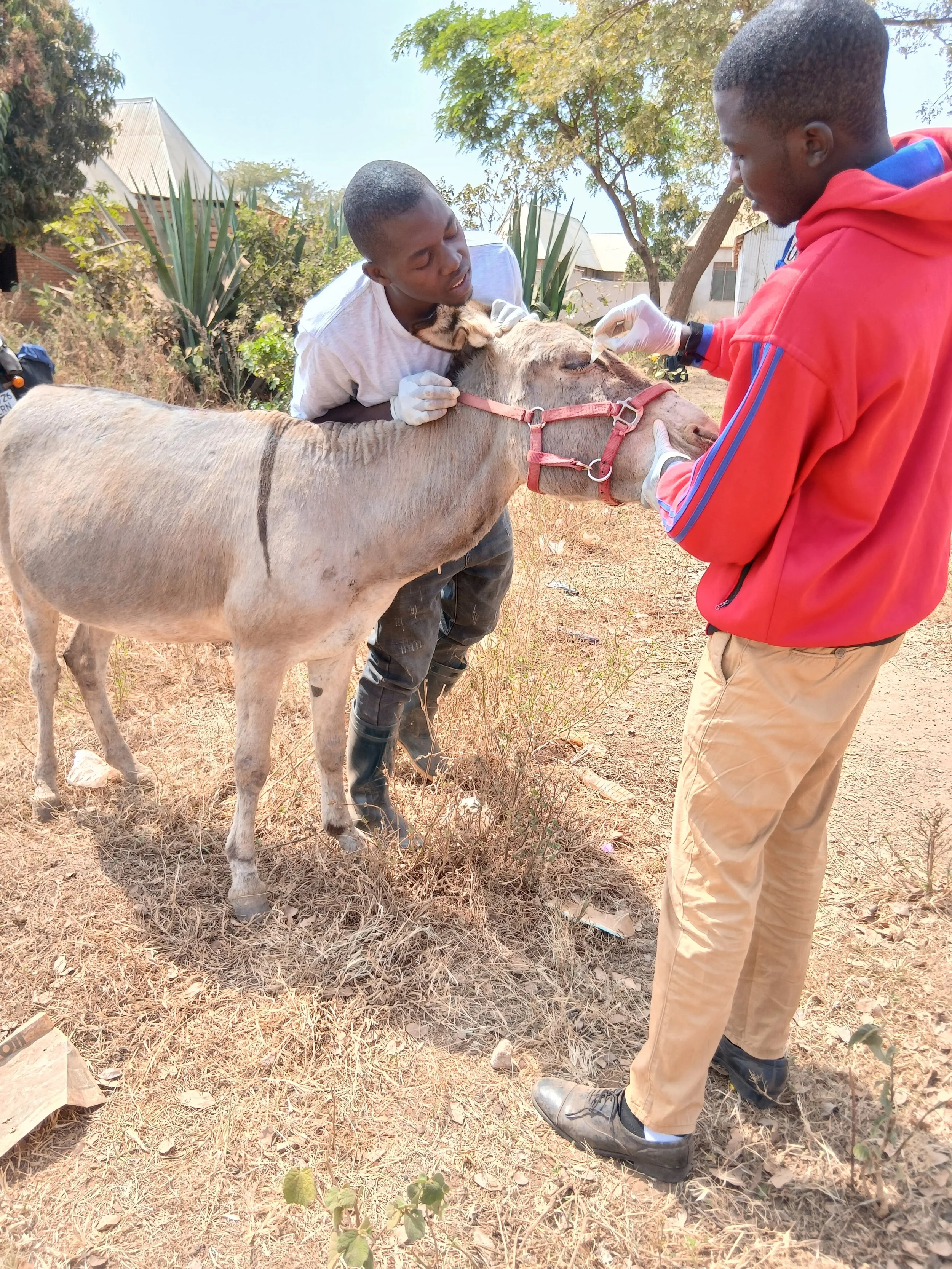
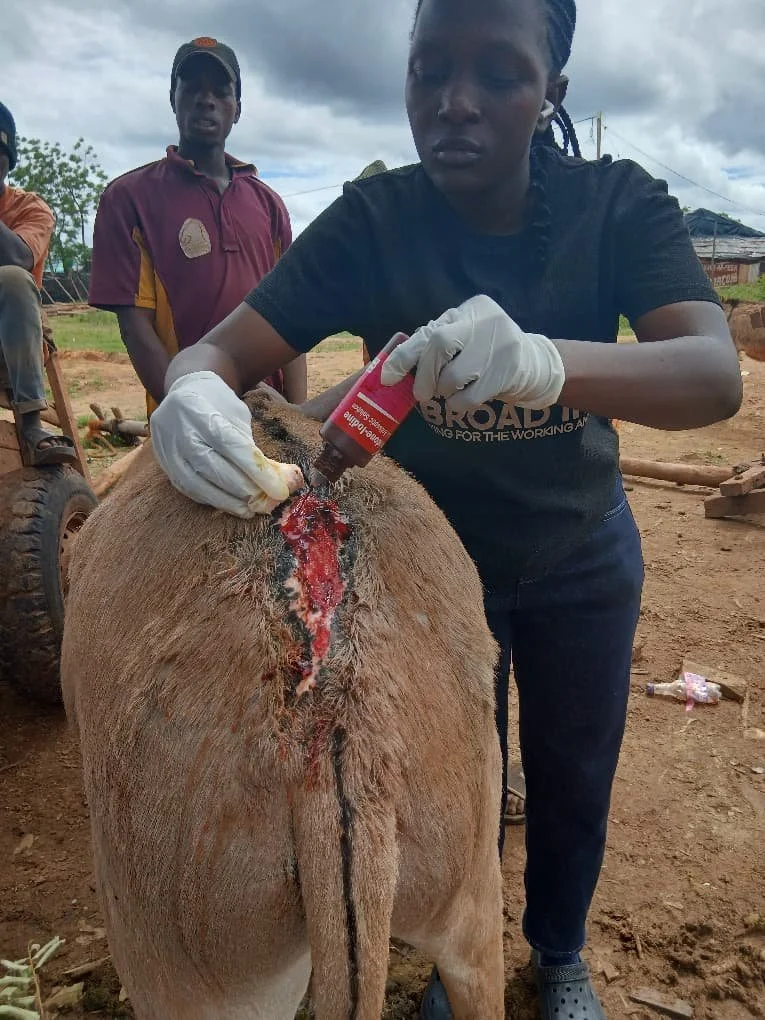
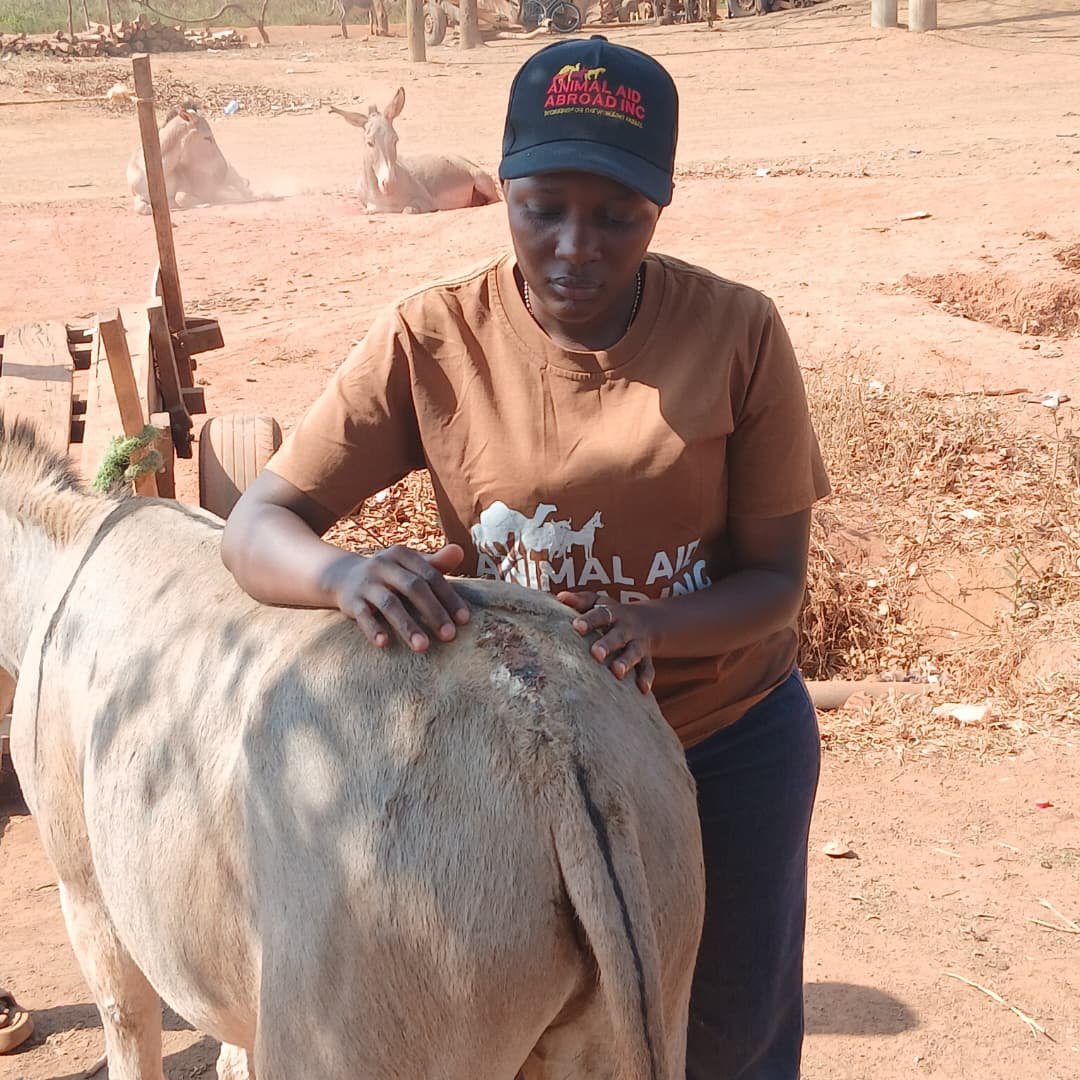
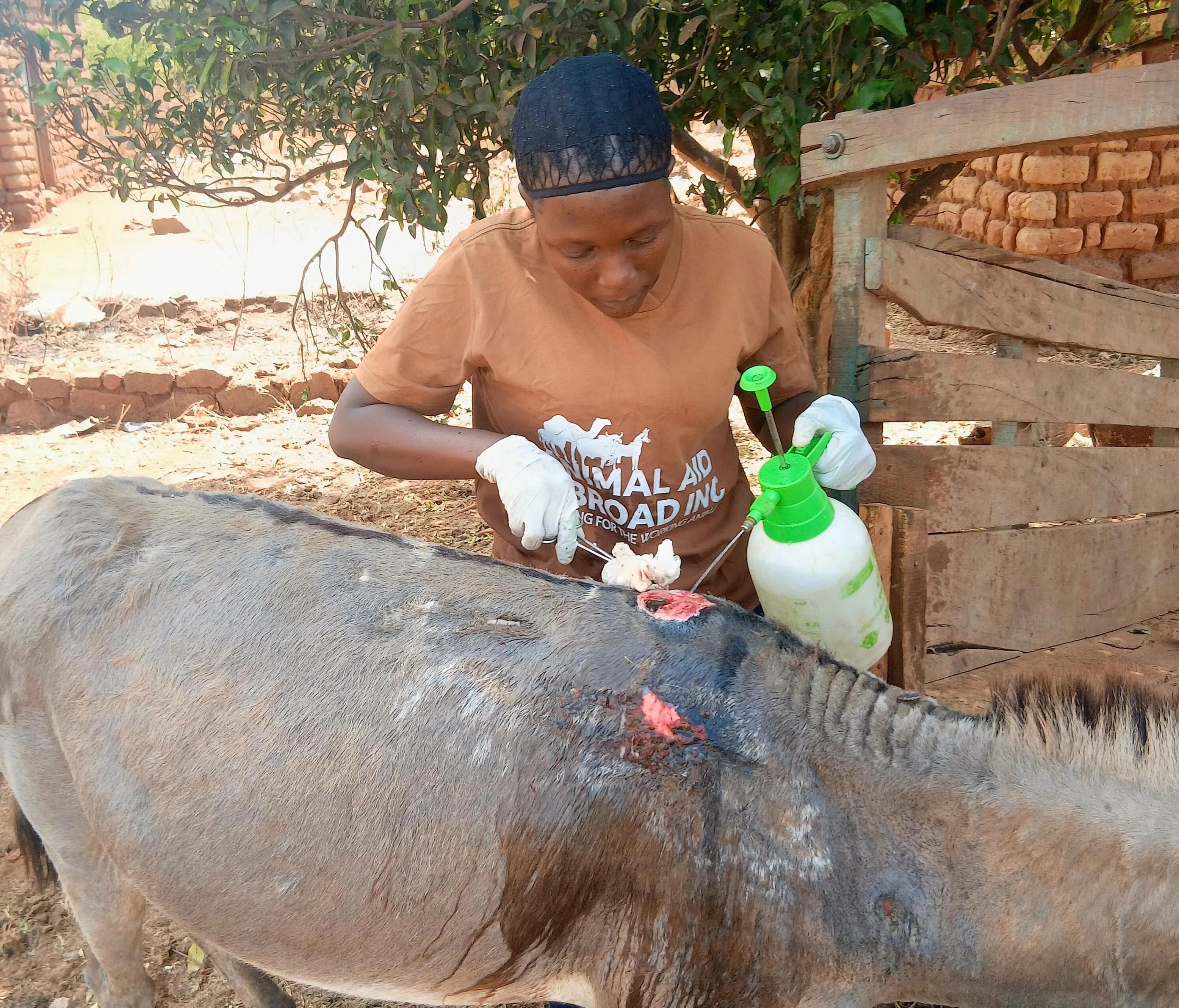
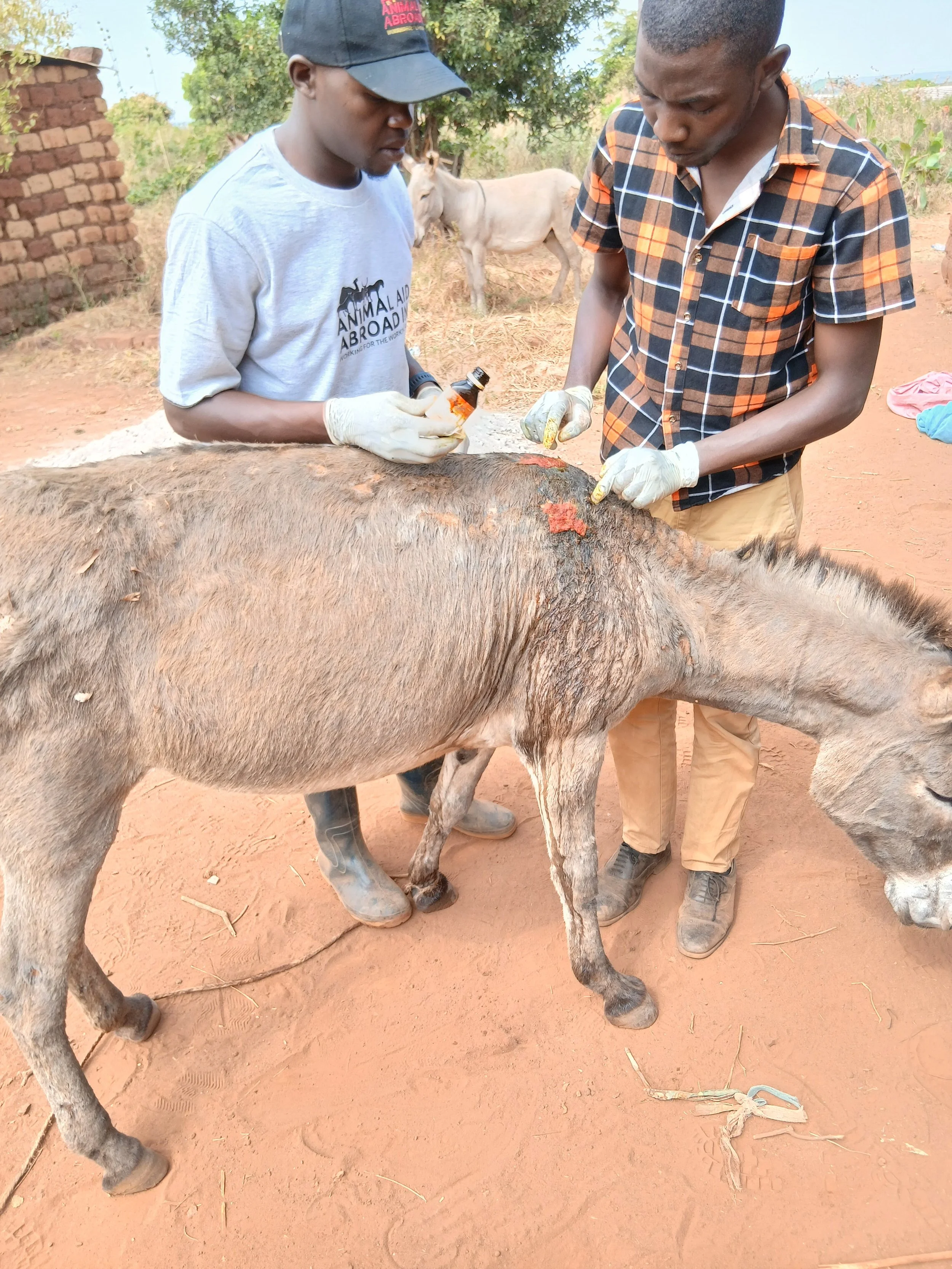
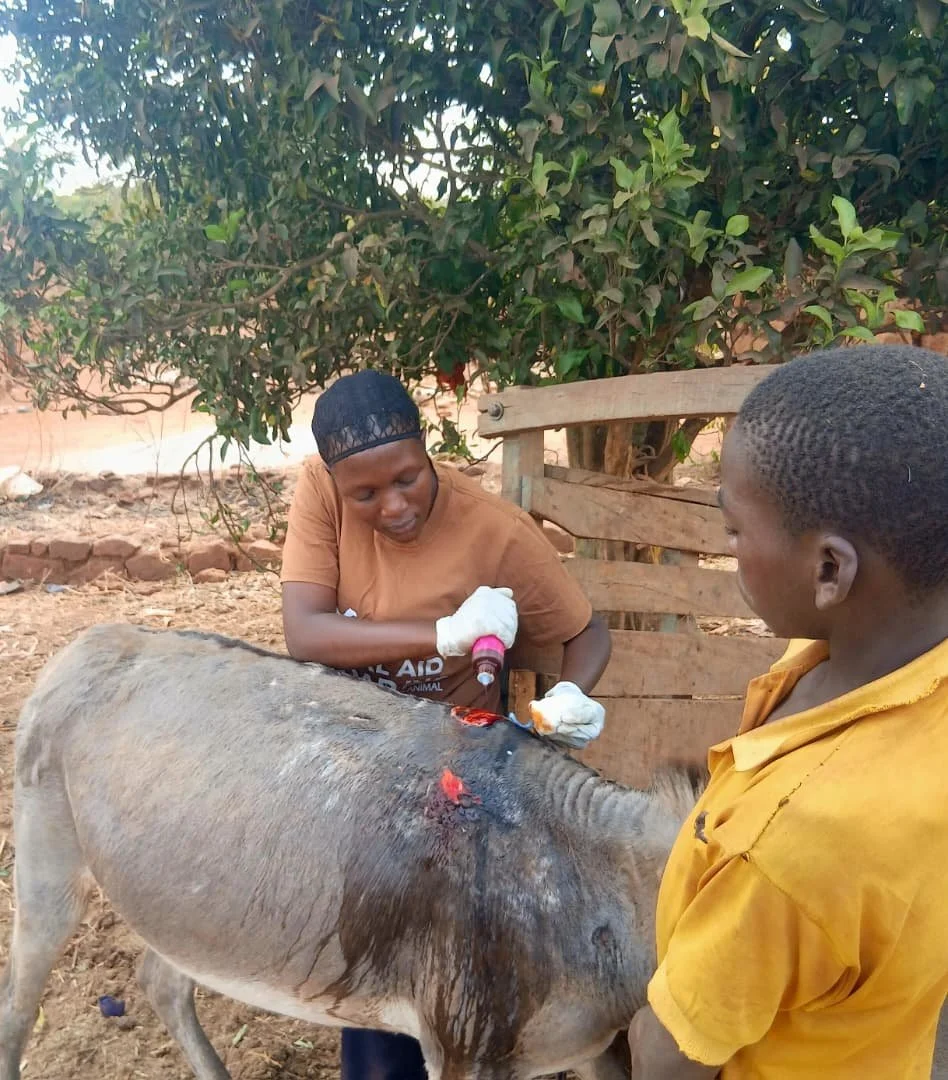
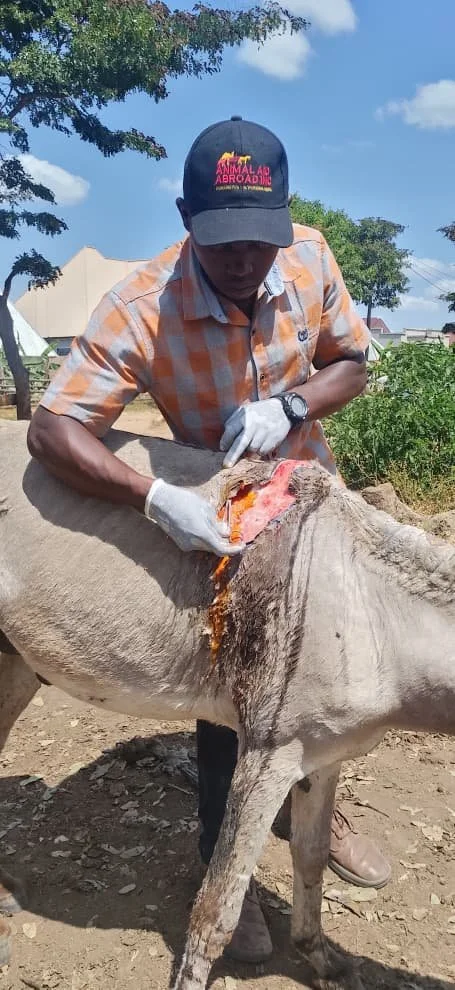
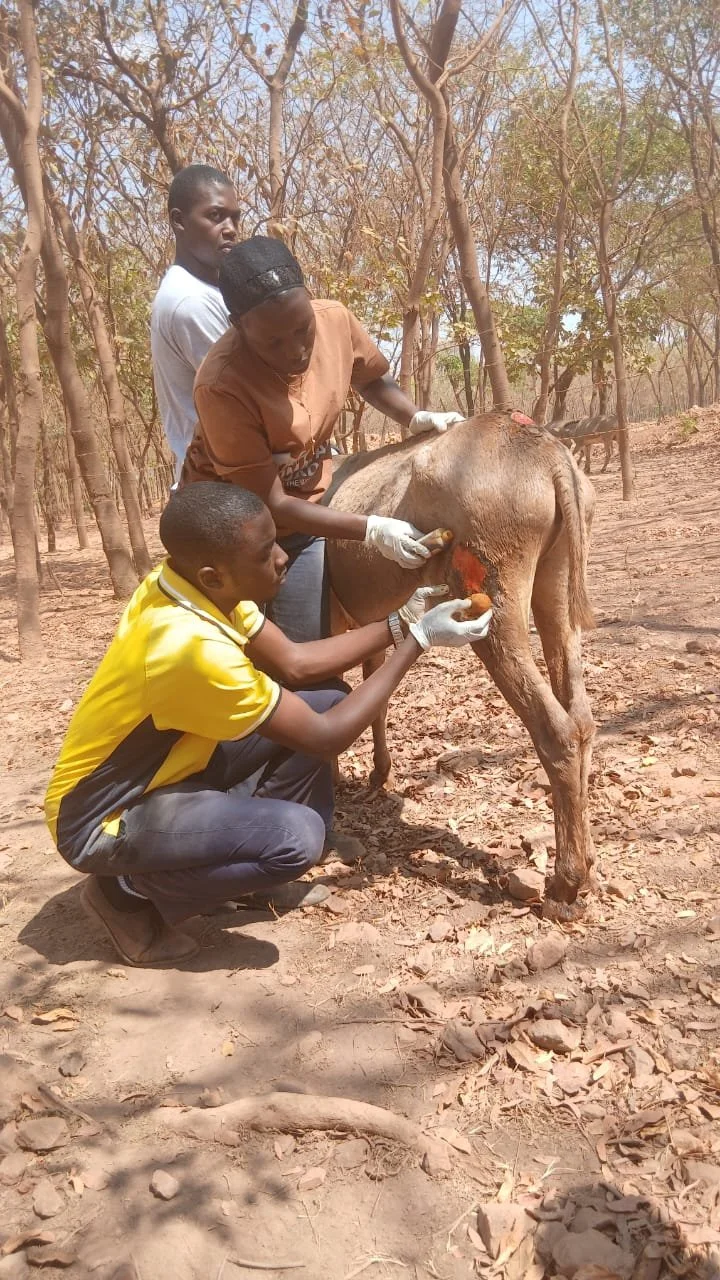
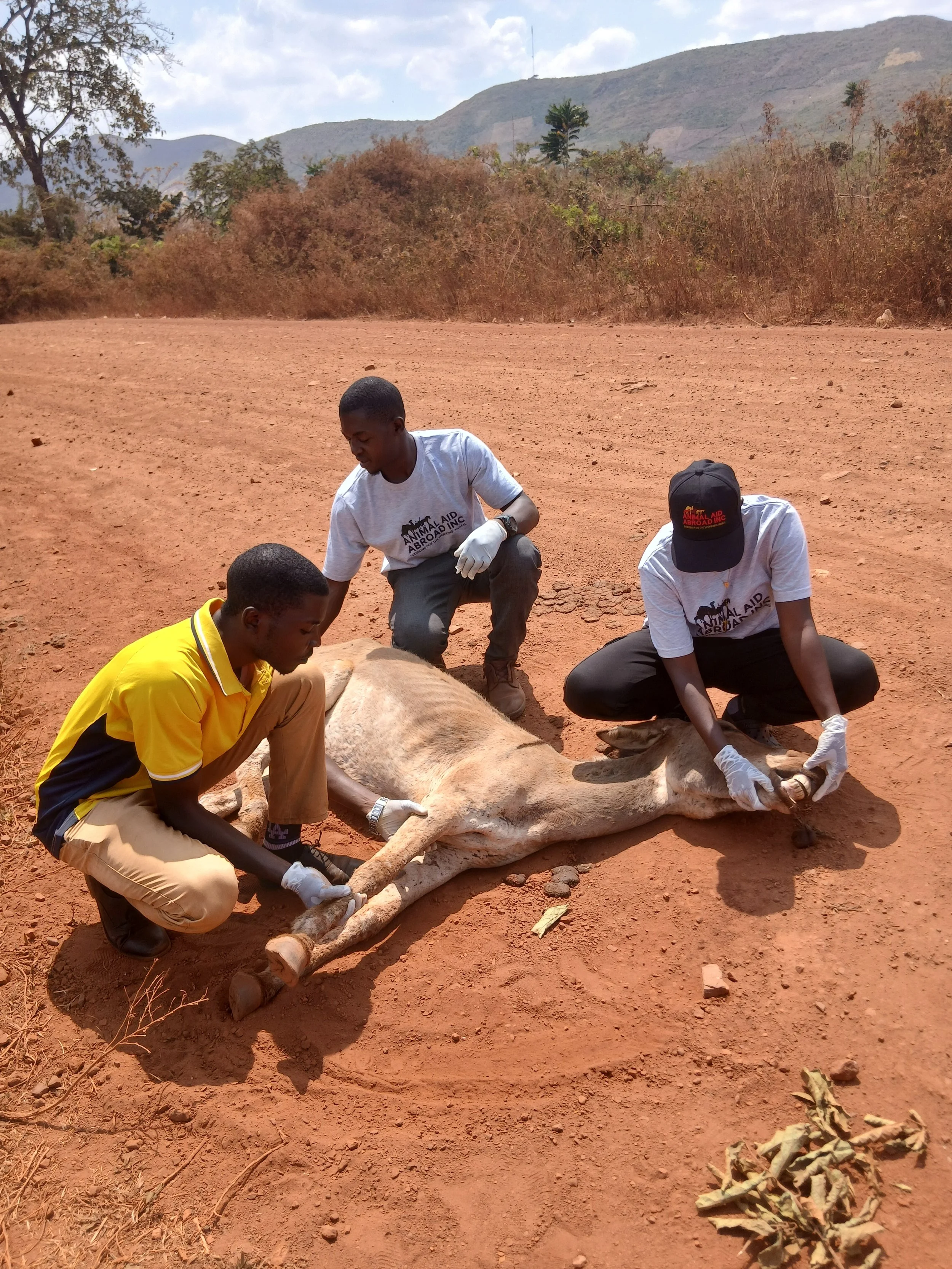
With the support of Animal Aid Abroad (AAA), the LAZAWO team provided interventions for donkeys in need of health care.
A range of issues were treated, including wounds, ophthalmic conditions, hoof issues, parasite infestations requiring deworming, respiratory disease, enteritis, ptyalism, lameness, hematomas, trypanosomiasis, mange, dermatophilosis and tetanus.
3. Follow-up Cases
3.1 Follow-up of ear-tagged donkeys
The LAZAWO team conducted follow-up assessments on 50 working donkeys in Mgusu, Magenge, Lwamgasa and at our sanctuary.
These donkeys had been fitted with identifying ear tags by Dr. Kagaruki in May, 2026. The follow-up aimed to monitor their health status, welfare, and the continued presence of ear tags for identification.
The ear tags were all found to be intact and no donkey has experienced any complications or signs of infection as a result of the tagging process. This indicates the use of this type of ear tag is a suitable means of identifying donkeys.

3.2 Follow-up of donkeys under treatment at the sanctuary
All rescued and rehabilitated donkeys at the sanctuary continue to receive comprehensive veterinary care, individualised nutritional support, and close daily monitoring based on their specific medical and welfare needs. Each animal follows a tailored rehabilitation plan designed to address the underlying conditions that led to their rescue.
Whilst undergoing rehabilitation, all donkeys receive a high standard of professional husbandry and veterinary supervision. This ensures continuous assessment of their health status, timely medical interventions, adequate nutrition, and a safe, stress-free environment that promotes full physical recovery and psychological wellbeing.
As a result of these ongoing efforts, three donkeys have made remarkable recoveries and successfully met all health and welfare criteria required for discharge. These donkeys have now been safely returned to their owners after completing their rehabilitation program. Prior to their release, comprehensive clinical evaluations confirmed that they had regained sufficient health, body condition, and functional capacity to return safely to their owners.
3.3 Follow-up of Majata: a donkey with severe cheek tissue loss and bone exposure in Mgusu
As recently reported, Majata was a victim of serious cruelty that resulted in extensive soft tissue damage involving severe cheek tissue loss with exposure of the underlying bone.
With your support, Majata has continued receiving regular veterinary care including regular wound assessment, pain management and suture removal. We are pleased to report that Majata has made a full recovery and is now healthy.
The LAZAWO team extends our heartfelt gratitude to AAA for your generous financial support, and for providing the medications that made Majata’s treatment possible. Your kindness and commitment have made a significant difference in the recovery of Majata.
4. Outreach, General Clinics and Anti-Cruelty Program
4.1 Planned veterinary clinics
In July, the LAZAWO team conducted general donkey clinics in two gold mines: Mgusu and Nyarugusu. During these clinics, a total of 101 donkeys with a variety of clinical cases were attended to.
4.2 Pre-clinic welfare sessions
A total of 64 participants - both handlers and owners - brought their donkeys along for veterinary care. The LAZAWO team conducted a donkey welfare session, where participants received practical education on proper handling, nutrition, health management, and actions that constitute cruelty and violate animal welfare.
4.3 Impact of pre-clinic welfare sessions
During these sessions, we observed many owners and handlers demonstrated increased awareness of donkey welfare issues. There is also promising changes of behaviour among donkey owners and handlers, including reduced use of harmful handling tools, and actively seeking out medical care for injured donkeys instead of just abandoning or neglecting them.
Following these welfare sessions, community leaders at the mining sites have demonstrated increased awareness of donkey wellbeing and some have started involving law enforcers to provide awareness on the legal frameworks and implications for those inflicting cruelty. This represents an important step towards creating community bylaws to combat cruelty towards donkeys.
The animal welfare education programs being implemented are also having broader impacts. Someone reported a donkey trapped in a pit who needed to be rescued and given veterinary care. This demonstrates growing awareness, compassion, and sense of responsibility regarding animal welfare. These educational initiatives supported by AAA will ultimately create a generation that cares for and protects working animals.
4.4 AAA anti-cruelty recognition program
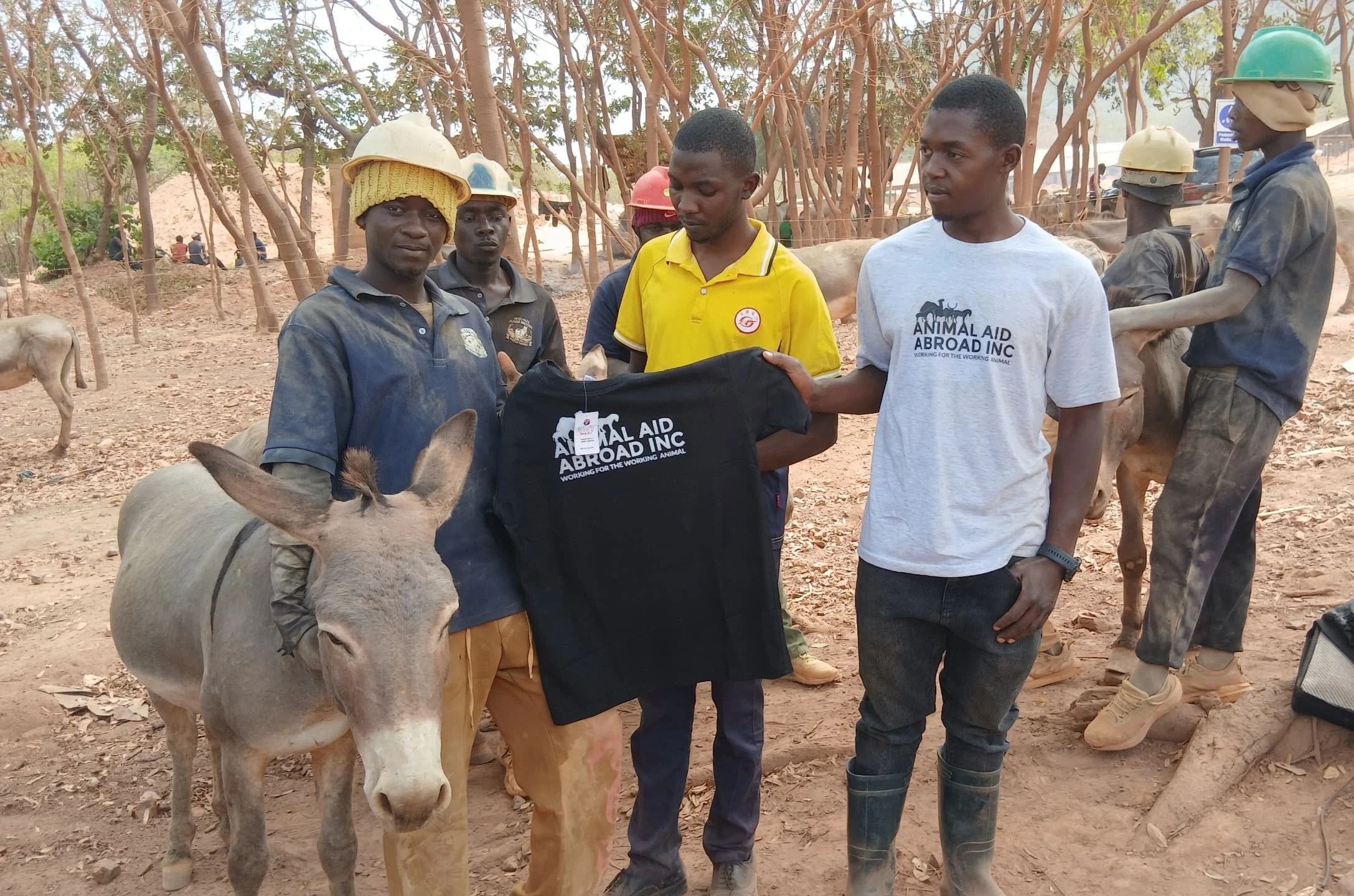
As part of our Anti-Cruelty Program, five exemplary donkey handlers were publicly recognised and rewarded.
Three handlers from Mgusu were rewarded with an AAA tee-shirt or hat. In Nyarugusu, one handler received an AAA tee-shirt and another was given an AAA hat.
5. Case Studies
5.1 Manumbu’s story: the hidden cost of food and water scarcity
In July, we received a call from Jeremiah from Mgusu Gold Mine, reporting that his donkey had gone missing. After searching for nine hours, he was informed that his donkey had been found after falling into a pit.
When we arrived, Jeremiah - assisted by fellow donkey handlers in Mgusu - had already managed to rescue the donkey from the pit. However, Manumbu was lying on the ground completely exhausted and unable to stand. He had spent a considerable amount of time struggling to get out of the pit.
Upon clinical examination, Manumbu was found to be exhausted, dehydrated, weak, and in considerable pain. His condition highlighted the challenges facing many working donkeys in Geita’s gold mining areas, where safe and accessible food and water sources are often limited during the drought season.
Our team acted quickly by providing supportive treatment and pain management. Once stabilised, Manumbu was returned to his owner’s home, where he continued to receive close monitoring, supportive nutrition, clean water, and continued follow-up care from our team.
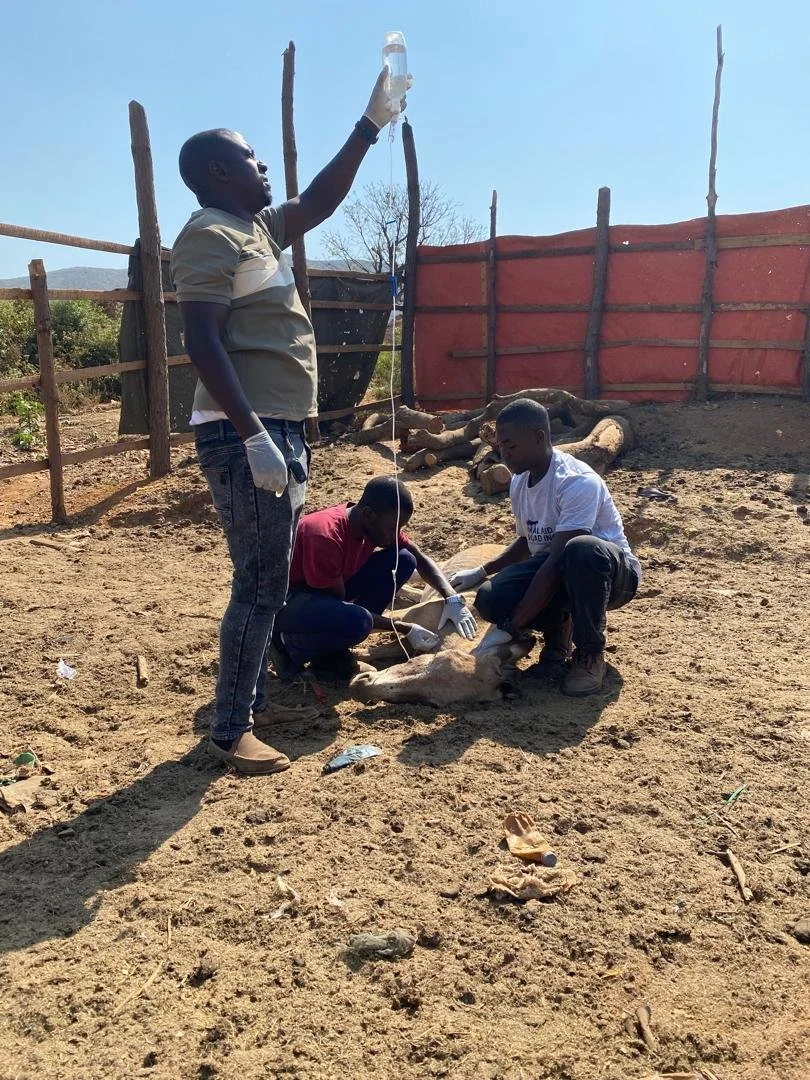
With dedicated care and ongoing treatment, Manumbu gradually regained his strength. Day after day, he became brighter, stronger, and more active. Today, he is recovering well, standing confidently, feeding, and drinking on his own.
Manumbu's painful story reminds us that access to safe and reliable food and water sources are essential for the welfare of working donkeys in Geita’s gold mine communities. Establishing donkey-friendly feeding and watering points during the dry season is crucial. Without these, donkeys will wander widely in search of food and water and will face the risk of injury or accidents.
The LAZAWO team is deeply grateful to AAA for your generous support, which made it possible for our team to provide emergency treatment to Manumbu. Without your support, many of these vulnerable animals would suffer and die in silence, unseen and untreated.
5.2 Nkwimba’s story: use and discard - a common form of cruelty
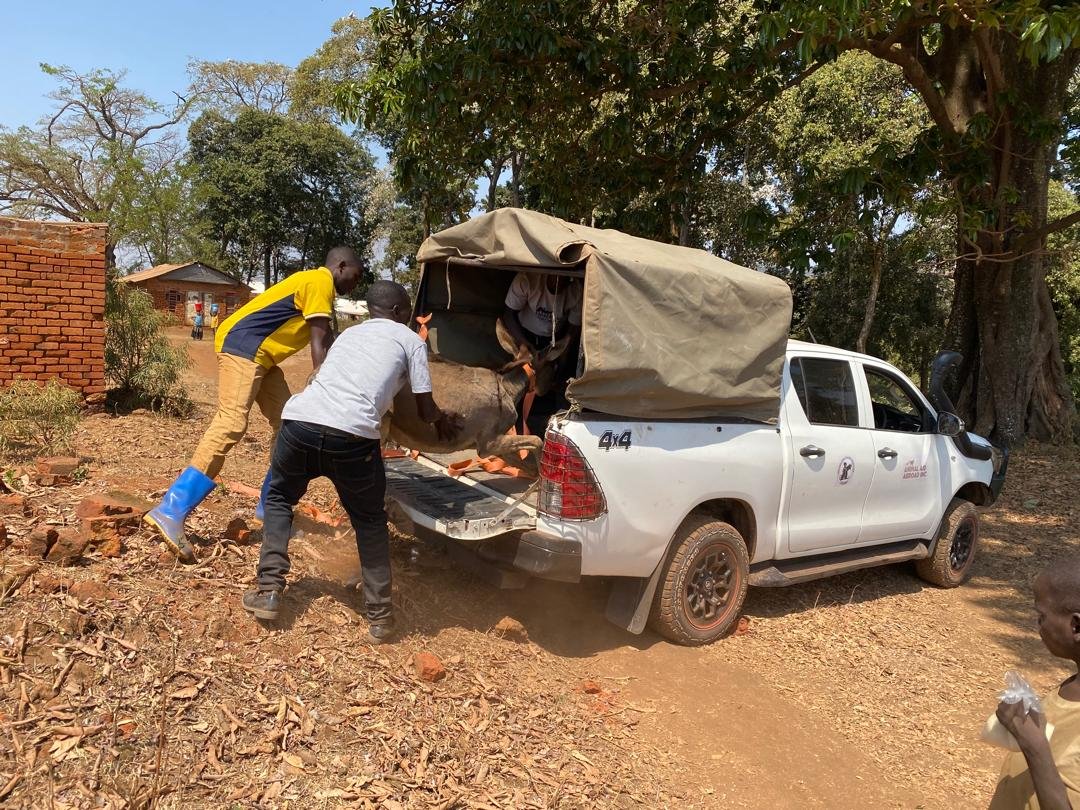
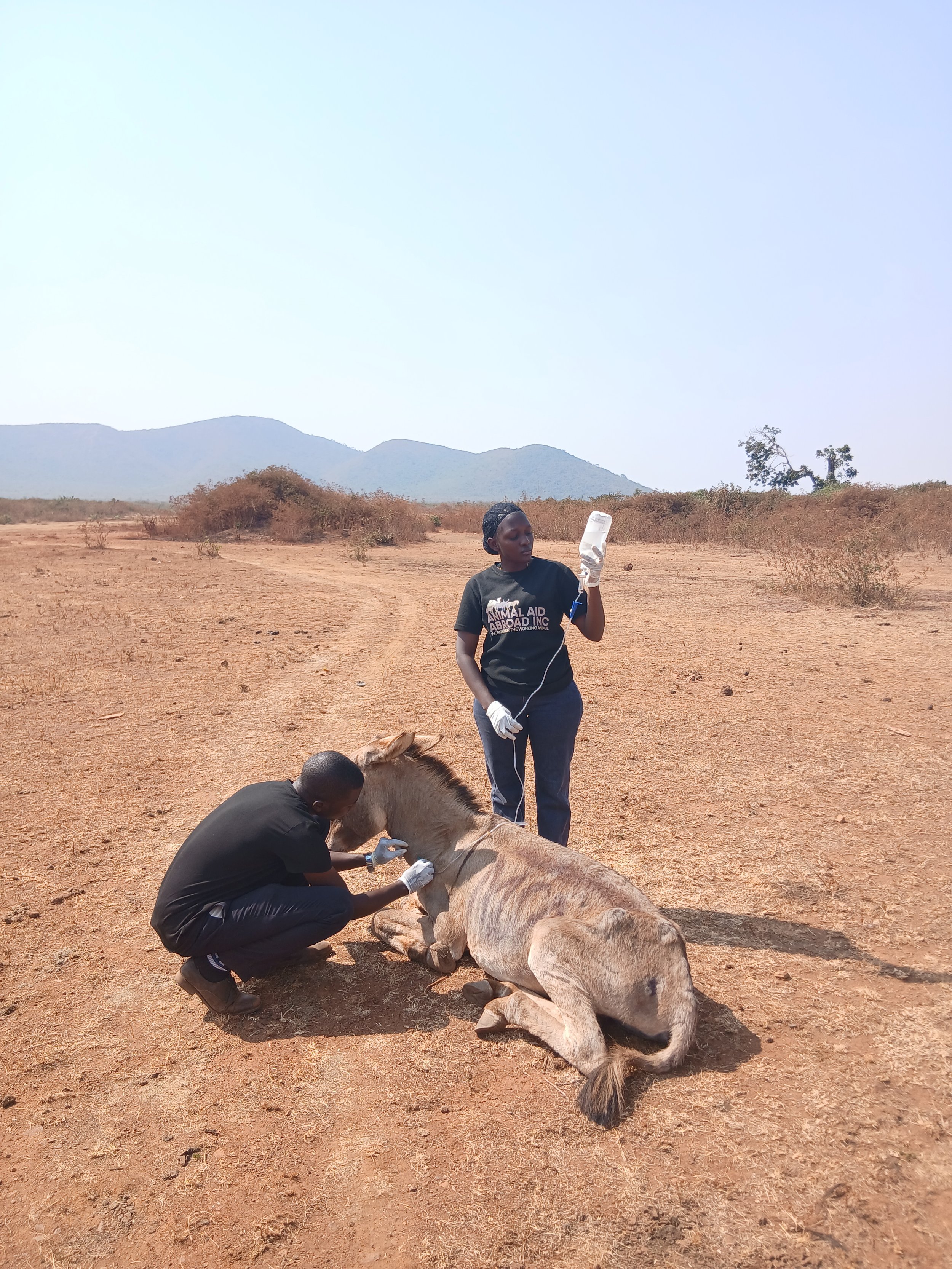
In July, we responded to a call from Mwanajikuyu reporting that his donkey, Nkwimba, had been unable to stand for two days. After thorough clinical examination, Nkwimba was found to be very dehydrated and extremely weak to the point he could neither stand nor walk on his own. He had been lying in a hot area without any shade.
After examining Nkwimba, we stabilised him with an IV infusion and multivitamin injection. We waited for him to gain enough strength to stand up, then transported him to our donkey sanctuary in order to provide him with further treatment, and a regular supply of food and water.
Today, Nkwimba is healthy and has gained strength and weight. We are very grateful to AAA and Network for Animals for their generous support, which makes it possible for our team to help working donkeys like Nkwimba.
6. Challenges and Gaps
Although some progress was made in July, many challenges remain. Some members of the community are still not aware of their animal welfare responsibilities and are resistant to changing their behaviour, leading to some instances of cruelty.
However, we are heartened by the positive behavioural change that has occurred as a result of our mobile veterinary clinics, public recognition of good donkey management, education and community engagement.
The prolonged drought has severely reduced the availability of natural pasture, leaving many donkeys in Mgusu without sufficient feed or water. Access to alternative grazing areas is also limited because of the presence of large-scale mining operations, forcing animals to depend on the little forage available around the mining sites. If rainfall continues to be delayed, the demand for emergency supplementary feeding will become even more urgent.
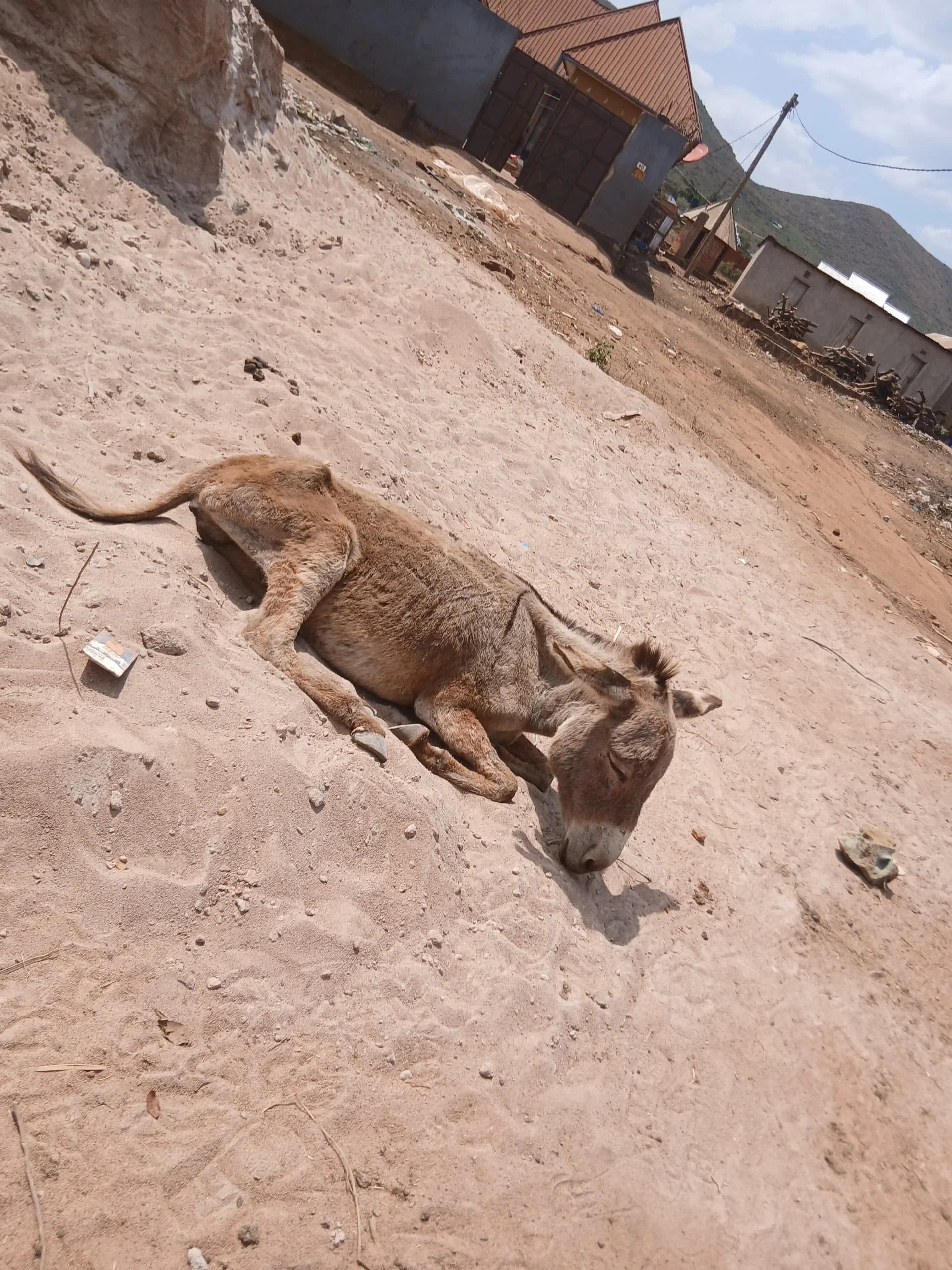
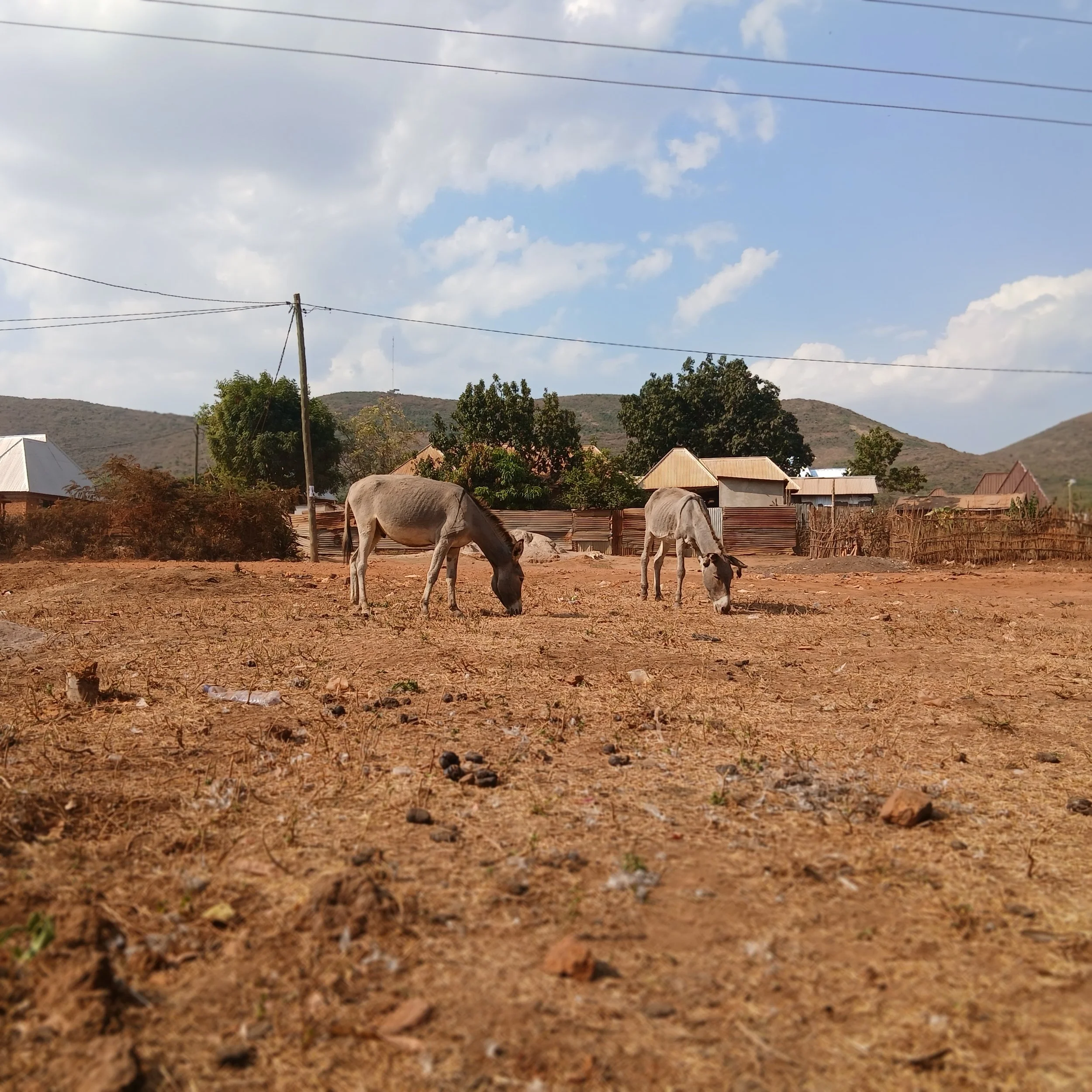
Despite being in poor physical condition, many donkeys continue to transport ore every day because they are essential to their owners' livelihoods. Their weakened state has increased the occurrence of exhaustion, wounds, and harness-related injuries. At the same time, tetanus cases have risen, largely due to contaminated wounds combined with poor body condition and low vaccination coverage. As most affected donkeys had never been vaccinated, many of these illnesses and deaths could have been prevented.
Even though we successfully conducted 49 clinics, transportation remains a significant challenge. As the team often needs to work simultaneously at different mining sites and communities, having a motorbike would greatly improve our efficiency and enable us to continue delivering timely veterinary services on a daily basis.
Appreciation
On behalf of the Lake Zone Animal Welfare Organization team, we would like to express our heartfelt appreciation to Animal Aid Abroad for your continued support and commitment to improving the welfare of working donkeys.
Your partnership has been a tremendous help in our work and has been a great encouragement to our team and the donkey owners we serve. The owners are very happy with this project and are learning valuable knowledge, skills and confidence in donkey care and welfare. This has had a positive effect on the communities and their eagerness to be involved in animal welfare activities.
With your support, we believe progress will continue and our efforts to achieve better animal welfare will be even more successful. Your generous donations will help us to achieve a future where working donkeys are cared for and respected.