helping injured working animals to recover & return to a better quality of life
The Blue Cross of India (BCI) in Chennai cares for vulnerable working animals who have been injured, abandoned, or are seriously unwell. Due to your compassionate support, the veterinary team ensures these animals can recover and experience a good quality of life again.
Summary
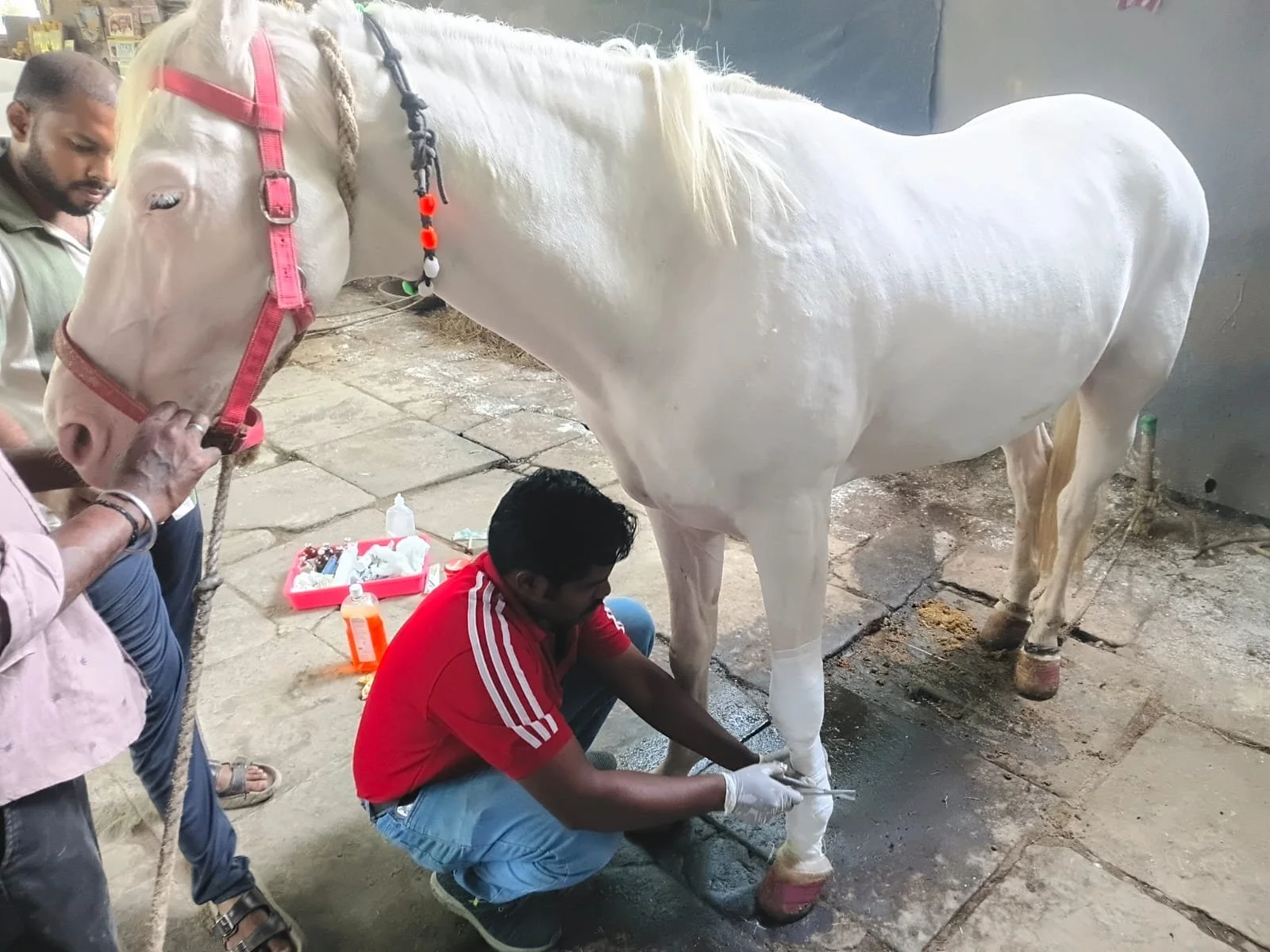
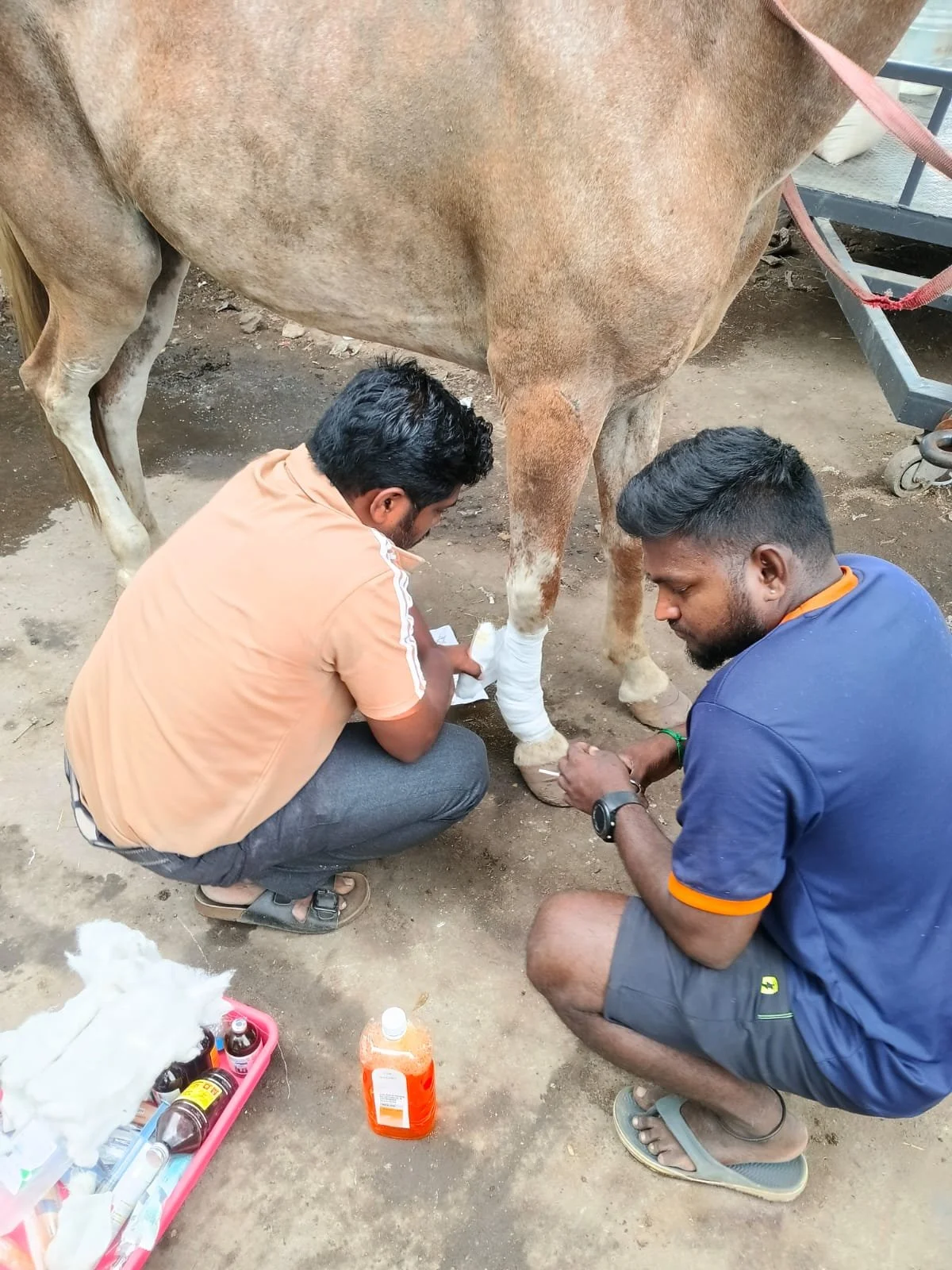
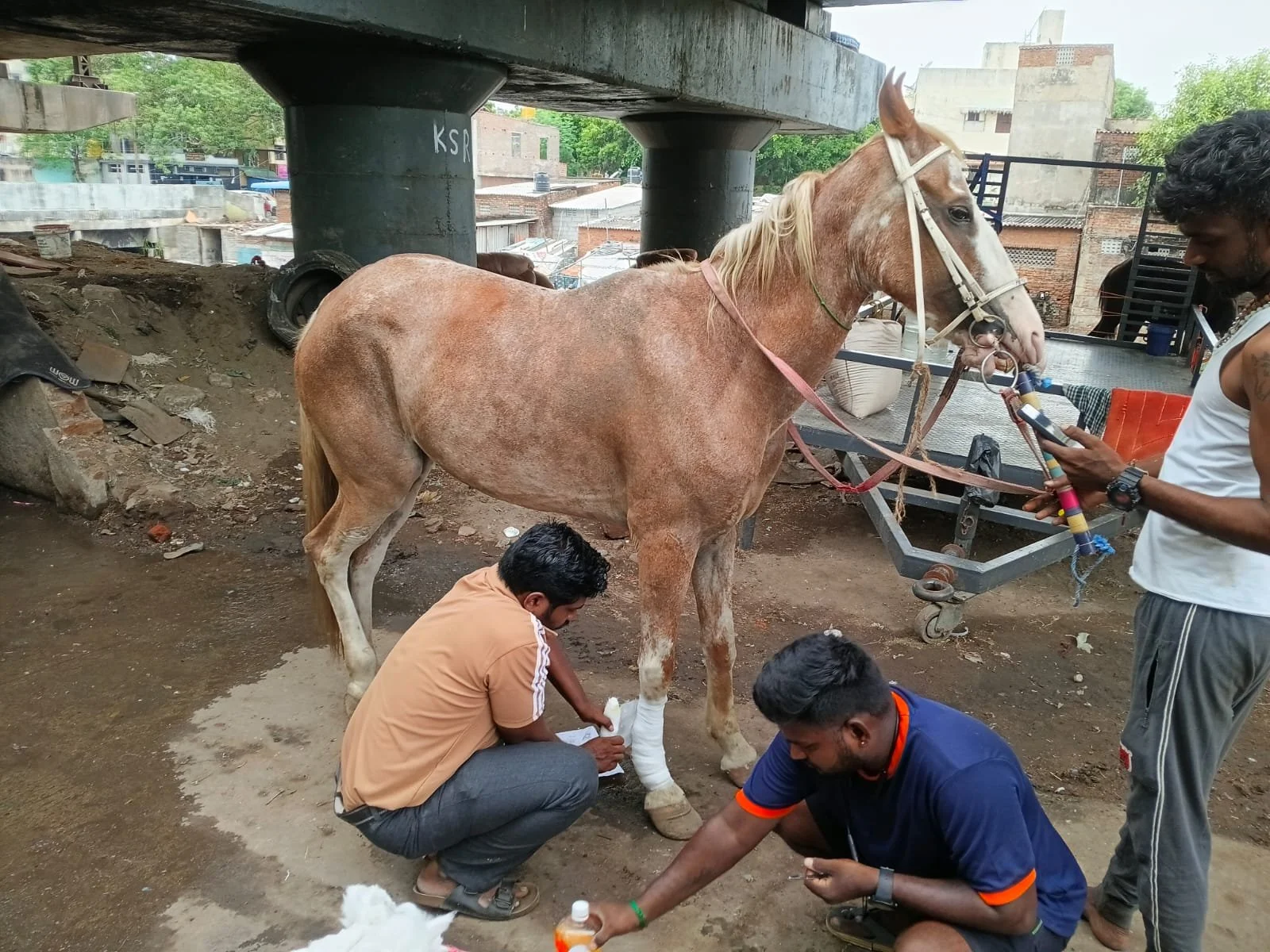
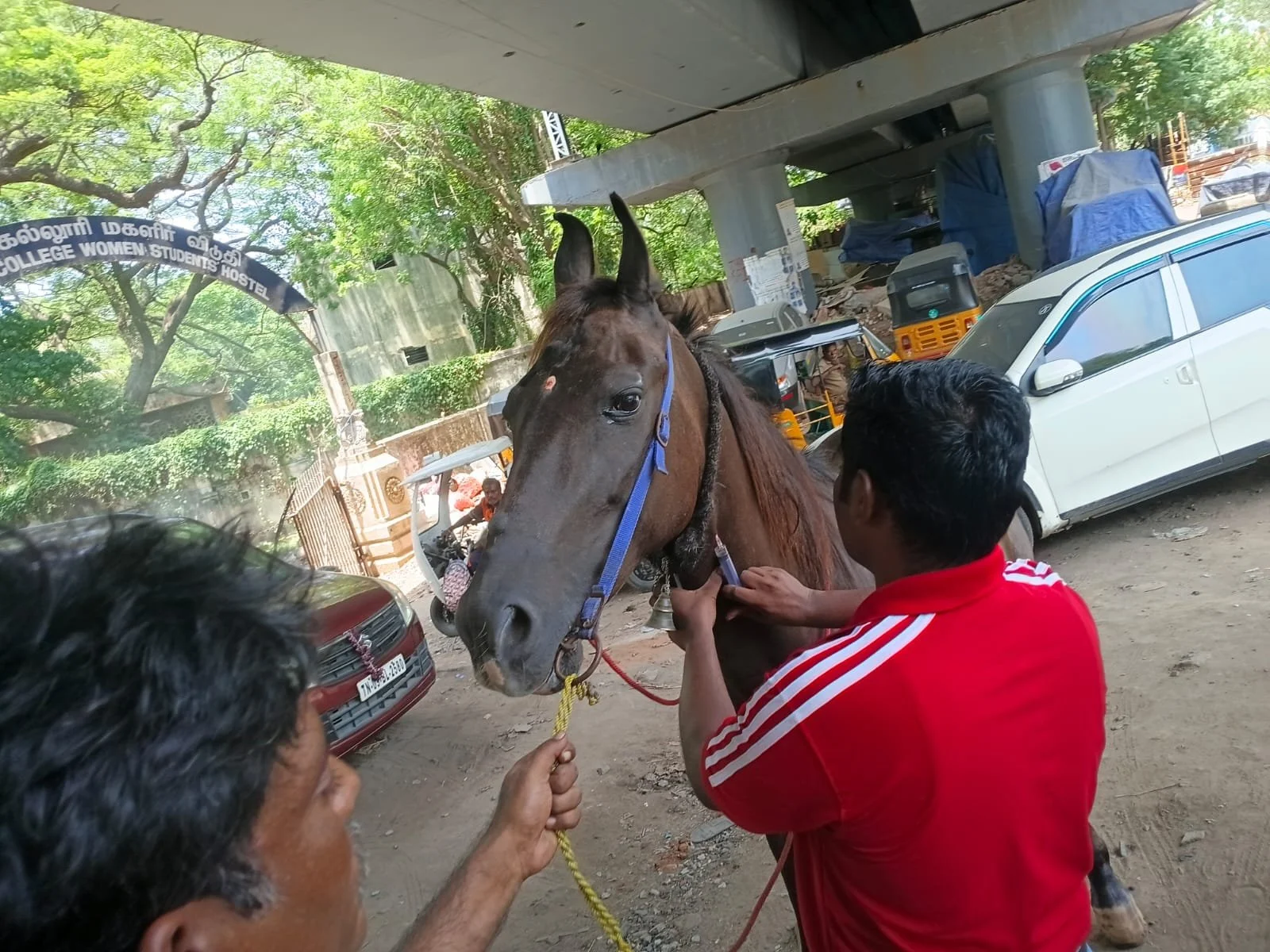
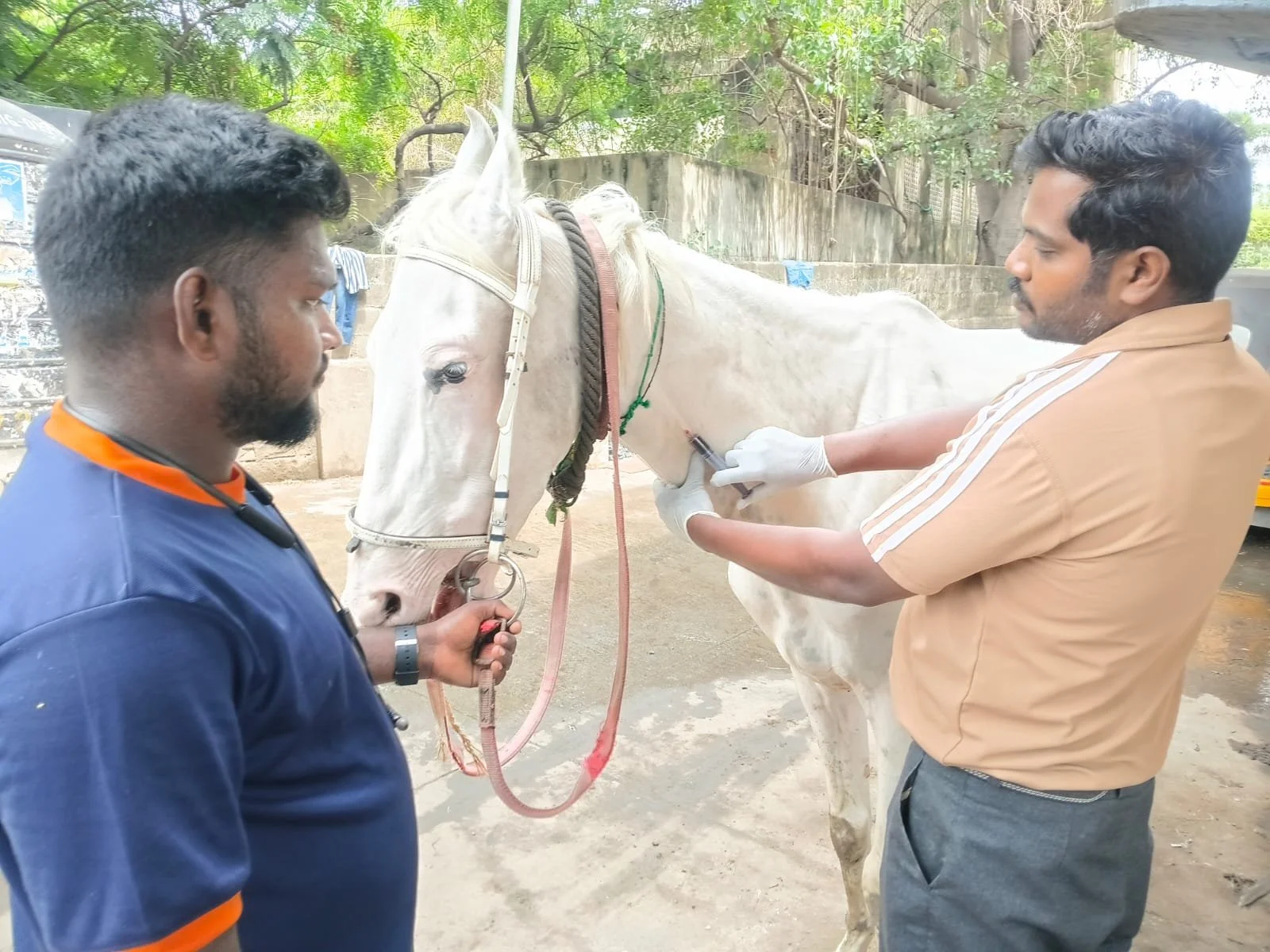
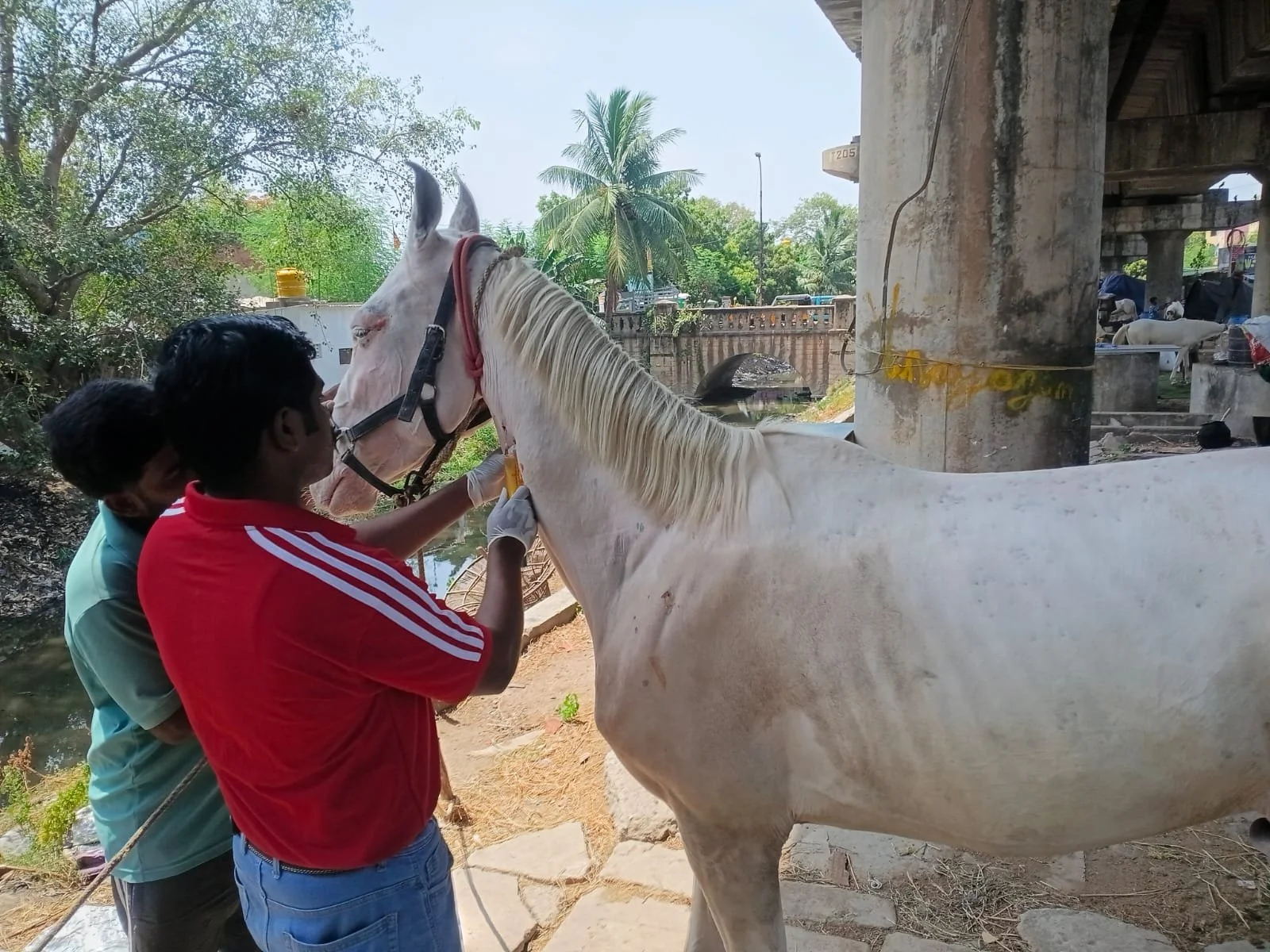
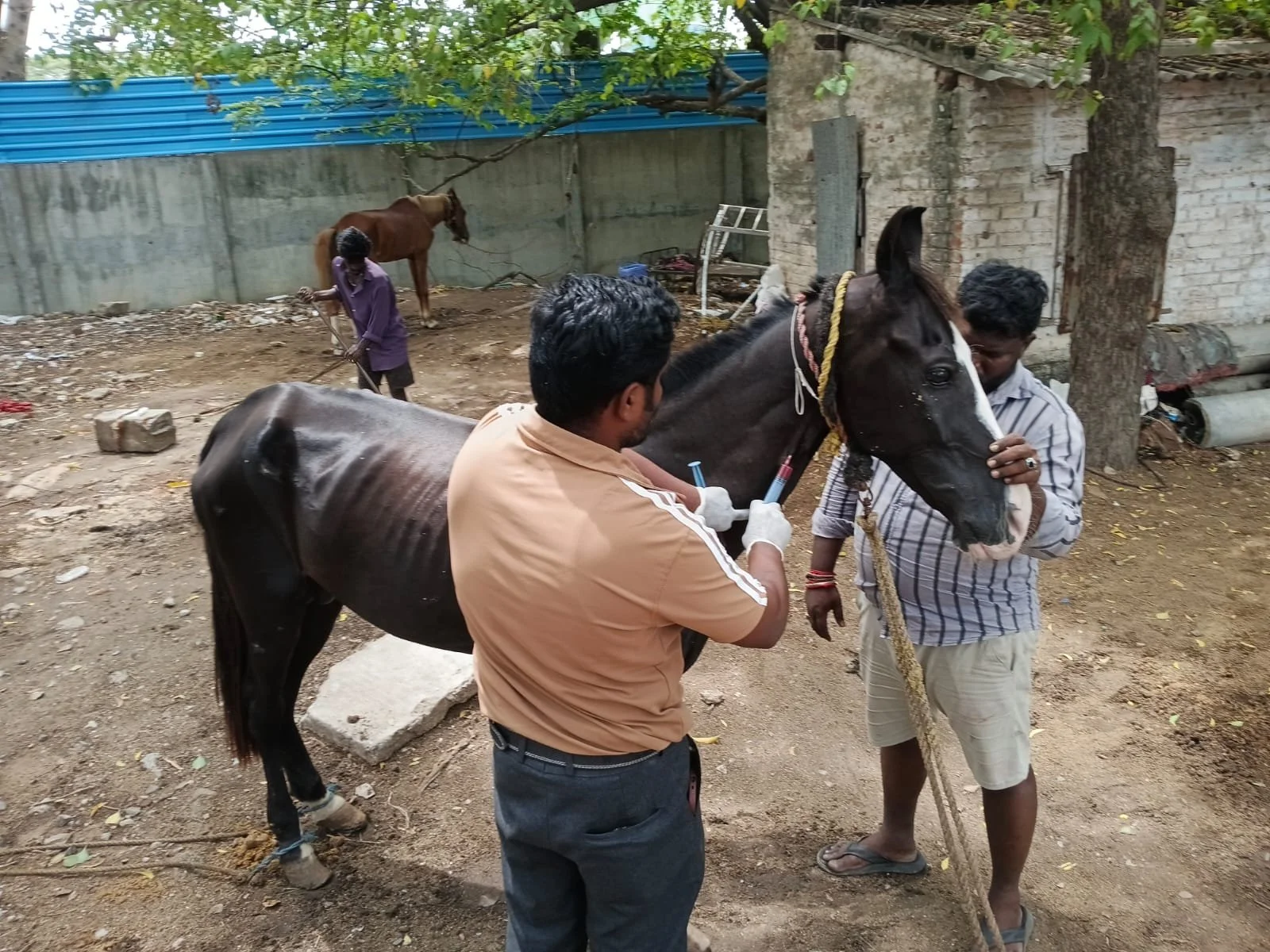
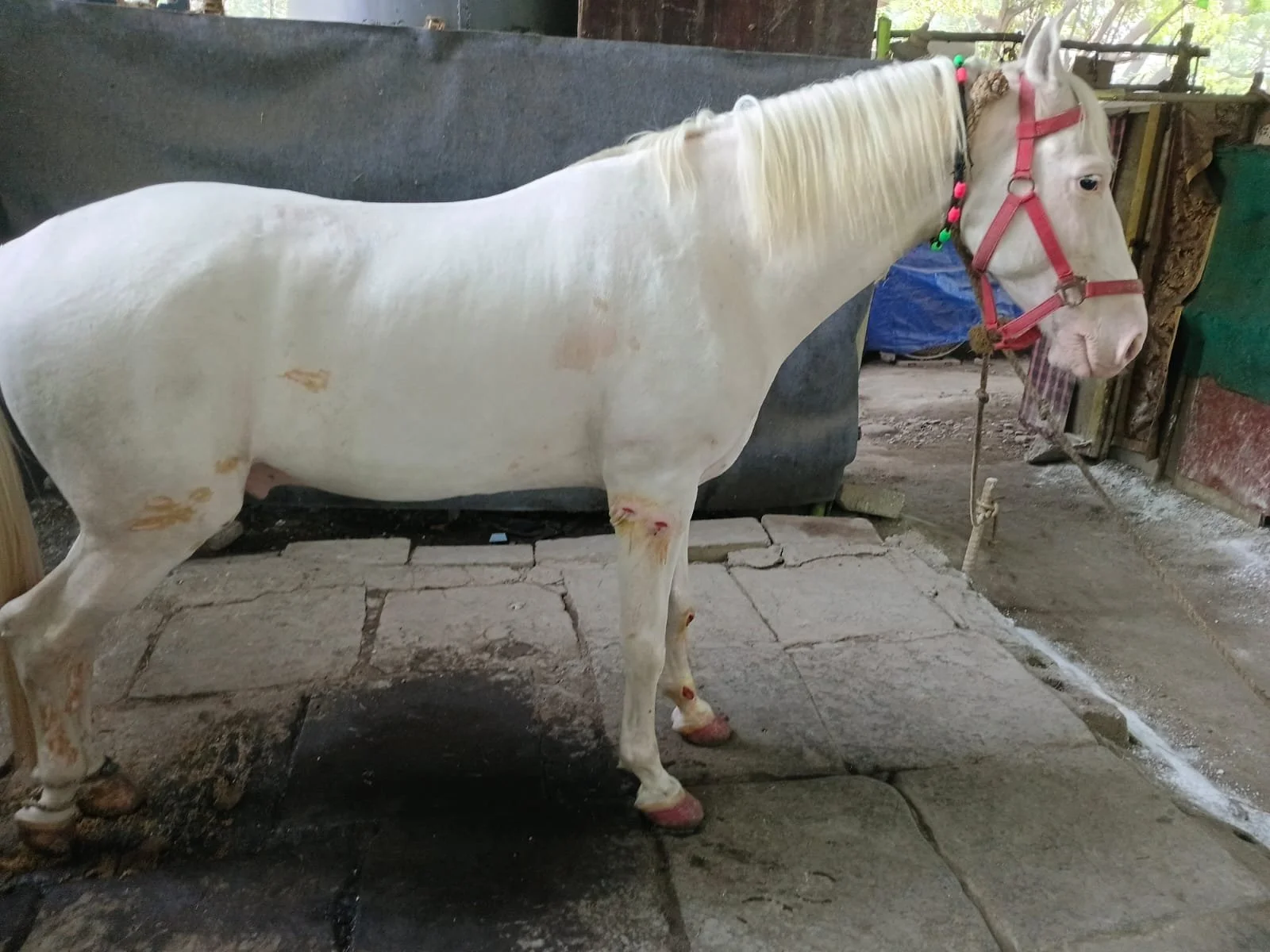
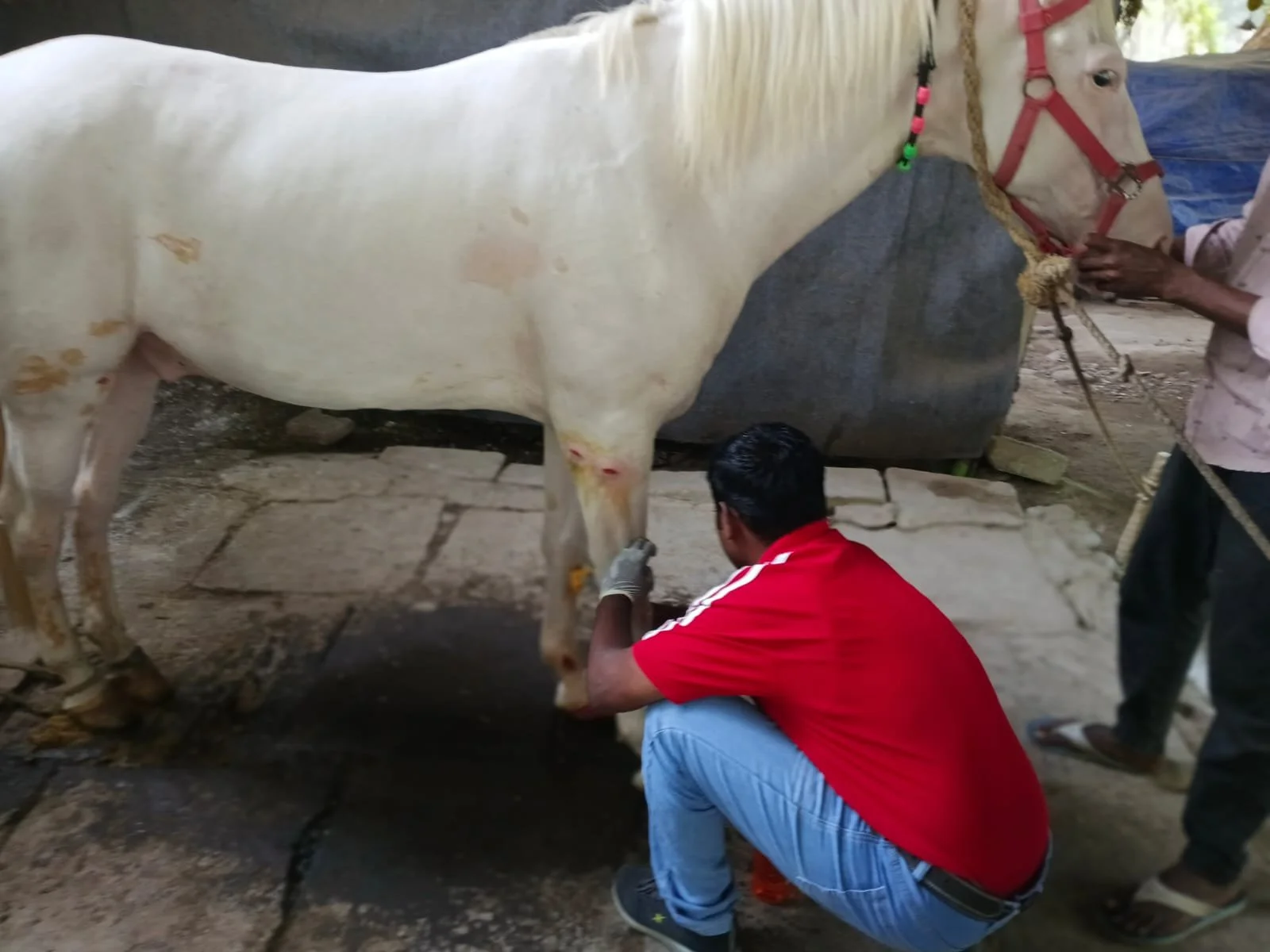
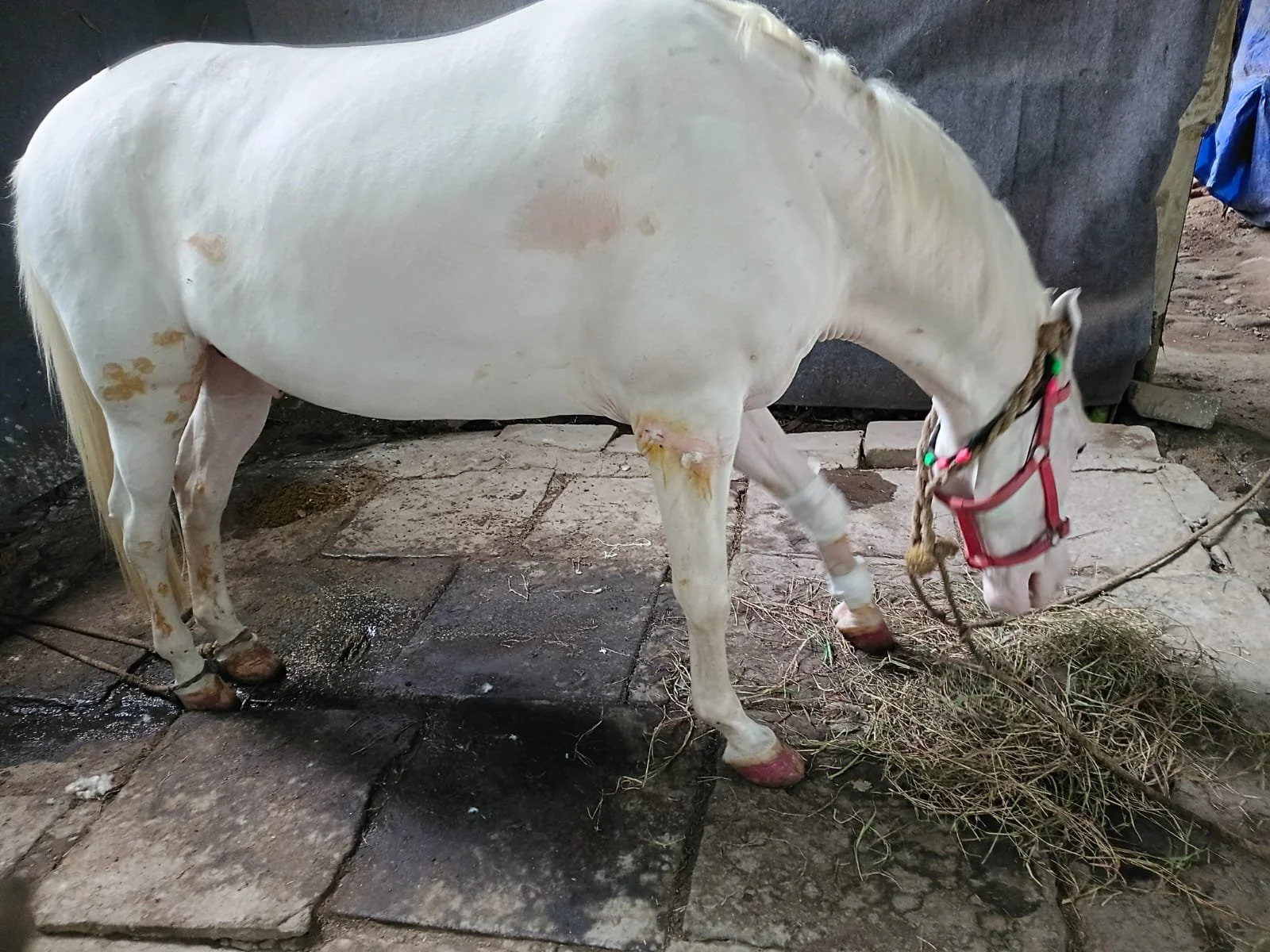
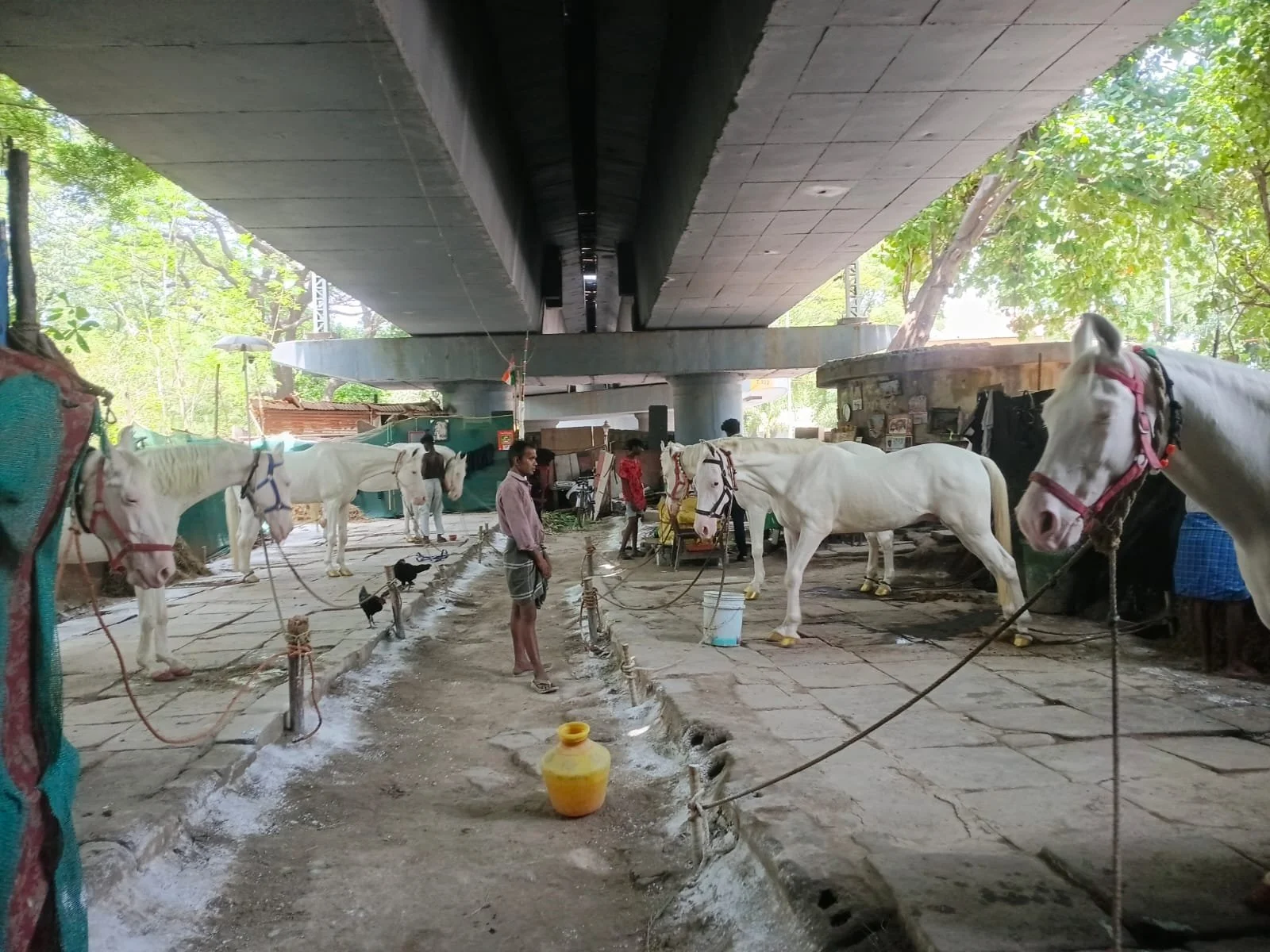
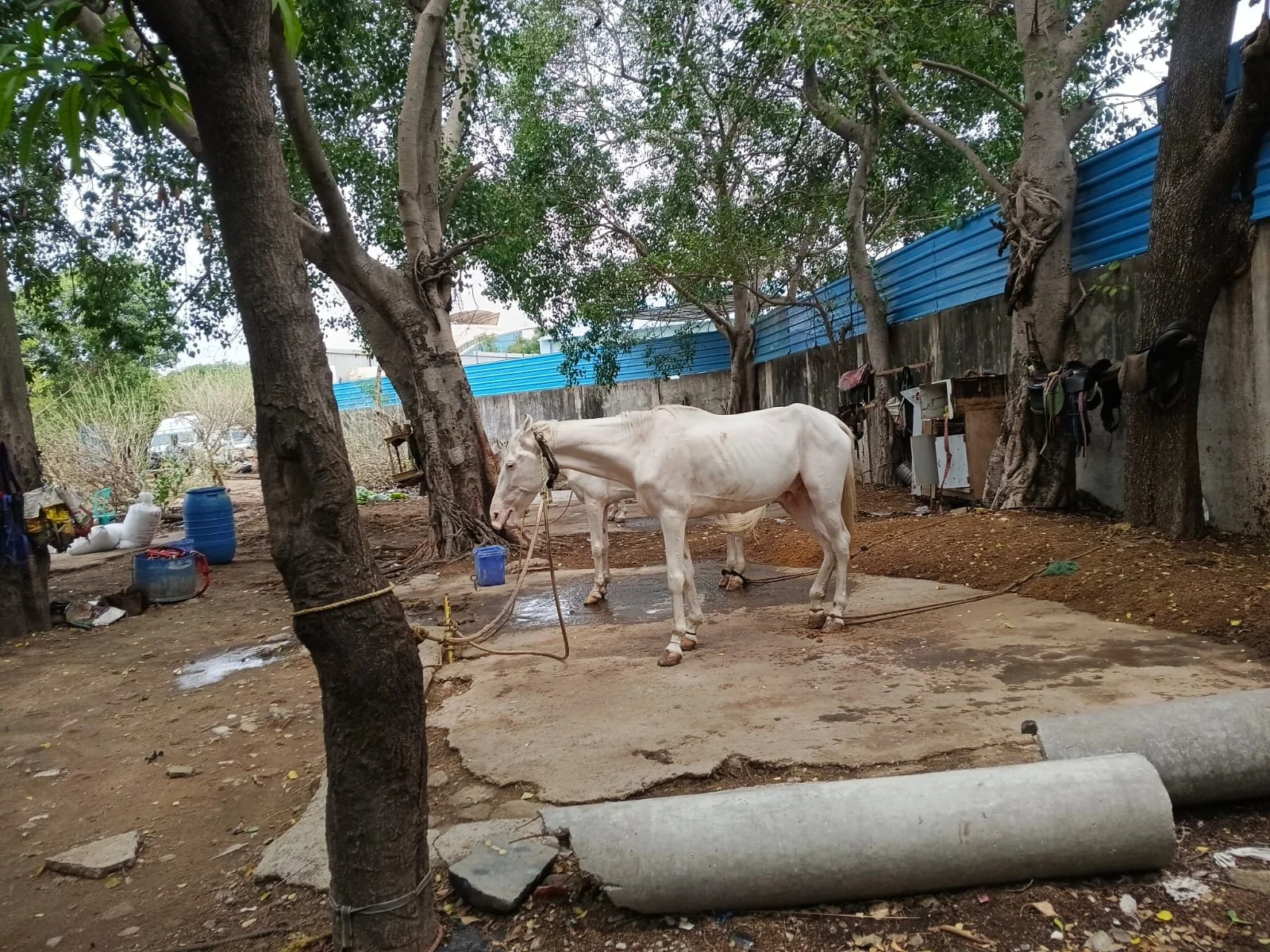
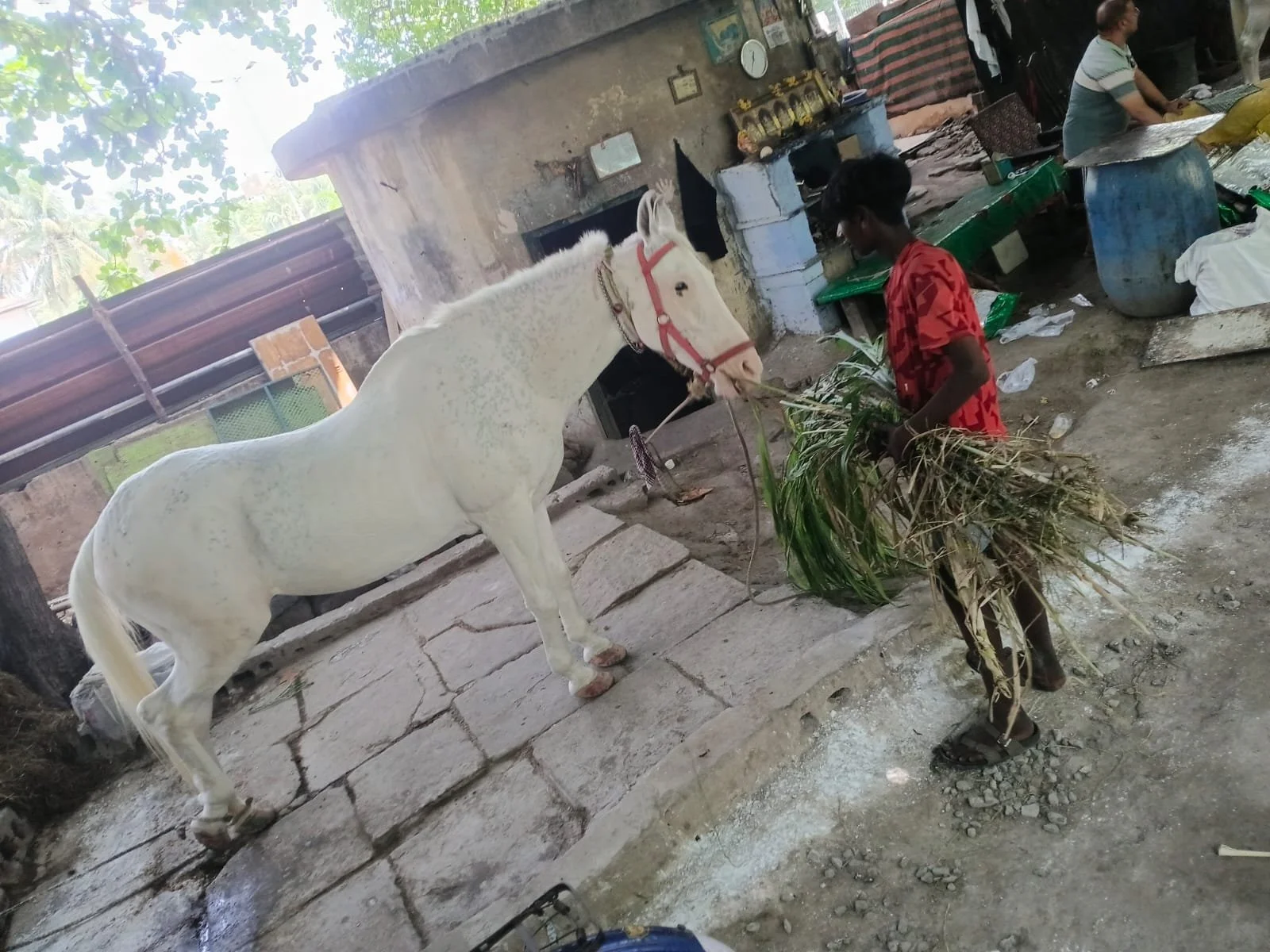
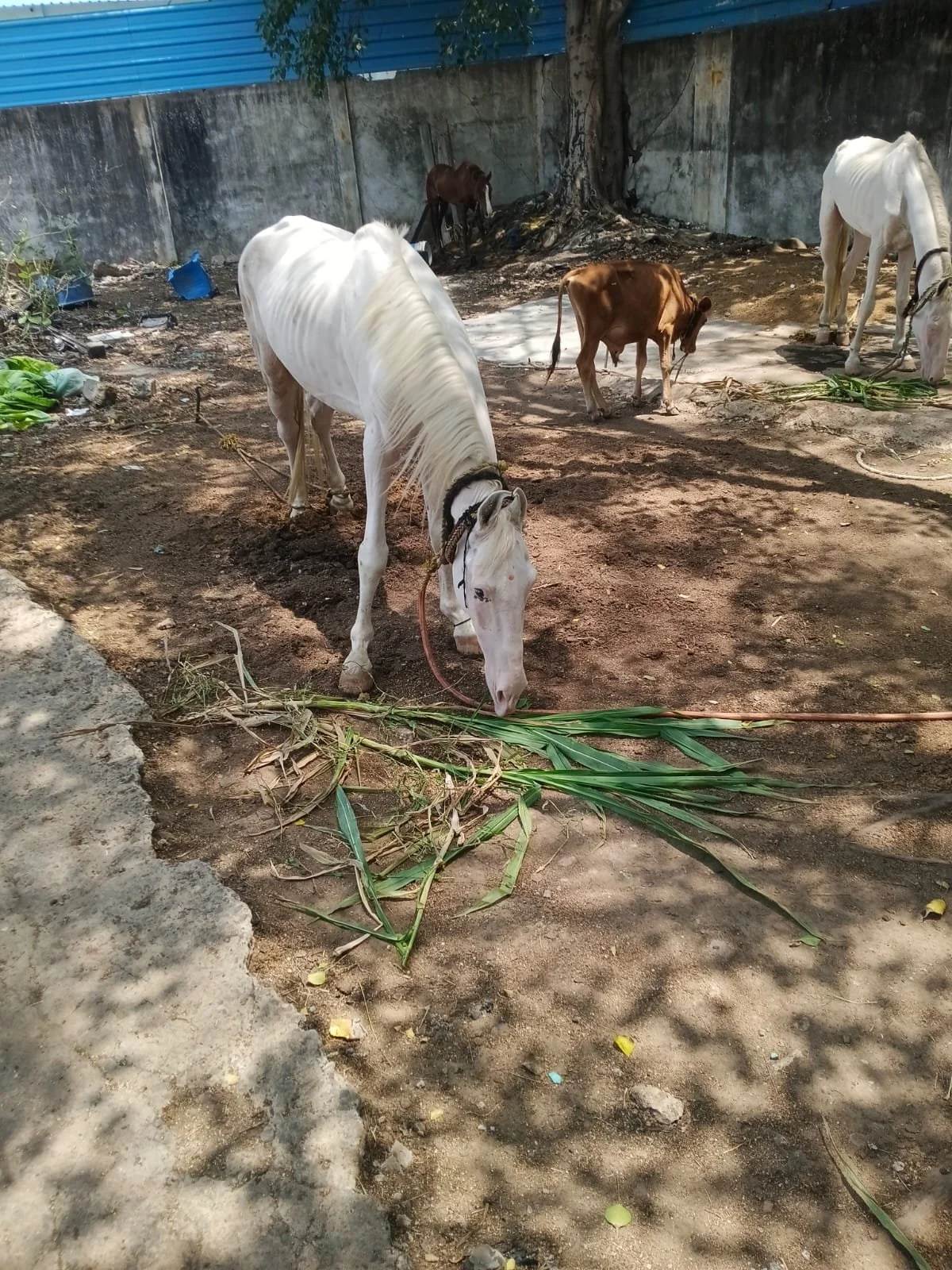
During July, the mobile hospital team provided field-based veterinary care to 20 animals. These were predominantly working horses in areas such as Nadukuppam, Ayodhikuppam, Chepauk, Besant Nagar Beach, and other parts of Chennai.
Treatments included emergency intravenous fluid therapy, wound management, hoof care, treatment of infectious and musculoskeletal conditions, deworming, and supportive care for gastrointestinal illnesses.
Nearly all cases were attended to through the mobile clinic, ensuring timely veterinary intervention at the animals' locations.
Key Highlights
20 animals were treated, including 19 horses and one pony.
The majority of cases were attended to through our mobile clinic following telephone calls.
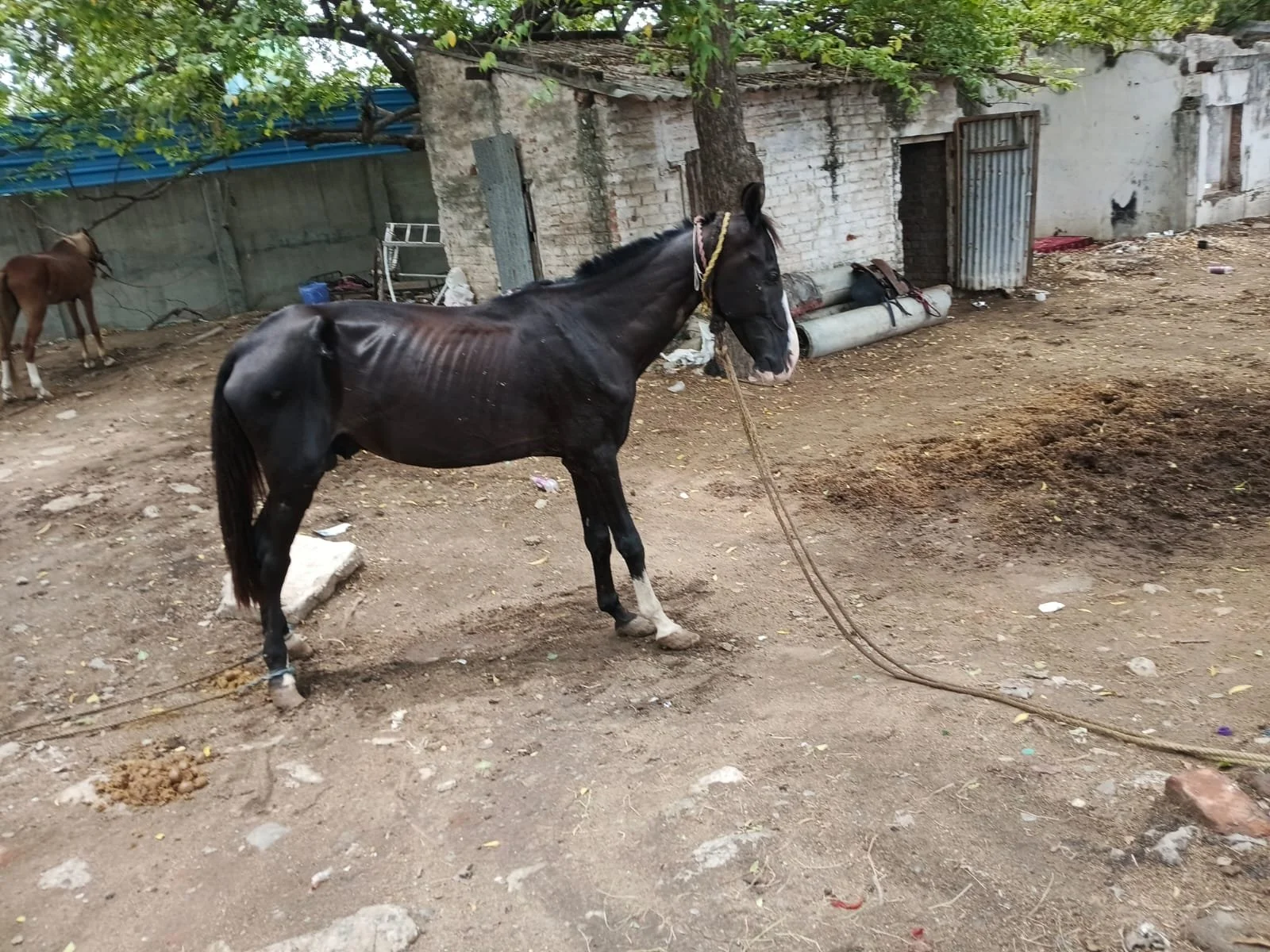
Several horses received intravenous fluids and medications for respiratory infections, fever, colitis, colic, lymphangitis, and debility.
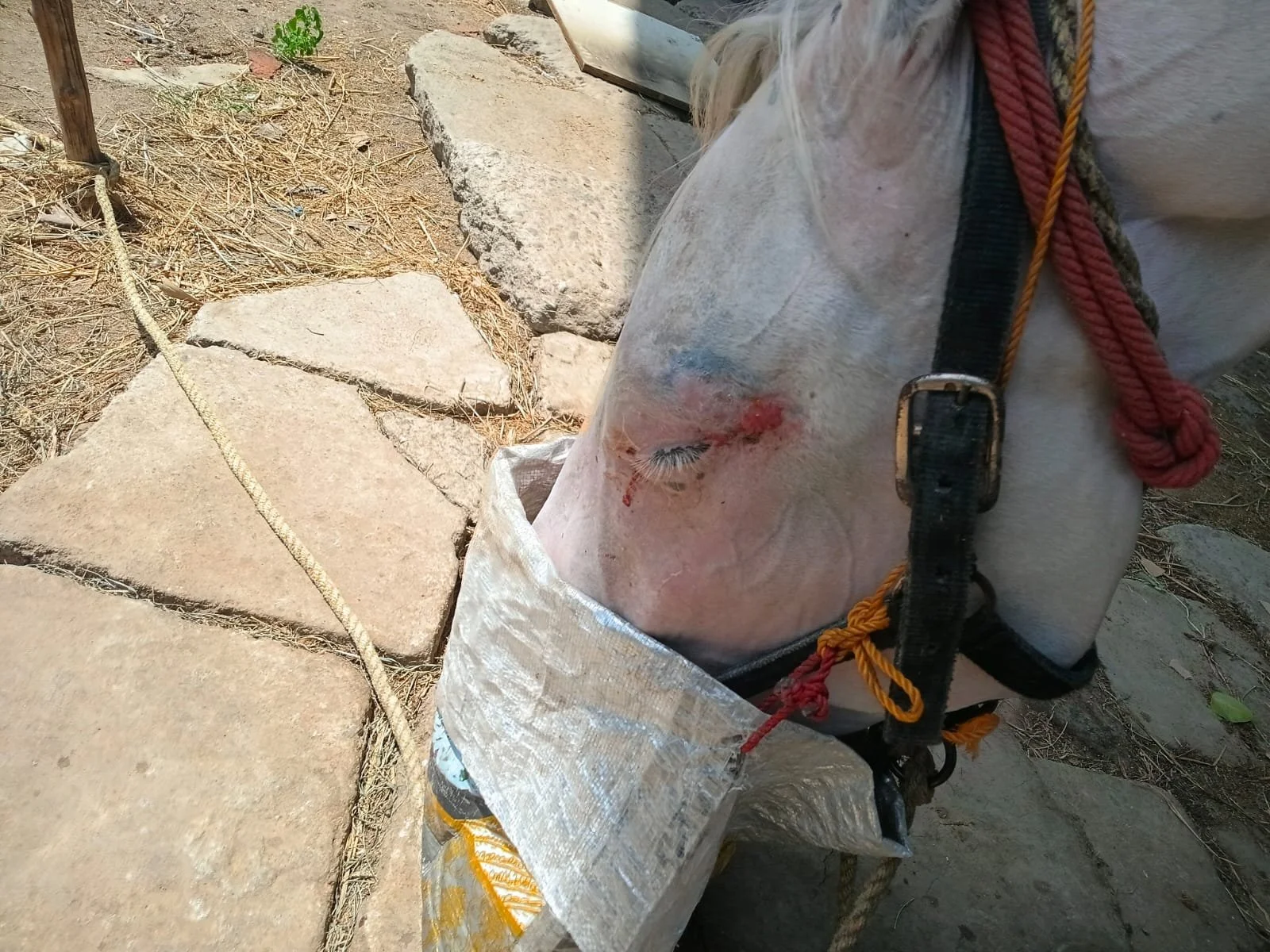
Multiple wound management procedures were performed, including wound cleaning, dressing, bandage changes, topical medication, and suture repair.
Hoof-related ailments, cellulitis, laminitis, proud flesh, saddle wounds, and kissing spine were all successfully treated.
Five horses were dewormed as part of preventive healthcare measures.
Key Challenges
High incidence of wounds and soft tissue injuries, requiring repeated dressing and continuous follow-up care.
Respiratory and gastrointestinal illnesses such as respiratory infections, colic, and colitis required emergency fluid therapy and intensive medical management.
Hoof disorders and musculoskeletal conditions, such as hoof infection, laminitis, cellulitis, kissing spine and proud flesh, affected the mobility and working ability of horses.
Poor hygiene and working conditions contributed to hoof infections and chronic wounds, highlighting the need for greater owner awareness and preventive care.
Most treatments were delivered in the field, requiring the veterinary team to provide effective care under challenging outdoor conditions while responding promptly to emergency calls.
July Rescues
Over 30 animals were rescued and 14 emergency cases were attended to.
Animals rescued included bulls, cows, calves and a buffalo. These animals were rescued following accidents, injuries, fractures, or due to severe illness.
Case Study: Rescue and Rehabilitation of an Abandoned Bull
A Painful Hoof Injury Requiring Timely Intervention:
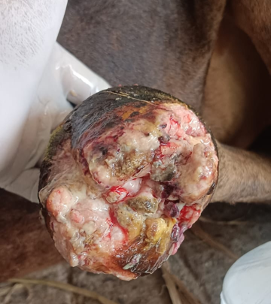
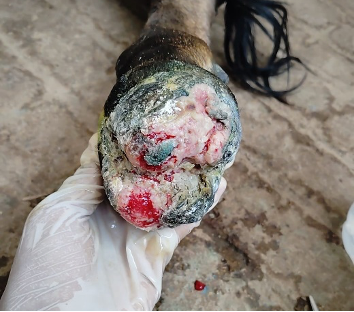
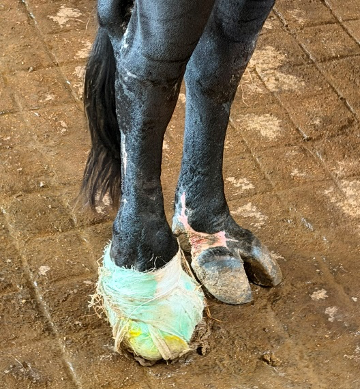
A bull was seen by the BCI veterinary team with a severe hoof avulsion - a painful condition where the hoof horn becomes partially or completely detached from the underlying tissues.
The injury had significantly affected the animal’s ability to bear weight and move comfortably. Such hoof injuries can be extremely painful and, if left untreated, may lead to infection, tissue damage, and further complications.
Assessment and Treatment:
The veterinary team carefully examined the affected limb and assessed the extent of the hoof injury. The damaged and detached hoof tissue was managed appropriately, and the wound was cleaned and treated to reduce the risk of infection.
The bull was provided with the required veterinary care, including wound management, medication, and supportive treatment. Regular monitoring and follow-up care were carried out to assess healing and ensure he gradually regained comfort and mobility.
Recovery:
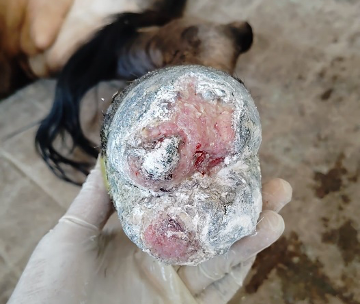
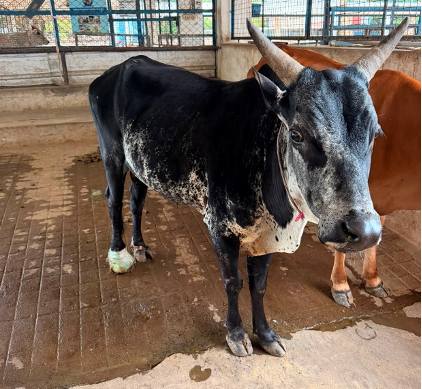
With timely veterinary intervention and continued care, the bull began to show improvement.
The treatment helped to control the wound and supported the healing process, allowing him to gradually resume normal weight-bearing and movement.
The Importance of Timely Care:
Hoof injuries in large animals can quickly become serious due to constant pressure placed on the affected limb. Early veterinary intervention is essential to manage pain, prevent infection, and give an animal the best chance of recovery.
At Blue Cross of India, our veterinary teams continue to provide care to injured and vulnerable large animals. With your invaluable support, we can help them recover from painful conditions and return to a better quality of life.