improving quality of life for horses & bullocks in india
Action for Protection of Wild Animals (APOWA) in India provided 103 working bullocks and horses with essential veterinary care during February. They also educated their owners on animal care and welfare.
See how your kind support is improving lives:
Summary
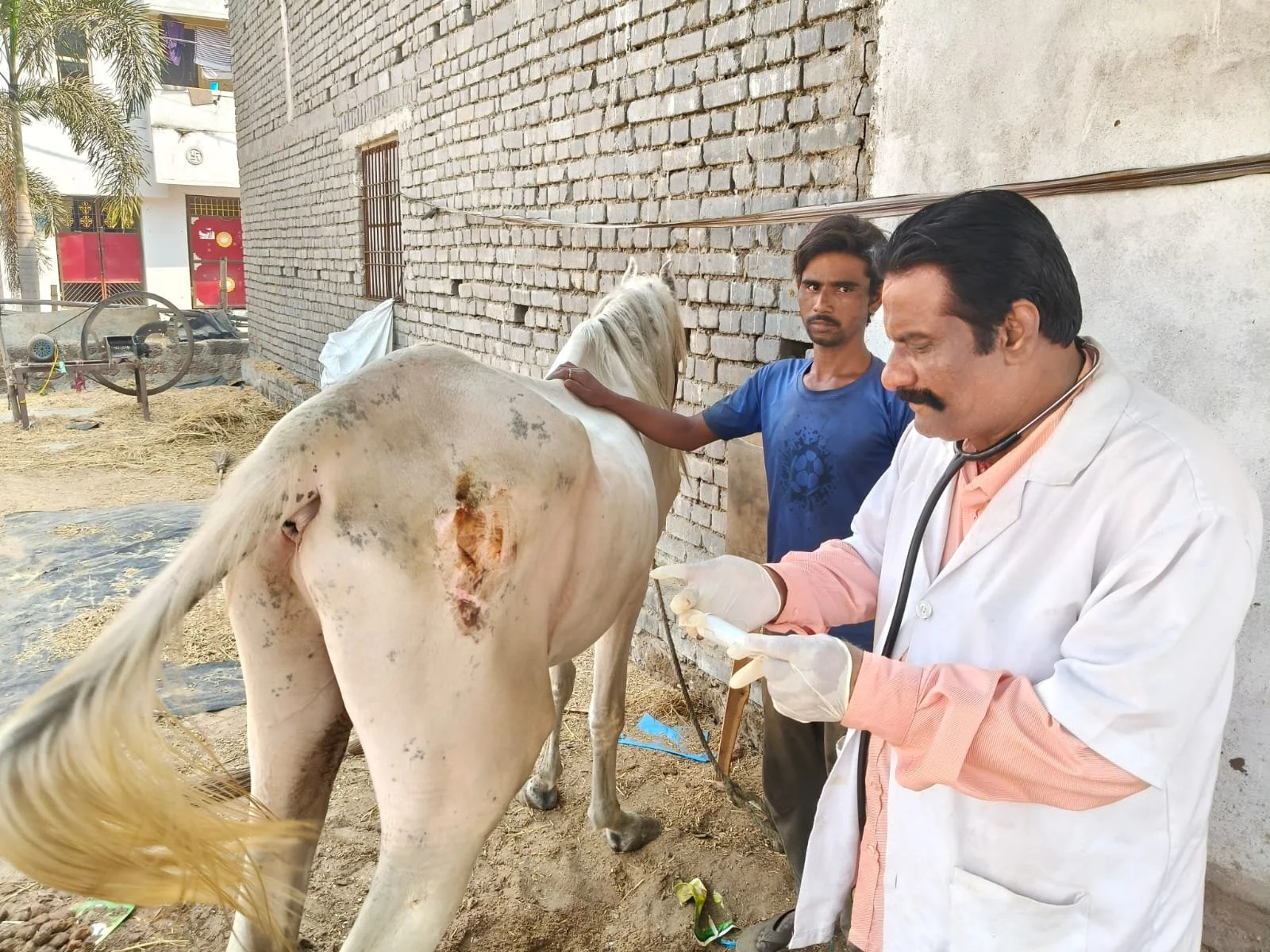
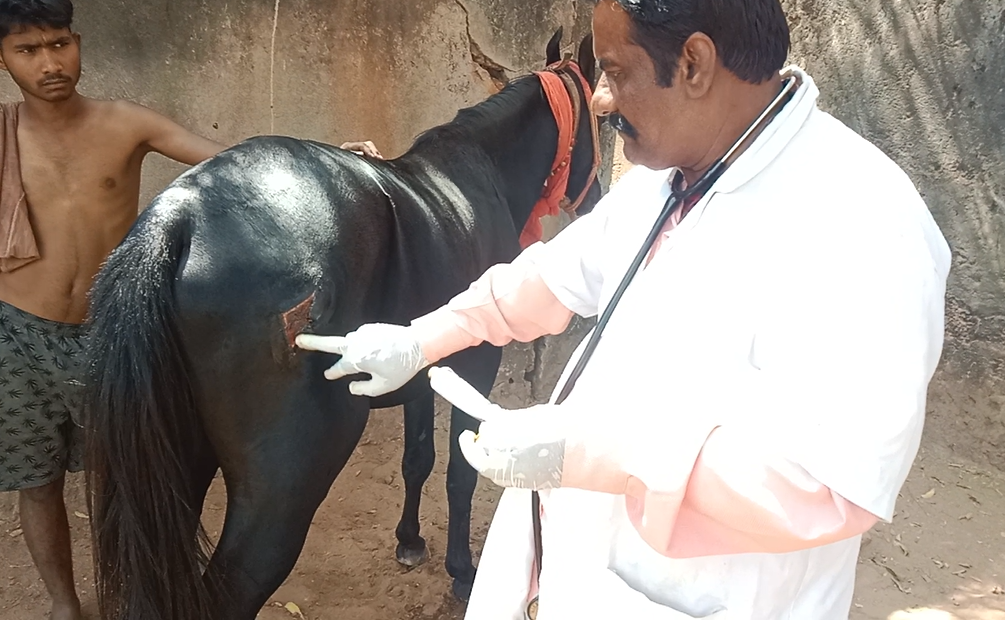
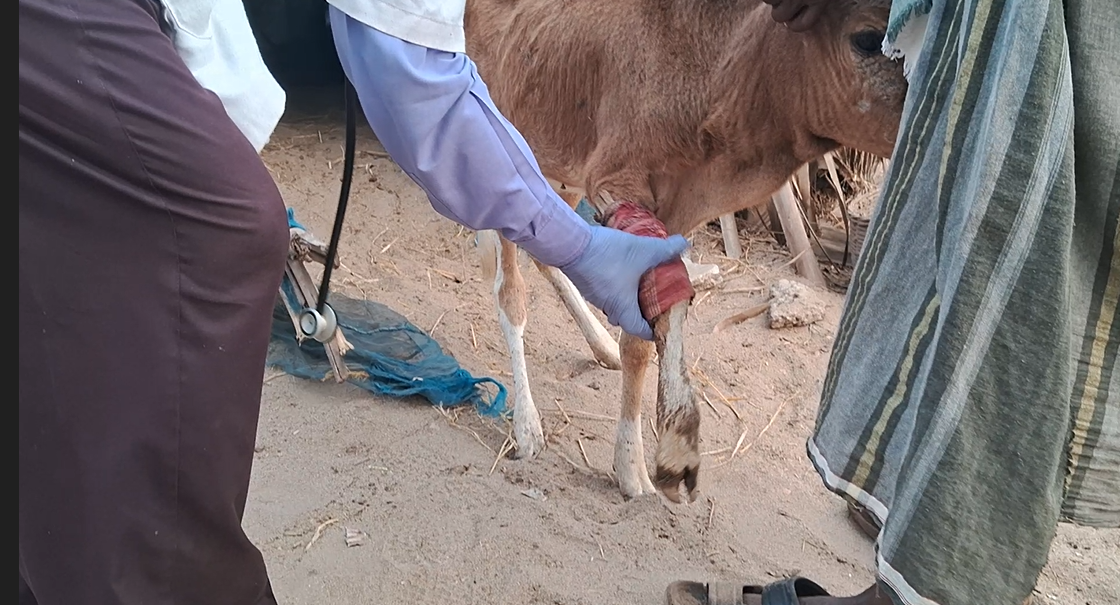
Our project has played a vital role in strengthening animal health services by providing both curative and preventive care to working animals. Last month, 103 animals - mainly bullocks and horses - were reached for a wide variety of health conditions. These included fever, respiratory and digestive disorders, wounds, infections, skin diseases, fractures and malnutrition.
In addition, the project's helpline service provided timely veterinary guidance to 24 animal owners, ensuring continuity of care beyond field visits.
An effort was made to educate and raise awareness about responsible care and management practices among animal owners.
Veterinary Care
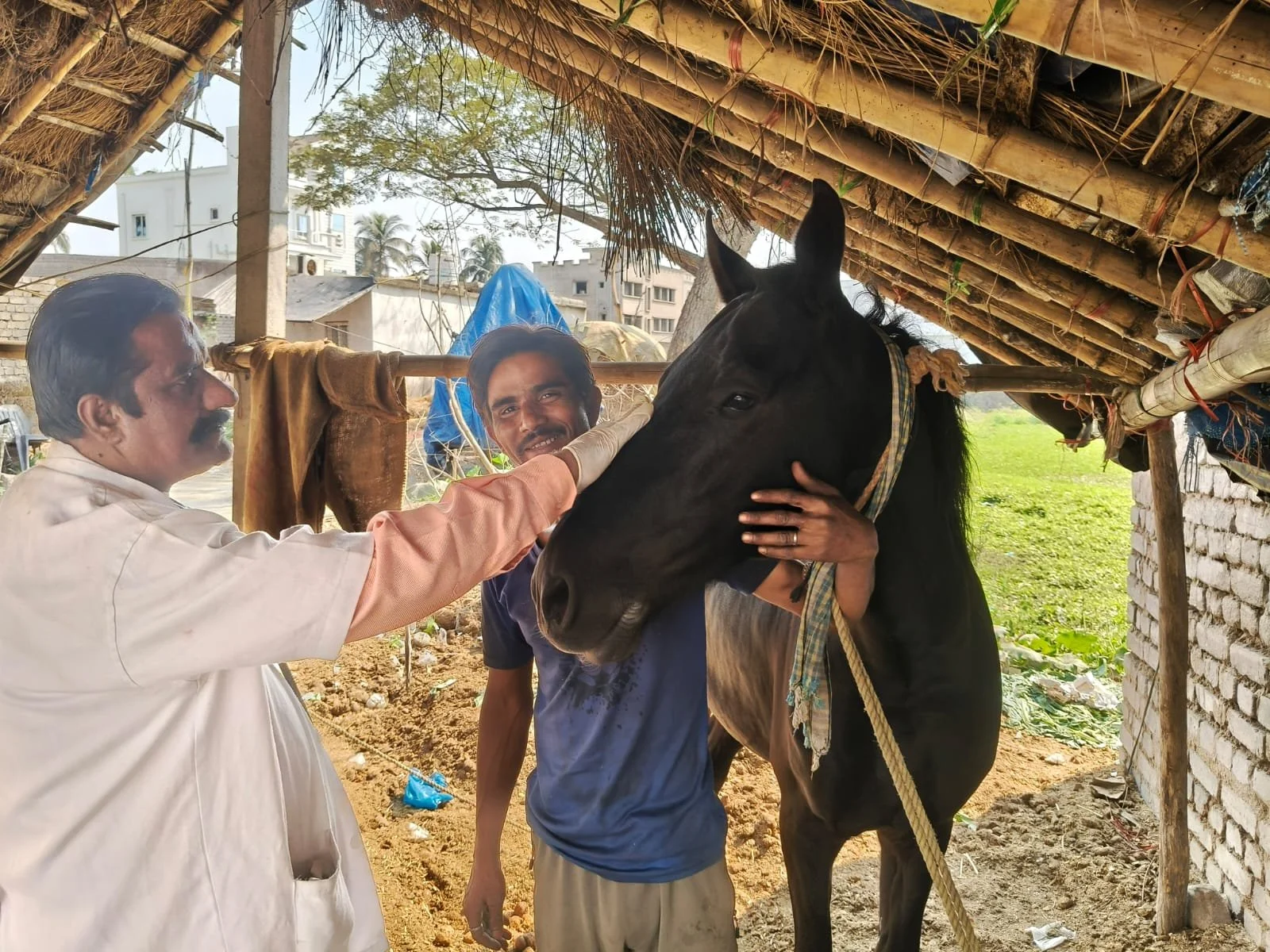
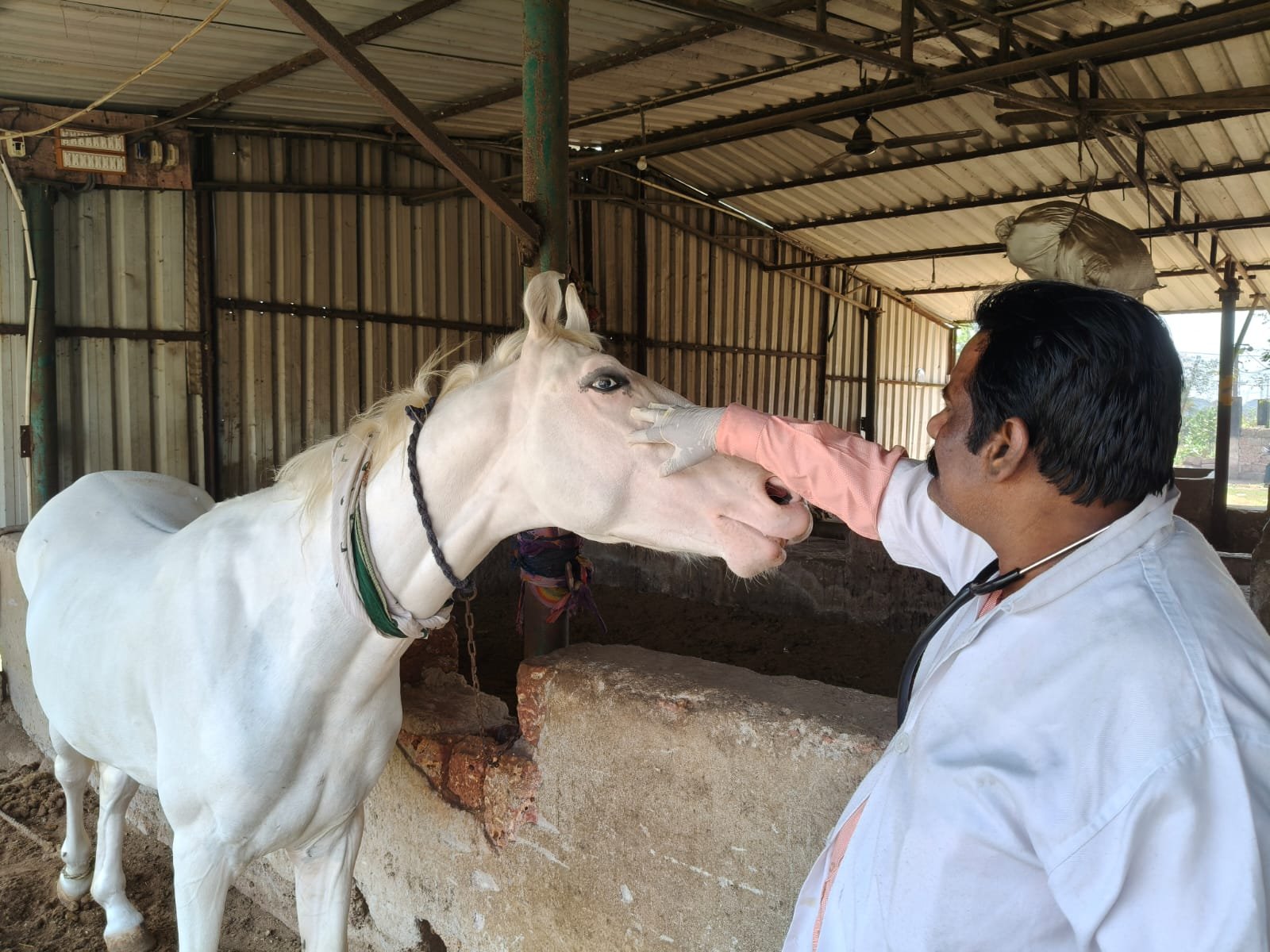
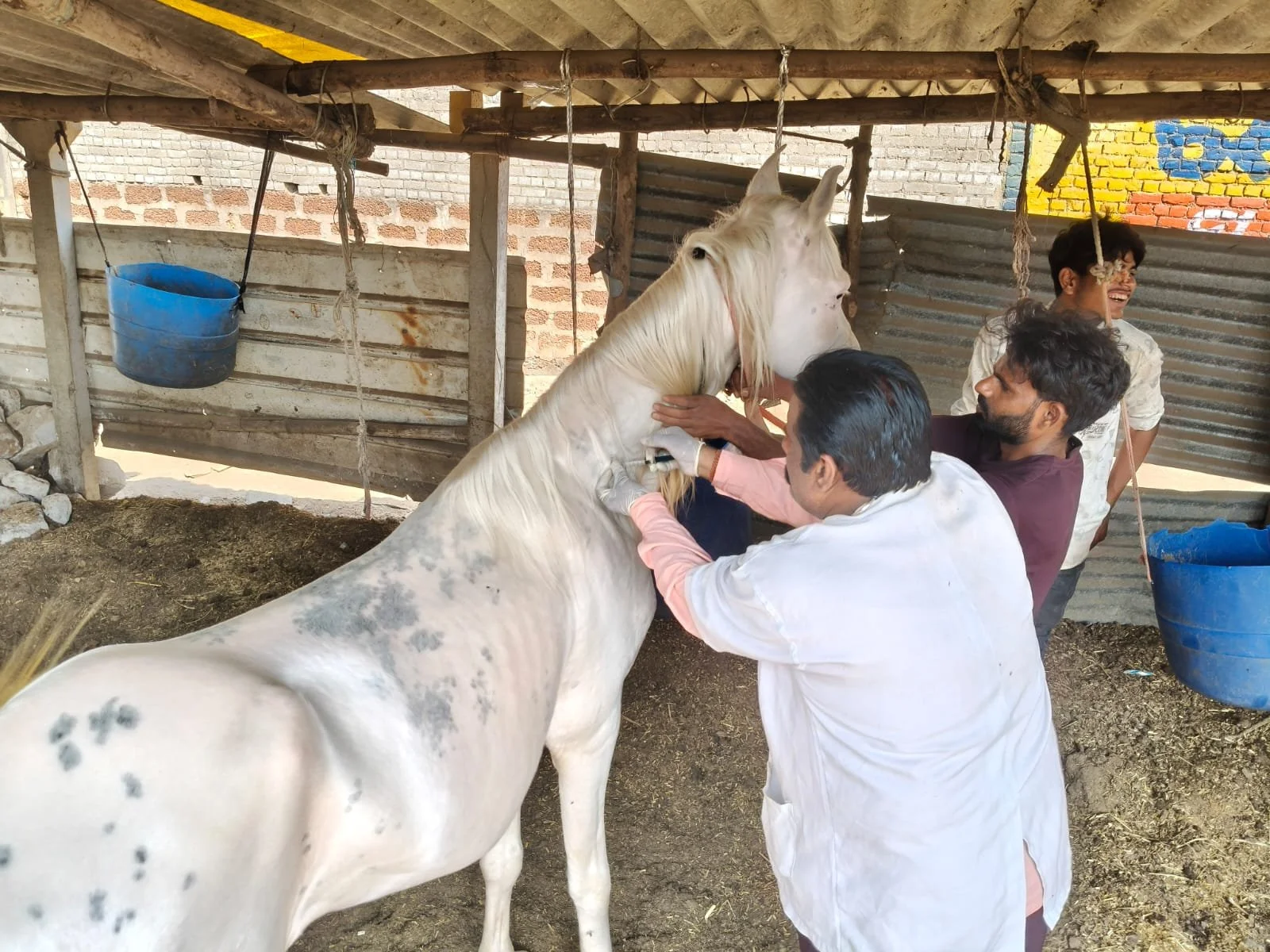
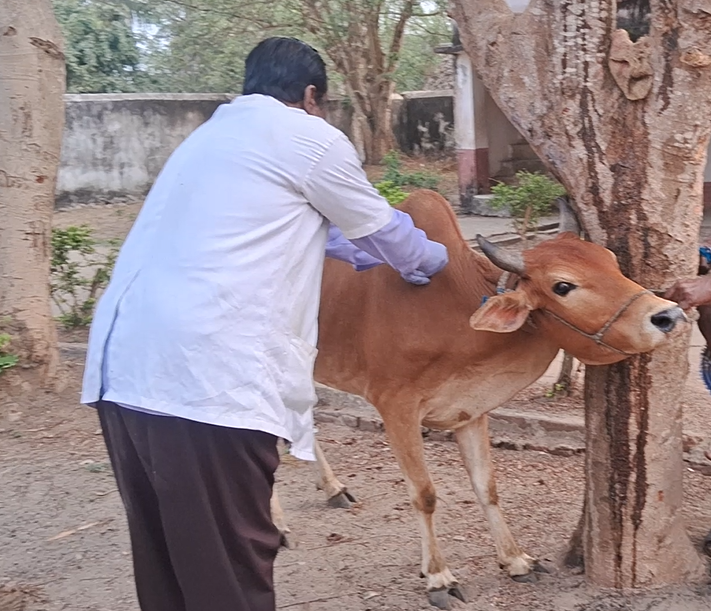
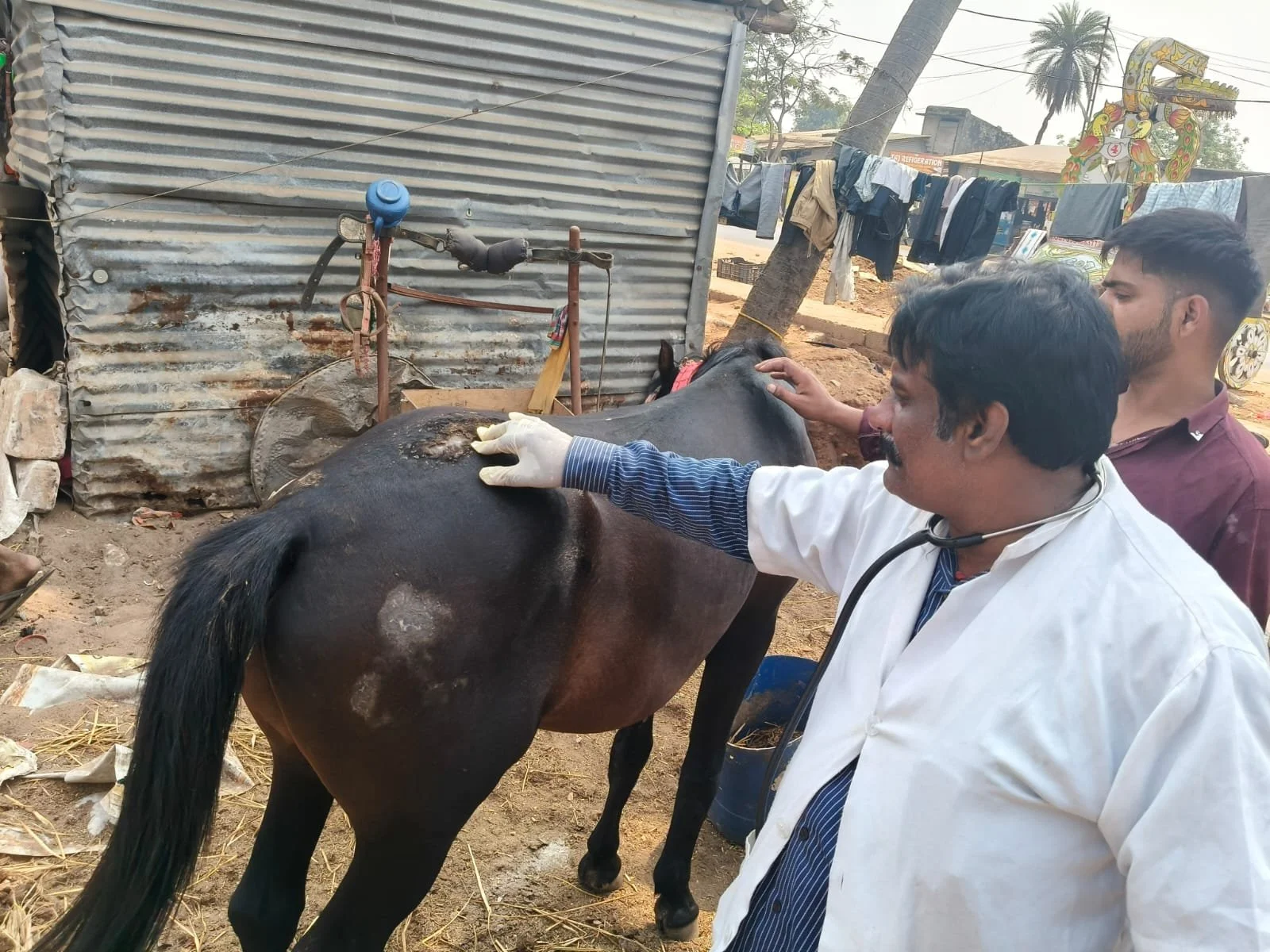
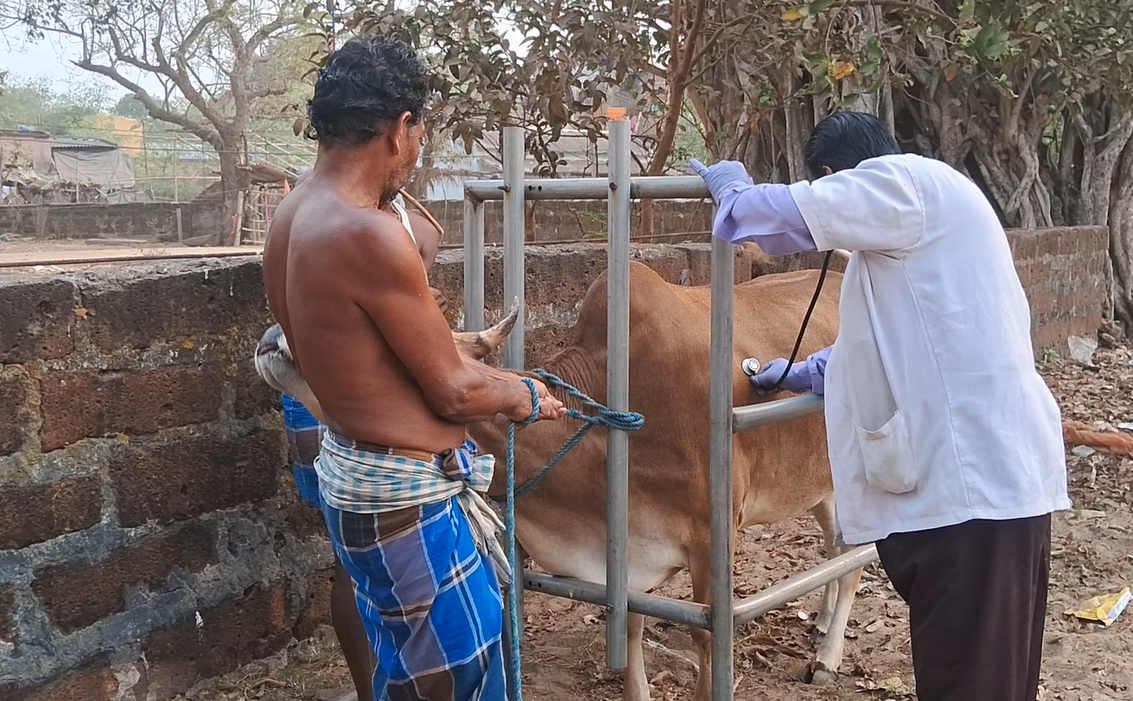
A total of 103 working bullocks and horses received veterinary care through APOWA’s mobile vet clinic. This care included treatments for injuries, infections, and general health check-ups to ensure their wellbeing. These routine health checks help to enhance the quality of working animals' lives.
The clinic also provided vaccinations and educated owners on proper animal care practices.
Helpline
The project's helpline service provided prompt veterinary advice to 24 animal owners during February. This facilitated enhanced communication and ensured animal owners had access to veterinary support beyond our regular field visits.
First Aid
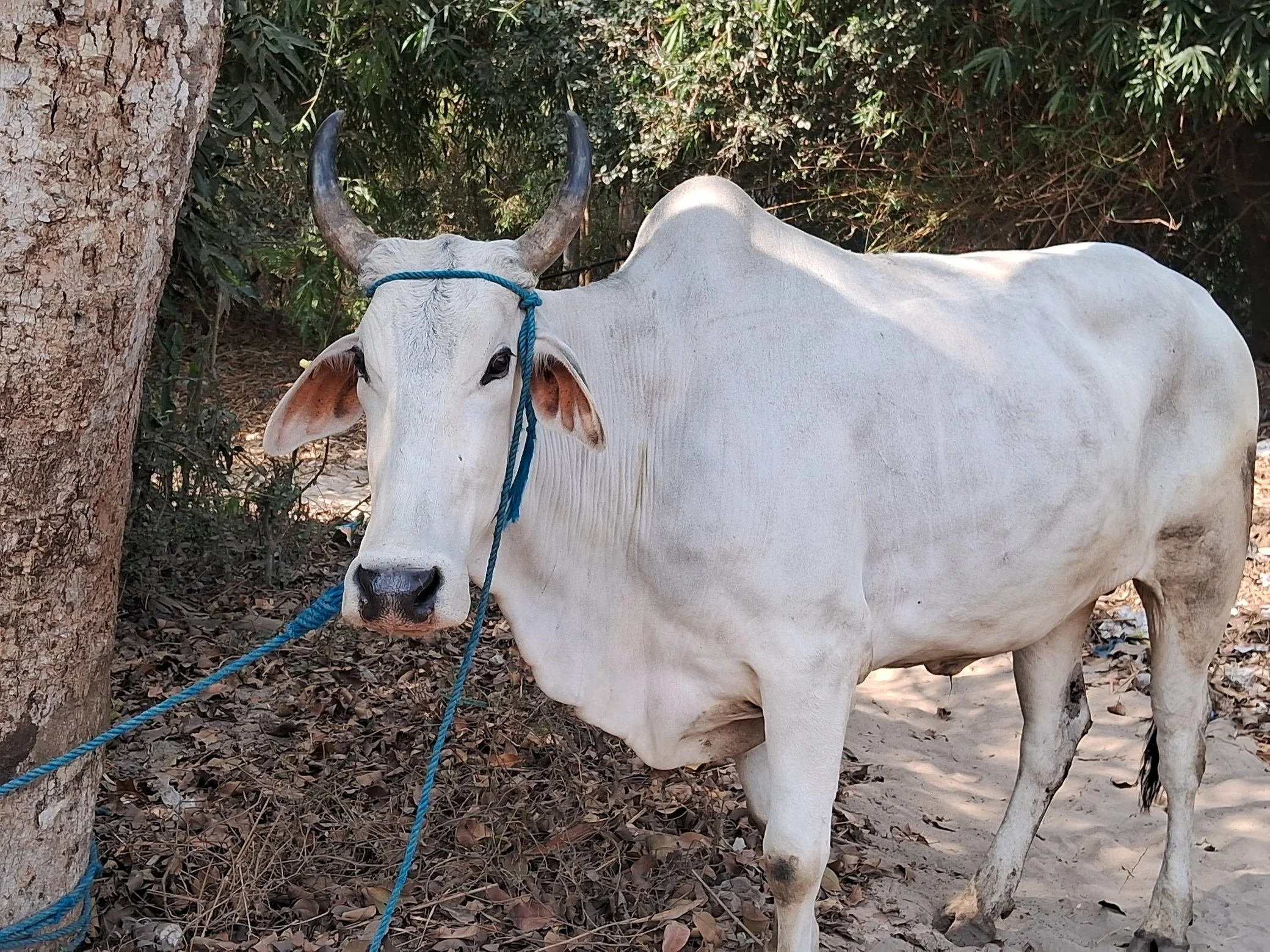
Last month, 43 bullocks and horses received basic first-aid care from trained individuals in the community. These timely interventions helped to address minor health concerns, alleviate pain, and prevent future complications.
Education
Twenty-nine animal owners participated in our training program. Through this training, we improved their knowledge of animal health, welfare and management. The training covered topics such as disease prevention, proper nutrition, and safe handling practices. Participants engaged in interactive sessions and received resources to apply what they learned.
Follow-Up Visits
In February, the veterinary team carried out follow-up visits for 35 animals who had received prior treatment, with the aim of reviewing their recovery and overall health status. The follow-ups covered 10 horses and 22 bullocks.
With your ongoing support, APOWA will continue to reach working animals in need and improve the quality of their lives.