improved donkey welfare in lilongwe shows the value of education
Our partner group, the Lilongwe Society for the Protection and Care of Animals (LSPCA), are continuing in their mission to improve the lives and welfare of donkeys in Malawi. They recently reached 115 donkeys and continued educating owners on various aspects of animal welfare.
With your heartfelt donations, they are making an incredible difference.
Introduction
In February, the Lilongwe Society for the Protection and Care of Animals (LSPCA), with continued support from Animal Aid Abroad (AAA), implemented targeted donkey welfare interventions under the LSPCA Donkey Welfare Project in Mponela Extension Planning Area (EPA).
During this period, one scheduled mobile veterinary clinic was conducted in Namwiri, and an emergency intervention was conducted in Mngwangwa EPA following reports of a donkey mortality and other critically ill animals. This adaptive response ensured that acute cases were prioritised, while maintaining the project’s broader preventative and educational objectives.
Across both clinics, a total of 115 donkeys were reached. February’s activities reinforced the importance of parasite control during the rainy season, humane handling practices, and proactive workload management to safeguard animal welfare.
Mobile Veterinary Clinic – Namwiri, Mponela
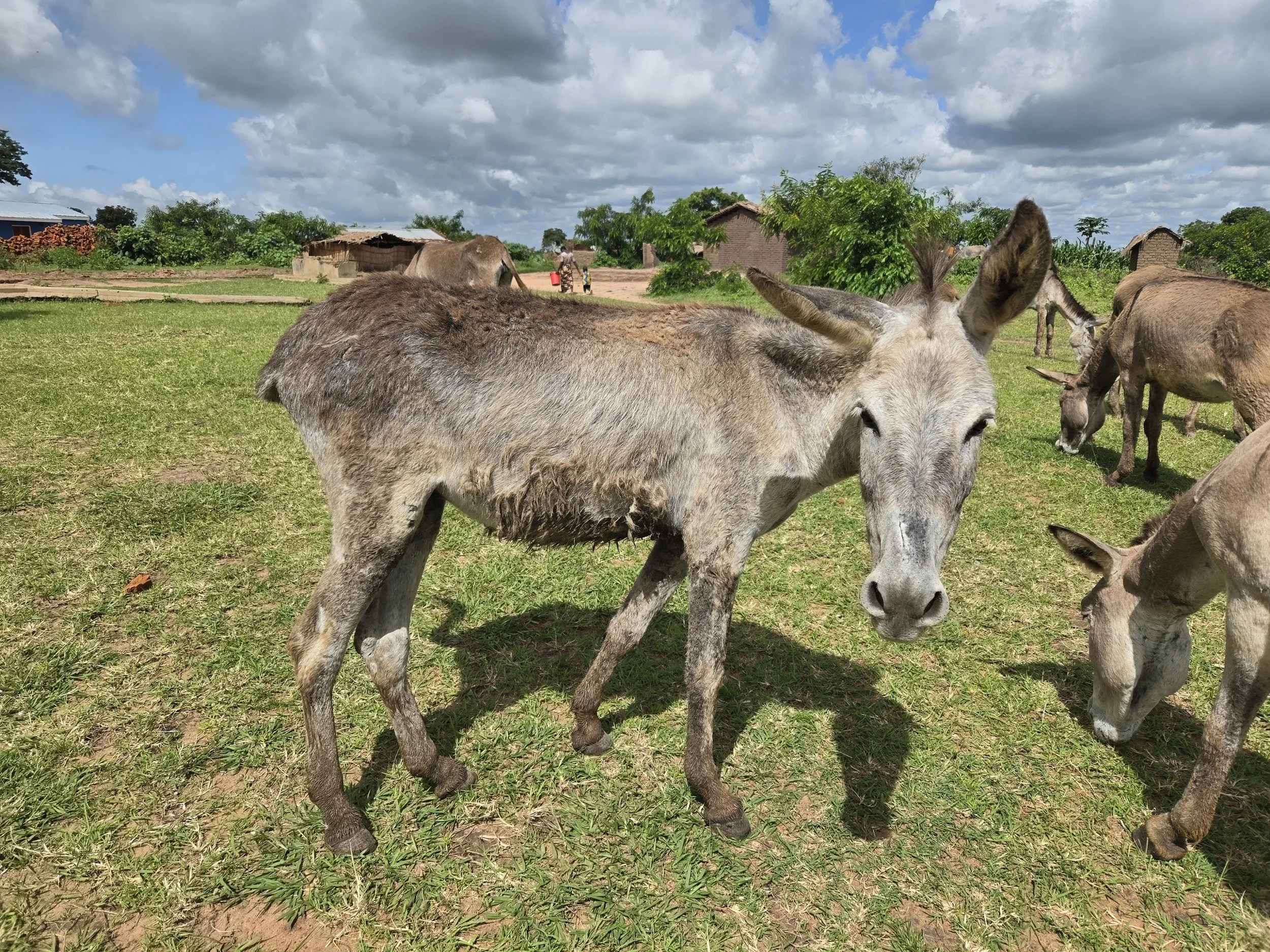
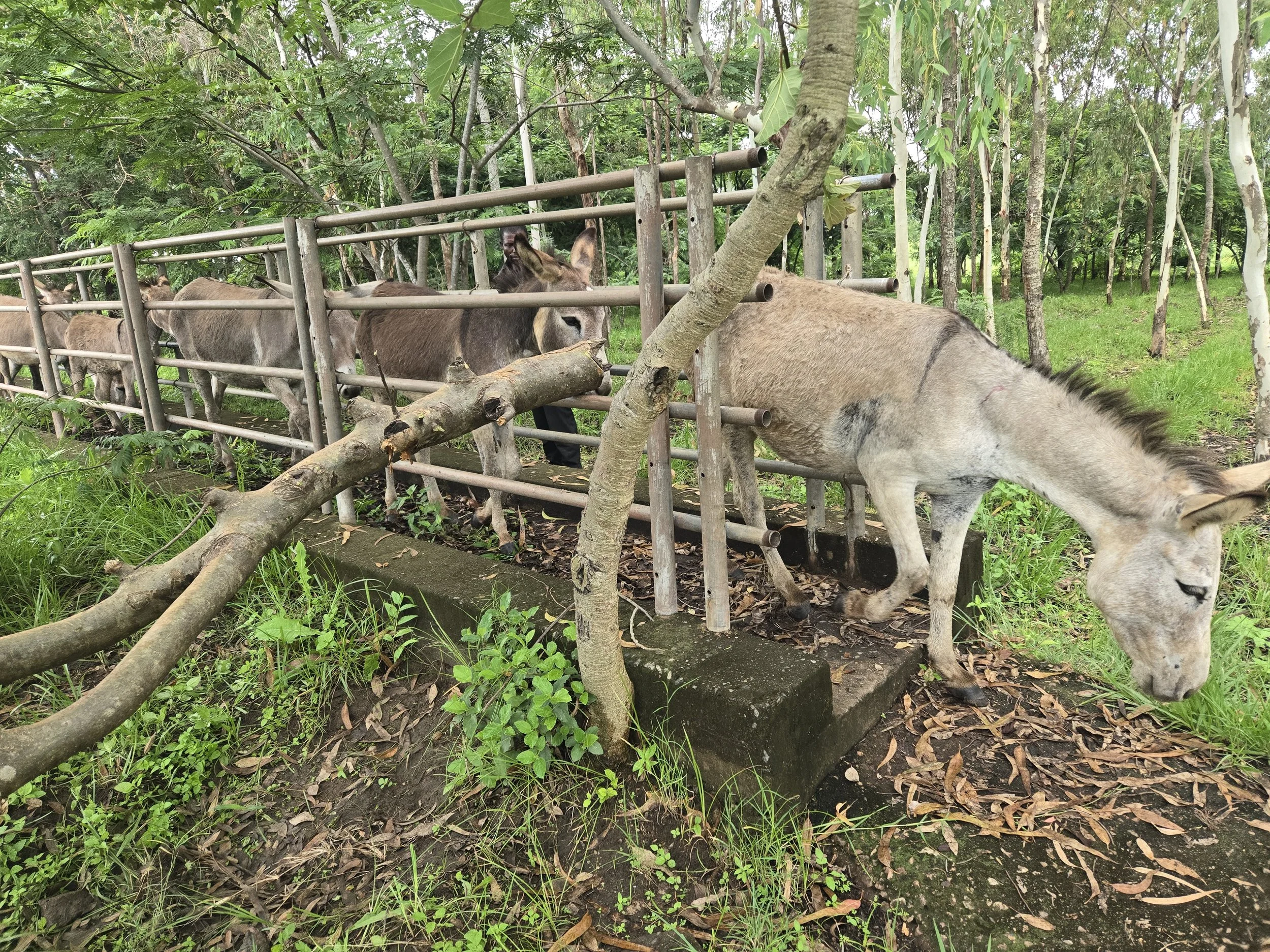
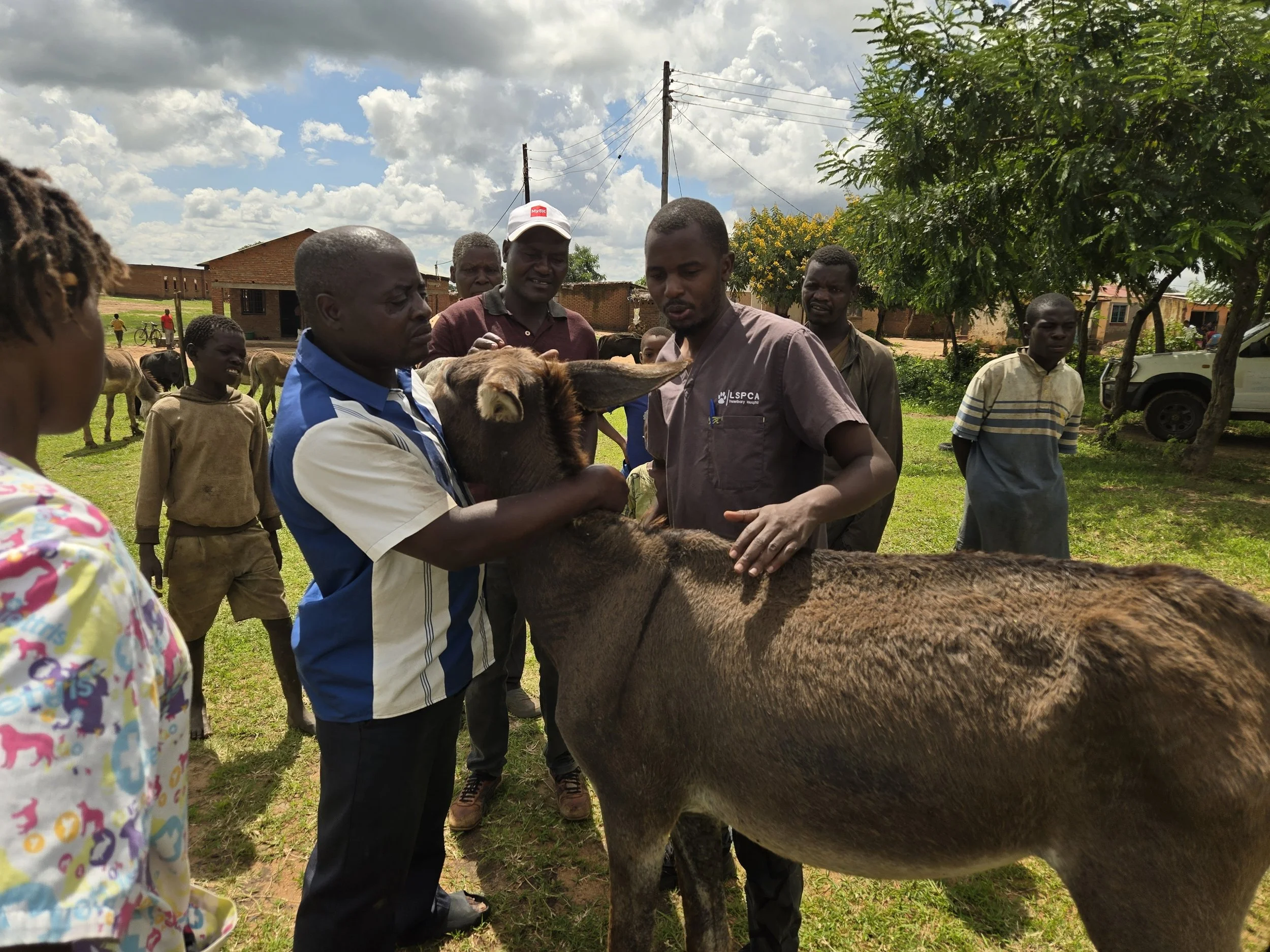
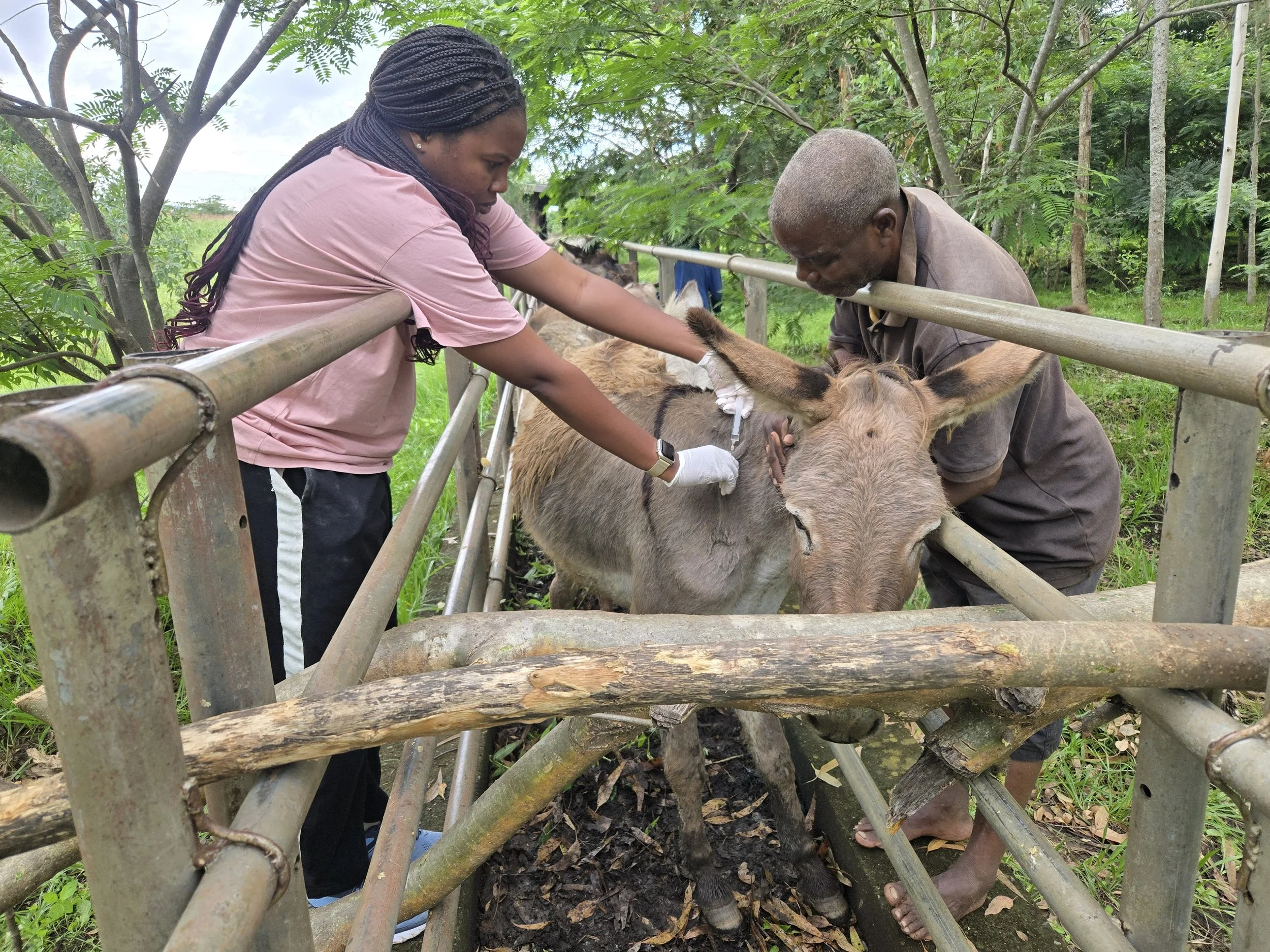
The February mobile veterinary clinic reached 103 donkeys, of which 43 required treatment. The remaining animals were assessed and their owners engaged in discussions on health, workload management, and preventative care. Overall, the donkeys presented in stable conditions, with intact skin and minimal wounds, suggesting improved handling and management practices in the community.
Ongoing education on wound prevention, friction reduction, basic first aid, and timely reporting appears to be improving animal welfare. Owners are increasingly aware of how management decisions influence donkey health.
Some donkeys presented with low body condition scores, largely attributable to residual nutritional deficits resulting from the recent prolonged drought. While the onset of the rainy season has improved pasture availability, a proportion of animals were still recovering due to previous feed scarcity.
Elevated parasite burdens were also observed in several donkeys. The rainy season provides favourable conditions for parasite proliferation, and this likely contributed to delayed weight gain and suboptimal body condition in affected animals.
In addition, subtle signs such as mild weakness and reduced vitality were observed even when owners reported no obvious illness. These cases were treated, and targeted guidance was provided on deworming schedules, feeding adjustments and realistic workload management.
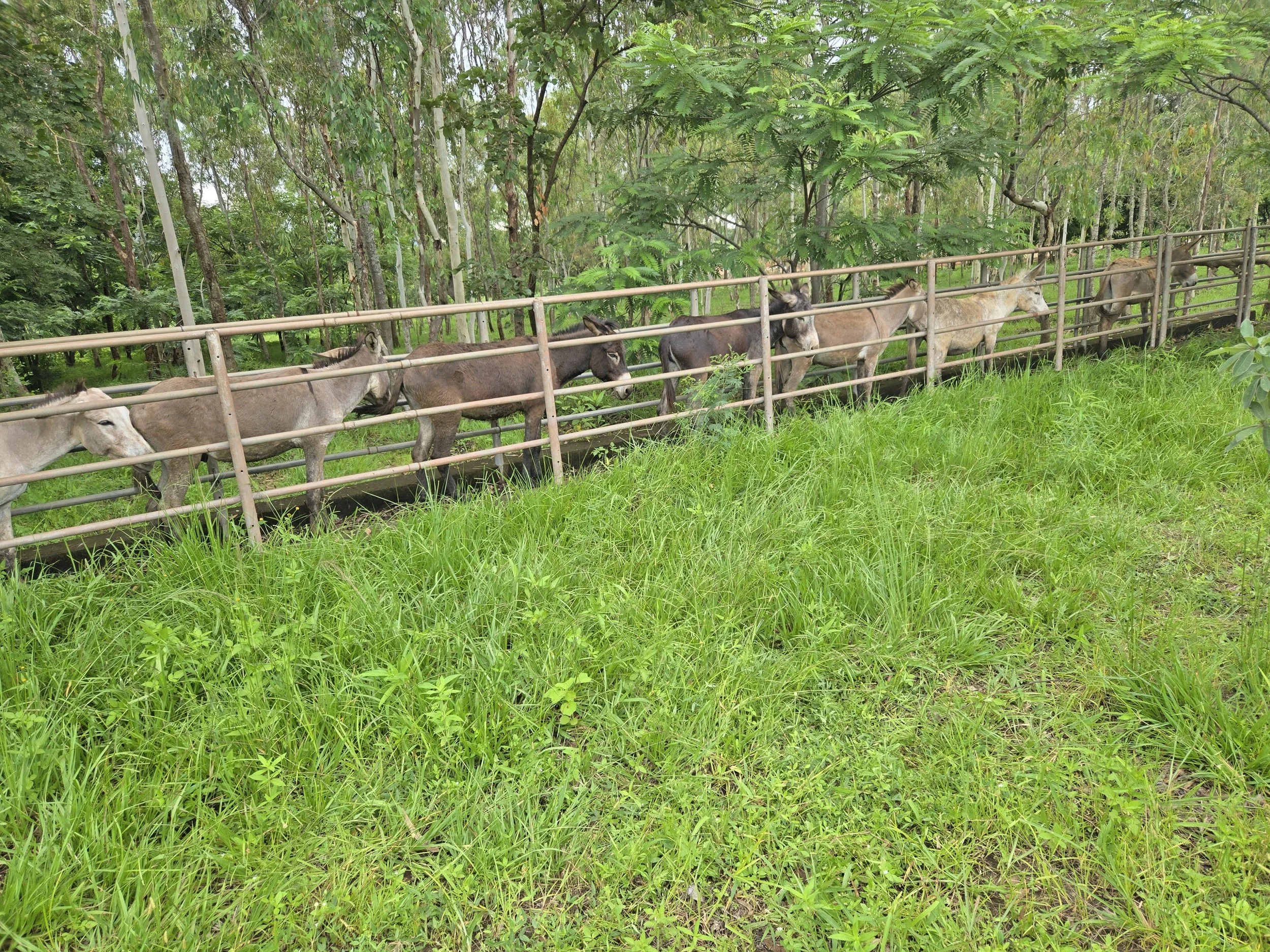
Significant Clinical Case
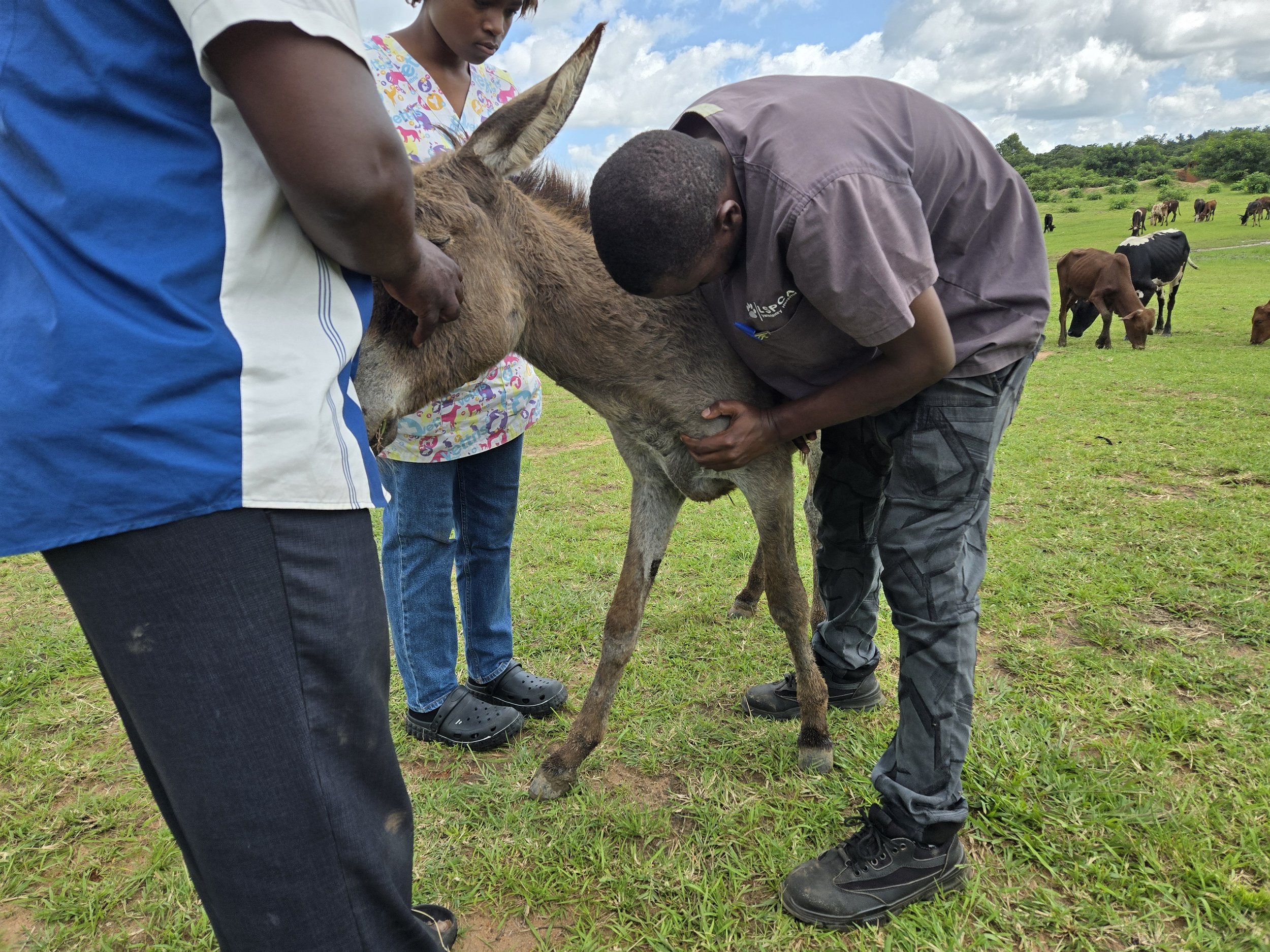
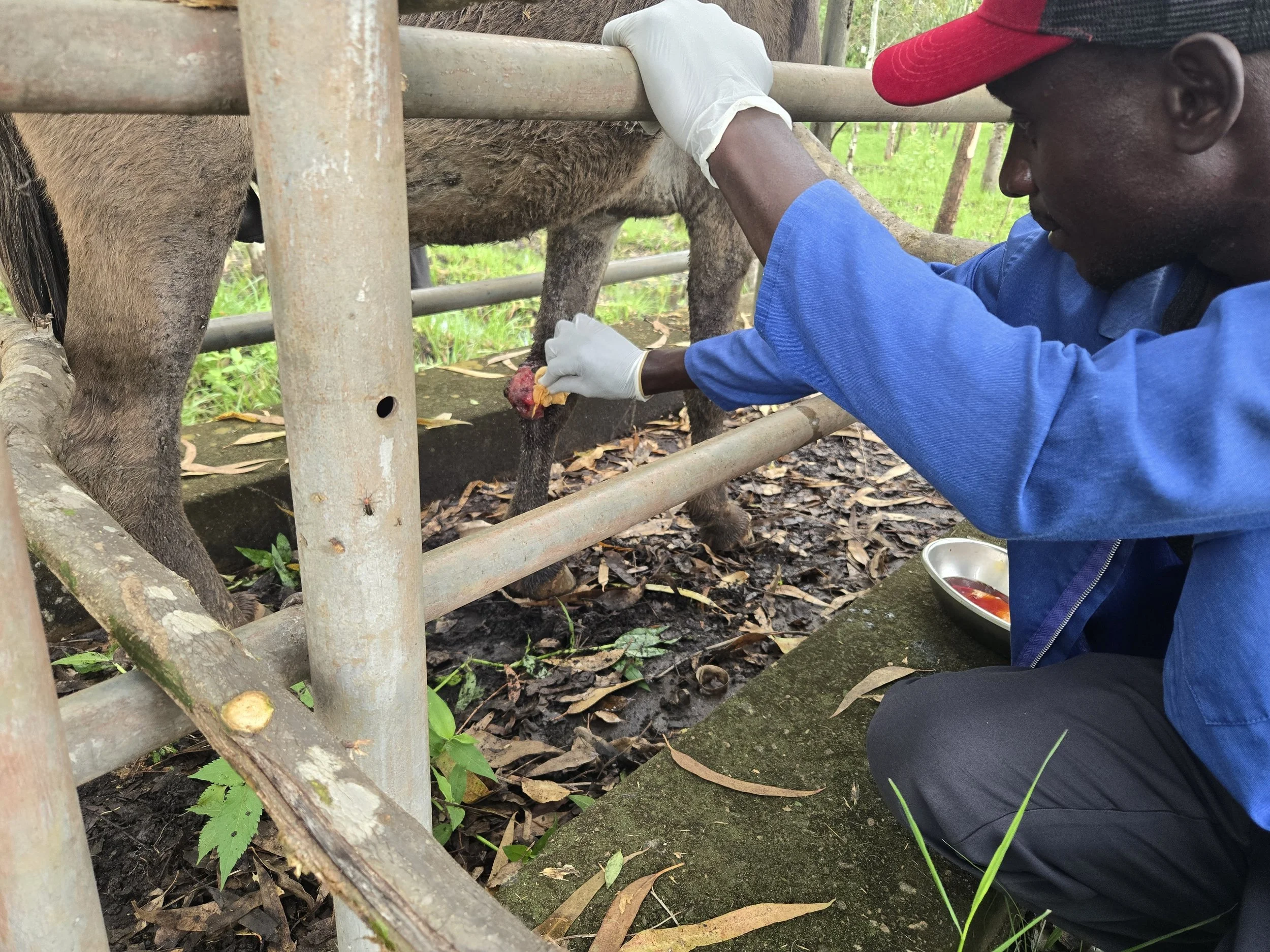
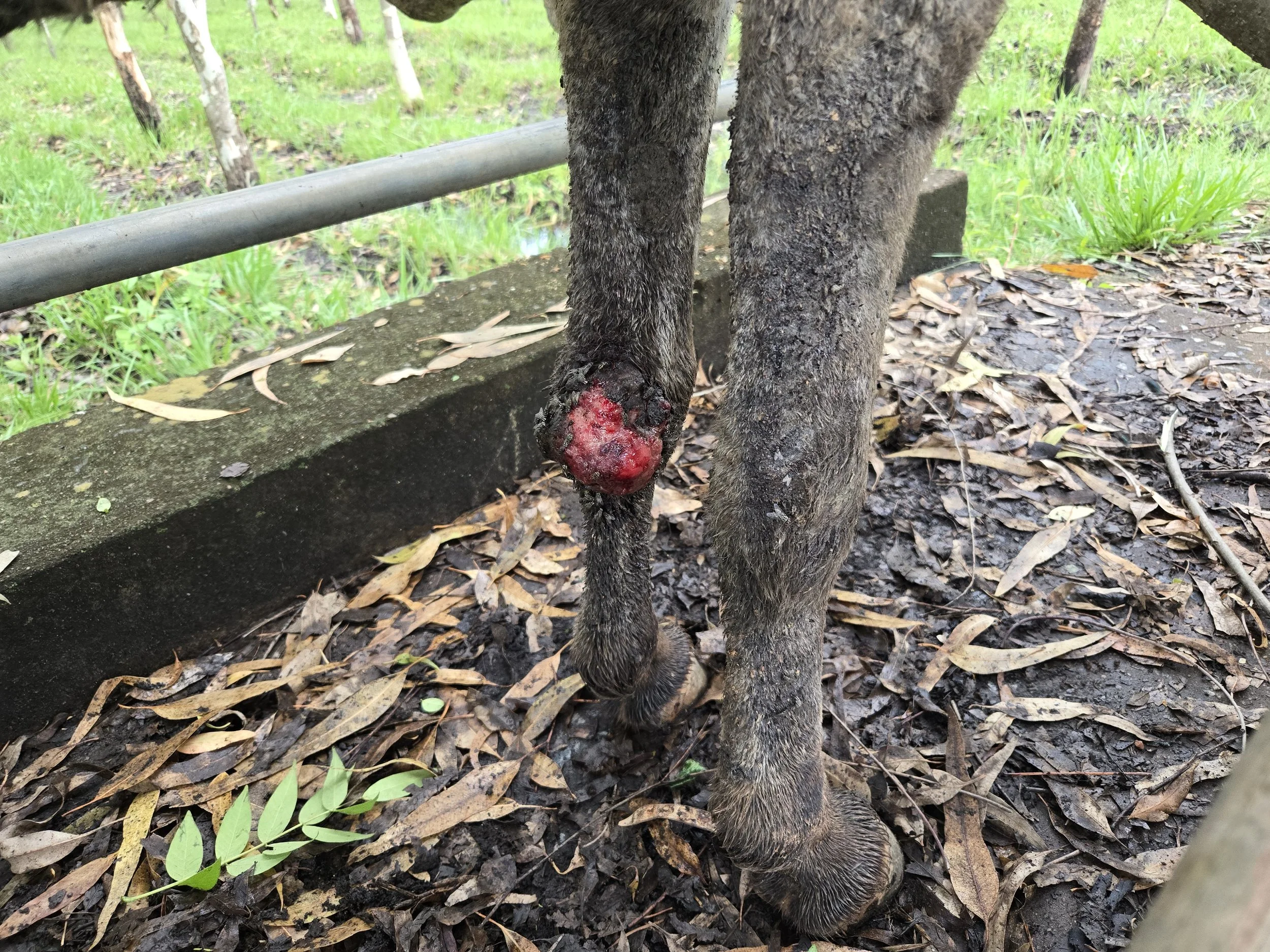
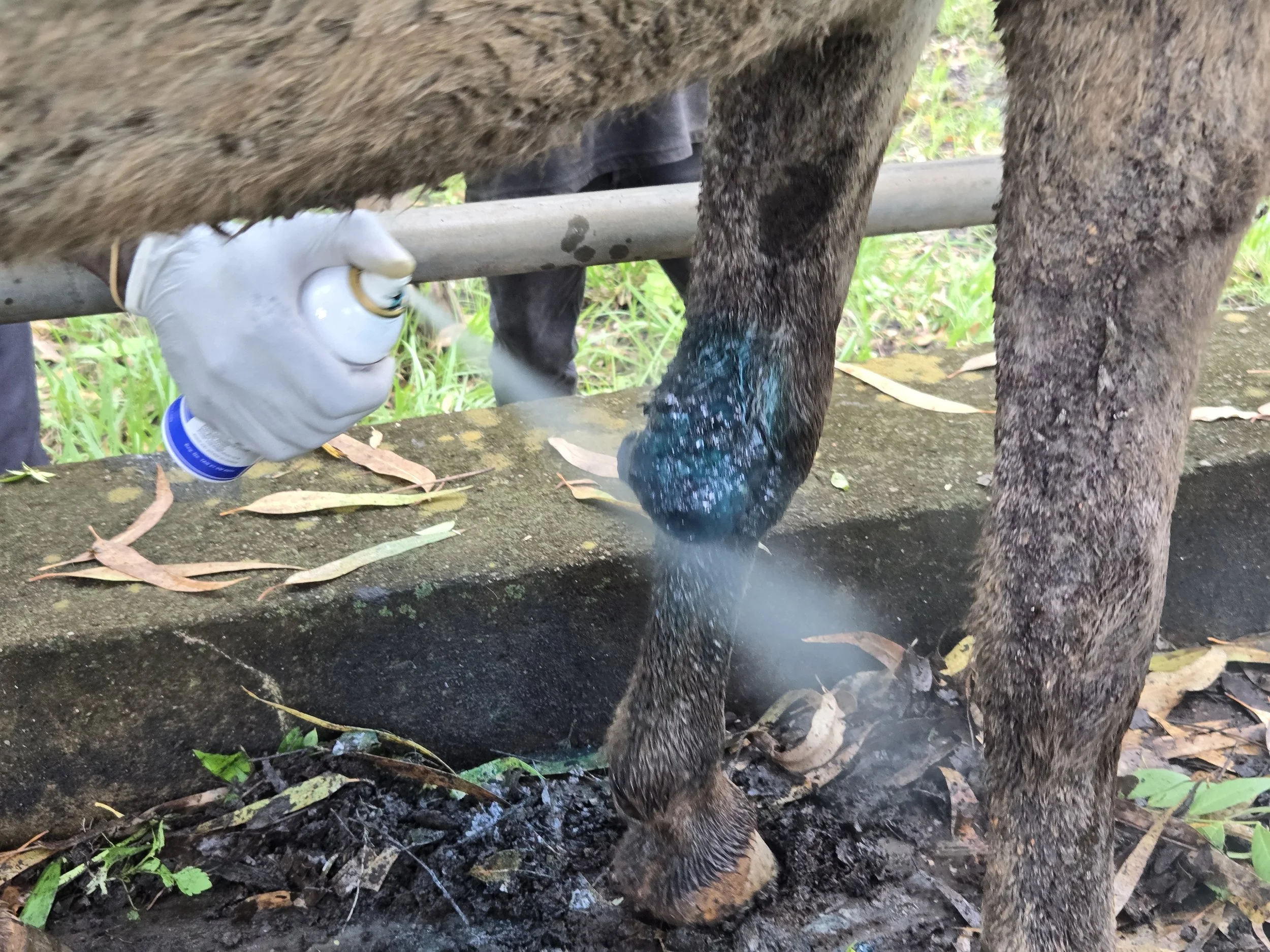
A donkey presented with a protruding limb mass, which the owners reported had been gradually enlarging over the past month. A clinical assessment was conducted during the mobile clinic, which revealed that the mass appeared progressive. The donkey showed signs of discomfort, frequently shifting weight and attempting to protect the affected limb. Pain relief was administered to improve comfort, and further management options were discussed with the owner. Based on the clinical findings, surgical removal was recommended to prevent further progression and reduce the risk of long-term impairment.
The owners expressed concern due to the donkey’s importance as a working animal and source of household income. The team discussed the risks of continued work in her current condition and the potential for the mass to worsen if left unaddressed. Following discussion, the owners agreed to proceed with surgical intervention during the next scheduled visit, allowing time to prepare for the temporary interruption of work while prioritising their donkey’s long-term health.
Emergency Clinic – Mngwangwa
Following reports of a donkey death and critical illness in others, the LSPCA team conducted an emergency visit in Mngwangwa. One donkey had died after exhibiting weakness, non-responsiveness, and an inability to stand. Two additional donkeys were assessed.
One donkey showed lameness and inflammation caused by improper handling, which was addressed with anti-inflammatories and follow-up doses were left with the government veterinary officer. Owners and herders were reminded of humane handling practices.
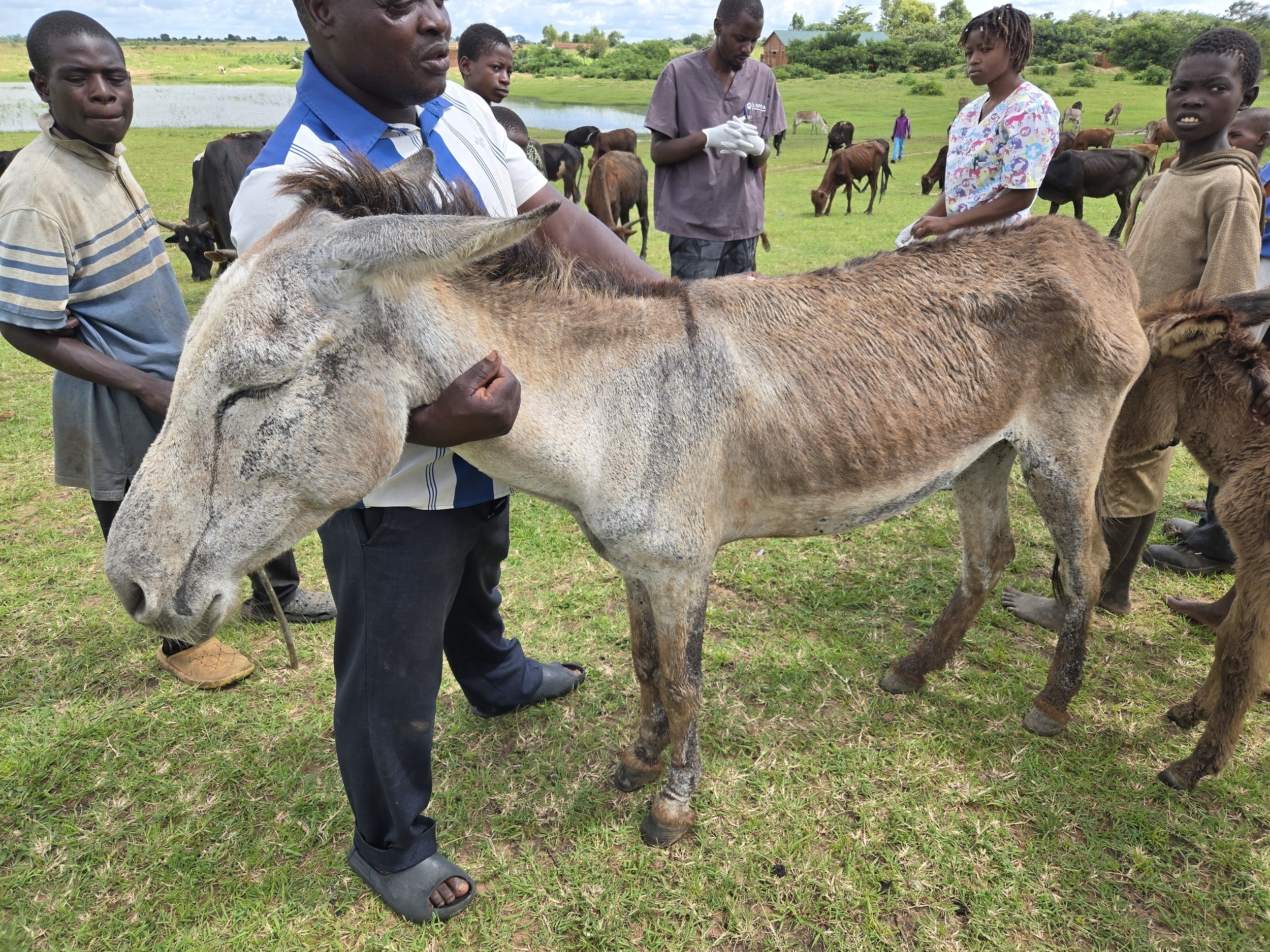
The second donkey presented with a body condition score of 2/5, a rough hair coat, bilateral epiphora, and reduced responsiveness. Based on the clinical presentation, a hemoparasitic or bacterial infection process was considered. A blood smear was collected for laboratory evaluation to investigate potential hemoparasites. Pending laboratory confirmation, oxytetracycline was administered as a precautionary therapeutic intervention in line with standard field protocols for suspected tick-borne or bacterial infections. Laboratory results were negative for detectable hemoparasites.
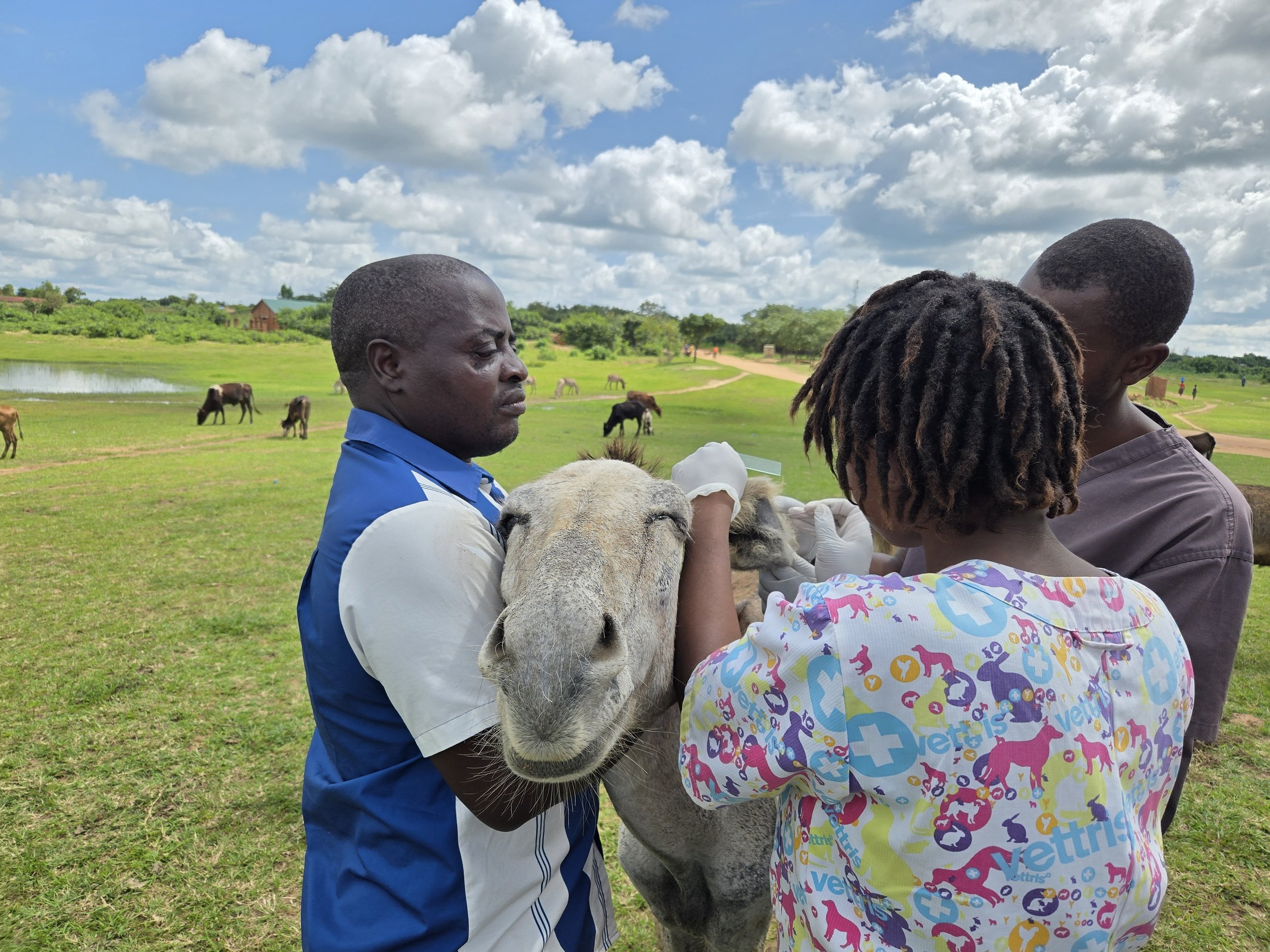
In light of the findings and the animal’s poor body condition, management factors were considered significant contributors. The owner was advised to implement nutritional support through a special diet and supplementation, restrict grazing as appropriate, and reduce workload to facilitate recovery.
During the visit, ten additional donkeys received care for various health concerns, including parasite control, wound management, and nutritional guidance.
Owner Education and Welfare Awareness
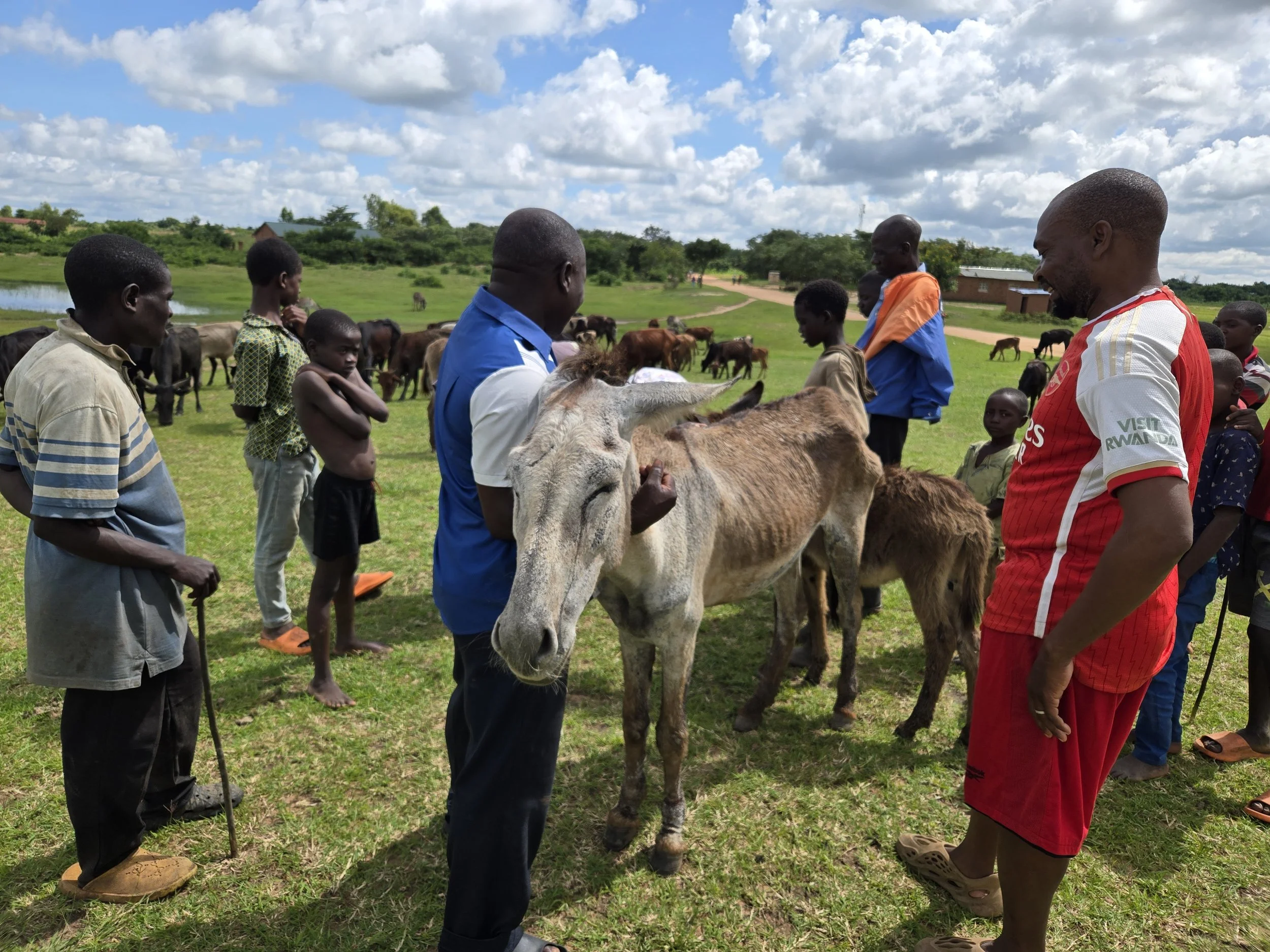
Education was integrated across both clinics, reaching 21 owners and herders. Practical guidance included monitoring body condition, early recognition of illness, hygiene and parasite management, appropriate workload limits, and timely reporting.
In Namwiri, the focus was on nutrition and recognising subtle signs of ill health, while in Mngwangwa, messaging emphasised early intervention and preventative care following the death of a donkey.
Challenges
Key challenges in February included improper handling, which contributed to cases of lameness and underscored the need for continuous owner education. Increased parasite burdens during the rainy season significantly affected animal health, as donkeys frequently pass through wetlands and muddy areas while in transit and are at times kept in these conditions for extended periods. Prolonged exposure to such environments heightened parasite infestation and contributed to low body condition and reduced vitality.
Subtle signs of illness were sometimes missed, delaying intervention and increasing the risk of complications. Balancing emergency interventions with planned activities, such as harness-making, required adaptive scheduling to maintain both immediate and long-term welfare outcomes.
The Way Forward
LSPCA’s project will strengthen owner and herder education on safe handling, early recognition of illness, and proper nutrition. Preventive parasite control and regular monitoring of body condition will be reinforced, particularly during the rainy season. Planned harness-making and equipment interventions will resume, while retaining flexibility for urgent cases.
As always, thank you so much for your generous support, which is improving donkey welfare in Lilongwe and changing the lives of these animals for the better.