Providing horses & bullocks with the care, respect & dignity they deserve
Your fantastic support enabled Action for Protection of Wild Animals (APOWA) to reach nearly 500 working animals in India during December.
This included horses and bullocks who required veterinary treatment for a variety of conditions, along with hundreds of animals who received vaccinations and deworming.
Summary
APOWA’s mobile clinic reached 103 working animals last month - mostly horses and bullocks - who received treatment for fevers, digestive and respiratory disorders, wounds, infections, skin diseases, diarrhoea and malnutrition. A total of 396 animals were vaccinated and dewormed as part of preventive healthcare measures.
The helpline service saw 25 animal owners receiving remote guidance for supportive animal care. In addition, 36 owners were educated on the five freedoms of animal welfare.
Mobile Vet Clinic
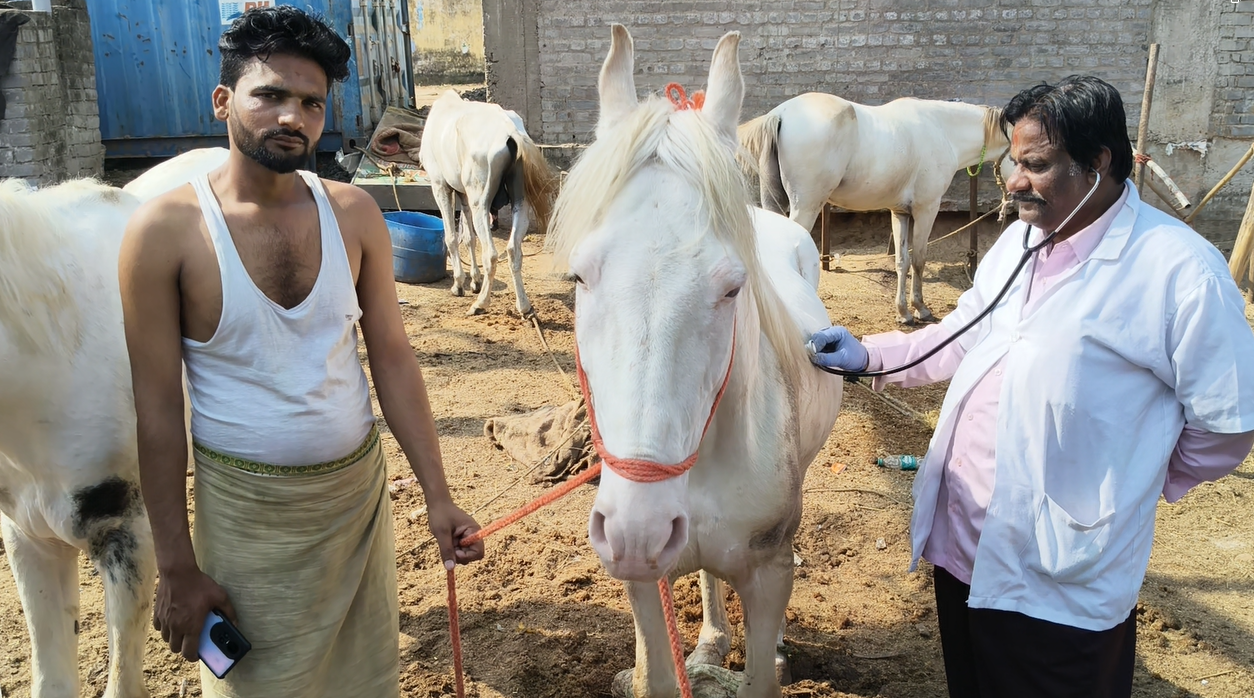
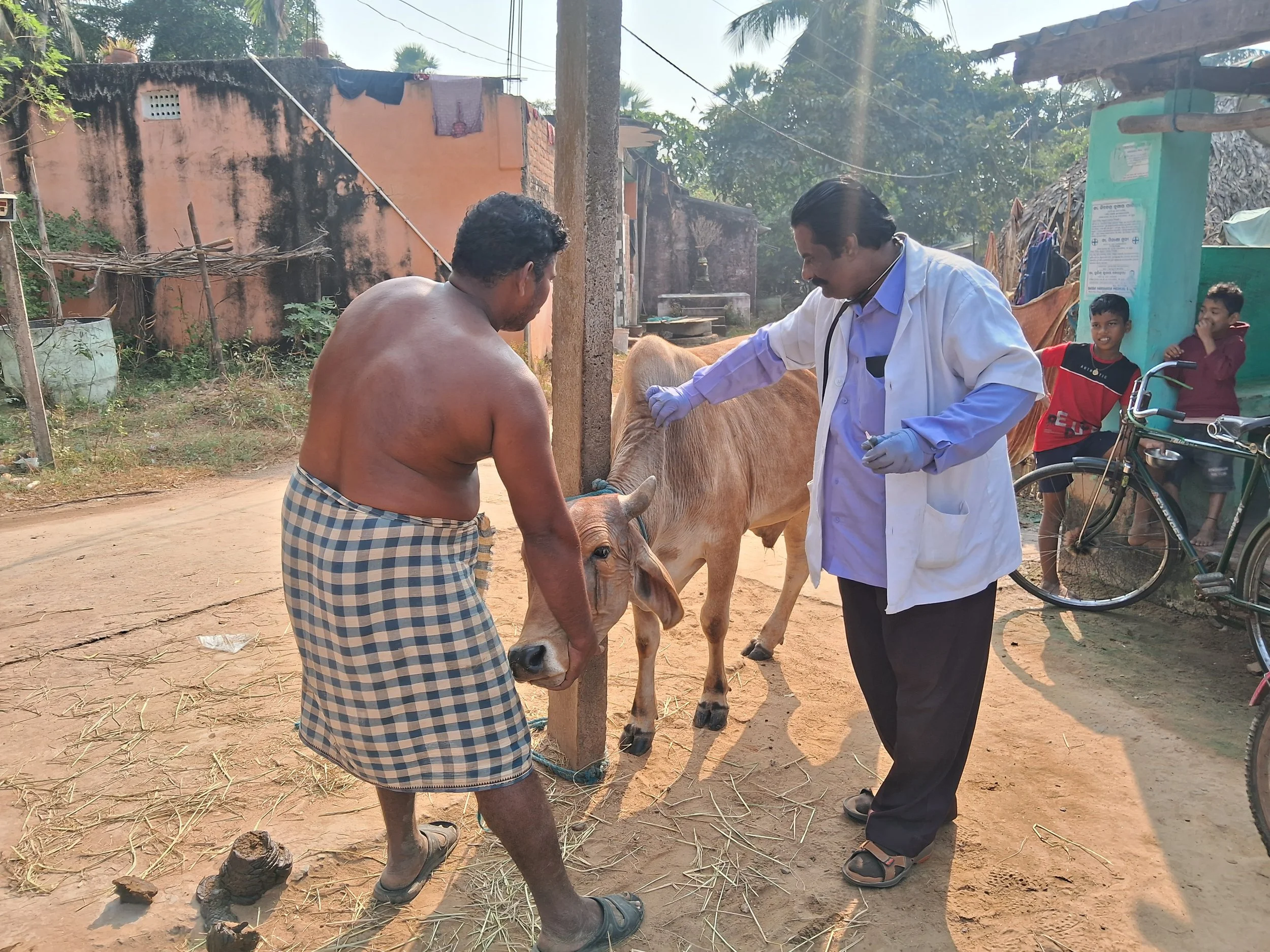
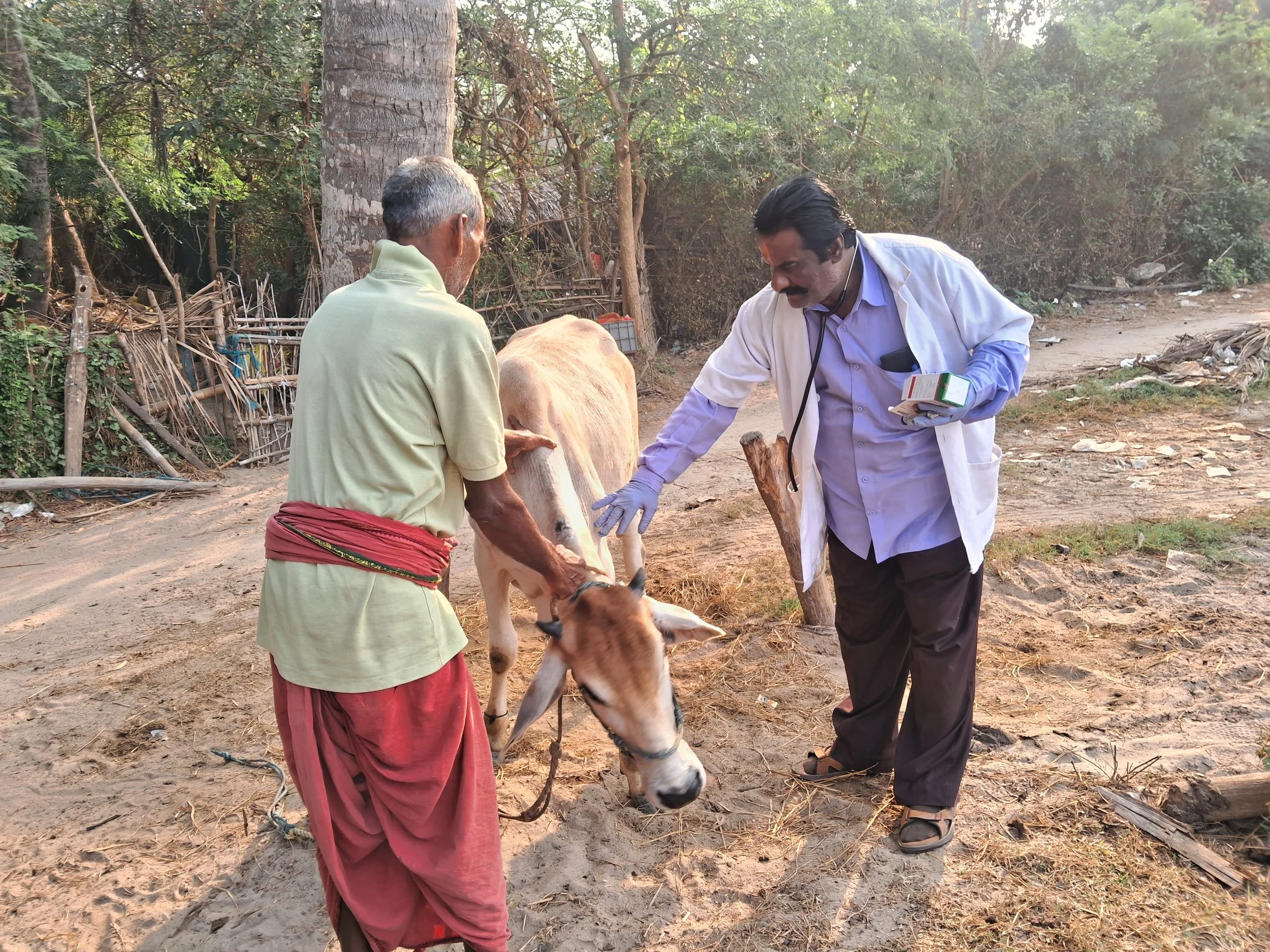
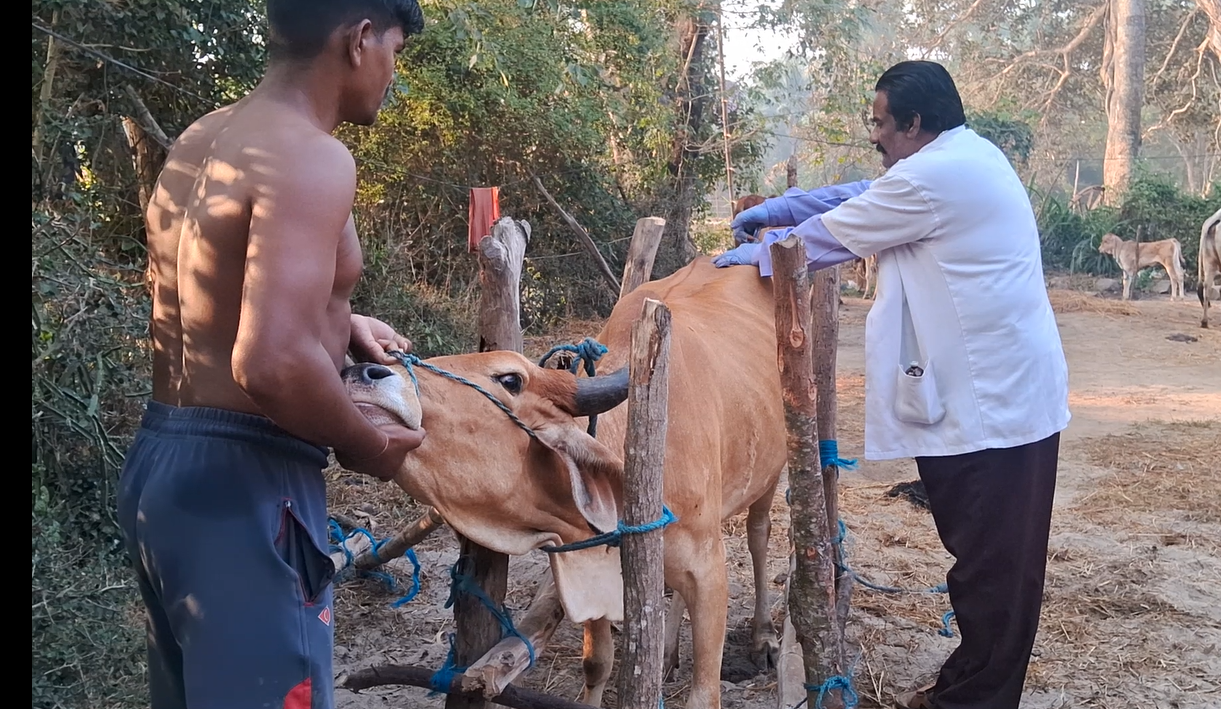
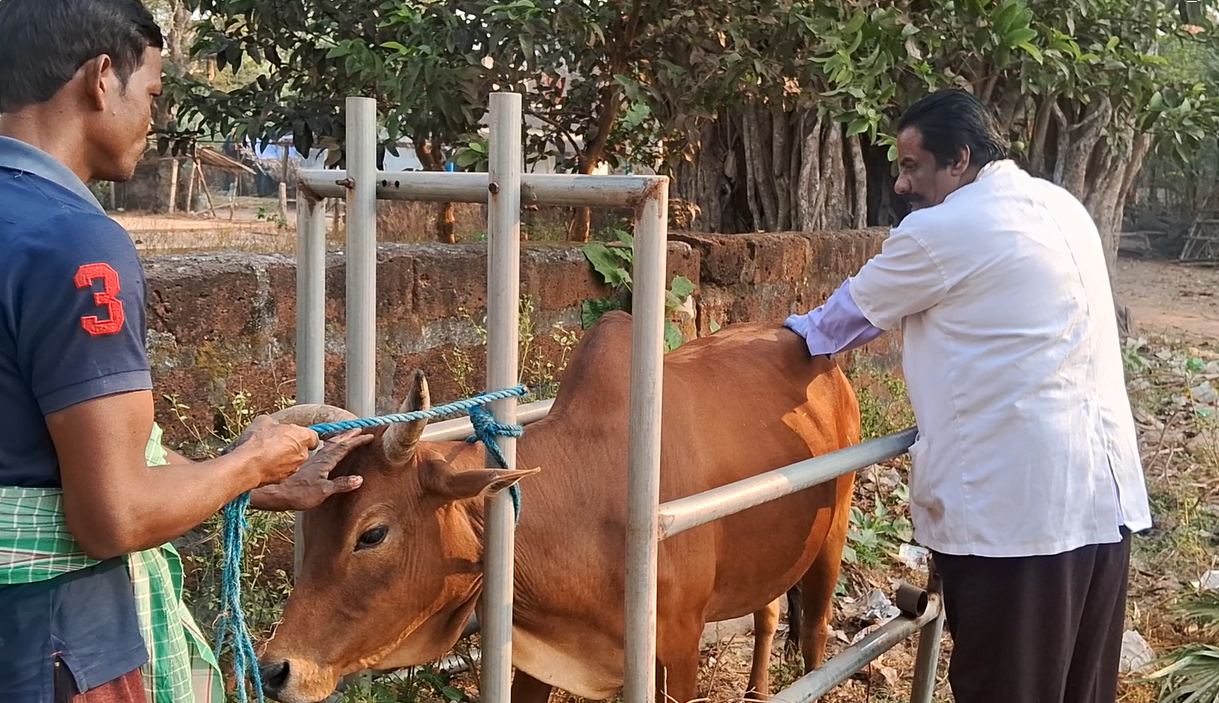
A total of 103 working horses and bullocks were treated through APOWA’s Mobile Veterinary Clinic during December. These animals were provided with vet care and treatments for fevers, coughs, injuries, infections and malnutrition, thereby improving their health and wellbeing. The clinic also provided guidance to owners on proper care and feeding practices to prevent future health issues in working animals. During this period, 396 animals were also vaccinated against foot and mouth disease.
Helpline Service
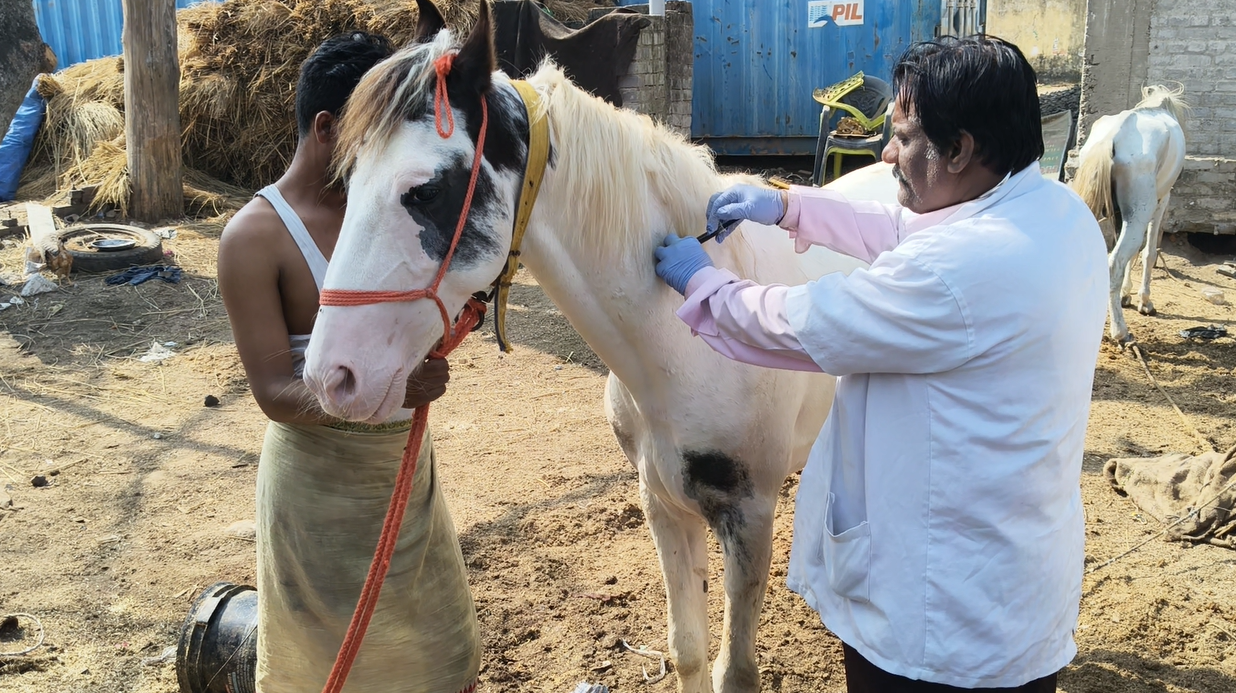
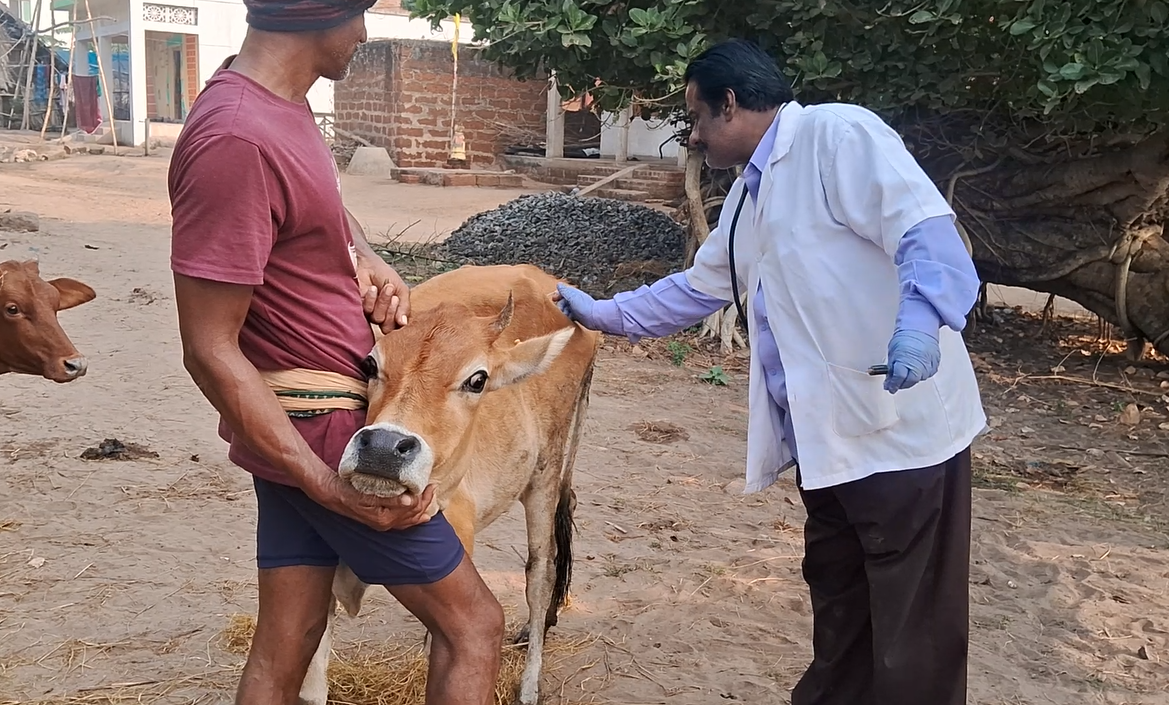
Last month, the project's helpline assisted 25 animal owners with timely veterinary advice. This support helped to address concerns ranging from minor to serious cases, ensuring the animals received appropriate care.
First Aid Care
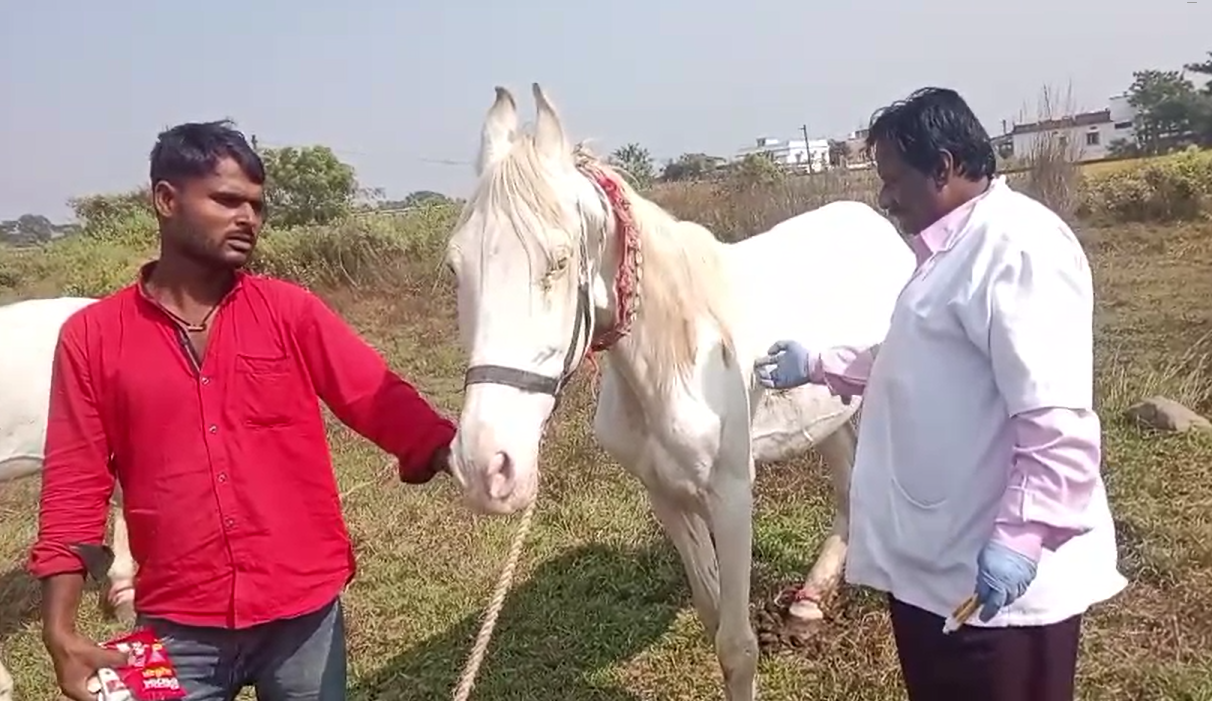
A total of 56 bullocks and horses received first aid care in December. This initiative is part of a broader effort to support working animals in rural areas, where access to veterinary services is often limited.
Training and Workshops
Education sessions on the five freedoms of animal welfare were held for 36 animal owners. They gained new knowledge about animal health and welfare, such as providing safe drinking water, safe sheds and good nutrition. The owners learnt how to identify signs of distress, provide proper care and implement sustainable management practices. This education empowered them to improve their animals' living conditions while fostering a deeper understanding of ethical treatment.
Follow-up care
During December, the veterinary team conducted follow-up visits for 32 previously-treated horses and bullocks to assess their ongoing recovery and health. These visits helped to evaluate treatment outcomes, address emerging health concerns and adjust care plans as needed. Animal owners were also counselled on clean water provision, hygiene and humane handling practices, contributing to improved recovery and long-term animal health and welfare.
The veterinary team also conducted post-vaccination visits for 25 animals to monitor their health status and check for any adverse reactions. All animals were found to be in good health.
As always, your support and donations are changing the lives of vulnerable animals around the globe. Together, we can ensure they are provided with the care, respect and dignity they deserve, both now and well into the future.