Hope & healing for abandoned, injured or neglected animals
Our partner group, Compassion Unlimited Plus Action (CUPA), have a passion for rescuing and caring for working animals like bullocks and horses. Thanks to your kind support, they run a sanctuary for animals rescued from dire circumstances, and also provide extensive community veterinary care and education.
See how your generous donations have helped these vulnerable animals:
Project Introduction
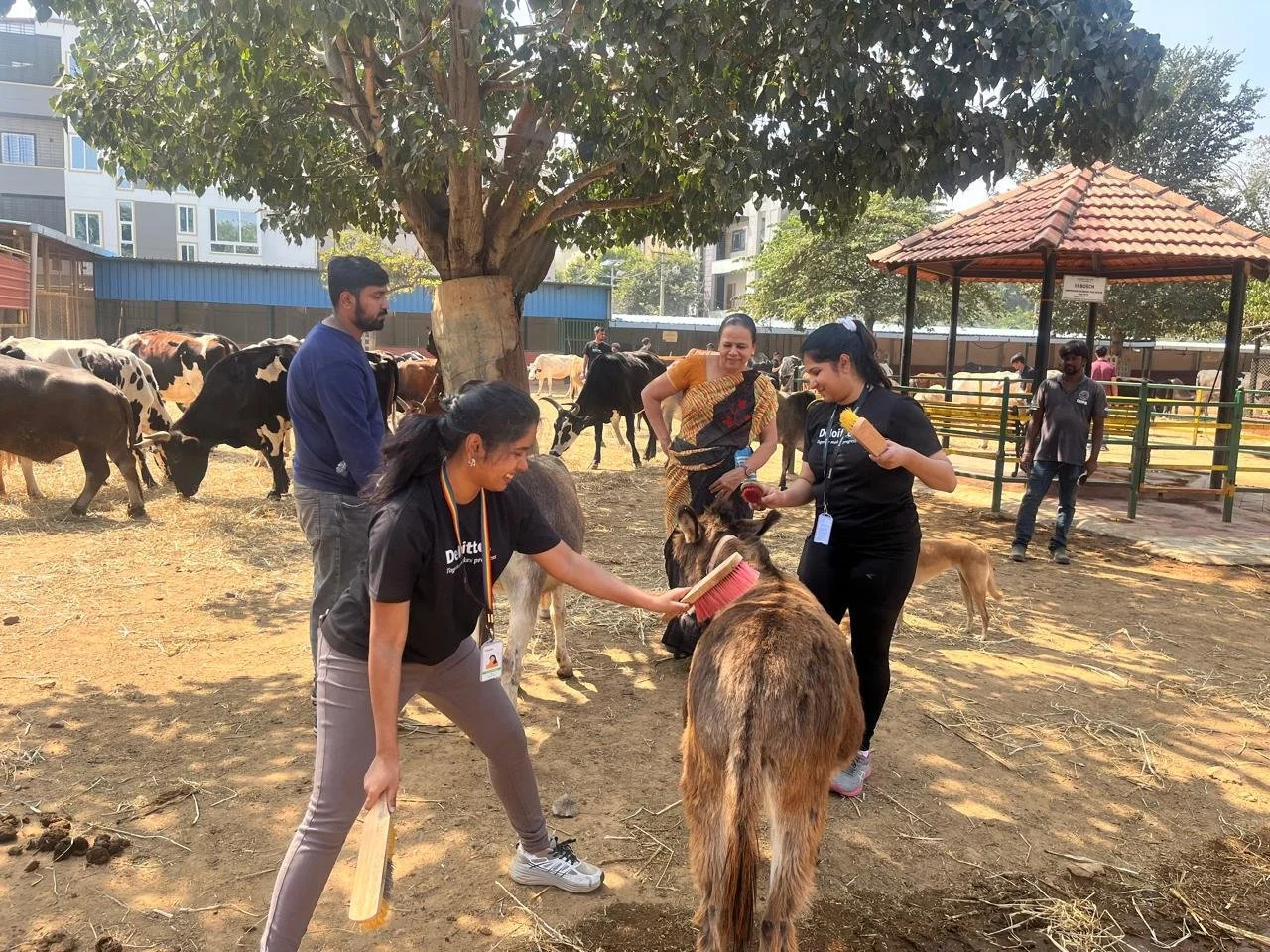
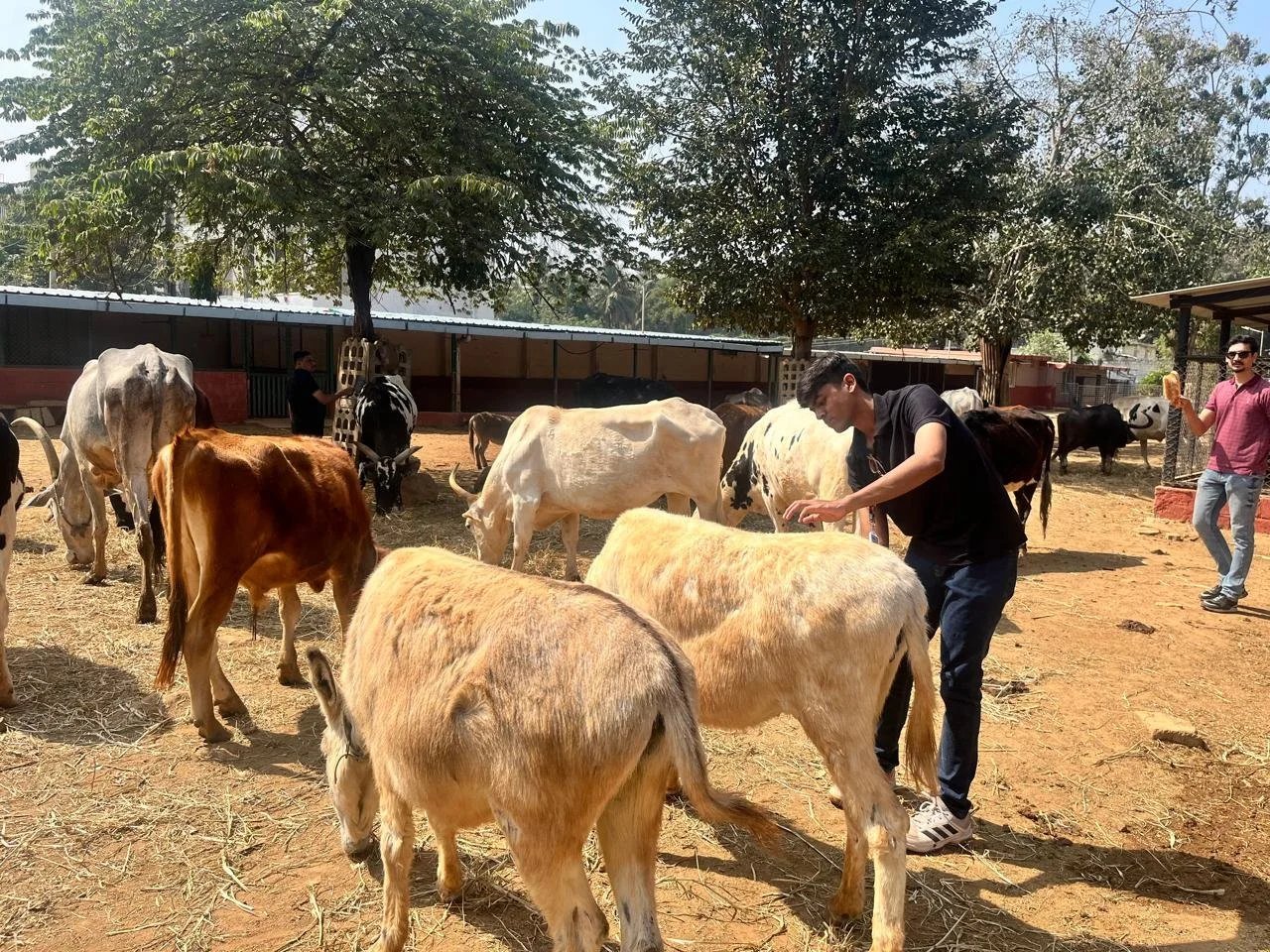
Since 2012, CUPA's Large Animal Rescue & Rehabilitation Centre (LARRC) has served as a sanctuary for large working animals such as cows, bullocks, ponies, donkeys, and horses rescued from neglect, abandonment, or harsh working conditions. The centre currently provides a safe and nurturing environment for over 120 such animals, focusing on long-term rehabilitation and care.
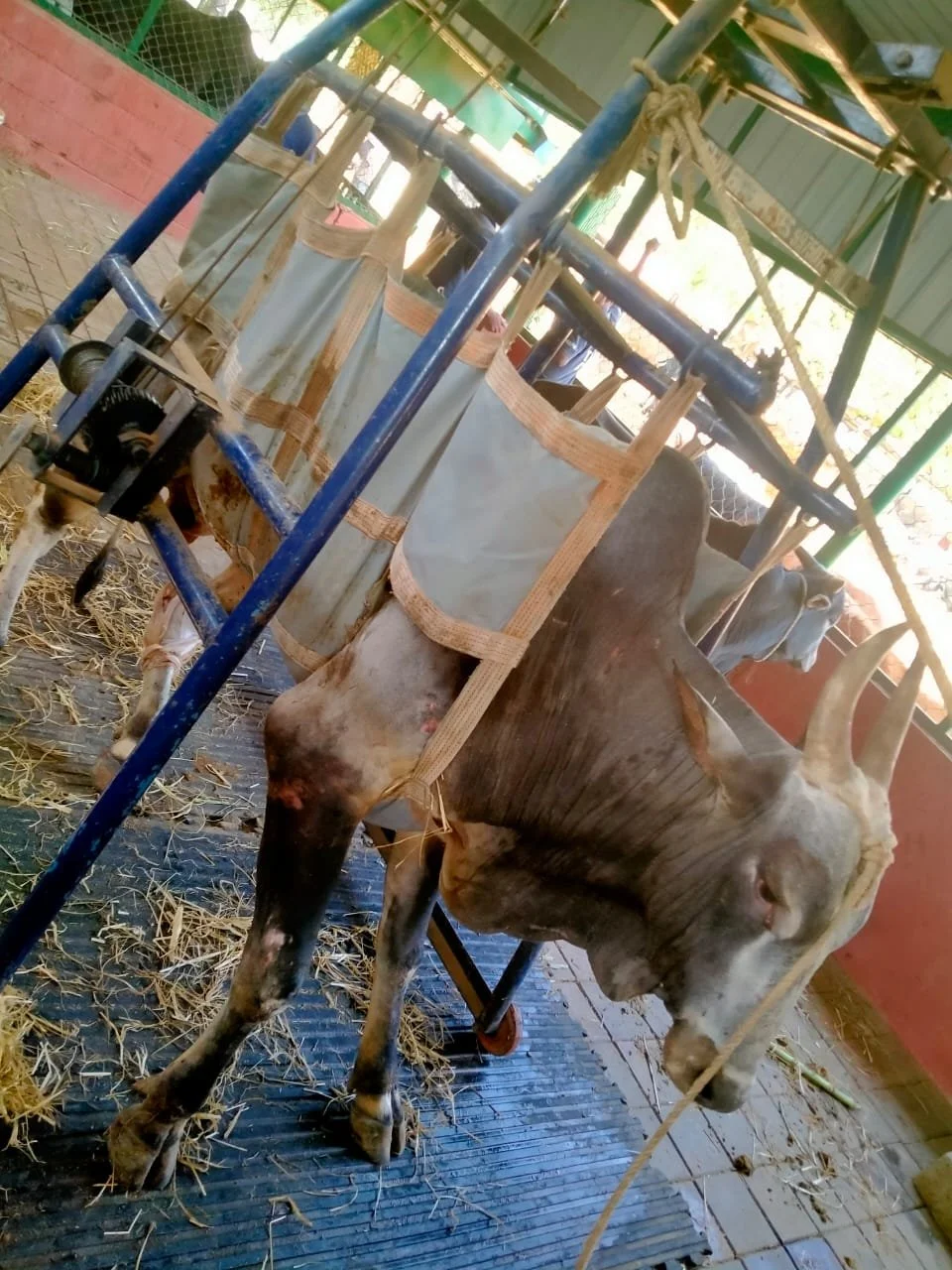
This project aims to enhance the health and welfare of working and draught animals in Bengaluru, both within CUPA shelters and in the field. Through organised health camps and consistent nutritional support, the initiative targets ponies, donkeys, and bullocks animals who continue to play a vital role in transport and agriculture, especially in semi urban and rural communities.
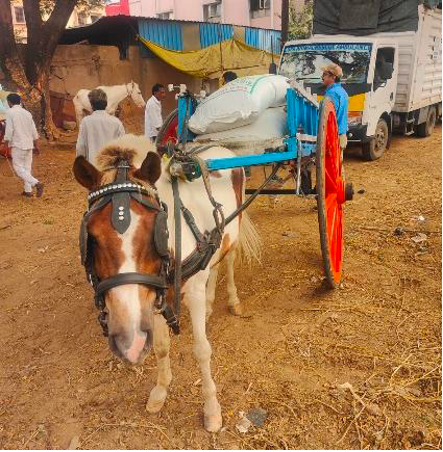
Among these are Tonga ponies, small yet resilient animals traditionally used to pull tongas (two-wheeled carriages). Despite their importance in affordable local transport, many suffer from poor nutrition and untreated health issues due to the limited means of their owners. Similarly, bullocks - often employed in agriculture and for transporting goods - face comparable neglect, particularly in the face of urbanisation and modernisation, which has led to a decline in the use of traditional transport methods.
Recognising the continued reliance on these animals in some communities, this project focuses on delivering targeted healthcare interventions and nutrition support to approximately 250 to 300 animals over an 11-month period. By combining shelter-based rehabilitation with community outreach through health camps, the initiative seeks to significantly improve the quality of life for Bengaluru's remaining working and draught animals.
Project Objectives
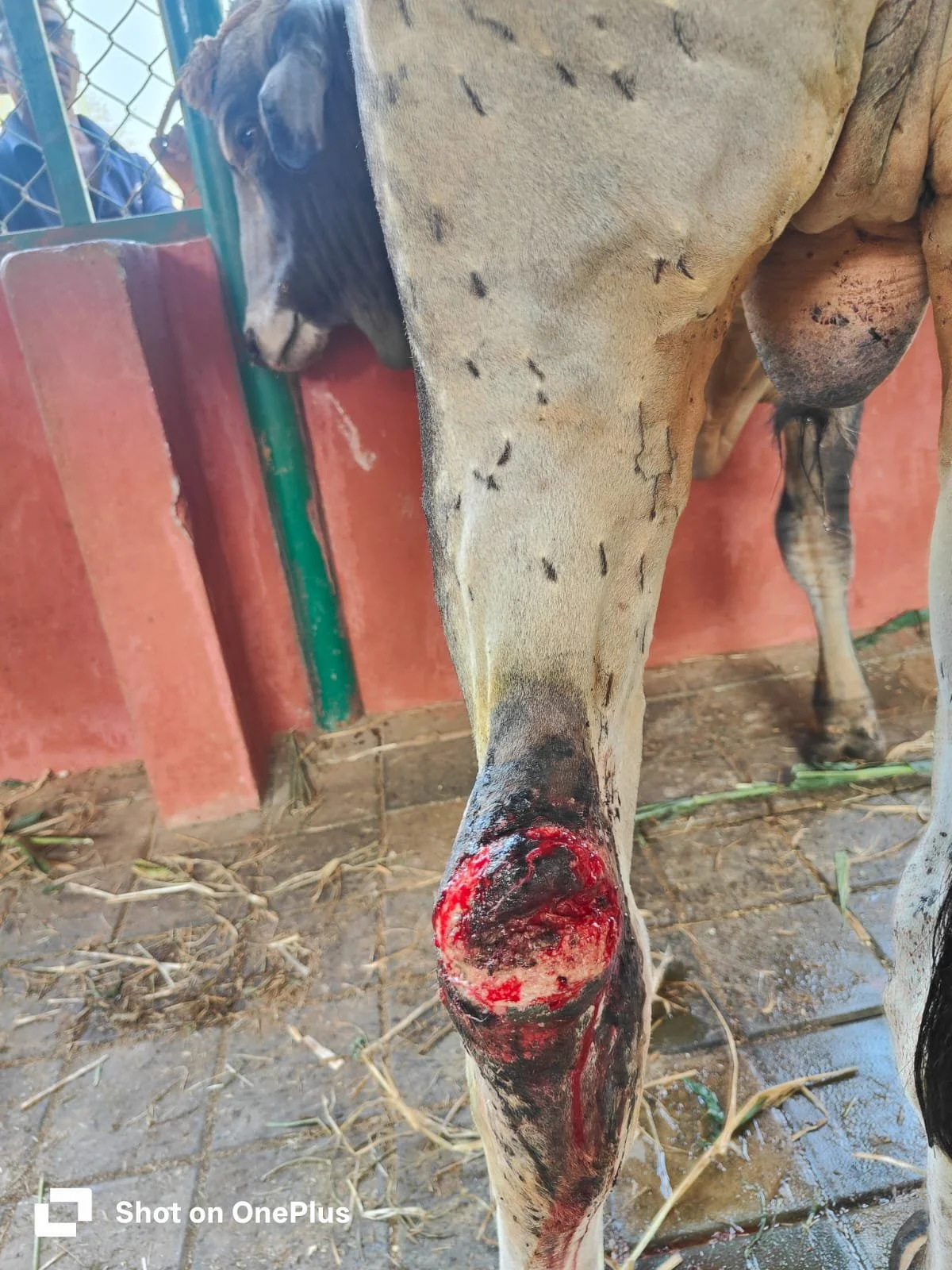
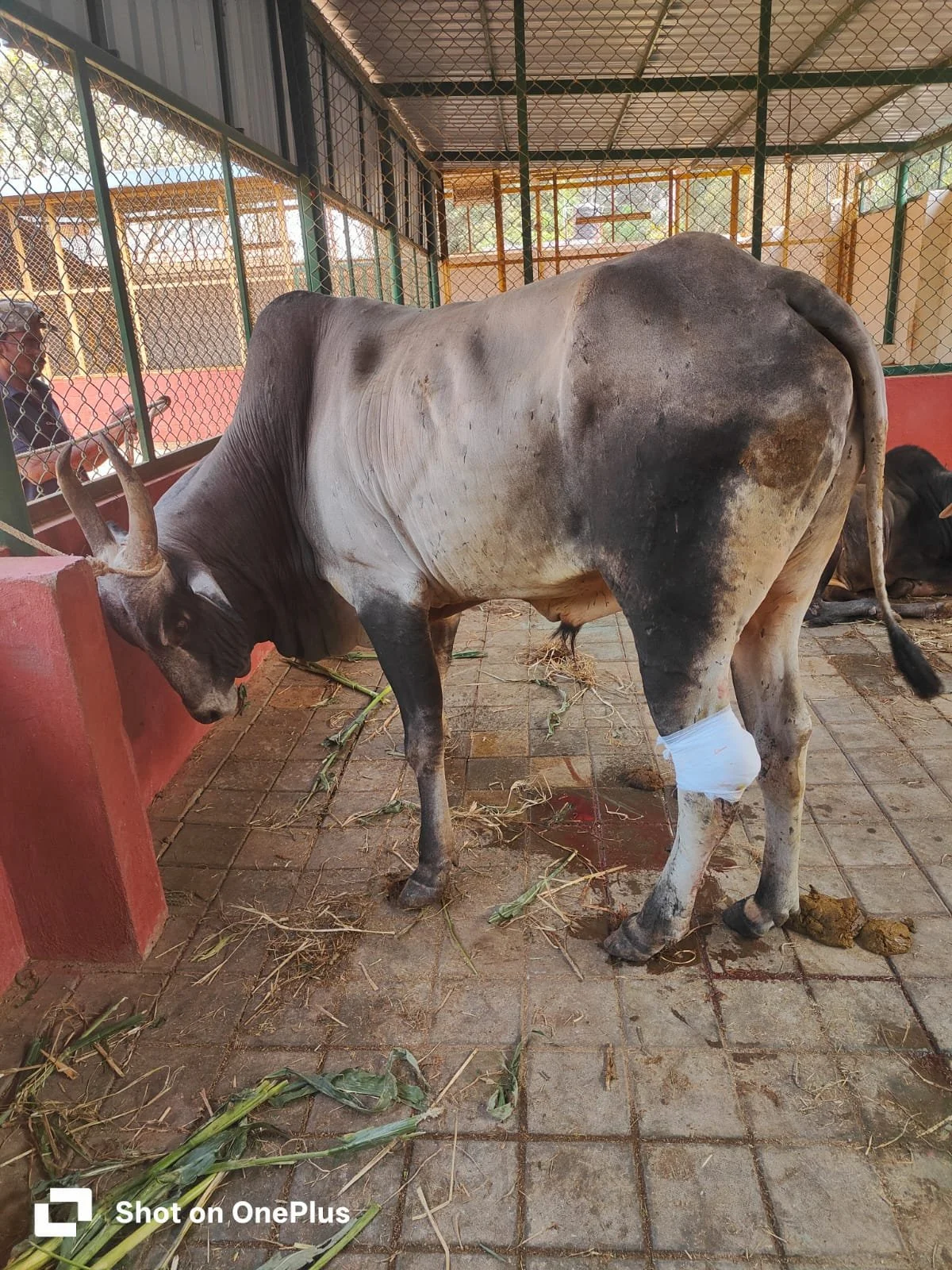
Support for Animals Affected by Trauma: The initiative focuses on animals who have been victims of road accidents, cruelty, as well as those living with physical disabilities. Each case is approached with urgency and compassion to ensure timely intervention.
Comprehensive Medical and Rehabilitative Care: Once rescued, animals receive thorough veterinary care and ongoing medical treatment. CUPA also ensures that animals requiring extended care have access to long-term shelter and supervision.
Enhancing Animal Welfare and Quality of Life: The program aims not only to treat injuries and illnesses but also to improve the overall wellbeing and dignity of rescued animals, allowing them to live in a safe, nurturing environment.
Raising Community Awareness and Compassion: By sharing these stories and engaging with the public, CUPA promotes greater awareness of animal welfare issues and encourages compassion and responsible behaviour towards animals, especially those who are often overlooked.
Rescue and Rehabilitate Large Working Animals: CUPA is committed to rescuing large working animals such as cows, bulls, horses, donkeys, and buffaloes, many of whom have been subjected to neglect, harsh working conditions, or abandonment.
Activities Undertaken
Activity 1: Rehabilitation and Daily Care of Rescued Large Animals
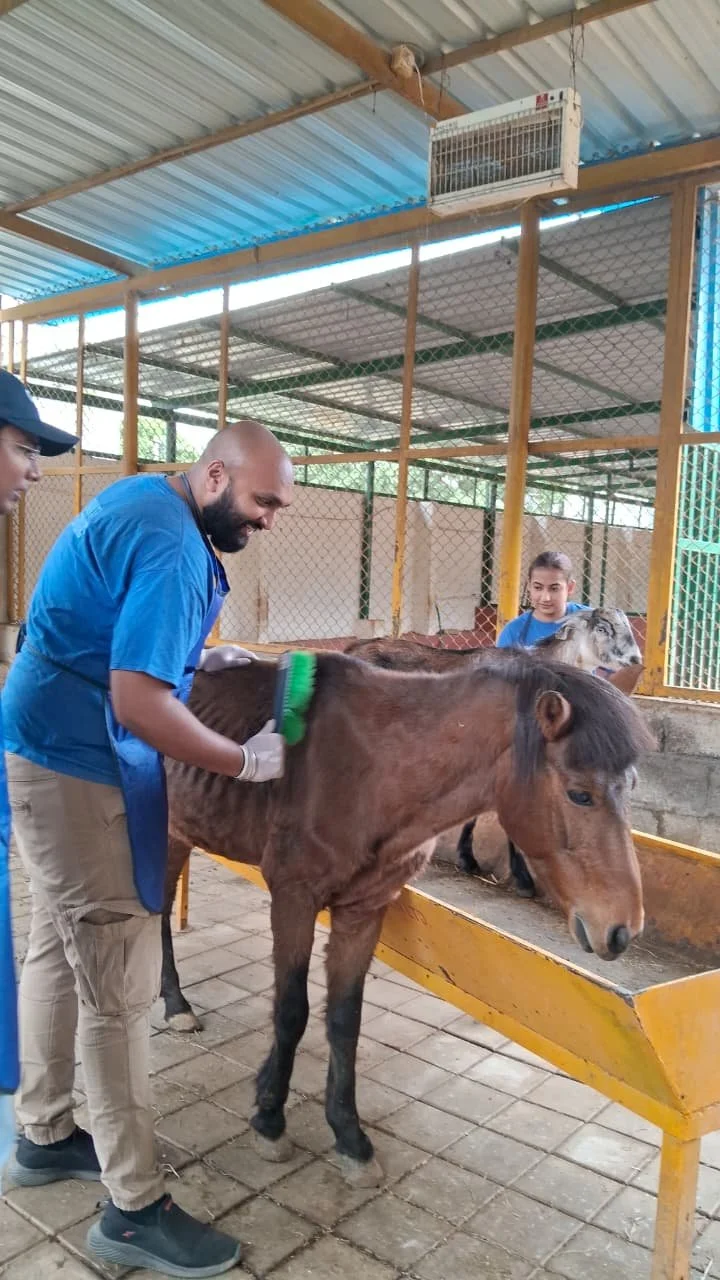
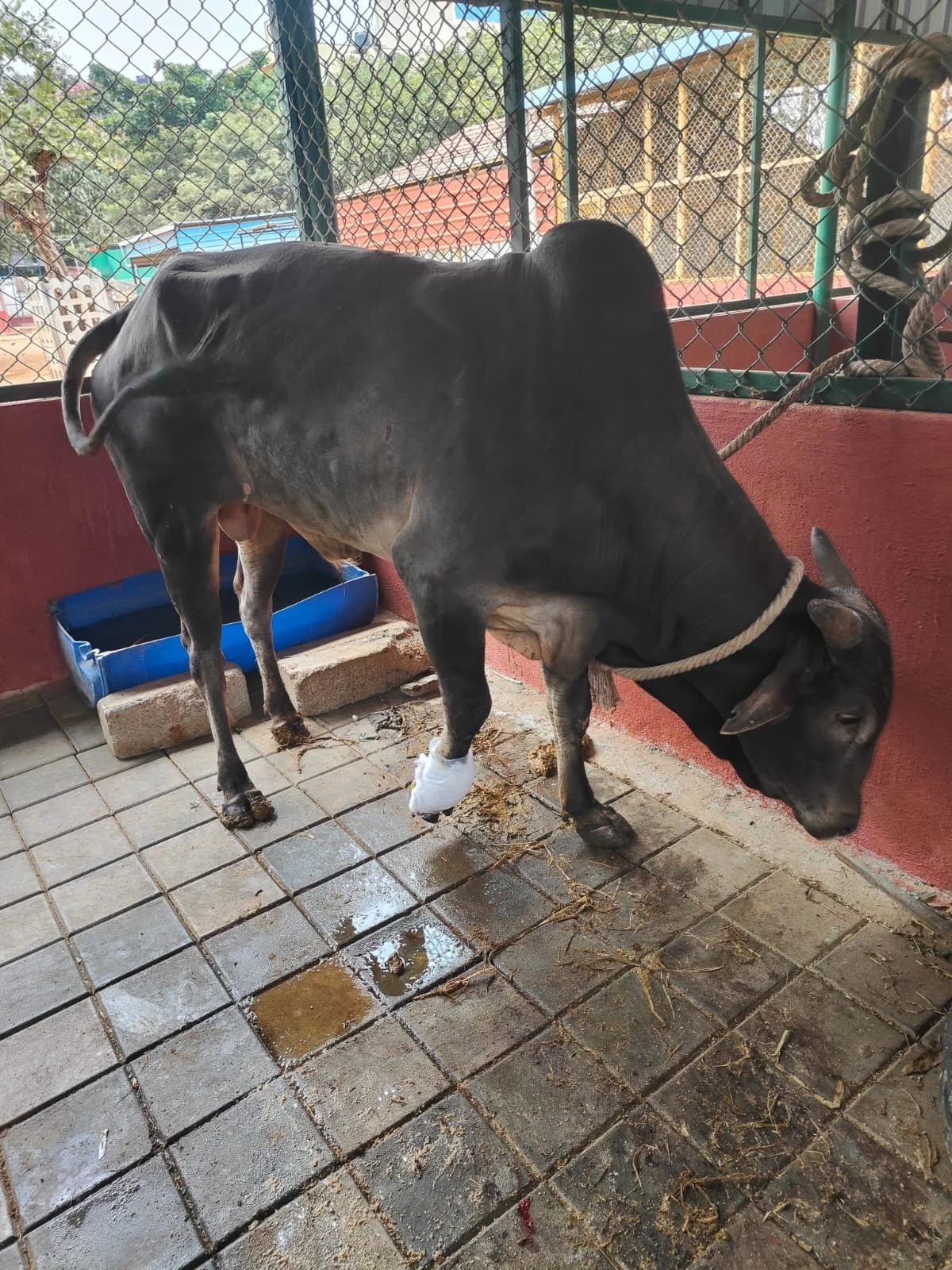
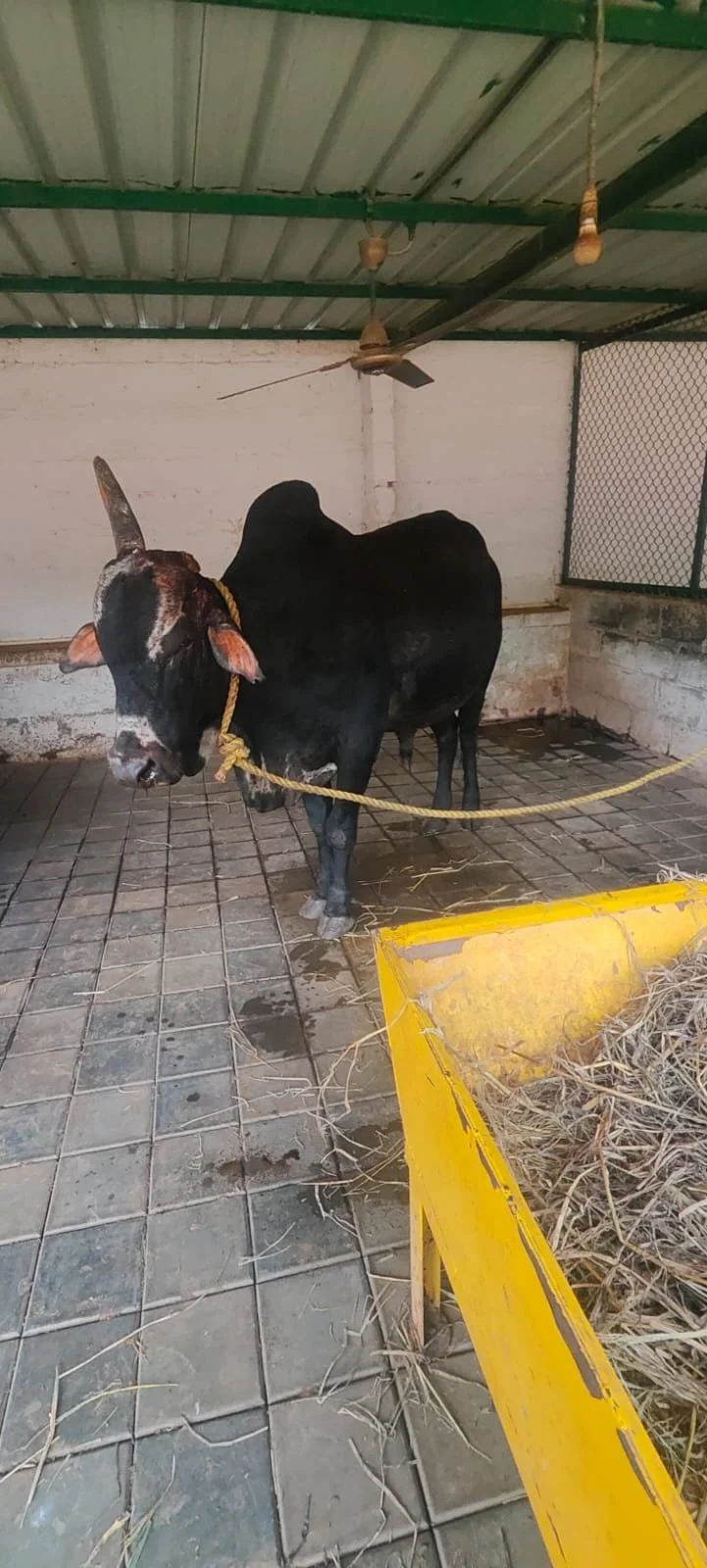
CUPA LARRC currently houses 41 bullocks, 14 ponies, and 7 donkeys who are undergoing various stages of rehabilitation after being rescued from neglect, injuries, fractures, or abuse. This ongoing activity includes providing medical attention, nutritious food, dietary supplements, and regular monitoring. Weak or injured animals receive focused care, ensuring their recovery and long-term wellbeing.
Case Studies
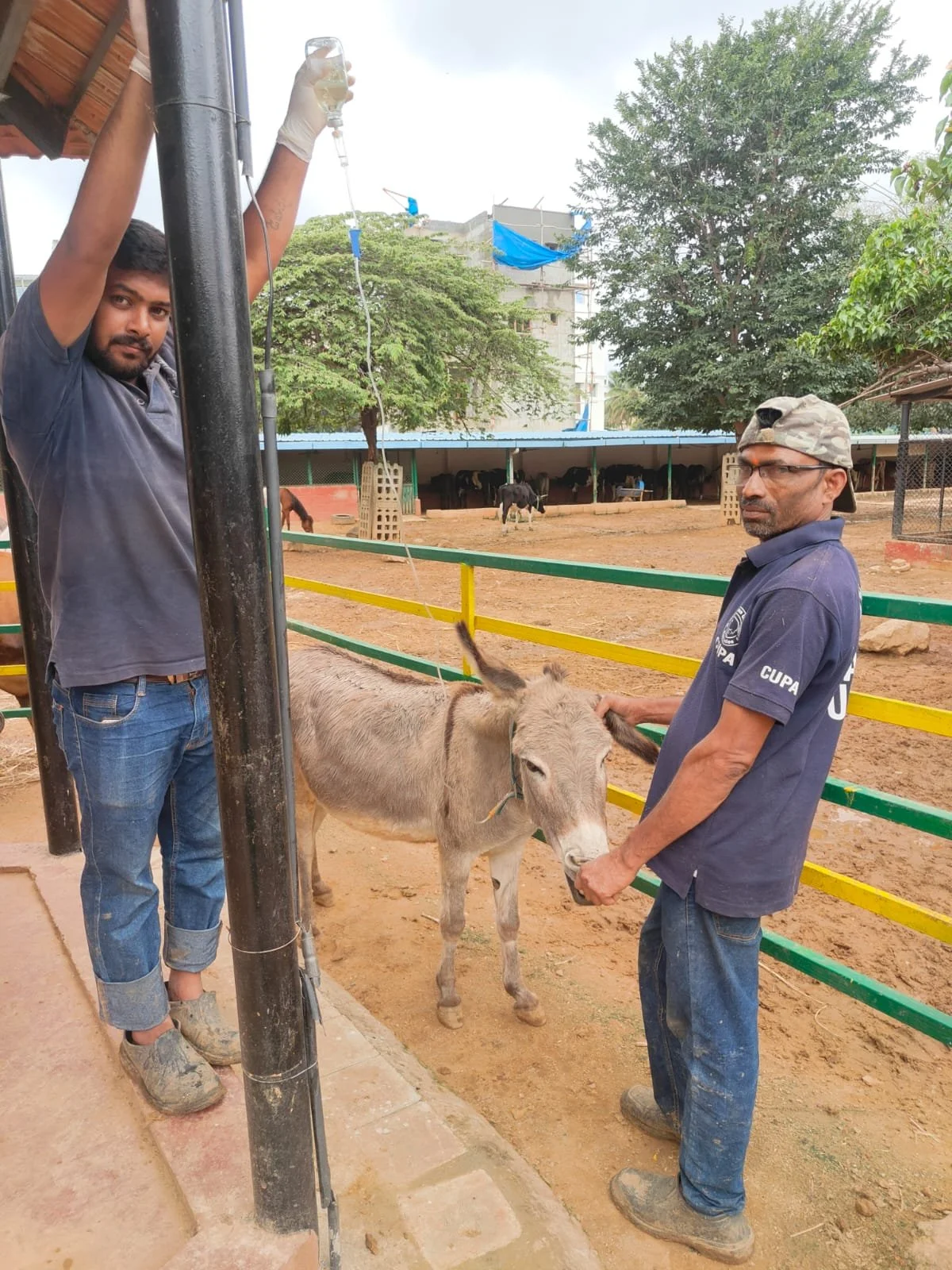
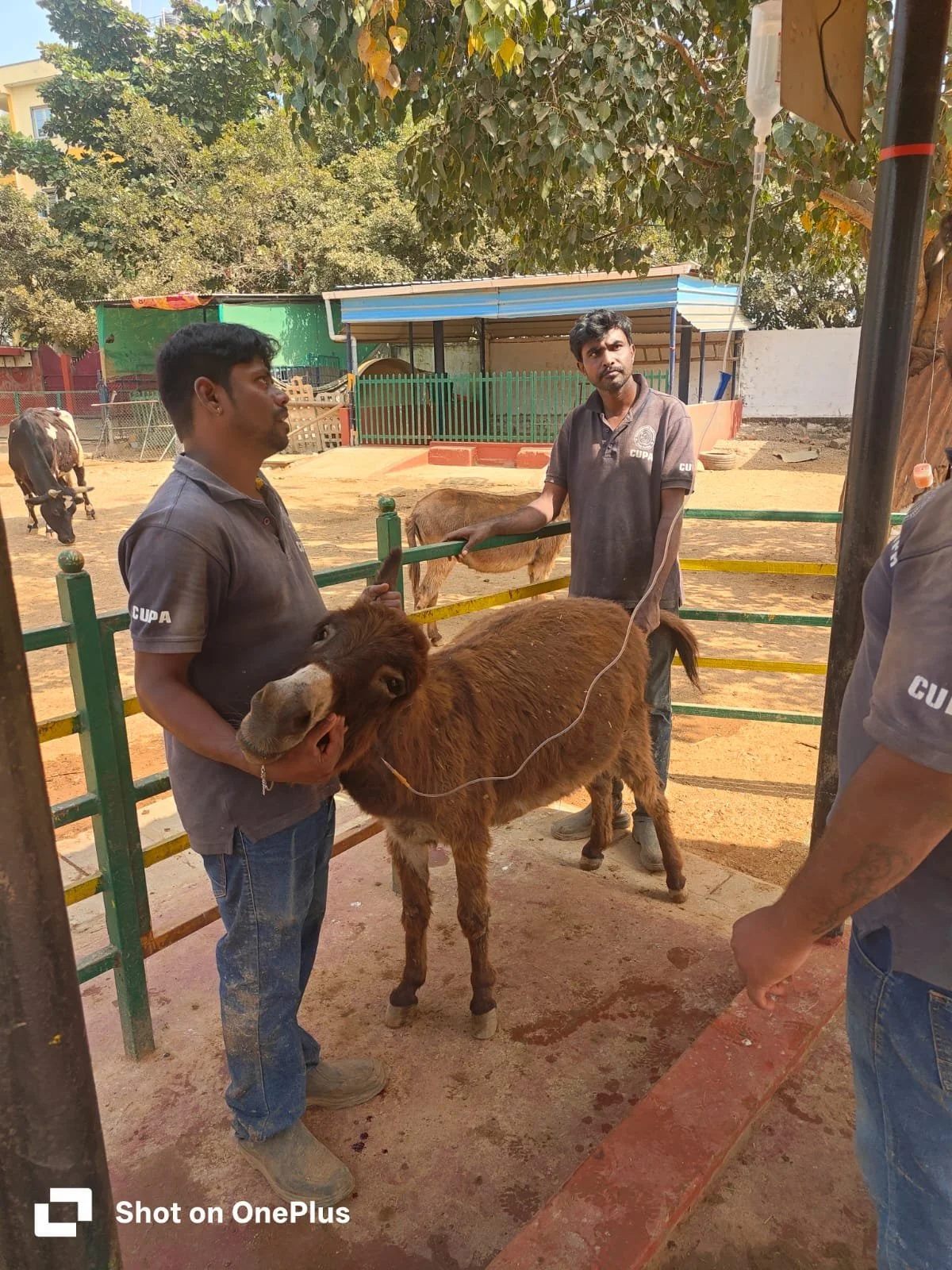
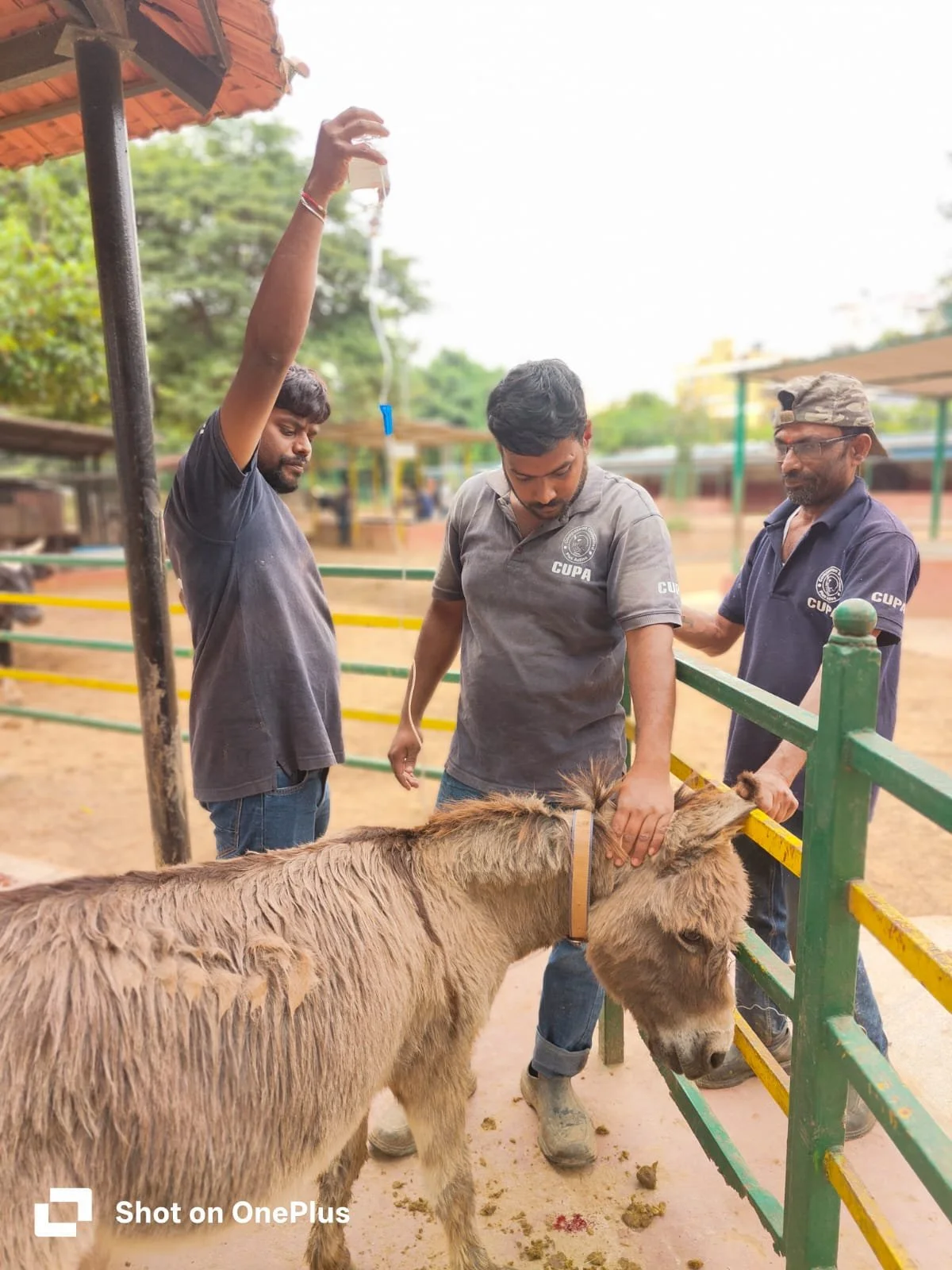
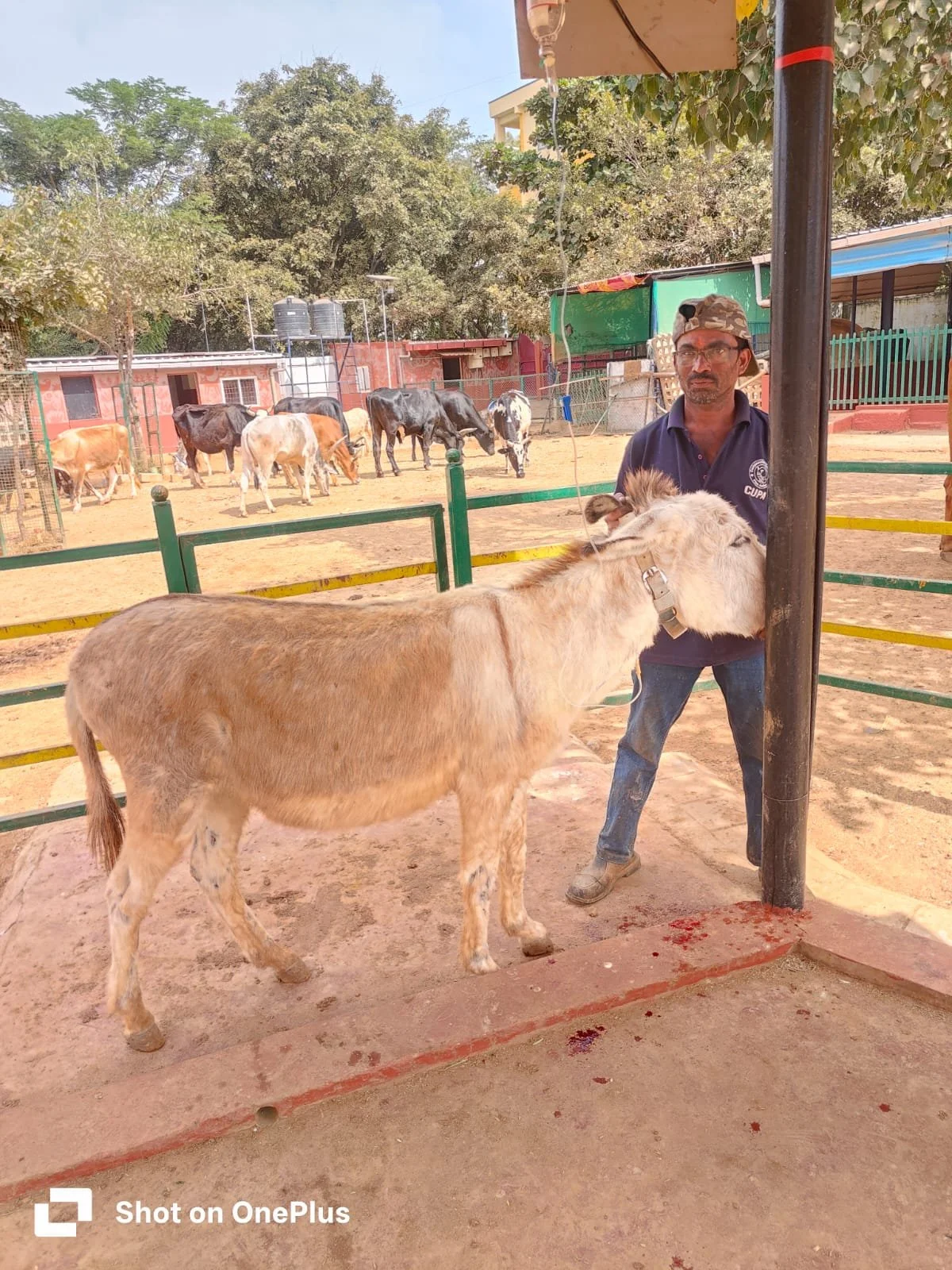
Donkeys: Currently 7 living at LARRC, including Pink Floyd, Tuluk, Ashley and Barney.
Issue: Anaemic conditions due to age-related + earlier nutritional issues.
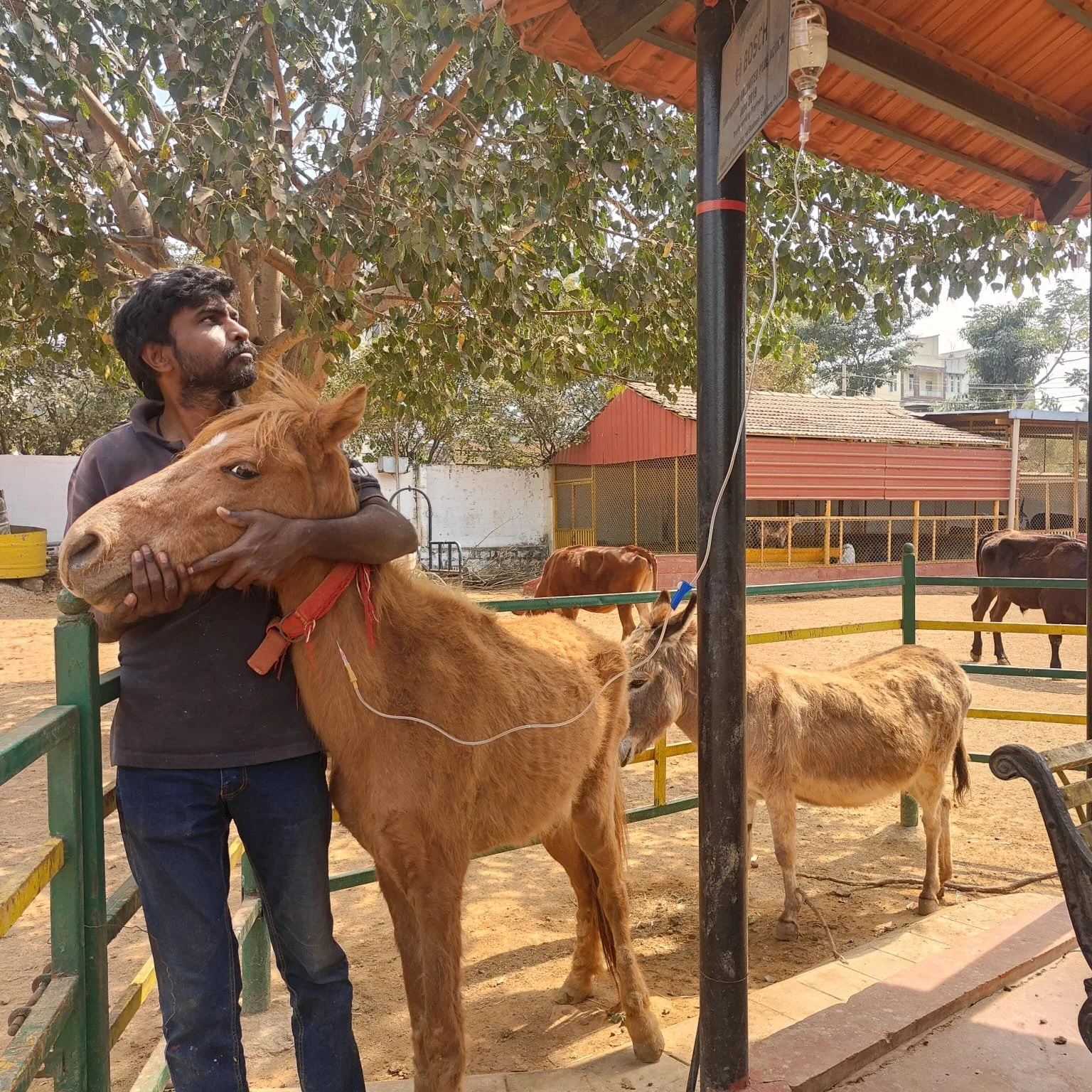
Working ponies: Currently 14 at LARRC.
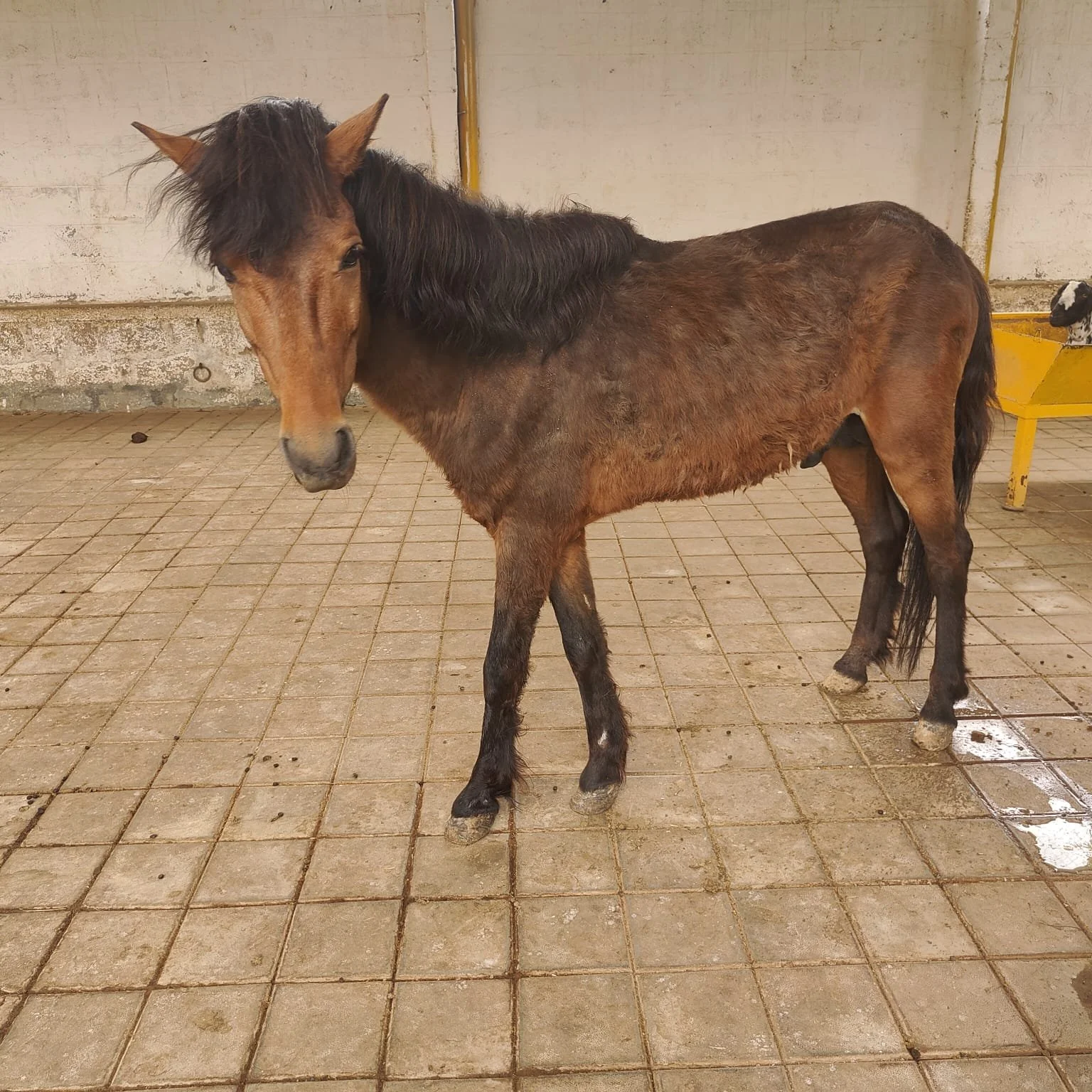
Issue: Lameness and nutritional issues caused by negligence and accidents.
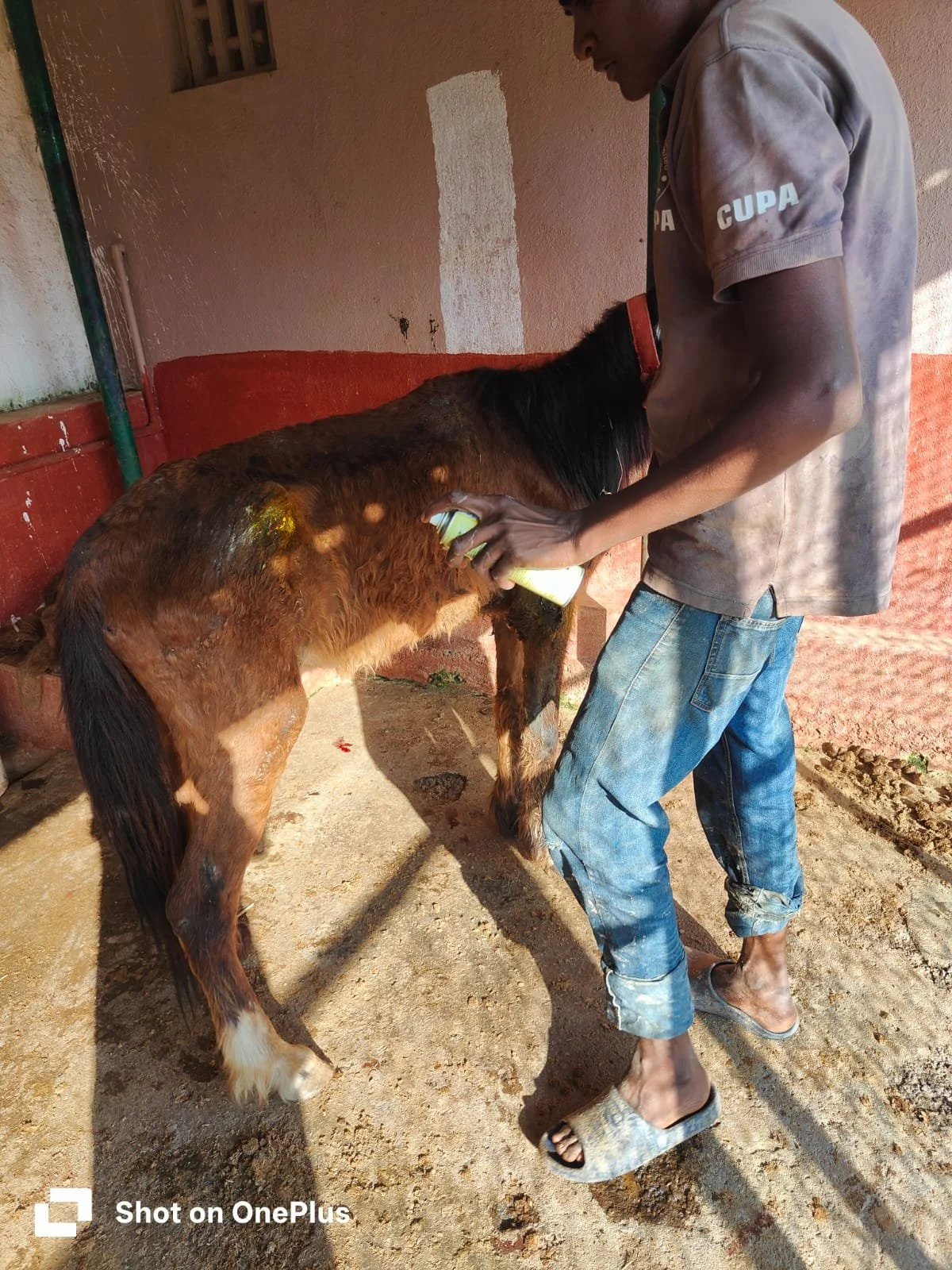
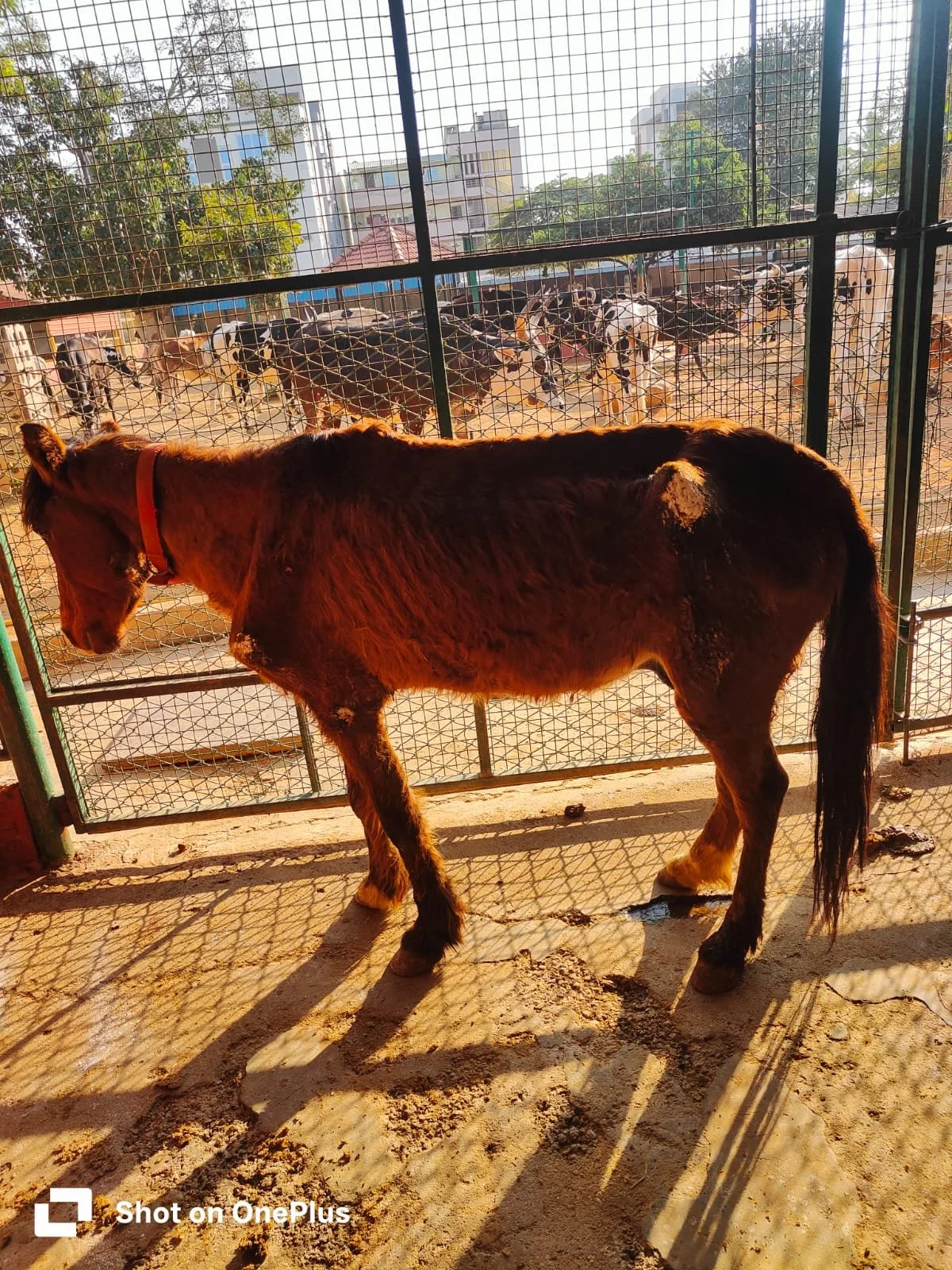
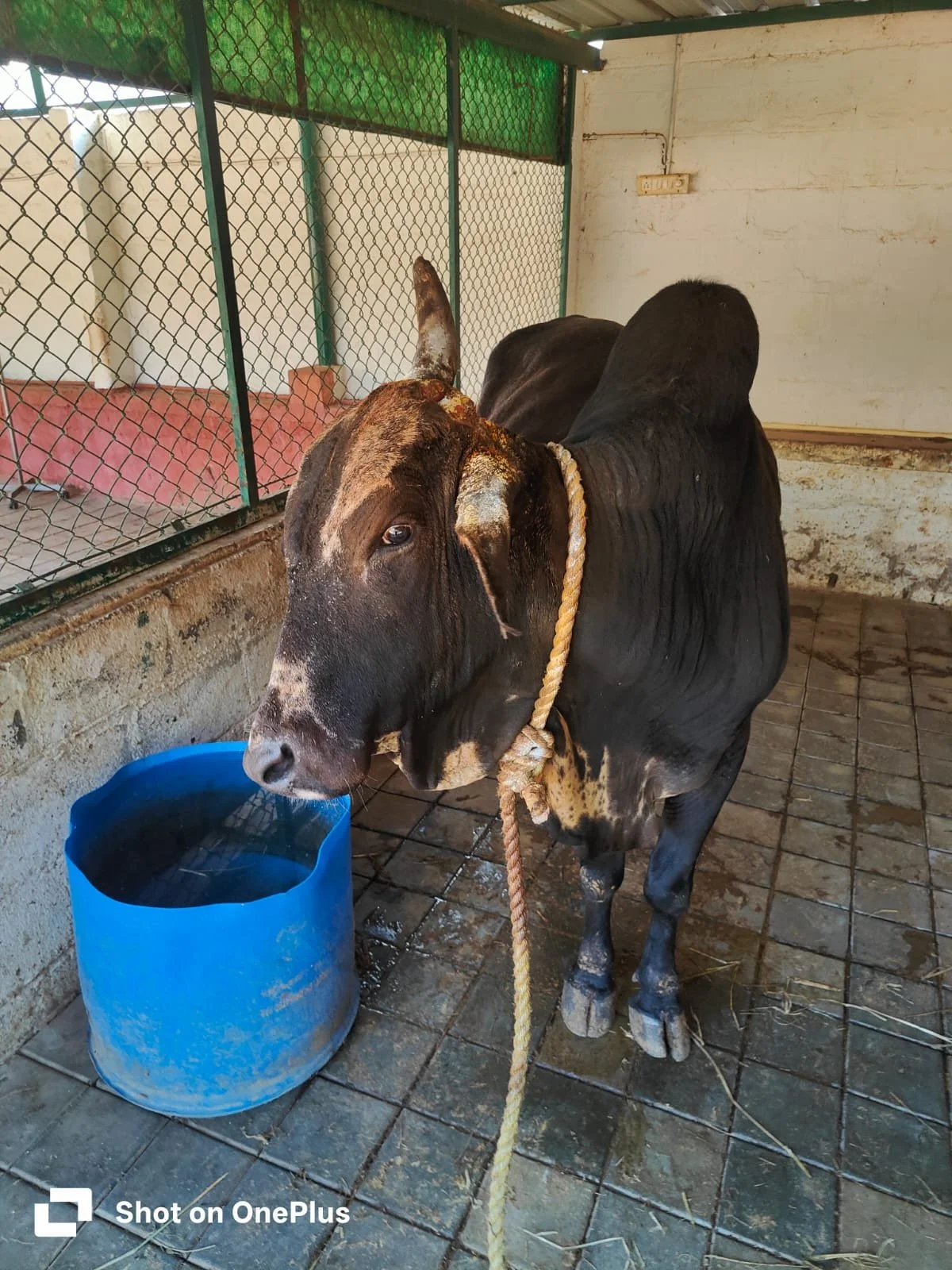
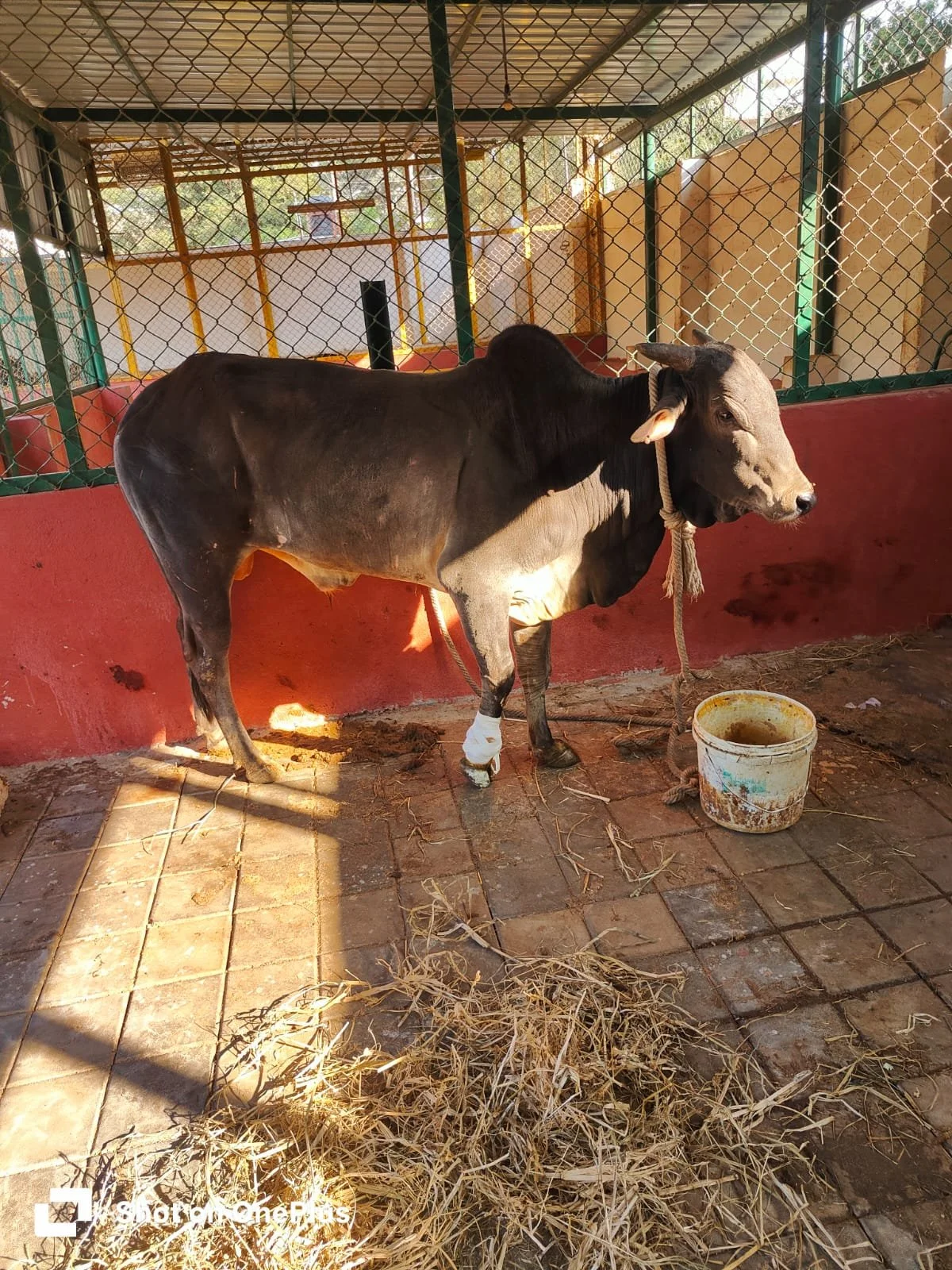
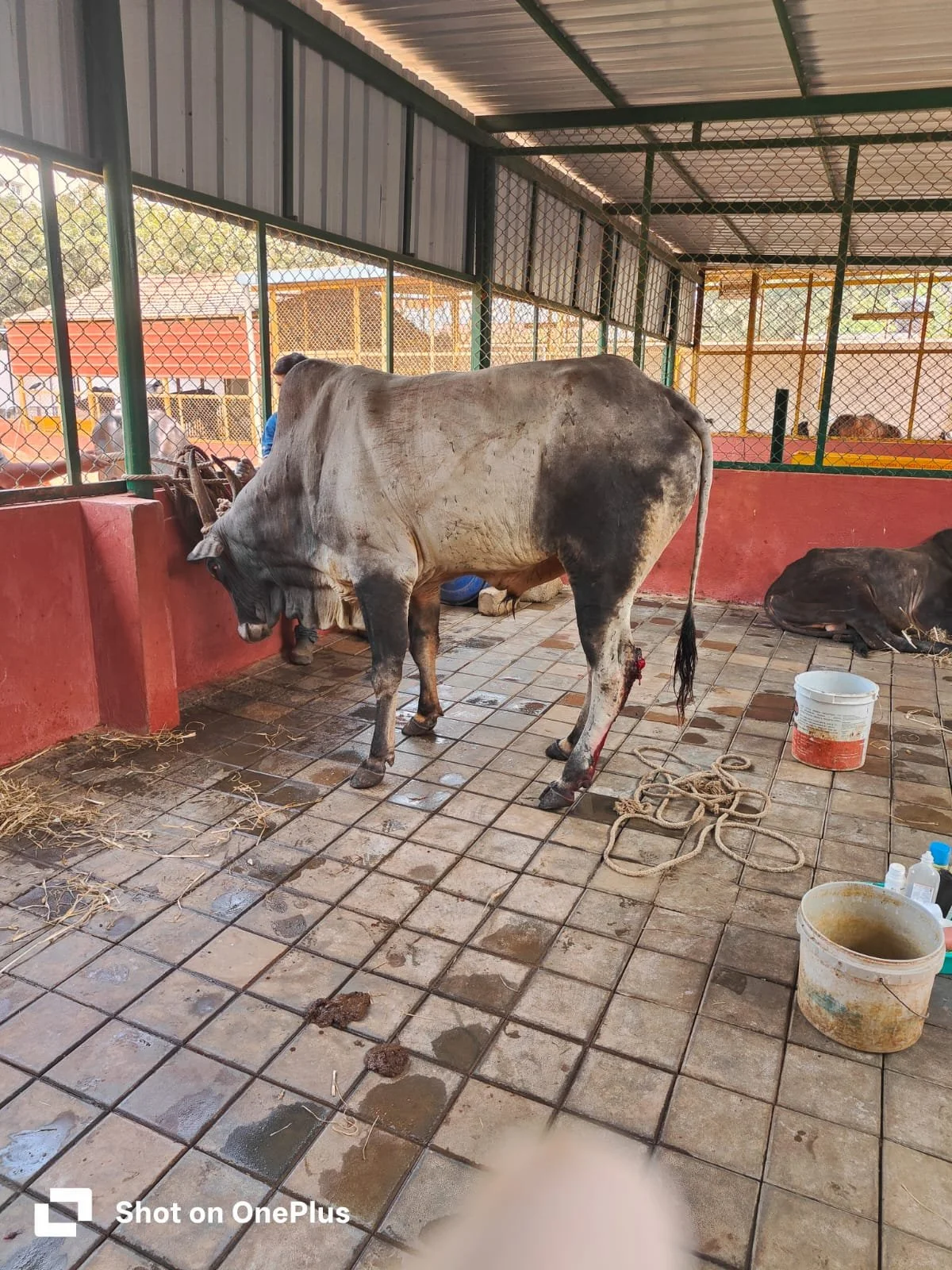
Working Bullocks: Currently 41 at the LARRC shelter.
Issue: Wounds and fractures caused by accidents and negligence by owners.
Activity 2: Veterinary Supervision and Monitoring
All animals, especially those in weaker condition, are kept under continuous veterinary observation. Regular health checks are provided and timely medication is administered. This proactive approach helps to identify issues early, manage chronic conditions, and promote steady recovery.
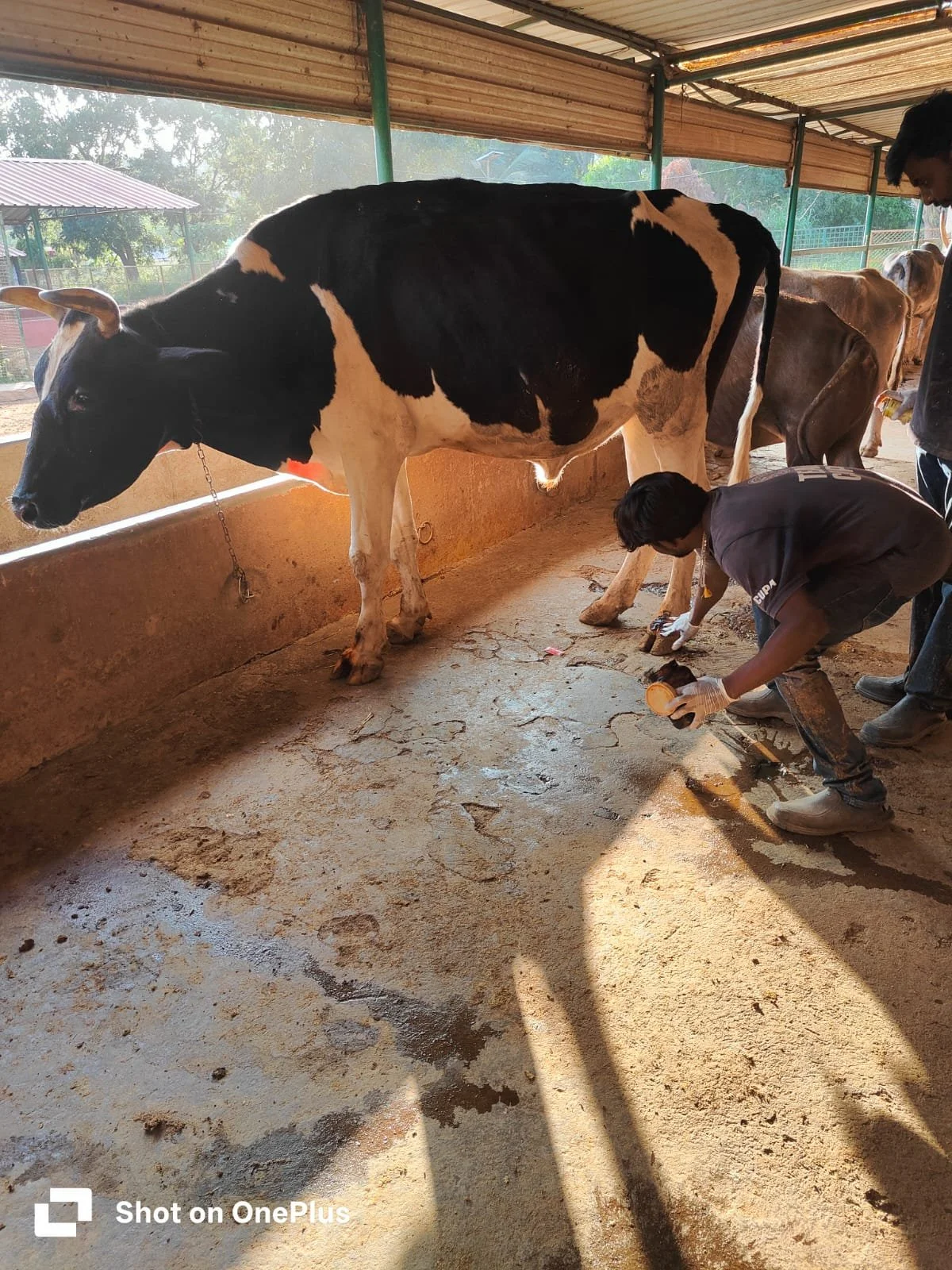
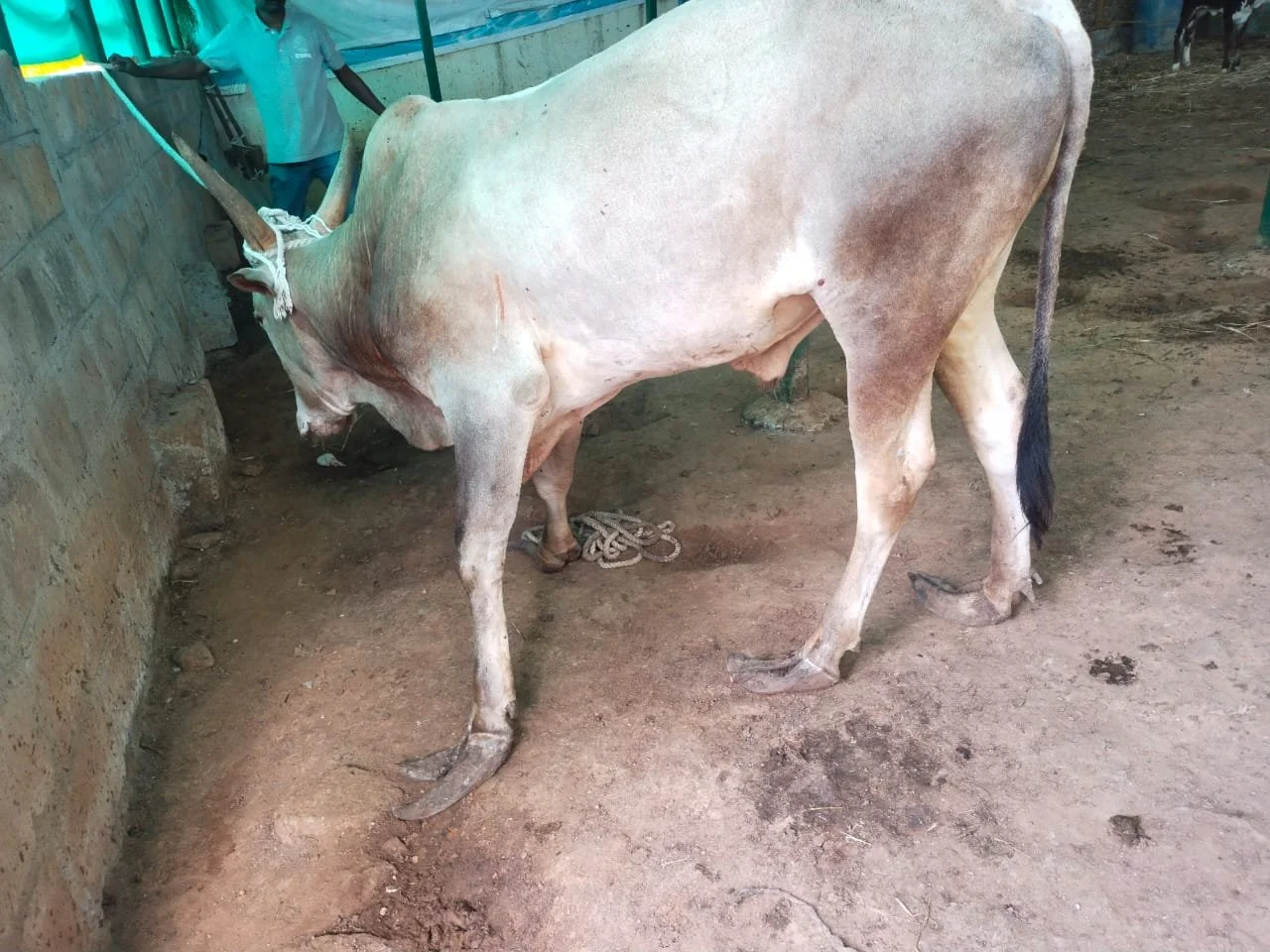
Activity 3: Hoof Health Management for Ponies and Donkeys
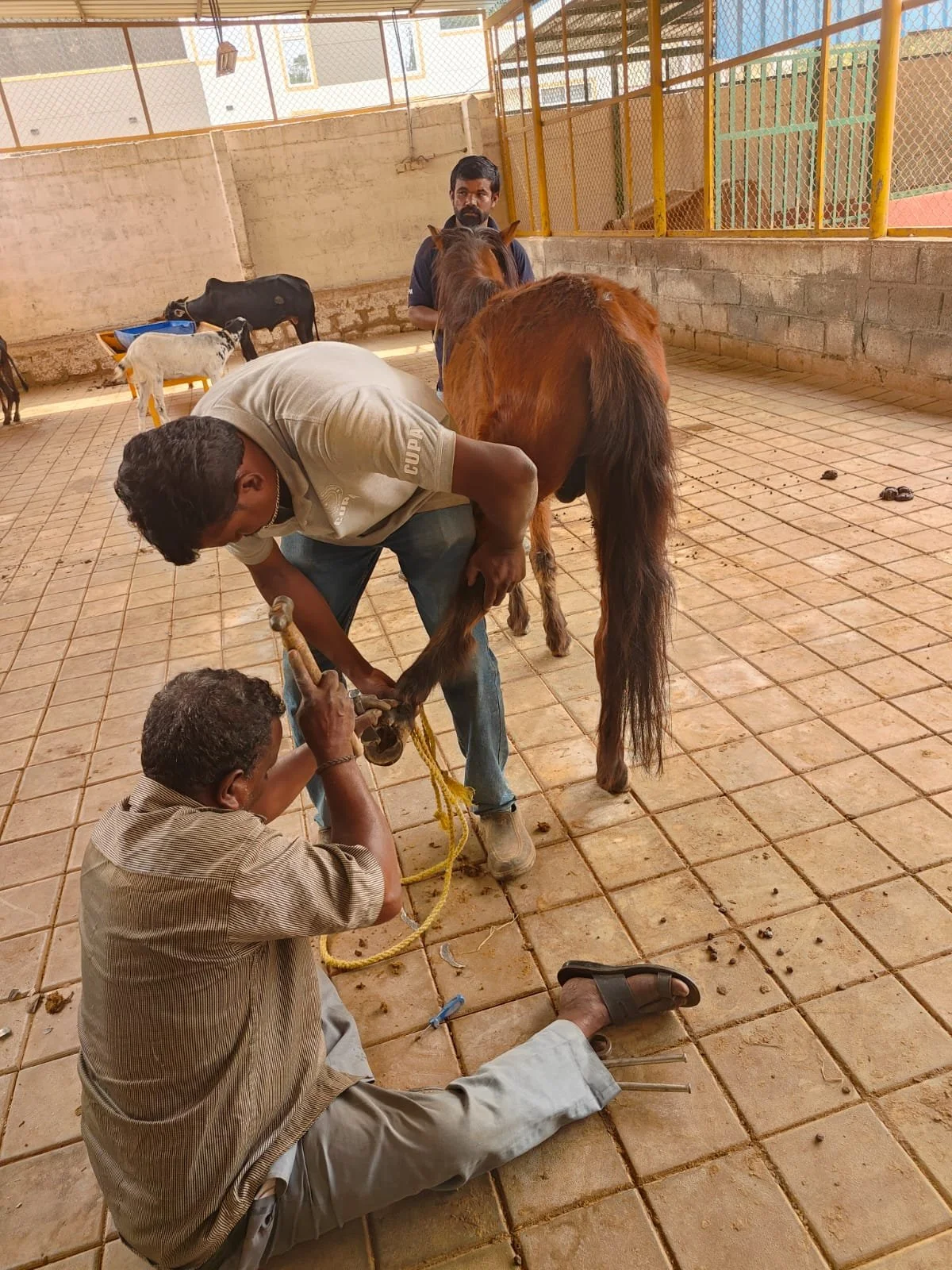
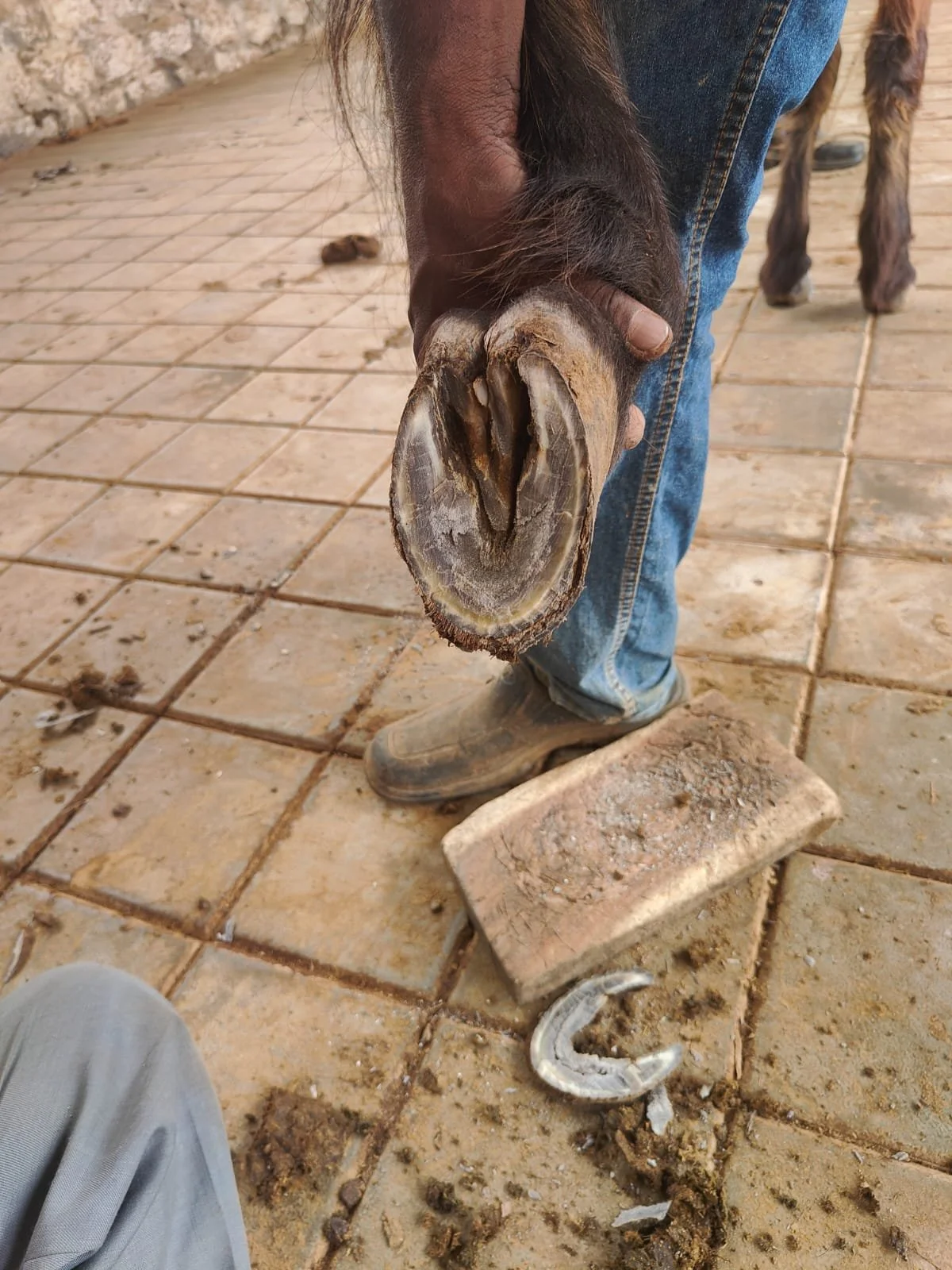
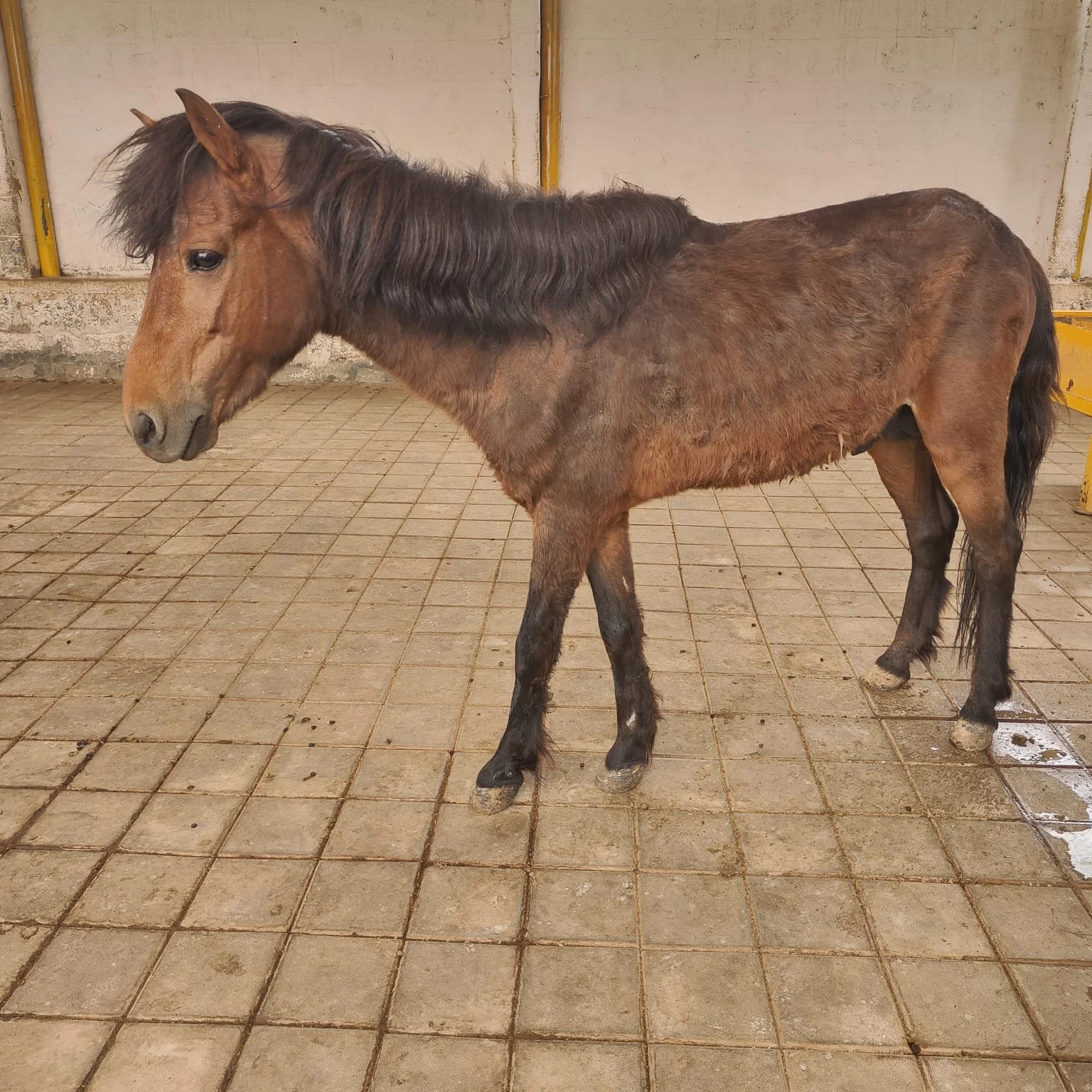
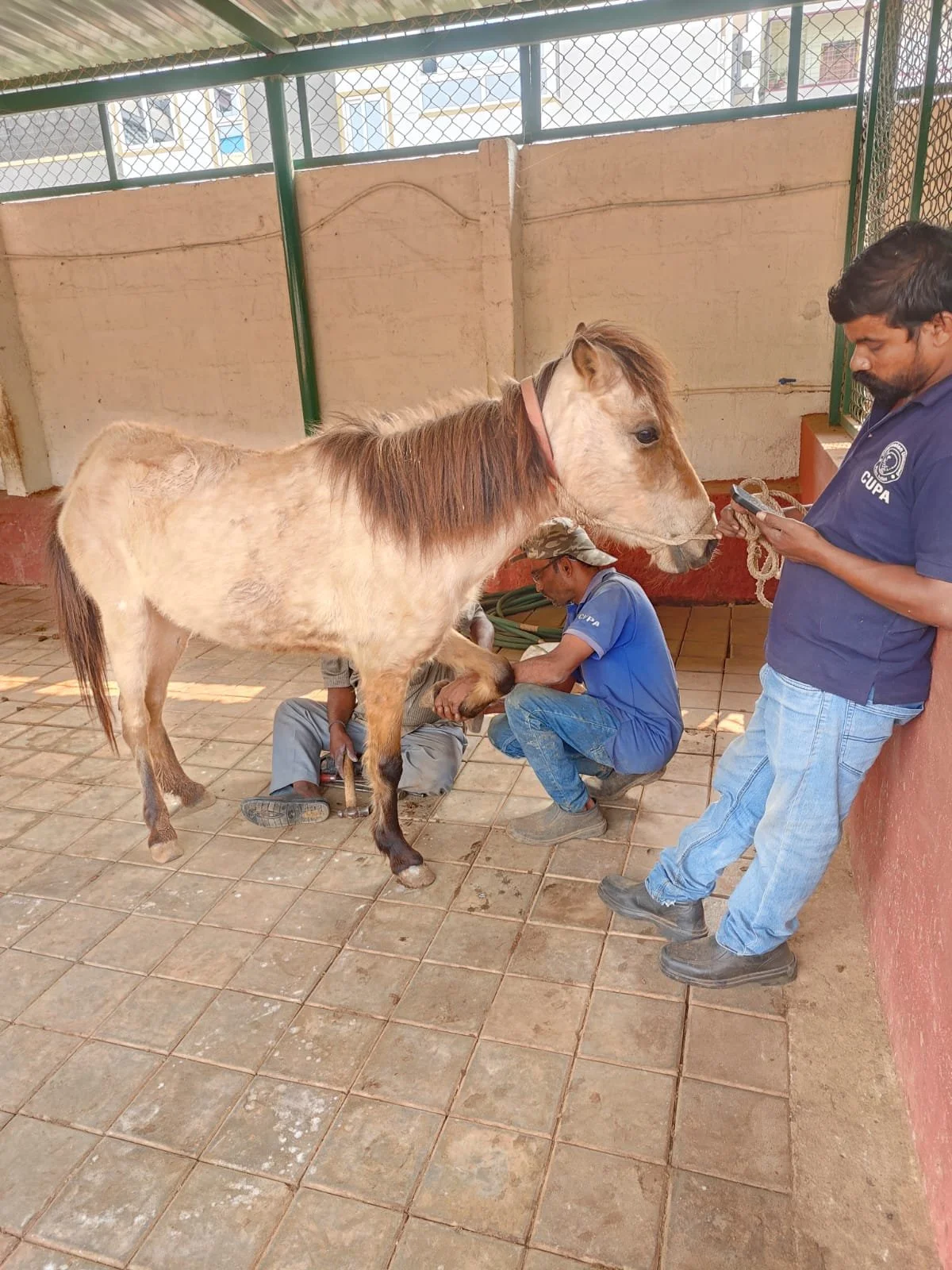
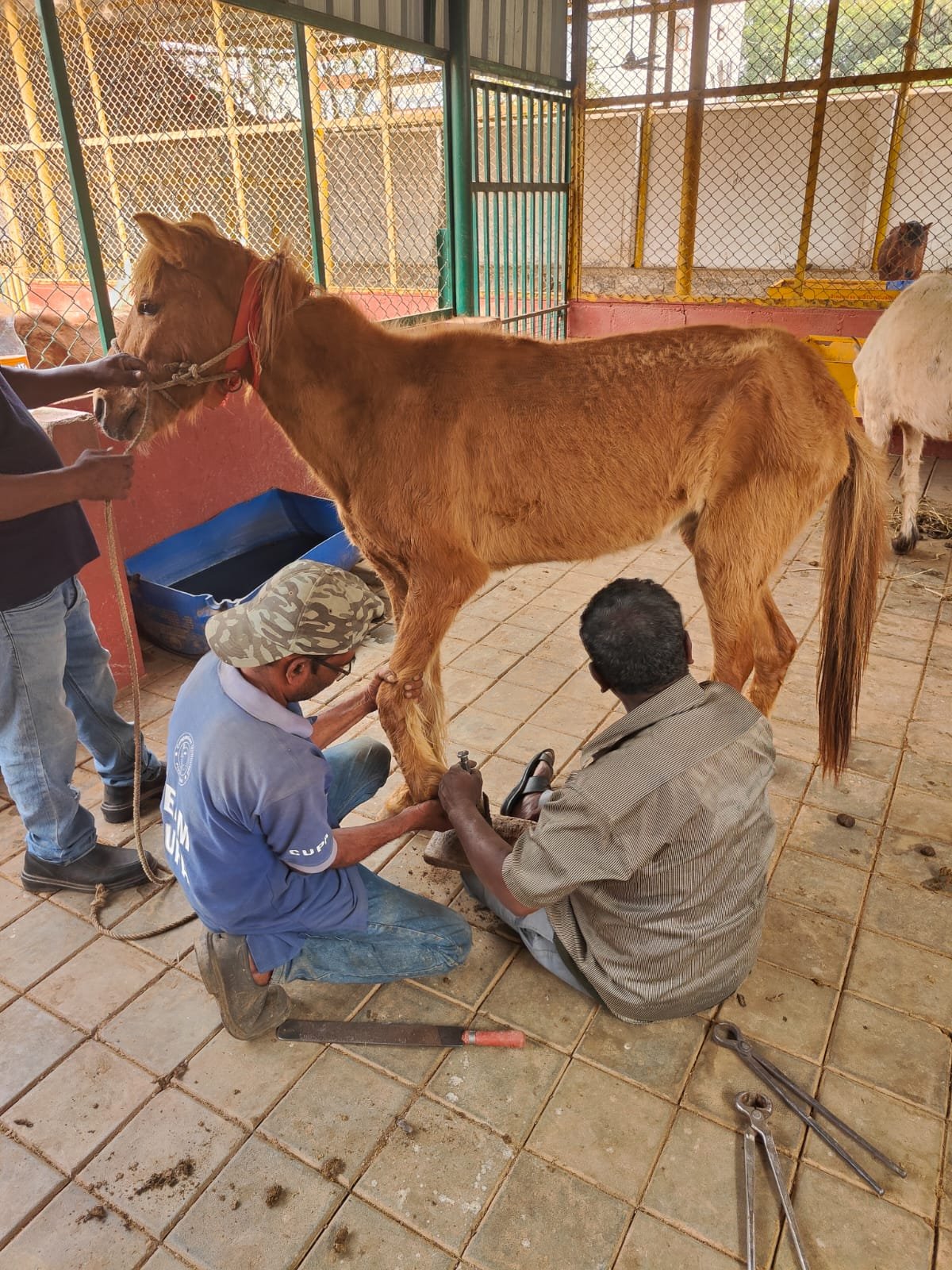
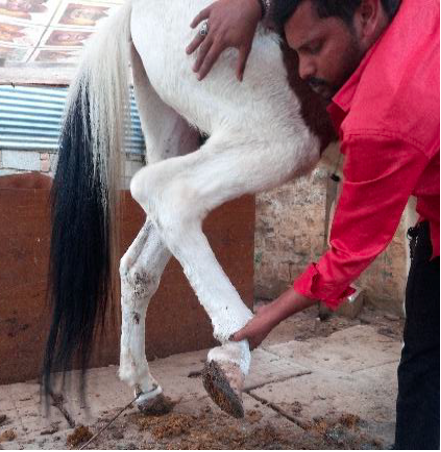
Special attention is given to hoof care - an essential part of equine health. Regular hoof cleaning, trimming, and treatments are provided, especially for the ponies and donkeys. This particular pony has shown impressive improvement in his hooves and he is now able to walk more easily.
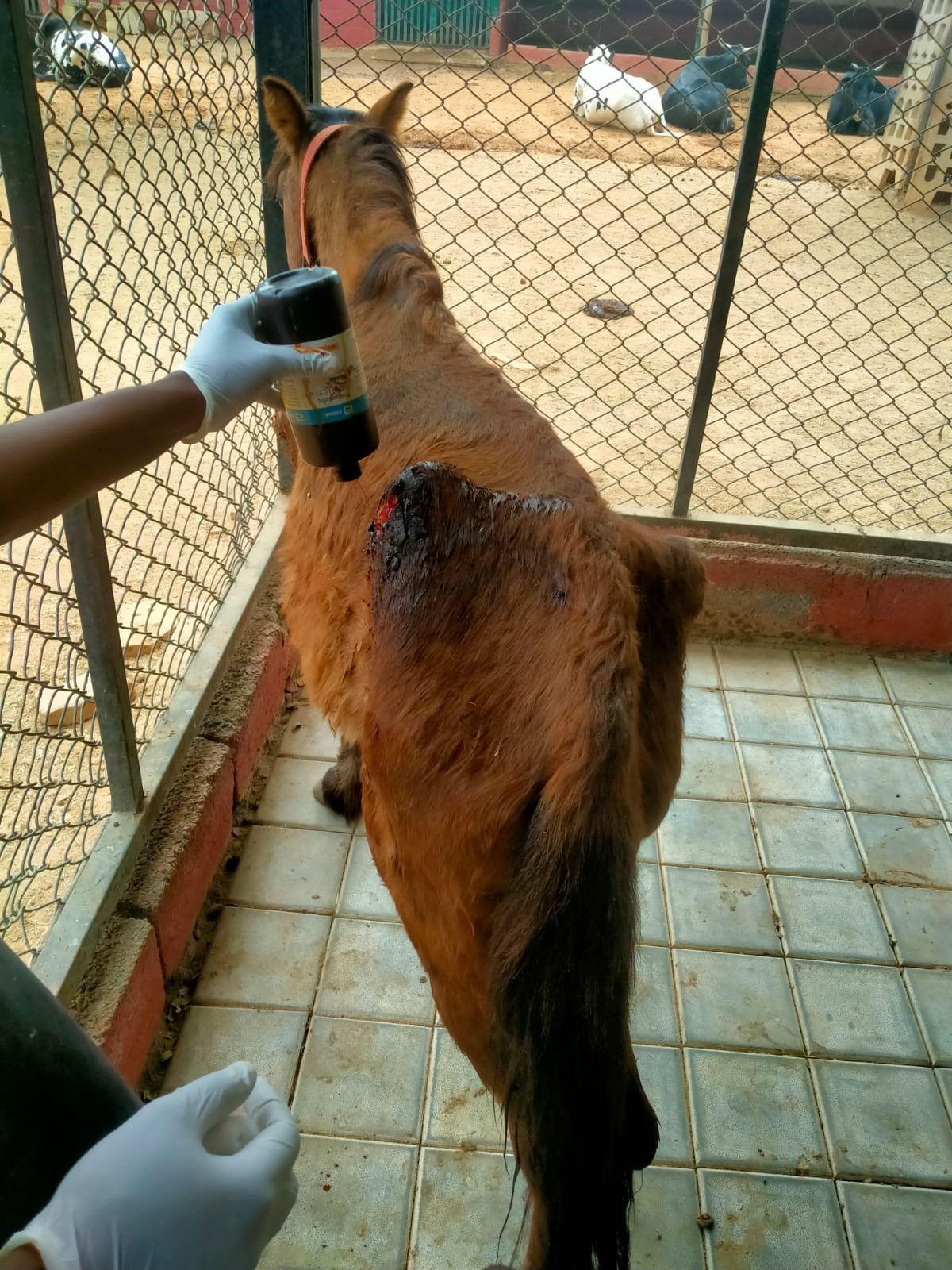
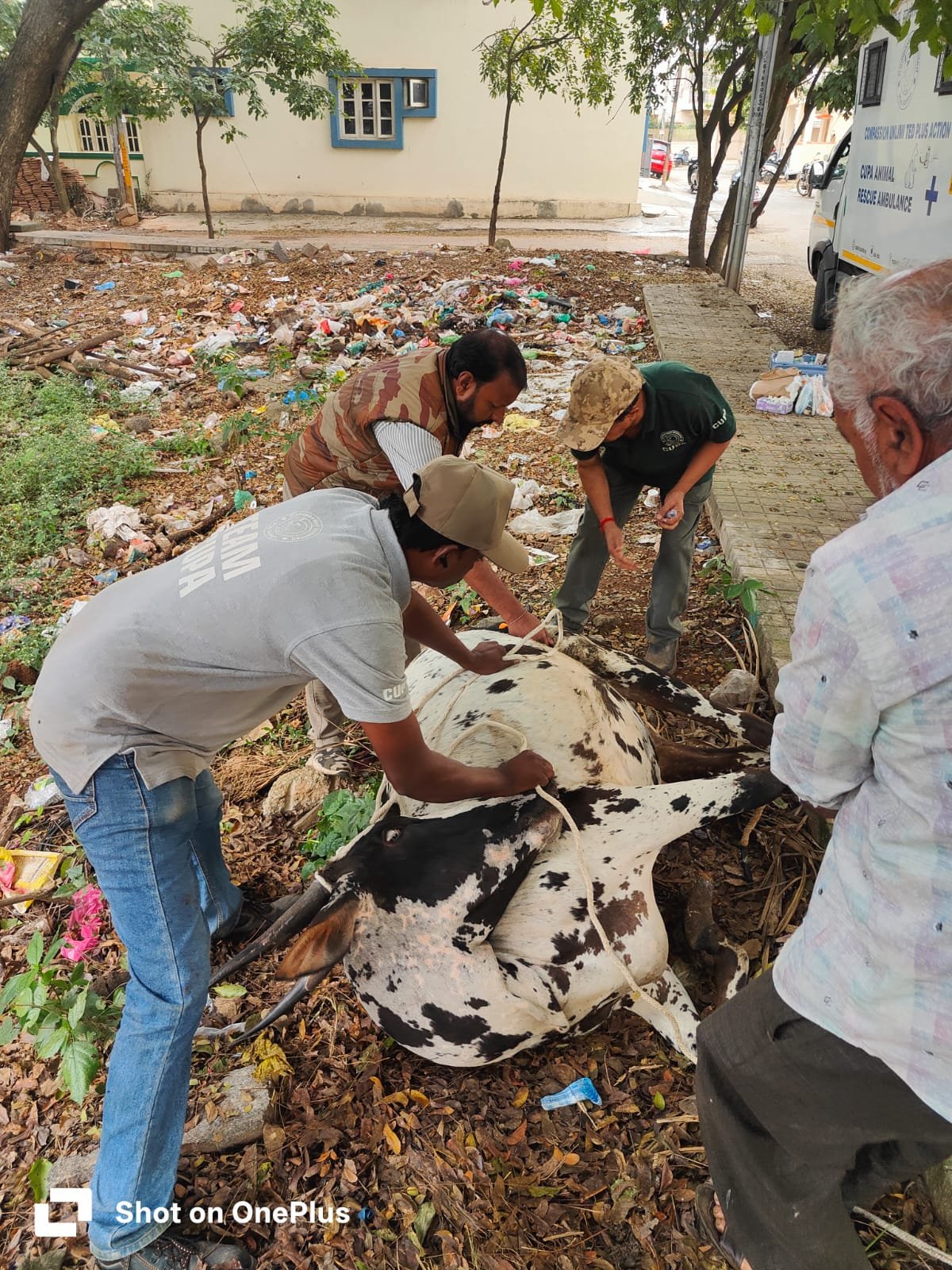
Activity 4: Spot Treatment for Injured Working Bullocks
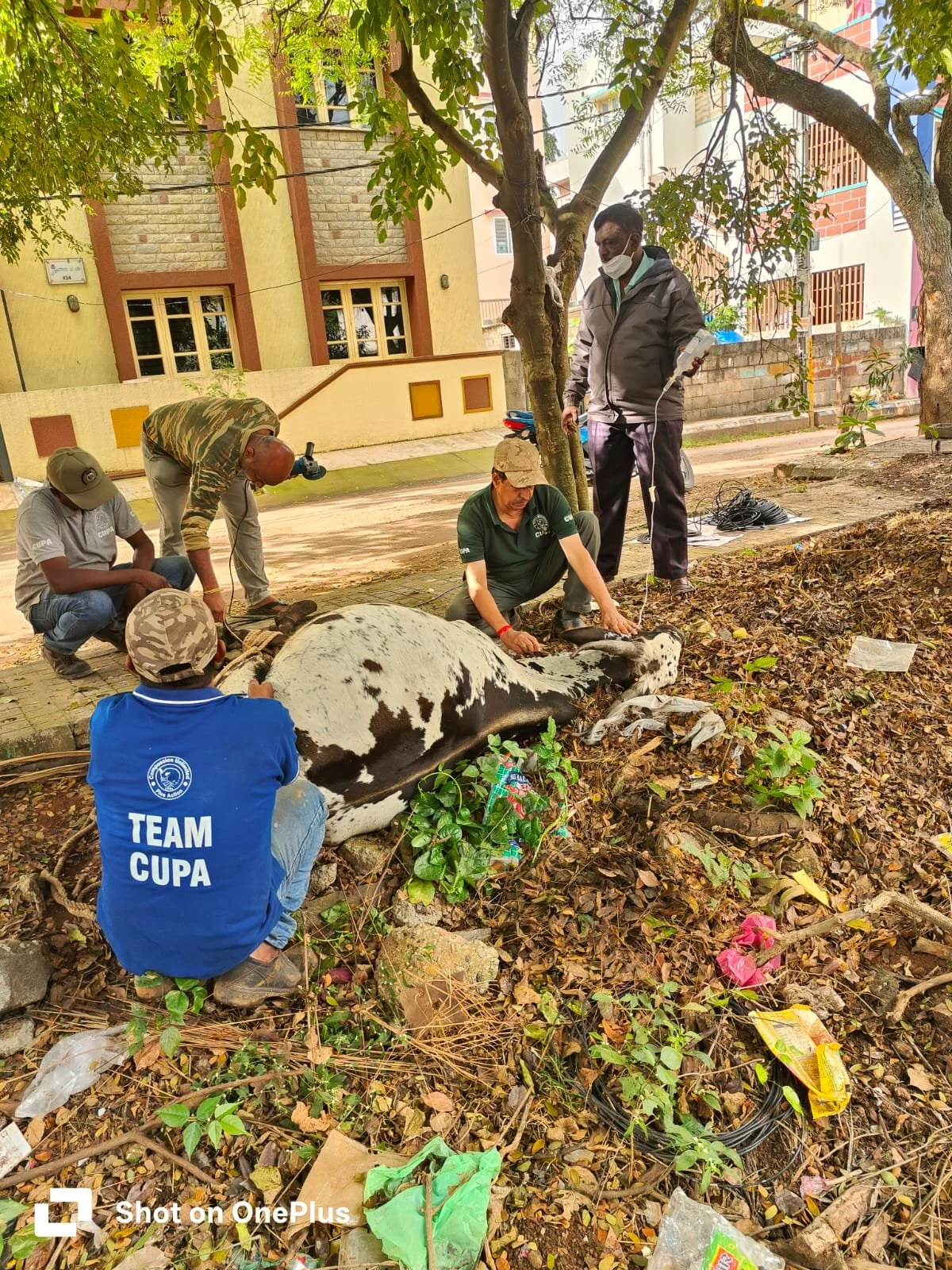
Outdoor spot treatments are given to working bullocks who are injured due to accidents and negligence. Most of these bullocks are left to roam by farmers or have been abandoned.
Activity 5: Outreach Programme for Working Ponies – Medical Camps and Nutrition Support
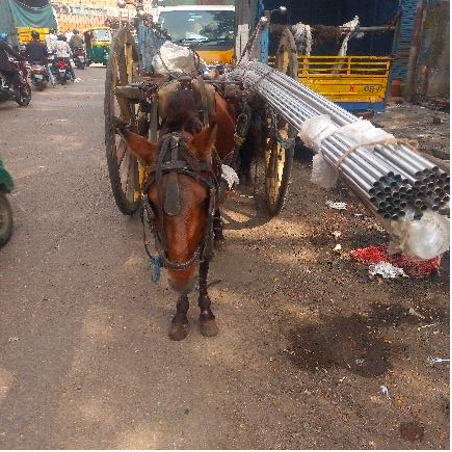
This was the third such camp held in Bangalore and included a significant number of working ponies and donkeys, particularly those used in "Tonga" transportation systems who suffer from chronic neglect, undernourishment, and physical exhaustion. These animals are essential to the livelihoods of their owners, yet often receive inadequate veterinary care and poor-quality nutrition, leading to a range of health issues including fatigue, muscle weakness, digestive disorders, and hoof problems.
Key Highlights of the Outreach Programme:
On December 06, 2025, CUPA organized the third outreach for working ponies, targeting areas where Tonga operators are commonly found. The initiative focused on both immediate relief and long-term support. The location chosen was Kalasipalya, Jayachamarajendra Road and Krishnarajendra Market areas in Bangalore, which are some of the most densely and congested commercial areas of the city.
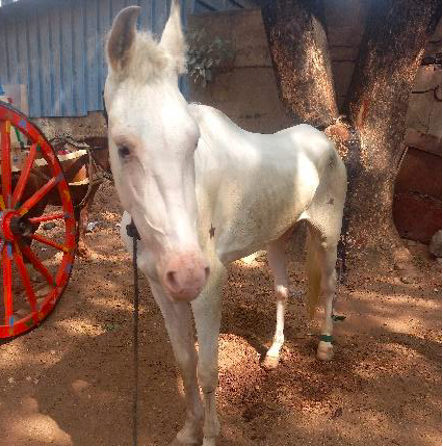
The camp also included health checks for “wedding horses”, who are used for ceremonial purposes in weddings where they are “dressed up” for the groom to sit on them. The horses are unfortunately drugged to keep them calm during the wedding procession.
Services Provided:
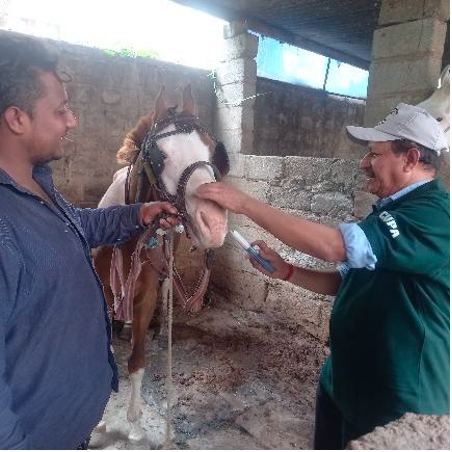
Deworming: All 48 ponies and 8 horses of the Kathiawari breed received full deworming treatment to address parasitic infestations. These are common and contribute to weight loss, lethargy, and lowered immunity.
Medical Checkups: Each animal underwent a basic veterinary examination, including evaluation of body condition, vital signs, hoof health, and visible signs of distress or injury.
Nutrition Support: Specially formulated, nutrient-rich feed and supplements were distributed to owners. These included mineral and vitamin mixes designed to:
Improve energy levels,
Enhance digestion,
Support joint and bone health,
Promote recovery in underweight or weak animals.
Community Feedback and Early Impact:
Post-intervention feedback from pony owners has been overwhelmingly positive.
Many owners reported visible improvements in energy, appetite, and endurance.
Animals previously noted to be lethargic or showing signs of fatigue were observed to be more active and responsive.
Some ponies with digestive discomfort or dull coats showed signs of healthier digestion and coat shine, indicating improved internal health.
This strong response has validated our assumption that basic, preventive care can create a significant improvement in the lives of working equines.
An important note from this camp is that the trade in wedding horses leads to them not having a permanent owner or place to live, since the current owners often trade them during the off-season and buy new animals during the wedding season. From the pictures below, you will notice that some of them suffer from hoof ailments. Education regarding this inhumane practice has been initiated by CUPA and we urge people not to get involved in this trade. Camps like this help mitigate the risks these horses face.
With you by their side, CUPA will continue rescuing, supporting and caring for these often-overlooked animals. Together, we are creating a kinder world where all working animals are valued and have lives worth living.