CUPA Large Animal Rescue & Rehabilitation Initiative
Since 2012, CUPA's Large Animal Rescue & Rehabilitation Centre (LARRC) has served as a sanctuary for large working animals such as cows, bullocks, ponies, donkeys, and horses rescued from neglect, abandonment, or harsh working conditions. The centre currently provides a safe and nurturing environment for over 120 such animals, focusing on long-term rehabilitation and care. This project aims to enhance the health and welfare of working and draught animals in Bengaluru, both within CUPA shelters and in the field. Through organised health camps and consistent nutritional support, the initiative targets ponies, donkeys, and bullocks that continue to play a vital role in transport and agriculture, especially in semi-urban and rural communities.
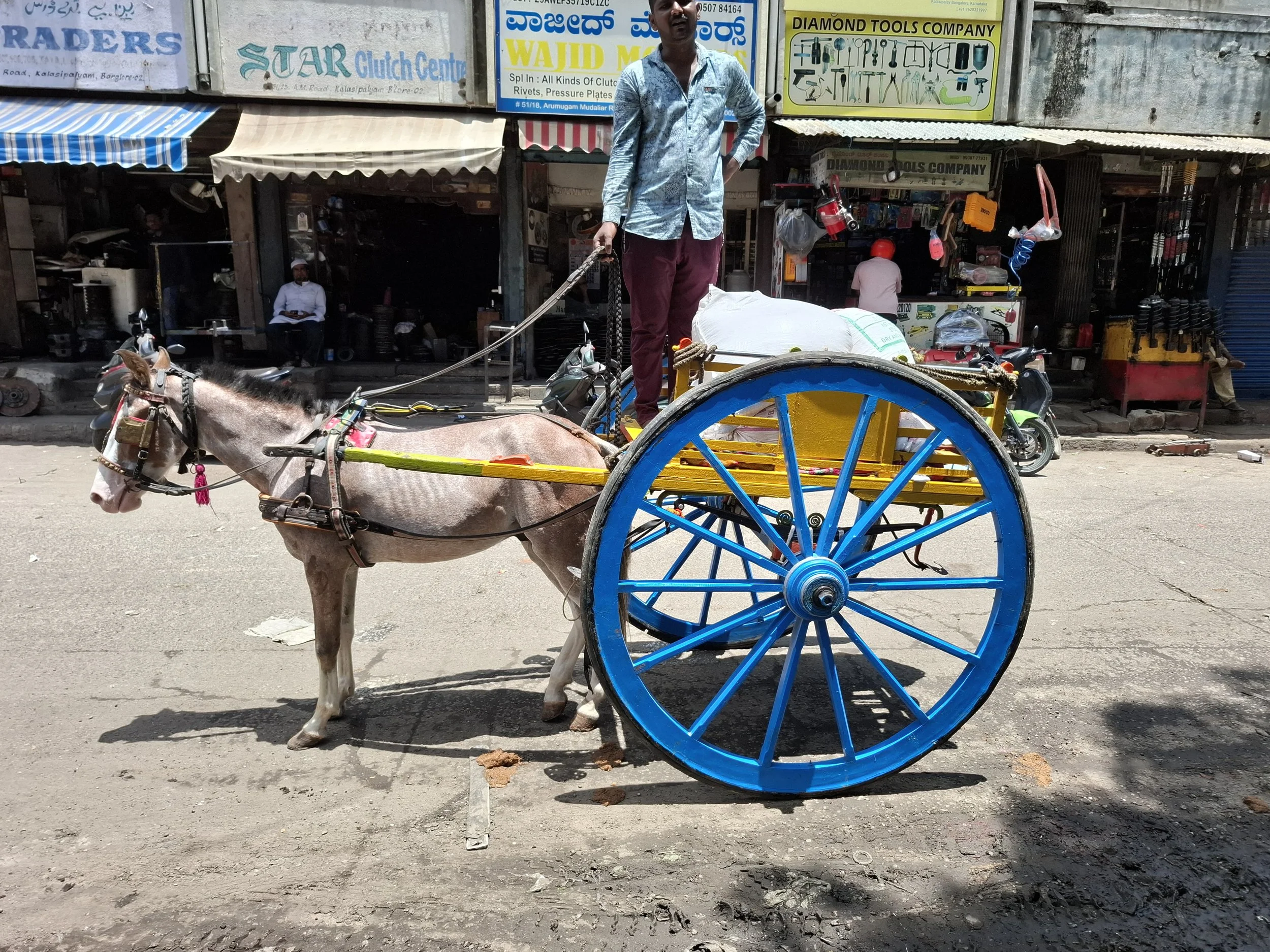
Among these are Tonga ponies, small yet resilient animals traditionally used to pull tongas (two-wheeled carriages). Despite their importance in affordable local transport, many suffer from poor nutrition and untreated health issues due to the limited means of their owners. Similarly, bullocks, often employed in agriculture and for transporting goods, face comparable neglect, particularly in the face of urbanisation and modernisation, which has led to a decline in the use of traditional transport methods. Recognising the continued reliance on these animals in certain communities, this project focuses on delivering targeted healthcare interventions and nutrition support to approximately 250 to 300 animals over 11 months. By combining shelter-based rehabilitation with community outreach through health camps, the initiative seeks to significantly improve the quality of life for Bengaluru's remaining working and draught animals.
Activities Undertaken this Quarter [ July- September]
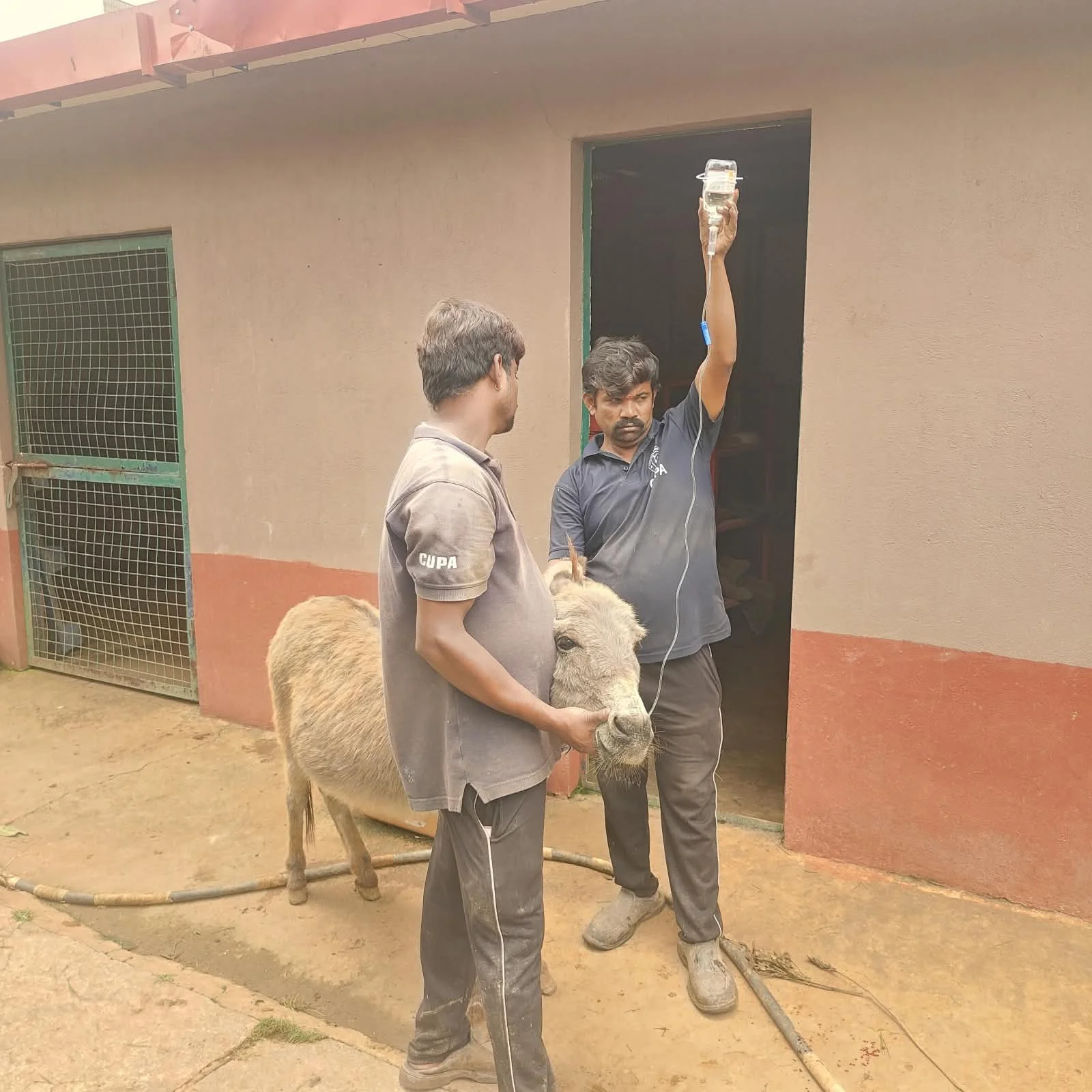
1. Shelter Treatments and Medical Care: At the CUPA Large Animal Rescue and Rehabilitation Centre (LARRC), every animal arriving in need of care presents a different set of challenges. The quarter saw continued treatment of chronic conditions, complex injuries, trauma cases, and animals requiring long-term rehabilitation and behavioural support. Our teams worked closely with veterinary professionals to provide consistent medical attention, pain management, rehabilitation and, wherever possible, a pathway towards recovery and a better quality of life.
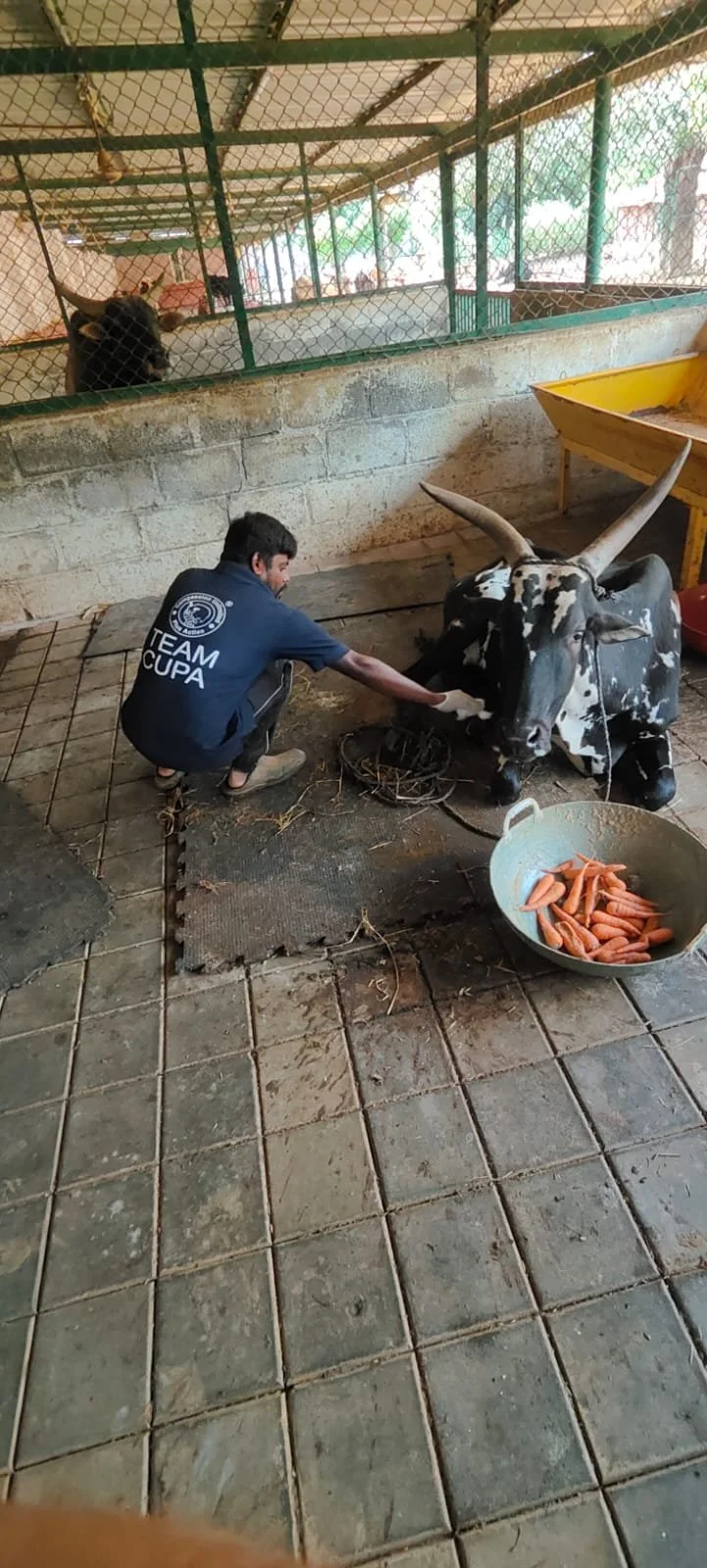
Case Study 1: Geriatric Care for Older Equines Animals: Thor, Cooke & Ashwa (Ponies), Tuluk, Barney, Pink Floyd, and Ashley (Donkeys) Thor and Ashwa, along with the donkeys Tuluk, Barney, Pink Floyd and Ashley, continued to receive bi-weekly treatment for anemia through a combination of Erythropoietin and amino acid supplementation. Tuluk, Ashley and Ashwa have shown significant improvement following the treatment.
Barney has responded well and no longer requires this treatment regimen. Given their age, Thor and Pink Floyd will continue to require regular support. Cooke, the pony rescued from Fraser Town in the previous quarter, has also now been placed on the same regimen owing to his advanced age and overall health condition. His progress is being closely monitored.
Impact: The programme has significantly improved the health of several vulnerable equines and ensures that older animals receive the long-term support they need to maintain their quality of life.
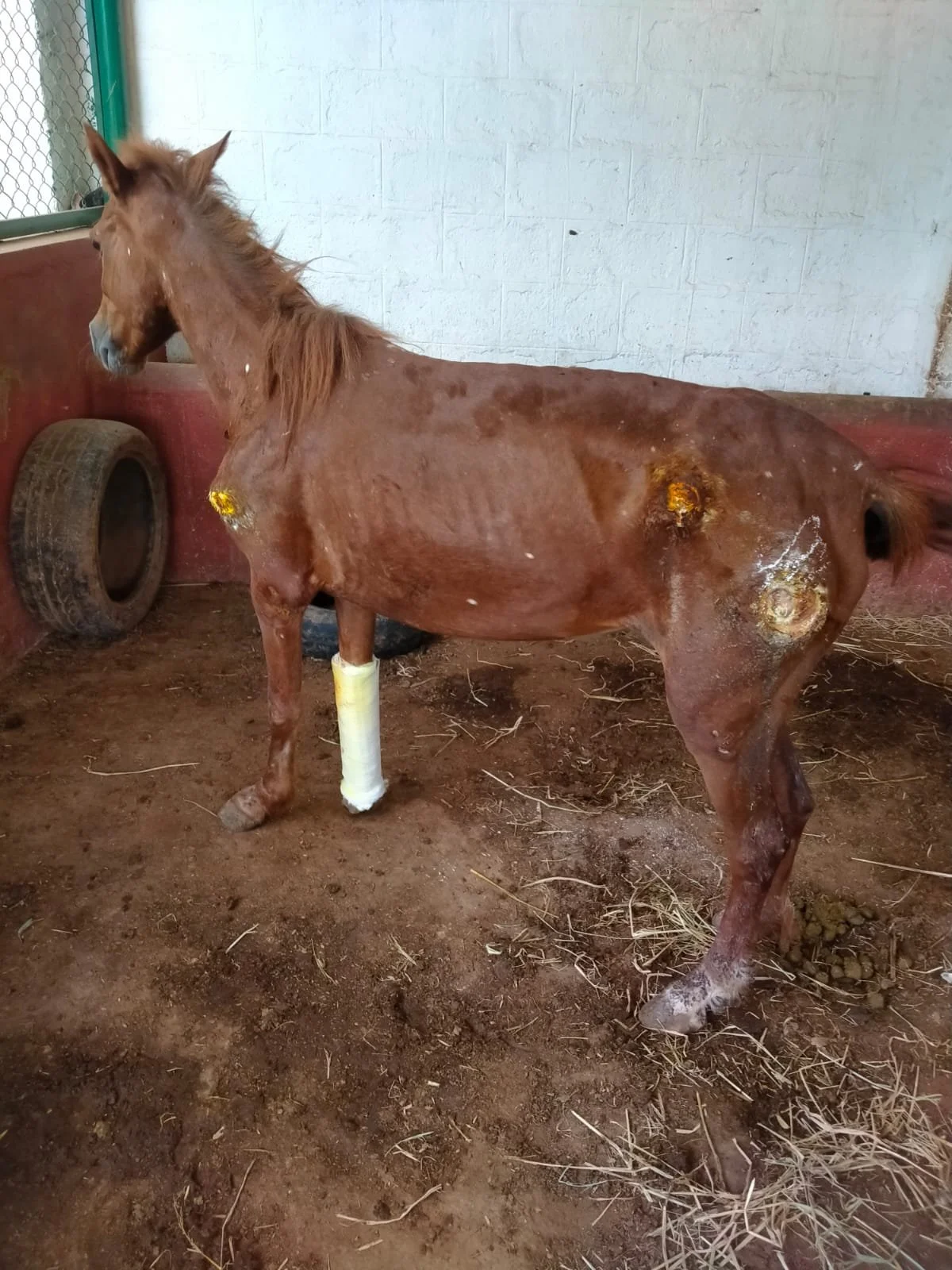
Case Study 2: Benson – When Trauma is Emotional too. Benson, a pony who arrived at LARRC this quarter following complaints that he had bitten six people, presented a very different kind of challenge. He had been branded as "mad" by those who encountered him, but it became increasingly apparent that Benson's behaviour was rooted in abandonment and emotional trauma. Initially, Benson was also suffering from a leg injury, which has since healed. While he remains wary and can be aggressive towards strangers, he has gradually begun to trust the LARRC team. Benson's story is an important reminder that animal welfare is not limited to treating physical injuries. Animals can also carry the effects of neglect, abandonment and trauma, and recovery can require time, patience and the rebuilding of trust.
Impact: Benson’s gradual trust in the LARRC team demonstrates the importance of addressing emotional trauma alongside physical injuries in rescued animals.
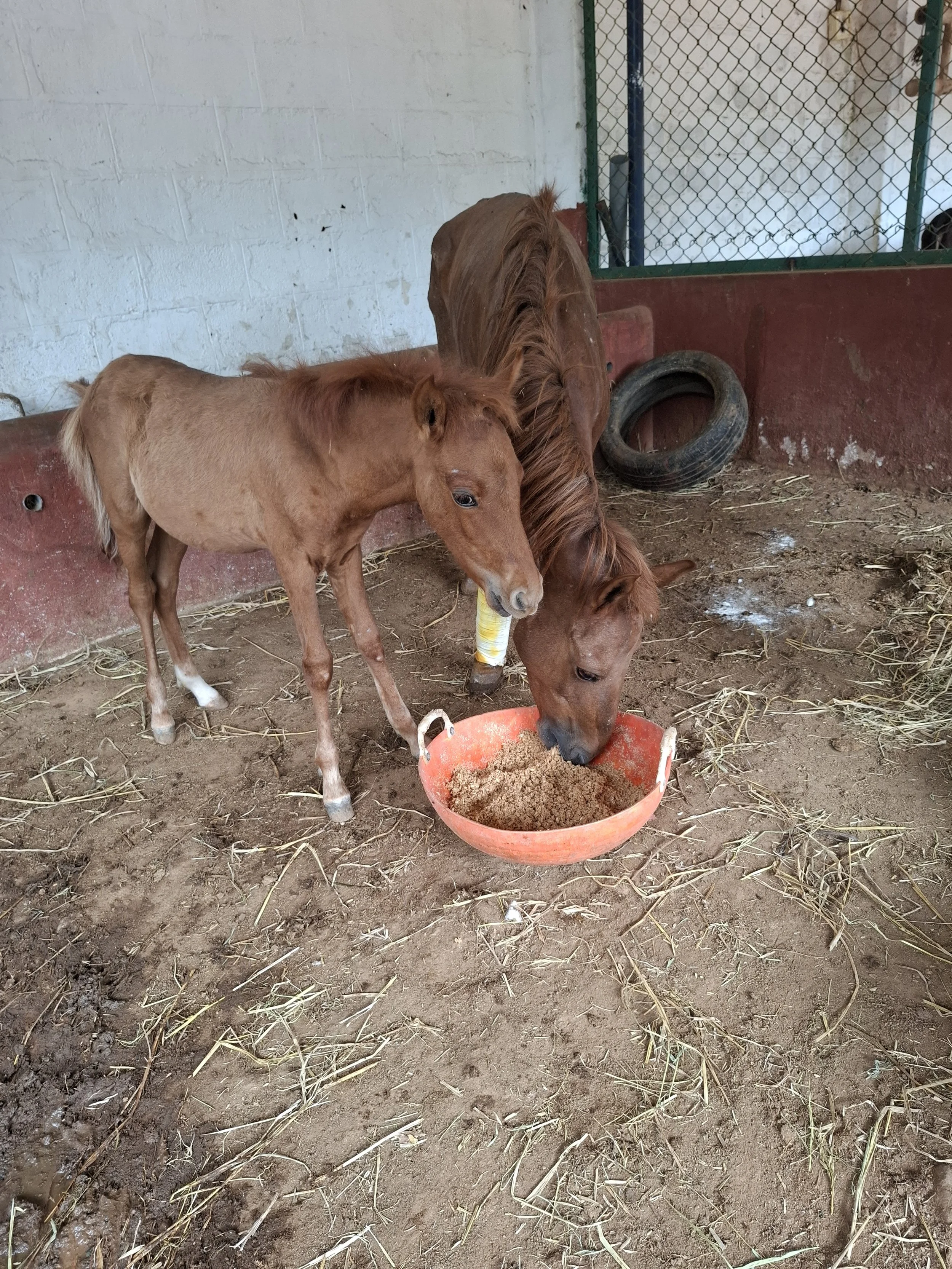
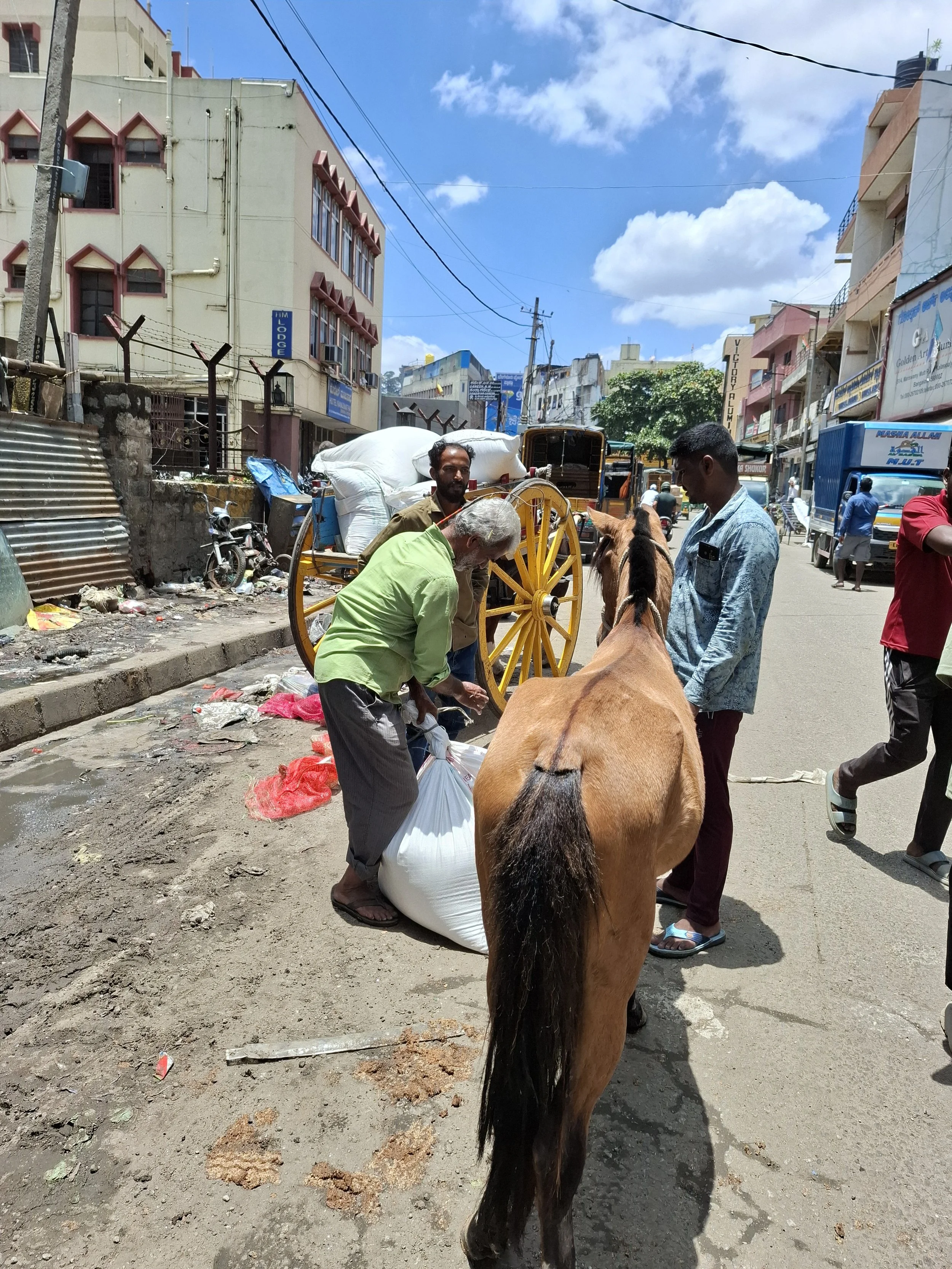
2. Pony Health Camp – Preventive Care in the Community Date: 5 September 2026 Place: Kalasipalya, Bengaluru On 5 September 2026, CUPA conducted a Pony Health Camp in Kalasipalya, Bengaluru, an area that houses the city's largest wholesale market and is home to a significant working pony population. The camp marked CUPA's return to the area after a gap of one year. It was encouraging to find that the ponies were, overall, in healthy condition and that many owners were taking good care of their animals. A total of 55 ponies were examined during the camp. The veterinary team conducted comprehensive health checks, deworming, treatment for aches and pains where required, and hoof inspections. Impact: The health camp serves an important preventive role by bringing veterinary care directly to working animals and their owners. Early identification of health concerns, regular deworming, attention to hoof health and timely treatment of pain can help prevent minor conditions from developing into serious problems. The positive condition of the ponies also provided an encouraging indication of the impact of continued engagement with the community. By returning to areas where working animals are concentrated, CUPA is able to build relationships with owners, encourage responsible animal care and create opportunities for early intervention. The camp's 55 beneficiaries represent more than a number—they are working animals whose health directly affects their ability to live and work without unnecessary pain or suffering. Continued outreach of this nature allows CUPA to complement its rescue and shelter-based work with preventive care in the community. Across the quarter, whether through intensive treatment at LARRC, emergency intervention in the field, rehabilitation after trauma, or preventive healthcare in the community, CUPA's work remained centred on one objective: to give animals not just treatment, but the best possible chance at a life with dignity, comfort and care