From Fear and Abuse to Compassion and Dignity: Healing Rescued Elephants in India
Animal Aid Abroad, together with our partner Wildlife Rescue and Rehabilitation Centre (WRRC), is transforming the lives of captive elephants in India. Torn from the wild and subjected to harsh training, many elephants endure years of fear, malnutrition, and isolation. At WRRC’s sanctuary, these majestic animals are finally experiencing safety, medical care, and the chance to rediscover their natural spirit.
Comprehensive Veterinary Care and Nutrition
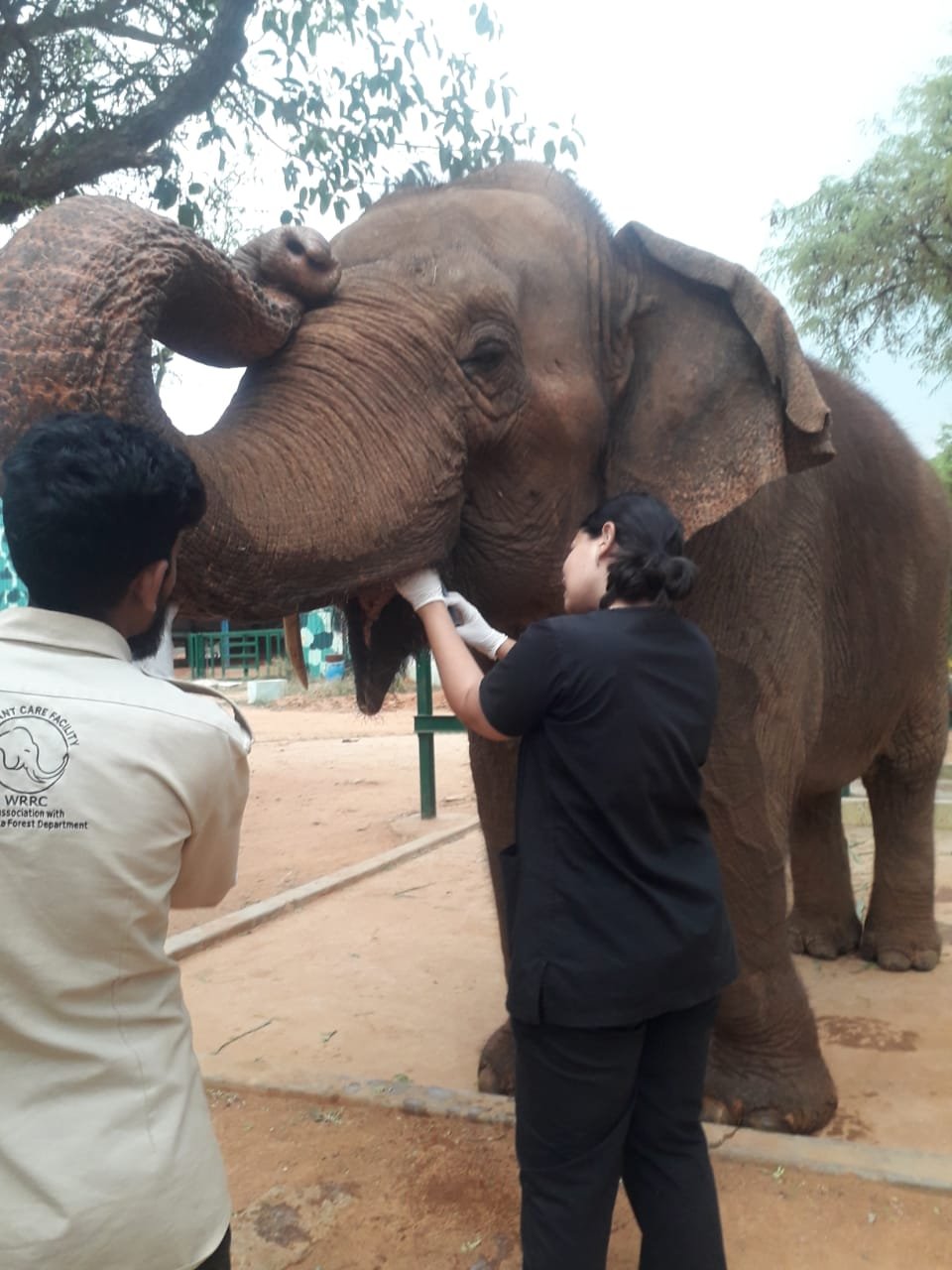
In early 2026, WRRC strengthened its clinical protocols to ensure every elephant receives structured care. Routine deworming, dietary adjustments, and supplements such as probiotics and Himalayan Batisa powder have improved digestion and reduced conditions like geophagy. Balanced feeding schedules — including sprouts, coconuts, seasonal fruits, and ragi balls — support both physical health and behavioral wellbeing.
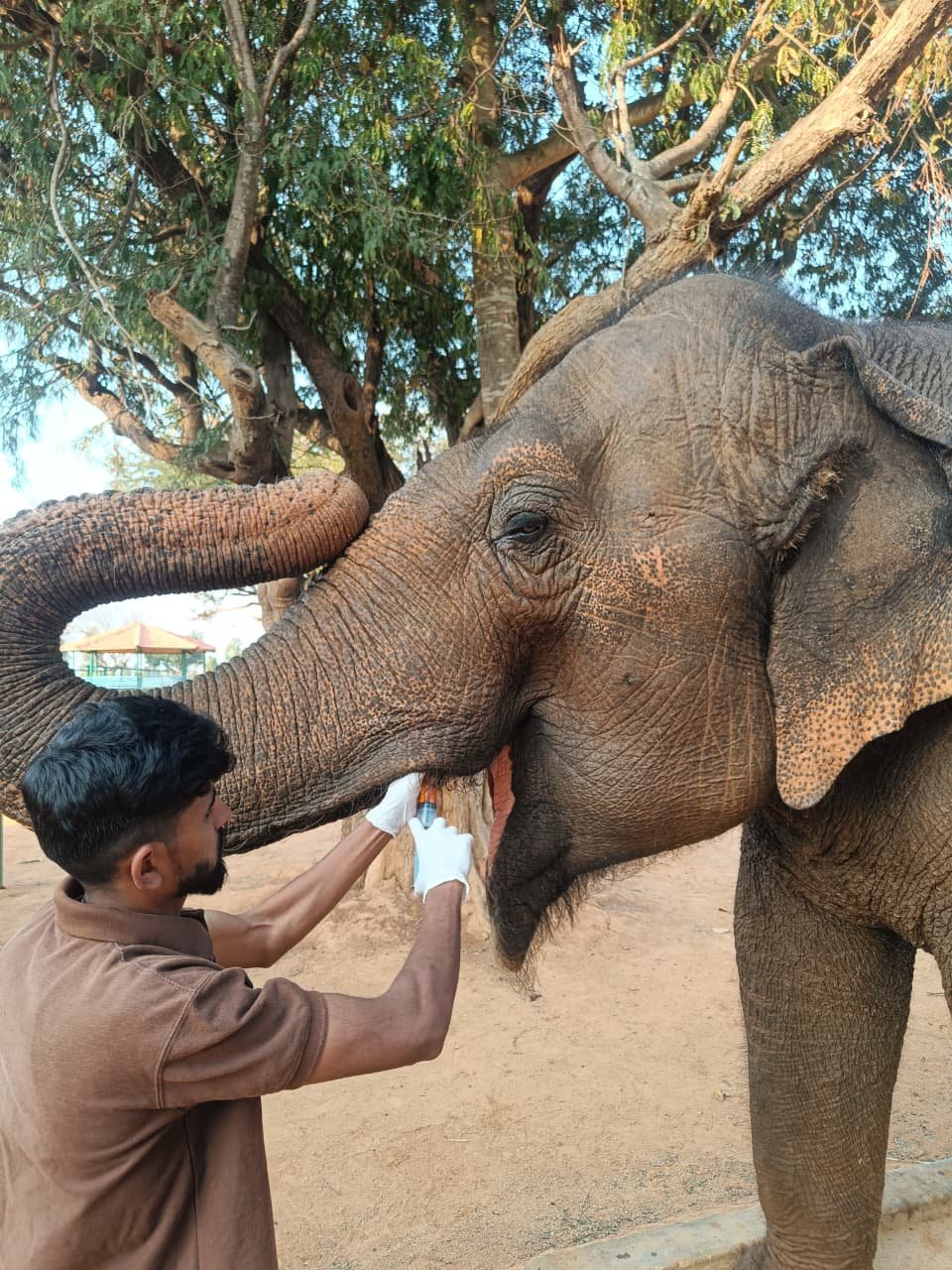
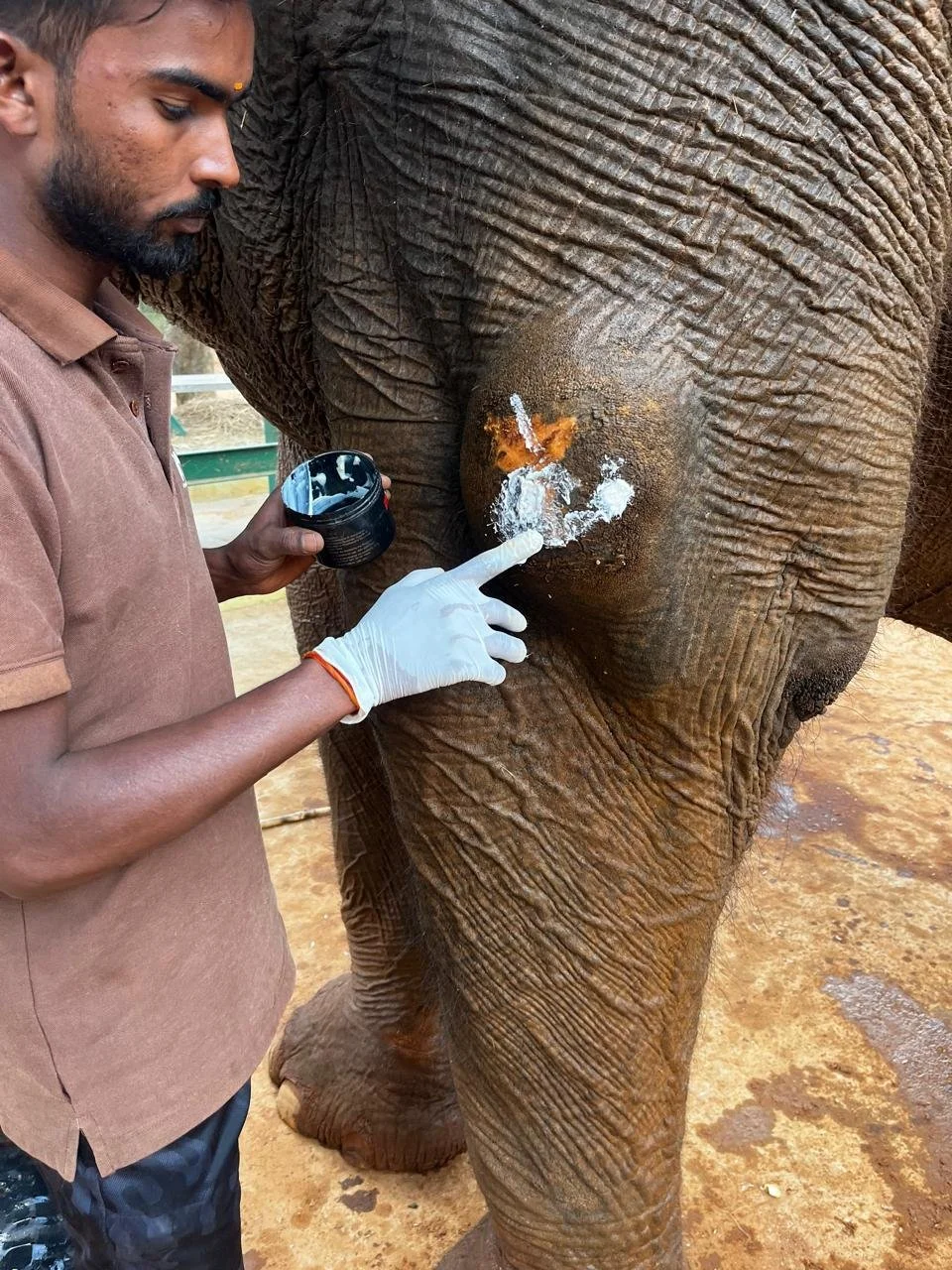
Feeding DYNAMICS
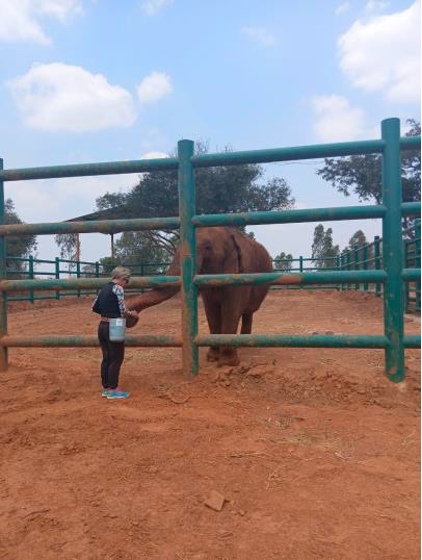
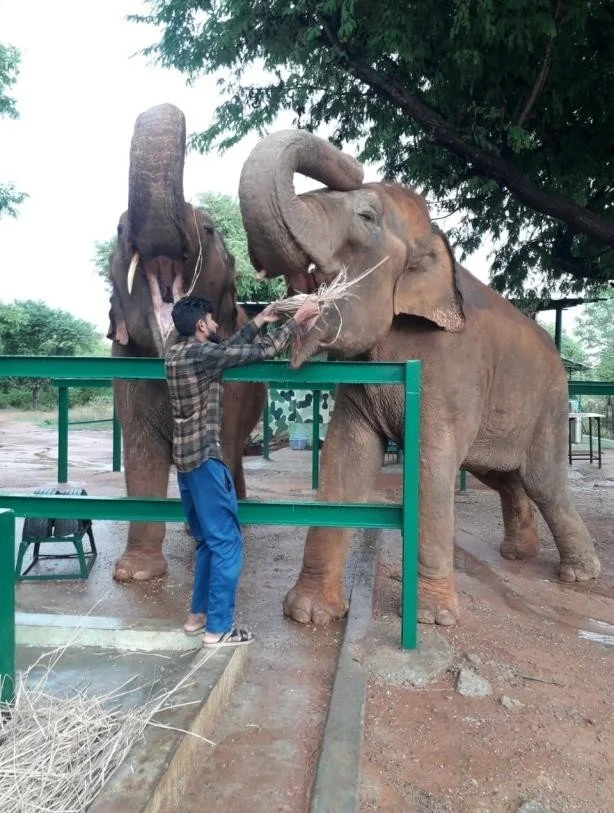
All elephants at the facility follow a structured and balanced daily feeding schedule designed to meet their nutritional and behavioral needs.
Their diet includes sprouts (alternating between green gram and Bengal gram), jaggery, coconuts, seasonal fruits and vegetables, green fodder such as grass or banana stems and ragi balls.
Introduction of Thermal Imaging Diagnostics
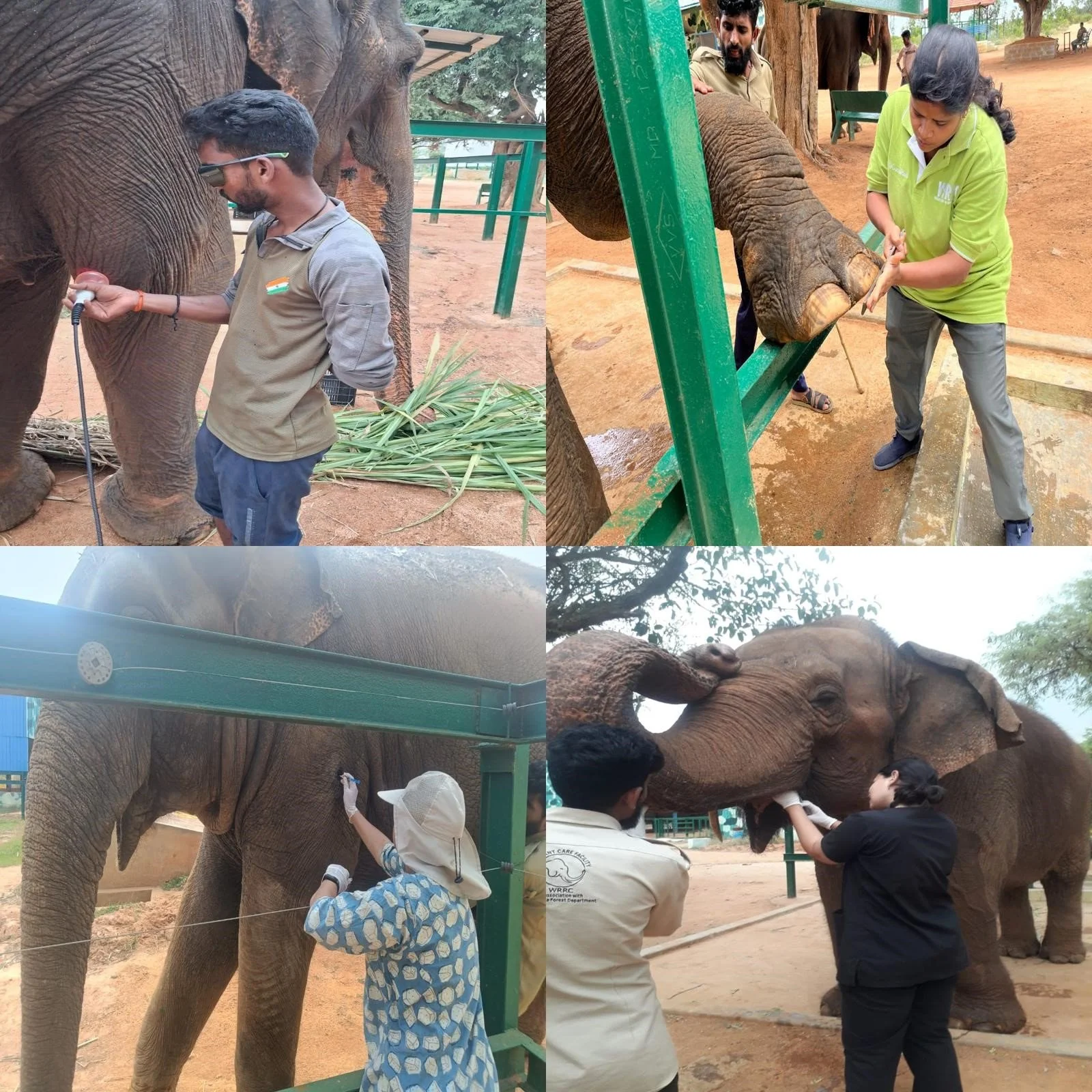
This year, we introduced a thermal camera to strengthen our diagnostic capabilities. It has become a crucial addition to the treatment process at our centre.
In veterinary practice, physical palpation of our patients is one of the most used techniques in the diagnostic process. As animals cannot communicate their complaints and tend to hide their pain, we have to rely on tools to help us detect their disorders.
In the case of elephants, we have the added difficulty of being in close proximity to wild and unpredictable animals who have suffered from trauma at the hands of people throughout their lives. Therefore, some elephants are not comfortable enduring long medical examinations.
Thermal cameras give us quick measurements of temperature changes detected on their body surface, so we don't have to depend solely on our physical exam. In addition, these images give us a more accurate measure of temperature at the level of a pixel. It is reliable data that our touch would not be able to perceive.
Another perk of these cameras is that they are non-invasive and do not harm handlers and veterinarians, unlike the X-ray. Multiple images can be taken without worrying about negative consequences to the health of our patients.
Utilities of the Thermal Camera
1. Detection of inflammation
The main aid that thermal imaging provides is detecting temperature changes within an analysed frame. This property is especially useful in elephant diagnostics as their skin is bare, thus any disturbance in circulation happening inside their body can be illustrated through thermal changes at the surface.
Moreover, during the inflammatory process, capillary vessels are dilated causing blood flow to increase in the area, thus elevating the temperature within that zone. Inflammation happens as a normal part of disease process in many conditions like wounds, infections, tumors, tusk infection, autoimmune disease and acute musculoskeletal injuries.
The level of inflammation is also indicative of pain, so analgesic protocols and treatments can be implemented as and when necessary. Flare ups can be mitigated with appropriate therapies.
2. Gait analysis and musculoskeletal health
Elephants rescued from labour-intensive conditions often have long-standing diseases exacerbated through inadequate flooring. Commonly, we see chronic problems like arthritis, degenerative joint disease, foot pad deteriorations and pododermatitis. We have elephants who have uneven gaits, poor range of motion and unnatural postures with deformed limbs and curved spines.
Thermography will aid in monitoring those issues and detect them in their early stages before loss of function occurs. For example, identifying hot spots on elephants’ foot pads and between nails is crucial, since infection and abscesses can occur in those areas.
3. Systemic diseases
There are also cases where blood circulation is compromised and causes one region to be colder than the surrounding tissues. This happens during thrombosis, heart disease, chronic conditions where tissues are fibrosed and healing has stopped. Thus, identifying these thermal differences through imaging could support veterinary care in diagnosis and treatment modifications.
In certain heart disorders, peripheral circulation towards organs and limbs are compromised and legs will appear colder on thermal imaging.
Certain diseases also have patterns of heat detectable through thermography. For instance, in respiratory illnesses like Elephant Endotheliotropic Herpesvirus (EEHV), elevated temperatures in the trunk can be seen.
4. Reproductive health
Tracking of estrous cycles in female elephants is not always obvious as their signs can be hidden. Streaming from the musth gland is not usually seen in most female Asian elephants, so measuring an increase in genital blood flow 1-2 days before ovulation can give a more accurate prediction through thermal imaging.
In males, musth is a season that requires more care, since their testosterone is elevated and causes them to be aggressive towards even their closest handlers. Thermal imaging technology has shown that heat patterns of their temporal region can be a good way to detect their musth in early stages. Thus, appropriate measures can be taken for the welfare of the animal at this time.
Positive Reinforcement and Enrichment
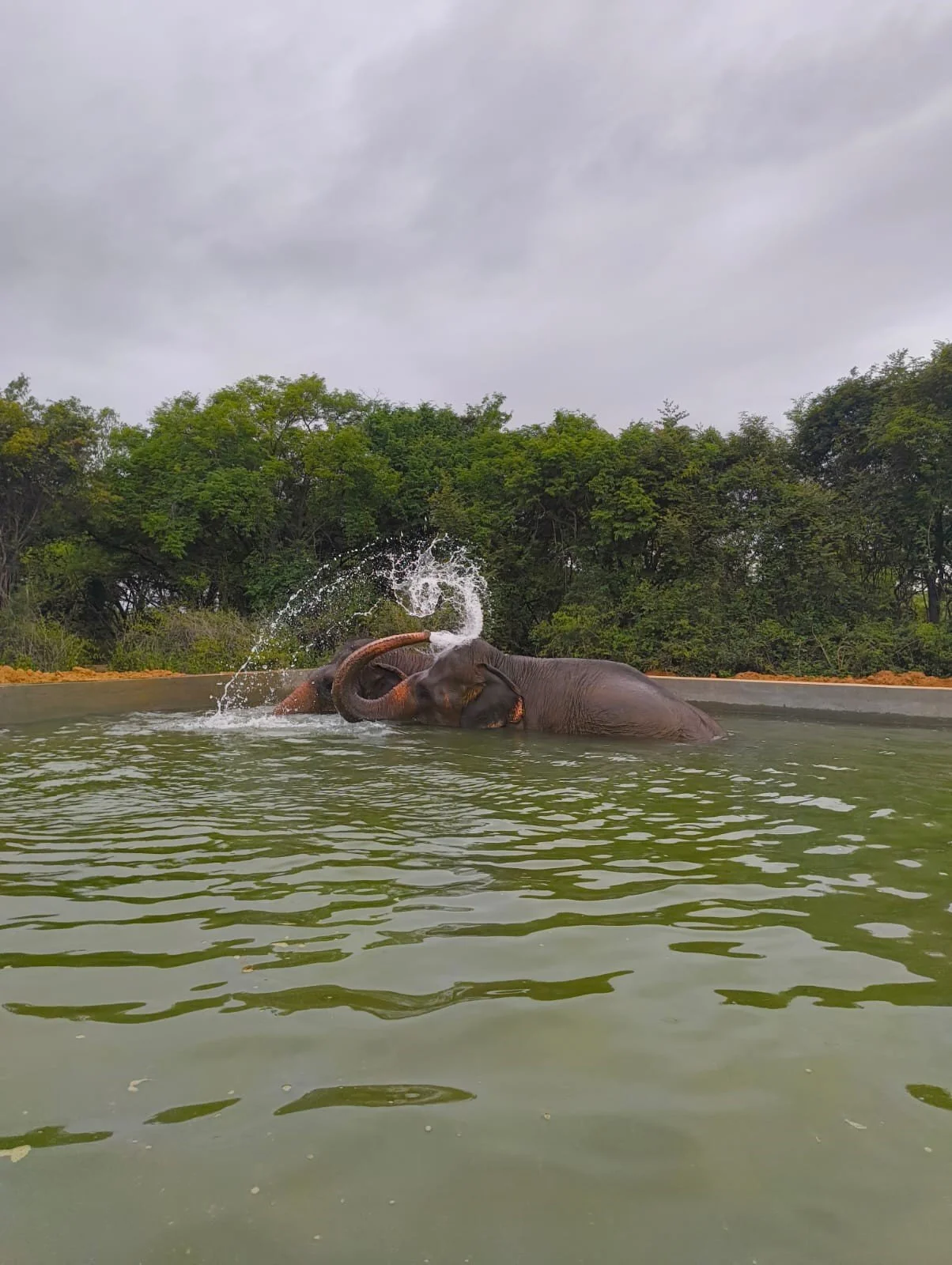
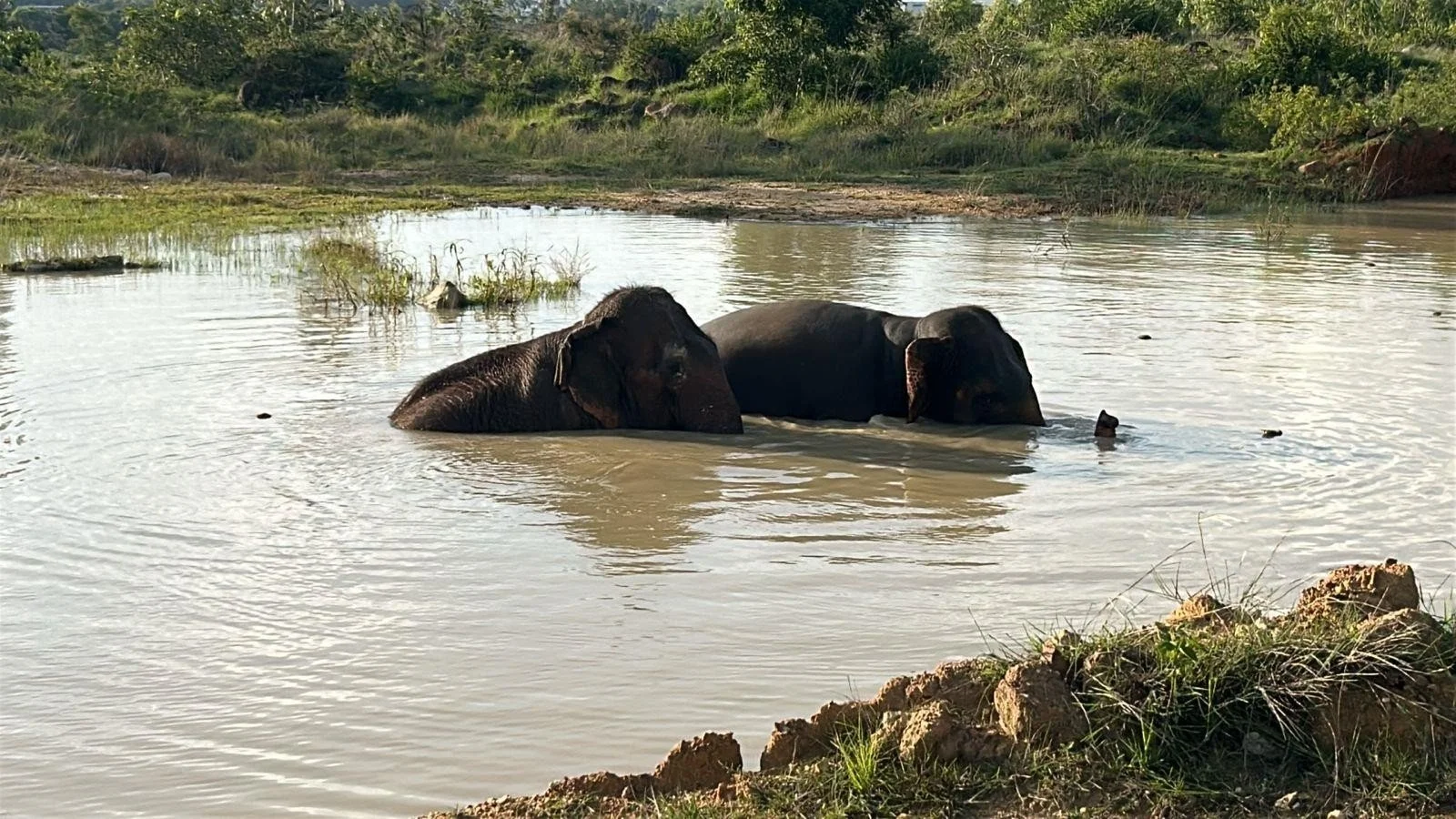
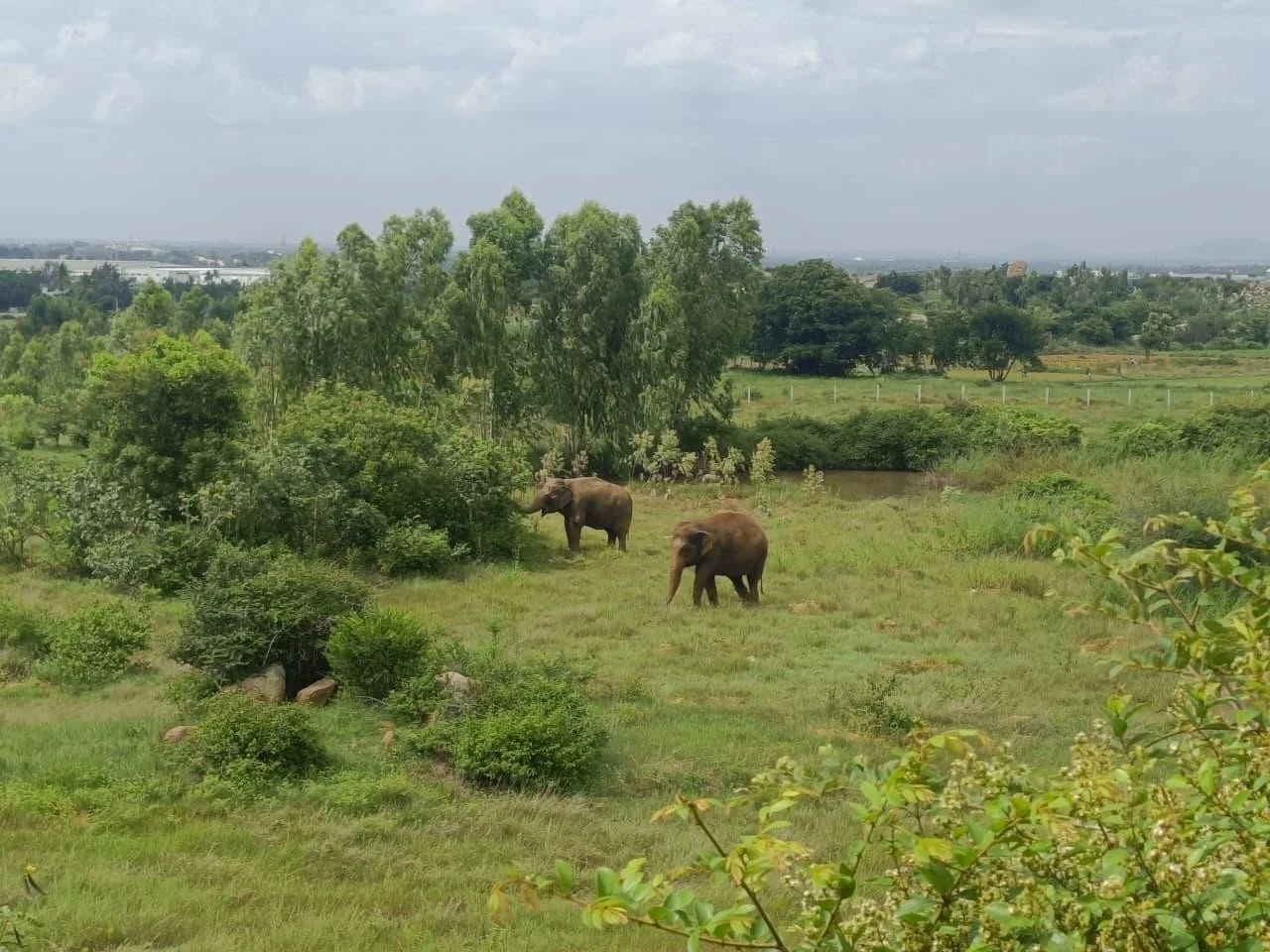
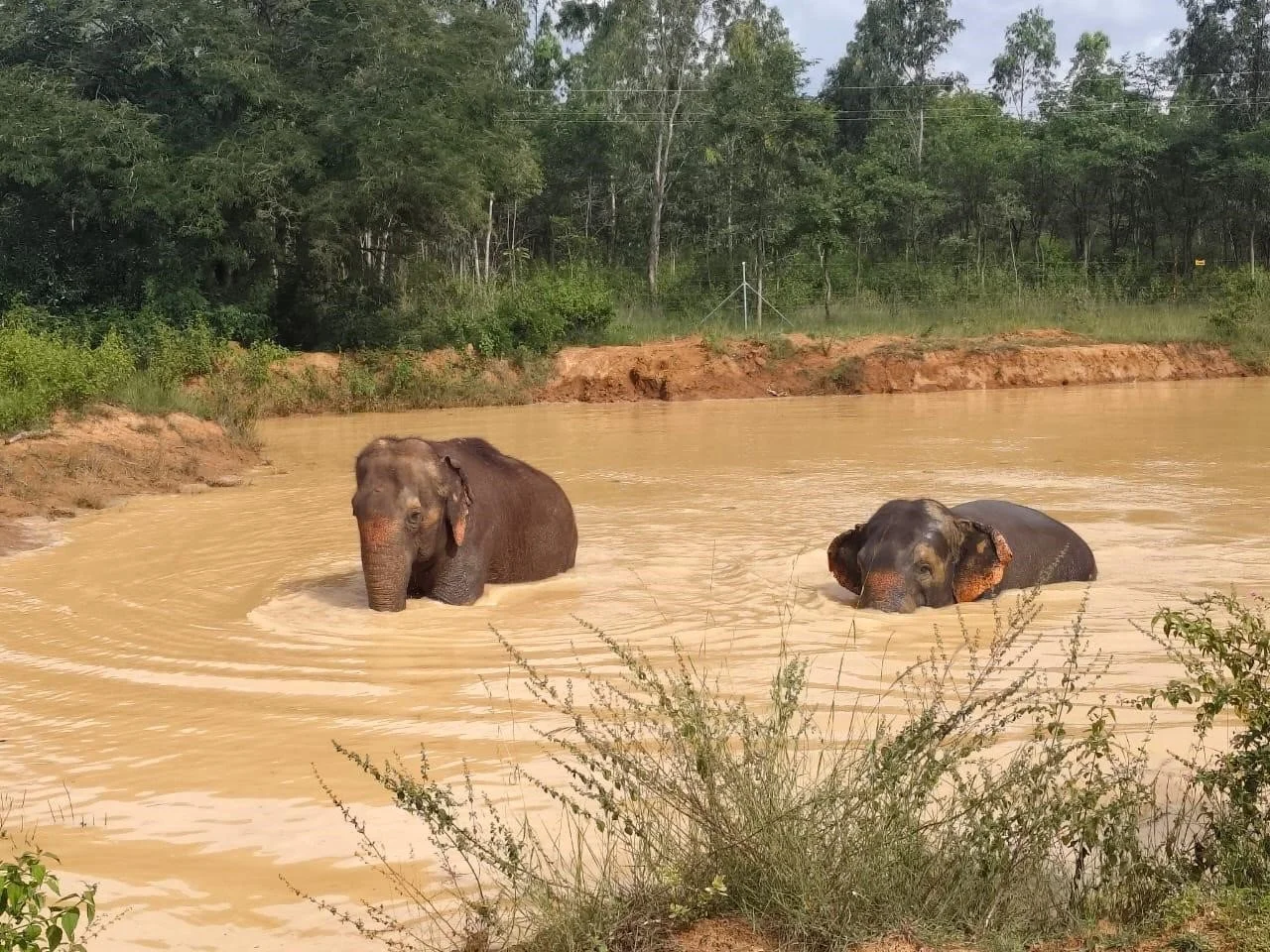
March marked the introduction of protected contact training using positive reinforcement. For elephants whose lives were defined by coercion, this approach restores trust and encourages cooperation. Enrichment activities — from foraging and social interaction to problem‑solving exercises — replicate natural behaviors, addressing psychological recovery alongside physical healing.
Positive Reinforcement and Enrichment
March marked the introduction of protected contact training using positive reinforcement. For elephants whose lives were defined by coercion, this approach restores trust and encourages cooperation. Enrichment activities — from foraging and social interaction to problem‑solving exercises — replicate natural behaviors, addressing psychological recovery alongside physical healing.
A Sanctuary of Compassion and Dignity
WRRC’s Elephant Care Facility is not simply maintaining rescued elephants; it is actively restoring their health, dignity, and natural behaviors. With structured diets, advanced diagnostics, and enrichment programs, the sanctuary is proving that rehabilitation is both compassionate and essential.
Global Impact Made Possible by You
Every intervention — from wound care to enrichment — is powered by your generosity. Together, AAA and WRRC are proving that local partnerships are the key to global change, turning burden into care and giving India’s rescued elephants the chance to heal in peace.