Offering Hope for Working Animals in Colombia
Our newest partner group - Namigni Animal Sanctuary in Colombia - run free veterinary clinics for working animals. Thanks to your wonderful donations, they have recently been able to assist over 200 horses, mares and donkeys.
Read their full clinic reports to see the difference you are making for working equines in Colombia:
Mobile Clinic Report – Clinic 1
Date: October 25, 2025
Location: Sopó, Cundinamarca, Colombia
Context
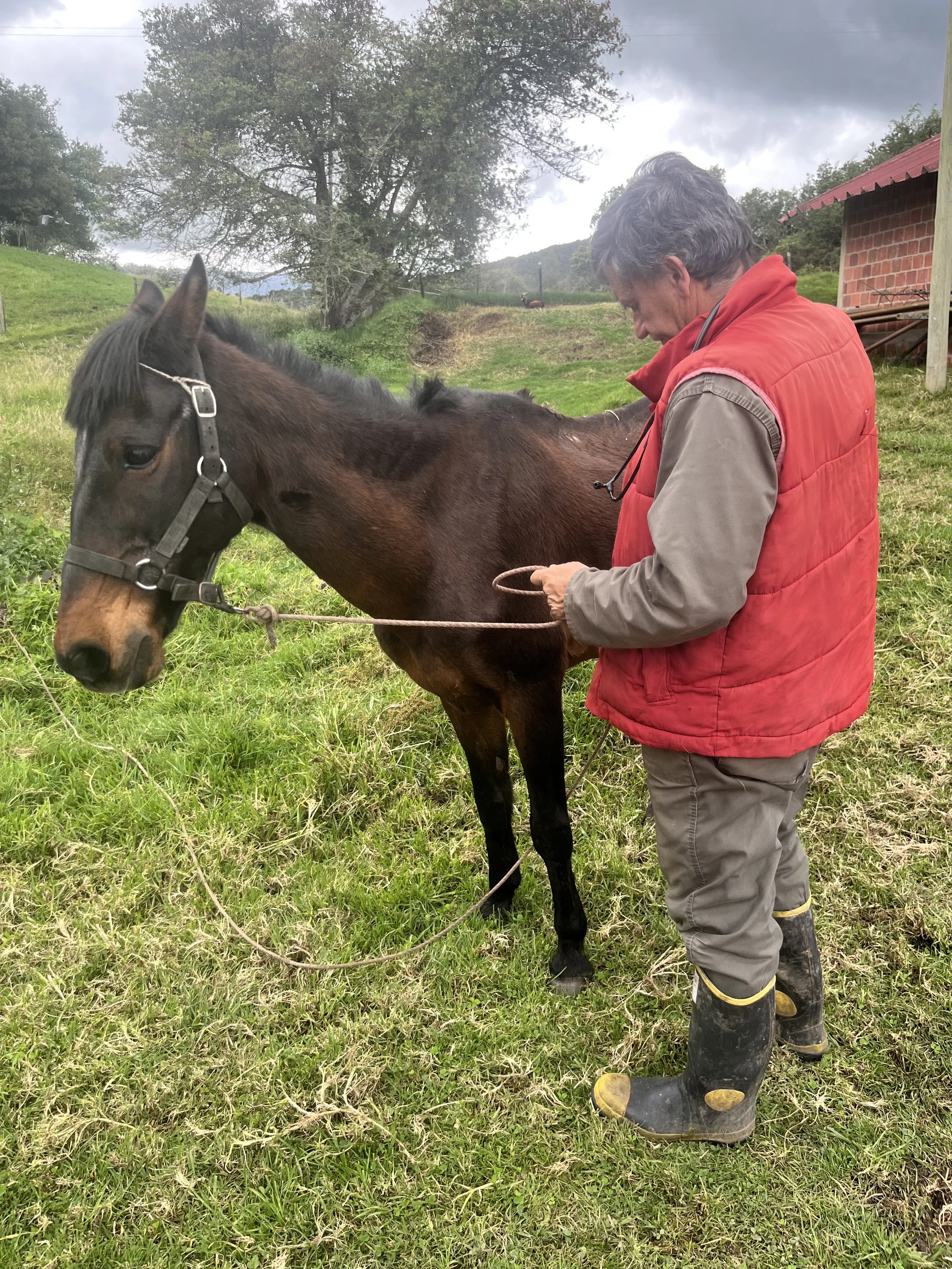
This clinic was organised in coordination with Sopó’s monthly livestock fair. Although the public call invited owners of working equines to bring their animals for free health examinations, no horses were presented at the fairgrounds. Instead, owners requested that the veterinary team conduct visits directly on nearby farms. This adaptation provided valuable insight into the realities of rural equine management in the Colombian countryside.
Team Composition
- Lead Veterinarian: Dr. Carlos Mario Jaramillo
- Support Staff: 7 veterinary students from Universidad Antonio Nariño.
- Scope of Work: Clinical examination, surgical intervention, dental care, and welfare assessment.
Population Examined
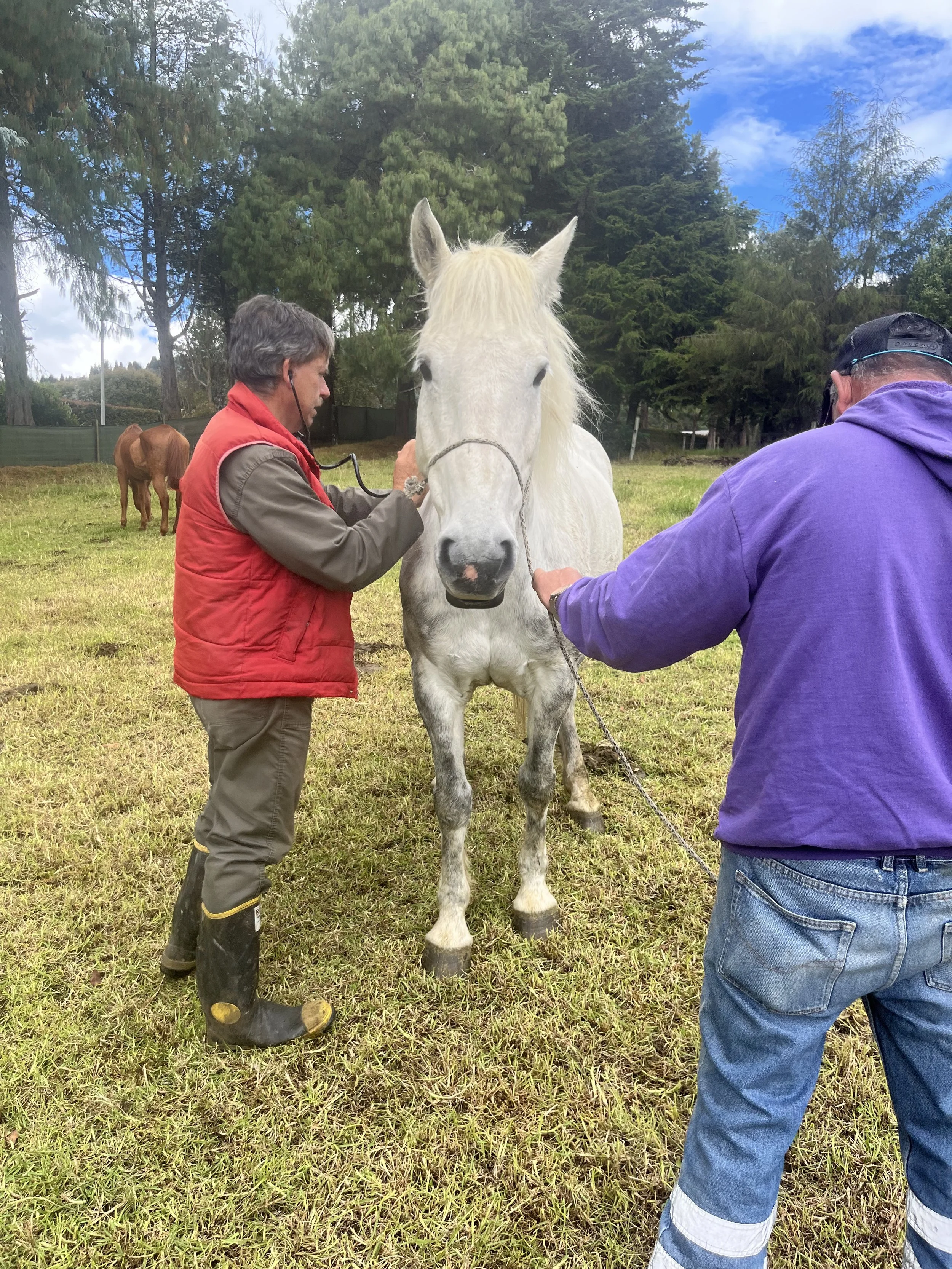
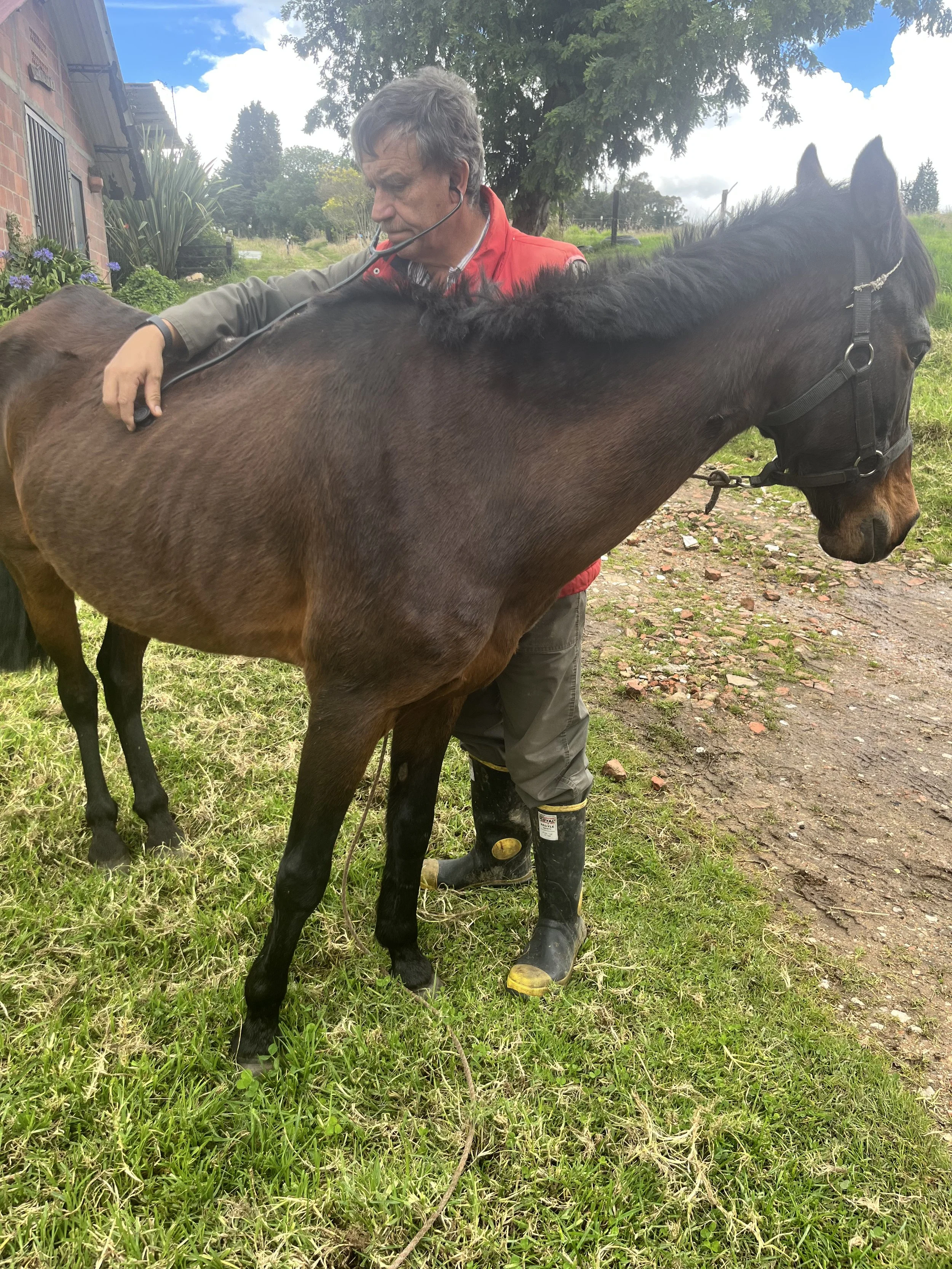
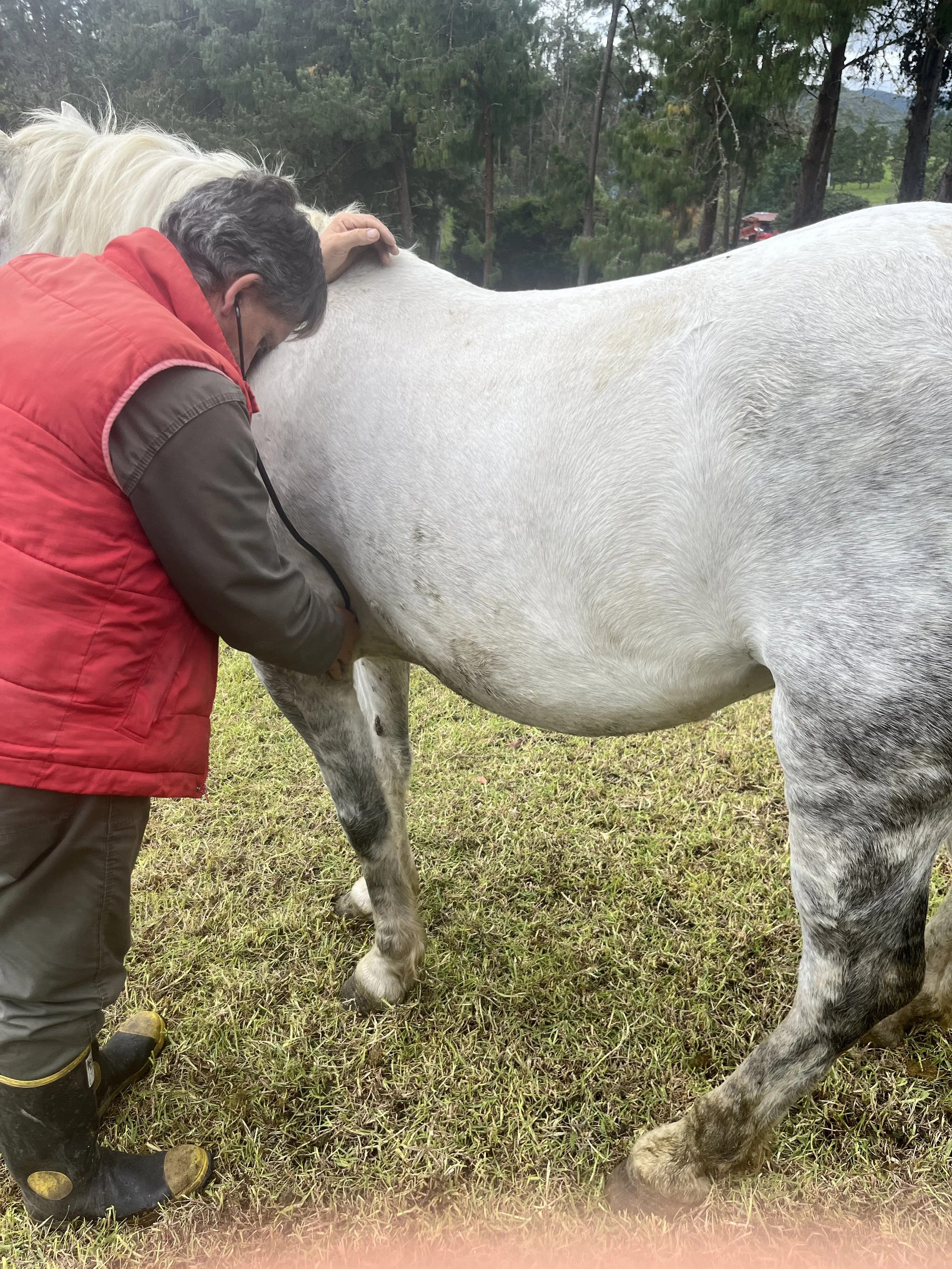
- Equids Assessed: 15 working horses.
- Demographics: Predominantly adult and geriatric animals used for farm labour.
Key Findings
1. General Condition
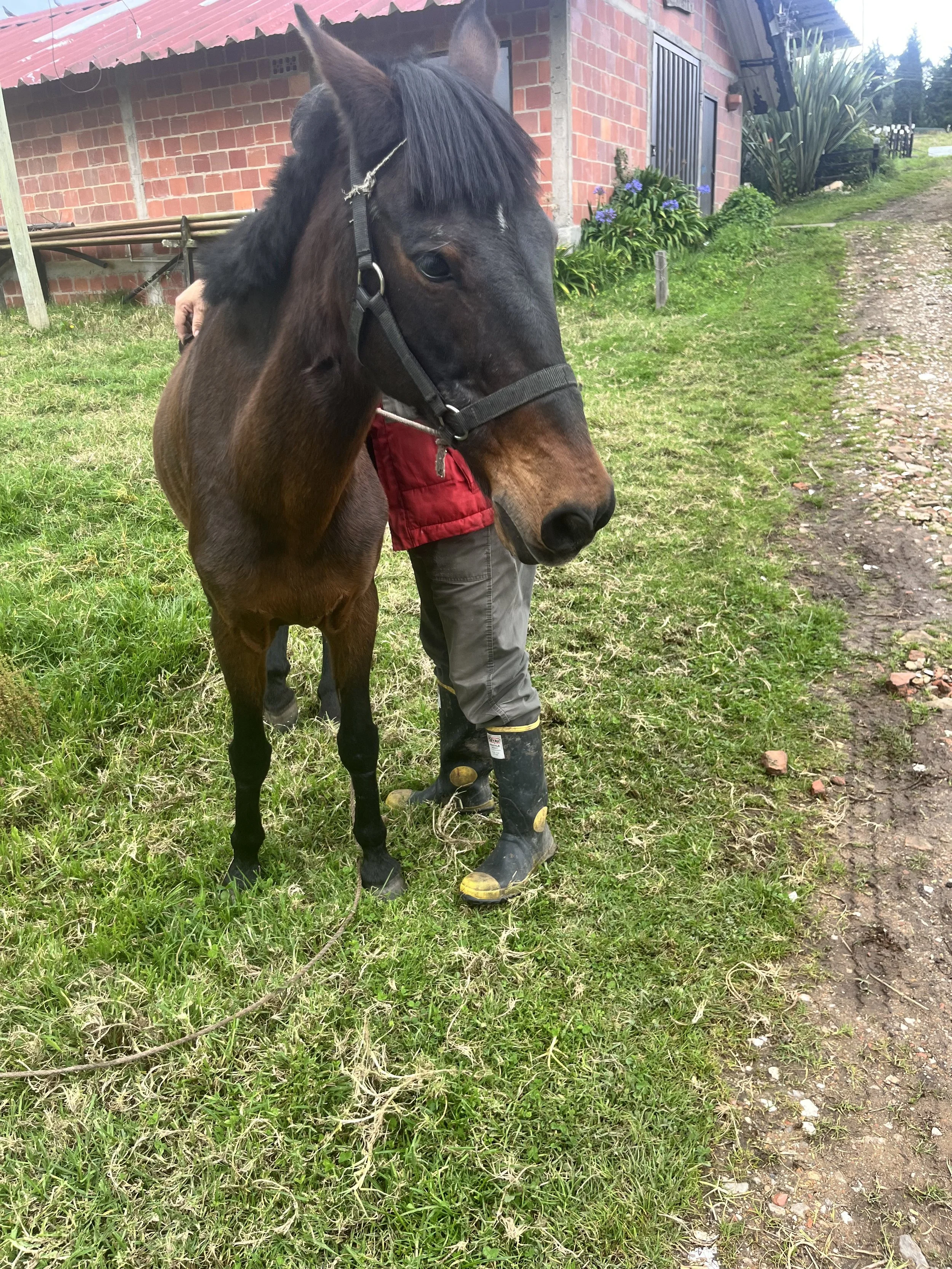
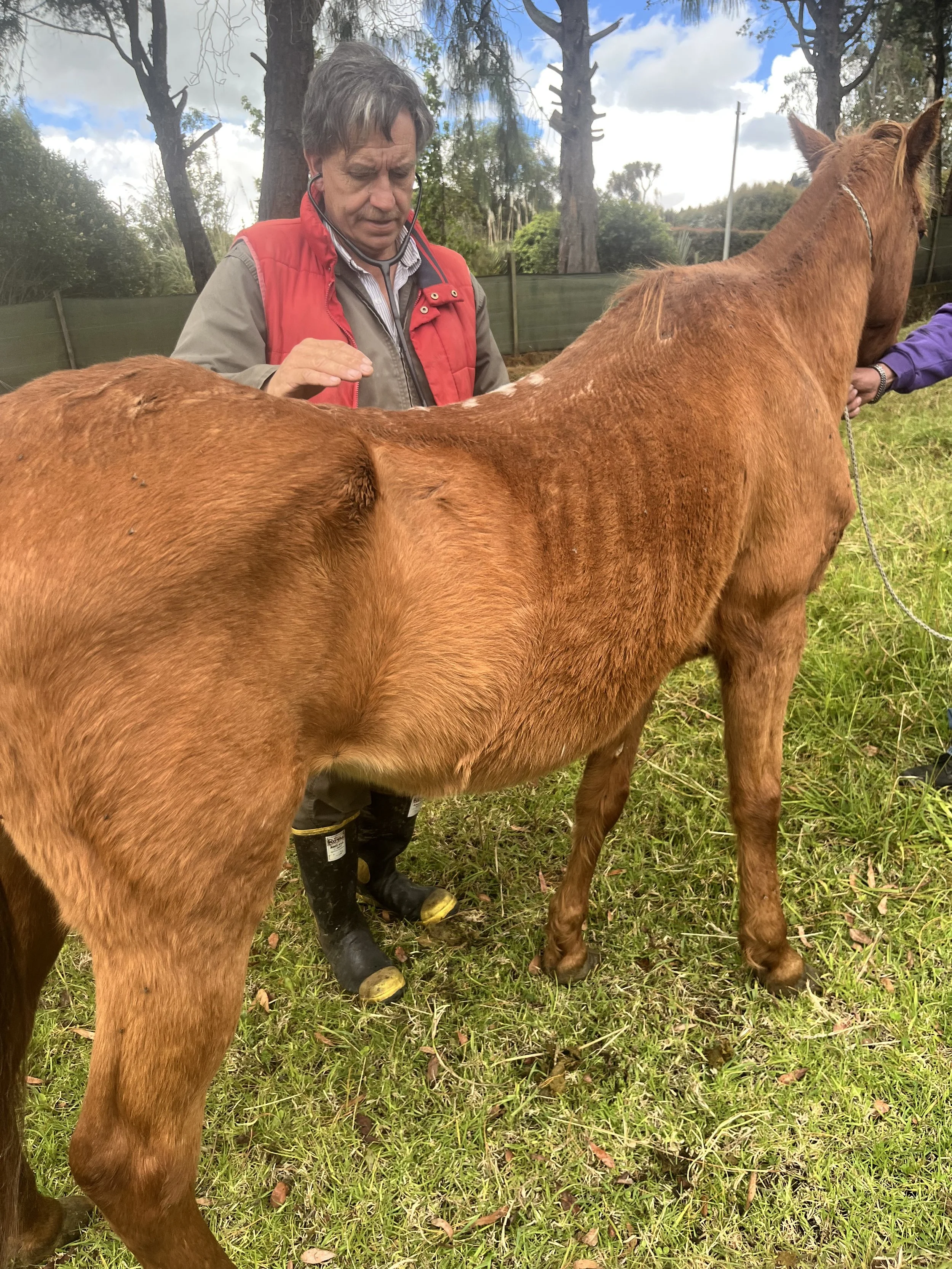
- One geriatric horse presented with a body condition score (BCS) of 1/5, but was reported as retired and not currently in use.
- Another aged horse, still actively working, exhibited poor overall condition and severe dental pathology.
2. Dental Health
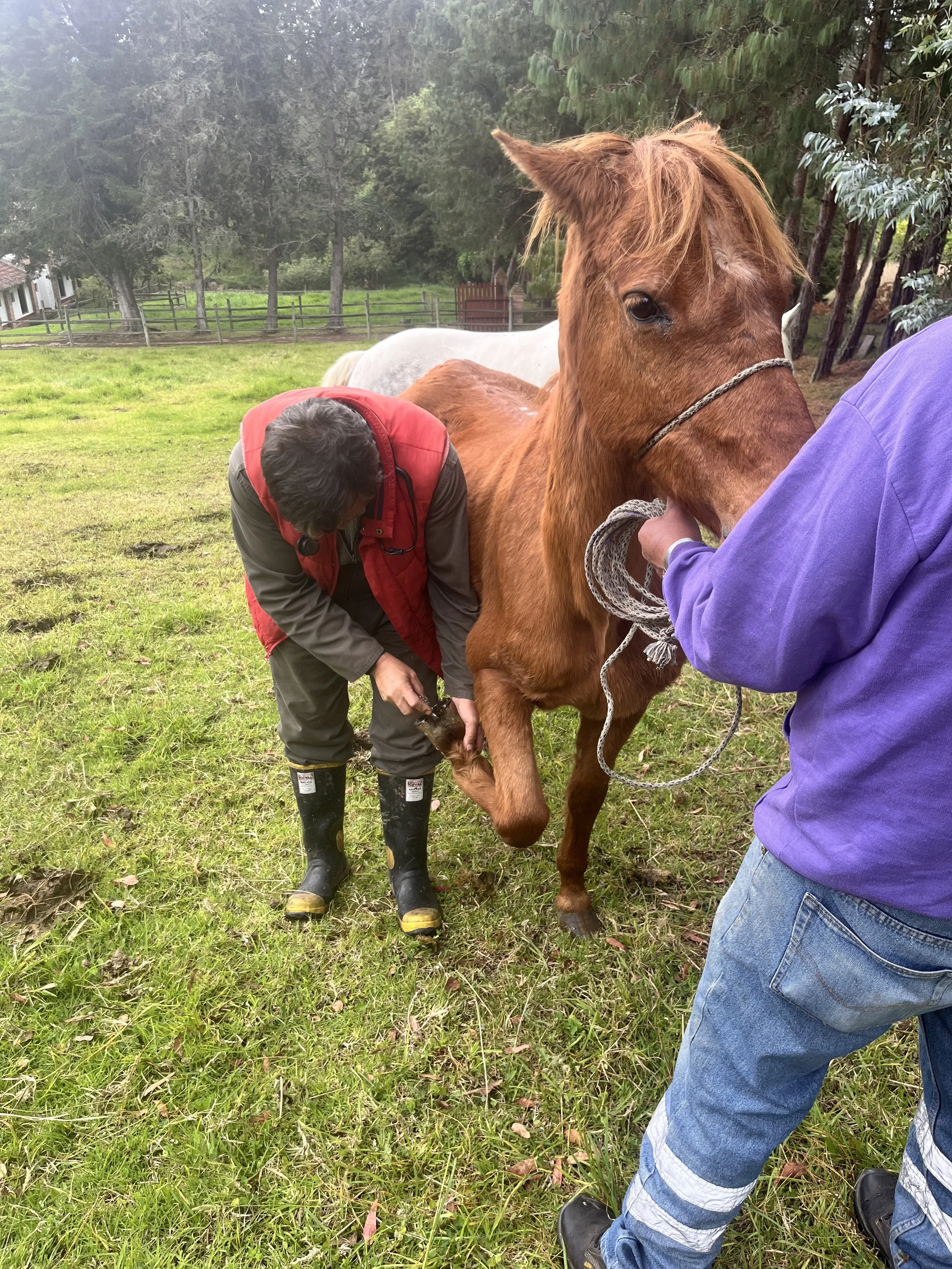
- Advanced malocclusion and dental wear were observed in the older working horse.
- Immediate dental interventions were performed to alleviate pain and improve mastication.
- Follow-up care was coordinated with the owner, resulting in significant improvement by December 4th, when re-examination confirmed better oral function and improved condition.
3. Reproductive Management
- Two stallions were surgically castrated to prevent uncontrolled breeding in farms with poor management practices.
- Castration also aimed to reduce aggressive behavior and improve herd welfare.
Interventions Performed
- Dental Care: Floating and corrective procedures on geriatric horses with severe pathology.
- Surgical Procedures: Castration of two stallions under field anesthesia protocols.
- Owner Engagement: Continuous communication and follow-up visits to ensure compliance with care recommendations.
Outcomes
- Clinical Impact: Immediate welfare improvements for equines with severe dental and reproductive issues.
- Follow-Up Success: Documented improvement in the condition of the geriatric working horse after sustained care.
- Community Engagement: Initiated direct collaboration with rural horse owners, establishing trust and demonstrating the value of veterinary oversight.
Conclusion
This first mobile clinic in Sopó rural area revealed the hidden welfare challenges of working equines in rural Colombia, a population often overlooked compared to companion animals in urban settings. By adapting to farm-based visits, the team gained access to animals otherwise excluded from the public eye and from public welfare initiatives. This marks the beginning of a long-term strategy to gradually elevate health and welfare standards for working equids, integrating preventive care, reproductive management, and sustained owner education. It also helped to open the doors for the second mobile clinic, which is reported on below.
Mobile Clinic Report – Clinic 2
Date: November 29, 2025
Location: Sopó, Cundinamarca, Colombia
Context
For the first time in Colombia, the Municipality of Sopó authorized a joint Namigni + AAA veterinary team to conduct pre-event equine welfare screening for a large-scale recreational horse-riding event (“cabalgata”). Participation was contingent upon veterinary approval, with the National Police present to enforce clinical and welfare-based exclusion criteria. This represents a landmark initiative in a country where equestrian culture is deeply tied to farm work, recreational rentals, and socio-political power structures, often with limited attention to animal welfare.
Team Composition
- Lead Veterinarian: Dr. Carlos Mario Jaramillo
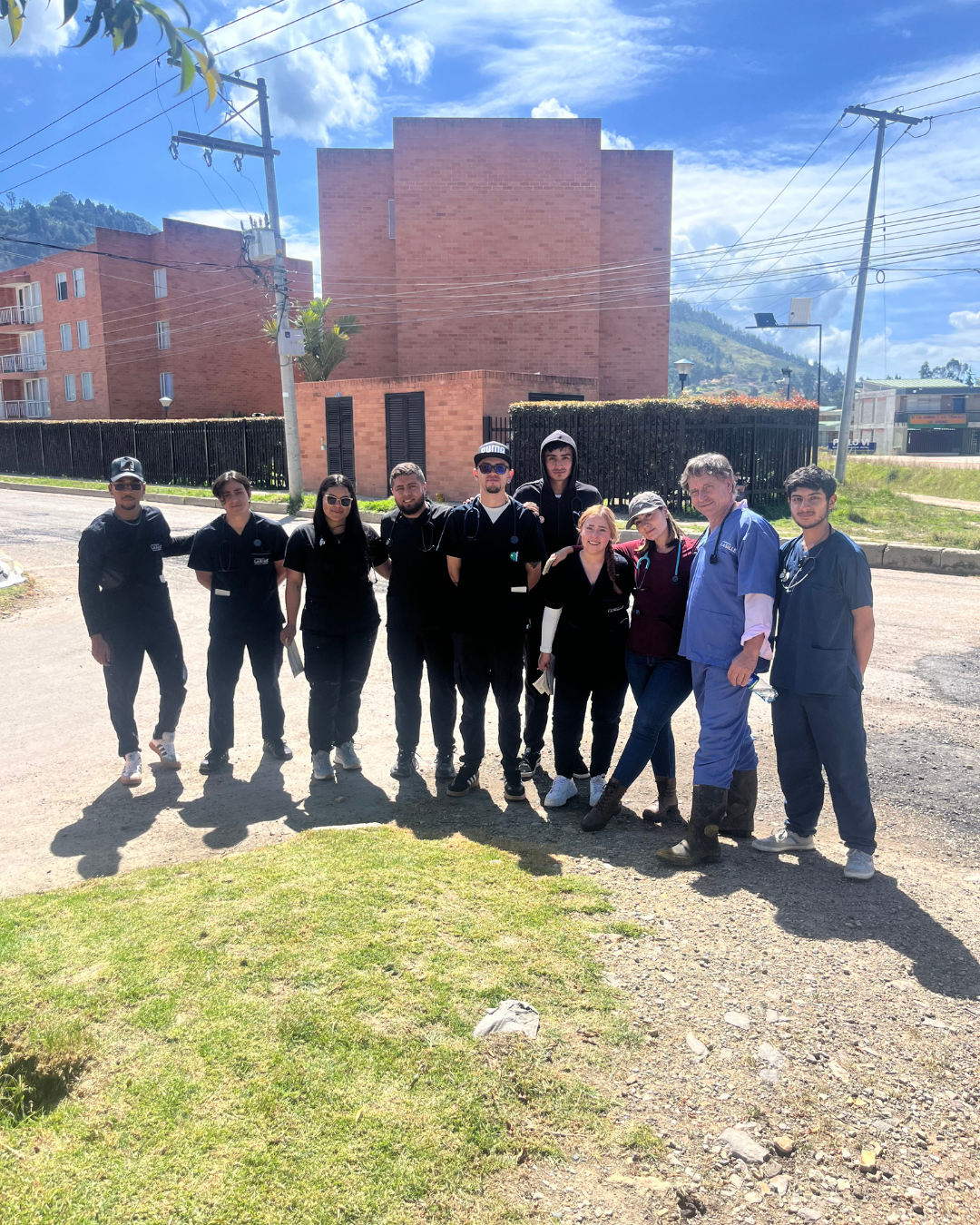
- Support Staff: 13 veterinary students from Universidad de La Salle, Universidad Antonio Nariño, and UDCA.
- Operational Scope: Welfare assessment, exclusion enforcement, and on-site interventions.
Population Examined
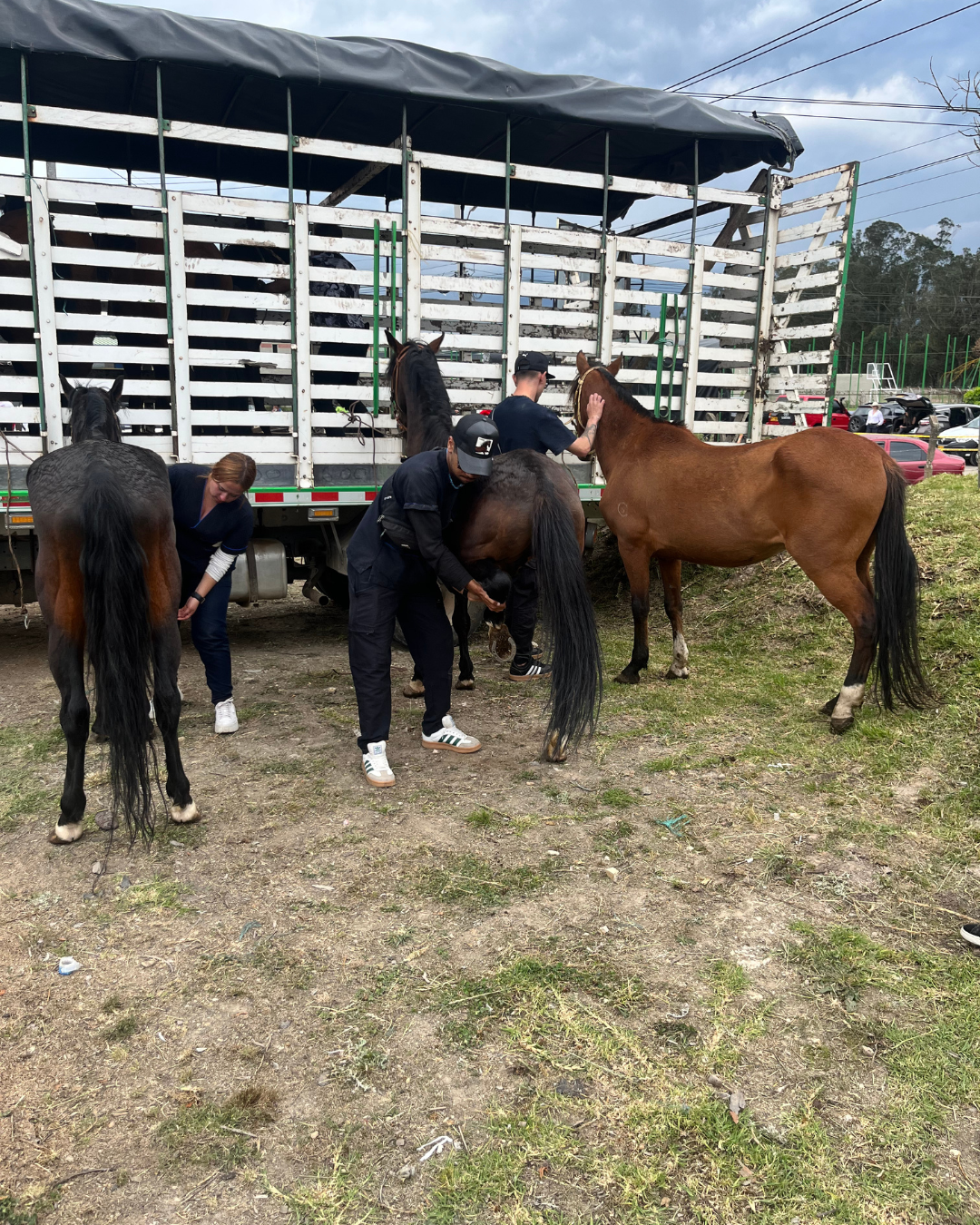
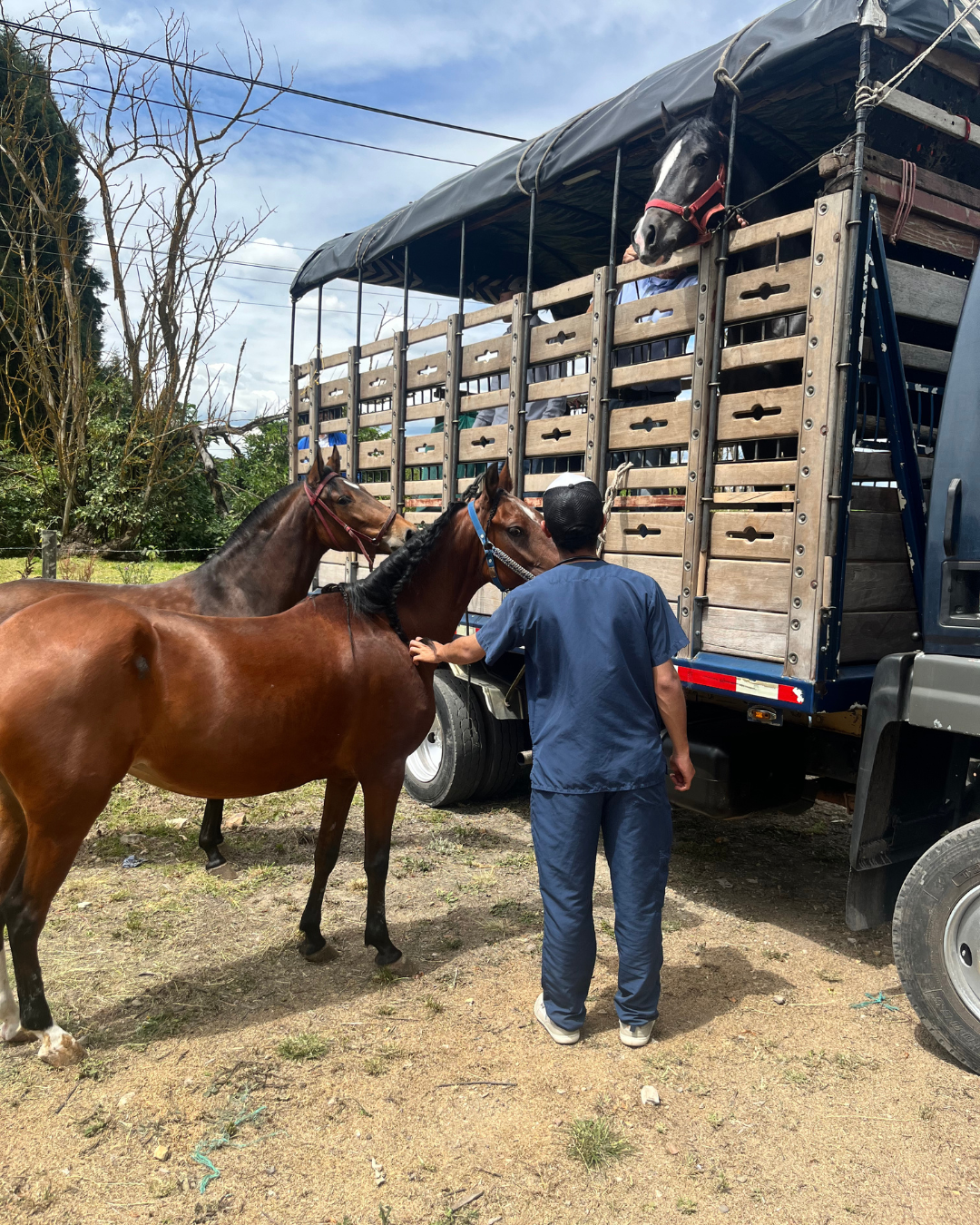
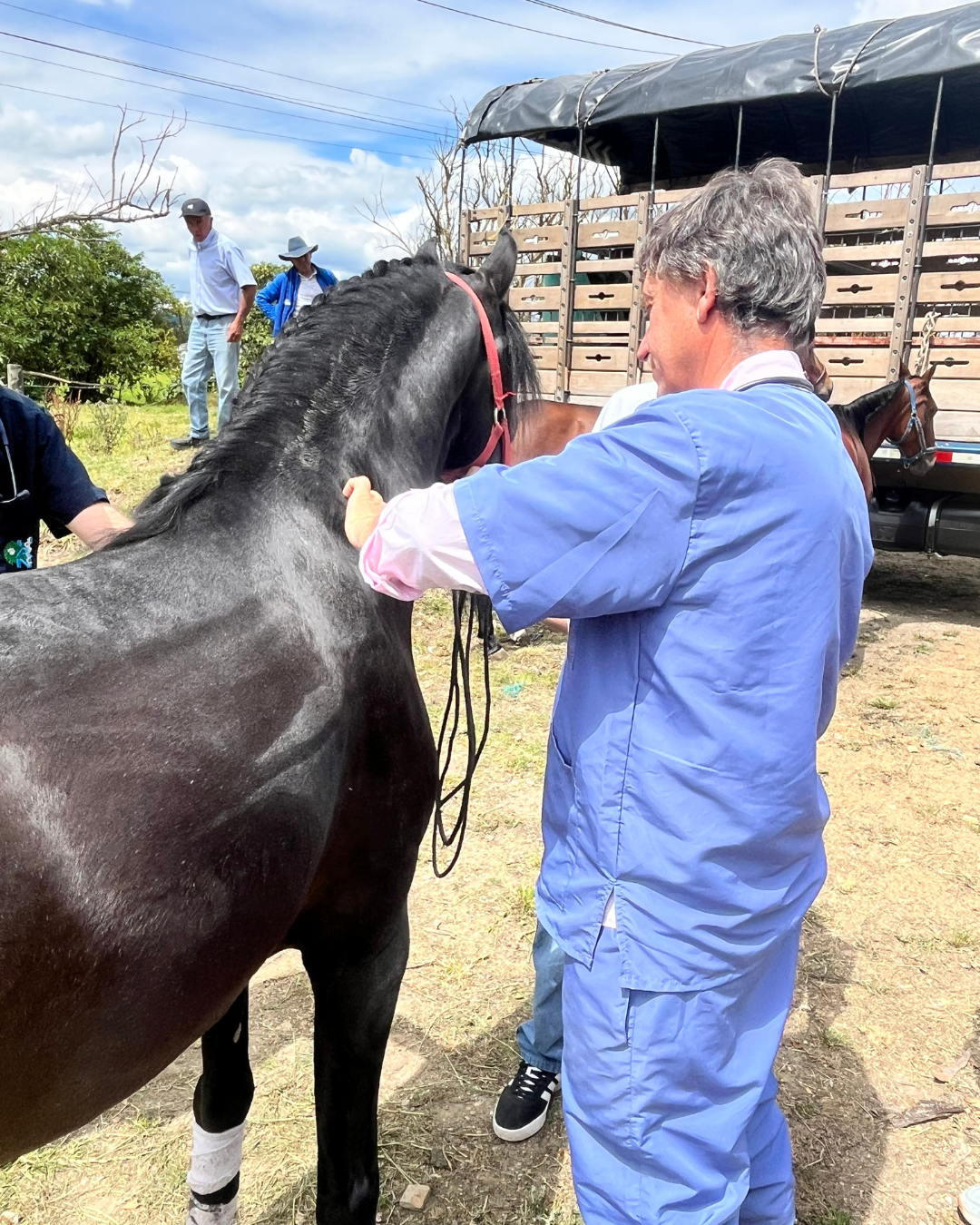
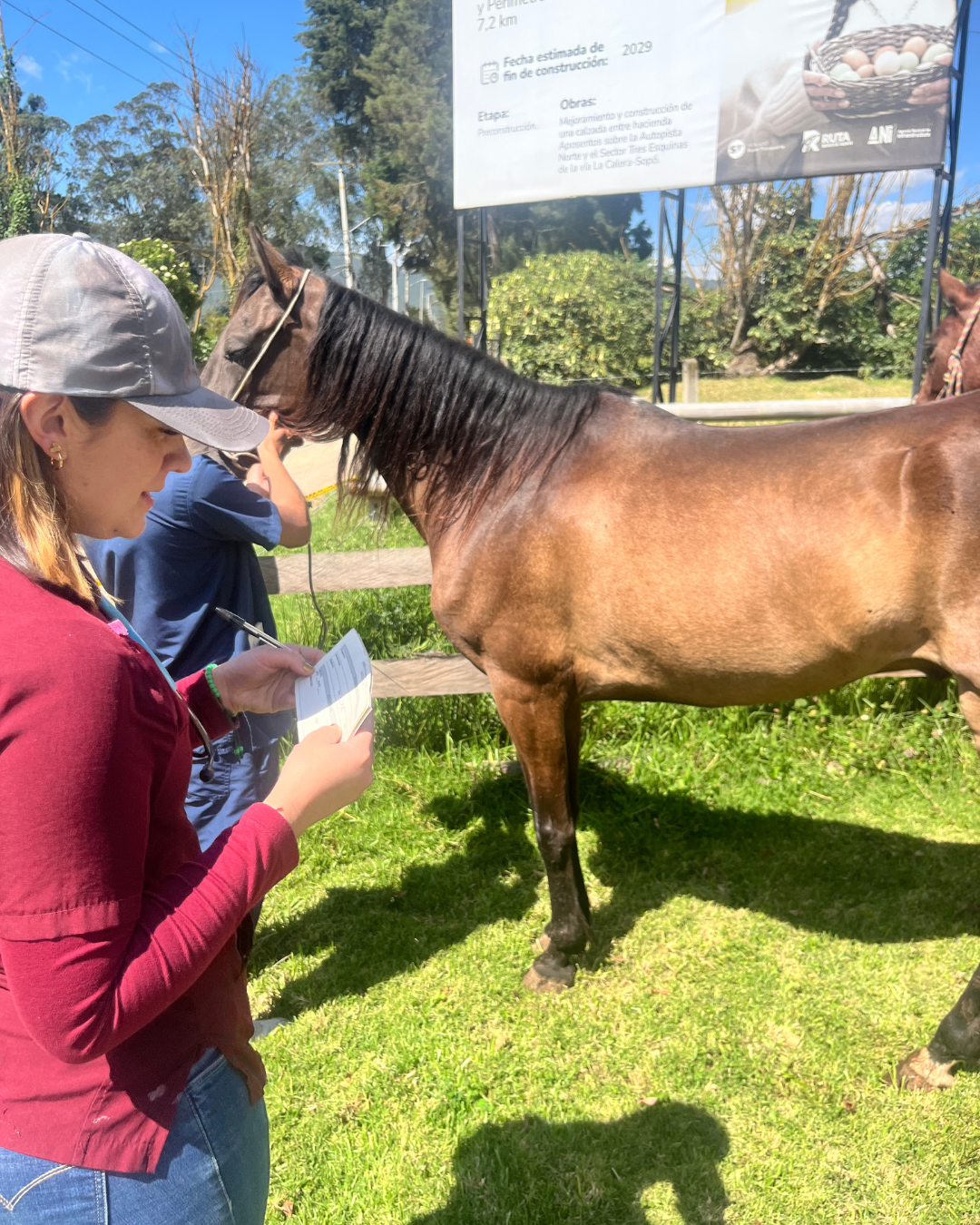
- Equines Assessed: 196 horses and mares, plus 1 mule.
- Primary Use: Farm work and recreational rental for cabalgatas.
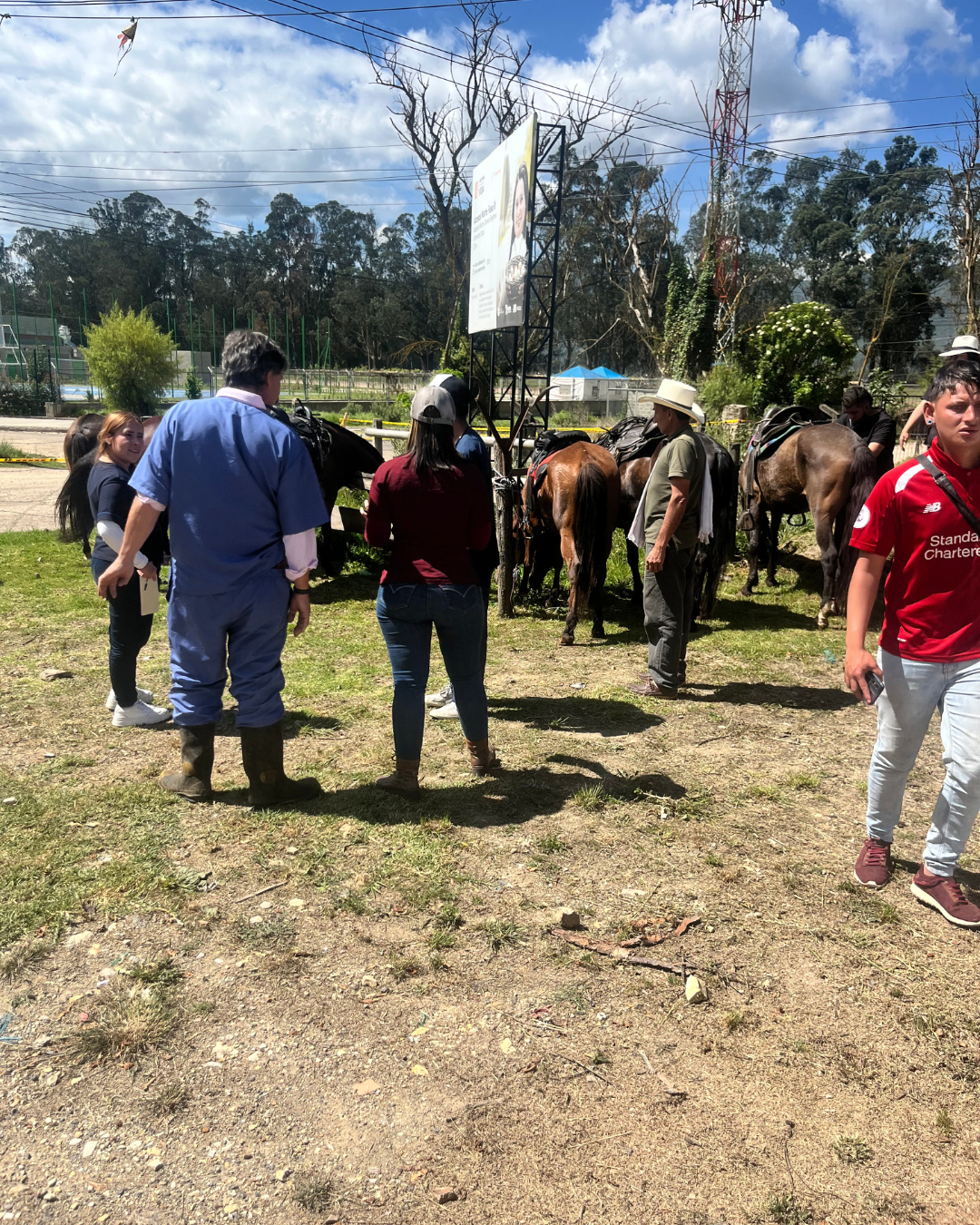
Key Findings
1. General Condition:
- Majority of equines presented in acceptable body condition (an average 4/5).
- Several cases of compromised welfare identified.
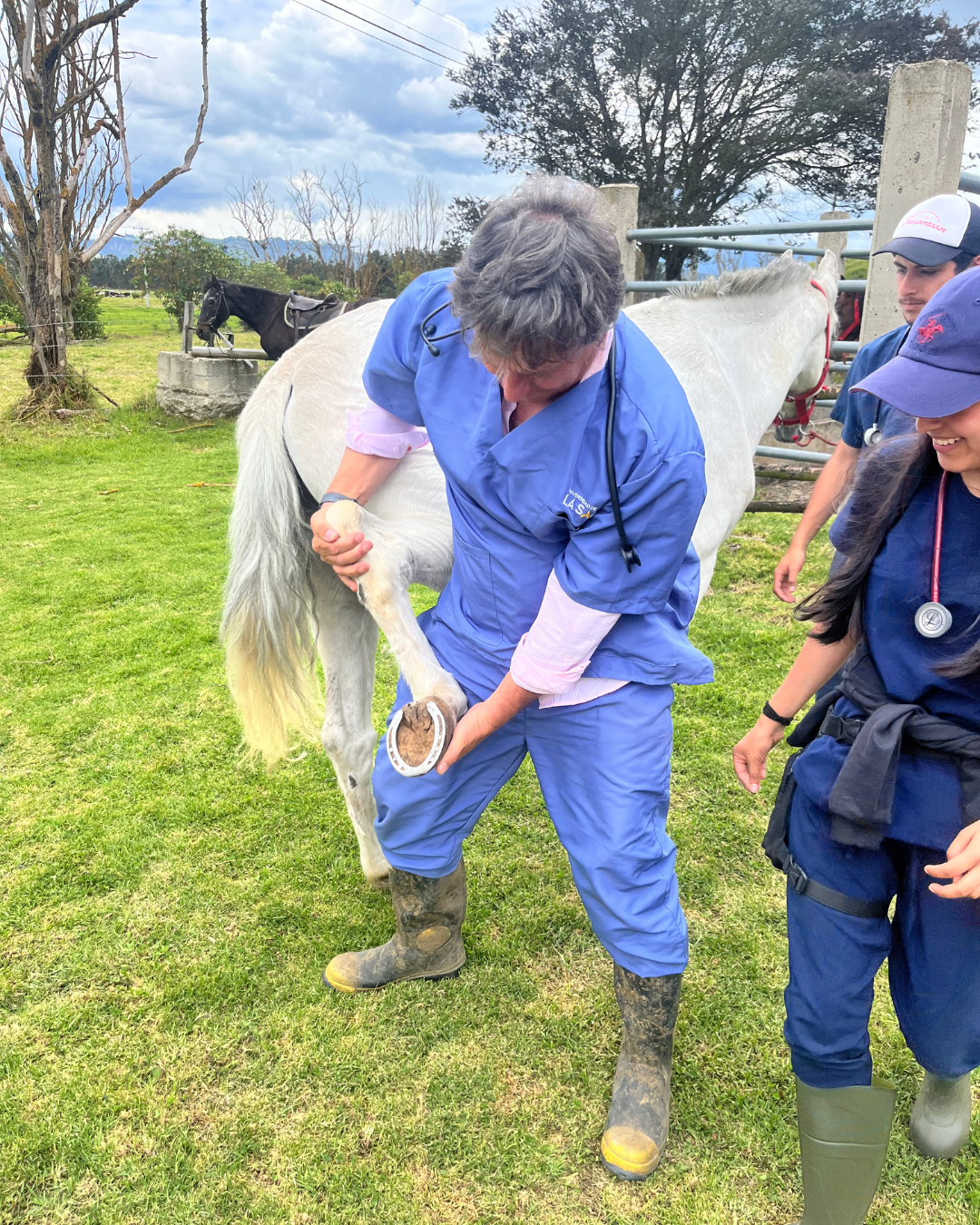
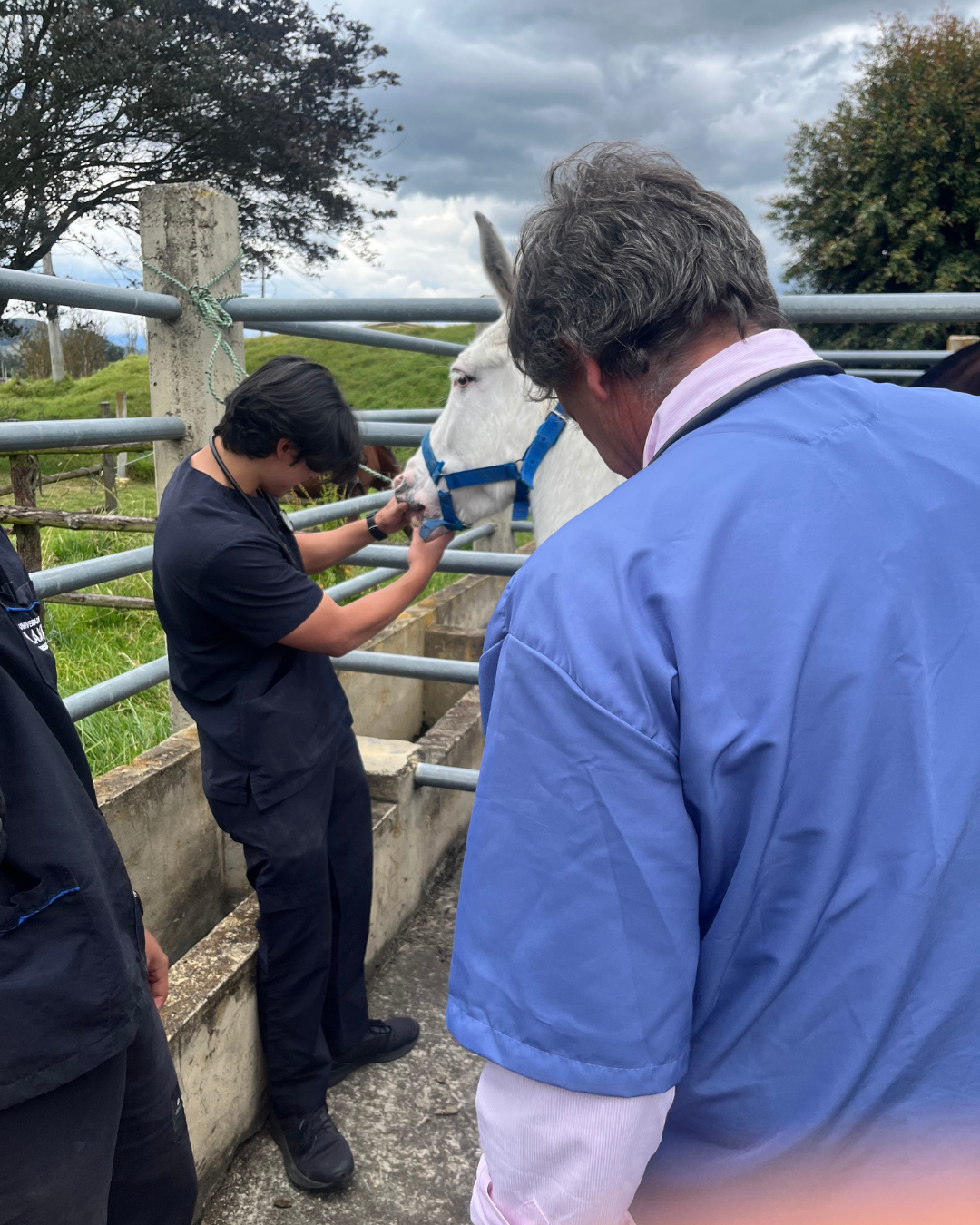
2. Exclusions Enforced:
- Pregnant Mares: 6 mares in late gestation were barred from participation to prevent obstetric risk.
- Emaciated Horses: 3 horses with poor body condition (2/5) were excluded.
- Orthopedic Pathologies: 7 horses with limb conditions (including 1 severe lameness) were removed.
- Police ensured physical removal of excluded animals from the event grounds.
3. On-Site Challenges:
- High levels of alcohol consumption among participants, despite legal restrictions, contributed to aggressive behavior directed at veterinary staff.
- Significant social resistance was encountered, particularly toward Dr. Jaramillo and student veterinarians.
Interventions Performed
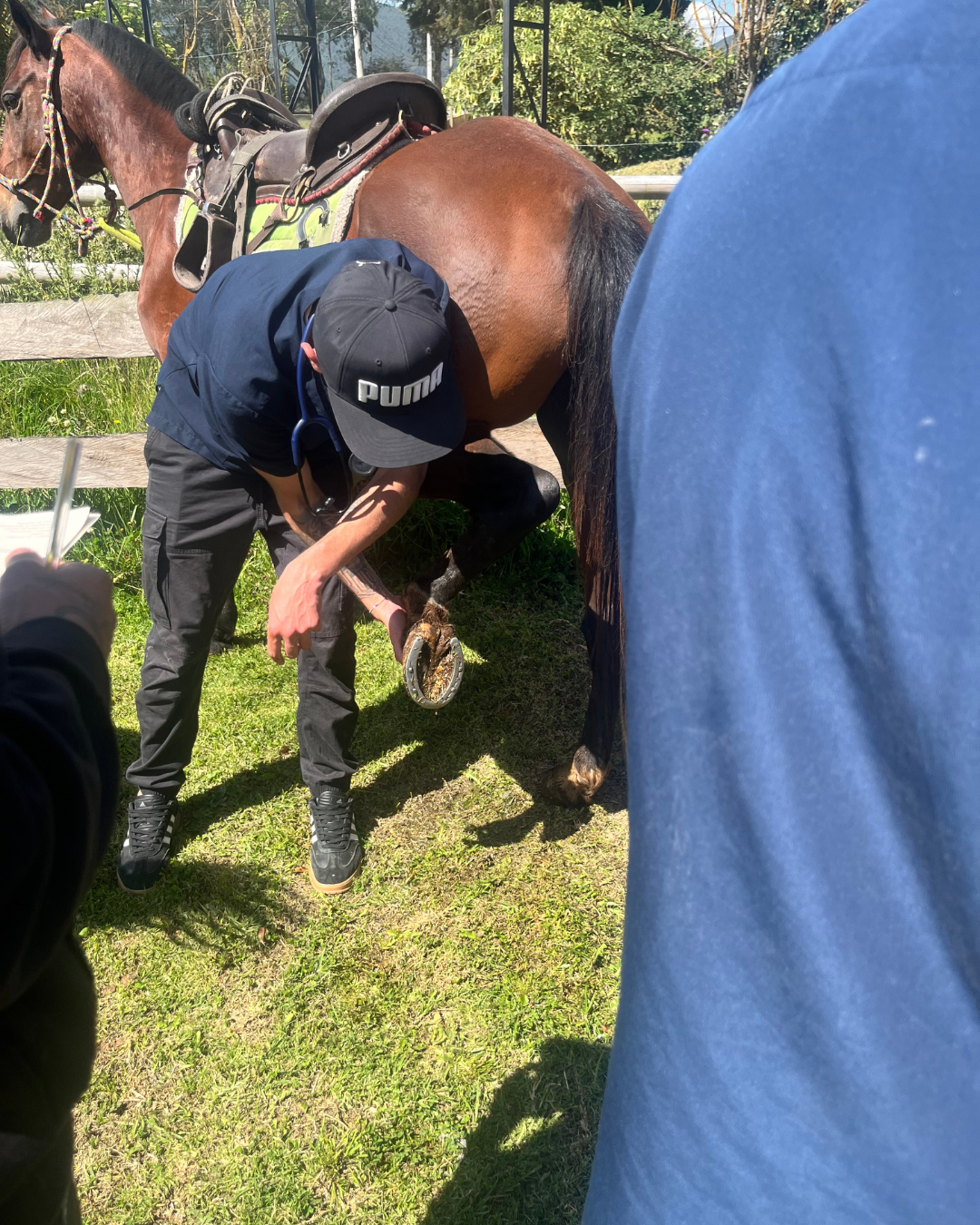
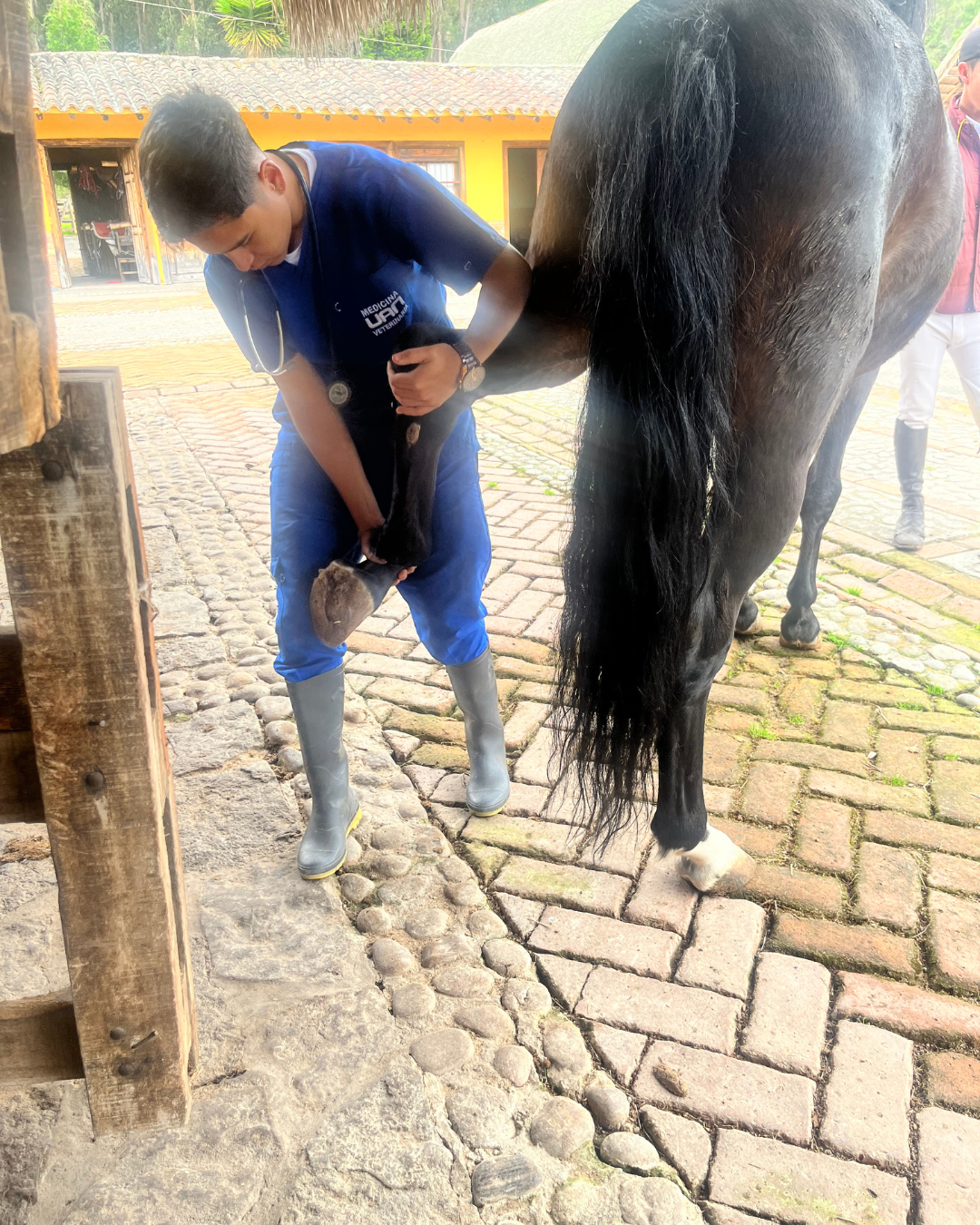
- Hoof Care: Corrective shoeing performed on select horses to improve locomotion and reduce discomfort.
- Dental Care: Essential floating and corrective procedures administered to horses exhibiting oral pain and malocclusion.
- Owner Guidance: Recommendations provided on nutrition, preventive dental care, and welfare-oriented management practices.
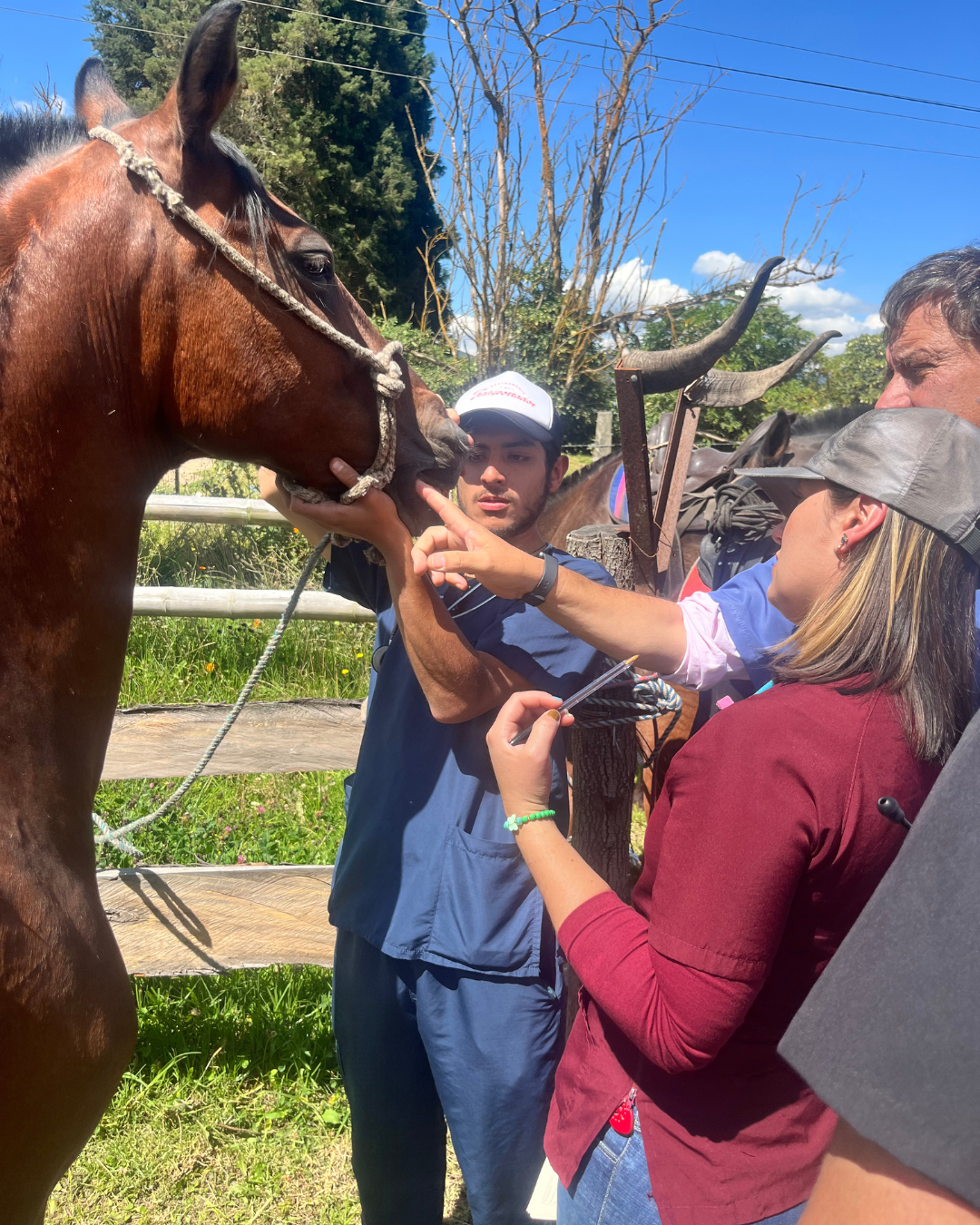
Outcomes
- Operational Success: Despite social hostility, the team successfully enforced welfare-based participation criteria from 7am to 3pm.
- Policy Impact: The Mayor of Sopó, herself an equestrian enthusiast, thanked AAA and Namigni, recognizing the initiative as essential to raising welfare standards in cabalgatas, which are historically associated with cruelty, collapse, and mortality among horses.
Conclusion
This clinic marked a historic precedent in Colombia, integrating veterinary oversight and police enforcement into equestrian events. While most animals presented in acceptable condition, critical exclusions and interventions highlighted systemic welfare gaps. The initiative demonstrated both the feasibility and necessity of mandatory veterinary screening to safeguard equine health and prevent avoidable suffering in mass recreational events.
Mobile Clinic Report – Clinic 3
Date: December 11, 2025
Location: Tocancipá, Cundinamarca, Colombia
Overview
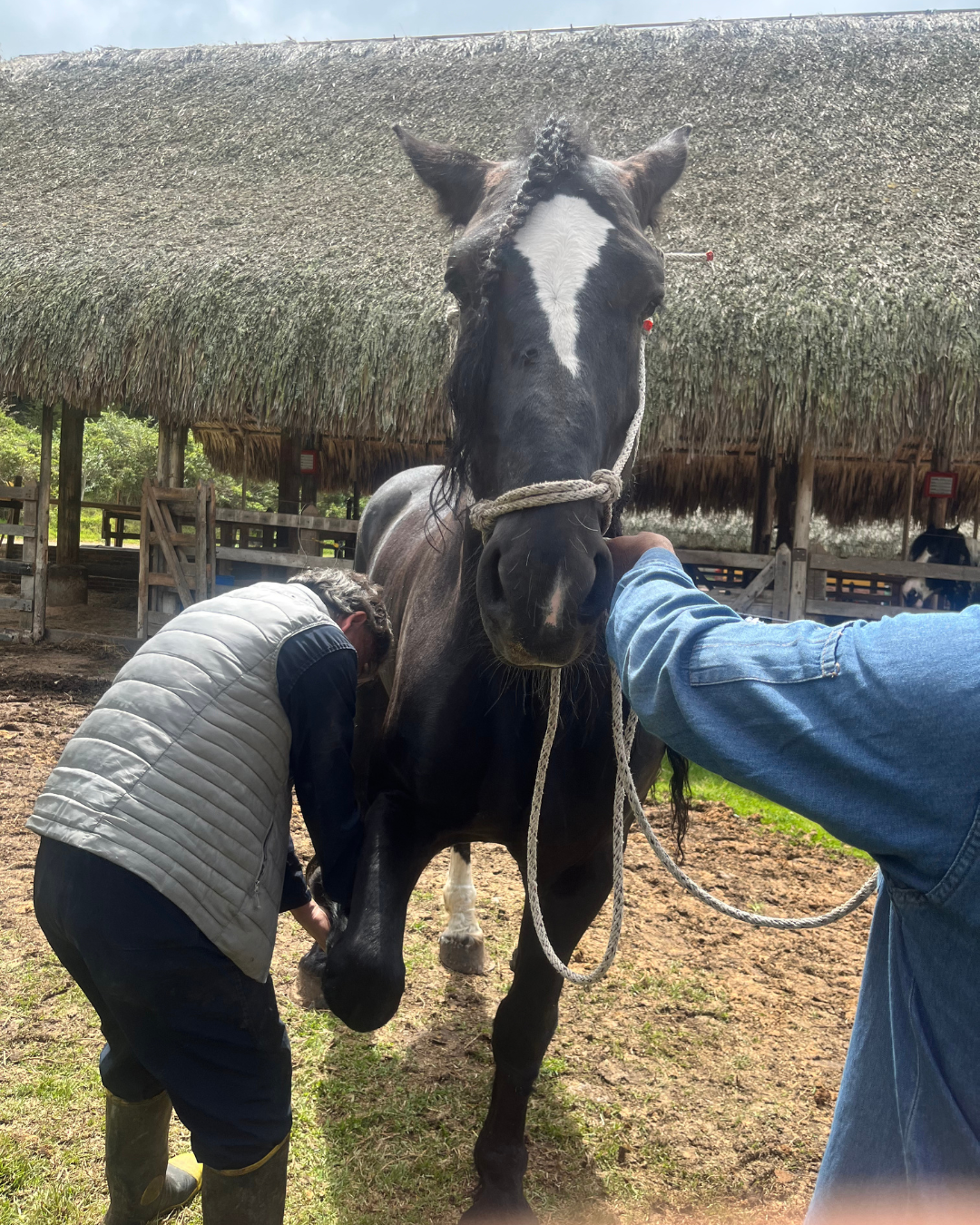
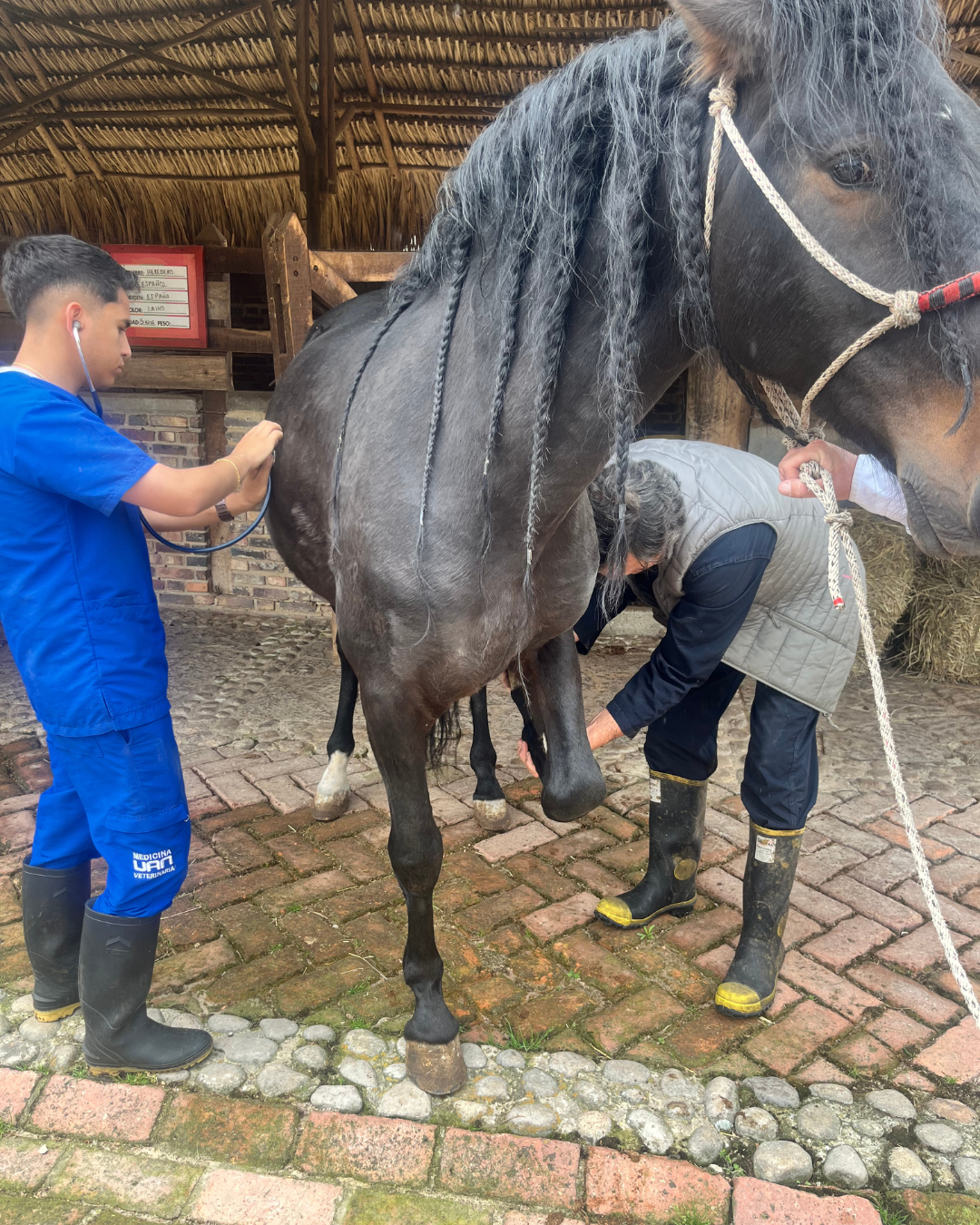
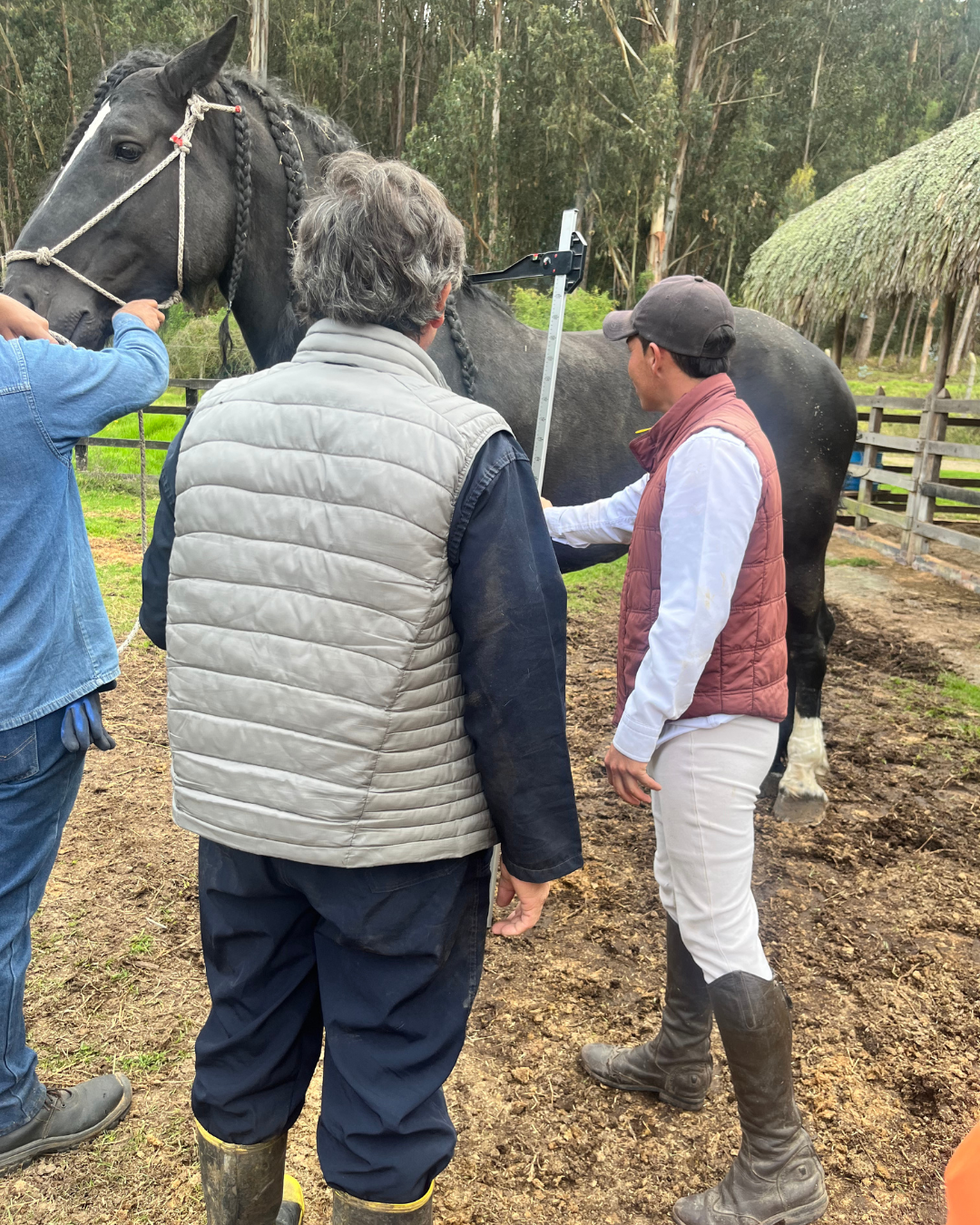
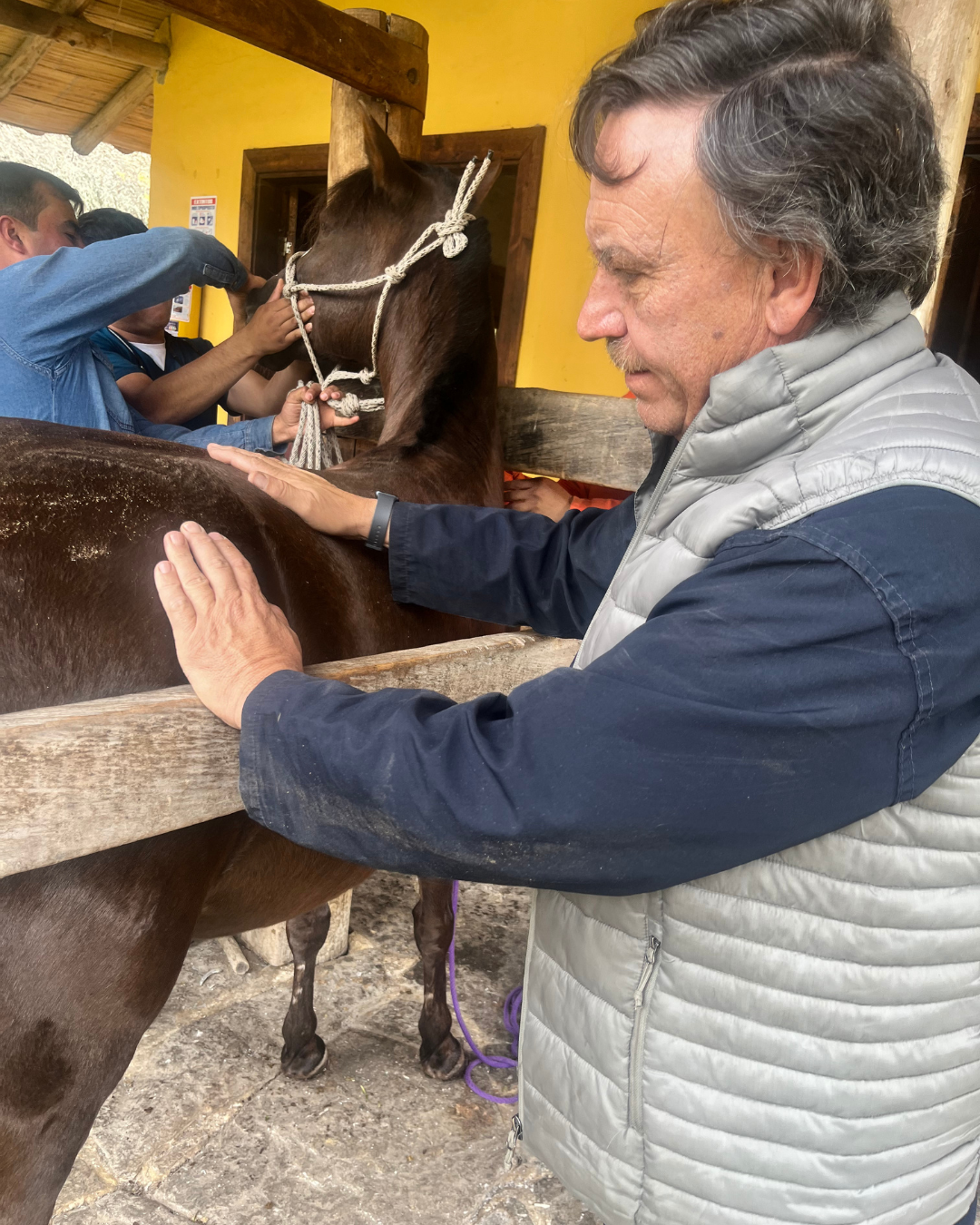
This mobile clinic was conducted at a recreational horse-riding facility in Tocancipá. The establishment maintains a herd of show horses used for equestrian exhibitions and recreational riding services. While the animals presented with excellent external aesthetics (coat condition, hoof care, and general body condition), significant deficiencies were identified in non-visible welfare parameters, particularly dental health, stall management, and tack ergonomics.
Team Composition
- Lead Veterinarian: Dr. Carlos Mario Jaramillo
- Support: Veterinary students from Universidad Antonio Nariño.
- Scope of Work: Comprehensive welfare evaluation and targeted interventions.
Population Assessed
- Equines Examined: 60 horses and mares, plus 12 donkeys.
- Age Range: 2–13 years (mean age ~7 years).
- Primary Use: Show horses and recreational riding rentals.
Key Findings
1. General Condition:
- Body condition scores (BCS) ranged from 4/5 to 5/5, with most animals in good to excellent condition.
- Older equines showed mild decline in musculoskeletal tone.
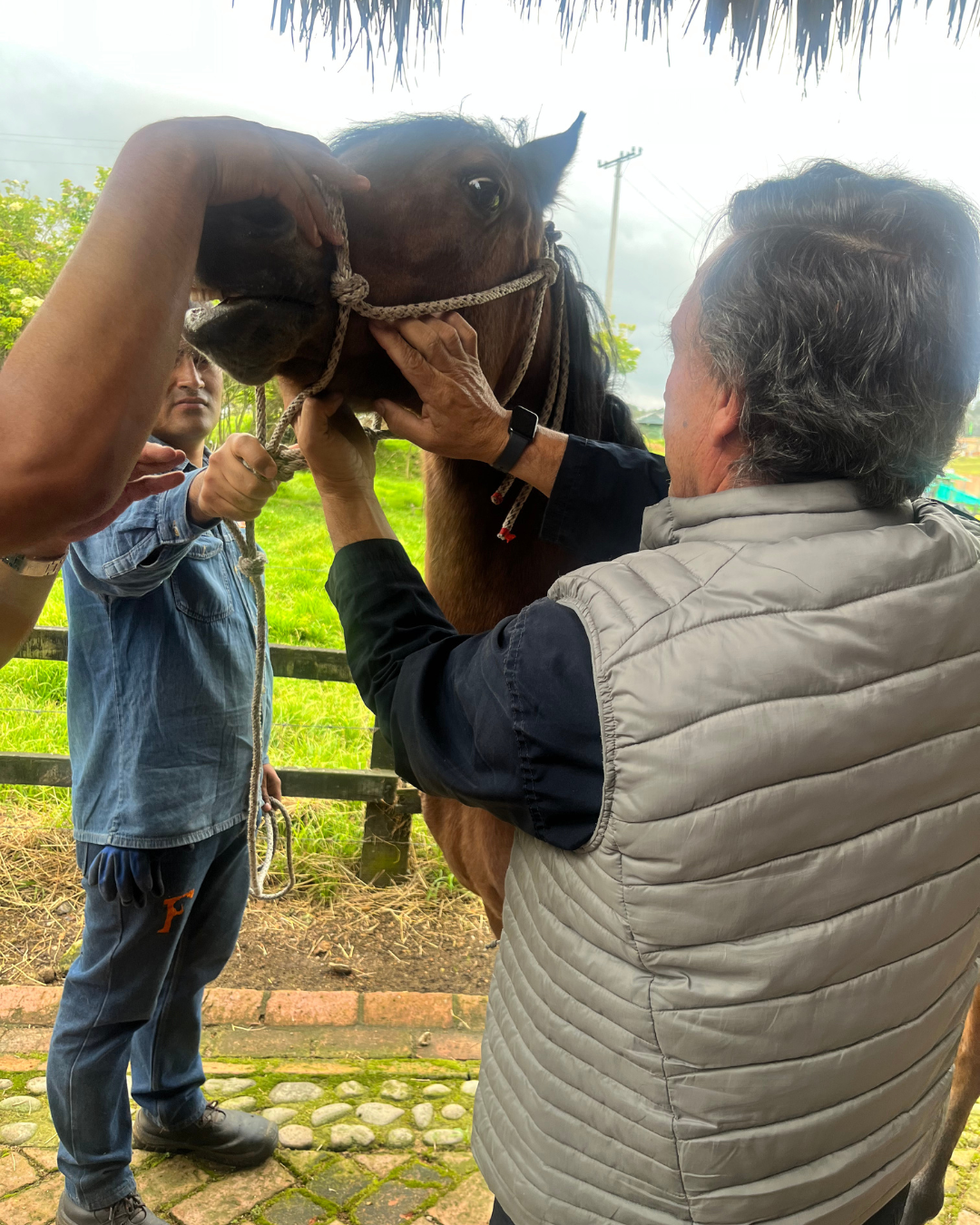
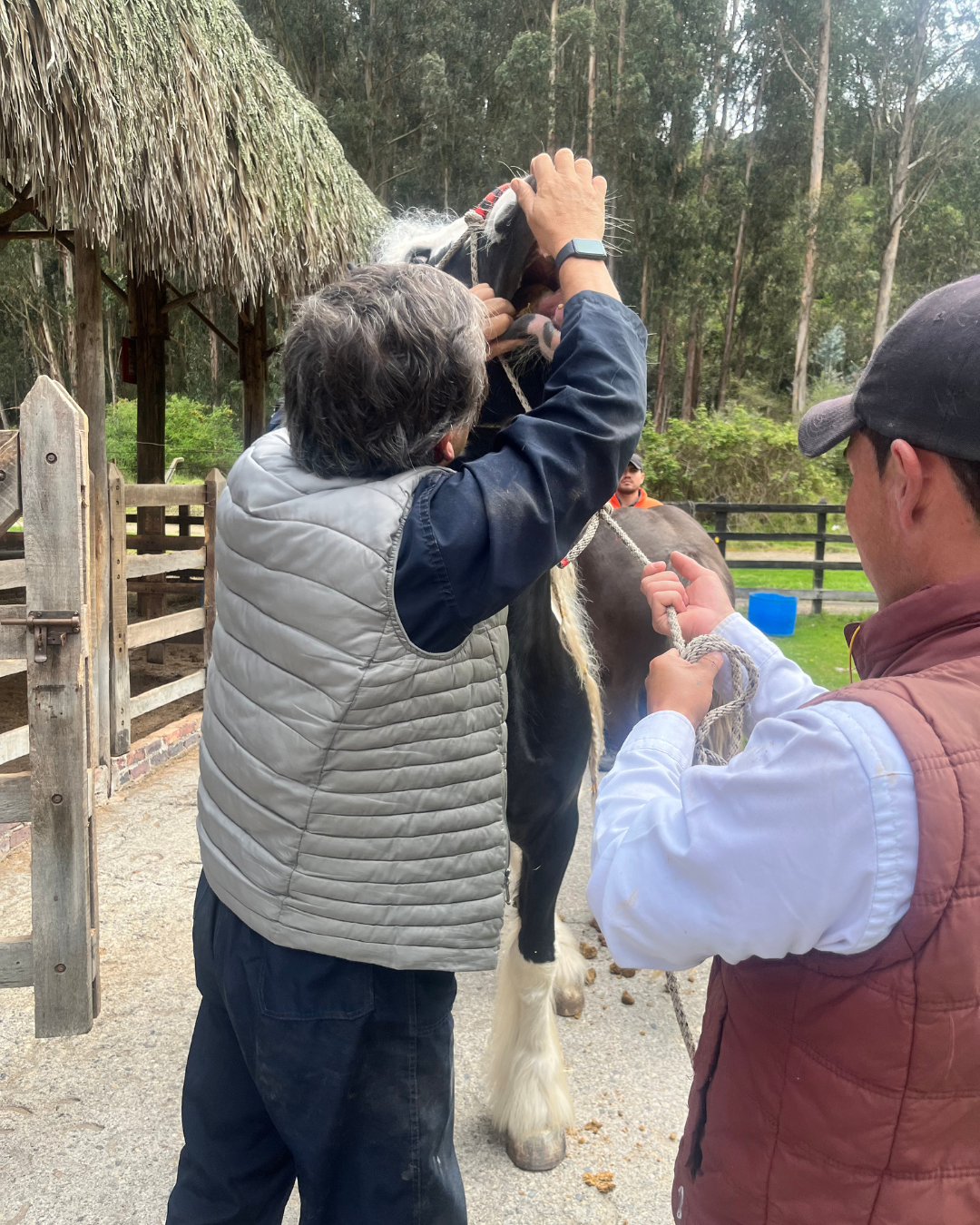
2. Dental Health:
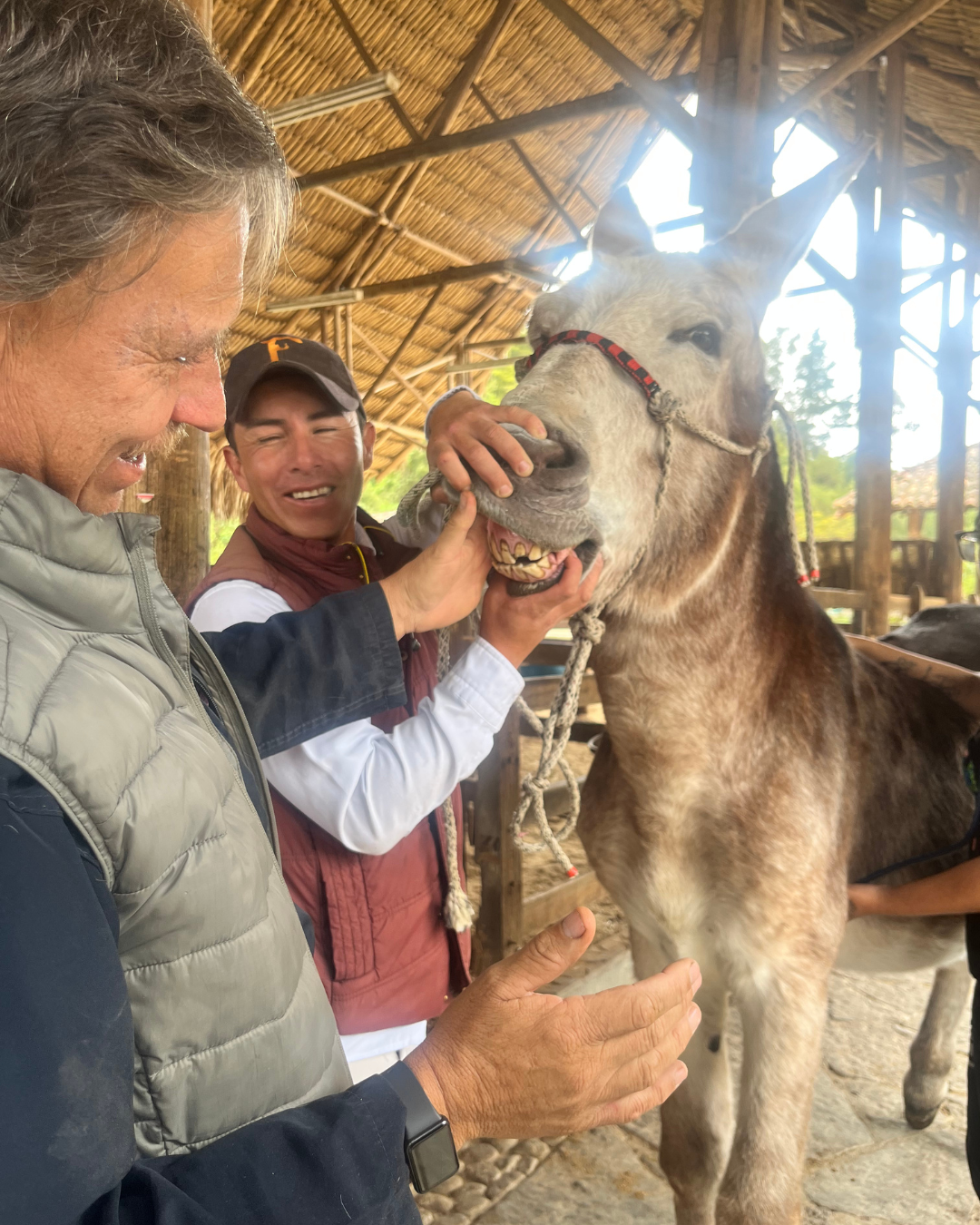
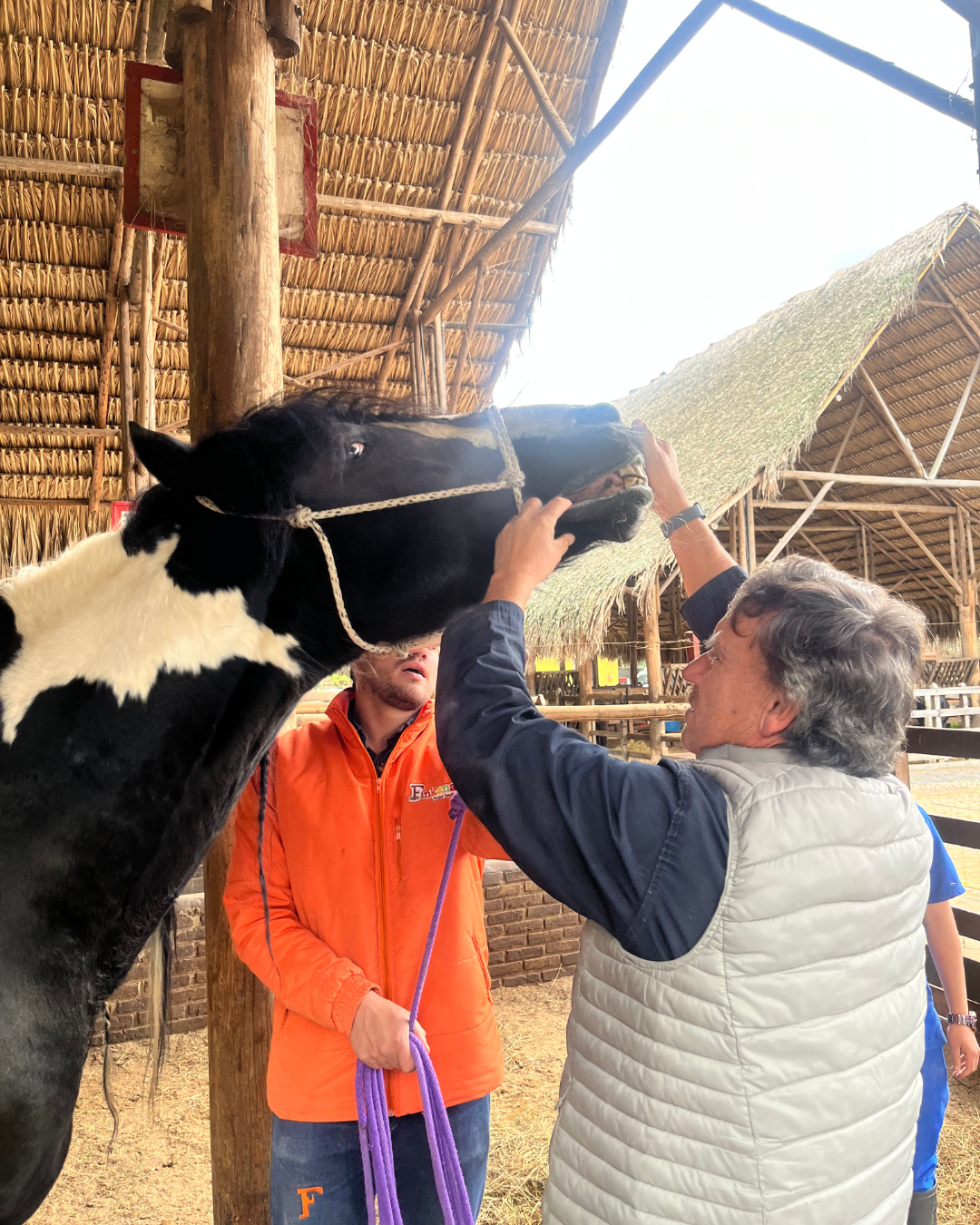
- Universal poor dentition observed across the herd.
- Pathologies included sharp enamel points, wave mouth, step mouth, and advanced periodontal disease in select cases.
- Several animals presented with severe malocclusion requiring surgical intervention, which could not be performed due to lack of specialized equipment, which we do not have.
3. Housing & Bedding:
- Stall bedding was inadequate, with insufficient depth and poor absorbency.
- Increased risk of hoof thrush, respiratory irritation, and musculoskeletal discomfort noted.
4. Tack & Equipment:
- Bridles and bits in use were non-ergonomic and potentially injurious to oral soft tissues.
- Recommendations for anatomically designed, pressure-distributing tack were provided.
Interventions Performed
- Dental Care:
- Essential floating and corrective procedures performed on 28 horses and 5 donkeys.
- Analgesia and sedation protocols applied as needed.
- Follow-up visit scheduled for advanced cases requiring corrective occlusion wherever possible (based on the equipment we have).
- Recommendations Issued:
- Transition to friendlier bridles and bits to reduce oral trauma.
- Upgrade stall bedding to improve hygiene and comfort.
- Establish preventive dental care program with biannual evaluations.
Conclusions
While the herd presents well externally, critical welfare deficits exist in areas not immediately visible to the public/the operation’s clients. Dental neglect, poor stall management, and suboptimal tack design compromise long-term health and performance. The facility demonstrated openness to veterinary input, and a collaborative relationship has been established for ongoing monitoring and intervention.
With your ongoing and invaluable support, the Namigni team will continue to reach many working equines in Colombia, and to greatly improve their welfare.