Improving Quality of Life for Horses & Bullocks in India
The team at Action for Protection of Wild Animals (APOWA) provided veterinary care for 101 working bullocks and horses last month. Thanks to your generous support, they also distributed essential first-aid kits and educated owners on animal care and welfare.
Read their latest report to see your donations at work for animals in India:
Summary
In November, 101 working animals - especially bullocks and horses - were treated in APOWA’s mobile clinic. We focused on addressing common issues such as injuries, infections, and malnutrition, ensuring the animals' long-term wellbeing.
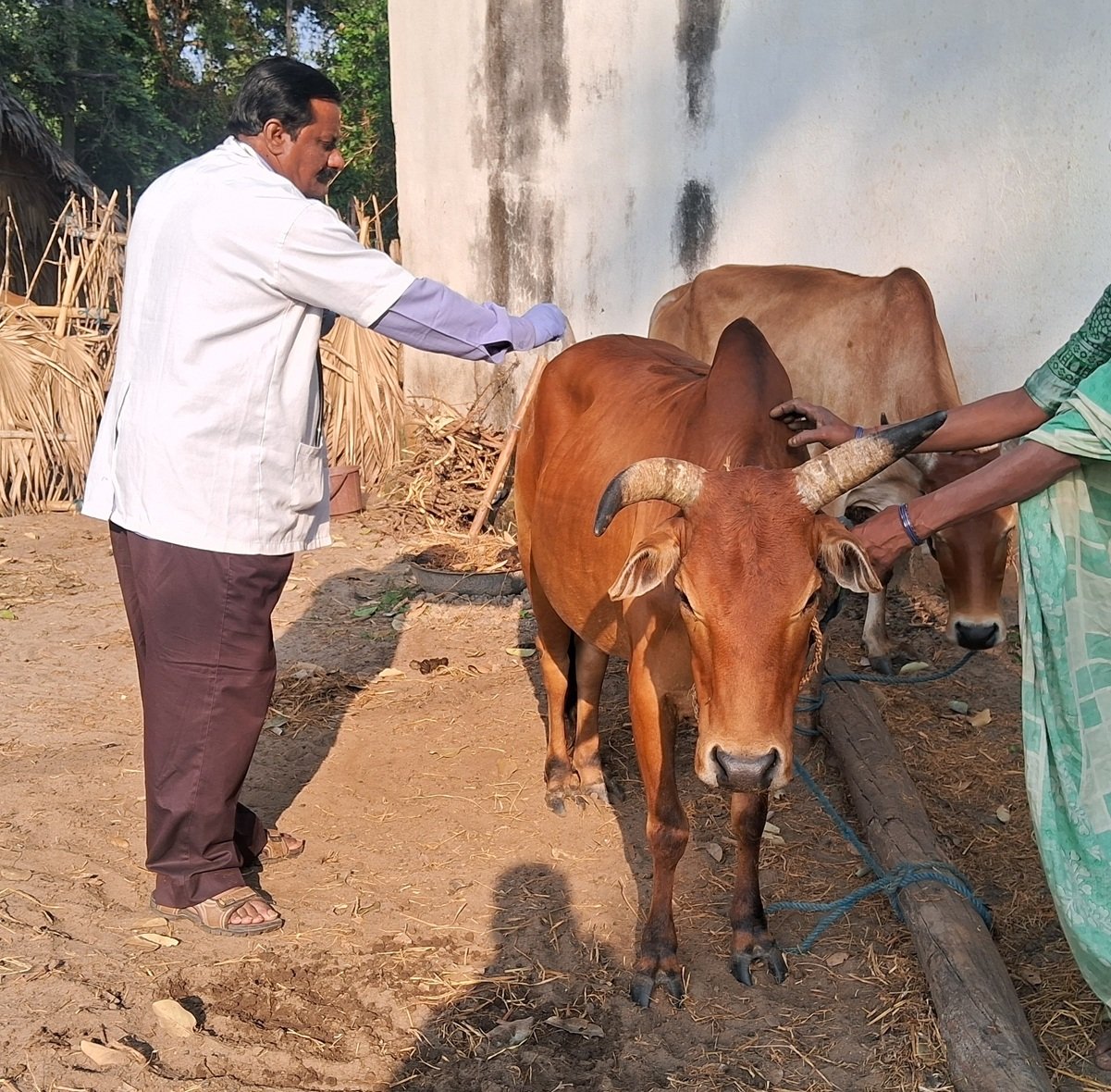
Additionally, we provided preventive care, including vaccinations and regular check-ups, to minimise future health risks and enhance the animals' quality of life.
We also educated animal owners on proper care and management practices, emphasising the importance of nutrition, hygiene, and early detection of health issues. This holistic approach not only improved the animals’ health but also strengthened the bond between owners and their animals, fostering a more sustainable and compassionate working environment.
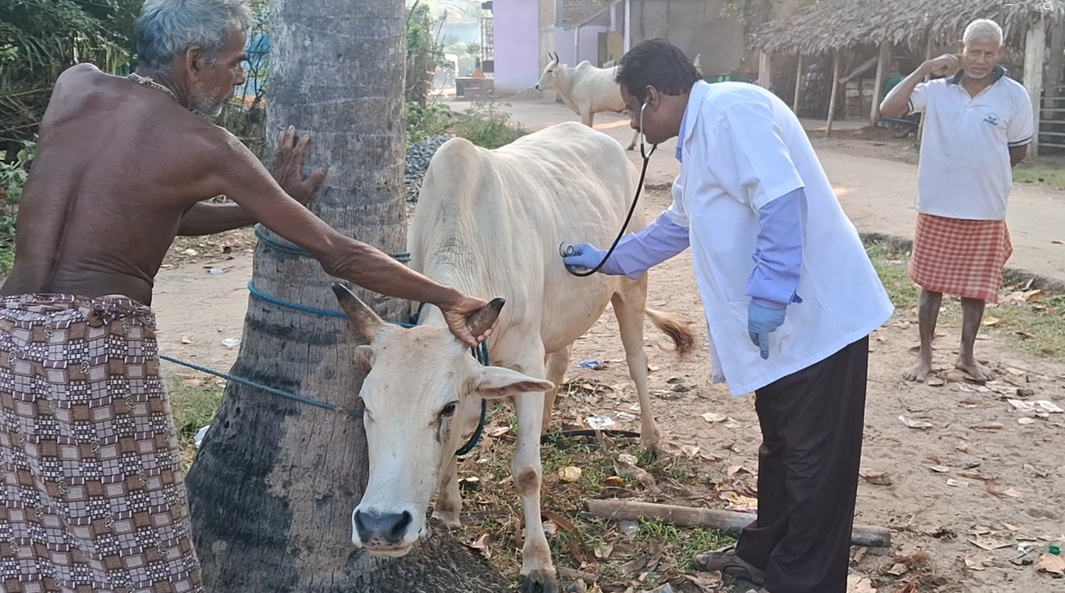
Mobile Vet Clinic
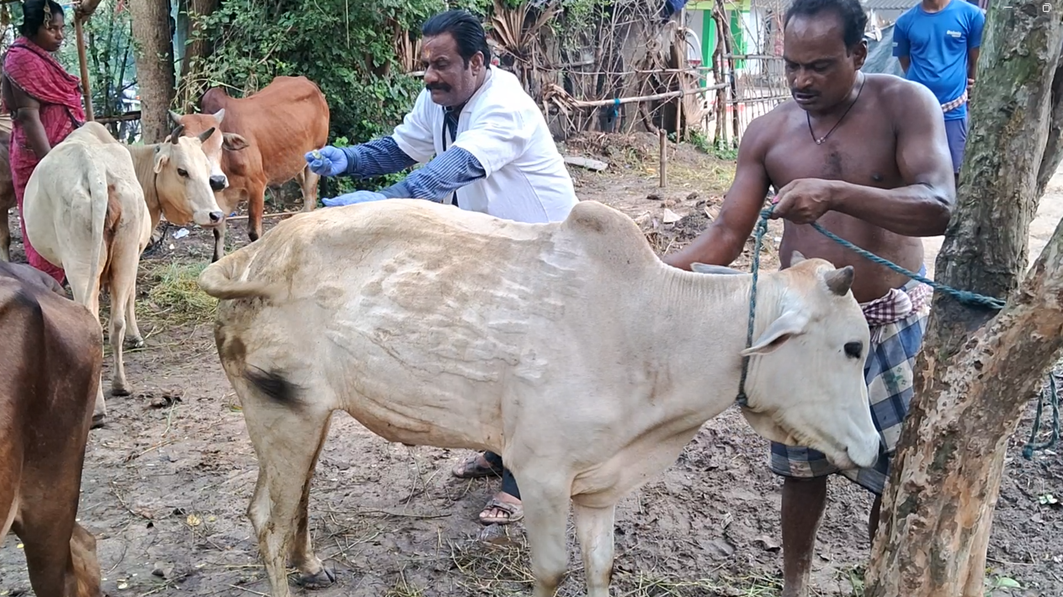
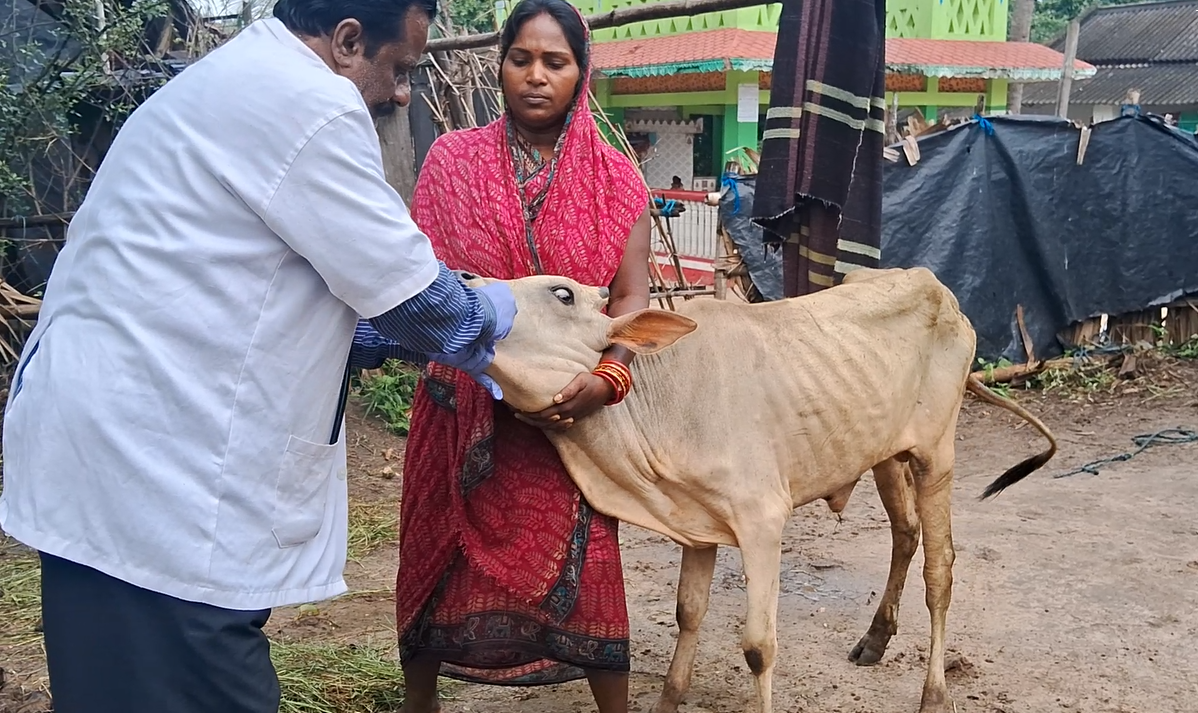
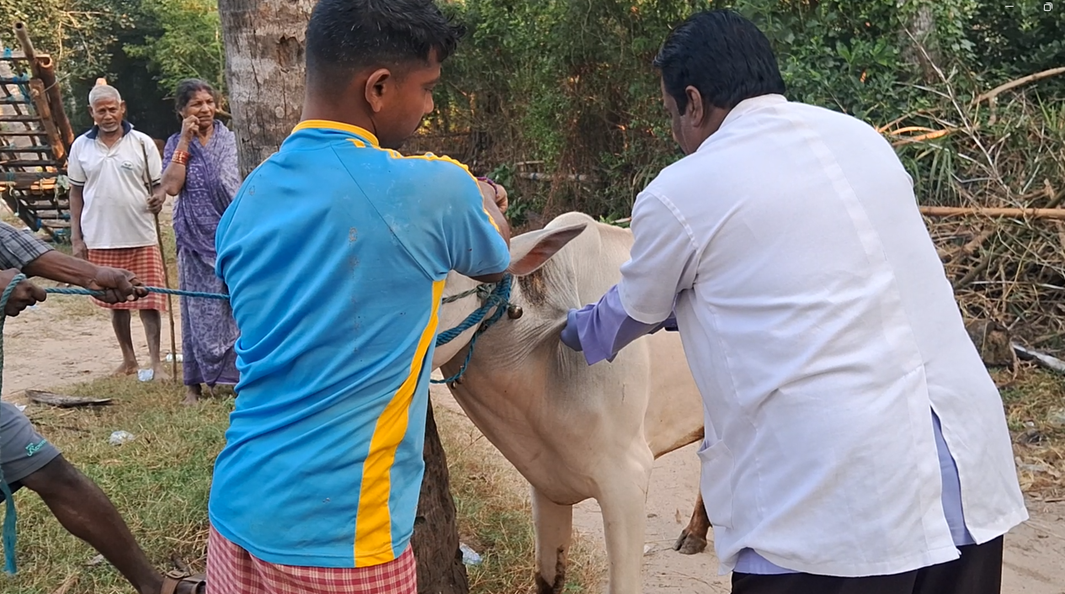
The mobile veterinary clinic provided essential health services to 101 working animals in November. In addition to treating fevers, respiratory illnesses, digestive issues, wounds, infections, diarrhoea, skin conditions and cases of malnutrition, the veterinarians also addressed other issues effectively. This care has significantly improved the health and wellbeing of these animals.
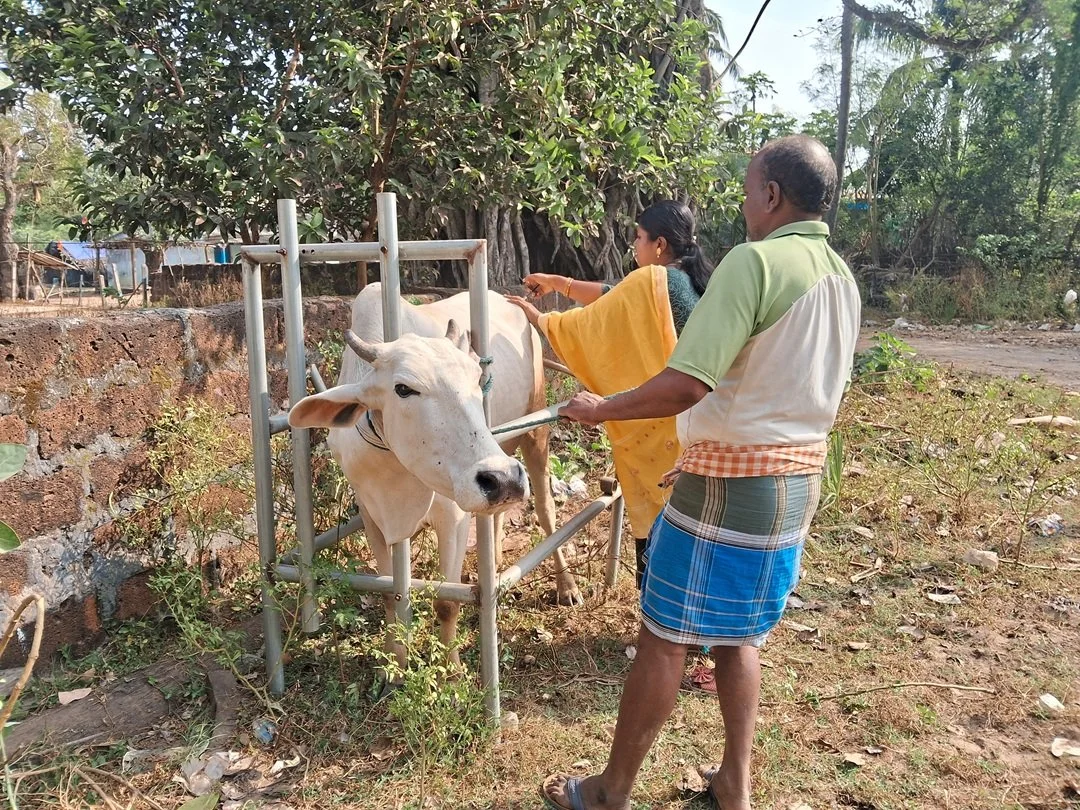
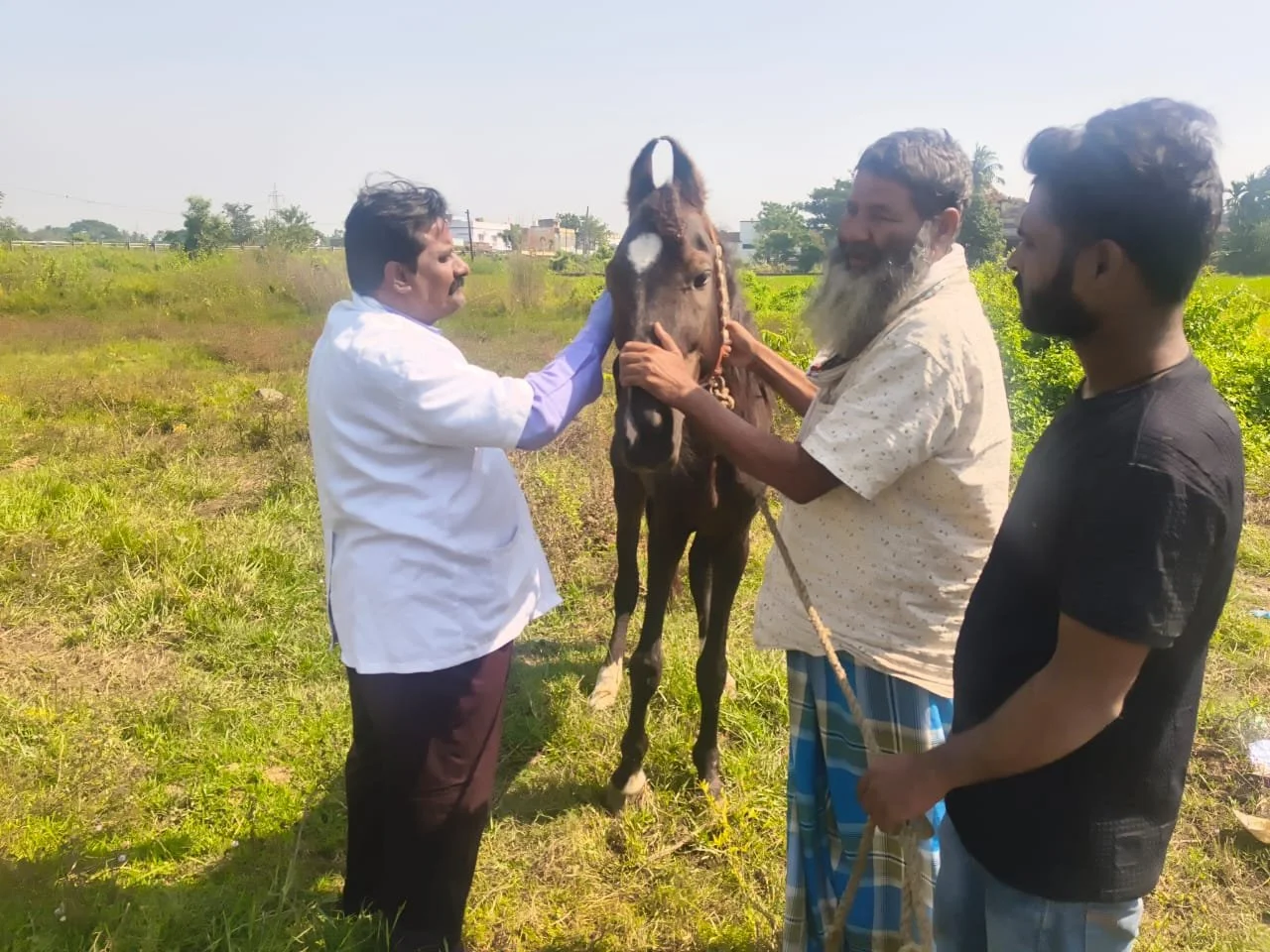
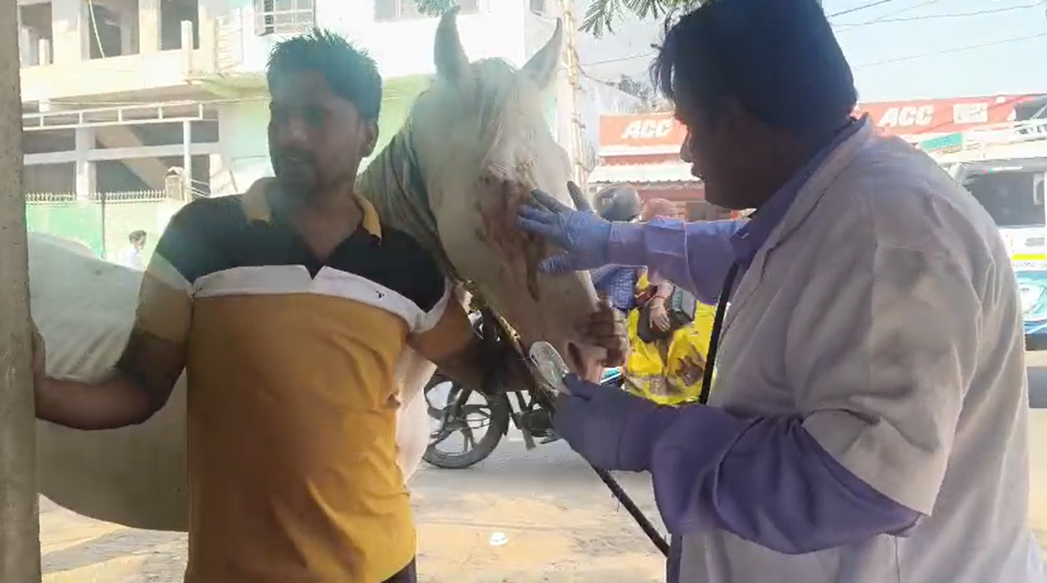
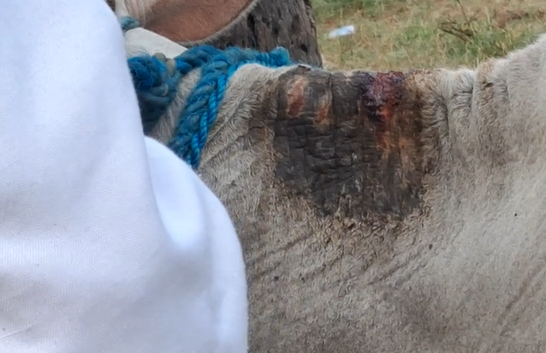
Recently, 407 animals were also vaccinated against foot and mouth disease to strengthen disease prevention.
Helpline Service
During November, 24 animal owners received support through APOWA’s helpline service. This service offered timely veterinary advice and guidance to help prevent potential health issues.
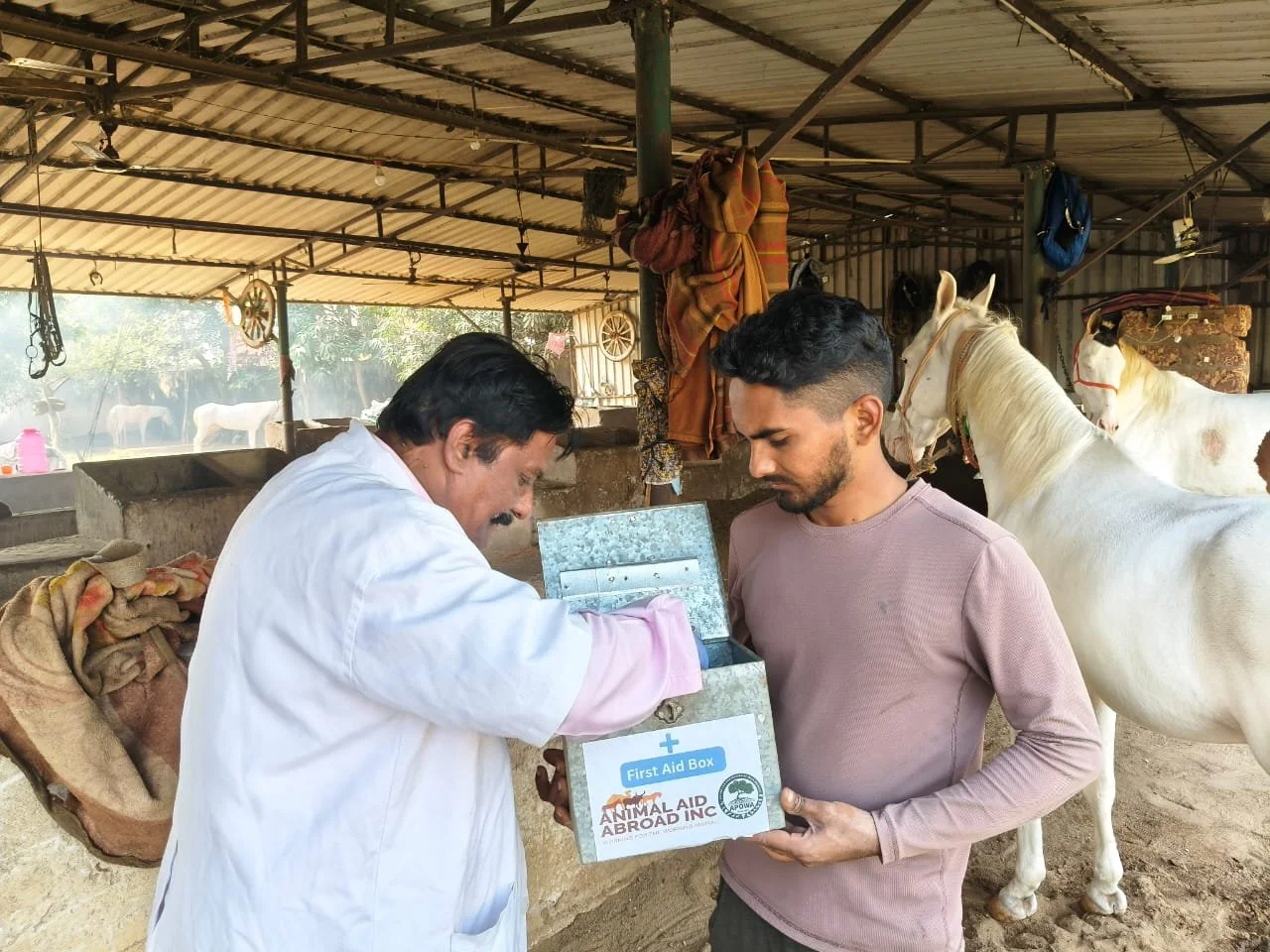
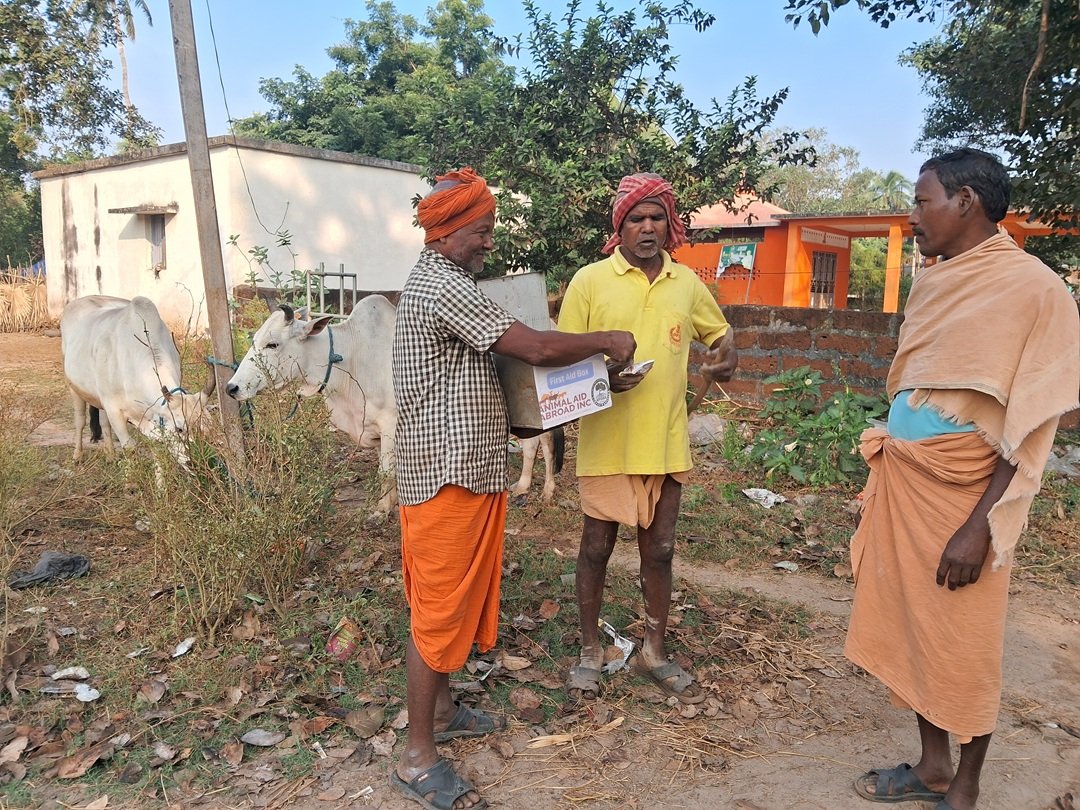
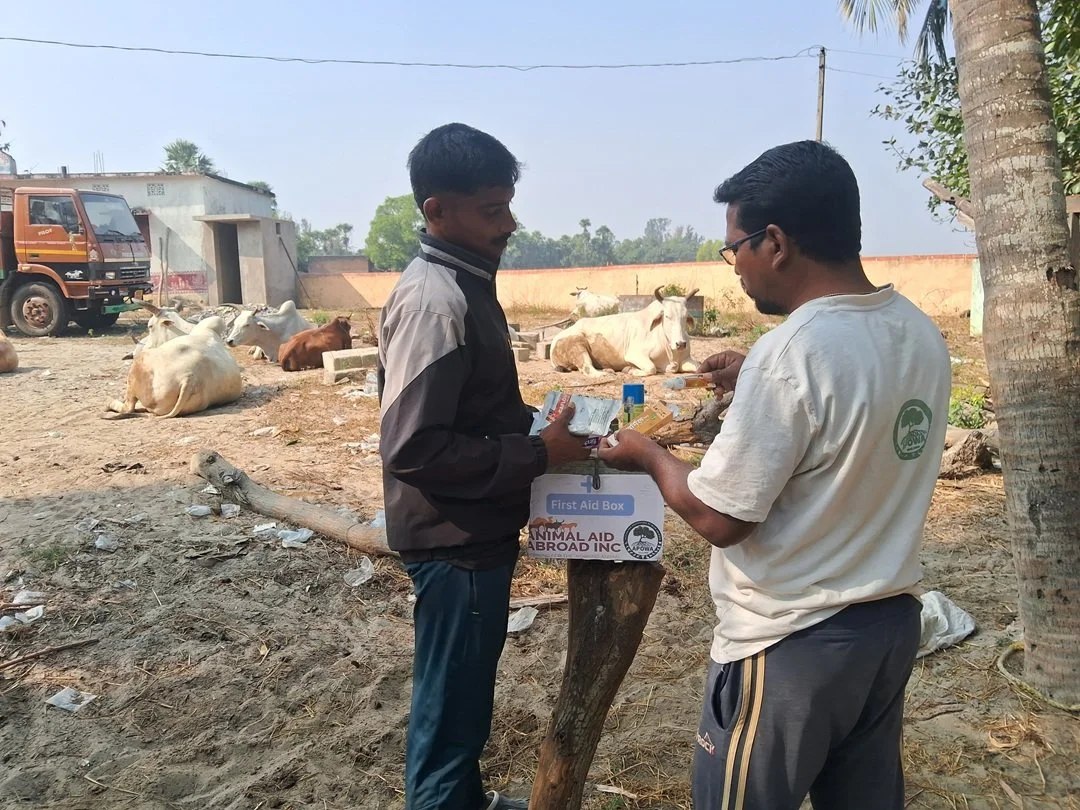
First Aid Kits
Thirty-four bullocks and horses received first-aid care from trained responders in the community. These timely interventions addressed immediate health concerns and helped prevent more serious conditions from developing.
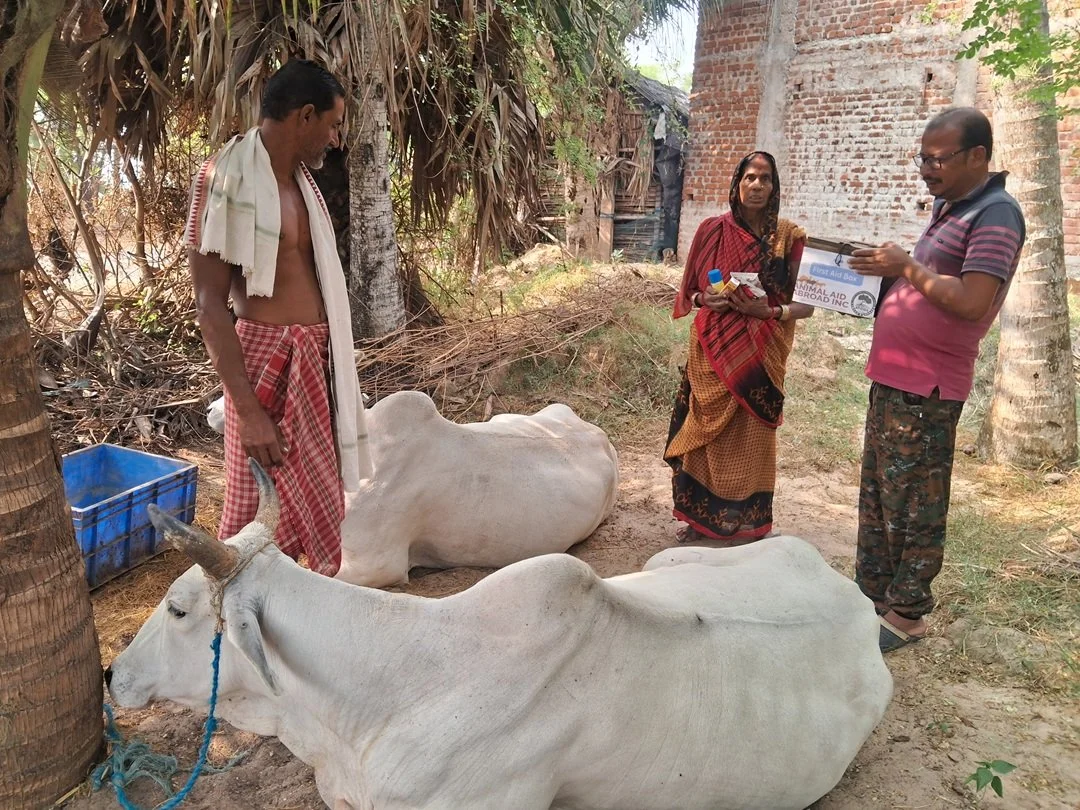
Training Workshops
Thirty-two animal owners participated in training, which enhanced their knowledge of animal health, welfare and best husbandry practices. As part of the session, we discussed avoiding traditional methods of treating animals and promoting humane, science-based approaches.
As part of their guidance, the APOWA team advised owners on how to protect their animals from weather-related risks. These included providing winter-related animal management tips, highlighting the importance of nutrition, hygiene, and early detection of health issues.
Follow Up Care
Last month, the team conducted follow-up visits for 29 animals to monitor their recovery and overall health following previous treatments. These visits enabled the team to evaluate treatment outcomes, address emerging health concerns and adjust care plans where necessary.
The veterinary team also conducted follow-up visits for 26 animals to assess their condition post-vaccination and monitor any adverse reactions. All the animals were in good health.
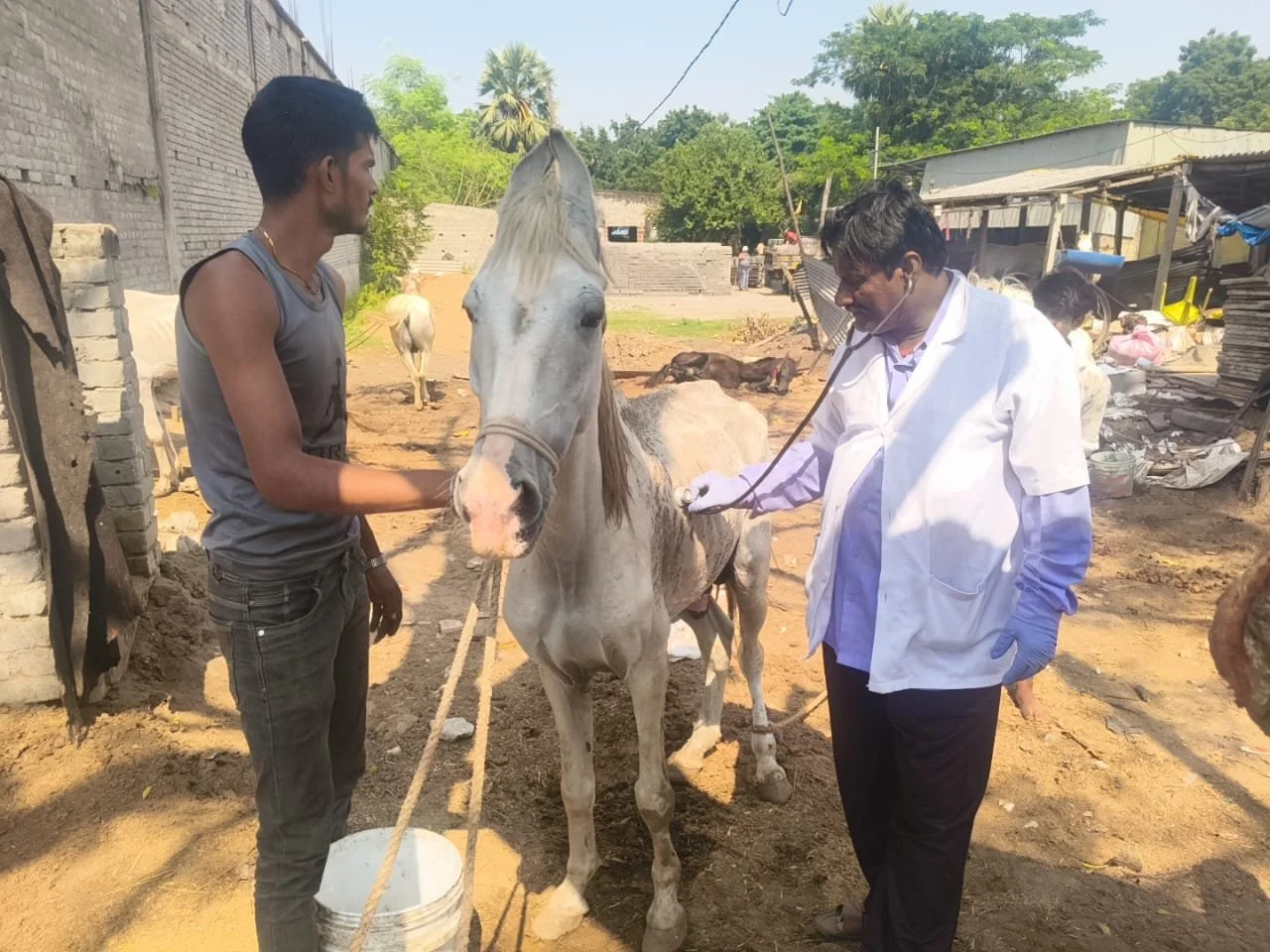
With you by their side, APOWA will continue to provide essential care for India’s working horses and bullocks, and improve the quality of their lives.