Offering Comfort, Dignity and Quality of Life for Working Equines in Colombia
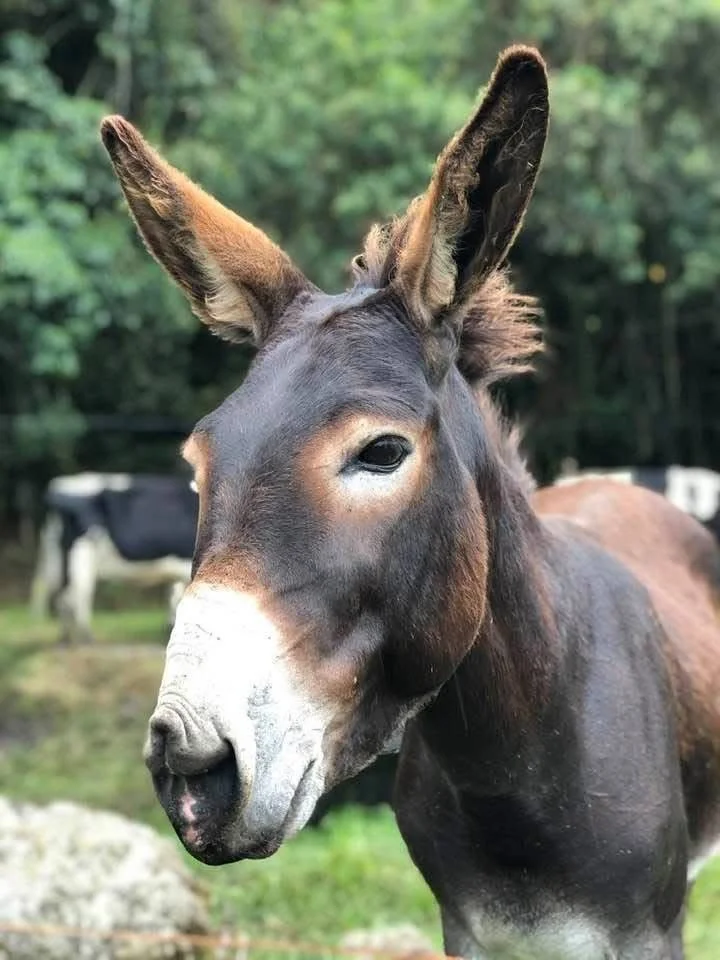
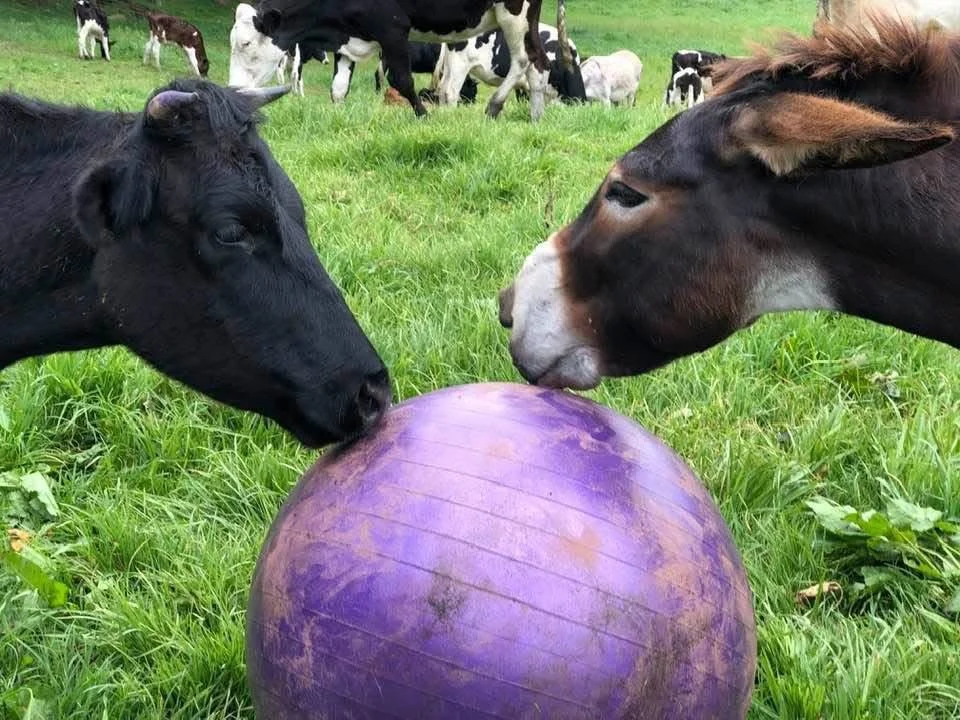
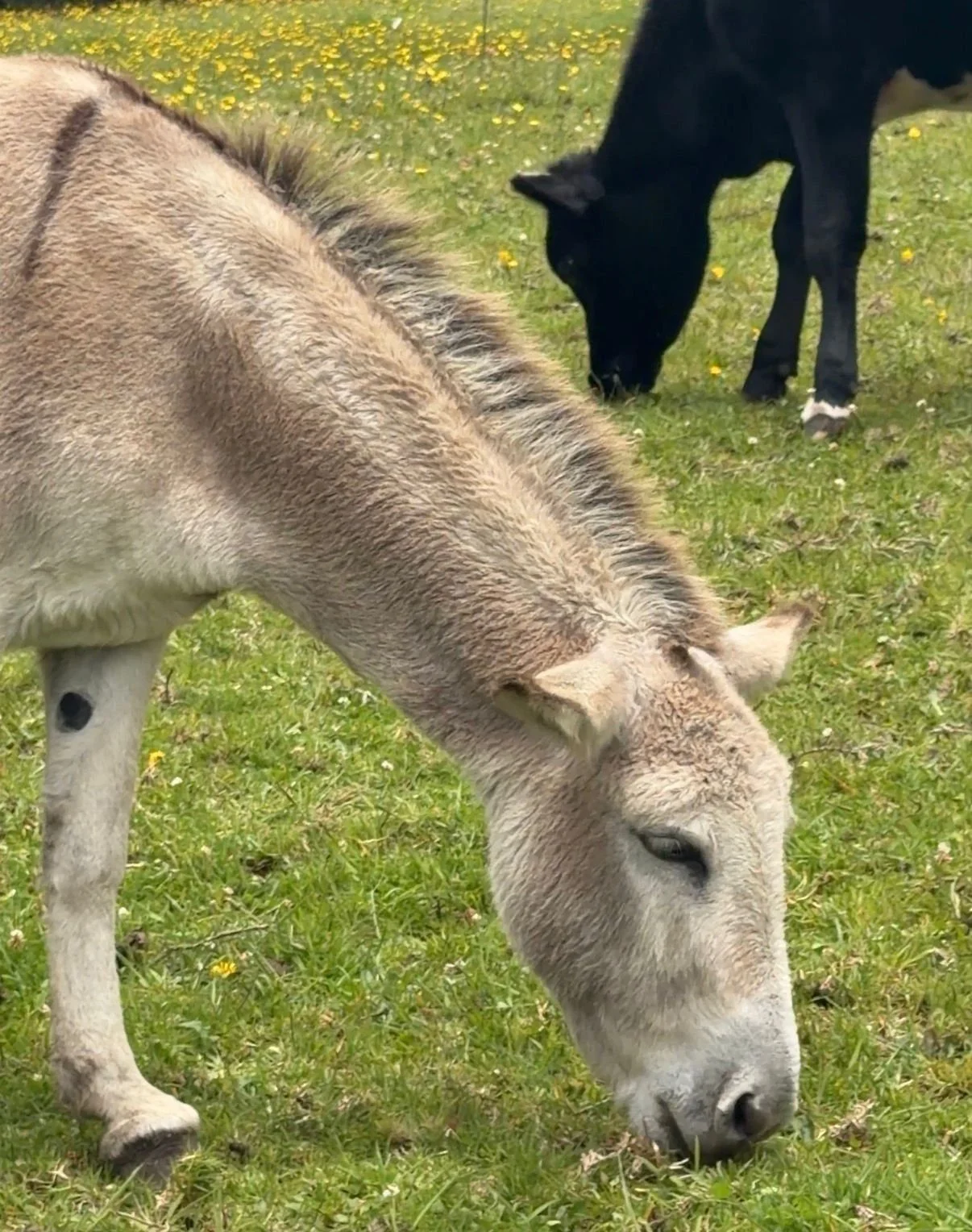
At Namigni Animal Sanctuary in Colombia, the veterinary team successfully treated several equines with complex conditions during May. Thanks to your support, they also continued providing excellent care for more than 20 rescued horses and donkeys, despite rising feed costs and challenging national conditions.
May Mobile Clinics – Northern Sabana de Bogotá
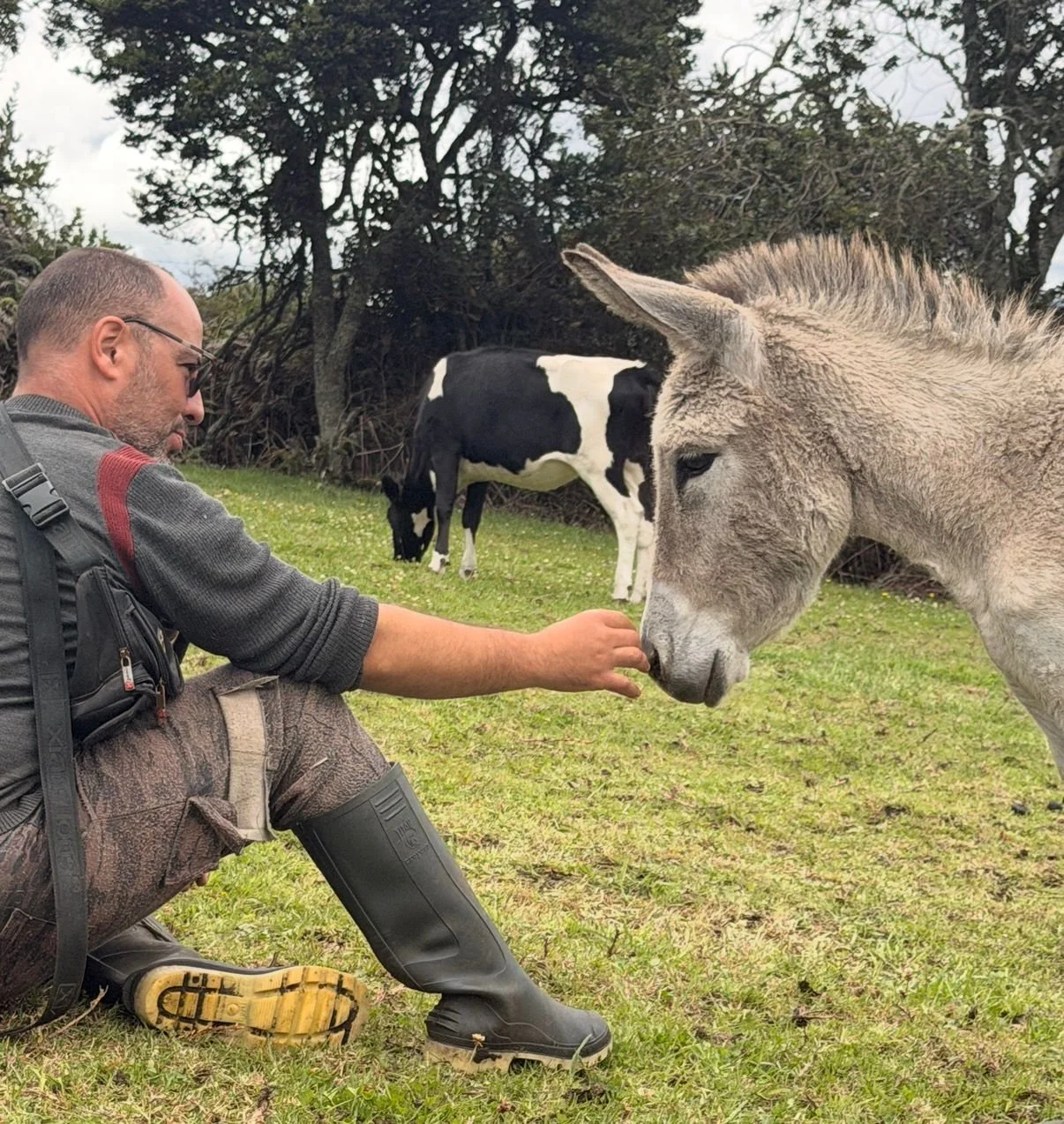
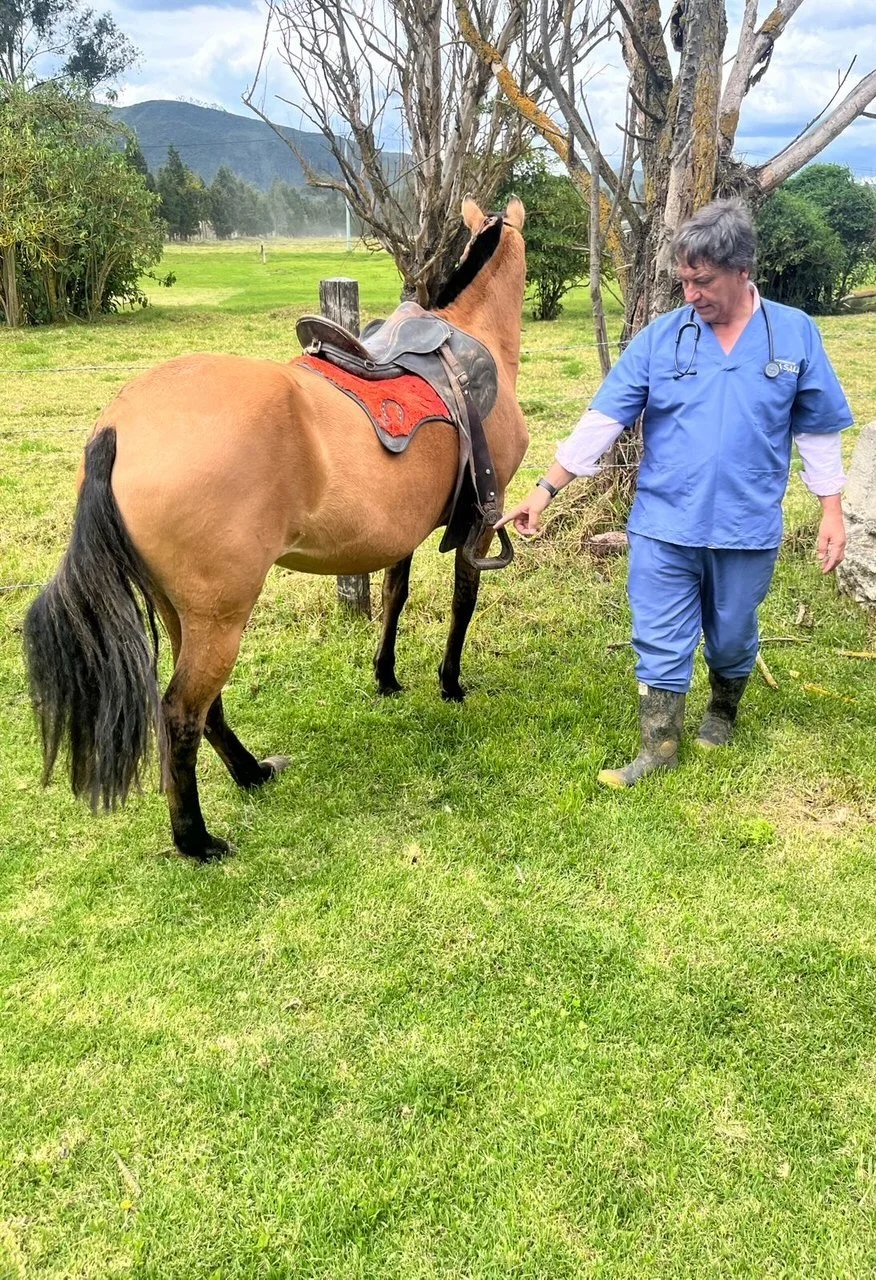
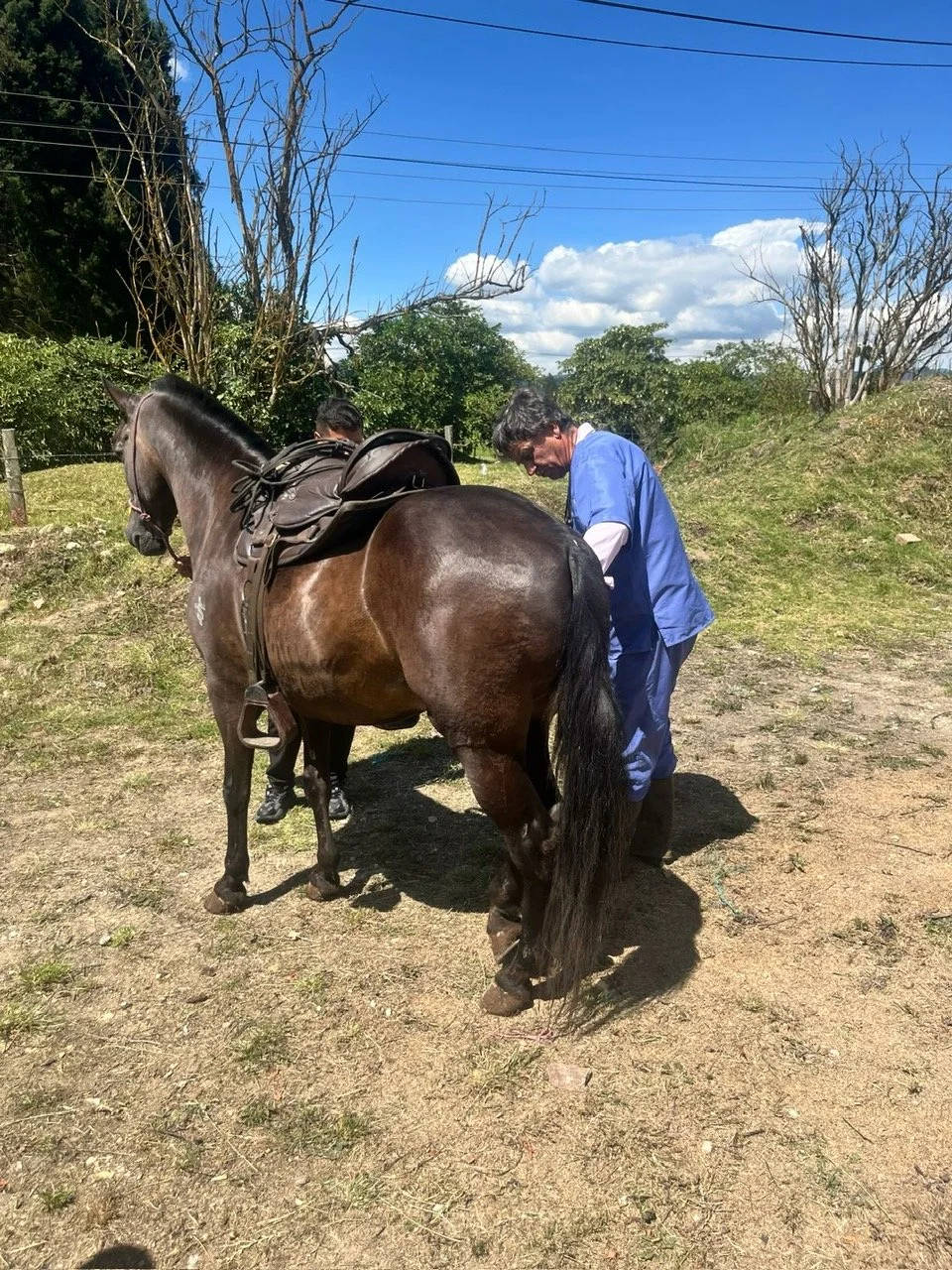
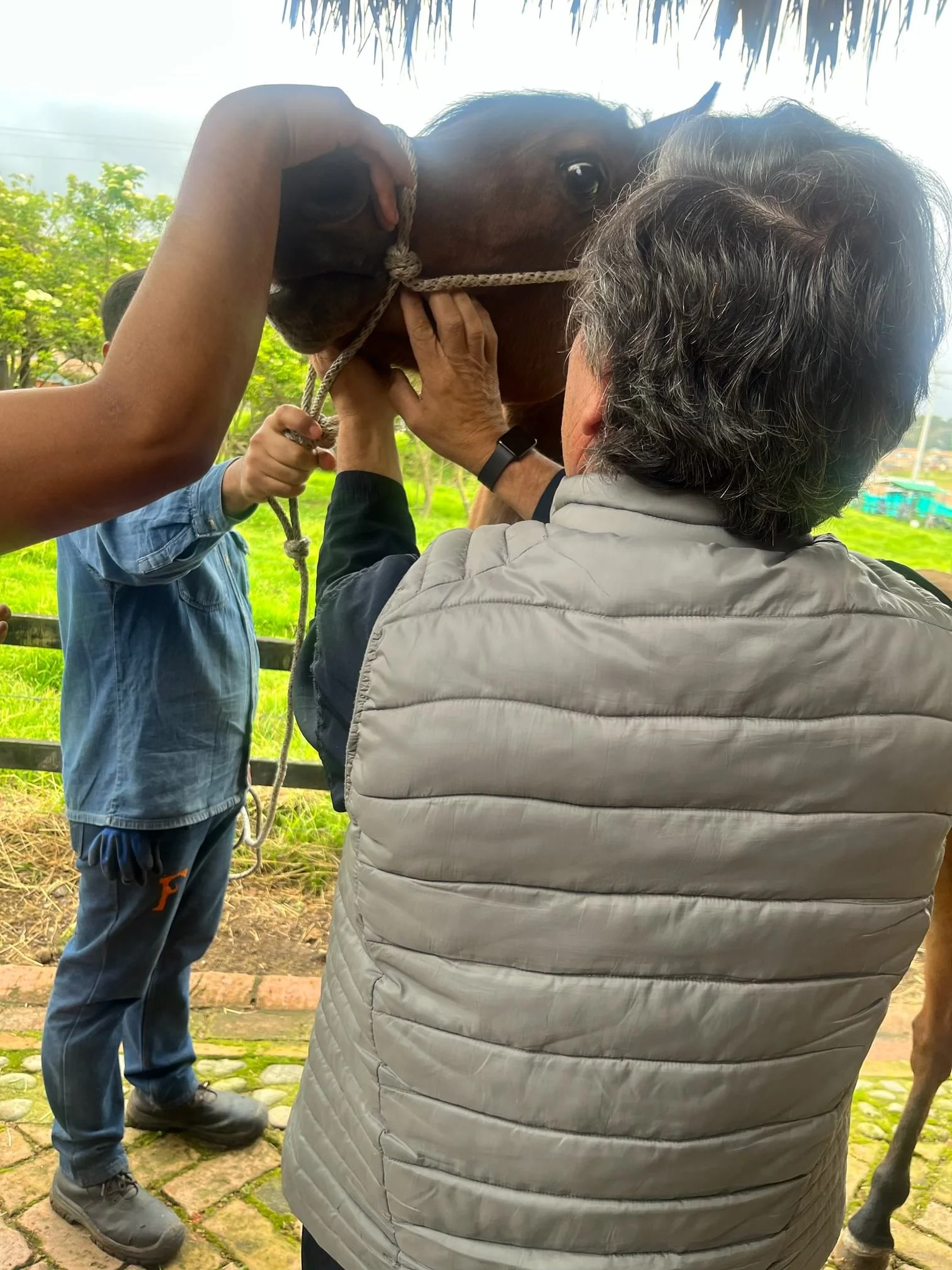
Led by Dr. Carlos Mario Jaramillo, the Namigni/AAA veterinary team carried out two mobile clinics in the Northern Sabana de Bogotá. These visits were initiated at the request of farm owners who had learned about our work and invited the team to examine their working equids.
In Colombia’s current political climate, where rural communities remain cautious ahead of national elections, these invitations were invaluable. They allowed AAA and Namigni to deliver lifesaving veterinary care while building trust with handlers and owners.
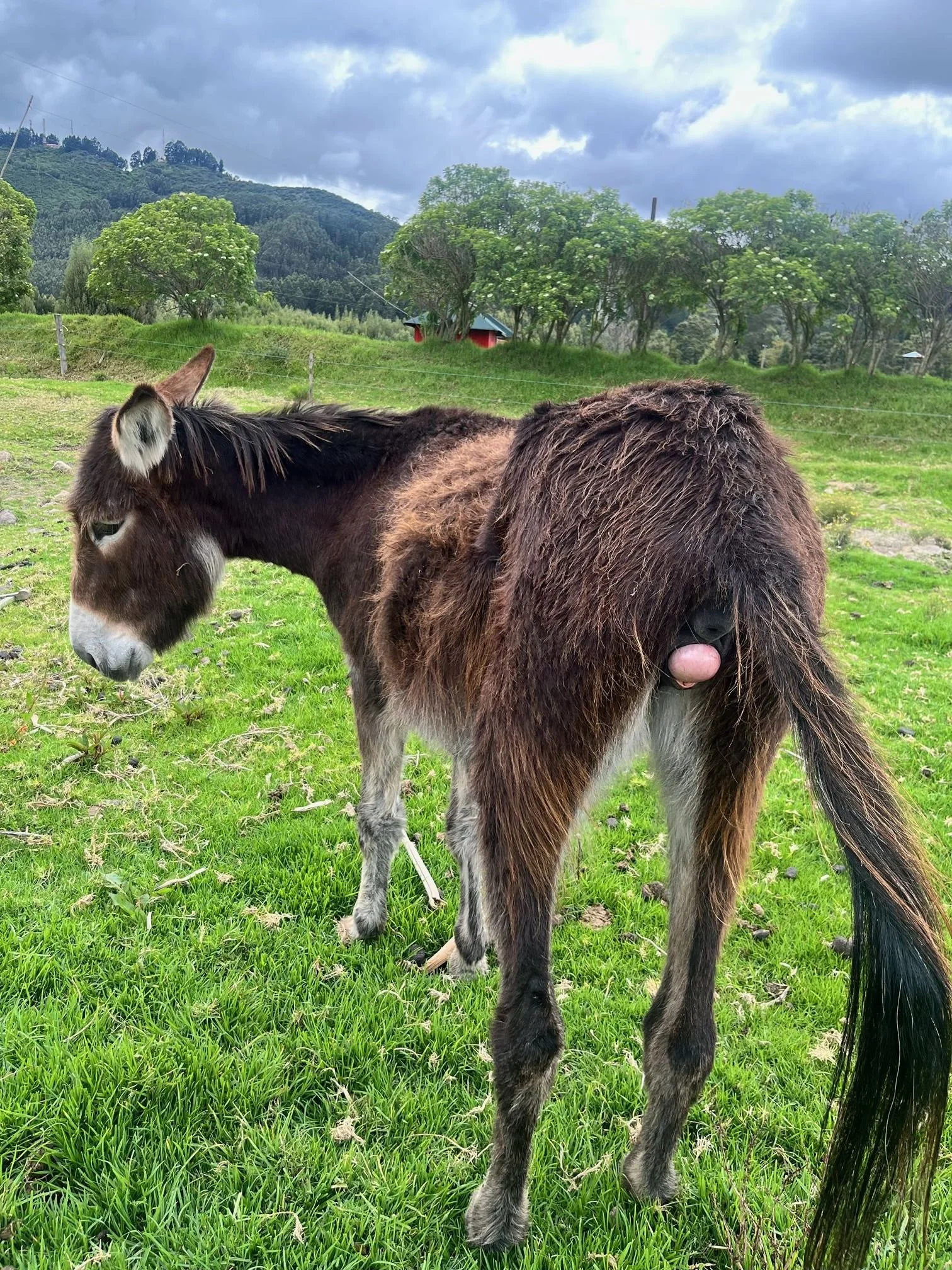
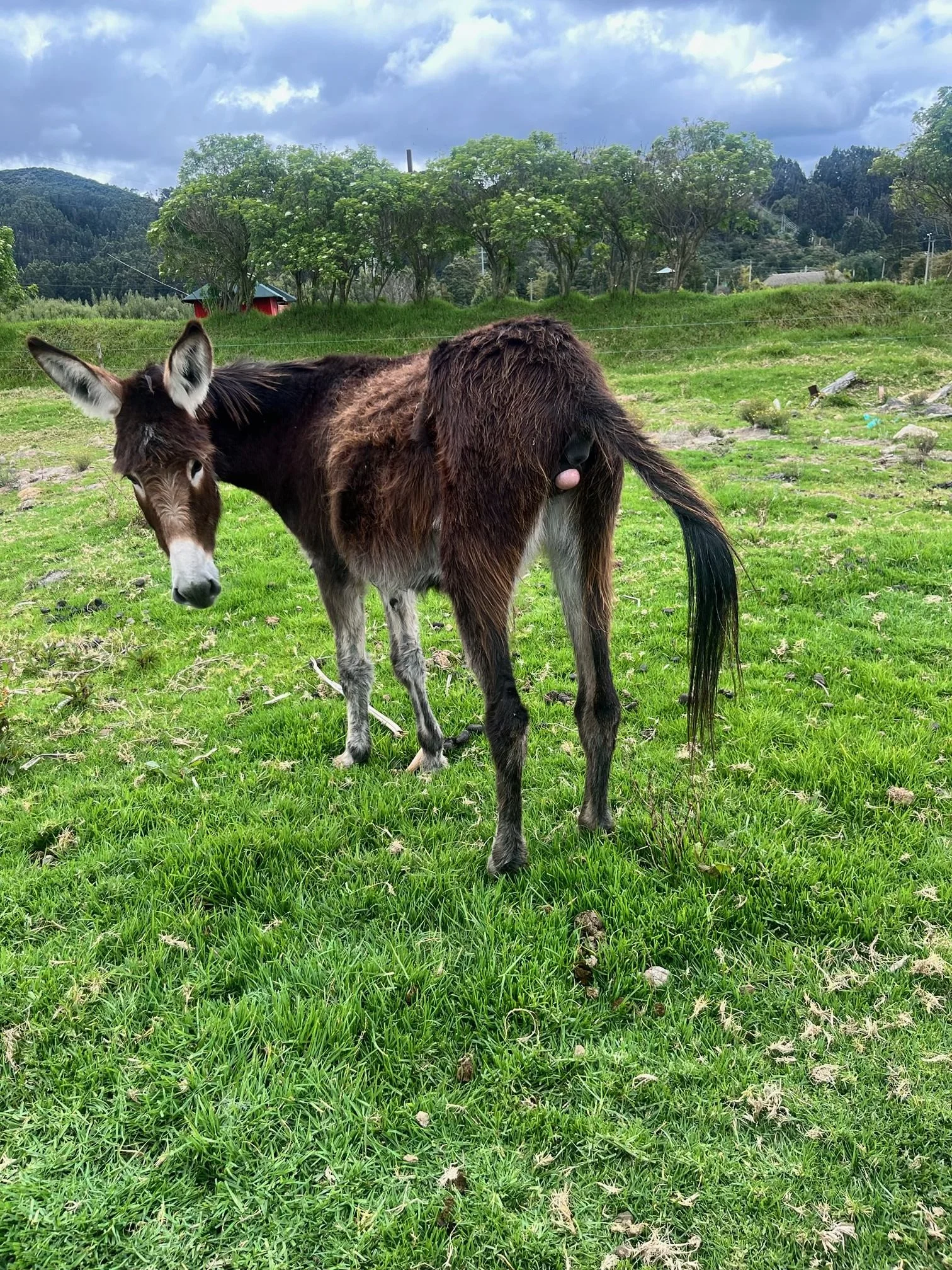
Case Highlight: Elderly Donkey with Genital Prolapse
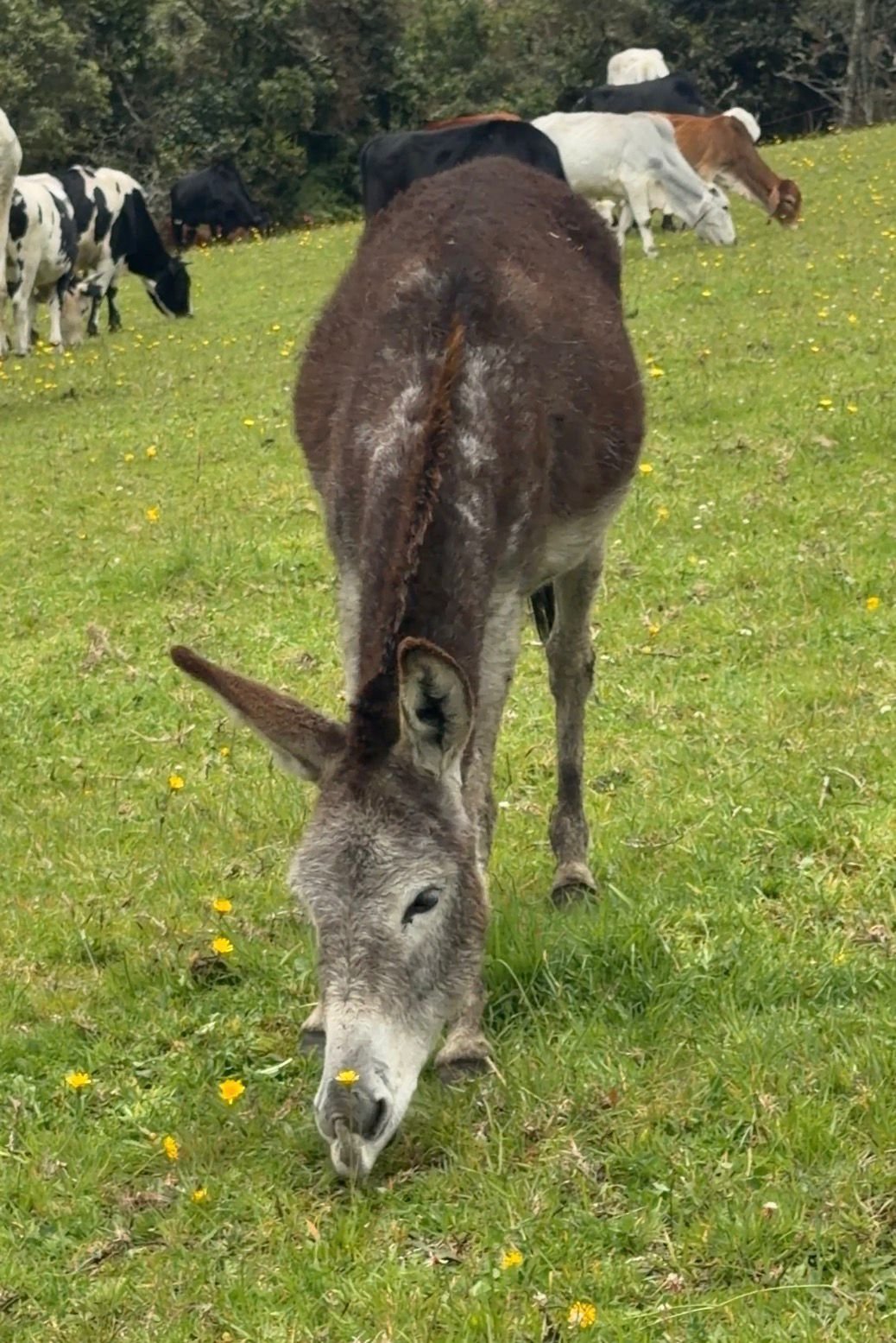
One of the most significant cases was an elderly female donkey suffering from a worsening genital prolapse. Given her advanced age and high anesthetic risk, surgery was ruled out. Instead, the team implemented conservative management:
- Sterile dressings to protect exposed tissue.
- Cold compresses and hypertonic agents to reduce swelling.
- Manual reduction under standing sedation.
- Retention sutures to maintain reduction while allowing urination.
- Anti‑inflammatory medication, antibiotics, and supportive care.
Her owner, who expressed genuine affection for her, committed to housing her in a quiet, padded environment. The intervention stabilized her condition, offering comfort, dignity, and improved quality of life.
Additional Cases
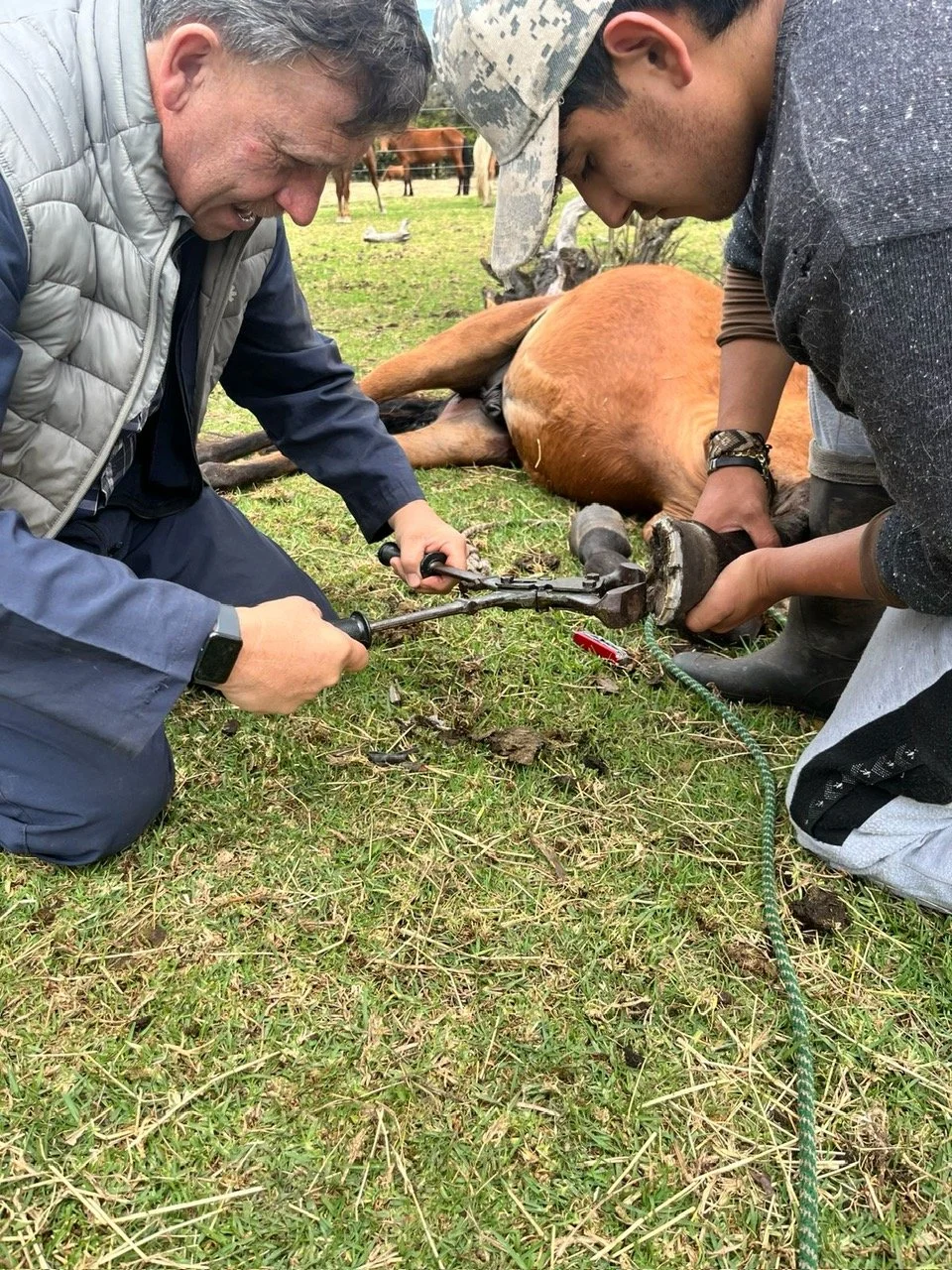
A two‑year‑old colt with severe hoof neglect received corrective care, enabling him to stand and walk normally.
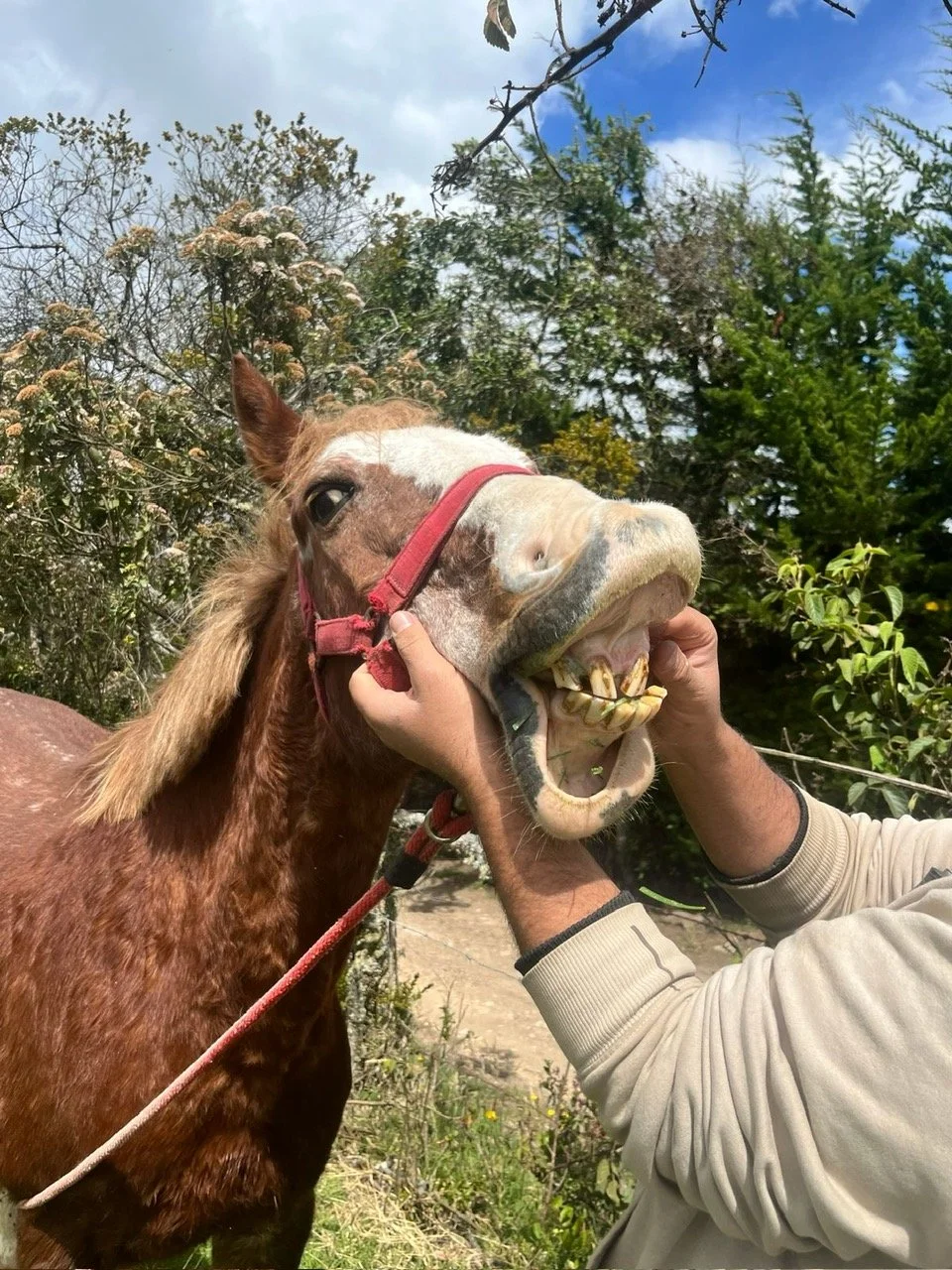
Several equines received dental care using equipment donated by AAA supporters.
Across two clinic days, 12 working equids benefited from deworming, vitamin supplementation, hoof trimming, and dental care.
Context and Challenges
May was marked by Colombia’s tense political climate, which created hesitation among some communities. Access to working equids remains difficult due to the isolated nature of dairy farms, where animals are rarely seen outside their handlers.
Despite these challenges, AAA and Namigni continue to build trust, delivering veterinary care and welfare education in a collaborative, non‑confrontational way.
Updates on Rescued Equines at the Sanctuary
Namigni also faced rising feed costs for the 20+ rescued equines under its care. Specialized feed is essential for younger rescues still growing and for older equines needing balanced nutrition.
Thanks to AAA’s support and the generous matching contribution of patron Philip Wollen, the sanctuary absorbed these rising costs and maintained consistent nutrition and medical care. This support is critical as Colombia braces for the anticipated “Super El Niño” phenomenon, expected to further strain agricultural production and drive feed prices upward.
Turning Burden into Care
With your ongoing support, AAA and Namigni will continue reaching more working animals in Colombia, ensuring they experience comfort, dignity, and quality of life. Together, we are proving that local partnerships are the key to global change — turning burden into care and safeguarding equines across rural Colombia.