Community Engagement in Lilongwe Key to Long-Term Donkey Welfare
In June, the Lilongwe Society for the Protection and Care of Animals (LSPCA), supported by Animal Aid Abroad, reached 123 working donkeys with veterinary care and owner education. Their work shows that respectful community engagement is essential to changing attitudes, enhancing knowledge, and creating lasting welfare improvements for working animals.
Mobile Clinics and Follow-Up Care
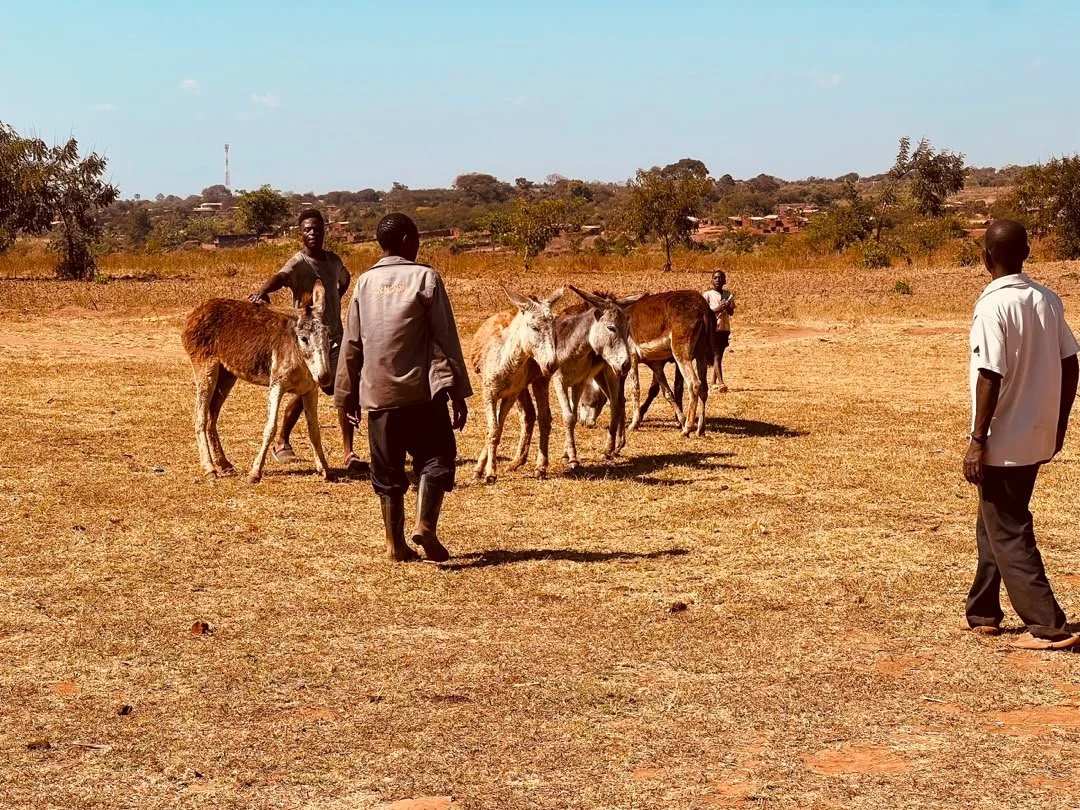
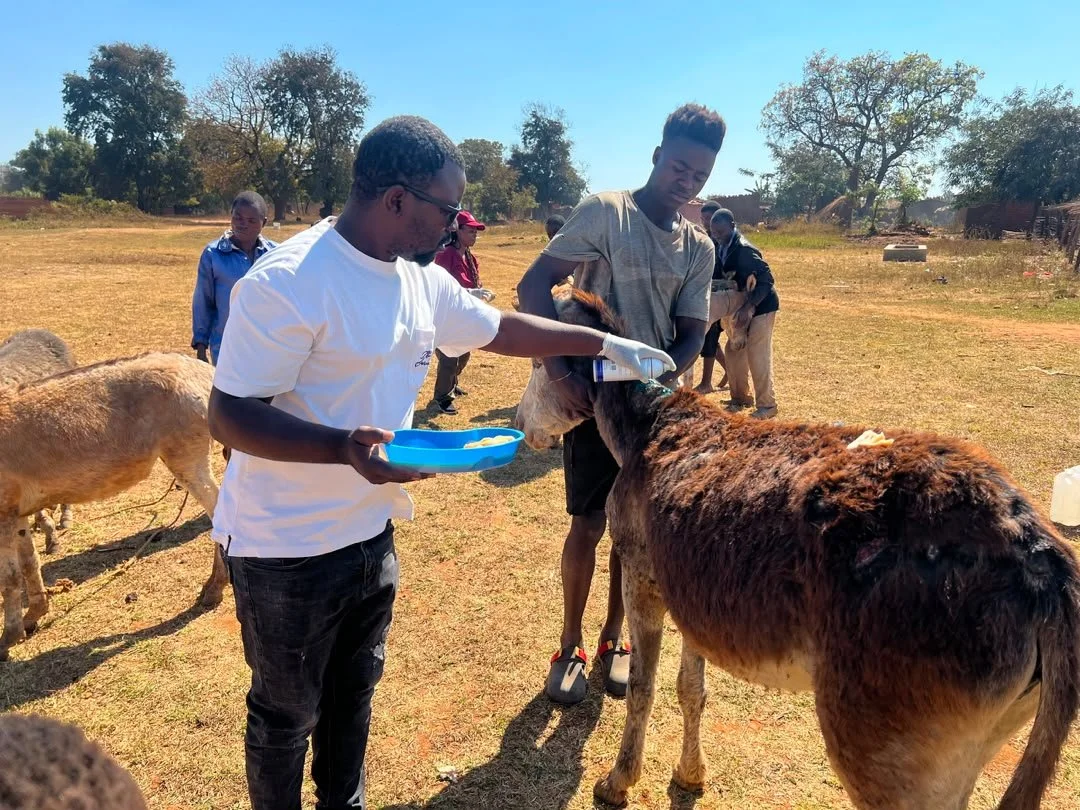
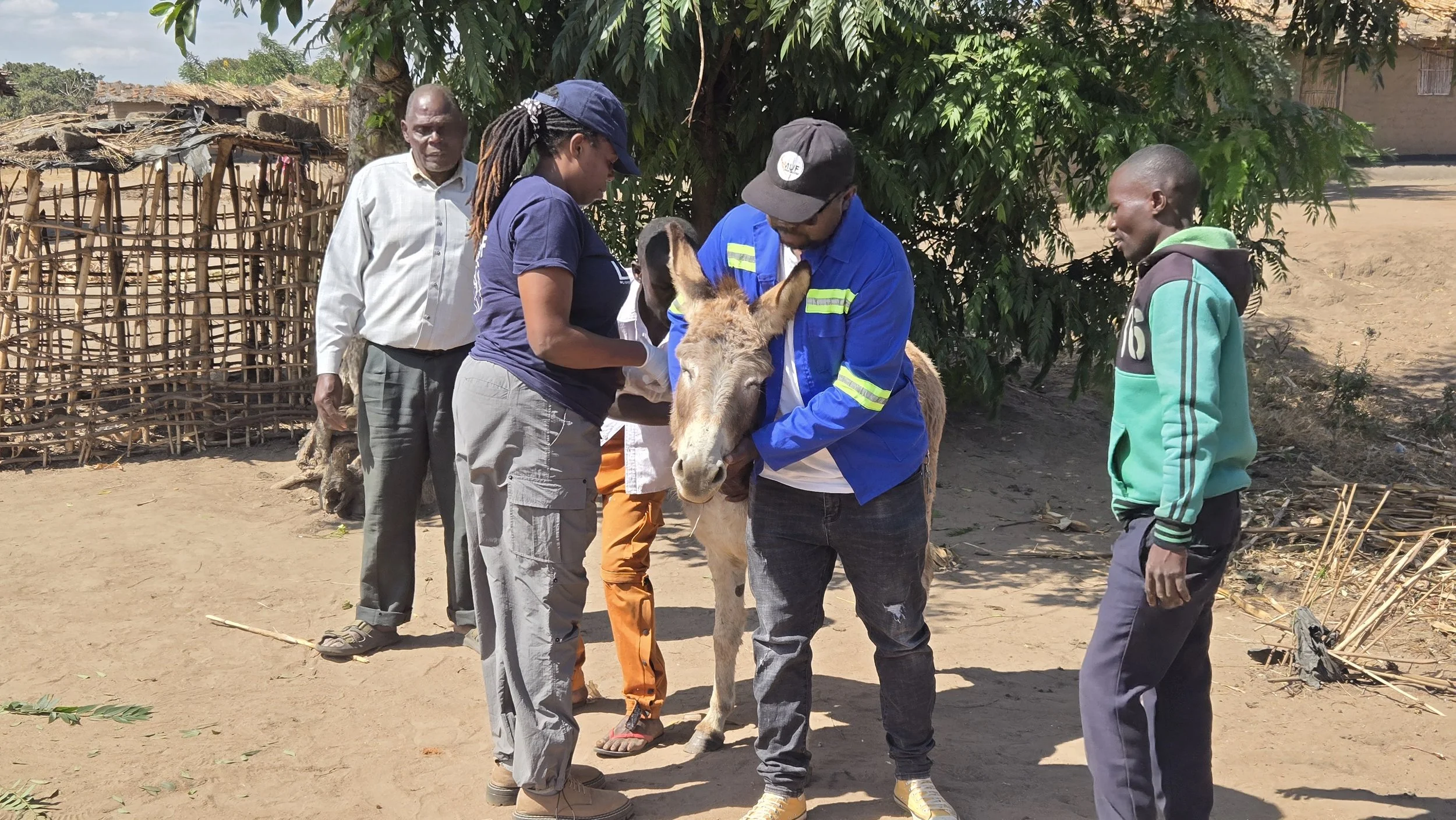
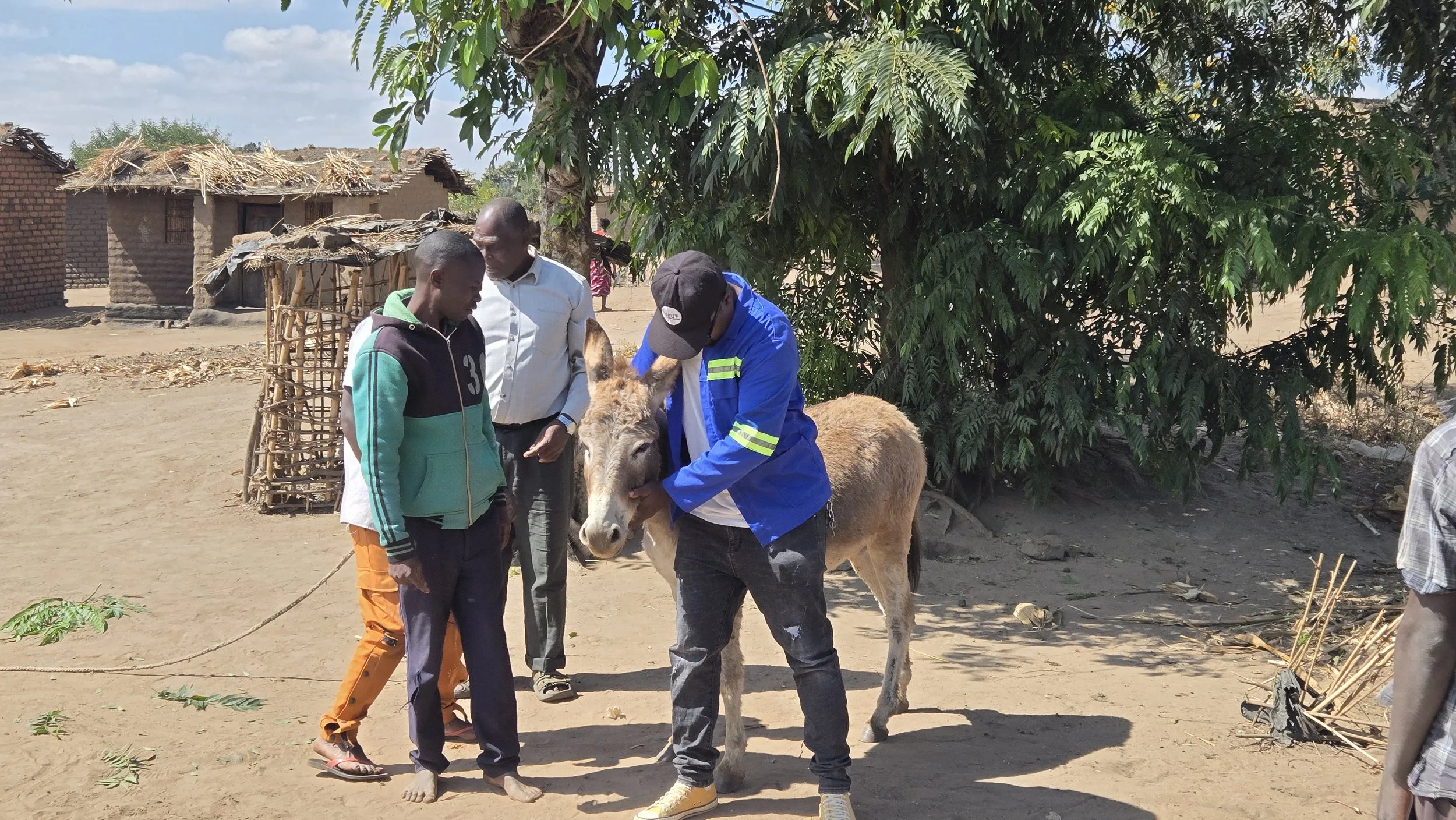
Two mobile clinics were conducted in Mitundu and Mpingu, where 123 donkeys were examined and 84 received treatment. The veterinary team provided wound cleaning, parasite control, medications, and supportive care. Follow-up visits allowed monitoring of previously treated animals, confirming that many owners were applying recommended care and seeking assistance when needed.
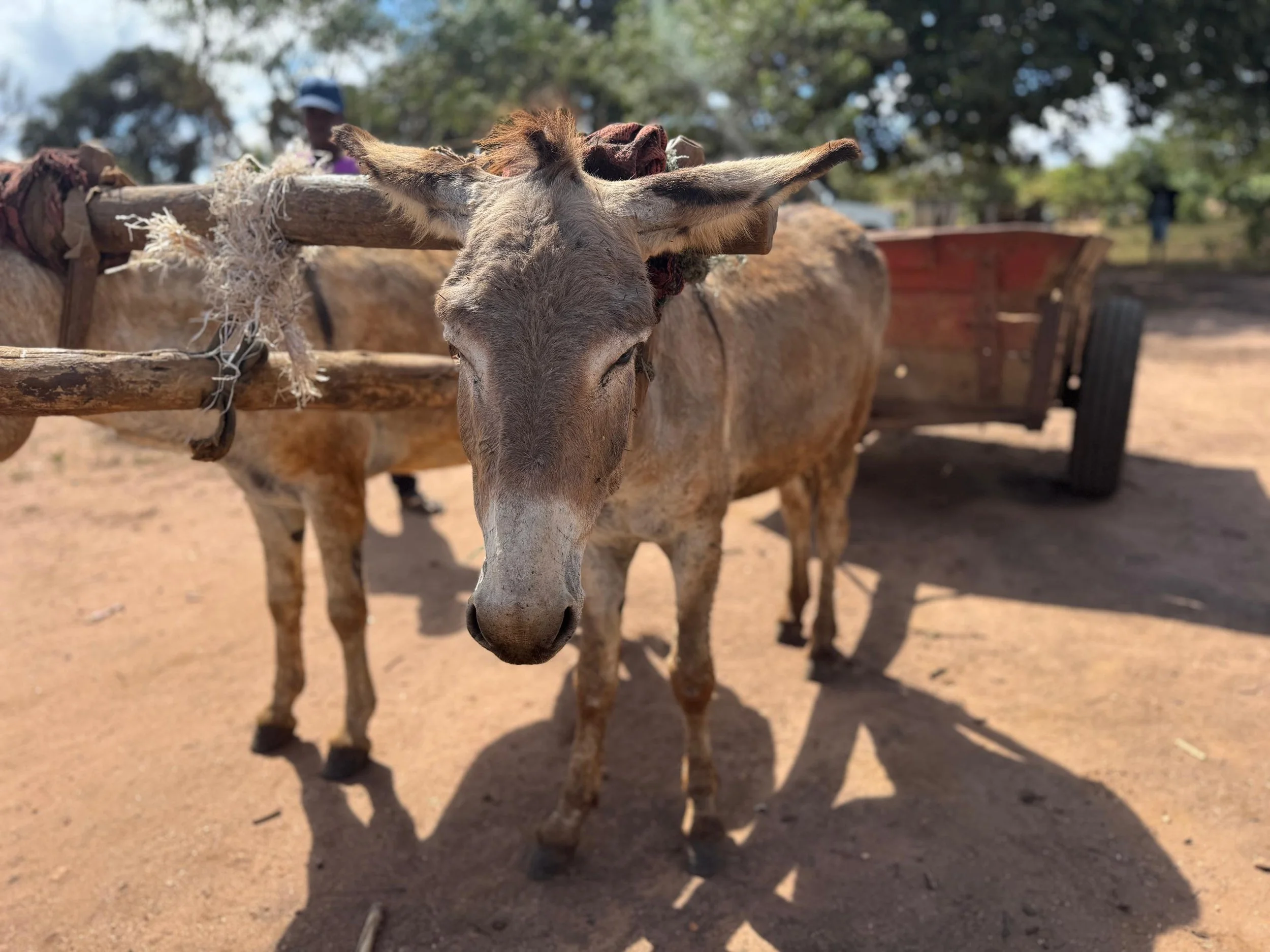
A donkey with a cruel yoke harness, illustrating the kind of equipment-related strain the LSPCA’s welfare checks aim to identify and address.


Addressing Shelter Conditions
During visits, the team observed the shelters where donkeys were housed. While some provided adequate protection, others were makeshift and inadequate, exposing animals to weather and slowing recovery from wounds. These observations highlighted the importance of guiding owners on practical shelter improvements that directly influence welfare outcomes.
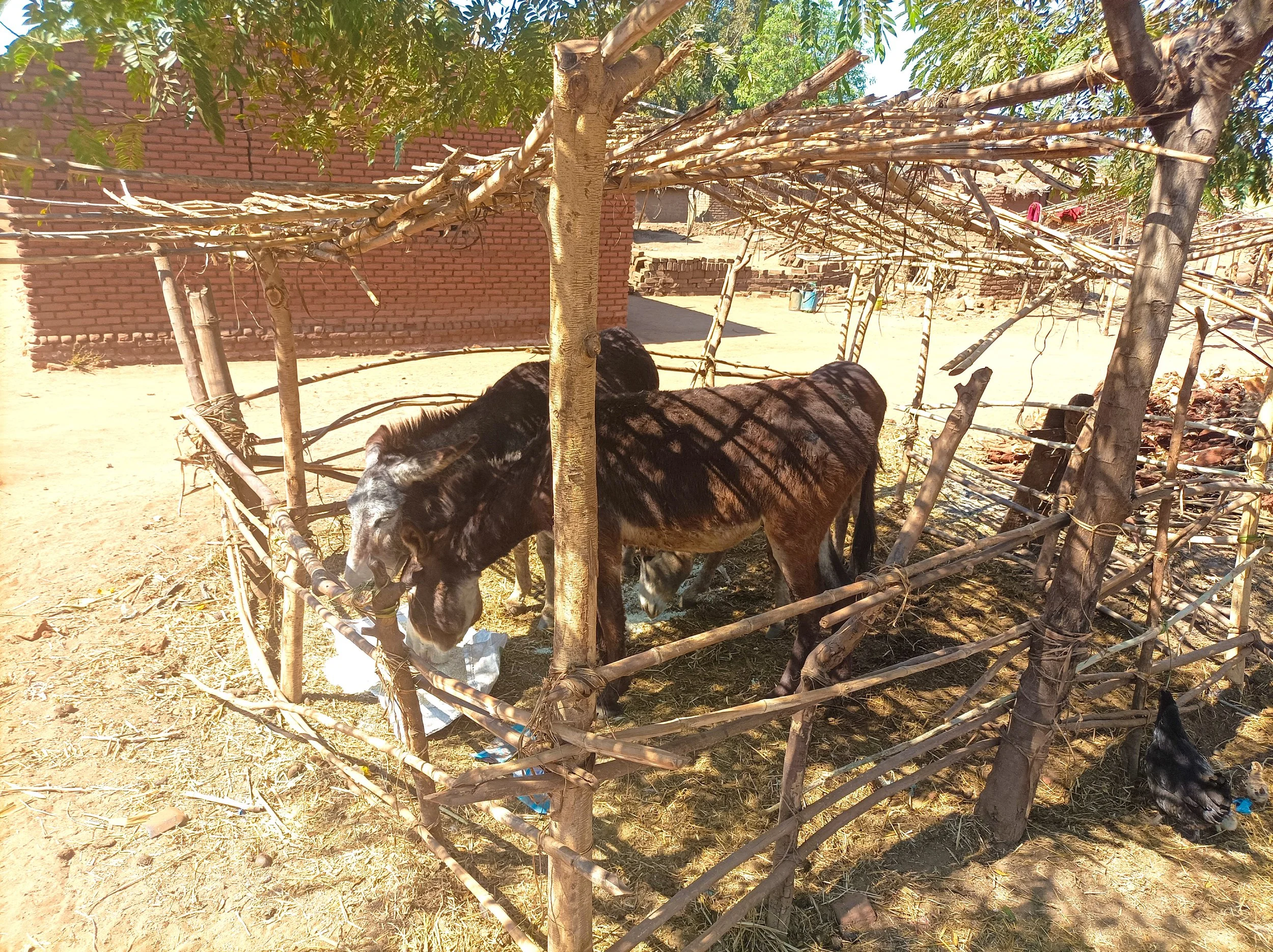
Inadequate donkey shelter with limited protection from the weather
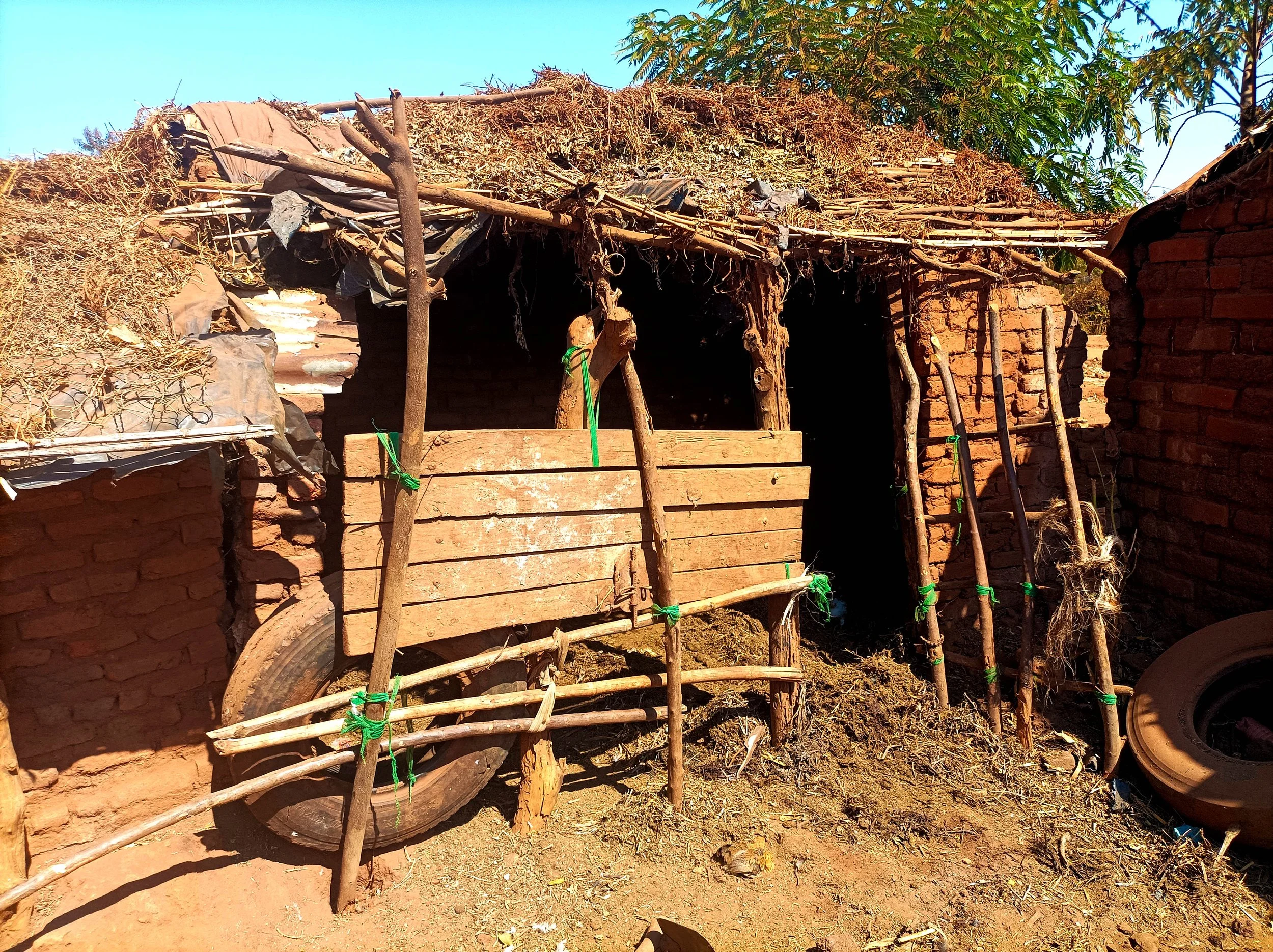
A dilapidated shelter used to house 6 working donkeys
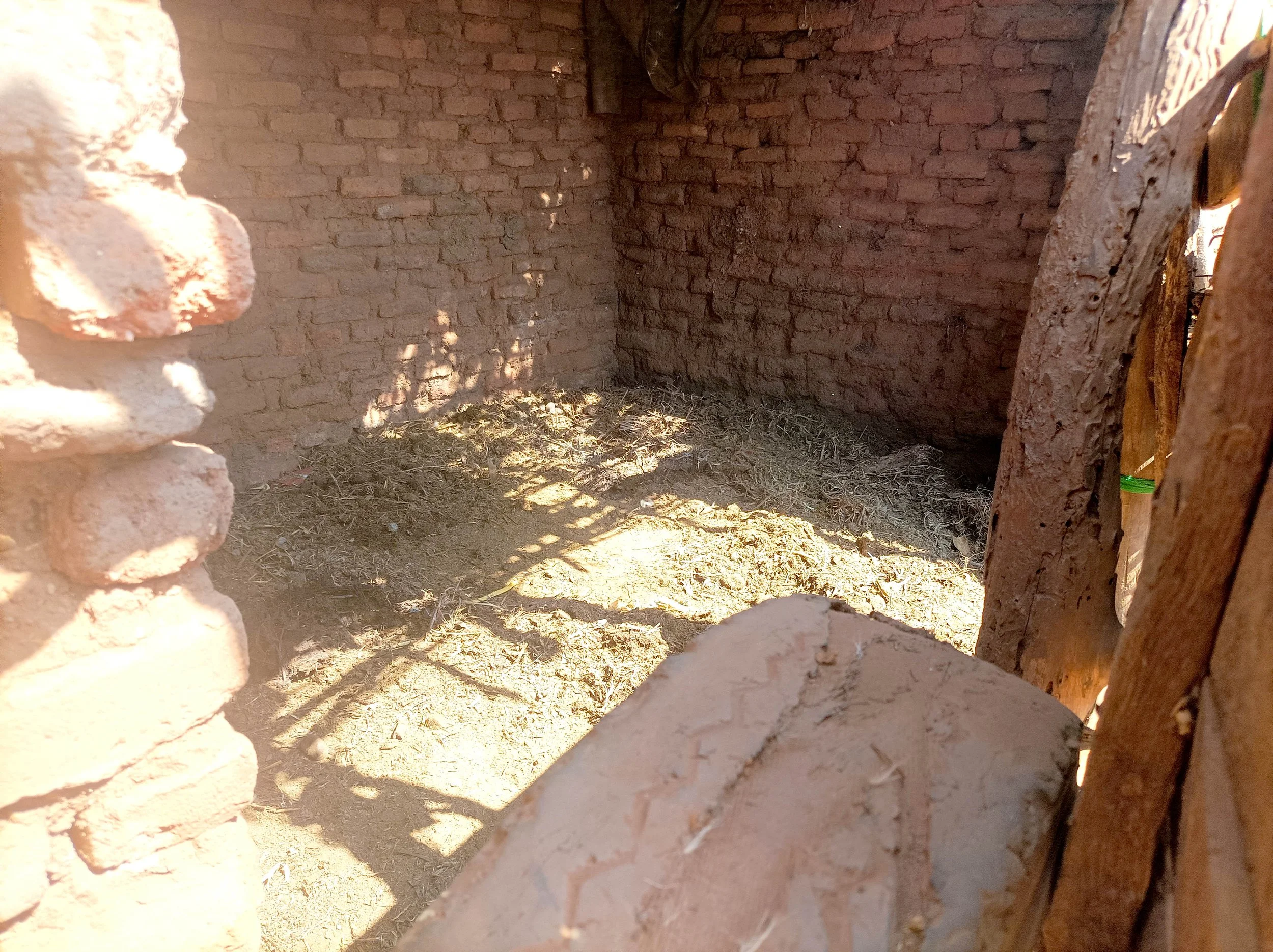
Confined housing area with inadequate shelter for donkeys
Tackling Harmful Practices
A recurring challenge was the traditional use of engine oil on wounds. One donkey presented with a neck injury coated in oil, which delayed healing and trapped debris. The team explained the risks of this practice and demonstrated safer wound care methods, encouraging owners to adopt evidence-based approaches. This case reflected the broader need for sustained education to replace harmful traditions with humane care.
Case Study: Cart-Related Injury
A donkey with a thigh wound caused by cart equipment required extensive treatment. The consultation provided an opportunity to discuss modifications to reduce rubbing and improve weight distribution. The owner was encouraged to bring the cart for inspection at a future clinic, showing how clinical care and equipment assessment must go hand in hand to prevent recurring injuries.
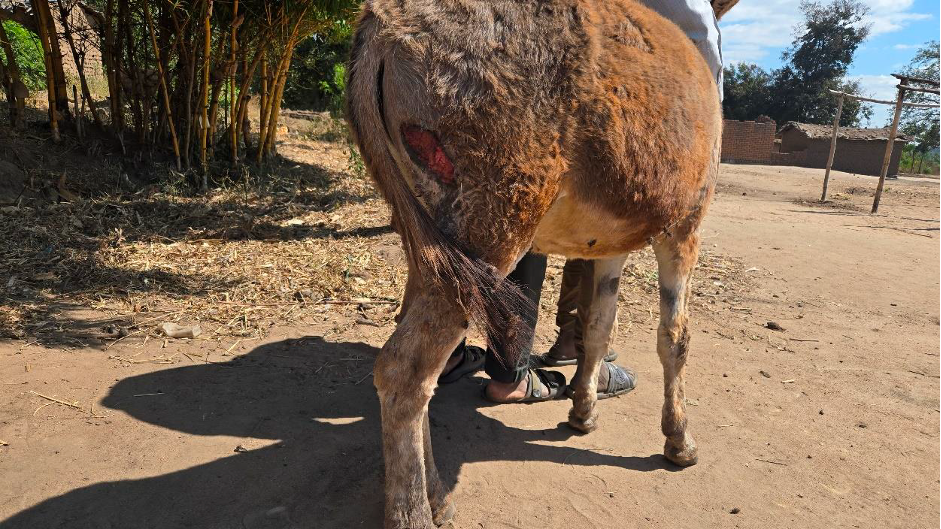
Shows the cart-related wound on the donkey's hind limb prior to treatment
Building Trust Through Community Engagement
Beyond clinical work, the LSPCA team strengthened relationships with owners by discussing practical welfare challenges. These conversations built confidence, encouraged questions, and supported the adoption of safer management practices. Respectful engagement proved vital in shifting long-standing attitudes and promoting humane handling.
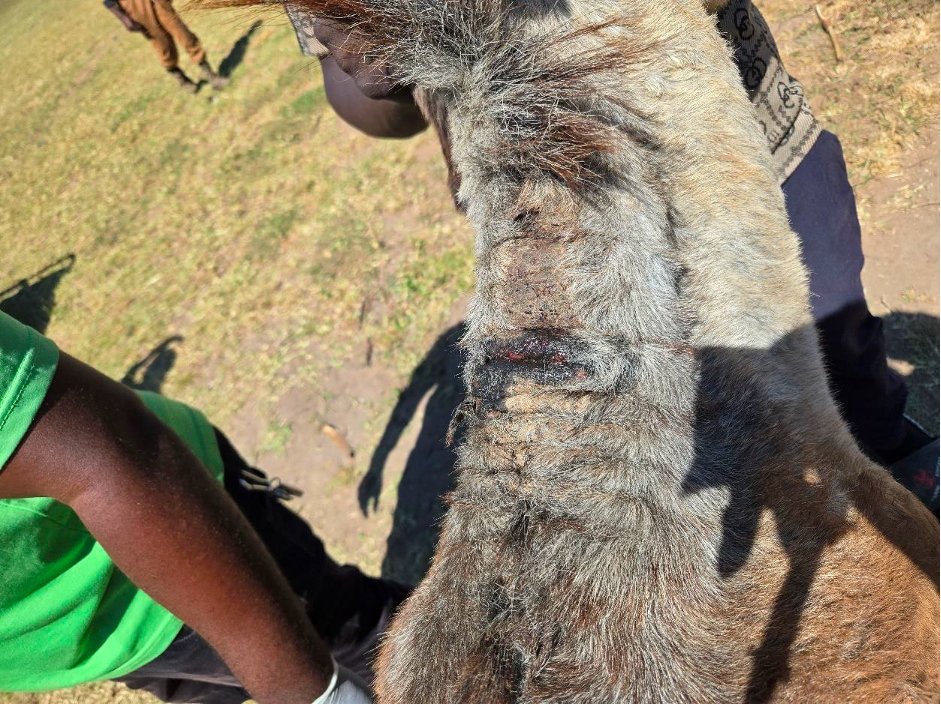
Neck wound coated in engine oil prior to treatment
Challenges and Next Steps
June’s activities revealed that welfare challenges extend beyond clinical conditions. Inadequate housing, unsafe equipment, and harmful wound care practices remain common. Addressing these issues requires combining treatment with education and ongoing community dialogue.
In the coming months, LSPCA will continue mobile clinics, complete harness and pack saddle work in Dzenza, monitor shelters, and follow up on specific cases. Community engagement will remain central to promoting wound care, safe equipment use, and humane handling.
Your Role in This Work
Every treated donkey and every owner trained is possible because of your support. It is through your generosity that AAA can sustain these partnerships, ensuring that working animals in Lilongwe receive the care, dignity, and protection they deserve.
