improving the lives & wellbeing of donkeys working in lilongwe’s farming communities
Our partner group, the Lilongwe Society for the Protection and Care of Animals (LSPCA), provided veterinary care for 86 working donkeys during August. Inadequate nutrition, poor equipment, inappropriate housing and wounds were found to be some of the main welfare issues facing donkeys in remote farming communities. These issues reflect owners’ usual lack of access to veterinary care and education. However, thanks to the LSPCA and your kind support, the lives of these donkeys are improving.
Introduction
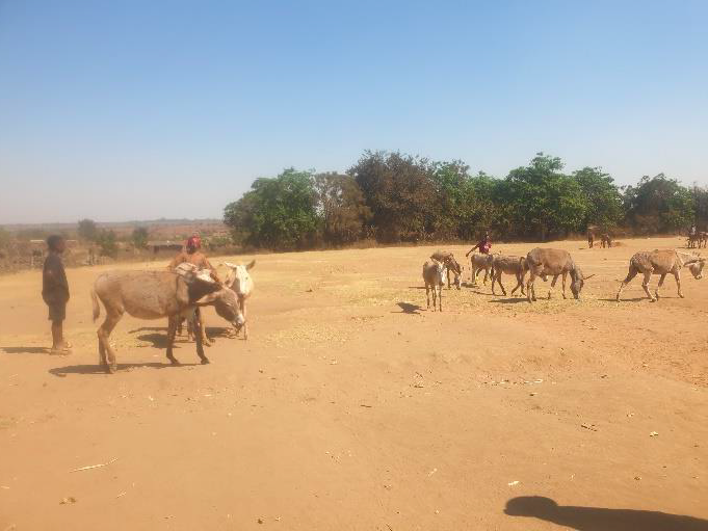
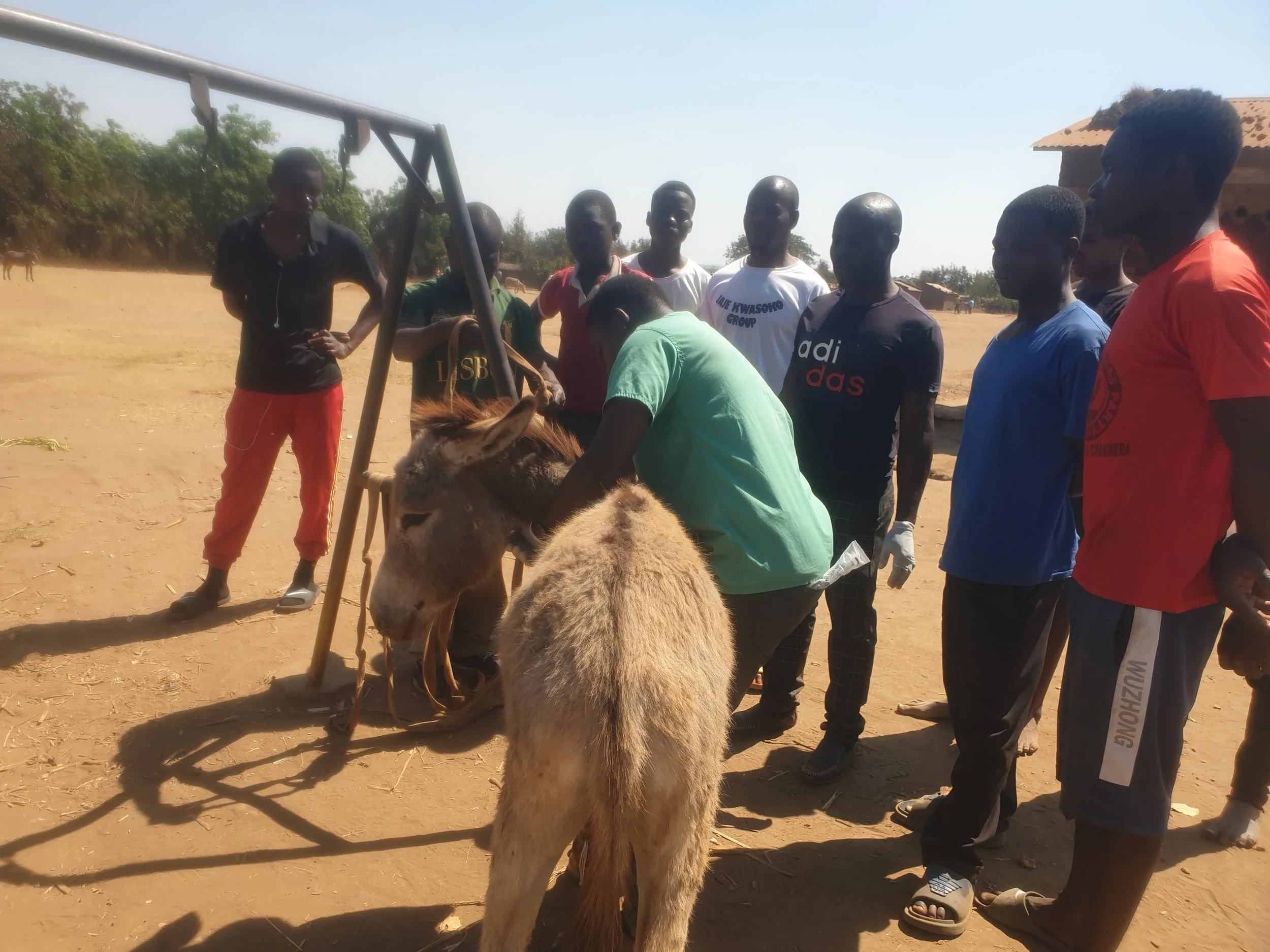
During August, LSPCA’s Donkey Welfare Project conducted mobile veterinary outreach activities in Dzama and Mngwangwa communities.
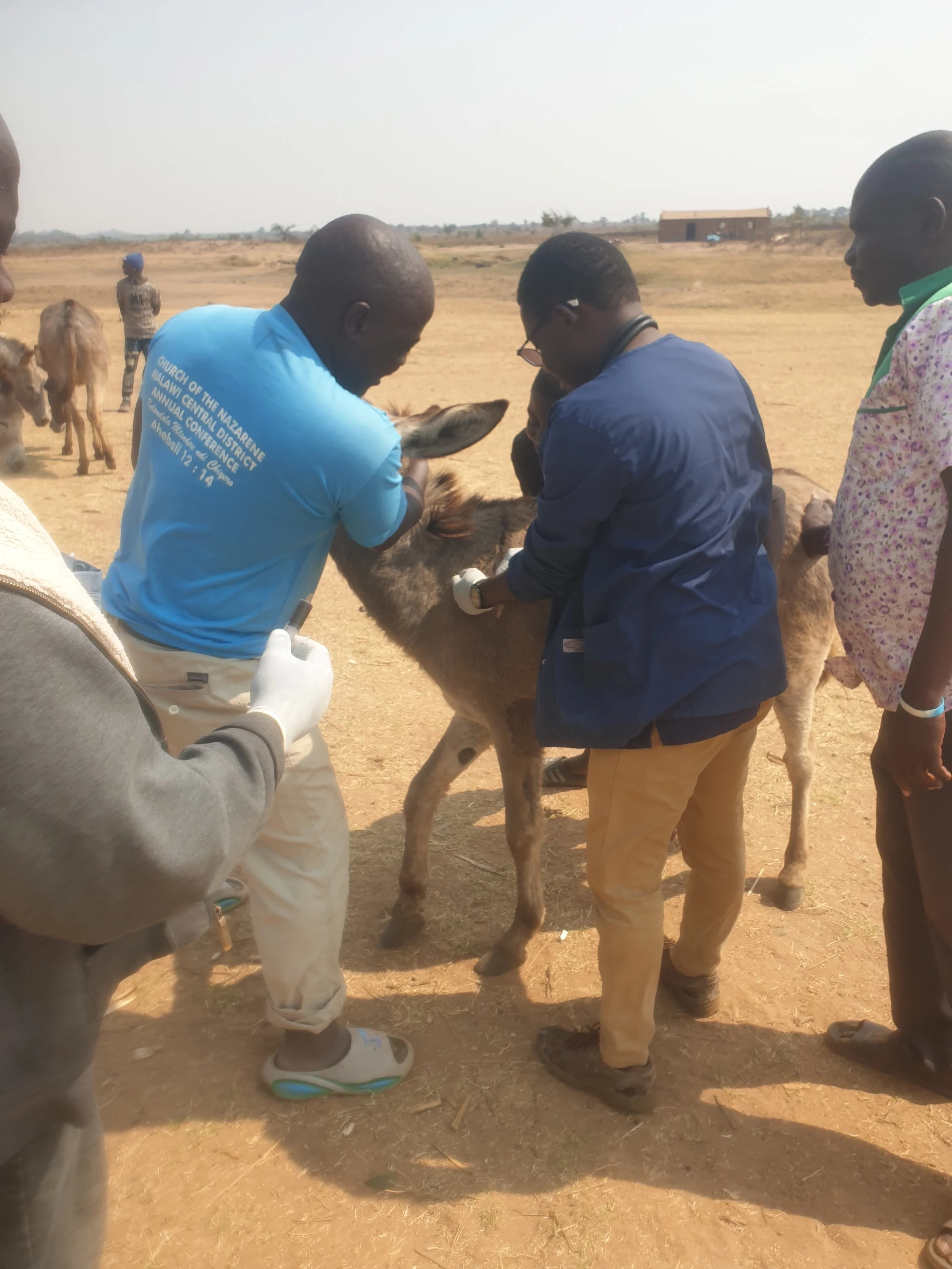
The activities focused on improving the health and welfare of working donkeys through clinical assessment, treatments, hoof care, demonstrations of humane donkey handling and general animal welfare education.
The outreach activities also provided an opportunity to identify welfare concerns at the household level and provide owners with practical advice on improving donkey care.
Mobile Clinics & Field Activities
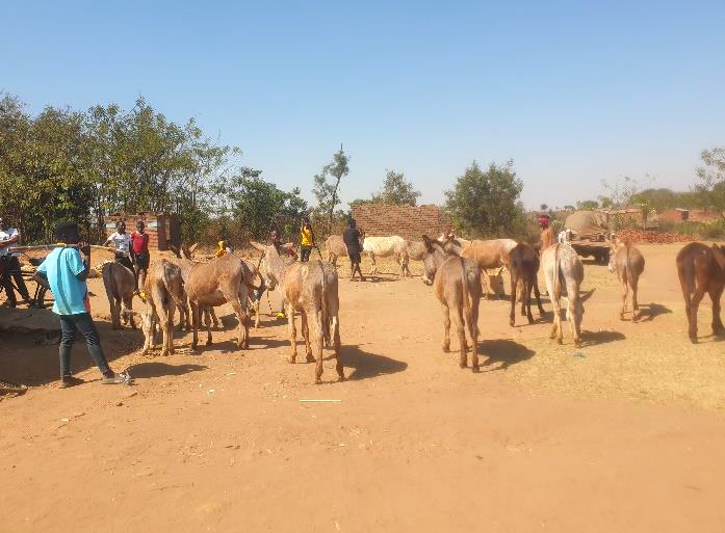
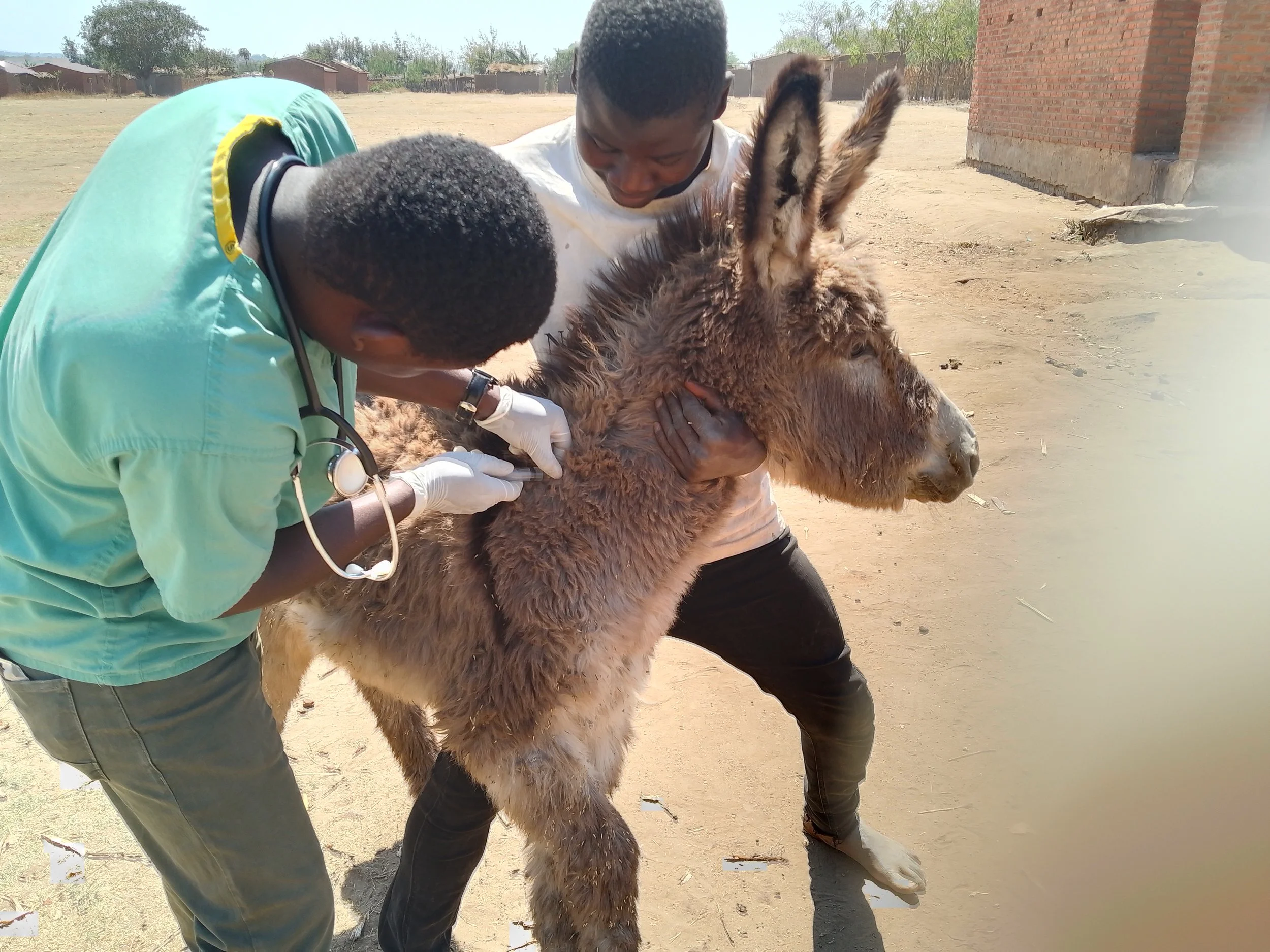
Two mobile veterinary clinics were conducted in August. The LSPCA team examined and treated working donkeys, and provided owners with animal welfare education. The outreach was particularly important because working donkeys experience increased physical demands during periods of intensive agricultural activity.
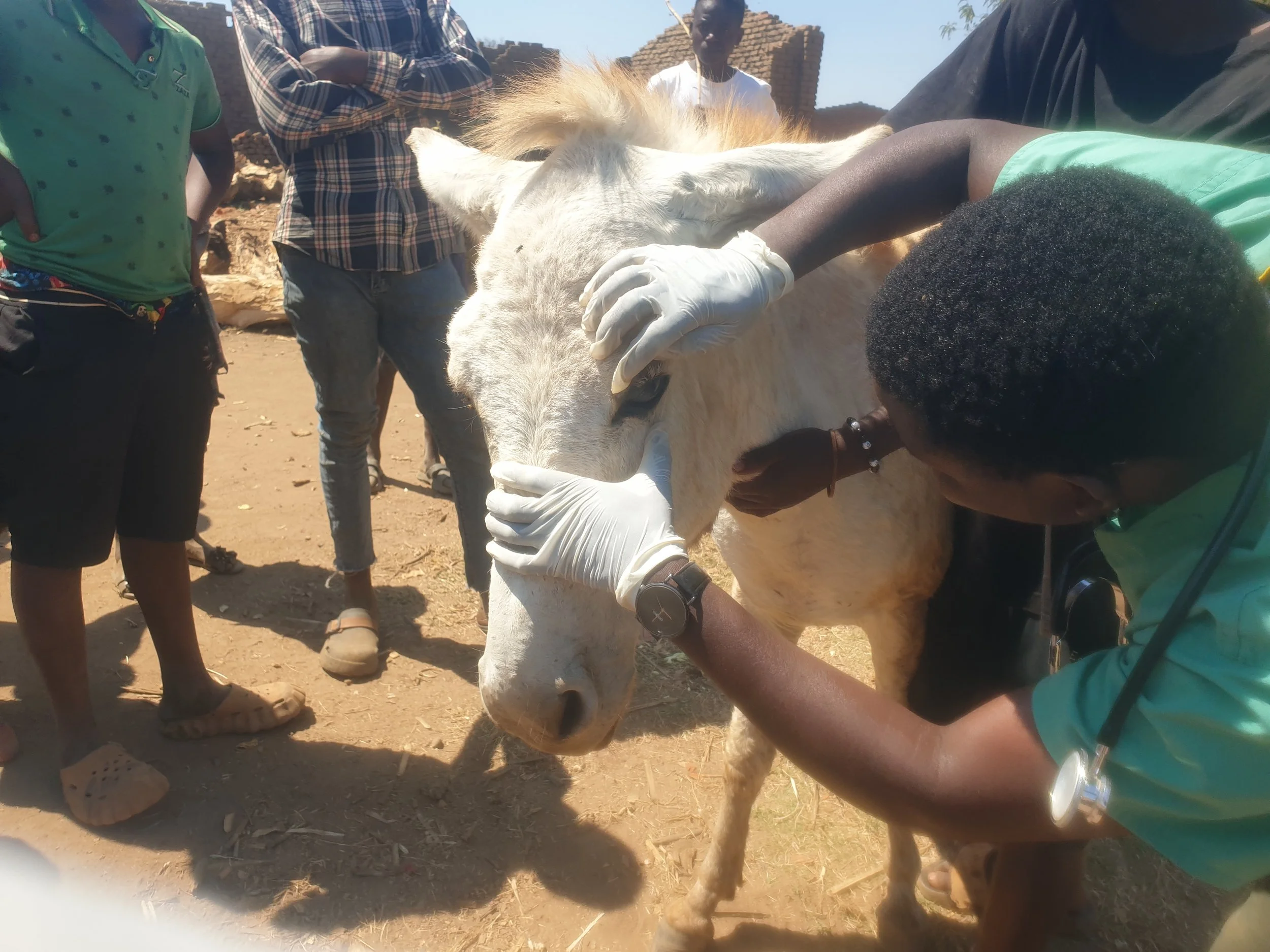
A total of 86 donkeys were presented for clinical examination. The main welfare concern observed was poor body condition, which is linked to inadequate nutrition. Most animals also had rough, poor-quality skin and untreated eye problems, reflecting limited access to veterinary care.
Lameness was another common finding, with a number of donkeys presenting with an altered gait. Minor wounds caused by poorly-fitted harnesses were also recorded. These findings point to the need for continued veterinary outreach and owner education on nutrition, harnessing, wound care and general donkey welfare in these areas.
Veterinary interventions included cleaning and dressing of minor wounds, administration of antibiotics where indicated, and multivitamins for donkeys with poor body condition.
Parasite control was carried out for 63 donkeys. The remaining animals were given general health assessments, with advice provided to their owners.

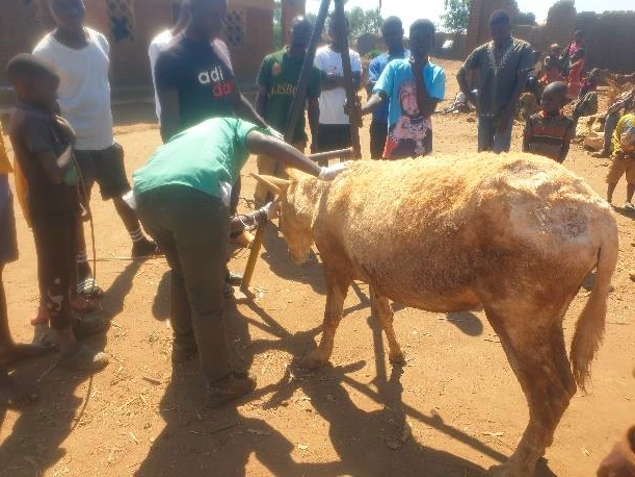

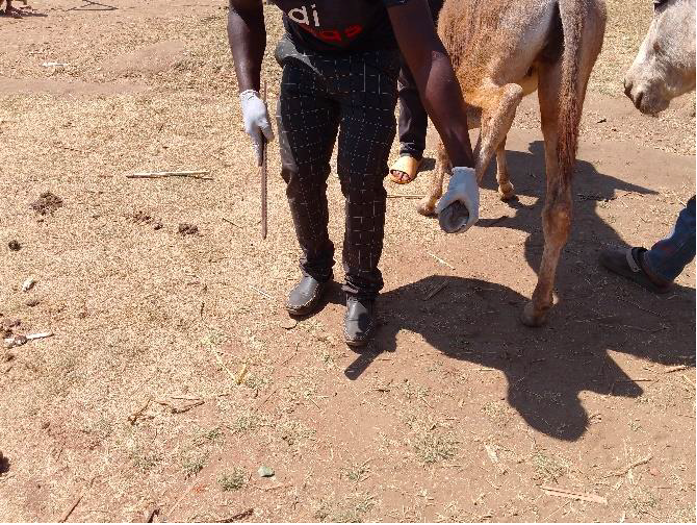
Donkey hoof trimming & Rasping
Some donkeys presented with overgrown and uneven hooves, which affected their normal movement and contributed to discomfort and lameness.
The LSPCA team provided hoof care to five donkeys, trimming excessively long hooves and rasping uneven surfaces where necessary.
Owners were advised on the importance of regular hoof inspections and on reporting any problems to veterinary personnel for routine maintenance.

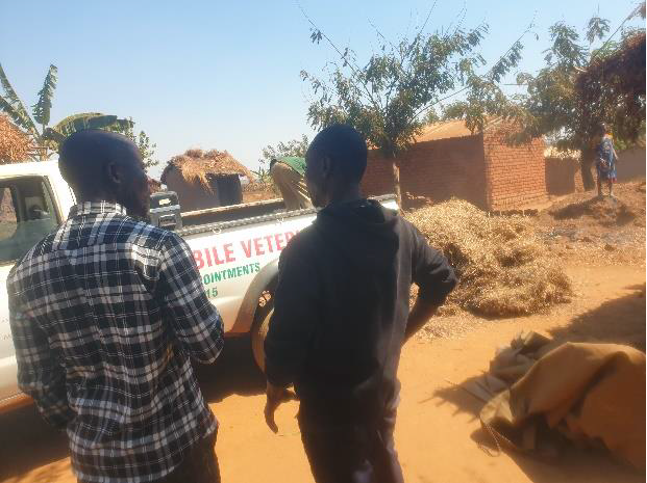
Distribution of hay to donkey farmers
Donkey owners whose animals presented with poor body conditions were supported with hay to feed their donkeys at home. This was done to improve the health status of these donkeys on top of any veterinary treatments provided.
Farmers were also encouraged to save enough crop residues to feed their donkeys during the dry season.

Case Study: Donkeys affected by poor housing & nutrition
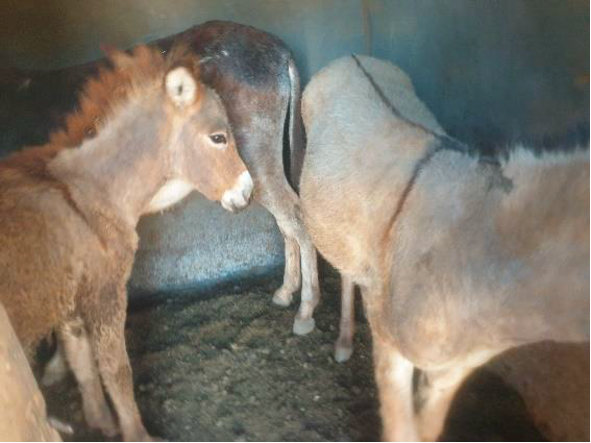
During field activities in the Dzama area, a farmer presented three donkeys for health assessments and treatment. The team observed that the donkeys differed significantly from others examined. They were visibly dirty with manure on their bodies, suggesting they were spending prolonged periods in an unhygienic sleeping area. They appeared weak and in poor body condition. One of the donkeys was pregnant but the farmer reported he continued to use all of them to pull heavy loads.
A visit to his homestead revealed that the donkeys were housed in a small, windowless enclosure. The floor was piled with manure showing that the shelter was not cleaned regularly. The farmer explained the donkeys had been kept in this environment for eight months following the collapse of their original housing. He also reported losing two donkeys during the rainy season.
The team discussed issues related to housing, nutrition and workload with the farmer. He was advised to construct improved housing using locally-available materials while preparing for a more permanent structure.
To support immediate welfare needs, the LSPCA team provided hay for nutrition enrichment and bedding. A follow-up visit has been scheduled to assess progress on housing improvements and to monitor the health status of the donkeys.


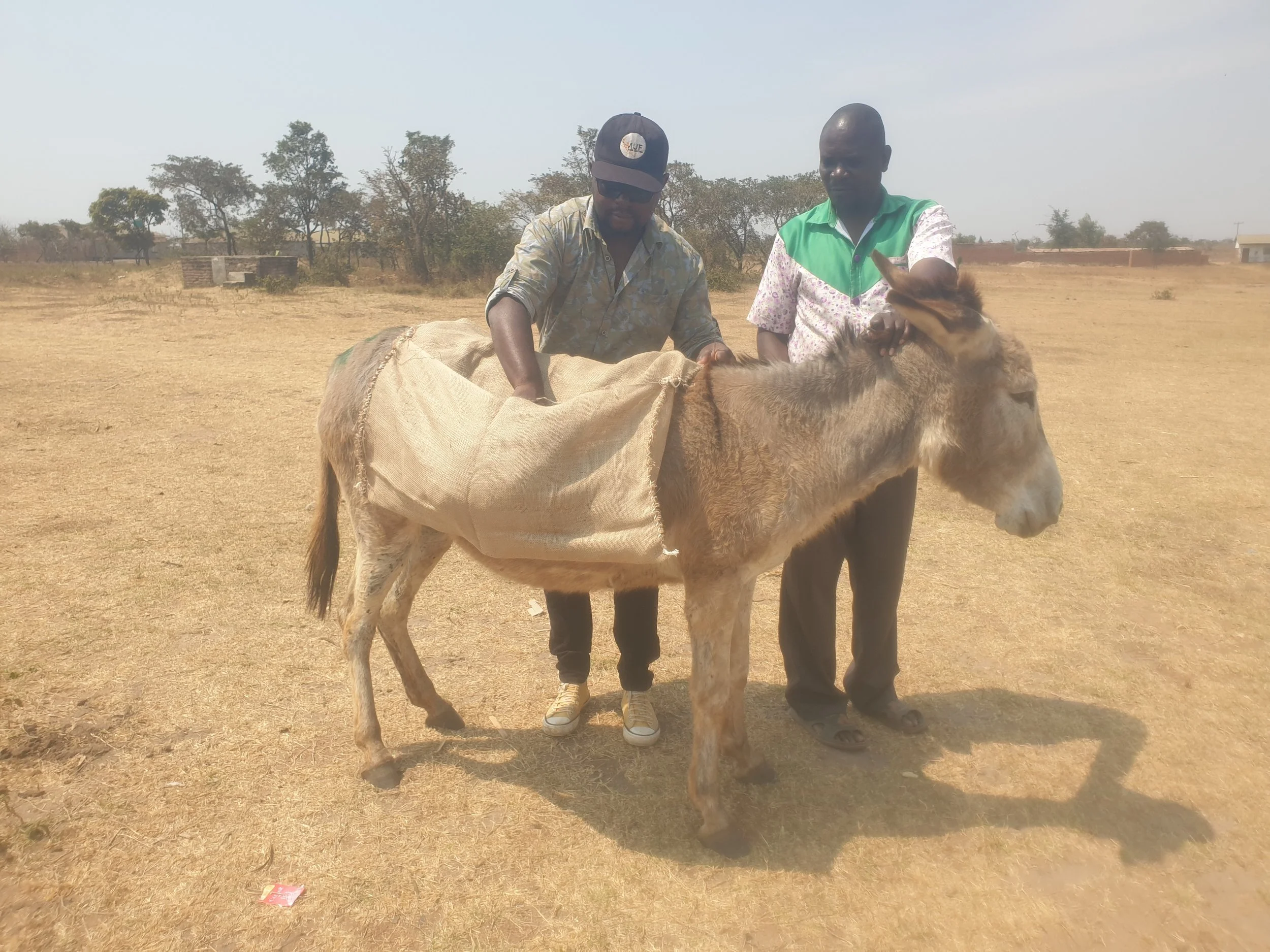
demonstration of simple pack-saddle construction
A practical demonstration in Mngwangwa aimed to promote safer load carrying and reduce the risk of pressure injuries associated with inappropriate equipment.
Owners were encouraged to use suitable padding, ensure that loads are balanced, and check their animals regularly for signs of discomfort or skin injury.


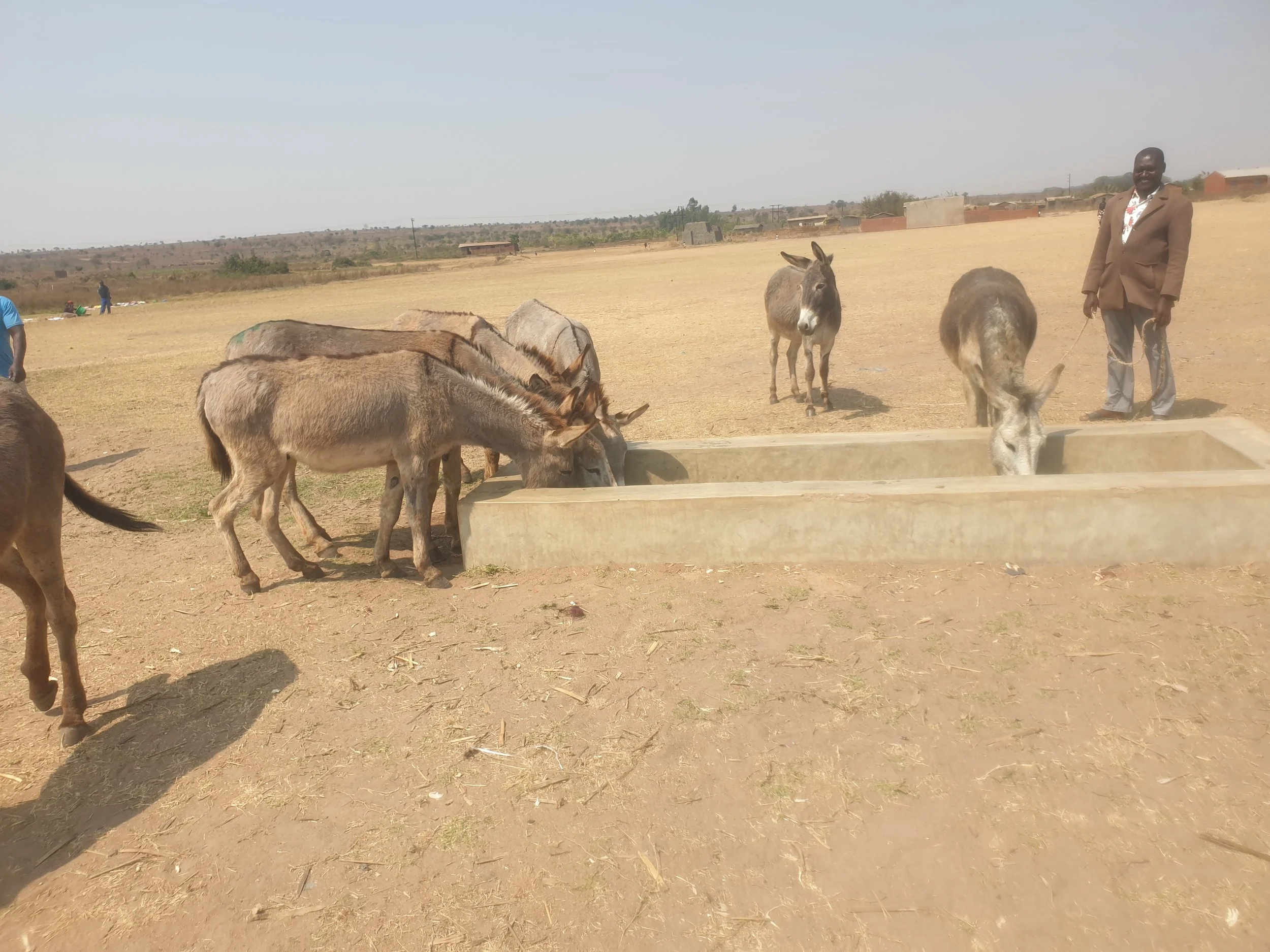
community Donkey water trough
The LSPCA team visited a previously-constructed community water trough for donkeys. It was found in good condition, showing people are taking care of it.
We also observed donkeys coming to access the water, so it is evident the trough is really making a difference in the Mngwangwa area.
The team advised animal owners to continue keeping the trough clean and to ensure it always contains enough clean water for donkeys to drink at any time.
Challenges
Poor donkey handling and restraining techniques continued to affect donkey behaviour and welfare in the Dzama community. The team observed many donkeys were not very friendly or cooperative during handling, indicating a lack of positive human-animal interactions and potential mistreatment.
Donkey owners brought ropes to the clinic site to restrain their donkeys, suggesting farmers in the area lacked knowledge about humane donkey-handling techniques.
The donkeys’ fearful behaviour towards people suggested that ill-treatment was occurring in the community, with animals likely being subjected to rough handling, harsh discipline, and punitive measures that undermine their trust in humans and compromise their welfare.
As part of LSPCA’s commitment to addressing these issues, the team took the opportunity to warn farmers against ill-treatment of donkeys - particularly the use of sticks to beat animals when pulling heavy carts, which causes both physical injury and psychological distress.
The team provided comprehensive guidance on positive reinforcement techniques as an alternative to punishment-based handling, restraining methods that minimise stress and discomfort, feeding practices that support good health and behaviour, appropriate housing, and general animal welfare practices for donkeys.
While the immediate goal was to improve handling practices and reduce fear-based responses in donkeys of this area, the team recognise that sustained education and repeated positive interactions will be necessary to build trust and change deeply-ingrained handling practices.
Despite these challenges, the LSPCA are maintaining our commitment to delivering animal welfare support and education to communities most in need.
Conclusion
August demonstrated the ongoing importance of LSPCA’s Donkey Welfare Project in addressing the health and welfare needs of working donkeys in these communities.
Through two mobile veterinary clinics, we successfully conducted essential clinical assessments and treatments, and provided owner education that addressed immediate concerns while also building greater animal welfare knowledge over time.
The relationships established and knowledge shared during August provide a strong foundation for continued work to reduce preventable harm, support the welfare of donkeys living in these farming communities, and improve their lives and wellbeing long-term.