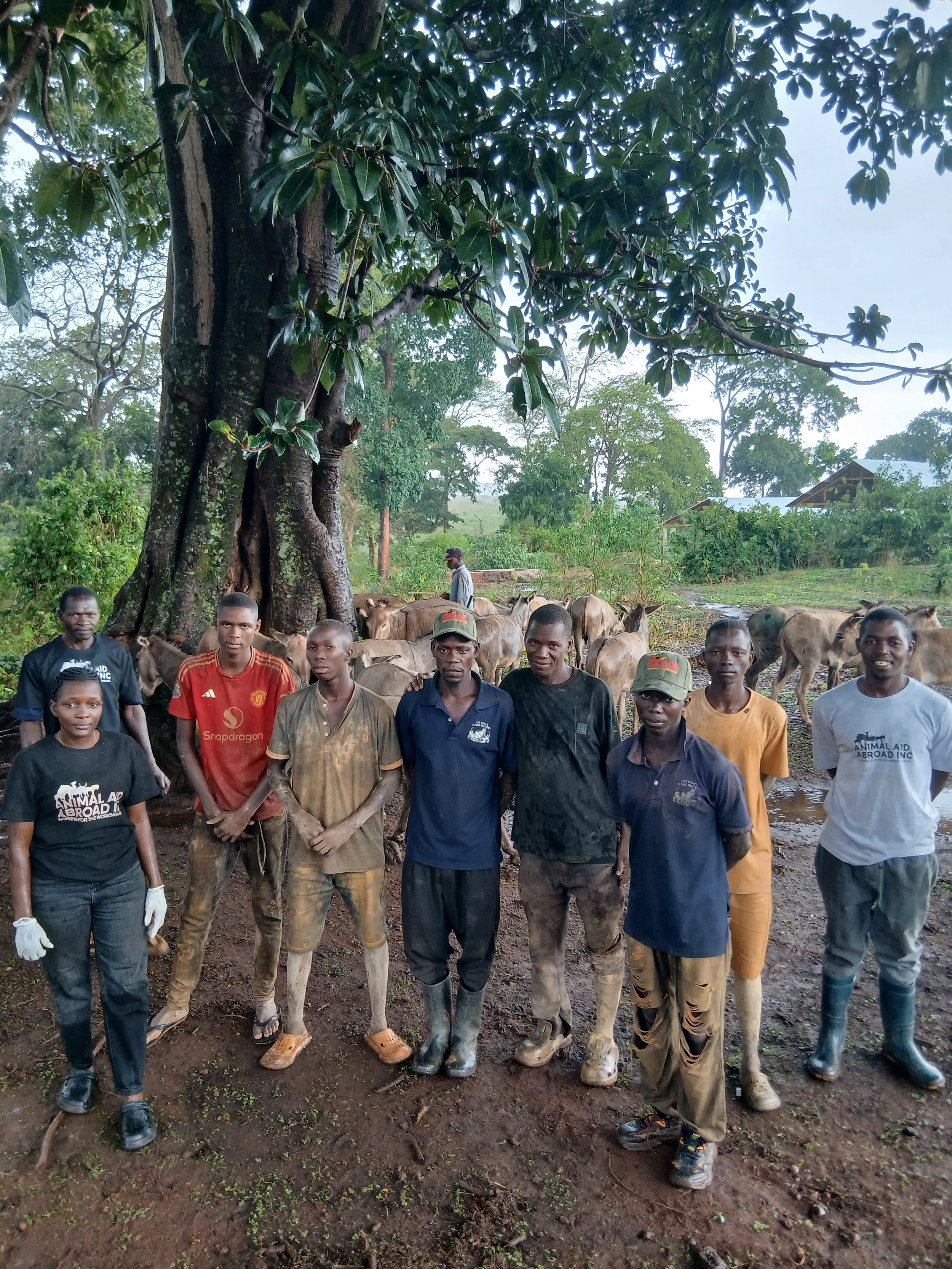
In October, our partner the Lake Zone Animal Welfare Organization (LAZAWO) ran 45 mobile clinics in Tanzania's gold-mining communities, giving veterinary care to 488 working donkeys. These donkeys face some of the harshest working conditions anywhere, with constant risks of overwork, injury, illness and mistreatment.
October at a glance
Partner: Lake Zone Animal Welfare Organization (LAZAWO), Tanzania
45 mobile clinics across six gold-mining areas and nearby communities
488 working donkeys given veterinary care
126 donkeys seen at two general clinics in Mgusu and Nyarugusu
42 donkey owners and handlers trained in humane care
5 handlers rewarded for treating their donkeys well
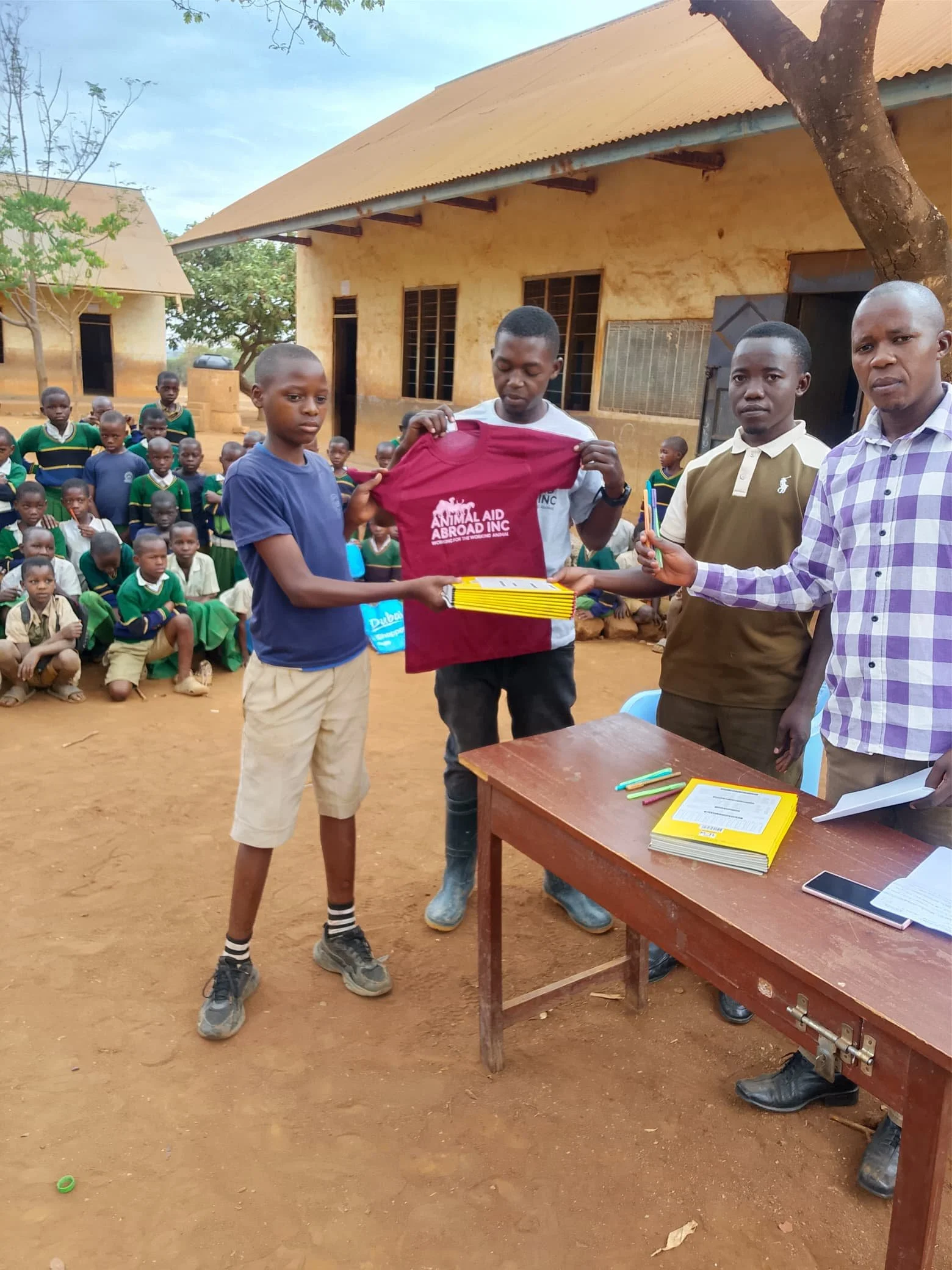
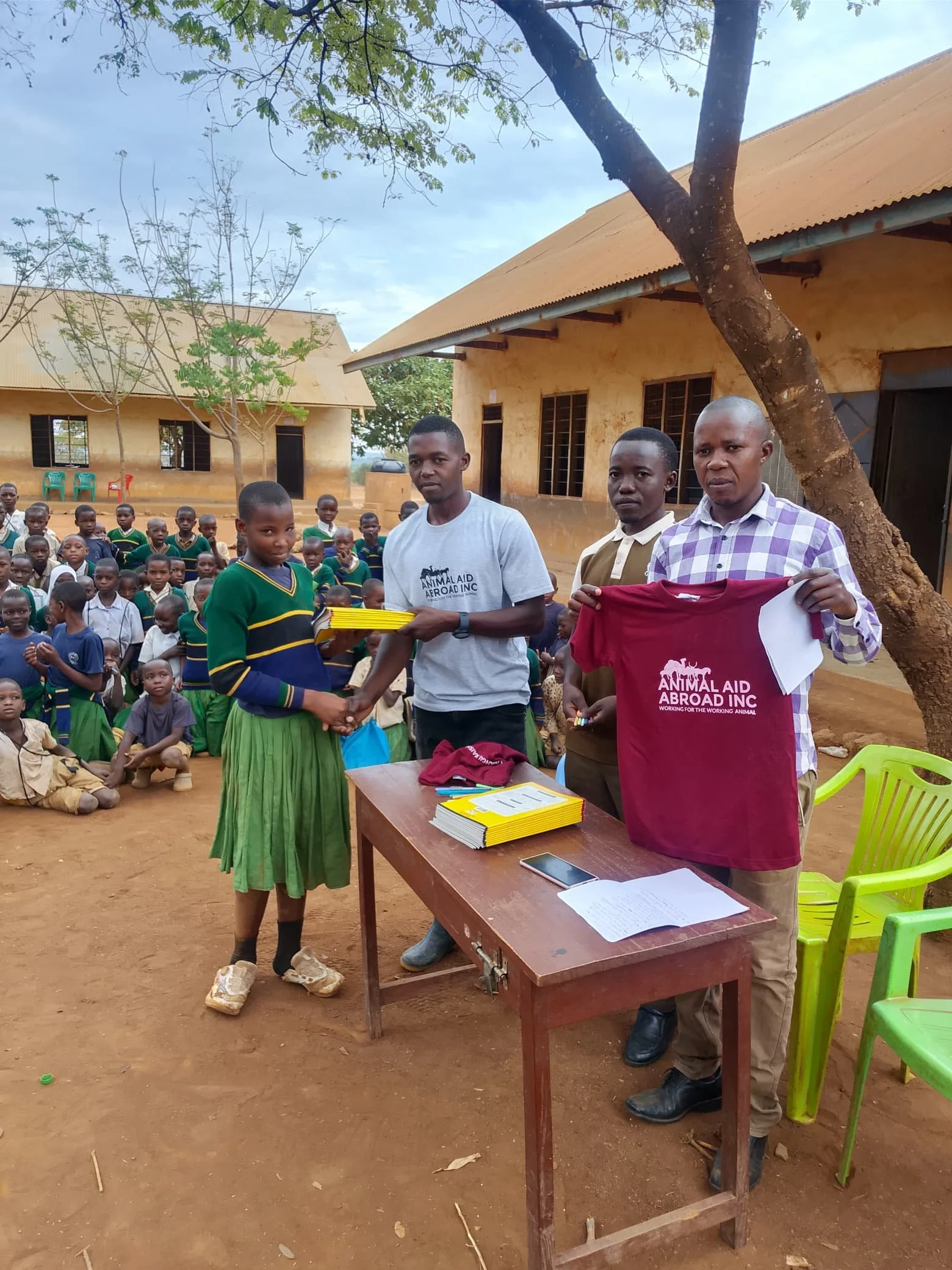
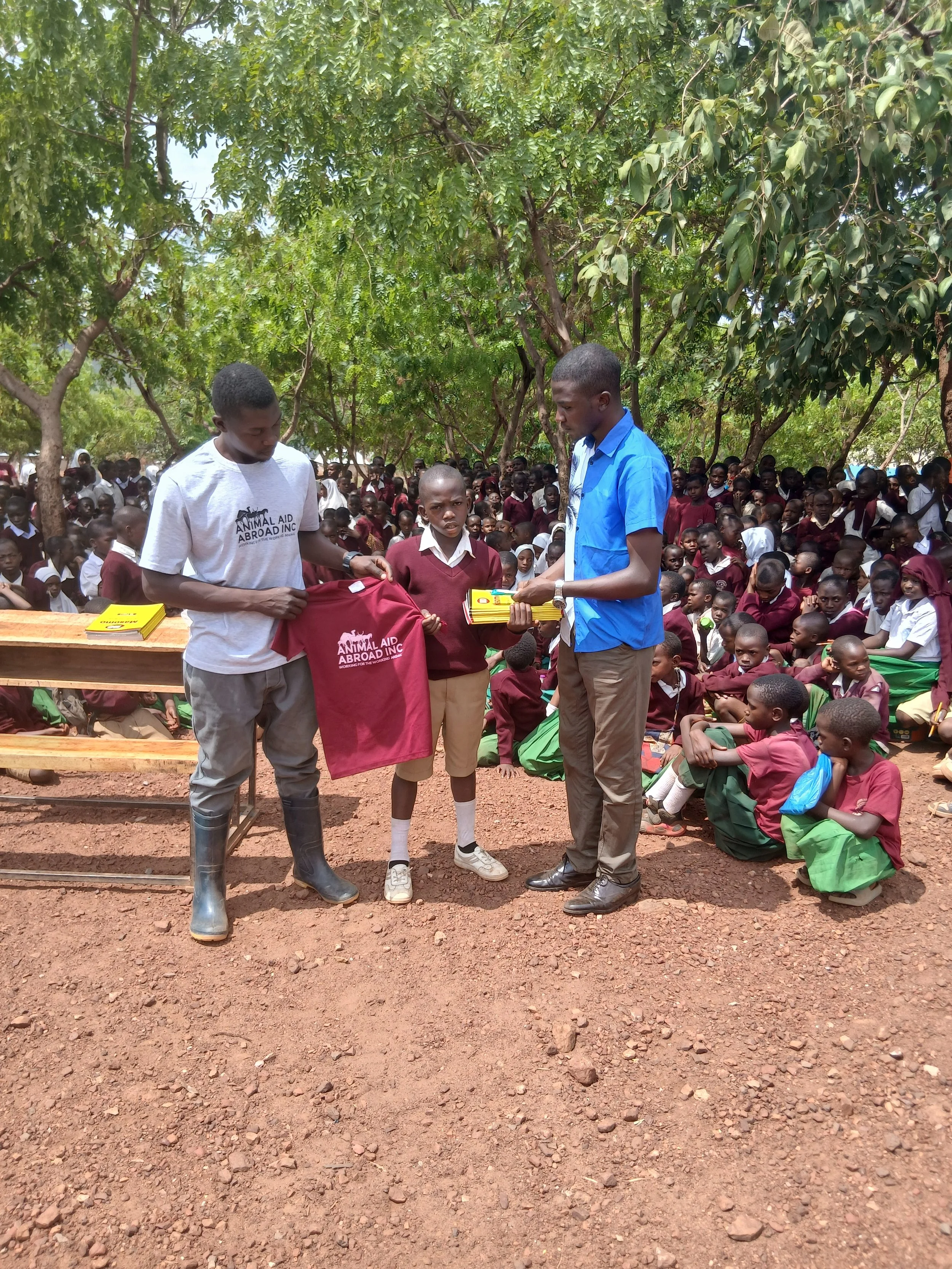
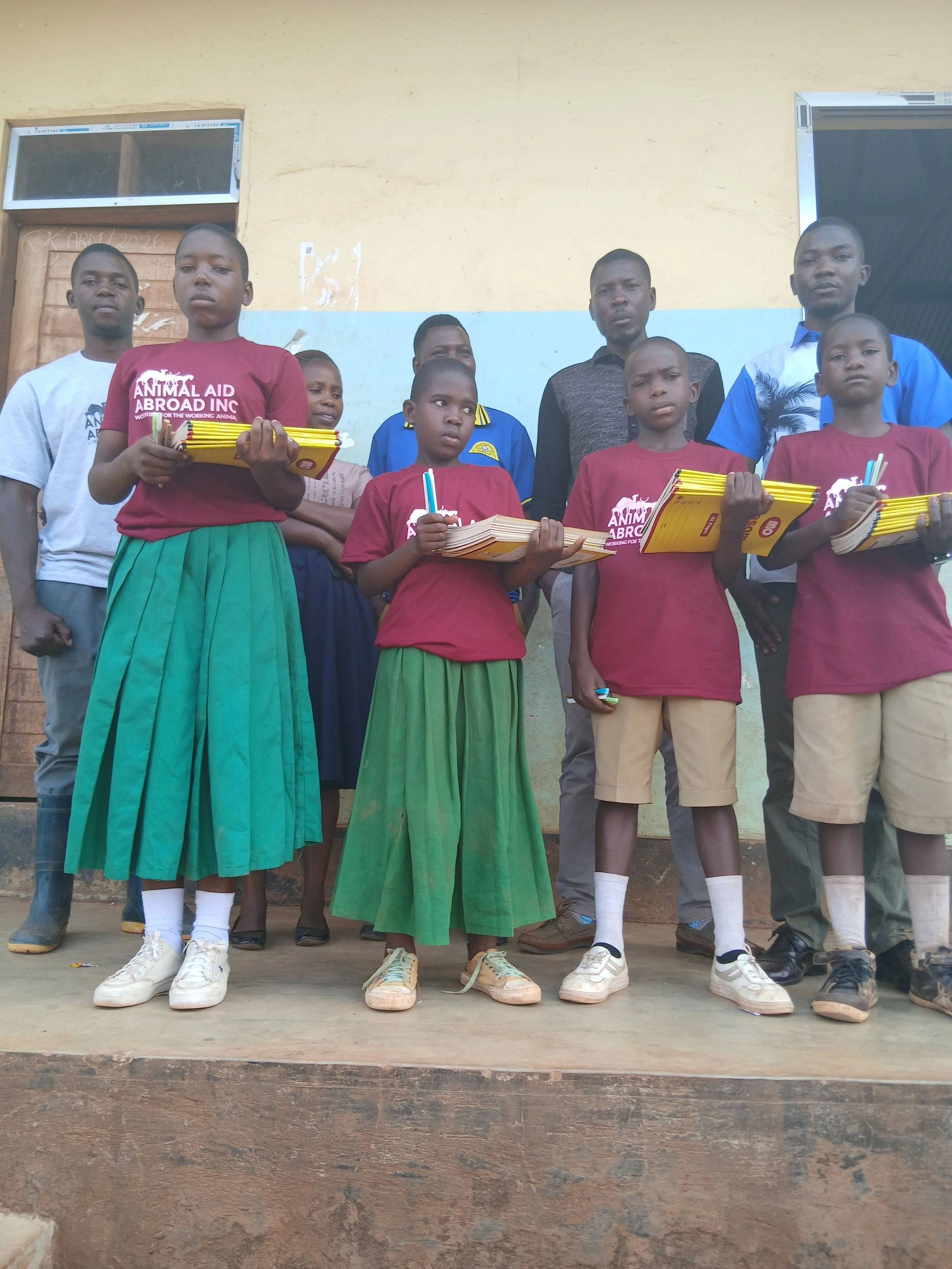
10 students awarded prizes in an animal welfare essay competition
Where the team works
Every month the LAZAWO team visits six gold-mining areas: Mgusu, Magenge, Rwamgasa, Stamico, Nyarugusu and Nyaruyeye. They also help donkeys in the communities around the mines. In October, the team also handed out prizes to the 10 best students in an animal welfare essay competition.
What the vets treated
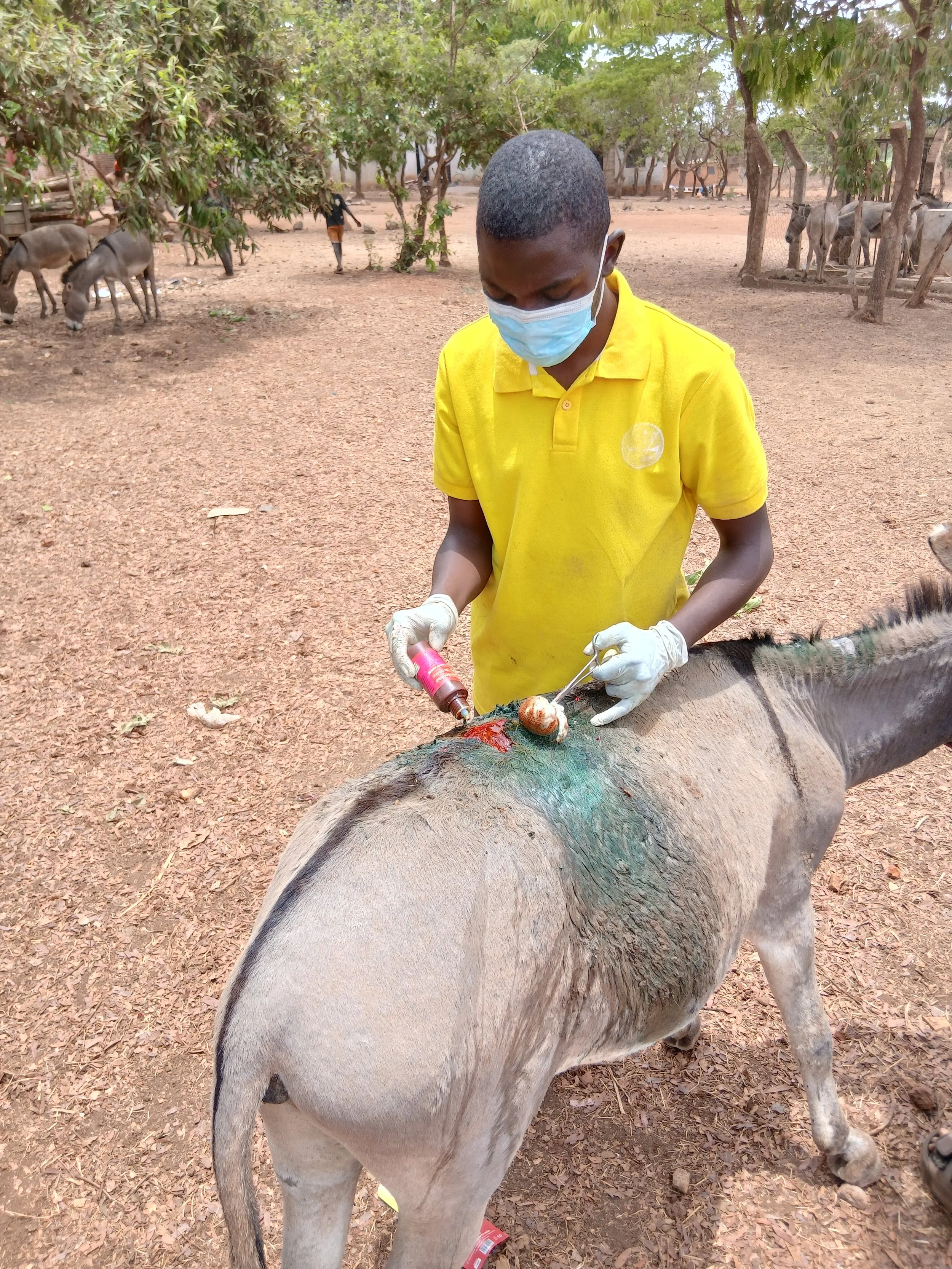
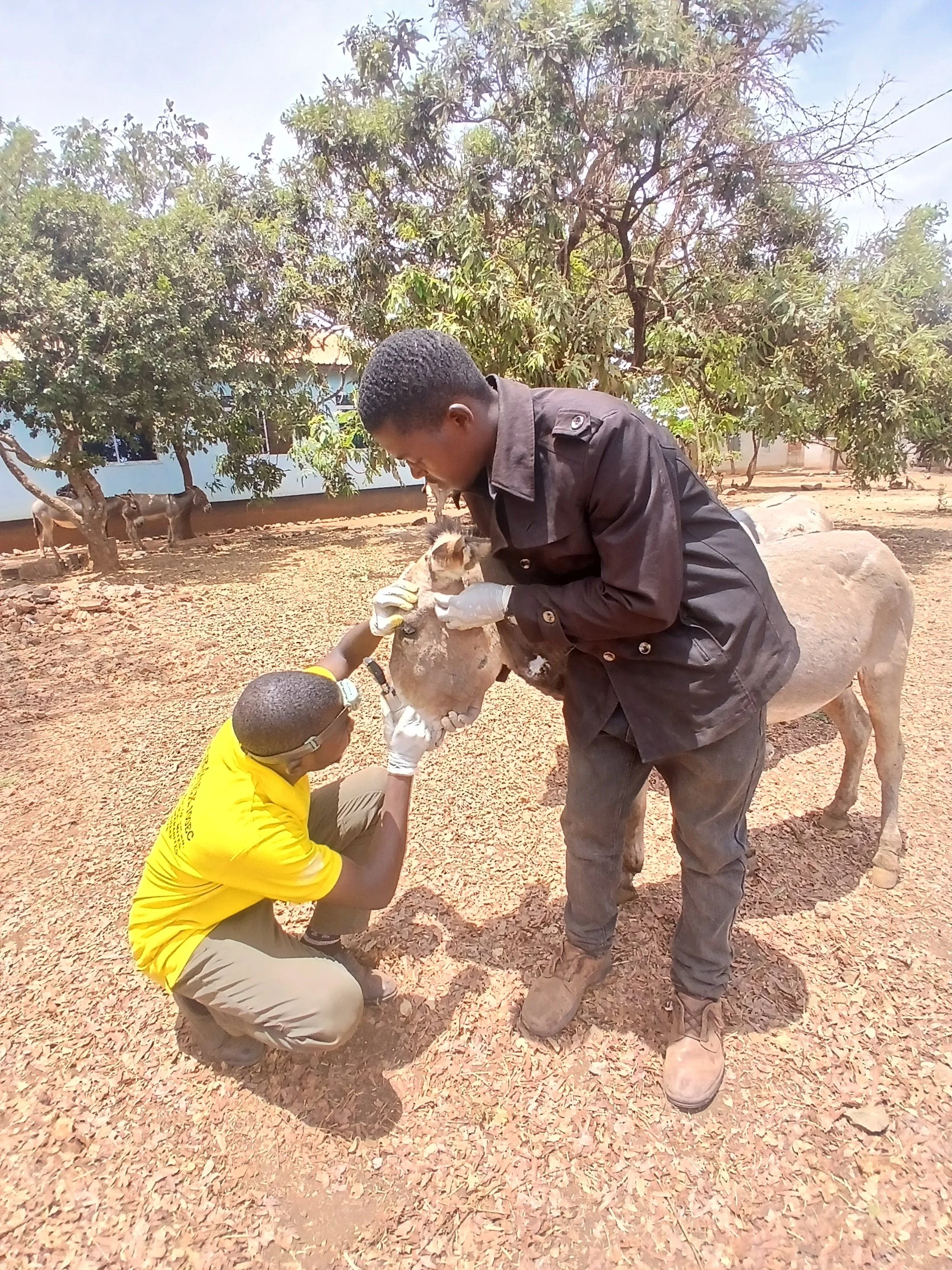
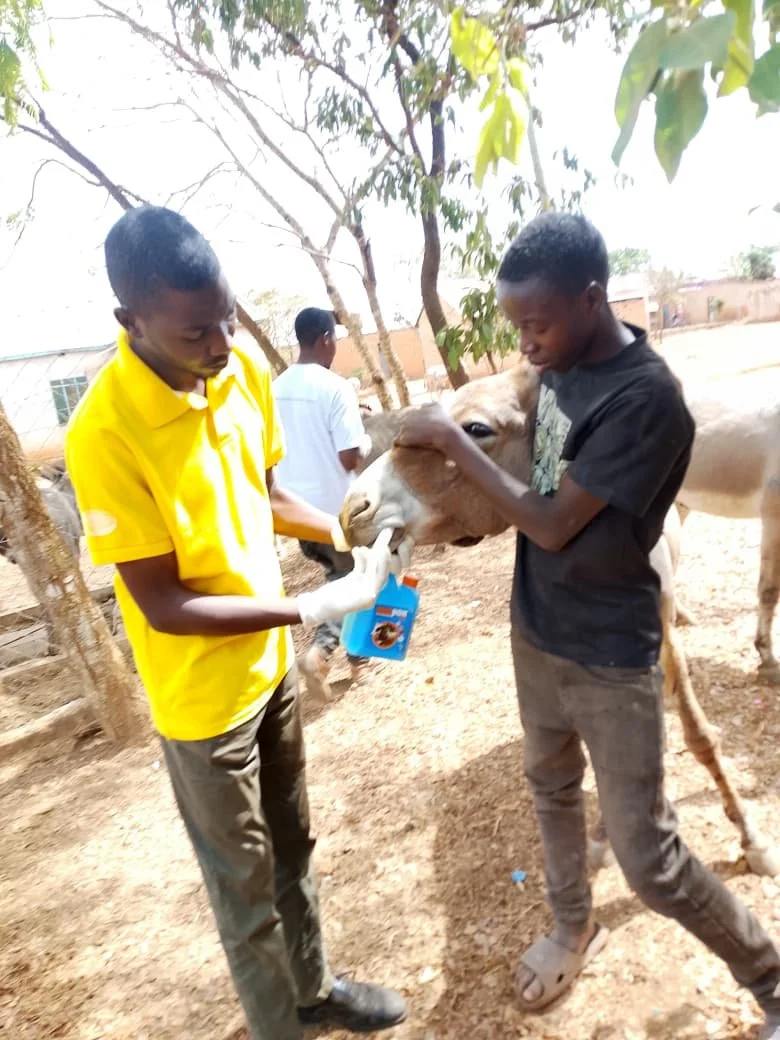
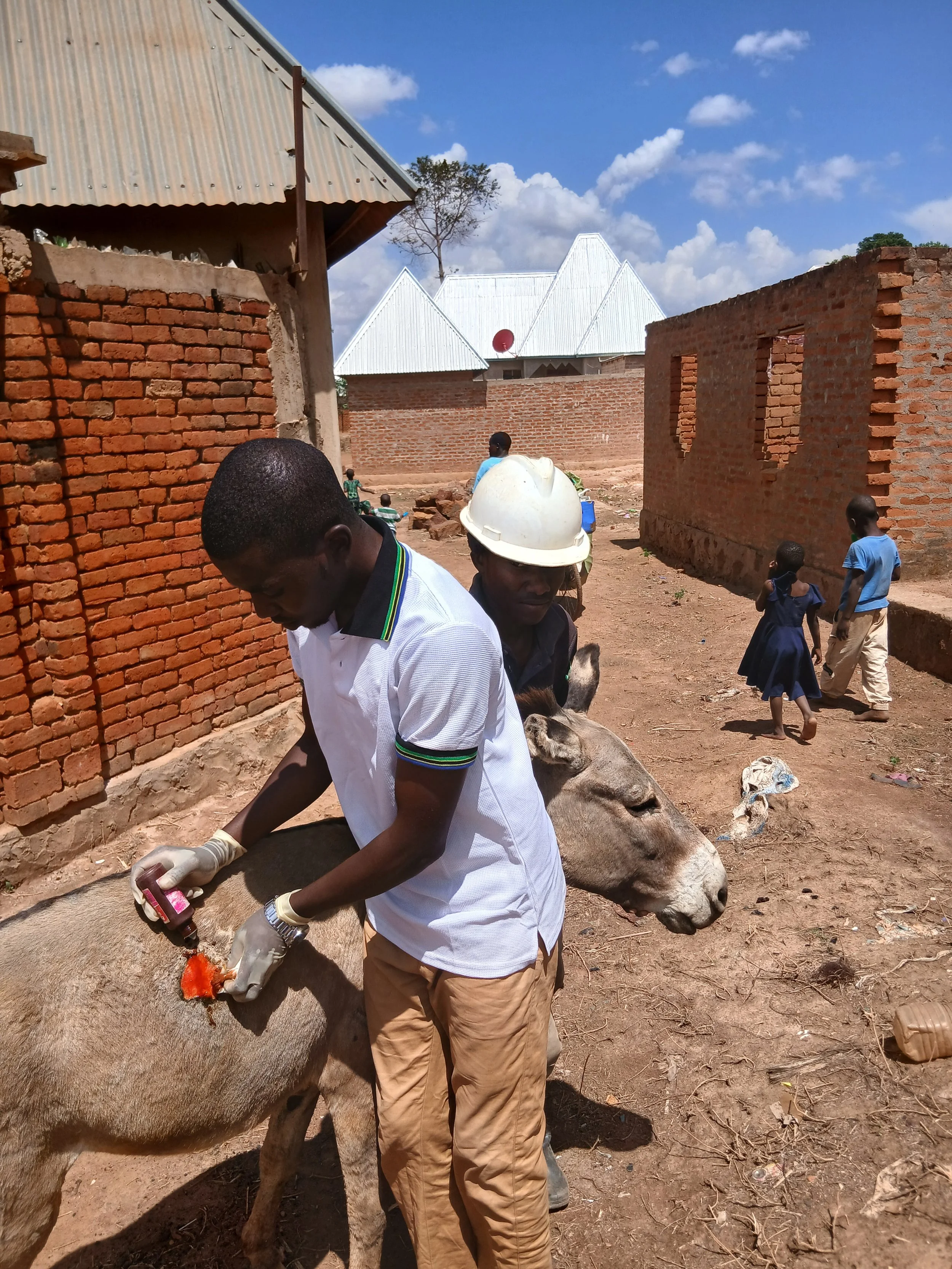
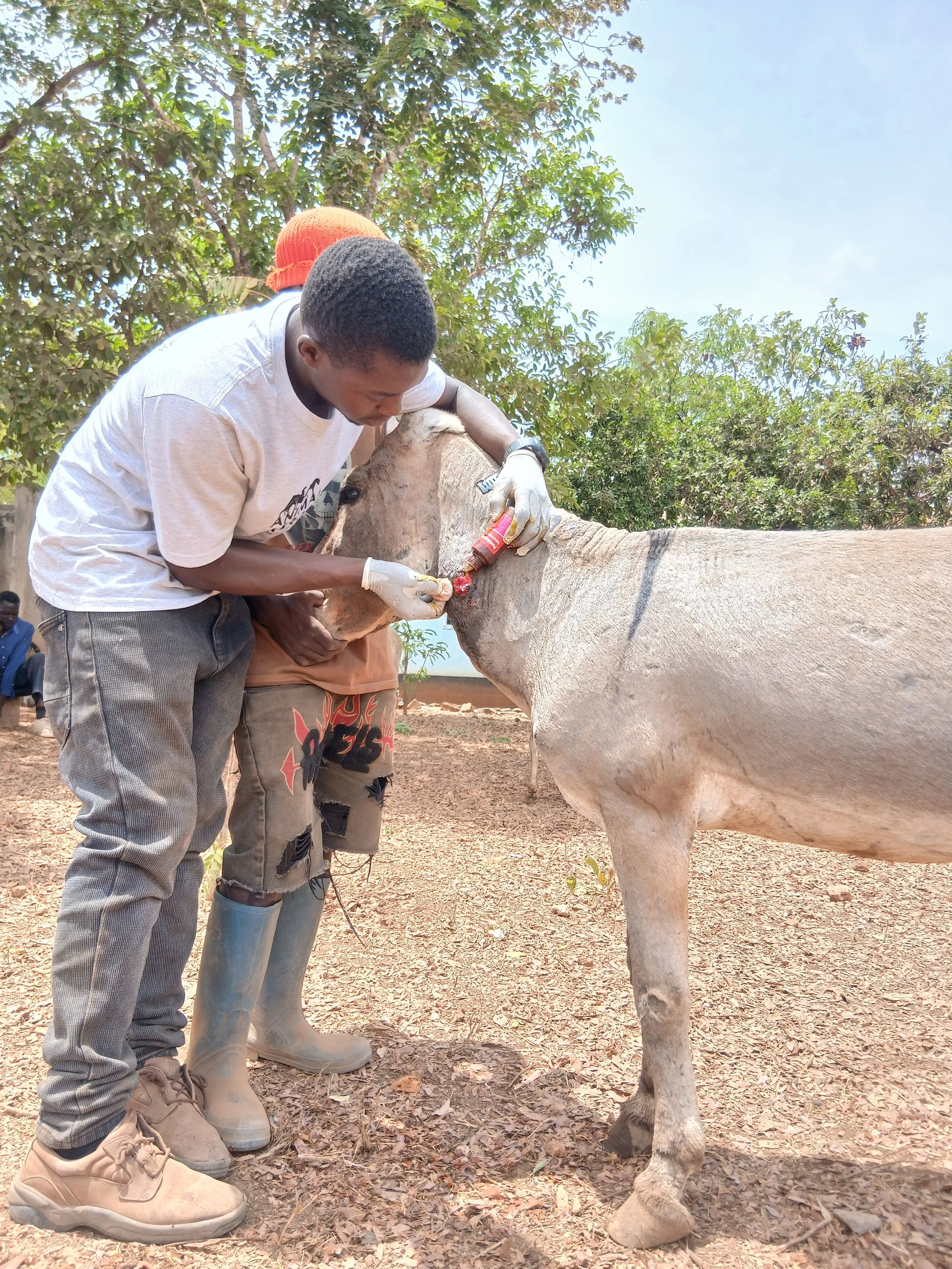
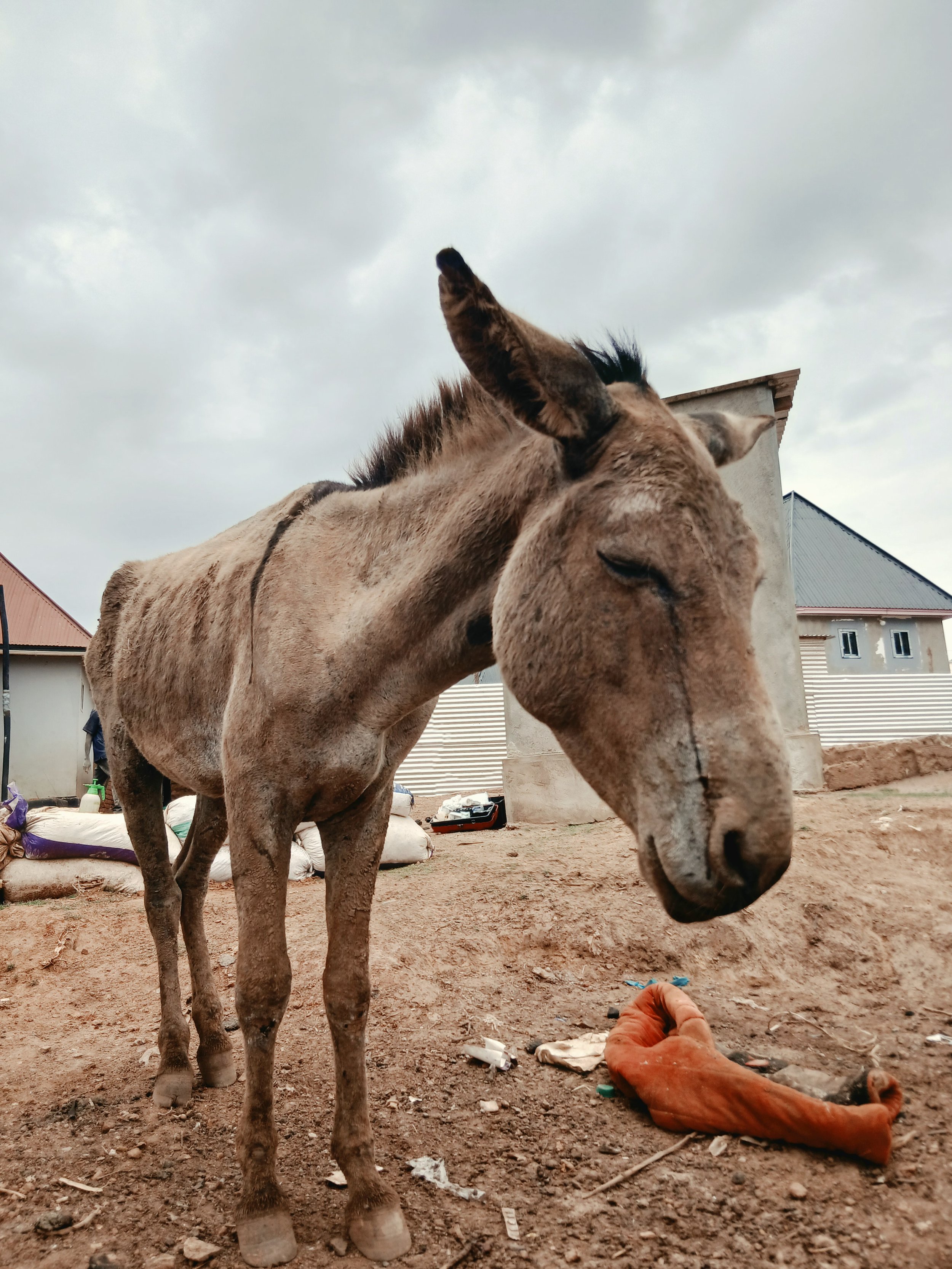
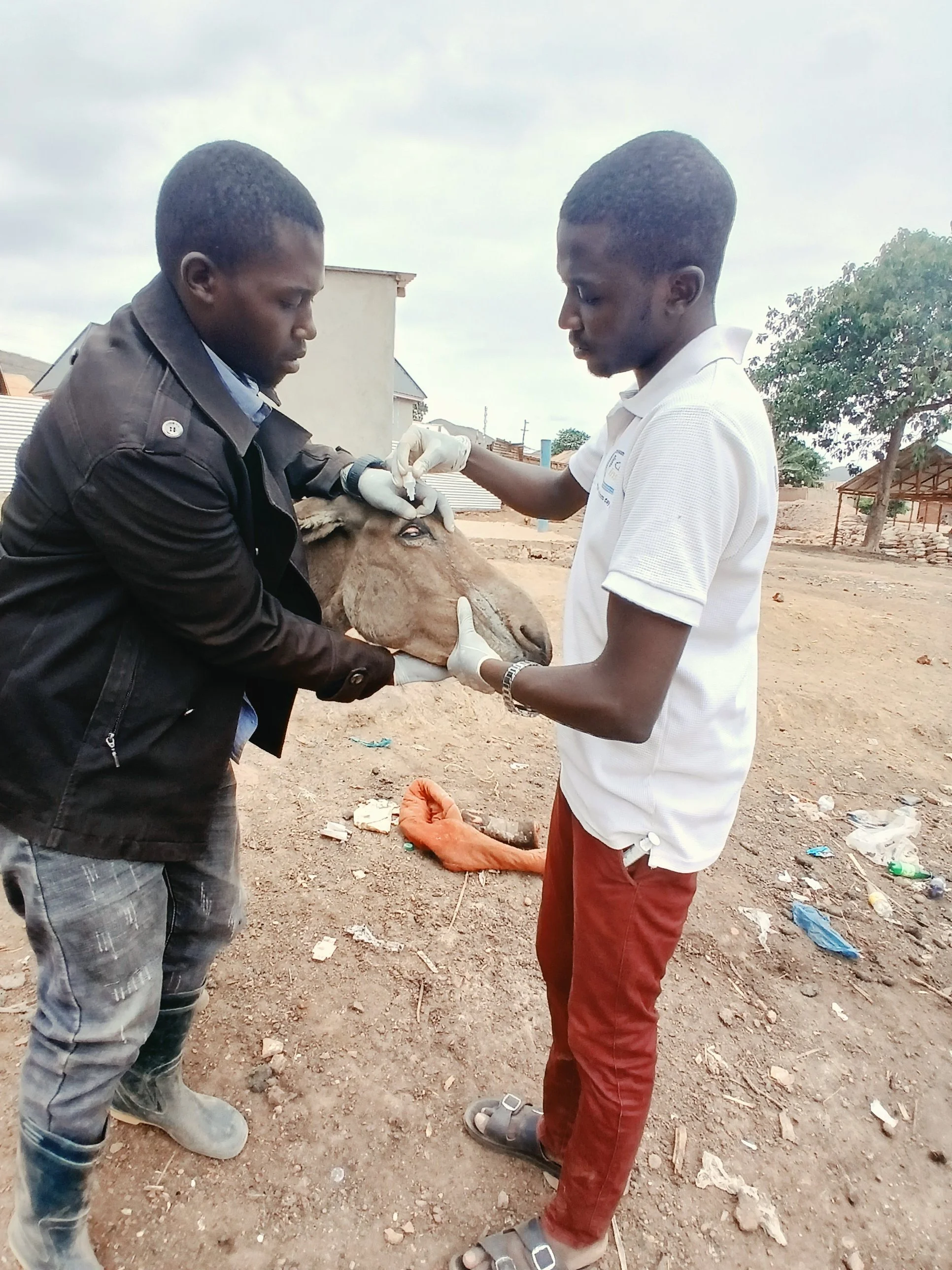
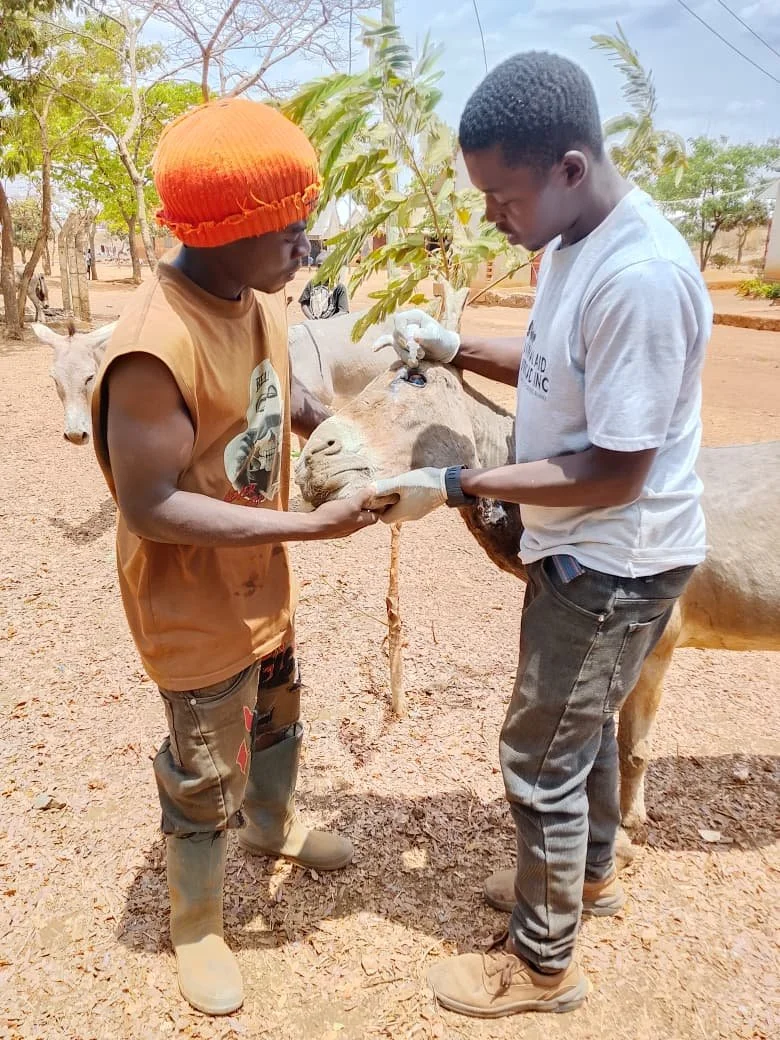
With support from Animal Aid Abroad (AAA), the team treated a wide range of problems, including:
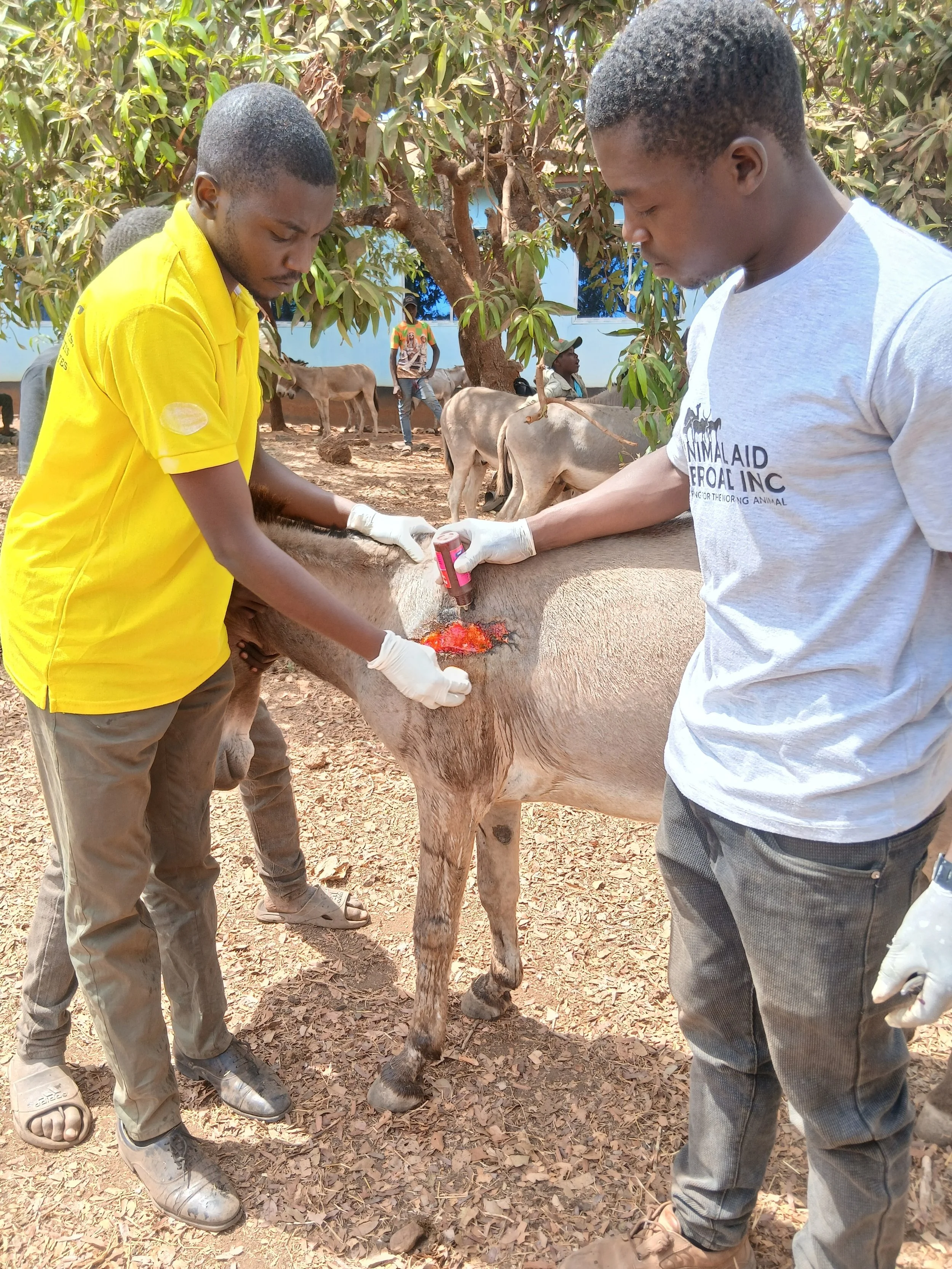
Wounds and skin infections
Eye conditions
Hoof problems and lameness
Parasites, deworming and mange
Respiratory disease and gut infections (enteritis)
Excessive drooling (ptyalism)
Haematomas
Trypanosomiasis, a blood parasite spread by biting flies
Tetanus
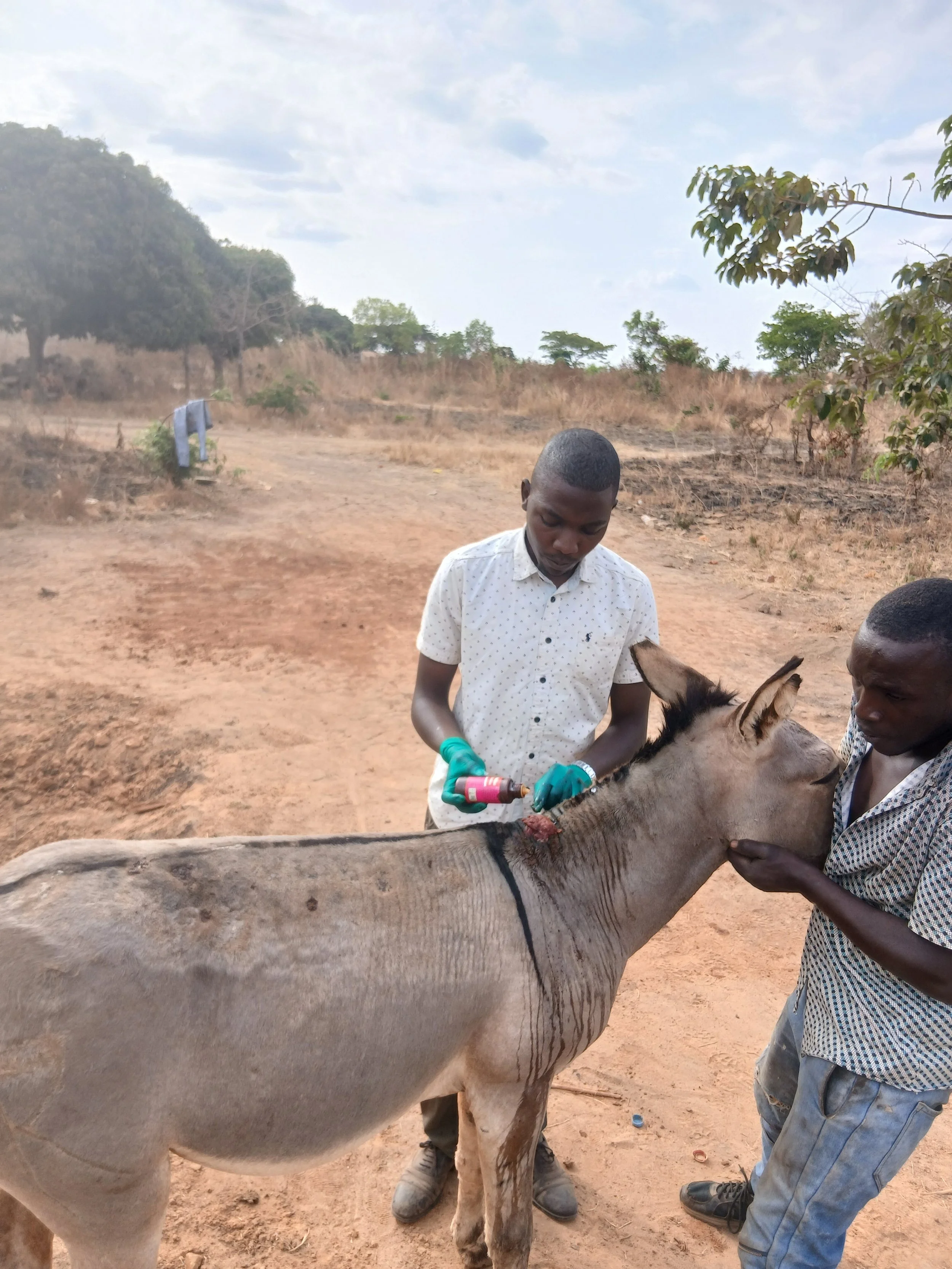
Follow-up: how Kazwika and Mtukututu are doing
Kazwika, from Mgusu, was extremely weak when we reported on him in September. He had been lying and rolling on the ground for about two days. With medical treatment, good food and clean water under the team's close watch, he made steady progress. He has now recovered and gone home to his owner.
Mtukututu was hurt in a cart accident on a dirt road. The severe wound to his belly put him at risk of his intestines pushing through. He keeps improving, but he is not allowed to work until the team is sure he has fully recovered, and they check on him regularly. AAA's support for veterinary supplies, medicines and transport made his rescue possible.
General clinics
In October, the team ran two general donkey clinics, at the Mgusu and Nyarugusu gold mines. They saw 126 donkeys with a variety of health problems.
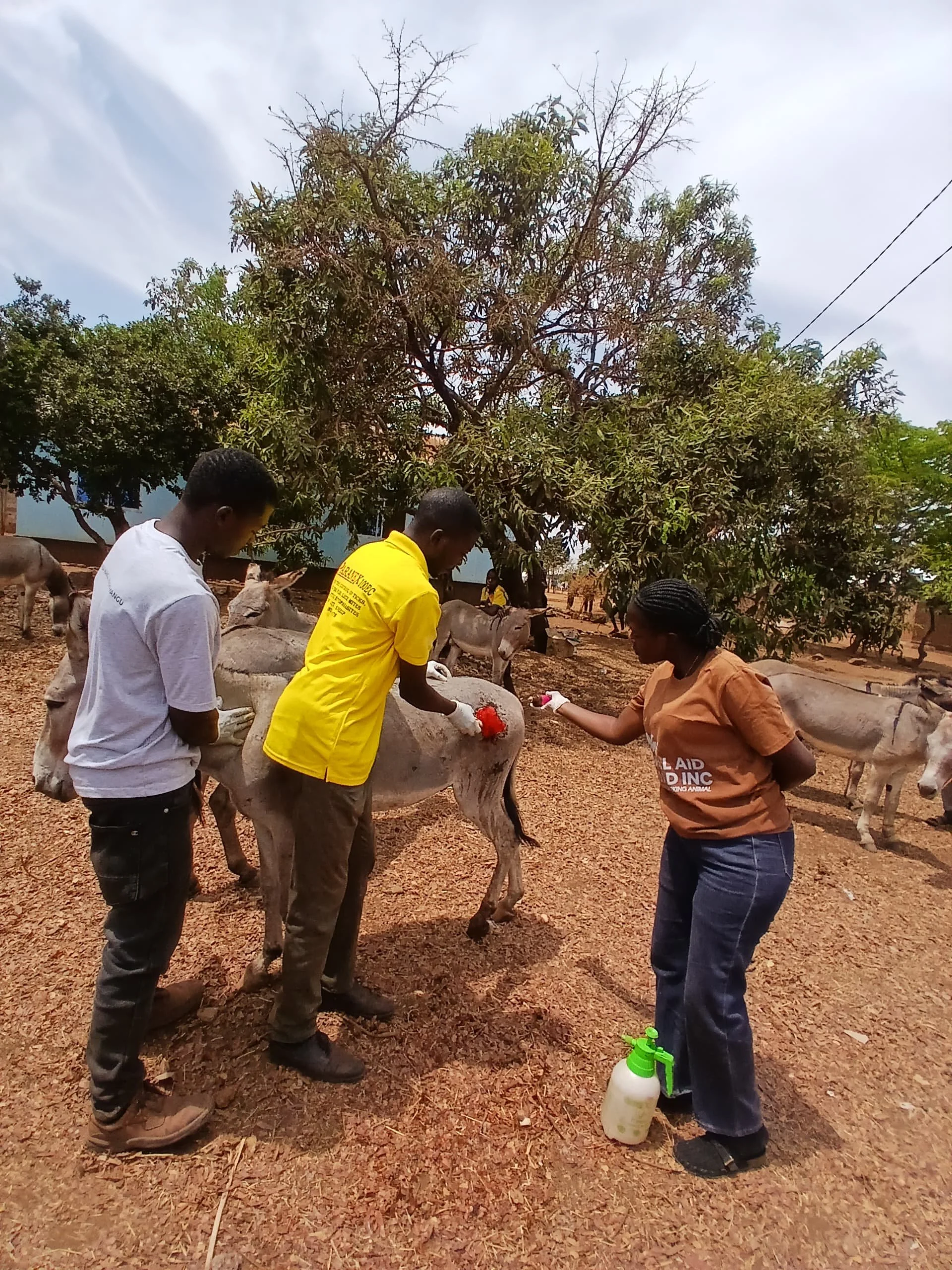
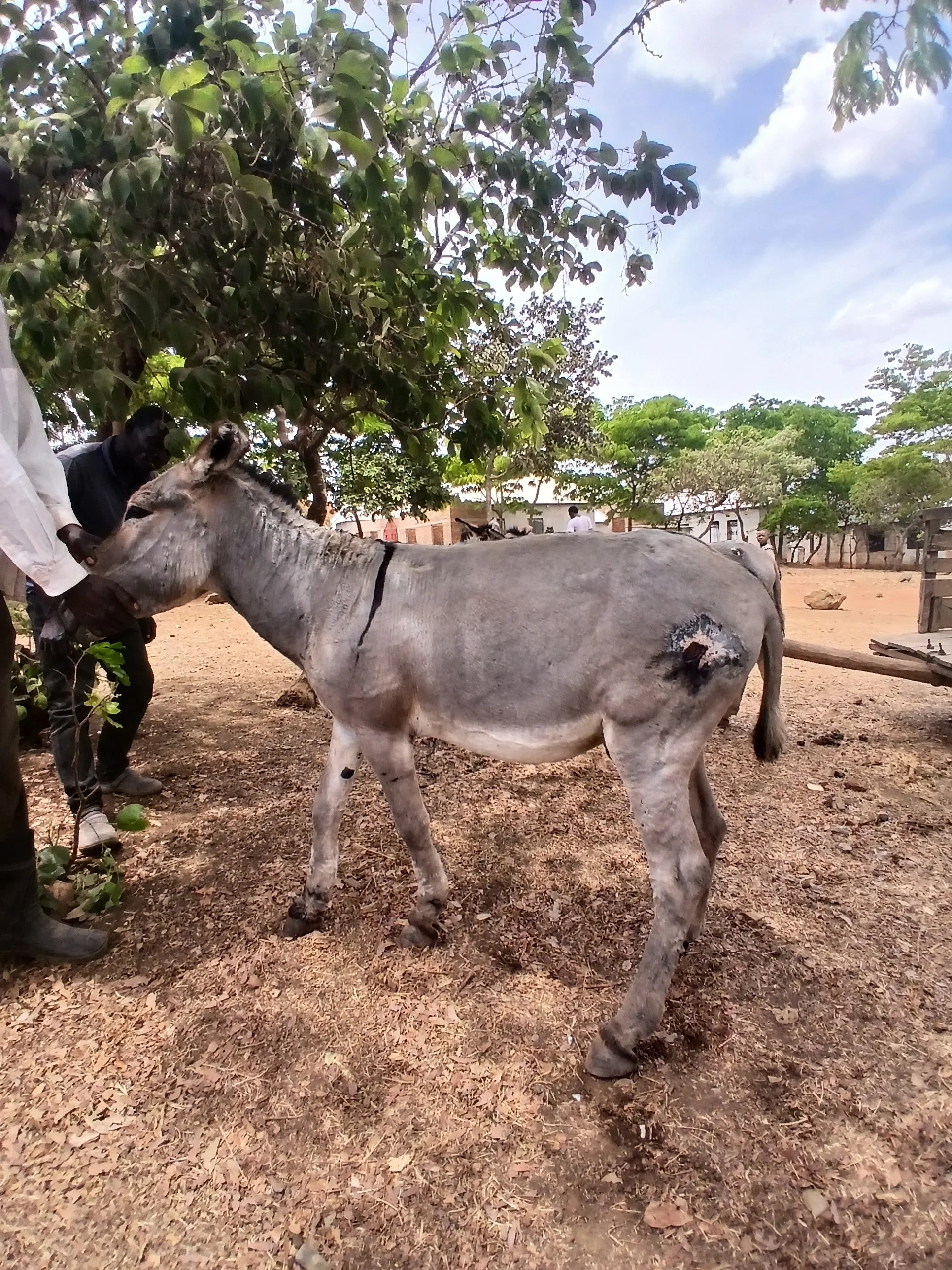
Teaching owners to care, and seeing it work
Before the clinics, the team ran a welfare session for 42 donkey owners and handlers. It covered handling, feeding, health care and what counts as cruelty.
The lessons are changing attitudes. When Mkazi found his donkey Mkawize in trouble, he moved him to safety and called LAZAWO rather than trying to treat him himself. It is a good sign that owners and their communities are taking more responsibility for donkeys, especially those working in tough mining conditions.
Rewarding kind handlers
Through the AAA Anti-Cruelty Program, five handlers were publicly recognised for treating their donkeys well. In Mgusu, three received an AAA T-shirt and two received an AAA hat. In Nyarugusu, one received a T-shirt and one a hat.
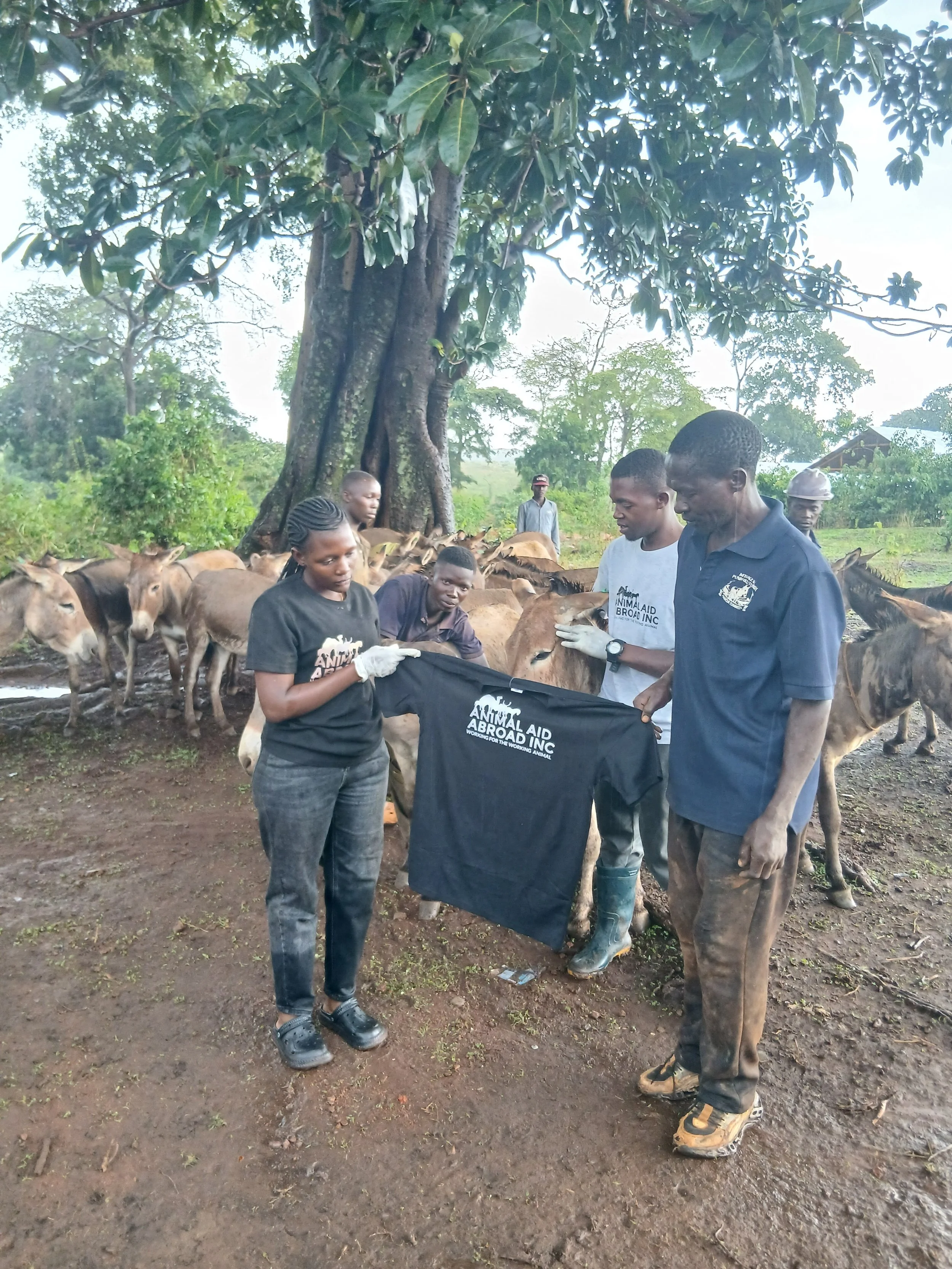
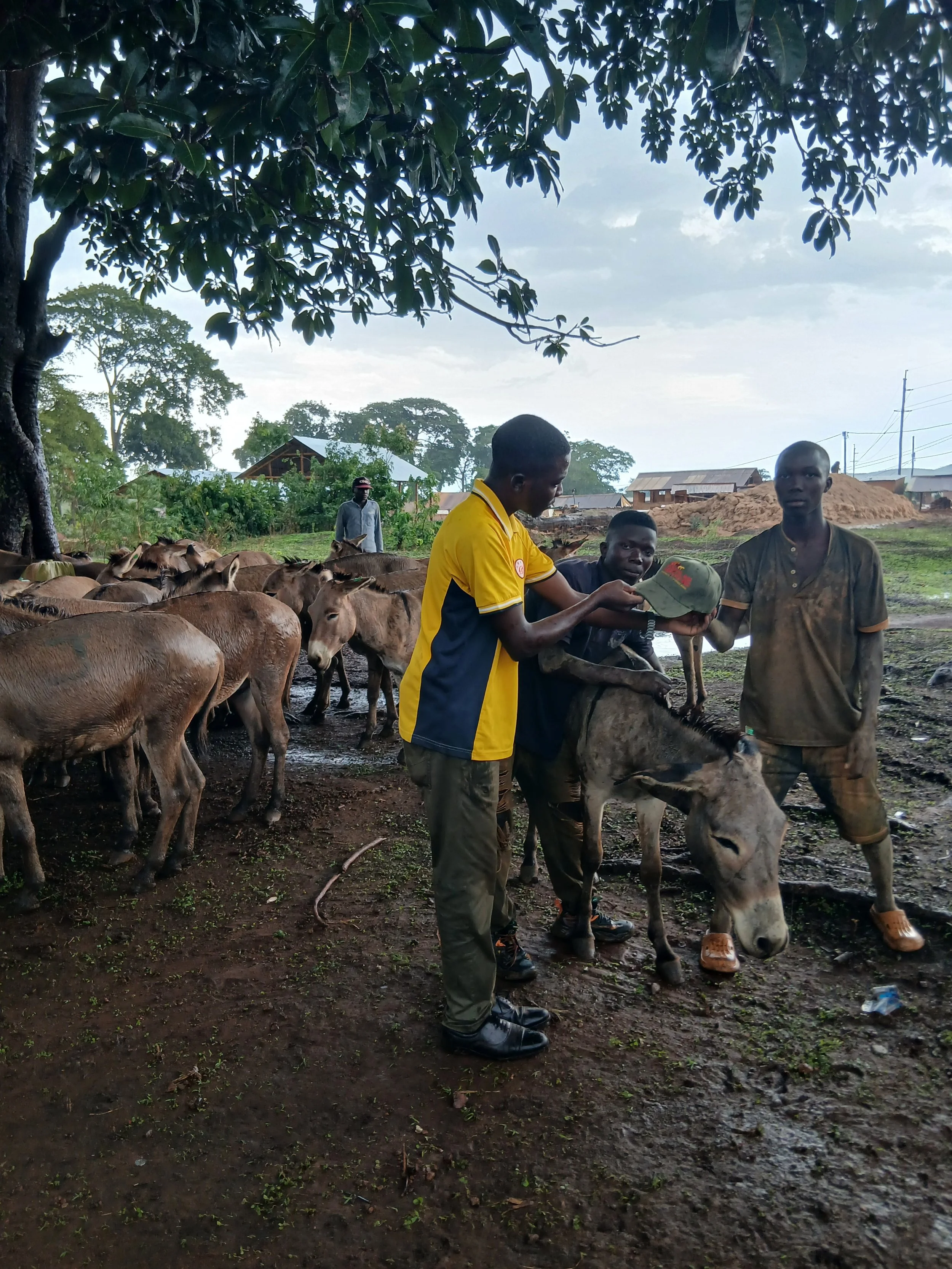
Masasi: the hidden cost of food and water shortages
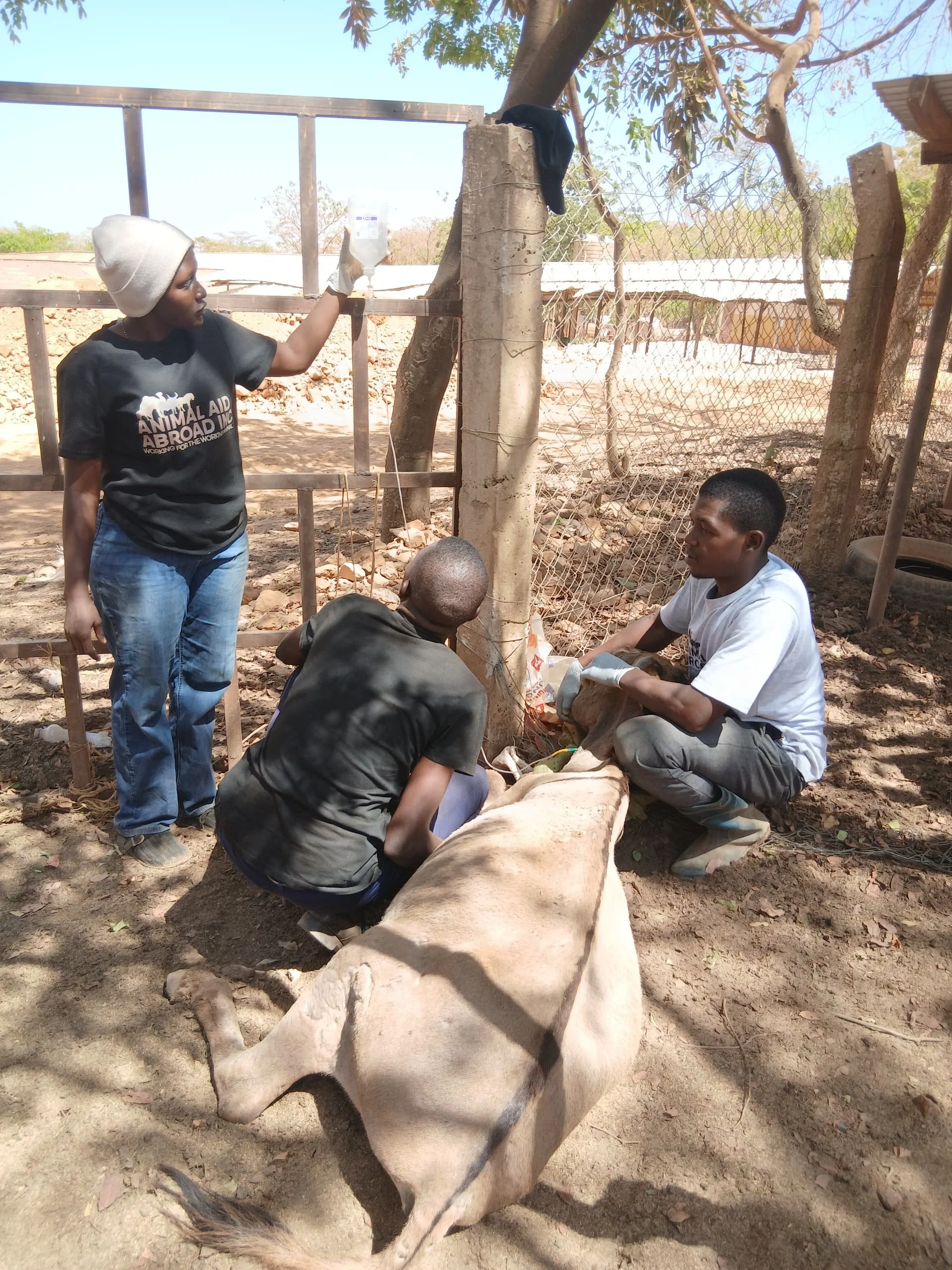
Marimbo, from Mgusu, called the team because his donkey Masasi could not stand or eat. Two days earlier, Masasi had started to show heavy nasal discharge and drooling.
The team came straight away. They found that poor nutrition and breathing problems were the main concerns, and treated Masasi with intravenous fluids and antibiotics. He improved quickly and is now recovering well. Without the medicines and supplies that AAA supporters fund, Masasi could easily have been lost.
Mkawize: back on his feet after hind-leg paralysis
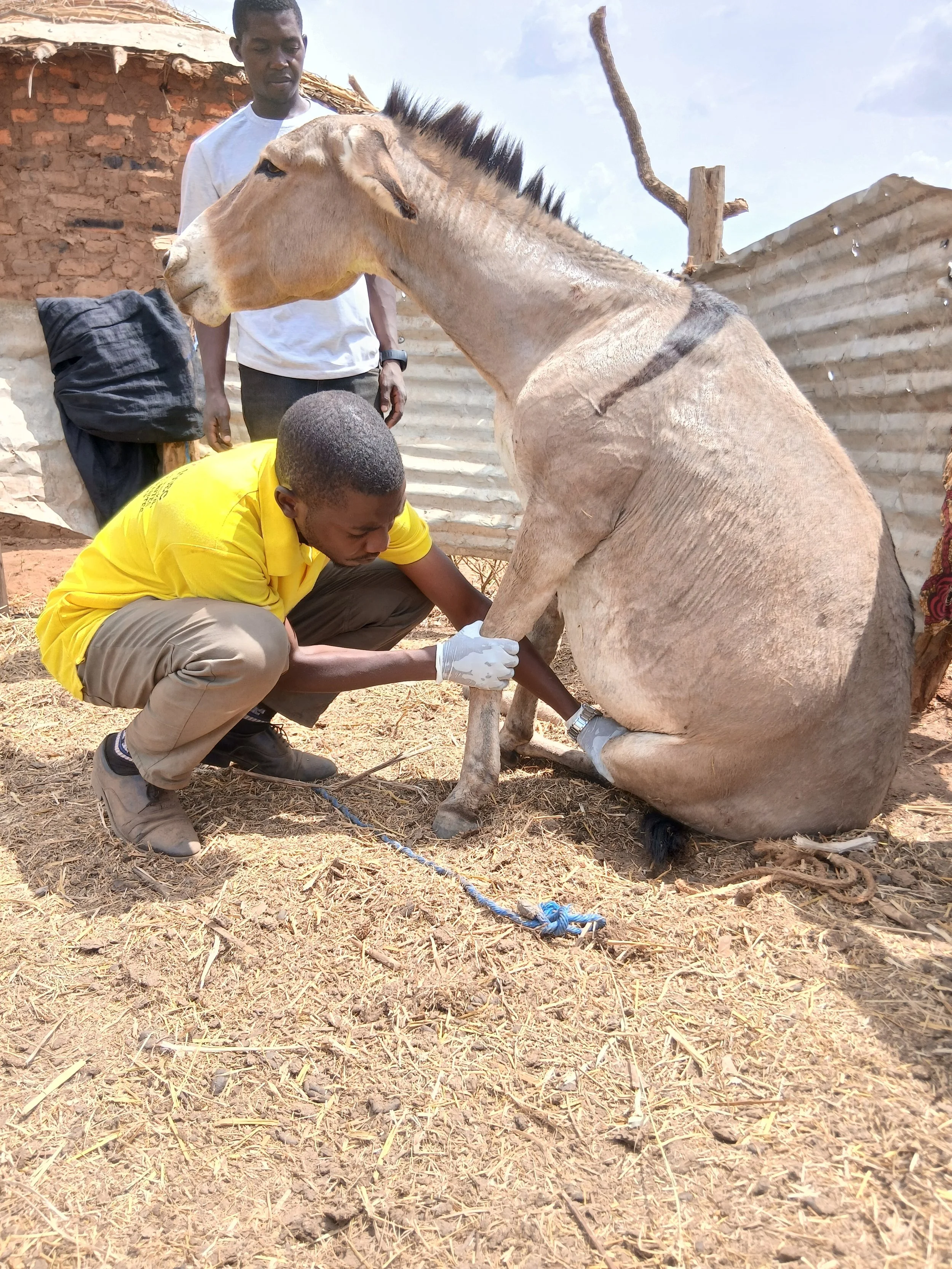
Mkazi, from Stamico, had left his donkeys to graze when a young child came to tell him that one of them could not walk. He rushed over and, with help from others, carried Mkawize home to rest.
The LAZAWO team confirmed that Mkawize's hind legs were paralysed. They gave him an antibiotic injection and took him to the LAZAWO sanctuary for further care. He can now stand and walk, with a slight limp, and will stay at the sanctuary until he has fully recovered and can go home. Without this help, his chances of recovery would have been much lower.
A message from LAZAWO
The LAZAWO team thanks AAA supporters for their continued partnership and generosity. Your support keeps the team motivated and helps improve the lives of working donkeys in Tanzania.
Help donkeys in Tanzania's gold mines
Every clinic, every emergency call and every welfare lesson depends on your support. Your gift helps LAZAWO reach more donkeys like Masasi and Mkawize. Donate to Animal Aid Abroad today.
Animal Aid Abroad (AAA) is an Australian charity, founded in 2007 and run entirely by volunteers, that supports local partner organisations caring for working animals across Africa, Asia, Latin America and the Middle East.