Friendicoes’ dedicated vet team reached an astonishing 1,478 working equines during October. These were primarily mules used to transport tourists undertaking the pilgrimage at Kedarnath. These mules have to trek up steep Himalayan mountains carrying heavy loads, and suffer from many wounds and injuries as a result. However, with help from your kind donations, the team were able to provide care, treatment and relief for these animals.
Mule treatment camp in kedarnath
During October, the veterinary treatment camp for mules at Kedarnath was extended for an additional two weeks.
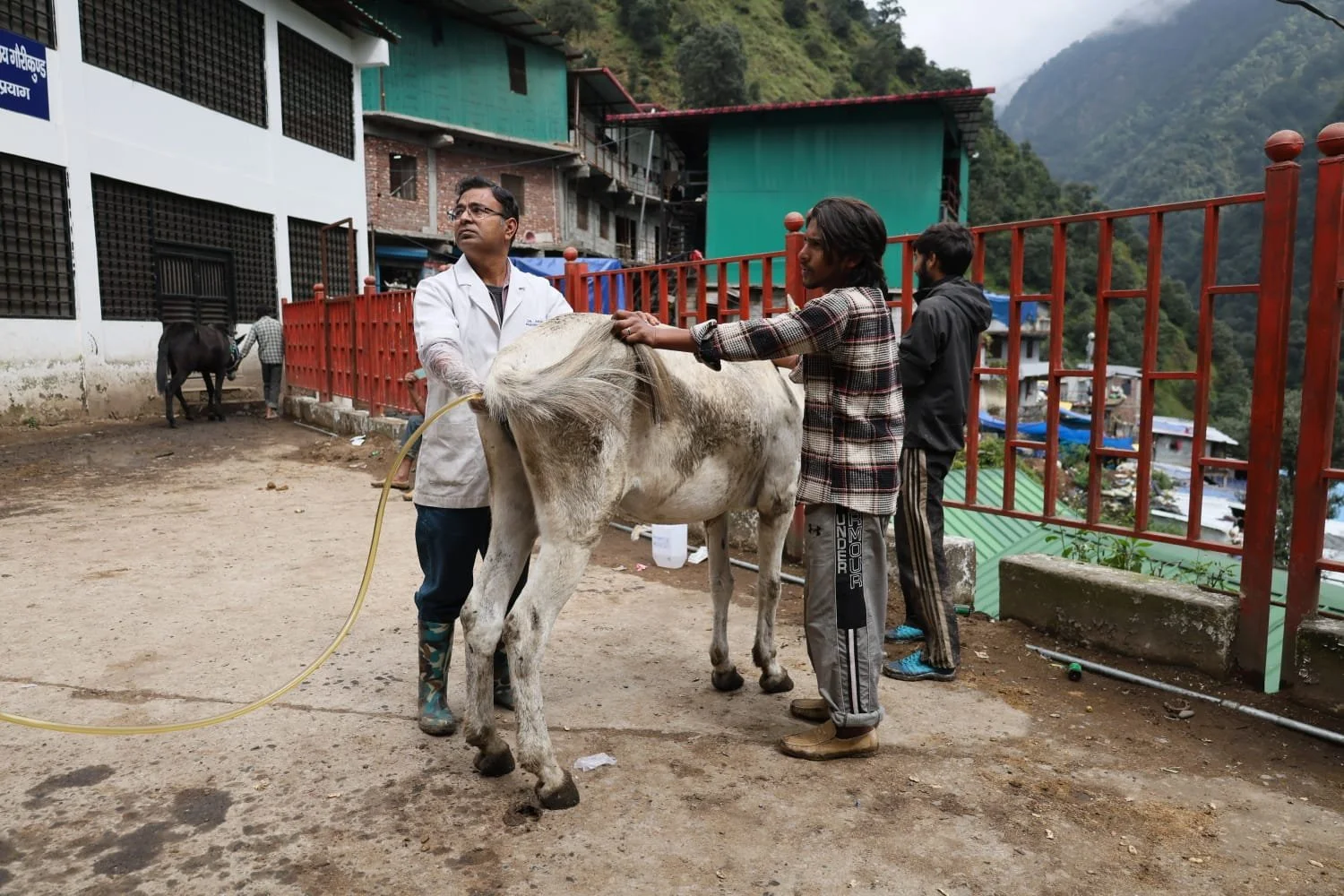
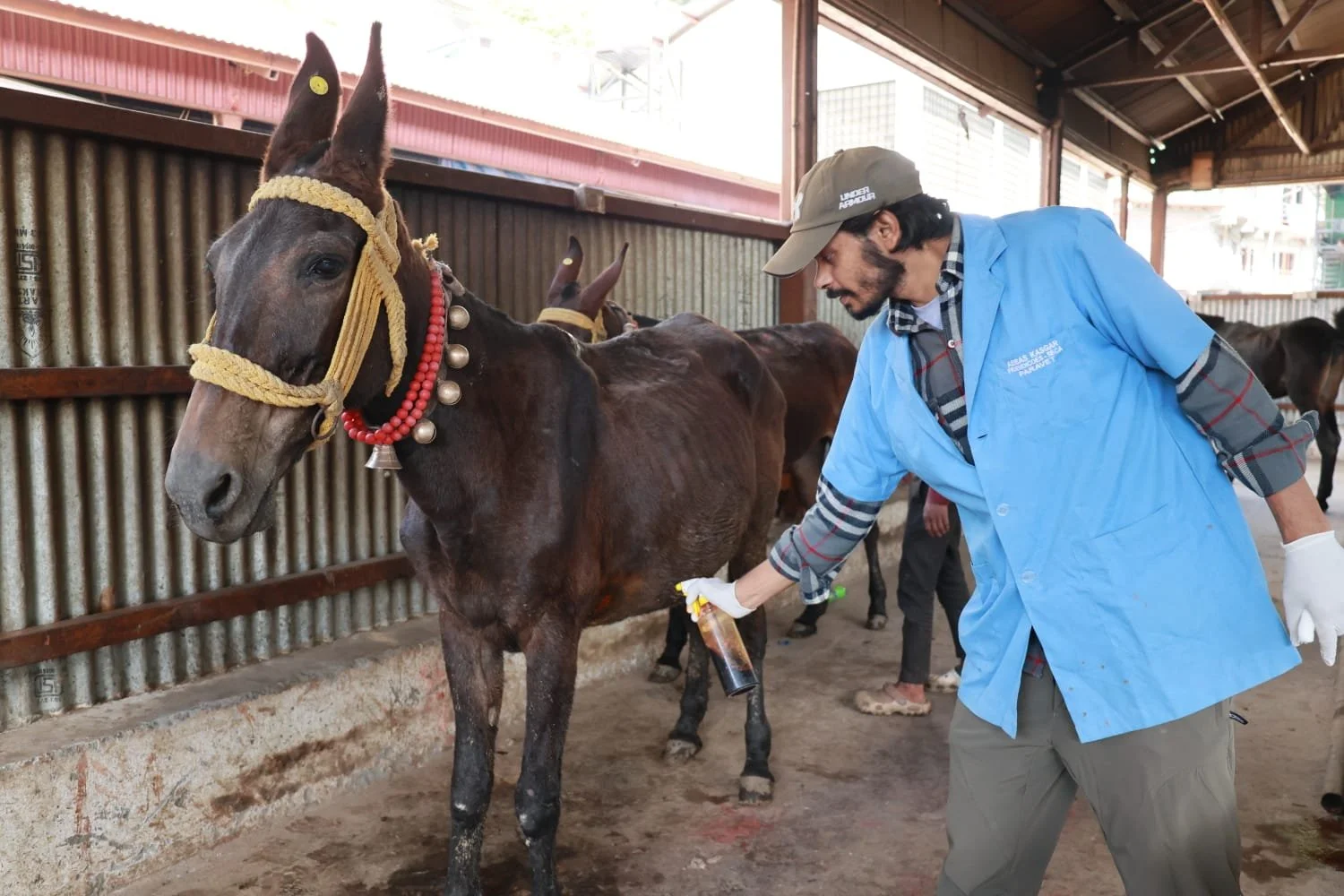
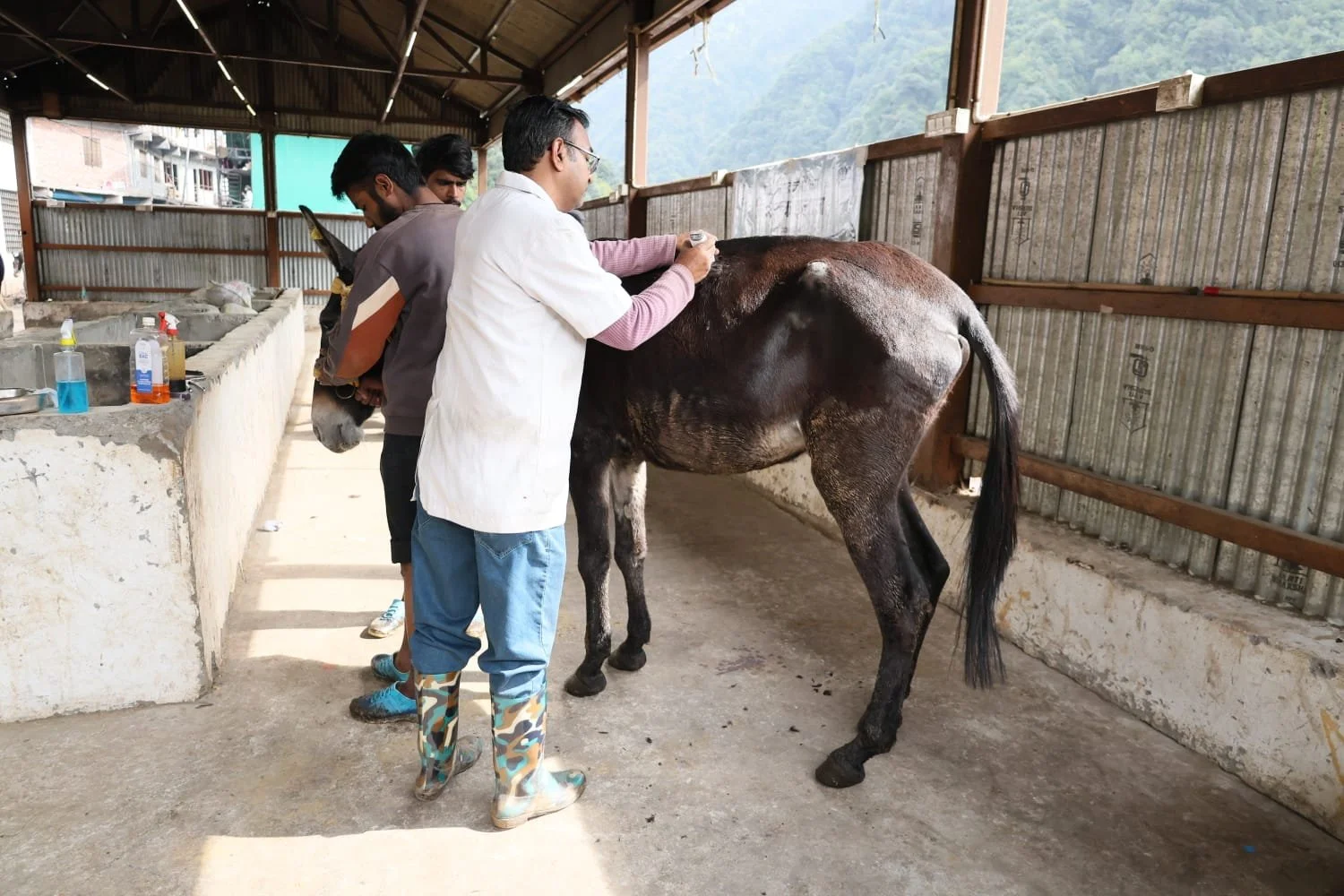
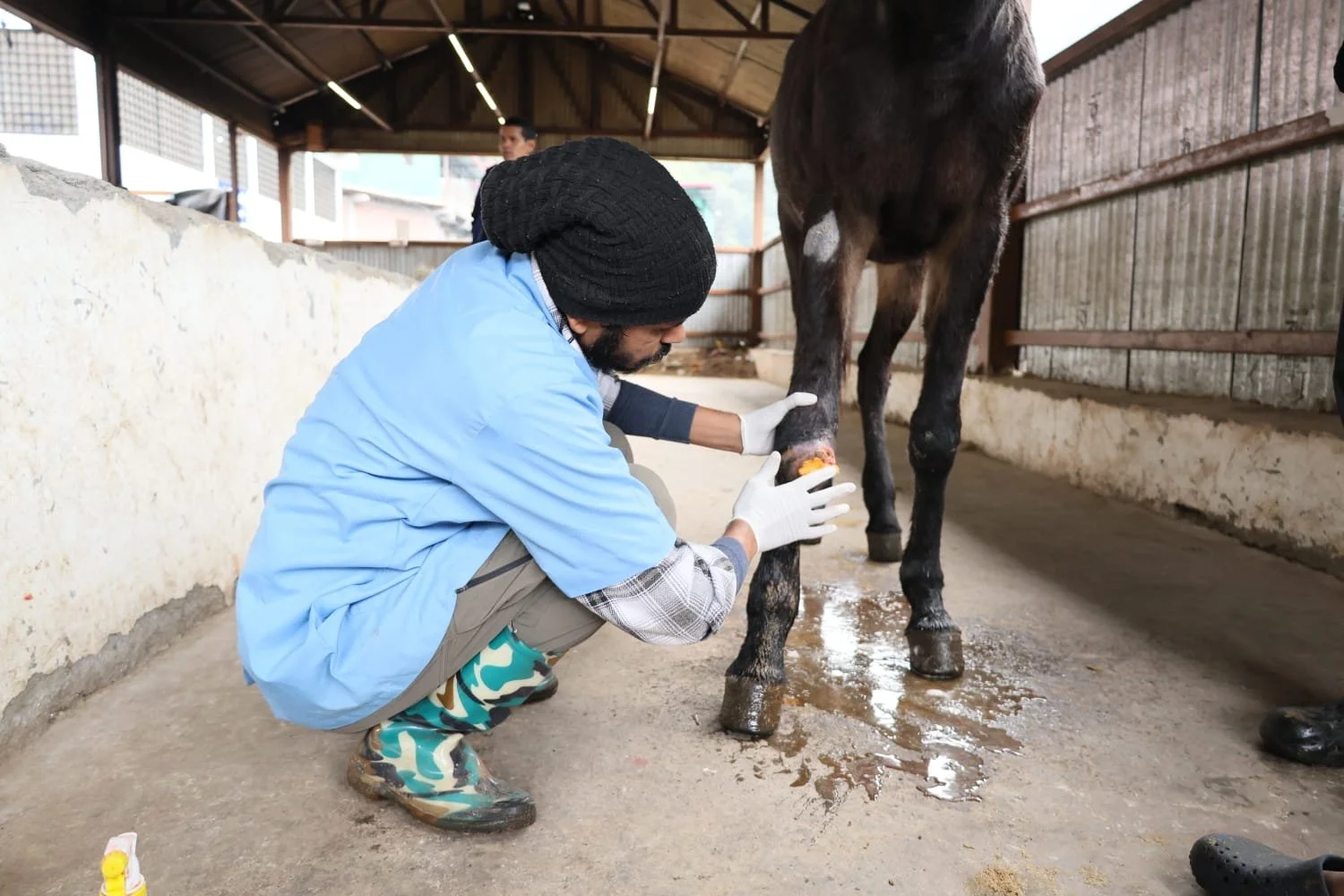
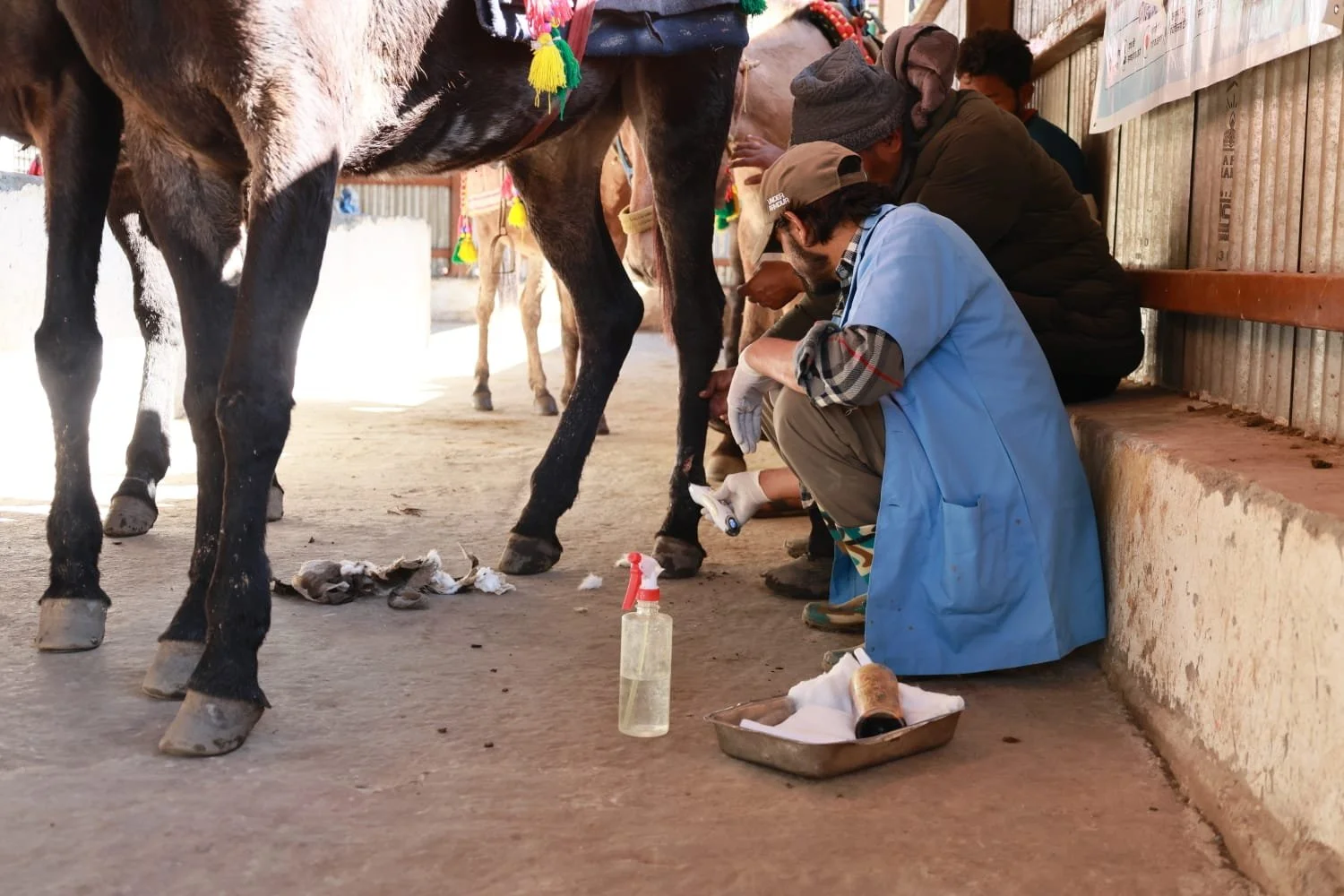
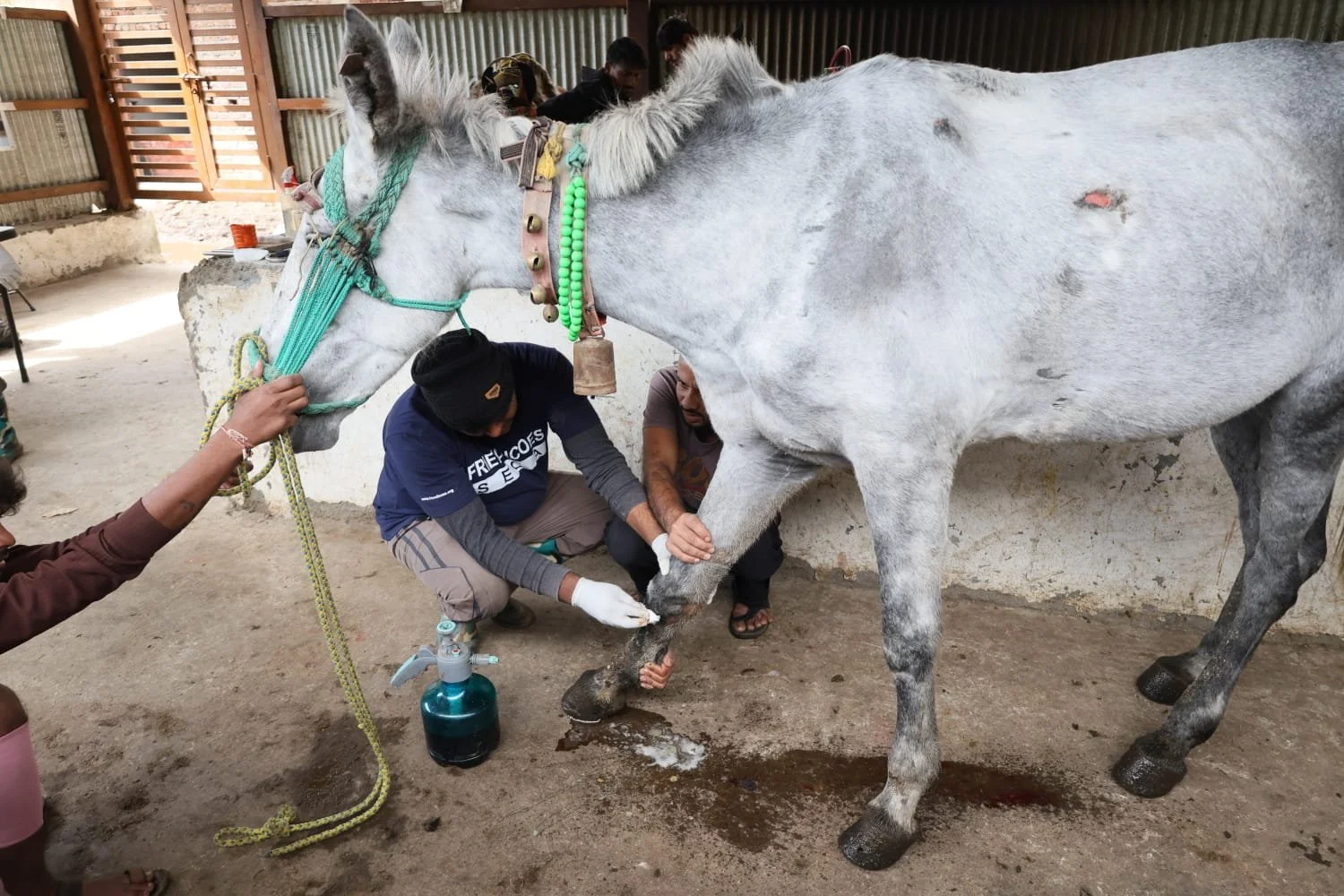
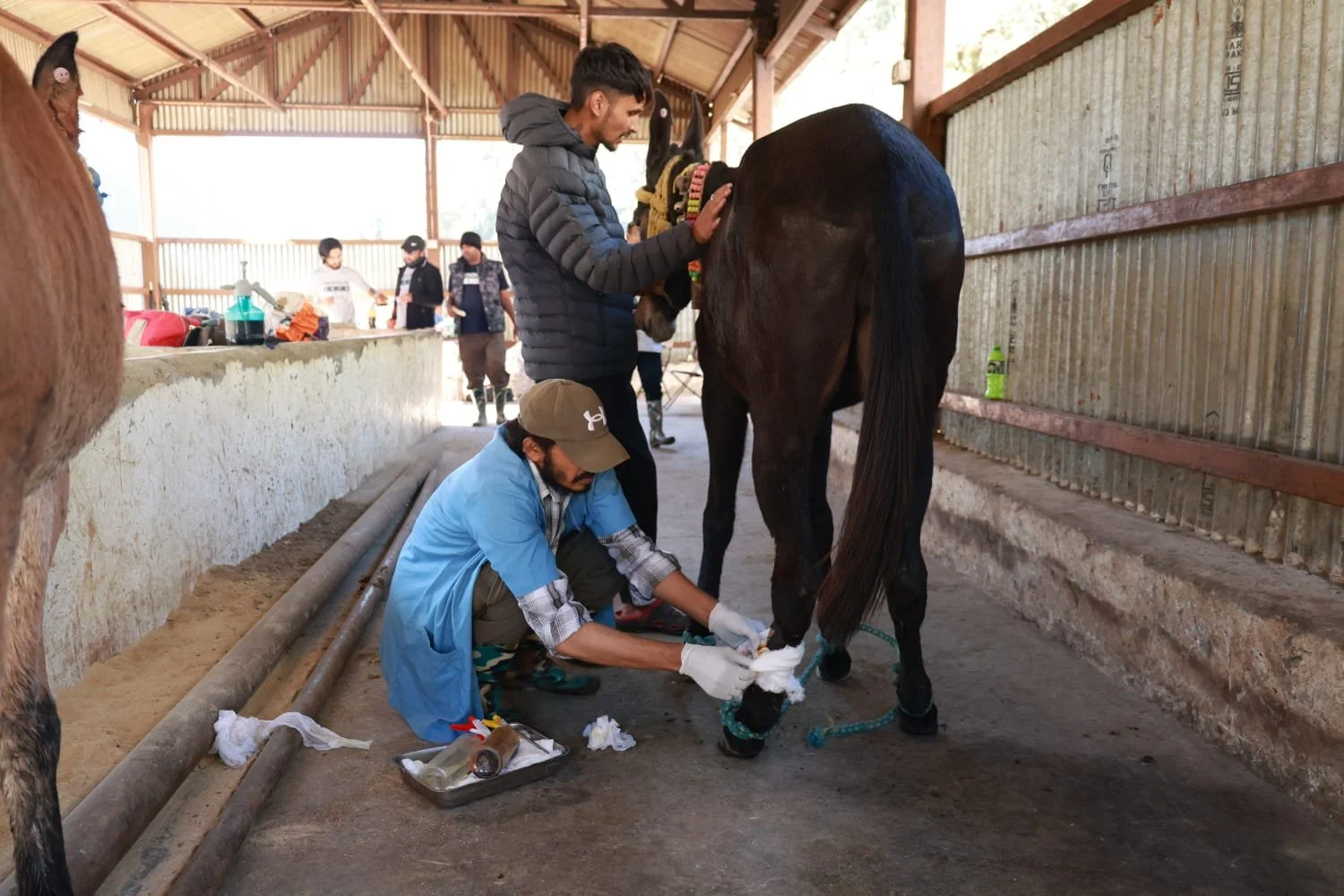
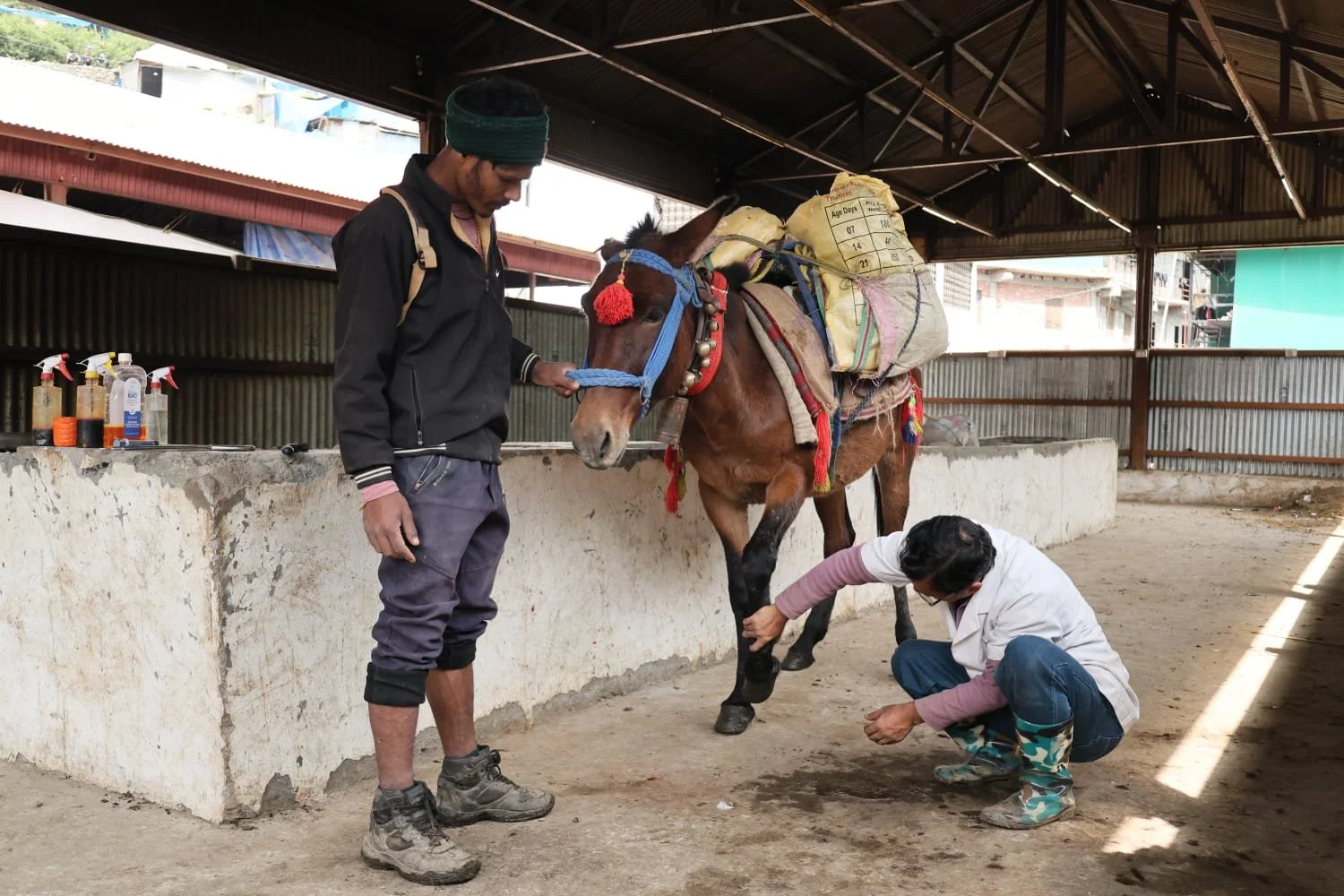
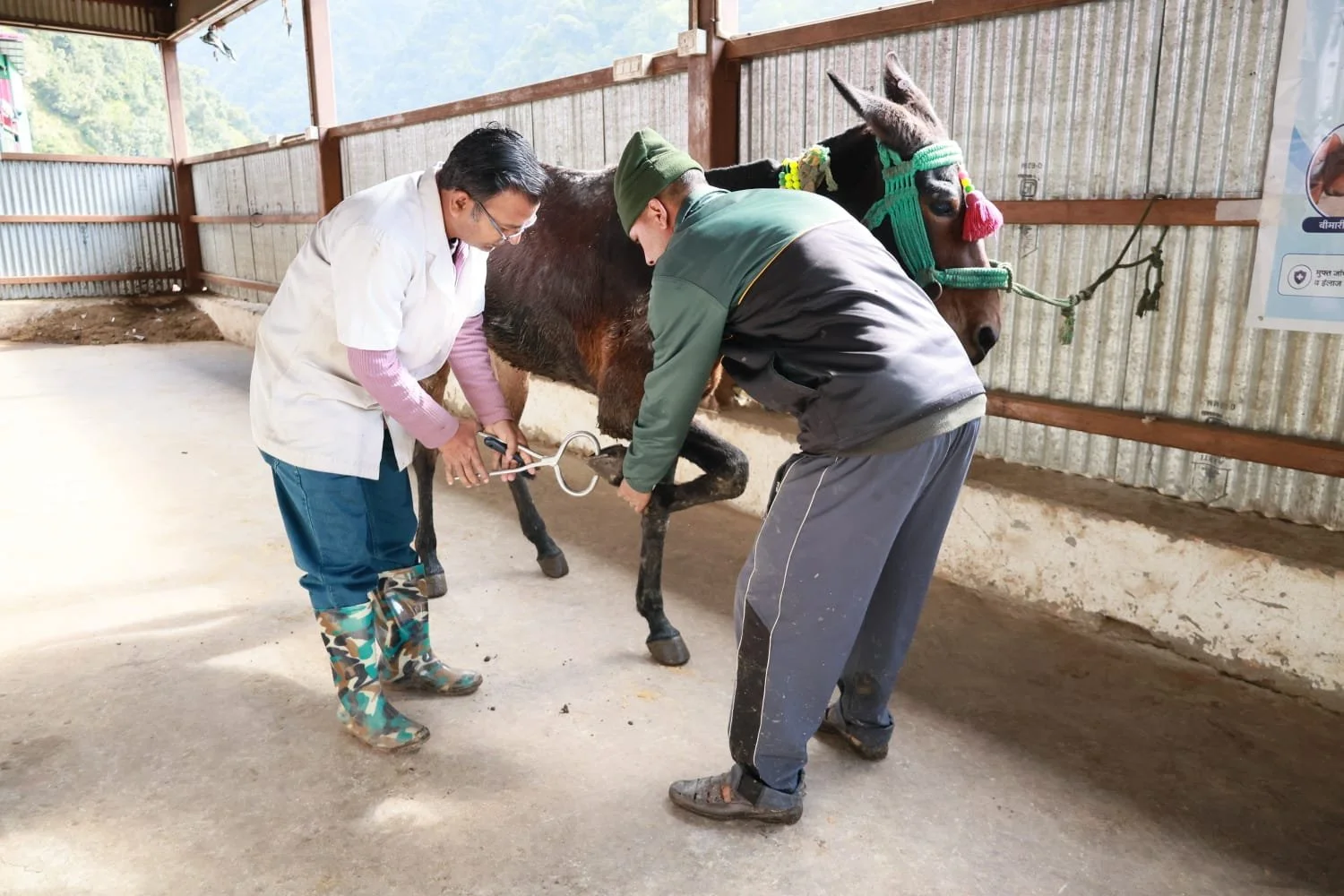
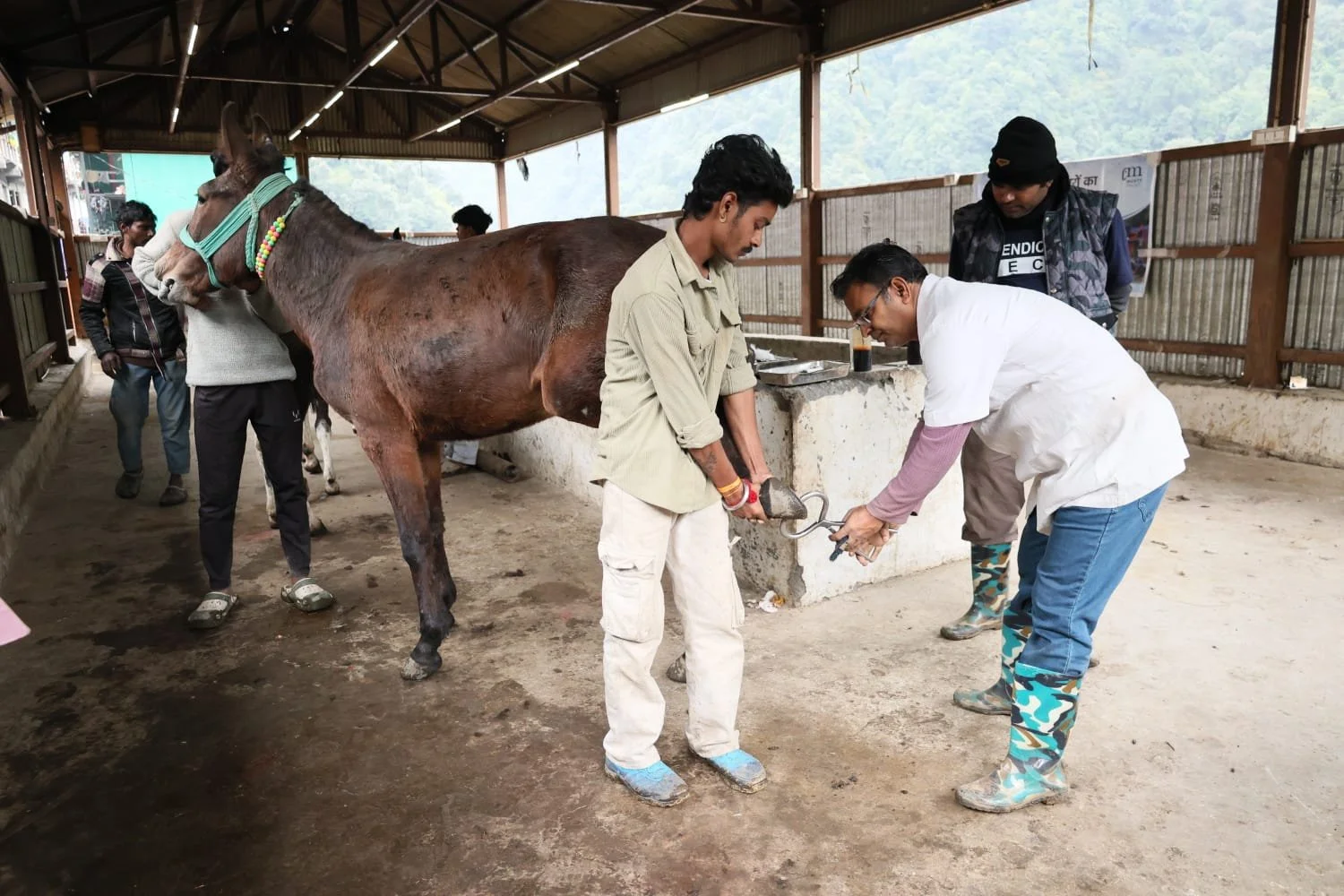
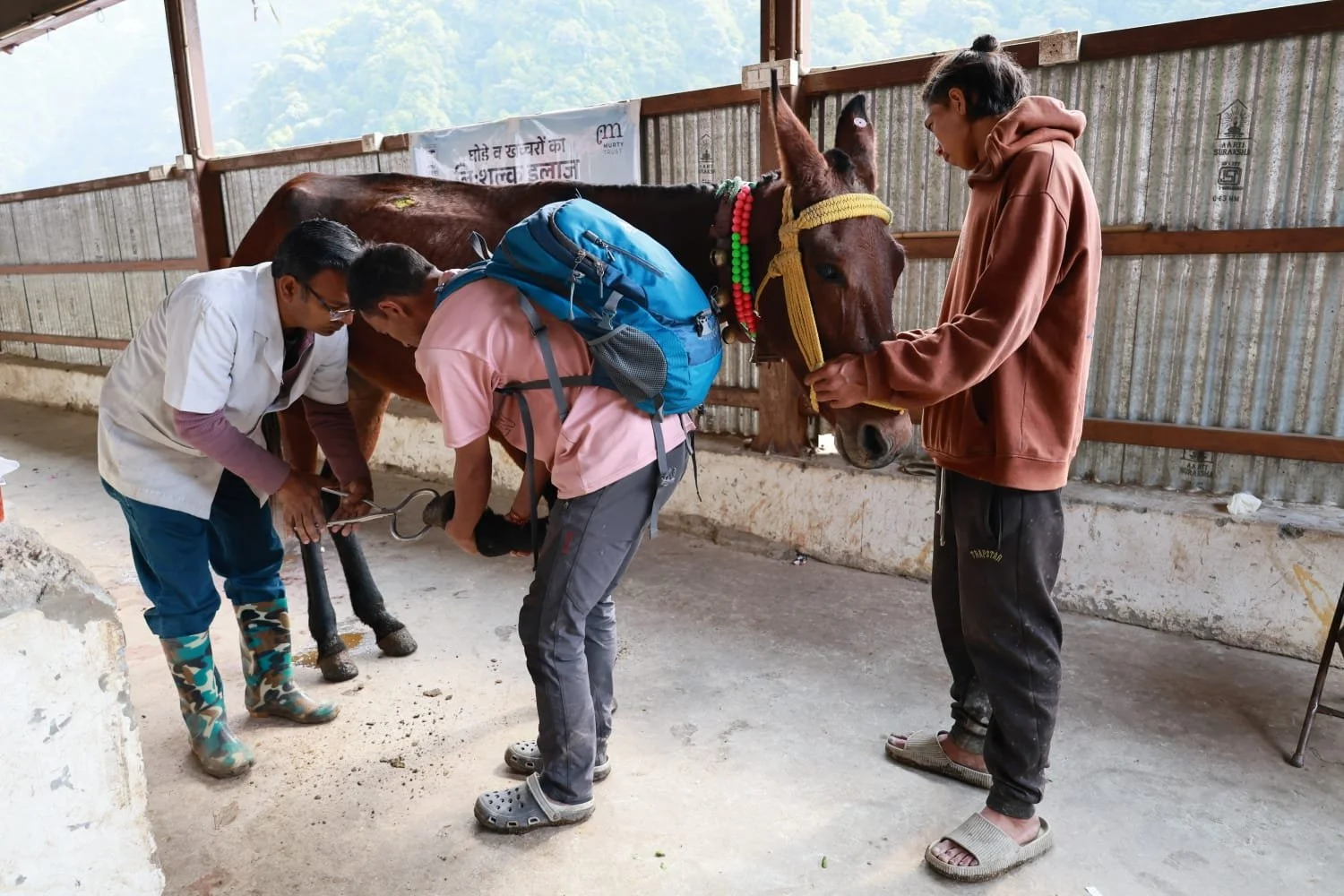
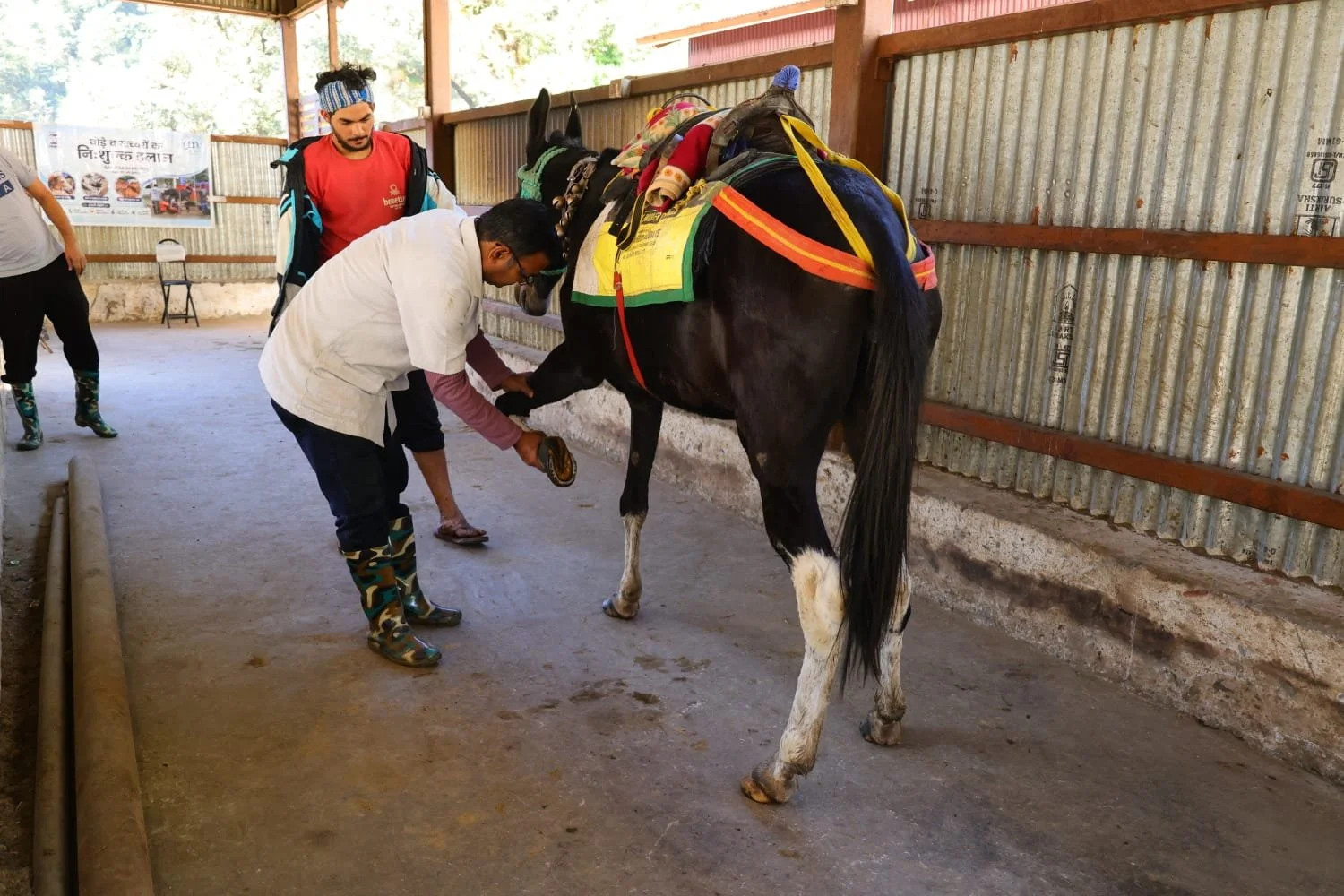
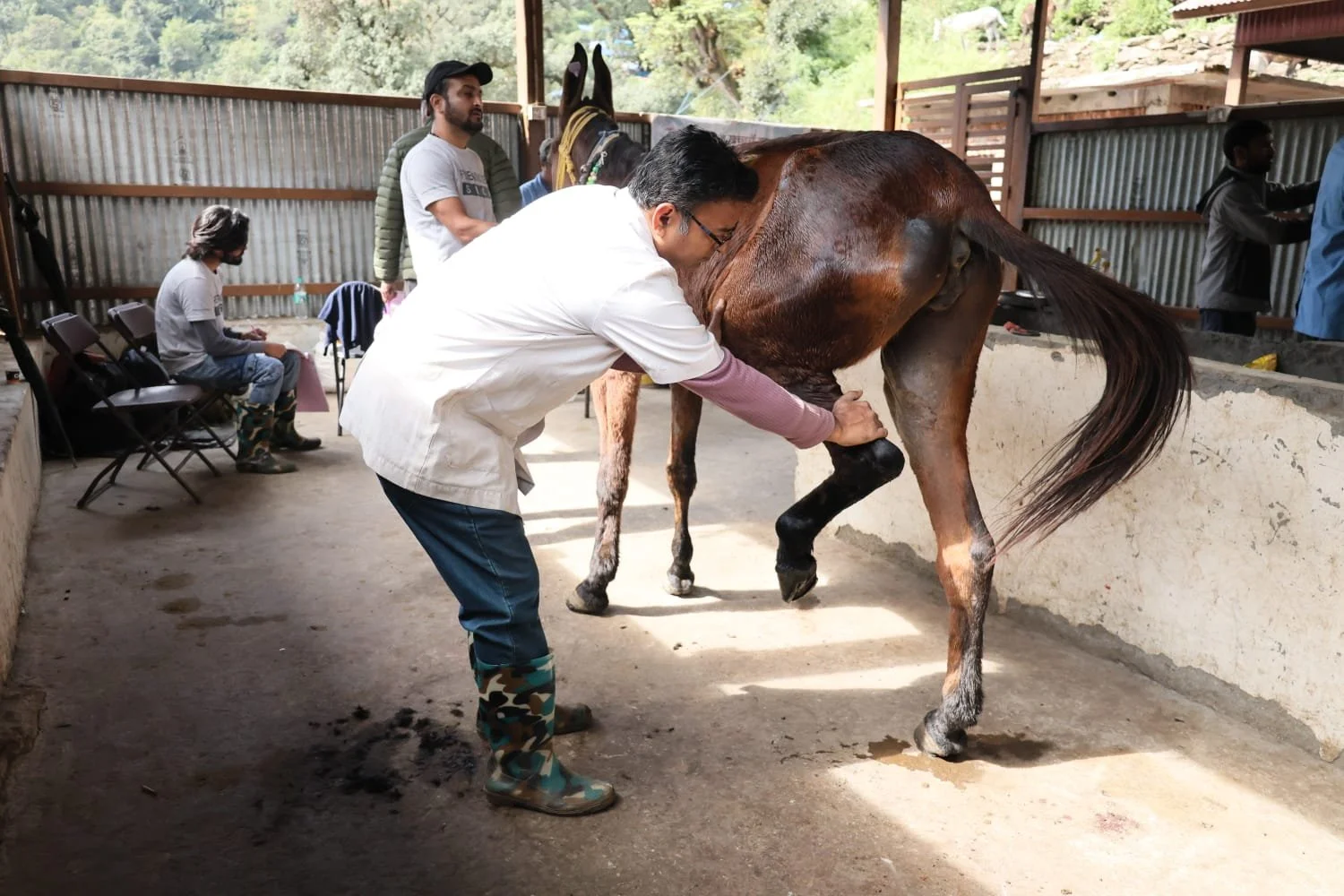
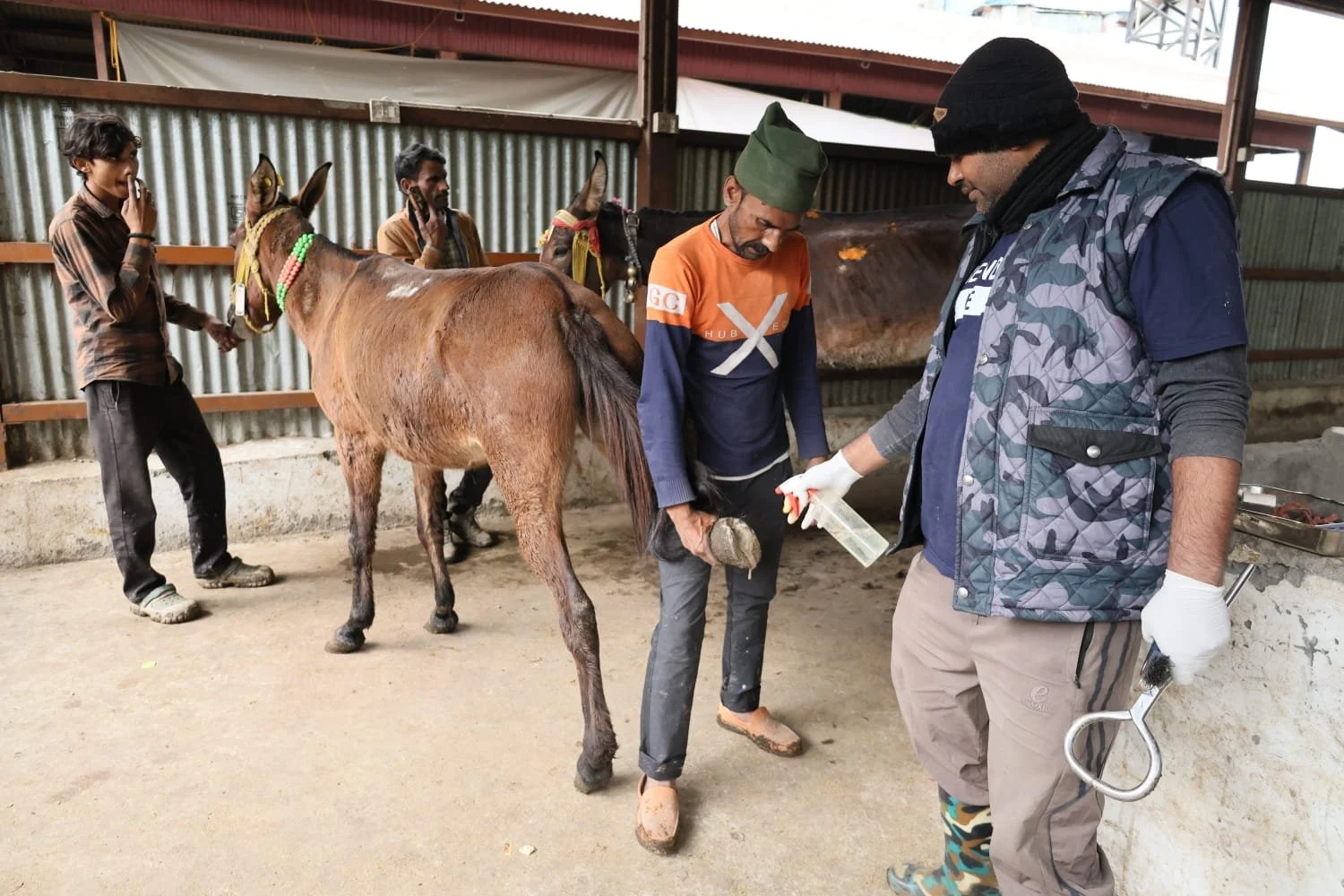
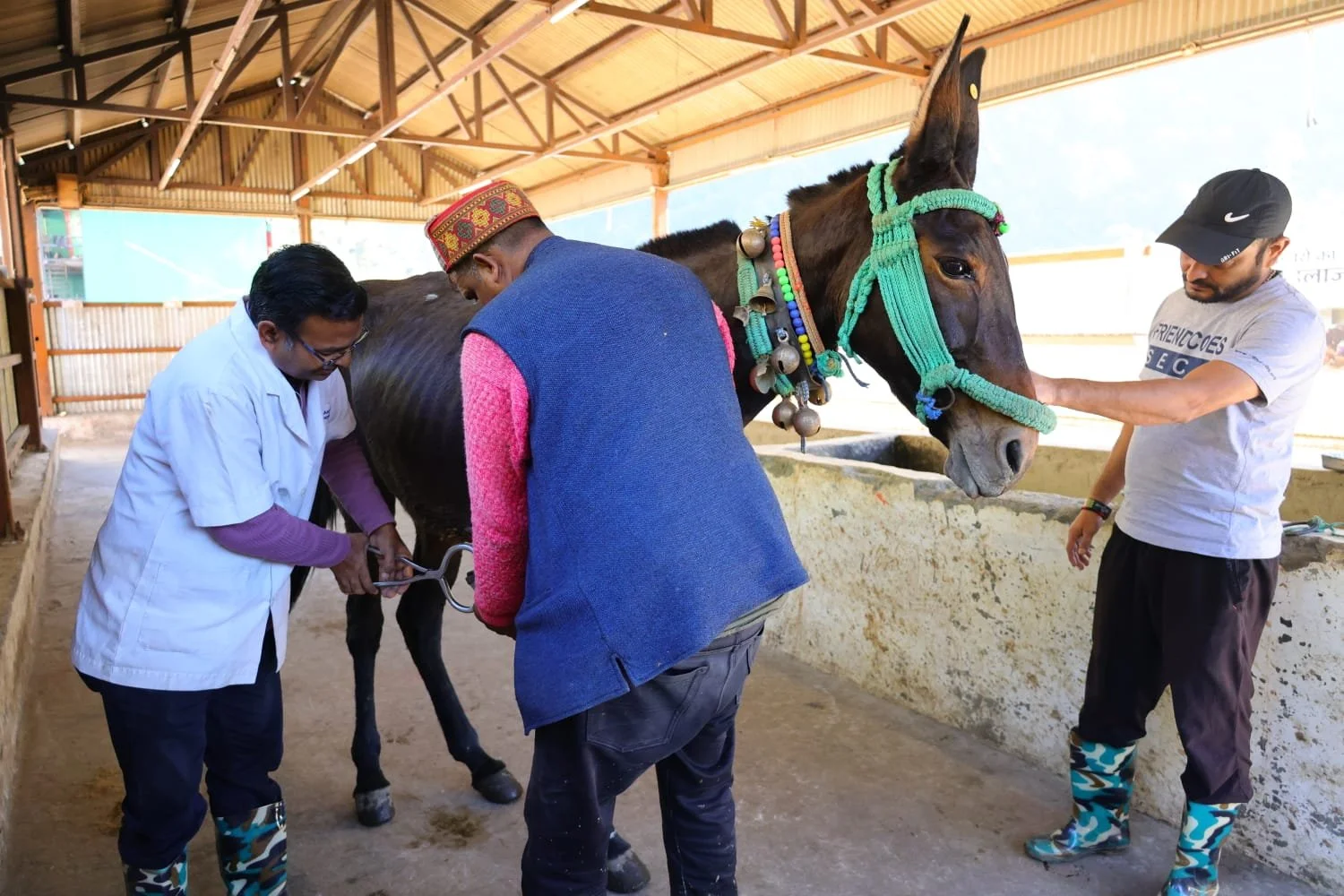
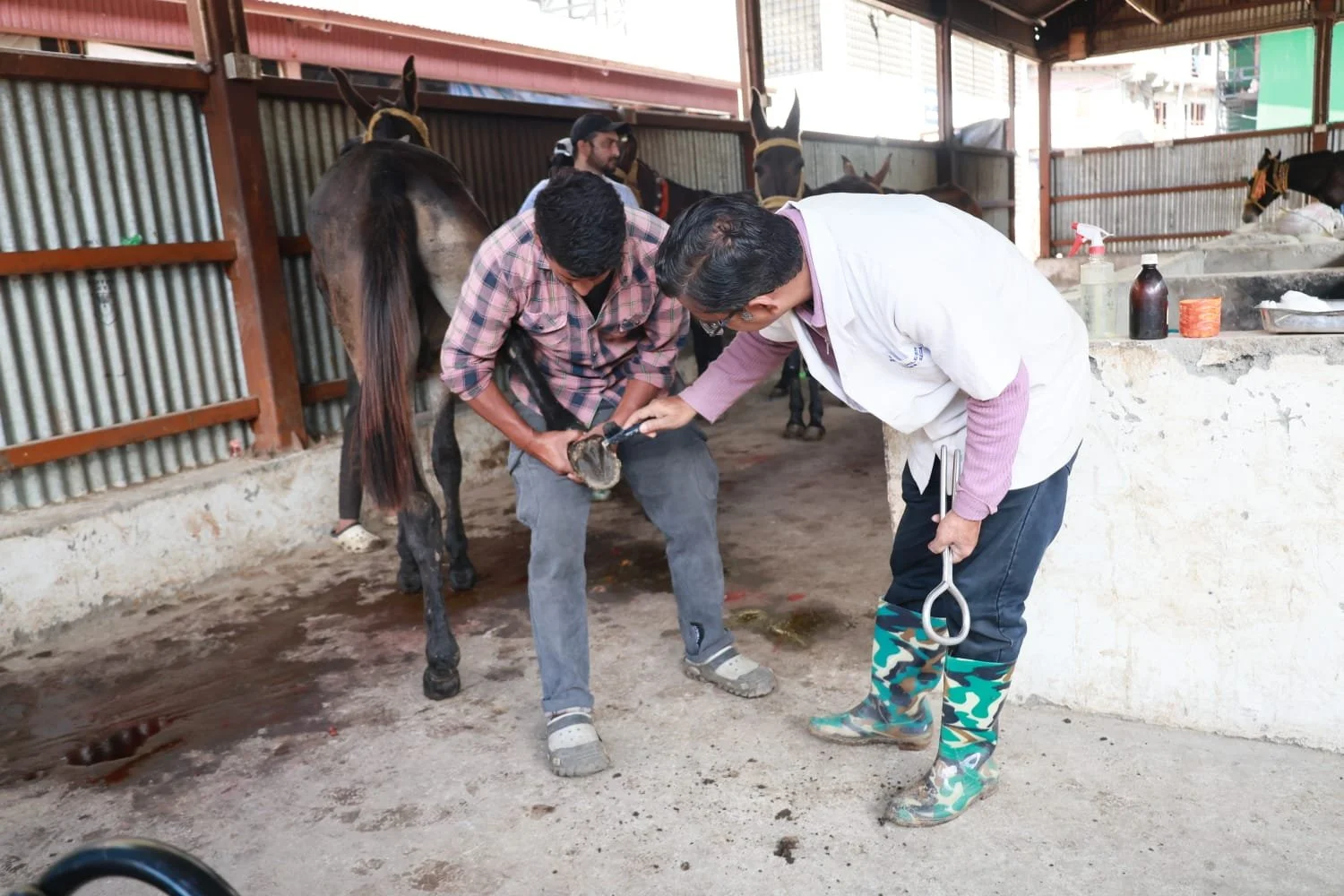
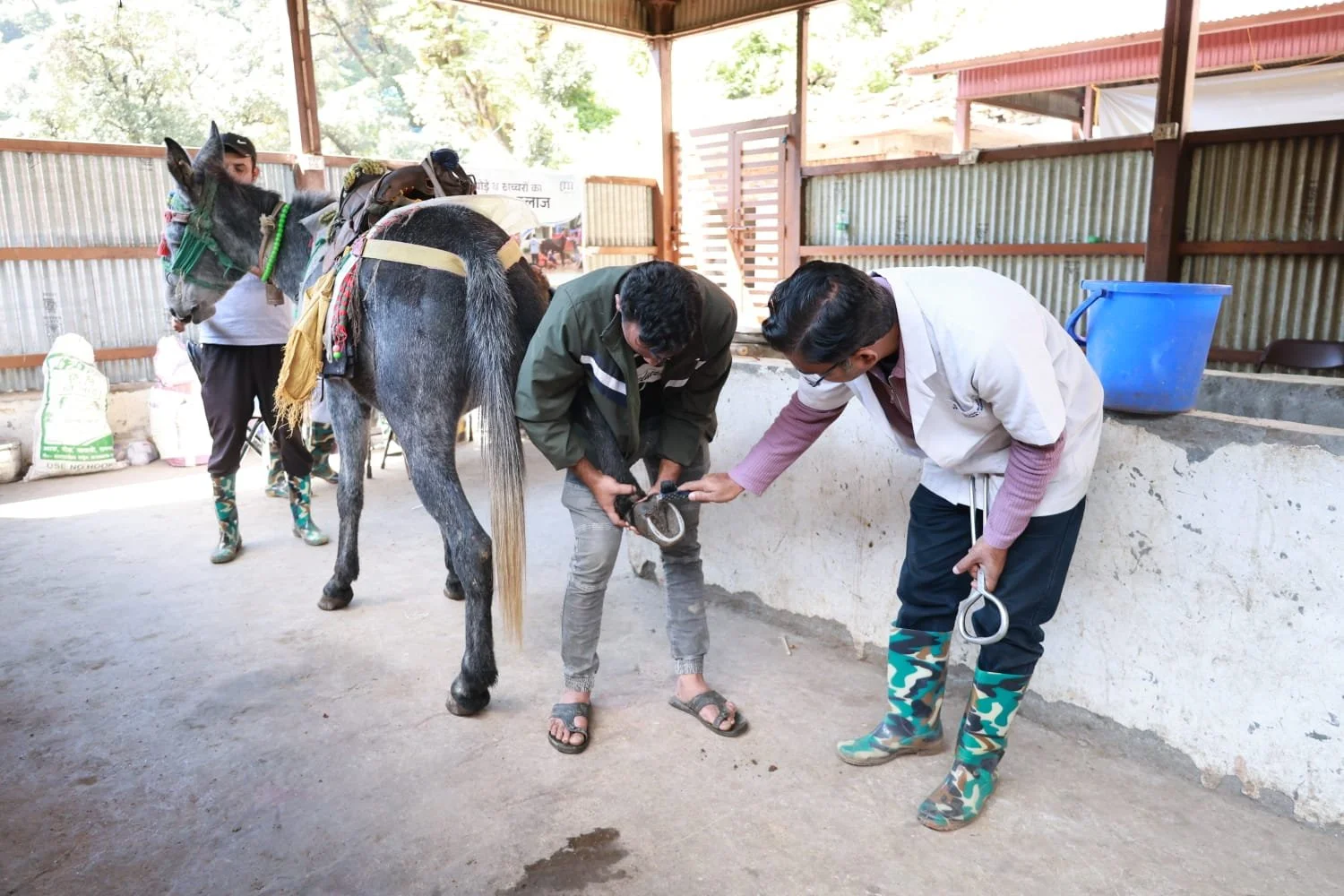
The Friendicoes team stationed at the Kedarnath camp continued to provide medical assistance to injured animals, and responded promptly to emergency cases to ensure timely veterinary intervention. Many common ailments were treated, including colic, wounds, hoof disorders and lameness.
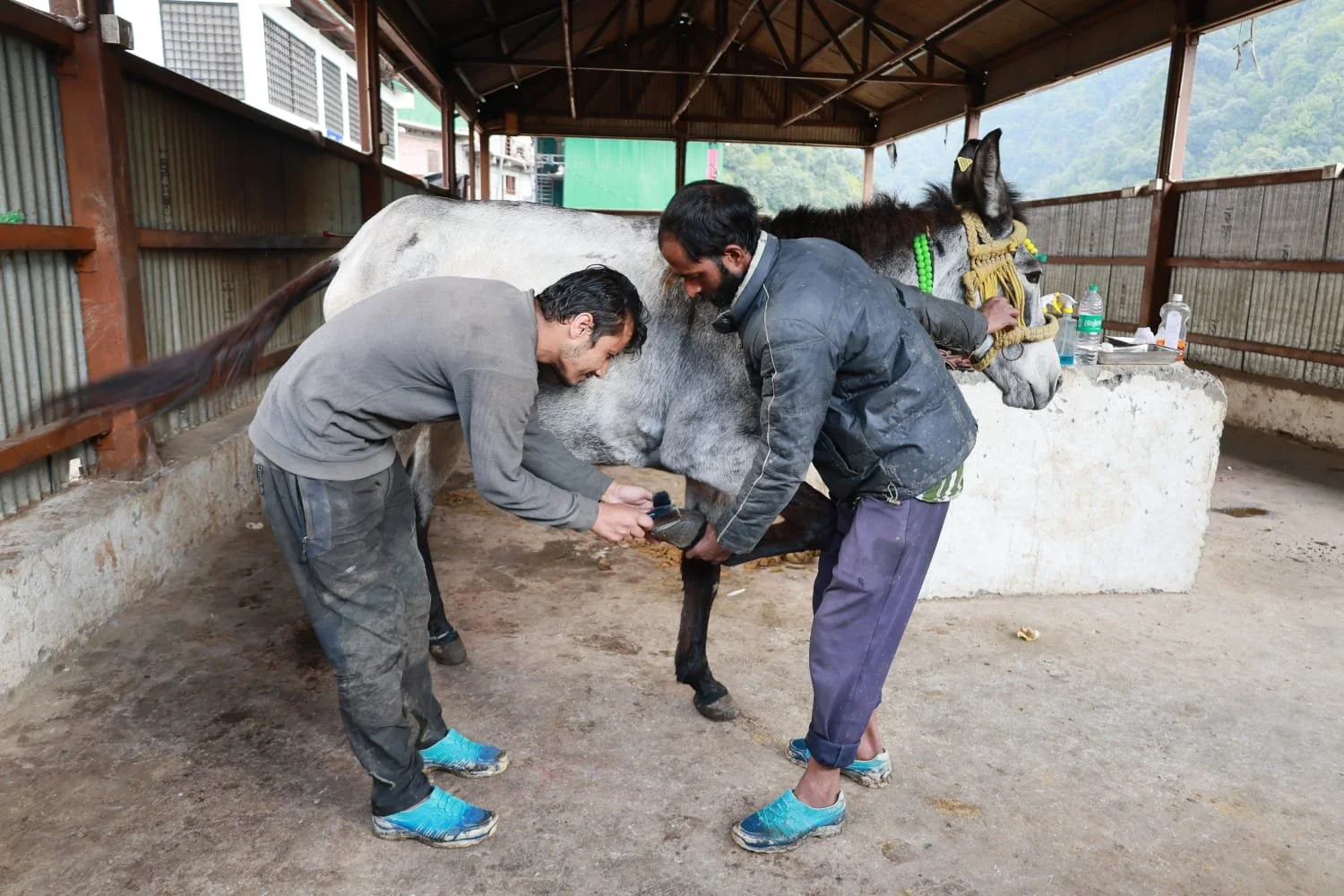
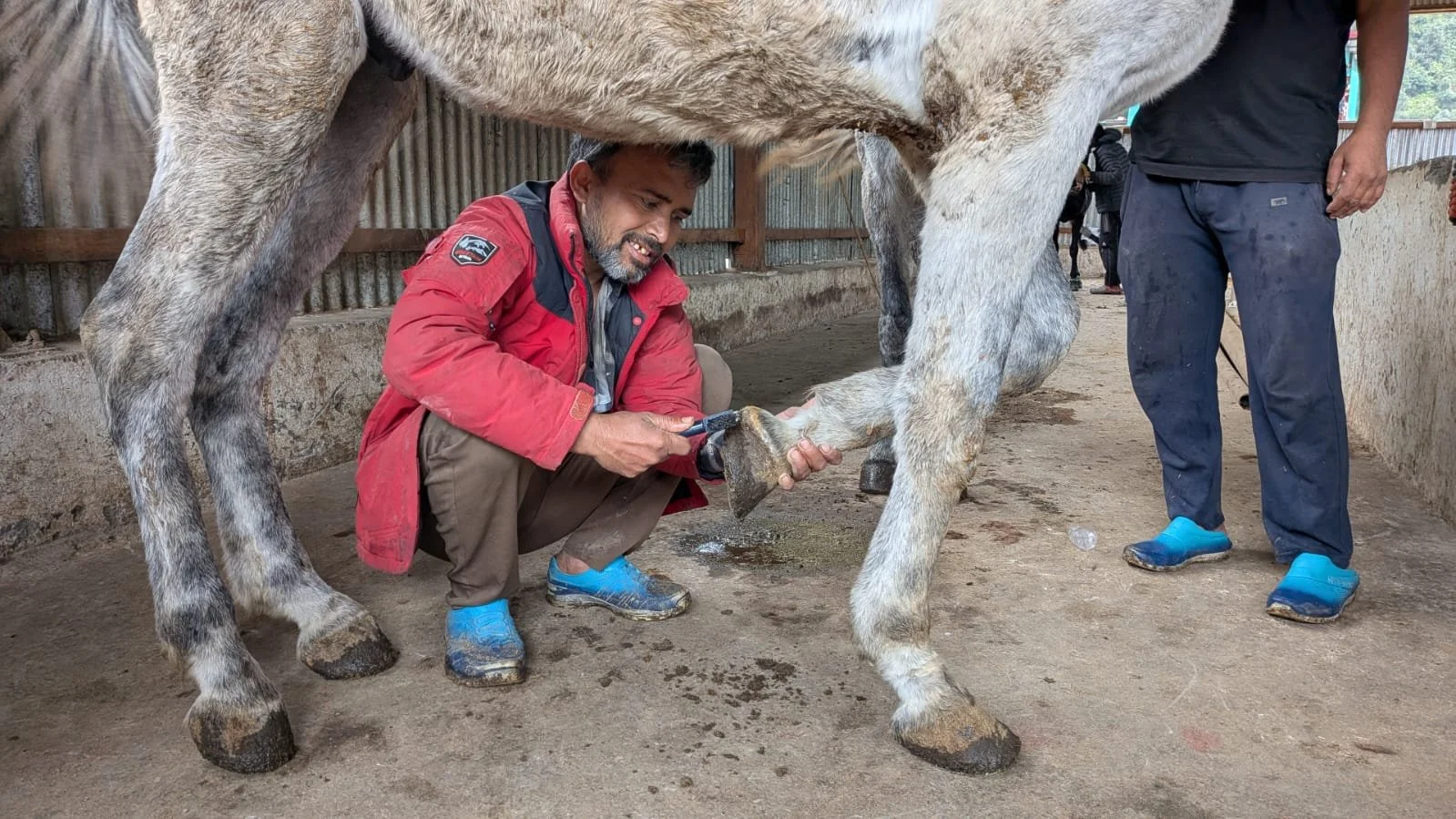
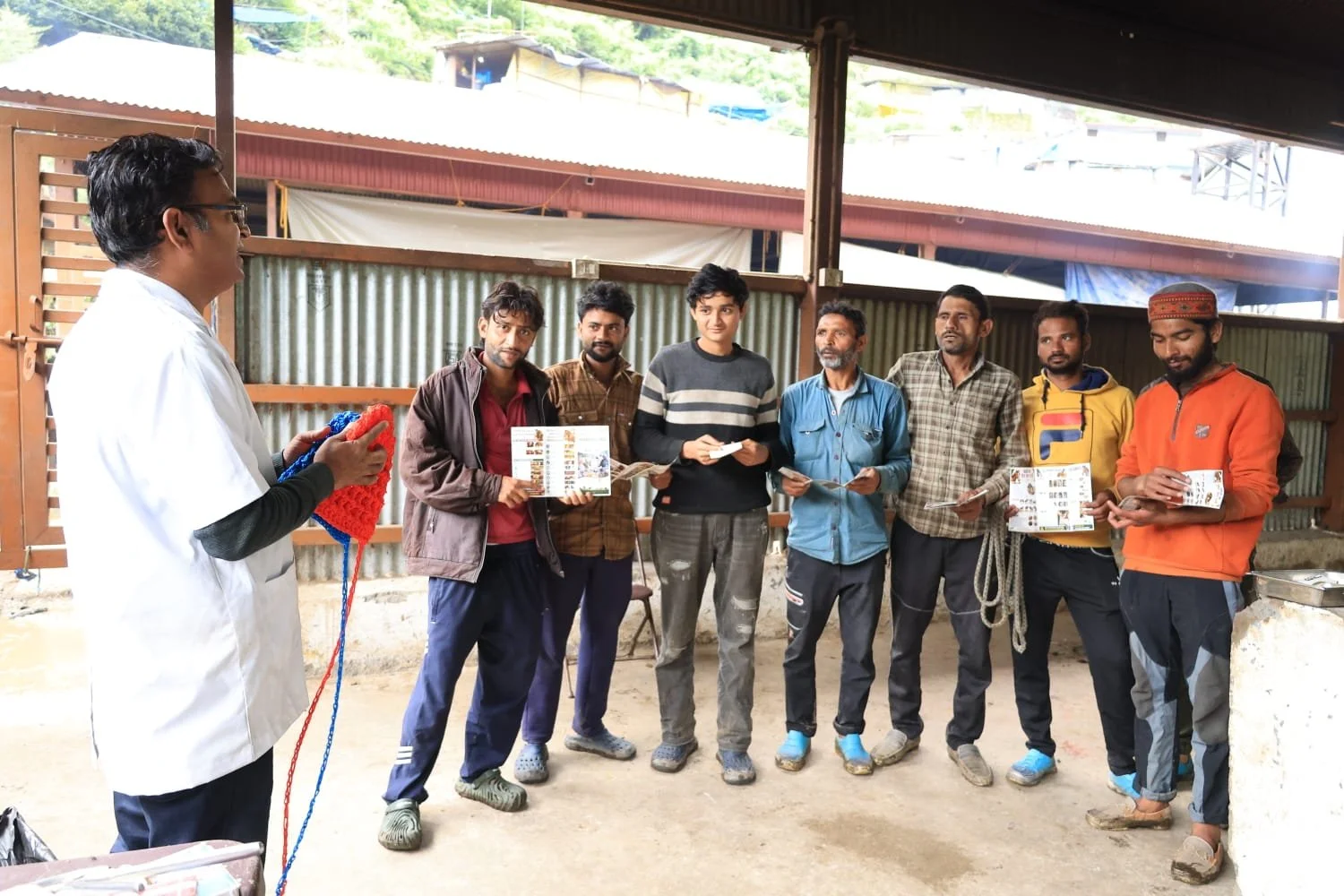
In addition to providing treatment, the team conducted awareness and educational sessions for mule owners on proper hoof care, basic health management, and preventive healthcare practices to improve the overall health and wellbeing of their animals.
The camp played a significant role in safeguarding the health and welfare of working mules by ensuring access to timely, comprehensive, and compassionate veterinary care. It also contributed to promoting responsible animal care practices among mule owners.
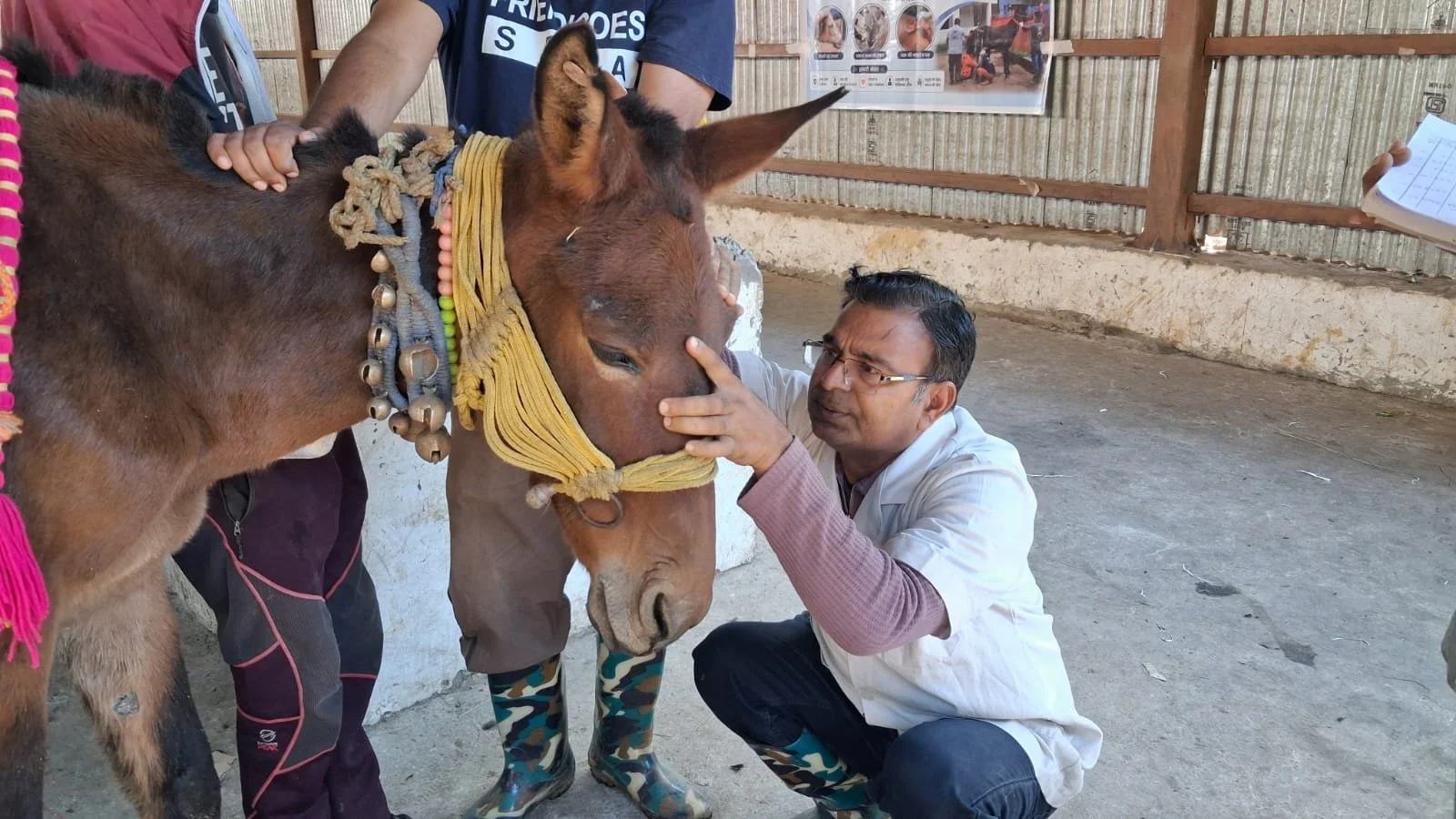
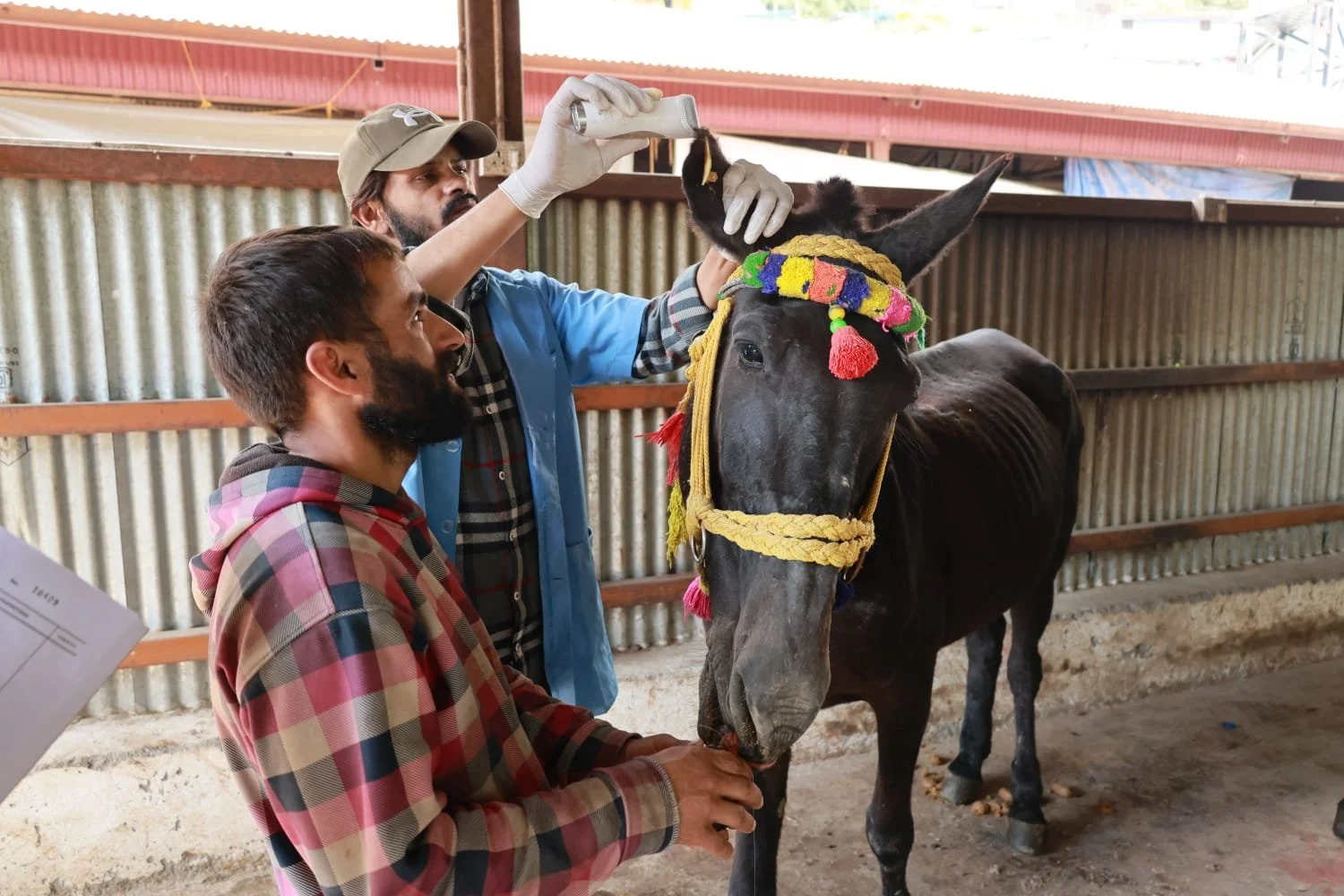
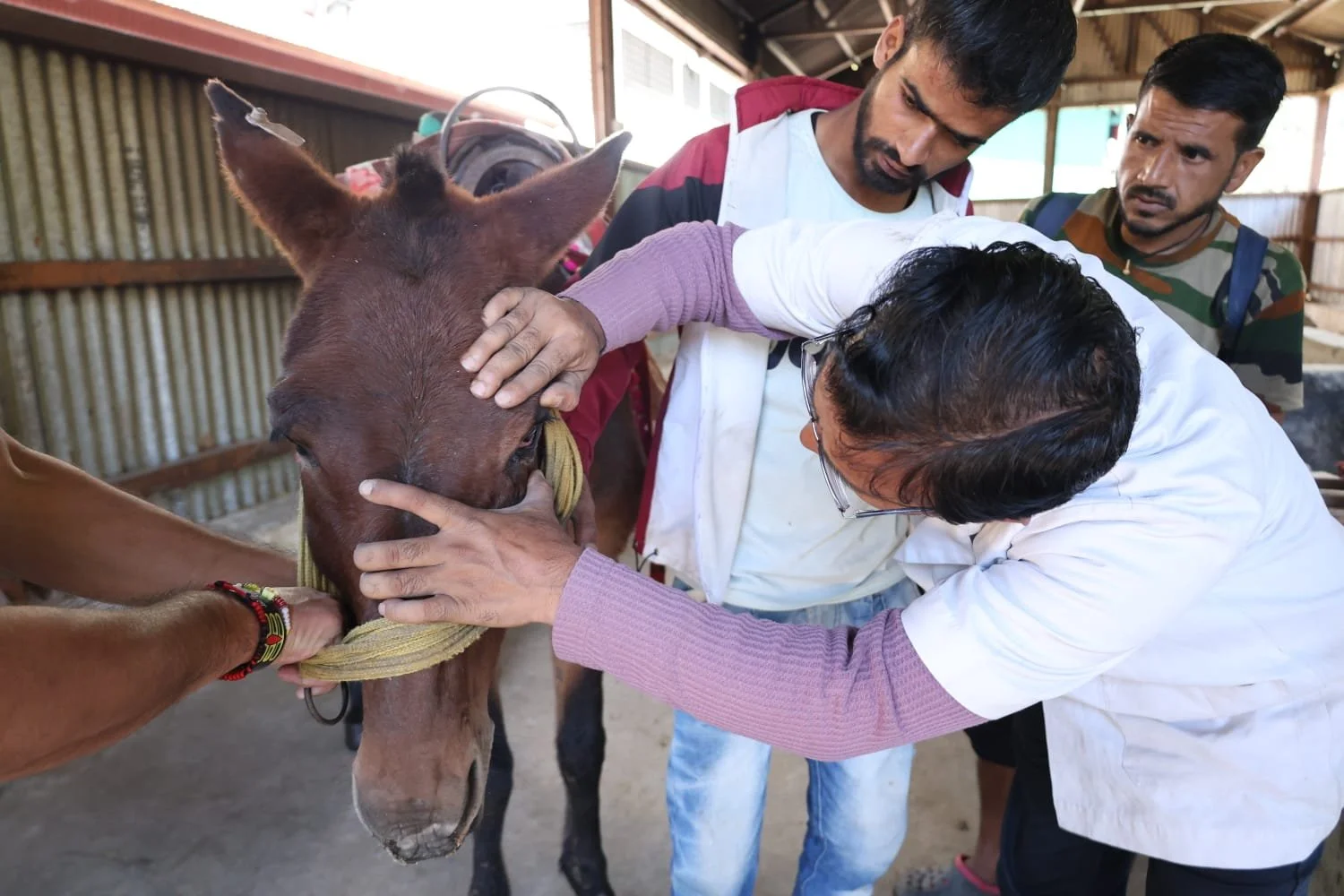
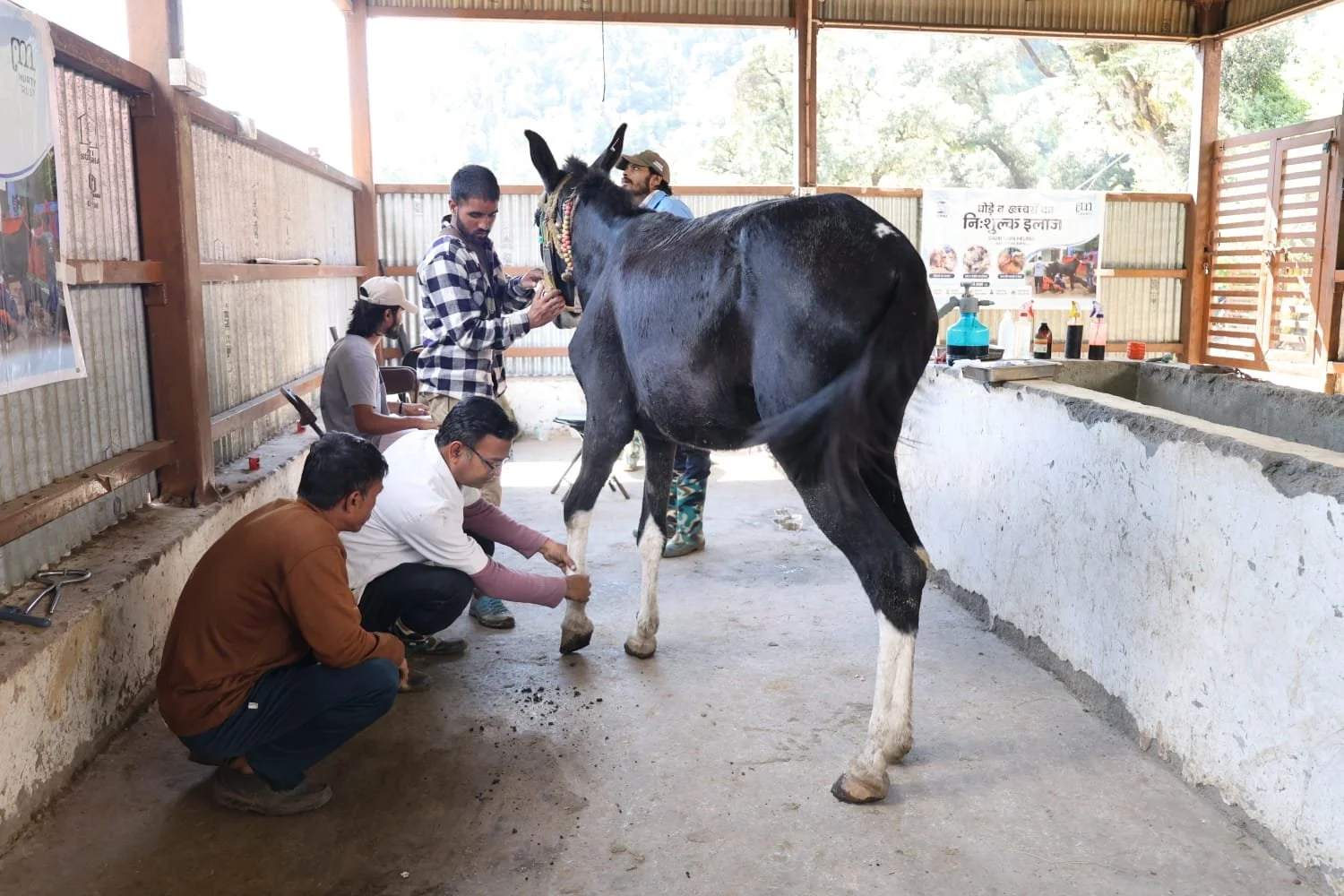
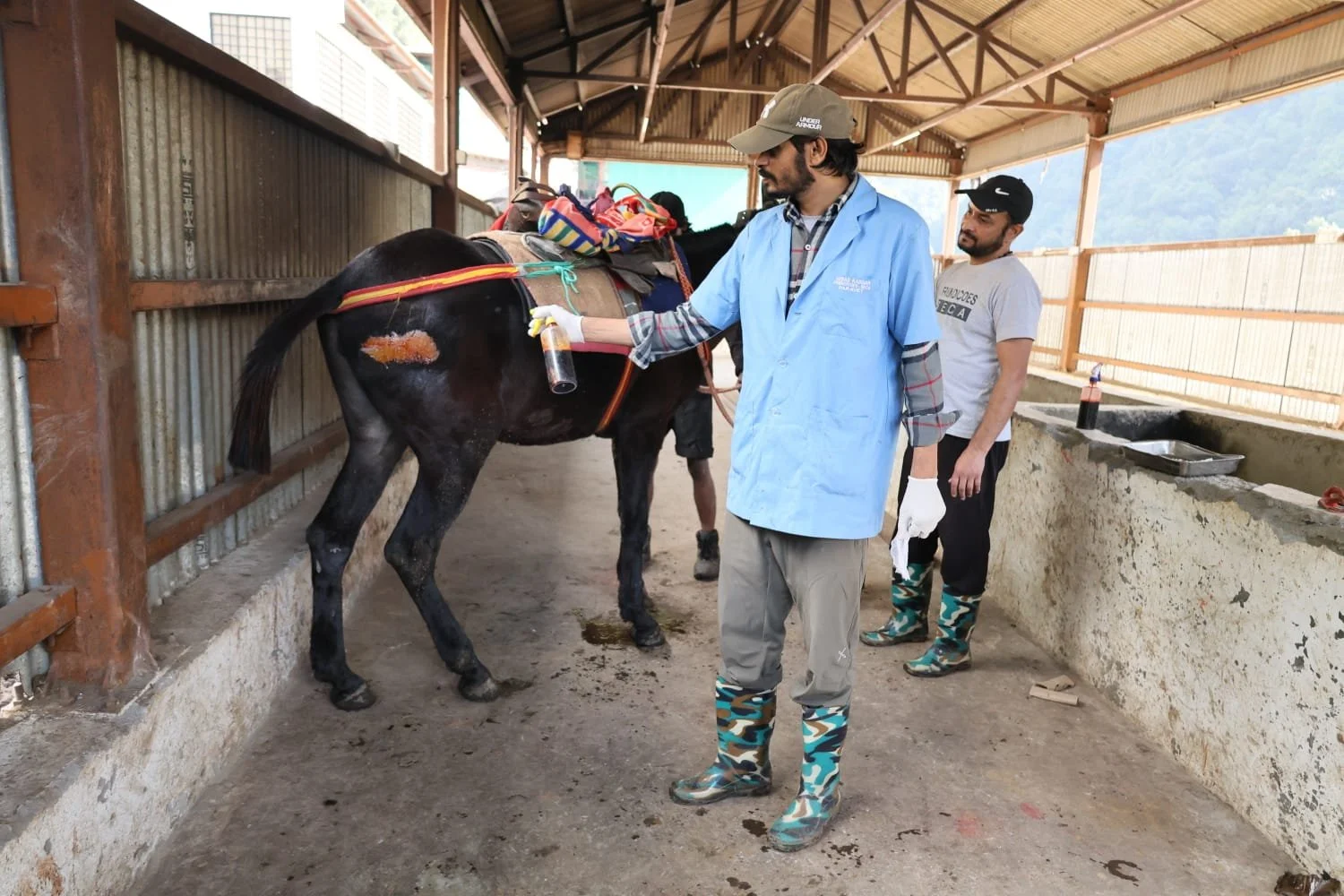
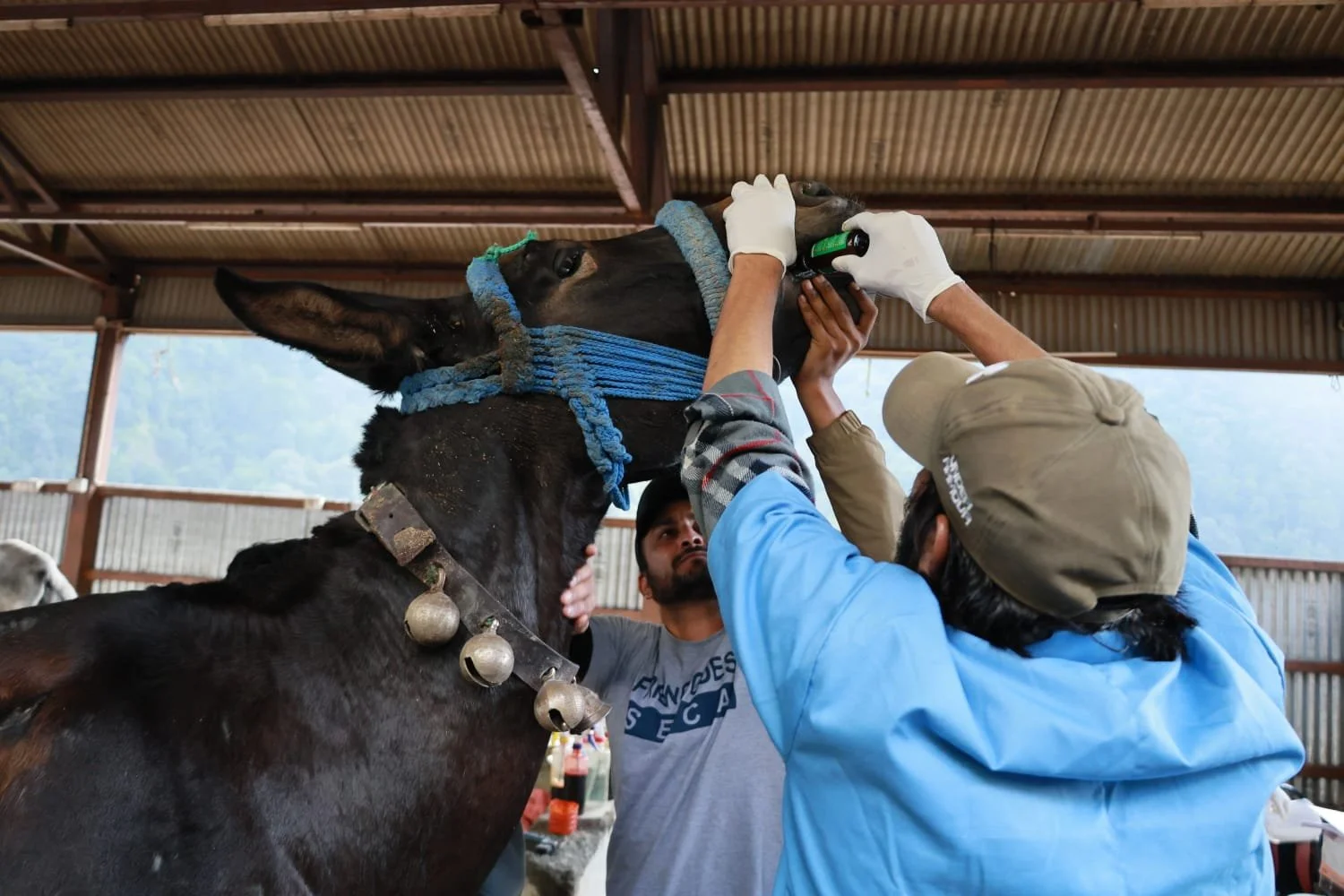
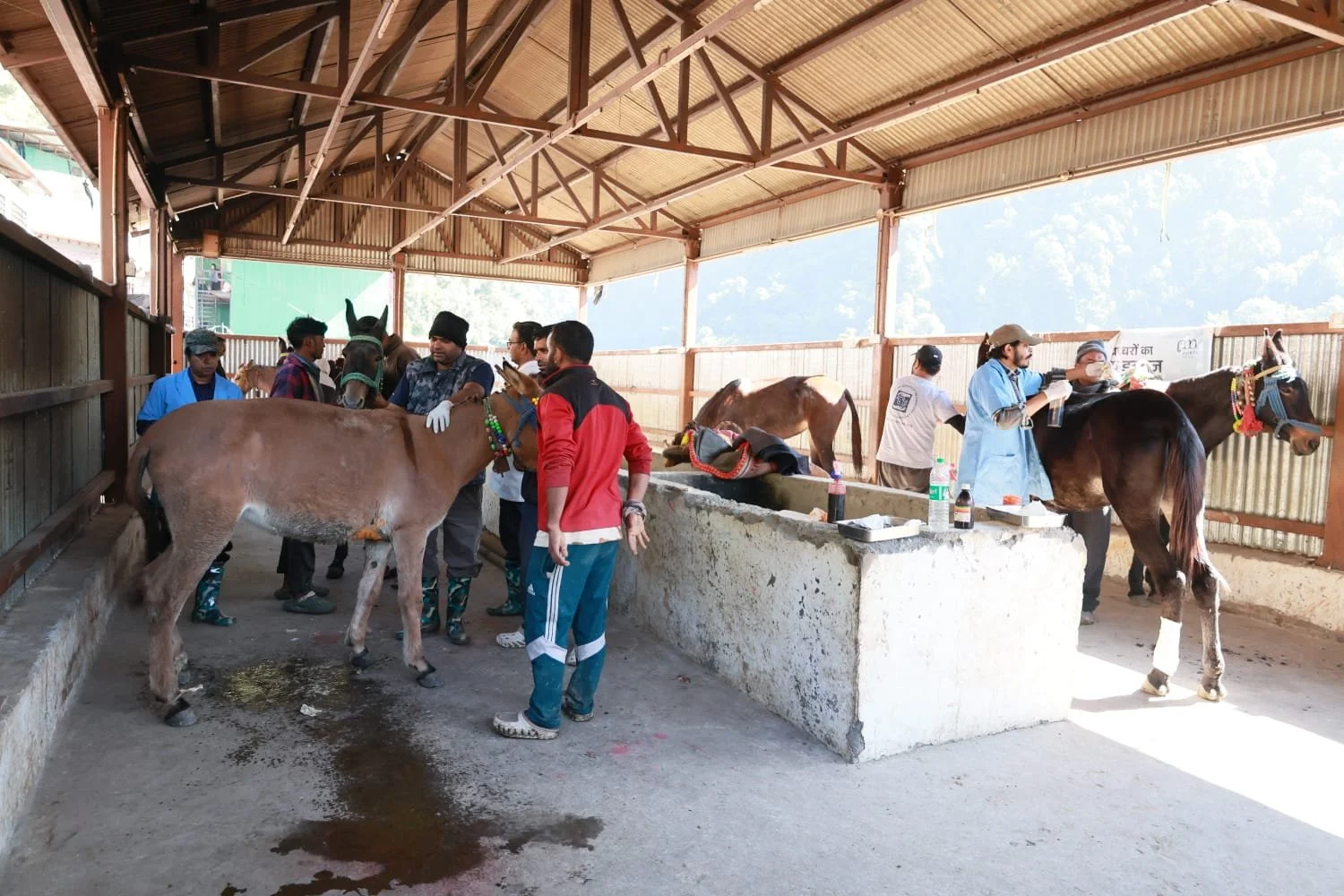
mobile veterinary clinic for working equines
1,478 working animals were provided with veterinary care in October. Common conditions and treatments included:
General health checkups
Provision of supplements
Colic
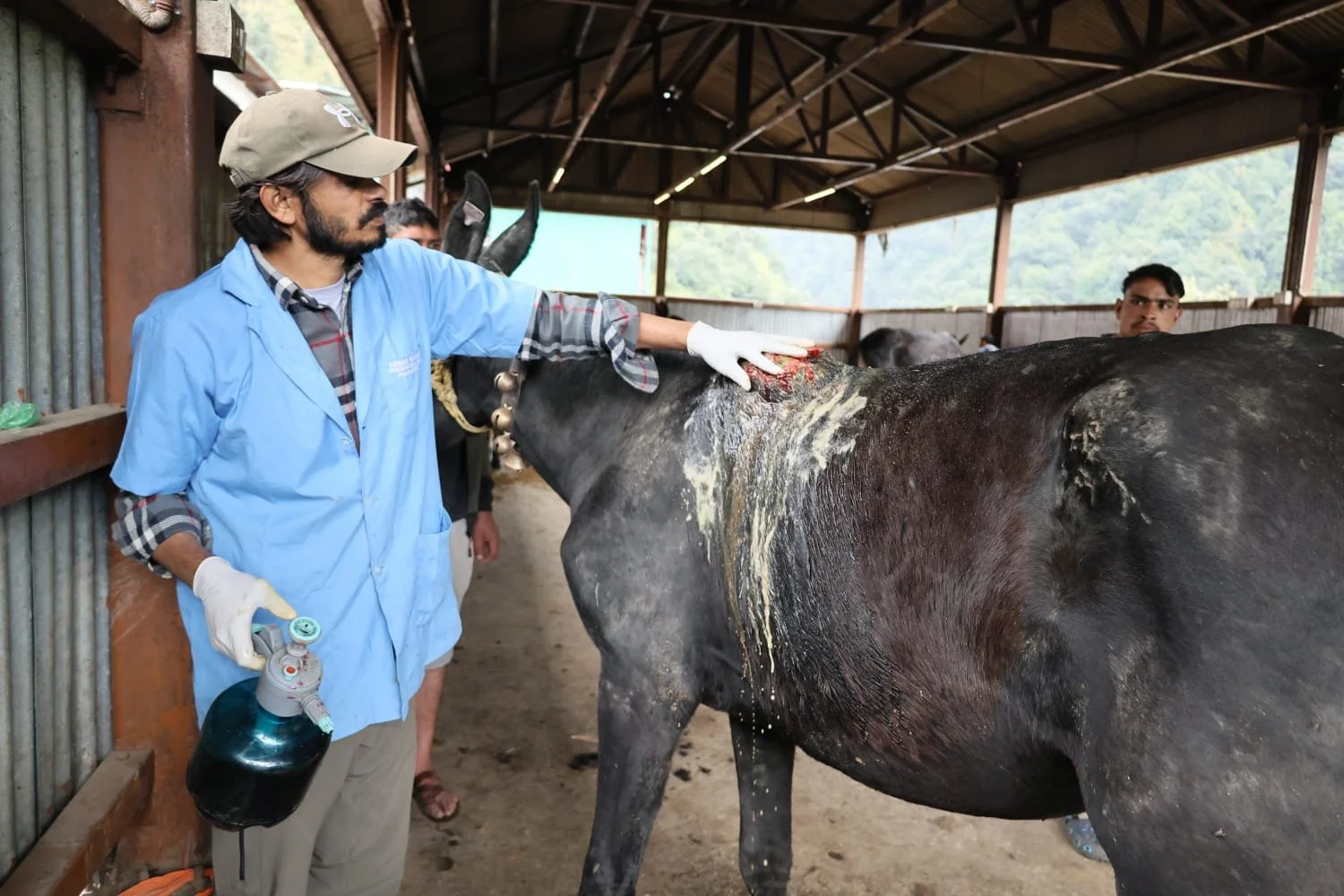
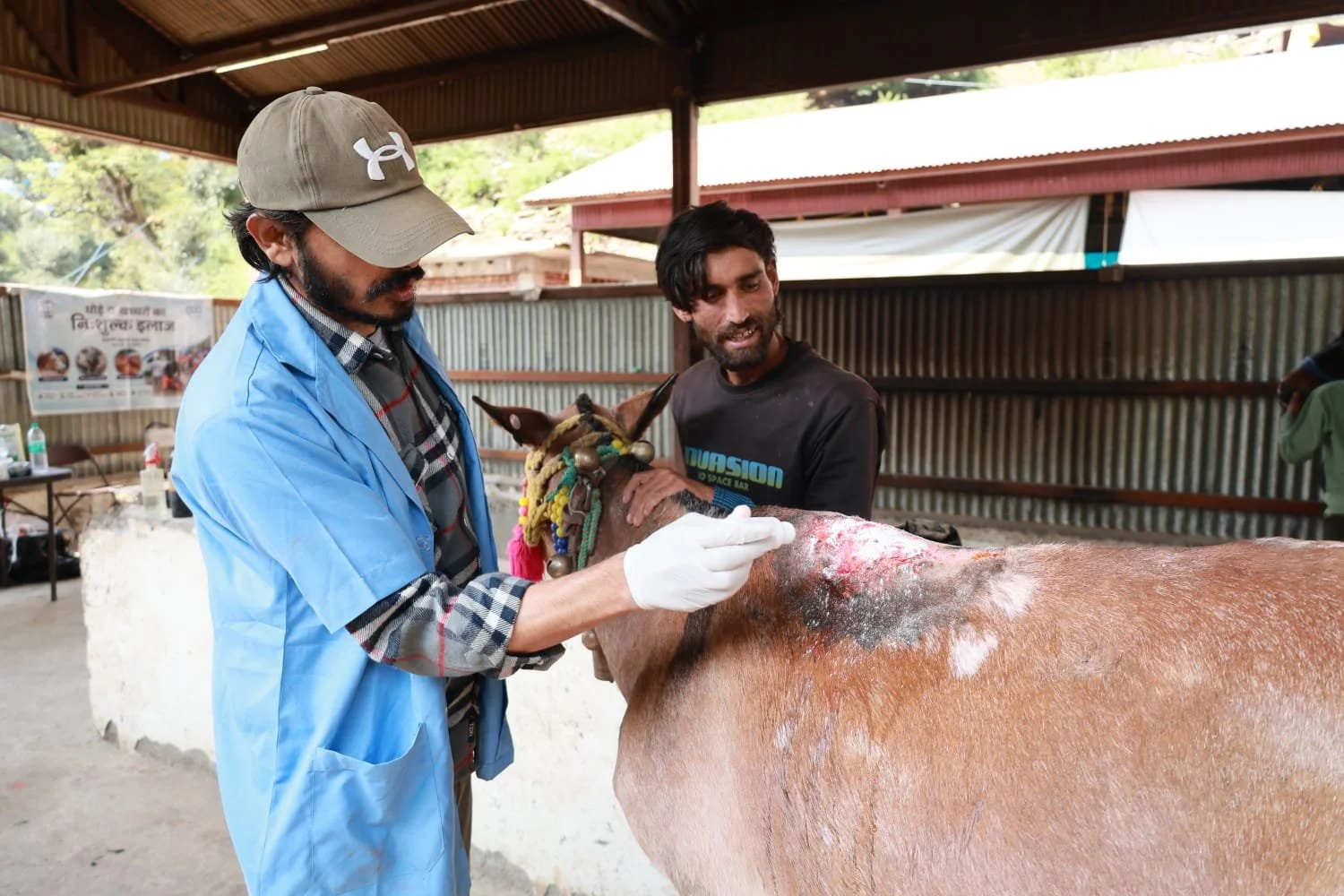
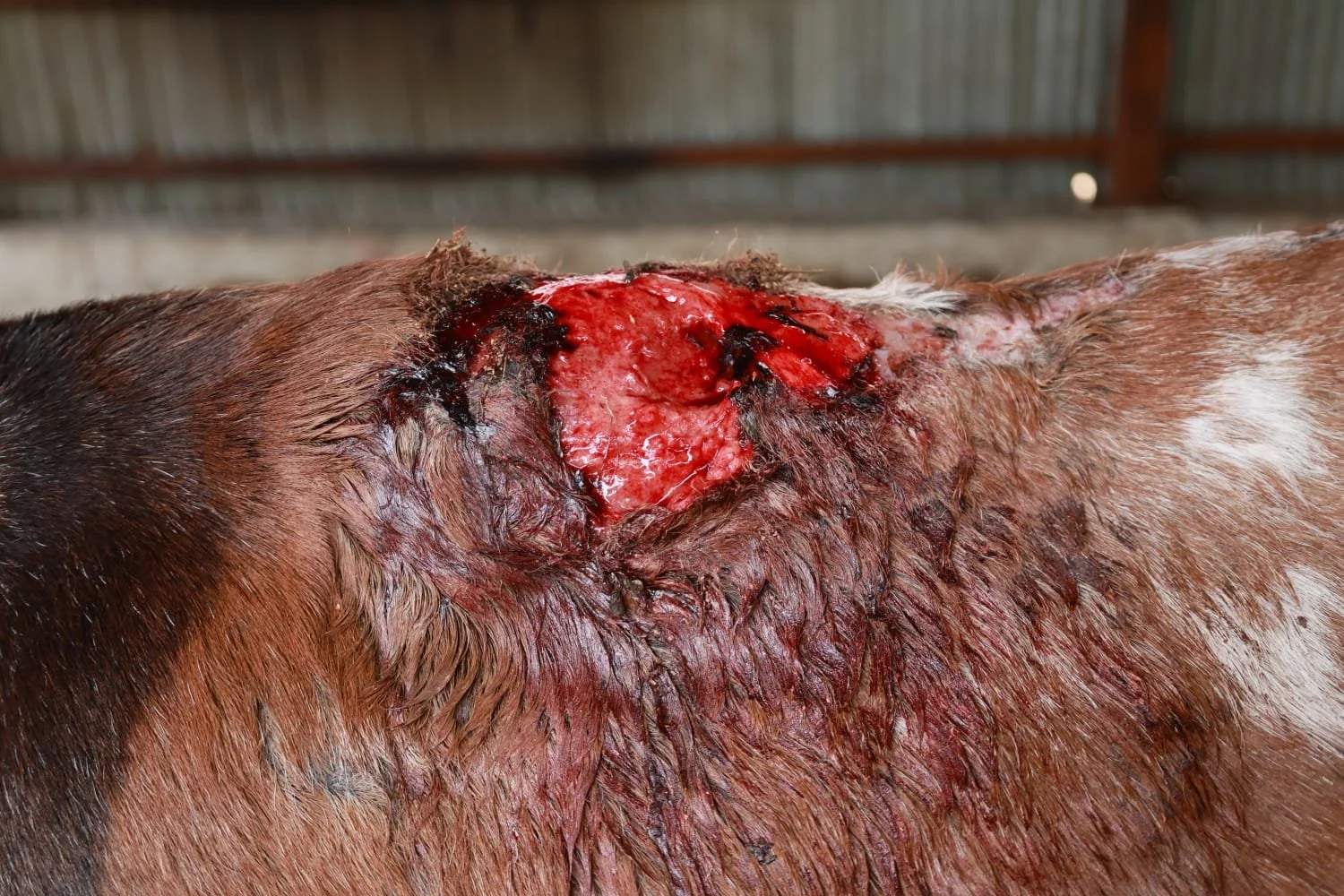
Back sores
Chest wounds
Leg wounds
Other wounds
Eye injuries
Ear injuries
Lameness
Deworming / Indigestion
Vaccinations given
Respiratory infections
Abscesses
Hematoma
Hoof problems
Some case studies are outlined below:
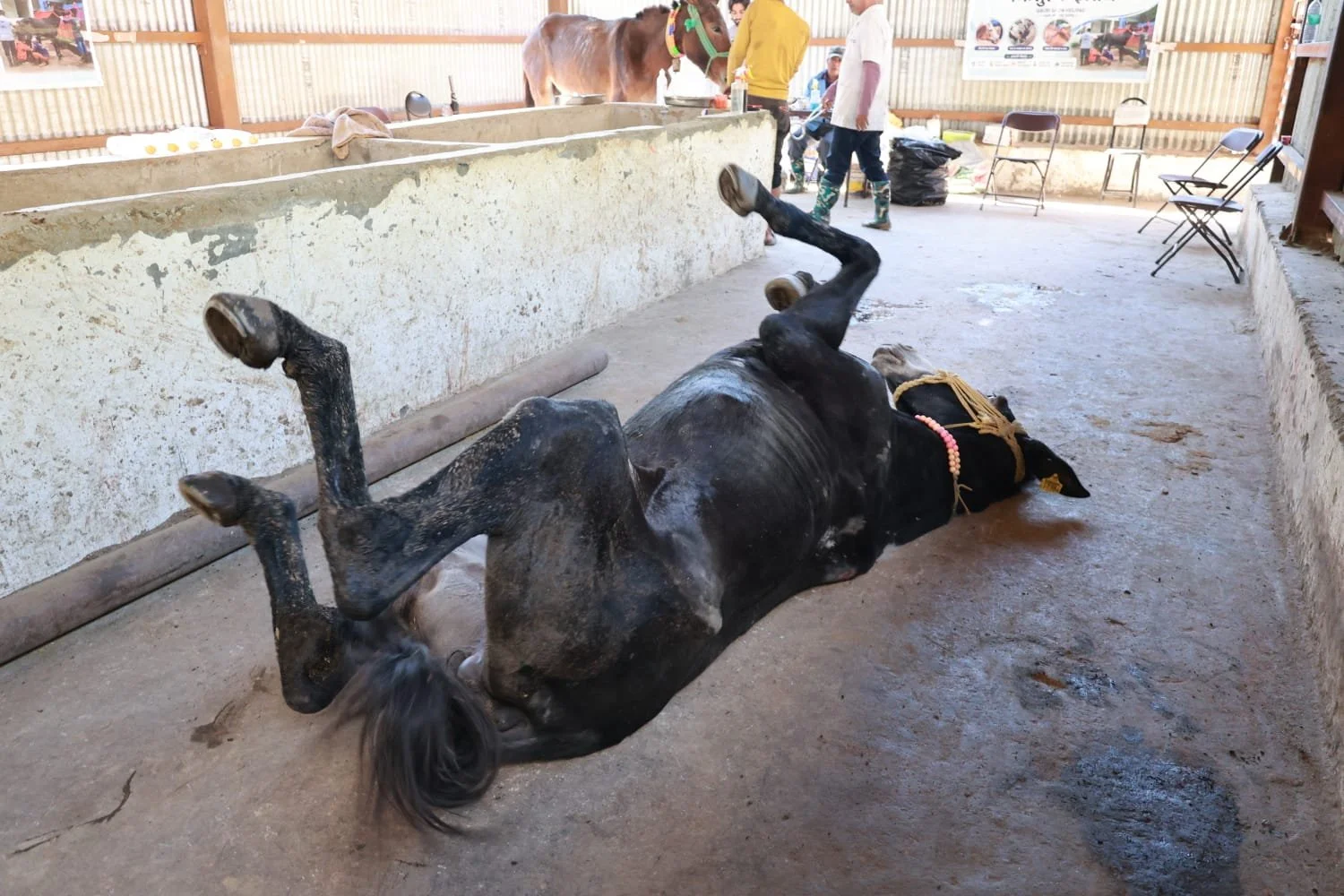
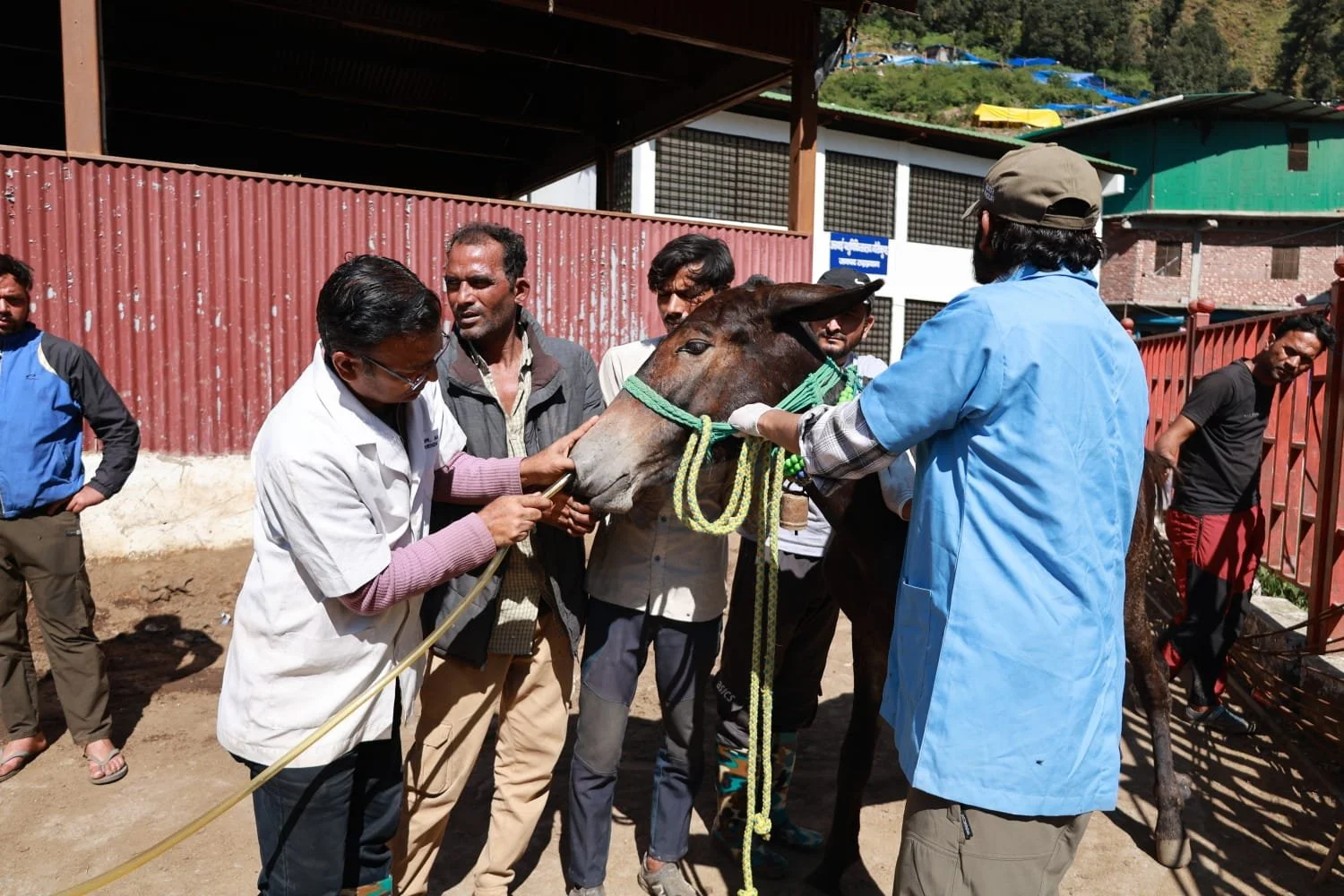
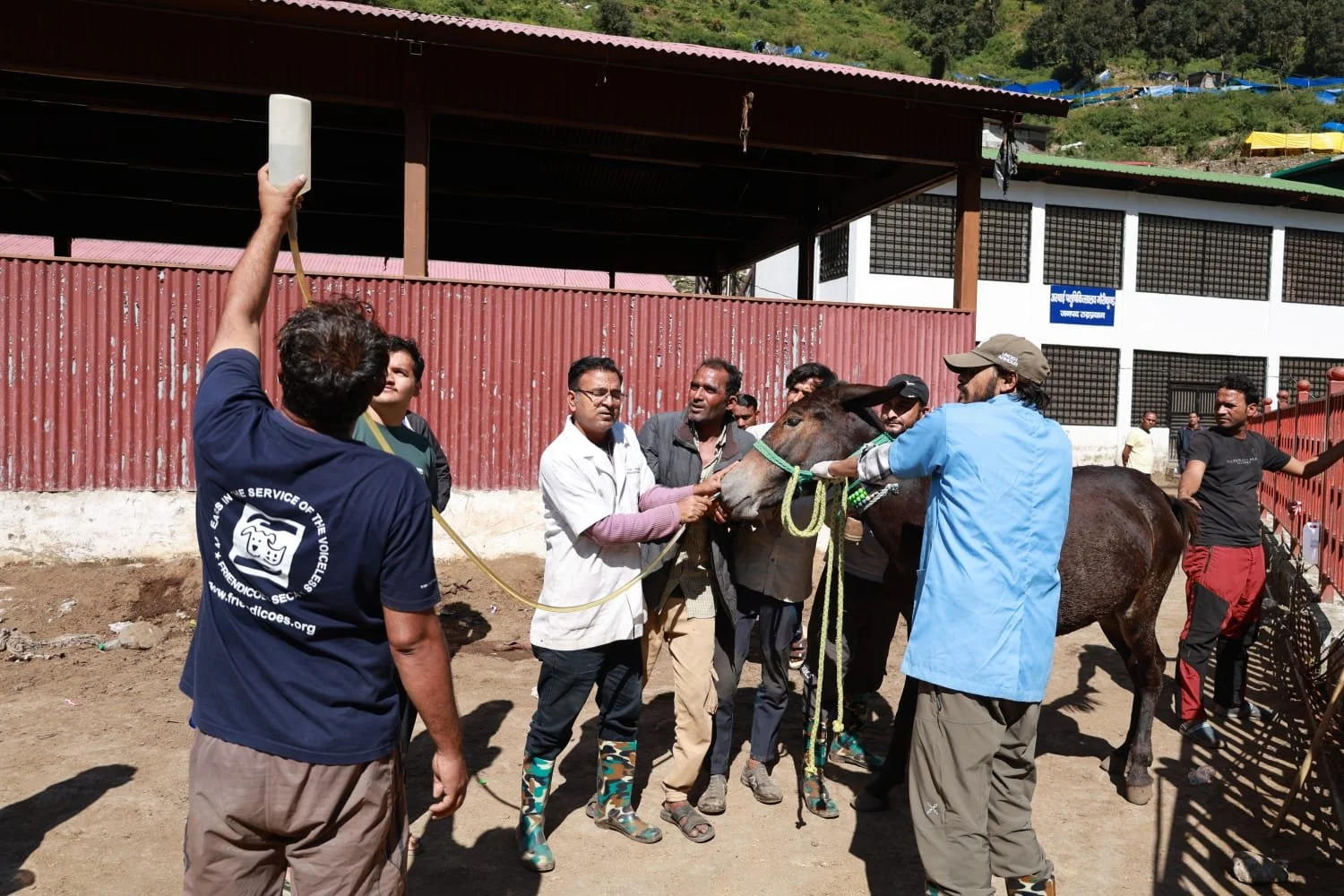
Colic
Involves frequent lying down and getting up.
Pain killers and fluid therapy were administered.
Stomach tubes and rectal enemas can be part of treatment.
Symptoms are relived with medicine.
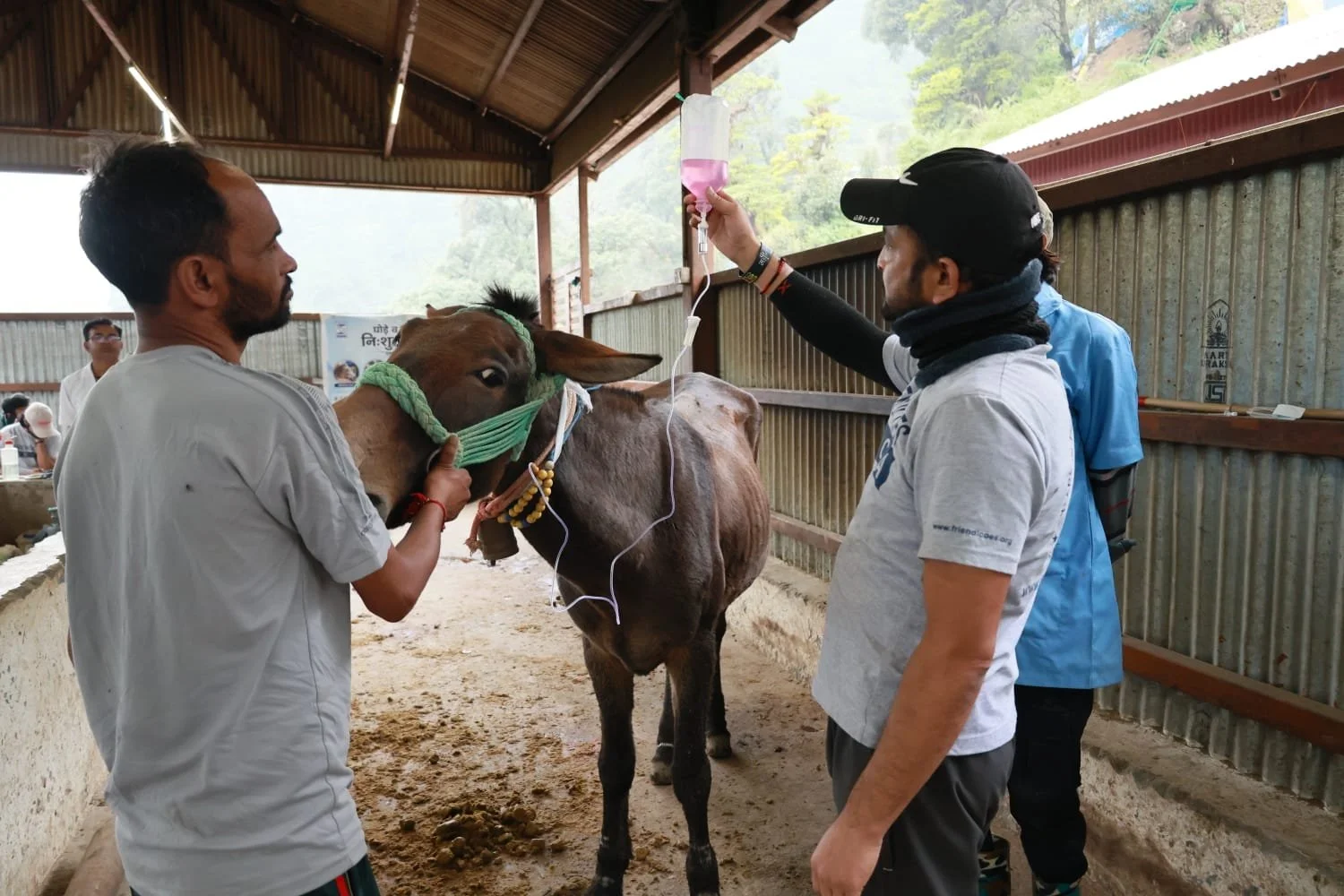
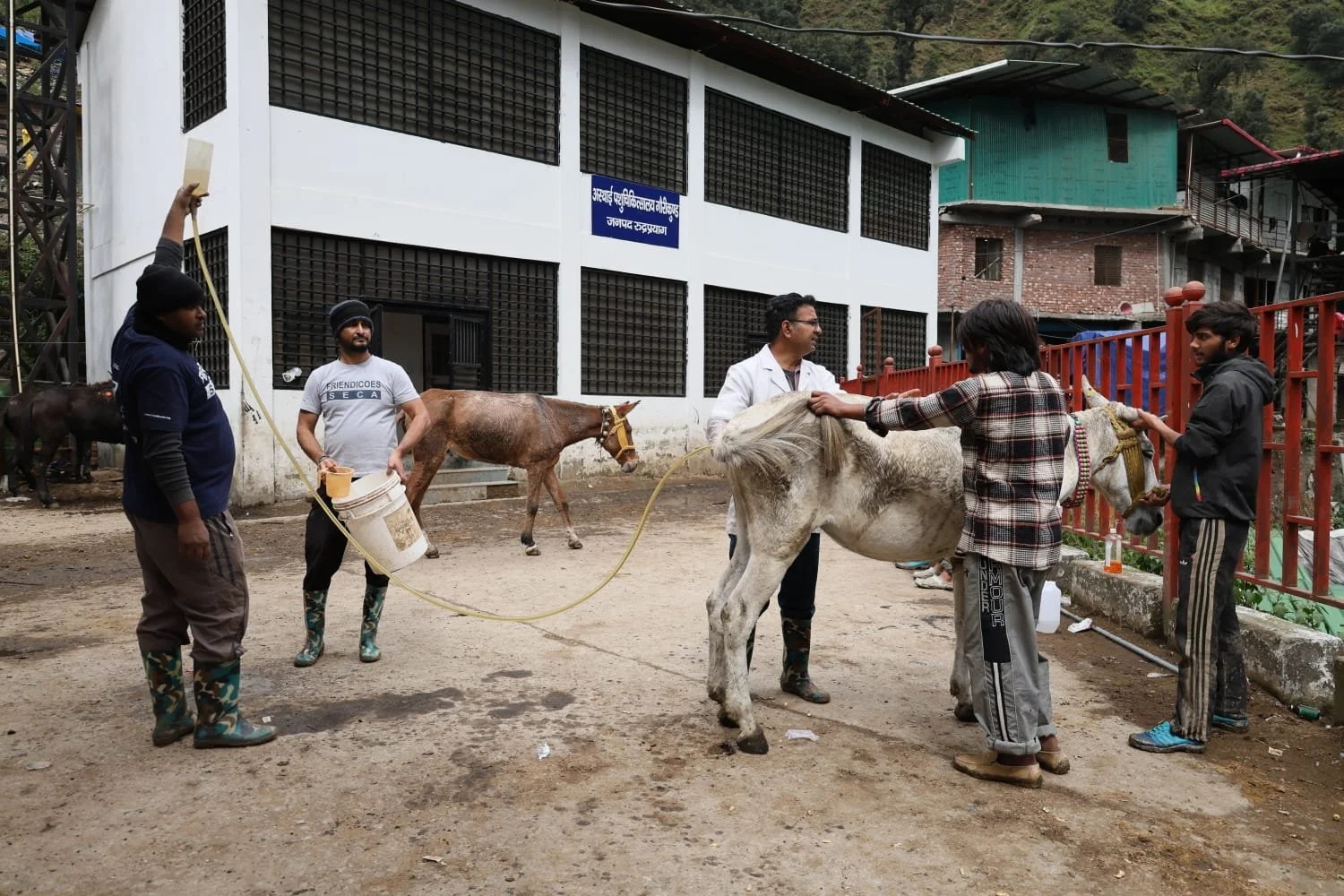
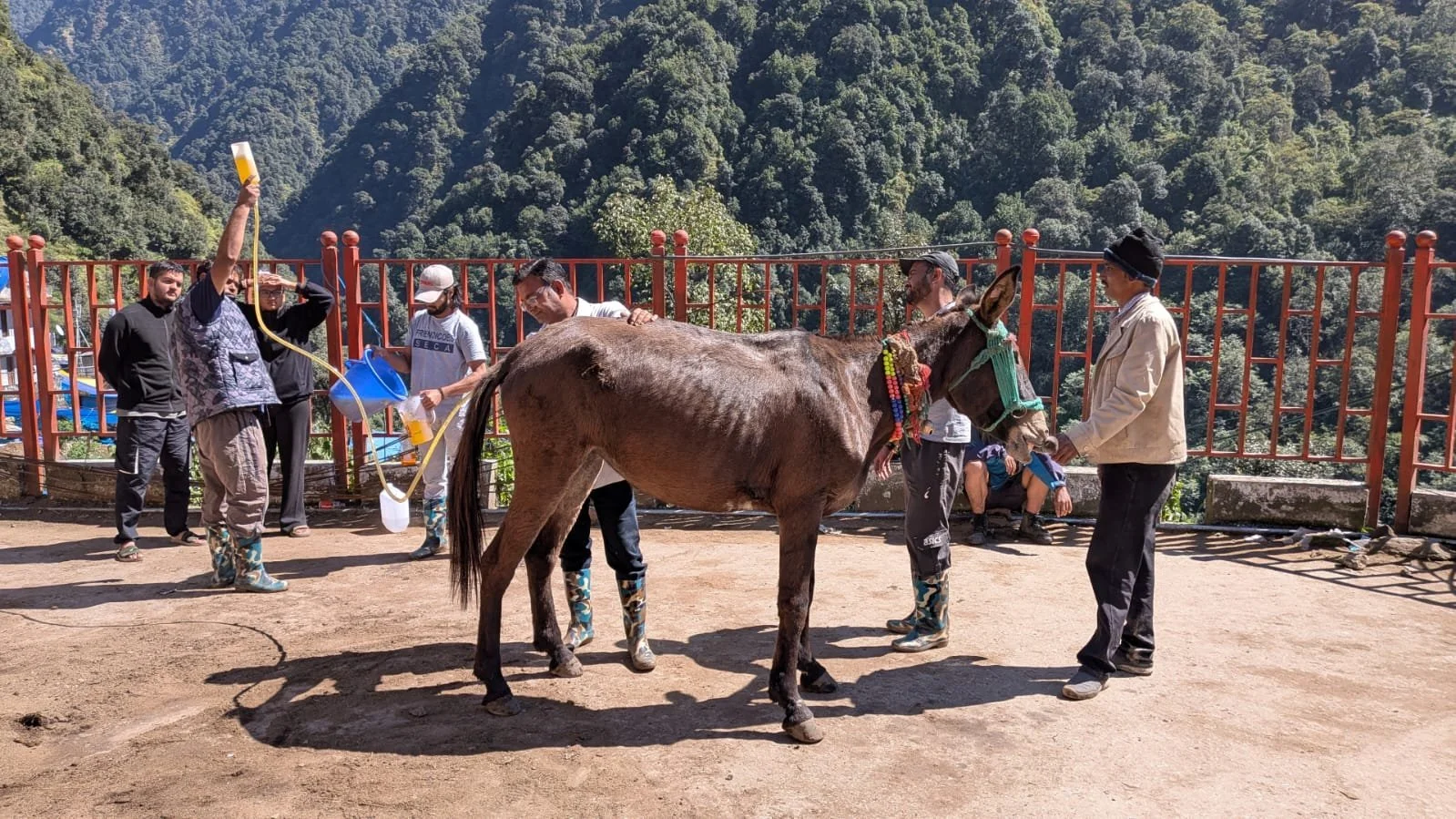
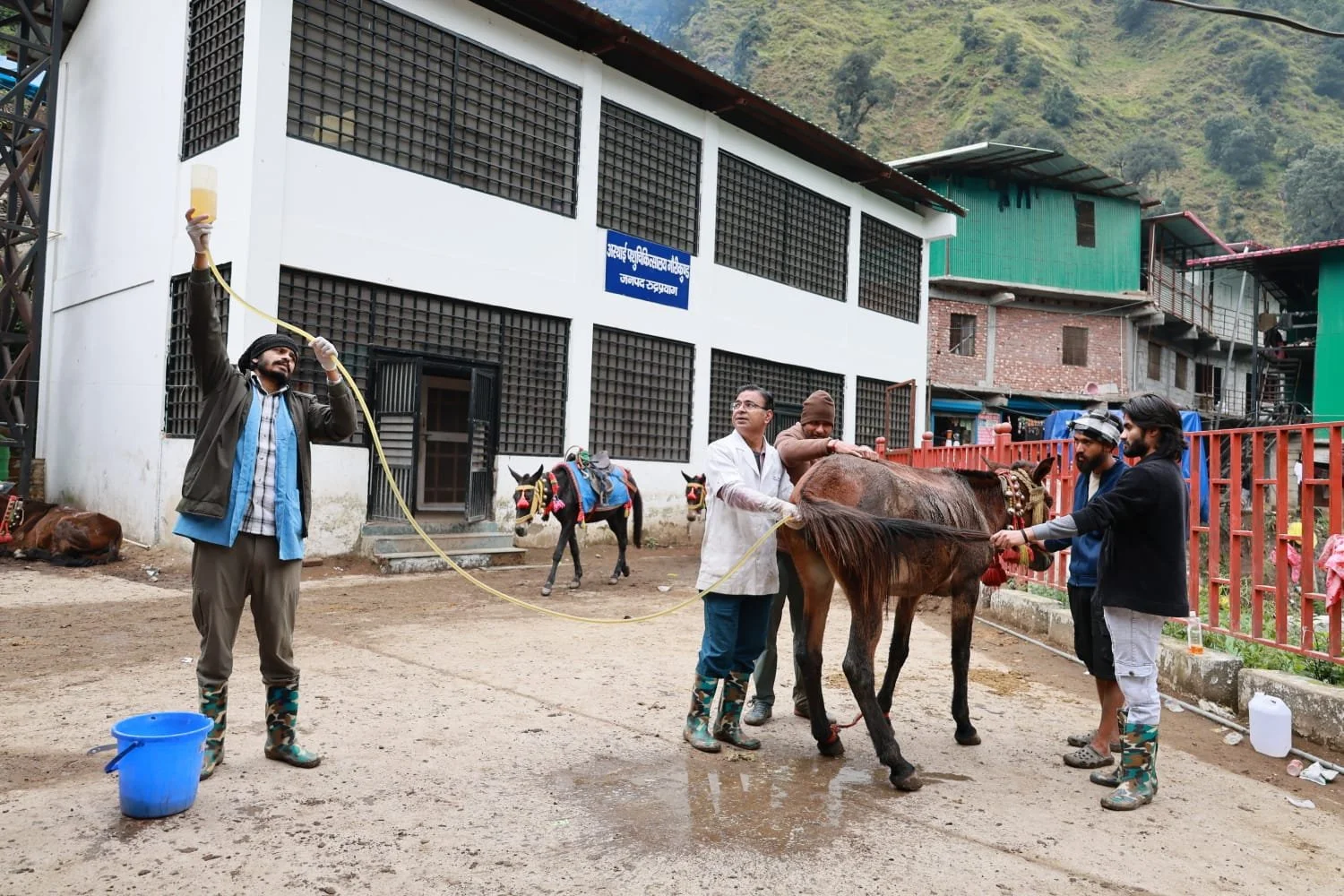
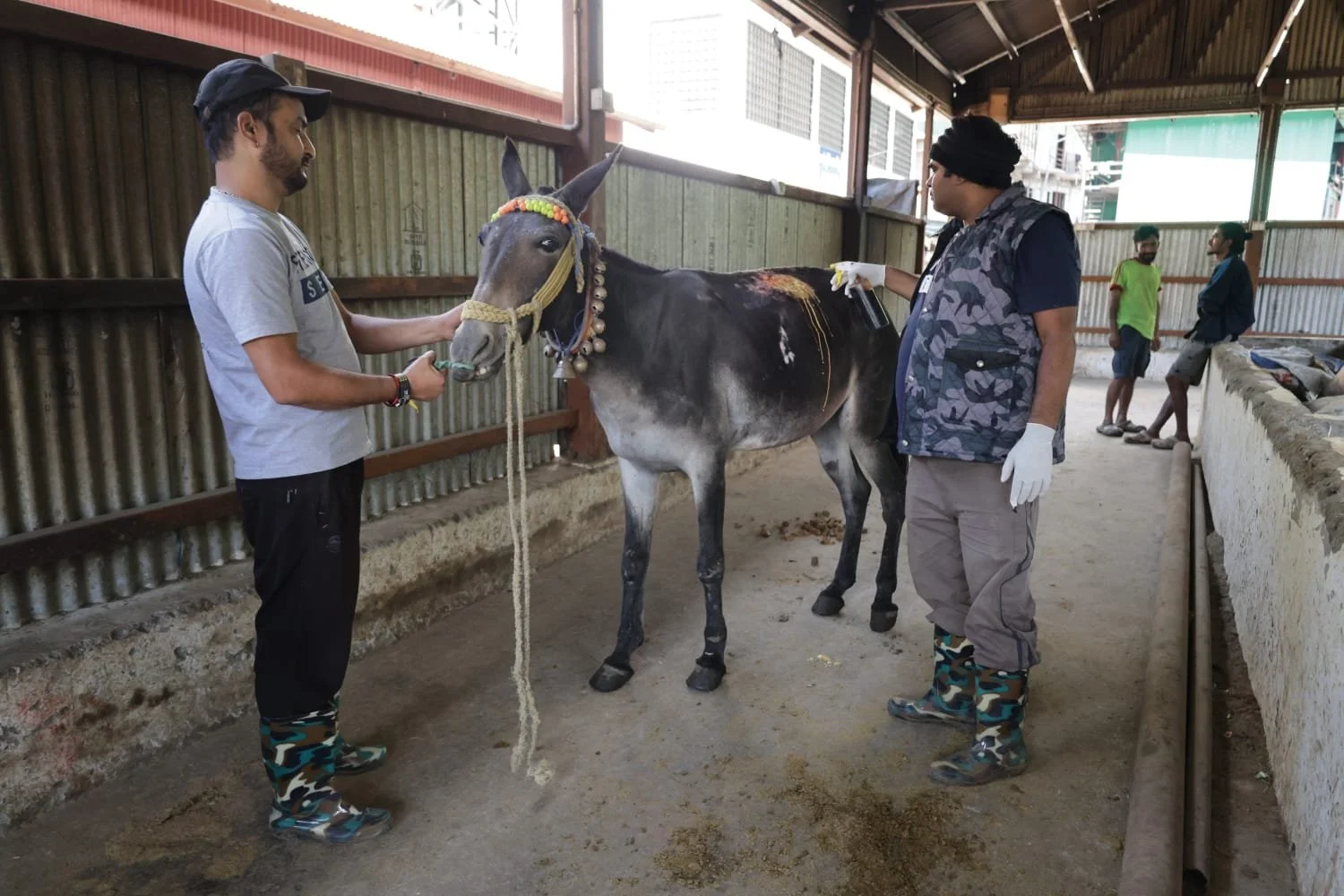
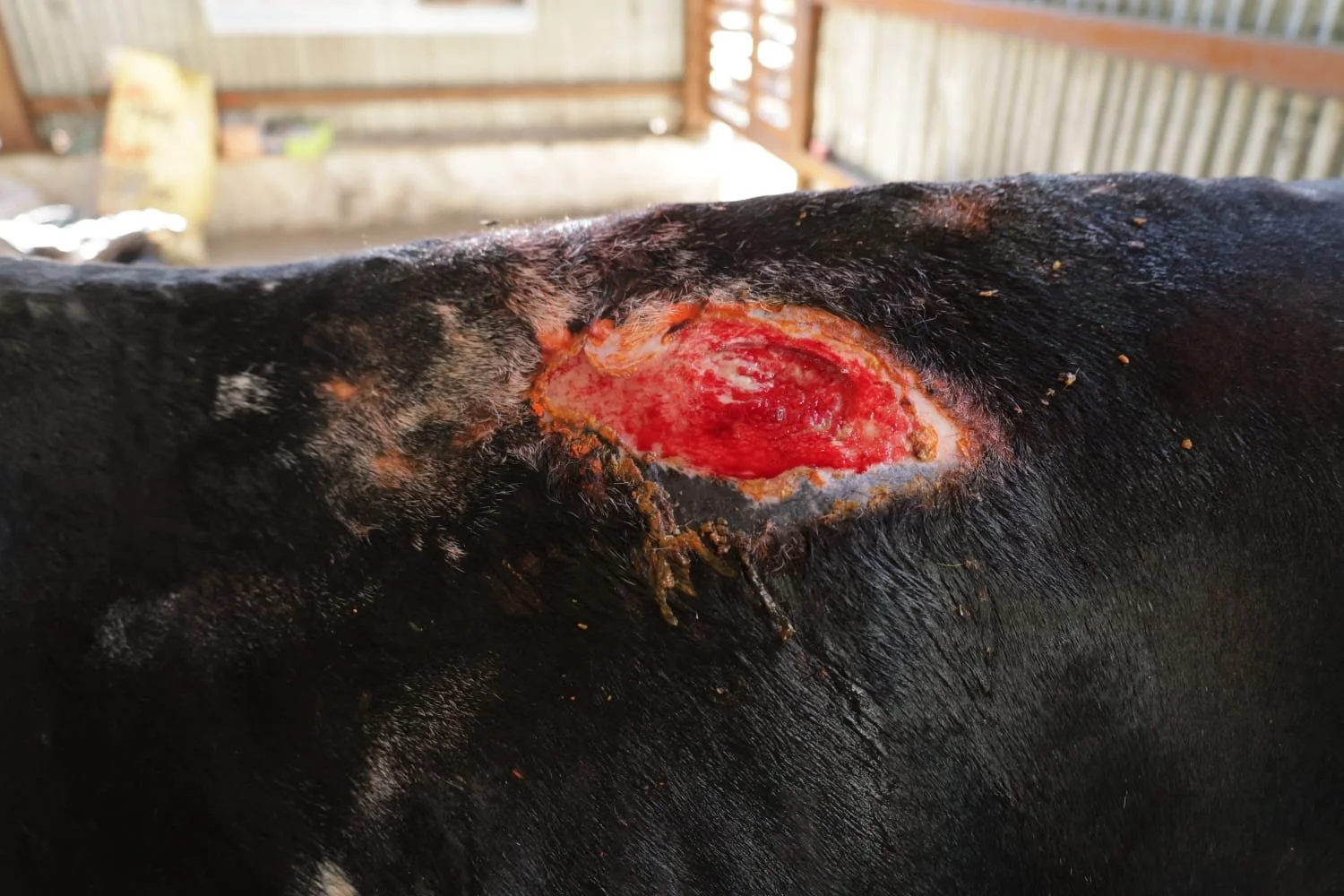
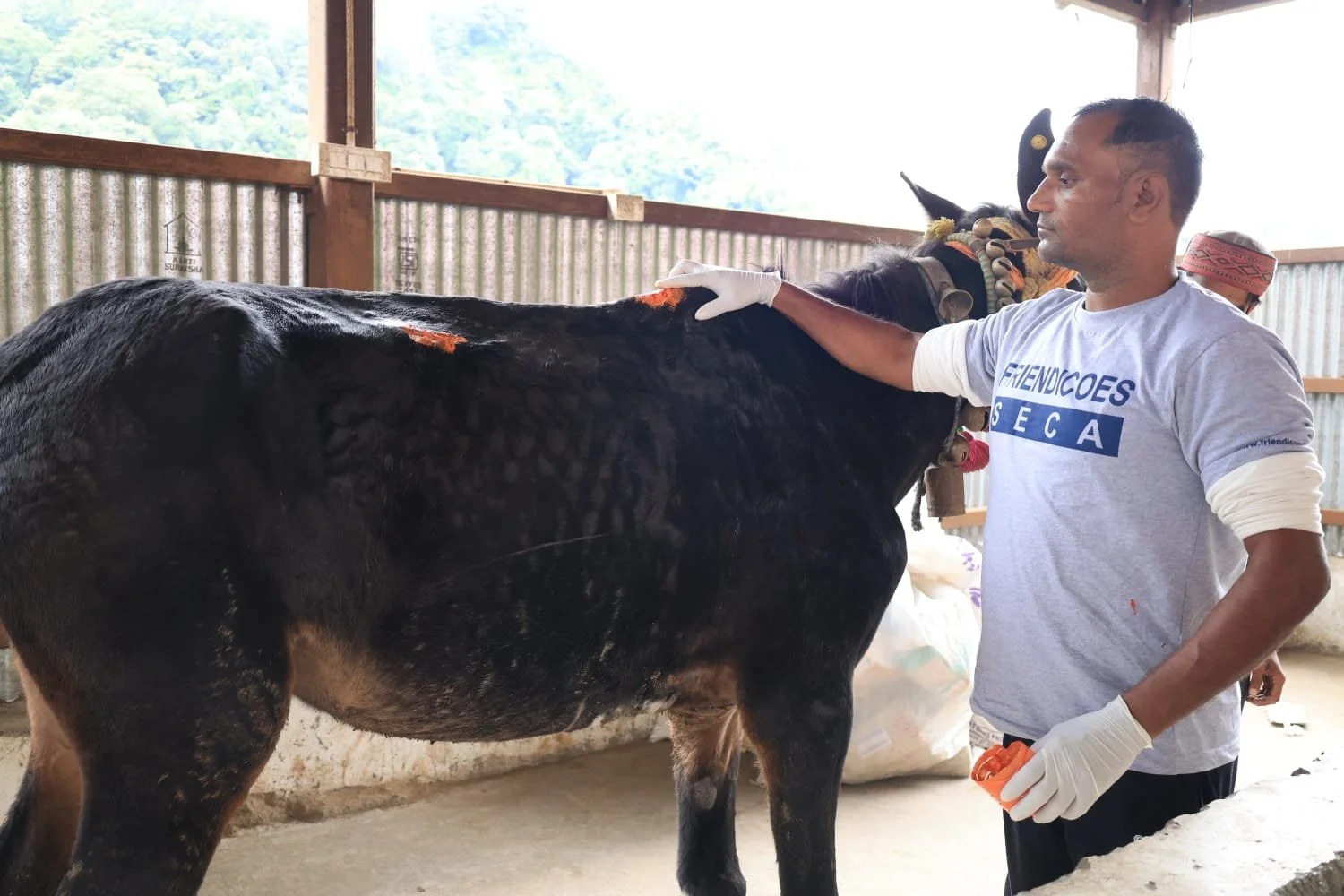
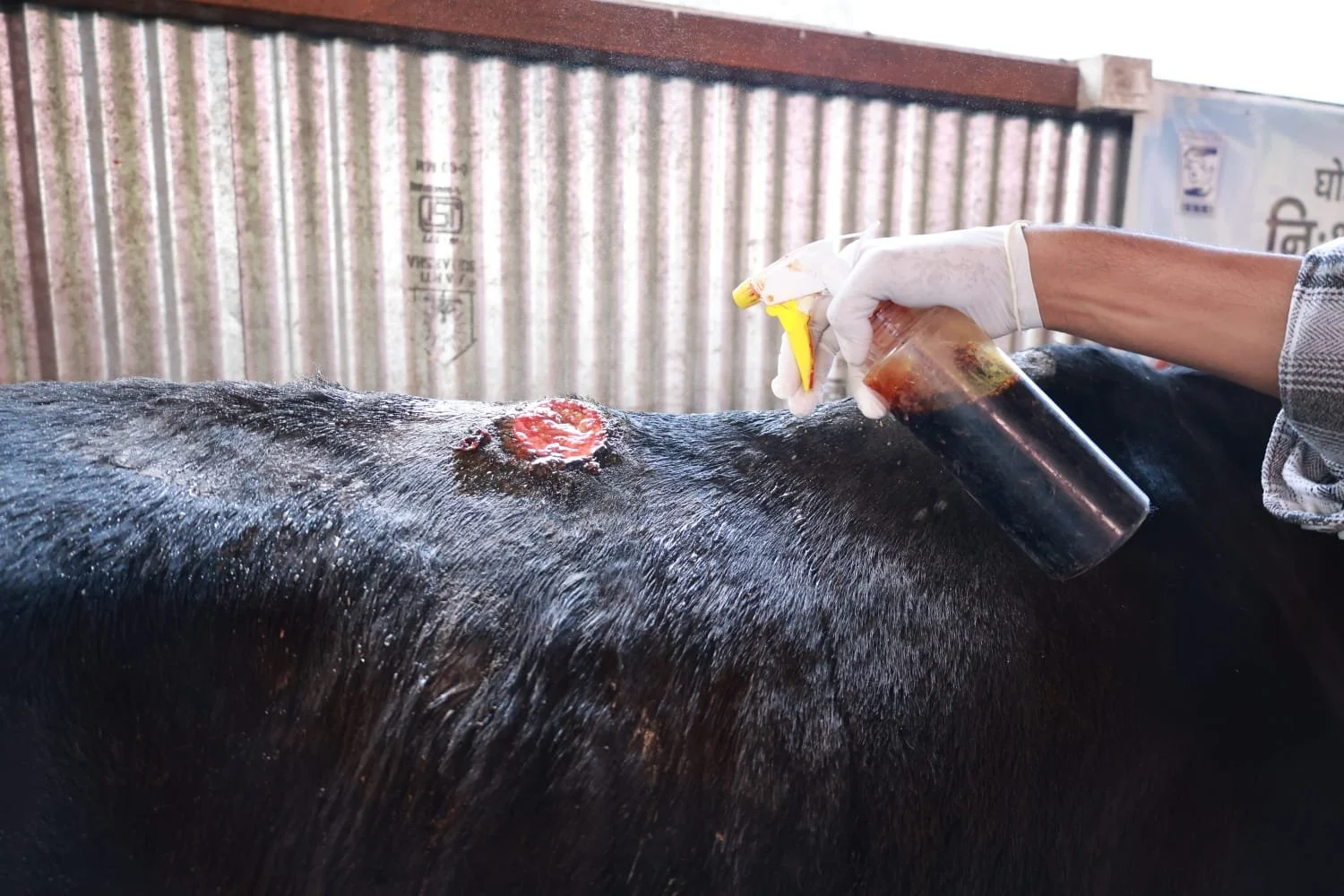
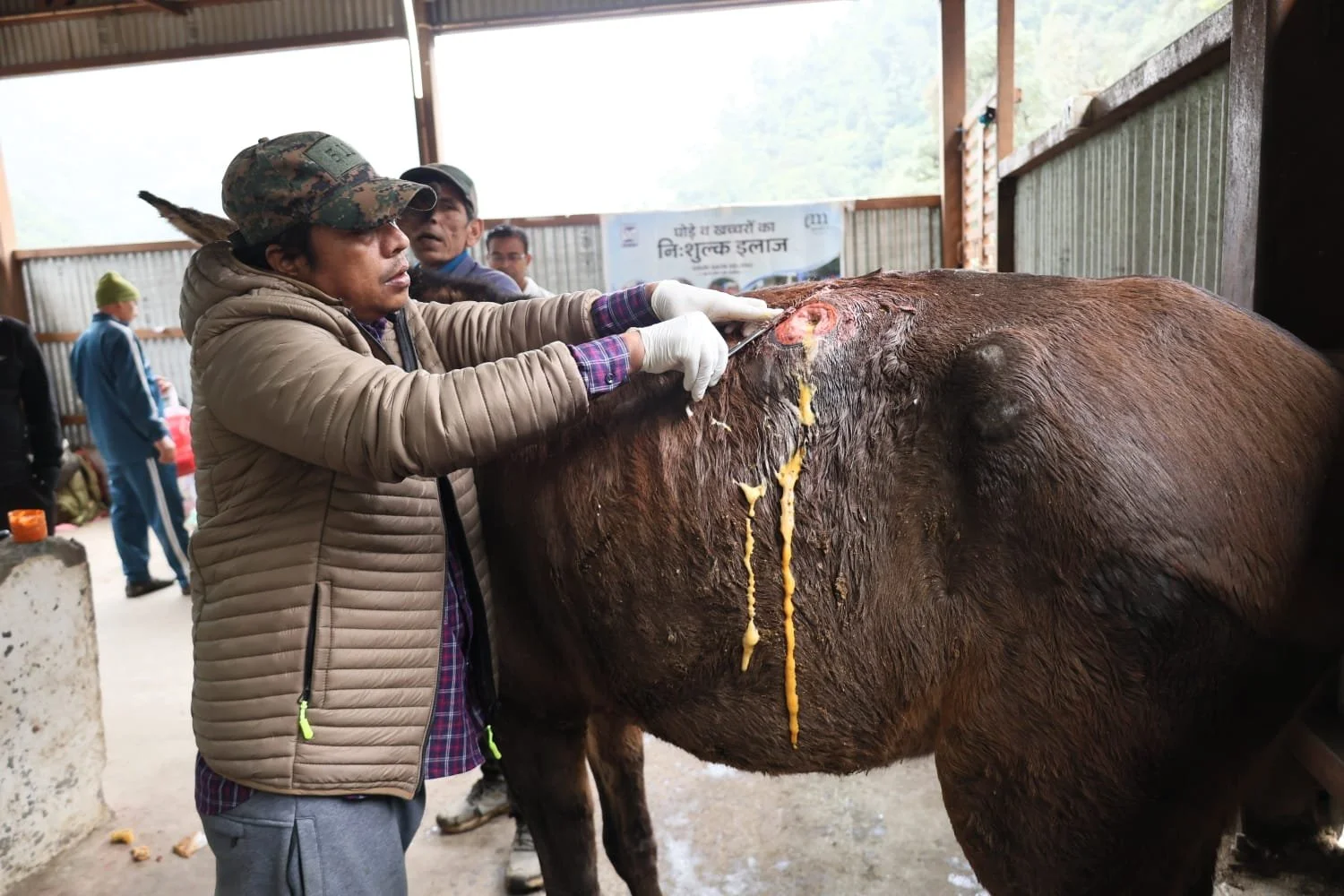
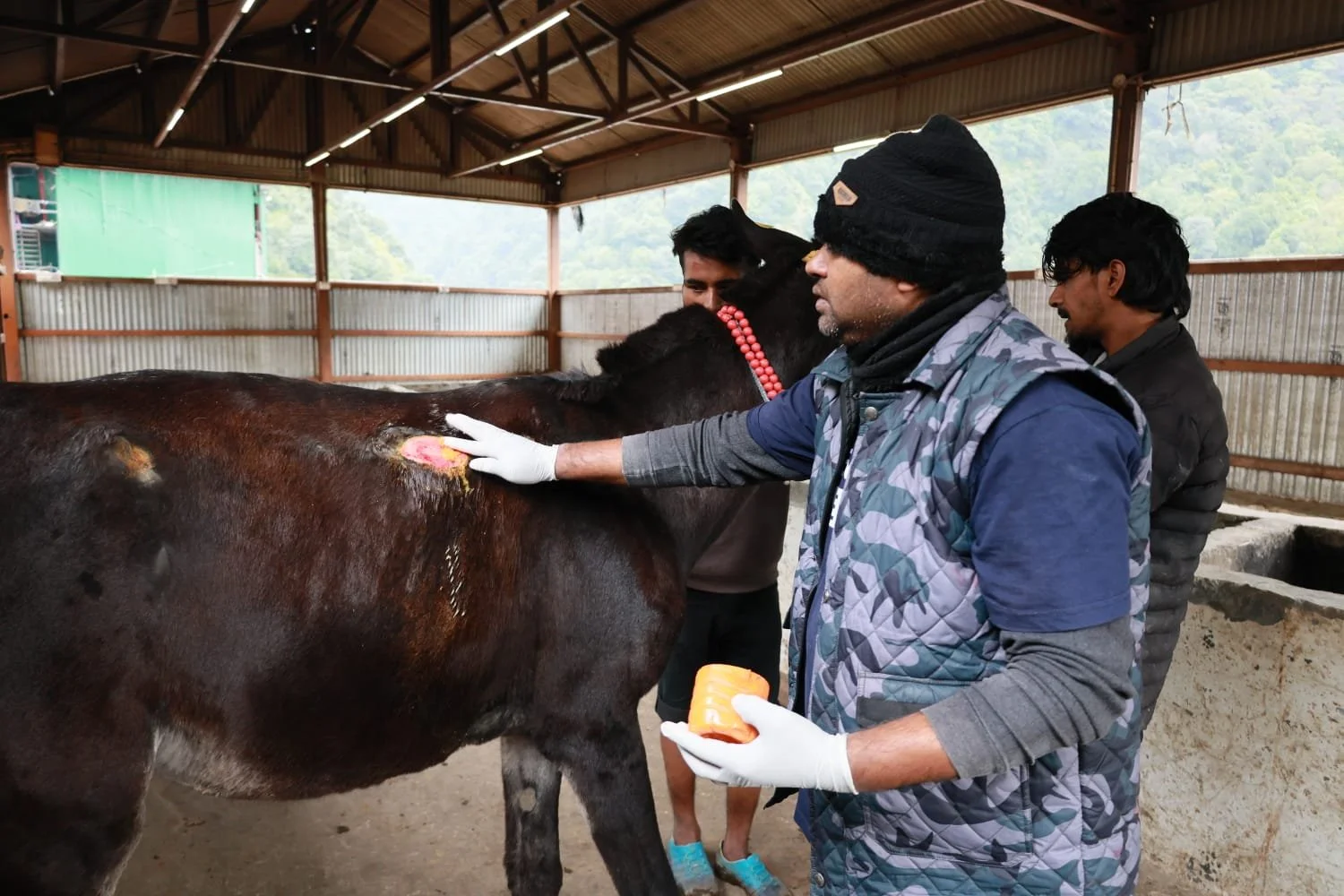
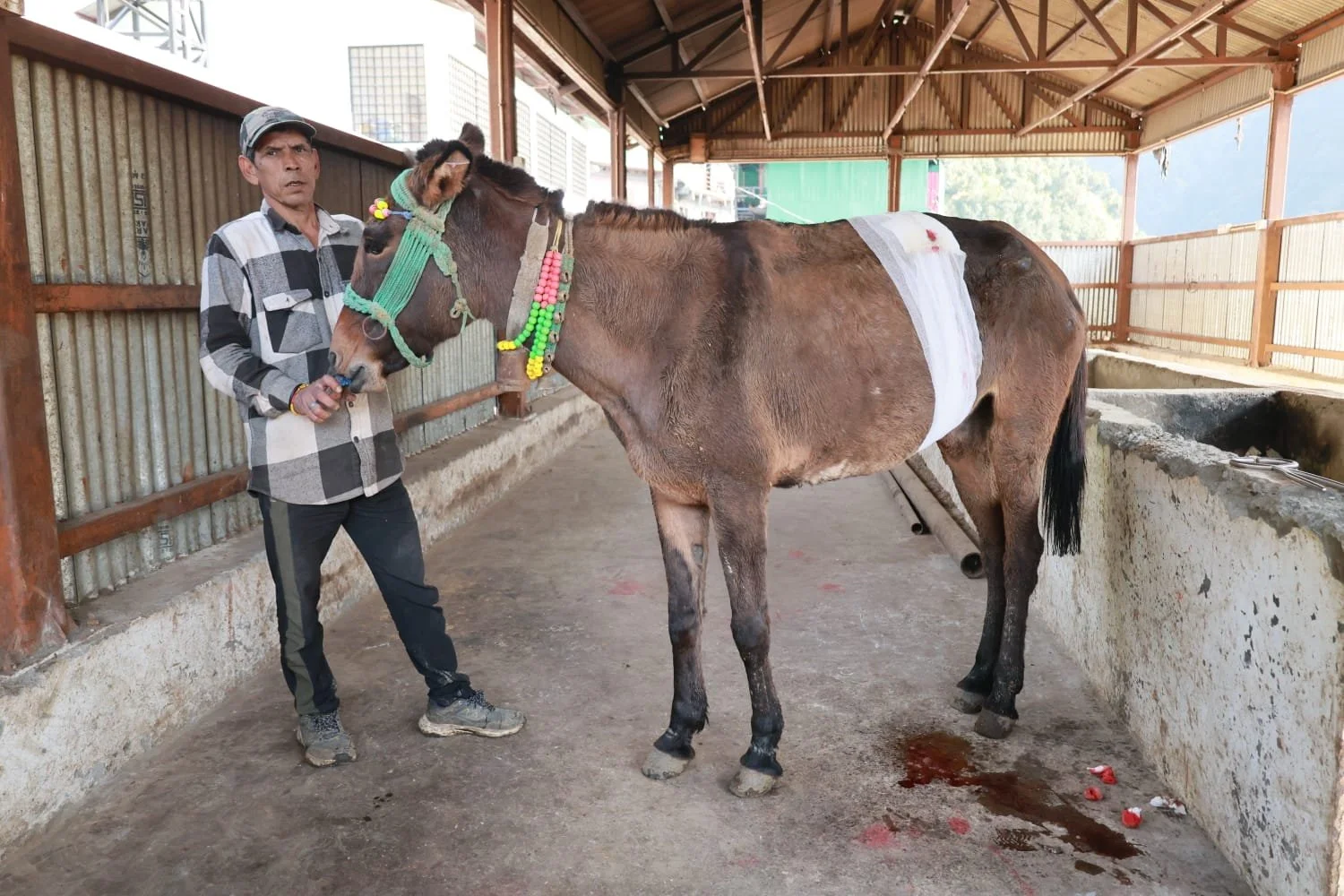
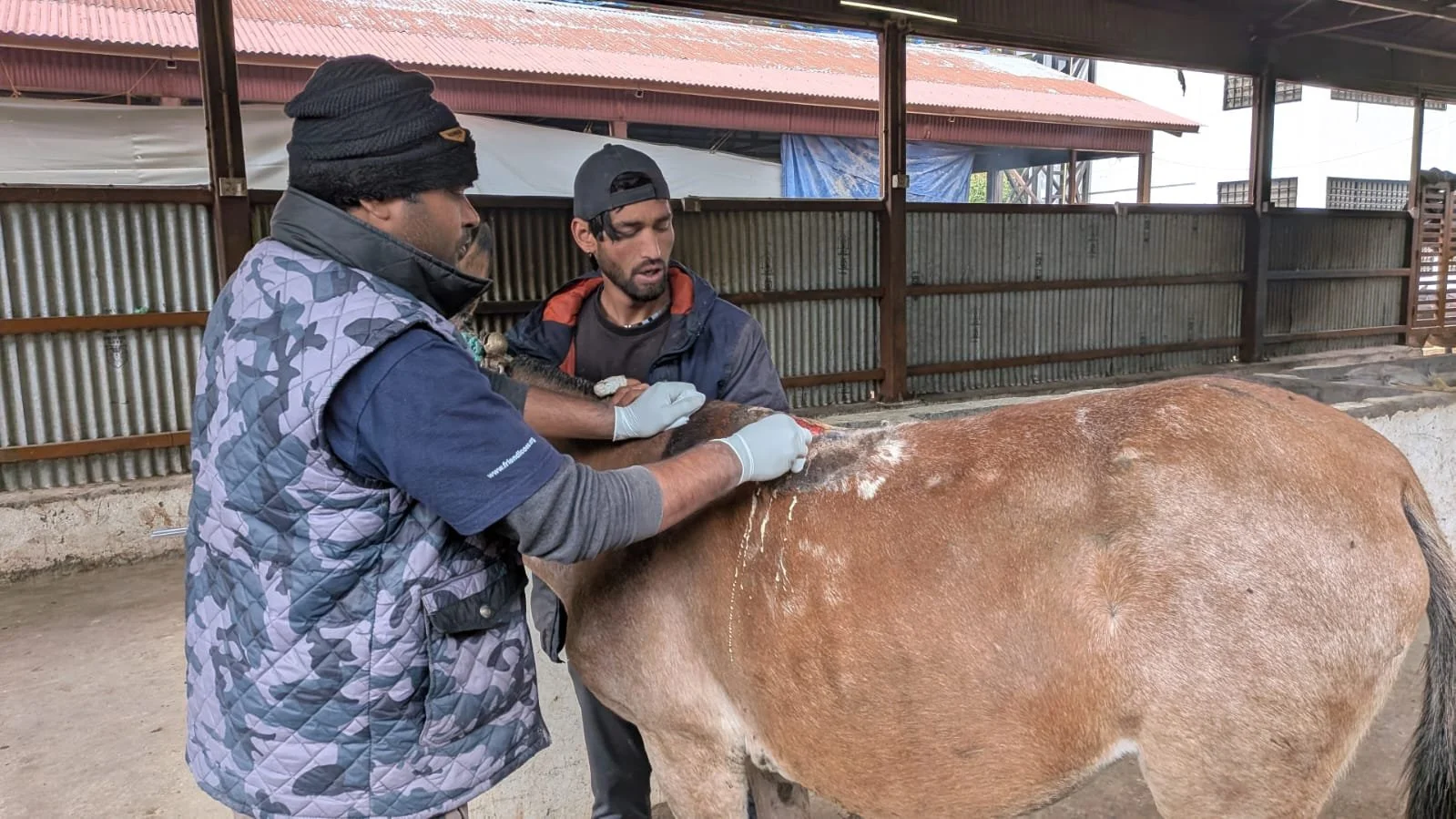
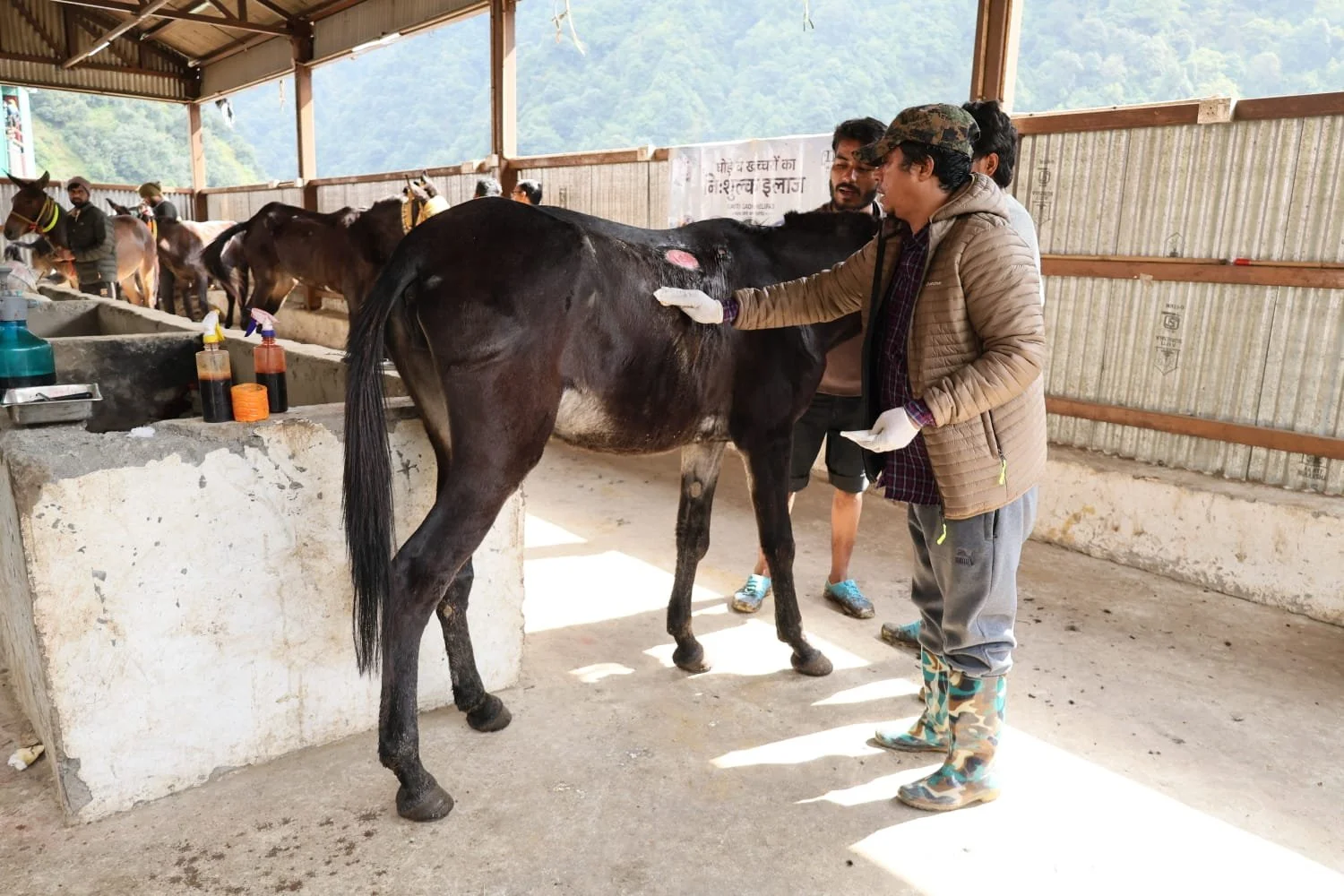
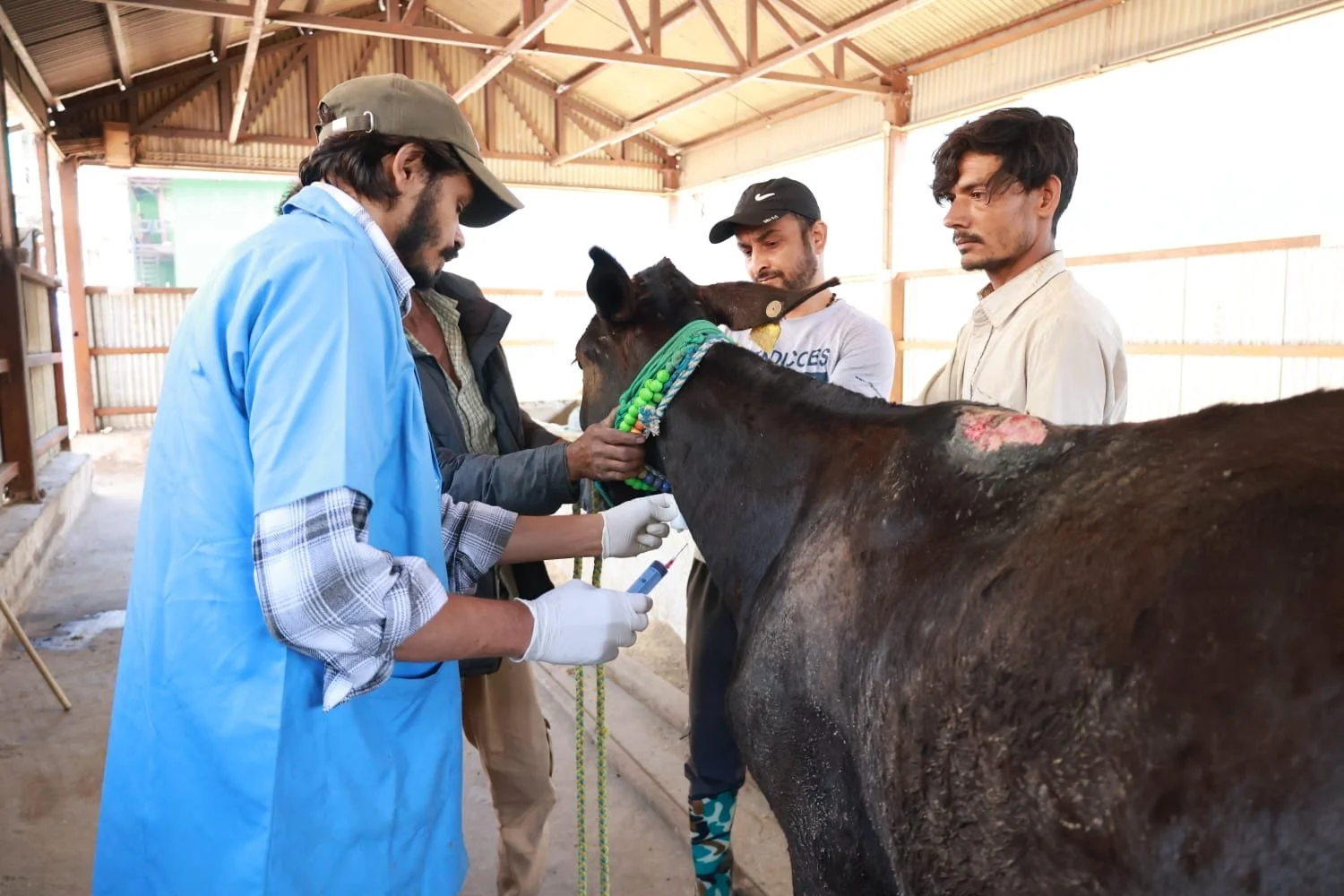
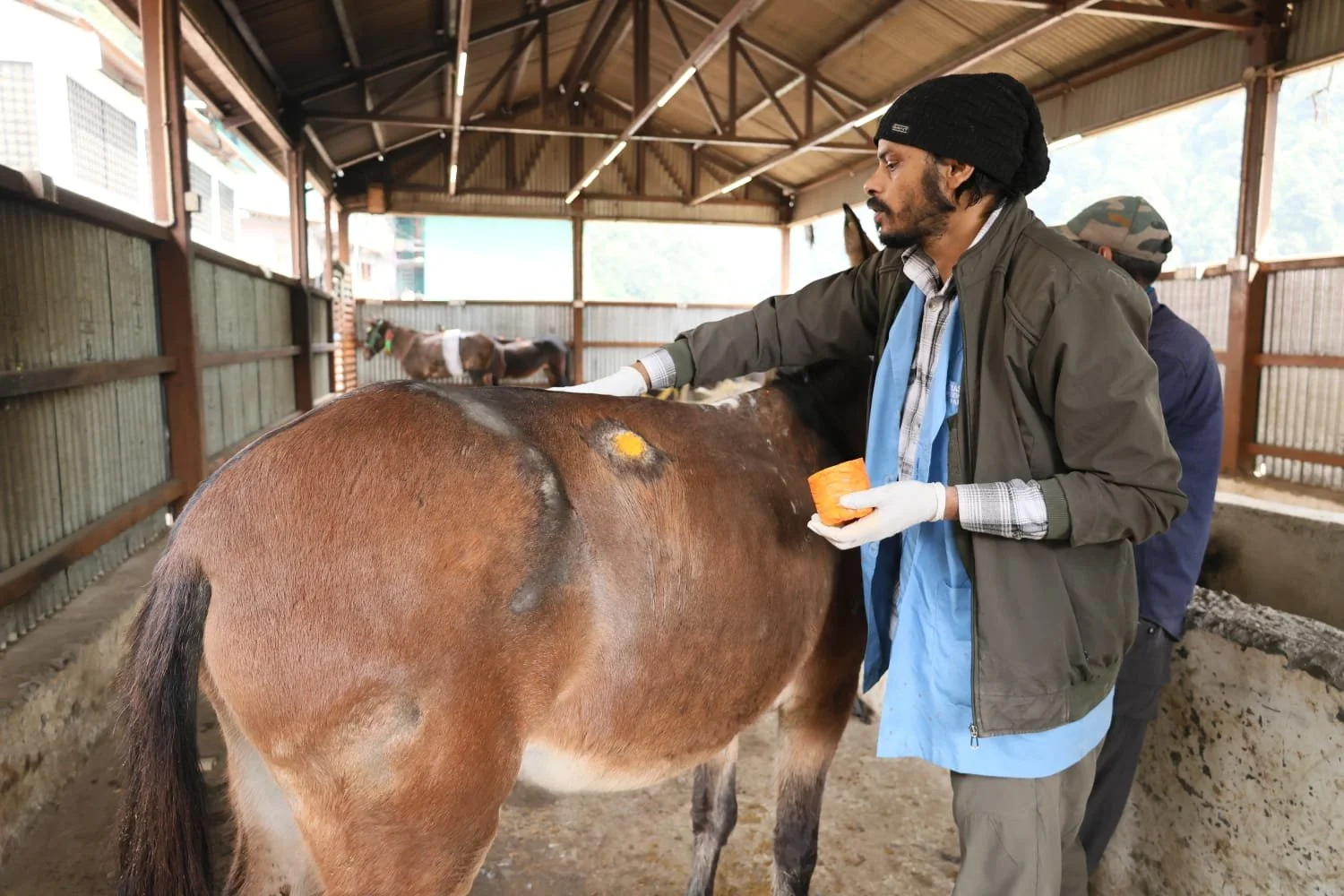
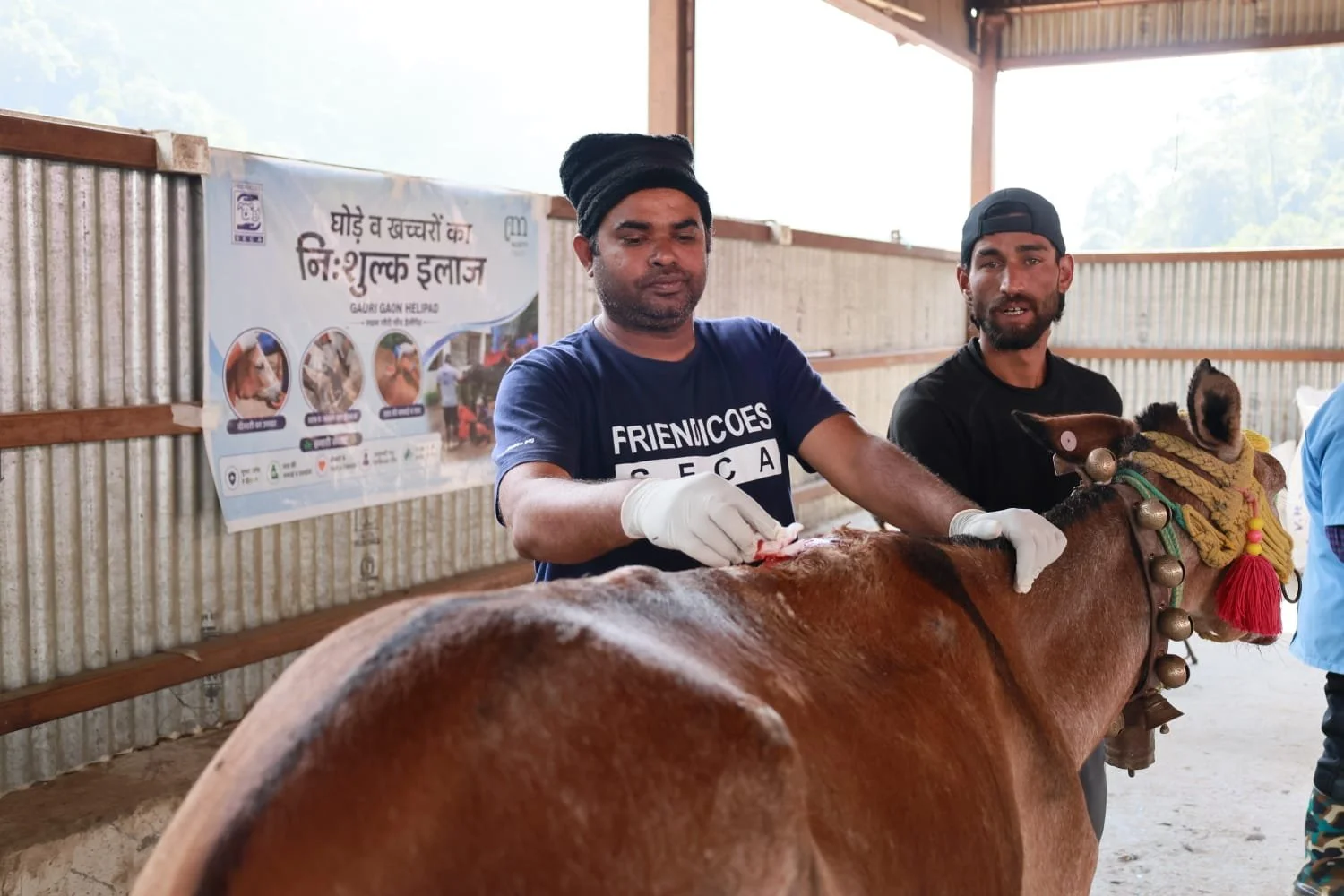
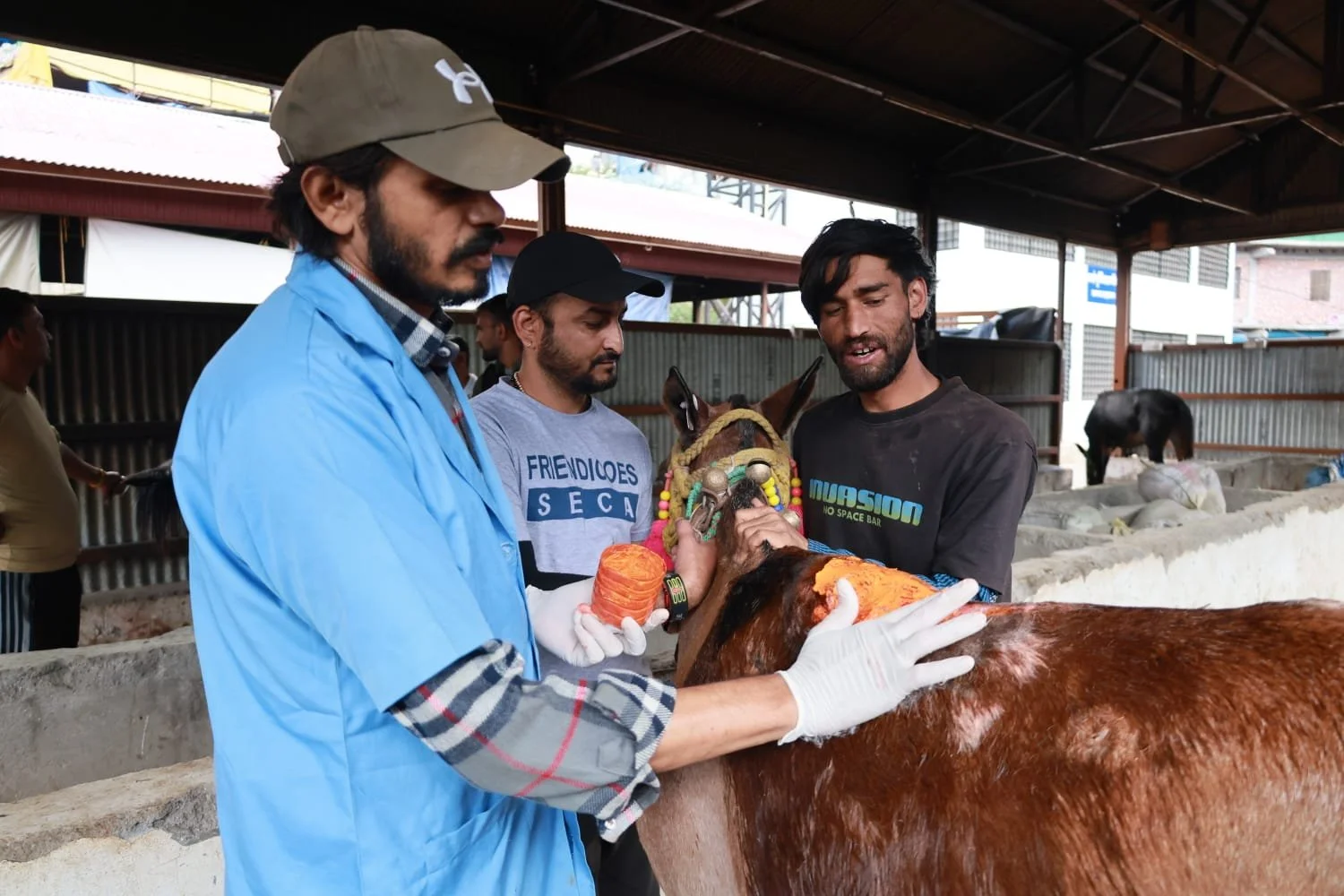
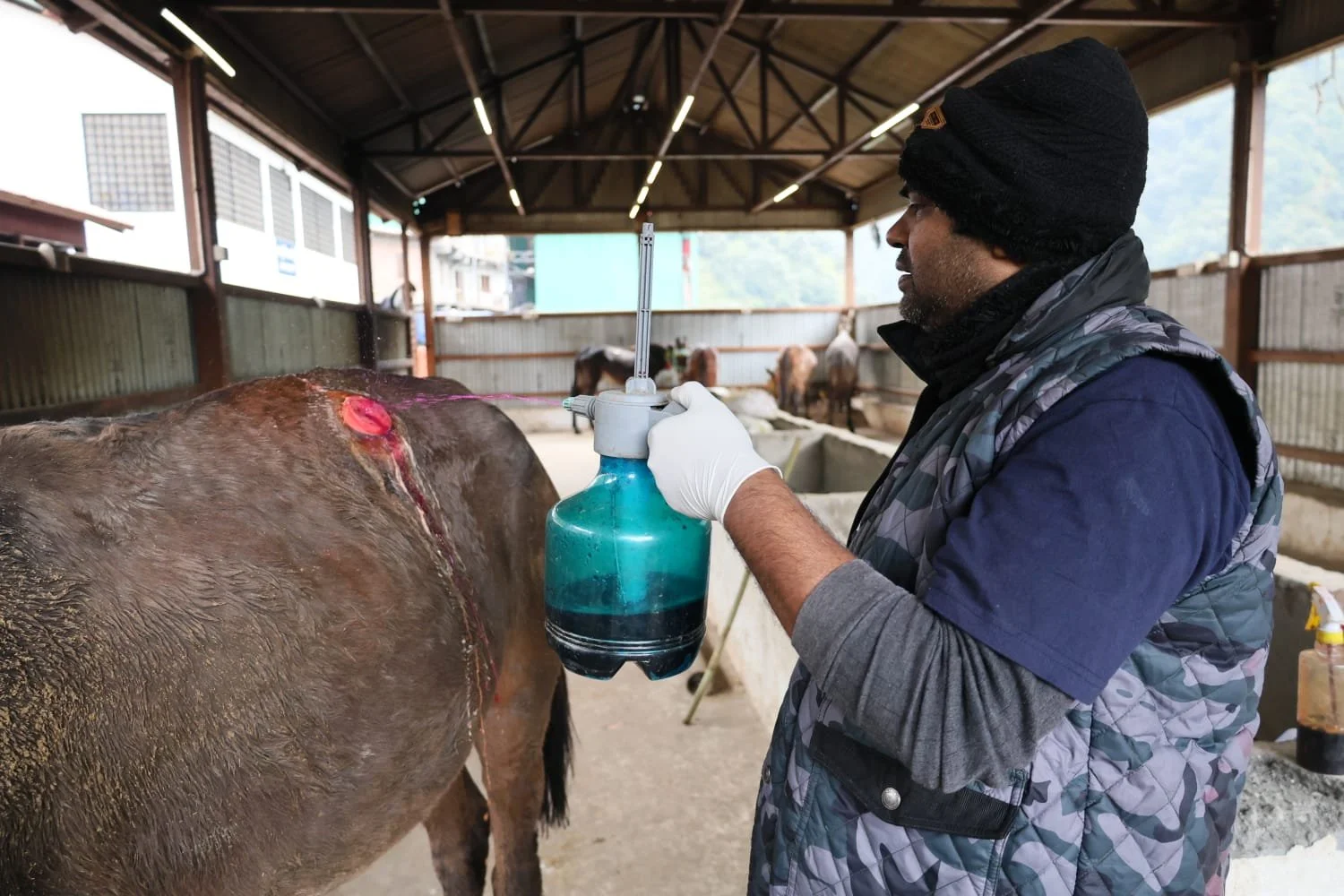
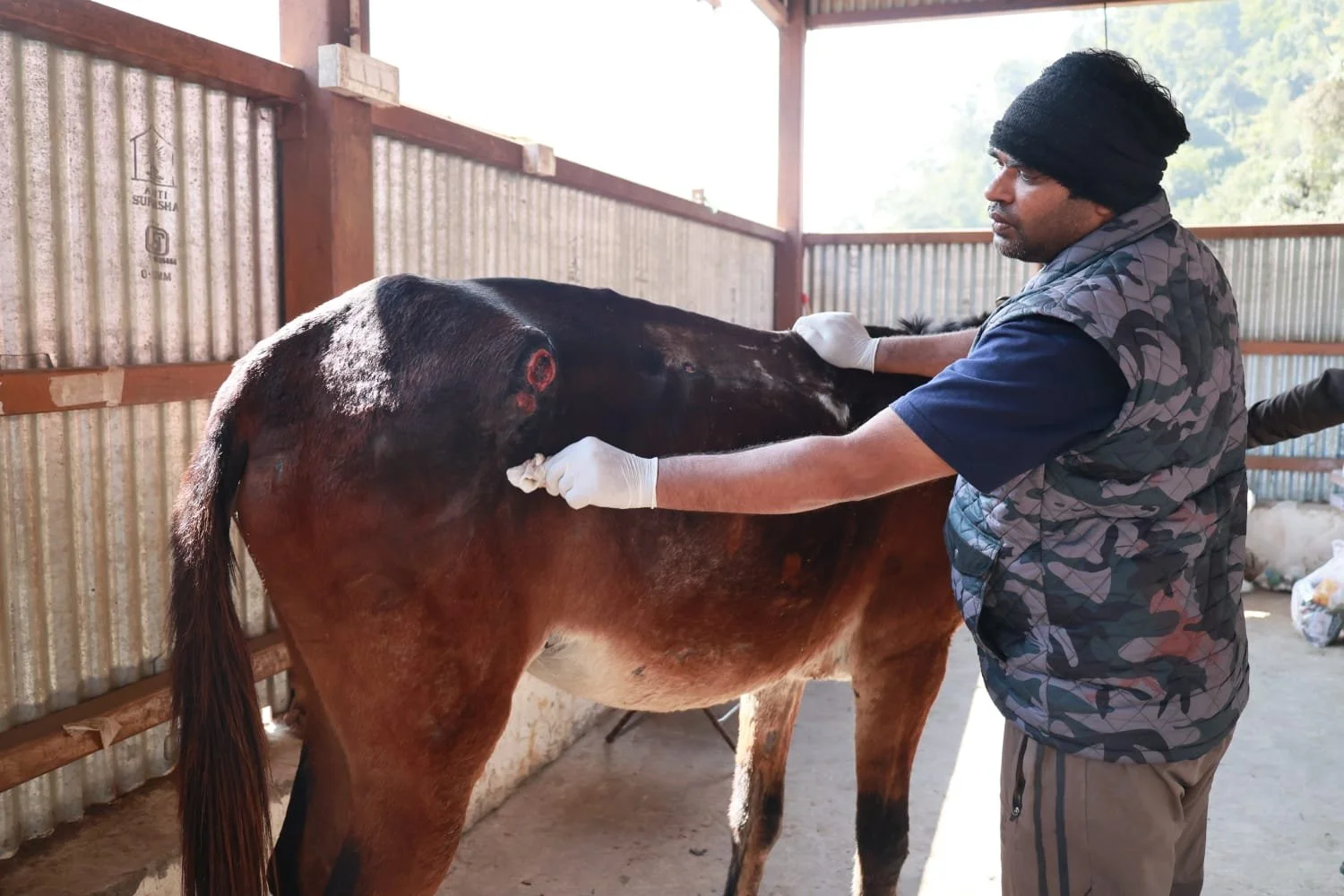
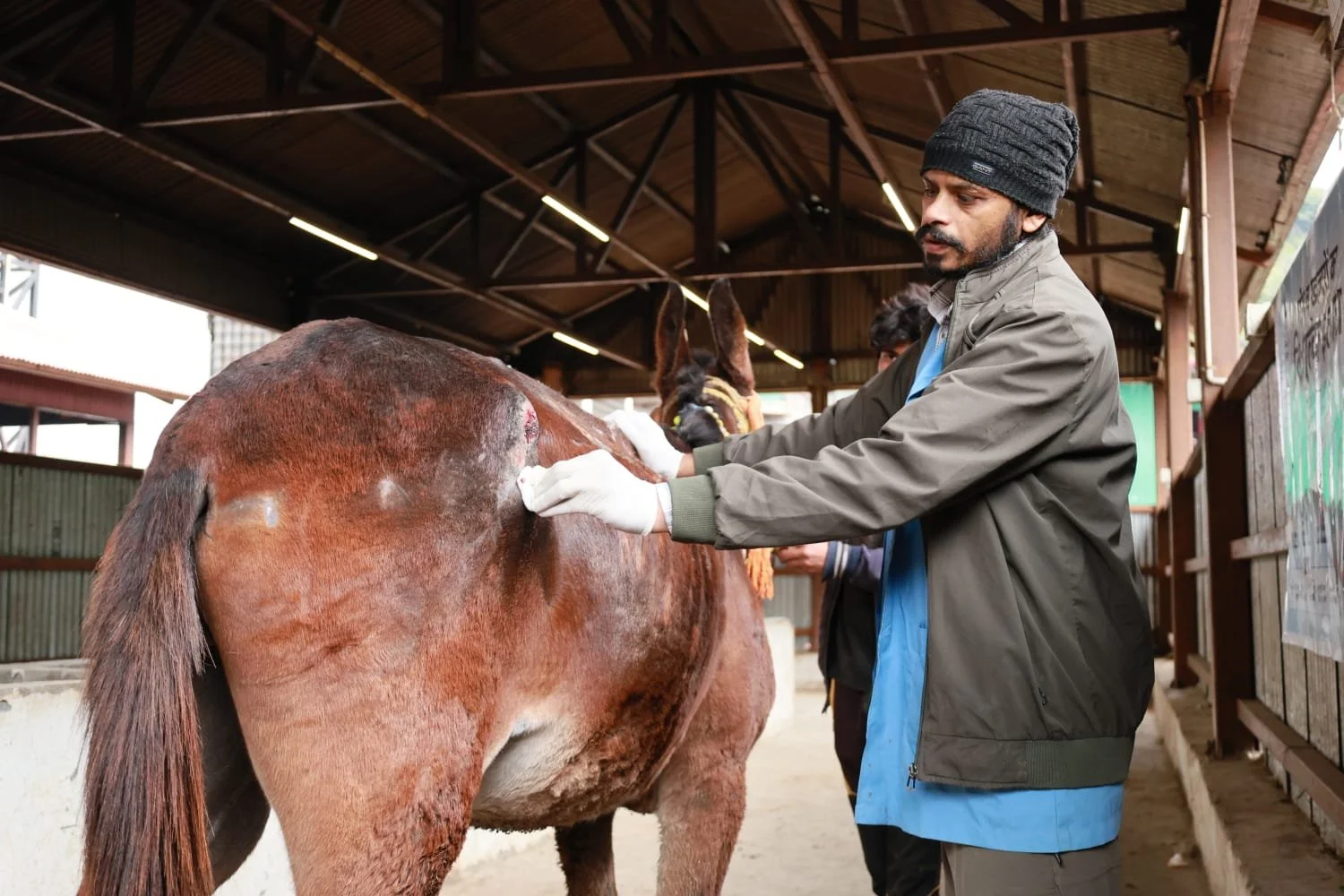
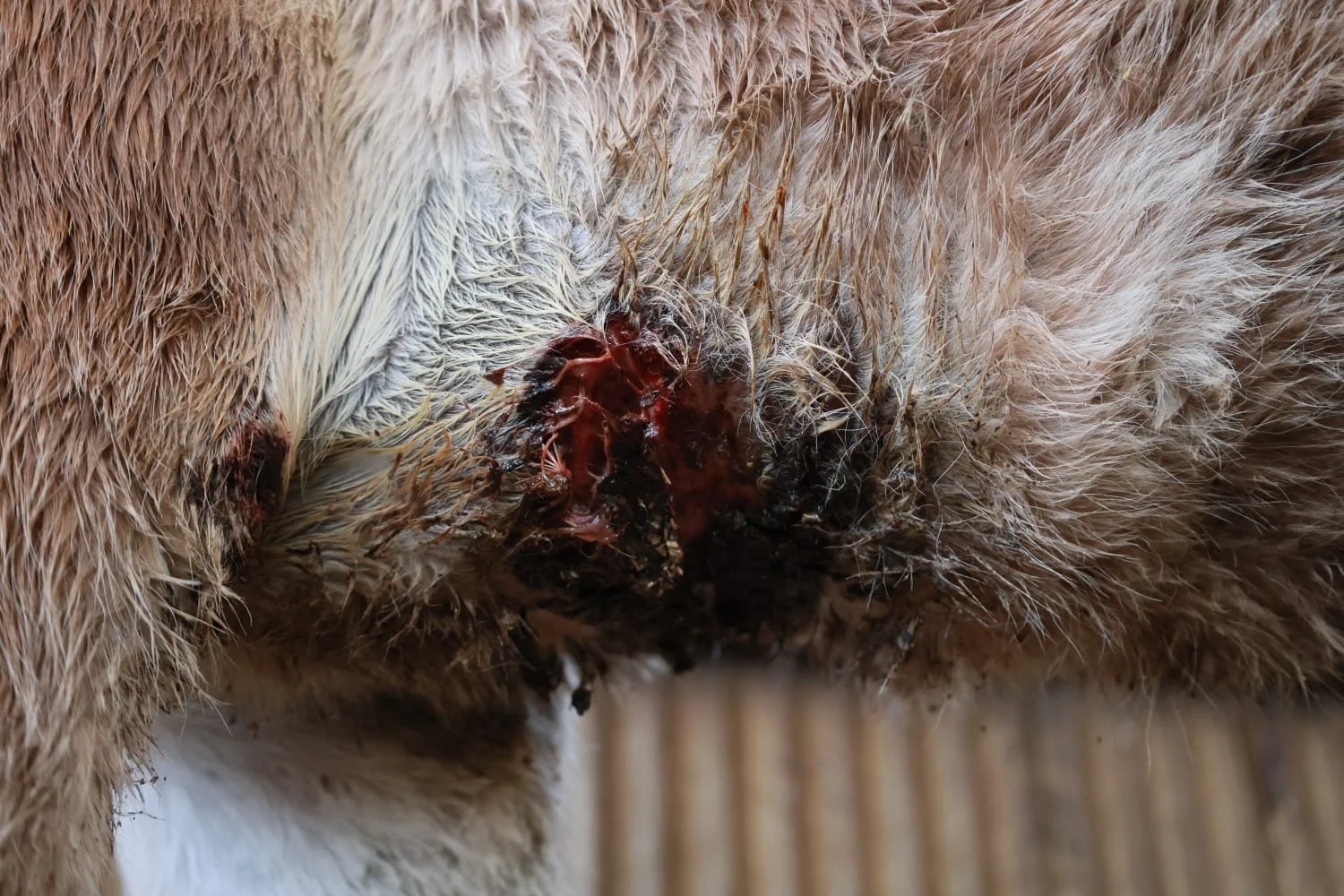
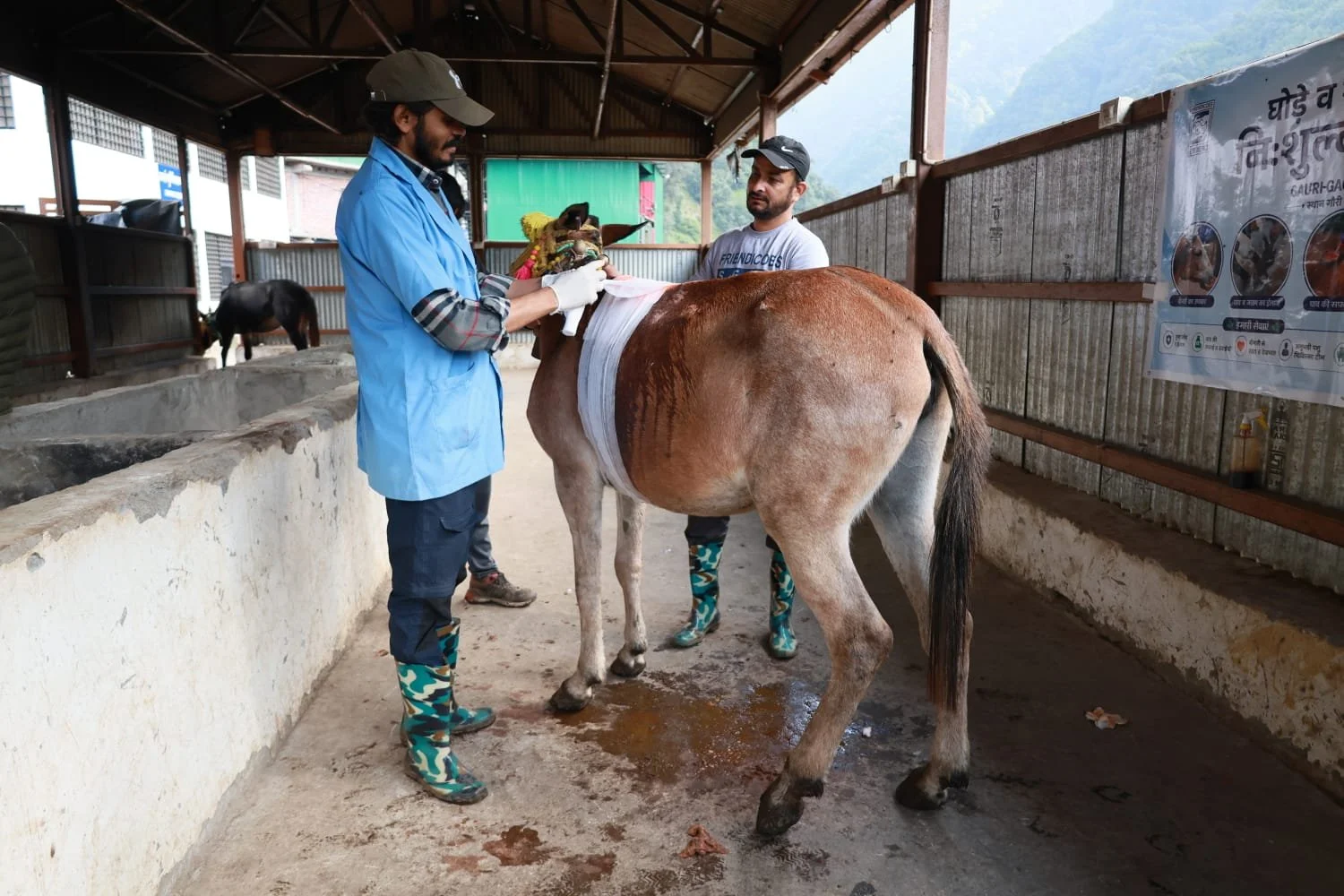
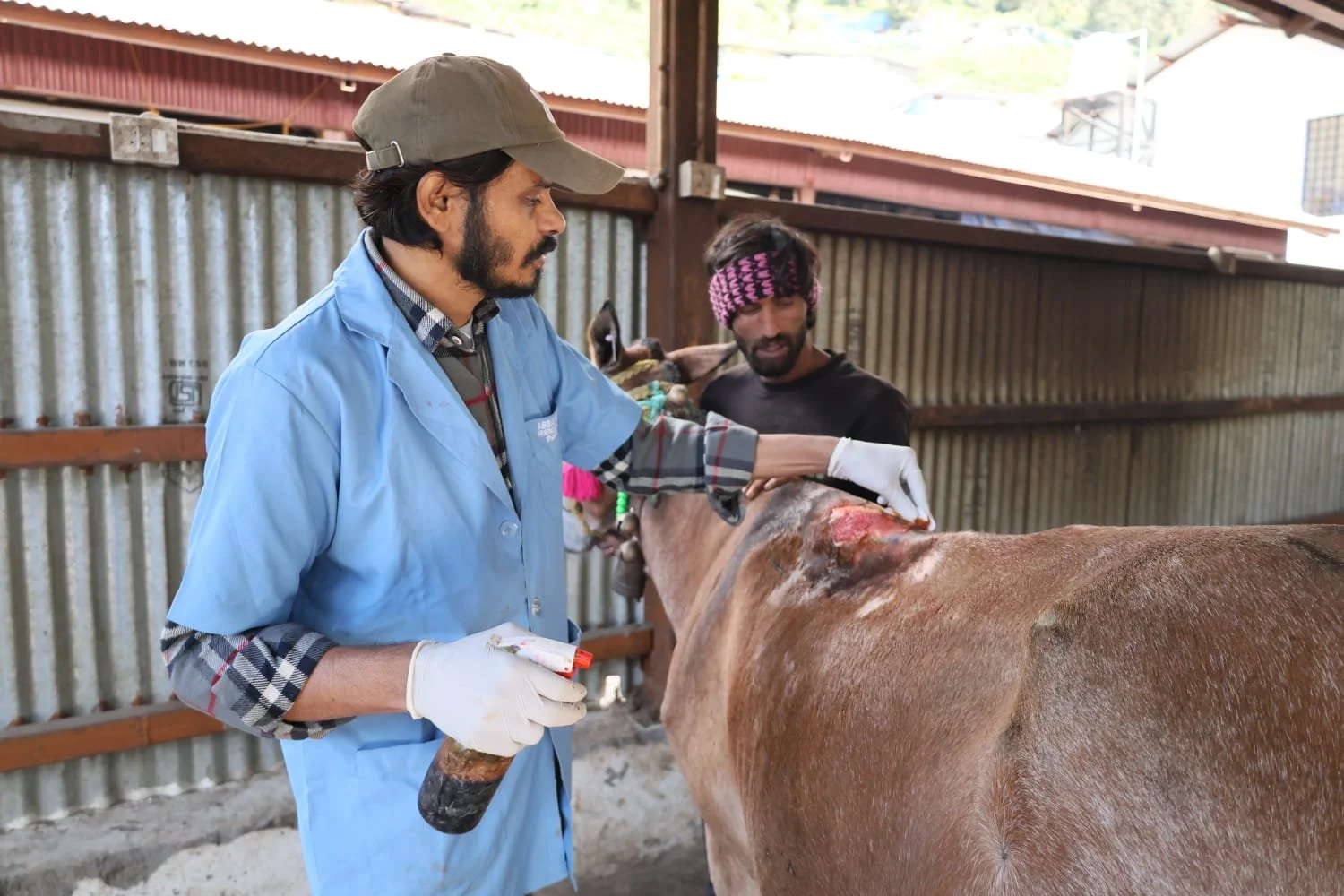
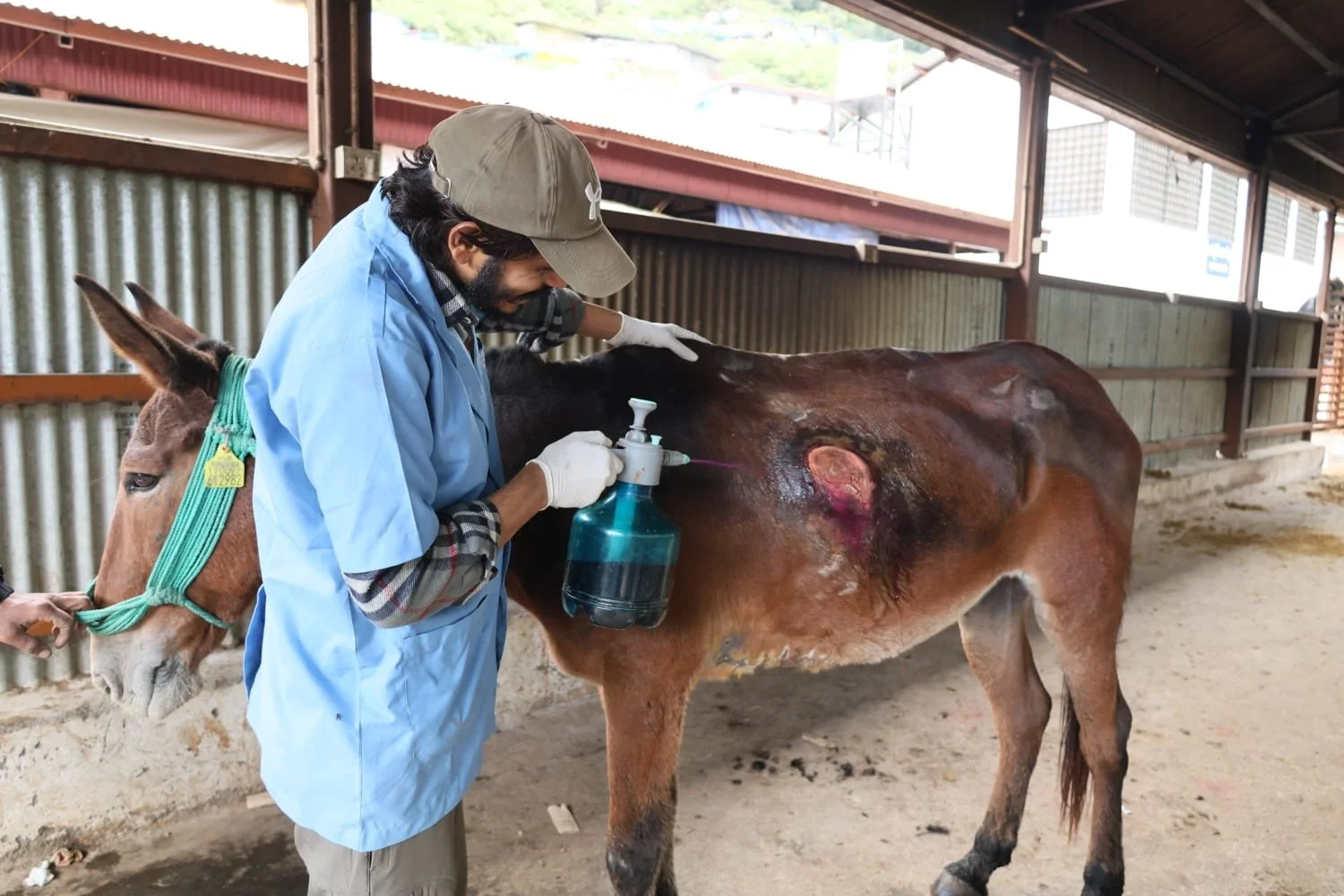
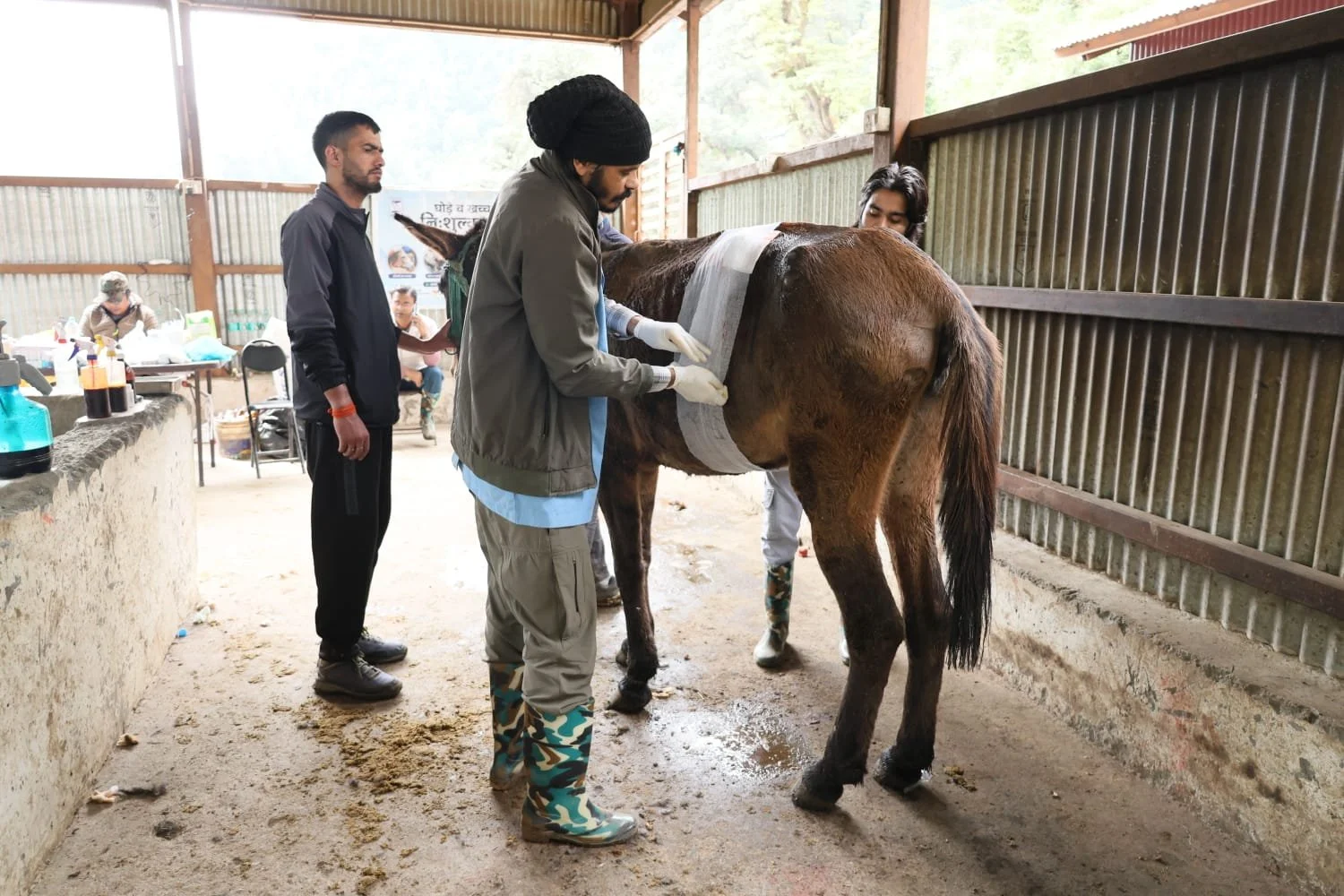
Back sores and chest wounds
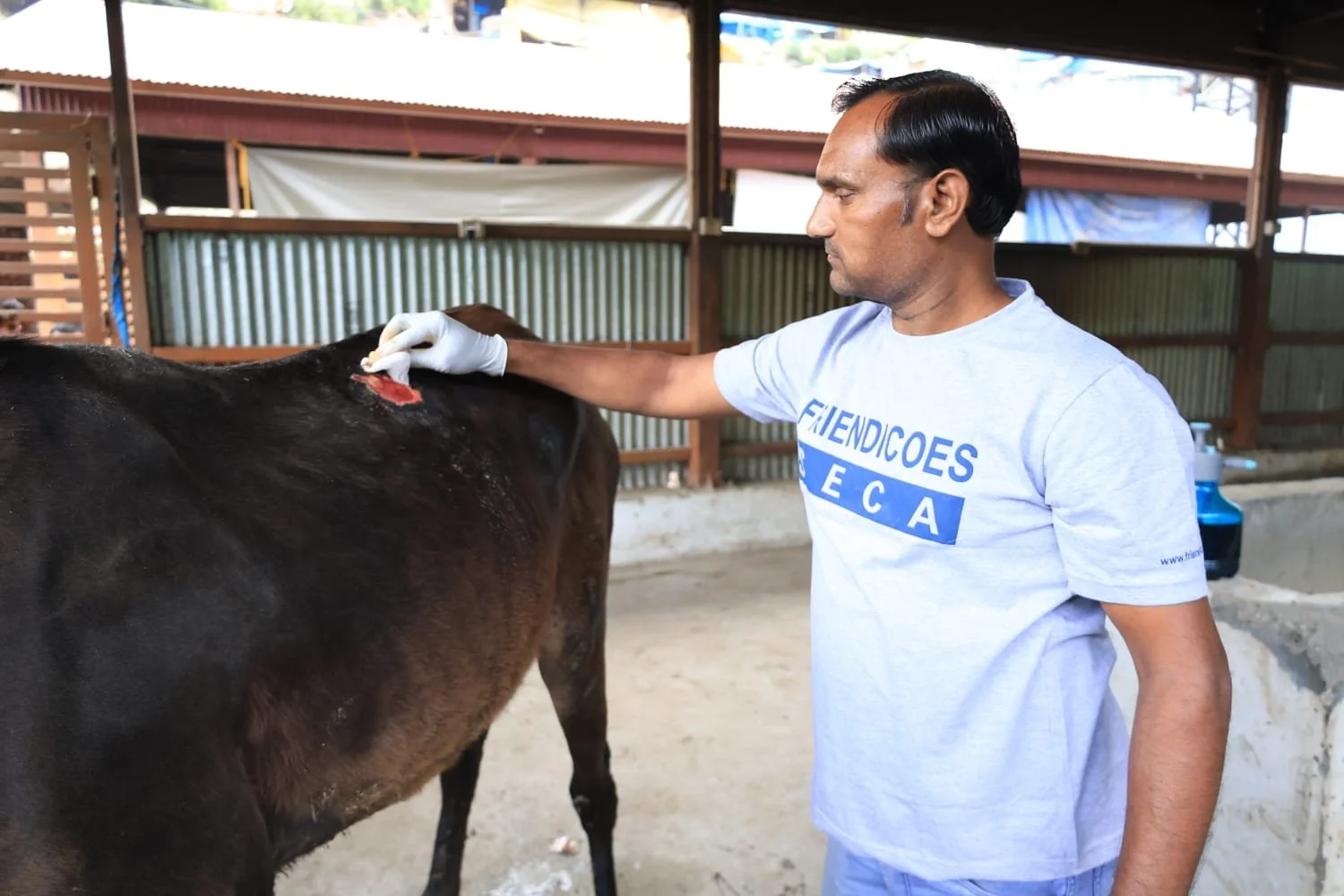
A common injury due to long-term saddle application.
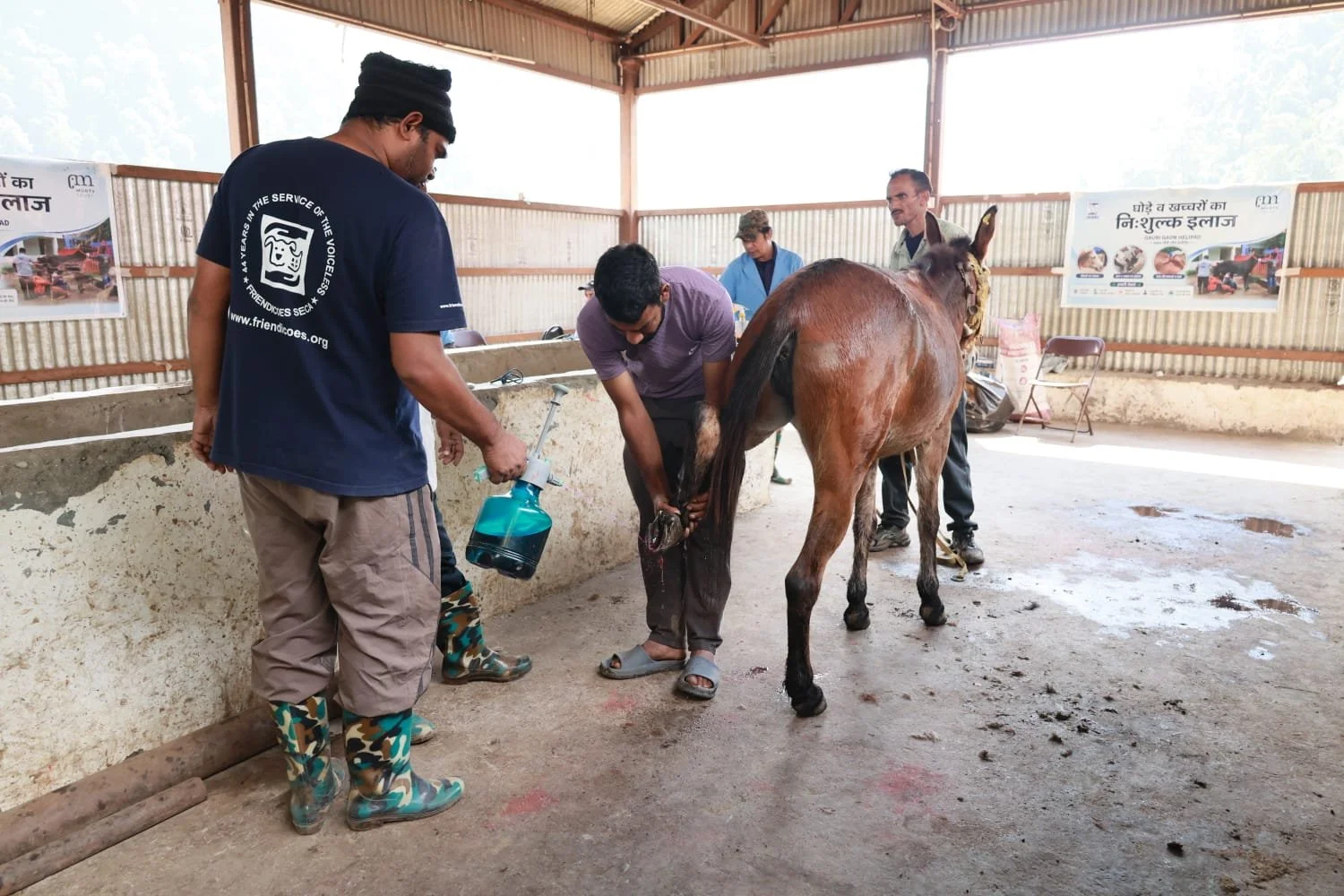
Wounds were cleaned with antiseptics and dressed.
Tetanus vaccines and pain killers were administered.
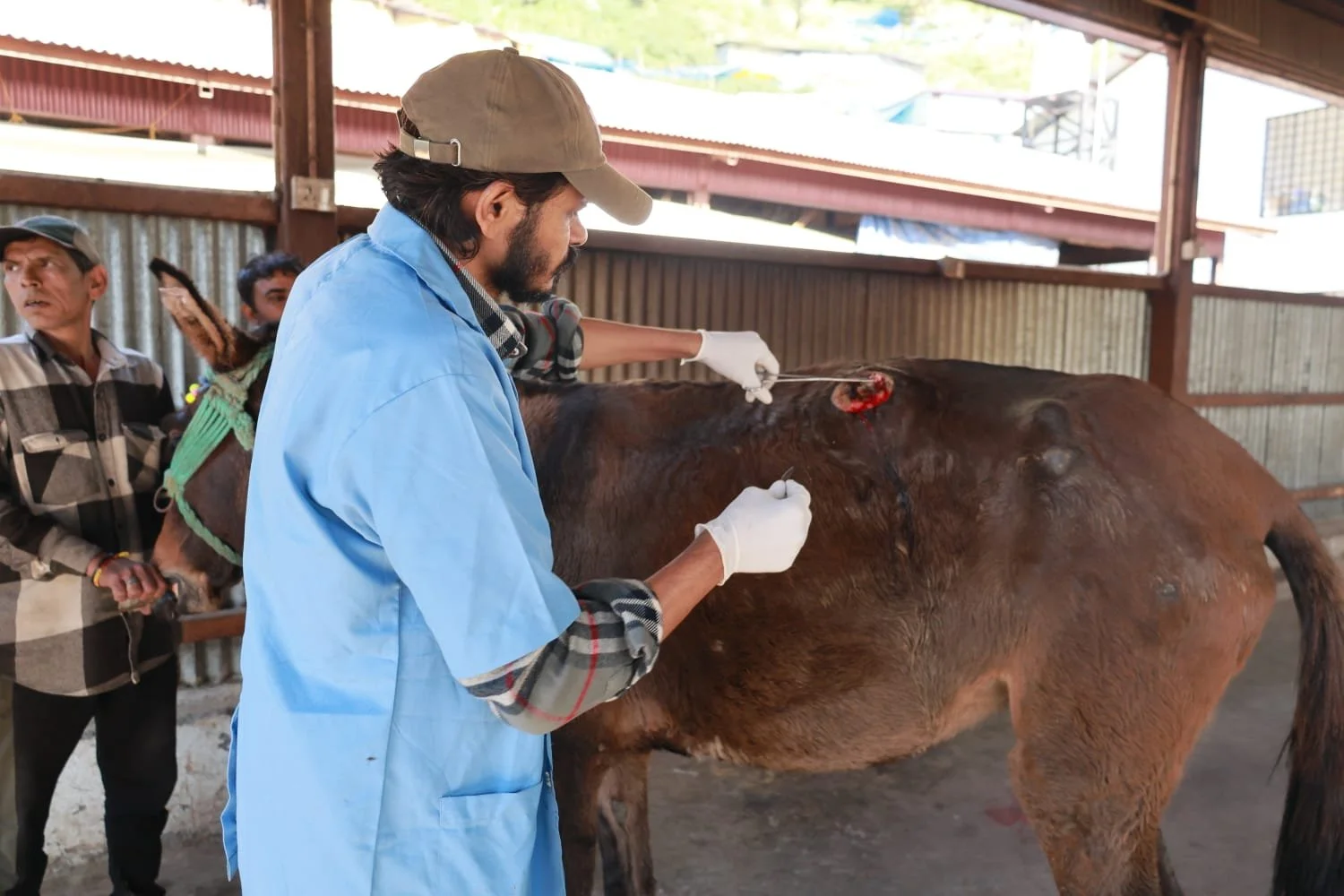
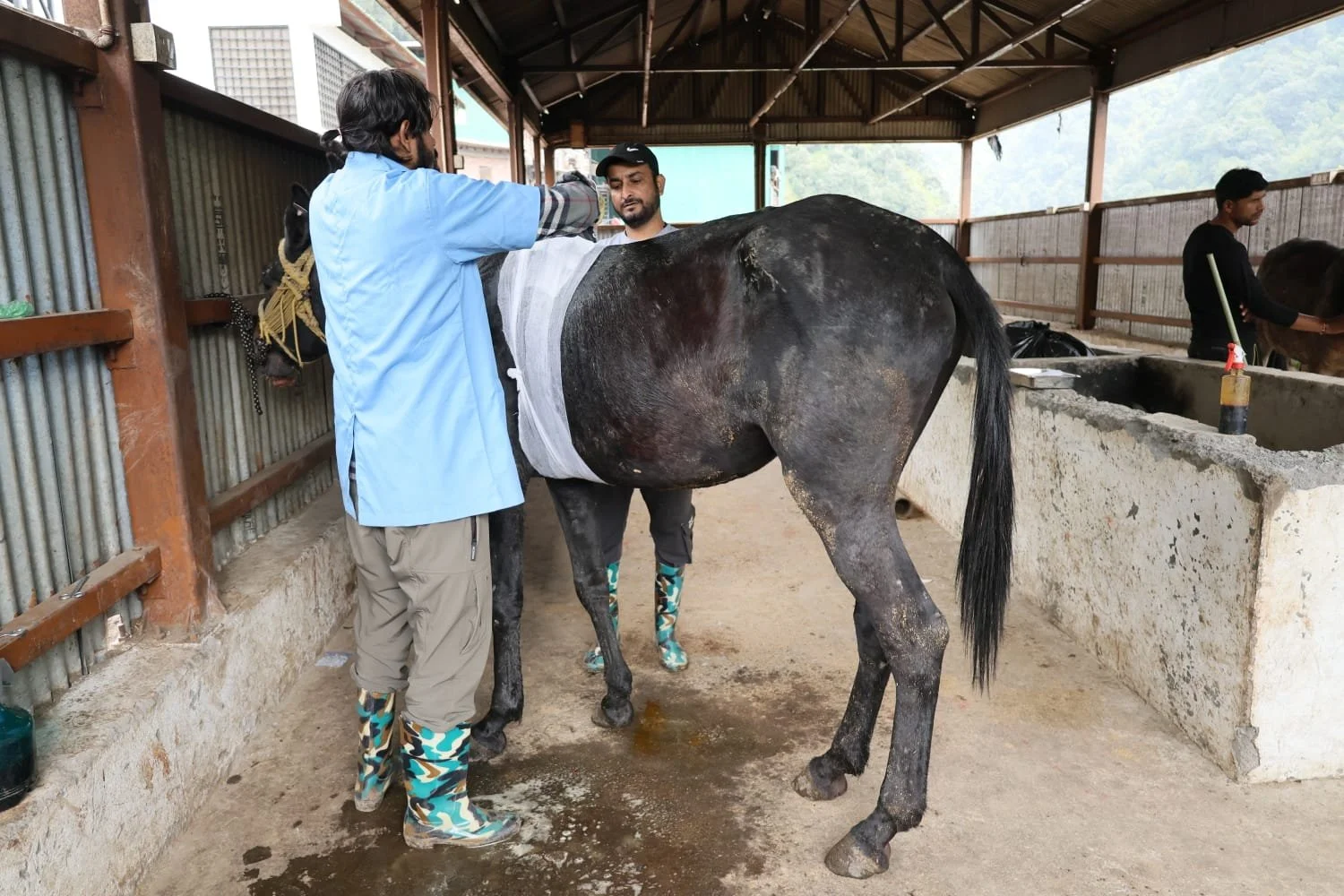
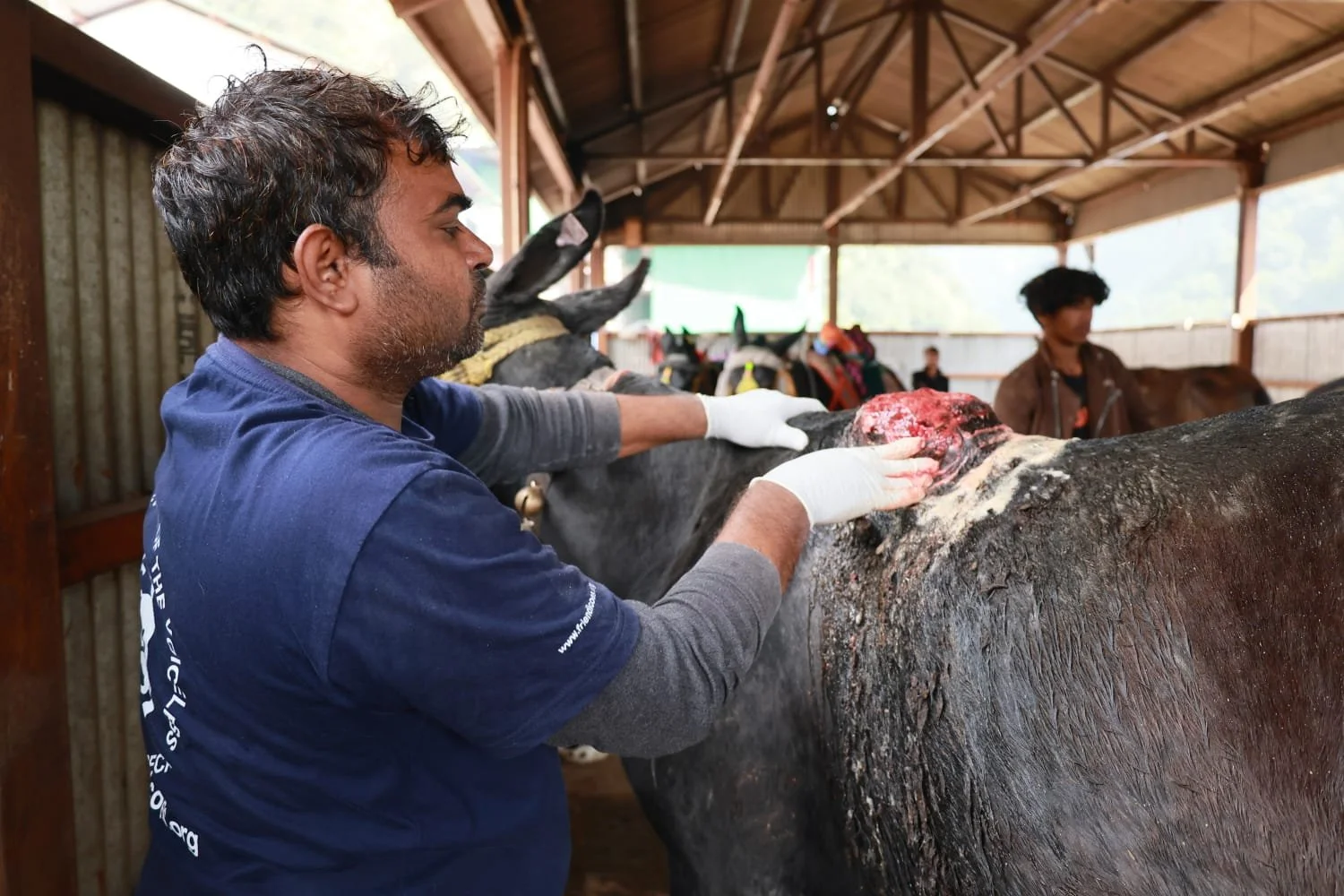
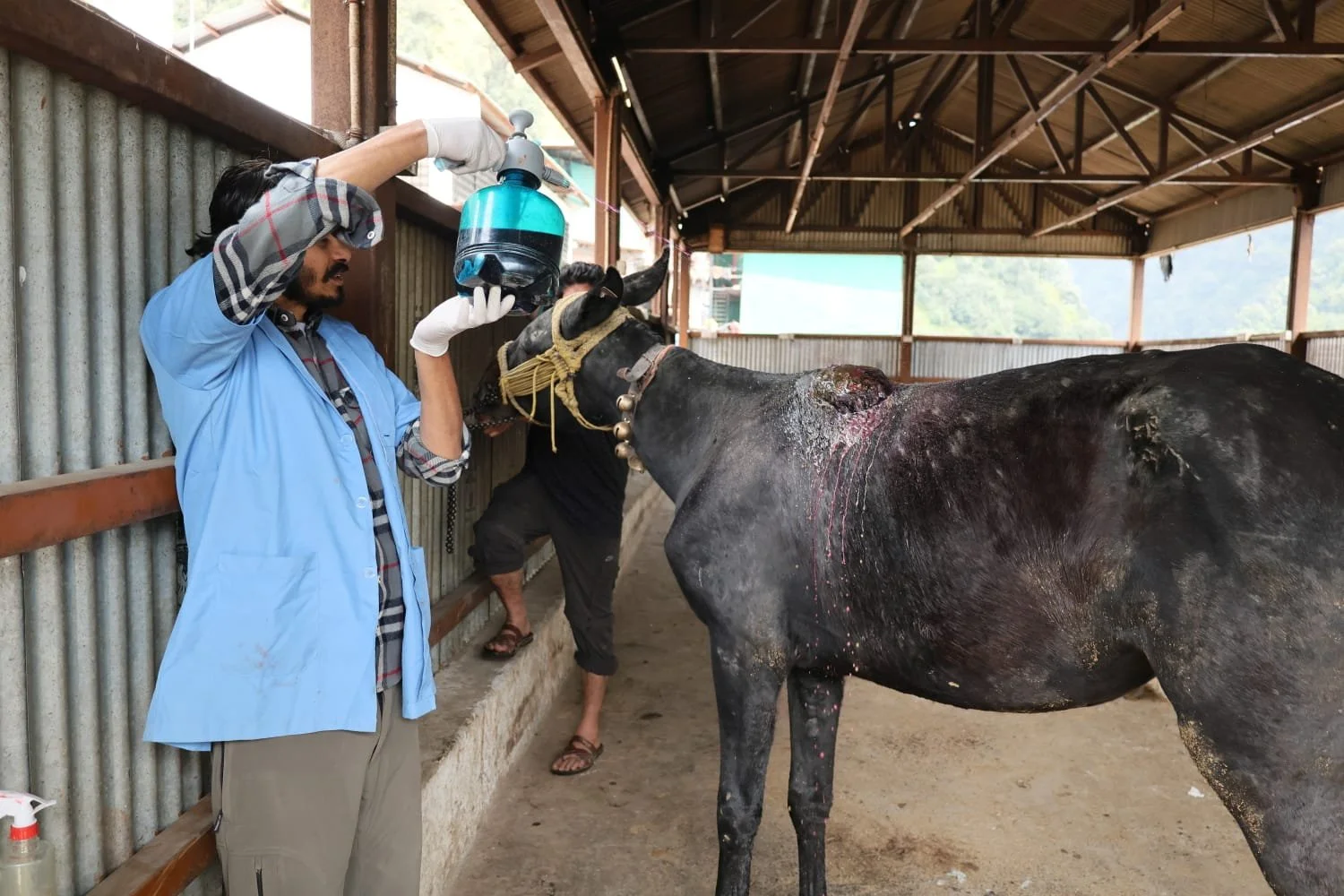
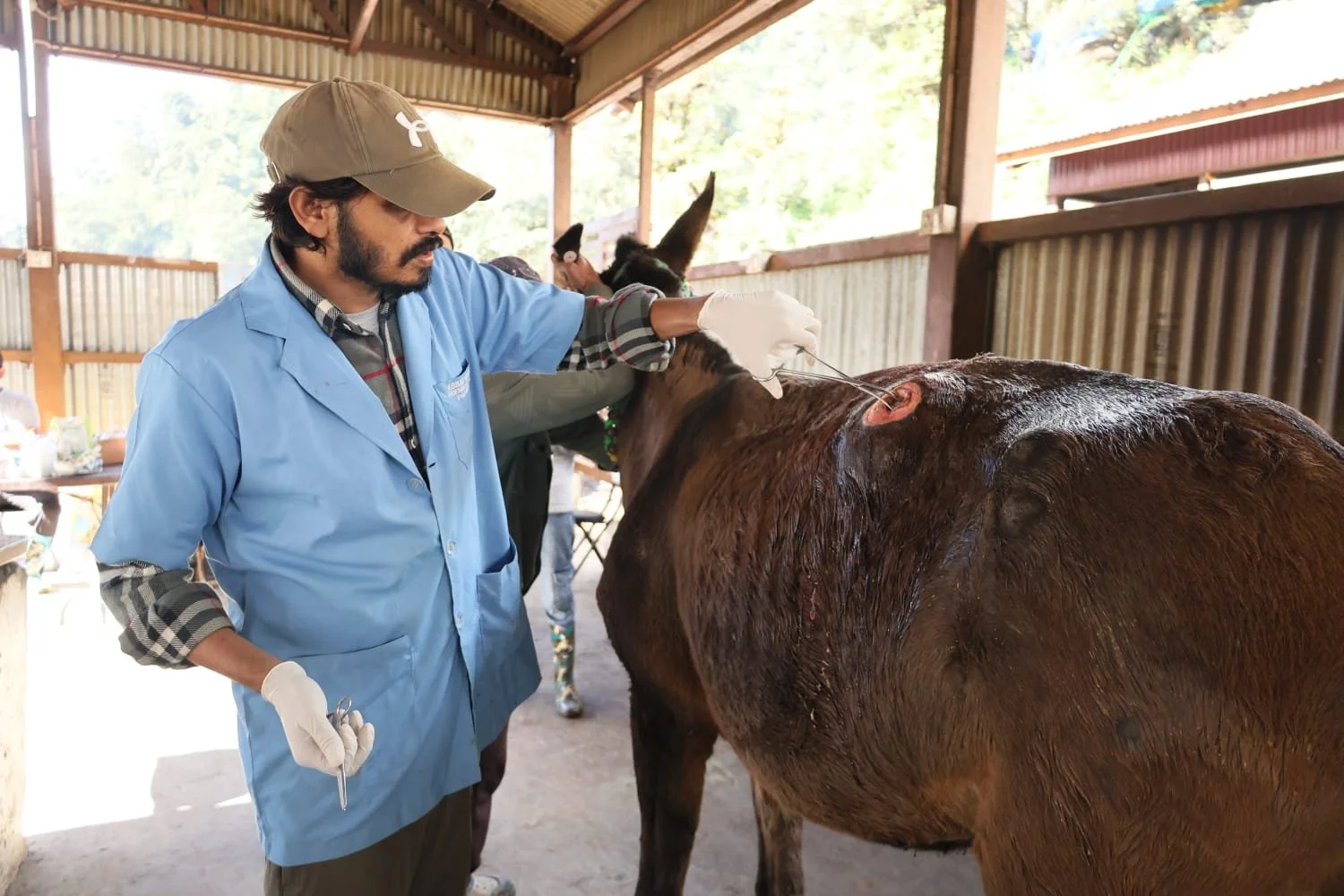
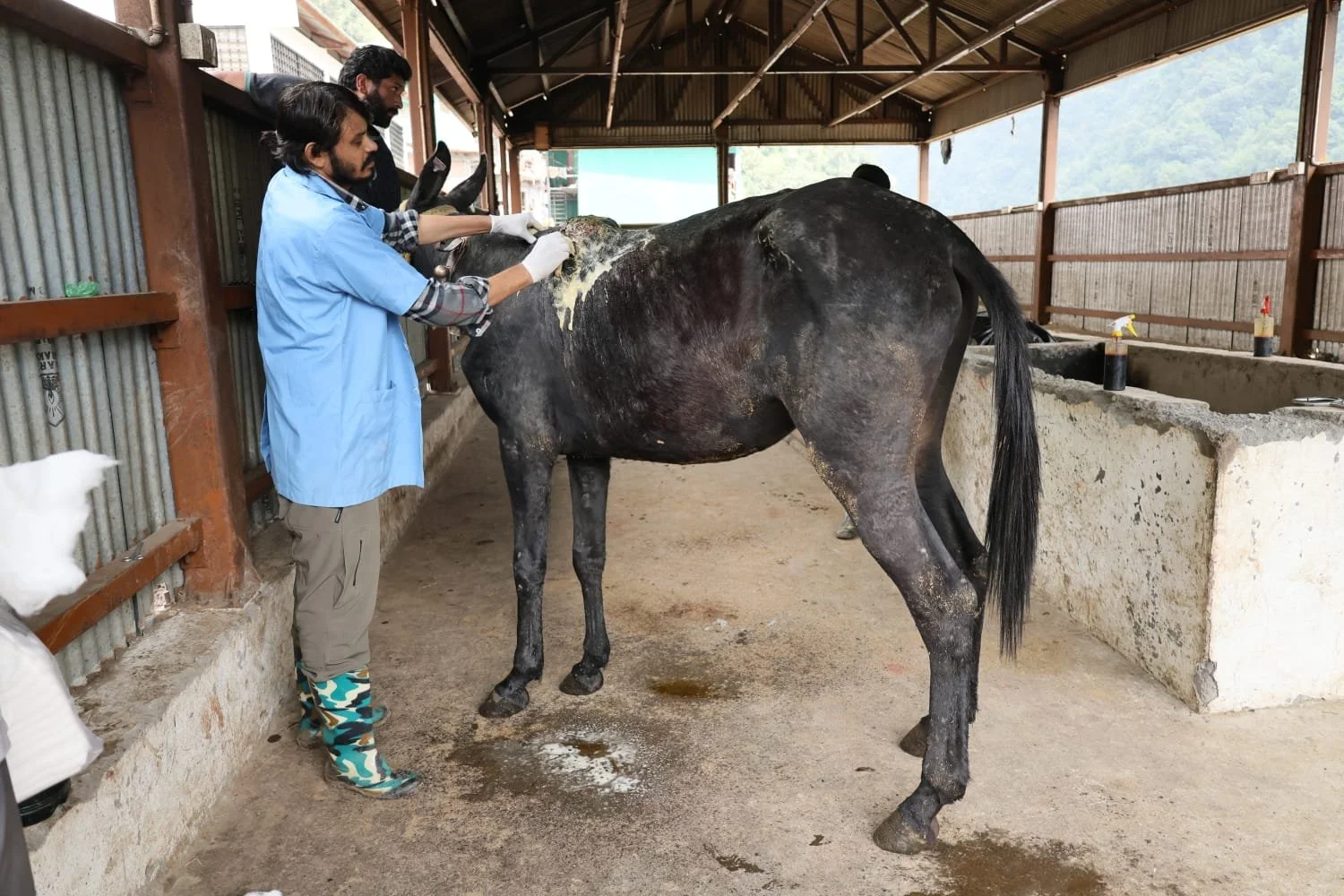
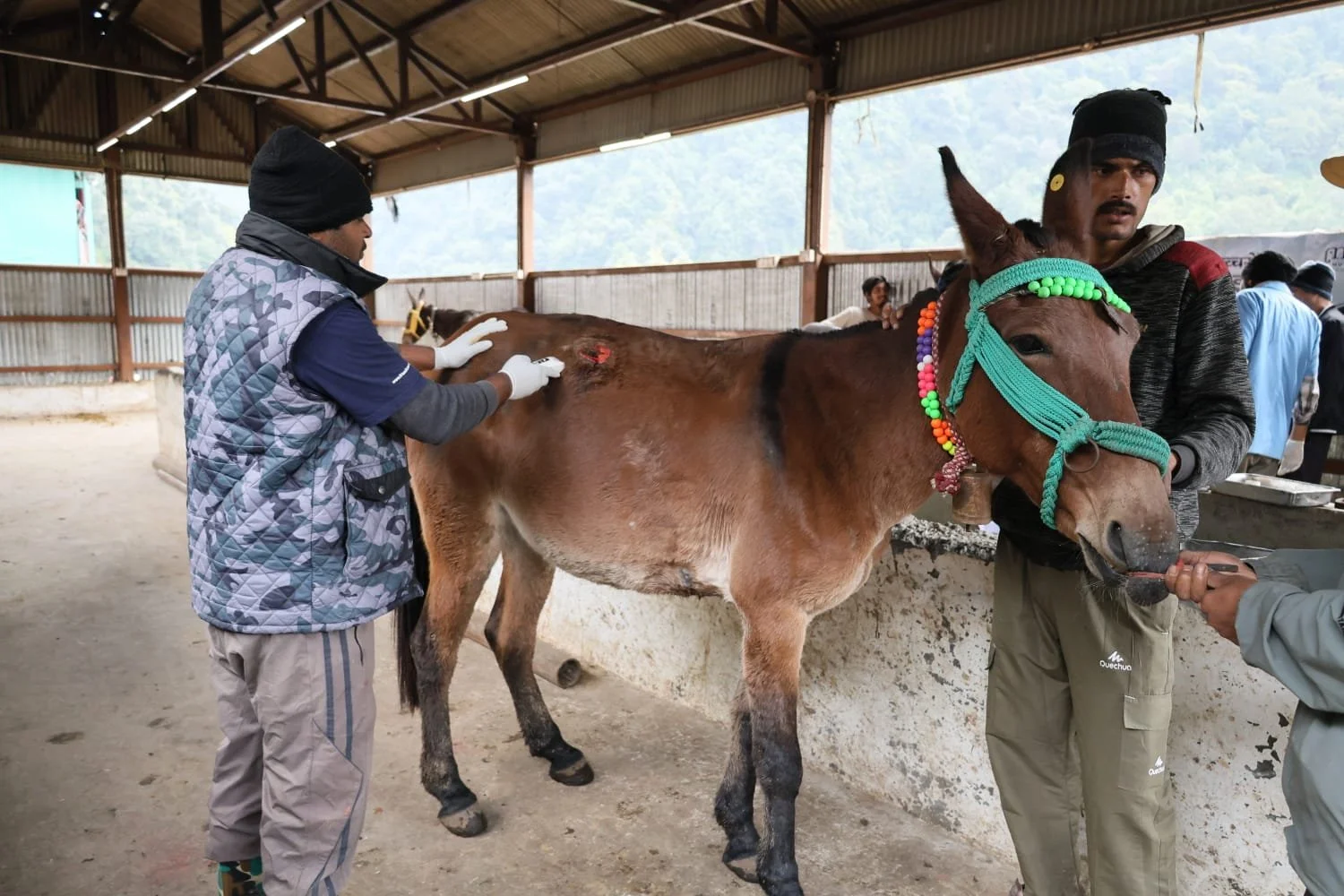
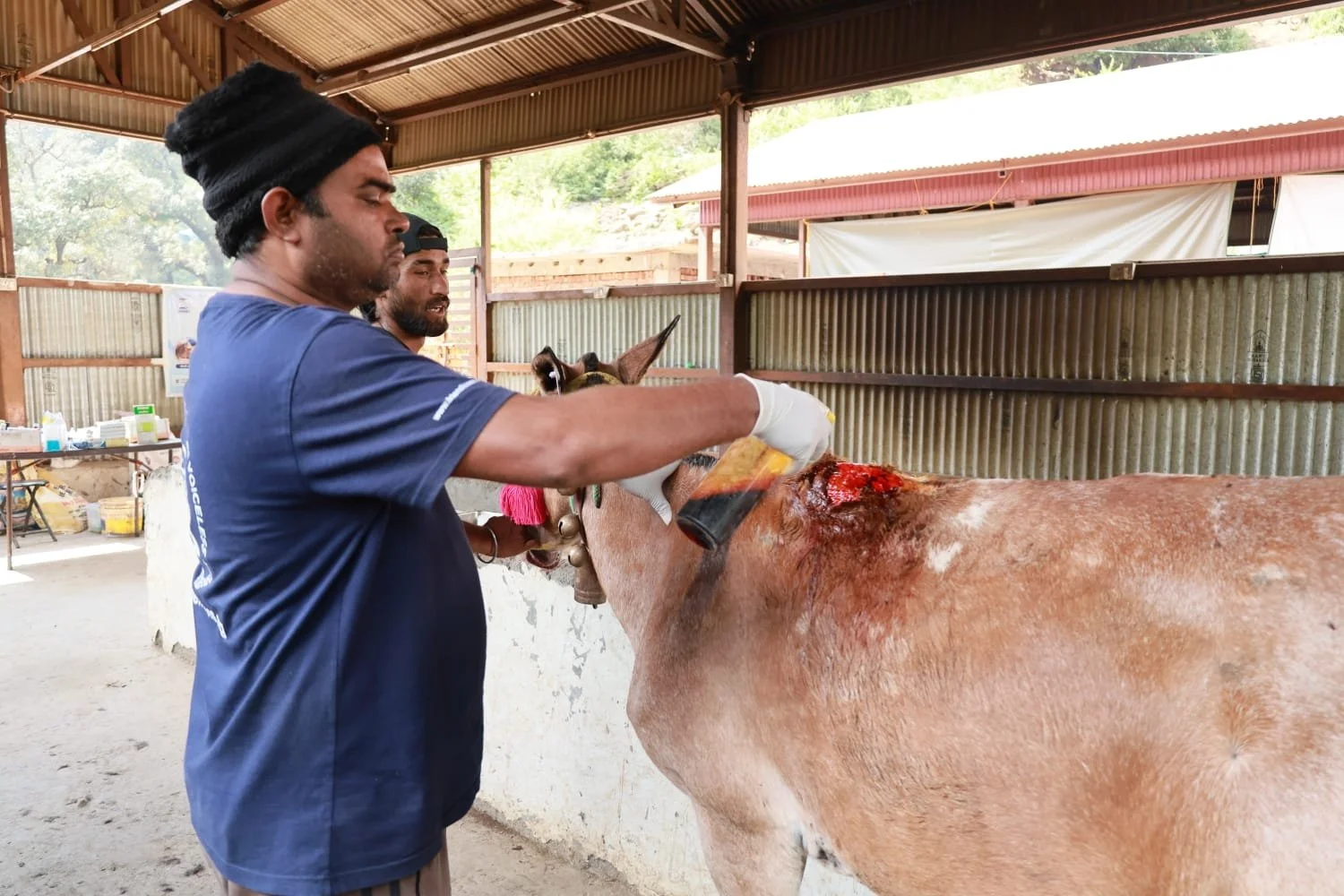
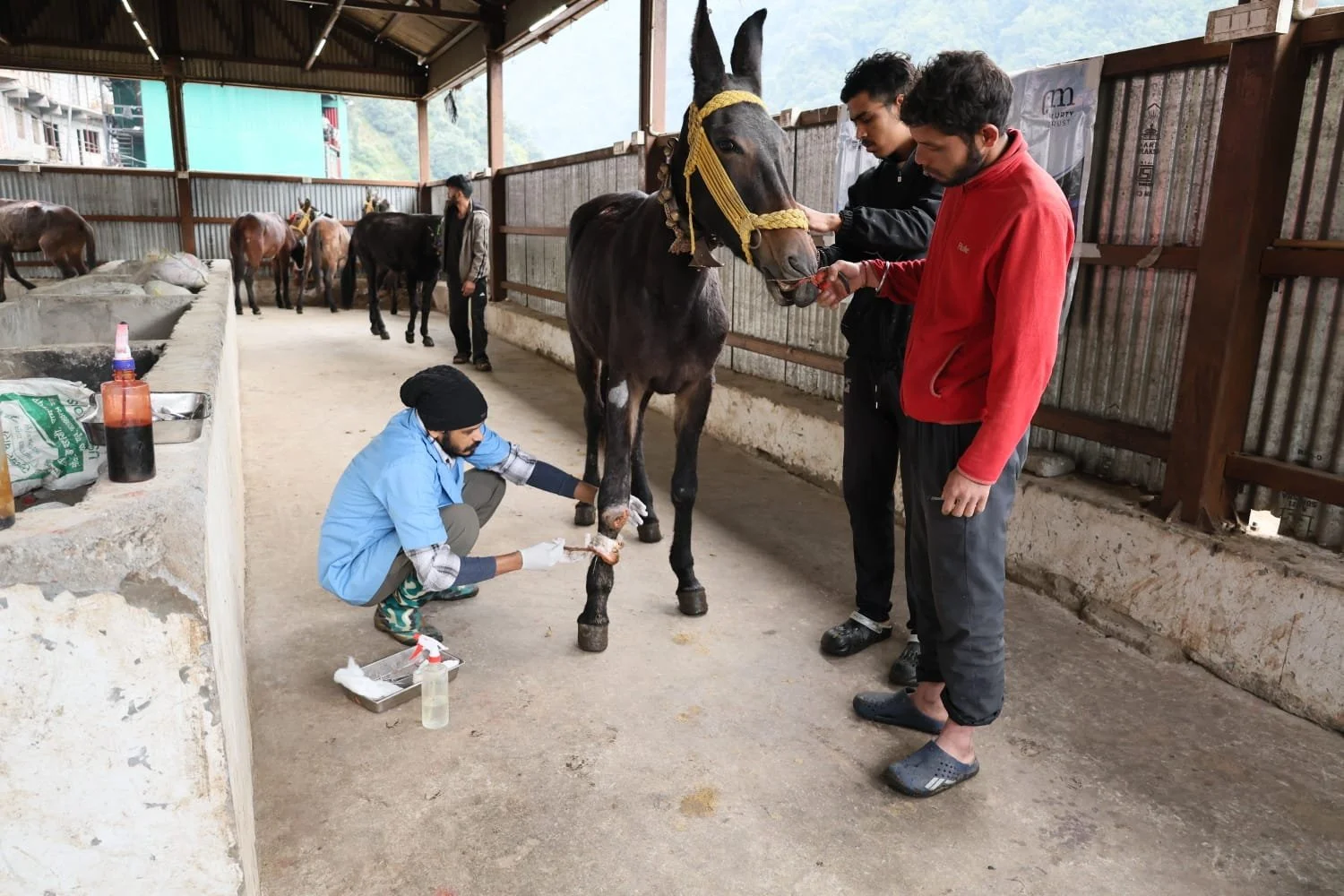
Leg wounds
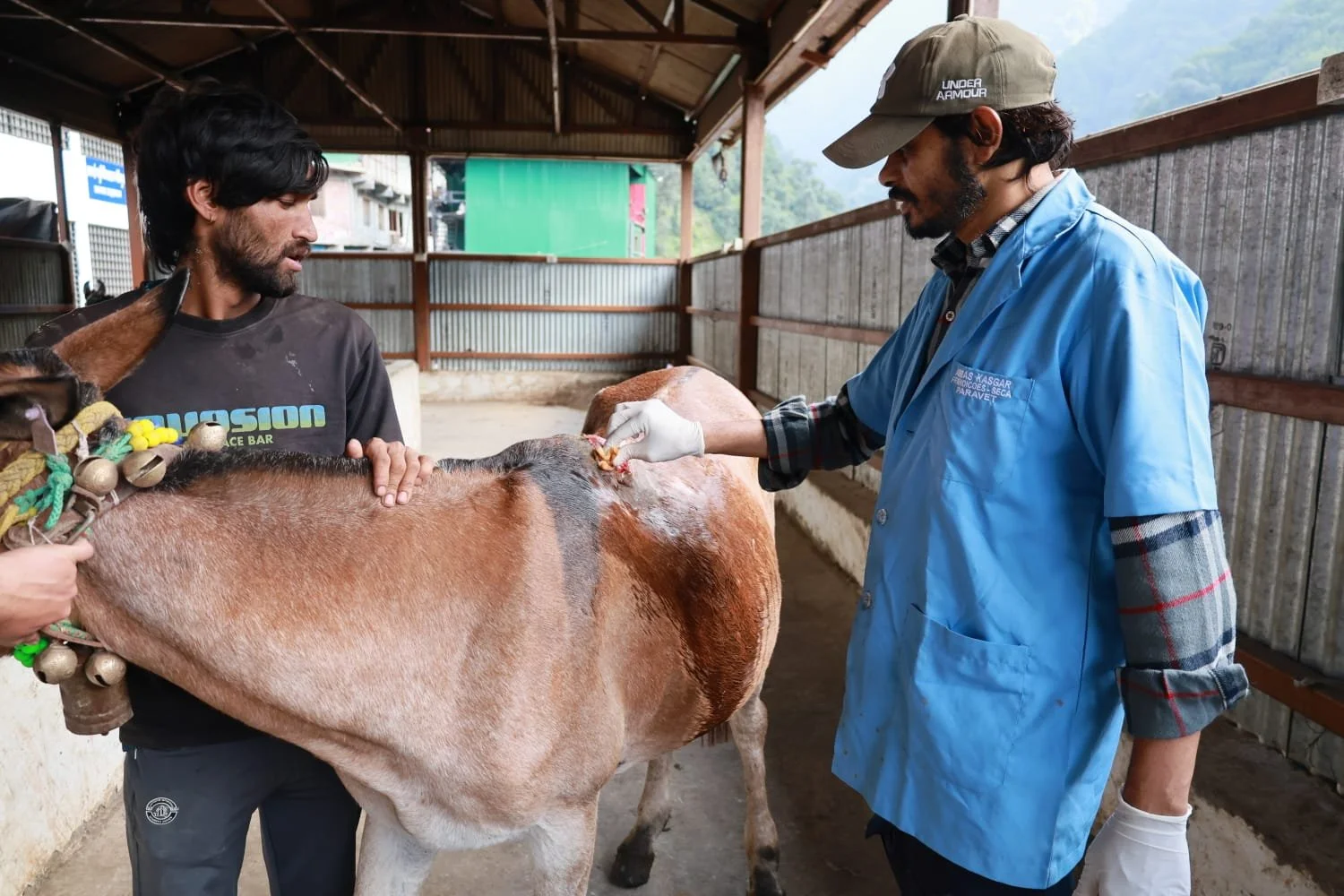
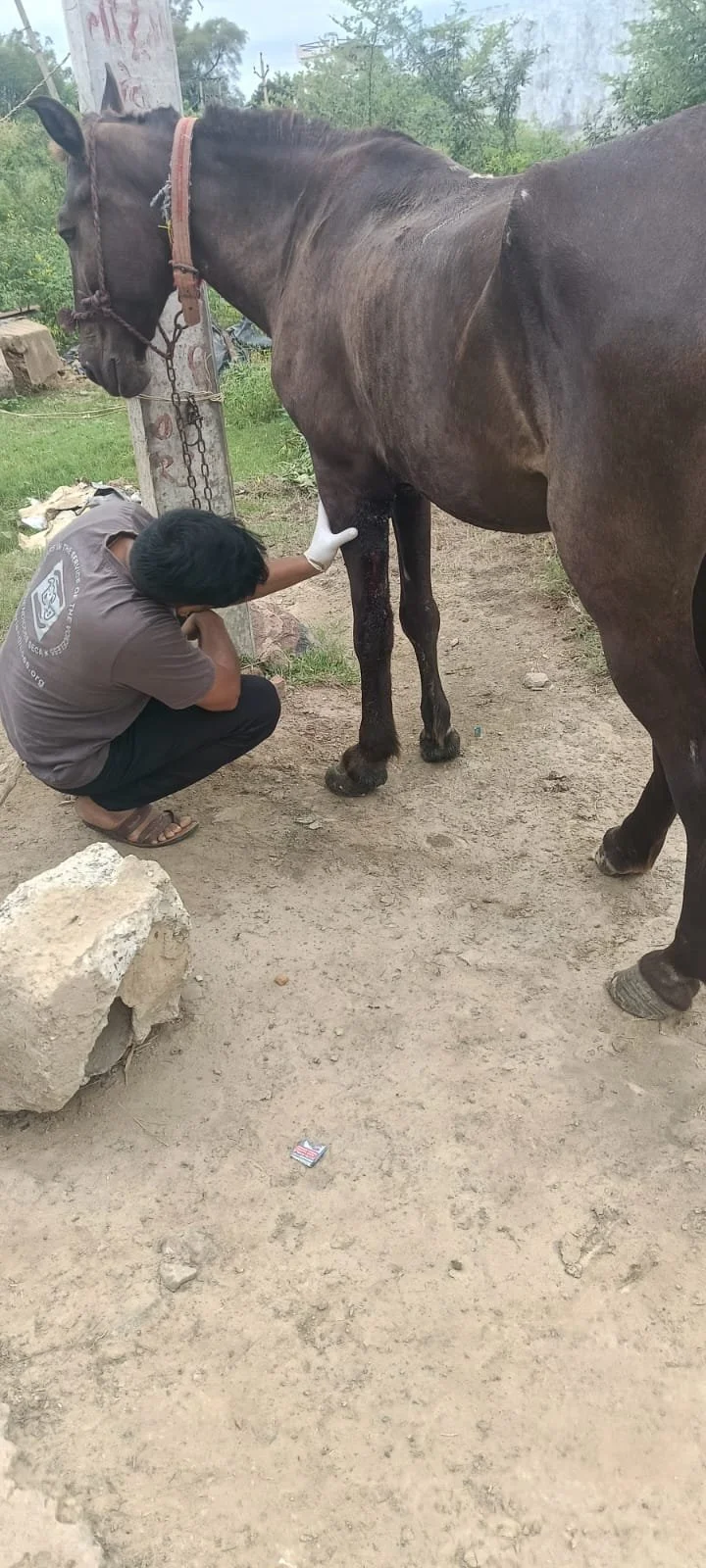
Occur on the track due to sharp stones.
Lacerated wounds were dressed.
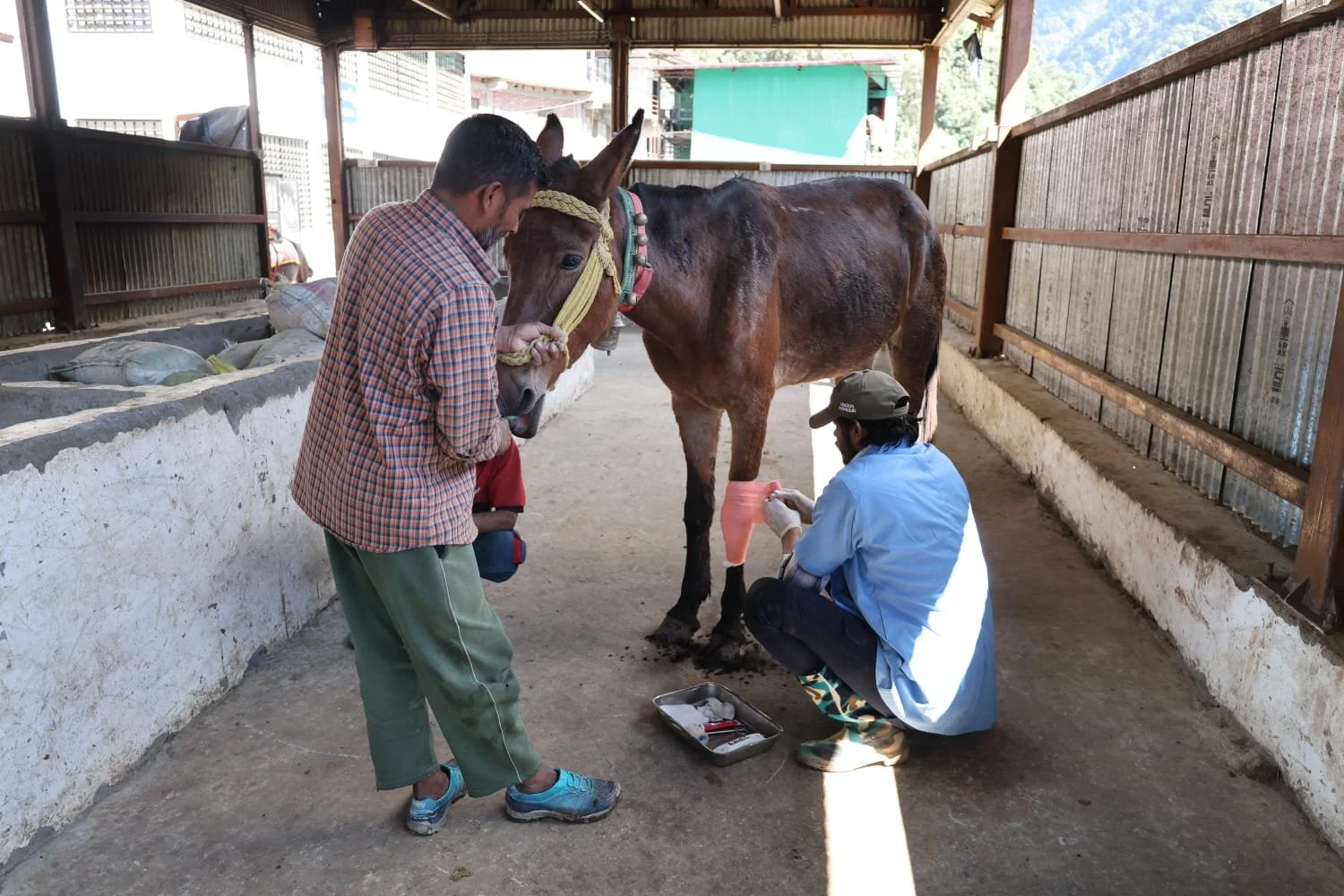
Lameness
Caused by tendon injuries, joint issues, hoof abscesses or kicks from other animals.
Pain killers were administered and owners advised to rest their animals.
Abscess
Incorrect injection on neck, leading to abscess formation.
Incised and all content drained out.
Betadine gauze placed inside.
Antibiotics, pain killers and a tetanus vaccine were given.
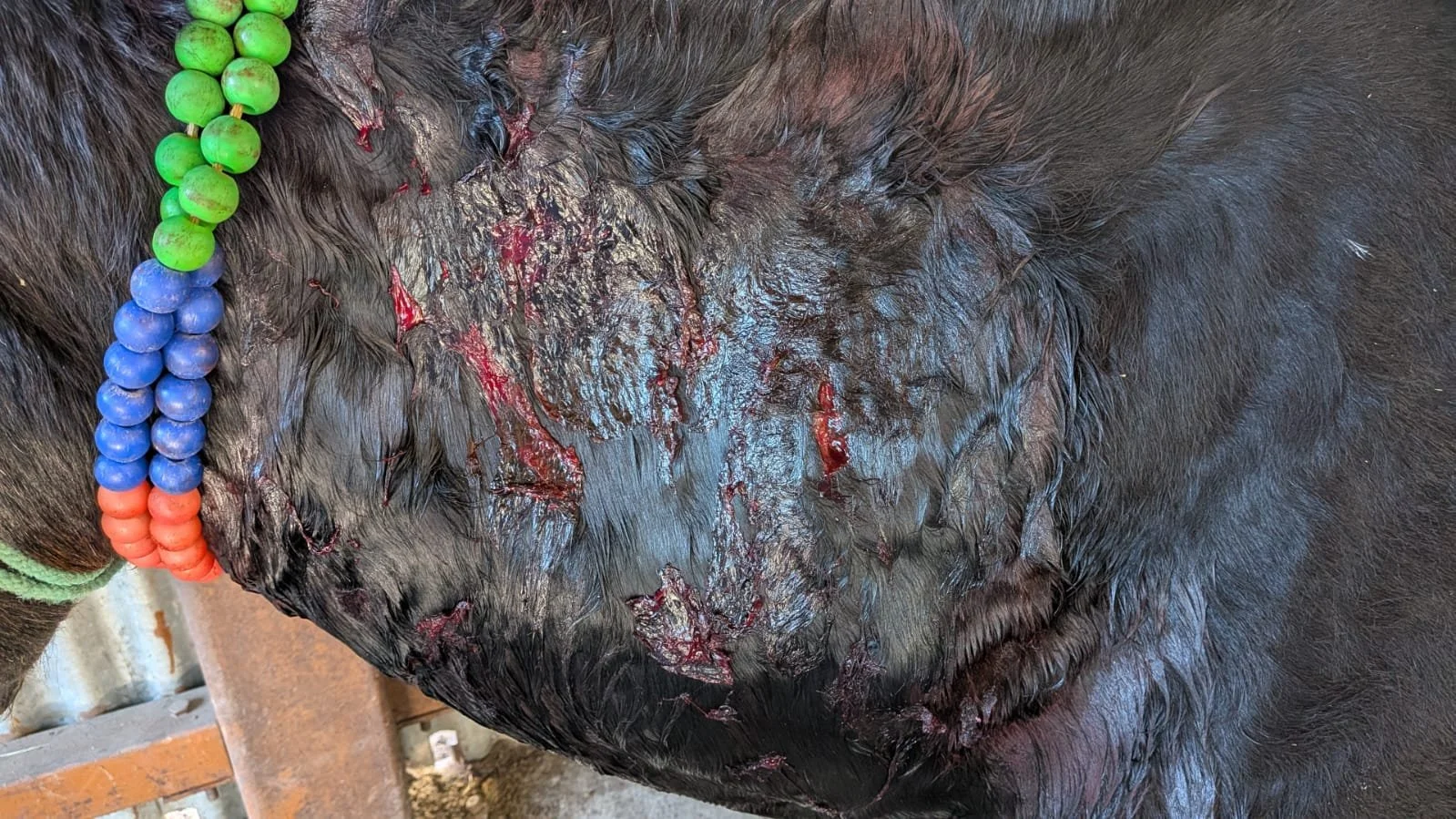
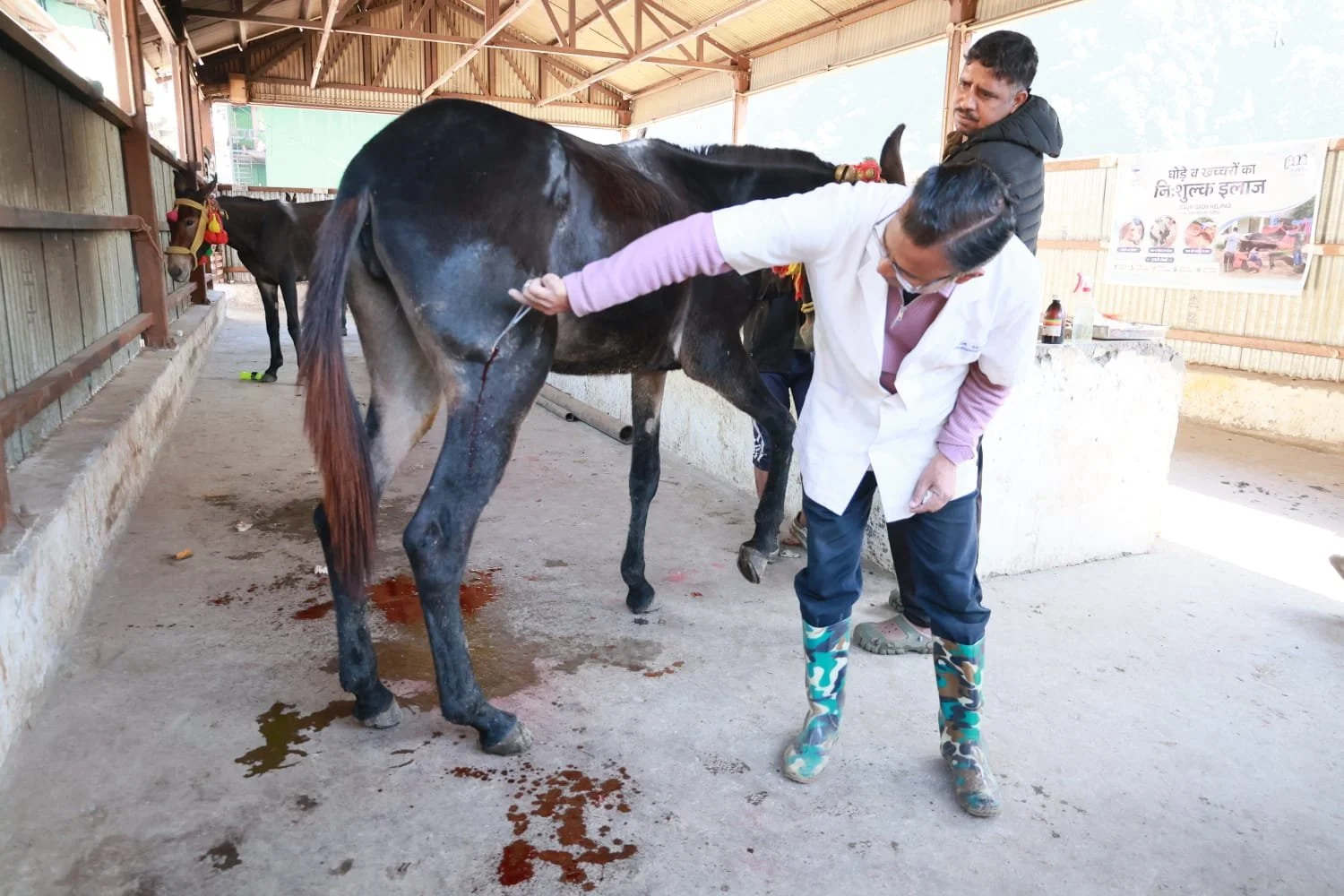
Hematoma
Injured by the kick of another animal.
Wound was incised and drained out.
Pain killers and tetanus vaccine were given.
Hoof picks and Soft Muzzles distributed
Hoof picks were distributed to owners so they can regularly clean out the hooves of their animals. Soft muzzles were also provided to prevent equines from eating garbage.
Workshop held for mule owners
A workshop was organised to educate owners about basic animal care and welfare.
october Rescue
An abandoned pony was rescued from Okhla. He was taken to Friendicoes’ shelter where he will receive proper care and live out the rest of his life in safety.
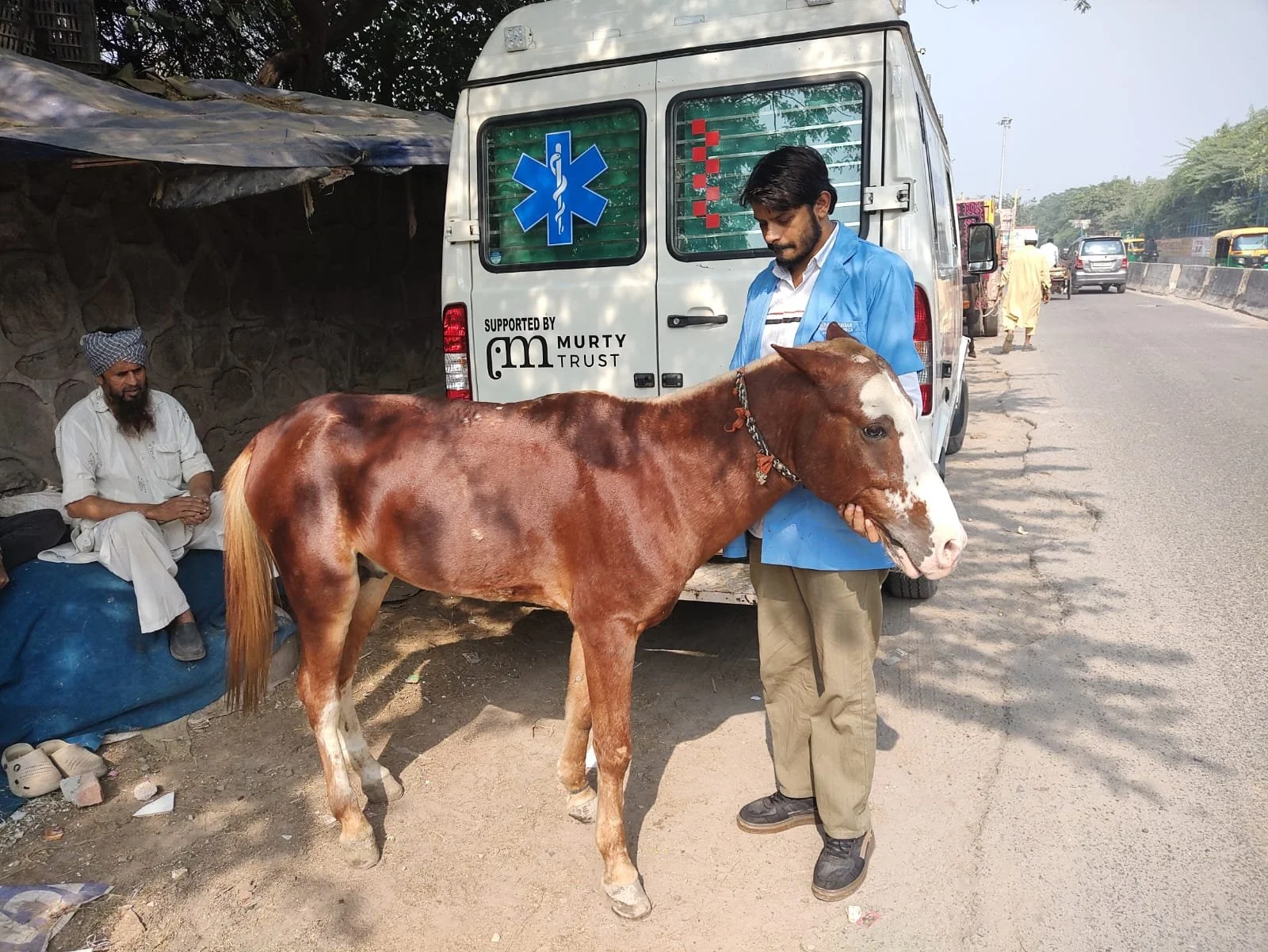
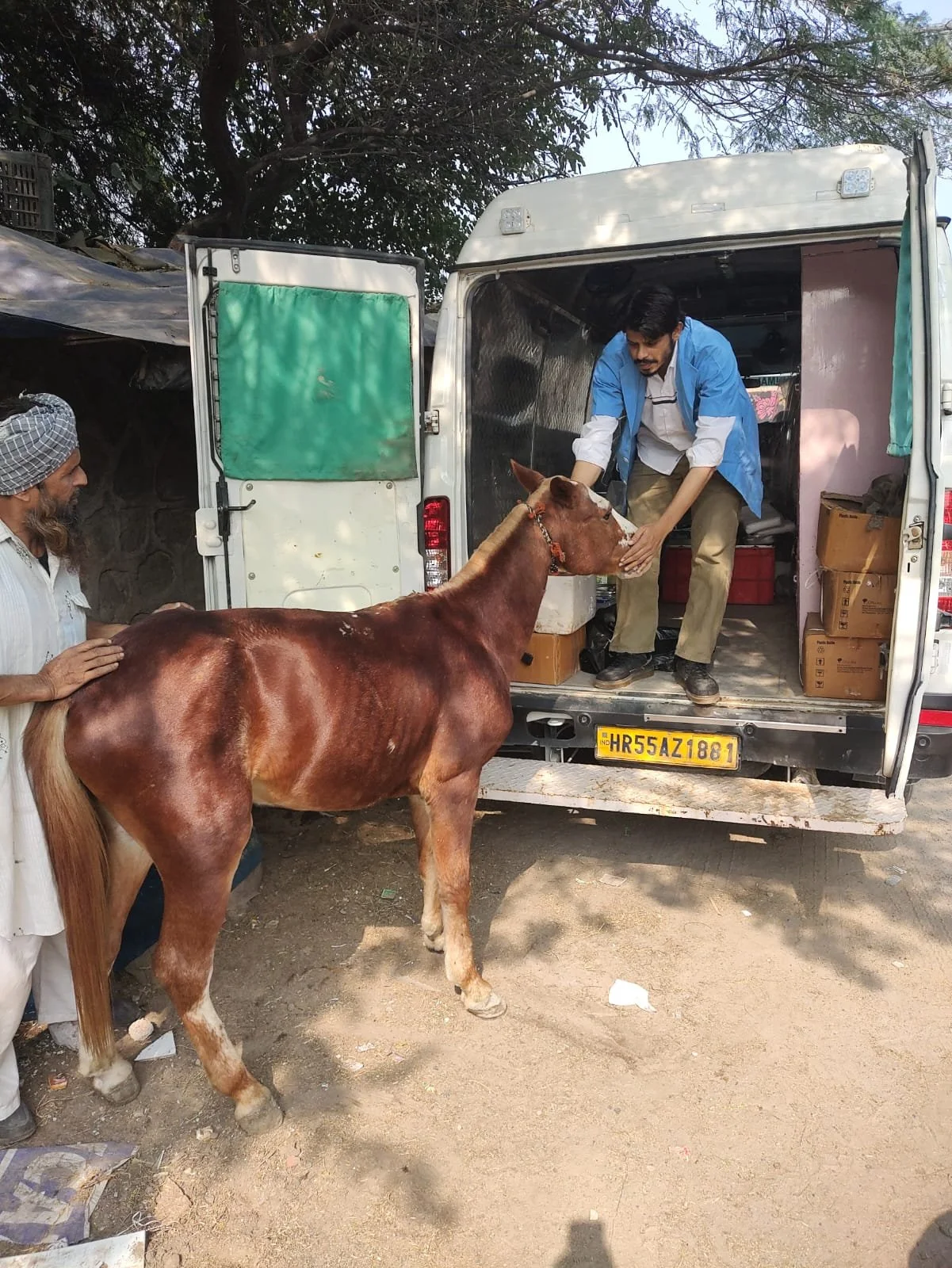
Field Paravet Program
Friendicoes’ hardworking paravets provided basic medical care and follow-up treatment for 339 equines during October.
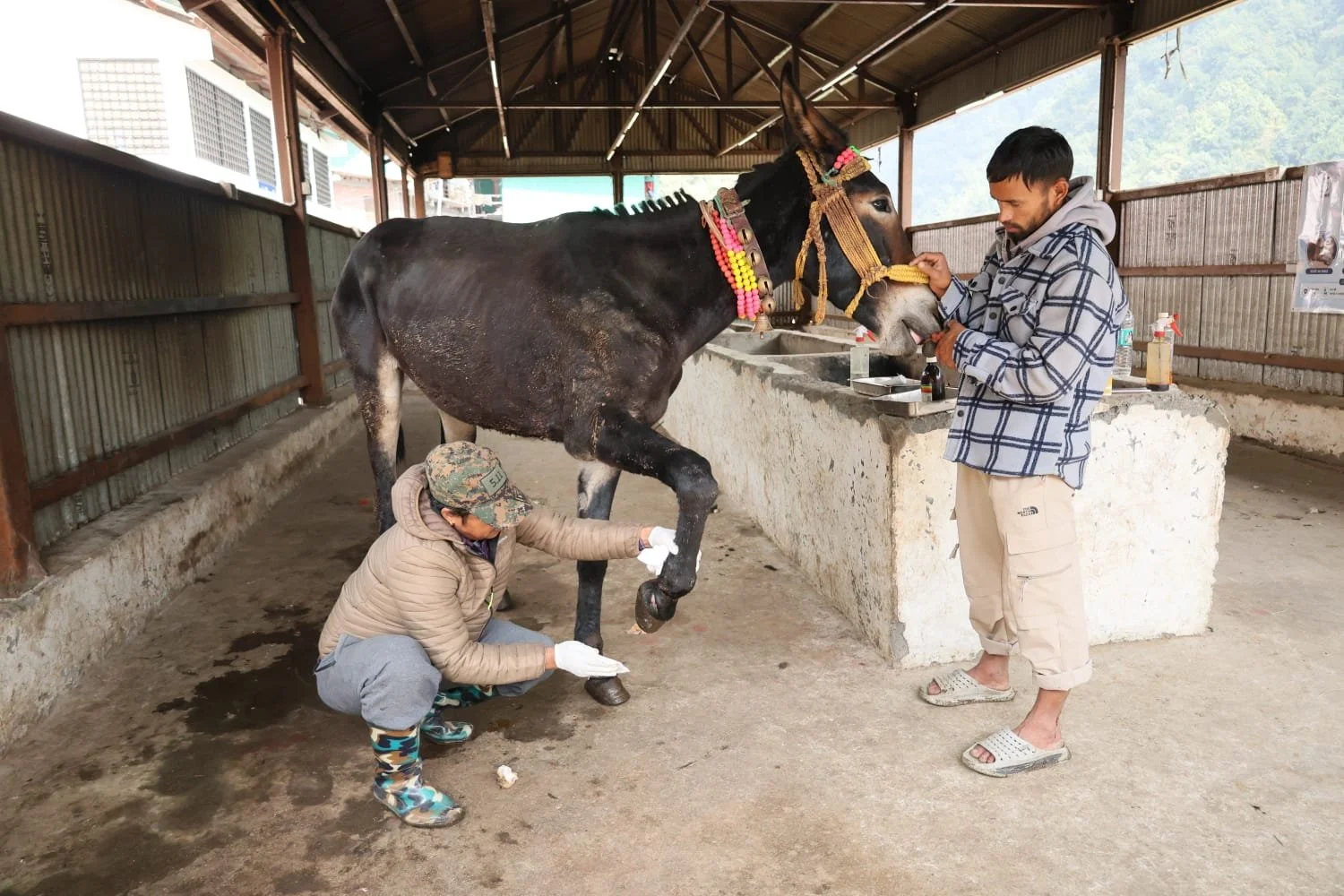
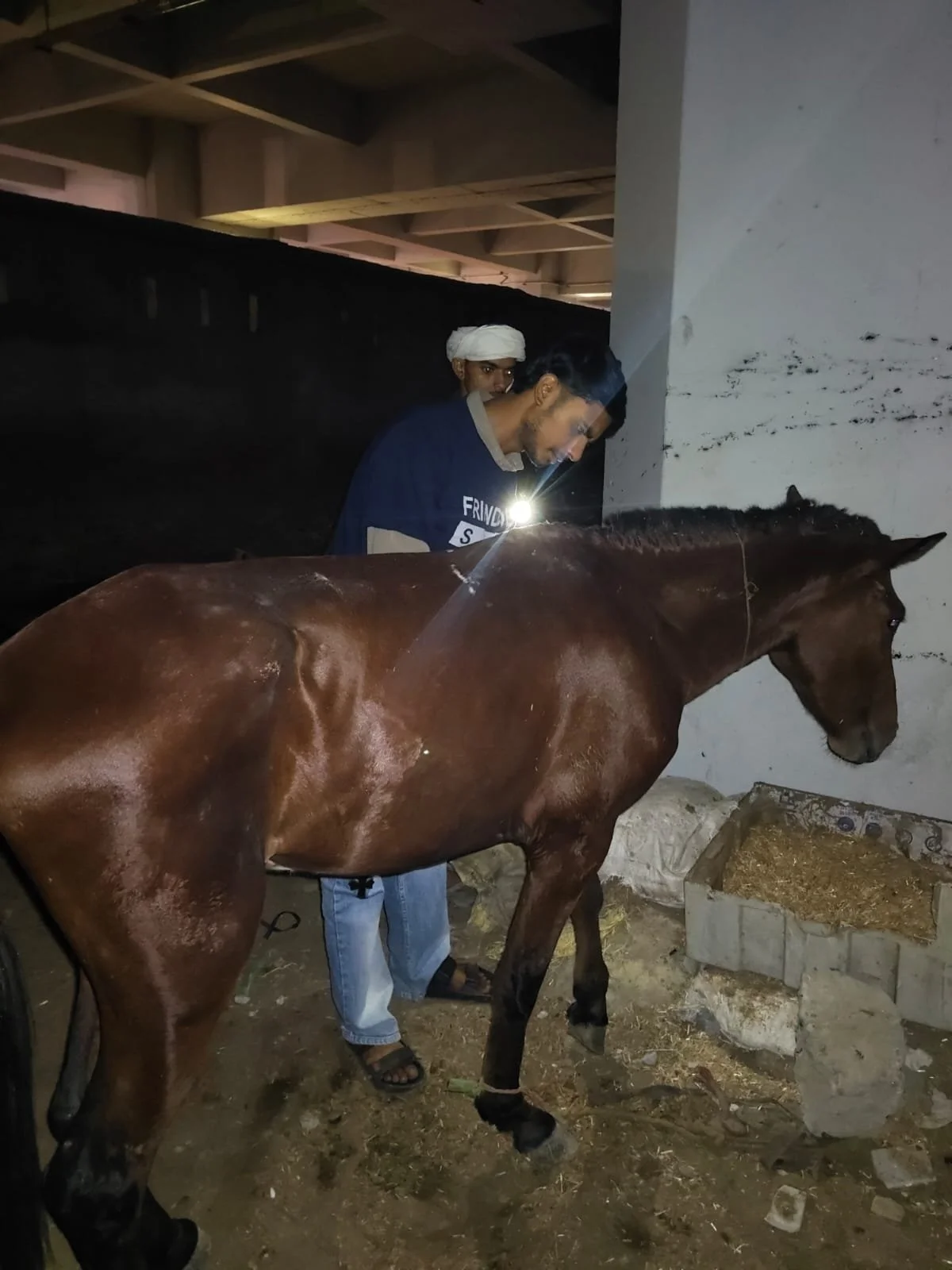
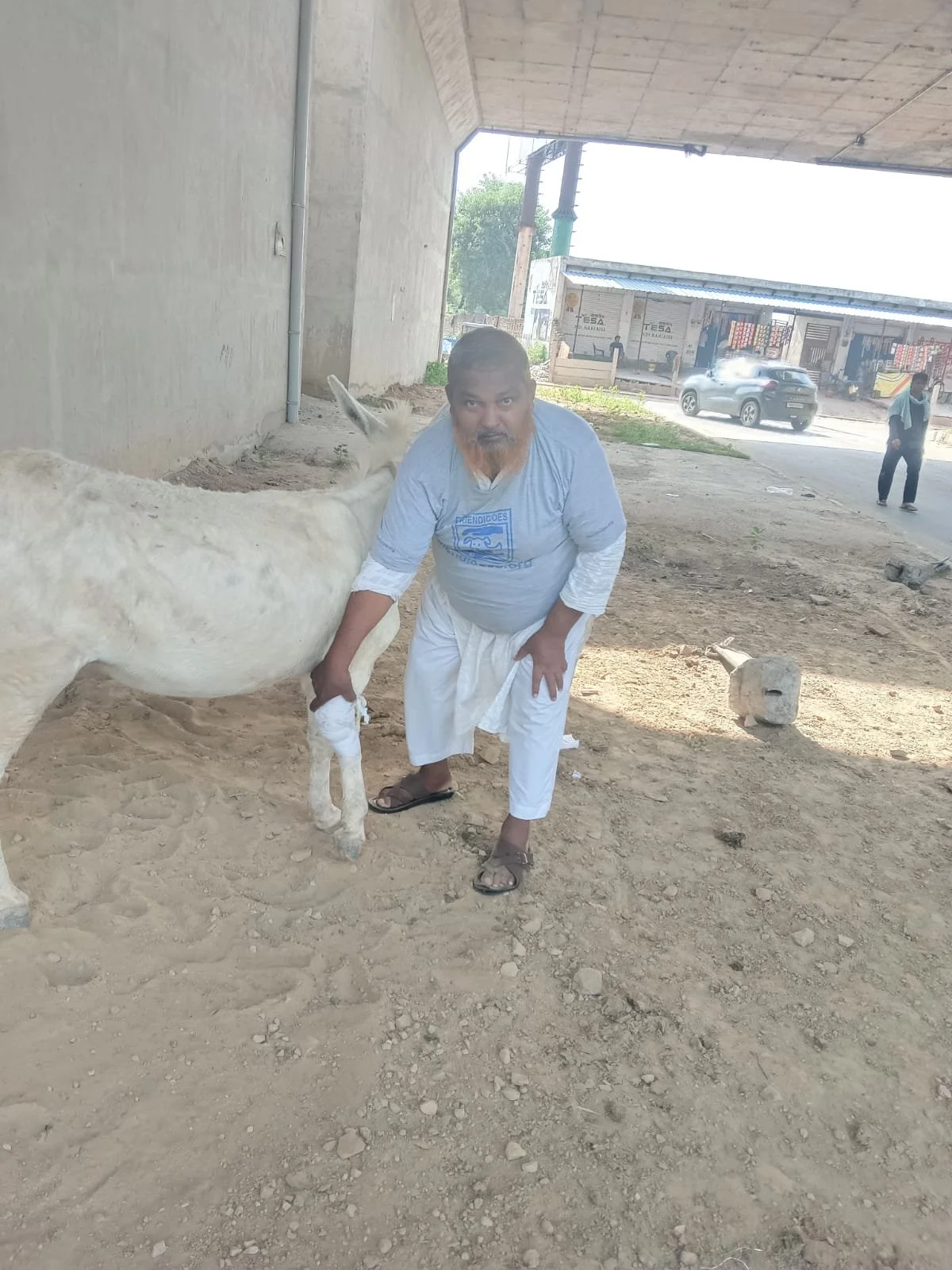
With your invaluable support, the dedicated Friendicoes vet team will continue to reach hundreds of mules and other working animals in need.