providing vet care for even more working donkeys in tanzania
Our partner group, Lake Zone Animal Welfare Organization (LAZAWO), are dedicated to assisting some of the most overlooked animals in the world - working donkeys in the gold mines of Tanzania.
With your kind support, they have now also begun providing veterinary care for donkeys working in local communities and households.
1. Background summary
January marked another month of continuous commitment towards improving the welfare of Geita working donkeys, thanks to your generous support. During January, our team continued extending veterinary treatments to working donkeys in the six Geita gold mines.
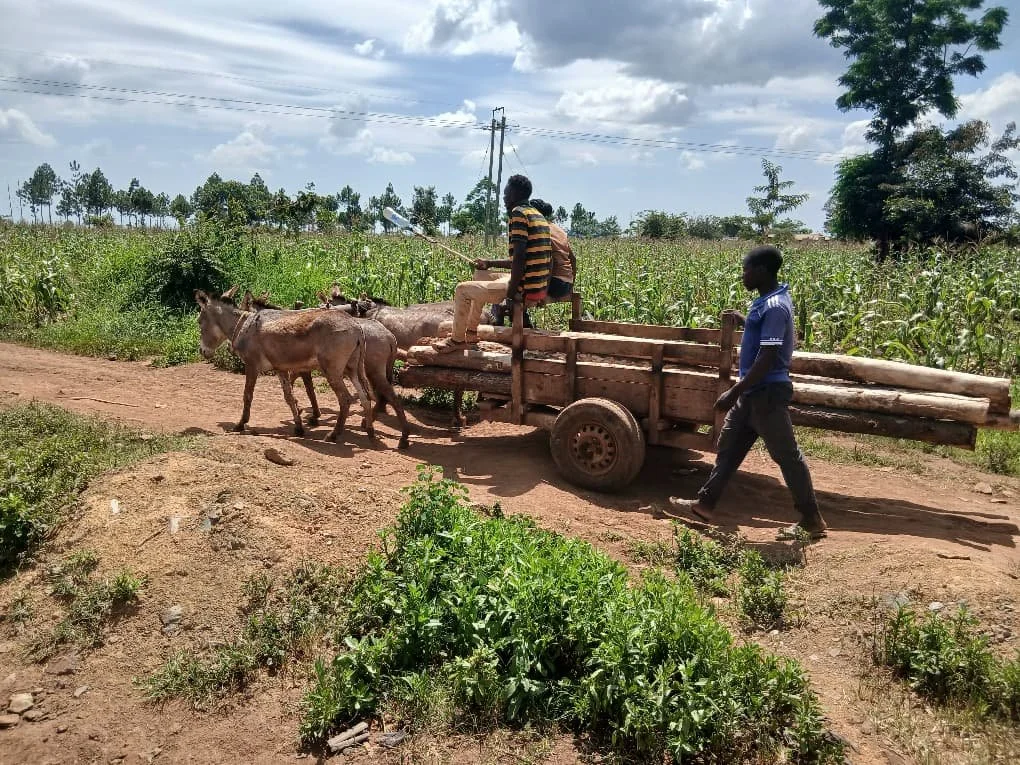
For the first time, veterinary assistance was also extended to community donkeys who do not work in the mines but are heavily used by households for transportation of agricultural produce, bricks, gravel, sand, and other construction materials.
These community donkeys experience similar suffering to gold-mine donkeys, including wounds from poor harnessing, respiratory infections, lameness, parasitic infestations, and other debilitating conditions.
Without your kind support, many of these animals would not receive veterinary care due to limited medical supplies and services. Through Animal Aid Abroad, we are now able to respond with compassion, professionalism, and timely intervention.
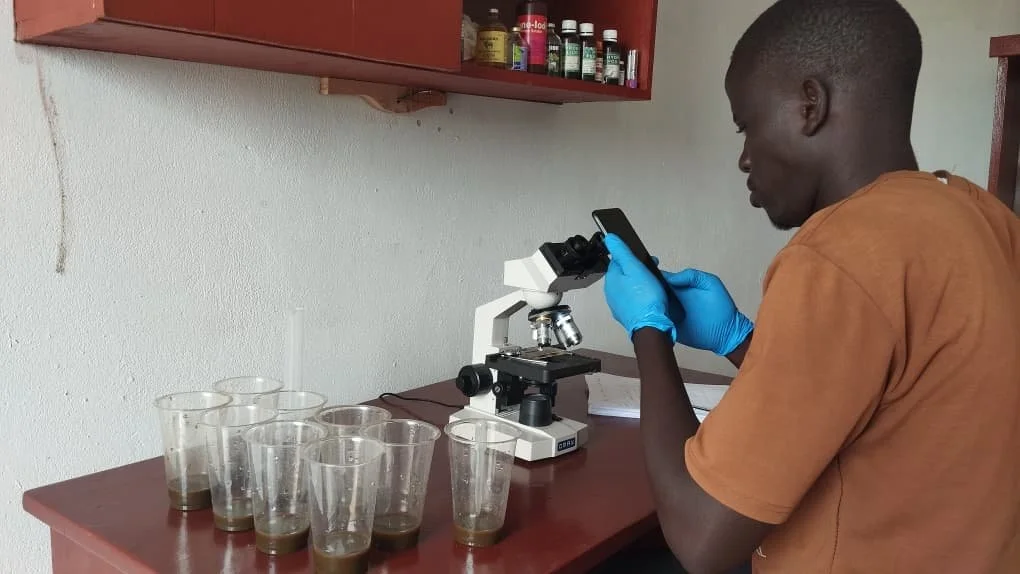
Using the microscope and McMaster slides recently donated by AAA, we conducted intestinal worm infestation assessments through mass fecal egg counts. This activity is supporting the development of an evidence-based deworming model for working donkeys in Geita.
2. Veterinary conditions
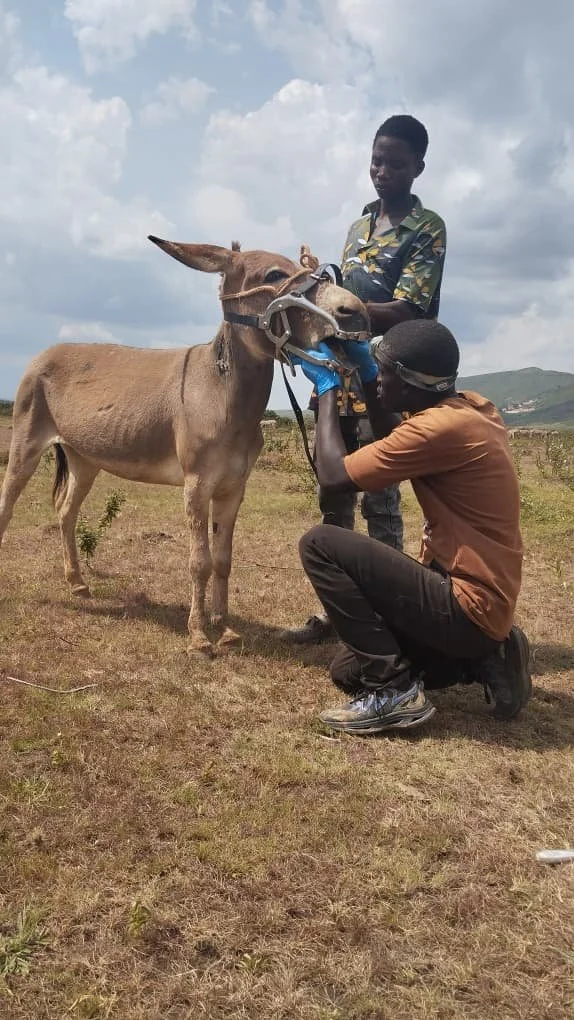
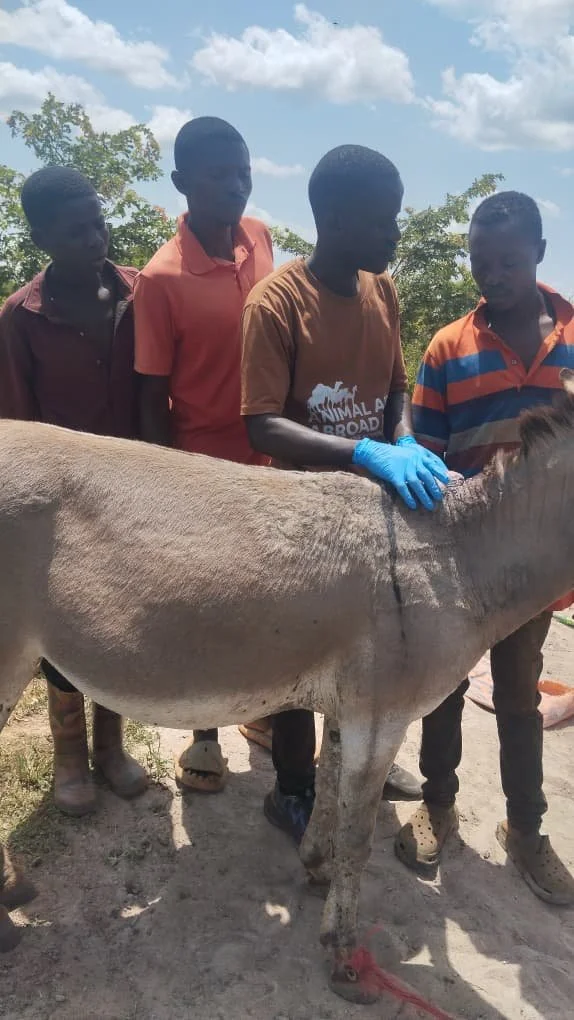
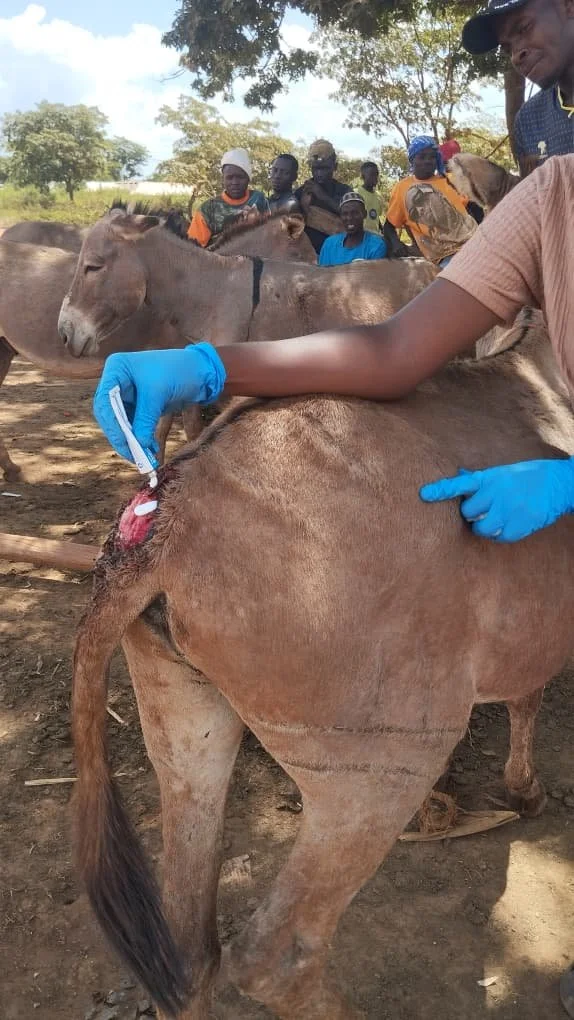
Through daily veterinary field visits and monthly clinics in January, multiple veterinary conditions were attended to. These included wounds, eye infections, lameness, hoof cracks, enteritis, trypanosomiasis, ptyalism, respiratory infections associated with the wet season, intestinal worm infestations, and eye problems assessed via ophthalmoscopy.
A total of 451 working donkeys from Geita gold mines were treated, while 147 community donkeys also received veterinary care. All animals were attended to with appropriate clinical management and compassionate care under your generous support.
3. Follow-up activities
3.1 Follow-up of Maina with a neck injury
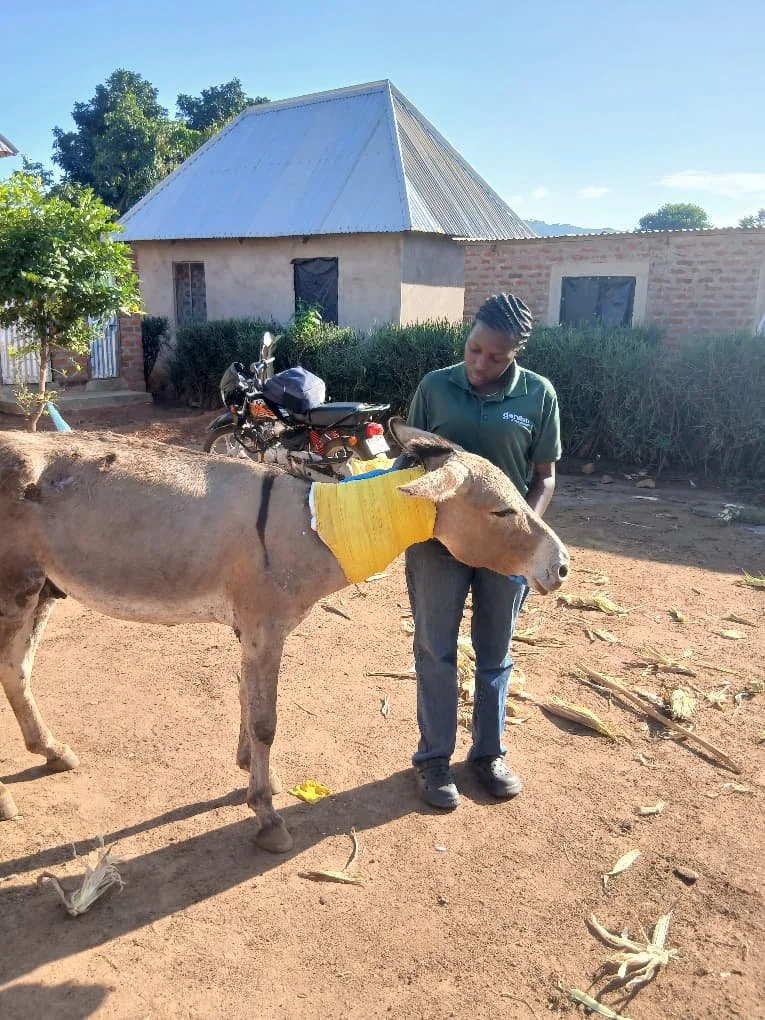
As reported in December, Maina sustained a severe neck injury after suddenly falling into a pit. He was rescued by a group of donkey handlers and immediately referred to our team. Upon examination, his neck was bent, painful, and unstable.
In January, Maina received continual follow-up care including immobilisation, splinting, regular bandage changes, pain control, and close monitoring. He was restricted from working to allow proper healing. Through consistent veterinary attention, his condition improved steadily.
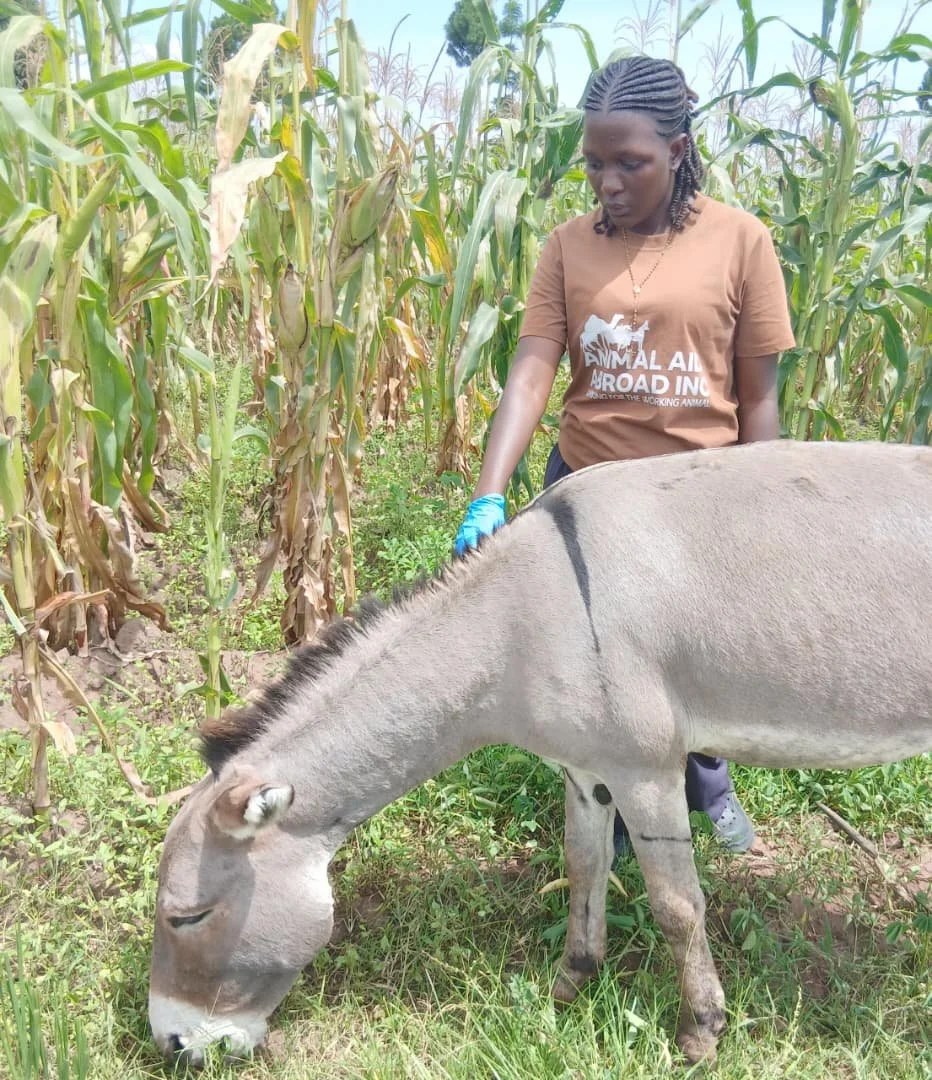
Thanks to the generous support of Animal Aid Abroad, Maina has made significant recovery. His neck is now straight, he is comfortable, and his general condition has improved. However, he has not yet been allowed to return to work and will remain under observation until March, when full recovery is expected. Without this intervention, Maina’s injury could have resulted in severe suffering or death. This success reflects the life-saving impact of Animal Aid Abroad’s support.
3.2 General follow-ups
During January, routine follow-up visits were conducted for donkeys treated in previous months. Each animal was monitored to ensure proper recovery and response to treatment, reinforcing continuity of care and welfare improvement under your generous support.
4. Monthly clinic outreach
4.1 January clinics
In January, the team conducted two clinics in Mgusu and Lwamgasa. These clinics included general donkey examinations and educational sessions for donkey handlers and attendants. These focused on LAZAWO’s mission to abolish donkey abuse.
A total of 48 donkey handlers and owners attended in Lwamgasa, while 52 attended in Mgusu. During these sessions, discussions were held on animal welfare laws and good handling practices. Handlers shared their views on appropriate harnessing materials and collectively agreed to adopt non-slippery and non-injurious harnesses to reduce discomfort and injuries.
Strong emphasis was placed on avoiding the use of sticks for beating donkeys, which causes pain, wounds, and eye injuries. Instead, handlers were introduced to the use of a simple plastic bottle containing gravel, which produces sound when shaken and encourages donkeys to move without physical punishment.
4.2 Impacts of donkey clinics
During follow-up visits after the clinics, the team observed some donkey attendants actively using the bottle-and-gravel method instead of sticks. This immediate adoption created strong motivation for the team, demonstrating that handlers are willing to change when given practical and useful alternatives.
This experience has encouraged LAZAWO to further improve this model and explore additional humane methods that can sustainably replace beating, even when the team is not present.
5. Case study
5.1 Sahei - from silent suffering to healing
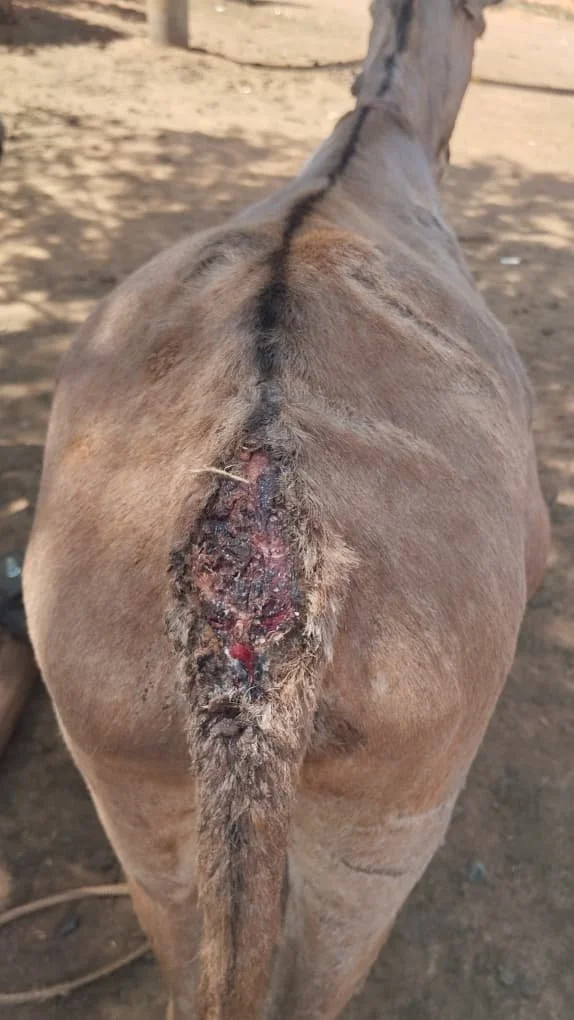
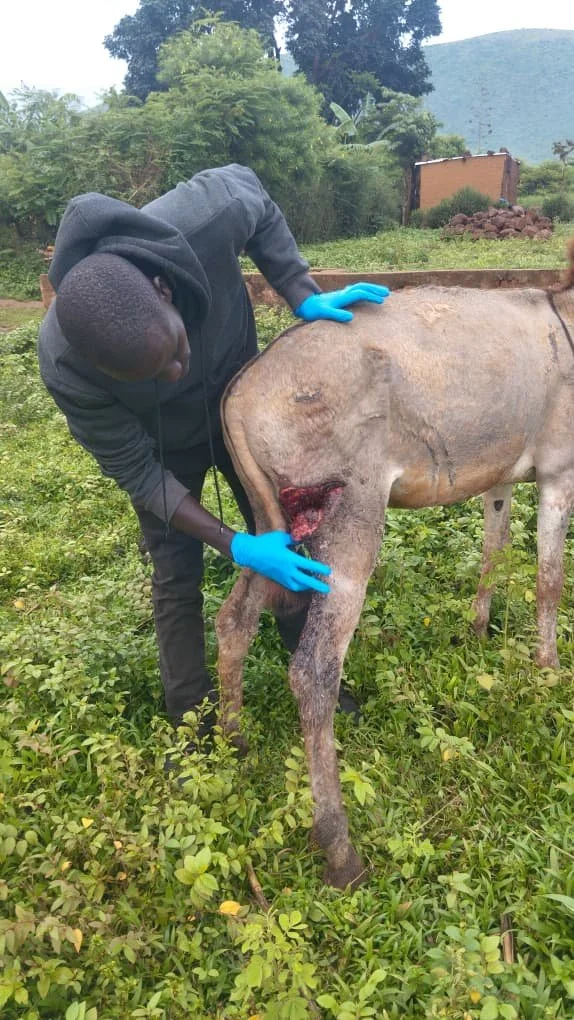
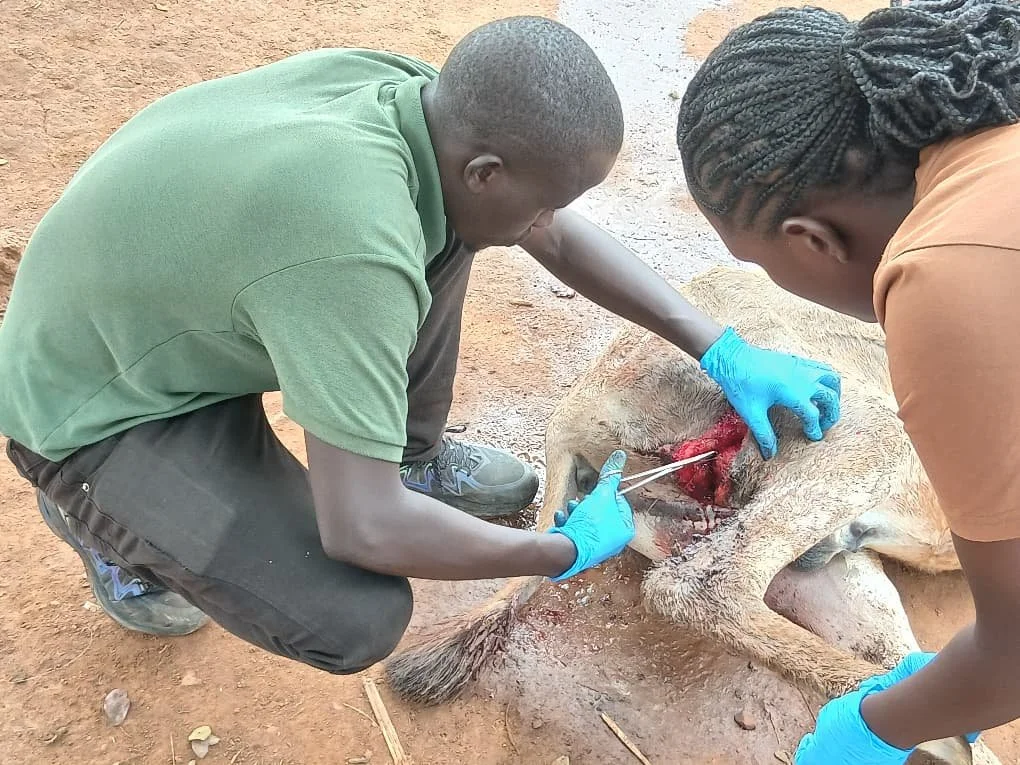
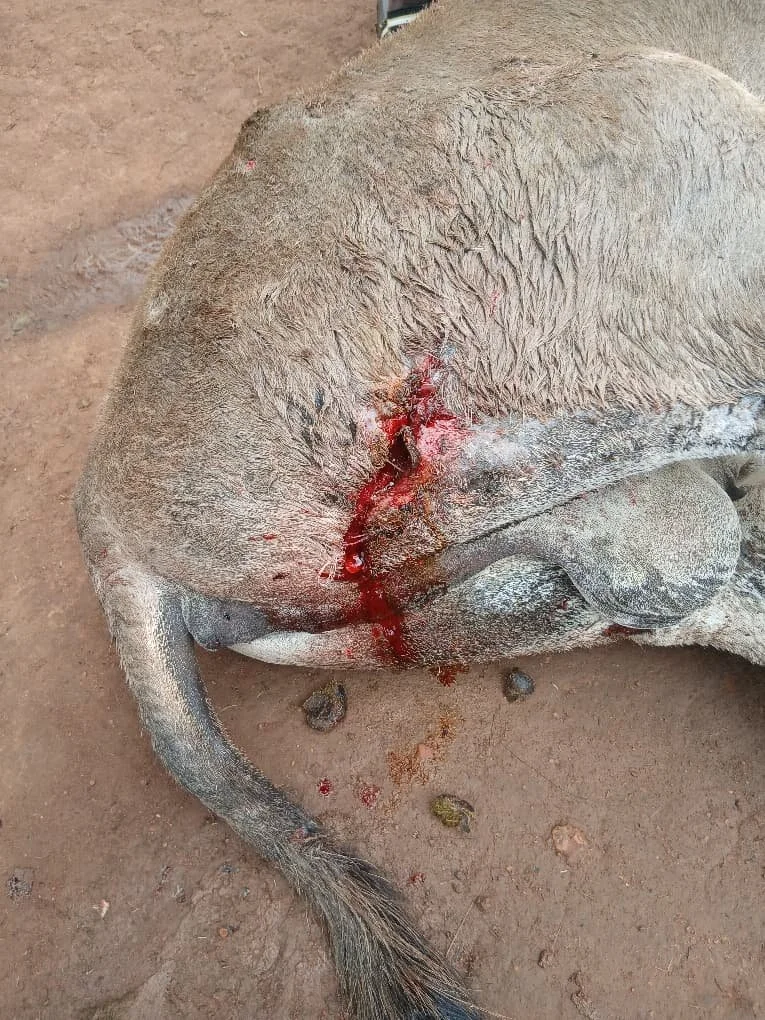
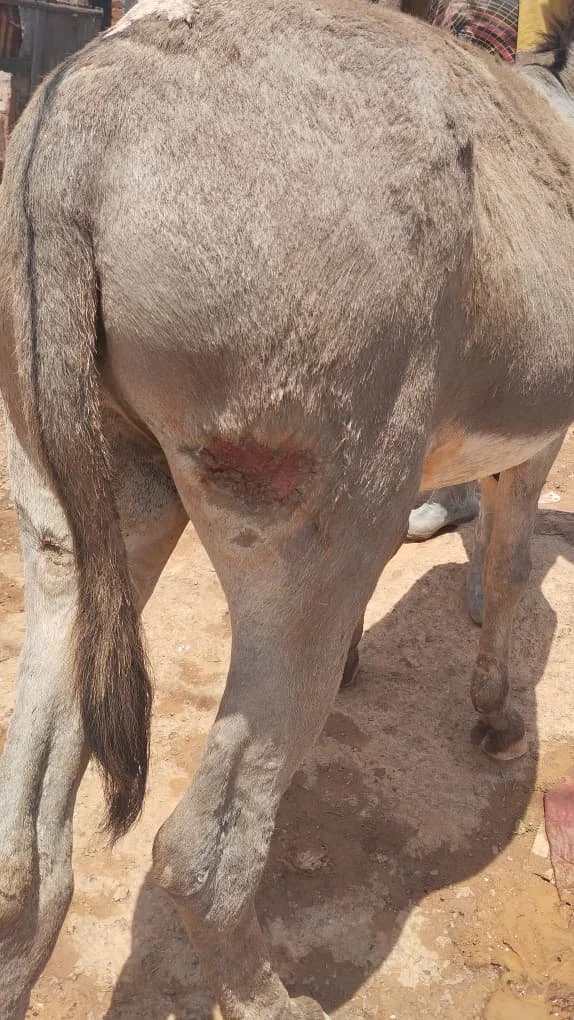
In January, the LAZAWO team was urgently informed about a donkey in Mgusu who appeared to have been severely cut by a sharp object. When the team arrived, the donkey, Sahei, was found in extreme pain, exhausted, and unable to move. His quietness reflected prolonged suffering.
Through identification markings, the owner was located. He had spent the previous day searching for Sahei and believed his donkey had died.
Under sedation, Sahei received immediate veterinary care, including wound cleaning, debridement, and suturing. Because the owner had constructed a simple open shelter, Sahei was moved closer to home for easier monitoring and follow-up care.
Throughout January, continuous monitoring and wound management were provided. At the time of this report, Sahei’s wound had closed well and was healing properly. The owner expressed deep gratitude and stated that if he were financially able, he would support the treatment of animals beyond his community.
Because of your incredible support, Sahei did not die in pain but instead received care, relief, and a chance to heal. Through this intervention, trust and hope were restored within the working community.
6. Challenges
During January, tetanus has started emerging as a major challenge. Most cases were presented only after showing classic clinical signs such as stiffness of the ears and hind limbs. Sadly, at this stage treatment outcomes are poor without advanced facilities. Preventive vaccination against tetanus is therefore urgently needed for working donkeys in Geita.
In some cases, mixed clinical signs suggested protozoal or other blood infections. While microscopy is now available through your support, the absence of blood analysers at the sanctuary laboratory limits diagnostic accuracy. Availability of basic haematological equipment would significantly improve case management and treatment precision.
7. Conclusion and acknowledgement
Working donkeys in Geita continue to experience significant suffering due to harsh living, feeding, and working environments. Before LAZAWO’s intervention, access to veterinary care was extremely limited.
Through Animal Aid Abroad, these animals are now receiving professional veterinary treatment, follow-up care, and compassion. Without this support, many would have endured prolonged suffering or death.
The LAZAWO team sincerely thanks Animal Aid Abroad and its supporters for making this work possible. Your support is not only improving animal health but also restoring dignity, hope, and humanity within Geita’s working communities.