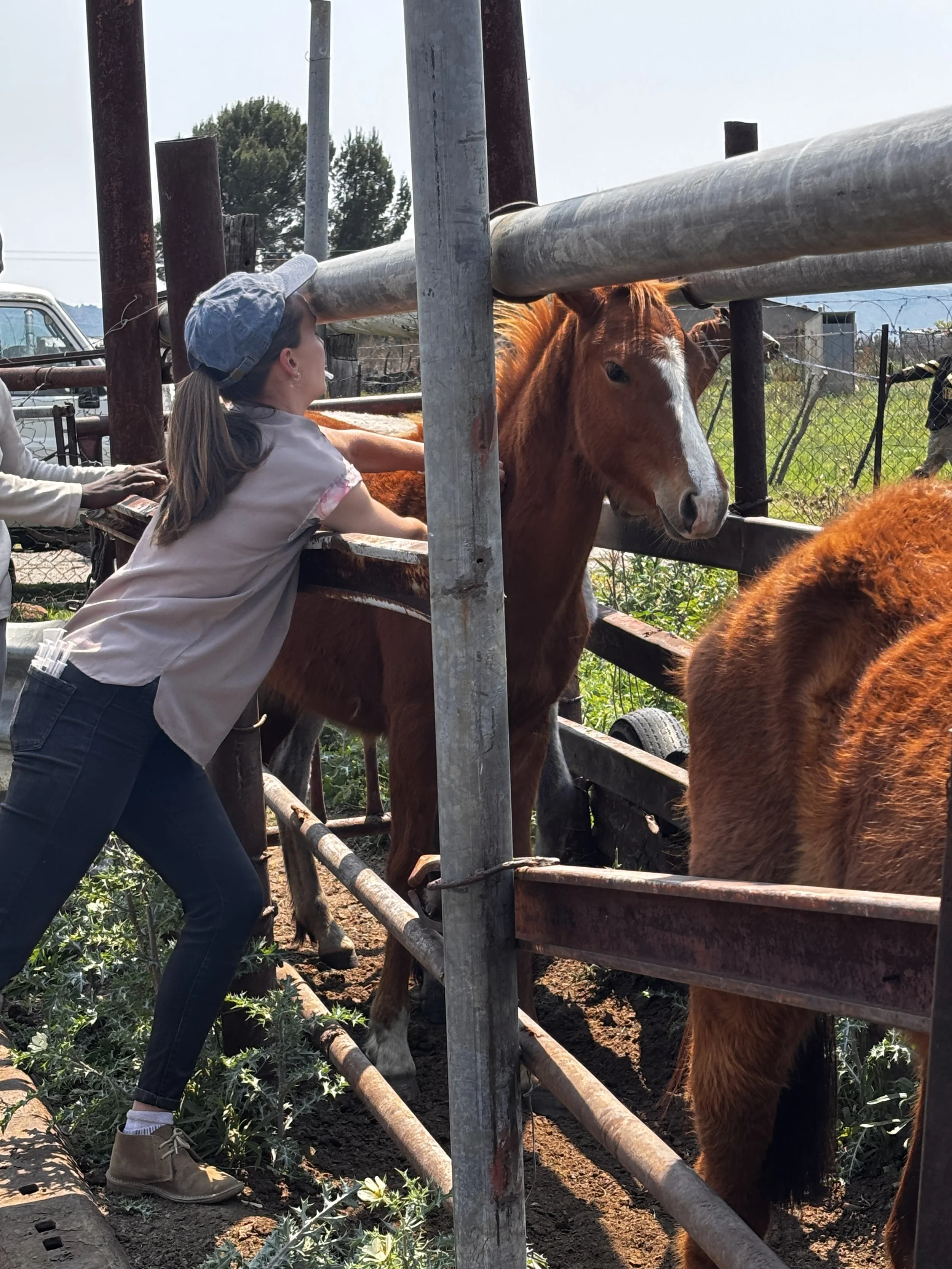
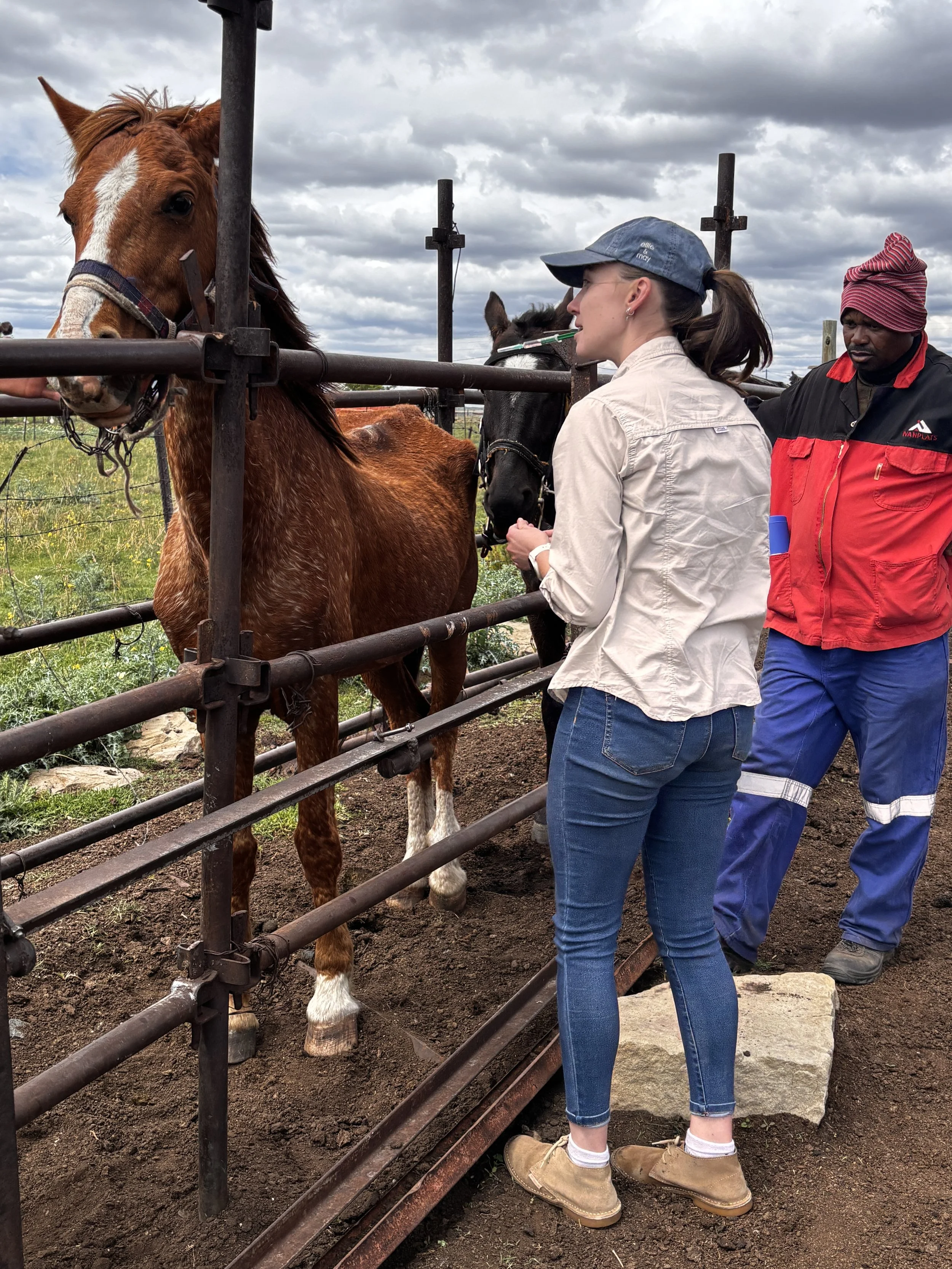
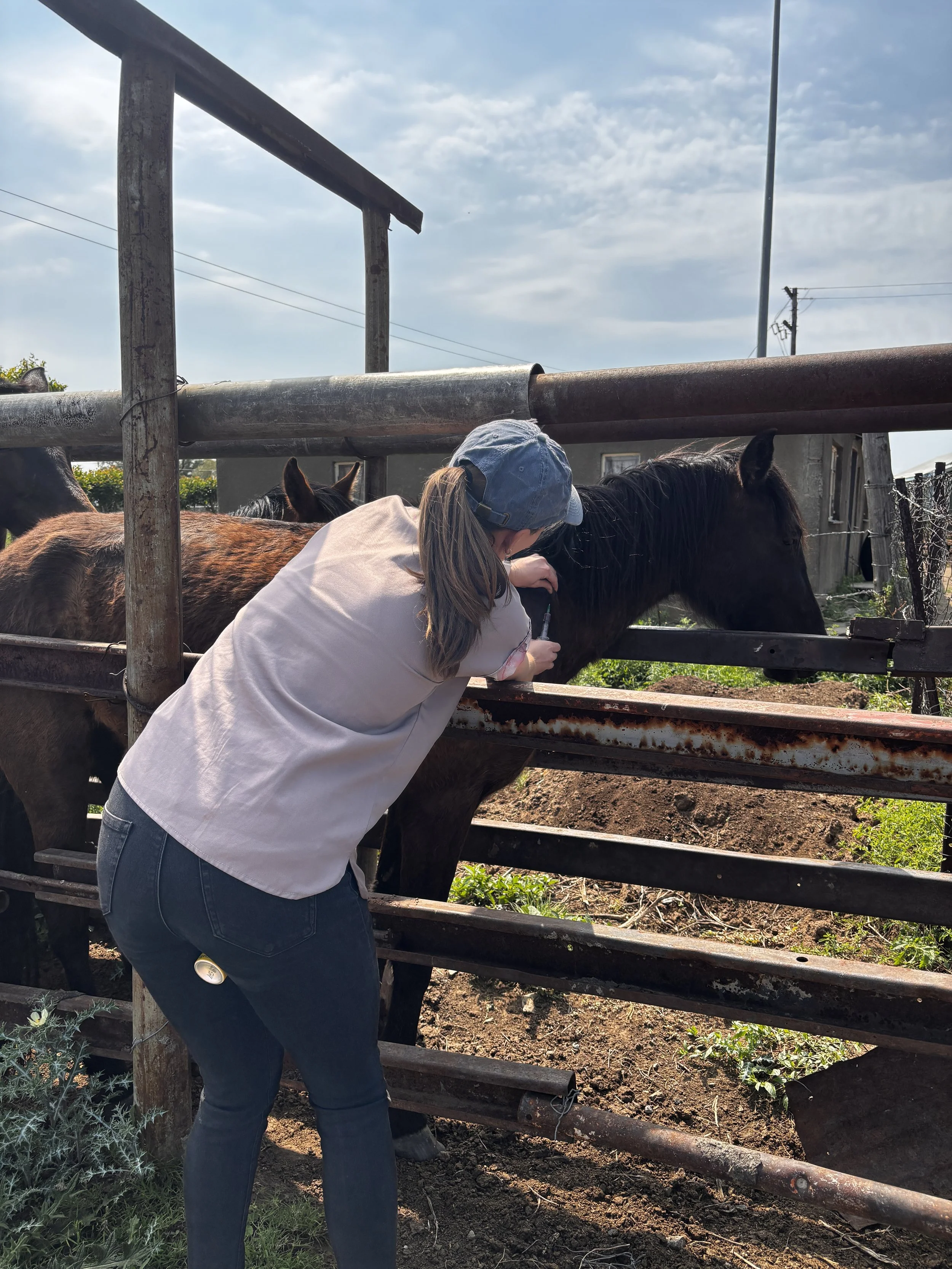
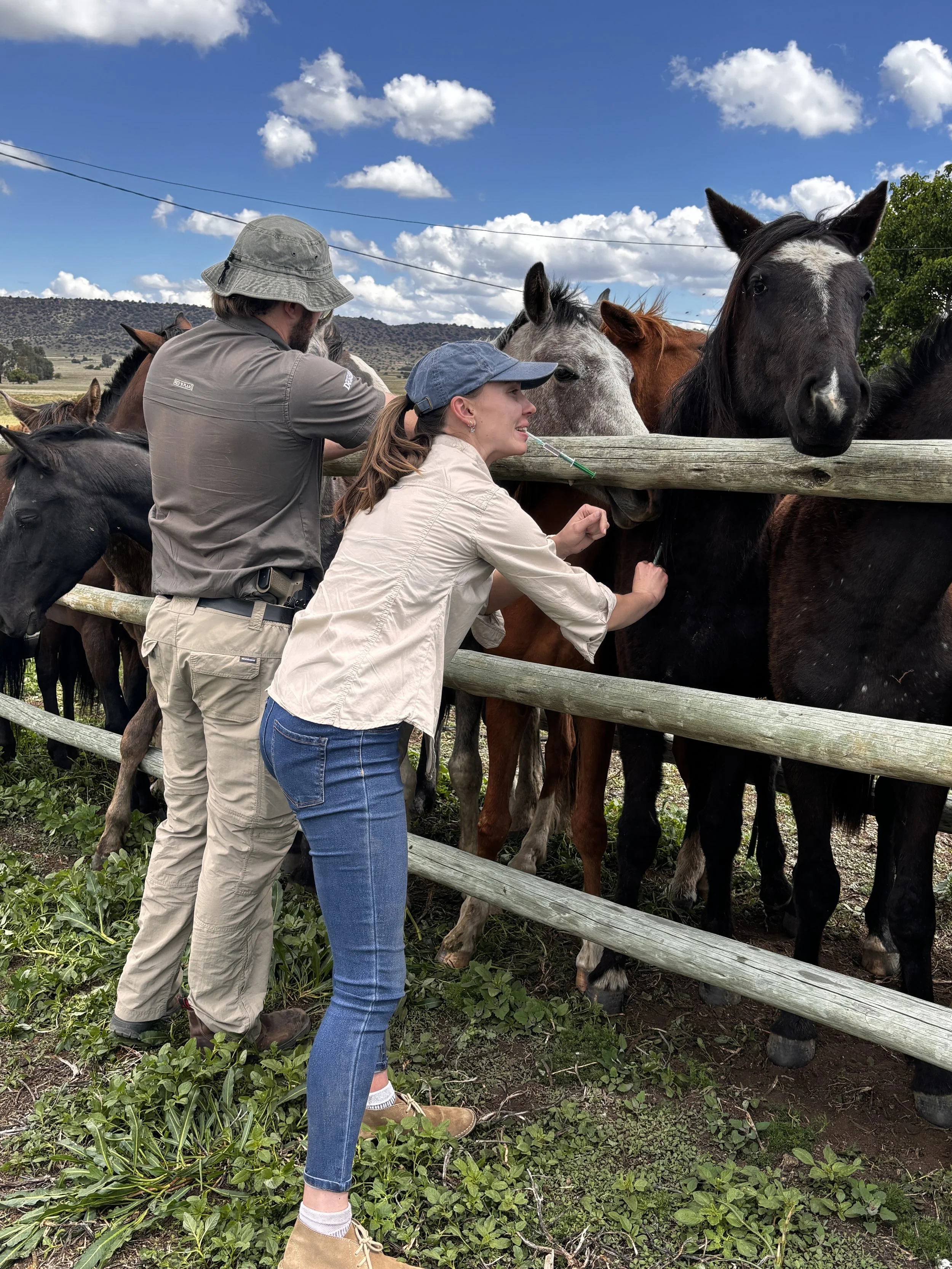
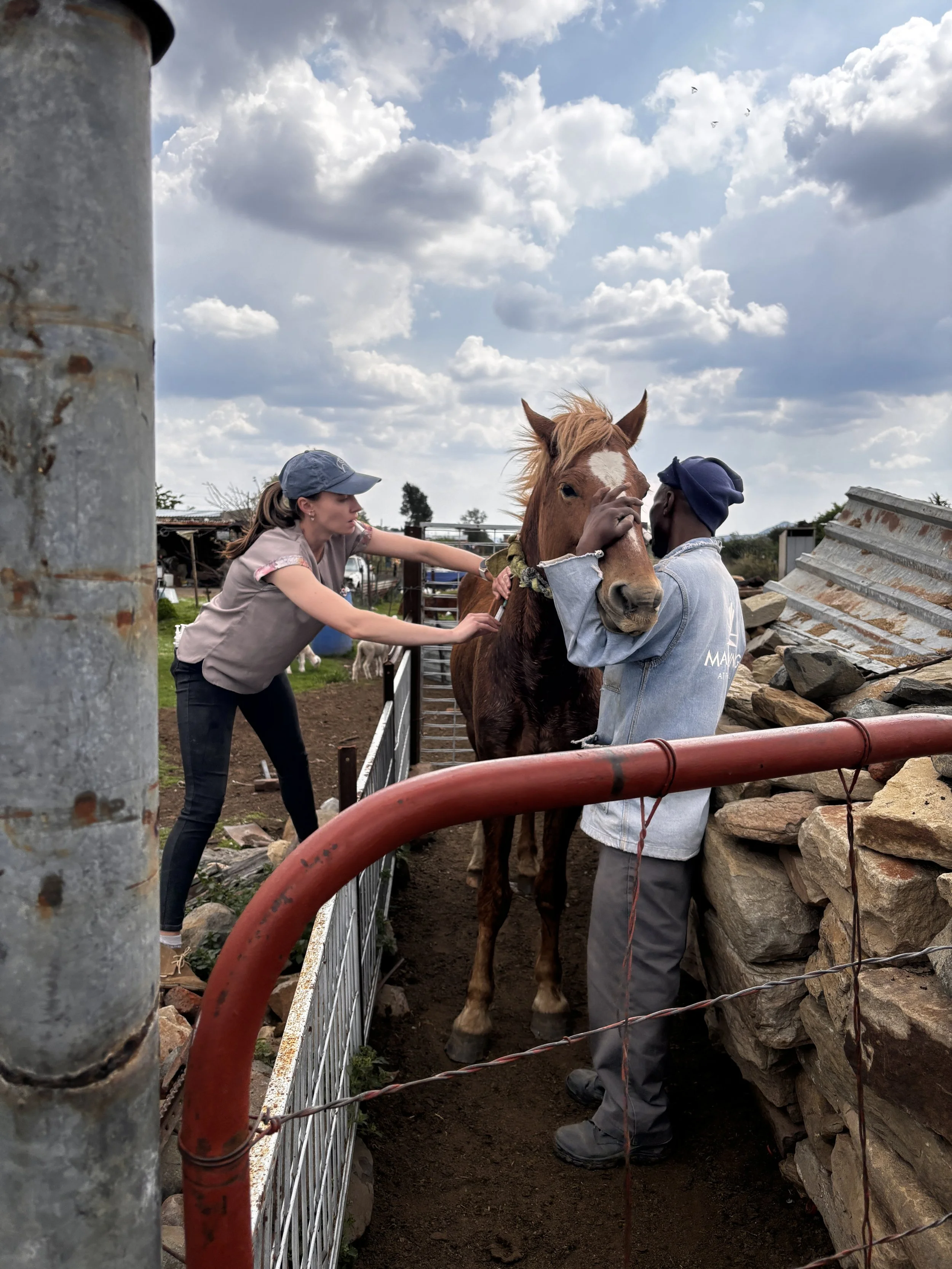
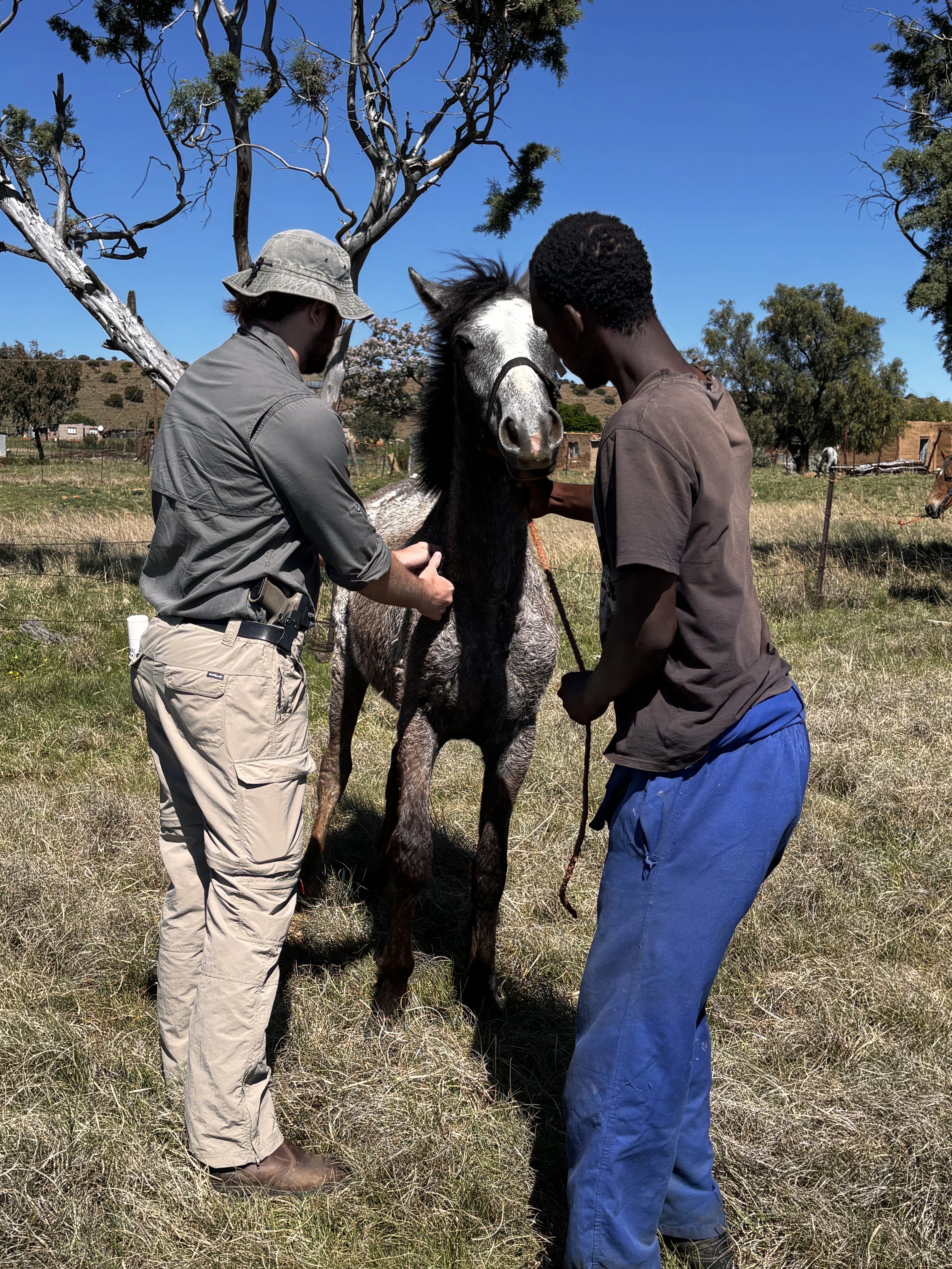
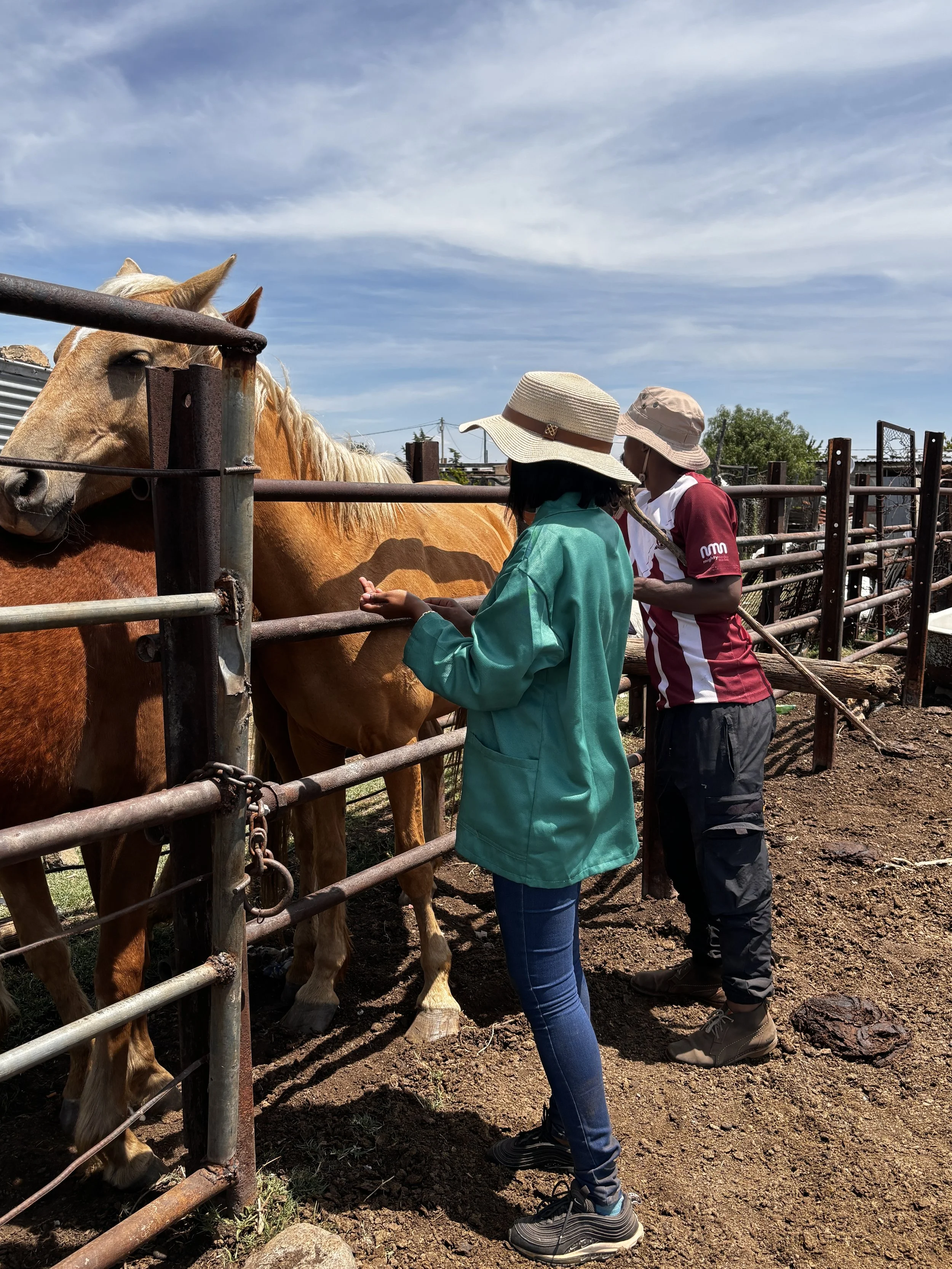
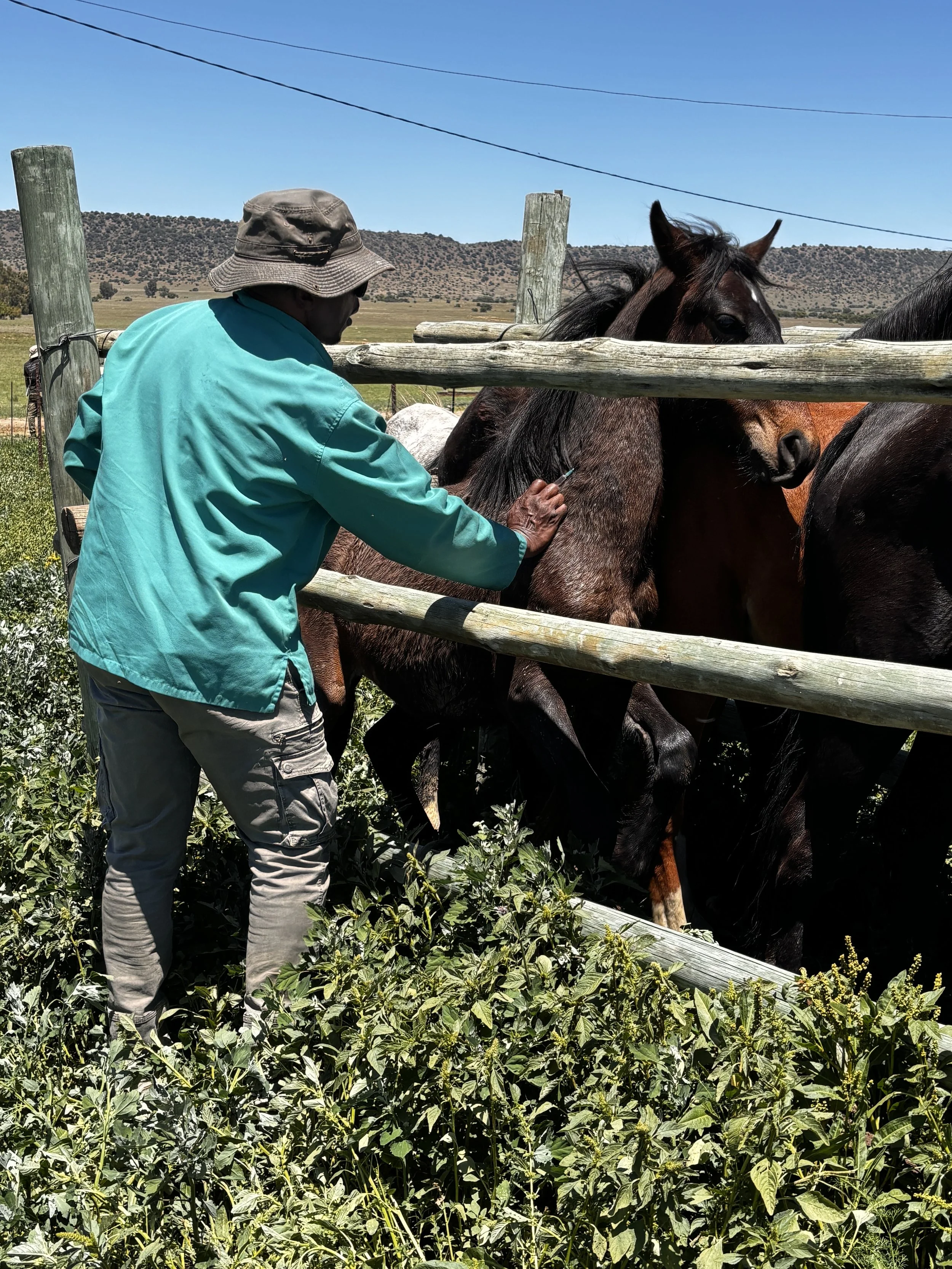
Our partner group, Blind Love, held an inaugural vaccination campaign for African horse sickness (AHS) last month. AHS has recently been a devastating issue in the rural areas of South Africa Blind Love work in, with many equines succumbing to this often-fatal disease. But due to the team’s initiative and dedication, 500 horses will now be kept safe, protected and healthy.
WORKING HORSE programme
Locations: Thaba ‘Nchu, Botshabelo, Cart Horse Rank and surrounding rural villages.
Total Horses Seen: 41
Outreach Activities
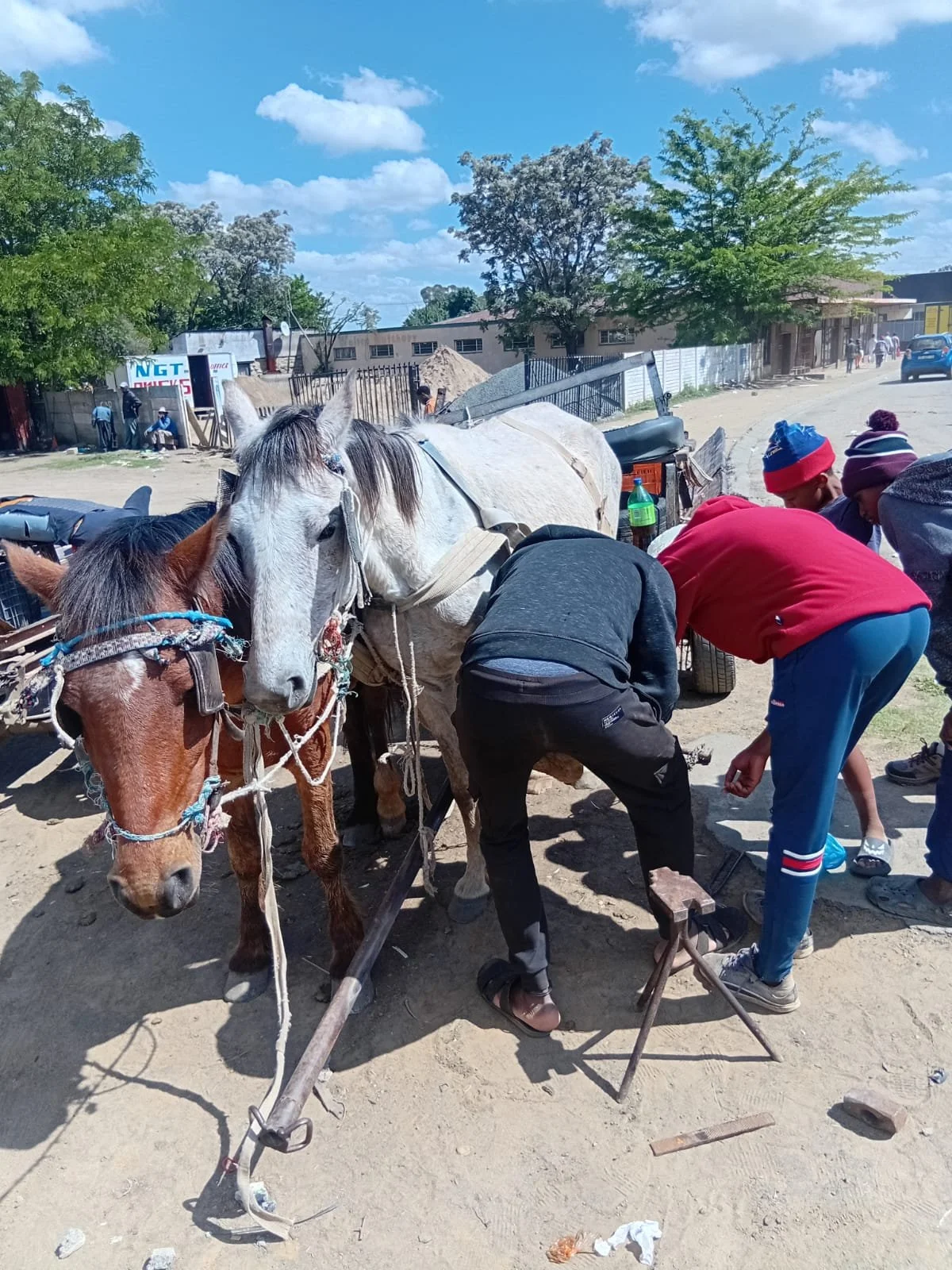
October was an exceptionally busy and significant month for Blind Love’s Free State Working Horse Programme, with regular outreach activities continuing alongside a major AHS vaccination campaign.
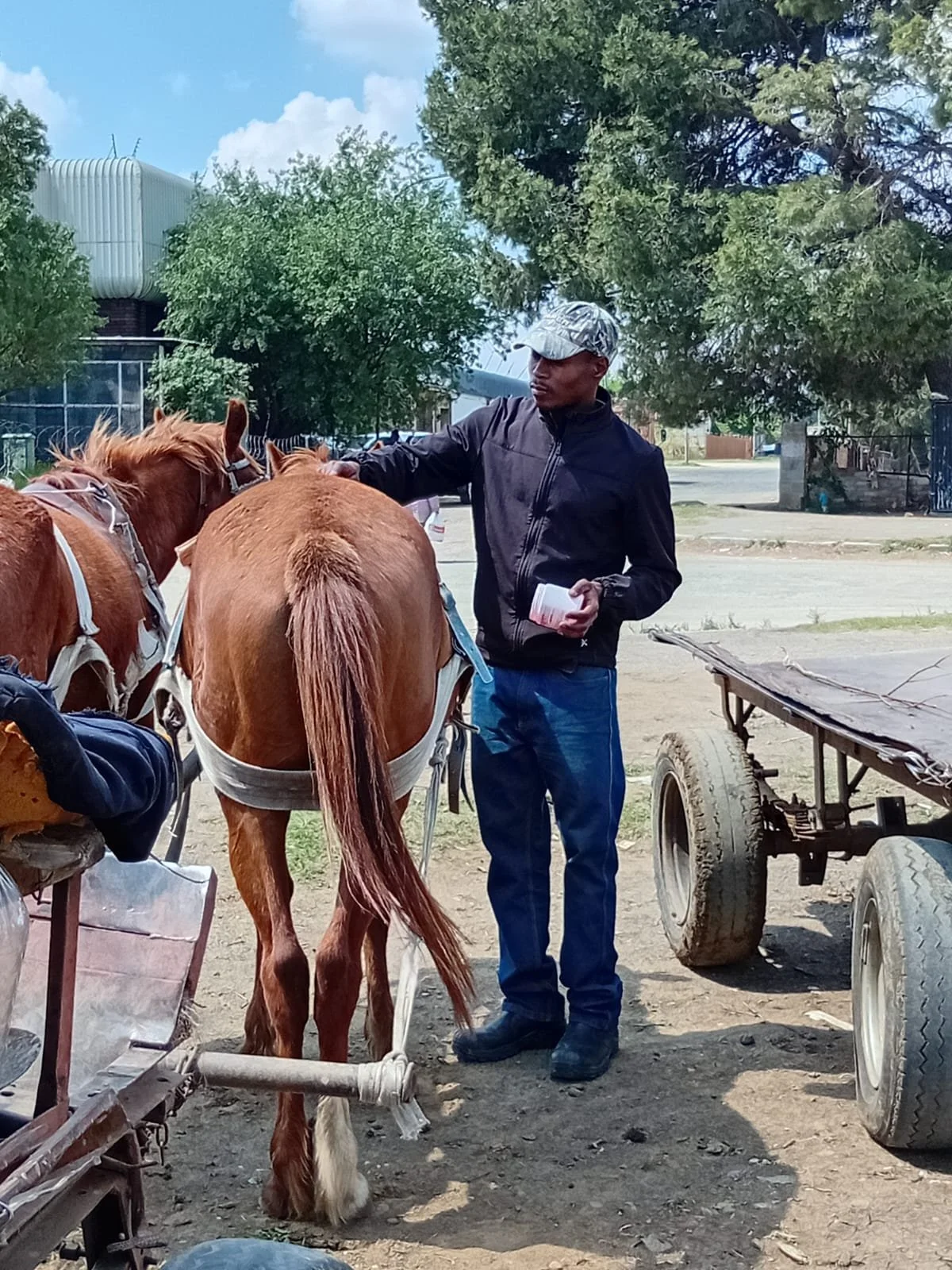
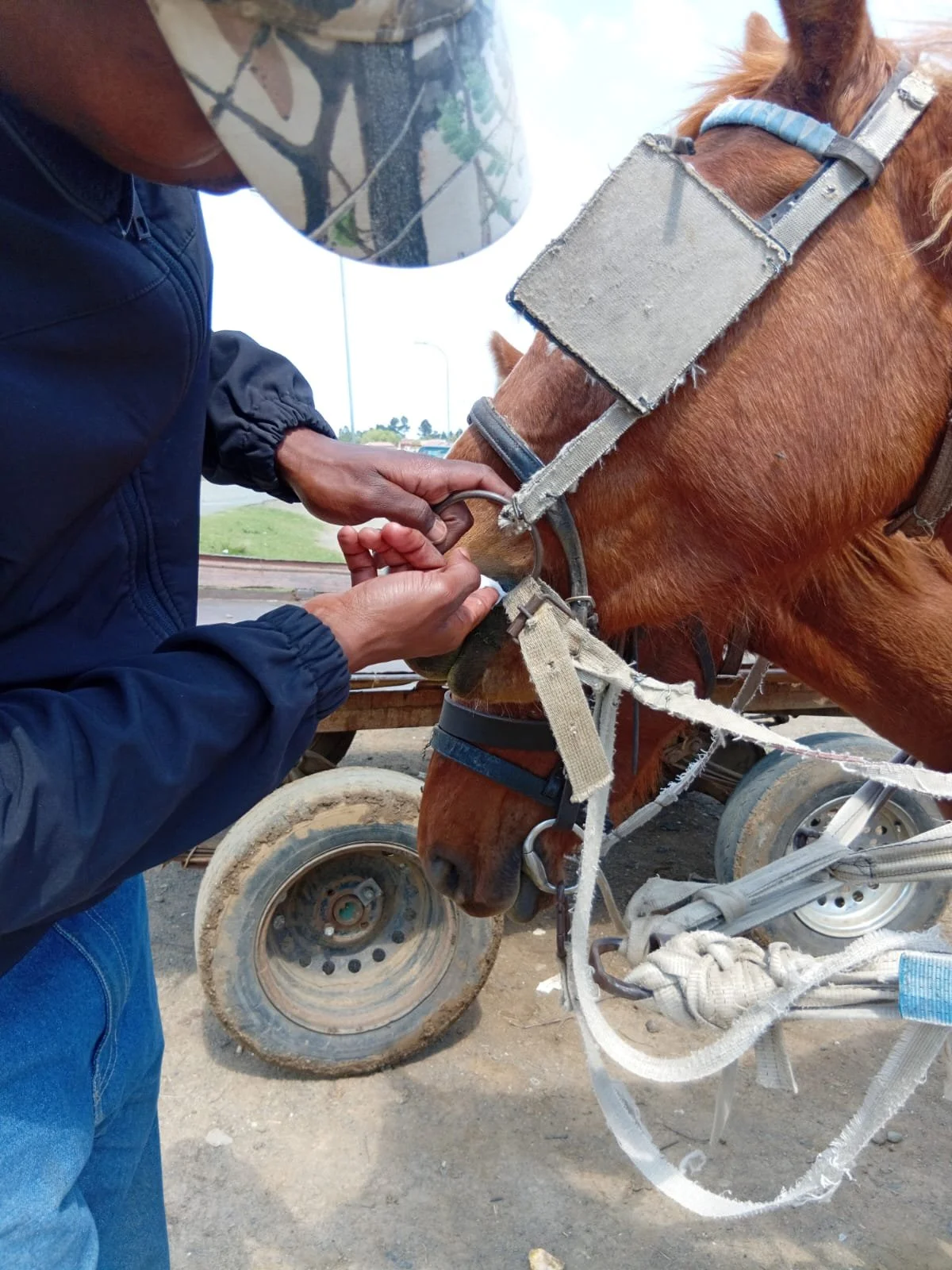
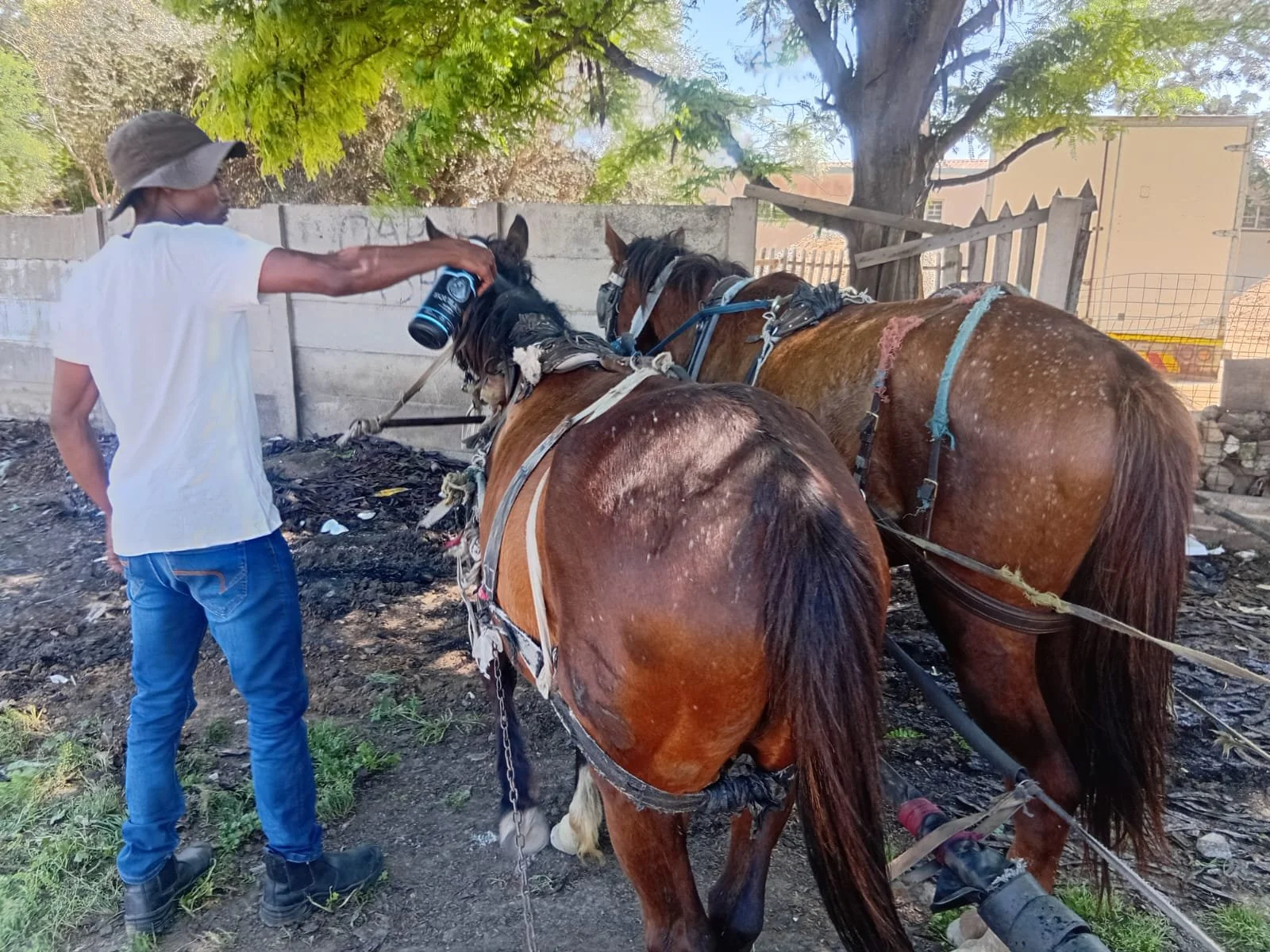
Across five outreaches, a total of 41 horses received primary healthcare and preventative treatment.
Activities included:
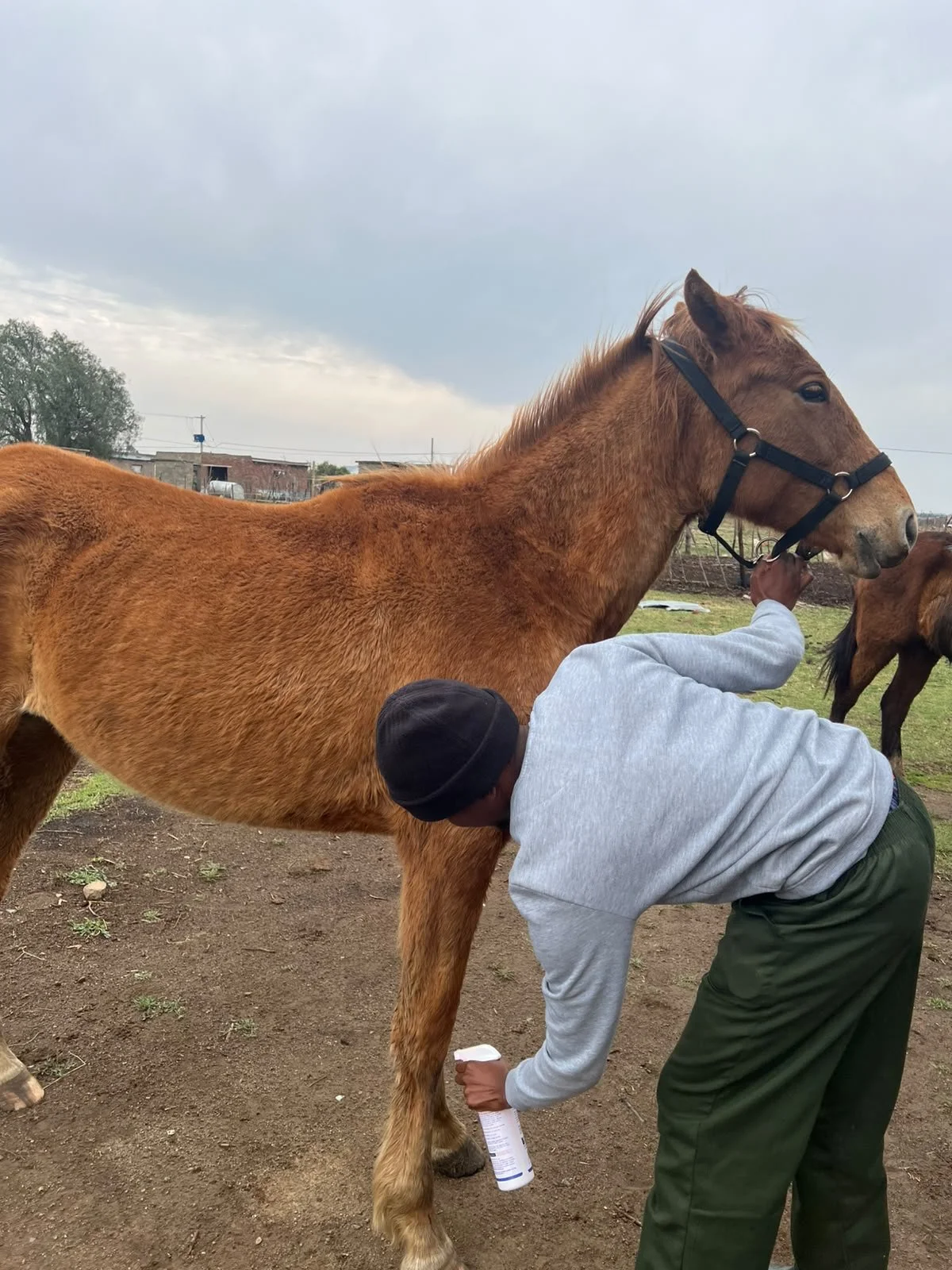
• General health assessments and welfare checks
• Internal and external parasite control
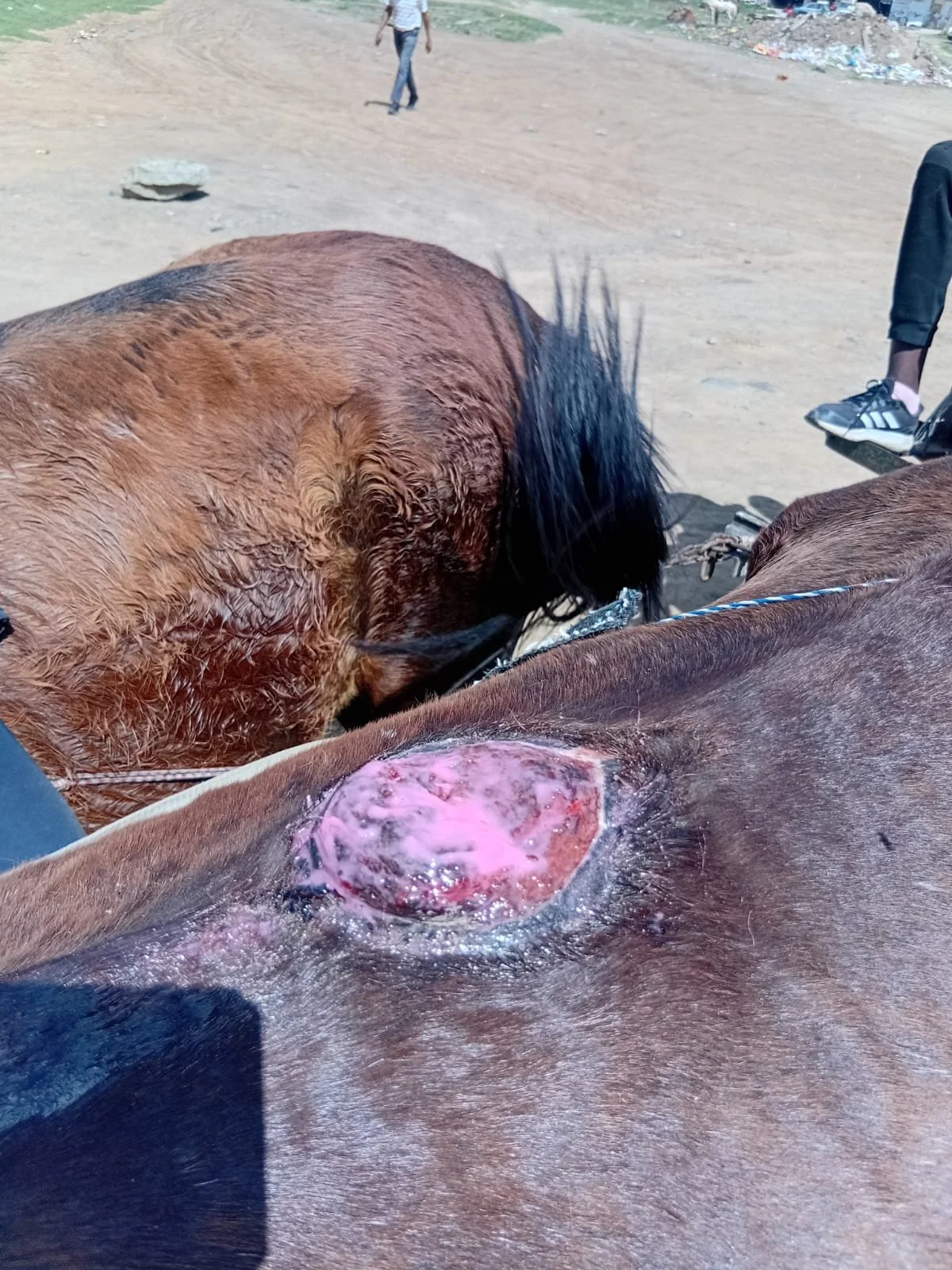
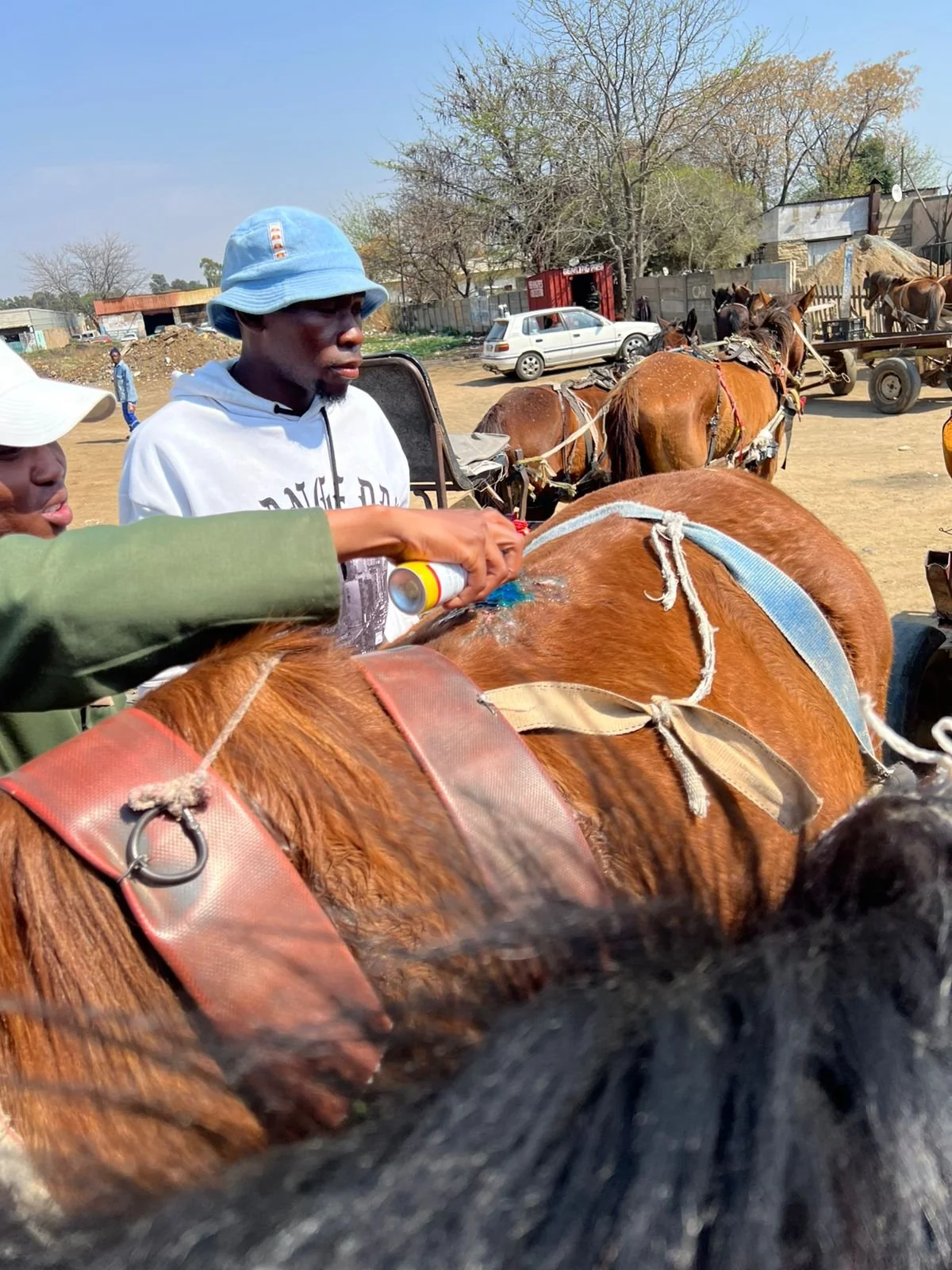
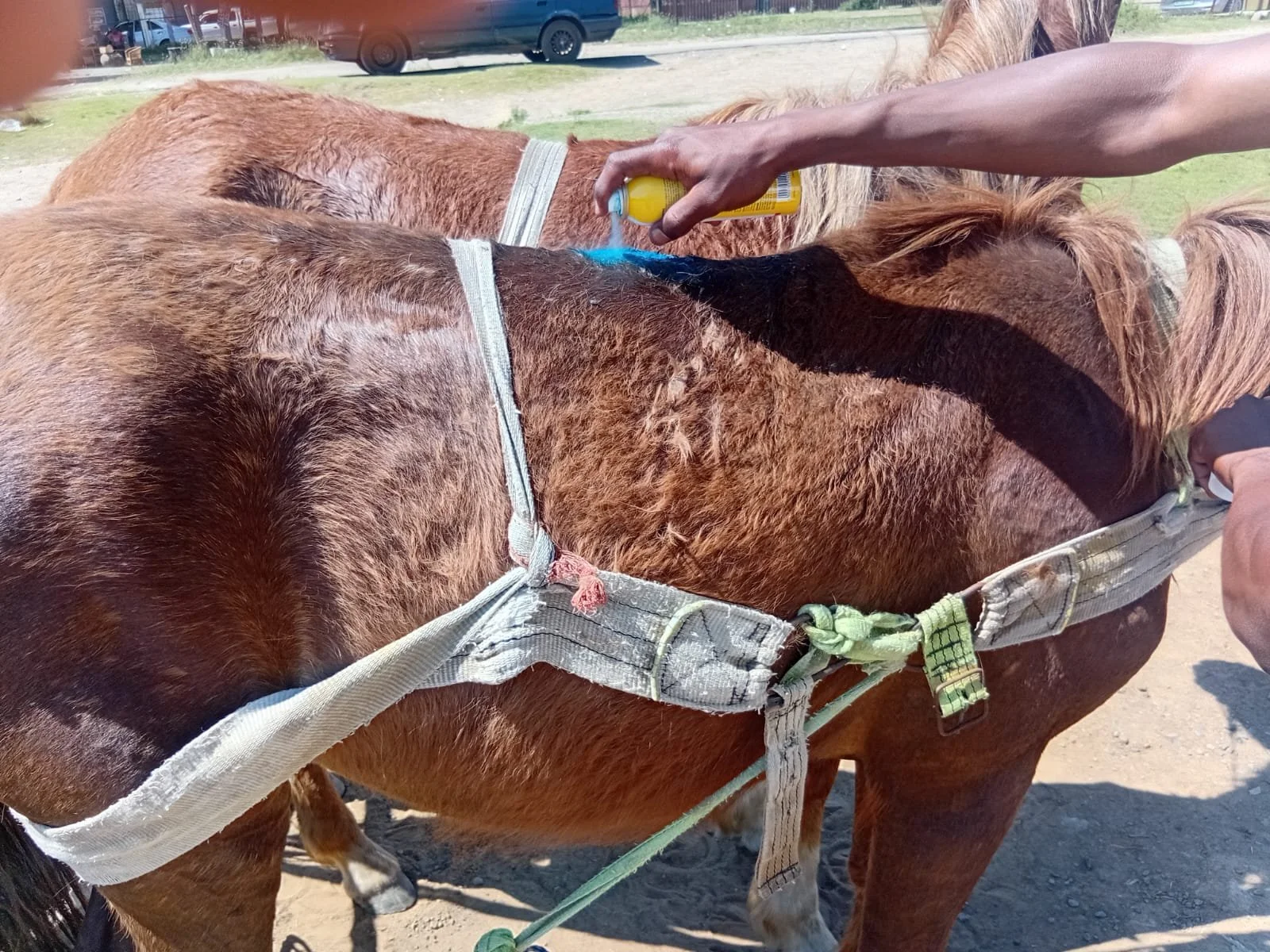
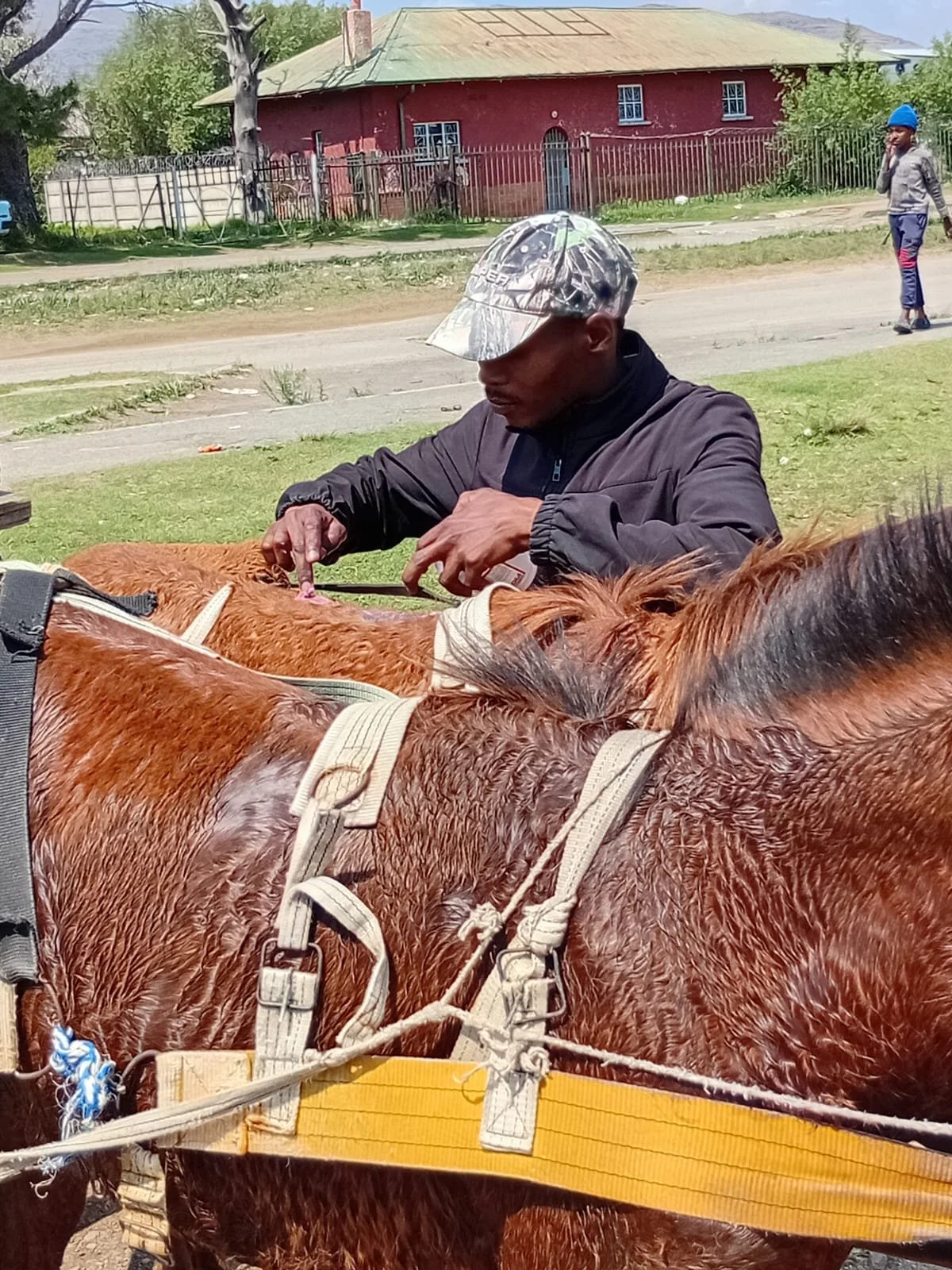
• Cleaning and treatment of wounds and injuries
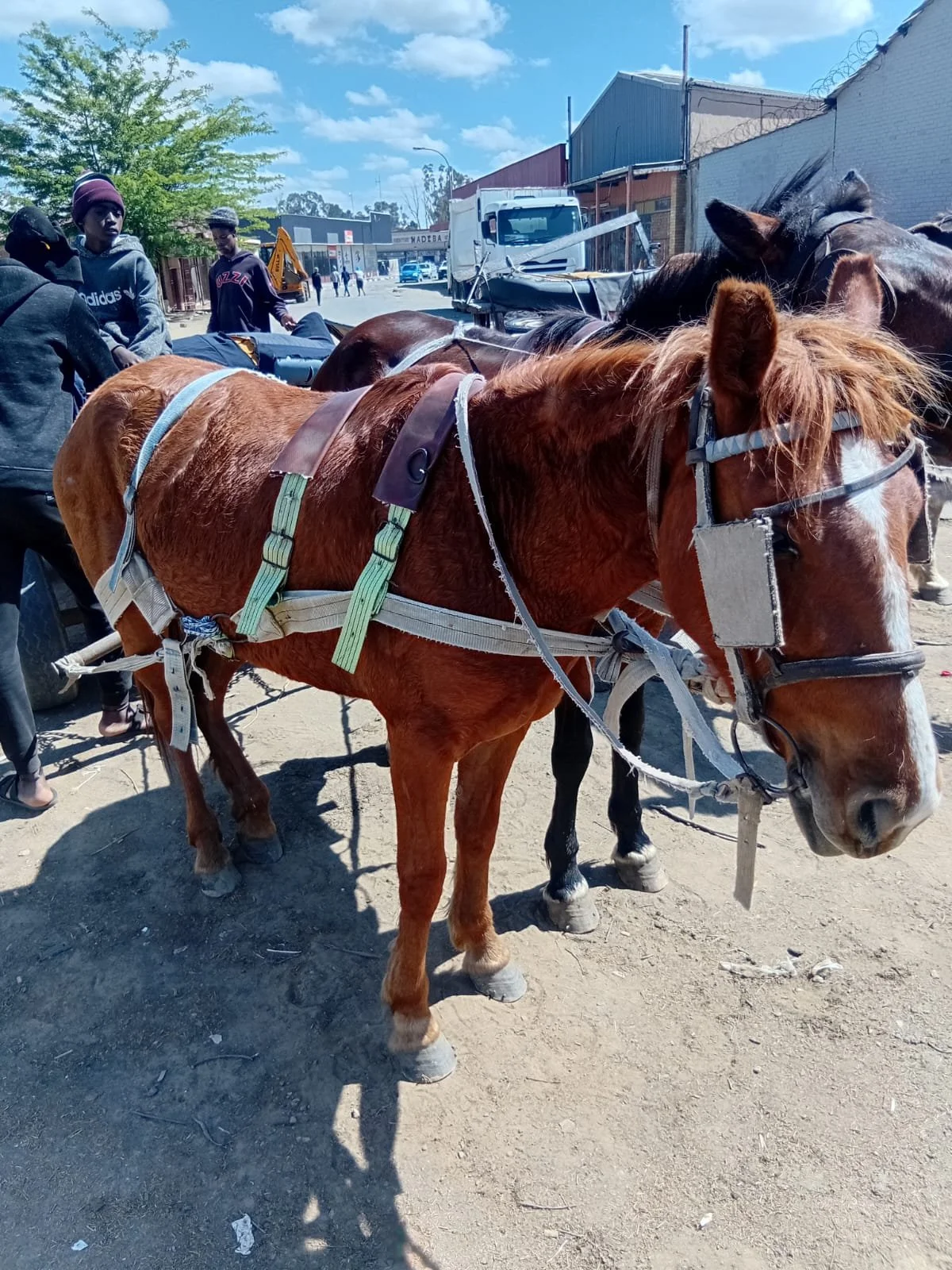
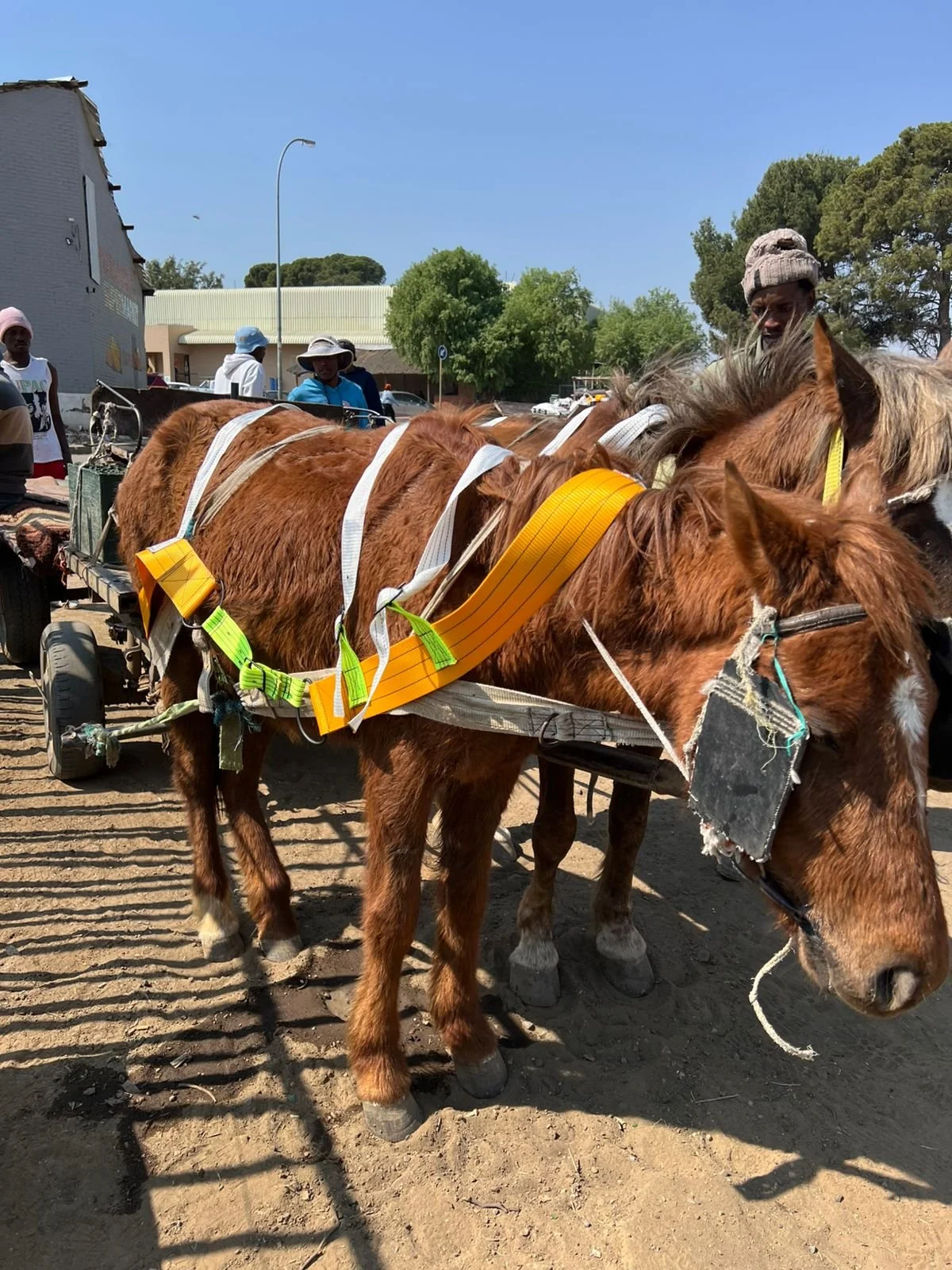
• Inspections of harnesses and tack
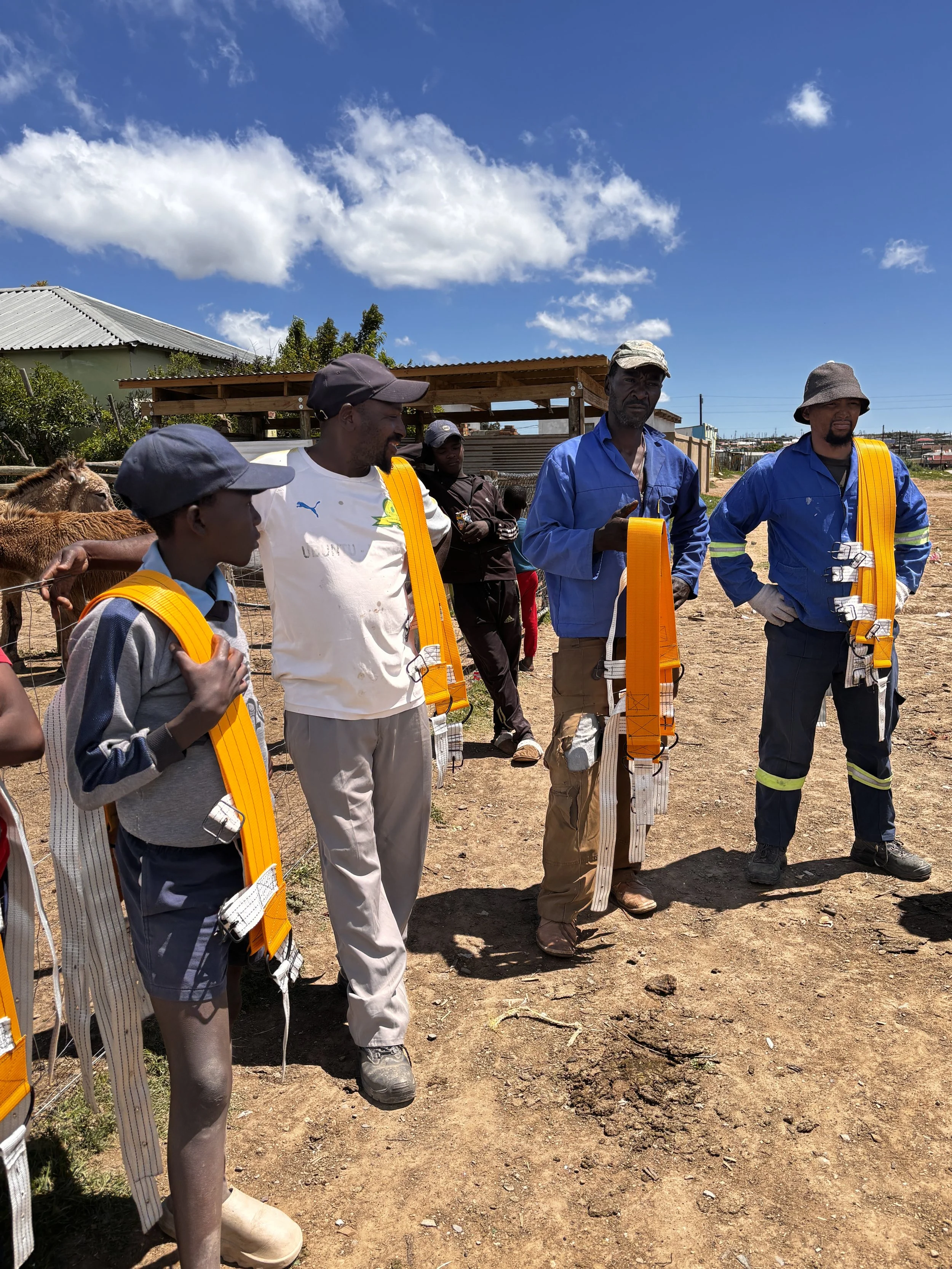
• Distribution of new harnesses to replace unsuitable or damaged equipment
• Advice and assistance to owners regarding the ongoing care of their horses
These regular outreaches remain an essential part of our work, providing practical, accessible healthcare to working horses whose owners often have very limited access to veterinary services.
African Horse Sickness Vaccination Campaign
October marked an extraordinary milestone for Blind Love with the rollout of our first large-scale AHS vaccination campaign in the rural communities surrounding Thaba ‘Nchu and Botshabelo. This was an historic first!
For the first time, more than 500 rural horses were reached through a coordinated AHS vaccination initiative across 11 locations. AHS is a devastating threat to horses in these communities, where outbreaks can result in a significant loss of life.
Our teams travelled extensively throughout the surrounding tribal trust villages and rural communities, reaching horses and owners who have historically had very limited access to preventative veterinary healthcare.
This was an enormous logistical undertaking, involving extensive preparation, coordination with horse owners, travel between remote communities and the administration of vaccinations over two separate campaigns.
We were fortunate to receive invaluable guidance from Professor Alan Guthrie - associated with the University of Pretoria and the Onderstepoort research community - whose expertise helped to guide this important initiative.
The opportunity to provide preventative vaccinations on this scale represents a major step forward in our efforts to protect vulnerable working horses.
Animal Aid Abroad’s Contribution During the Vaccination Campaign
Although the AHS vaccination campaign was not funded by AAA, we were able to incorporate essential primary healthcare into the campaign using the medications and supplies generously sponsored by you.
Throughout our visits to the rural villages, our team carried these supplies and, wherever possible, attended to horses requiring additional care.
This included:
• Cleaning and treating saddle sores
• Treating wounds and minor injuries
• Administering parasite control where possible
• Providing basic health assessments and advice to owners
This was particularly valuable as many of the horses encountered during the vaccination campaign had not previously had access to regular primary healthcare.
The combination of vaccination and basic welfare interventions allowed us to extend the reach of our regular Working Horse Programme far beyond our usual outreach locations.
We are extremely grateful that AAA’s continued support made it possible for us to provide this additional care while undertaking such a significant vaccination initiative.
WORKING DONKEY PROGRAMME
Location: Makhanda (Grahamstown)
Total Donkeys Seen: 74
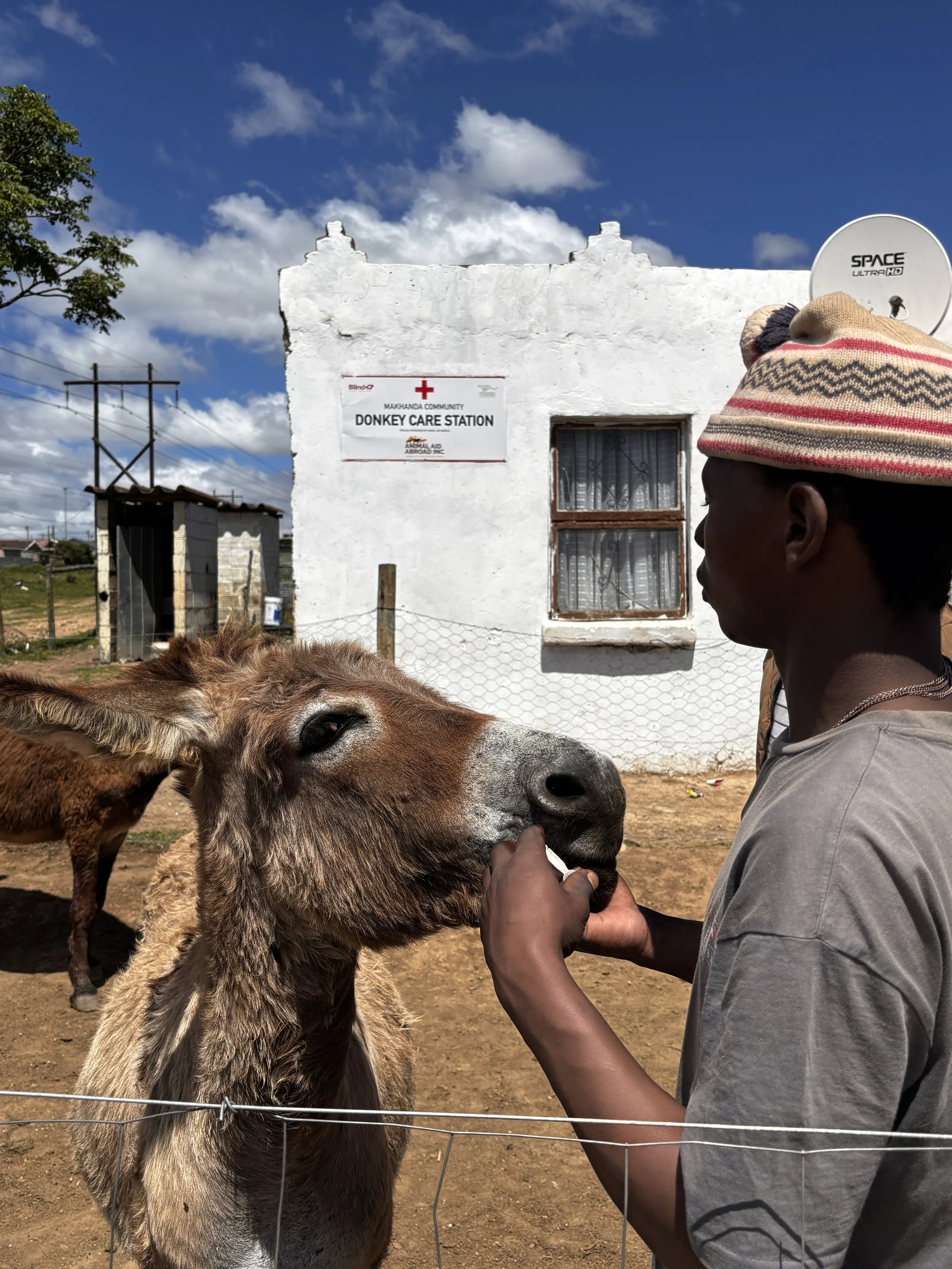
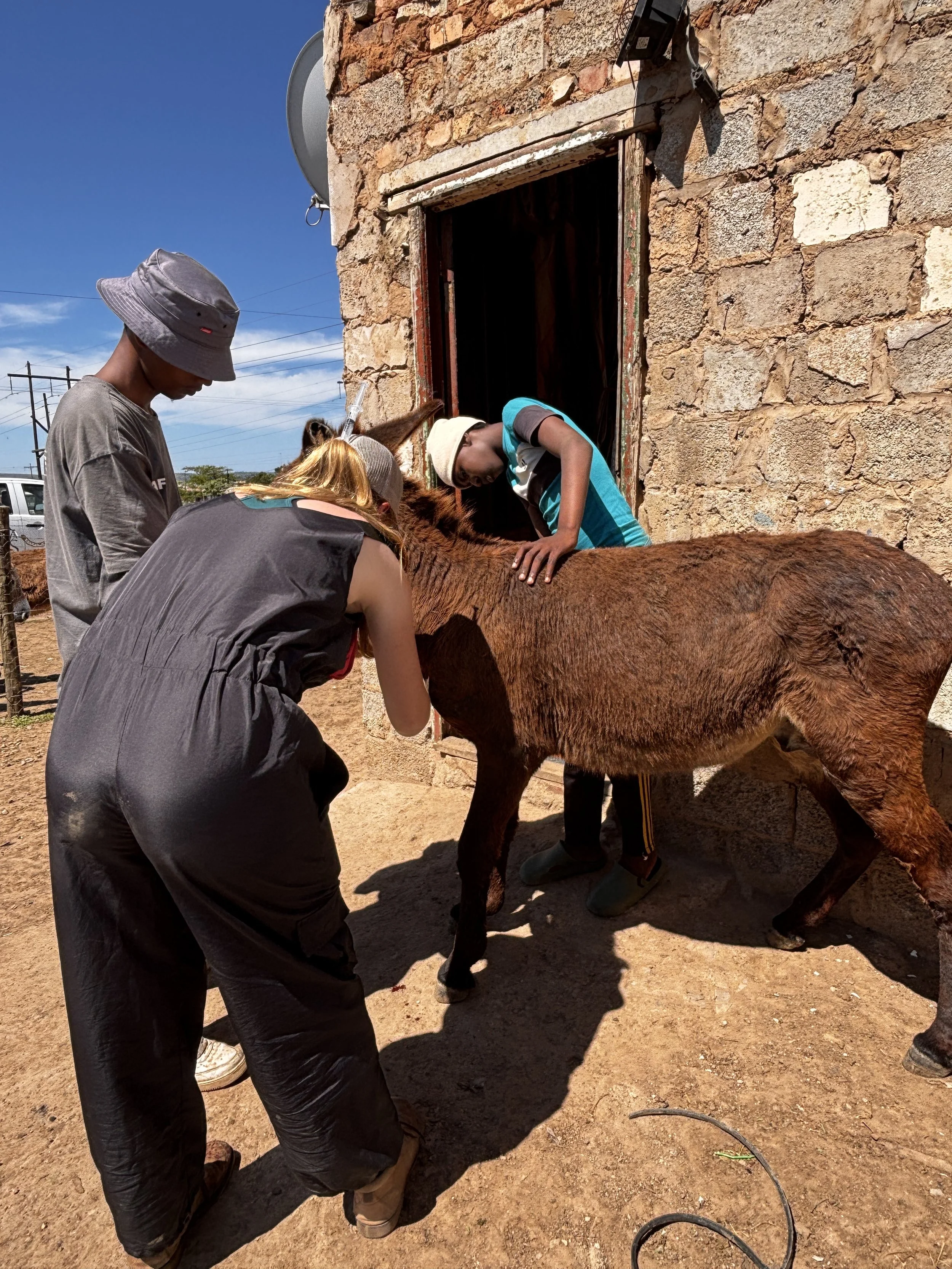
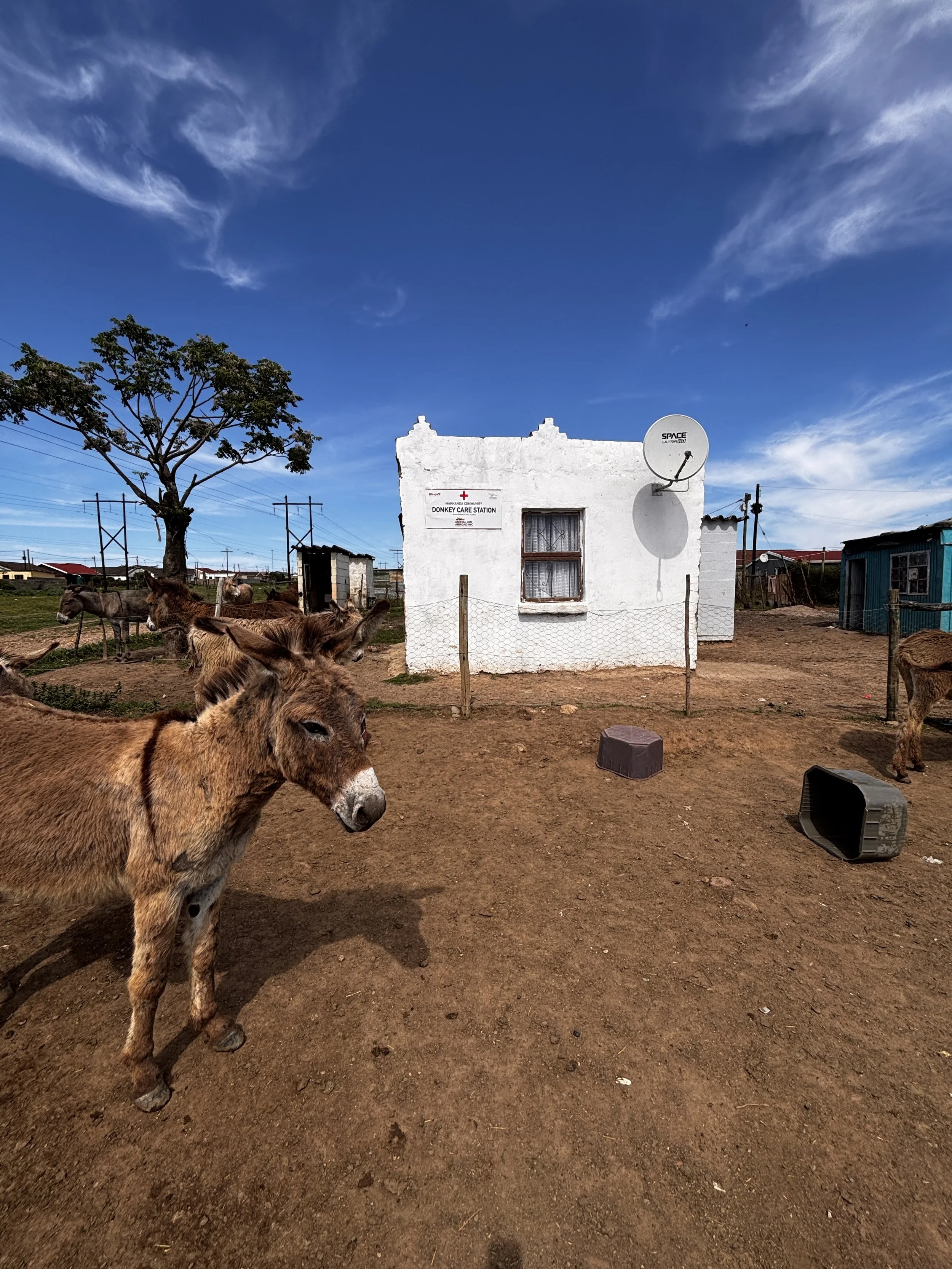
October was another exceptionally busy month for our Working Donkey Programme, with activities centred around the Community Donkey Care Station and our regular monthly outreach.
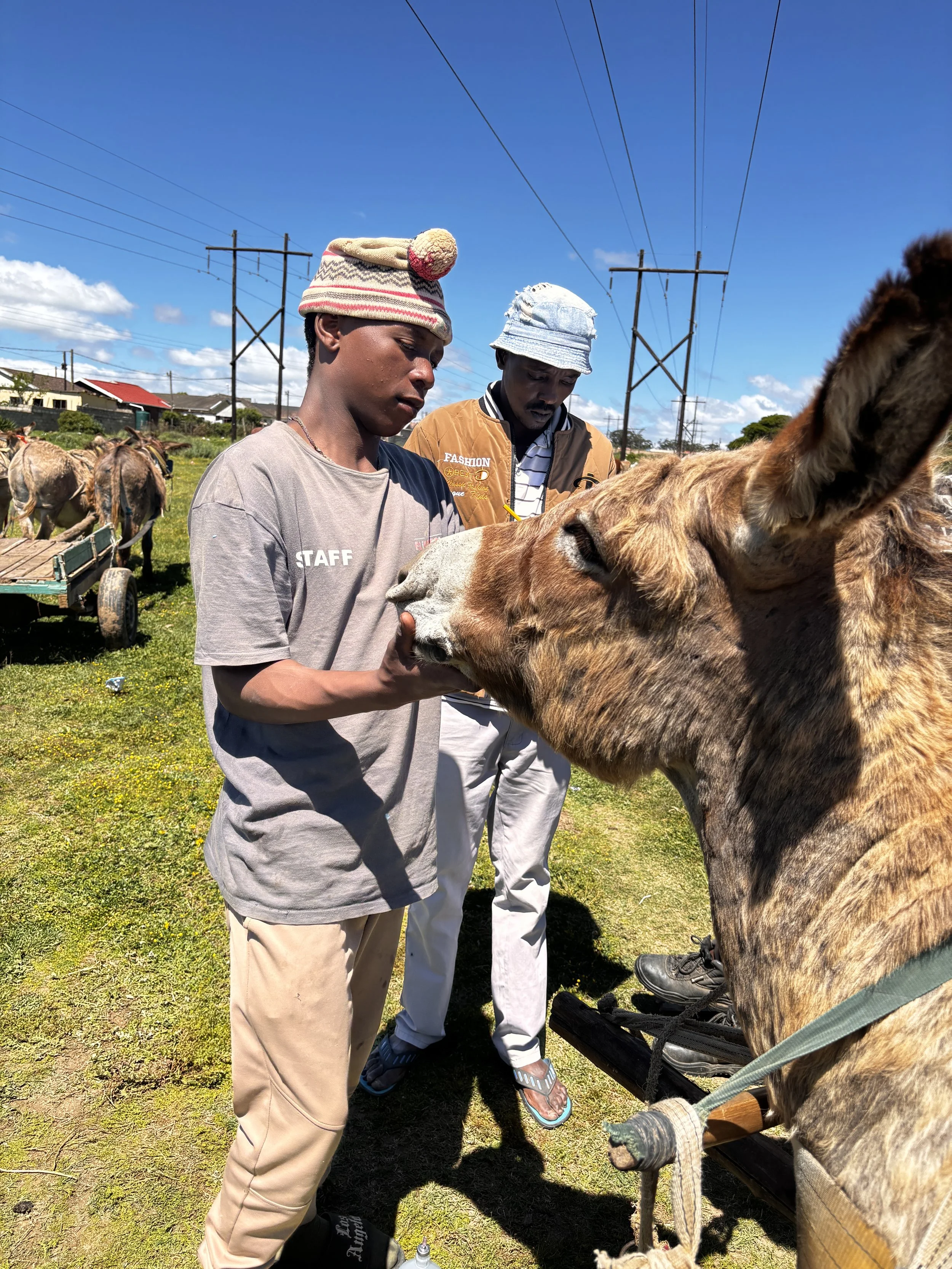
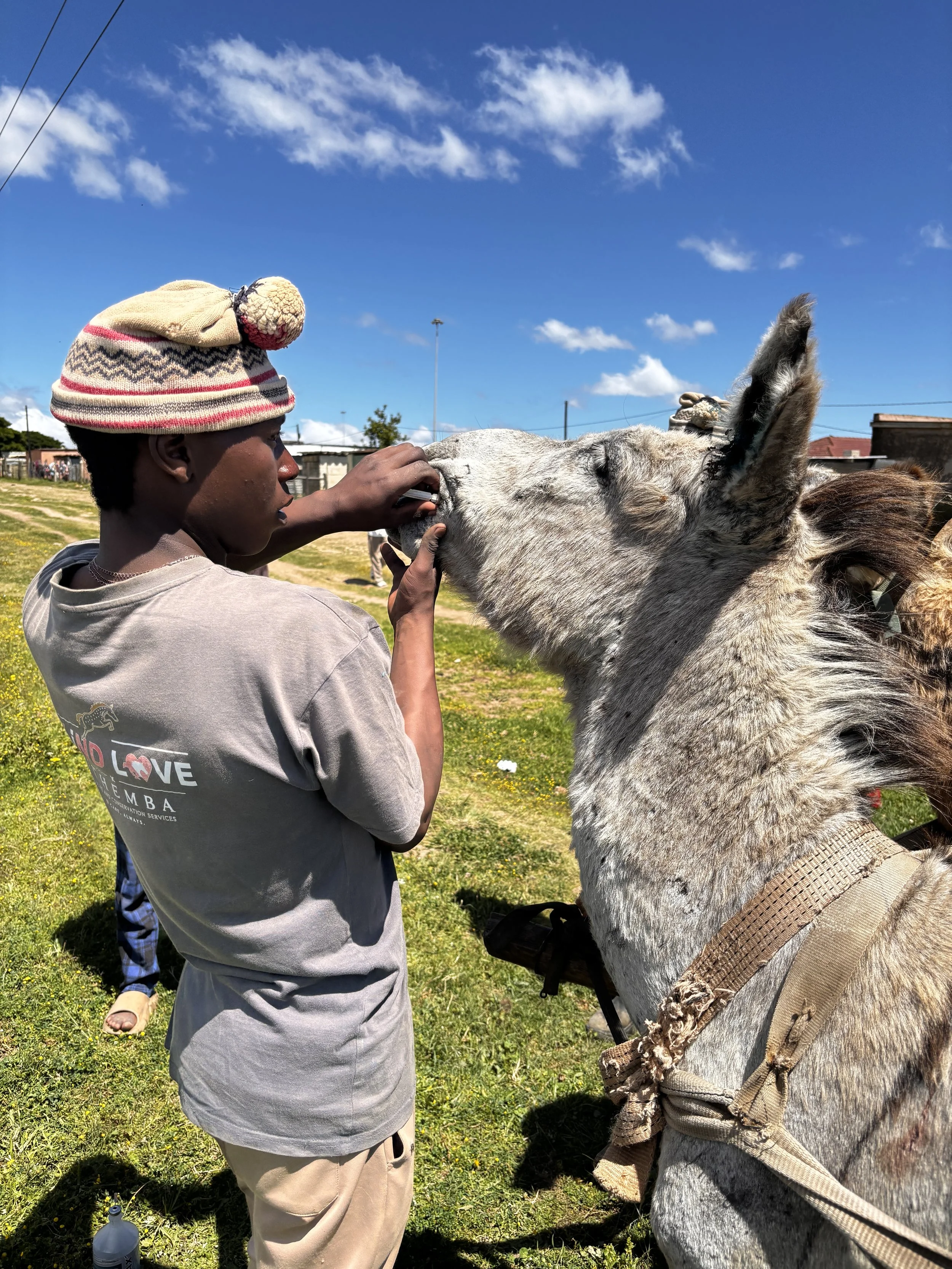
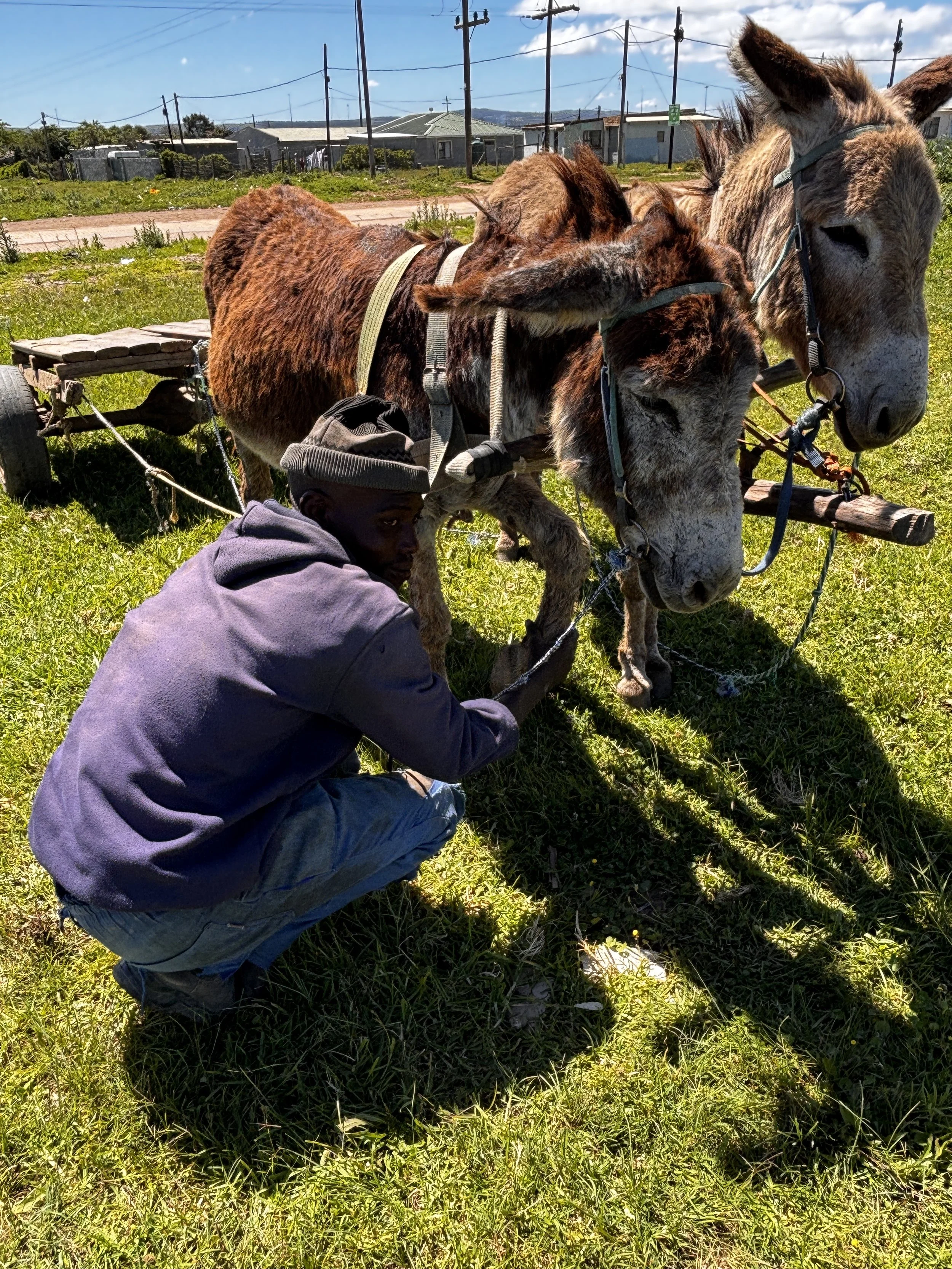
On the 15th of October, five donkey carts arrived with ten donkeys, with an additional donkey being led in. All 11 donkeys were examined, and wounds and minor injuries were treated where necessary.
A further 18 donkeys were present in the Care Station yard, bringing the total number of donkeys checked and treated during these additional healthcare activities to 29.
Treatment included:
• Cleaning and dressing minor wounds
• Treatment of injuries and fly bites
• Application of fly repellent
• Application of tick grease
• General health and welfare checks
The primary healthcare supplies sponsored by Animal Aid Abroad once again played an important role in allowing us to provide these treatments.
Monthly Donkey Outreach
Our regular monthly donkey outreach took place on the 24th of October at the Community Donkey Care Station.
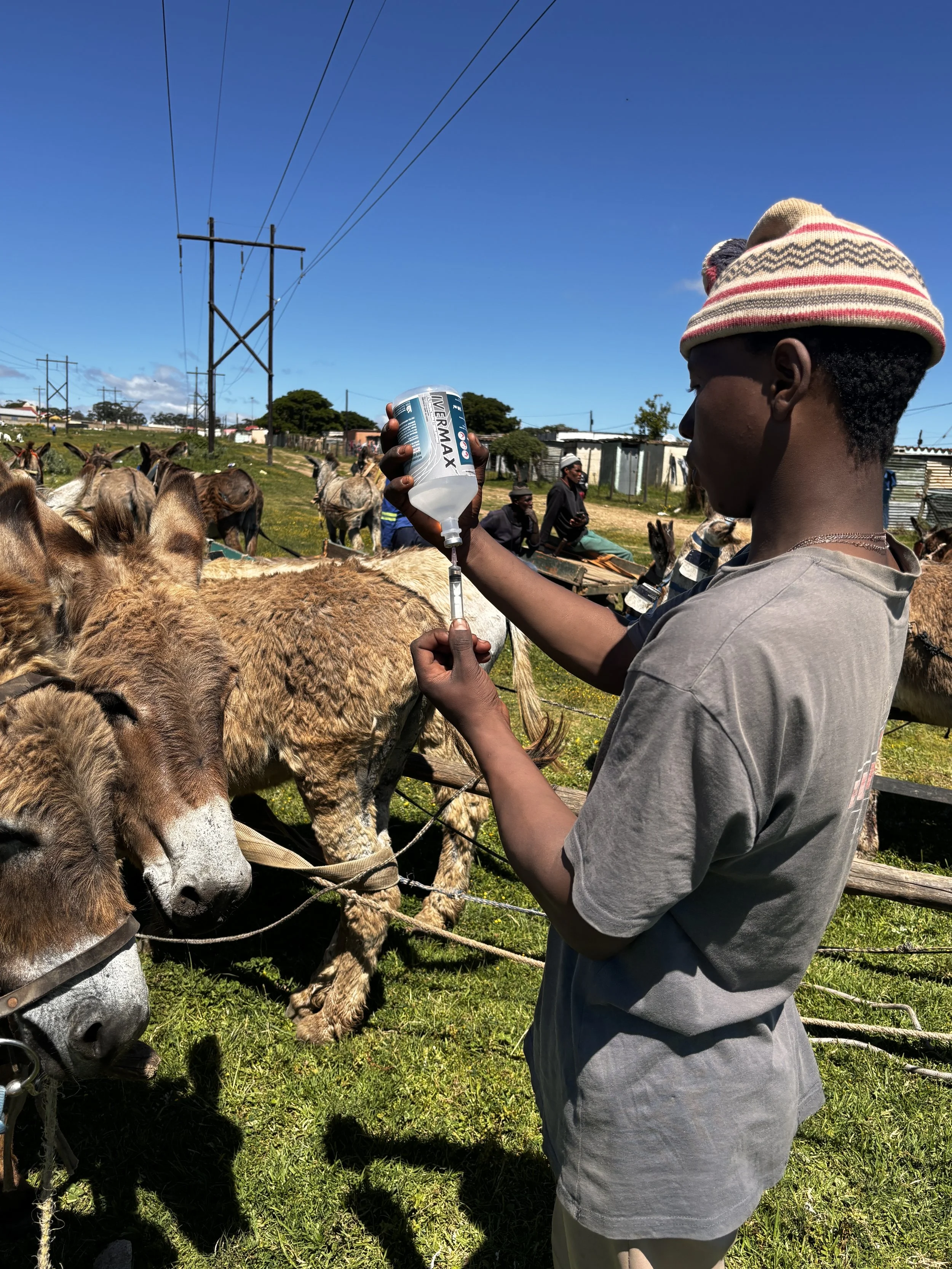
We had an excellent turnout, with 16 donkey carts arriving, bringing 32 working donkeys along for healthcare and vet assistance. A further ten donkeys were present in the Care Station yard. This brought the total number of donkeys seen during the outreach to 42.
All animals were checked, and treatment was provided according to their individual needs.
Activities included:
• General health assessments
• Cleaning and treatment of wounds and injuries
• Treatment of fly bites
• Application of fly repellent and tick grease
• Inspections of harnesses and tack
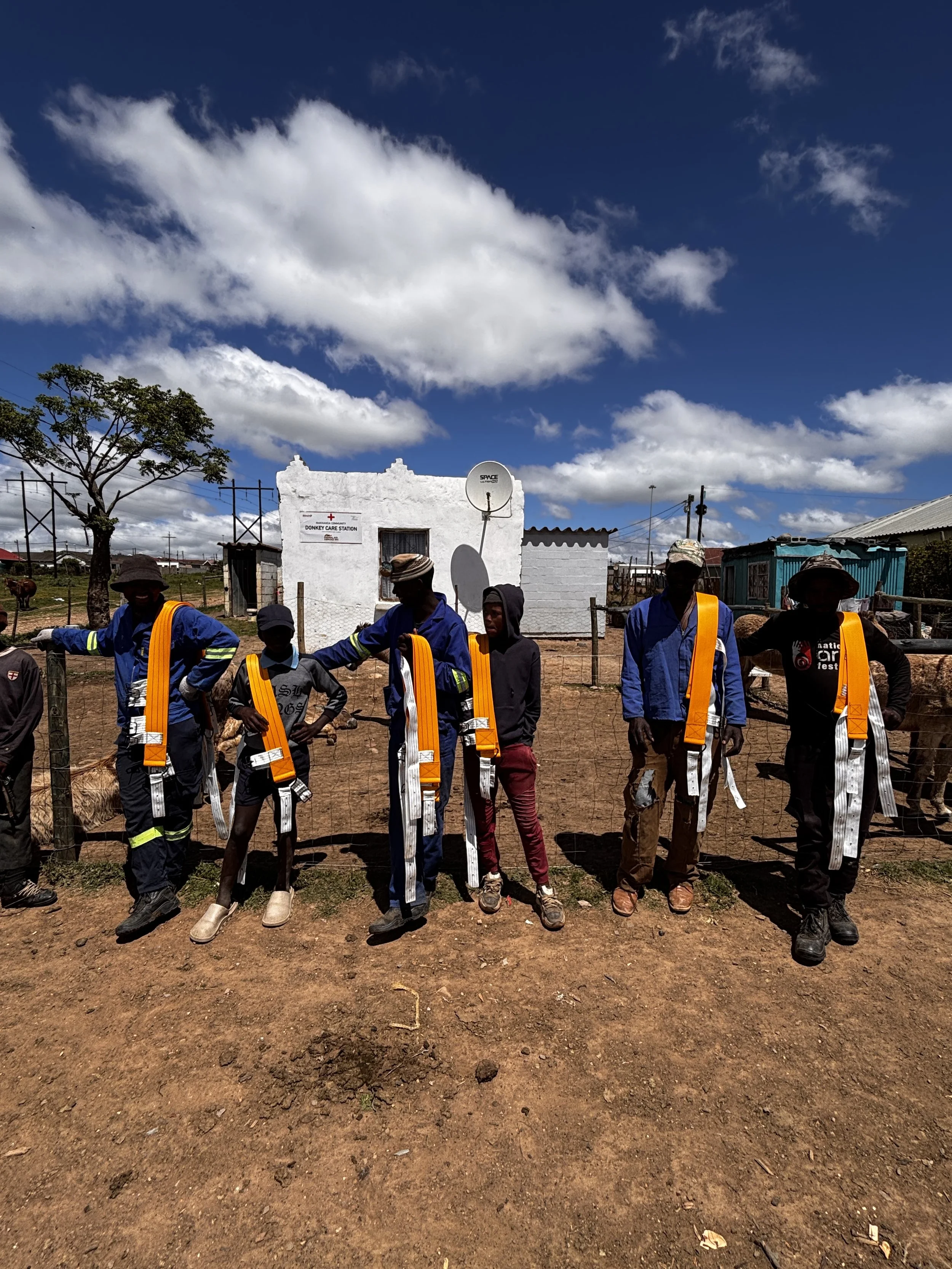
• Distribution of replacement harnesses where needed
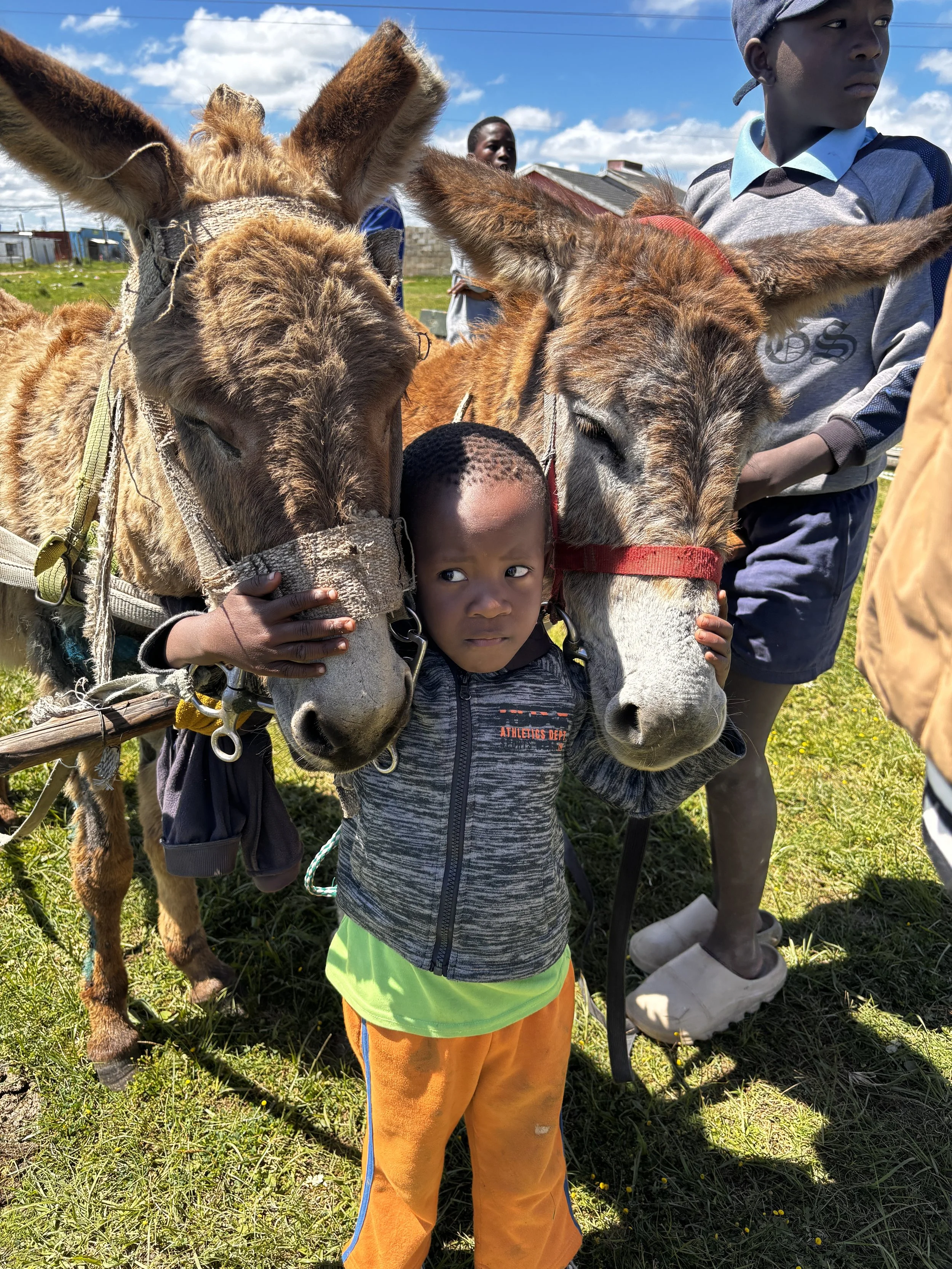
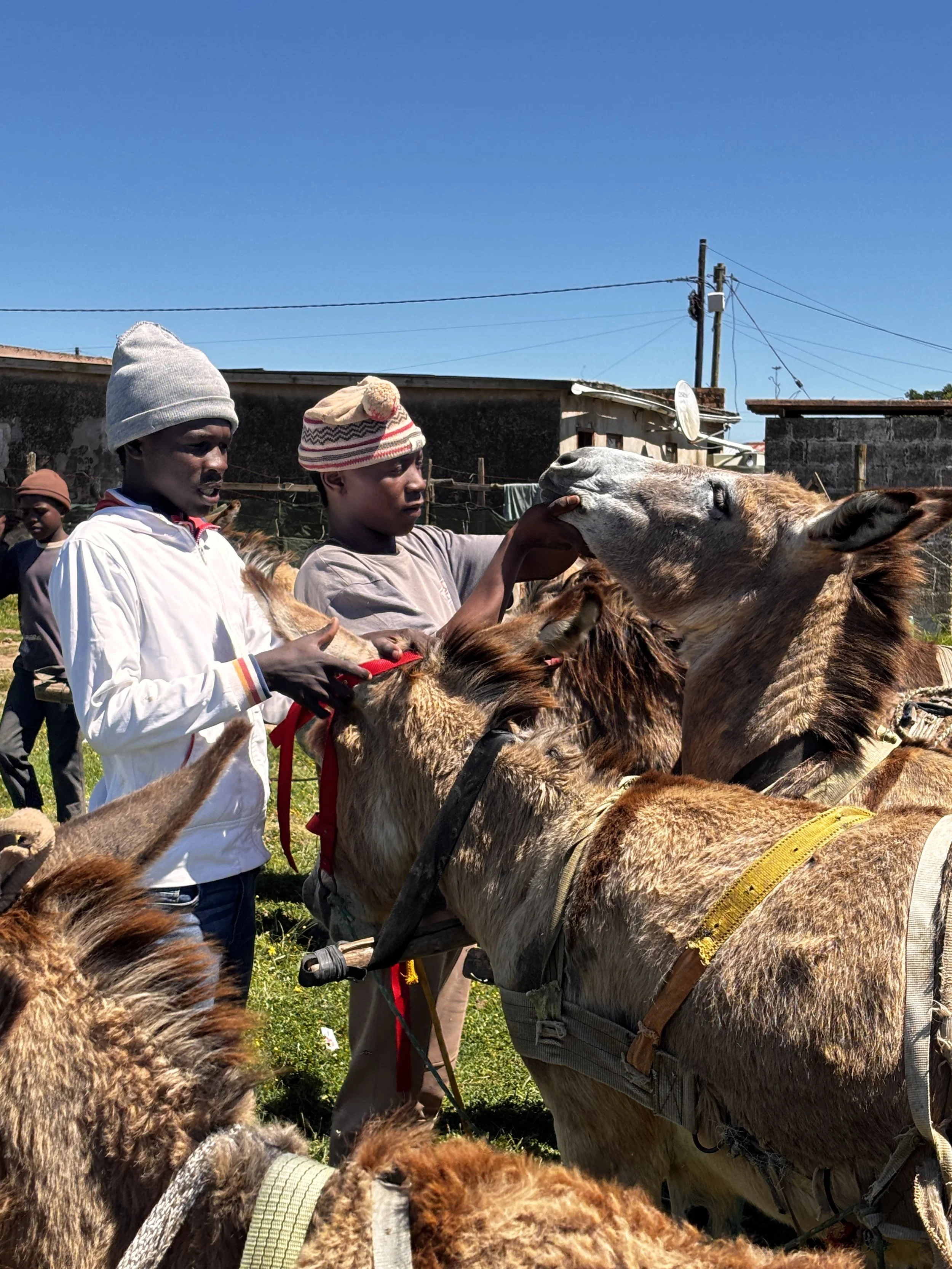
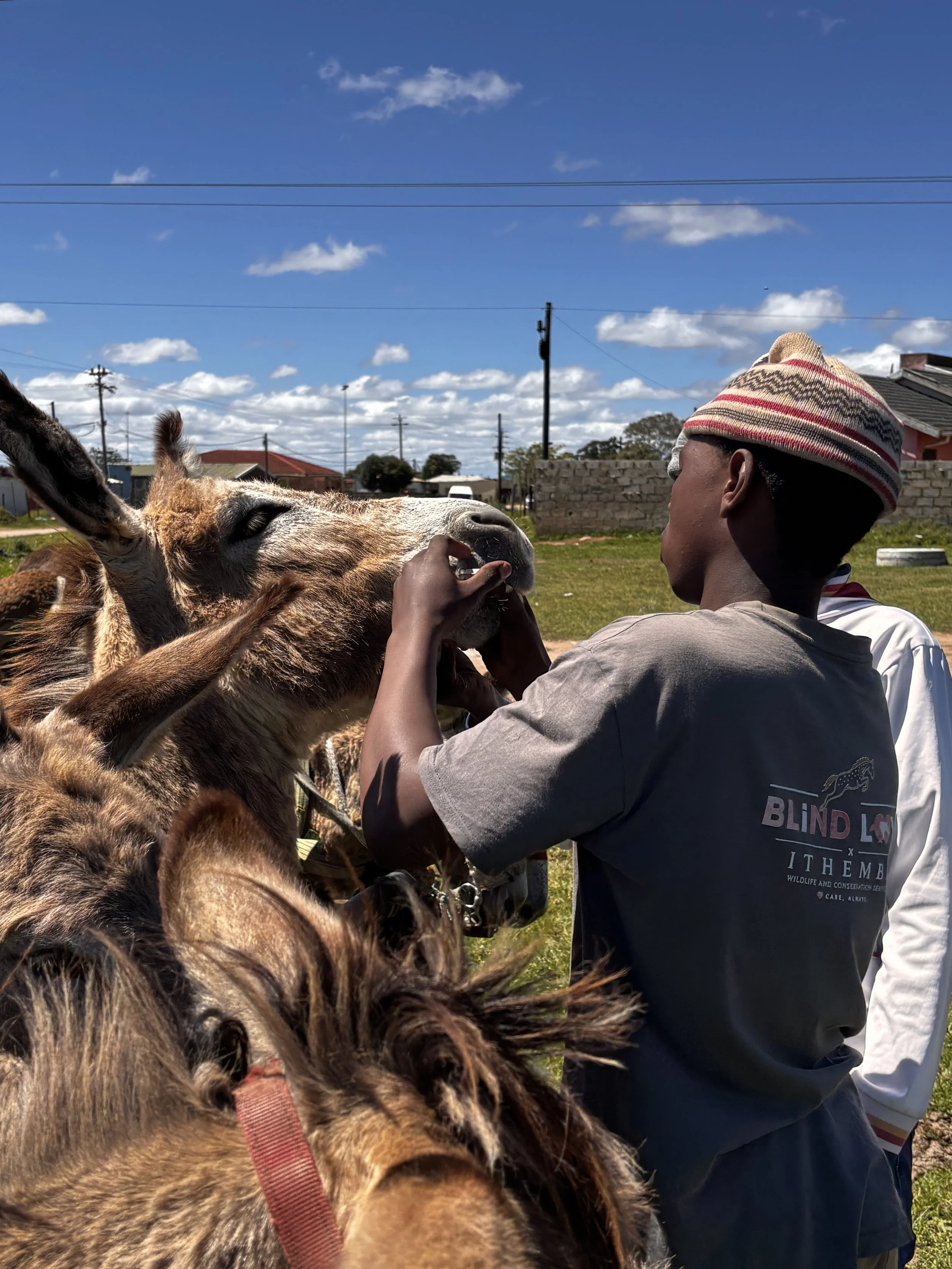
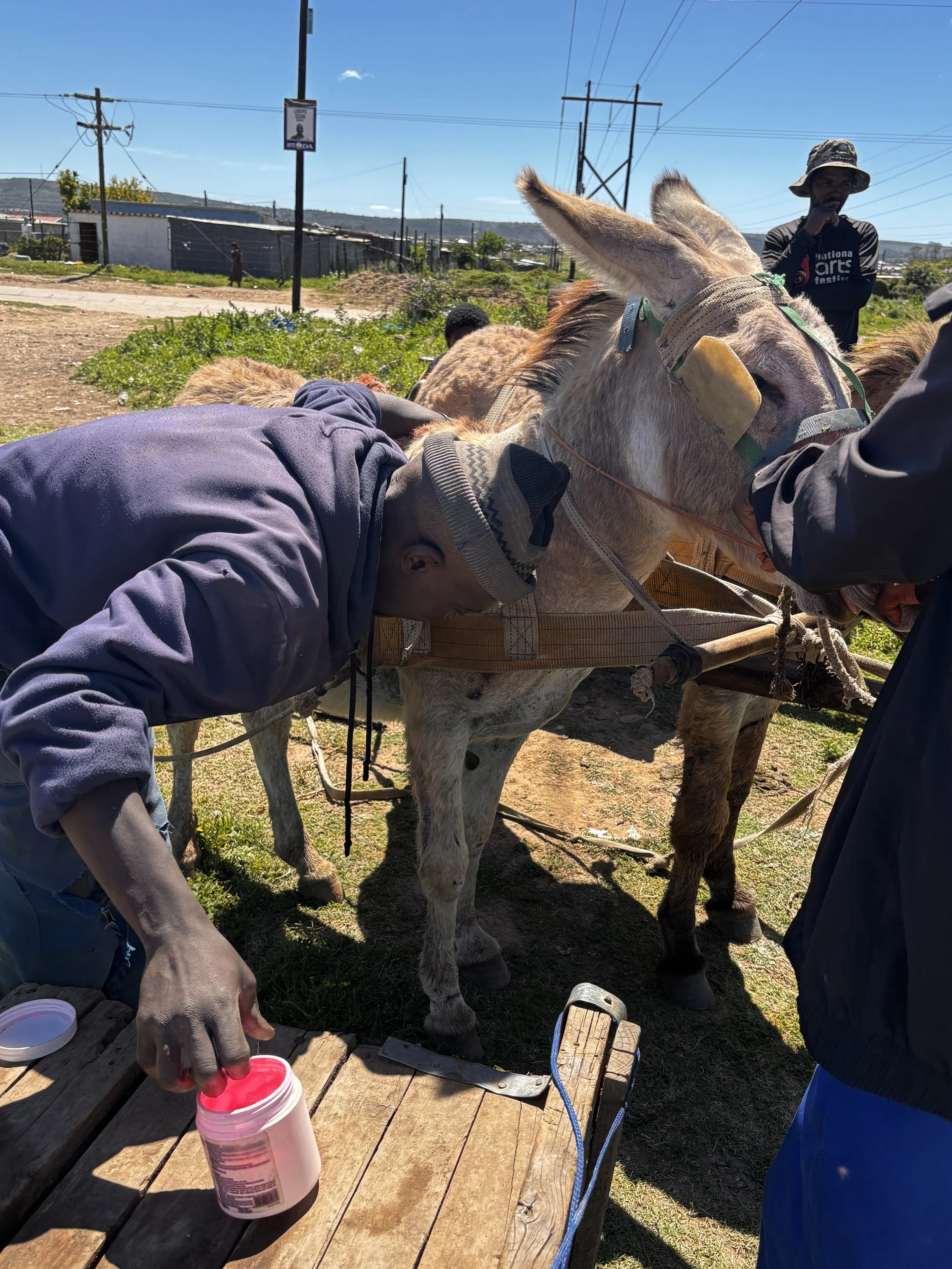
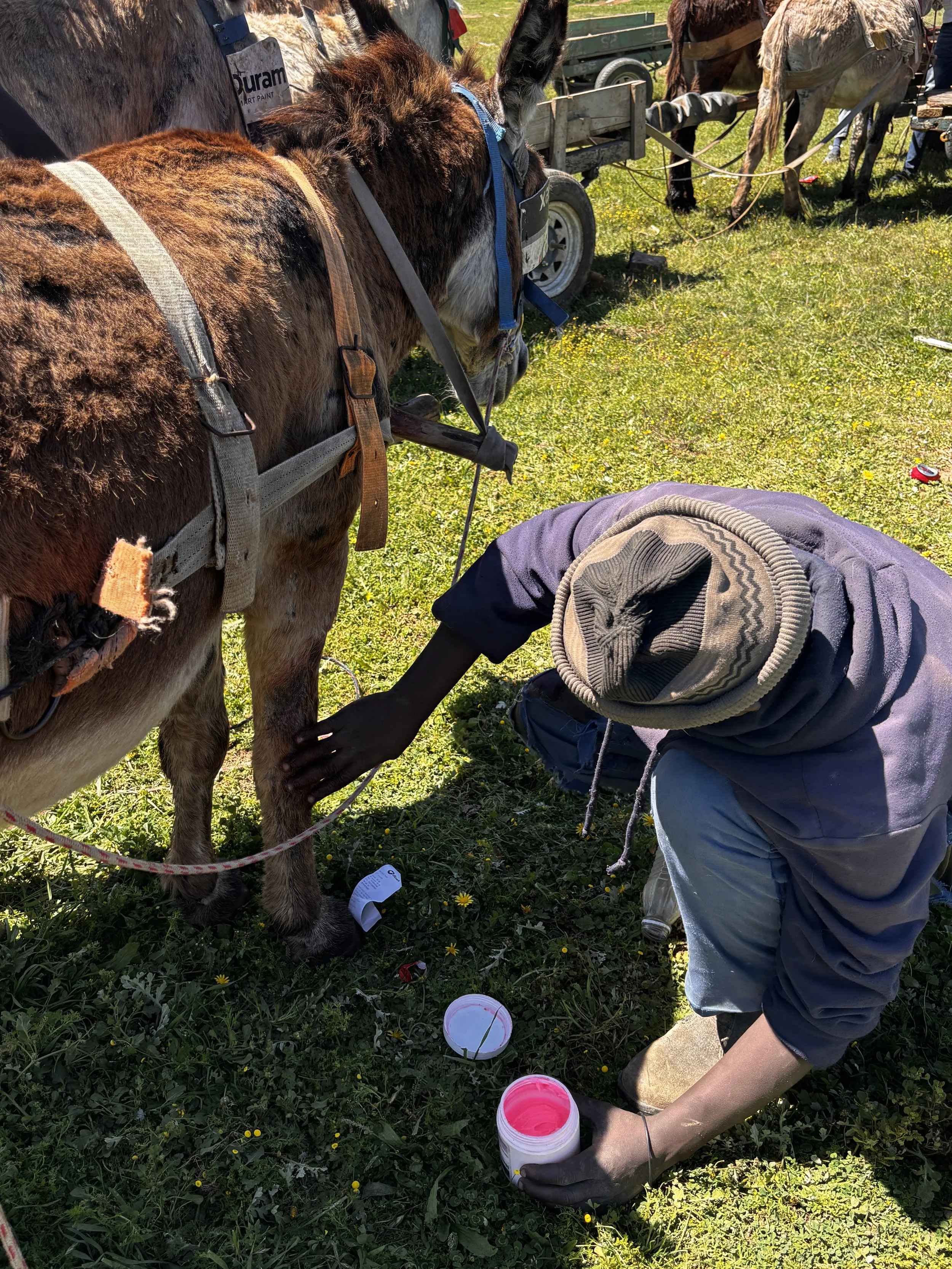
We were once again able to distribute new harnesses - generously funded by Animal Aid Abroad - to owners whose donkeys were working with unsuitable or damaged equipment.
These replacement harnesses remain an important part of our welfare programme, helping to prevent the painful wounds and injuries so commonly associated with poorly-fitting or inadequate harnessing.
Roxy’s story
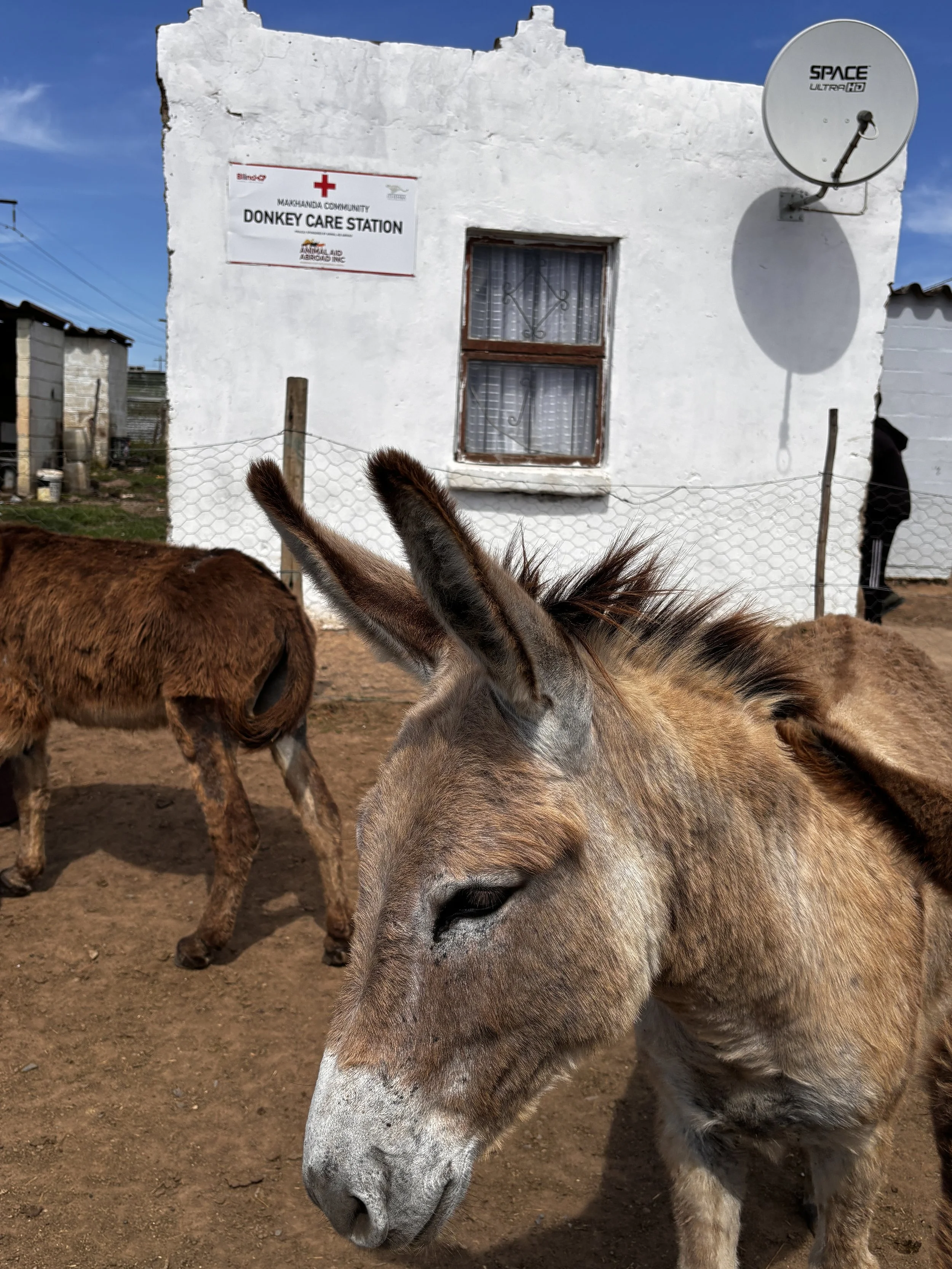
One particularly heartwarming visitor during the October outreach was little Roxy! Roxy spent more than three months at our Community Donkey Care Station recovering from a horrific injury, after her hoof was almost completely severed by a bush cutter.
Her recovery required extensive treatment, daily wound care and dedicated nursing by Michael, under the guidance of Dr Annie Mears. Thankfully, Roxy recovered sufficiently to return home.
What makes her story particularly special is that Roxy now regularly returns to the Care Station of her own accord, apparently just to say hello and see whether there might be a little food treat waiting for her!
It is incredibly rewarding to see a donkey who endured such a traumatic injury not only recover, but return so willingly to the very place where she spent months receiving treatment.
Roxy’s story is a wonderful example of the difference that accessible community-based healthcare, consistent follow-up treatment and dedicated nursing can make to the lives of working donkeys.
Burn Injury – Care Station Treatment
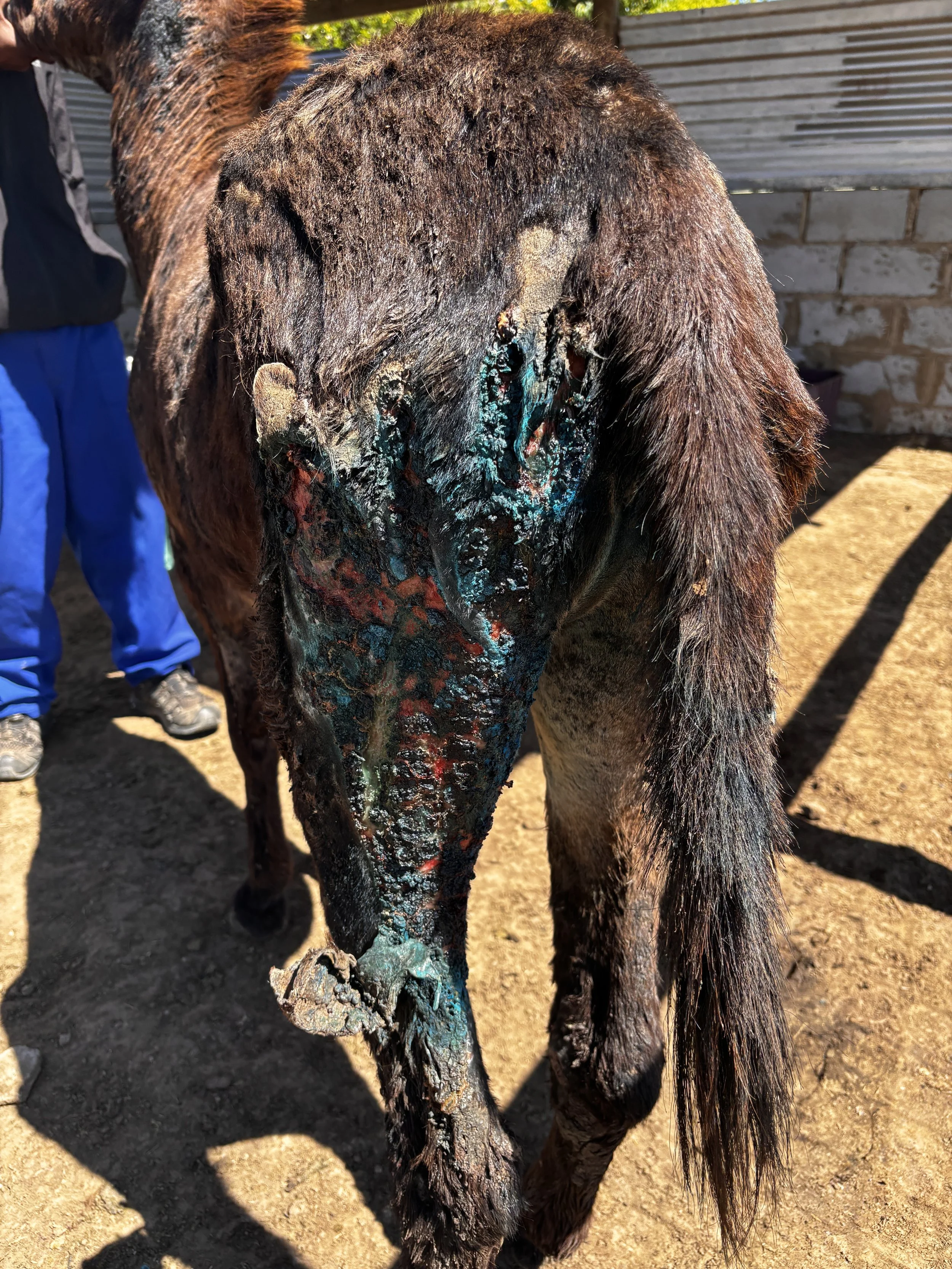
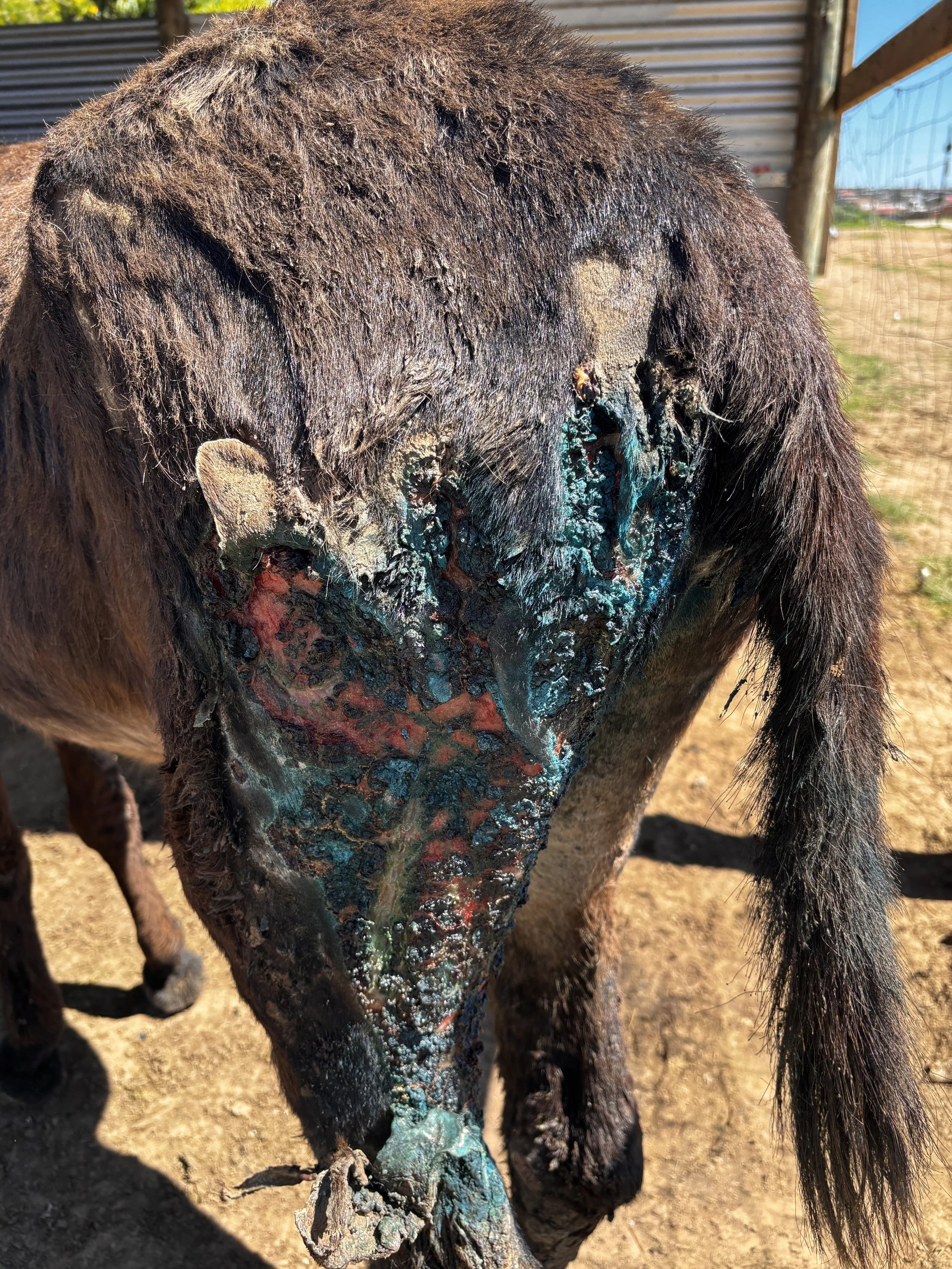
Another donkey was brought to the Care Station on the 24th of October suffering from a significant burn injury. The burn appeared to be an older injury, but still required attention.
Michael carefully cleaned and treated the affected area, following the wound care procedures previously demonstrated to him by Dr Annie Mears.
This case once again highlighted the importance of the practical training and experience Michael has gained through his work at the Care Station.
His ability to recognise injuries, provide immediate treatment and continue appropriate wound care is proving invaluable to donkey owners within the community.
The Care Station continues to provide an accessible point of care for injured animals, allowing treatment to begin promptly rather than leaving wounds unattended.
SANCTUARY NEWS
25 Donkeys Rescued from an Illegal Abattoir
On the 29th of October, Blind Love welcomed 25 donkeys who were rescued following a raid on an illegal abattoir outside Grahamstown. These 25 survivors had been caught up in the horrific donkey skin trade, and their rescue brought home the devastating reality of this trade.
The arrival of so many vulnerable donkeys at once was an enormous undertaking for our sanctuary, both practically and emotionally. Overnight, we found ourselves responsible for another 25 lives - each deserving safety, proper care and the opportunity to recover from what they had endured.
Their rescue attracted widespread national media and news coverage, drawing considerable public attention to the illegal slaughter of donkeys and the serious welfare concerns surrounding this trade.
While the circumstances that brought these animals into our care were deeply distressing, we are enormously grateful that these 25 donkeys survived and now have the opportunity to live out their lives in safety.
Their arrival has placed considerable additional demands on our sanctuary’s resources, particularly in terms of feed, grazing, shelter and ongoing care. However, after everything these donkeys have been through, we are determined to give them the future they deserve.
A Month of Heartbreak and Bittersweet New Beginnings
While October was an extraordinary month in terms of our outreach and veterinary activities, it was also an exceptionally emotional and heartbreaking month for everyone at Blind Love.
On the 8th of October, we said a very sad goodbye to our beloved Marmite. Just five days later, we faced another devastating farewell when we lost our magnificent old donkey, Wollie.
Both Marmite and Wollie were incredibly special members of our sanctuary family. They were beautiful souls whose gentle presence and characters touched us deeply. Saying goodbye to them was heartbreaking.
Then, in a surprising and bittersweet turn of events, on the 15th of October, we welcomed Wollie’s elderly brother - Buzzazzi - into the sanctuary. The resemblance between the two is quite remarkable!
There is something deeply moving about having to say goodbye to one much-loved old donkey, only to welcome his brother into our care almost immediately afterwards.
Although nothing could ever replace our dear Wol, there is enormous comfort knowing his brother will now spend his remaining years surrounded by love, kindness and the security of sanctuary life.
October was a month that reminded us just how closely heartbreak and hope are intertwined in animal welfare work.
ACKNOWLEDGEMENT
Blind Love would like to sincerely thank Animal Aid Abroad and your donors for your continued support of our Working Horse and Working Donkey Programmes.
October was, without question, one of the most extraordinary months we have experienced.
It was a month of significant achievements, tremendous logistical challenges and considerable physical, mental and emotional demands on everyone involved.
Alongside our regular outreach commitments, we undertook a ground-breaking AHS vaccination initiative, and provided essential healthcare to working horses and donkeys across both provinces.
Your funding of primary healthcare medications, harness replacements and regular outreaches enables us to provide consistent, practical assistance to working equines and their owners.
The continued development of our Community Care Stations is particularly encouraging. We are seeing increasing numbers of owners bringing their animals forward for treatment, and animals such as little Roxy are wonderful reminders of what sustained care and commitment can achieve.
October was a month of heartbreak, hope and remarkable progress.
Despite the challenges, we remain deeply committed to improving the lives of the working horses and donkeys who depend on us. Thank you so much for your support and for continuing to be part of this journey.