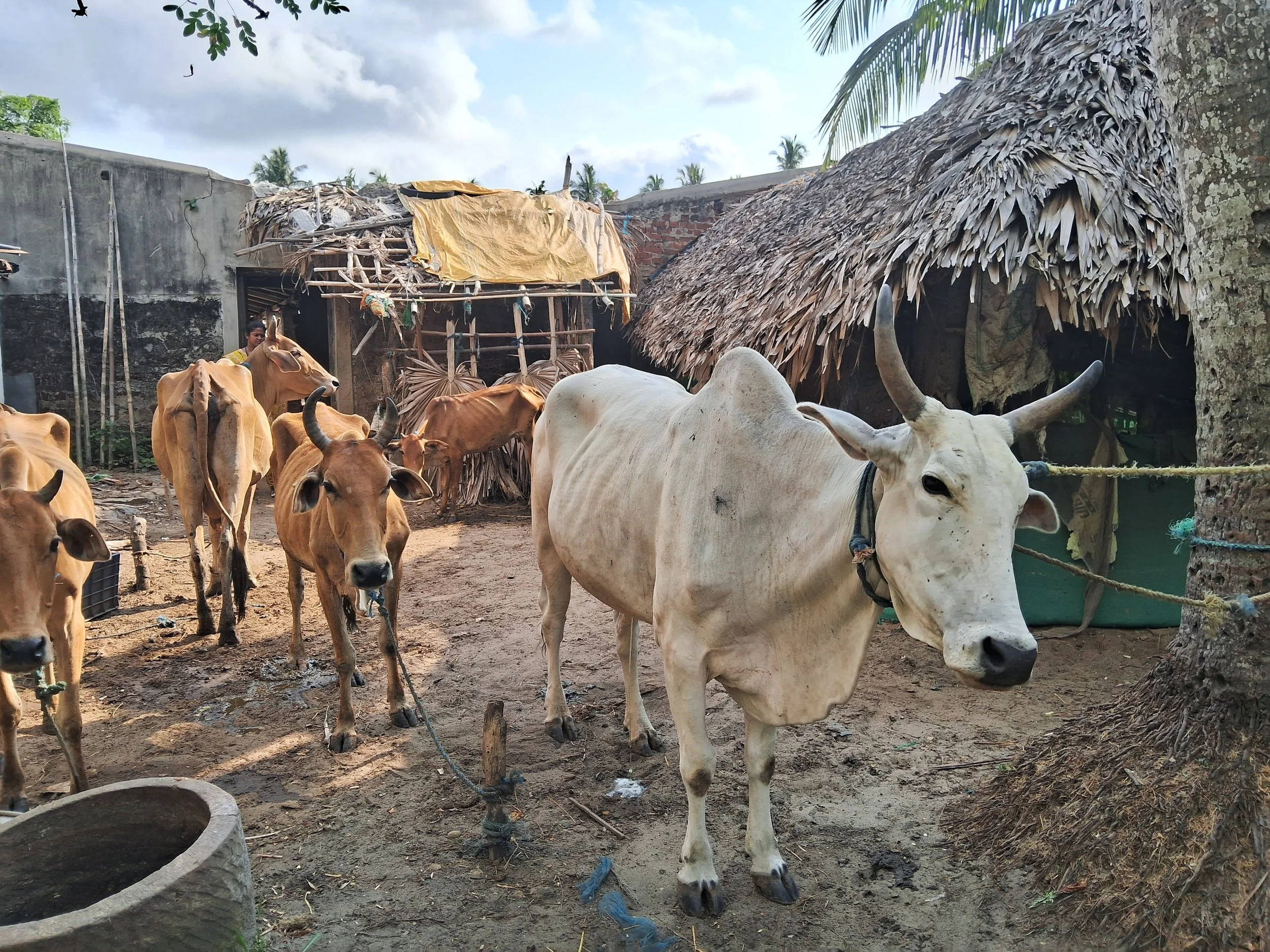
In October, one of our partner groups in India - Action for Protection of Wild Animals (APOWA) - provided free veterinary care for 106 working horses and bullocks. They also educated owners about animal welfare and encouraged community participation. See how your compassionate donations are giving working animals in India dignified lives worth living.
Summary
APOWA continued to strengthen working animal health and welfare through veterinary services, owner education and community participation.
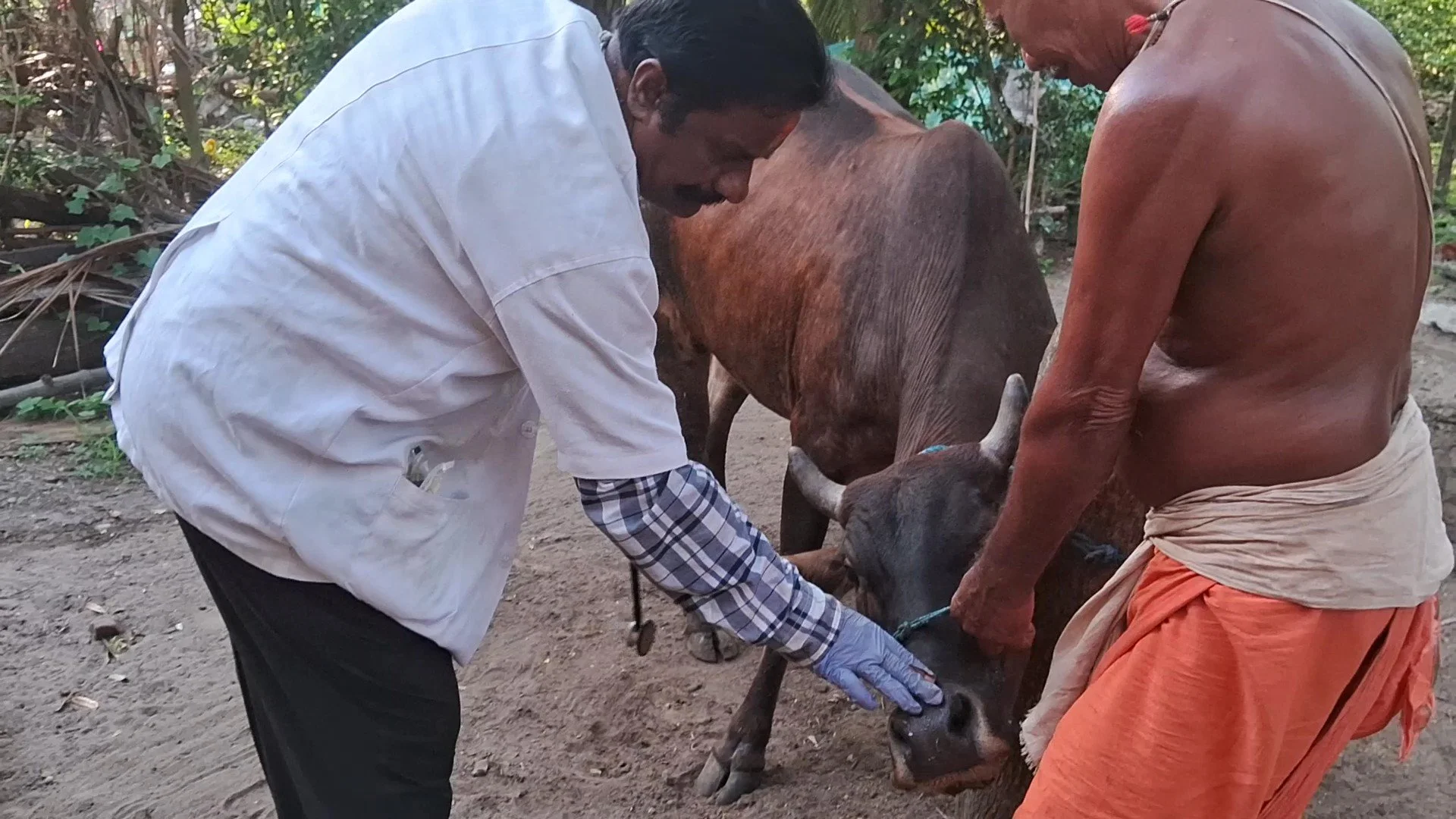
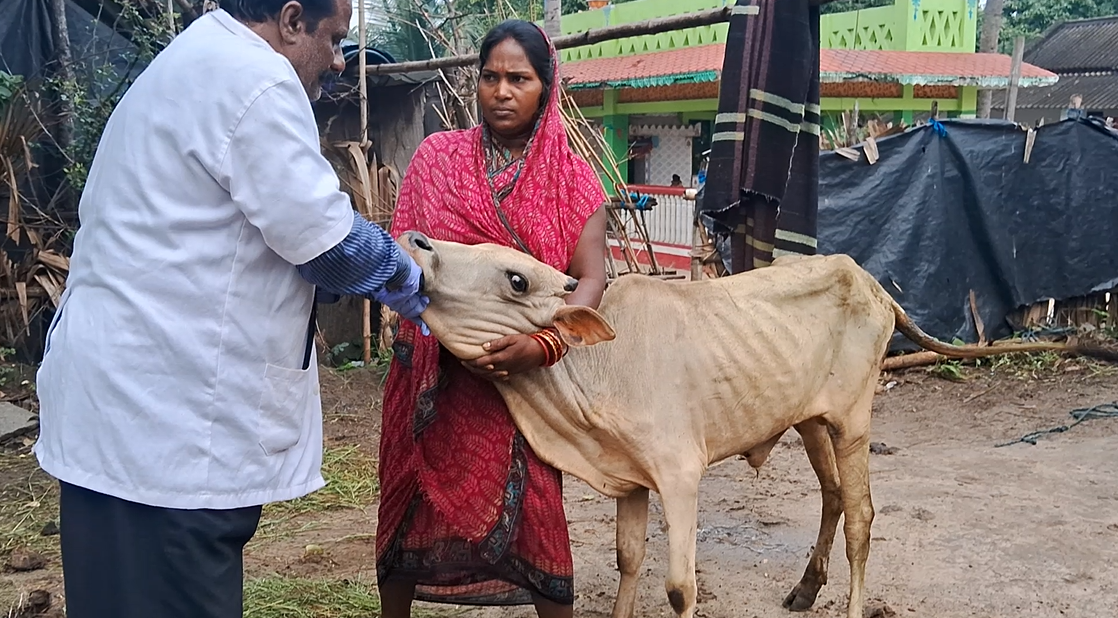
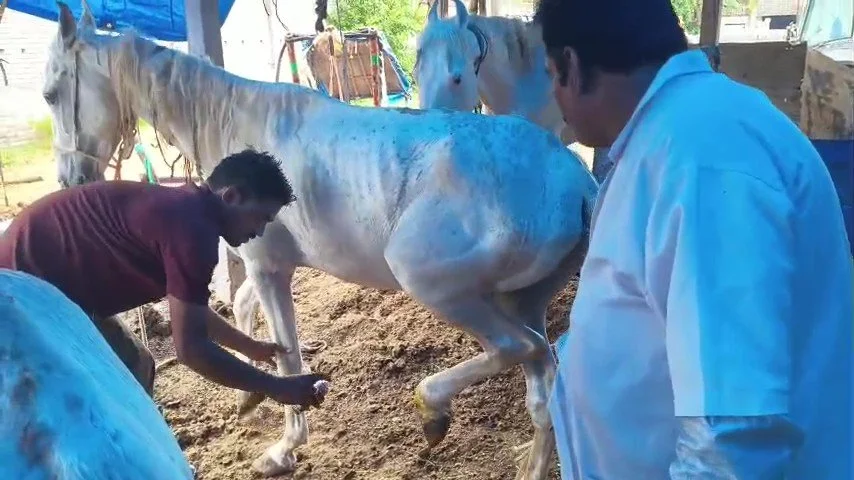
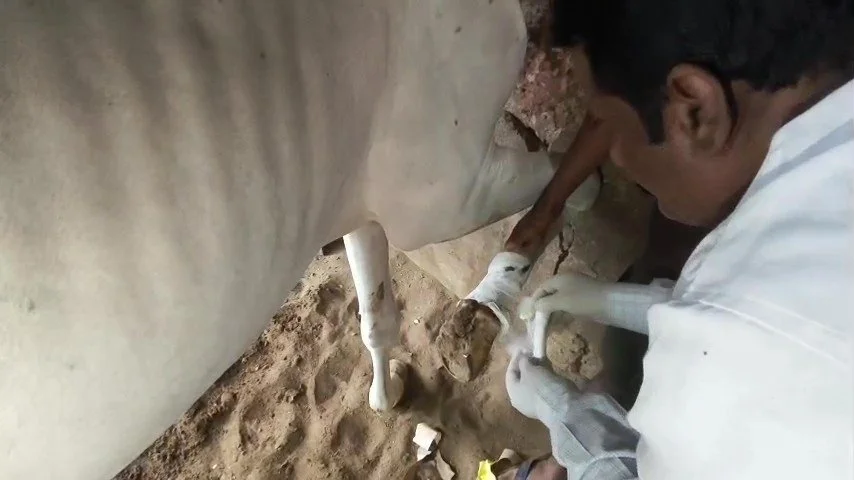
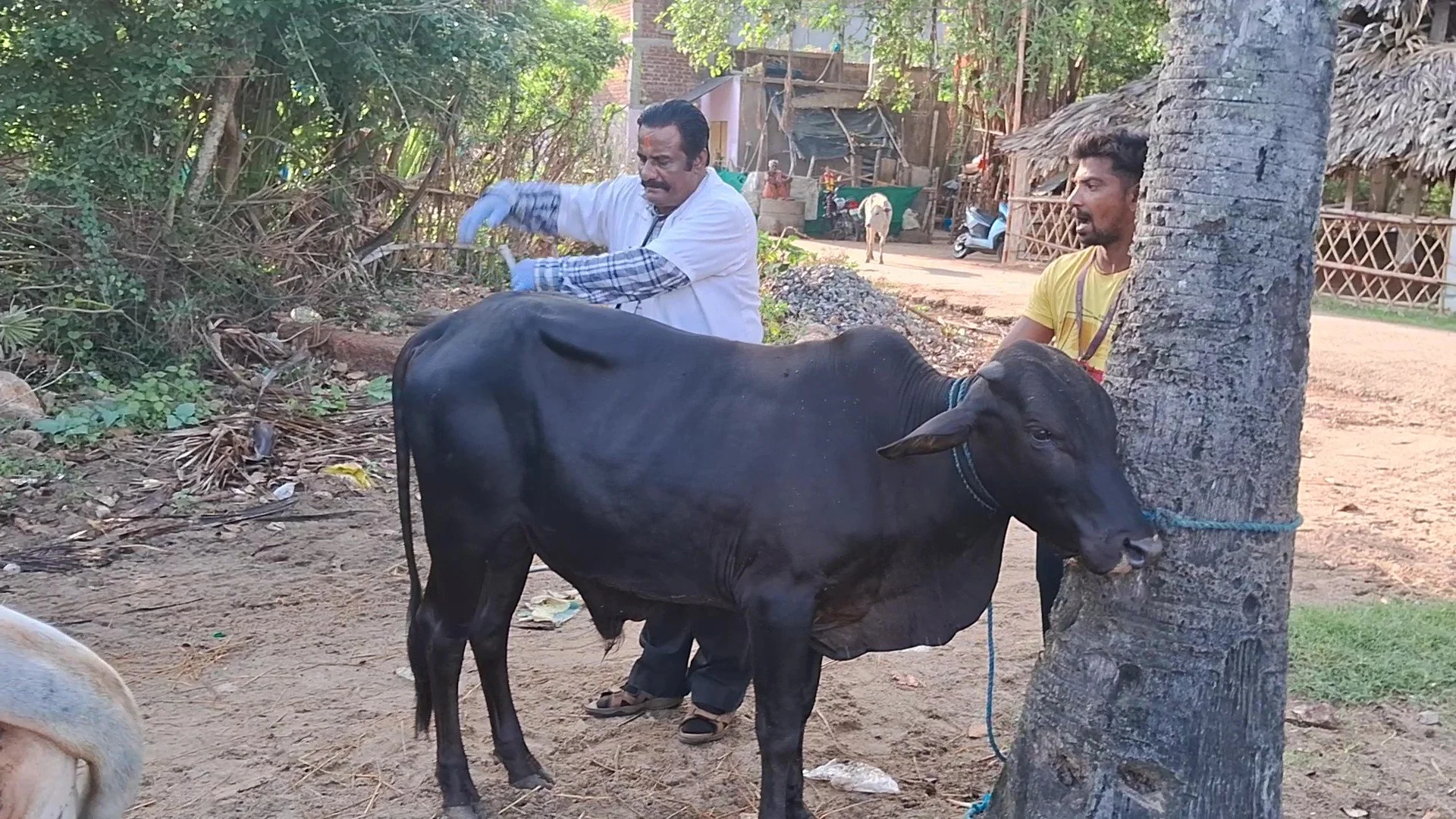
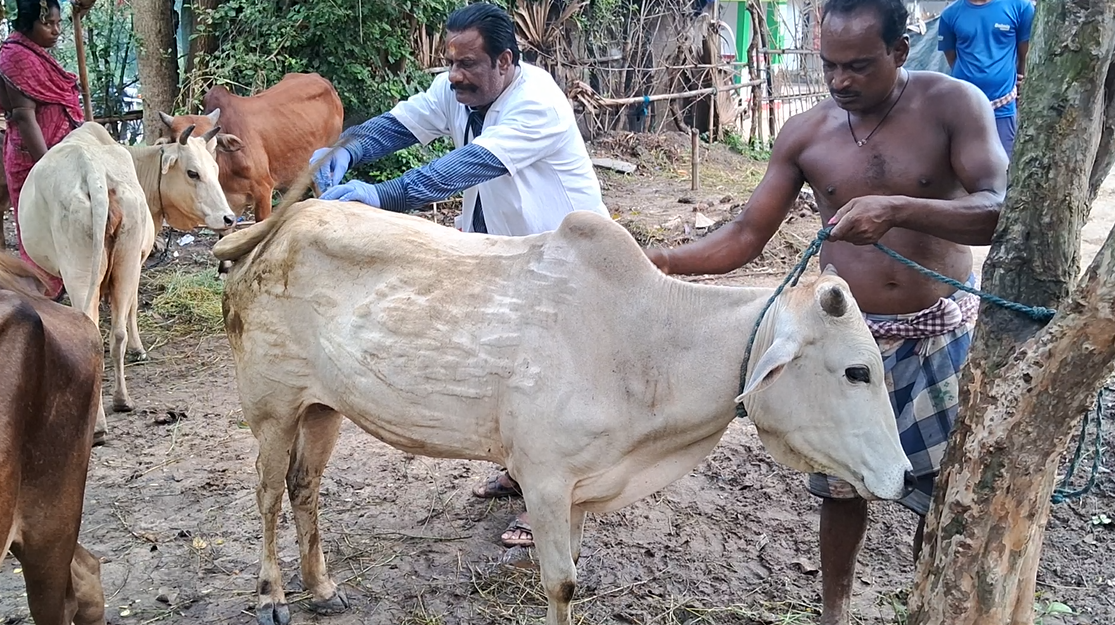
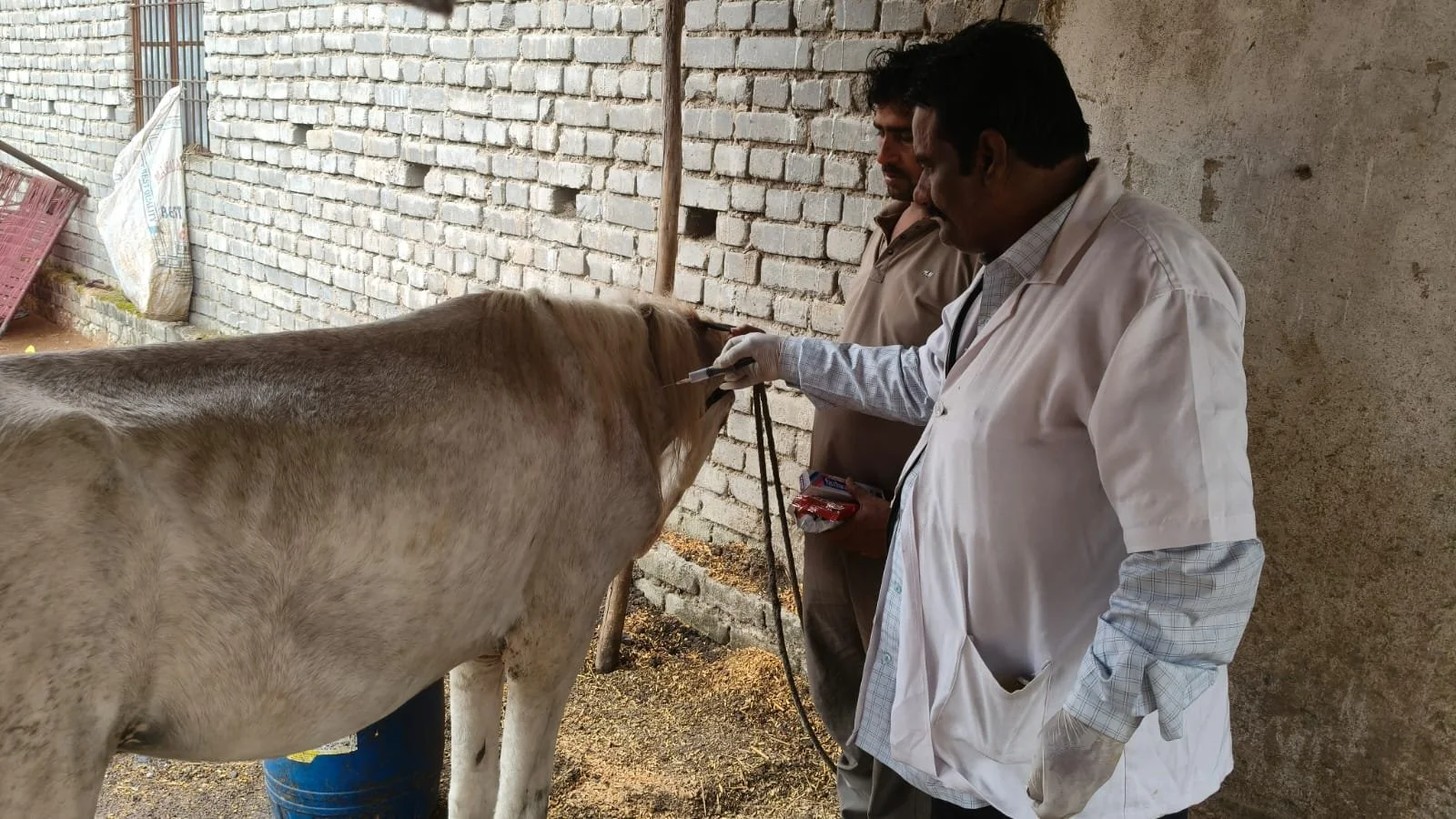
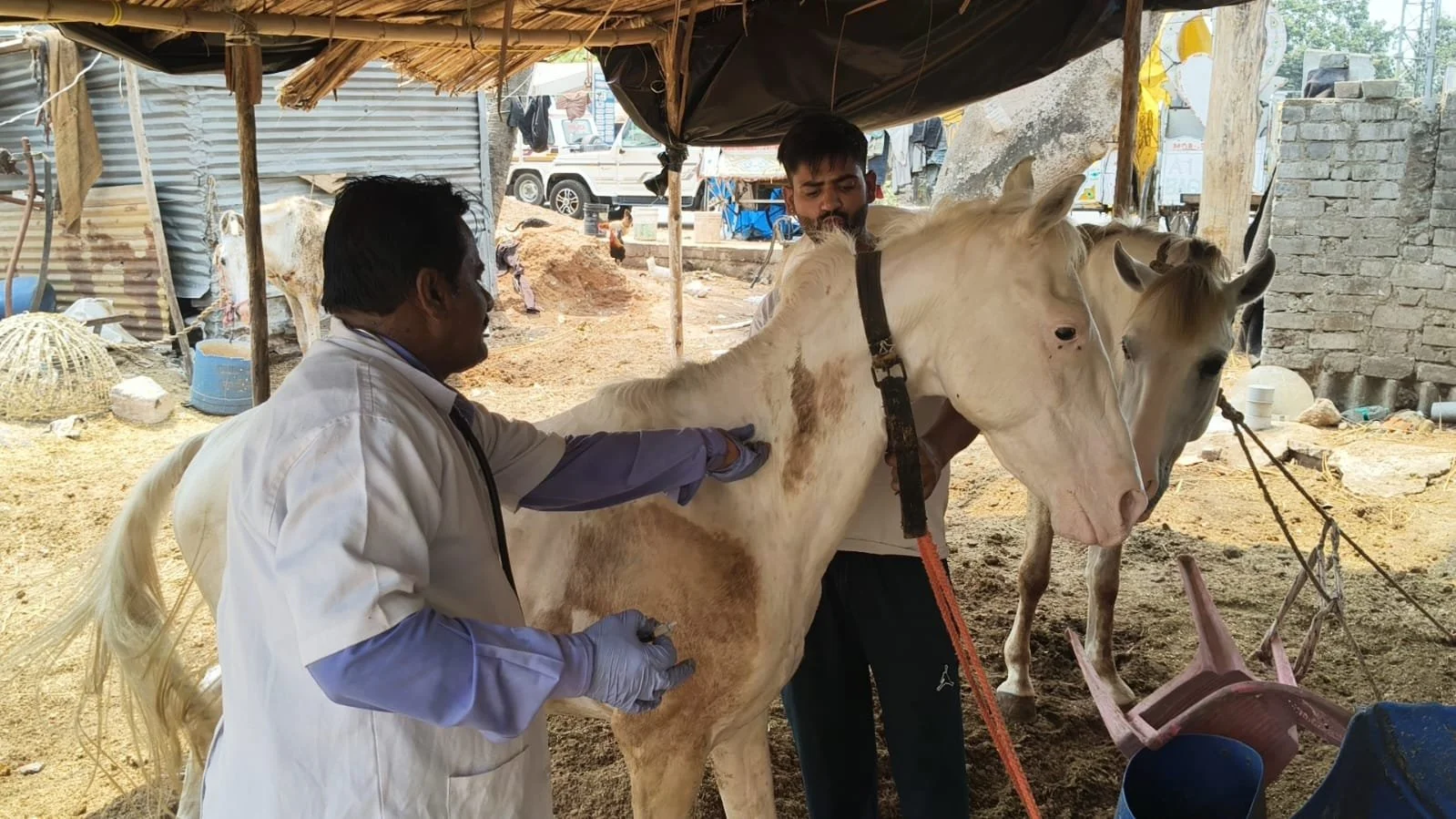
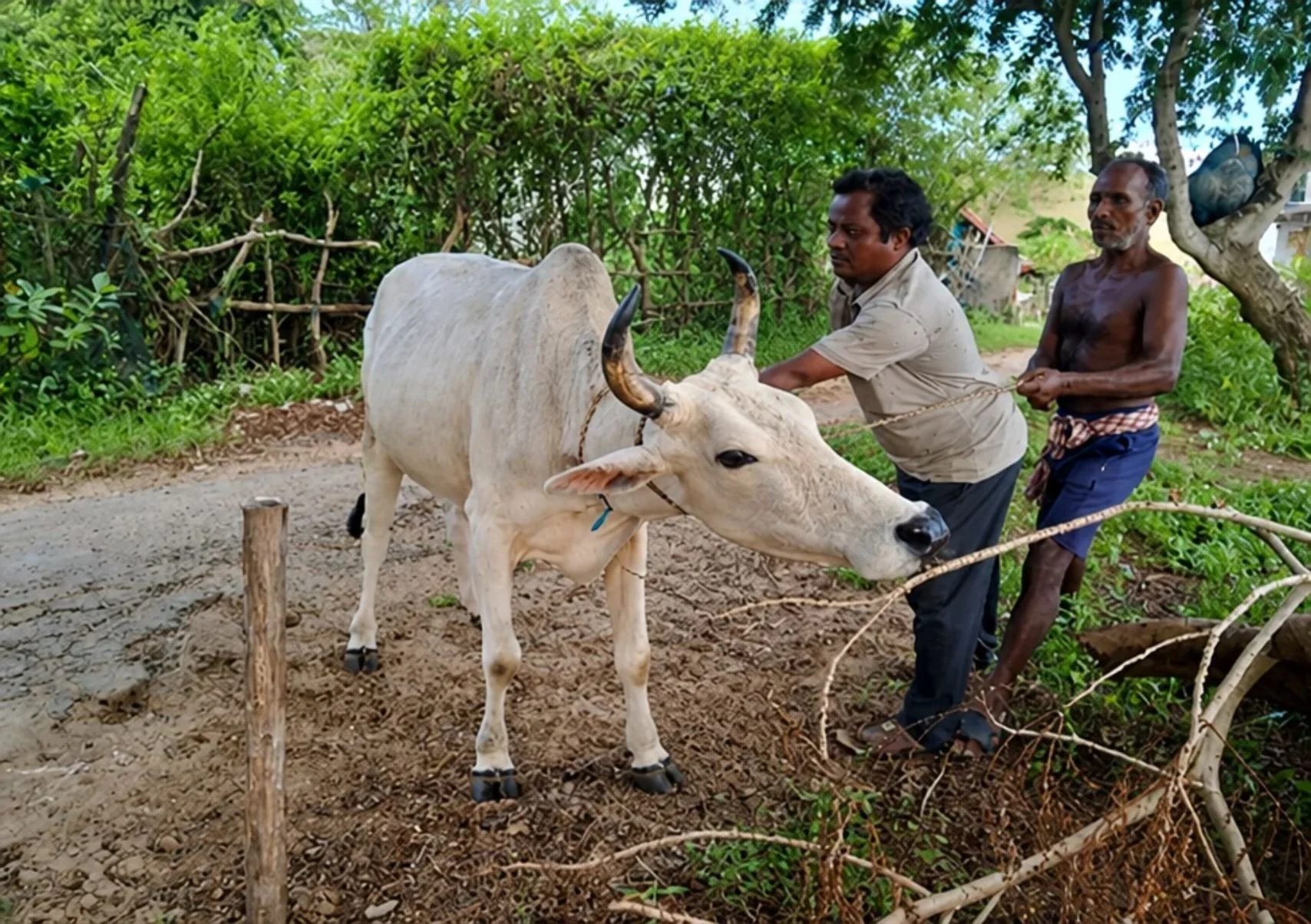
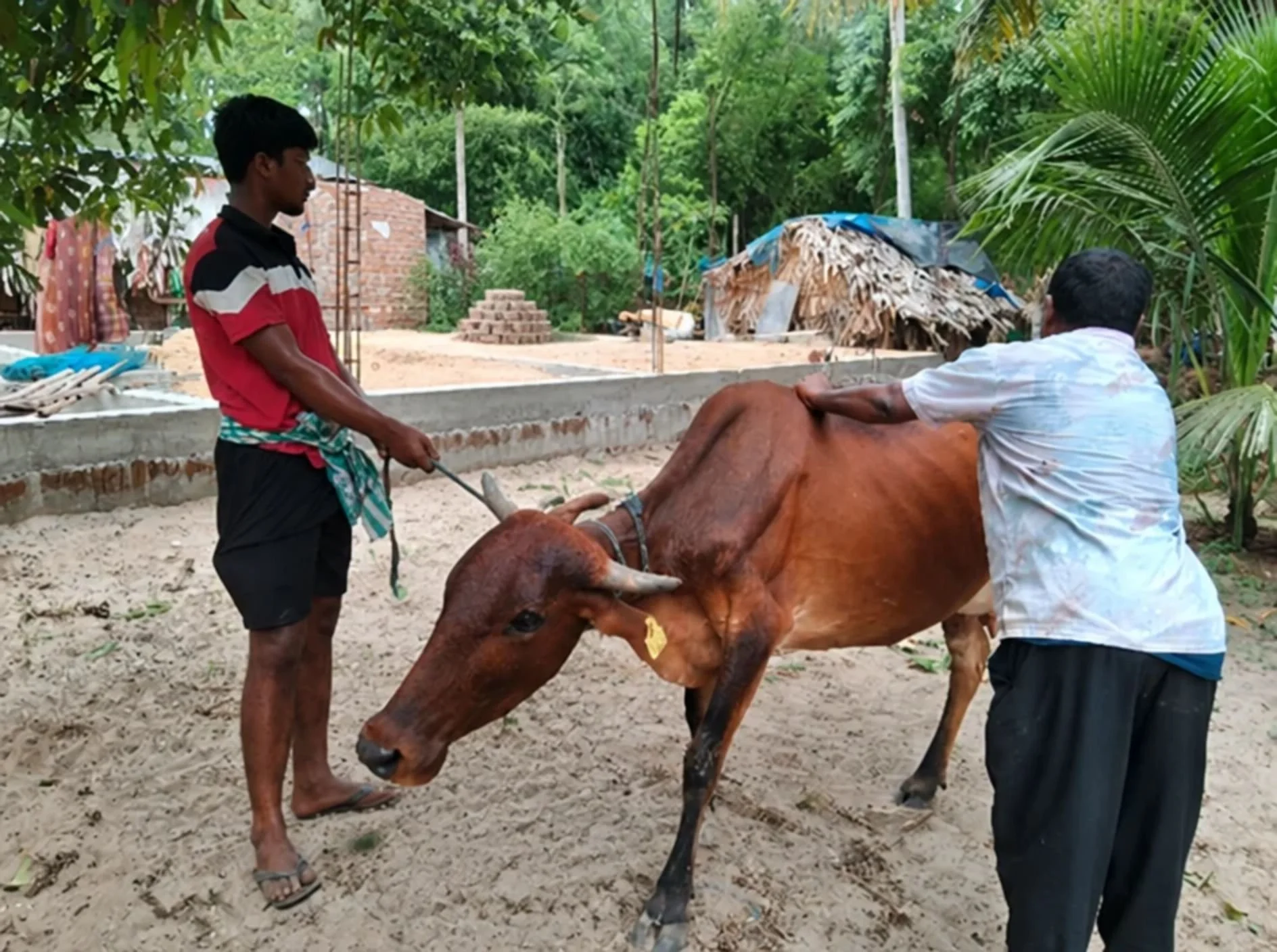
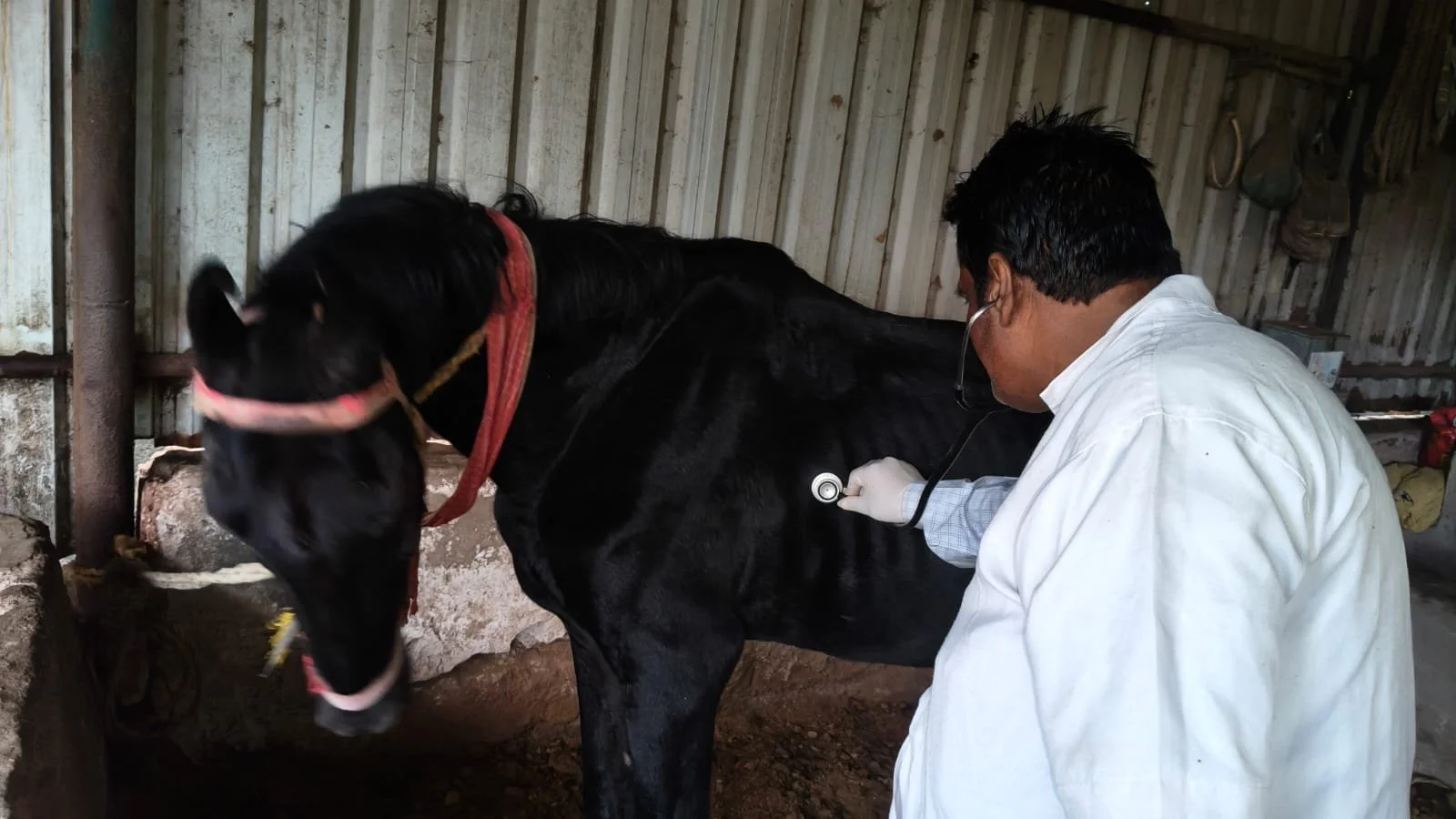
The Mobile Veterinary Clinic treated 106 working animals, including 25 horses and 81 bullocks, for various health conditions. These included fever, respiratory and digestive disorders, wounds, abscesses, eye infections, skin problems and nutritional deficiencies.
Owners received guidance on feeding, hygiene, wound care, humane handling and routine animal management.
Our free veterinary helpline further assisted animal owners by providing health-related advice and guidance.
APOWA promoted timely vaccination, early reporting of illness and improved animal care practices.
Overall, these efforts enhanced access to veterinary services, strengthened owners’ knowledge, and encouraged community participation to improve the health and welfare of working animals.
Mobile Veterinary Clinic
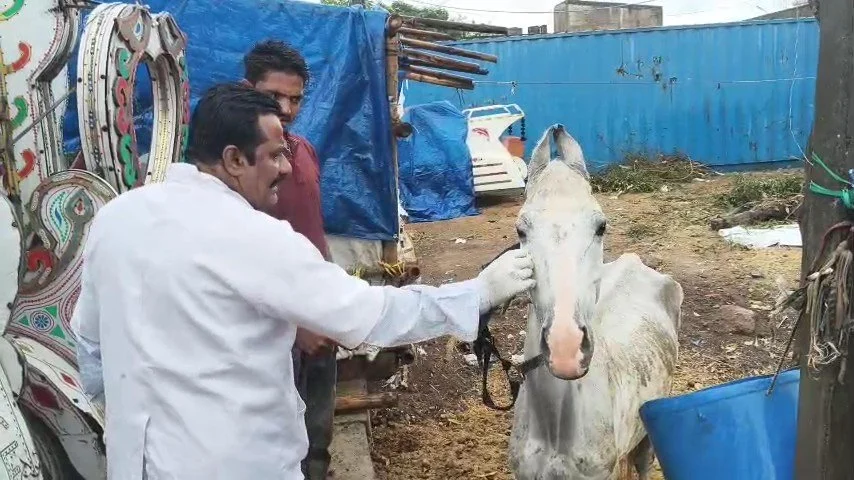
The Mobile Veterinary Clinic continued its outreach to remote and underserved areas, ensuring that working animals like bullocks and horses received necessary veterinary attention.
Regular field visits enabled the veterinary team to assess animal health, identify illnesses, administer suitable treatments, and provide owners with practical advice on animal care and management.
Health conditions frequently seen included:
Fever and other infectious diseases
Eye infections
Respiratory and digestive disorders
Skin ailments and other dermatological conditions
Abscesses, wounds and associated infections
Internal and external parasitic infestations
During October, 106 working animals - mainly bullocks and horses - received veterinary treatment. A further three animals had routine health examinations and were found to be in satisfactory condition. Their owners were advised on proper nutrition, hygiene and preventive healthcare.
The veterinary team emphasised the importance of recognising early symptoms of illness and seeking professional assistance promptly. Ongoing field visits and follow-ups helped us to monitor animal health and address additional concerns whenever necessary.
Vaccination Drive
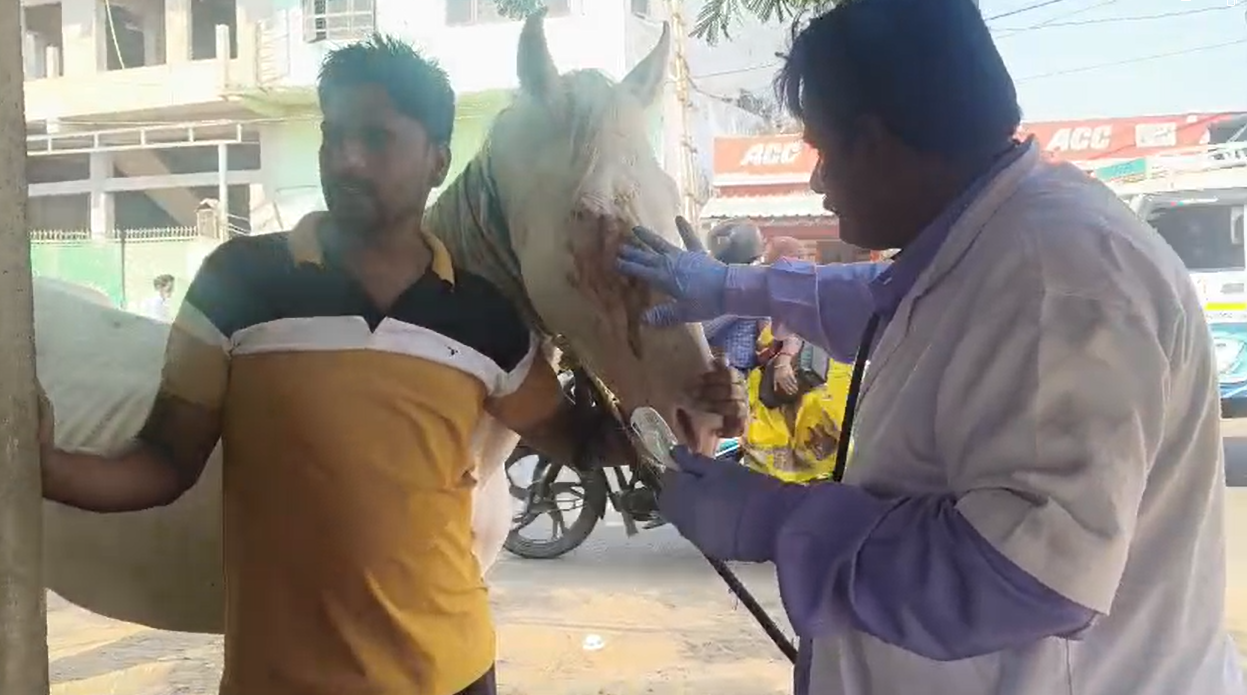
During October, APOWA vaccinated 551 working animals against Lumpy Skin Disease to strengthen disease prevention and protection.
Helpline Service for Animal Owners
The veterinary helpline service assisted 24 working animal owners by addressing their queries related to animal health, feeding, care and management.
The service also helped owners to respond to health concerns at an early stage and access appropriate veterinary assistance whenever required.
First-Aid Care for Working Animals
Trained community members provided first-aid assistance to 52 working animals to address minor injuries and health concerns.
They also guided owners on nutrition, hygiene, shelter, humane handling and routine care, while supporting early identification of illnesses and timely referral for veterinary treatment when needed.
Follow-up visits
The veterinary team visited 42 previously-treated working animals to assess their recovery and check for any continuing or new health issues. Owners were also educated on the importance of providing clean drinking water, maintaining hygiene, ensuring appropriate feeding and safe shelter, and practising humane handling to promote recovery and animal welfare.
In addition, the team carried out post-vaccination monitoring for 28 working animals to check their health and responses to vaccination. These interactions helped to build owners’ confidence in vaccination, and encouraged ongoing attention to animal health and welfare.
With you by their side, APOWA can continue offering care, dignity and compassion for working horses and bullocks in need.