south african team remain committed to improving working equine welfare

Blind Love in South Africa faced several challenges during May, including high veterinary costs due to multiple critical cases and severe flooding at their Donkey Care Station. Despite this, they provided 65 horses and 28 donkeys with veterinary care and remain deeply committed to equine welfare.

See how your support is helping Blind Love continue their essential programs for working donkeys and horses:

Working Horses Outreach Program

Areas: Thaba ‘Nchu, Botshabelo, Cart Horse Rank and surrounding rural villages.

Total horses treated in May: 65

Outreach Dates & Activities:

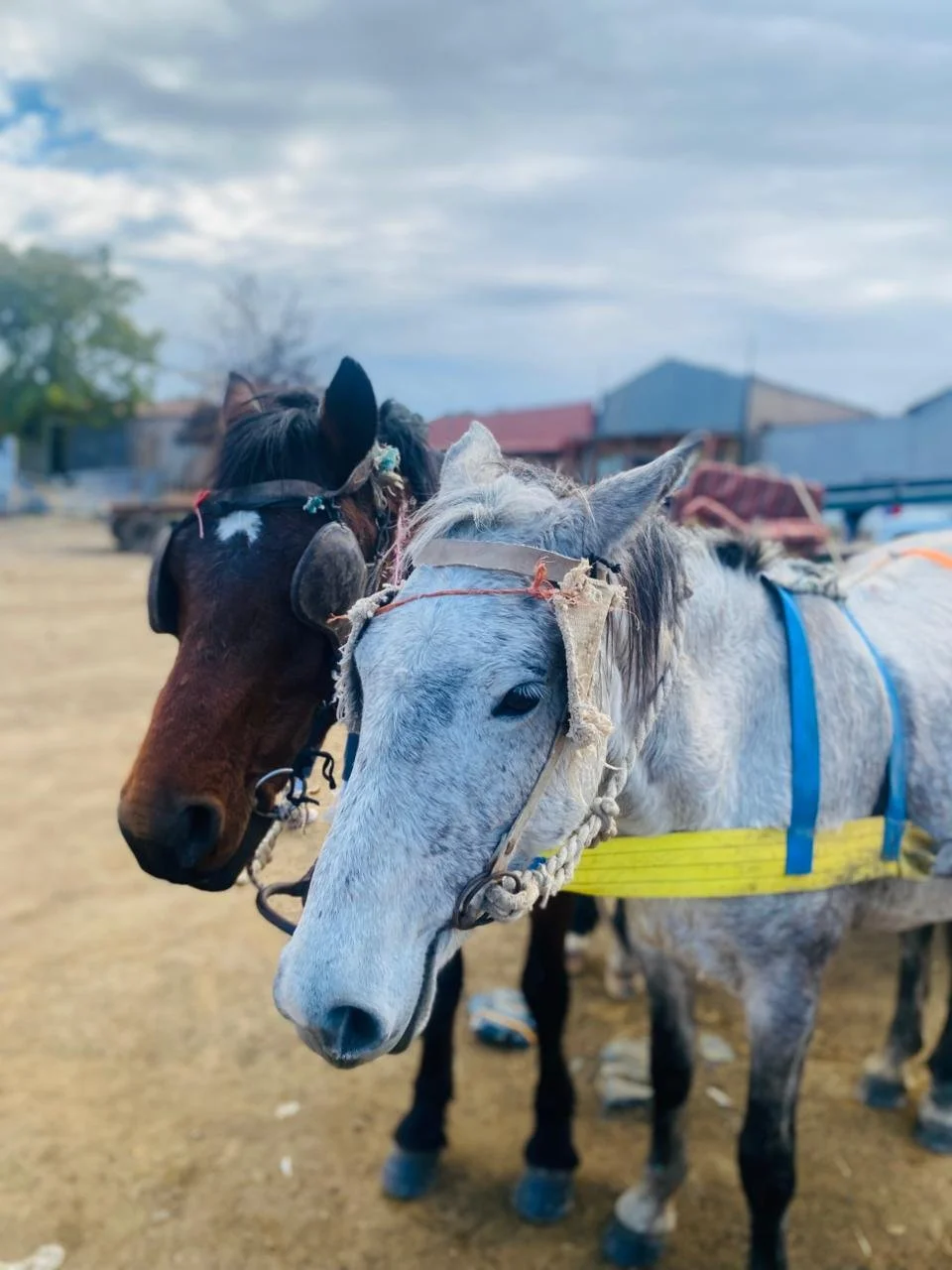
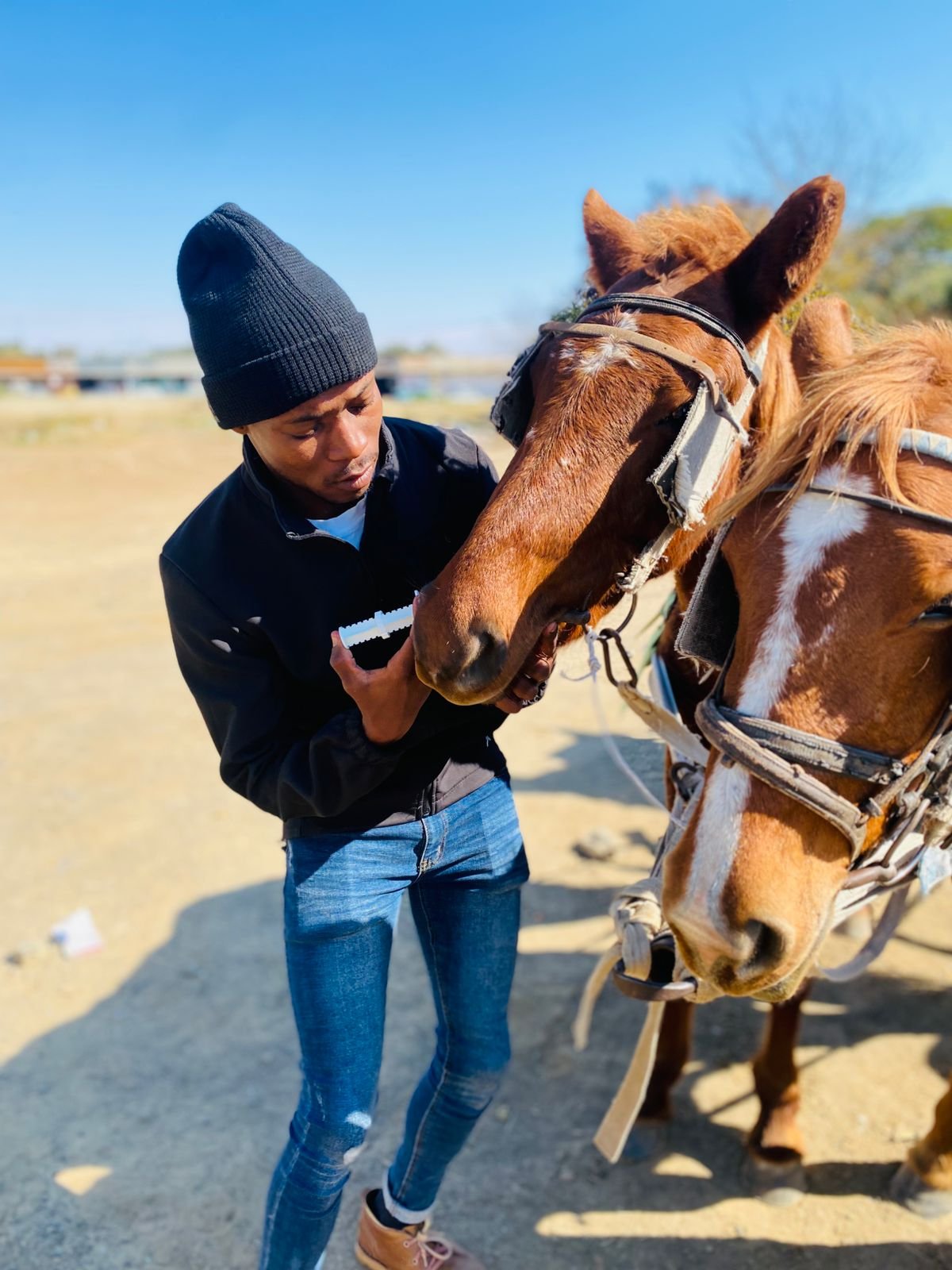
Seven outreach days were conducted in Thaba ‘Nchu and Botshabelo. All horses attending outreach clinics were individually assessed. Across all outreaches, horses received:

• Internal and external parasite control.

• General health assessments.

• Harness checks, adjustments and replacement where needed.

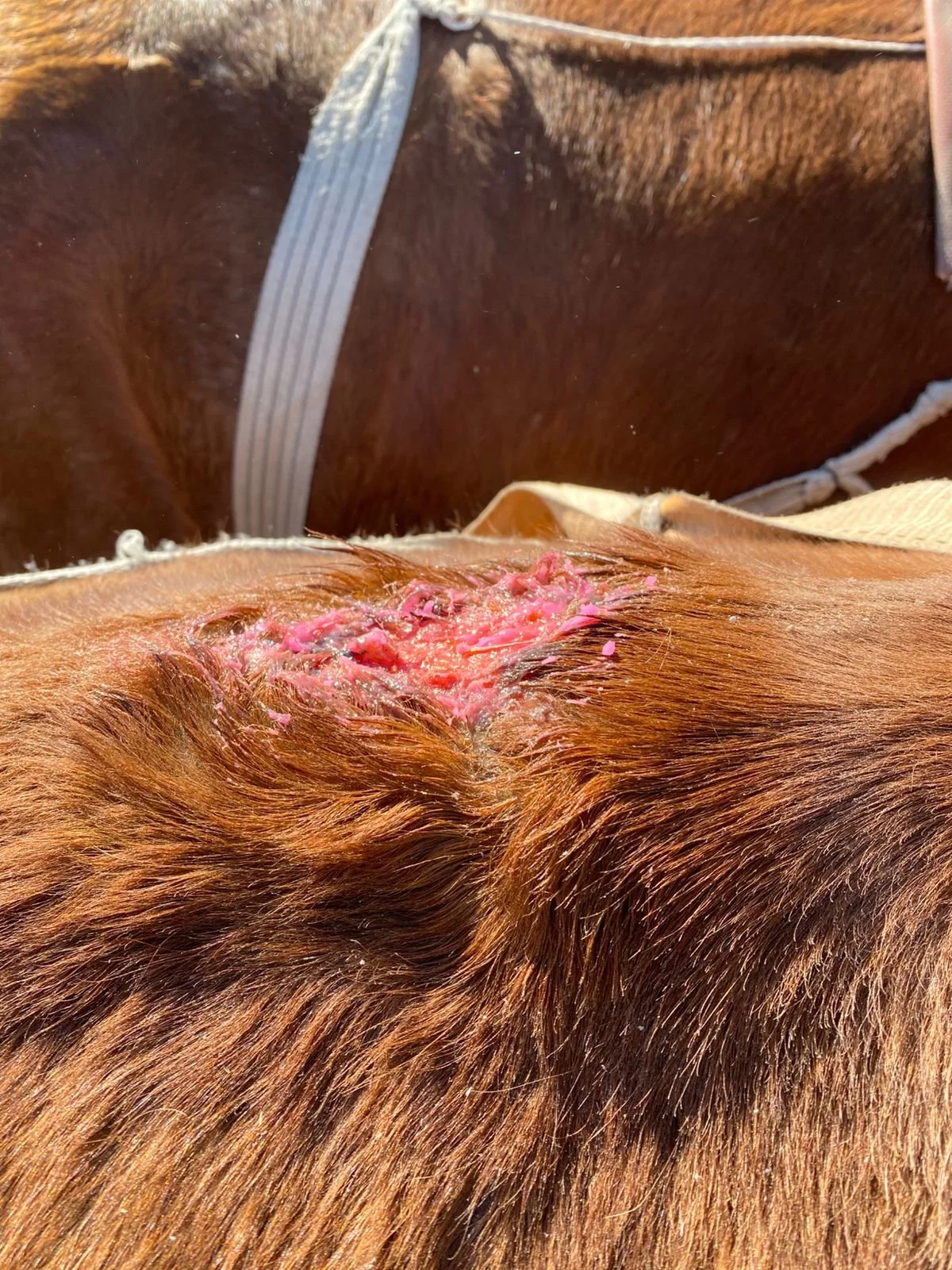
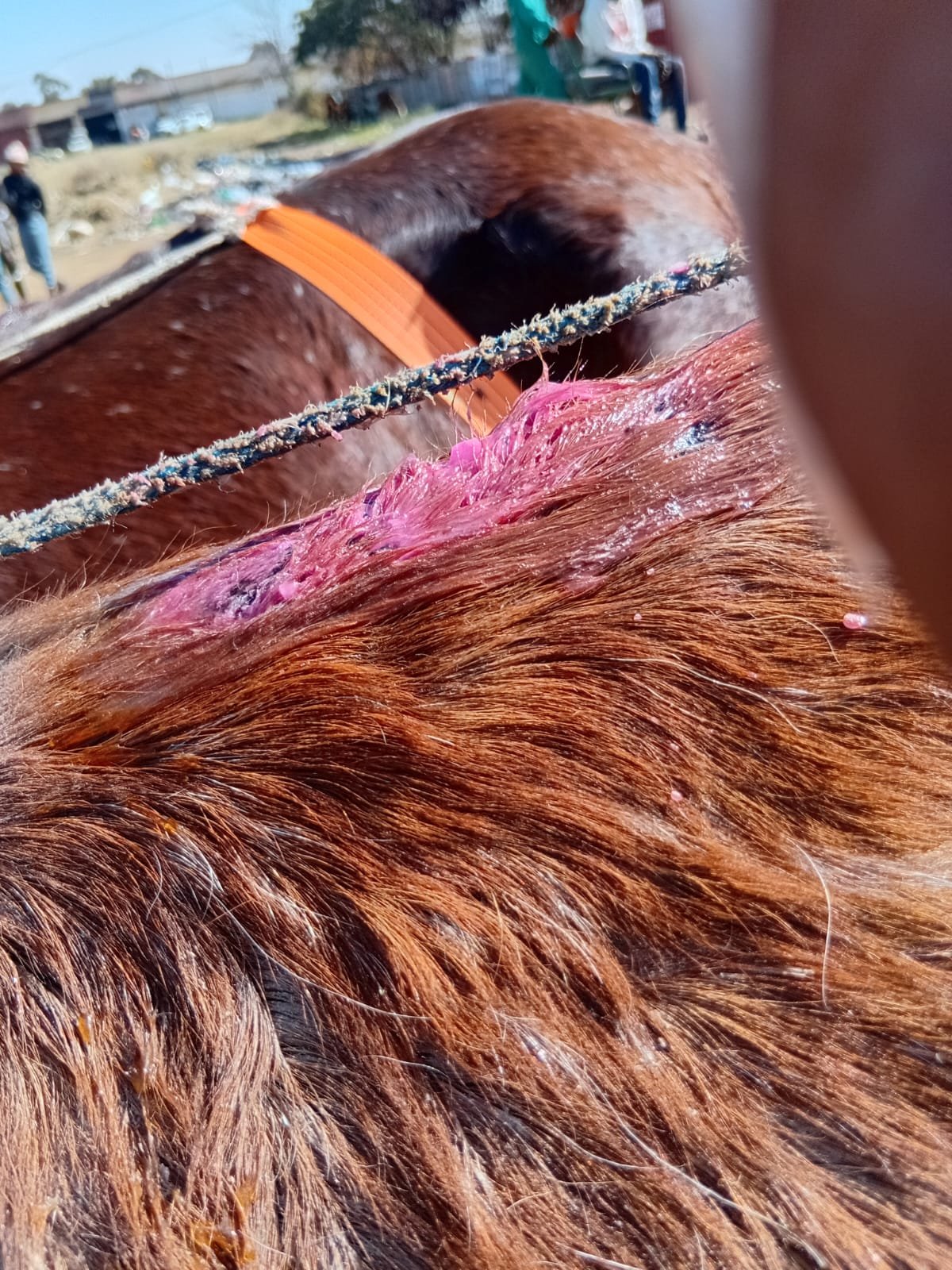
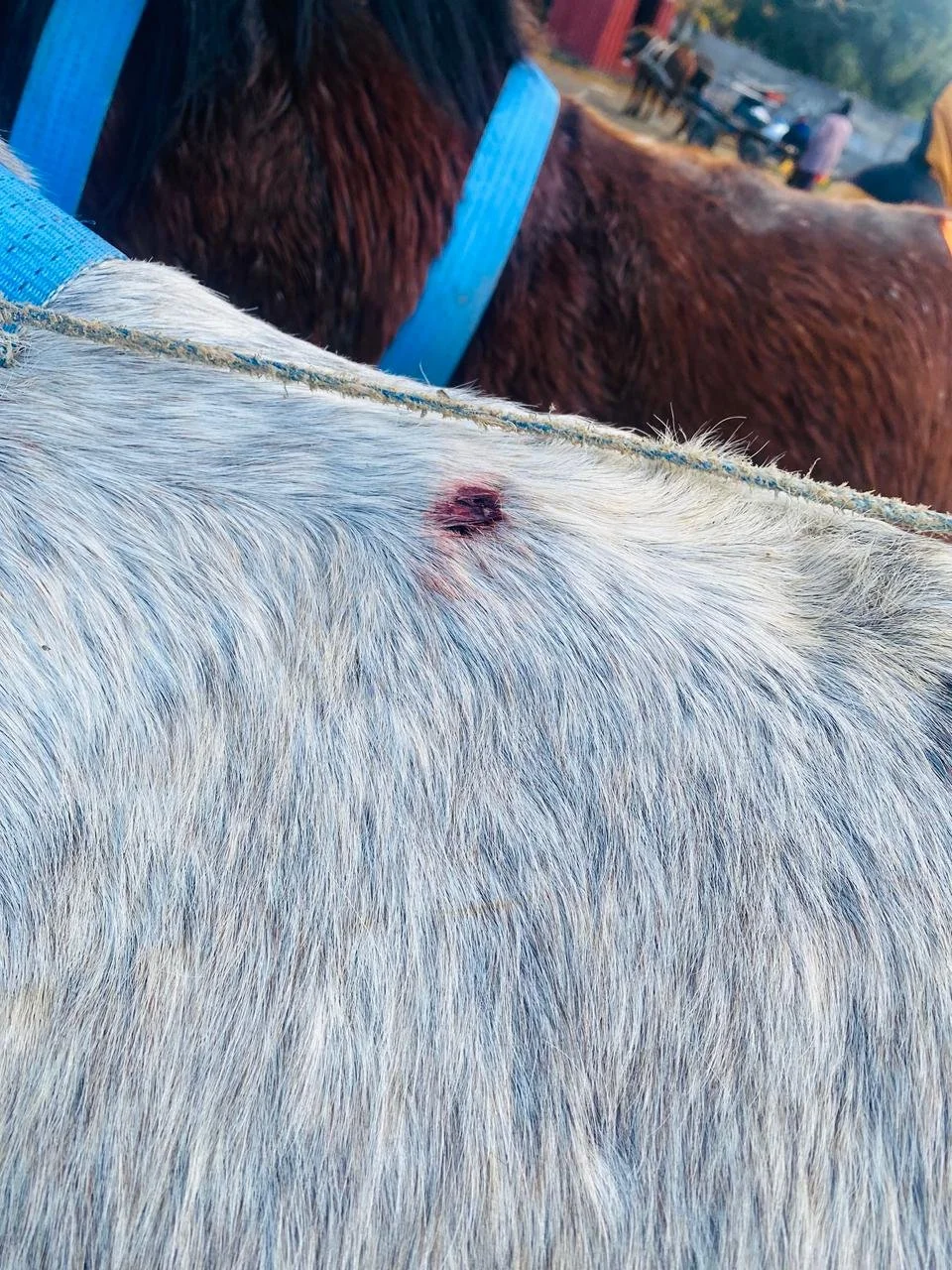
• Cleaning and treatment of minor wounds and injuries.

• Hoof inspections, trimming and shoeing where required.

Blind Love Director Philippa du Toit travelled approximately 650km to the Free State to attend the outreach on May 16th and spend time with the cart horse communities.

During the visit, she delivered new harnesses, primary healthcare medicines, donated tack items, winter horse blankets, numnahs, and three saddles for distribution within the programme.

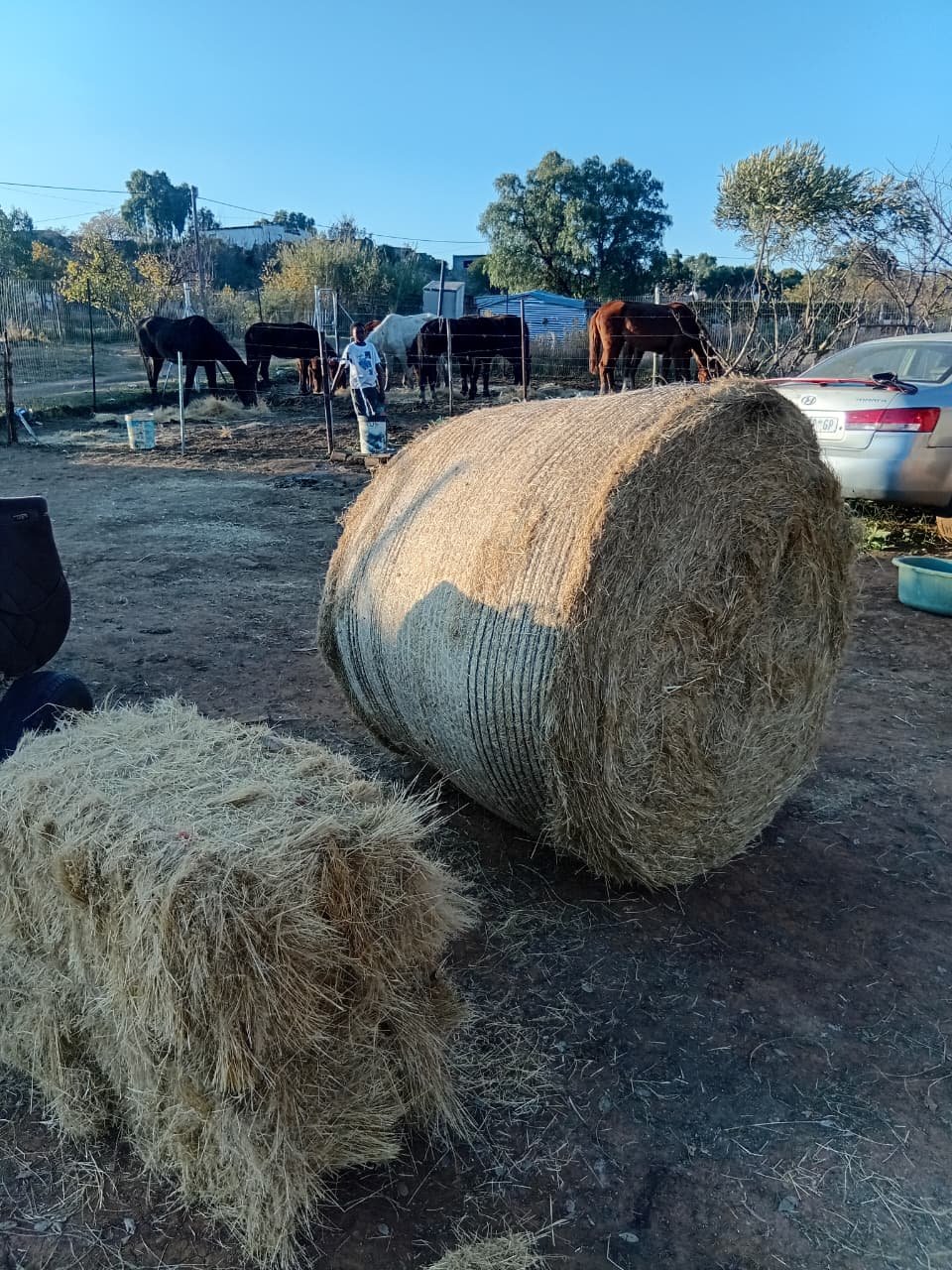
To assist owners during the approaching winter months, hay bales were also purchased and distributed to horses attending the outreach day. 

Horse Care Station – Thaba ‘Nchu

Following this outreach, Philippa visited the Horse Care Station in Thaba ‘Nchu, where eight horses were receiving treatment and rehabilitation.

Cases included horses recovering from saddle sores, animals requiring routine tick dipping and horses receiving ongoing supportive care. Feed supplies were also delivered to the station to assist with their continued recovery.

The Horse Care Station continues to provide an important welfare resource for the local community, offering owners a place where horses can receive ongoing treatment and monitoring between outreach visits. 

African Horse Sickness Update

African Horse Sickness (AHS) remains a significant concern in the area.

On May 5th, another horse death was reported in the village of Merino following suspected AHS infection.

Shortly afterwards, Community Service State Veterinarians from Thaba ‘Nchu were able to visit the area and collect blood samples from a horse named Bazcada, who had recovered from a suspected infection.

Laboratory results subsequently identified AHS infection, providing confirmation that the disease is currently circulating within the community horse population.

We are continuing to provide ongoing education and support for horse owners regarding early recognition of symptoms, insect control measures and general disease prevention. 

Additional Developments

On May 26th, a donkey arrived at the Horse Care Station in Thaba ‘Nchu. The team were delighted to welcome their first donkey patient and plans are already underway to supply a donkey-sized harness to assist with his care and future welfare.

Additional feed was also purchased for the station in May to support the growing number of animals receiving care.

The team continues to monitor hooves regularly, and provide trimming and shoeing services where required. 

Working Donkey Outreach Program

Area: Makhanda (Grahamstown), Eastern Cape

Donkey outreach day: May 23rd.

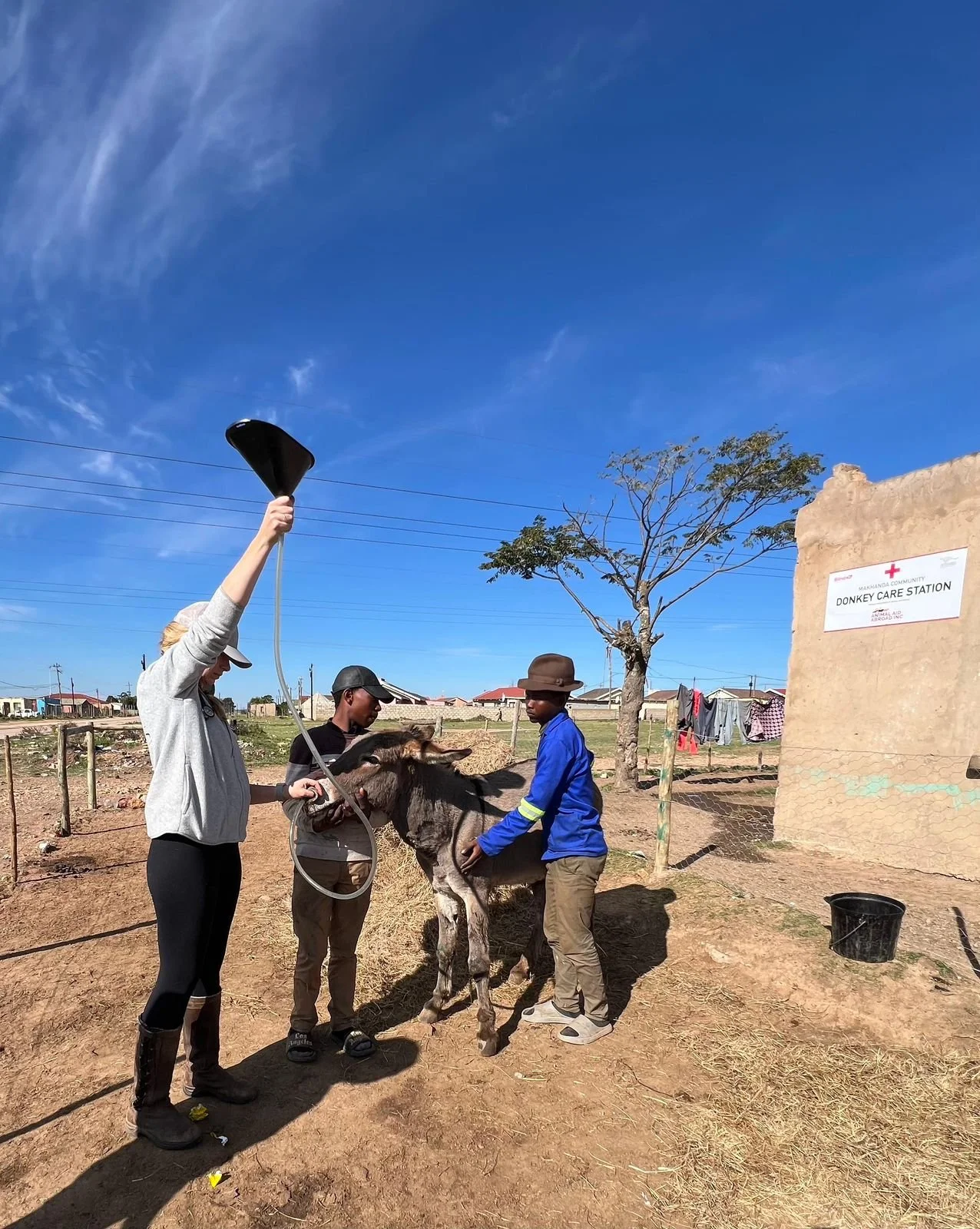
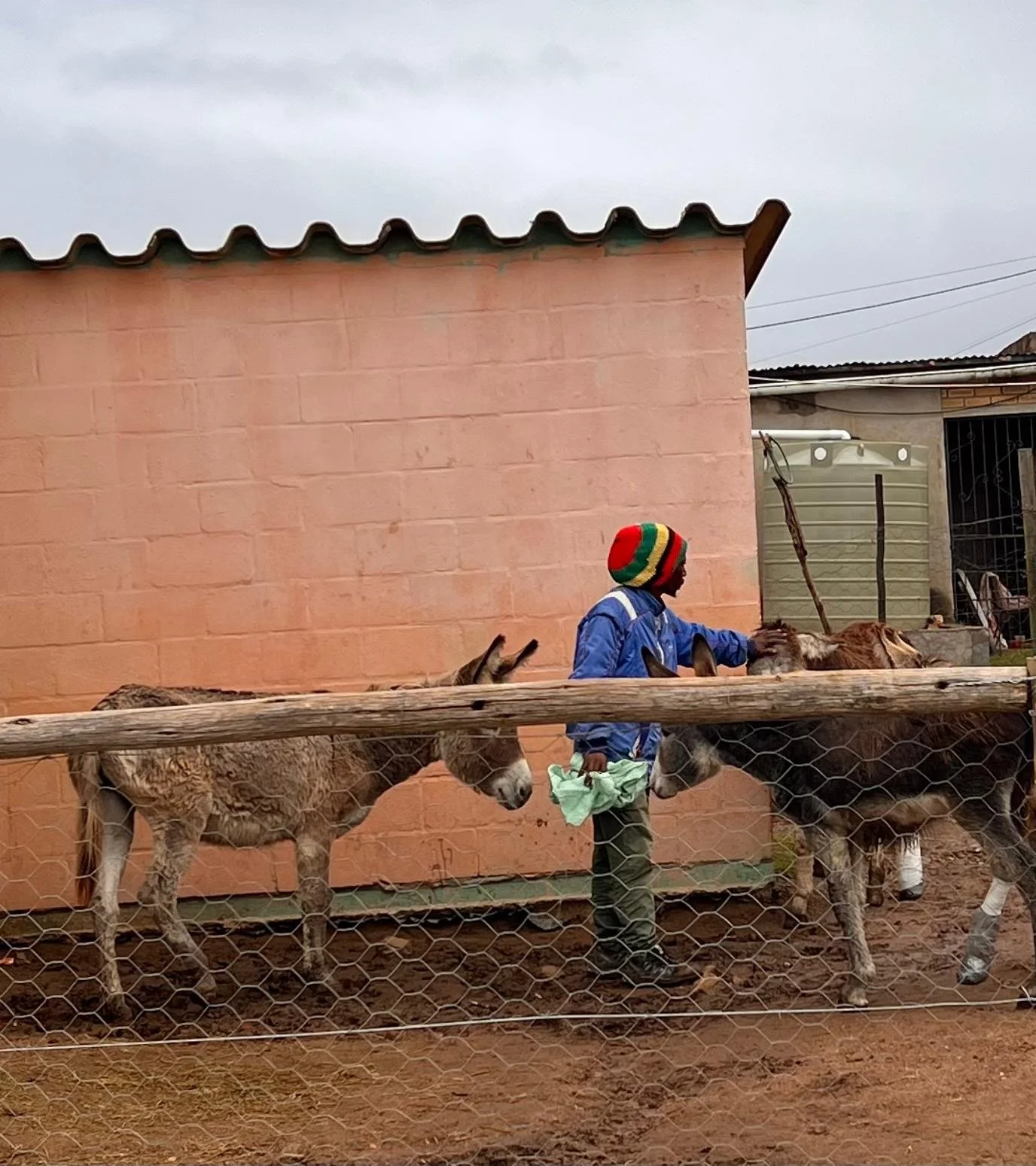
Routine donkey outreach activities continued during May. A total of 21 donkeys attended the outreach clinic.

All donkeys received:

• General health assessments.

• Internal and external parasite treatment.

• Hoof care and trimming.

• Cleaning and treatment of minor wounds and injuries.

• Harness checks, adjustments and replacement where required.

New harnesses were distributed to owners where needed.

Donkey Care Station

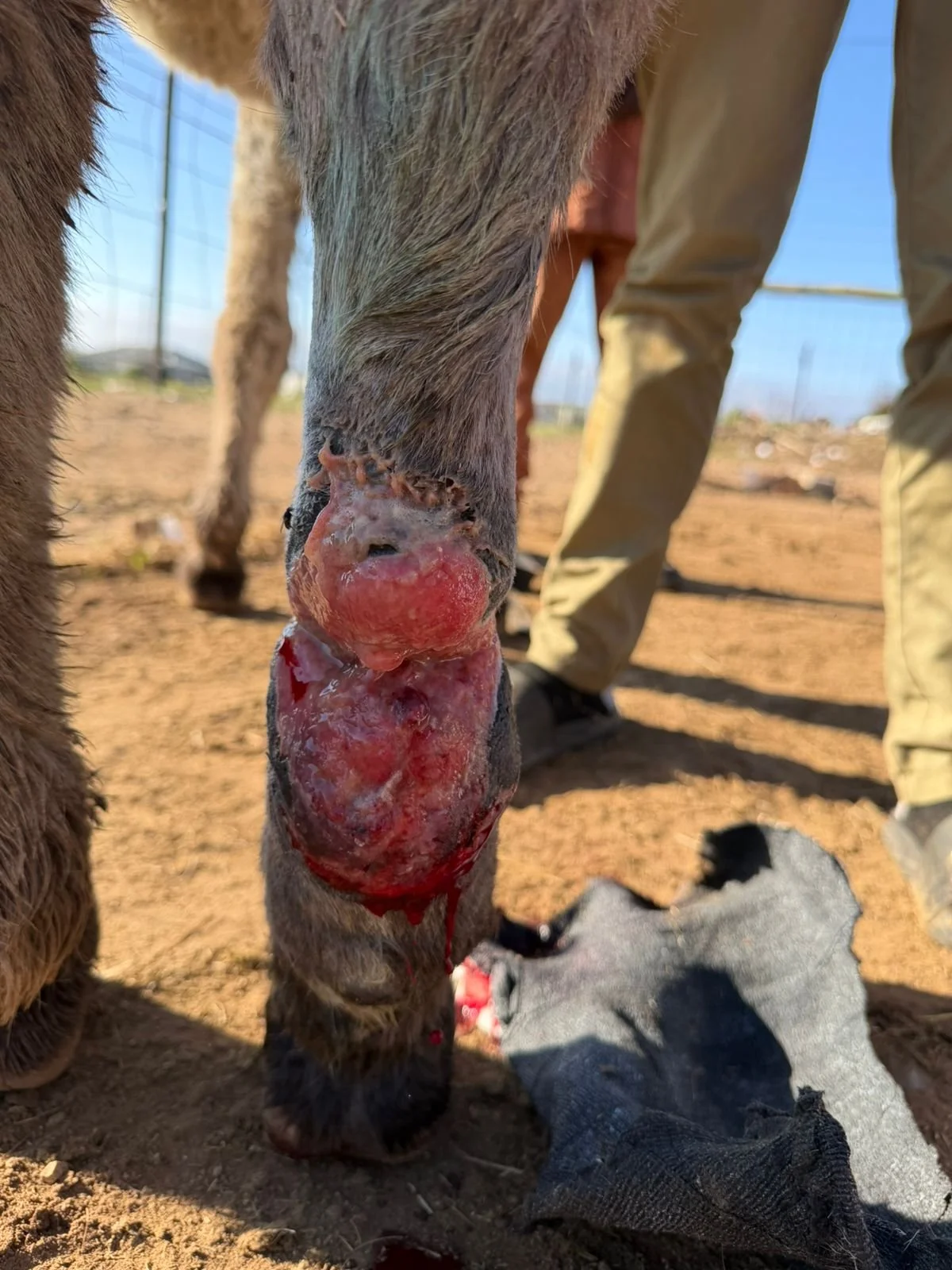
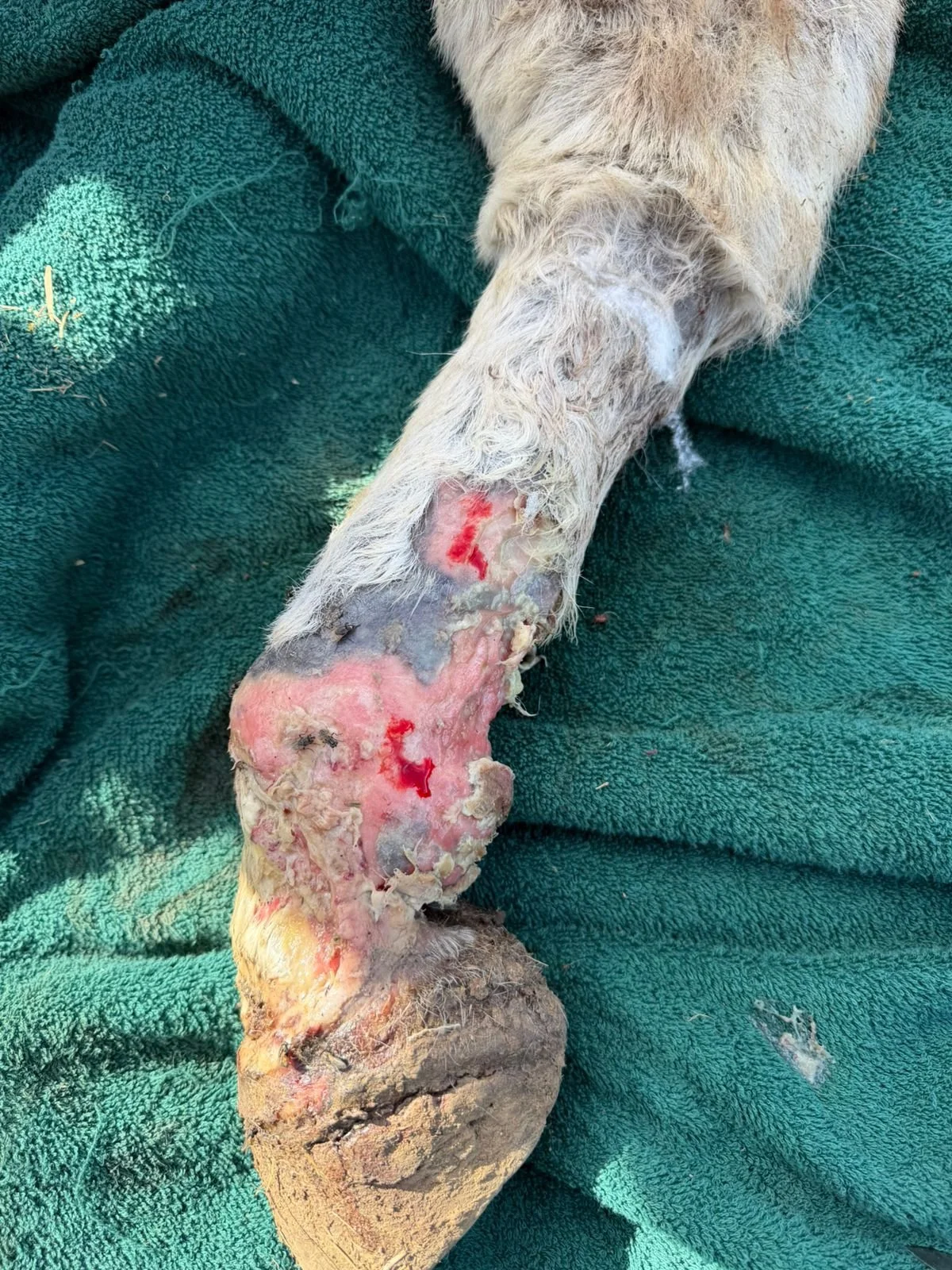
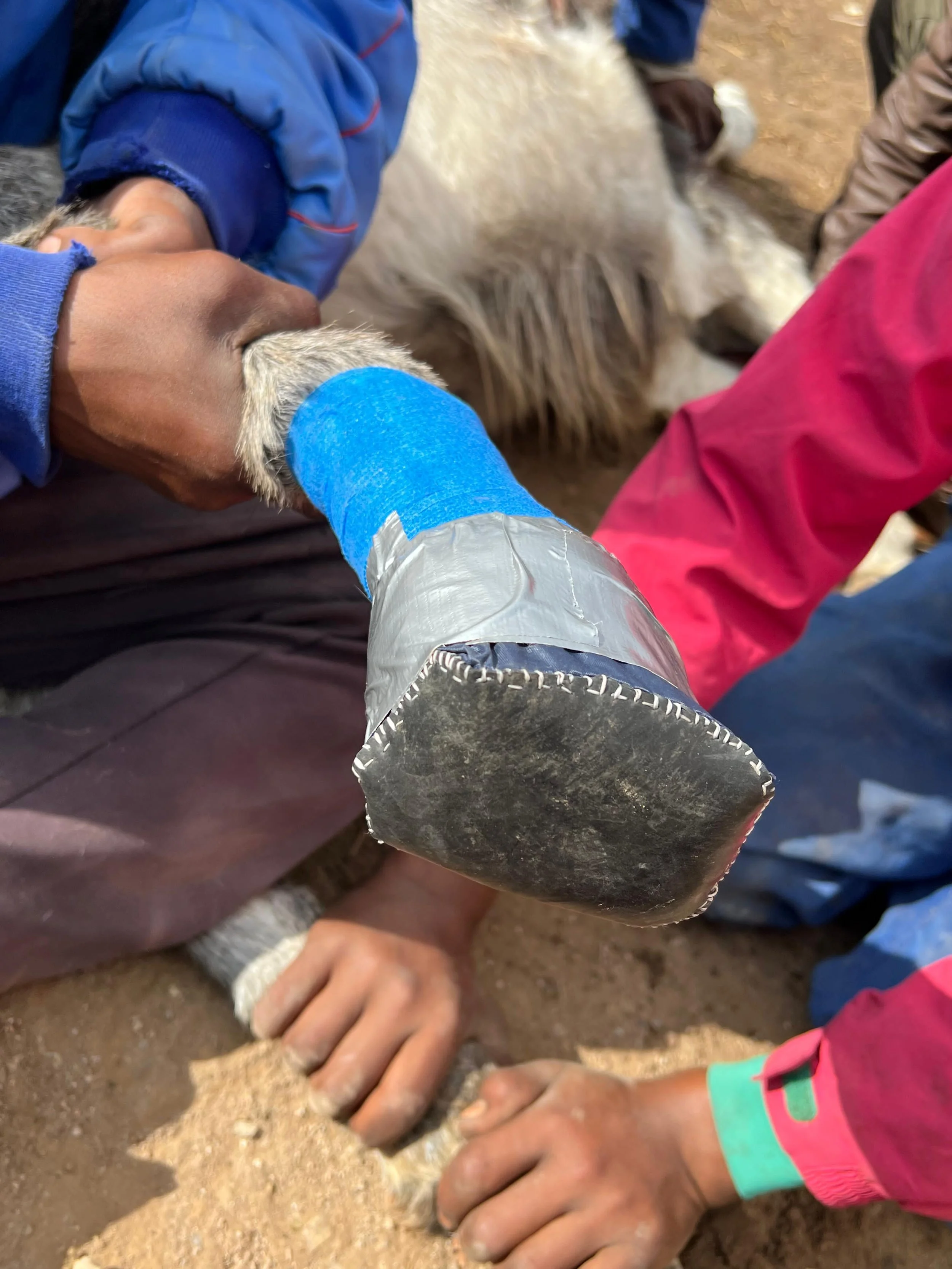
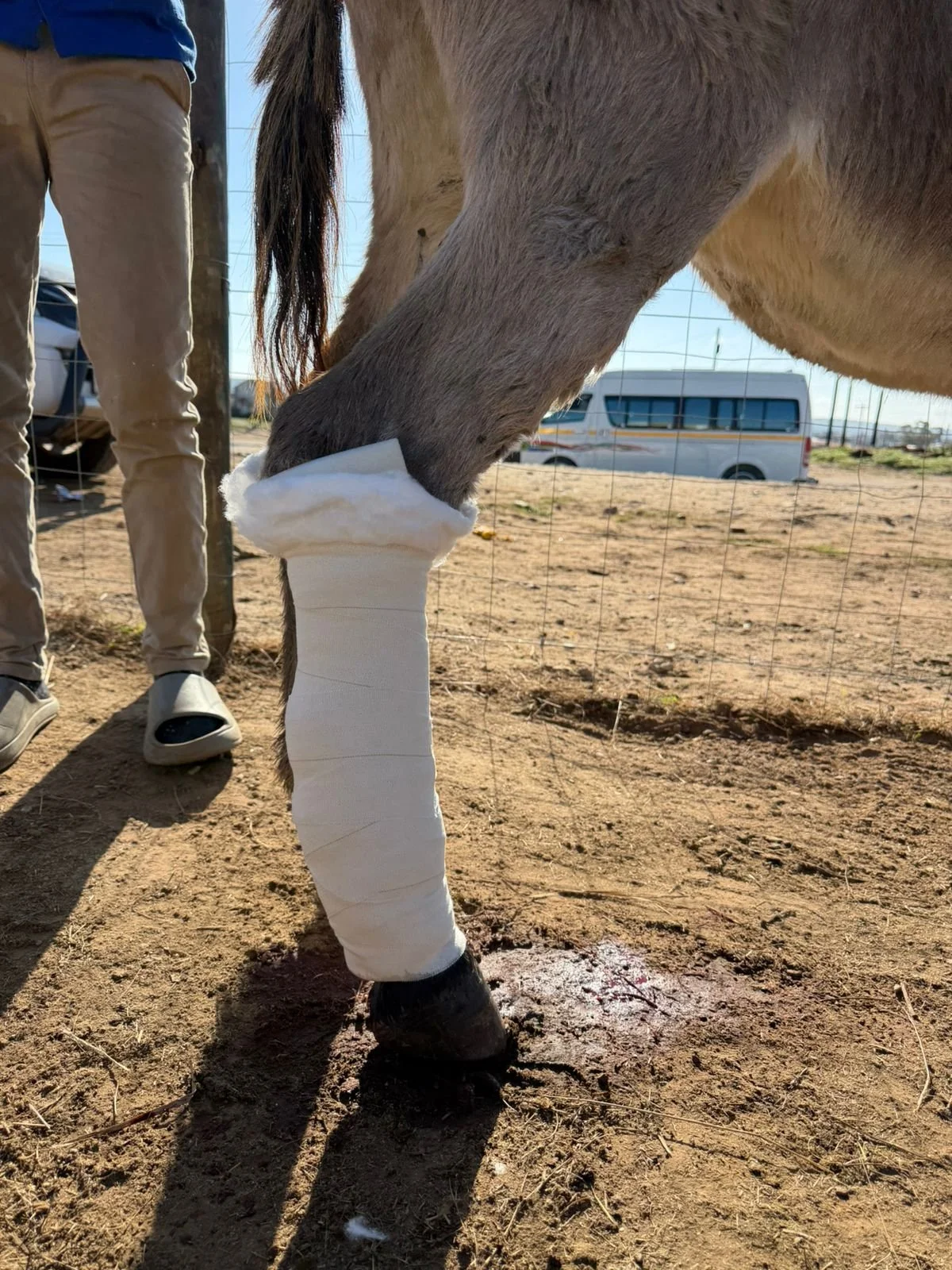
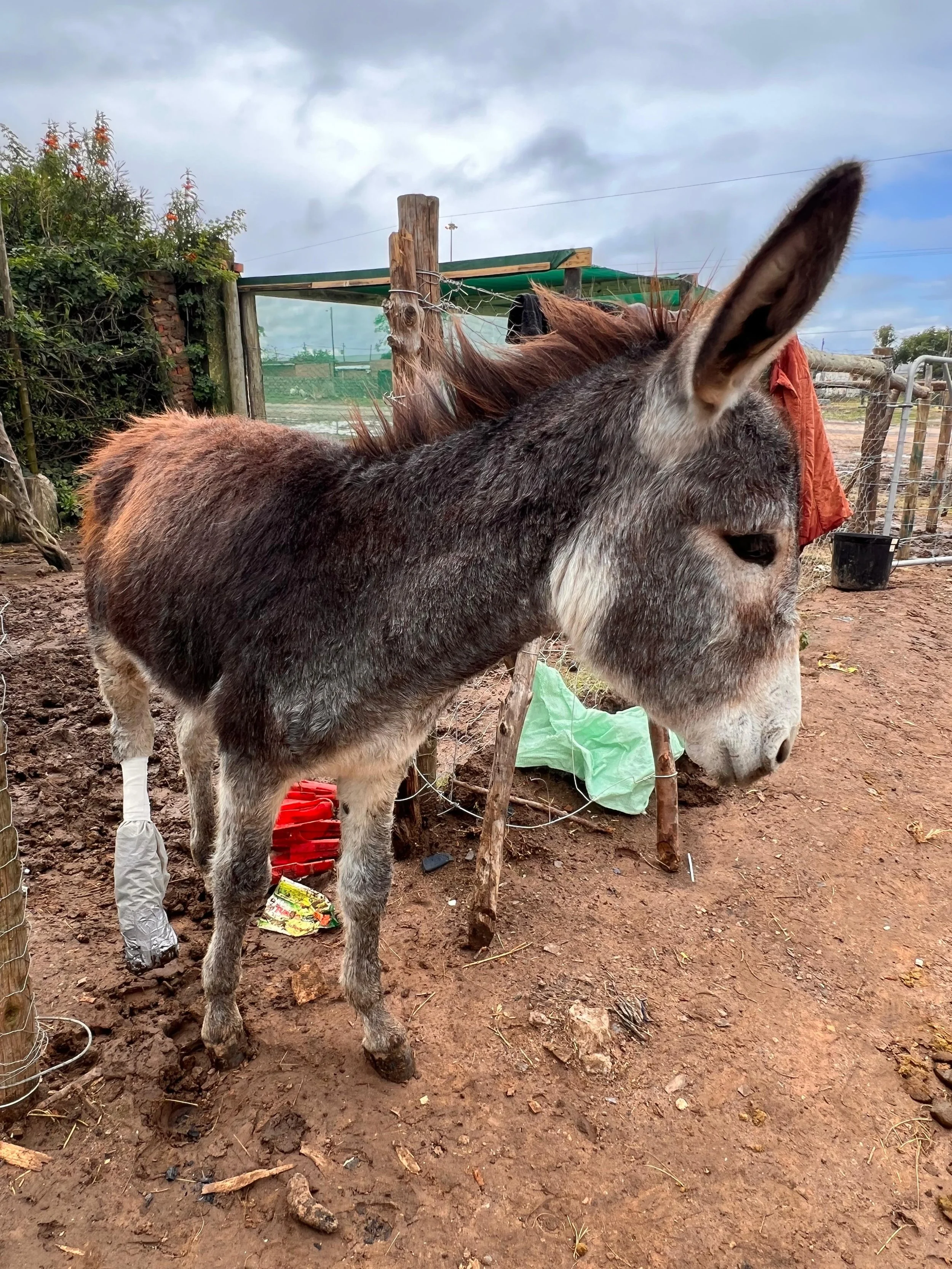
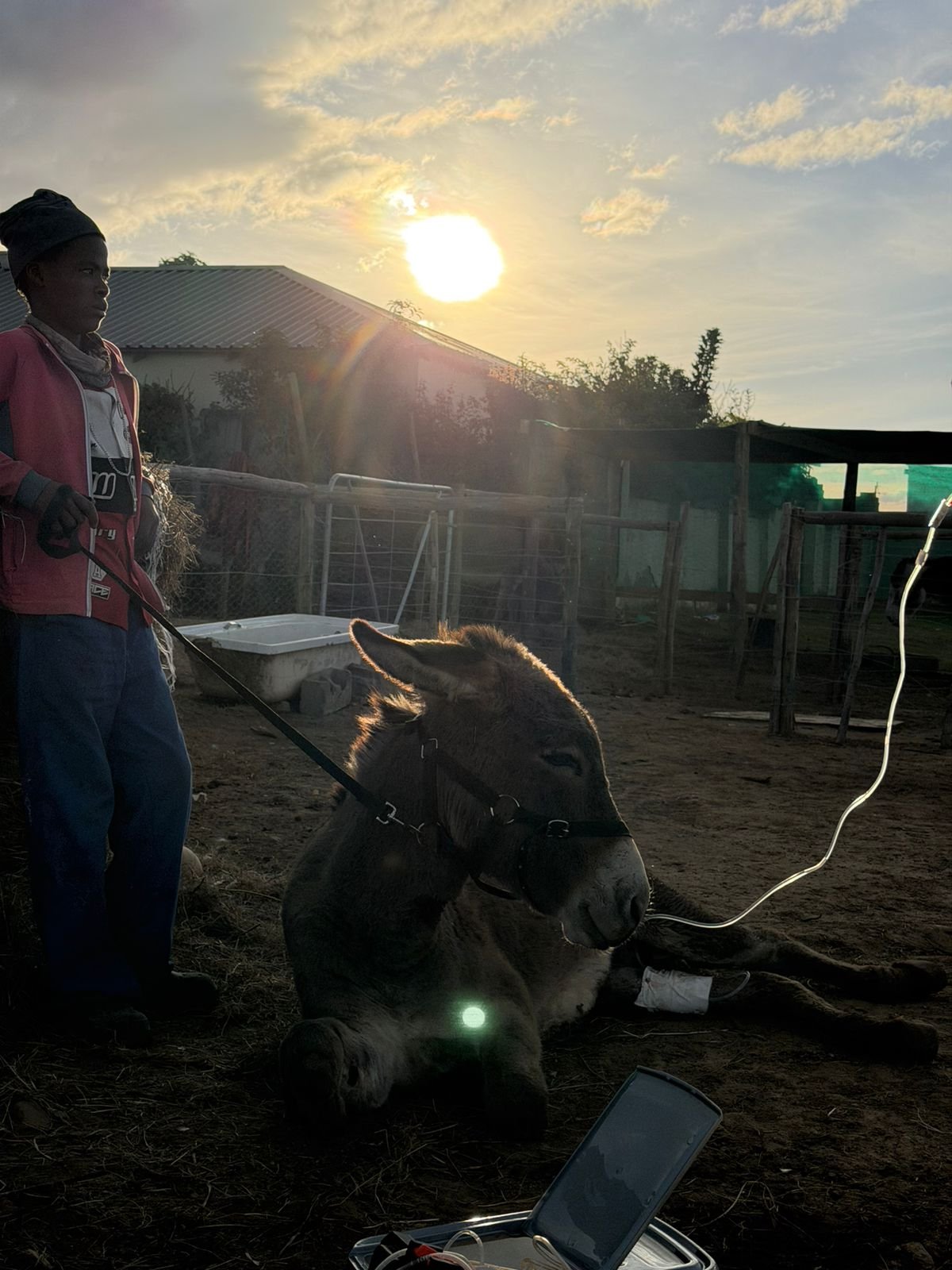
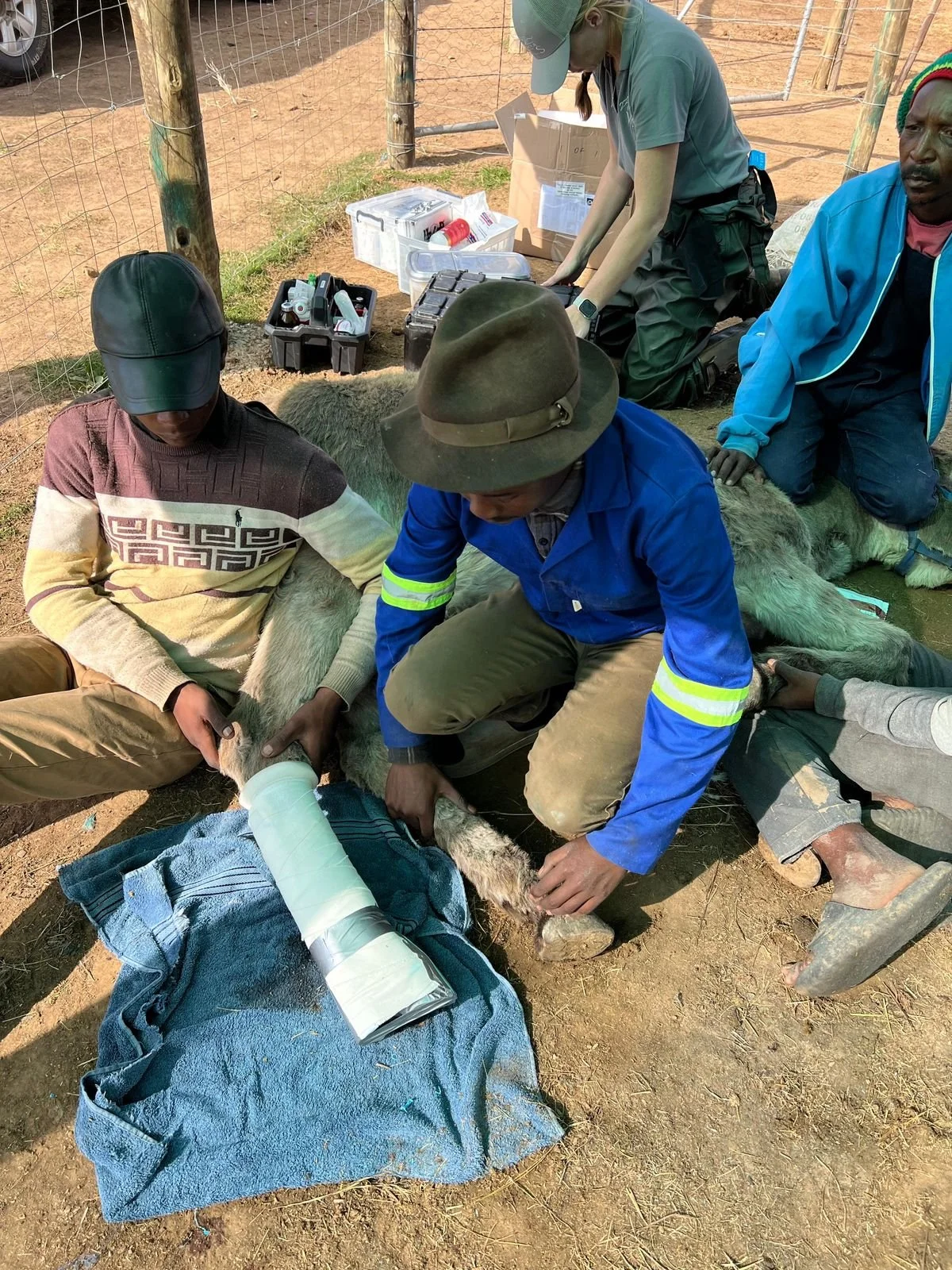
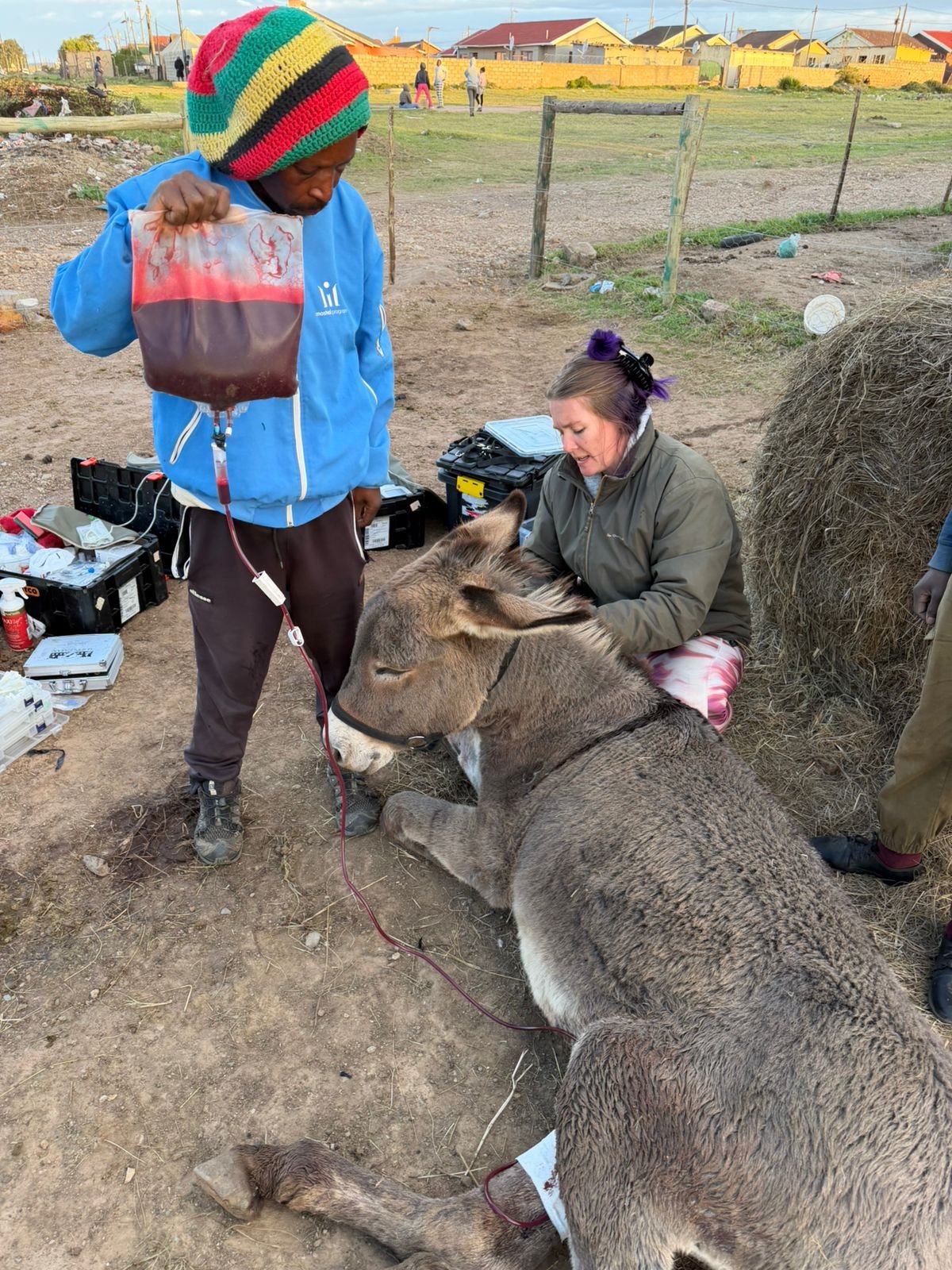
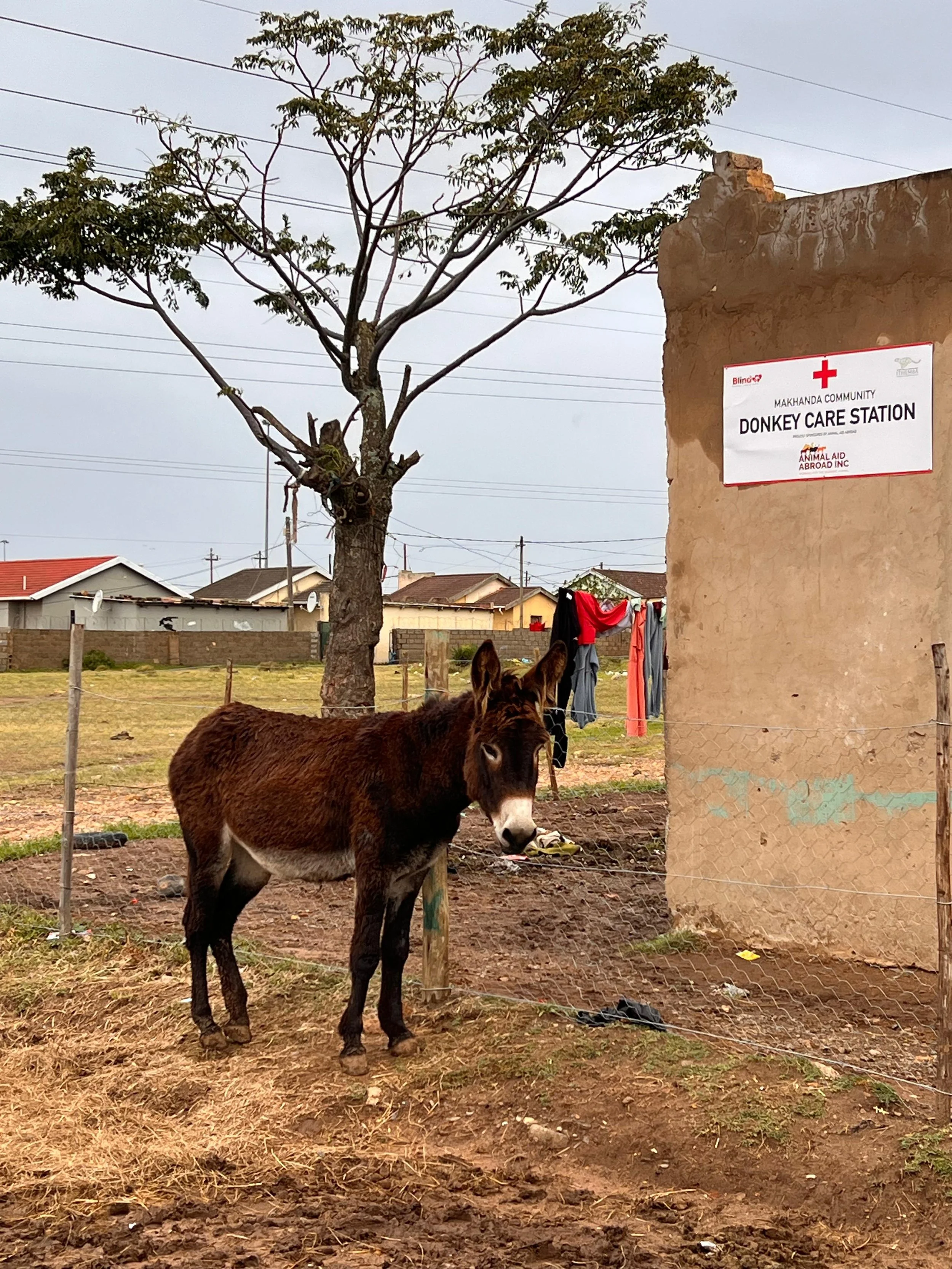
May proved to be one of the busiest and most challenging months since the establishment of the Donkey Care Station. Veterinary costs skyrocketed during the month, as numerous critical cases required intensive treatment, monitoring and rehabilitation. 

Ongoing Care Requirements

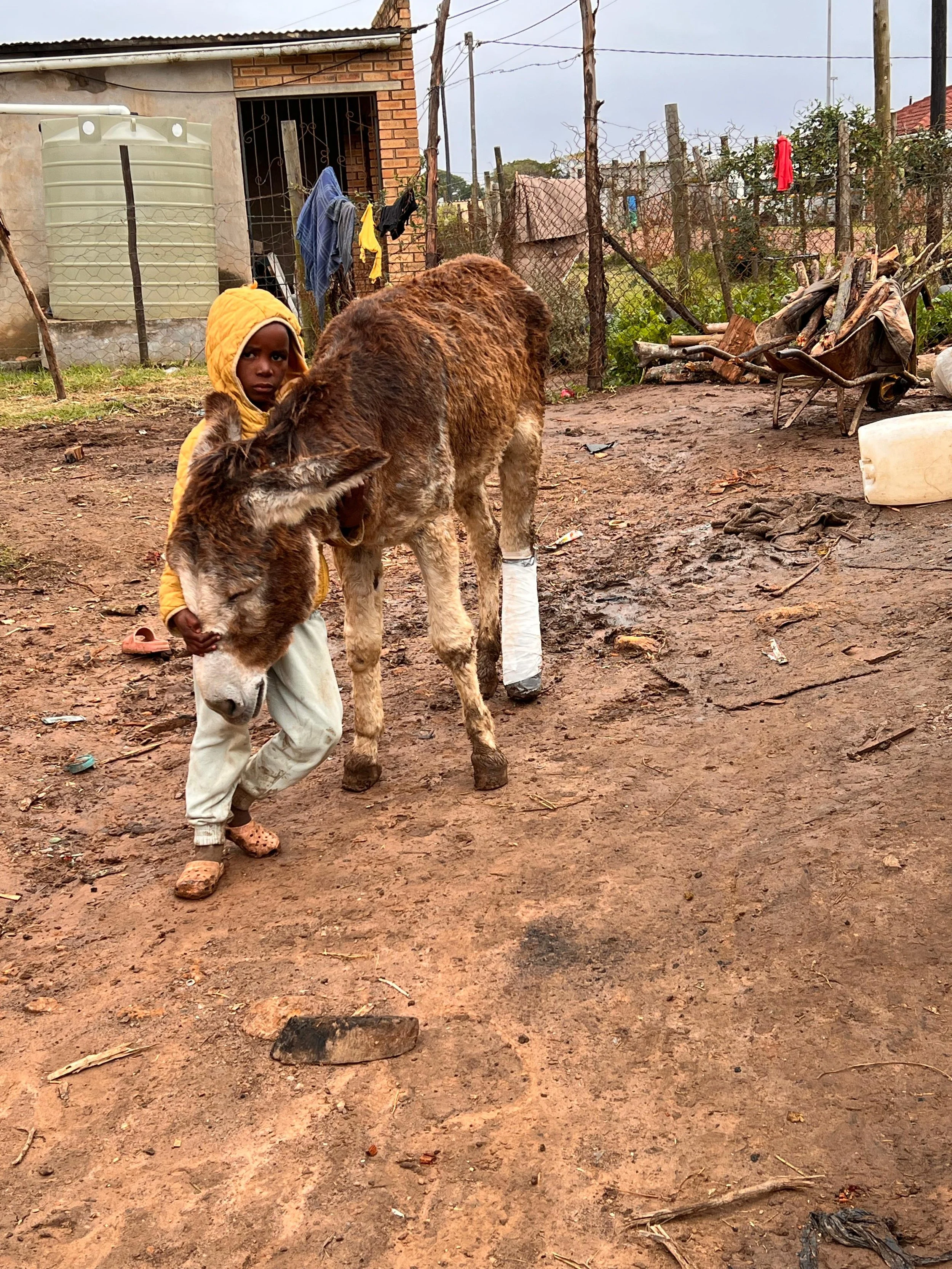
All patients seen at the Donkey Care Station in May required ongoing nursing care, including bandage changes every three-to-four days, daily feeding, hay supplementation and regular veterinary monitoring.

The increasing number of intensive-care patients continues to place significant strain on both financial and human resources. 

Flooding & Infrastructure Concerns

Heavy rainfall and flooding affected Makhanda throughout May.

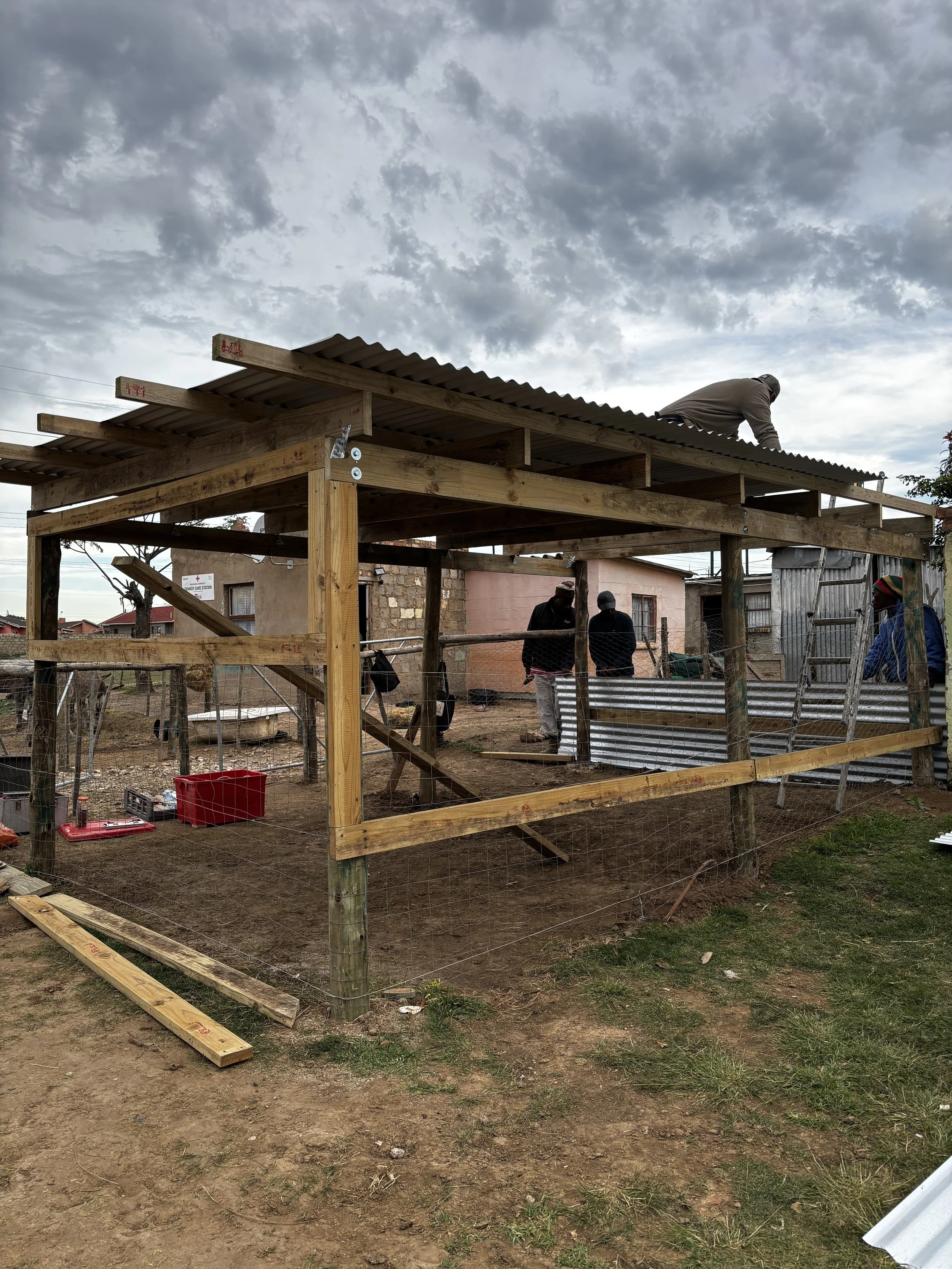
On May 7th, the Donkey Care Station was severely flooded, highlighting the urgent need for improved infrastructure. As a result, Blind Love is now prioritising upgrades at both the Donkey Care Station and the Horse Care Station in Thaba ‘Nchu.

Current shade-cloth structures provide protection from sun but are inadequate during periods of prolonged rain. Corrugated roofing and more permanent shelter structures are urgently needed to keep recovering patients dry - particularly those requiring bandages, casts and ongoing wound care. 

Community Recognition & Future Plans

During May, Grocott’s Mail published a feature article highlighting the work of the Donkey Care Station and the positive impact it is having within the community.

As demand for services continues to increase, Blind Love recognises the urgent need to secure additional funding for both Care Stations.

Plans are currently underway to launch a crowdfunding campaign through Back-a-Buddy to assist with veterinary expenses, feed costs, infrastructure upgrades and ongoing patient care.

Overall Summary

Working Horses Program

• 65 horses treated through outreach activities.

• Continued parasite control, wound care and harness support.

• Hay distributed to horses attending outreach clinics.

• New harnesses, saddles, blankets and tack donated to the programme.

• Eight horses received treatment at the Horse Care Station.

• African Horse Sickness confirmed in the area through laboratory testing.

• Ongoing hoof care, trimming and shoeing support. 

Working Donkey Program

• 28 donkeys treated through outreach and Care Station activities.

• Routine healthcare and parasite control continued.

• Multiple intensive veterinary cases managed, including blood transfusion and severe trauma cases.

• High veterinary costs last month.

• Severe flooding highlighted the urgent need for improved Care Station infrastructure.

• Continued strong collaboration between Blind Love, Dr Annie Mears, Michael Plaatjie and the local community. 

Acknowledgement

Blind Love would like to sincerely thank Animal Aid Abroad for your continued support of these programmes. Your funding enables ongoing outreach activities, primary healthcare interventions and replacement or repair of harnesses.

Thank you to all our compassionate donors who allow AAA to continue this partnership and commitment to improving equine welfare in South Africa. 

Previous
Previous

reaching working horses & bullocks in india’s rural and remote areas

Next
Next

transforming suffering into care & dignity for india’s working camels