south african team remains committed to animal welfare despite devastating fire
Our partner group, Blind Love, provided essential veterinary care and treatment for 67 horses and 108 donkeys during January. This was despite the fact they endured a devastating fire at their sanctuary.
With your invaluable support, they are continuing to make a huge difference for working animals in South Africa.
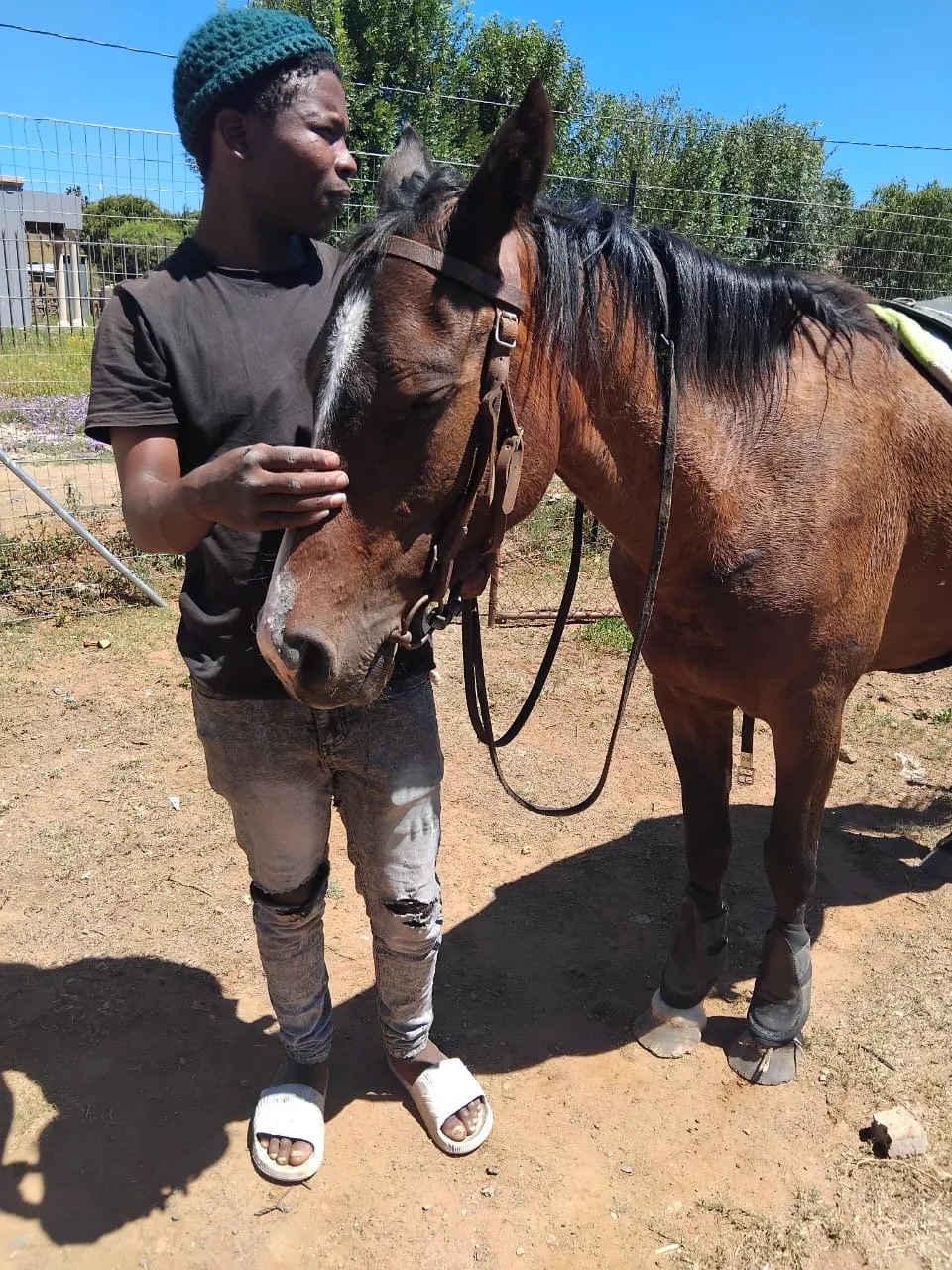
Working Horses Outreach Program
Areas: Thaba Nchu, Botshabelo and surrounding rural villages.
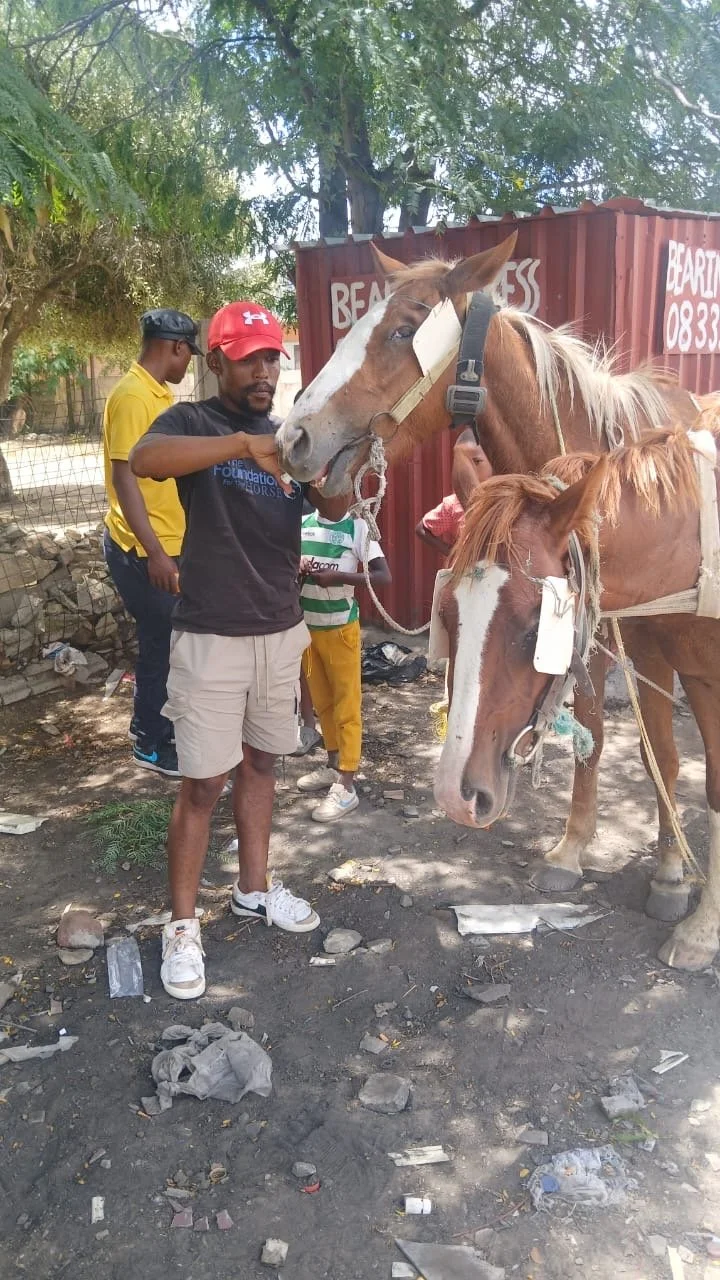
Total horses treated: 67
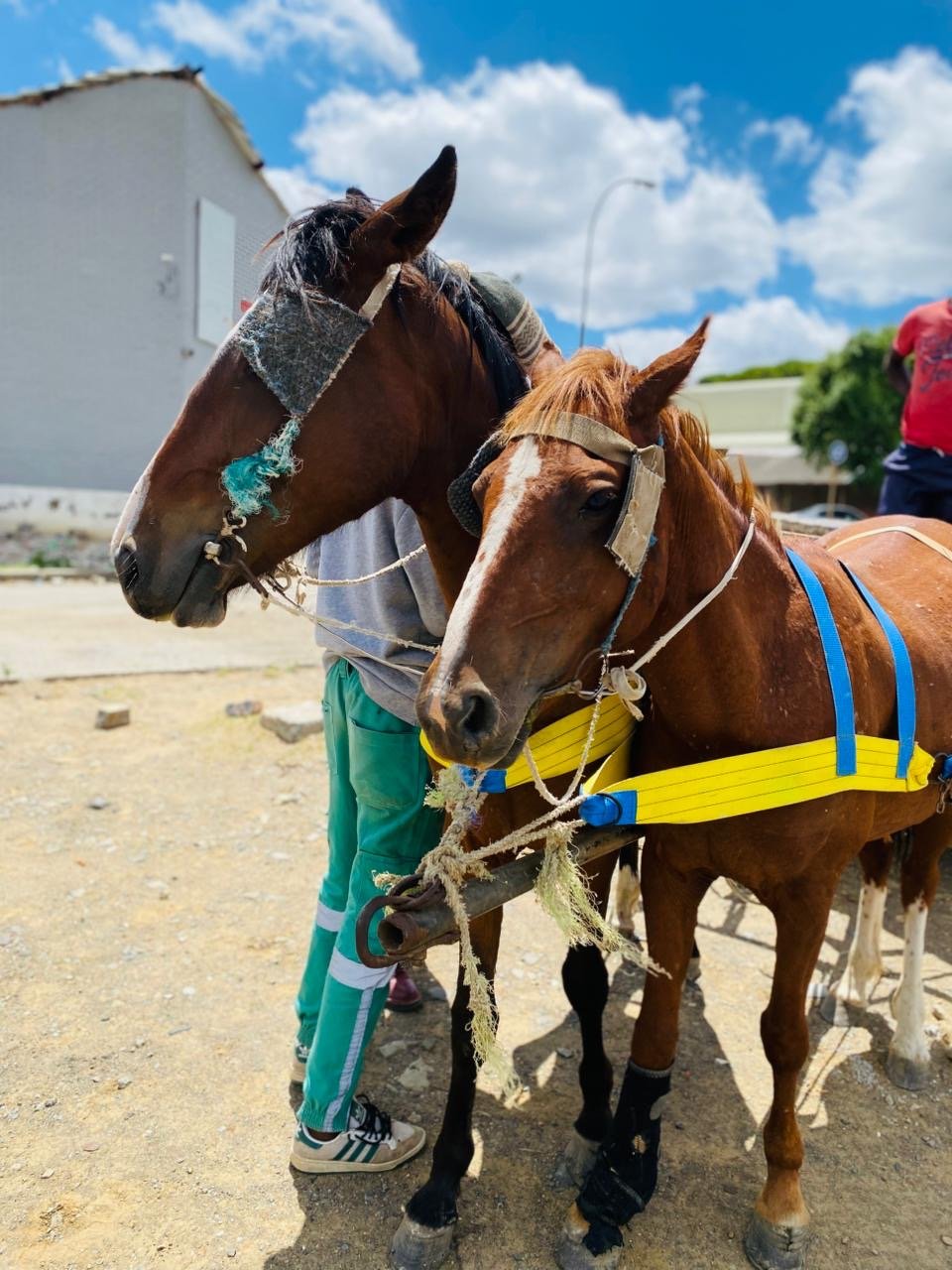
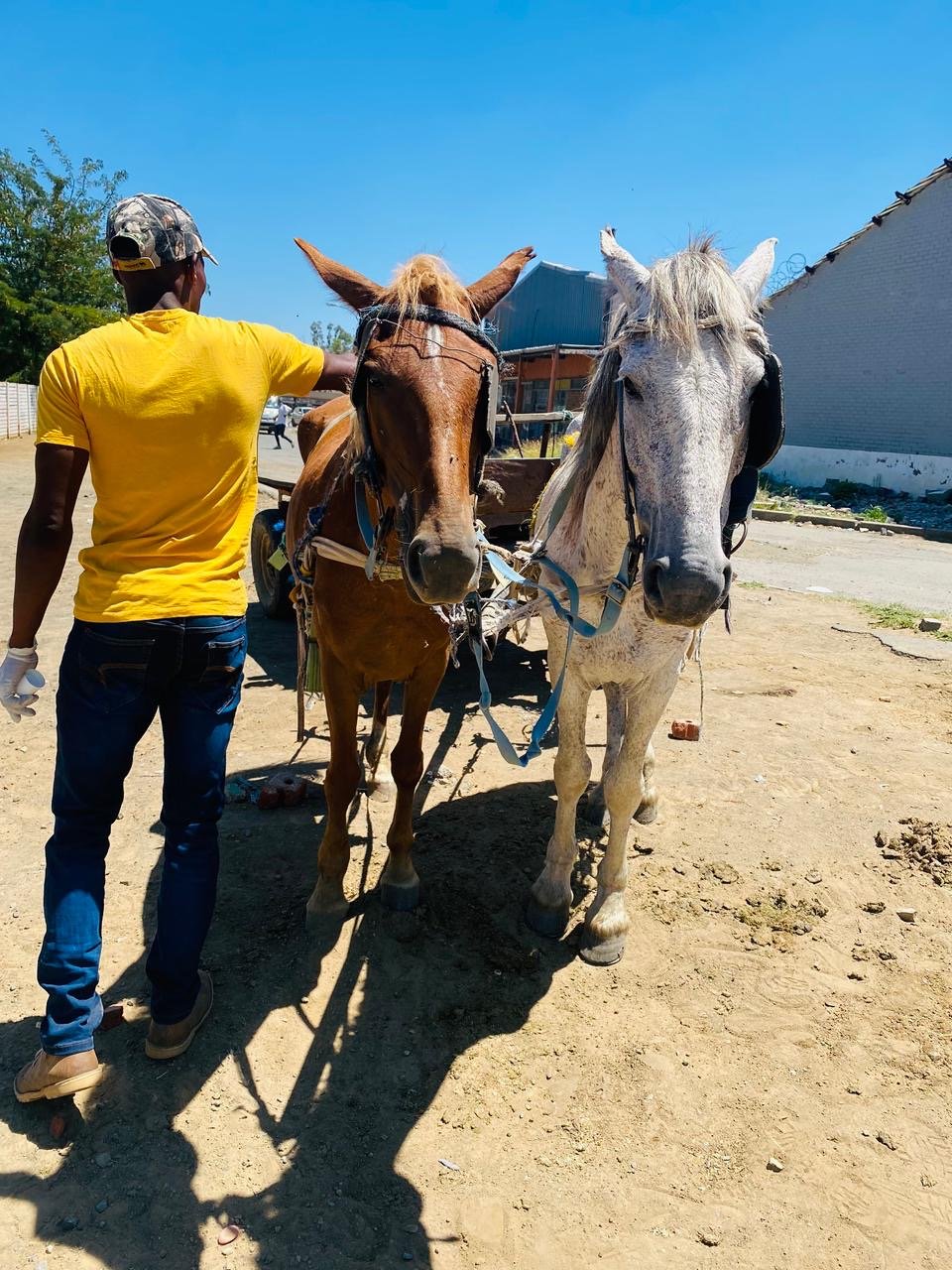
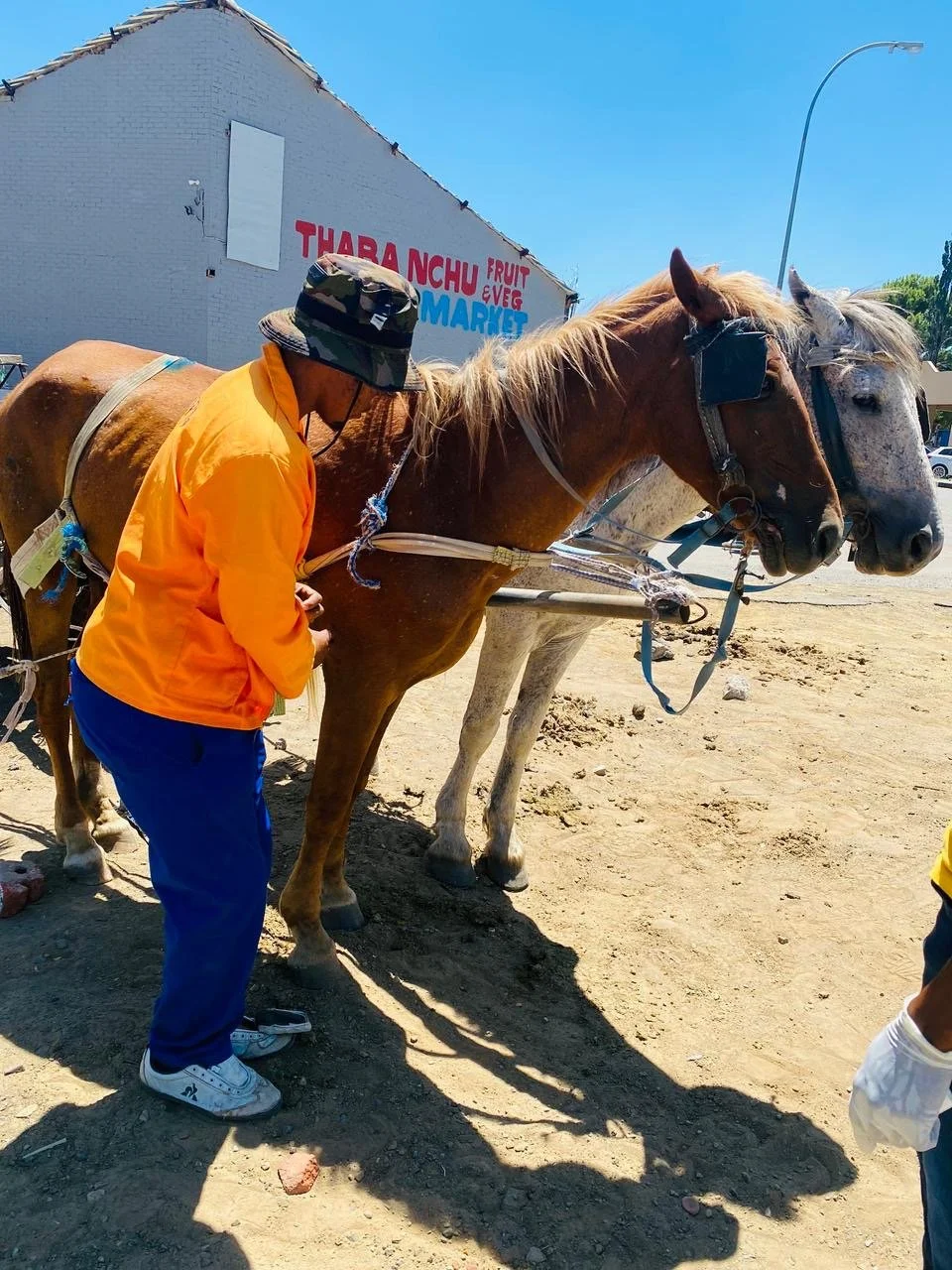
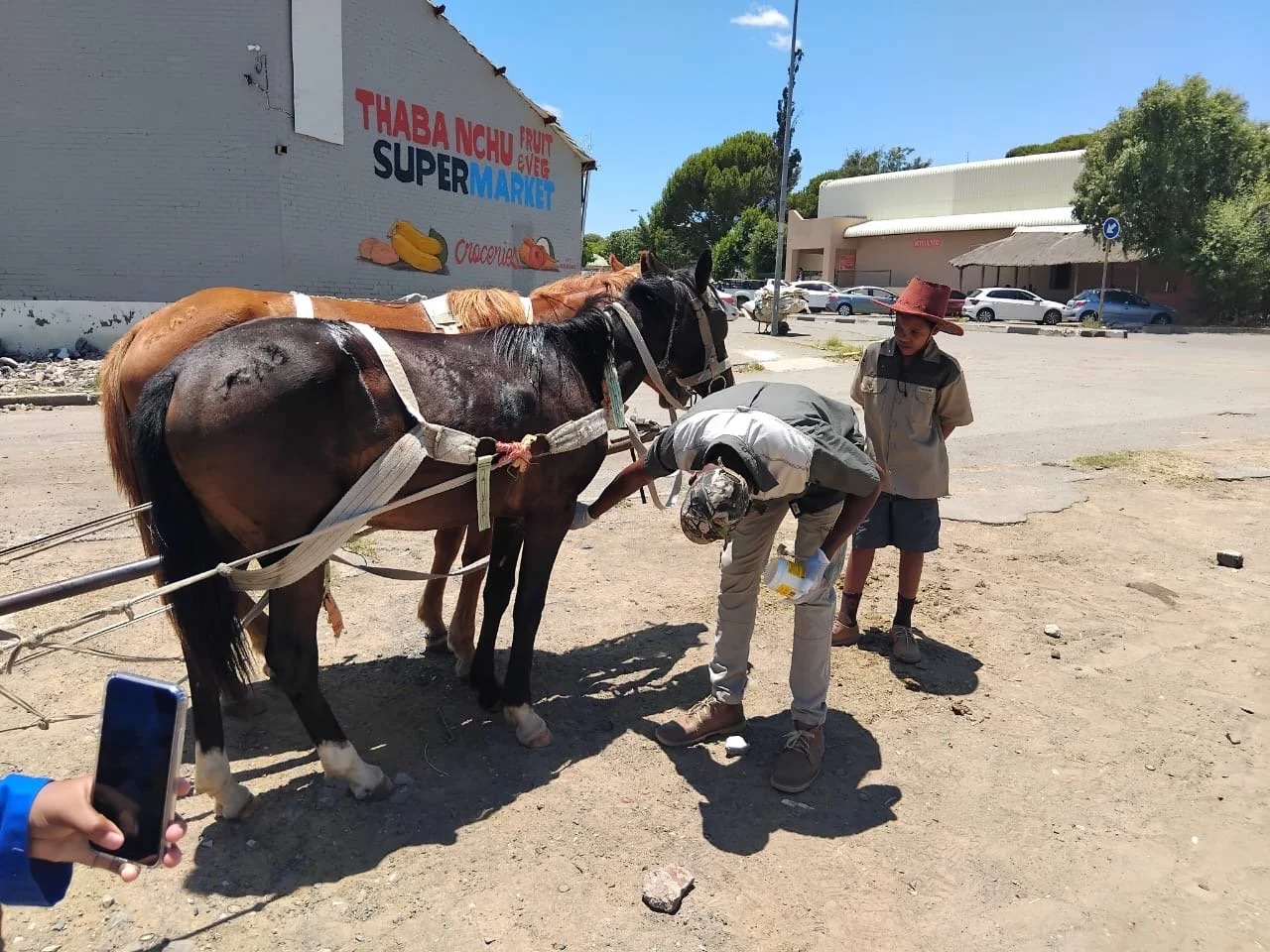
Number of outreach days: Six in Thaba Nchu; one in Botshabelo. All Thaba Nchu outreaches took place at the Cart Horse Rank.
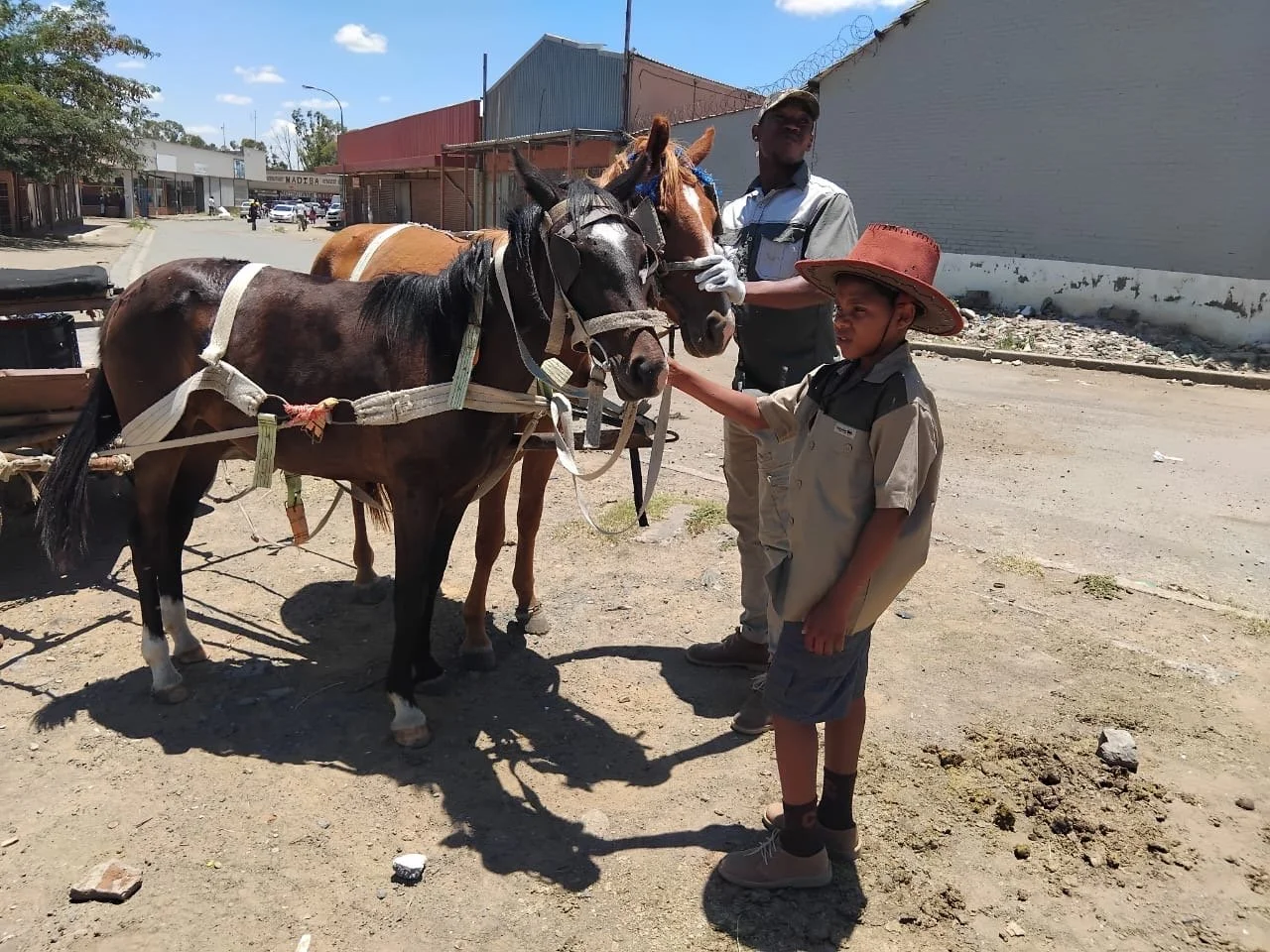
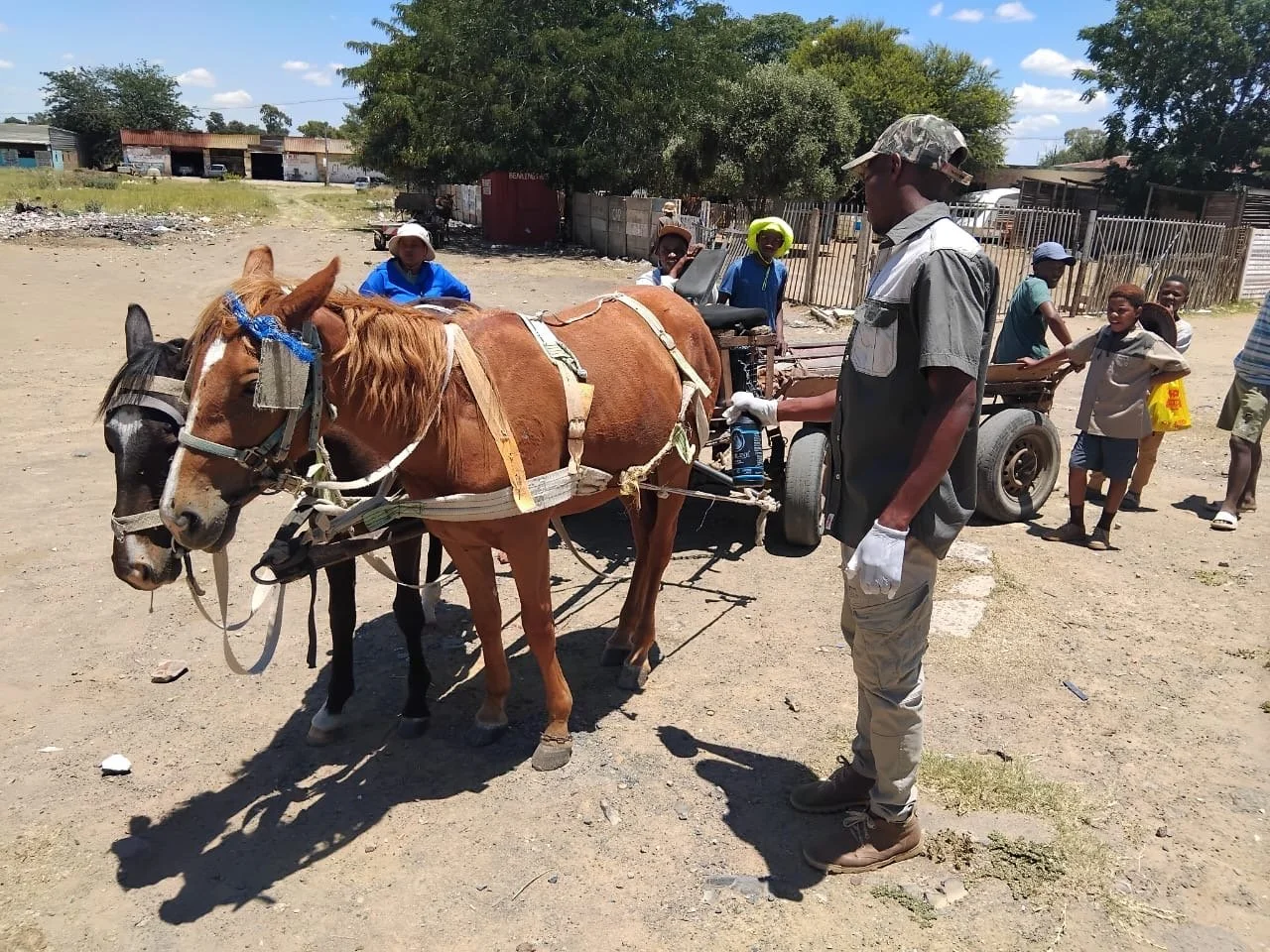
Treatments and support provided:
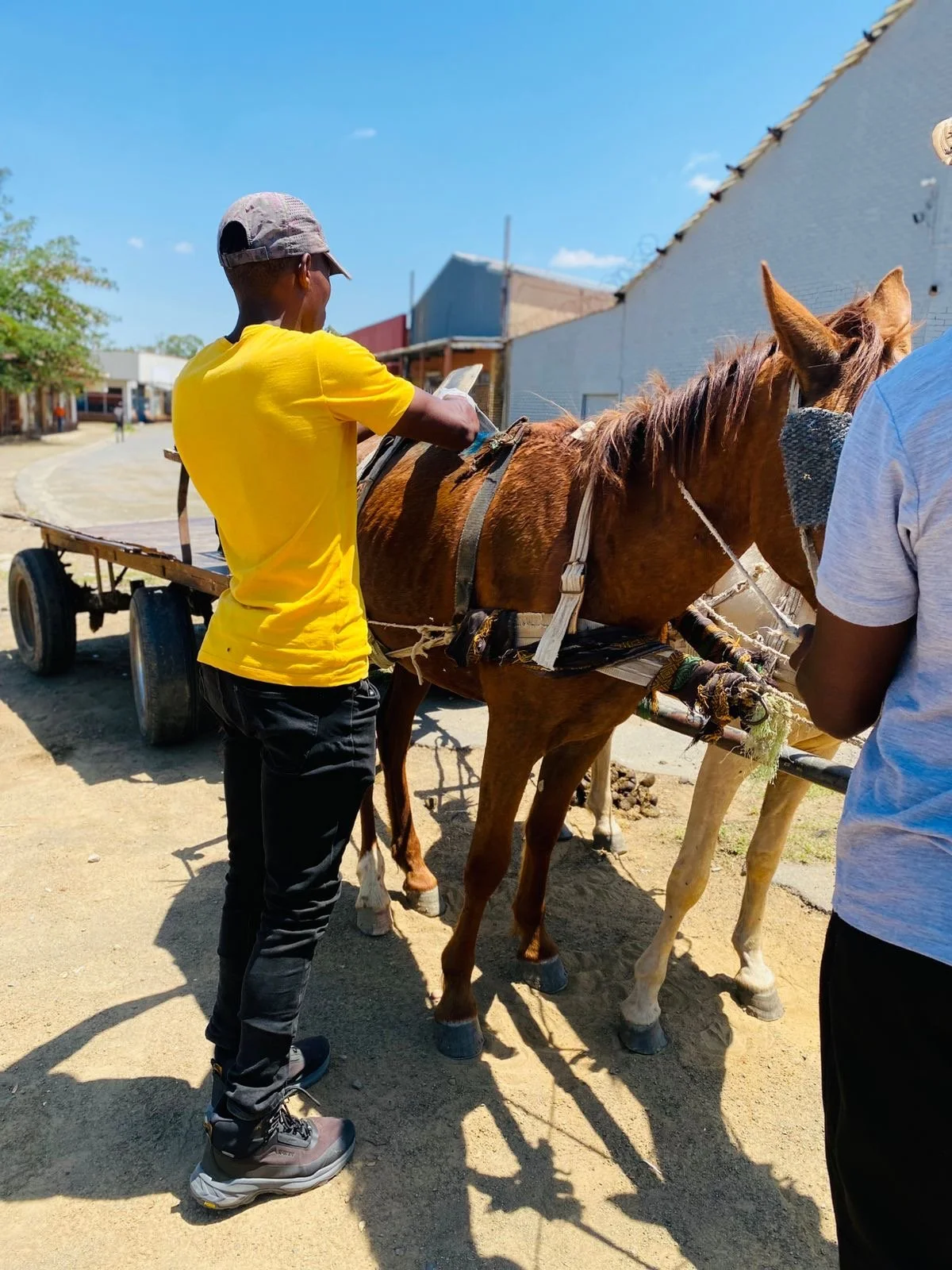
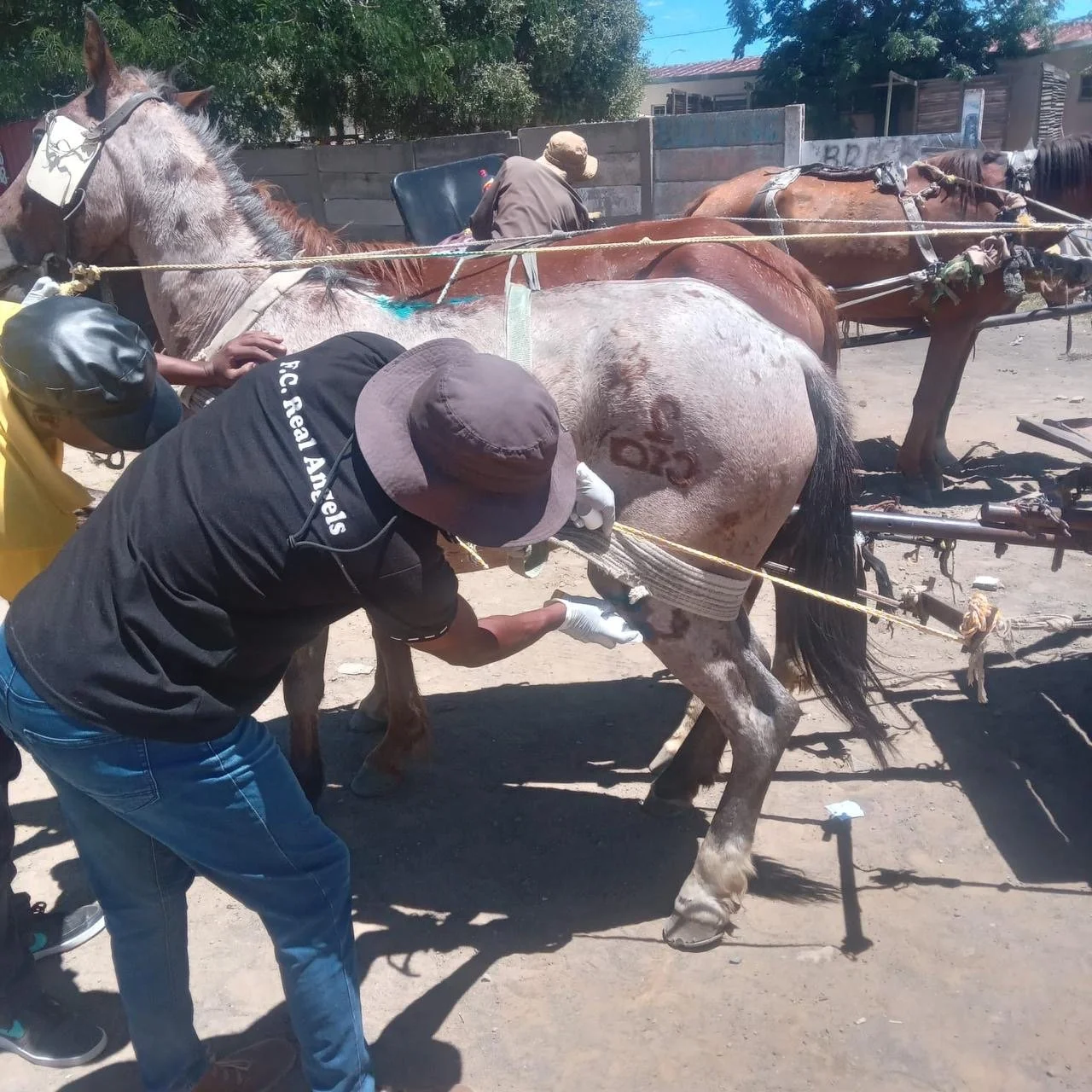
During January outreach days, the team provided the following care:
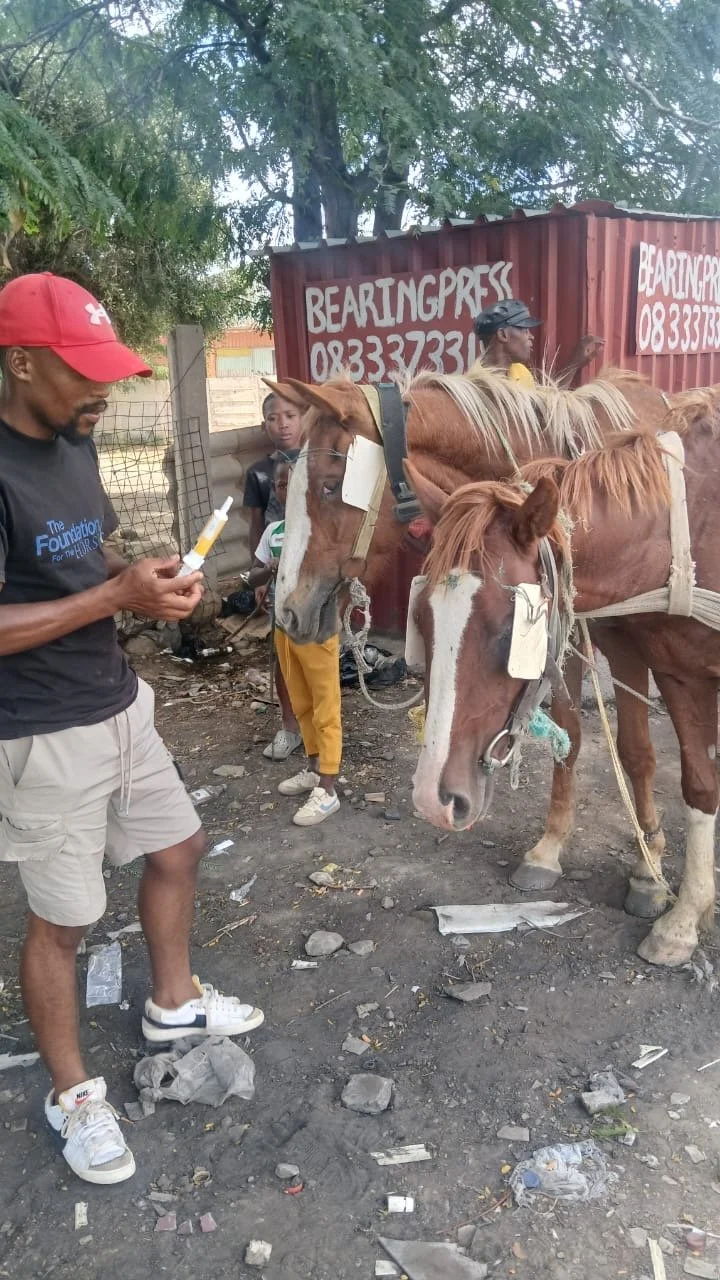
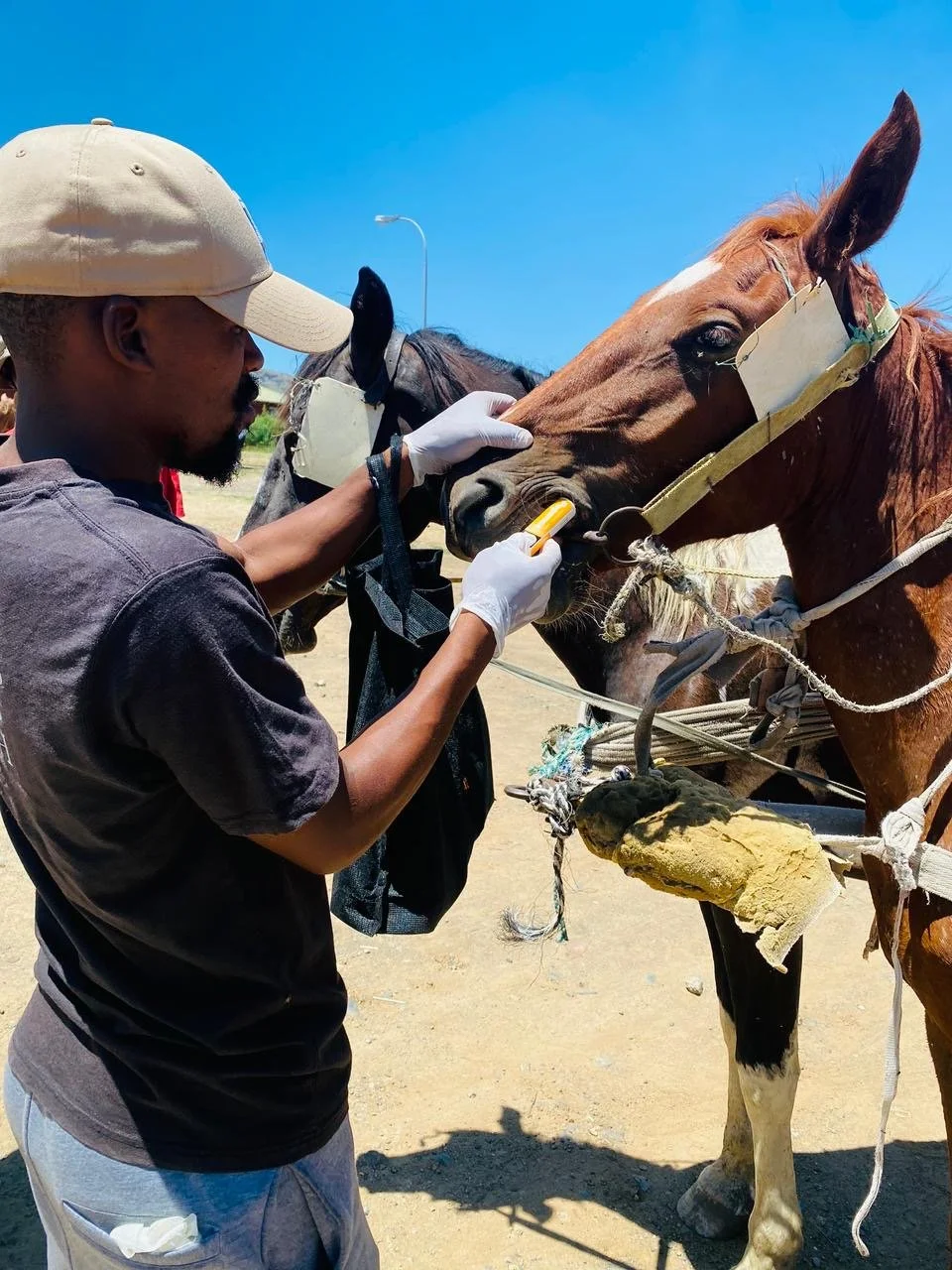
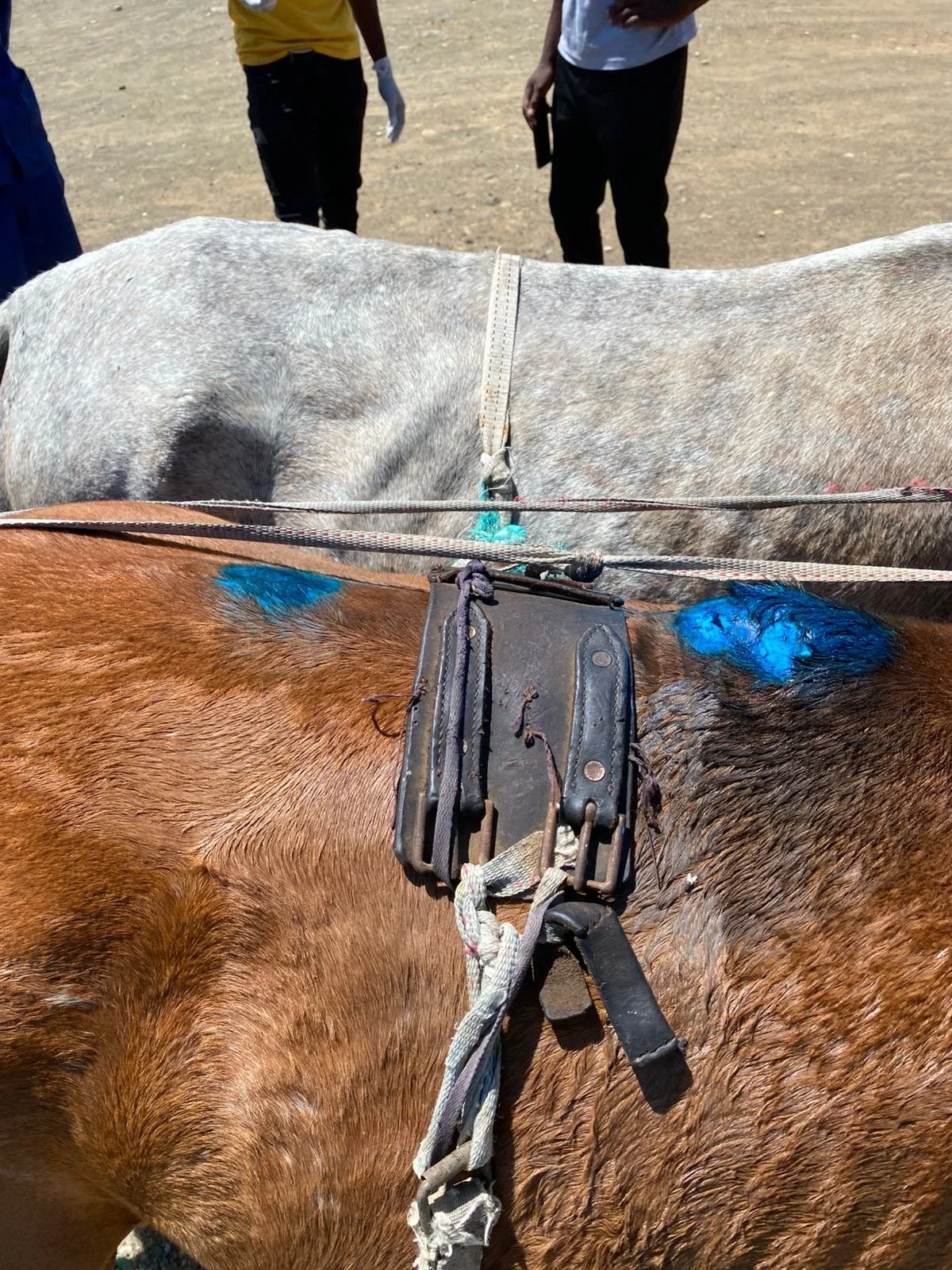
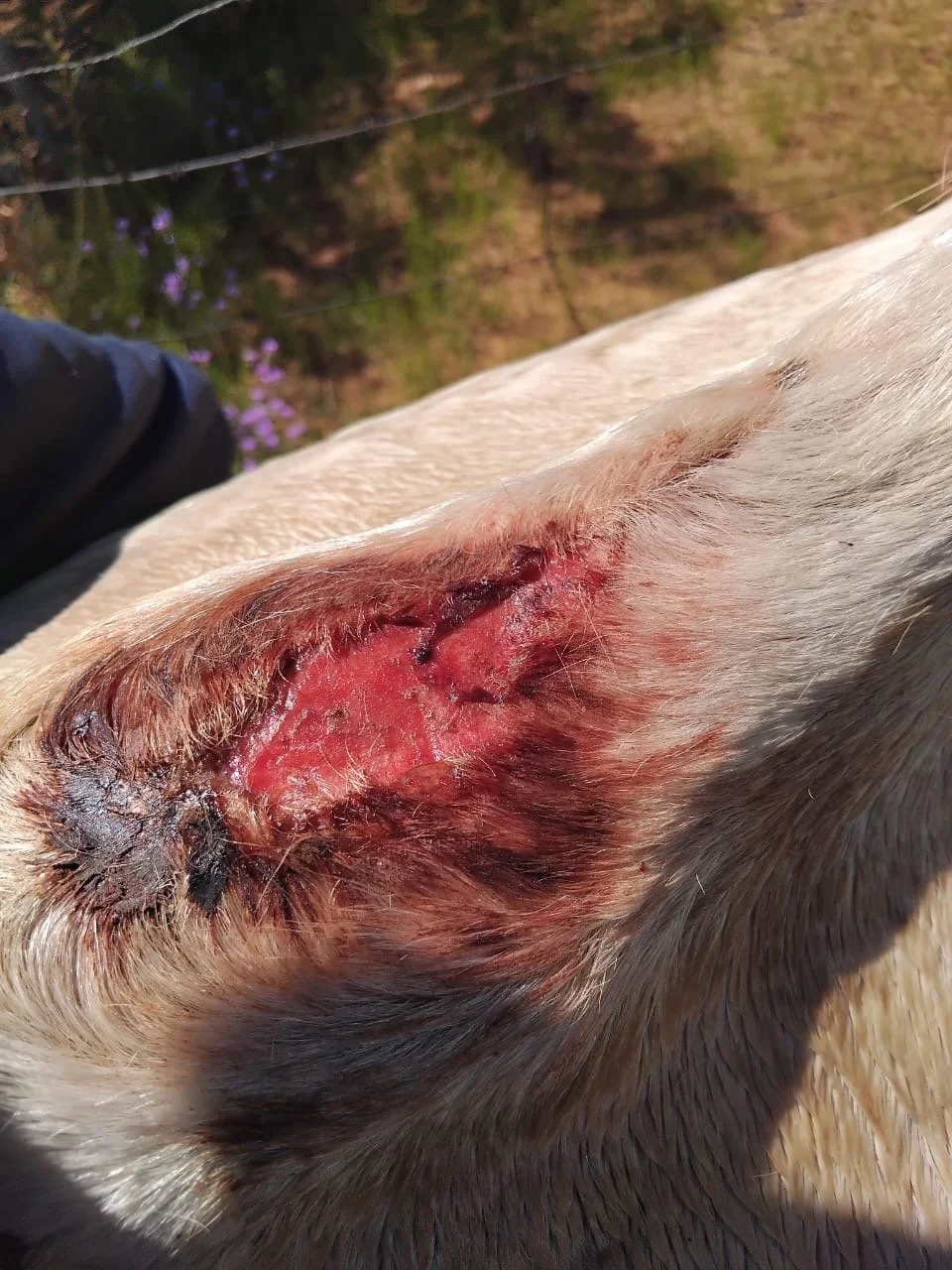
Assessment, cleaning and treatment of minor wounds and injuries
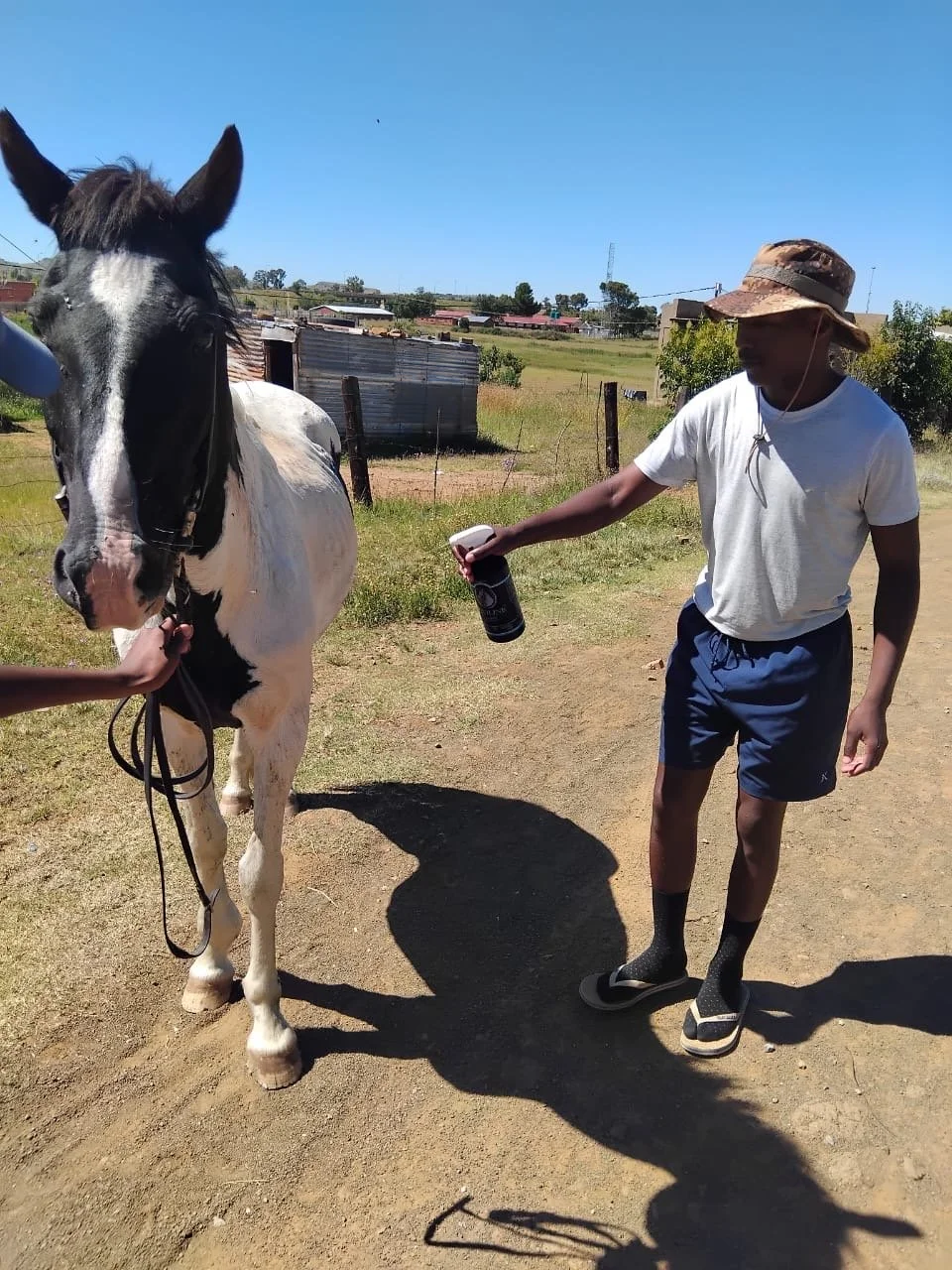
Internal and external parasite control
Deworming
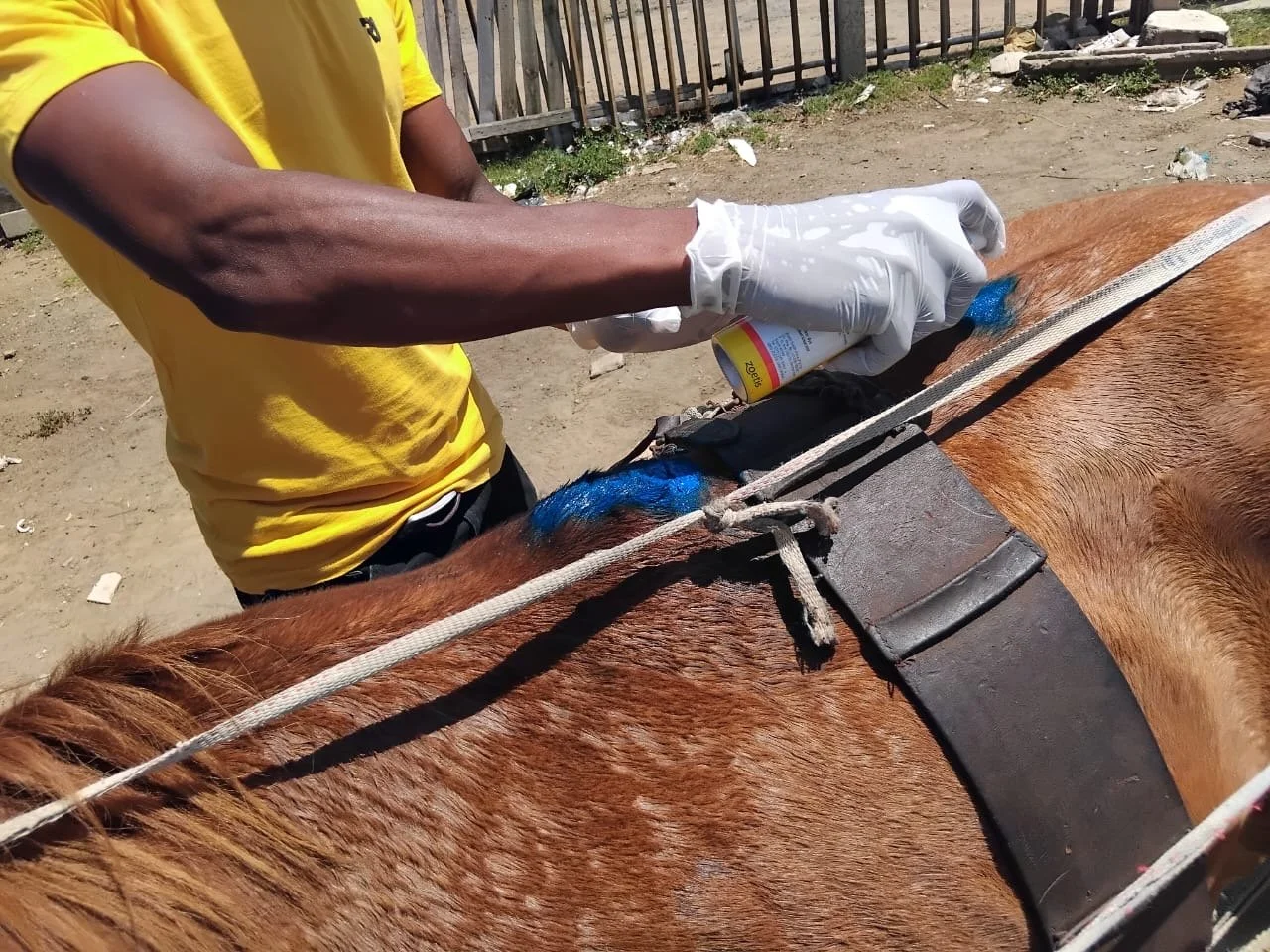
Fly spray application and tick grease (under tails and in ears)
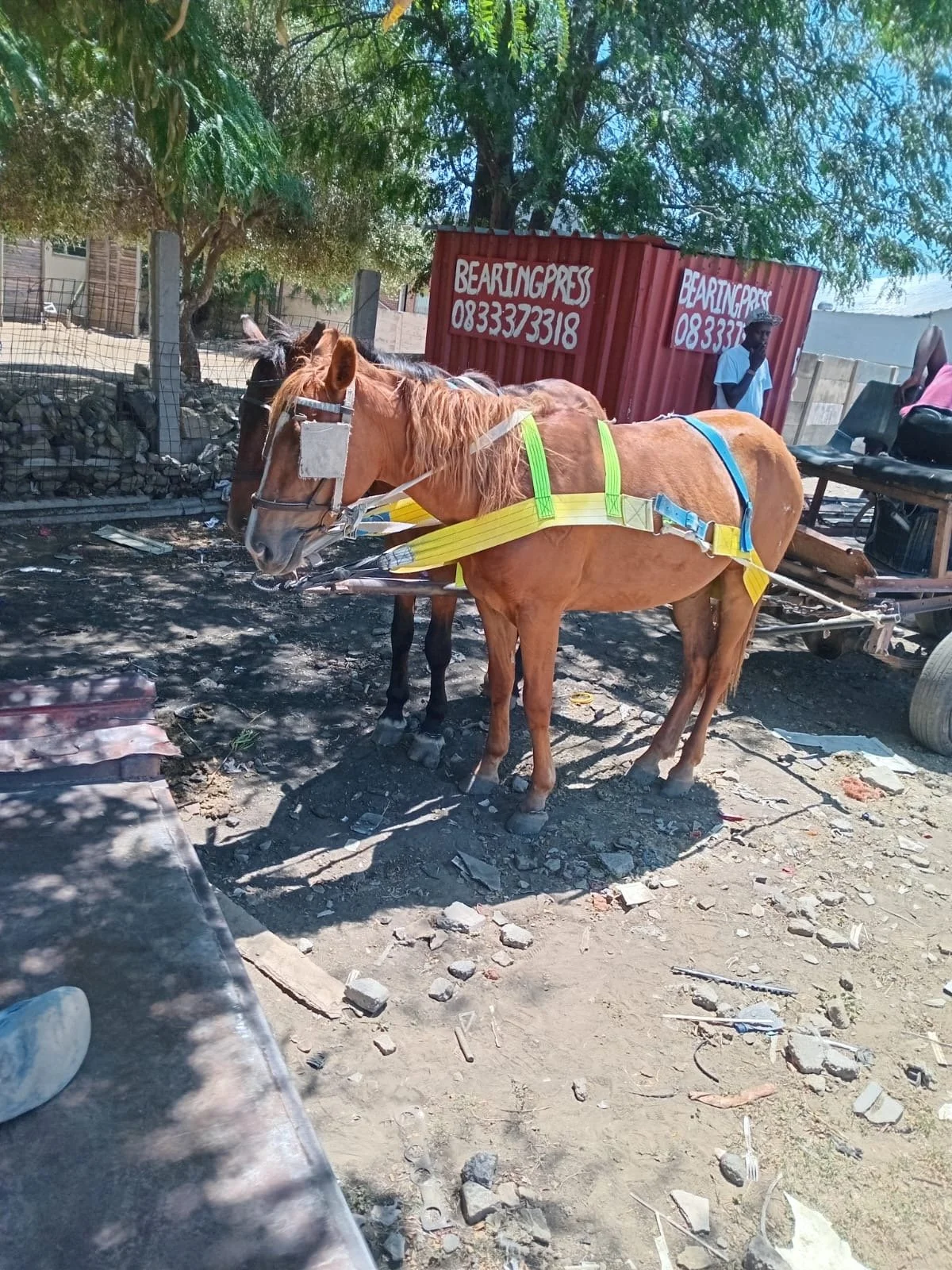
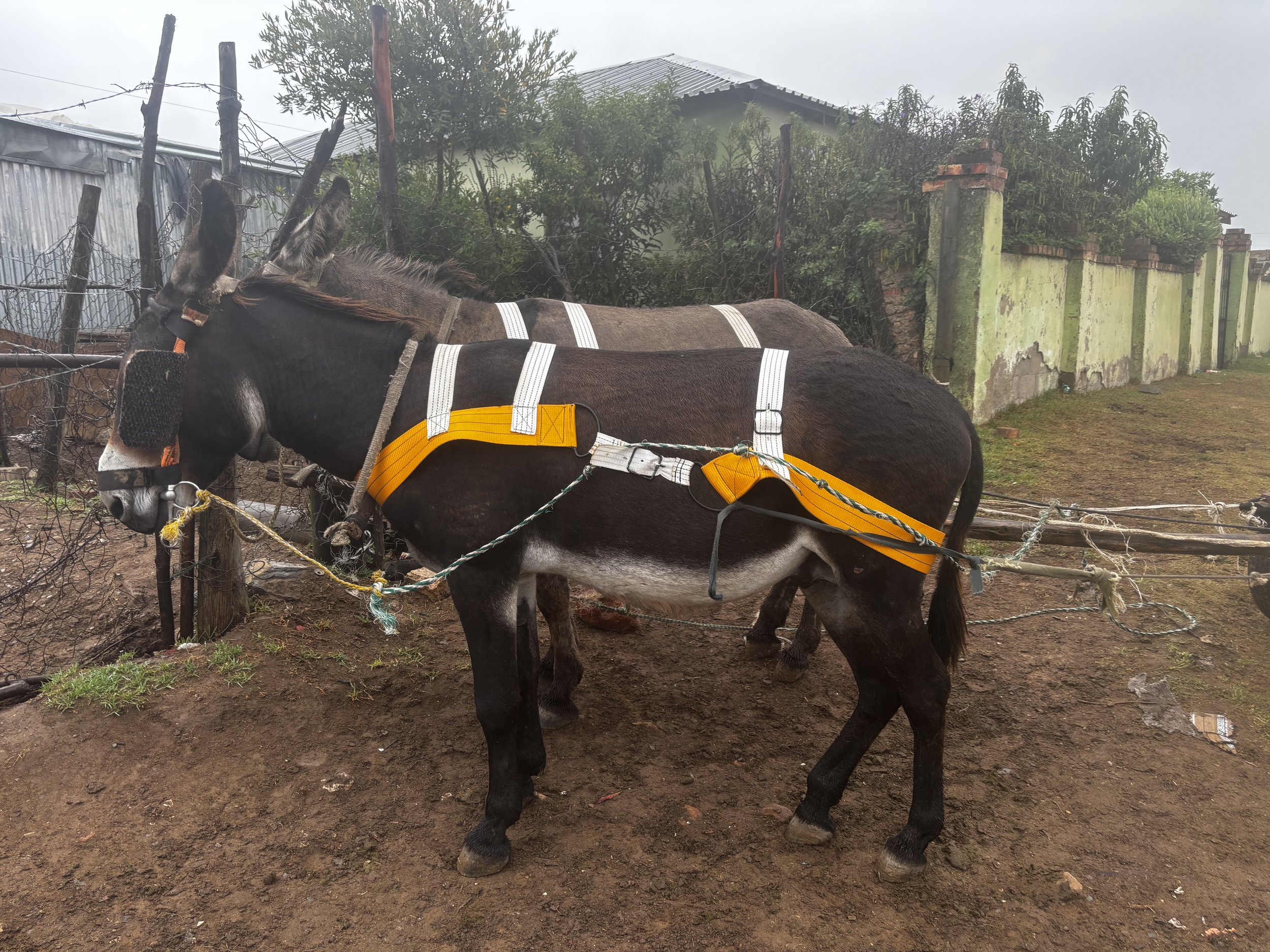
Harness checks, with replacements provided where required
Distribution of donated tack and harness items
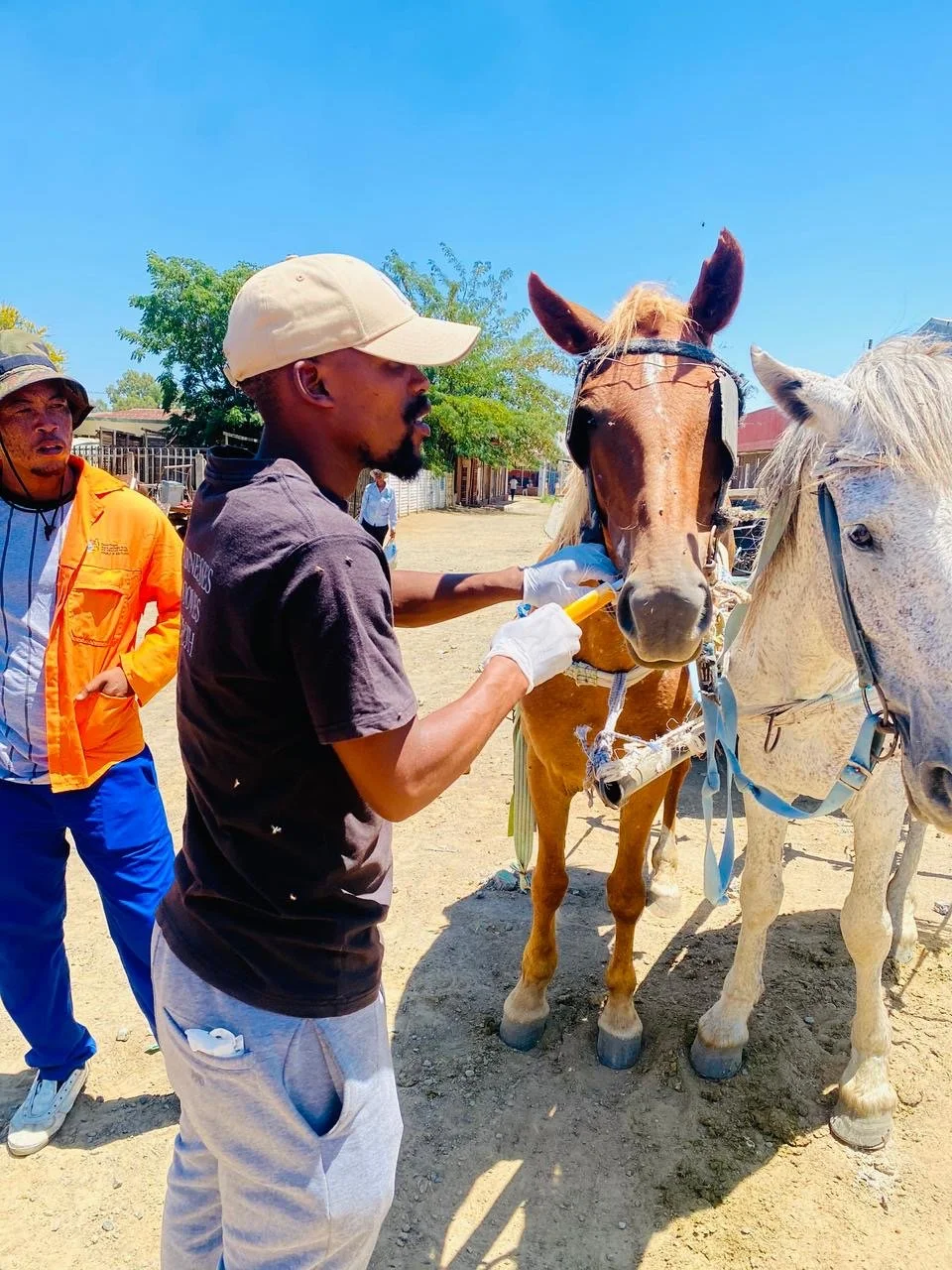
Care Station activity:
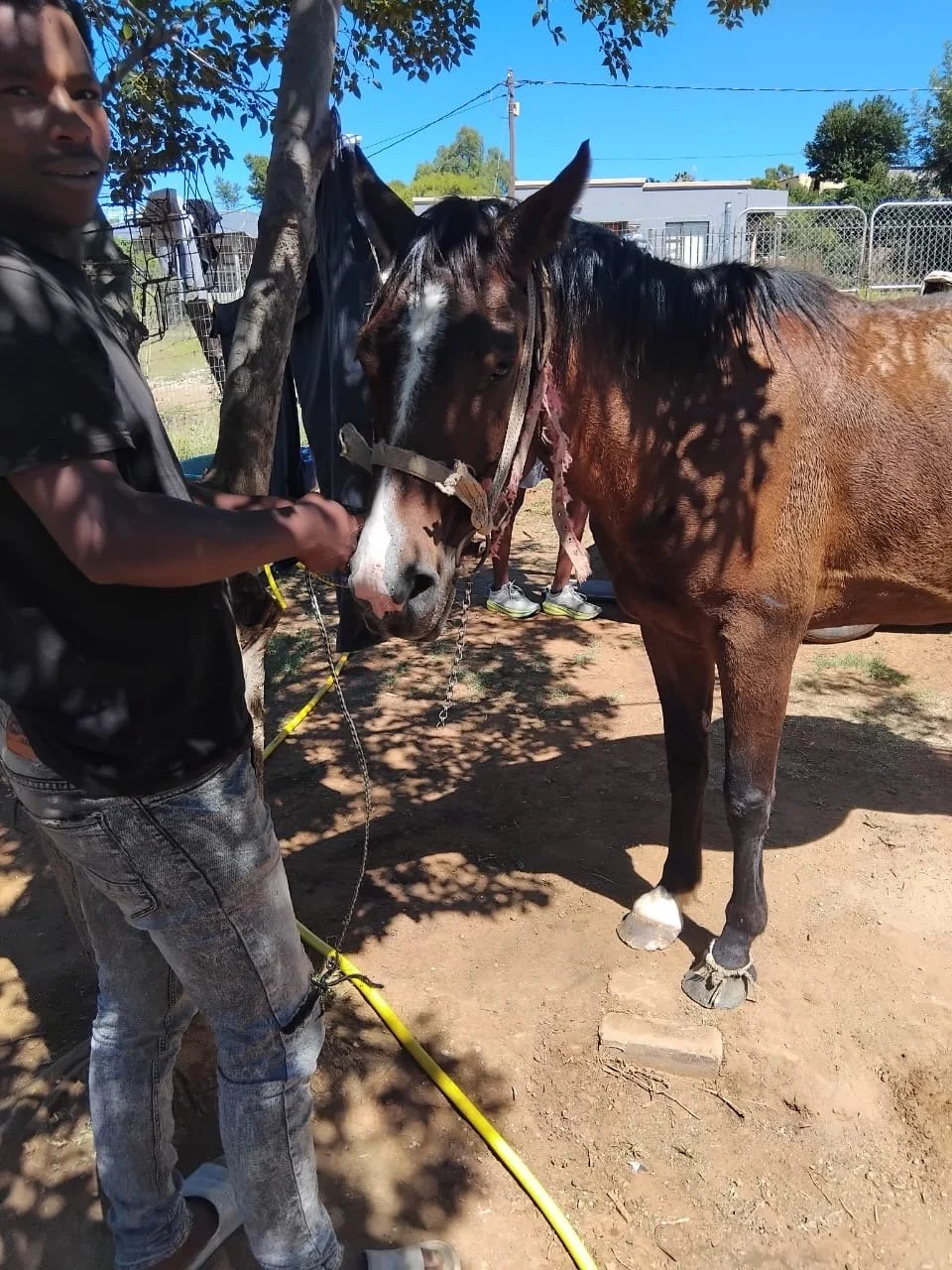
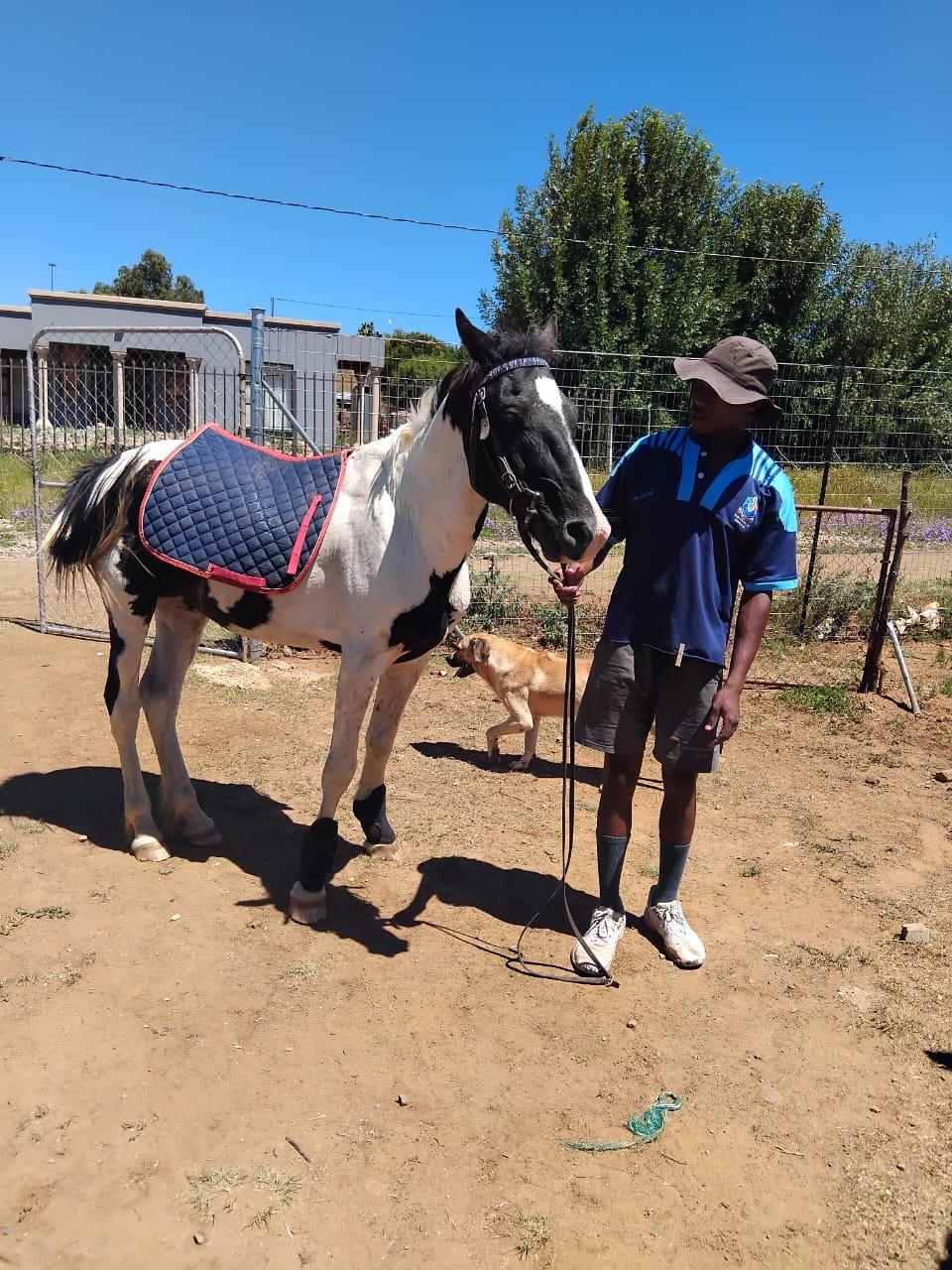
Two horses were admitted to the Care Station for follow-up wound treatment.
Tshepang Khake and his brother also assisted with cart repairs at the Care Station, thus supporting owners to keep equipment safe and functional.
The Care Station is manned daily by Tshepang Khake and his brother, who ensure animals receive ongoing care, monitoring, and support between outreach visits.
Program Development & Coordination
The Care Station signboard has been completed.
The Agripreneur team has requested an official opening of the Care Station!
We have formally introduced our program and Care Station to the veterinarians at the State Veterinary Clinic.
The program has received full support from the State Veterinary Services.
Overall:
This program had a strong and well-coordinated start to the year, with consistent outreach coverage, solid case follow-up, and strengthened collaboration with State Veterinary Services.
Working Donkey Outreach Program
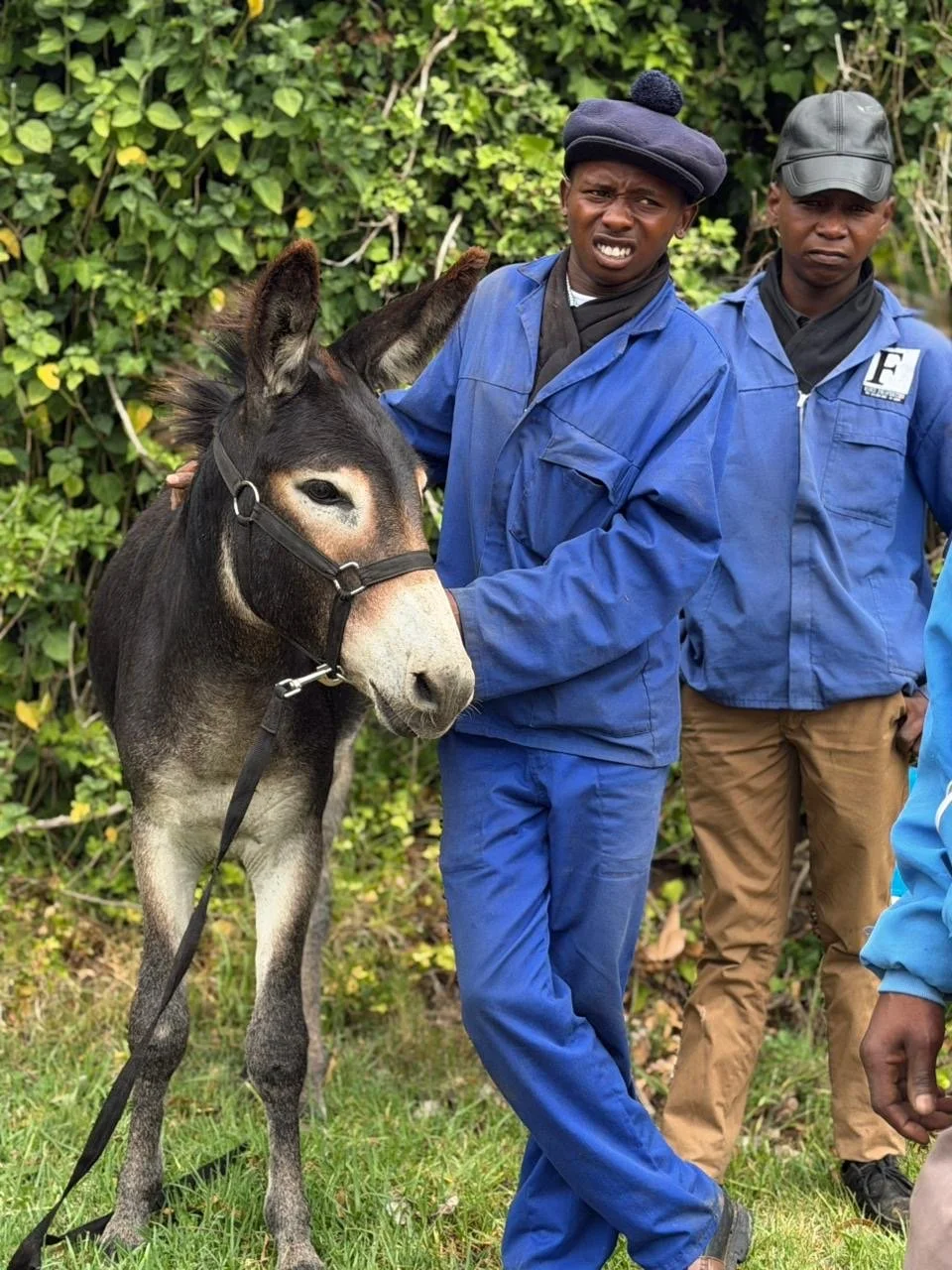
Total donkeys reached in January: 108 in Grahamstown
January was a demanding but incredibly encouraging month for the Grahamstown donkey program. Extremely hot weather, sudden municipal actions, and long days on our feet tested the team, but the level of community involvement and growing understanding around humane donkey management marked a real turning point!
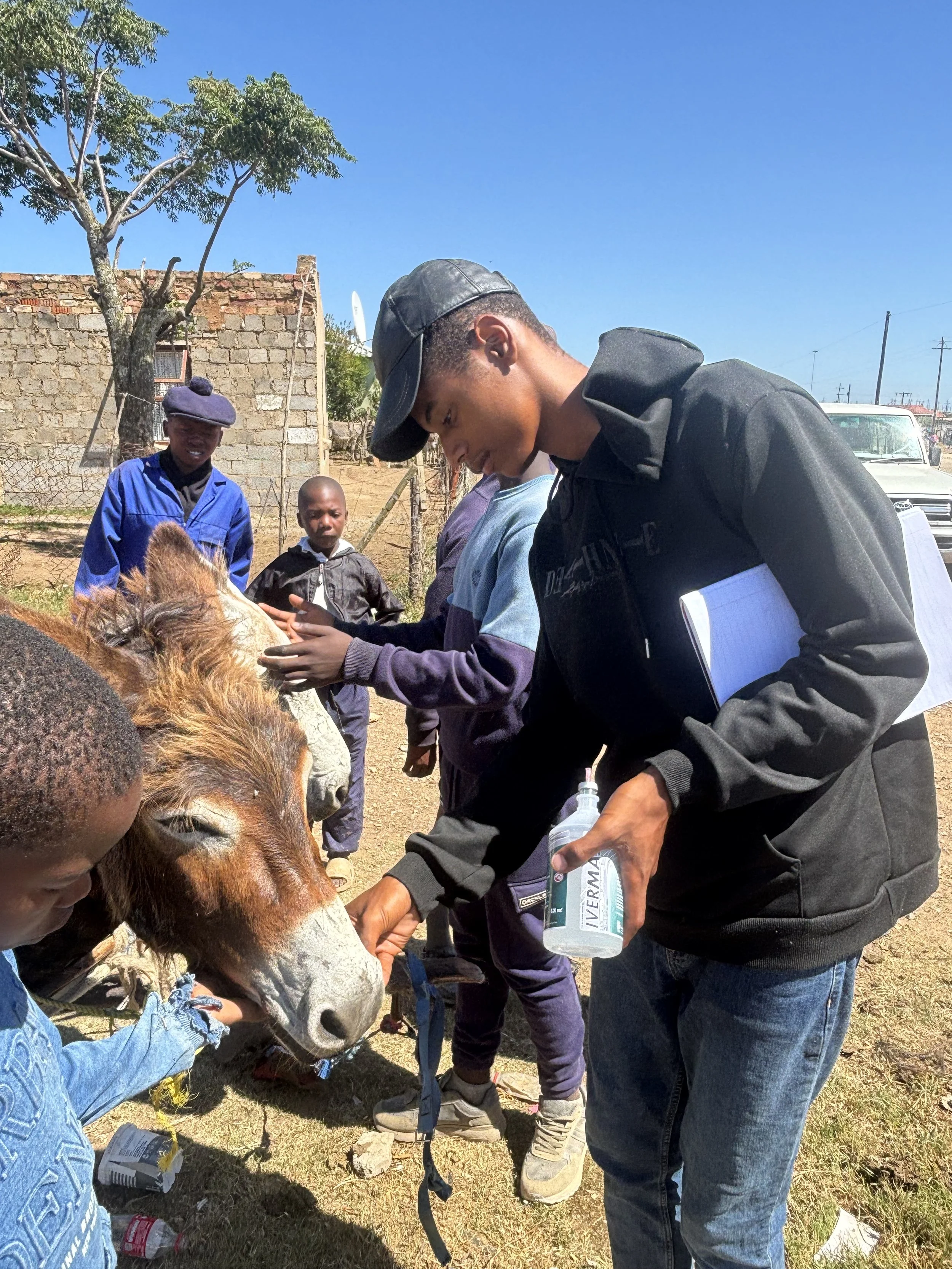
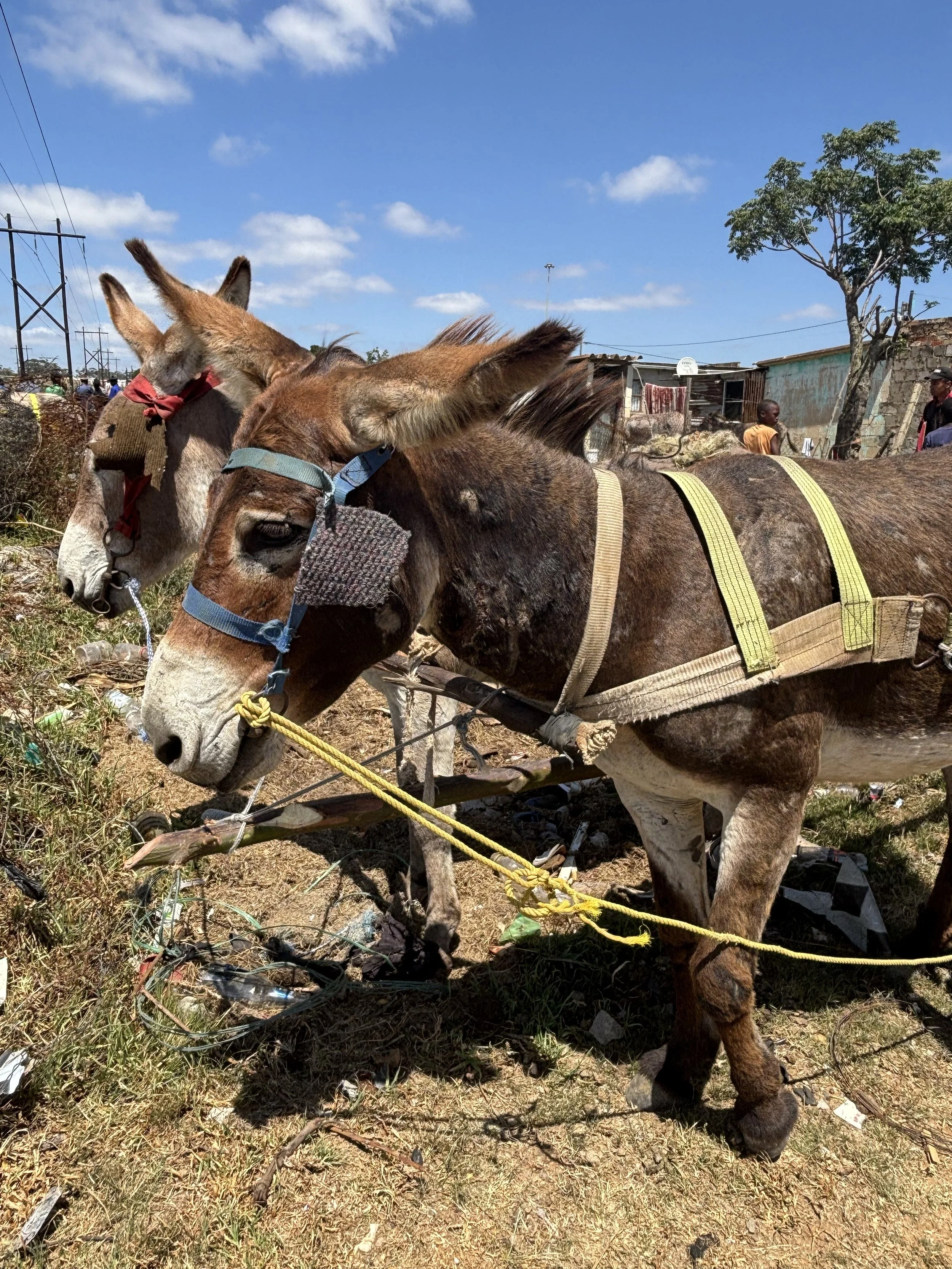
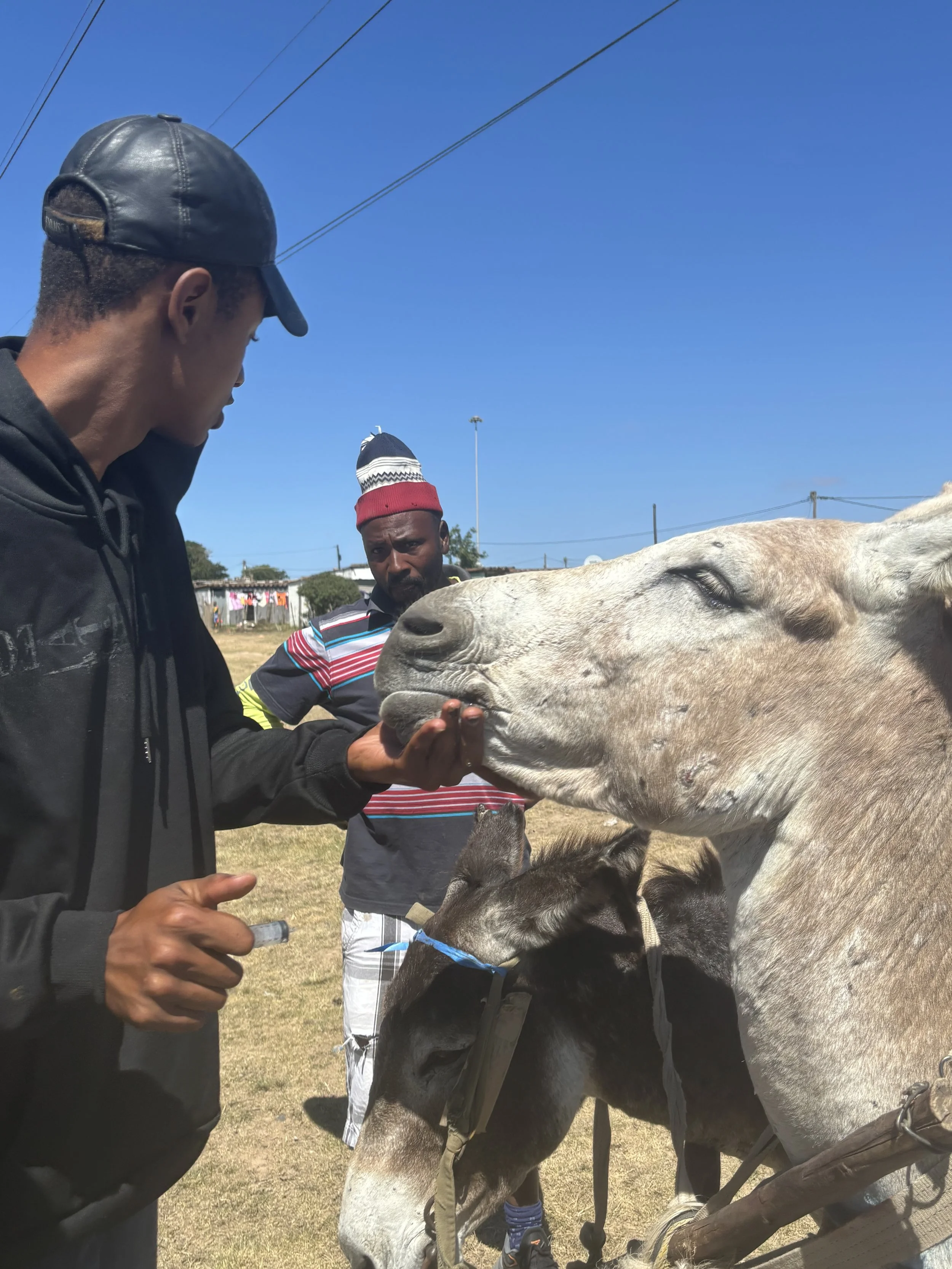
Donkey outreach day:
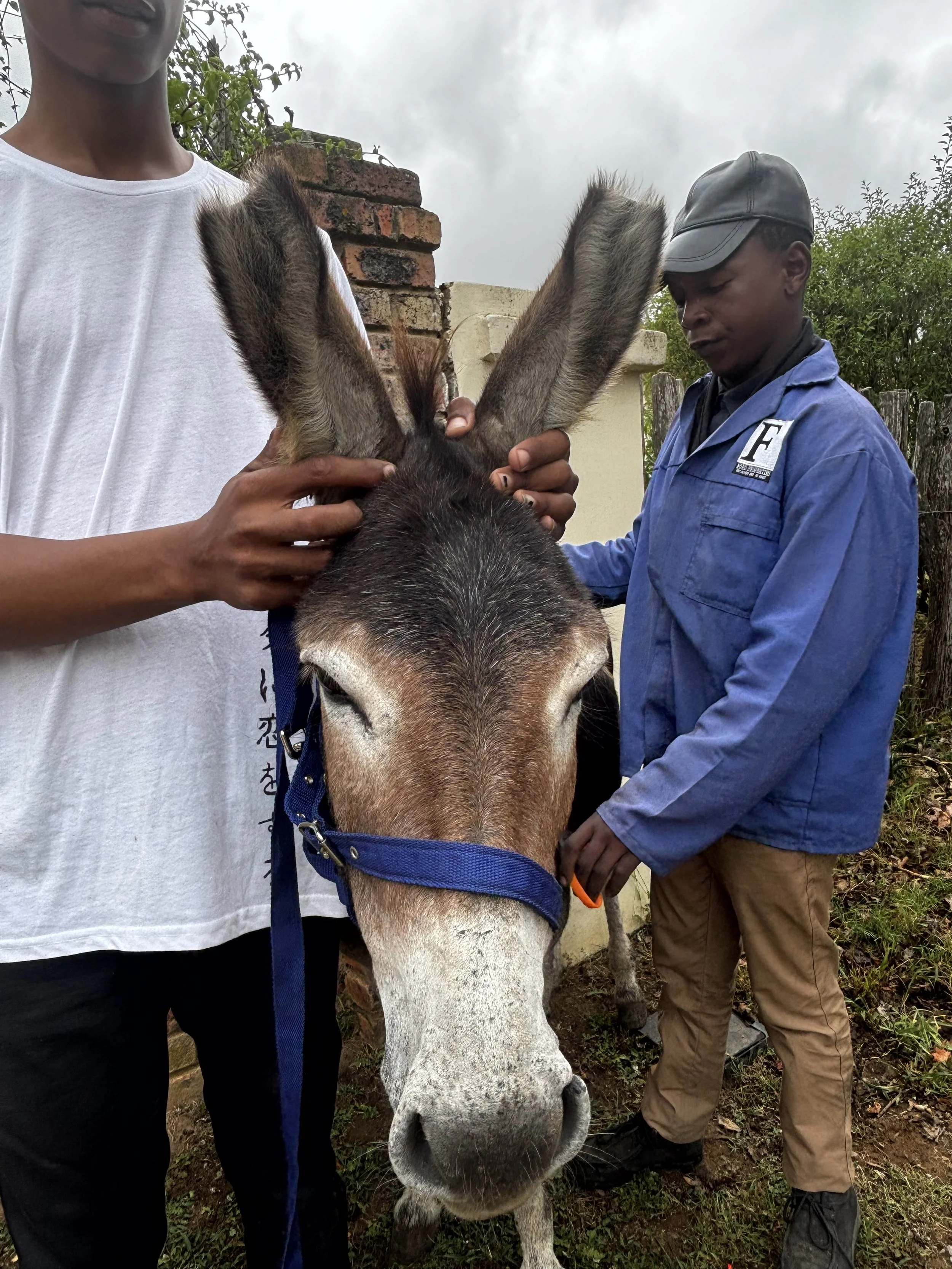
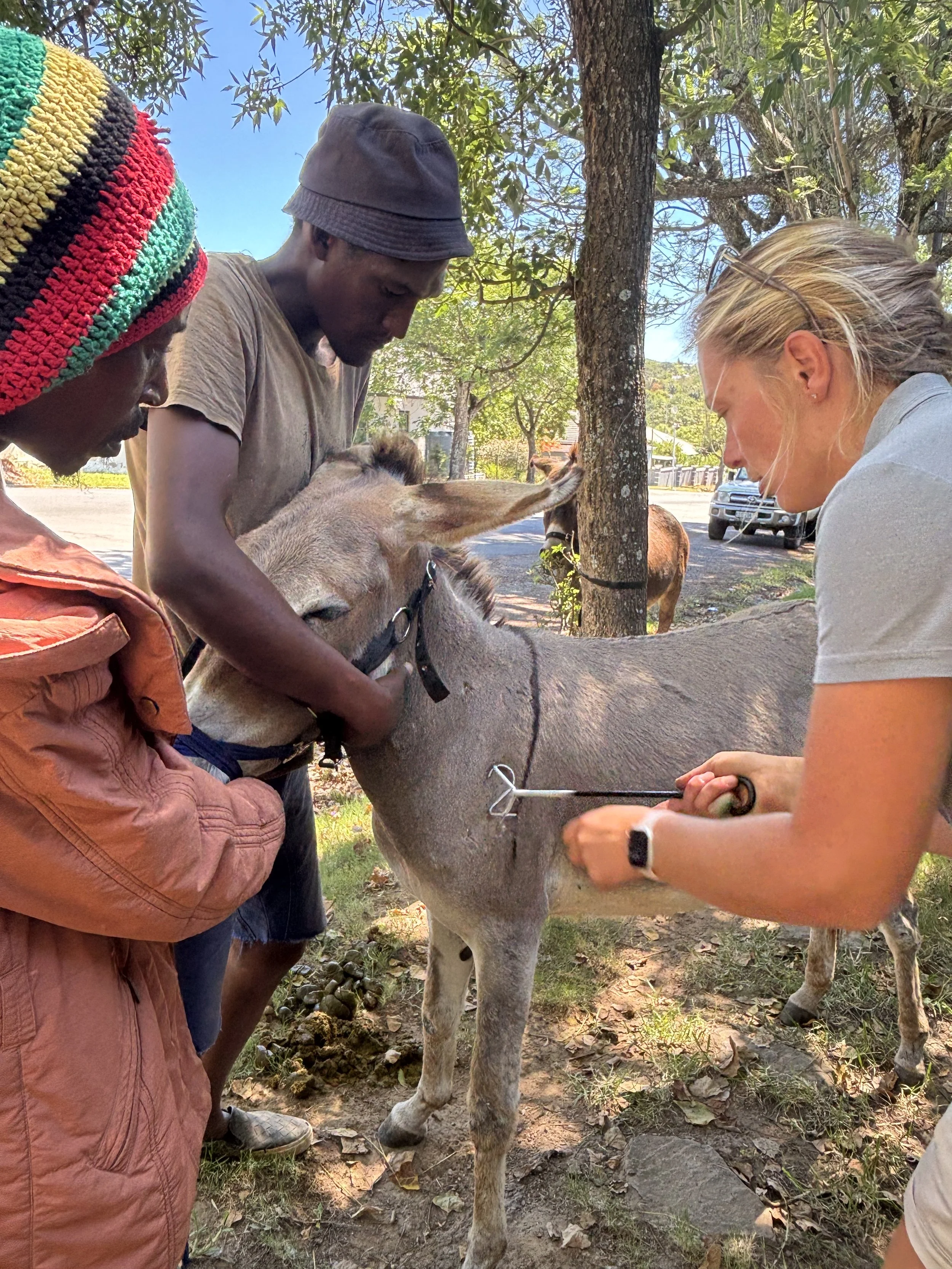
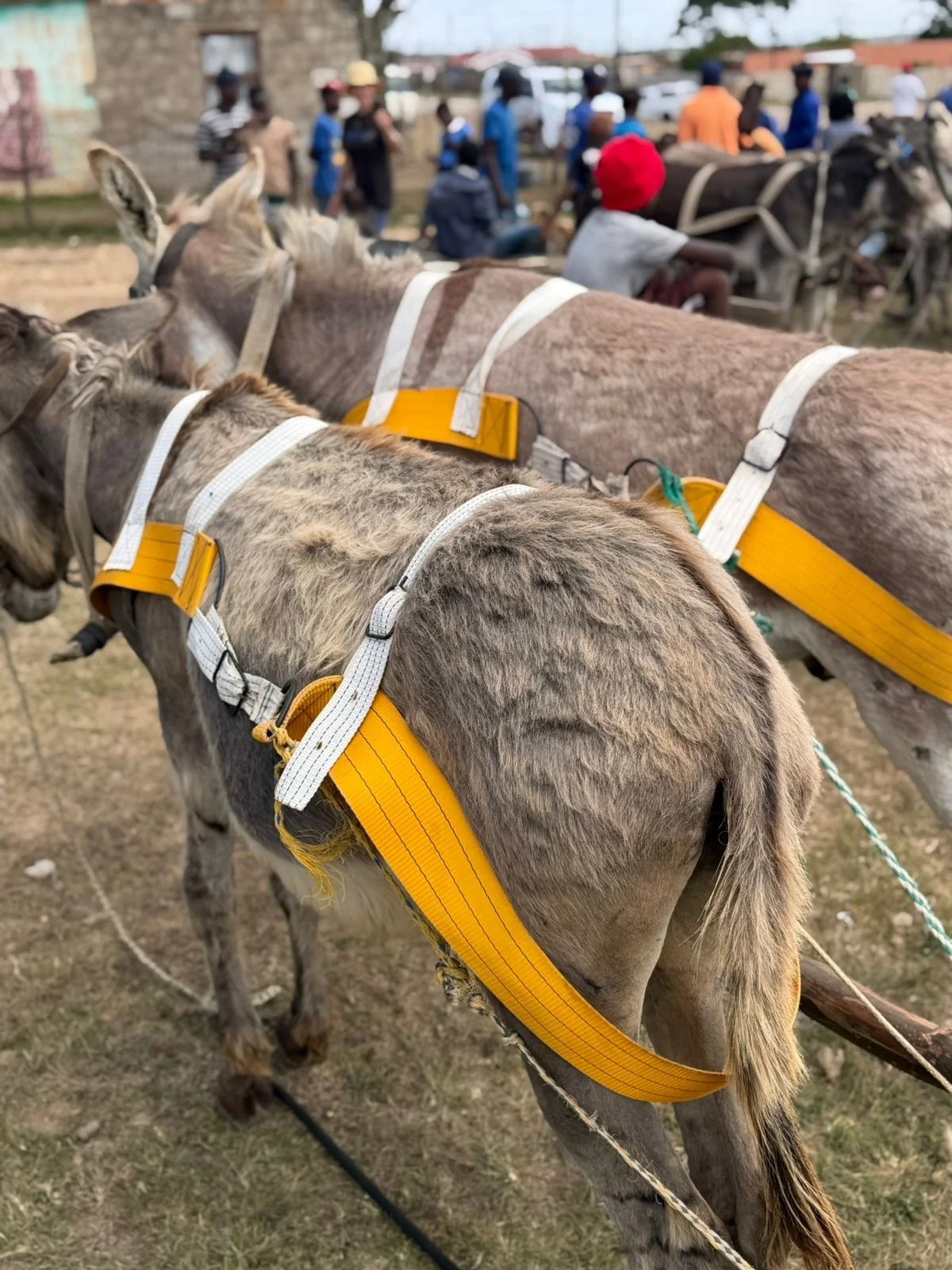
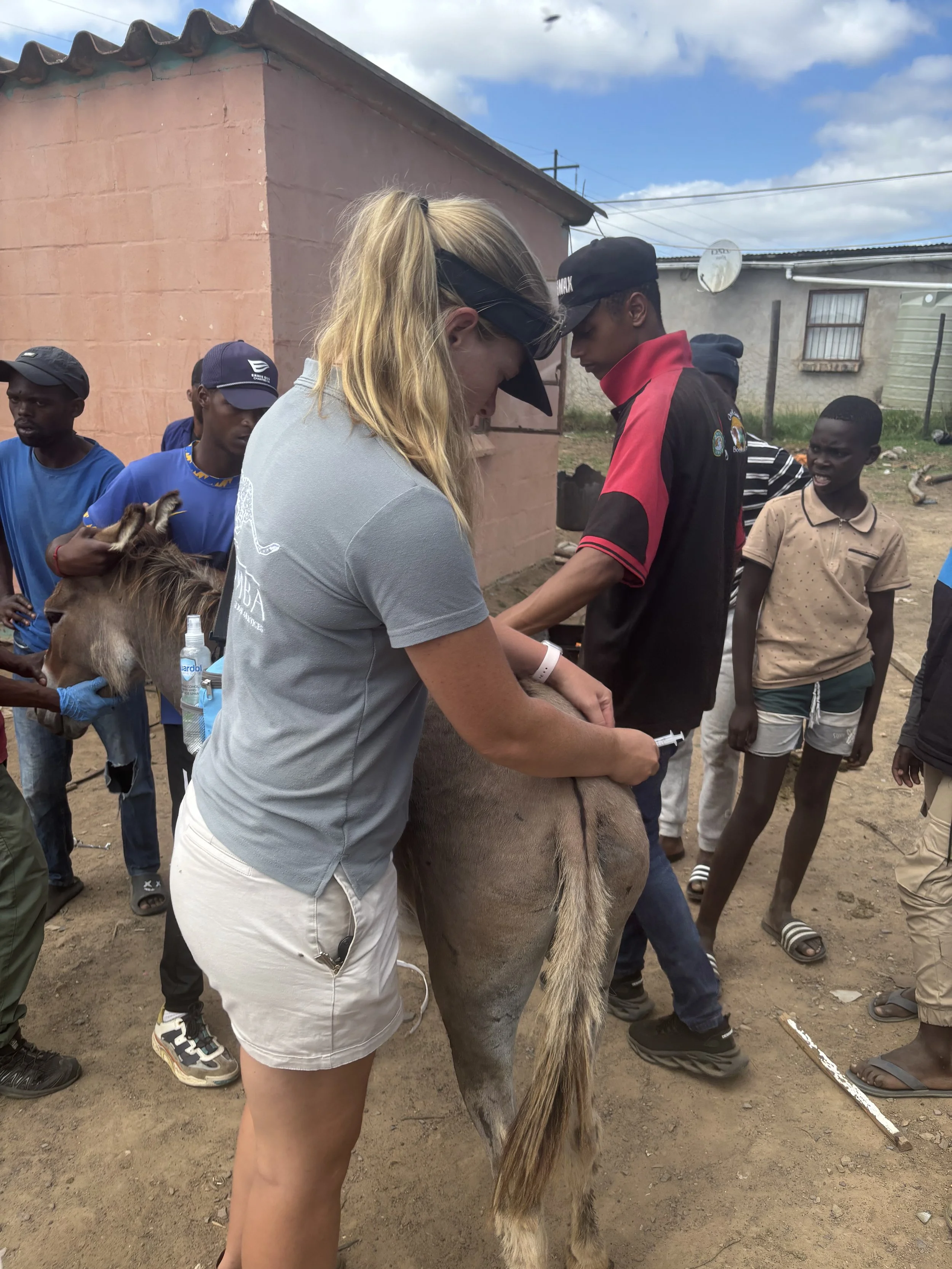
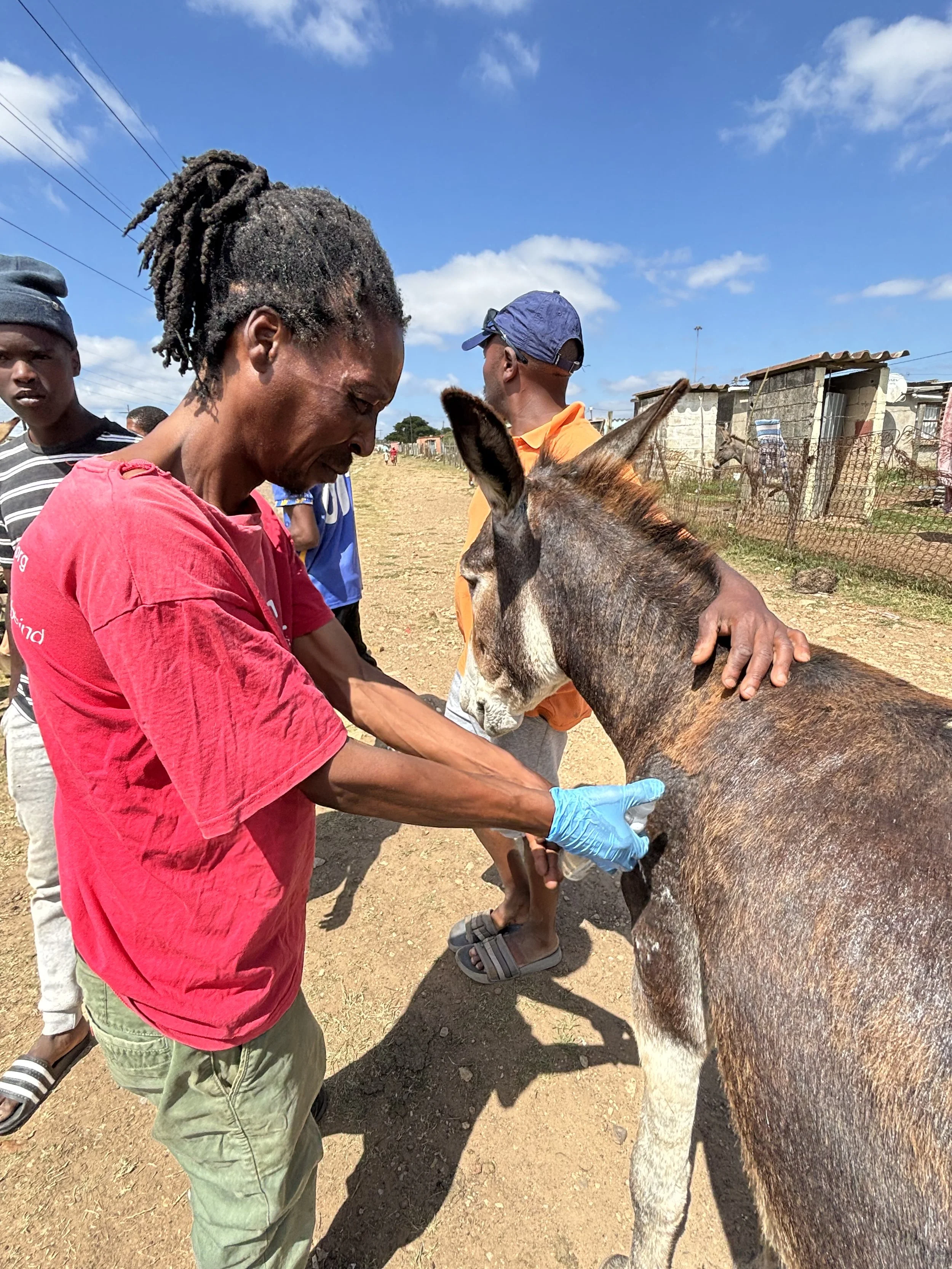
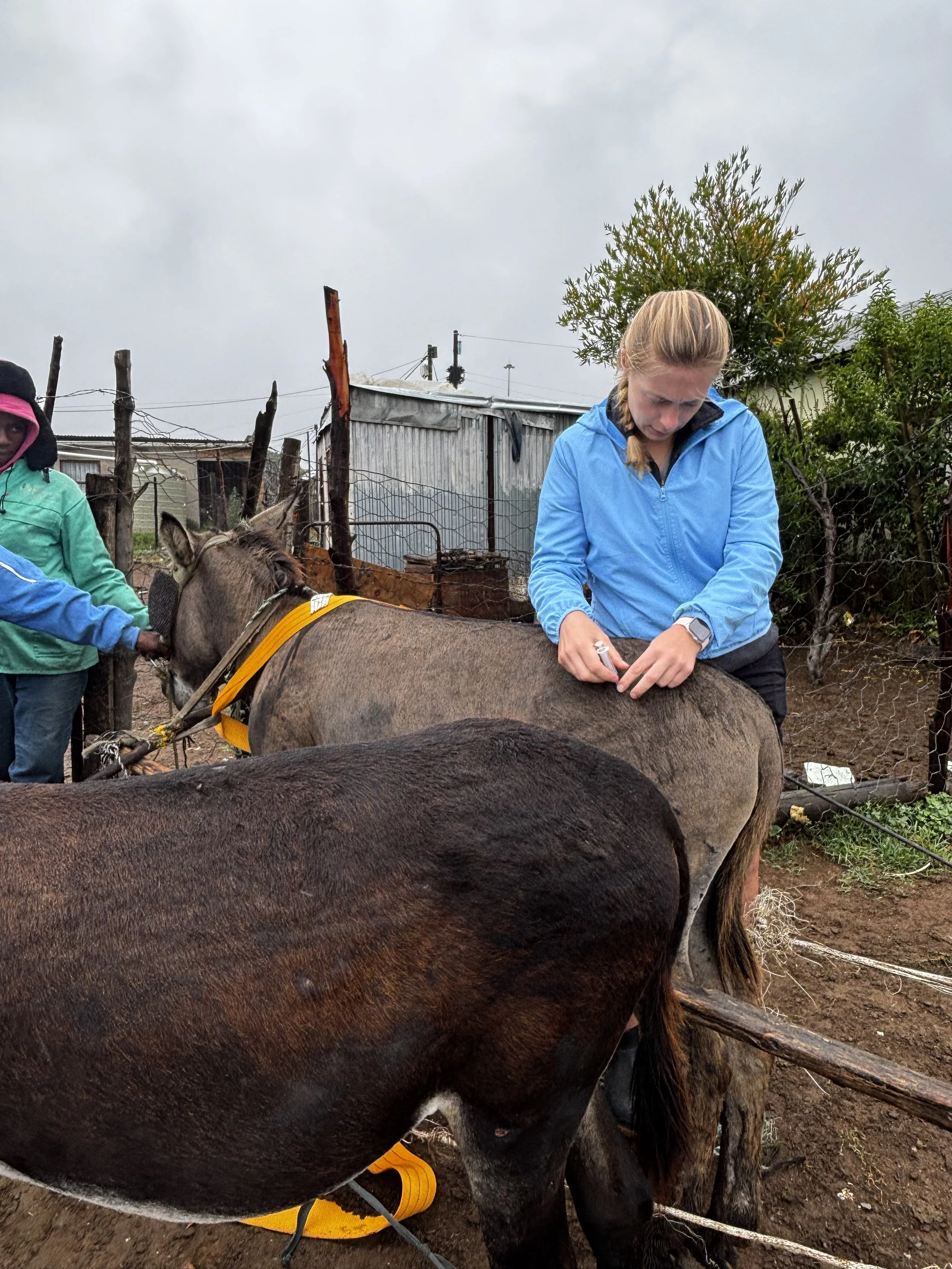
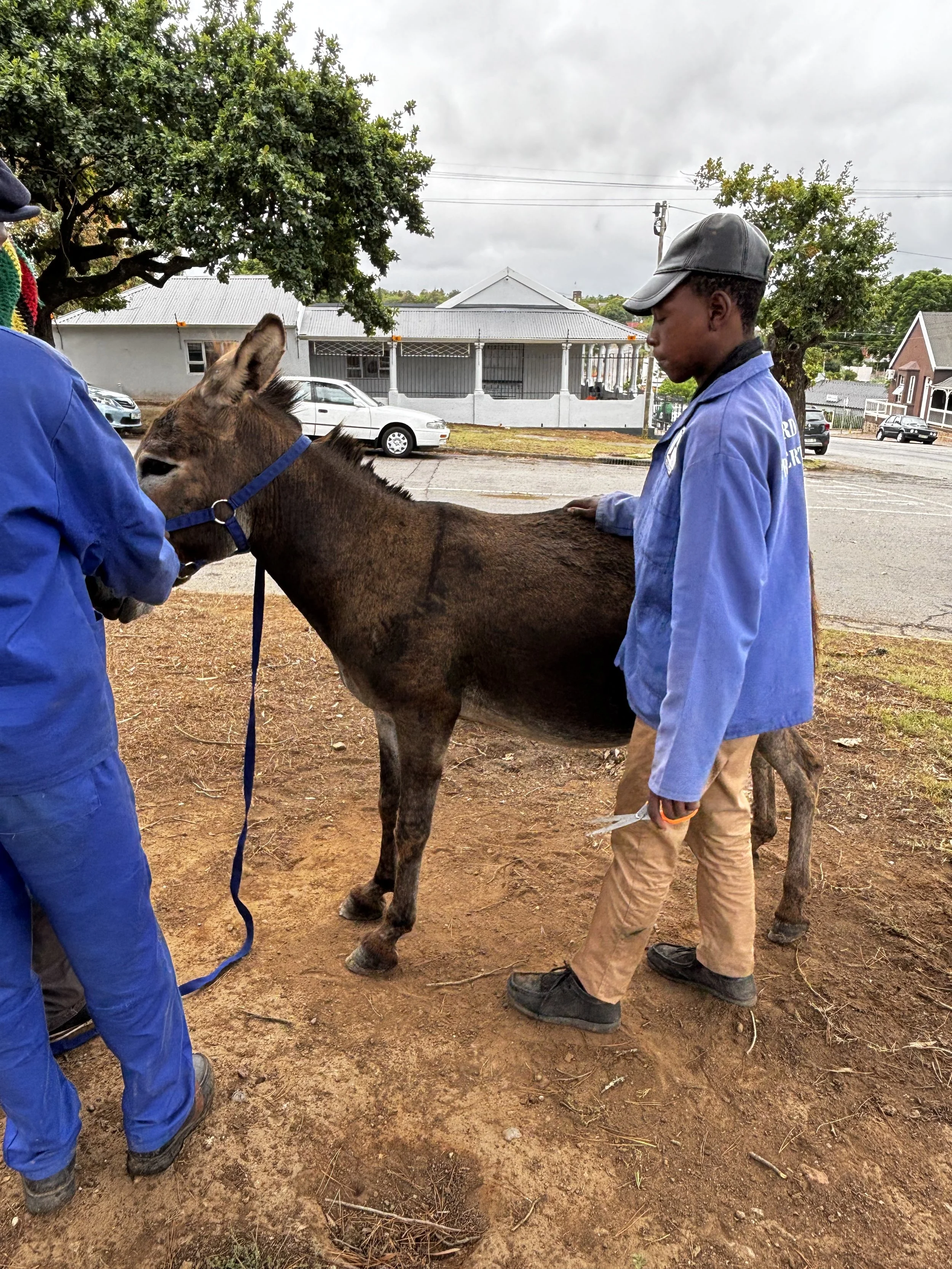
24 donkeys were treated on the day
The weather was hot and dry, making it a physically tough outreach for both animals and the team.
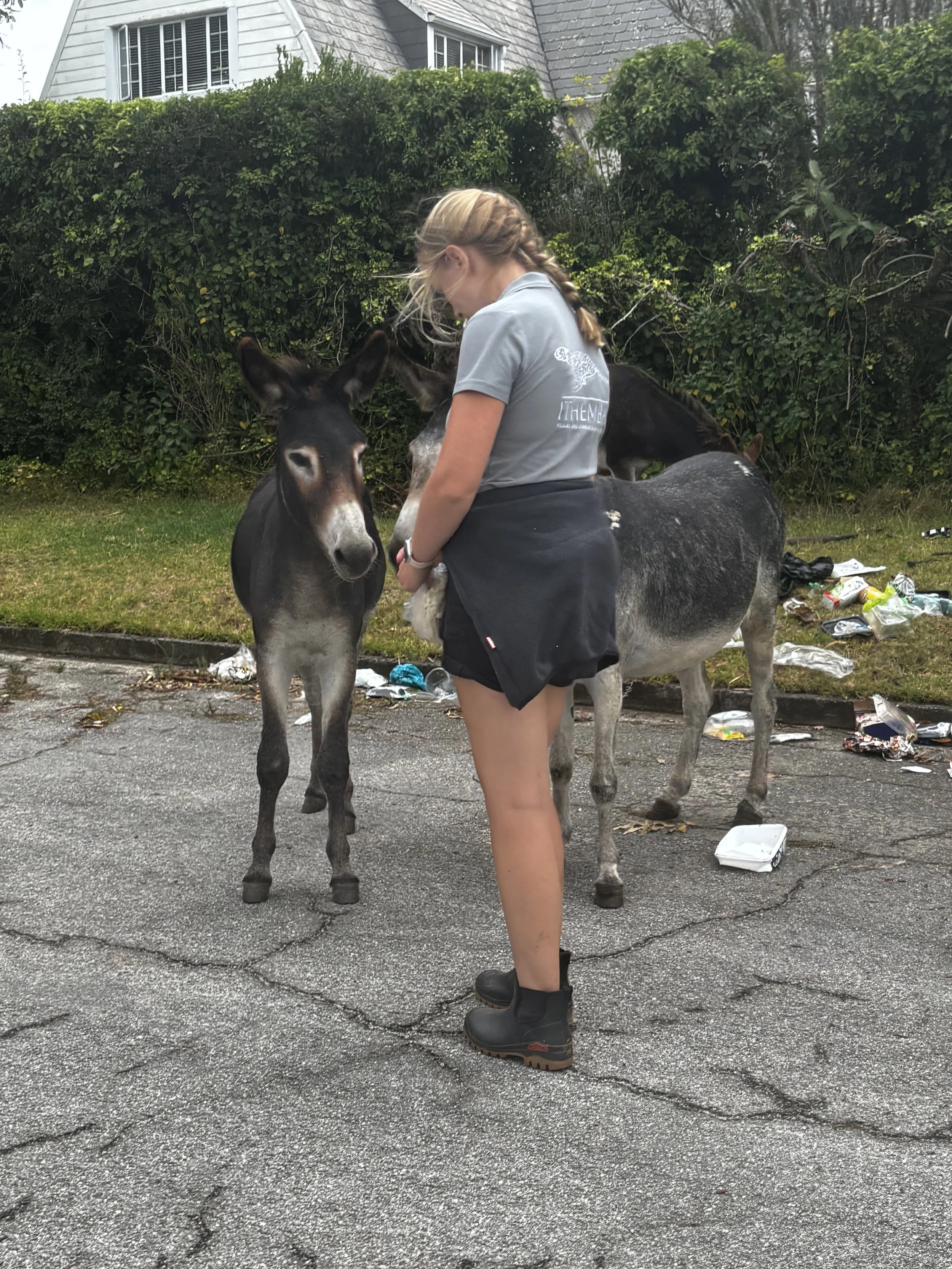
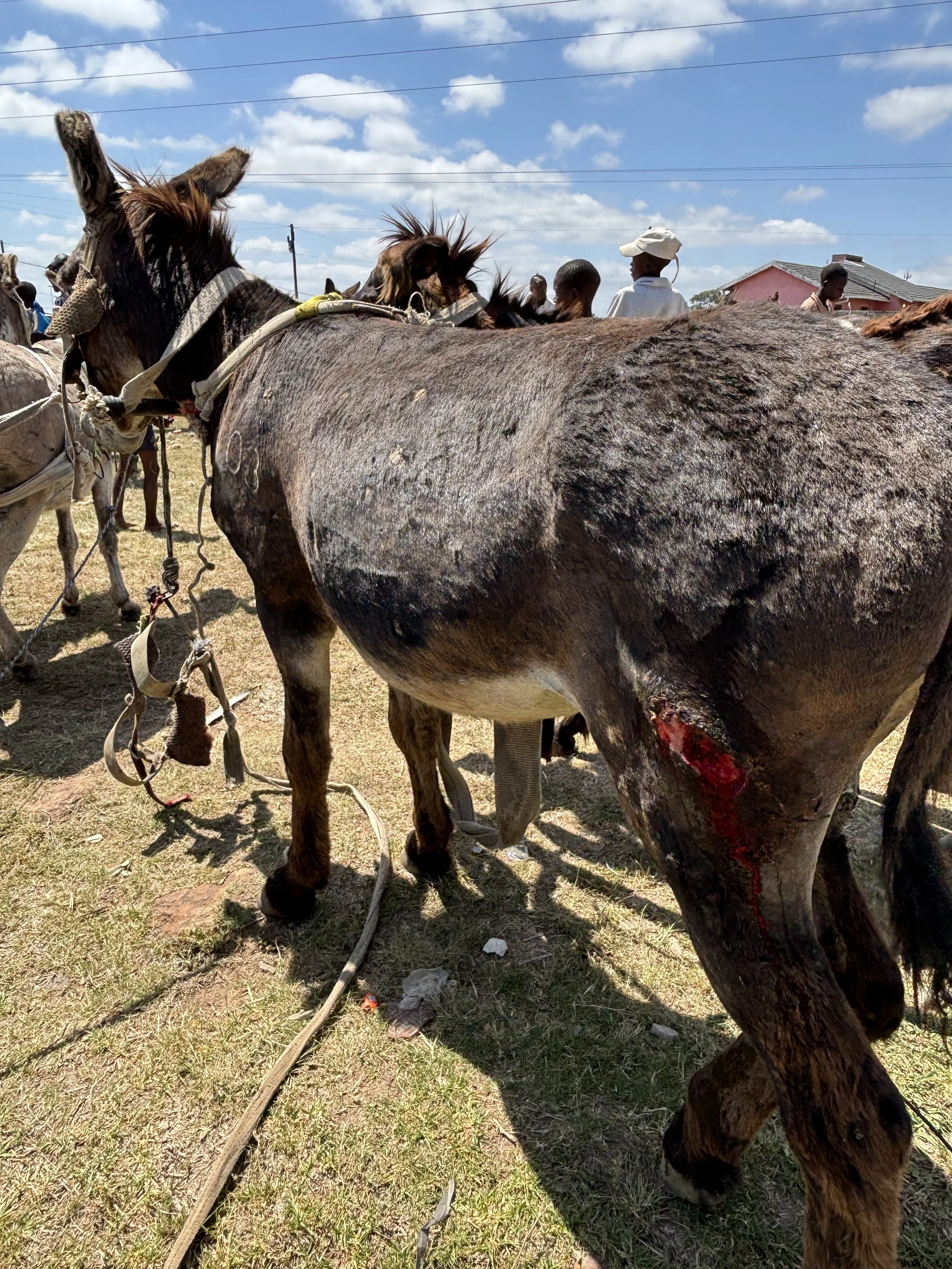
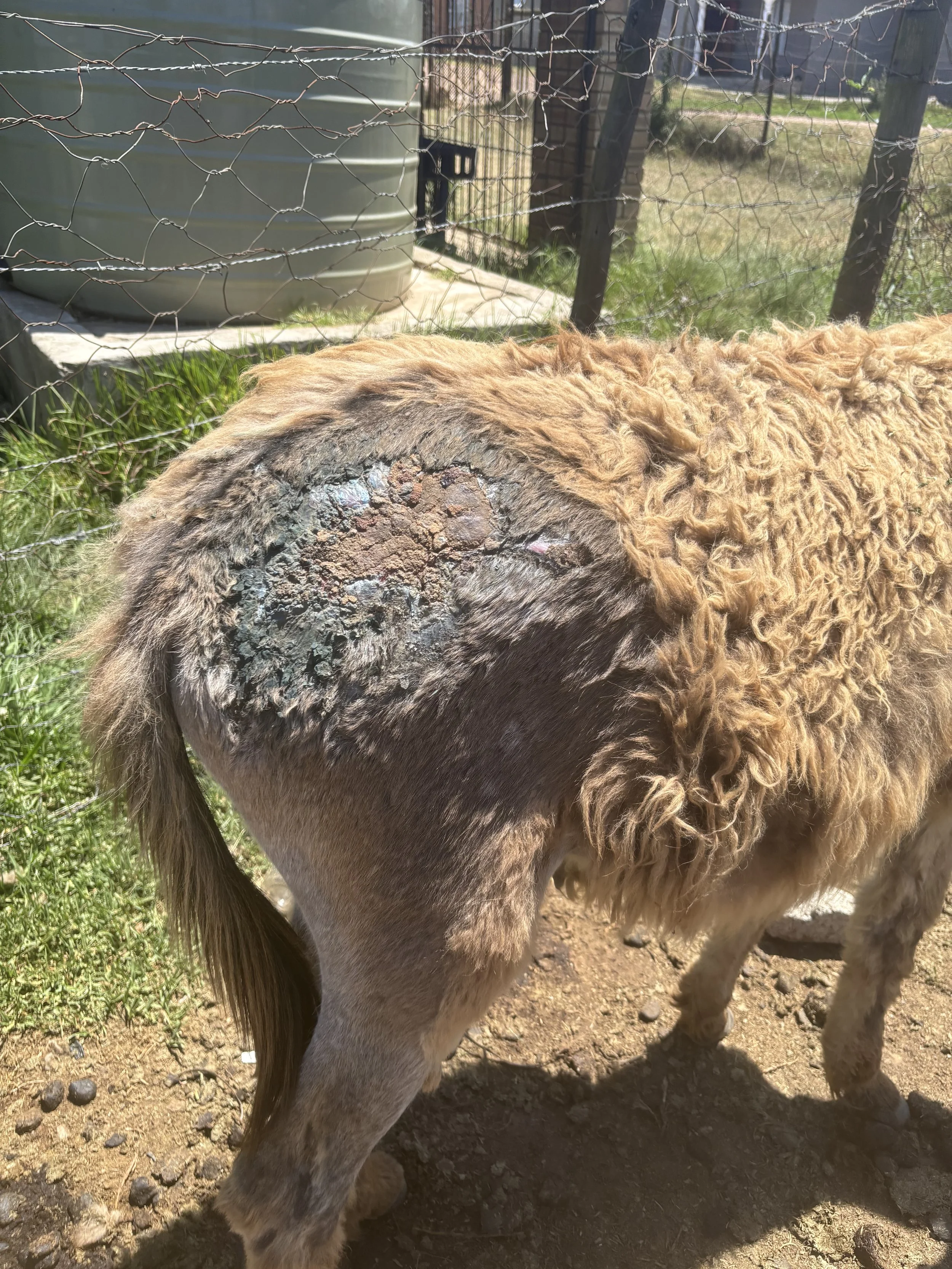
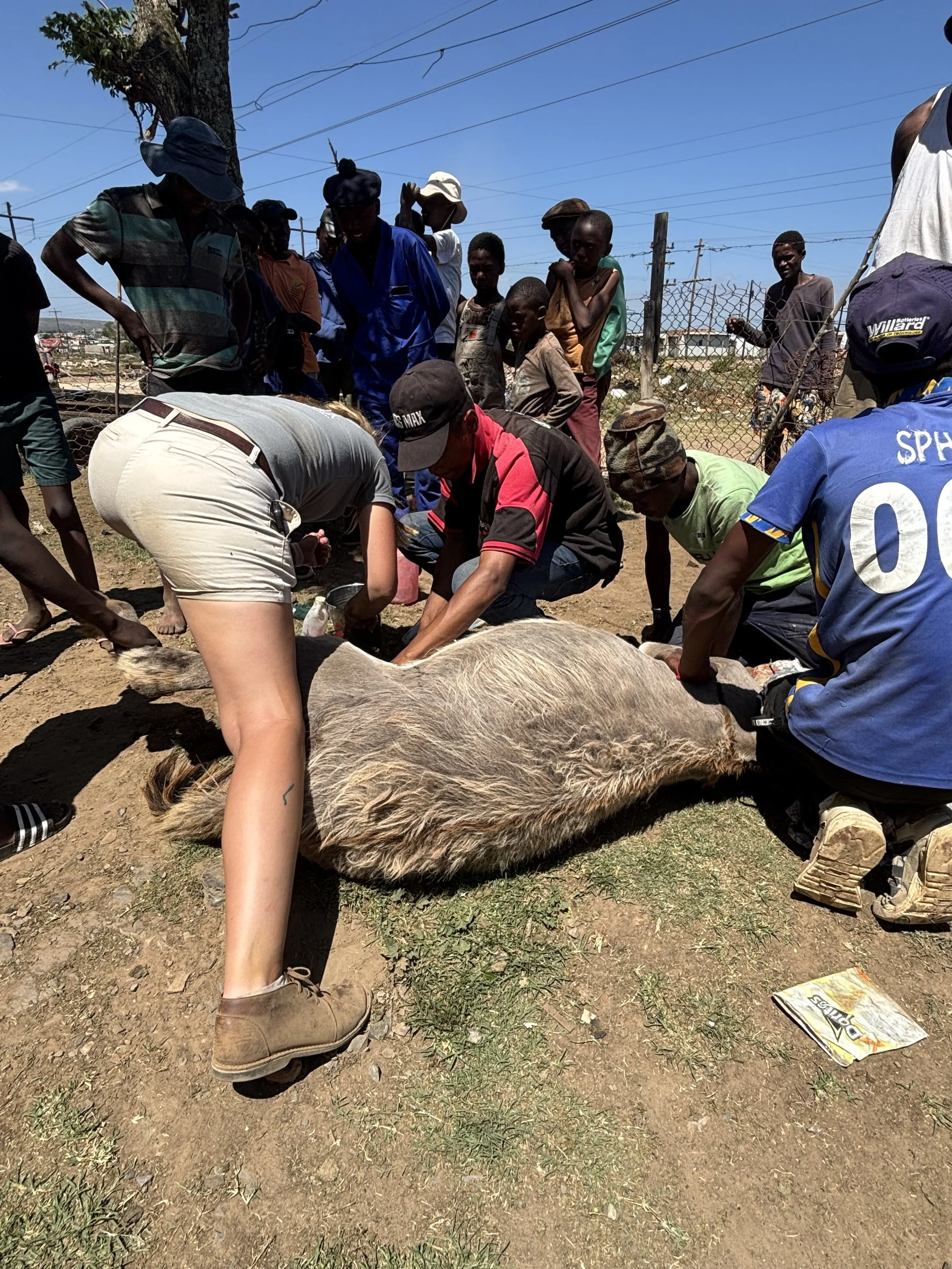
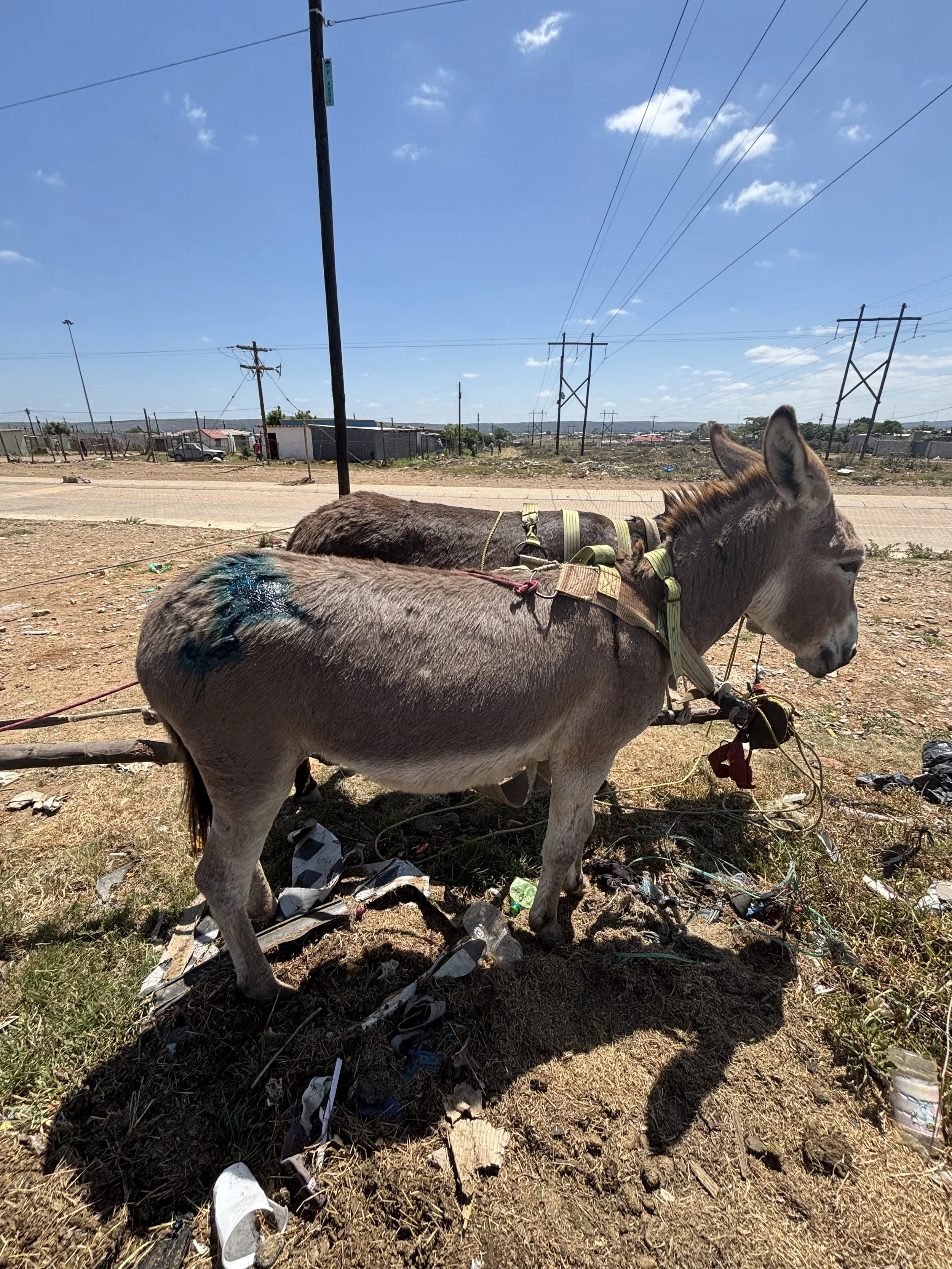
Services provided included:
Treatment and cleaning of minor wounds
Harness checks and replacements
Hoof checks
General health assessments
Despite the heat, owners and donkeys were patient and cooperative, and the outreach day ran smoothly.
Municipal Impoundment Crisis
On the 16th of January, the municipality issued a last-minute notice announcing an immediate roundup of straying animals.
Eight donkeys were already impounded at Fiddlers Green.
Animals not claimed by 16:30 were to be transported to the Alexandria Pound.
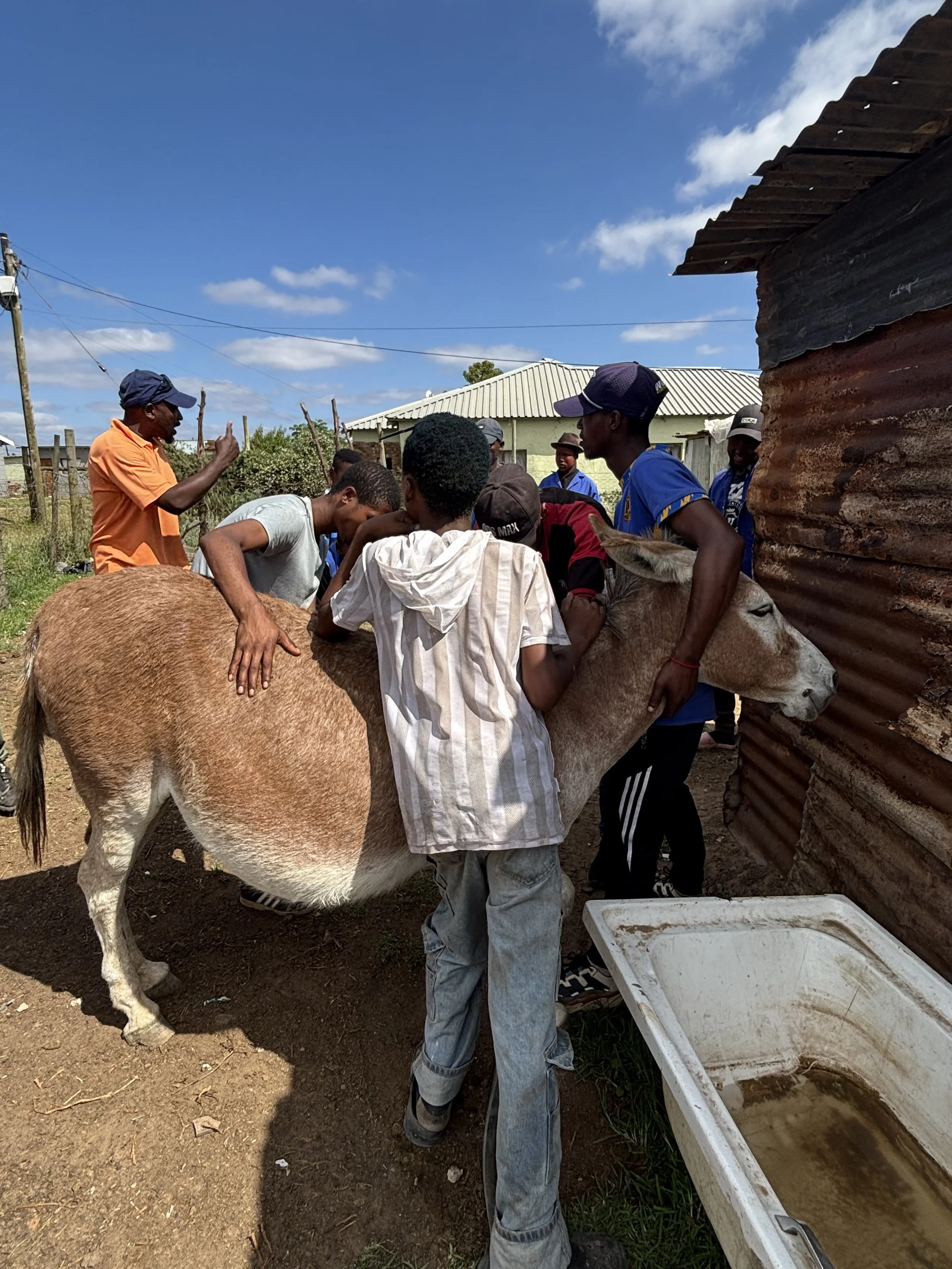
Vet, Dr Annie, went to Fiddlers Green immediately and identified that:
Several jennies were heavily pregnant.
Others had newborn foals.
These animals were clearly not fit for transport!
Blind Love paid the release fees for each donkey and all were taken back into town. While this intervention did not sit well with the municipality, we committed to returning the following week to locate the donkeys, trace their owners, and mark them appropriately.
Tragically, a devastating fire swept through the Blind Love sanctuary on the 18th of January, making travel impossible.
On the 20th of January, the municipality again rounded up donkeys without any warning. We contacted them to explain the fire emergency and requested that the donkeys be kept safe until the following day.
When Dr Annie arrived at Fiddlers Green early on Wednesday morning, the gate had already been opened and the donkeys were gone.
The team drove through town, located the small herd, and:
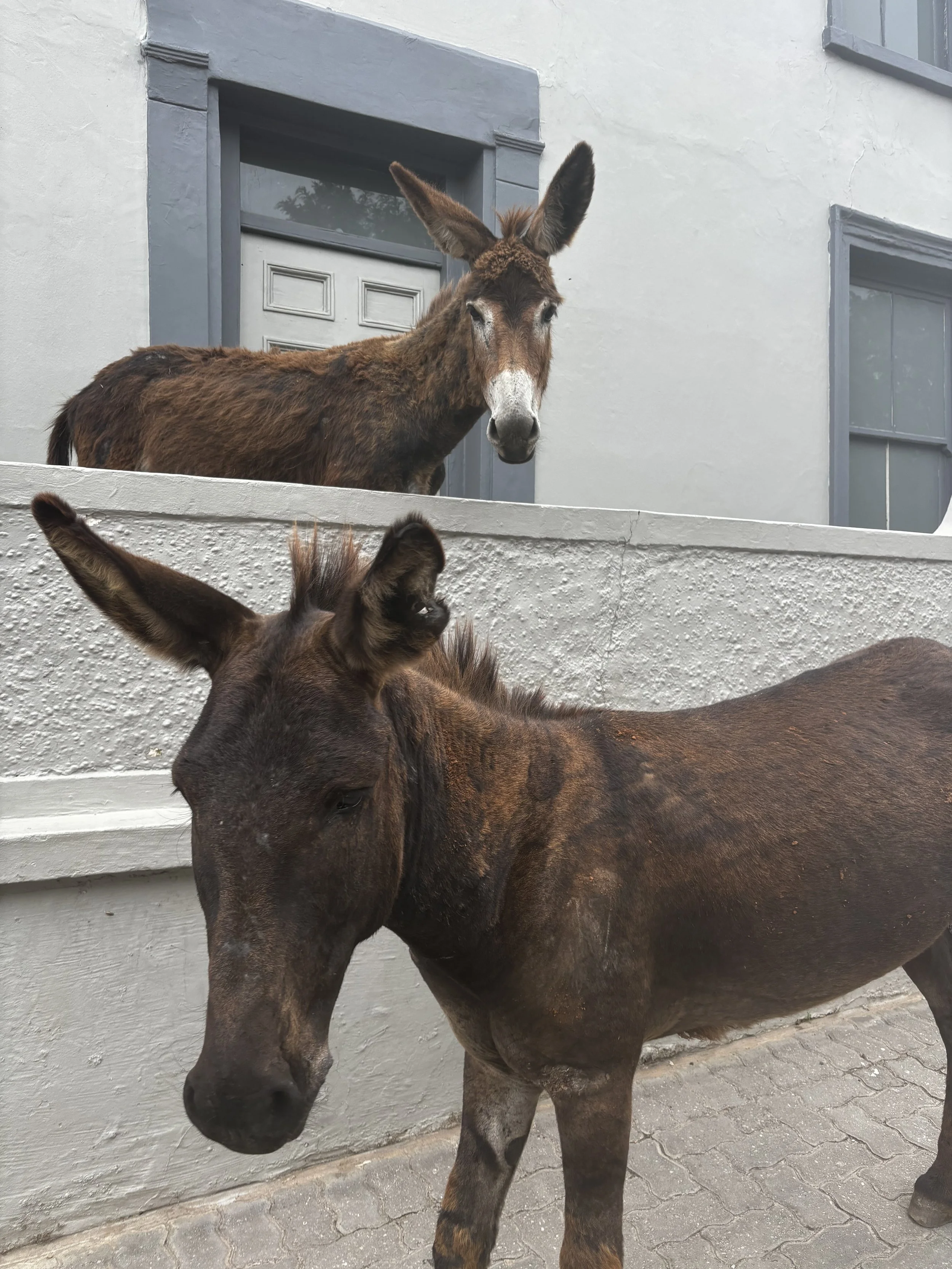
Marked 7 donkeys, including 2 young foals.
Identified the donkeys’ owners where possible.
The 29th of January marked a huge and very encouraging shift. The team moved into town and something special happened. Through local WhatsApp groups, word spread quickly that the donkey team was out. Messages started pouring in:
“There are donkeys on this street.”
“There are donkeys by the flats.”
“We’ve kept two donkeys safe — please come here.”
Residents actively rallied together, some even keeping donkeys temporarily in parking areas at blocks of flats so they could be found and treated. There was real excitement and cooperation, with people clearly relieved to see a practical, humane solution in action.
This level of community involvement is a major step in the right direction. People are beginning to understand that impounding is not the answer, and that identification, population control, and cooperation protects both animals and owners.
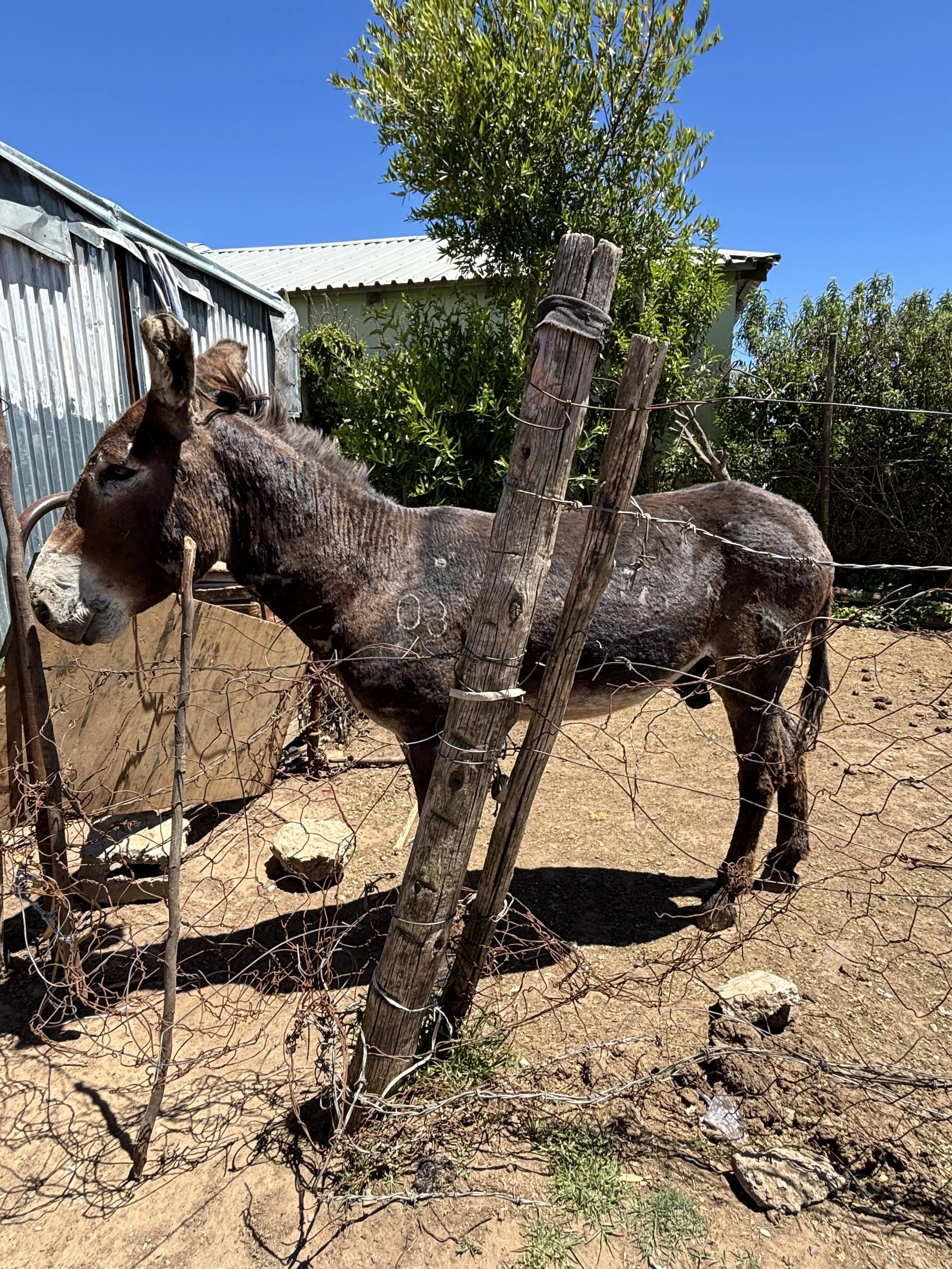
Donkey Care Station
The Donkey Care Station admitted its first serious patient:
A male donkey with a severe penile hematoma, likely caused by fighting with another male.
Without intervention, the injury would almost certainly have been fatal.
Dr Annie treated the donkey and he showed significant improvement thanks to:
Dedicated daily care from a local resident trained in animal first aid.
Nutritional support, including lucerne pellets.
This case clearly demonstrates the lifesaving value of the Donkey Care Station, which is already proving to be an essential part of our program.
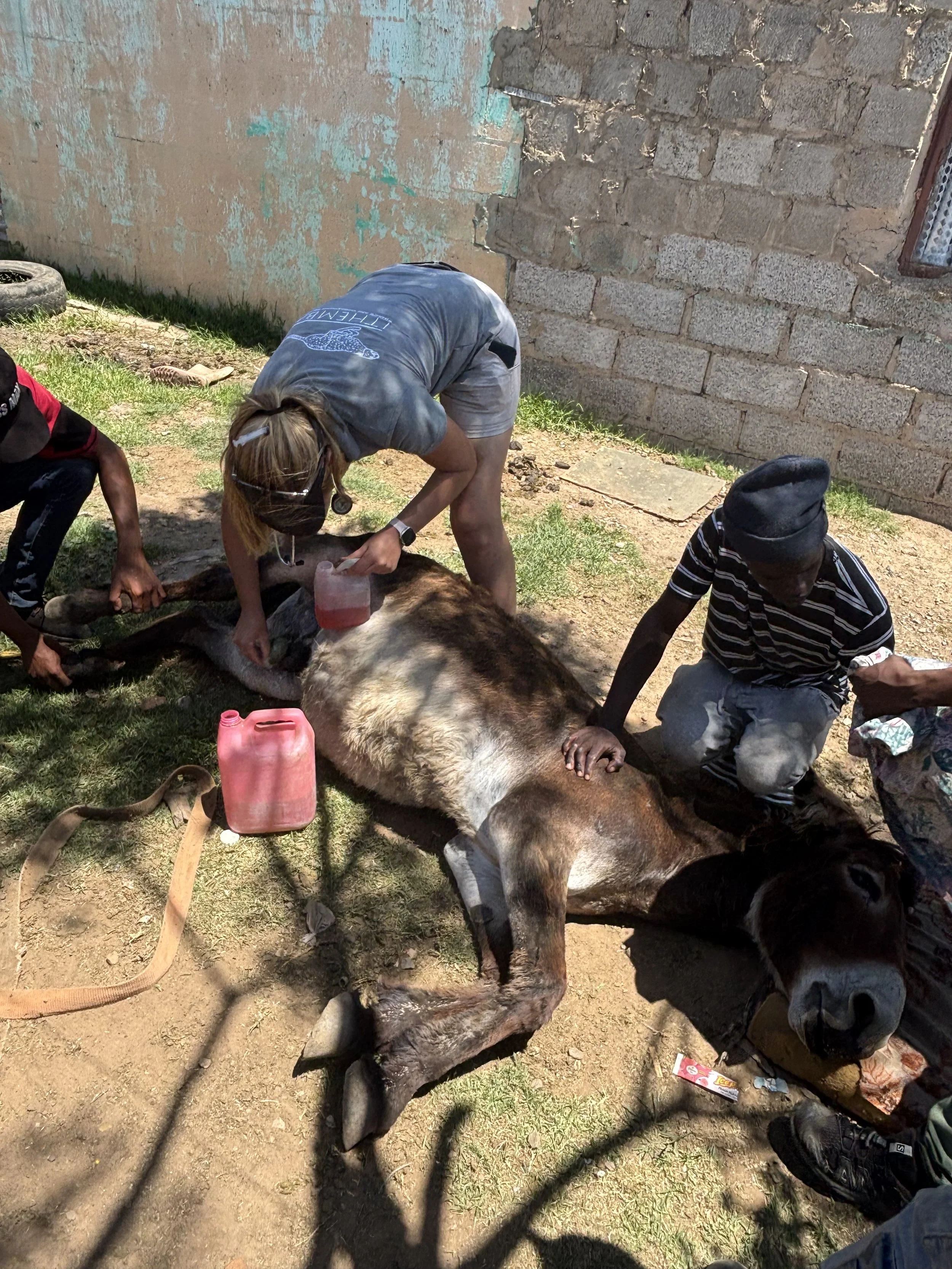
January marked an exceptionally strong and impactful start to 2026!
67 working horses treated in the Free State.
108 donkeys treated or managed through outreach and population control.
Emergency interventions prevented suffering and potential loss of life.
Strong collaboration with communities, veterinarians, and support partners.
Despite extreme heat, medical emergencies, municipal pressure, and a devastating sanctuary fire, the Blind Love team remained committed and effective.
We have made a great start to the year and it’s all made possible thanks to your generous support!