Community Care Stations Enhance Wellbeing for Working Equines in South Africa
Animal Aid Abroad, together with our local partner Blind Love, is transforming the welfare of working horses and donkeys in South Africa. In February, 141 horses and 64 donkeys received essential veterinary care, and the official opening of the Thaba ‘Nchu Community Care Station marked a major milestone in providing ongoing support for equine owners and their animals.
Working Horses Outreach Program
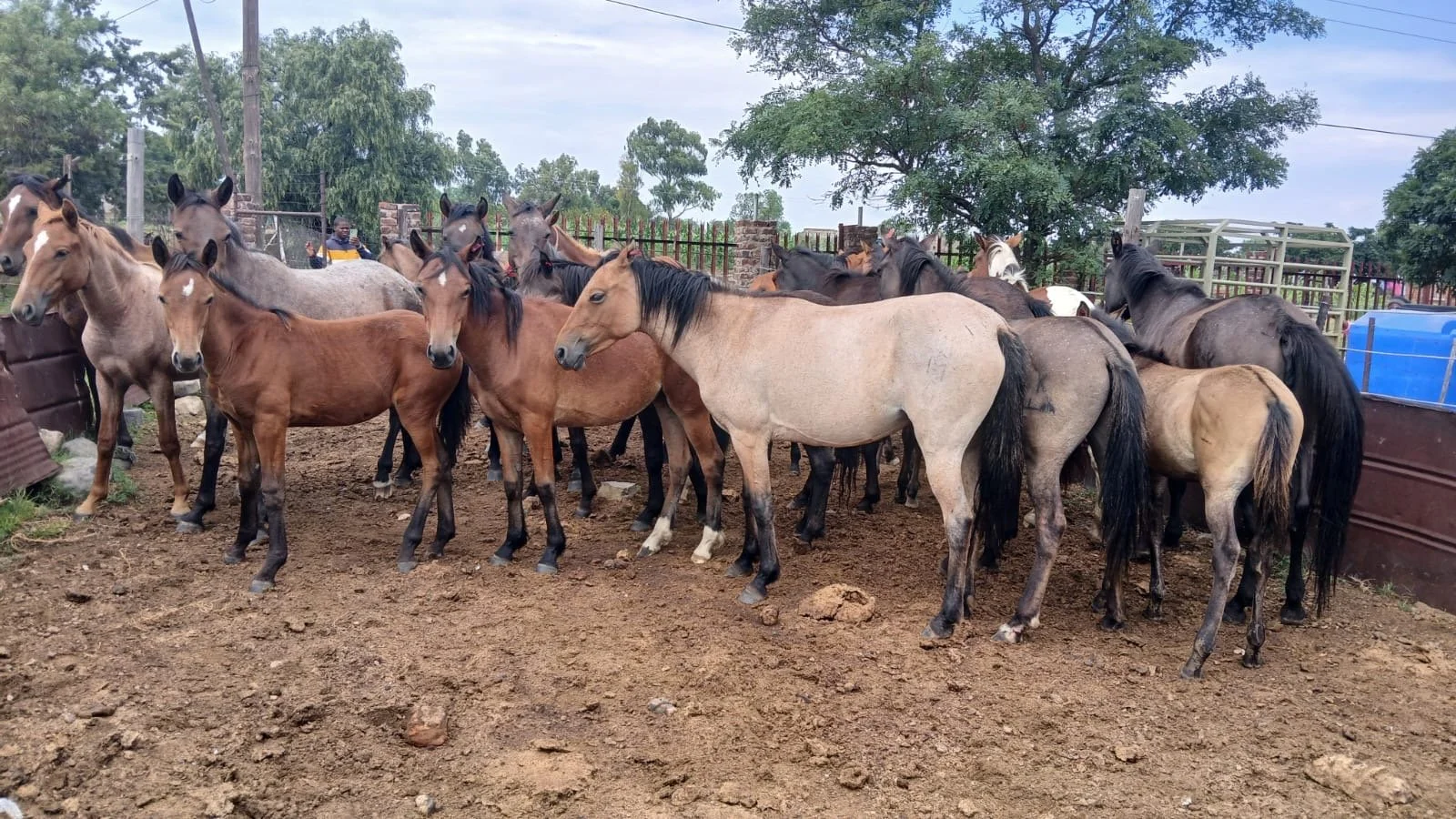
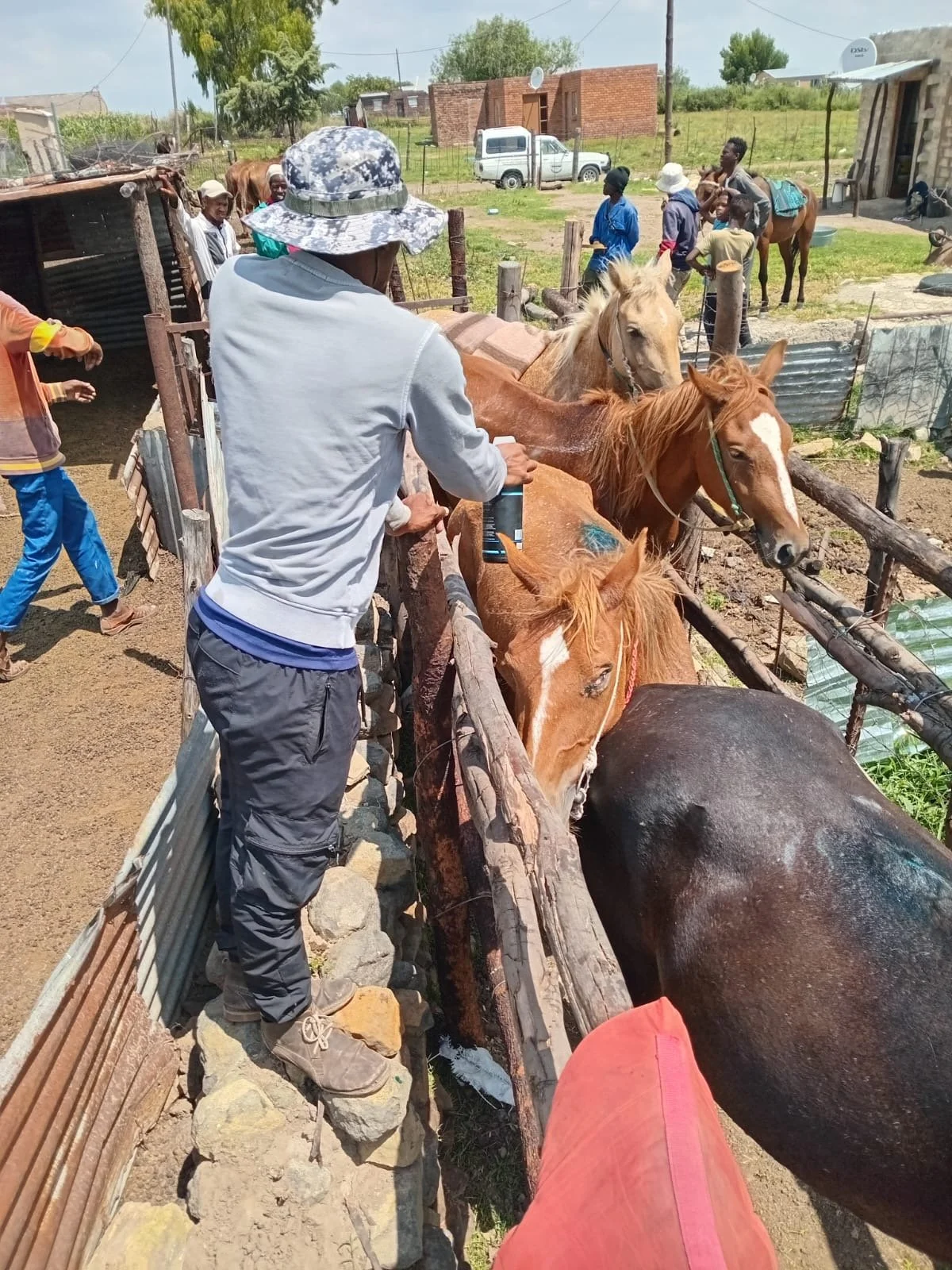
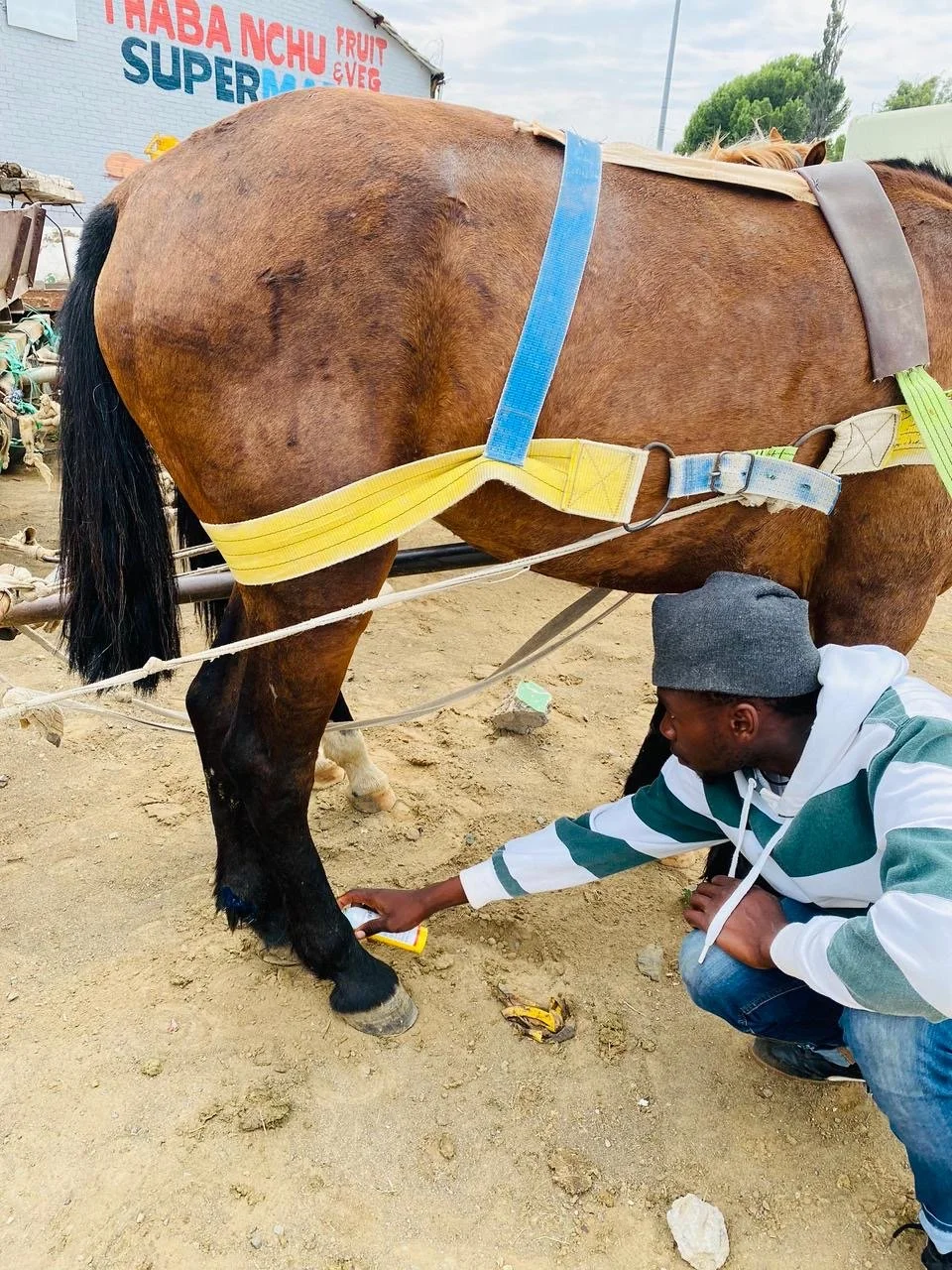
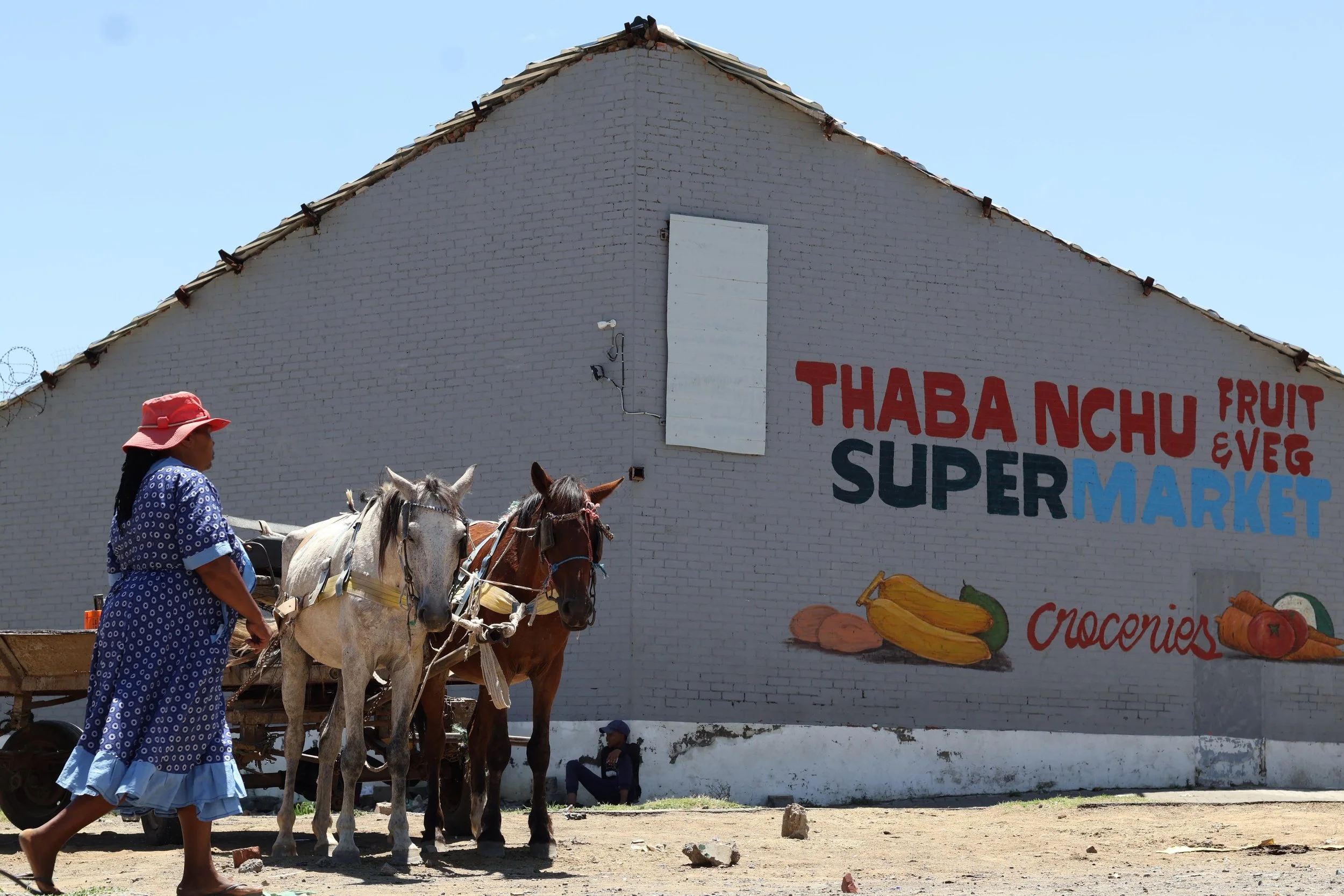
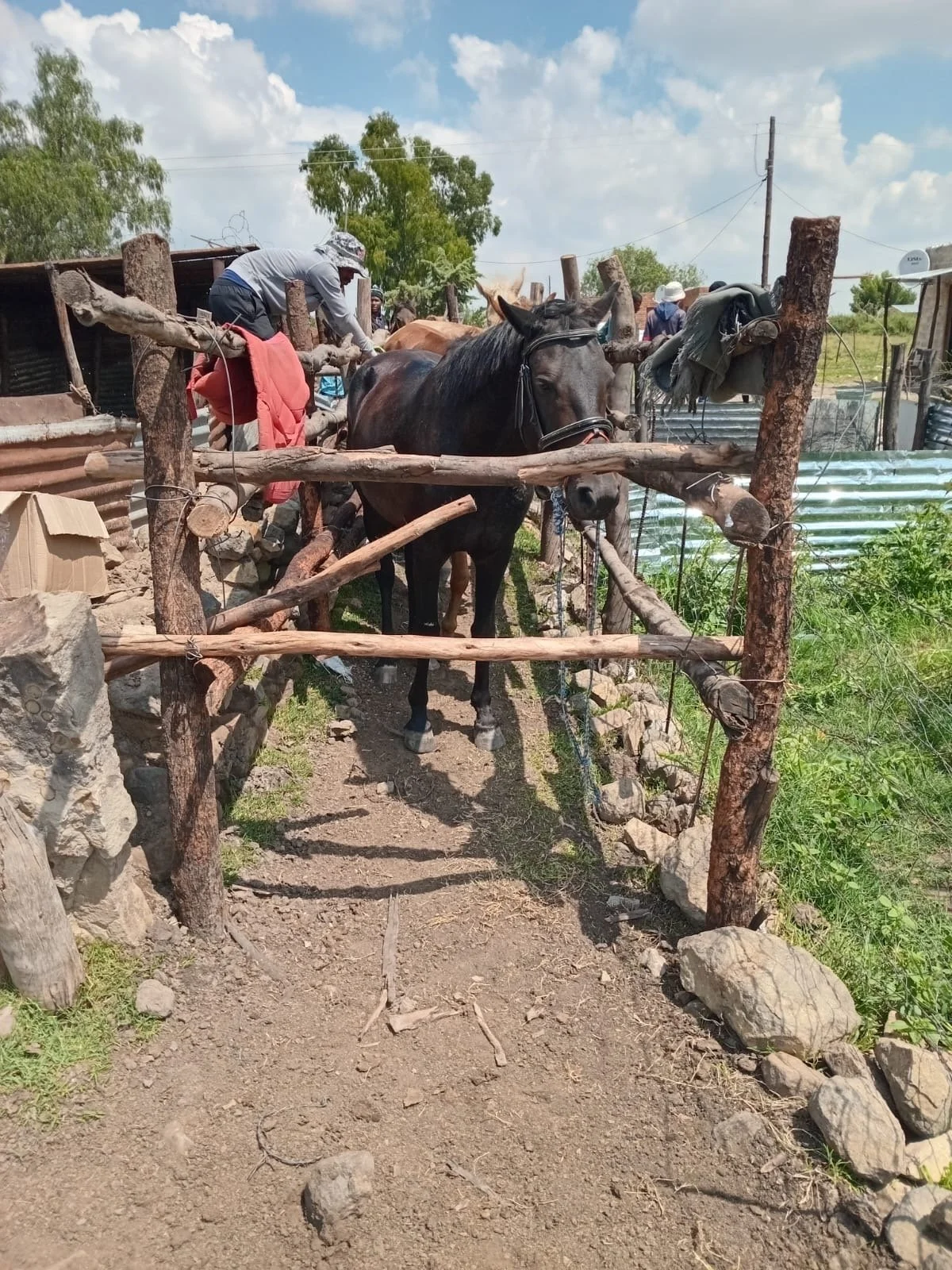
Six outreach days were held in February for working horses in Thaba ‘Nchu and surrounding rural villages such as Dipudungwaneng.
Total Horses Treated: 141
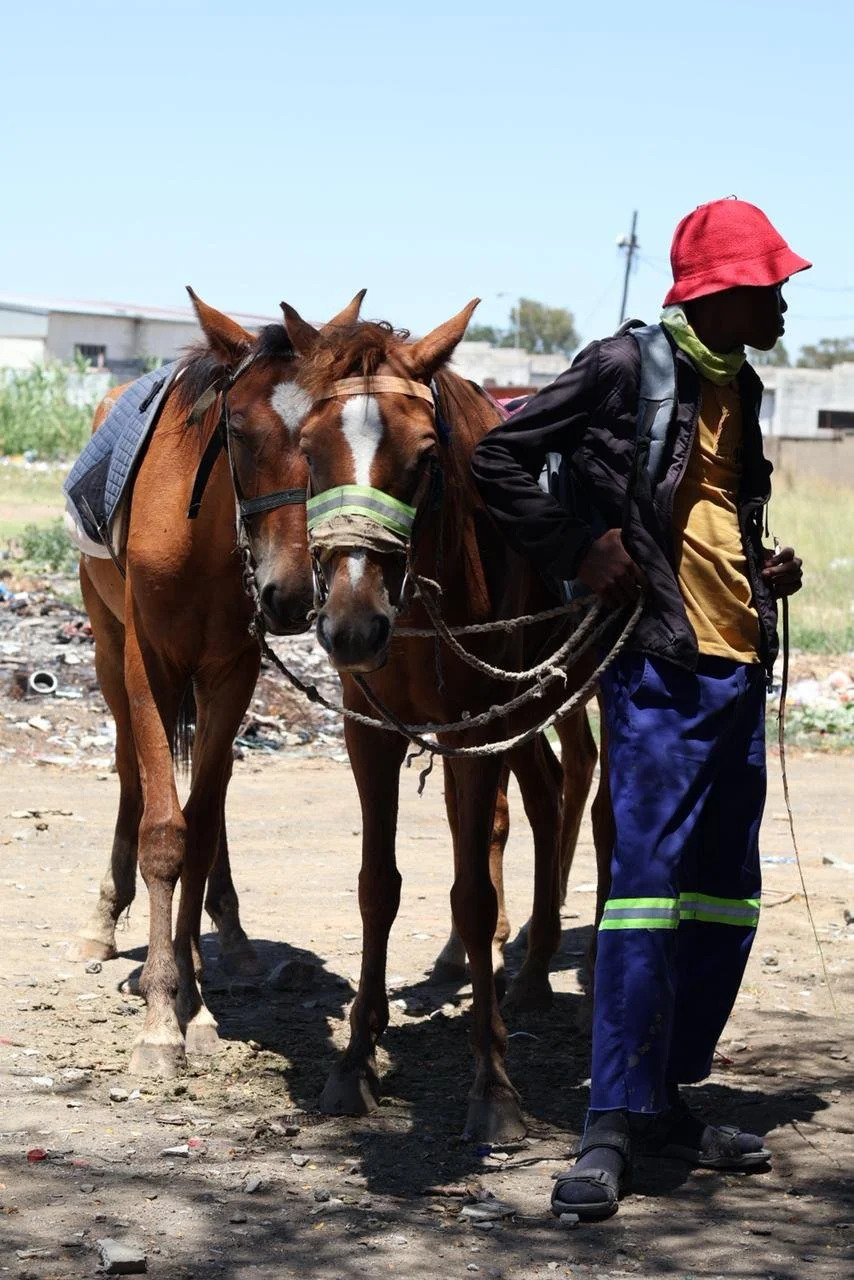
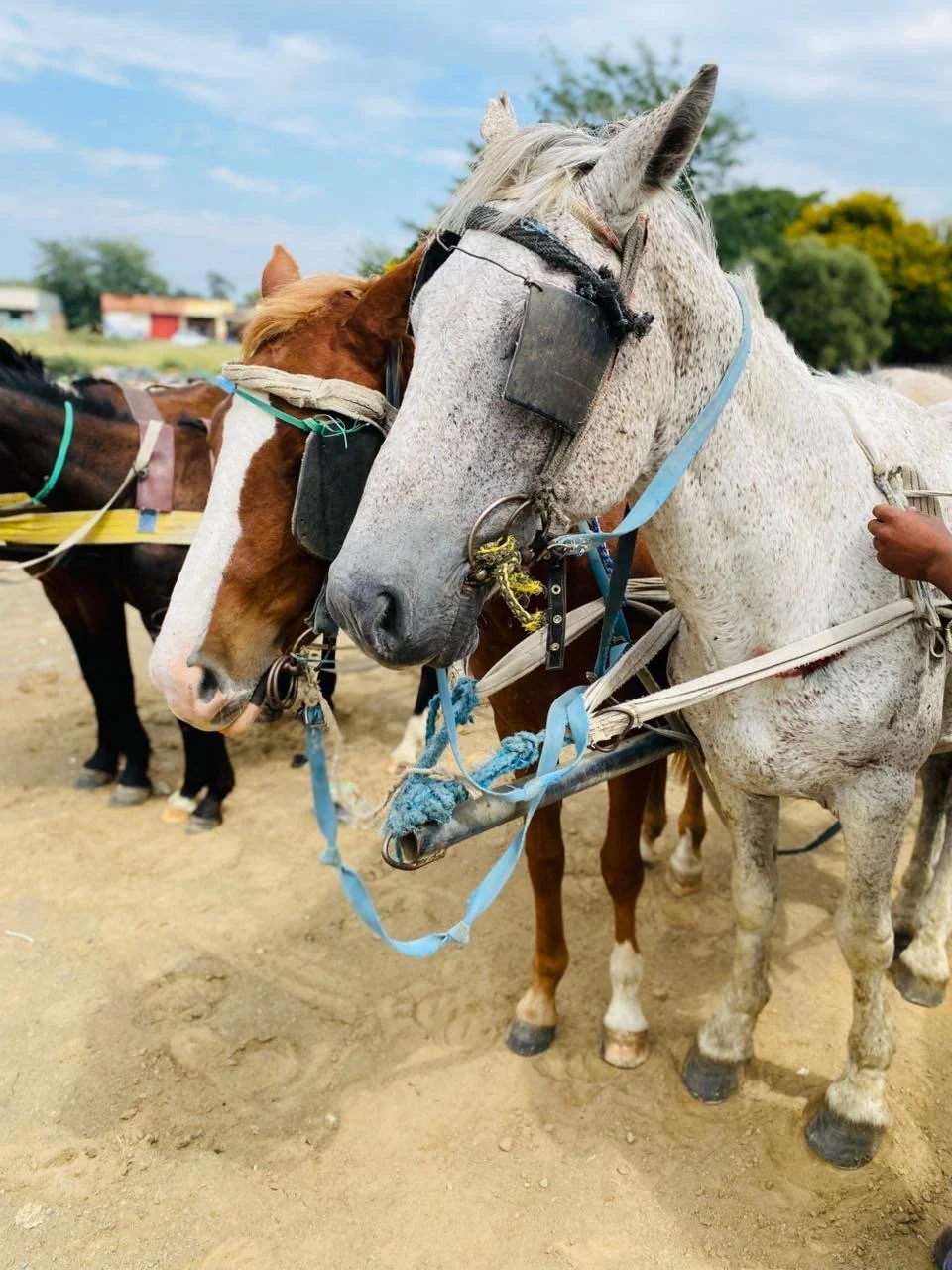
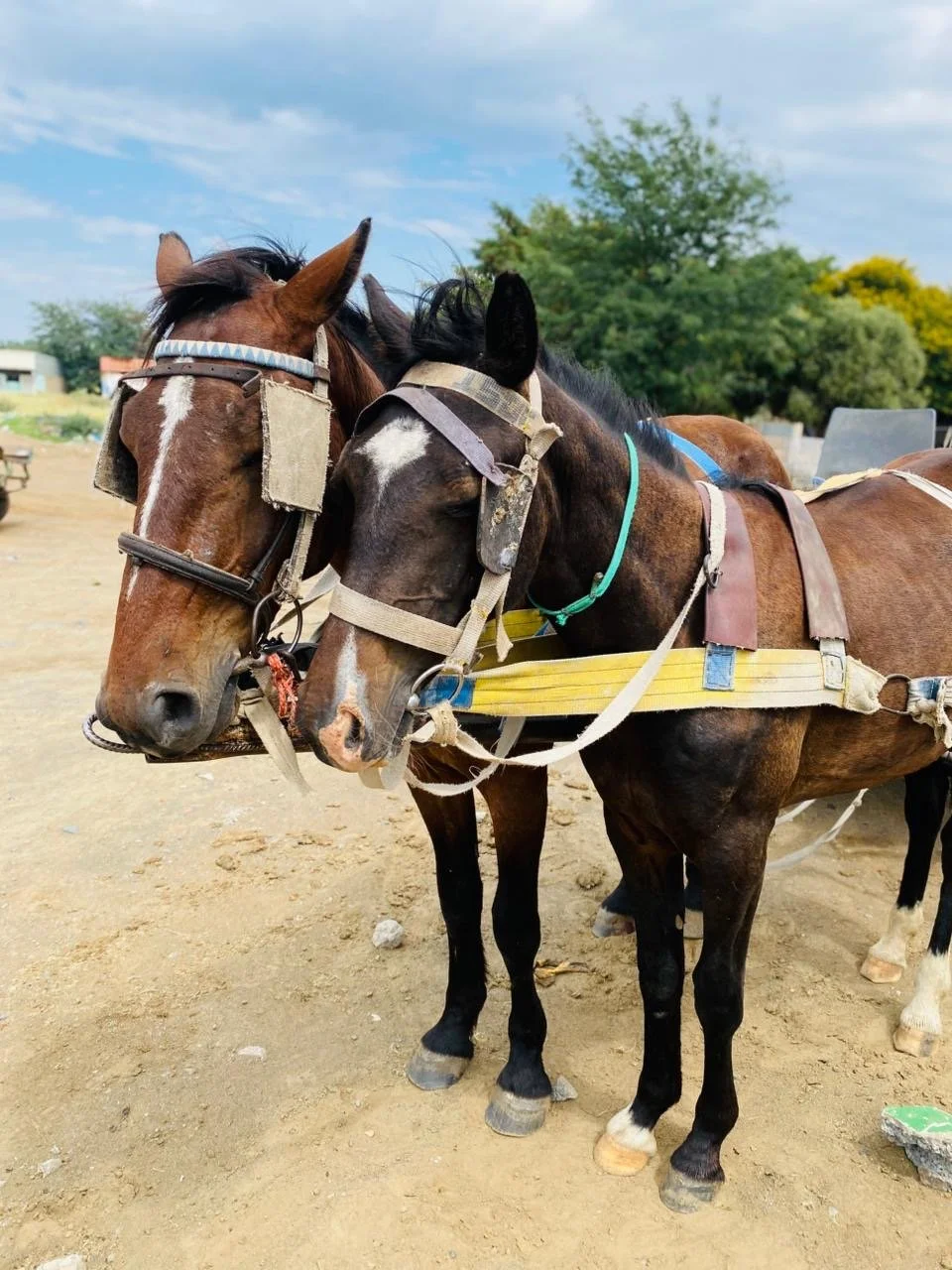
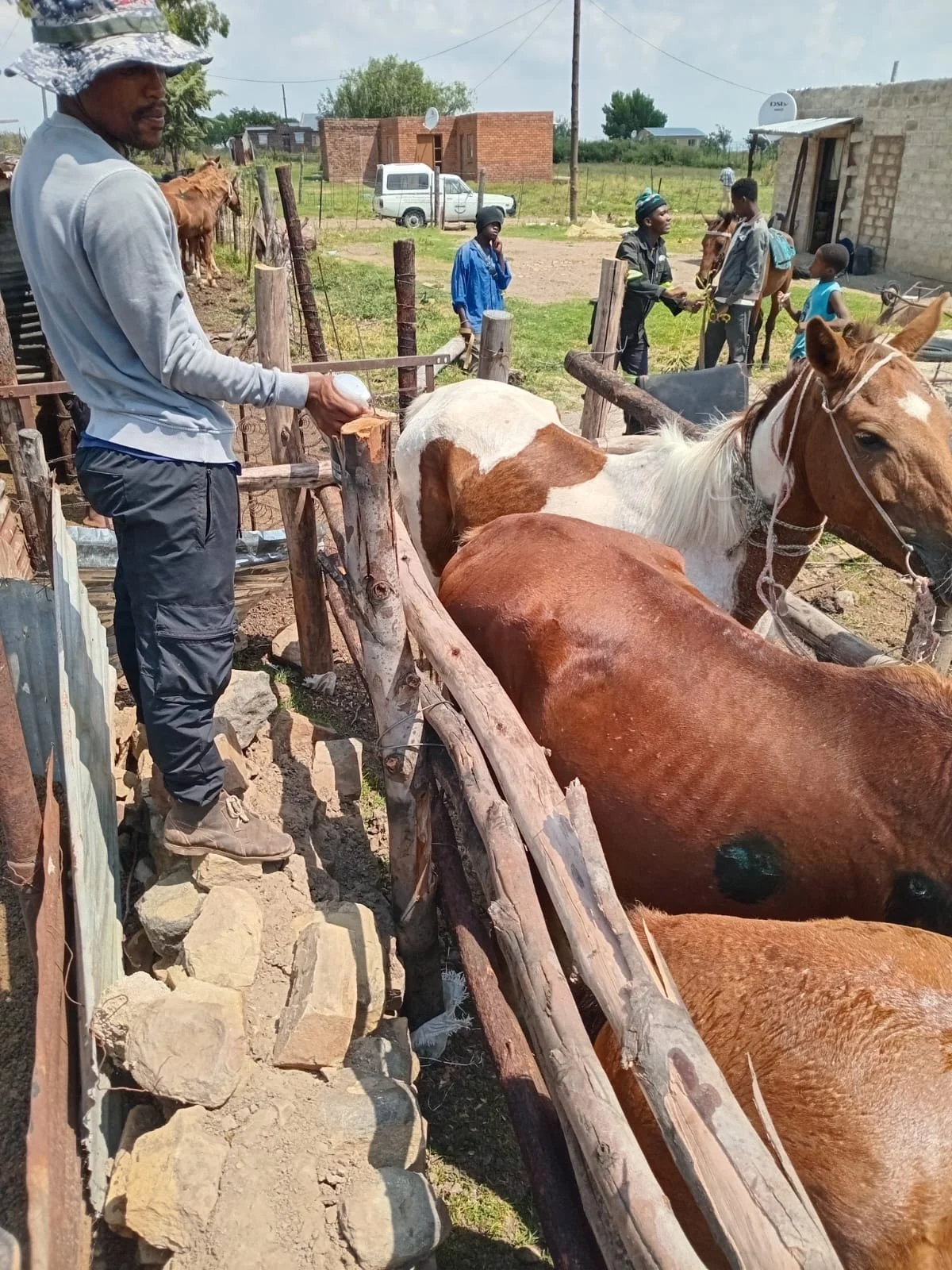
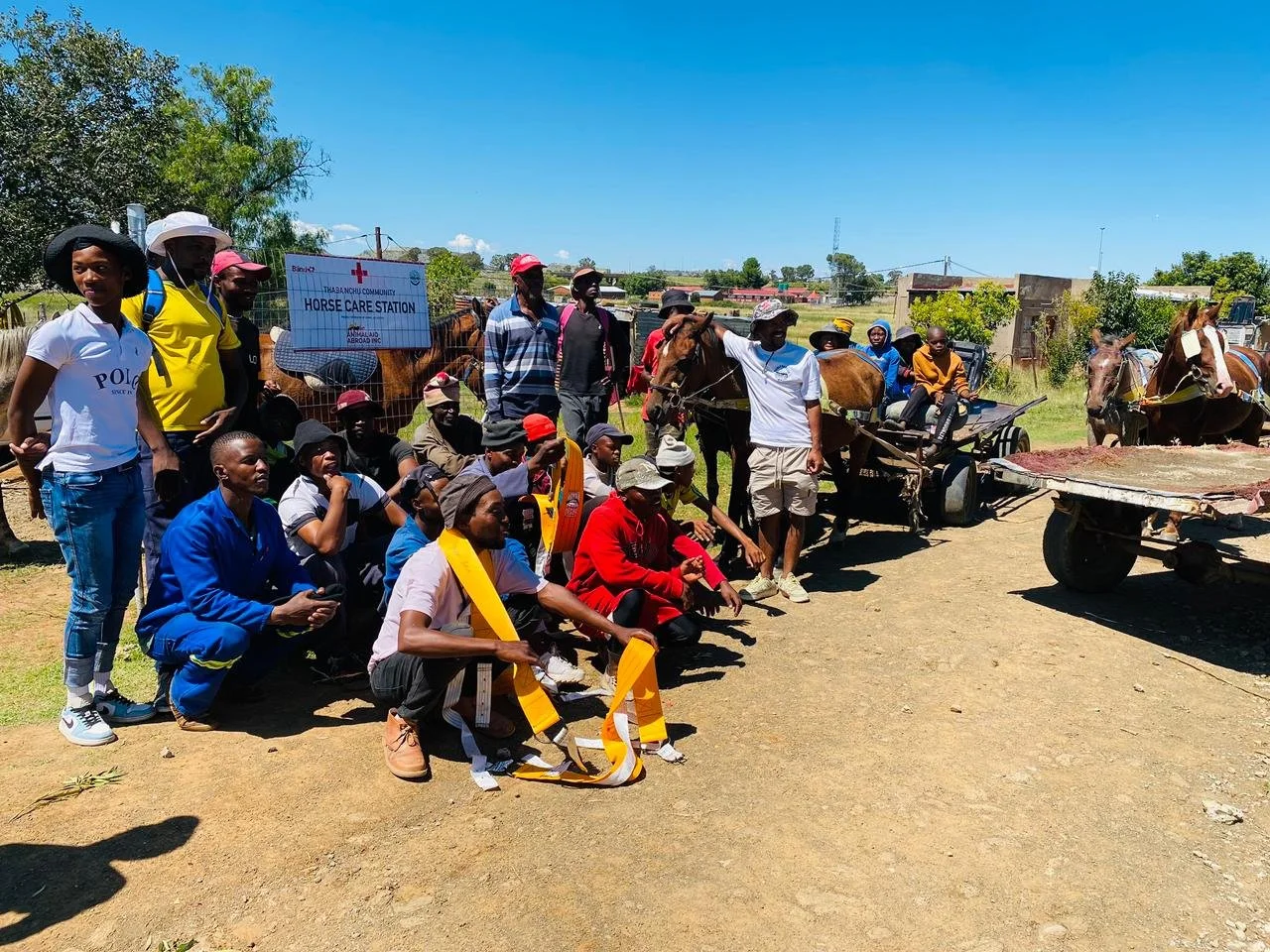
The Dipudungwaneng outreach day was especially encouraging, with many cart horses brought forward by owners for treatment and welfare checks — a clear sign of growing community trust.
Treatments Provided
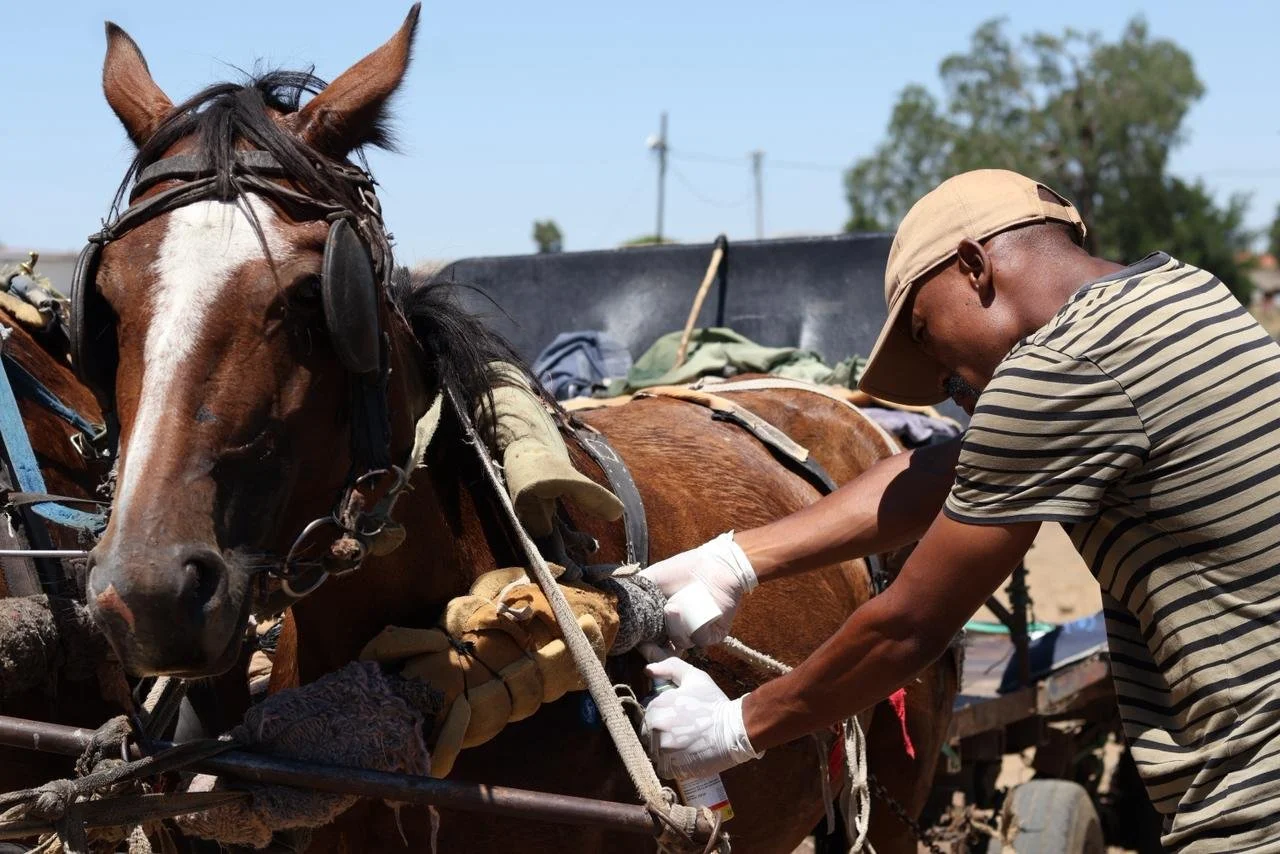
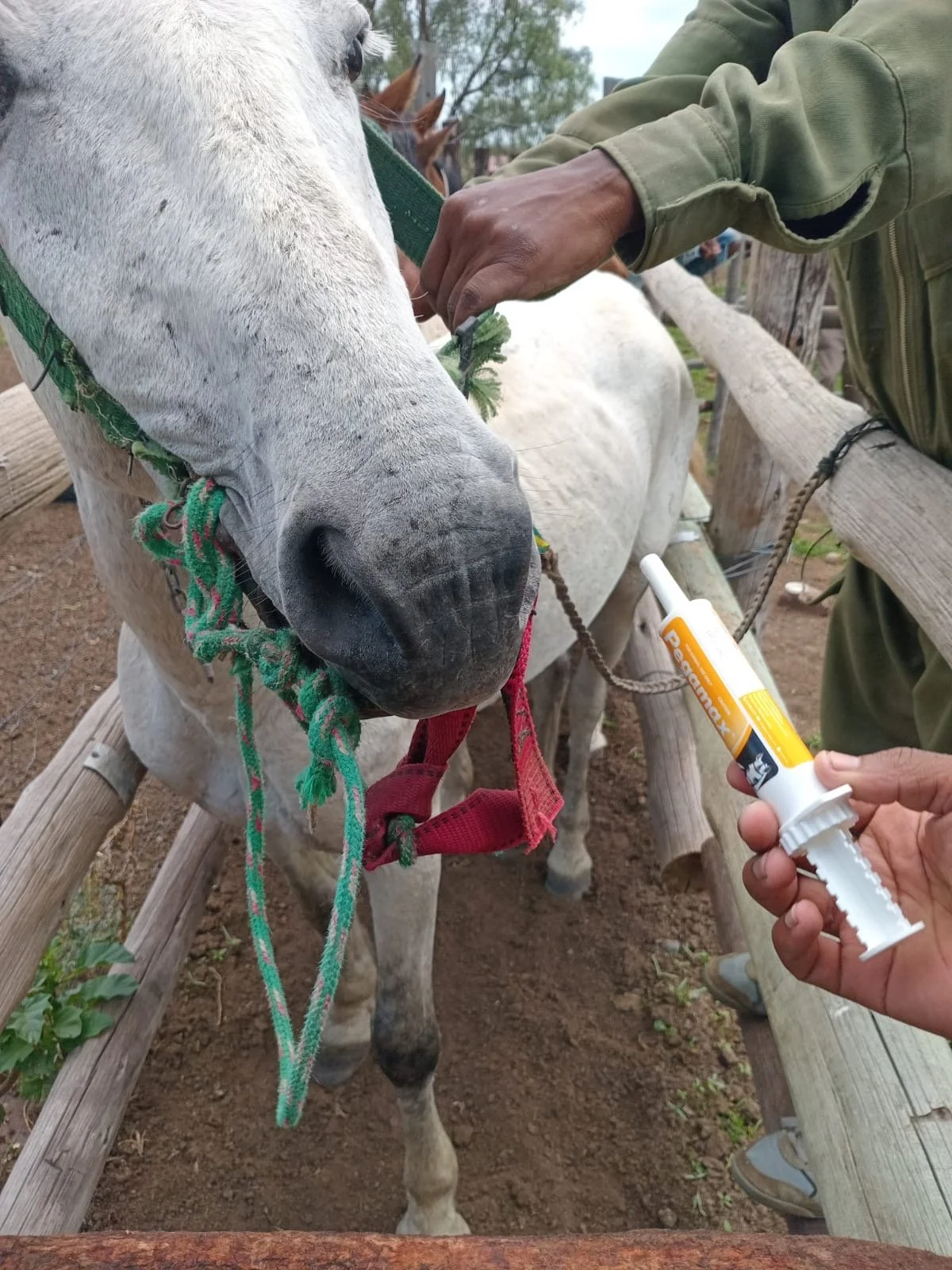
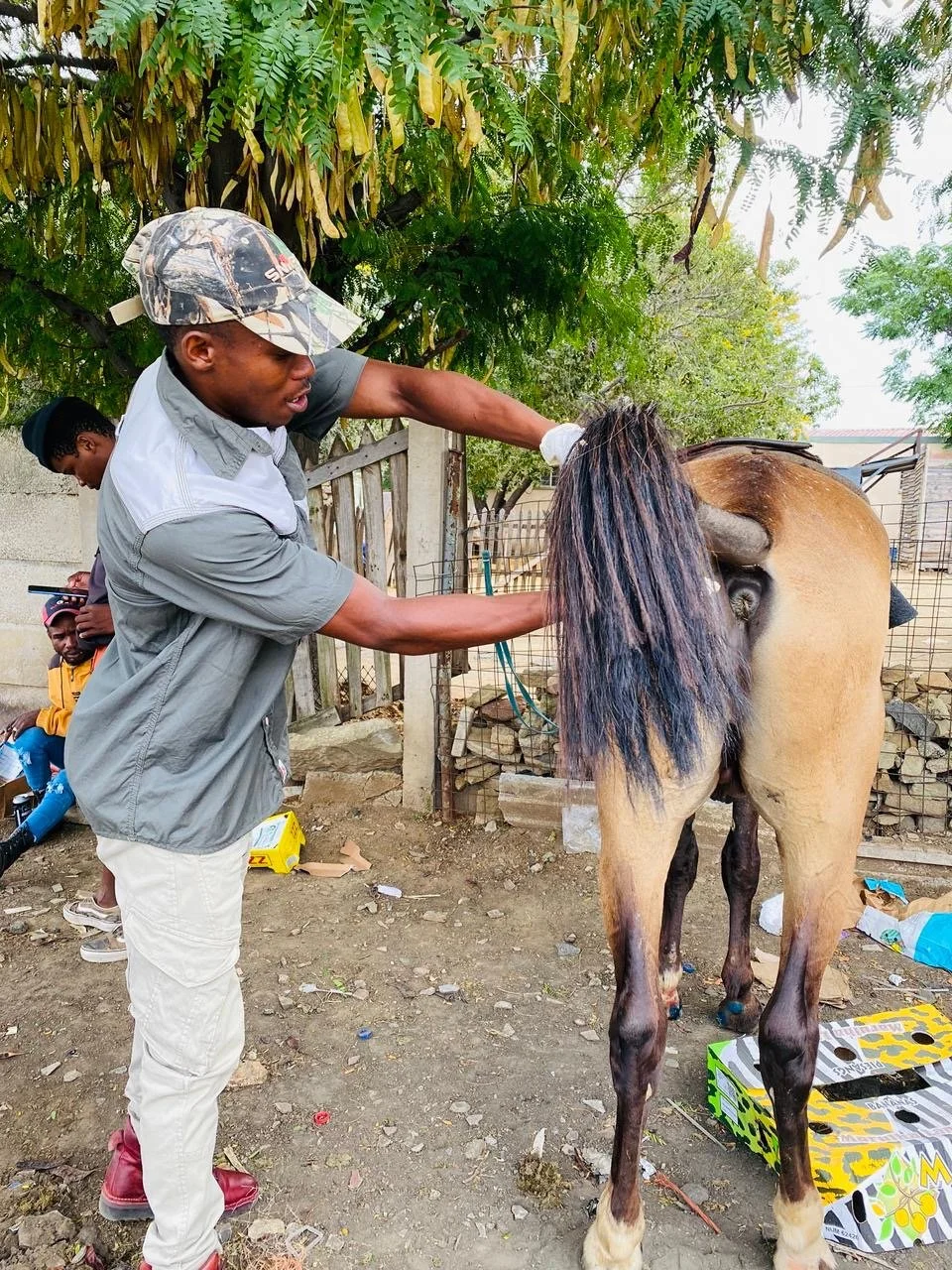
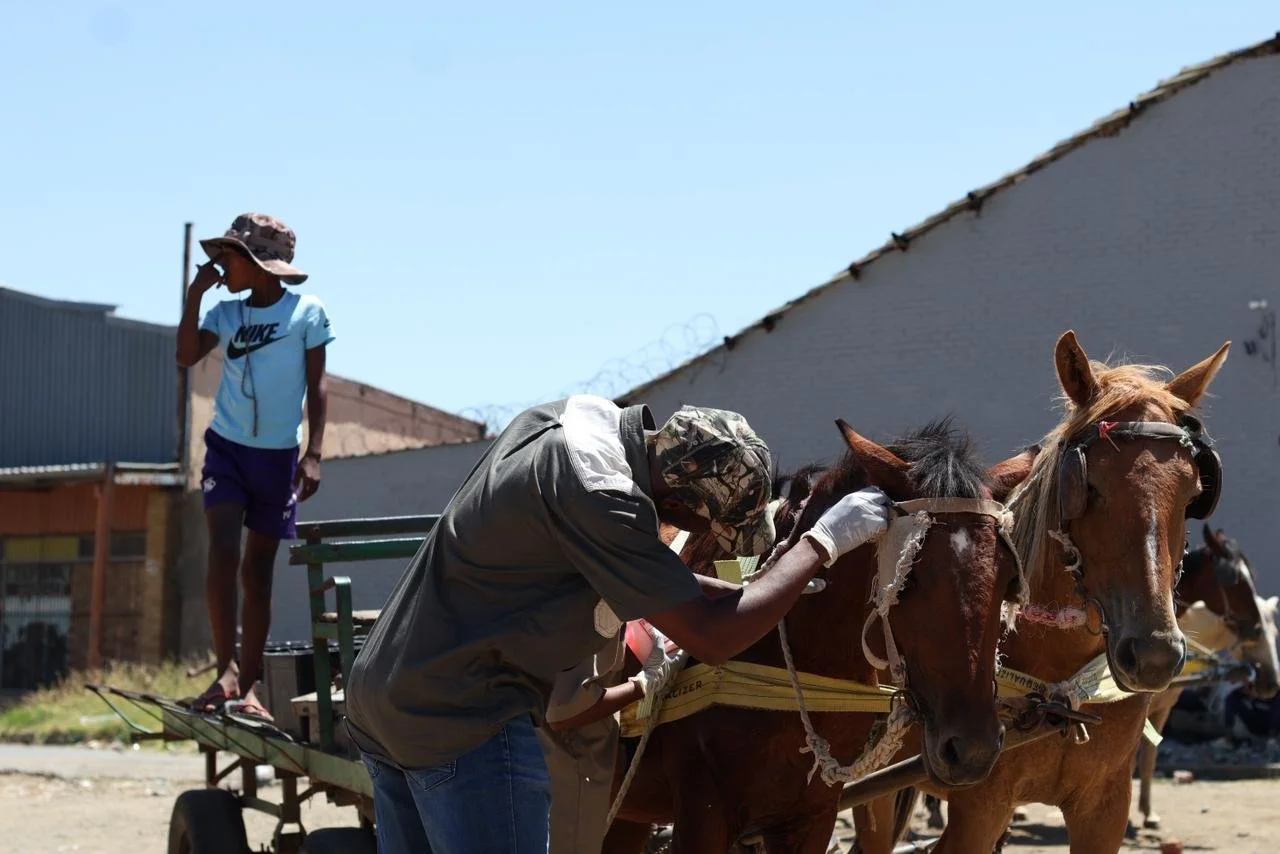
The Blind Love team delivered a wide range of services, including:
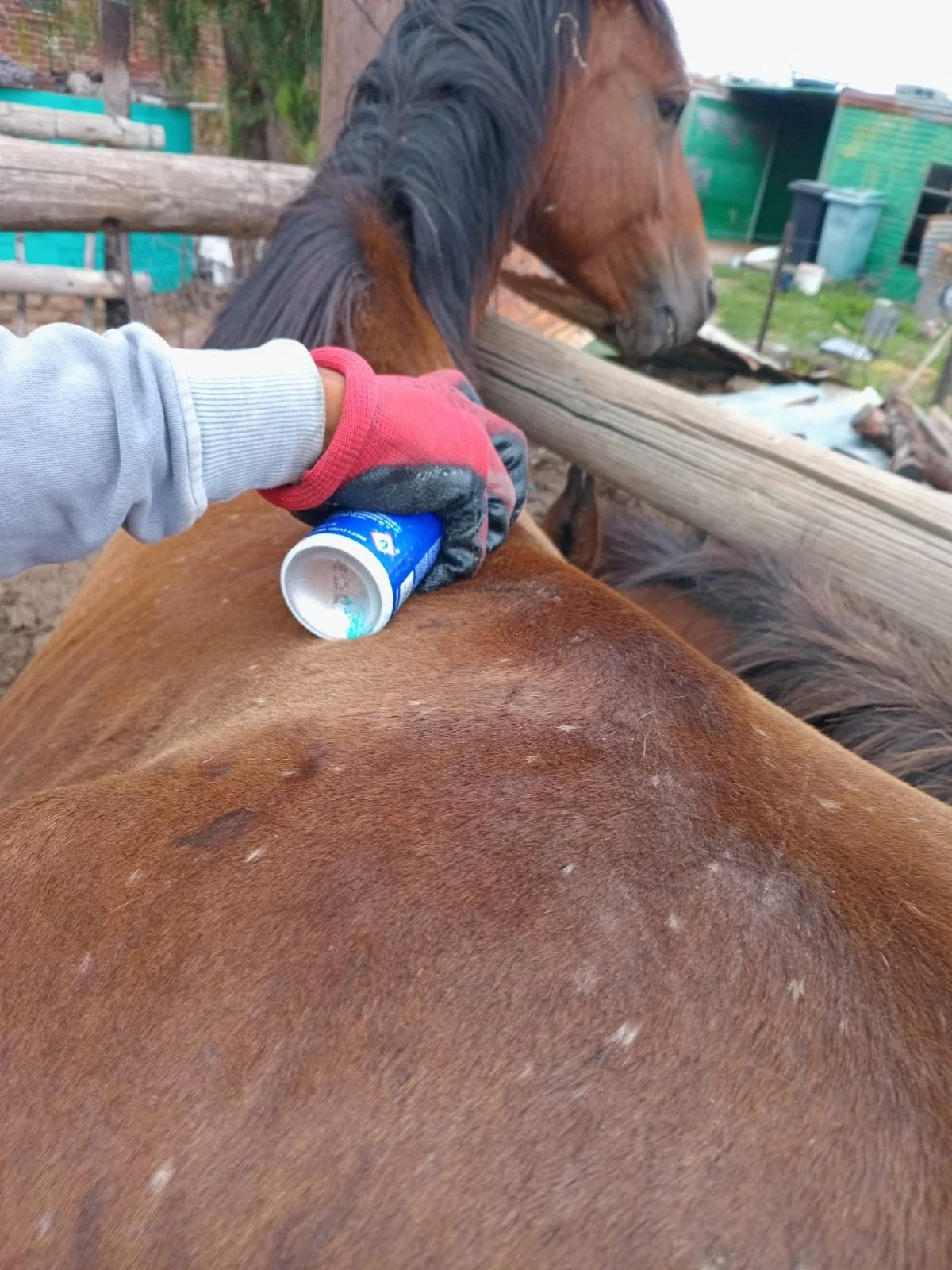
Internal and external parasite control
Deworming
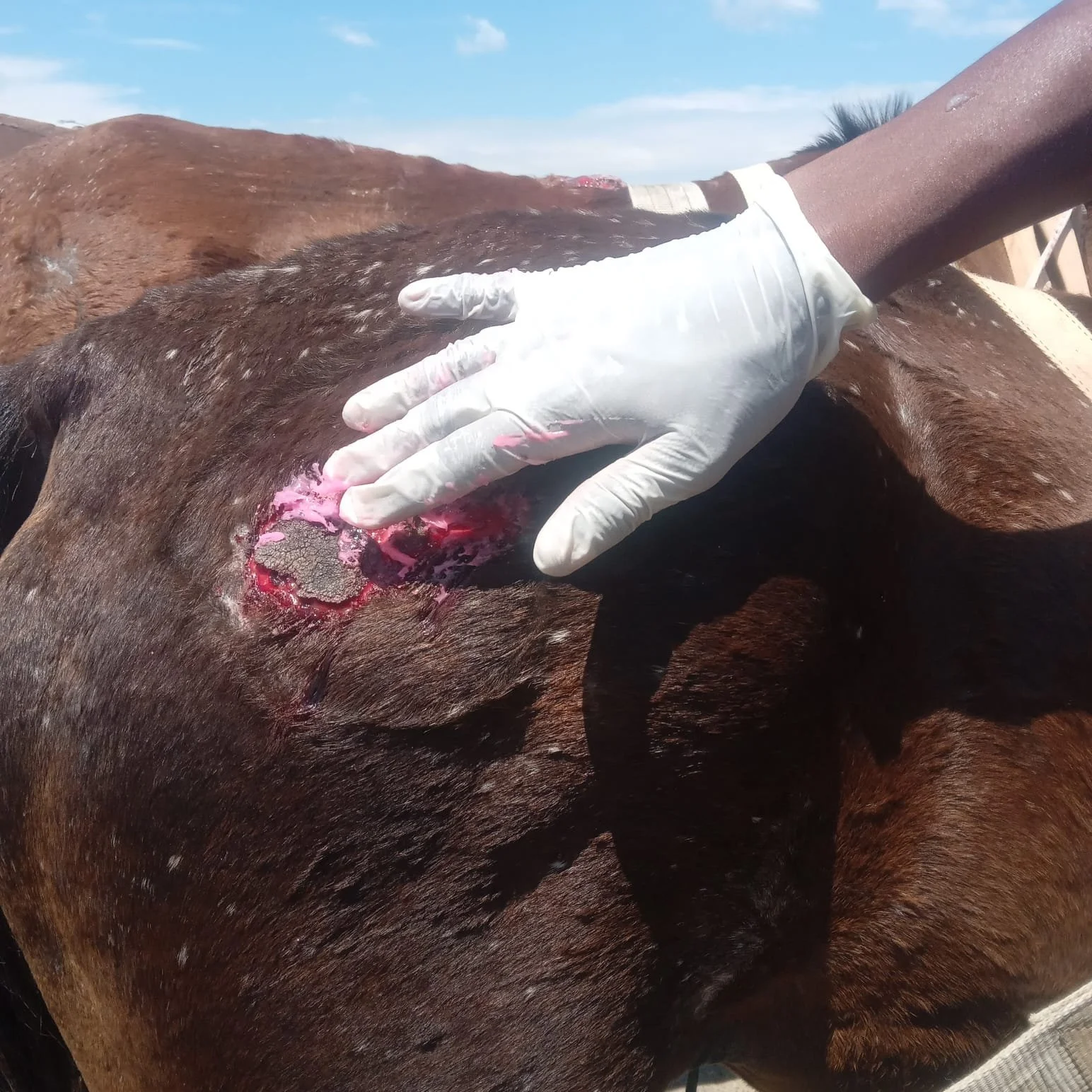
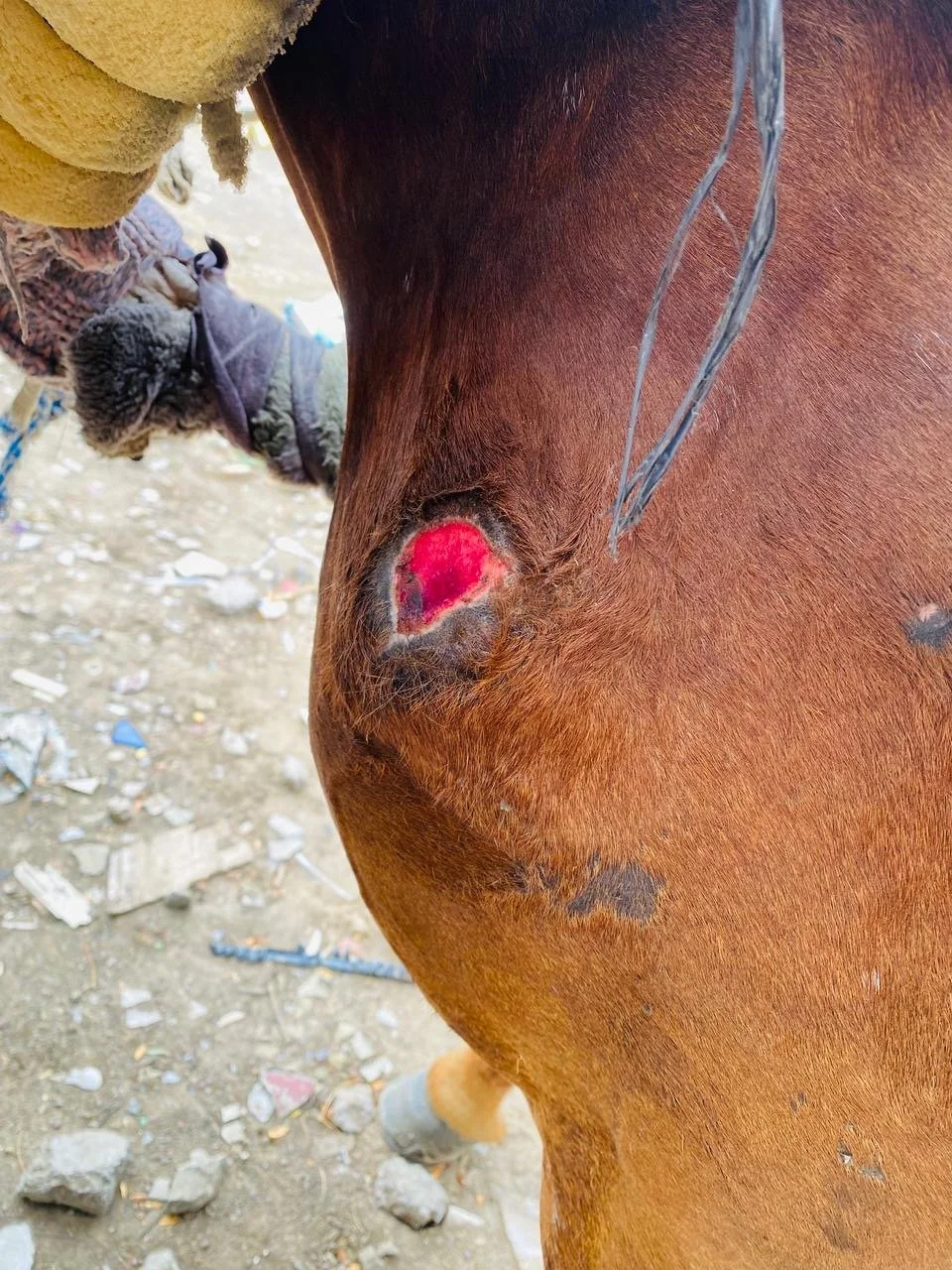
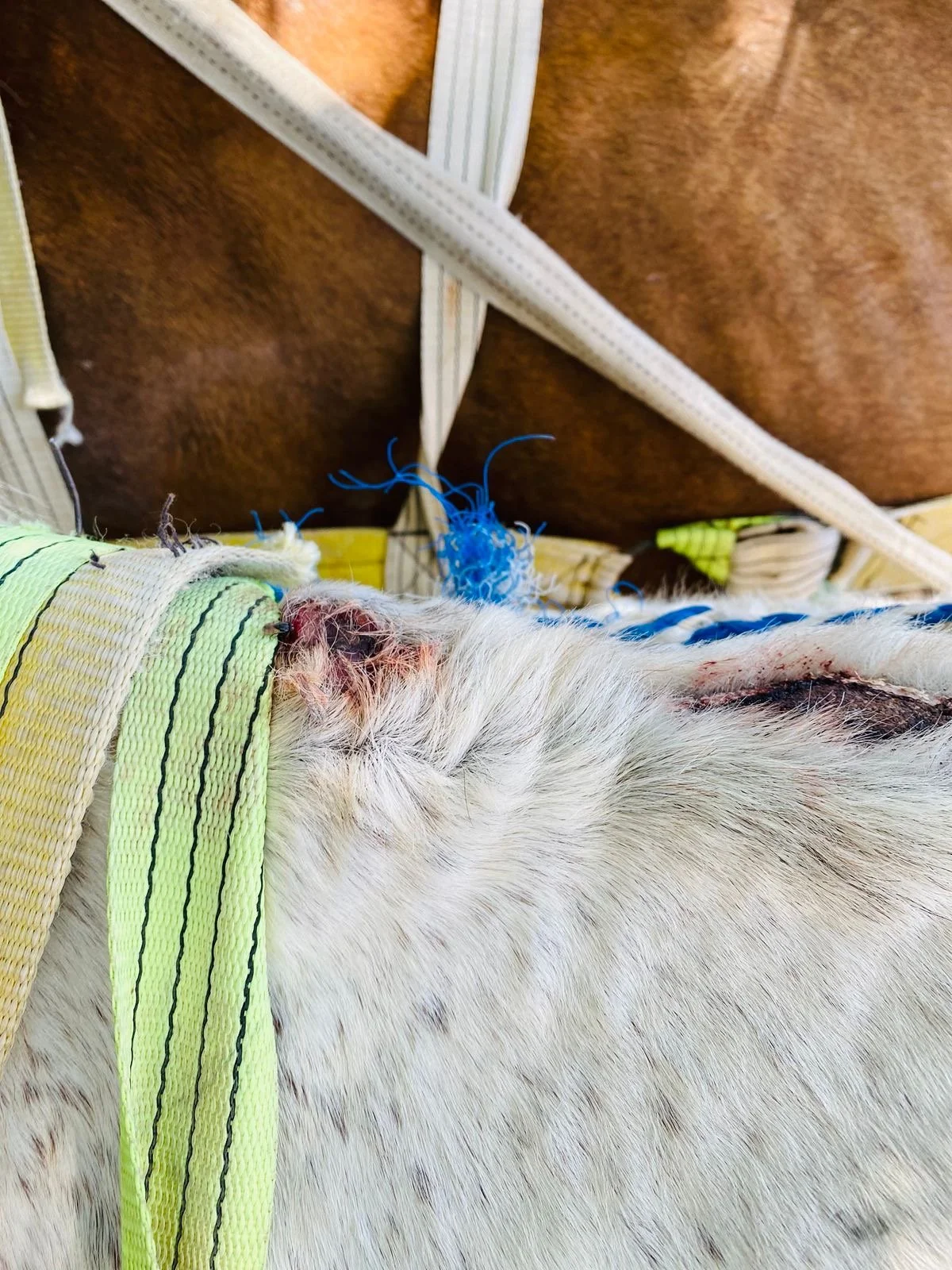
Treatment of saddle sores and harness rubs
Cleaning and treatment of wounds and injuries
Tick and fly treatment
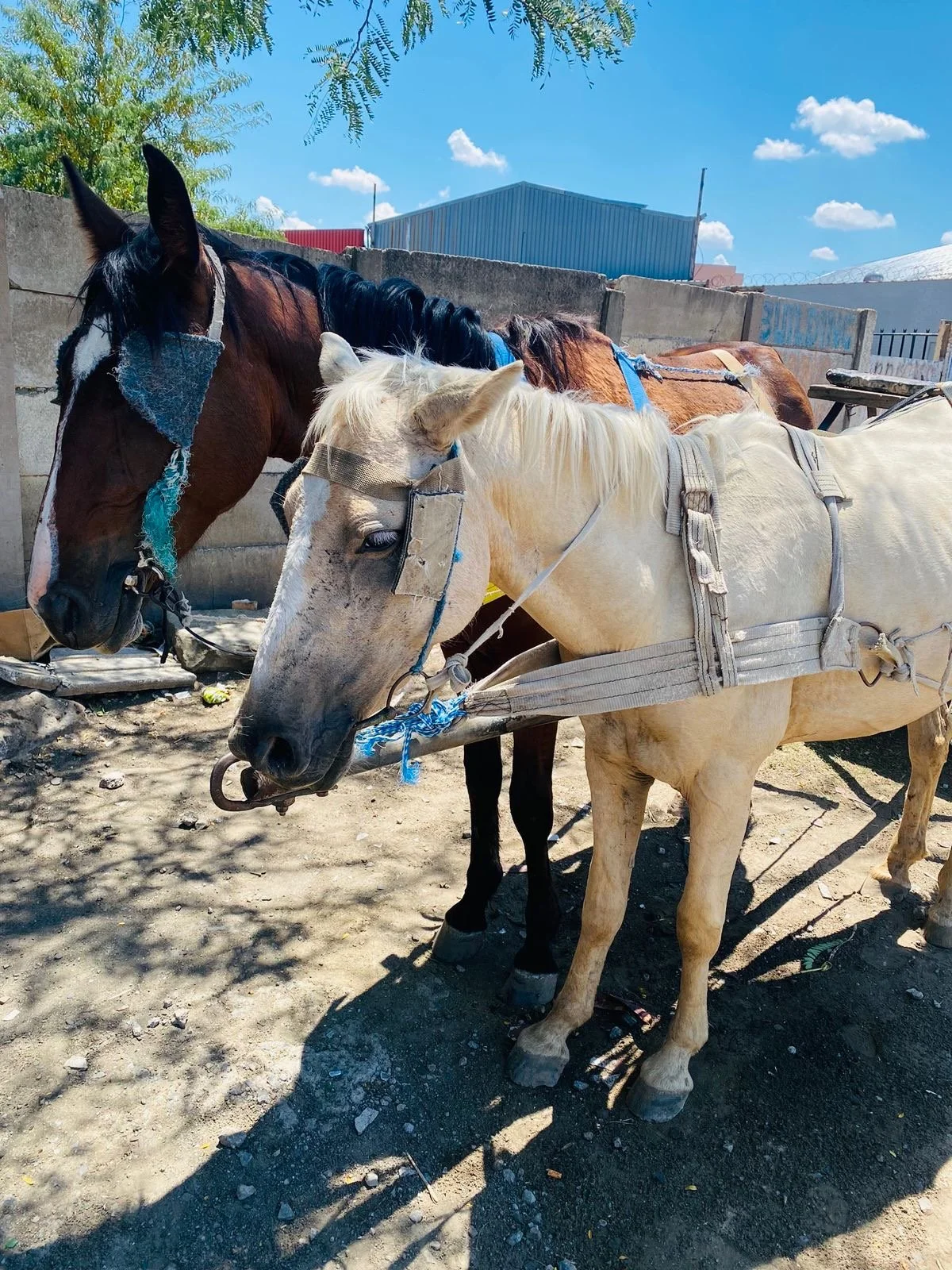
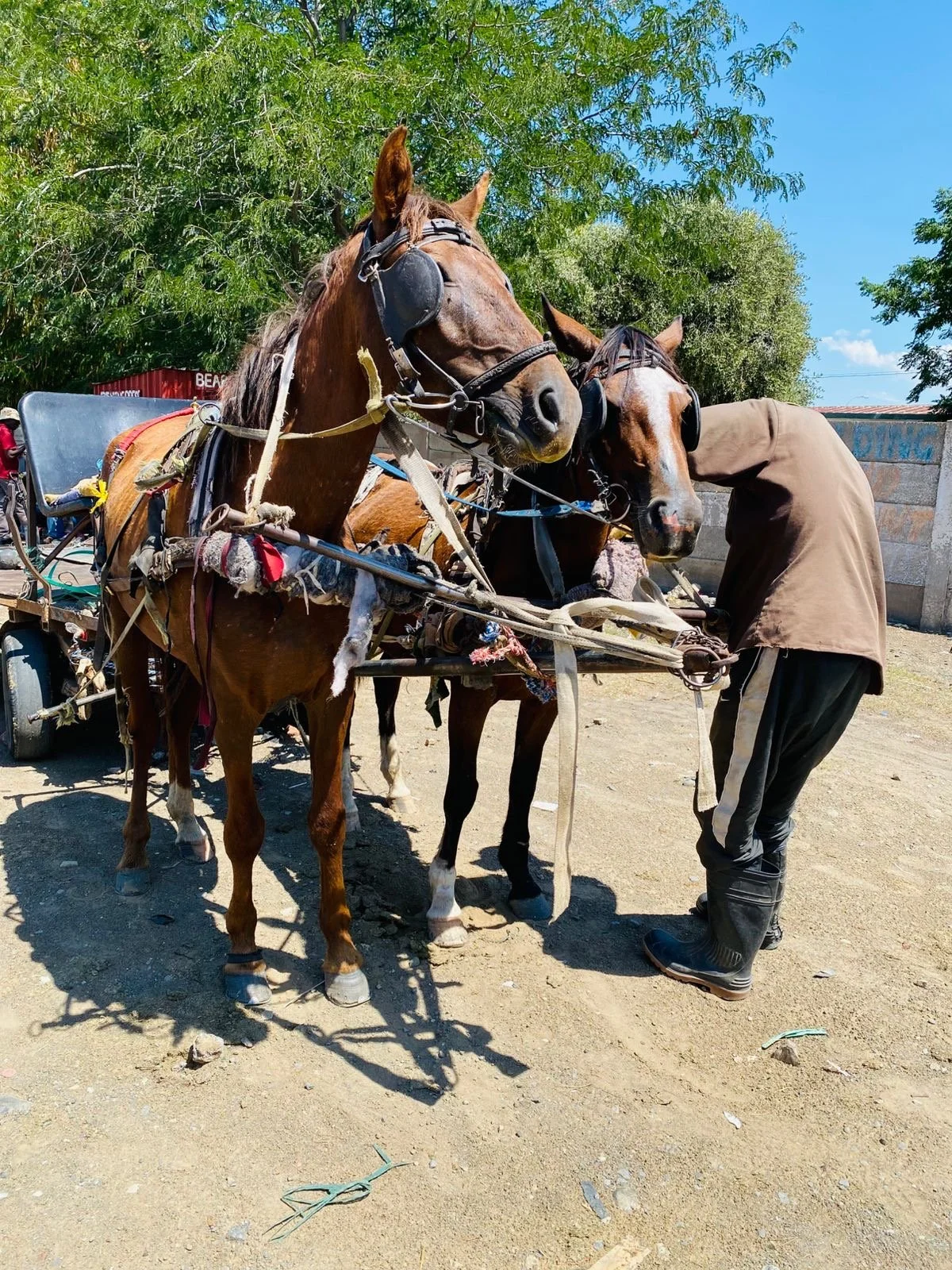
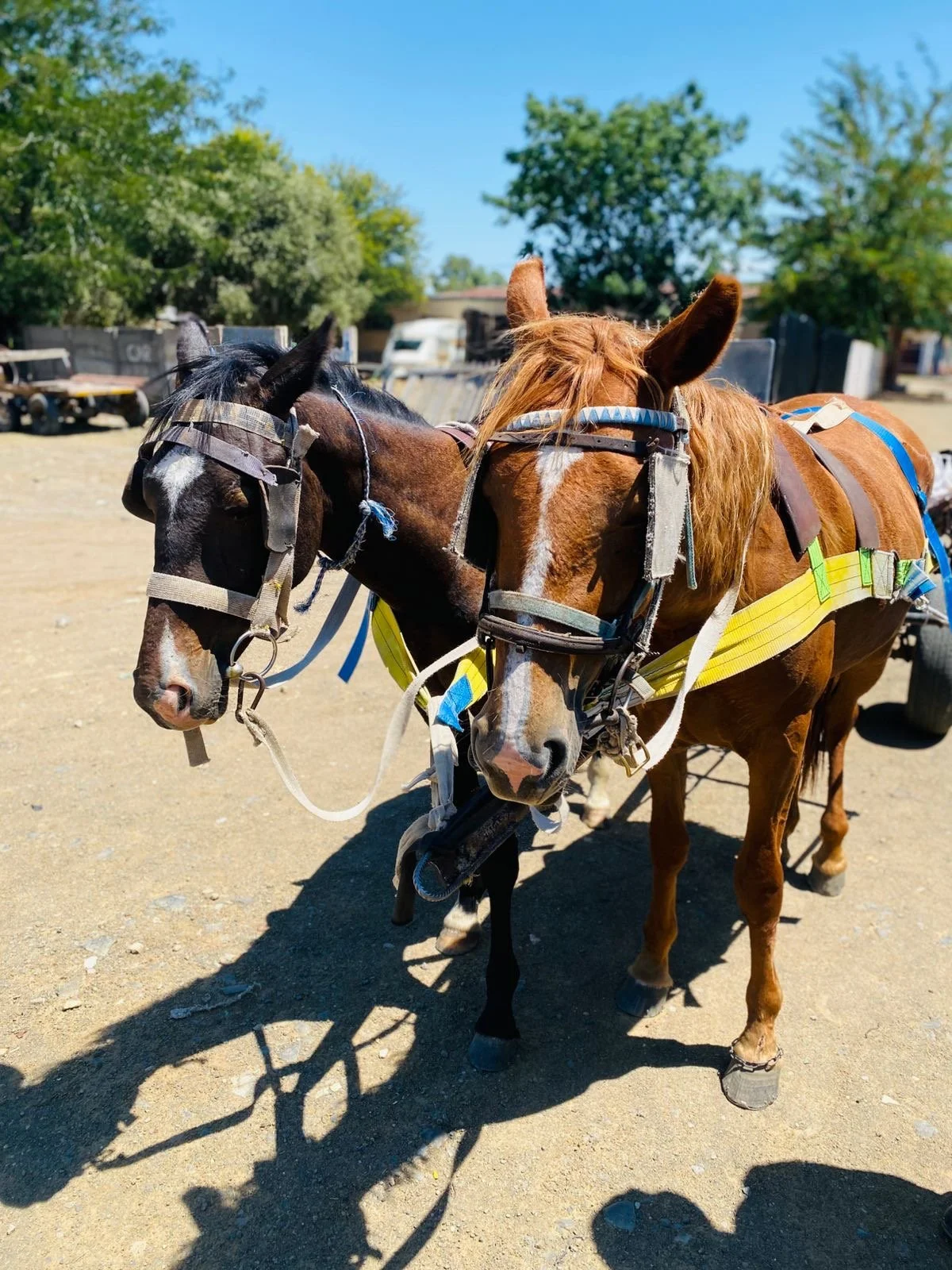
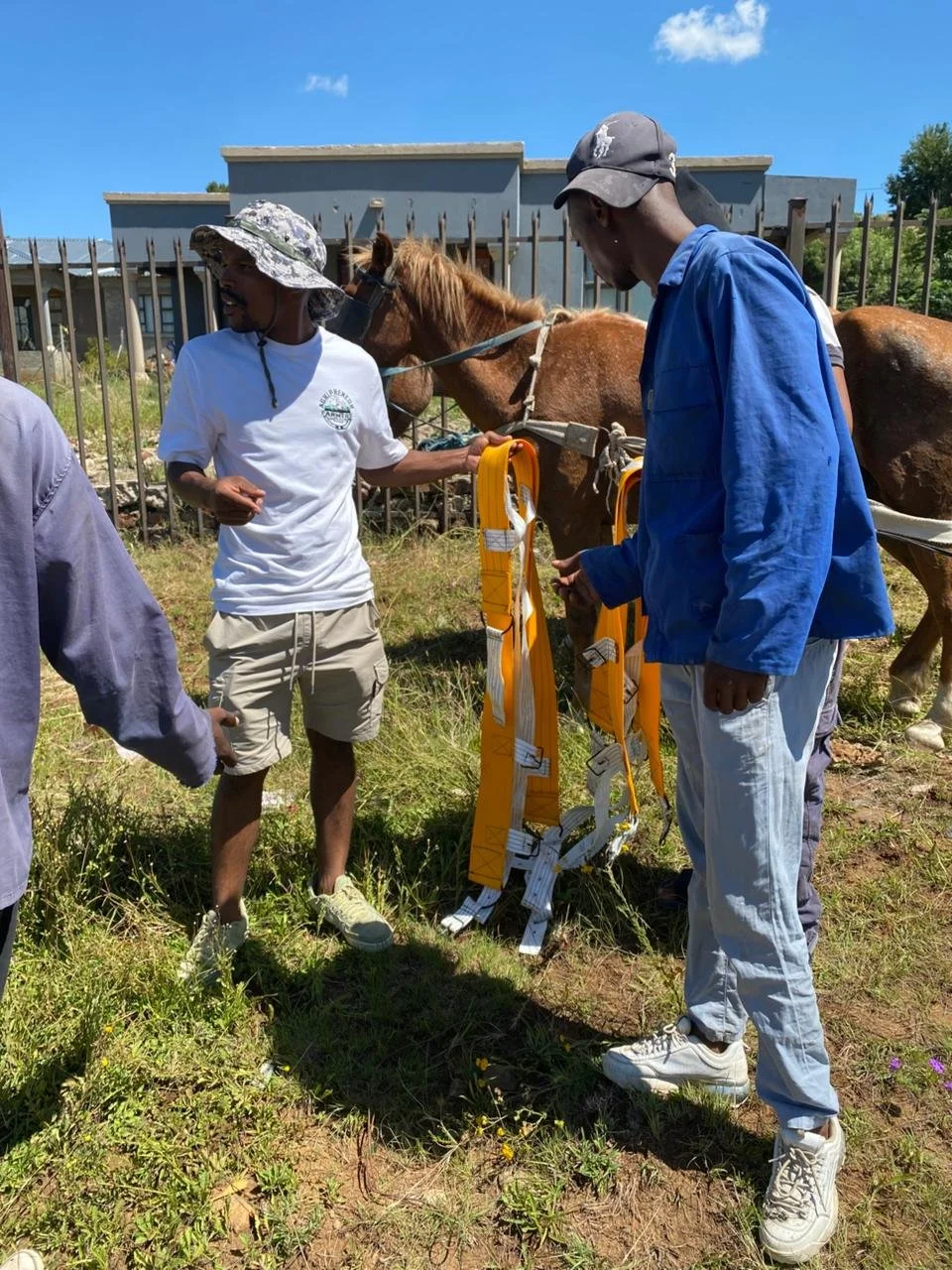
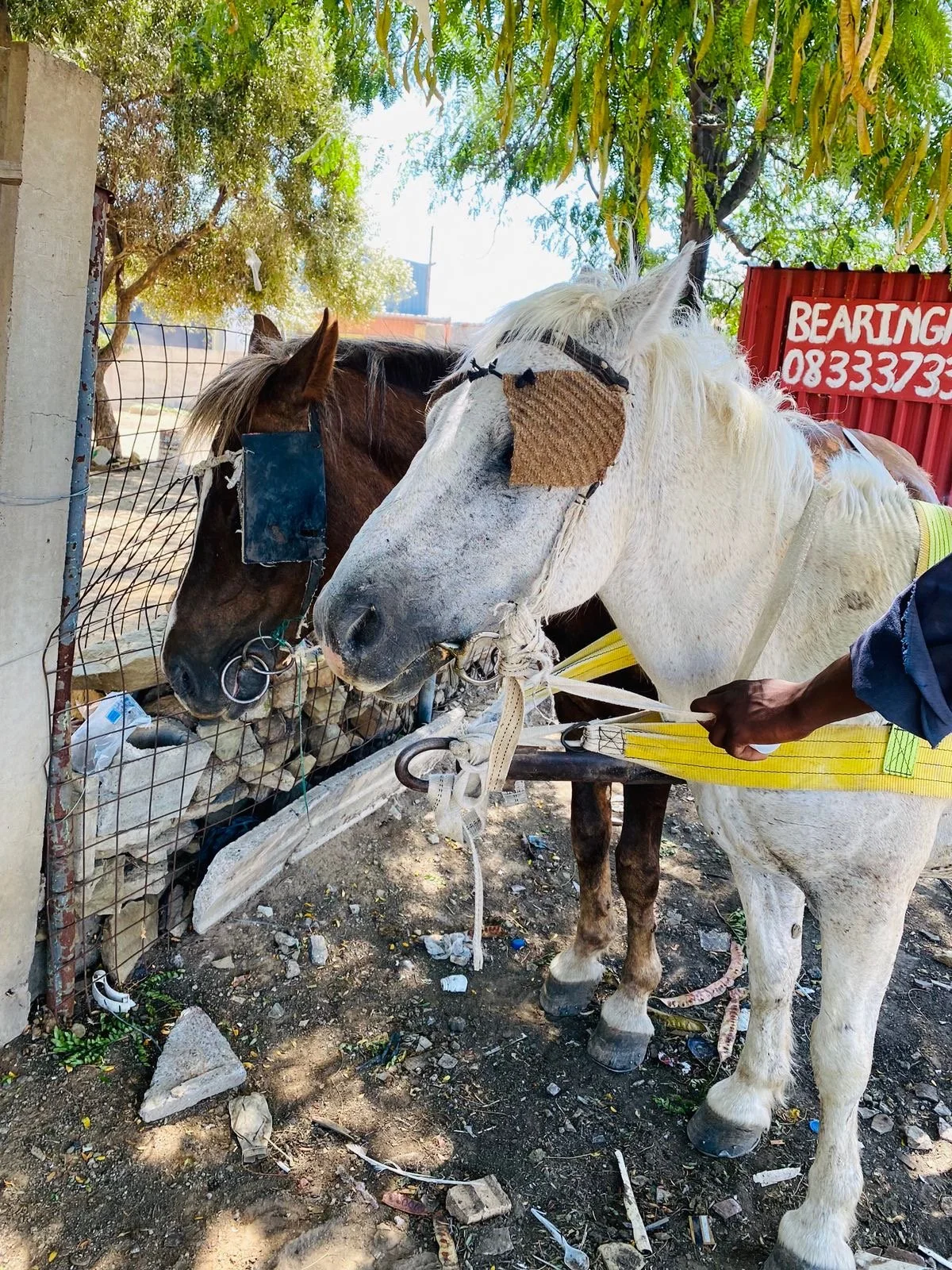
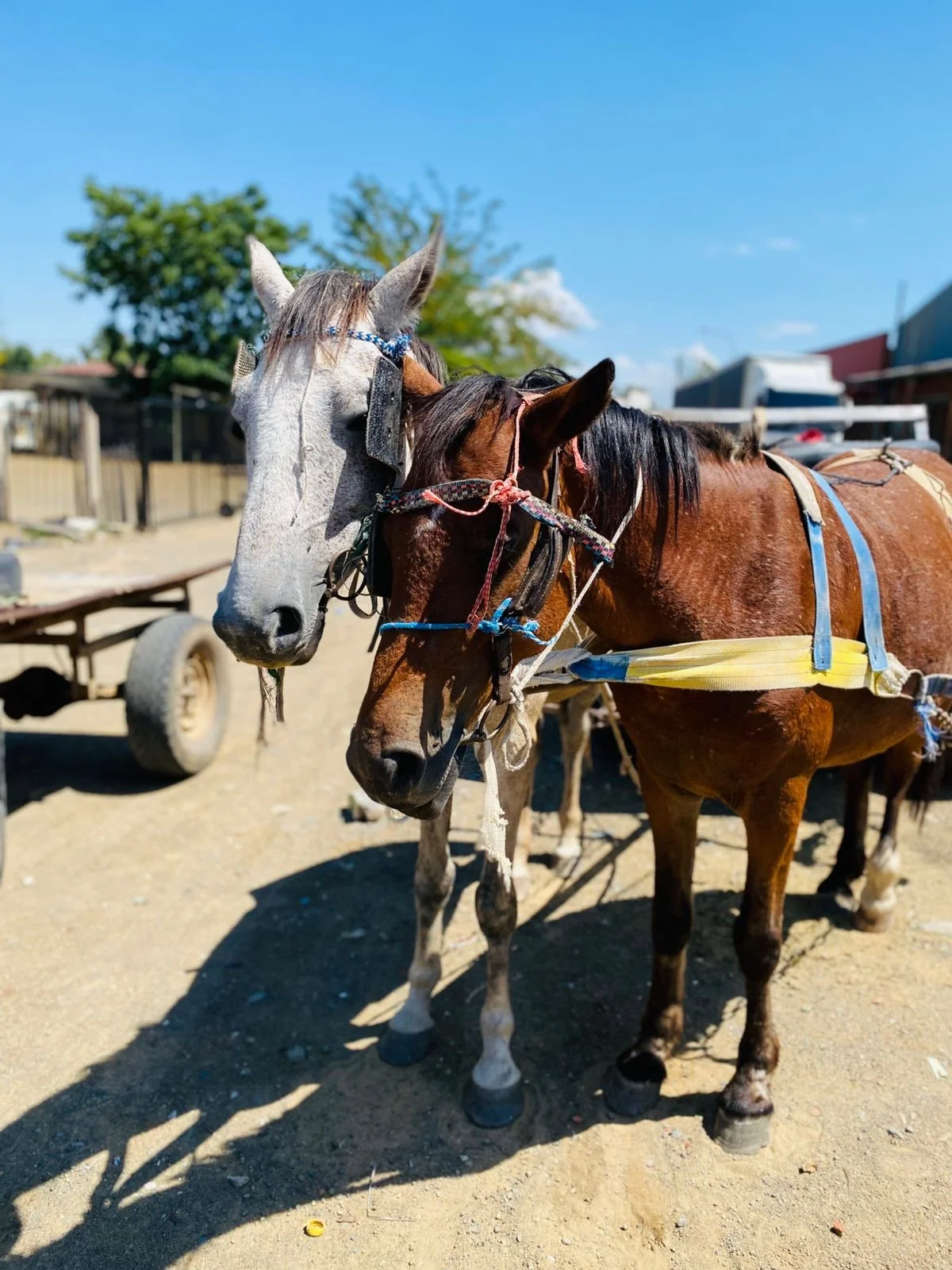
Harness checks and adjustments
Distribution of donated tack and humane harness equipment
A horse with a superficial stab wound was also treated, with proper cleaning and wound care provided.
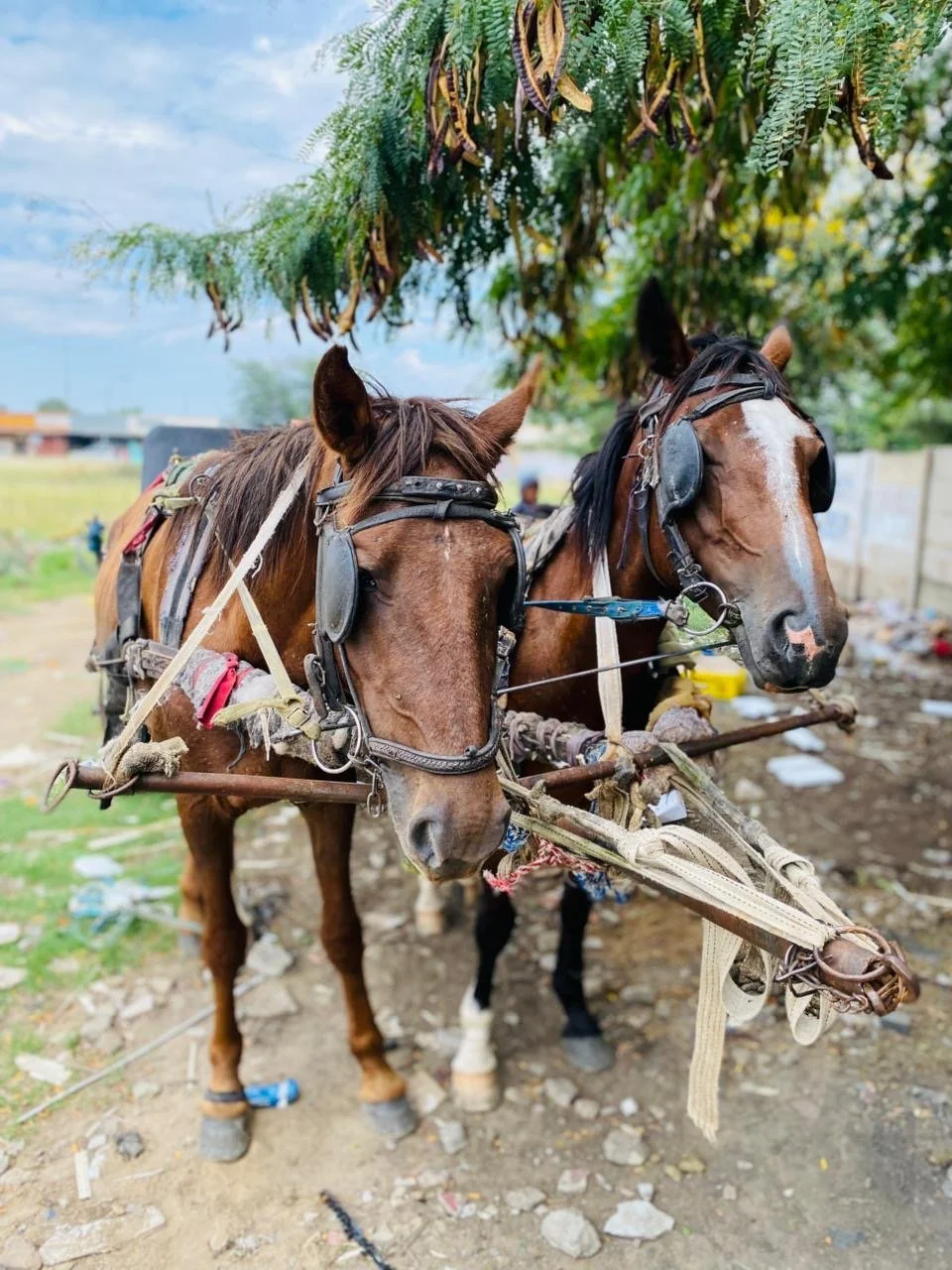
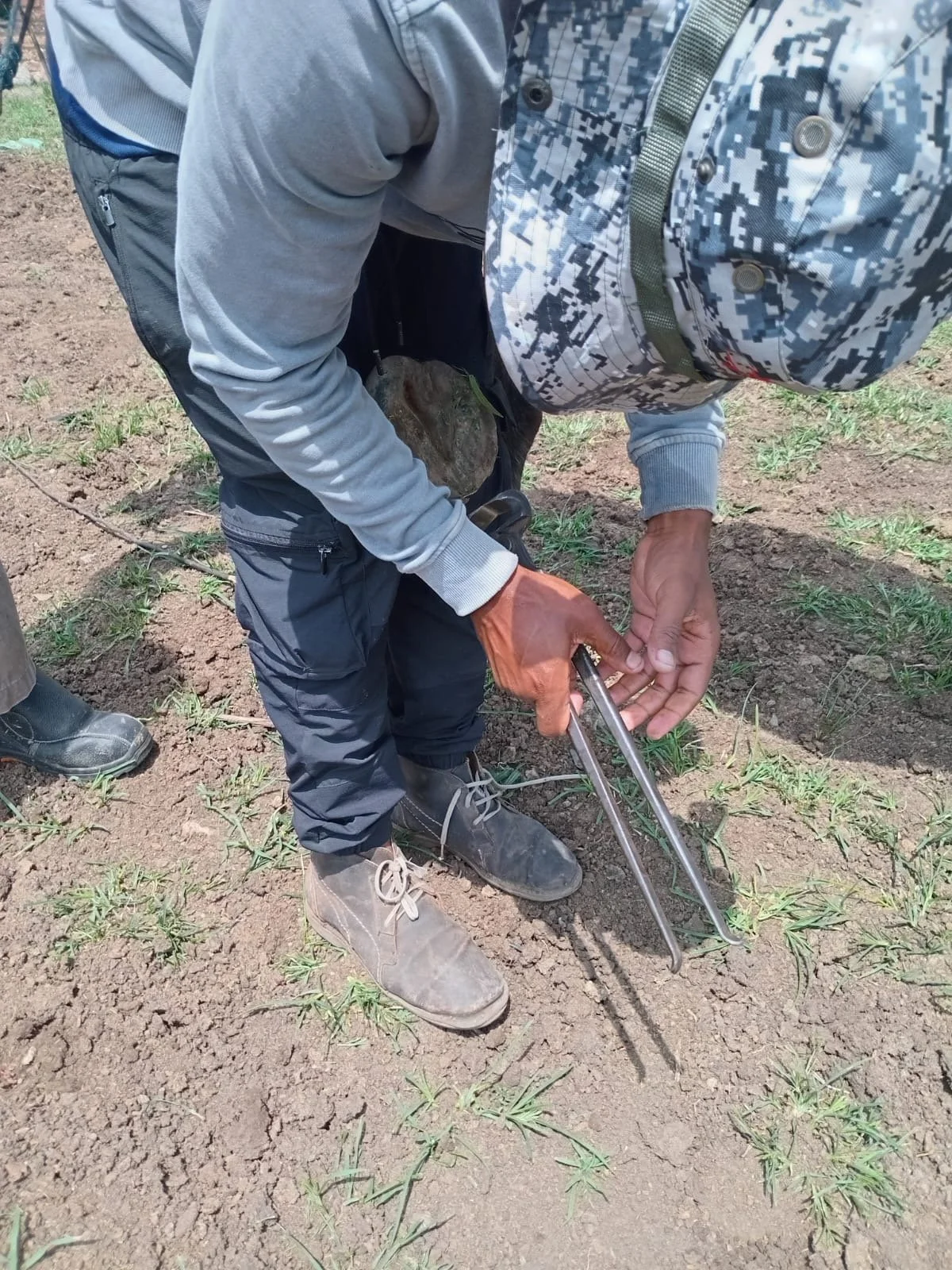
Farrier & Equipment Support
Farrier services were carried out at the Thaba ‘Nchu Care Station, the cart horse rank, and during village outreach. Hoof trimming and cart repairs ensured horses could continue working safely and comfortably.
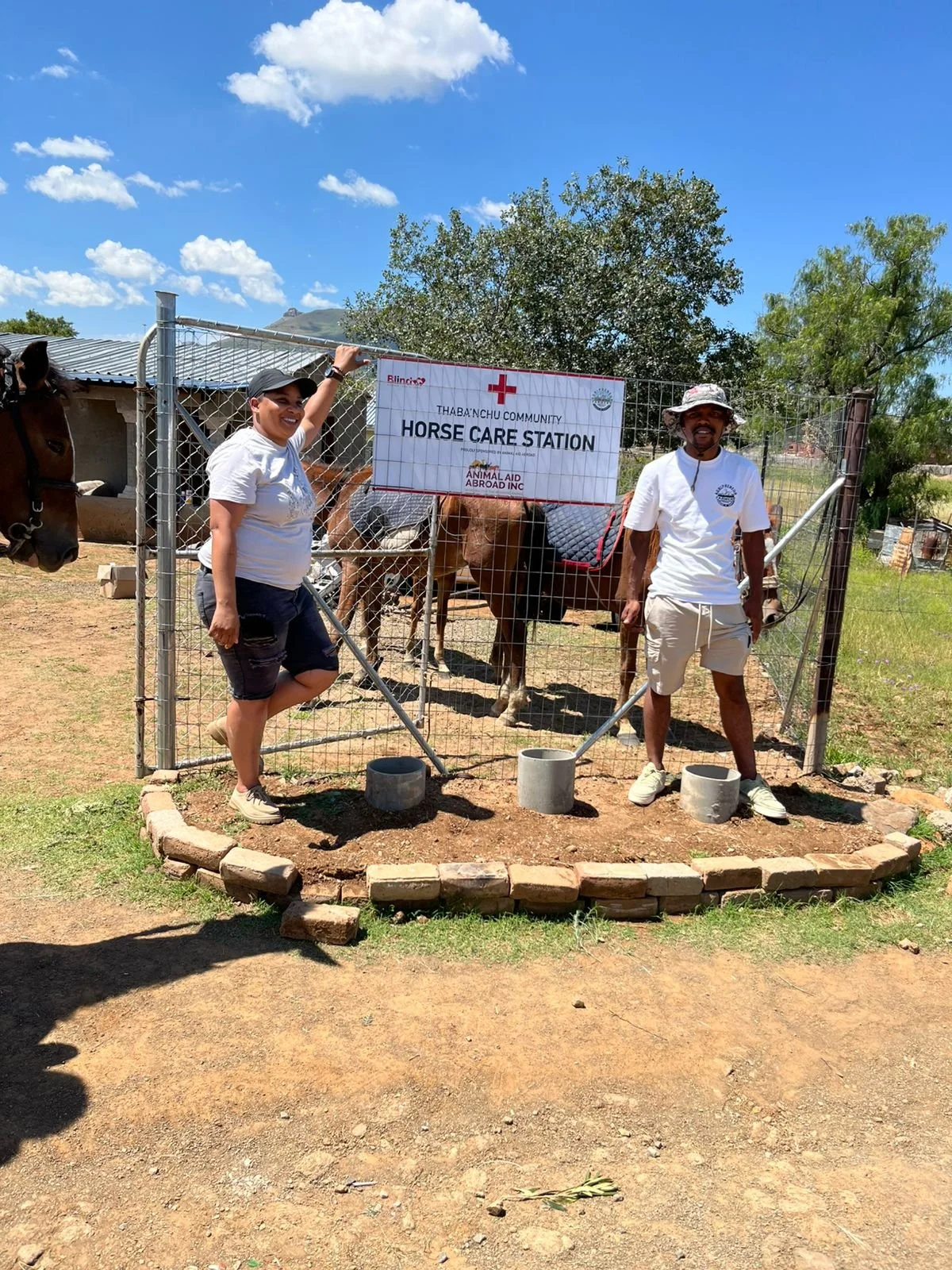
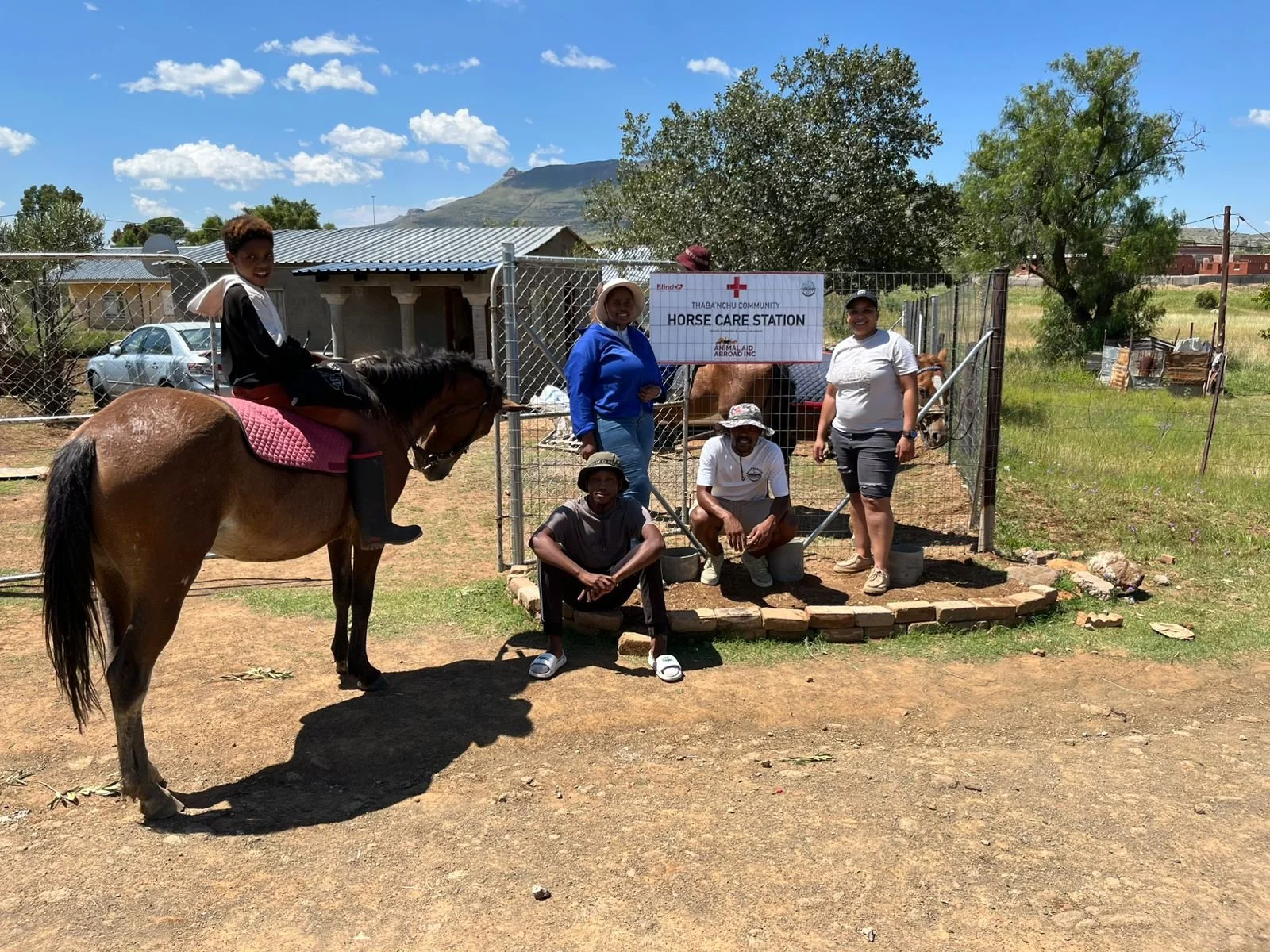
Thaba ‘Nchu Care Station – Official Opening
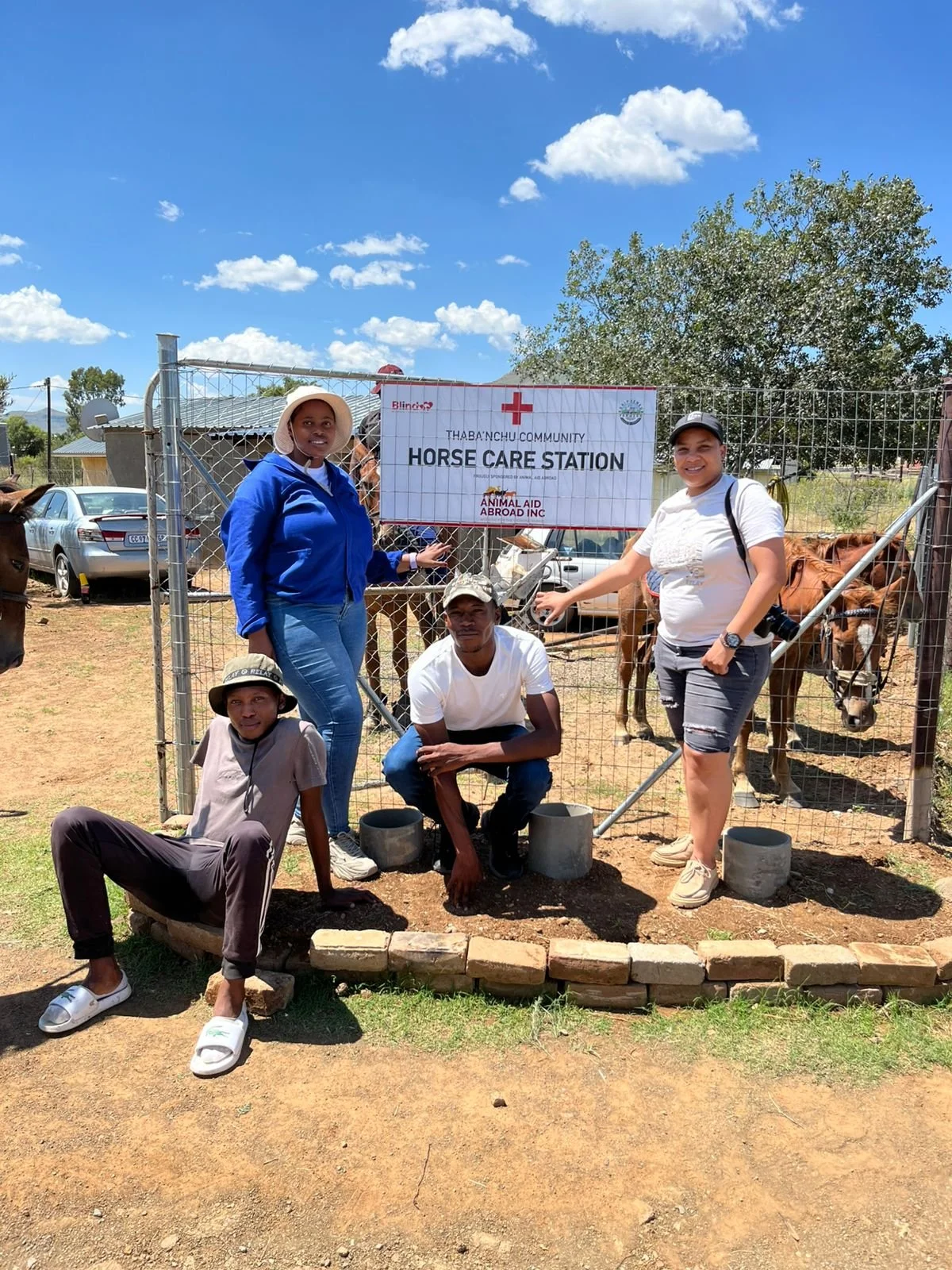
On February 28, Blind Love officially opened the Thaba ‘Nchu Care Station. Nineteen horses attended the opening day, receiving health checks, treatments, and humane harnesses.
The Care Station is already proving invaluable, offering a permanent point of support for working horse owners — ensuring follow‑up treatments, hoof care, and cart repairs between outreach visits.
Working Donkey Outreach Program
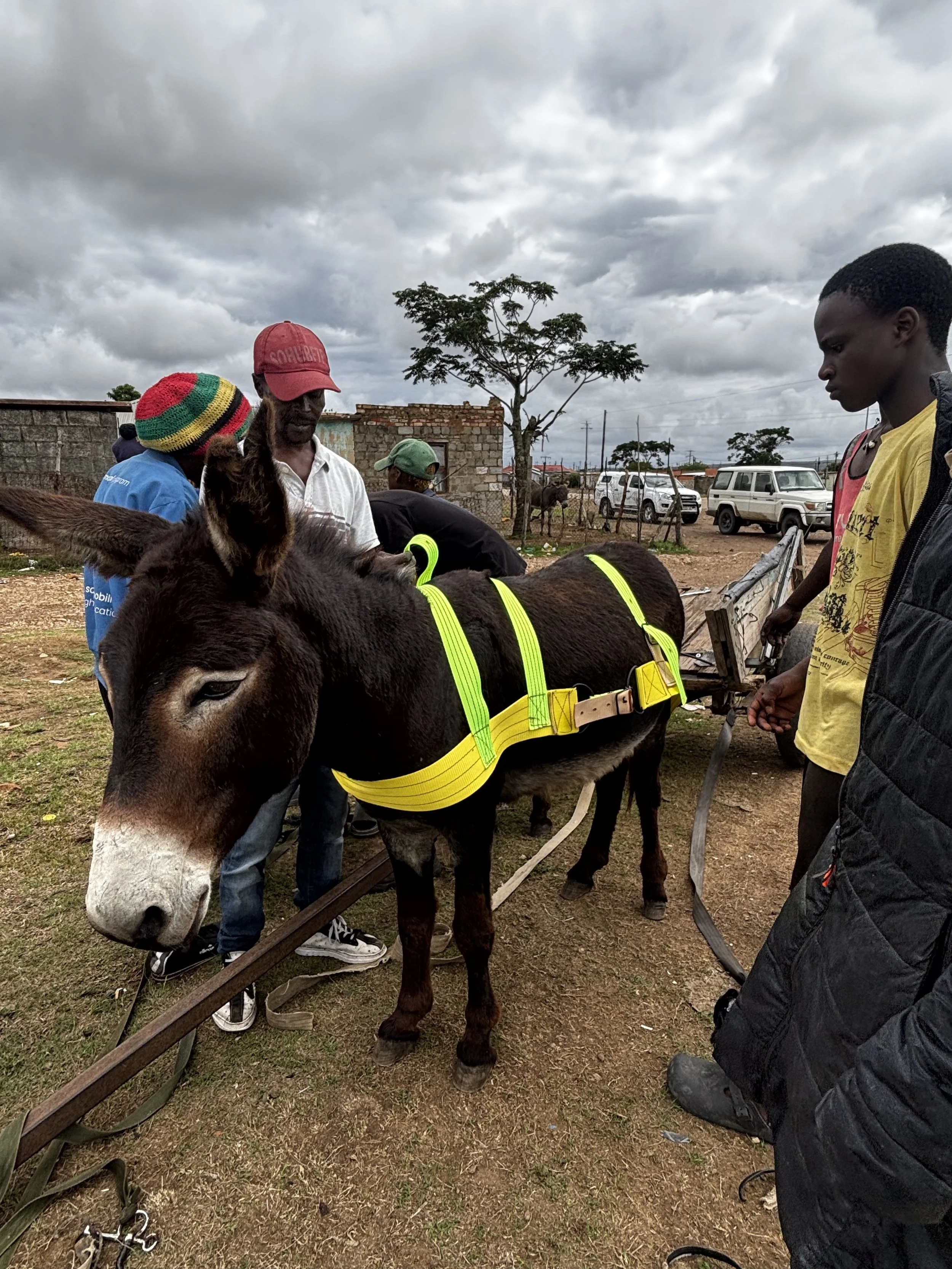
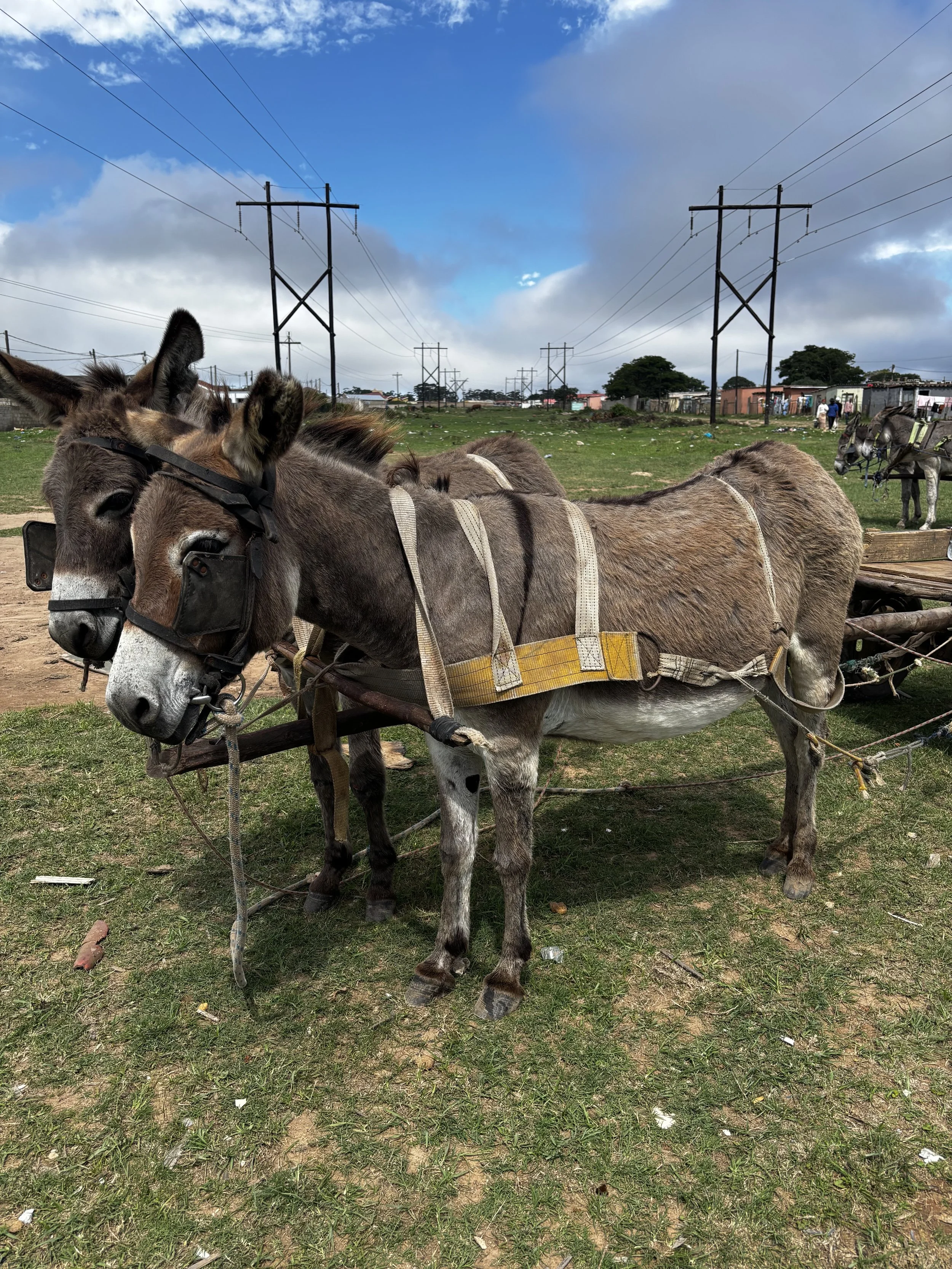
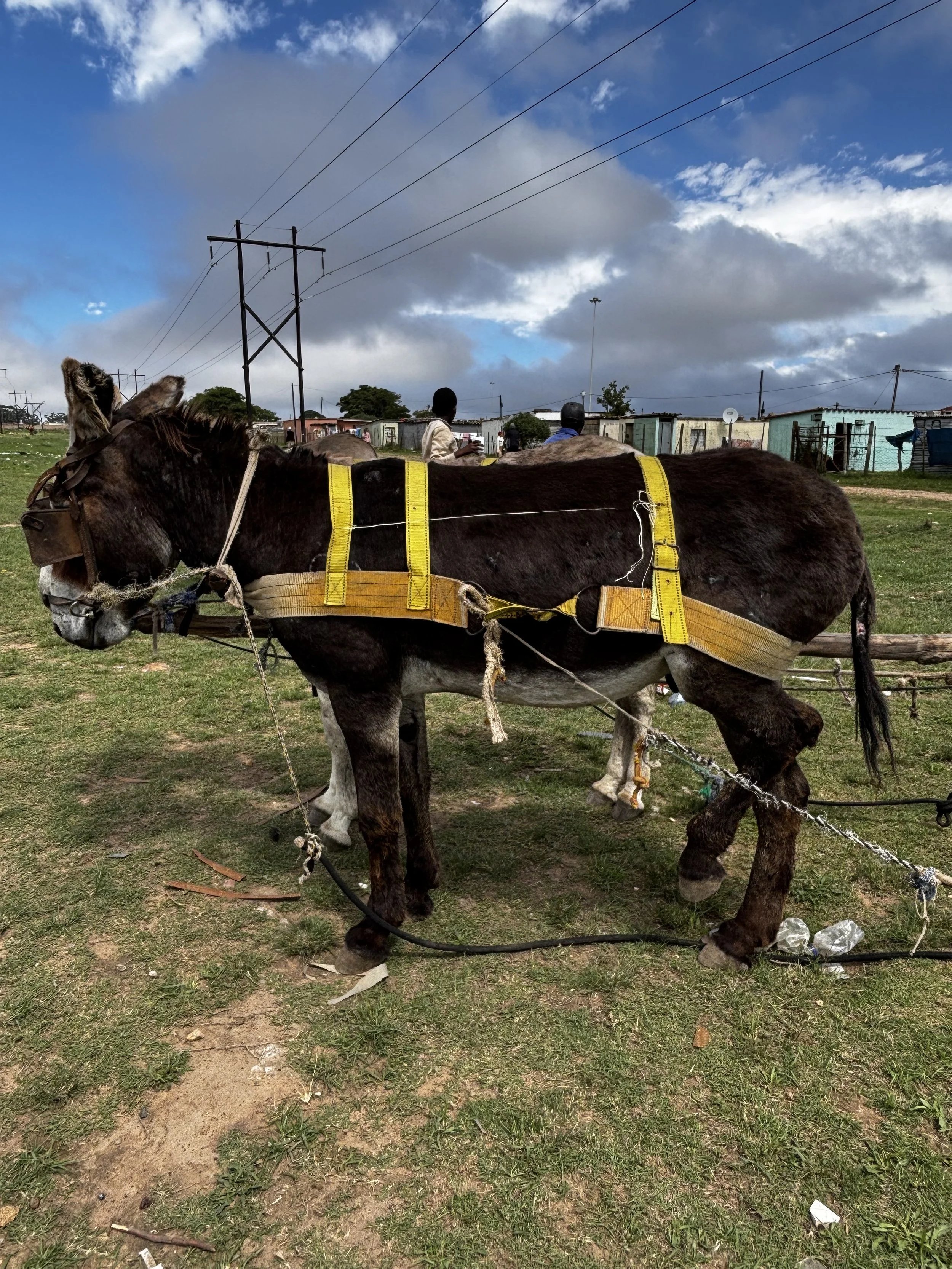
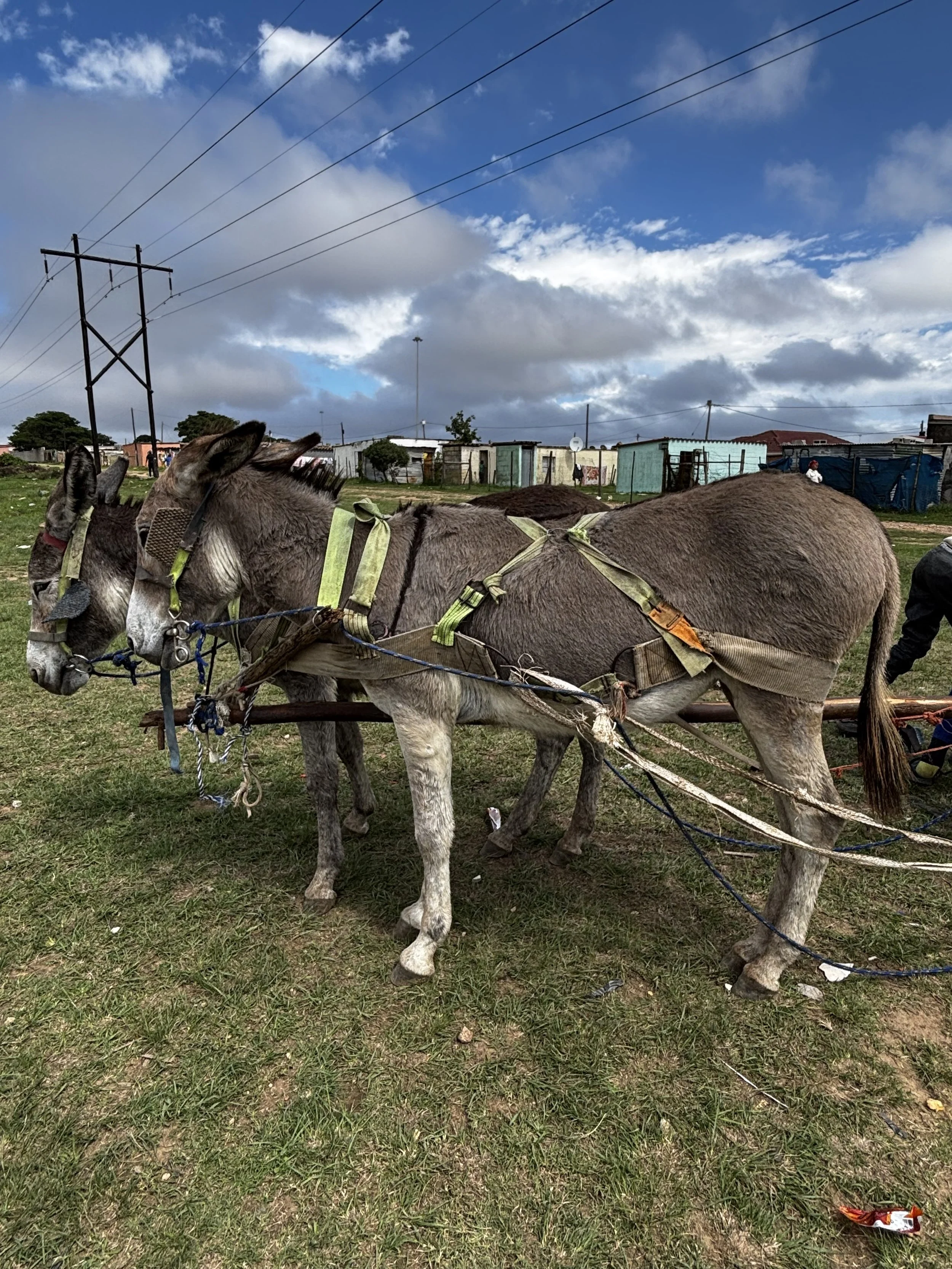
At the Donkey Outreach Day in February, 22 donkeys were treated. Services included:
General health assessments
Wound treatment and injury care
Hoof trimming and hoof care
Harness checks and distribution of new harnesses
Case Highlight – Malema
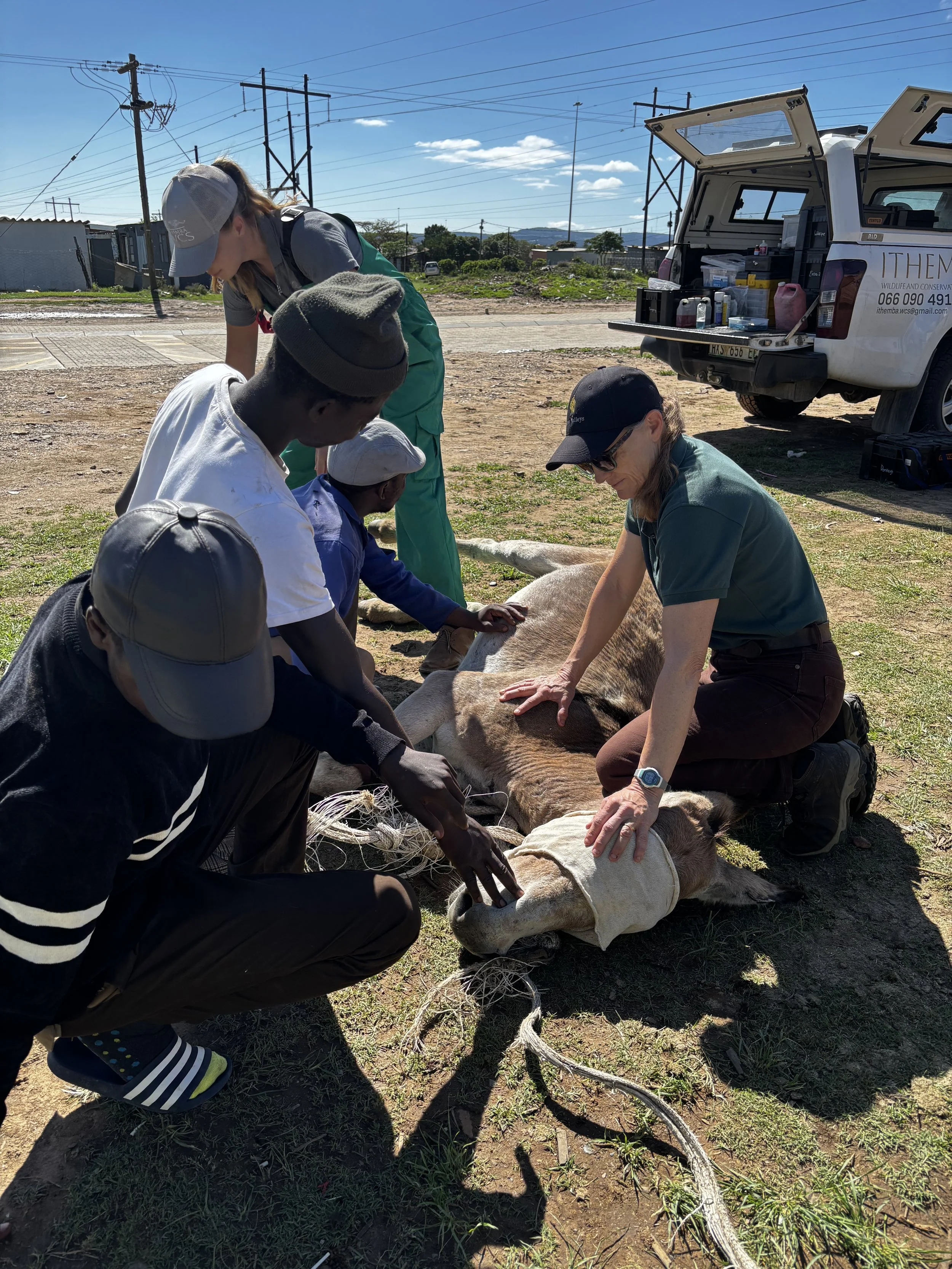
Malema, a donkey previously treated for a stab wound, returned with deeper tissue infection. He was admitted to the Care Station for daily wound flushes and hygiene care. Thanks to intensive treatment, Malema is now healing well.
Hoof Health Education
A donkey with a severe hoof abscess provided an opportunity for owner education. Dr. Annie demonstrated proper hoof care, trimming, and how to identify abscesses — turning treatment into a practical learning session for multiple owners.
Donkey Care Station – Additional Welfare Cases
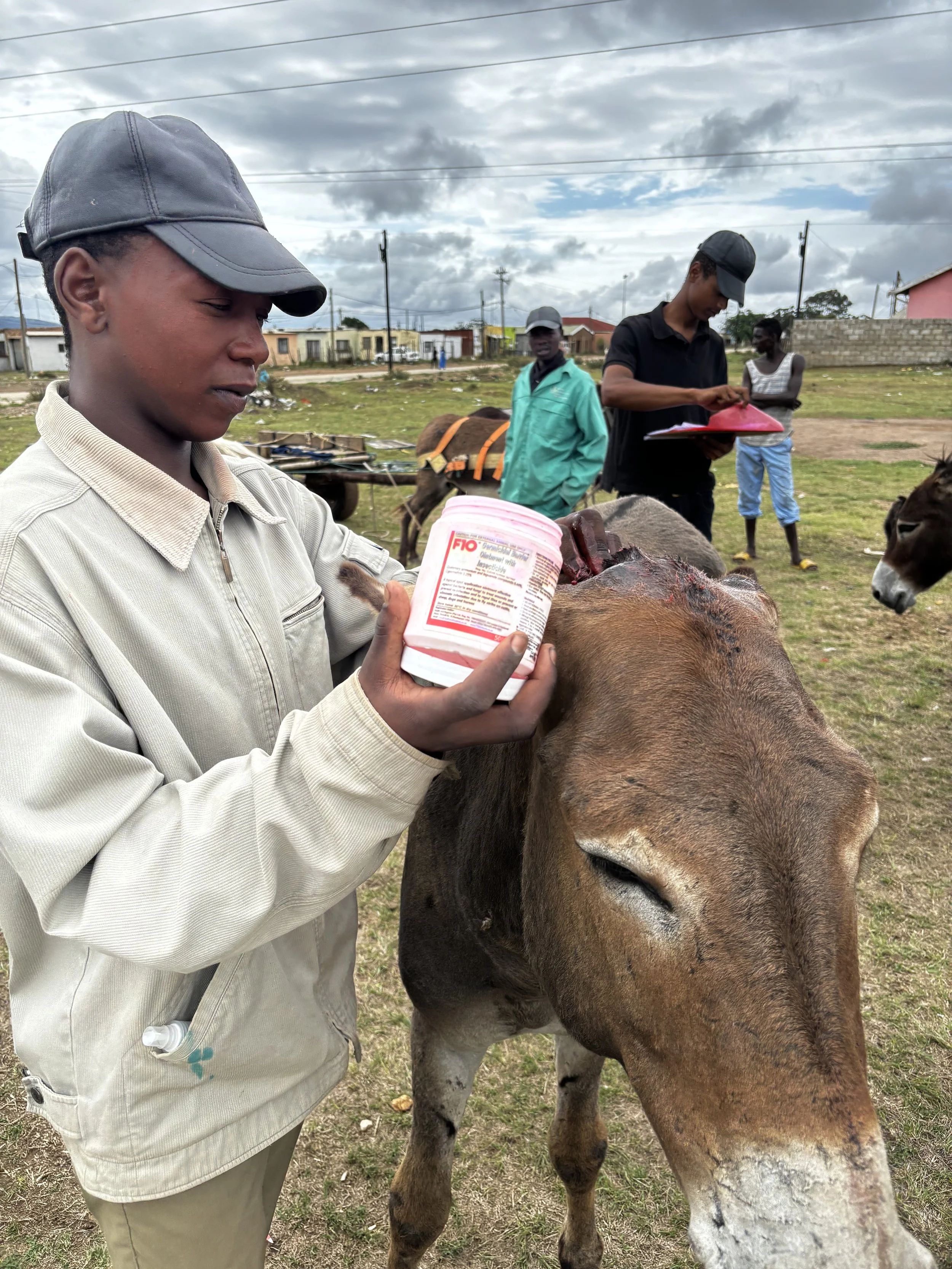
A donkey with a severely infected ear was admitted for treatment.
Another donkey diagnosed with advanced tetanus was humanely euthanised to prevent further suffering.
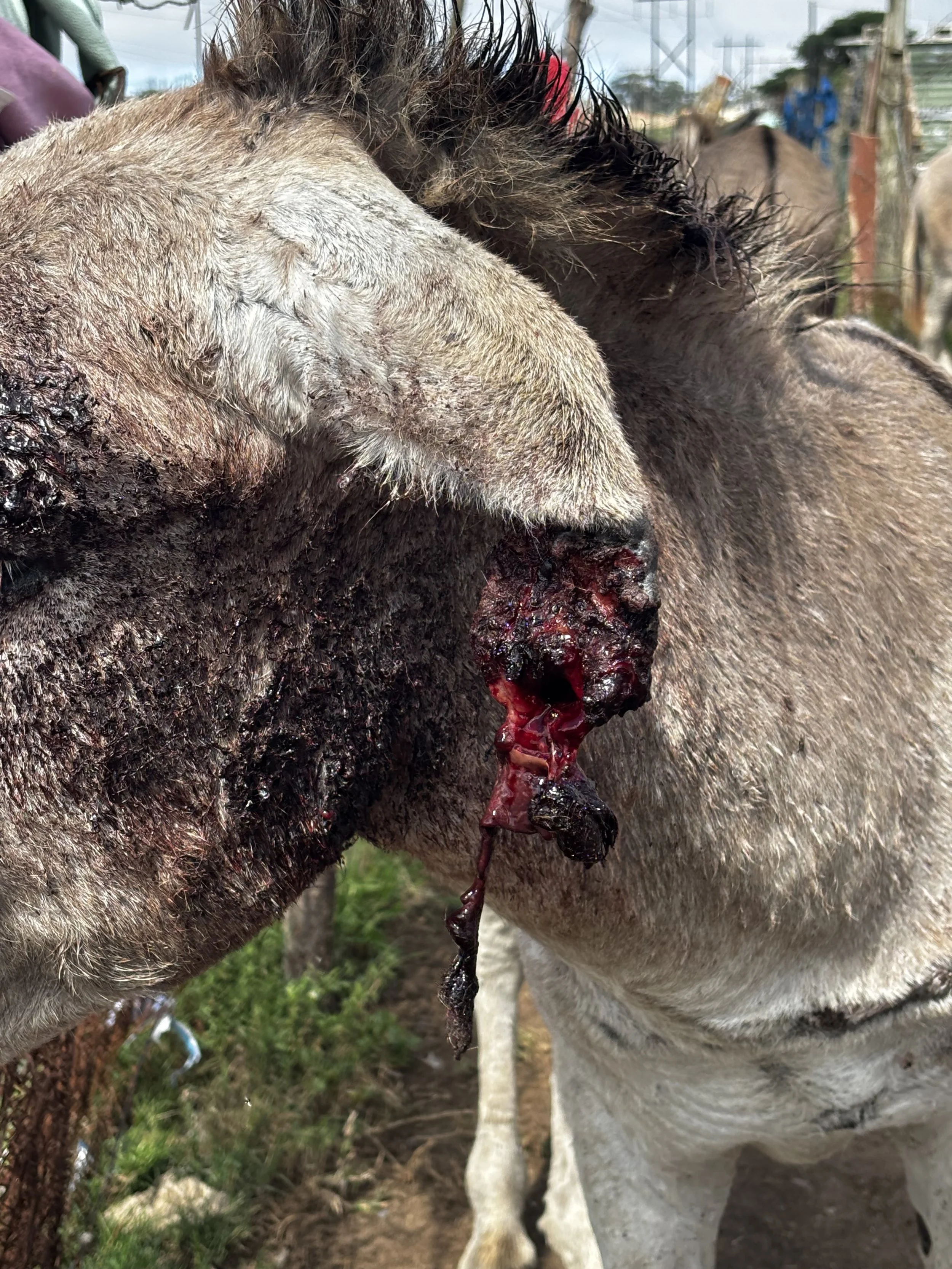
The team was also asked to examine a donkey reported to be ‘sick.’ Unfortunately, Dr. Annie immediately diagnosed advanced tetanus. To prevent further suffering, the poor donkey was humanely euthanised.
Summary
February was an extremely productive and impactful month for both programmes.
Working Horses Program:
141 horses treated
Outreach across Thaba ‘Nchu and rural villages
Farrier care, harness support, and cart repairs
Official opening of the Thaba ‘Nchu Care Station
Working Donkey Program:
64 donkeys assessed during outreach and campaign days
Contraceptive injections and identification measures continued
Serious welfare cases successfully treated at the Donkey Care Station
The growing use of Care Stations demonstrates their importance for follow‑up care, owner education, and emergency welfare support.
Acknowledgement
Blind Love expresses sincere gratitude to Animal Aid Abroad for supporting these outreach and welfare activities. Your funding enables vital veterinary care, education, and ongoing support for working horses and donkeys in vulnerable communities.
Together, we are turning burden into care — and proving that local partnerships are the key to global change.