Veterinary Care and Owner Education Strengthen Animal Welfare in Rural India
In June, APOWA, supported by Animal Aid Abroad, reached hundreds of working animals in remote areas of India with veterinary care, preventive health programs, and owner education. These interventions improved animal health, reduced disease risks, and empowered communities to provide better long‑term care.
Mobile Clinics Deliver Essential Treatment
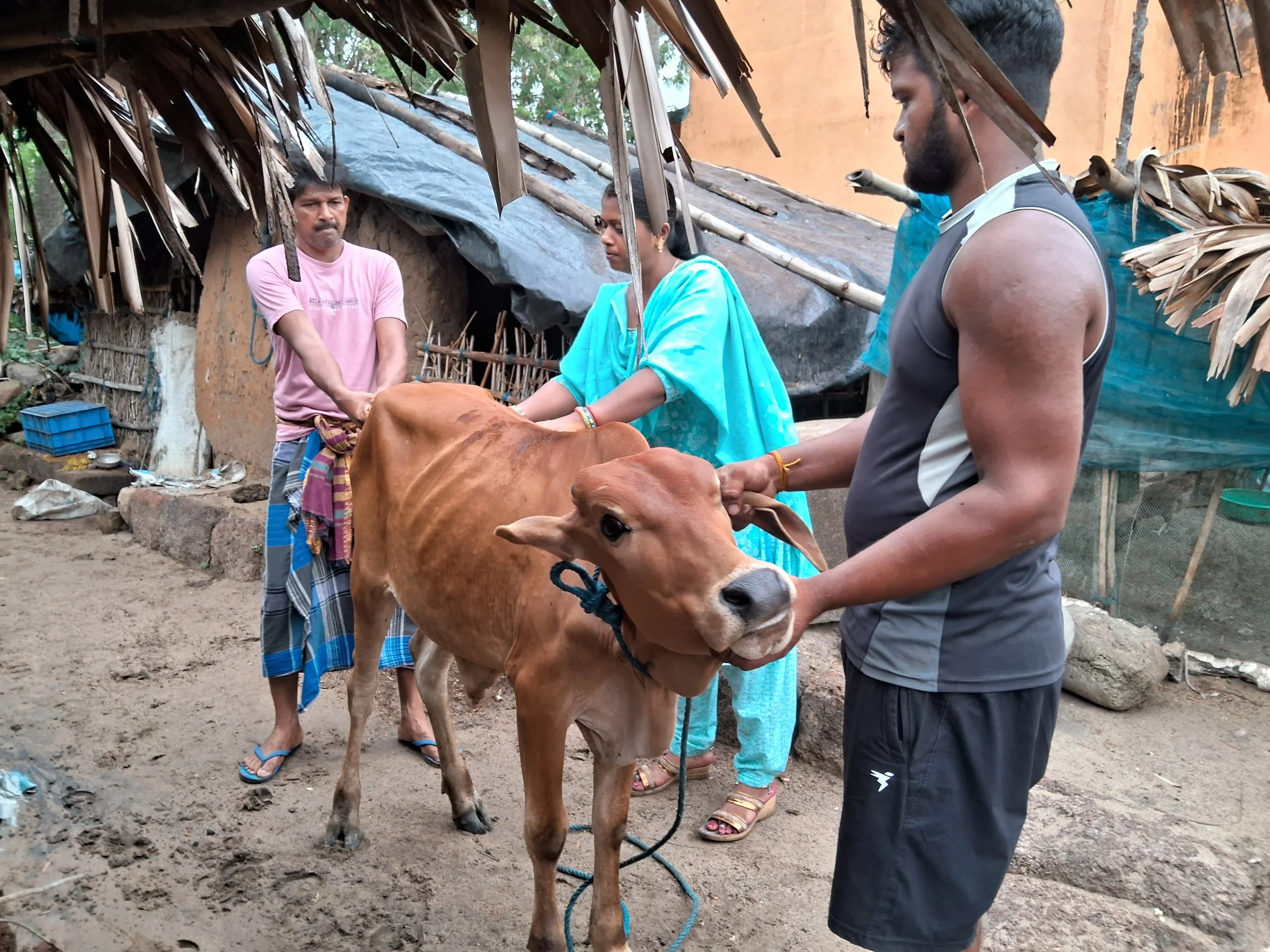
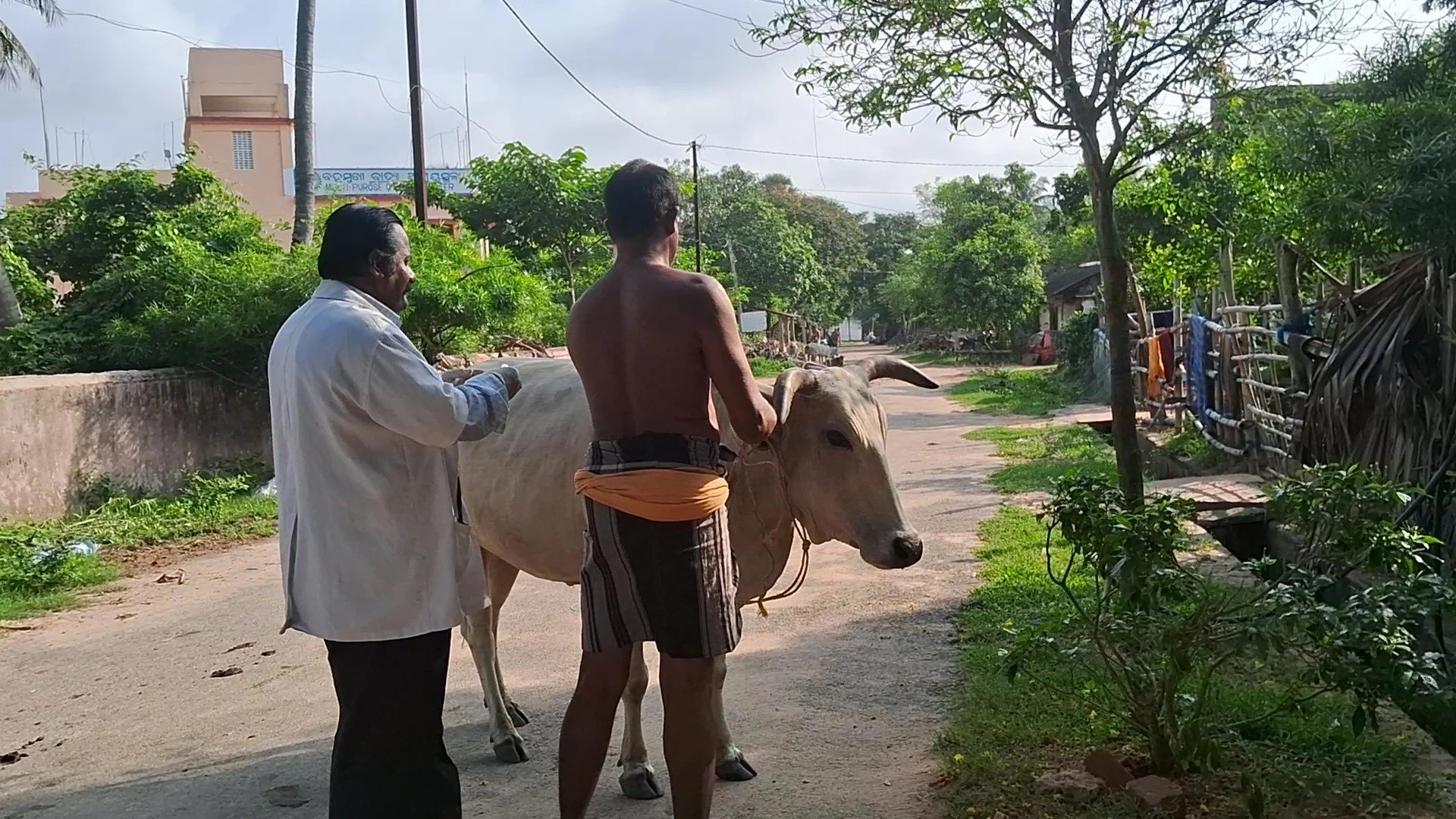
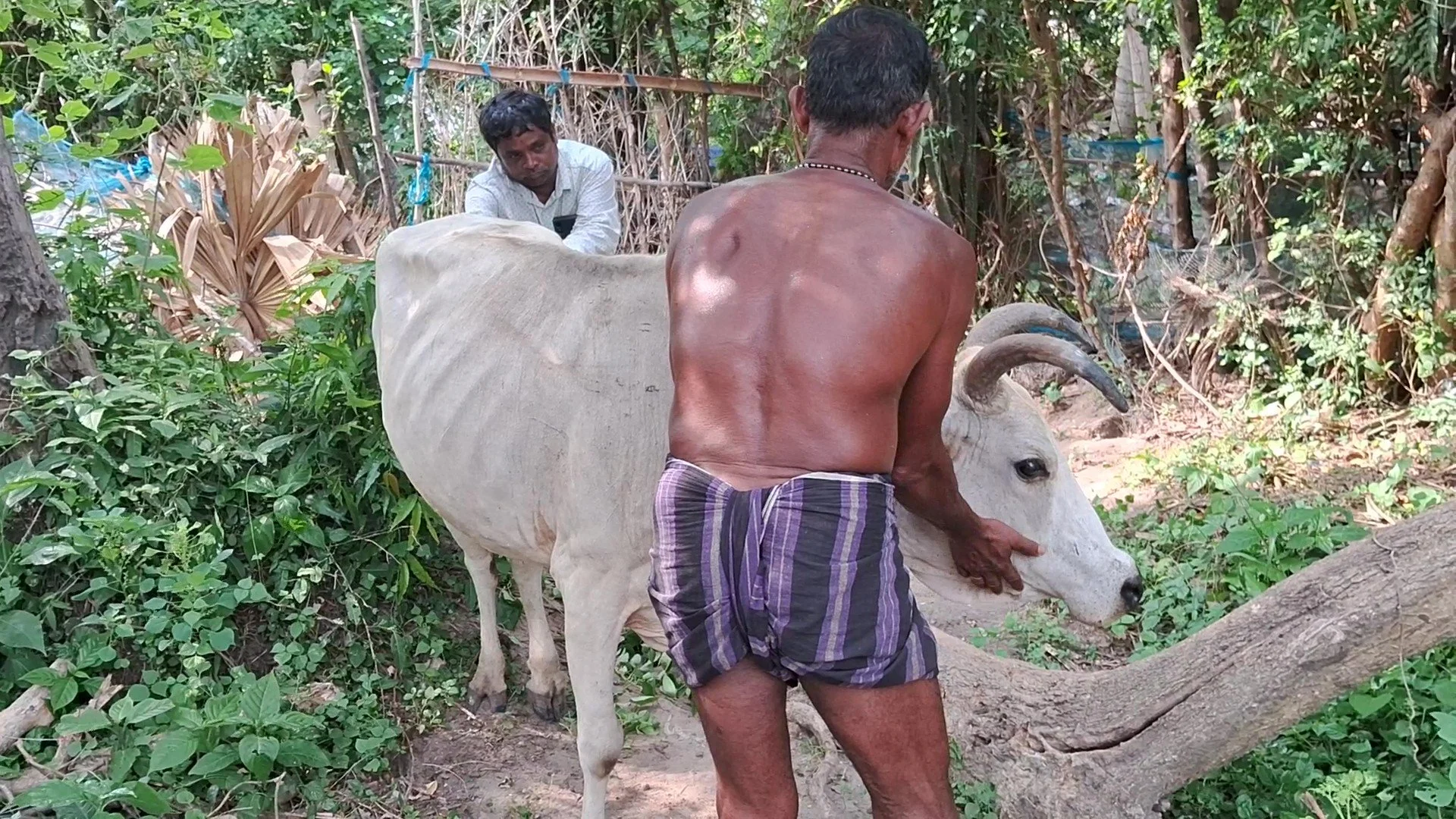
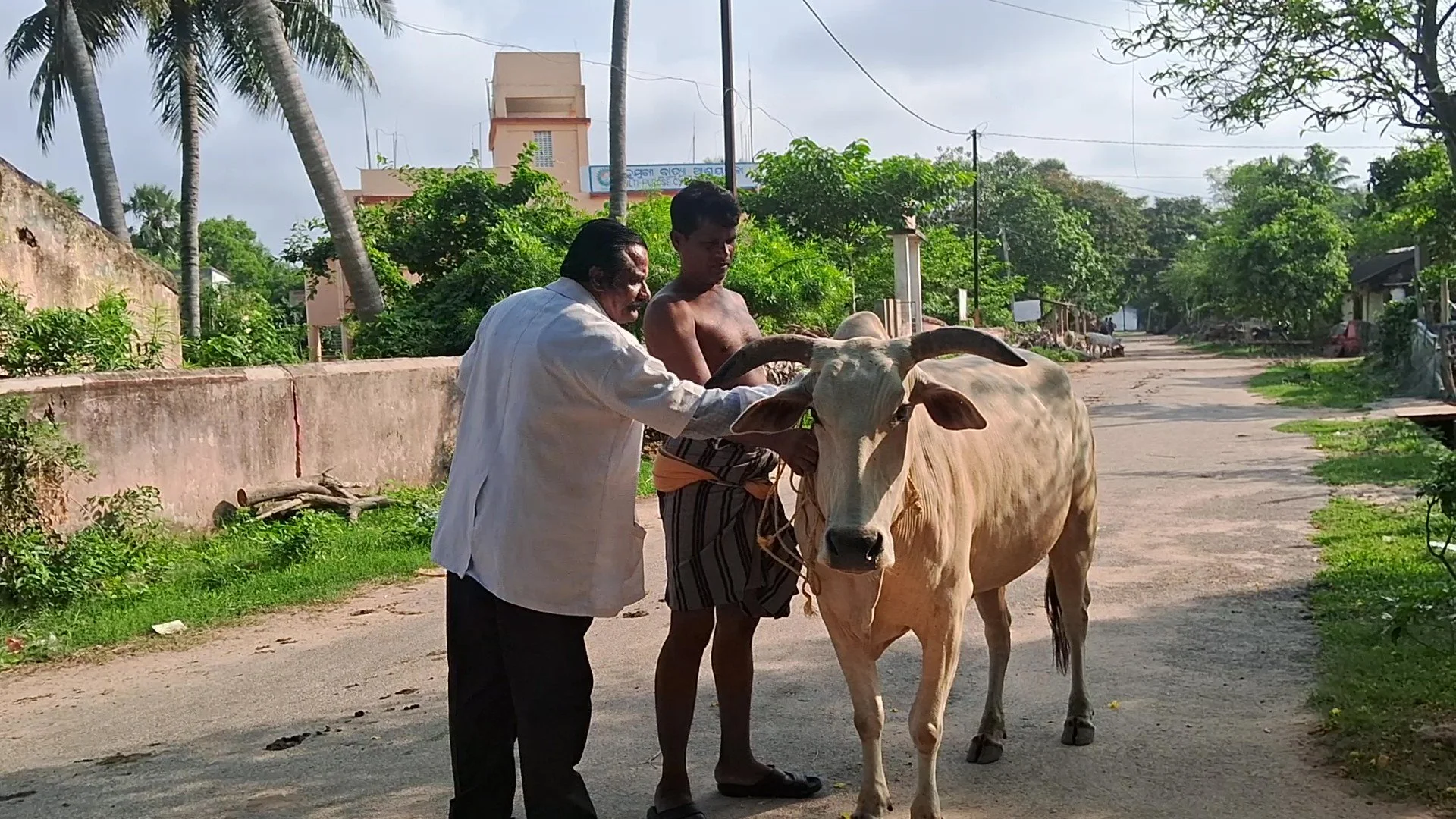
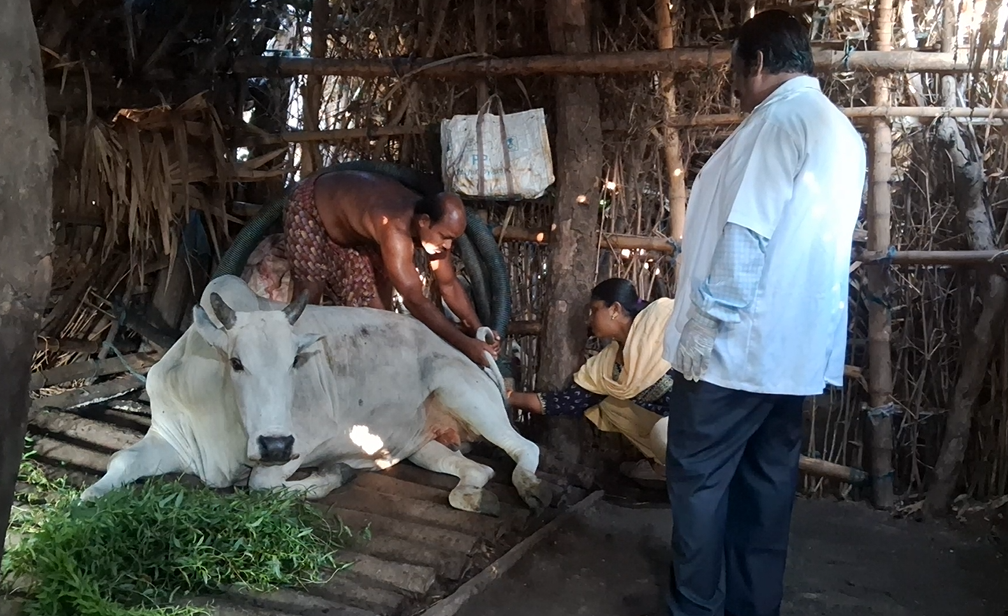
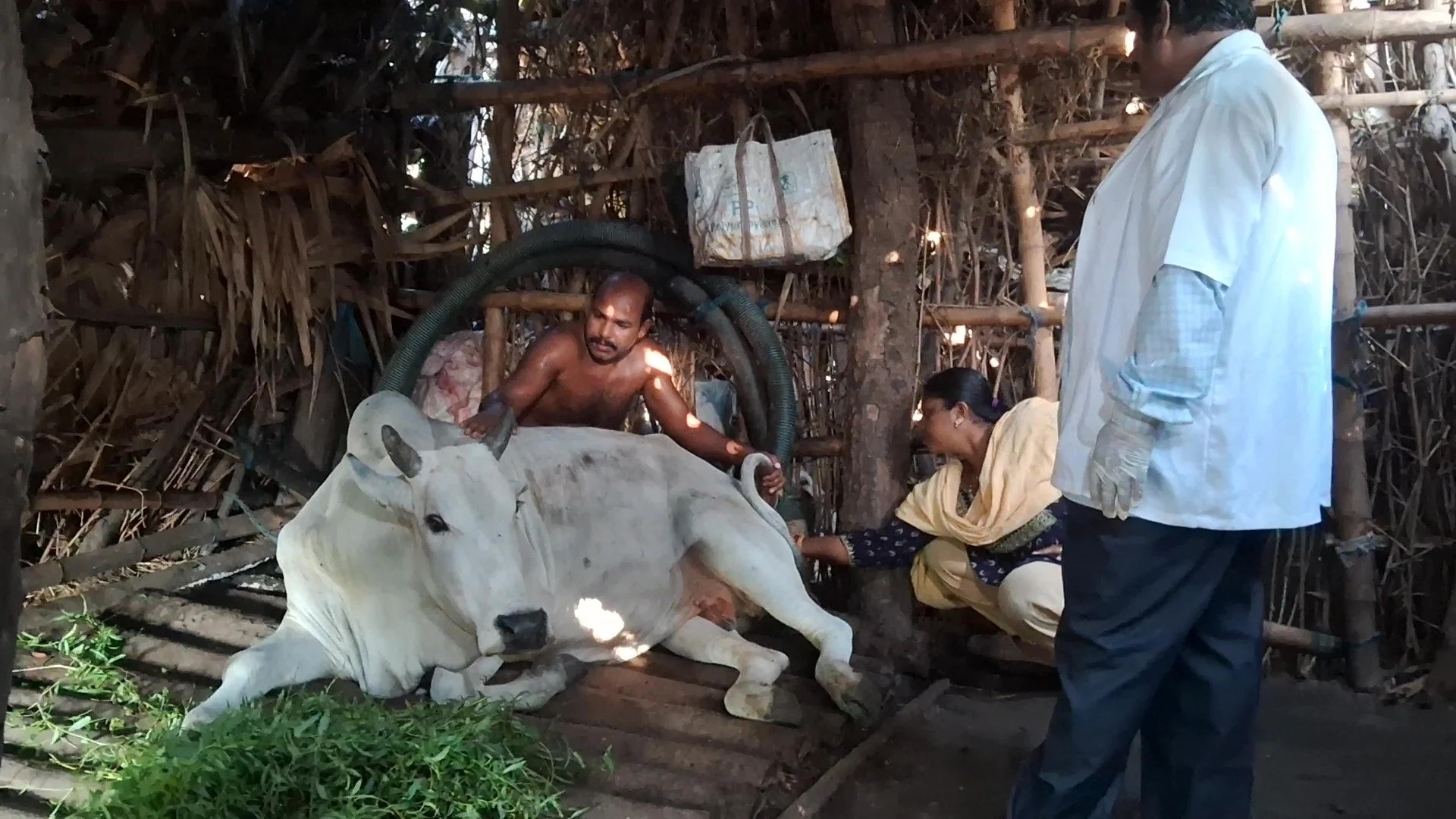
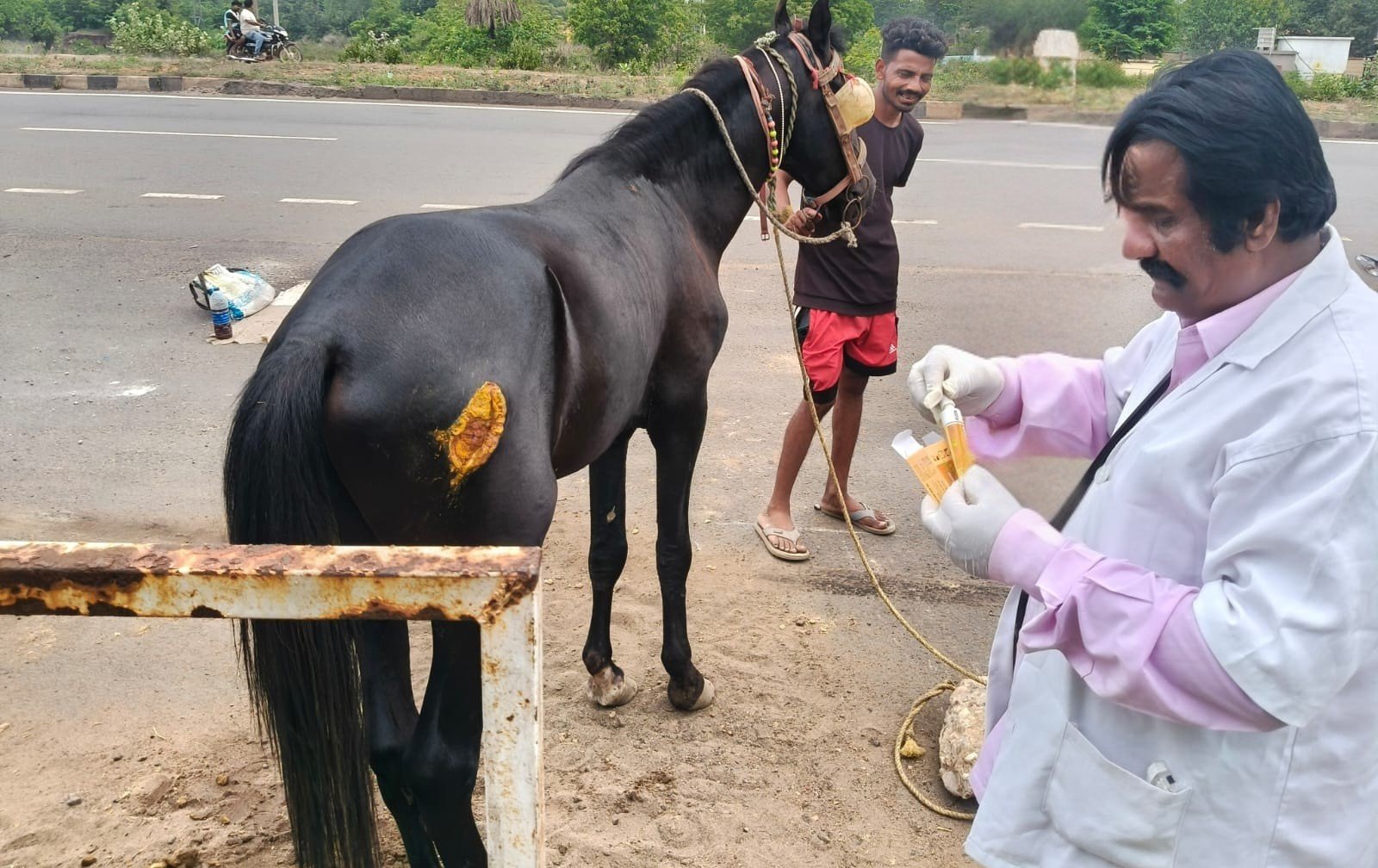
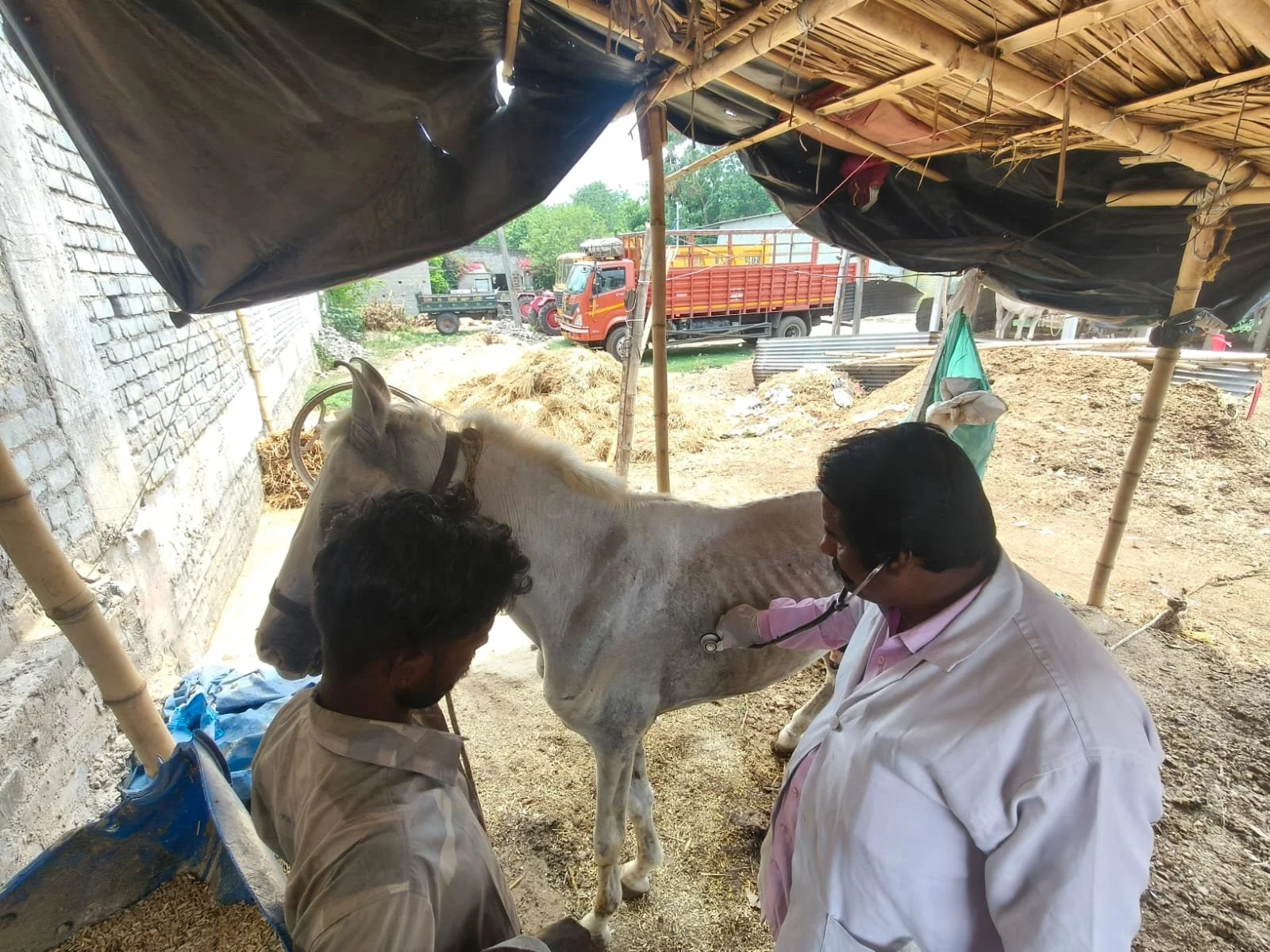
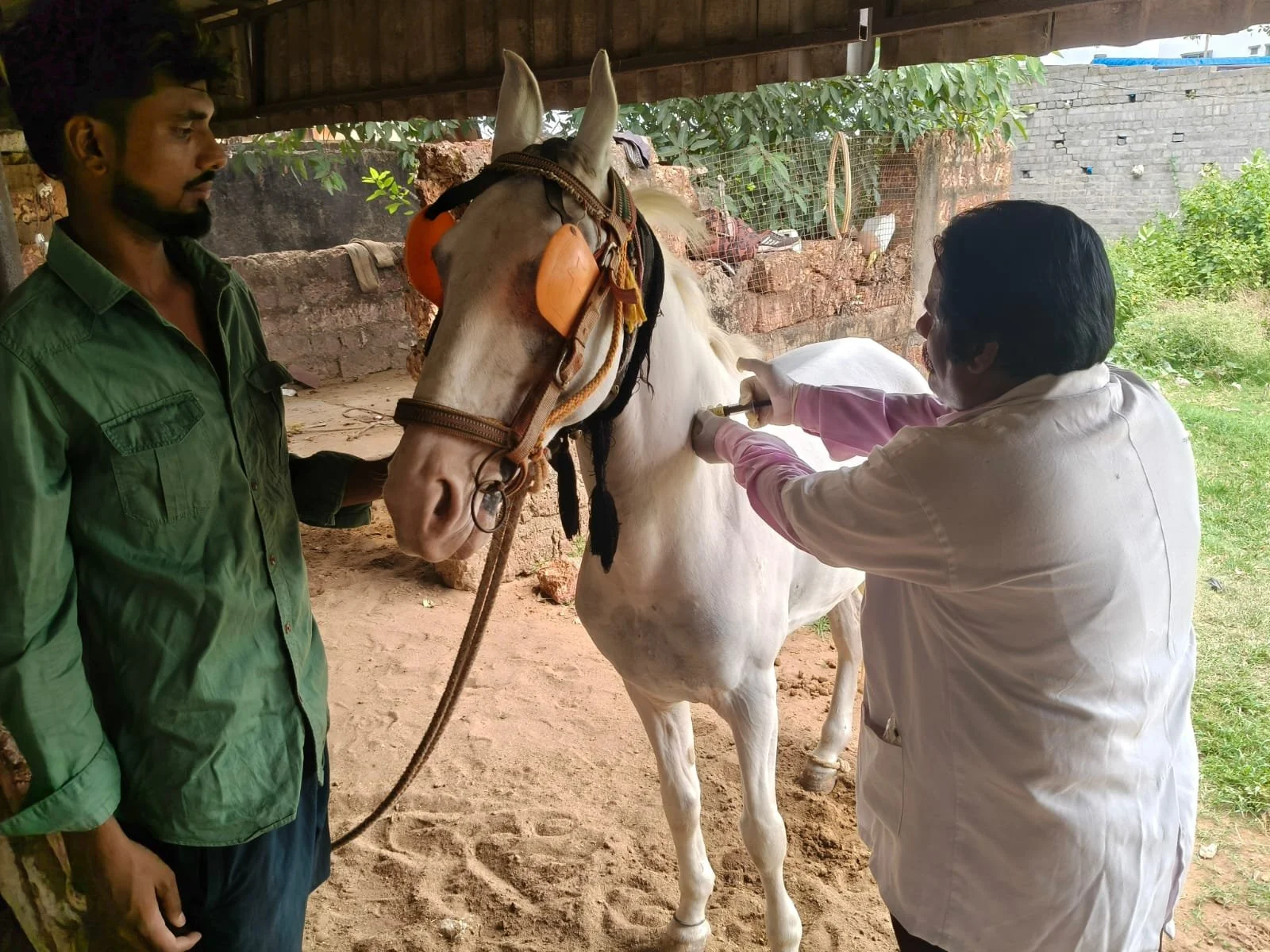
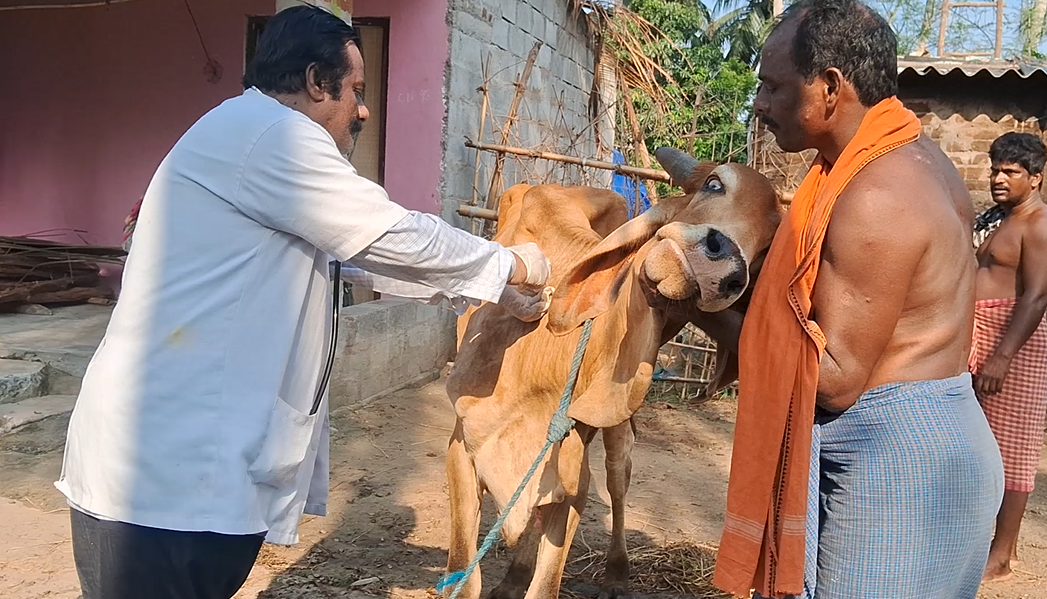
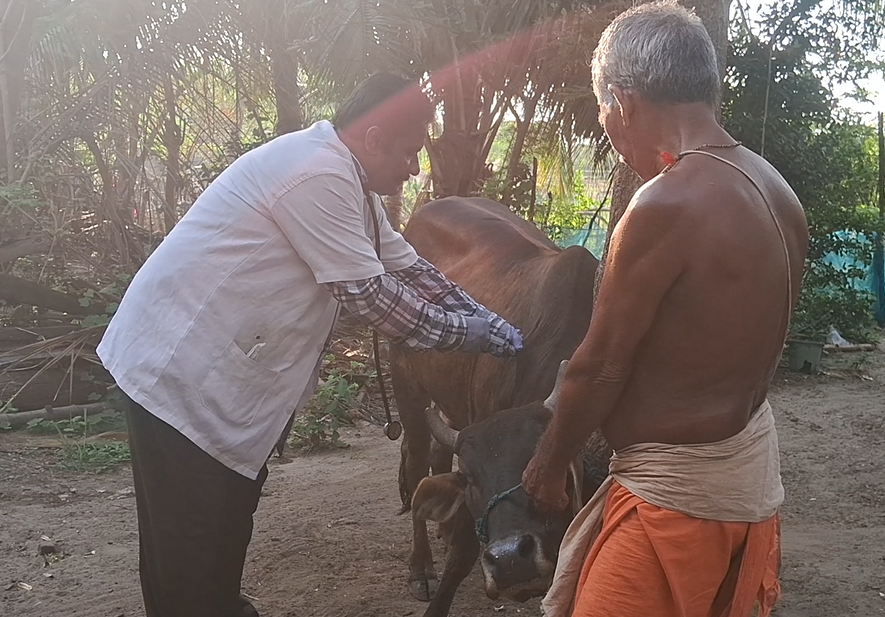
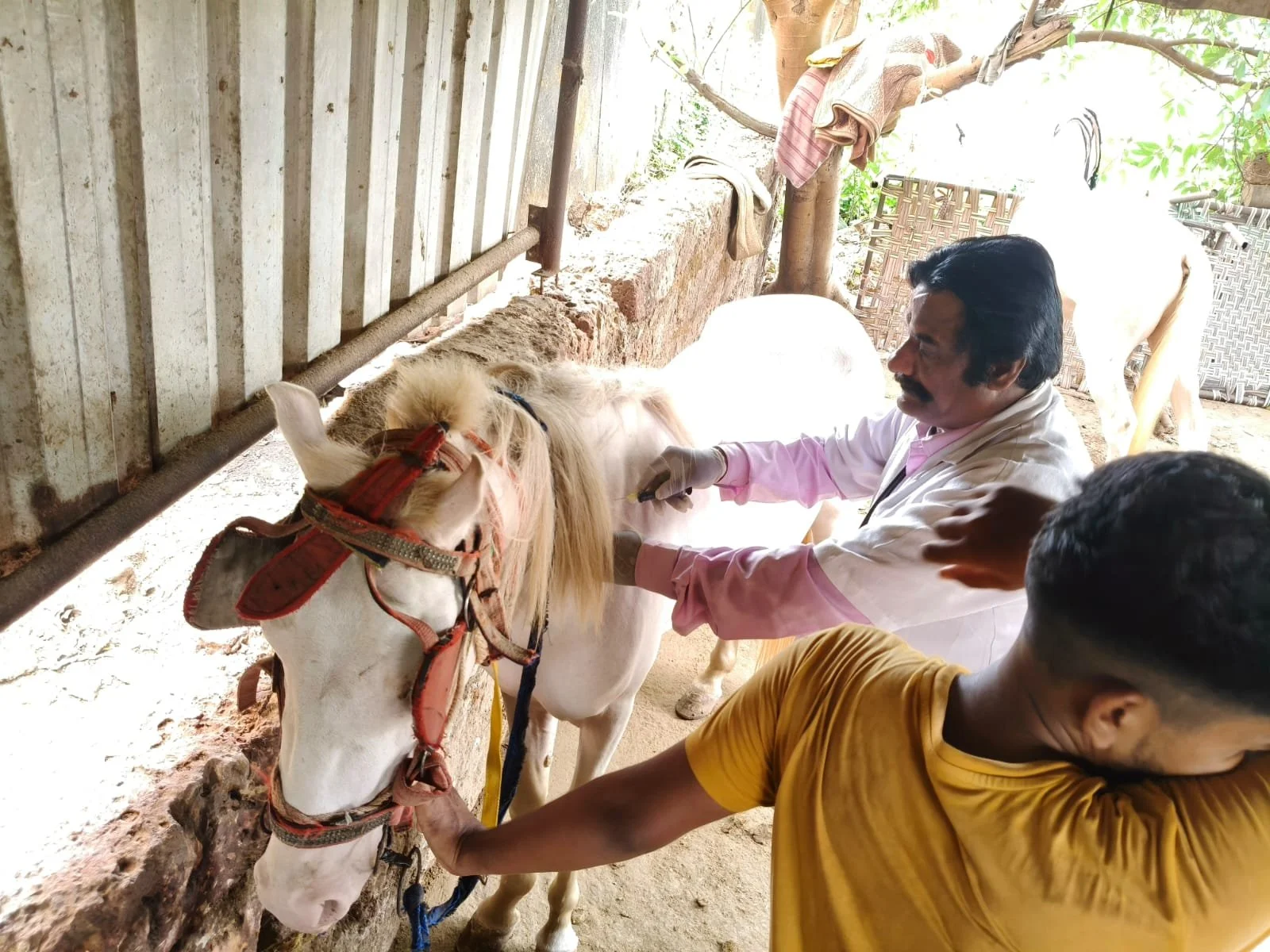
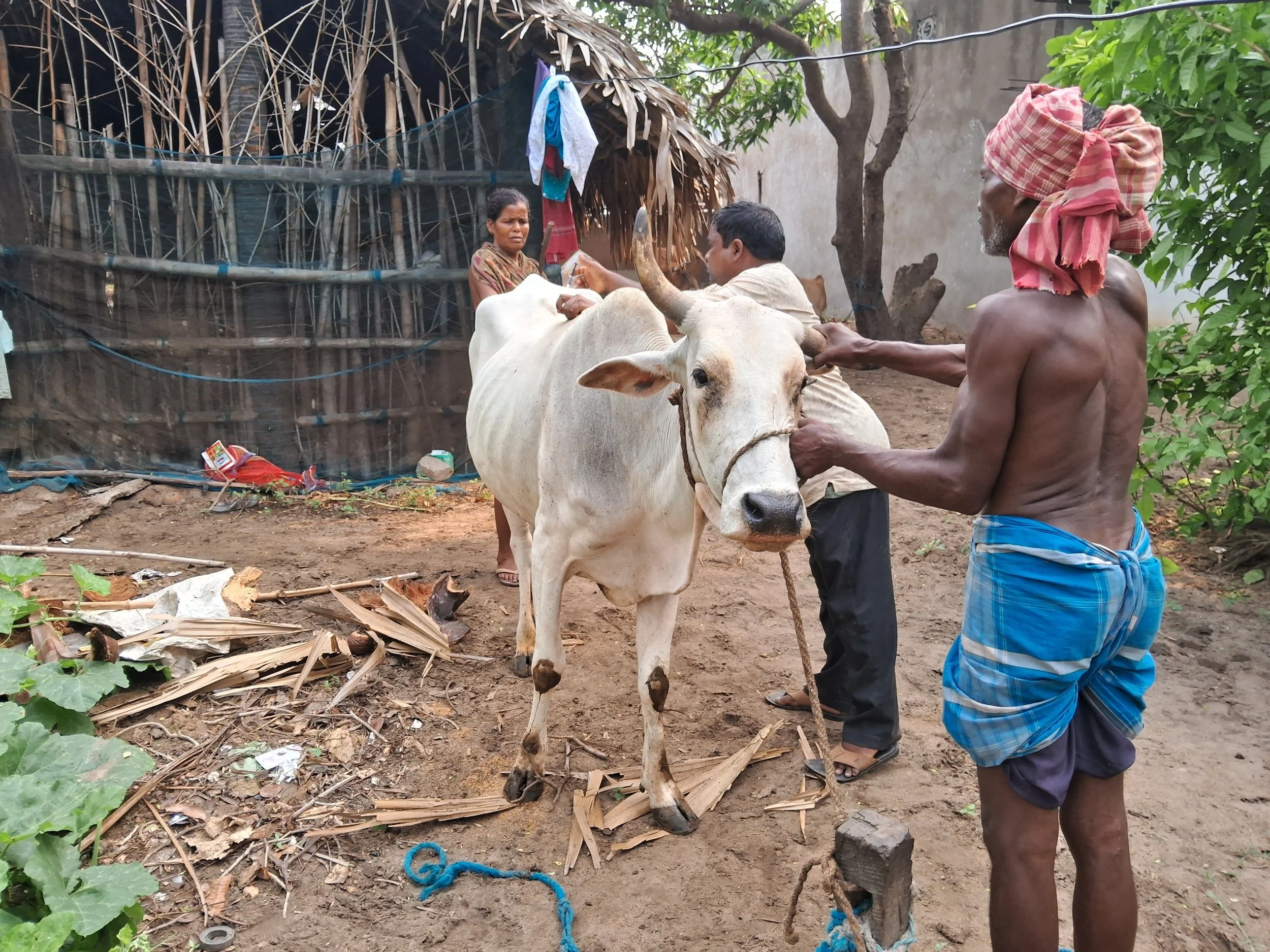
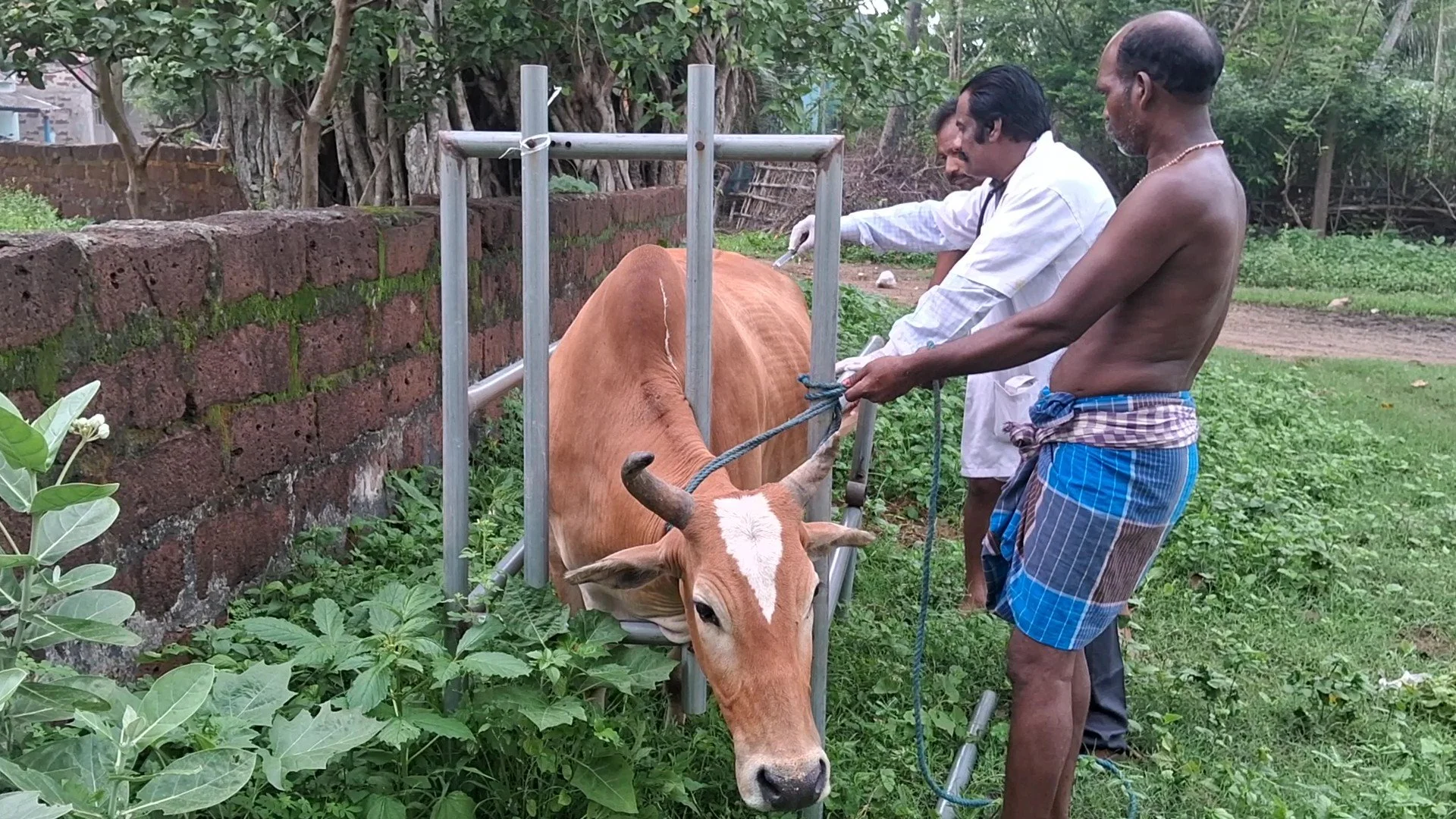
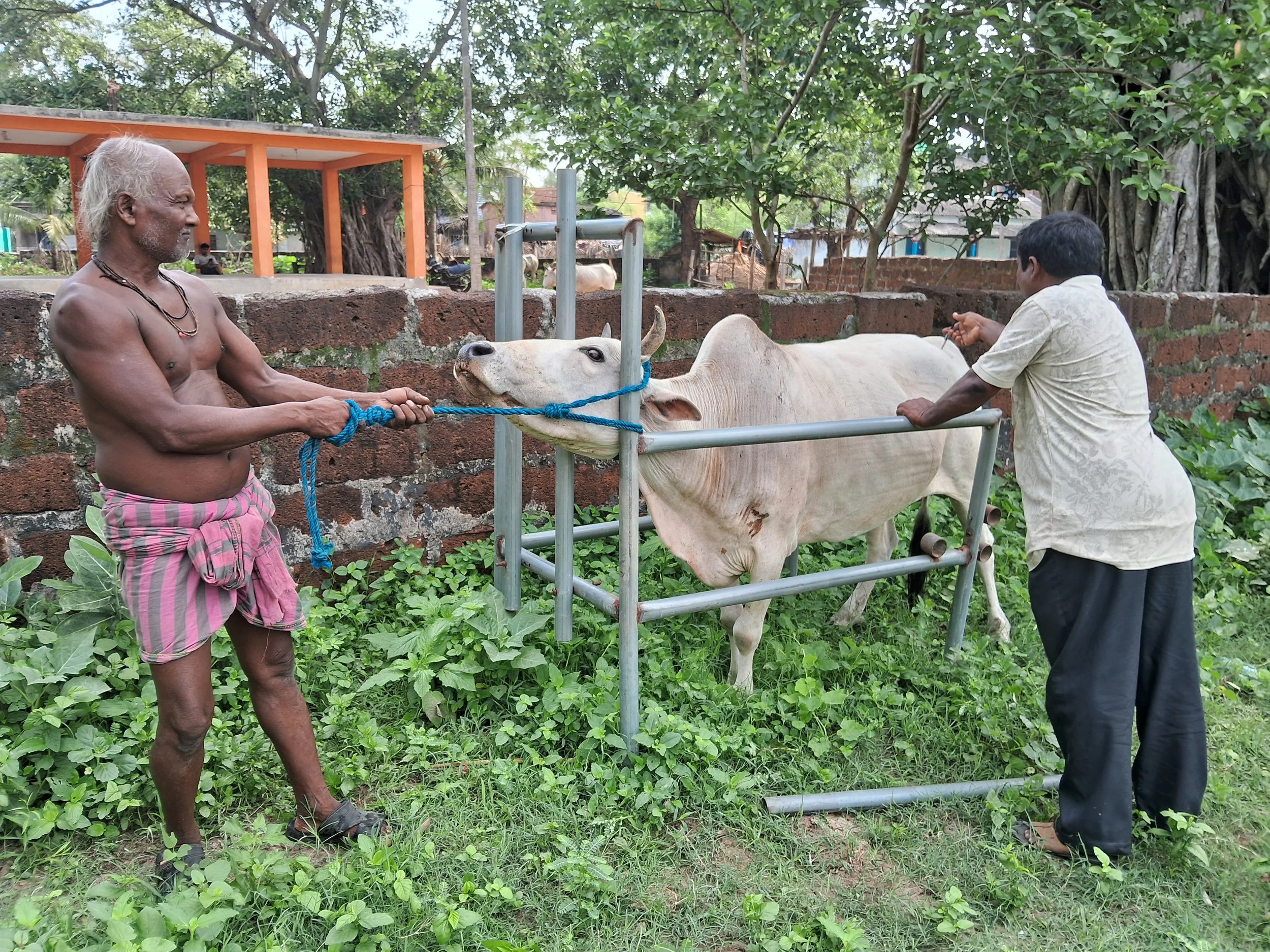
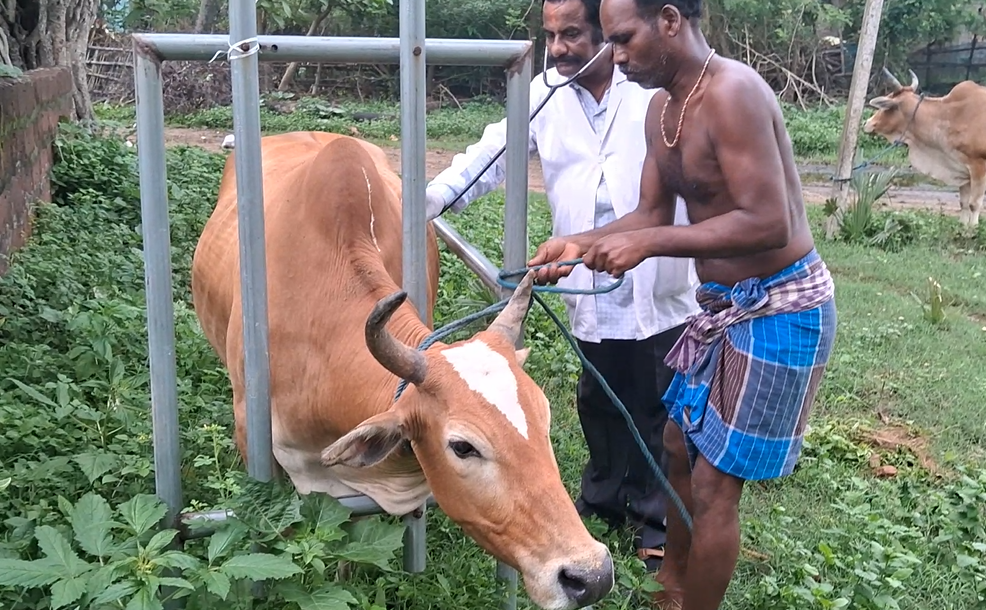
APOWA’s mobile veterinary team treated 103 horses and oxen, addressing wounds, lameness, eye and dental issues, and parasite control. Animals received vaccinations, deworming, and nutritional supplements, while owners were guided on early disease detection and humane handling. These clinics provided immediate relief and improved the condition of animals who rarely have access to professional care.
Preventive Vaccination and Deworming
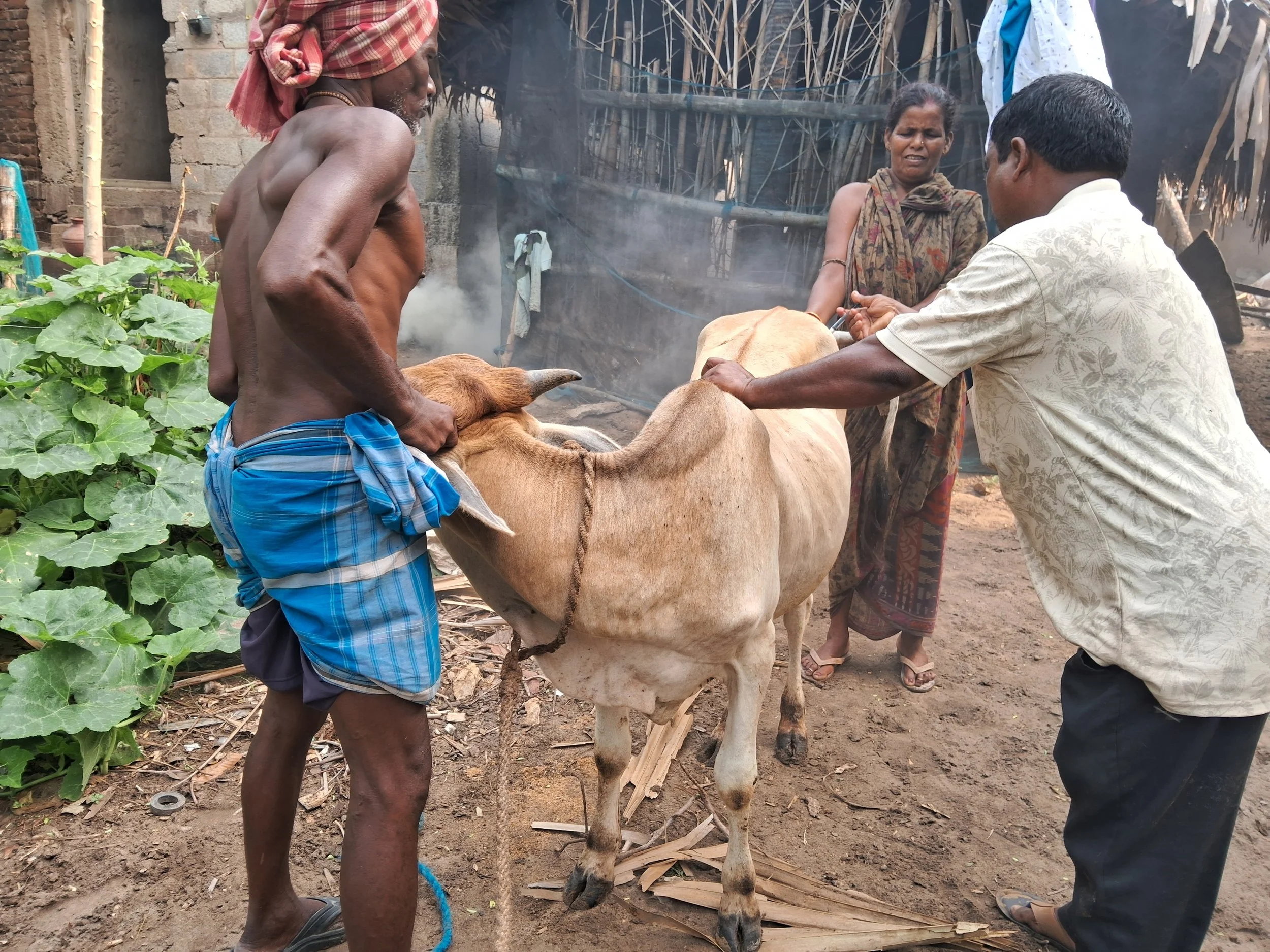
Ahead of the monsoon season, 670 working animals were vaccinated and dewormed in collaboration with the Veterinary Department. This pre‑monsoon drive reduced the risk of outbreaks linked to humidity and water‑logging, strengthening immunity and safeguarding animal health during a critical period.
Veterinary Helpline and Community First Aid
APOWA’s veterinary helpline assisted 26 owners with timely advice and emergency consultations. In parallel, trained community members provided first aid to 49 animals, ensuring minor issues were treated before escalating. These services improved responsiveness and resilience, empowering communities to act quickly when animals are in need.
Owner Education and Training Workshops
A workshop attended by 32 animal owners introduced the “Five Domains” of animal welfare: nutrition, environment, health, behavioural interactions, and mental state. Participants reported improved understanding of welfare assessment, daily monitoring, and humane training methods. This knowledge is helping owners adopt practices that reduce stress and promote positive behaviour in their animals.
Water Access and Heat Stress Mitigation
Community‑managed water pots were maintained at key village locations, providing reliable hydration for working and stray animals during extreme summer temperatures. This initiative reduced heat stress and reinforced collective responsibility for animal wellbeing.
Follow‑Up Care and Post‑Vaccination Monitoring
The veterinary team conducted follow‑up visits for 37 animals previously treated, ensuring recovery and advising owners on proper husbandry. Post‑vaccination checks for 44 animals confirmed healthy responses with no adverse effects. These visits strengthened owner capacity and improved long‑term welfare outcomes.
Building a Future of Compassion
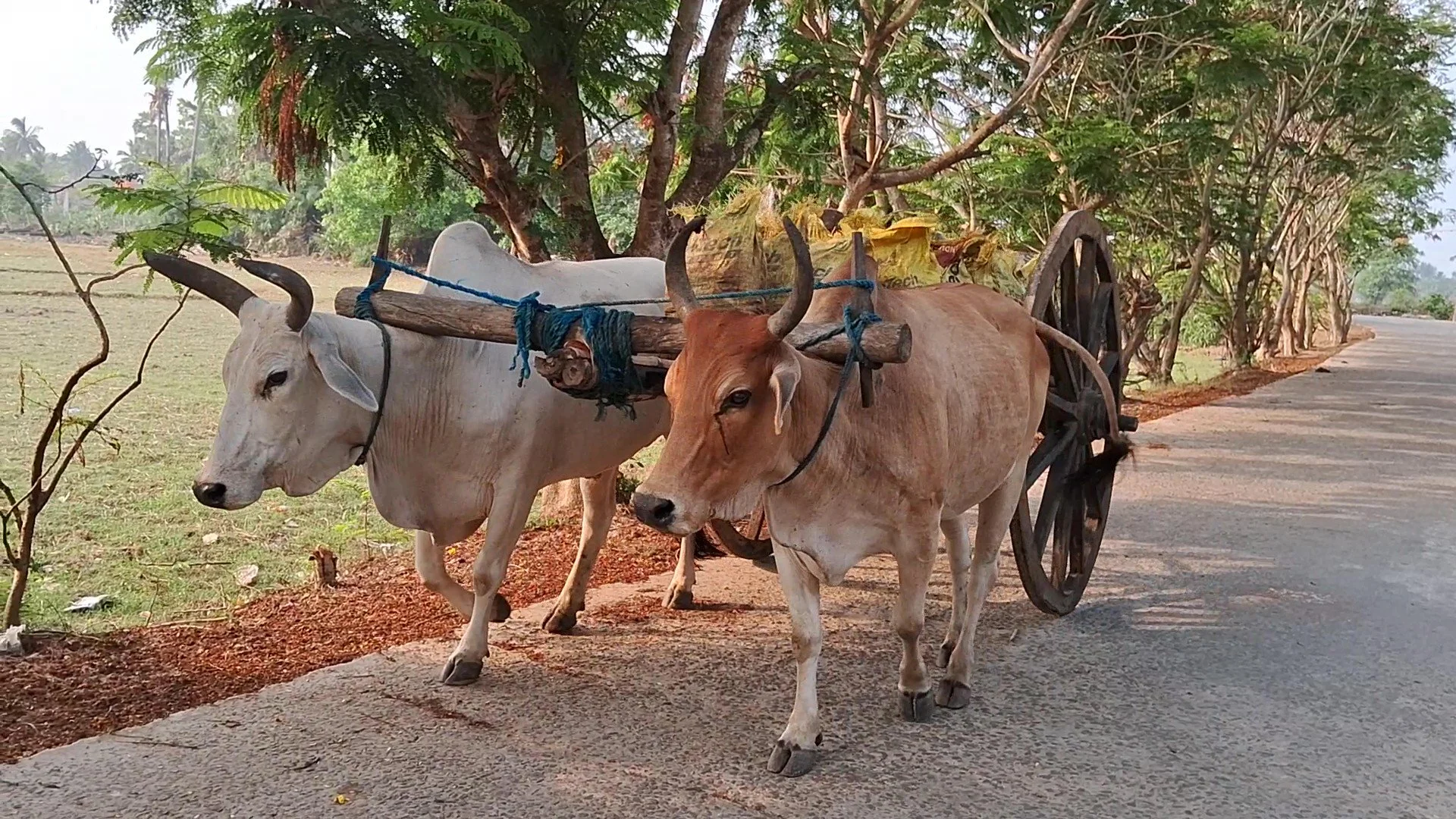
With the support of Animal Aid Abroad, APOWA continues to deliver veterinary care, preventive health programs, and welfare education in rural India. Every treated animal and every trained owner represents progress toward a future where working animals live with dignity, resilience, and compassion.