International Working Animal Day: Honoring the Silent Workforce That Sustains Communities Worldwide
Every year on June 15, the world pauses to recognize the extraordinary yet often overlooked role of working animals. International Working Animal Day is not just a date on the calendar — it is a global call to compassion, dignity, and change for the millions of animals whose labor sustains human livelihoods.
From the dusty roads of India, to the rural villages of Zambia, to the brick kilns of Pakistan, and the gold mines of Tanzania, working animals are the backbone of survival for countless families. Yet their stories are rarely told, and their suffering often goes unseen.
Animal Aid Abroad (AAA), together with its network of local partners across Africa, Asia, Latin America, and the Middle East, is committed to changing that narrative. By combining veterinary care, humane equipment, education, and sanctuary support, AAA is proving that local partnerships are the key to global change — turning burden into care for working animals everywhere.
The Global Picture: More Than 200 Million Working Animals
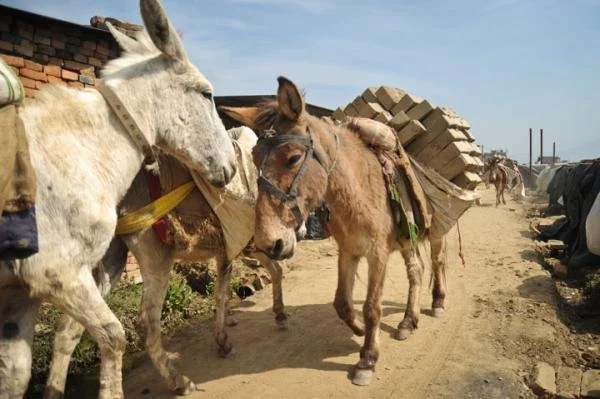
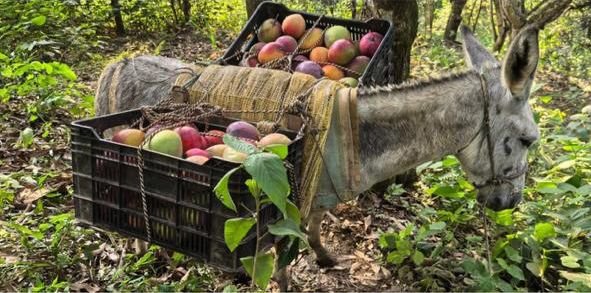
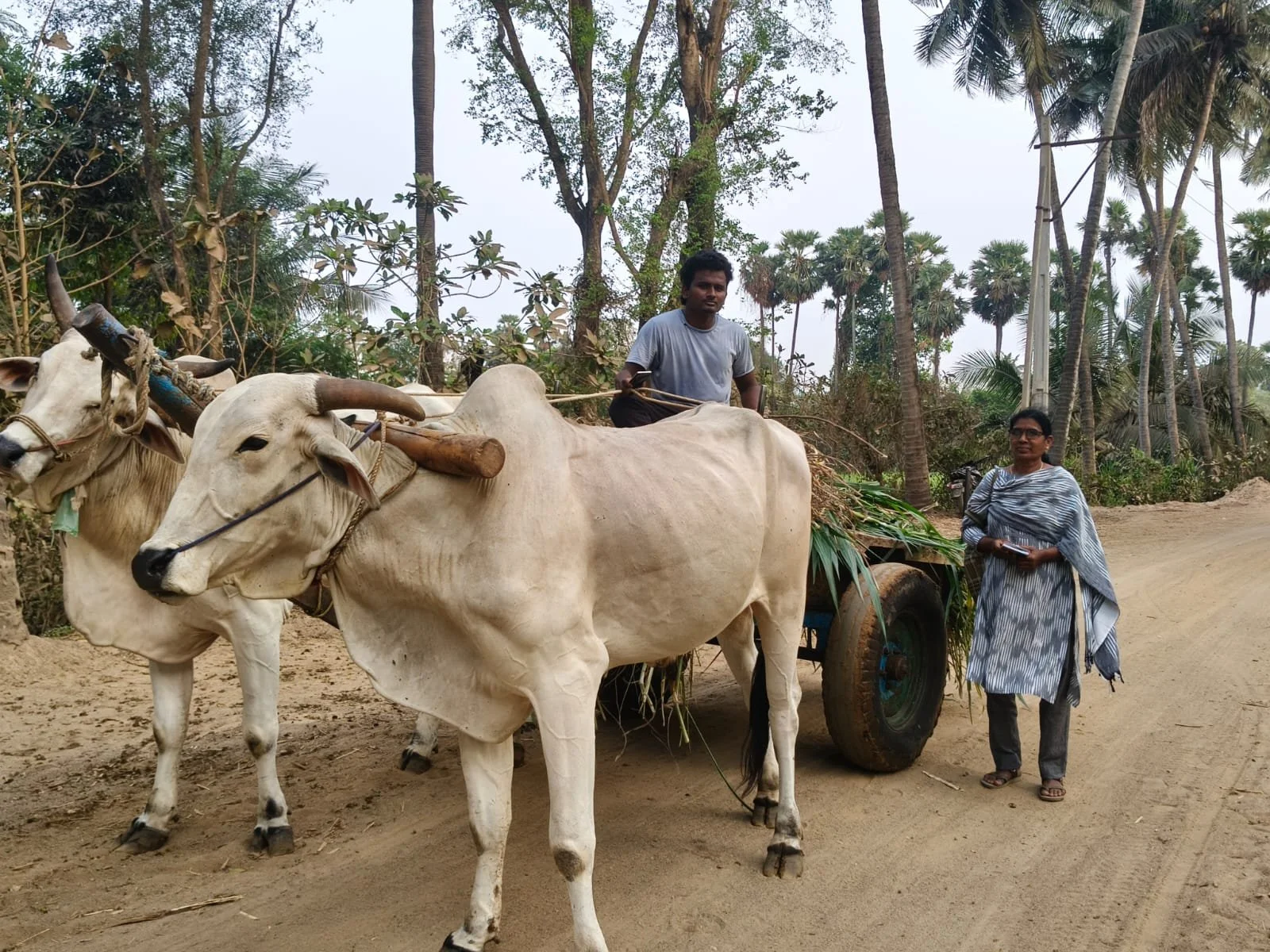
Across the developing world, over 200 million animals — donkeys, horses, mules, camels, bullocks, and elephants — provide essential services. They plough fields, transport goods, carry water, and haul building materials. In many communities, a single donkey or camel supports the survival of an extended family of up to 30 people.
But this indispensable role comes at a cost. Animals often endure:
Harness wounds from ill‑fitting equipment.
Dehydration due to lack of clean water.
Parasite infestations with no access to veterinary care.
Overloading that leads to lameness and chronic pain.
International Working Animal Day shines a spotlight on these realities, reminding us that welfare is not a luxury — it is a necessity.
Regional Realities: A Glimpse of Animal Aid Abroad’s Work
India: Mobile Clinics on the Streets
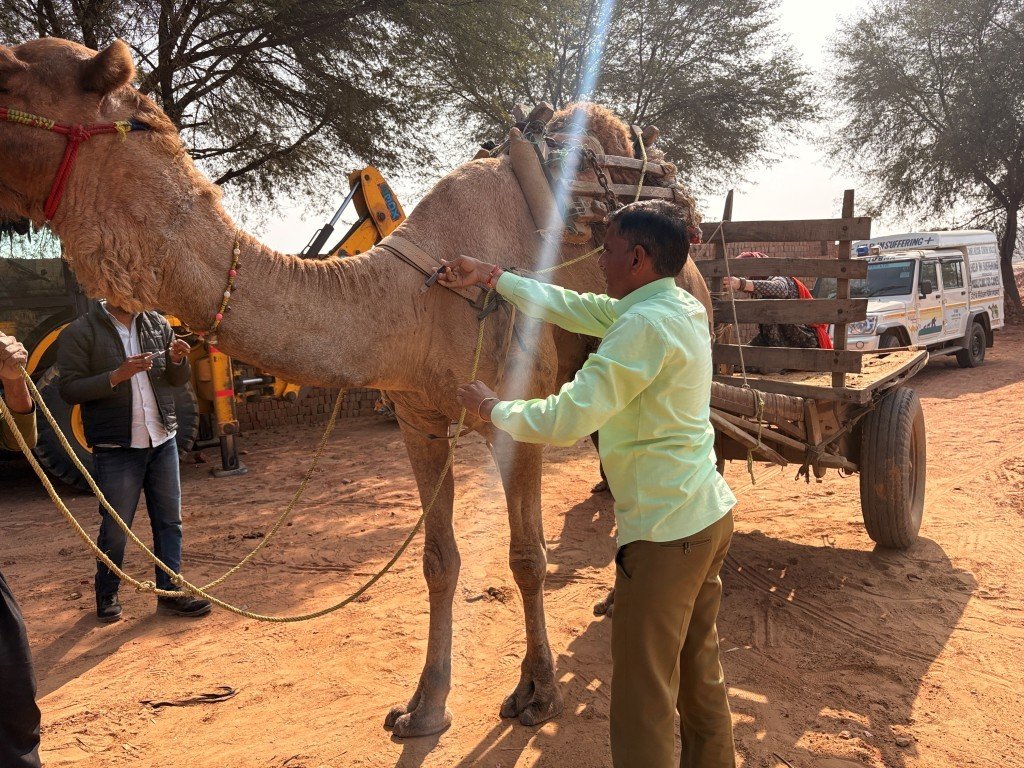
In Delhi and Udaipur, AAA’s partner Friendicoes operates mobile clinics that treat thousands of equines each month. Horses, ponies, and donkeys working in traffic or brick kilns receive wound care, deworming, and vaccinations. Rescued animals find sanctuary, rediscovering joy and companionship.
Zambia: Tackling Parasites and Harness Injuries
AAA’s partner, the Zambezi Working Donkey Project (ZWDP), runs mobile clinics across rural Zambia. In March alone, they dipped 261 donkeys to protect against ticks and treated 16 harness wounds. Humane harnesses are distributed to prevent future injuries, while owner education programs are changing attitudes toward responsible loading and care.
Tanzania: Sanctuary and Education
In Geita, Tanzania, AAA and Lake Zone Animal Welfare Organization (LAZAWO) combine sanctuary care with school outreach. World Donkey Day celebrations this year included radio interviews and classroom sessions on humane handling, embedding compassion into the next generation.
Nepal: Sanctuary for the Vulnerable
AAA’s partner Animal Nepal provides lifelong care for rescued equines, donkeys, and other animals. Their sanctuary is a safe haven where animals once abandoned or injured now live with dignity. Education campaigns, such as the Sanctuary Tales series, are reshaping public perceptions of working animals.
Beyond Survival: The Water Crisis for Working Animals
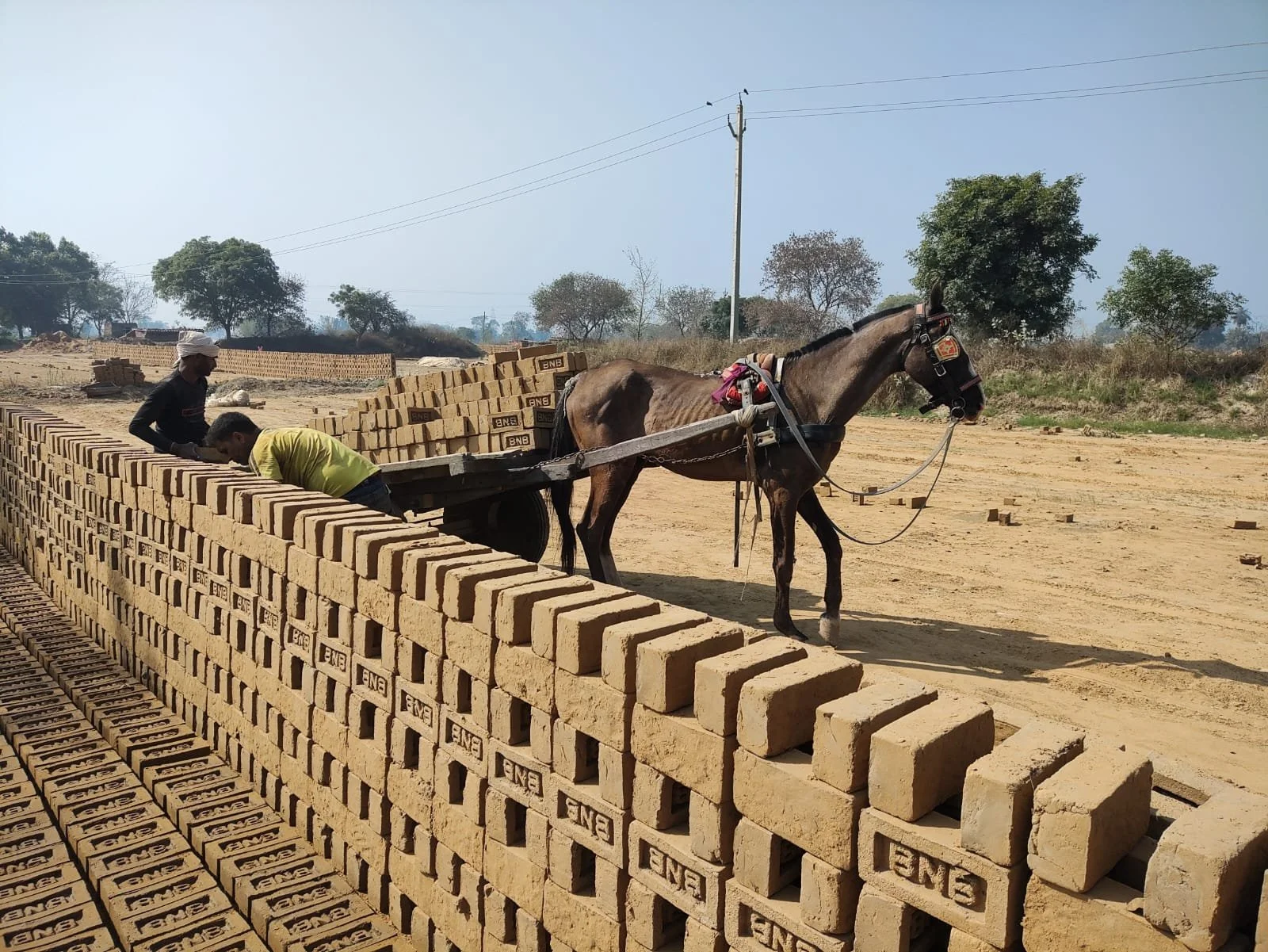
This year’s focus for International Working Animal Day is water access. In drought‑prone regions of Africa and South Asia, donkeys and camels are tasked with carrying heavy loads of water over long distances in extreme heat. Yet they are often the last to drink.
Without clean water, animals face:
Colic and digestive disorders.
Organ failure from chronic dehydration.
Reduced stamina, leading to harsher treatment by owners under pressure.
AAA’s partners are responding with community water troughs, hydration education, and veterinary interventions — ensuring that animals who carry the burden of water also receive it.
Education: Changing Attitudes, Changing Futures
One of AAA’s most powerful tools is education. By teaching schoolchildren in Tanzania, donkey owners in Zambia, and camel handlers in India about humane treatment, AAA is planting seeds of compassion that will grow into systemic change.
Key educational themes include:
The Five Freedoms of Animal Welfare.
Importance of humane harnesses.
Recognizing early signs of illness or injury.
Responsible loading practices to prevent overwork.
Sanctuaries: From Burden to Care
While mobile clinics provide frontline relief, sanctuaries offer long‑term healing. Across AAA’s network:
In Israel, Starting Over Sanctuary cares for donkeys rescued from abuse, neglect, and trafficking.
In India, Animal Aid Unlimited provides refuge for equines injured on the streets.
In Nepal, Animal Nepal offers lifelong care for retired and rescued animals.
In Colombia, Namigni Animal Sanctuary provides safety and care to +20 rescued working equines.
Along with other rescue centers in our networks, these sanctuaries are more than shelters — they are places where animals rediscover joy, companionship, and dignity.
Why International Working Animal Day Matters
International Working Animal Day is not just about awareness. It is about action. It reminds us that:
Working animals are essential infrastructure in many communities.
Their welfare directly impacts human survival and dignity.
Compassionate care is possible when global support meets local action.
AAA’s international positioning ensures that the stories of donkeys in Zambia, camels in India, and horses in South Africa are not isolated — they are part of a global movement to turn burden into care.
Global Impact Made Possible by You
Every clinic, every harness distributed, every sanctuary rescue is powered by your generosity. Together, AAA and its partners are proving that local partnerships are the key to global change — building a world where working animals live with compassion, dignity, and respect.
On June 15, let’s honor the animals who work for us by committing to work for them.
