Throughout September, the LAZAWO team continued delivering veterinary care and essential welfare support through regular field visits to working donkeys in six gold-mining areas: Mgusu, Magenge, Rwamgasa, Stamico, Nyarugusu, and Nyaruyeye, as well as in various community areas. All the activities you are about to read about are supported by Animal Aid Abroad. We thank Network for Animals, which generously supports the medicines budget.
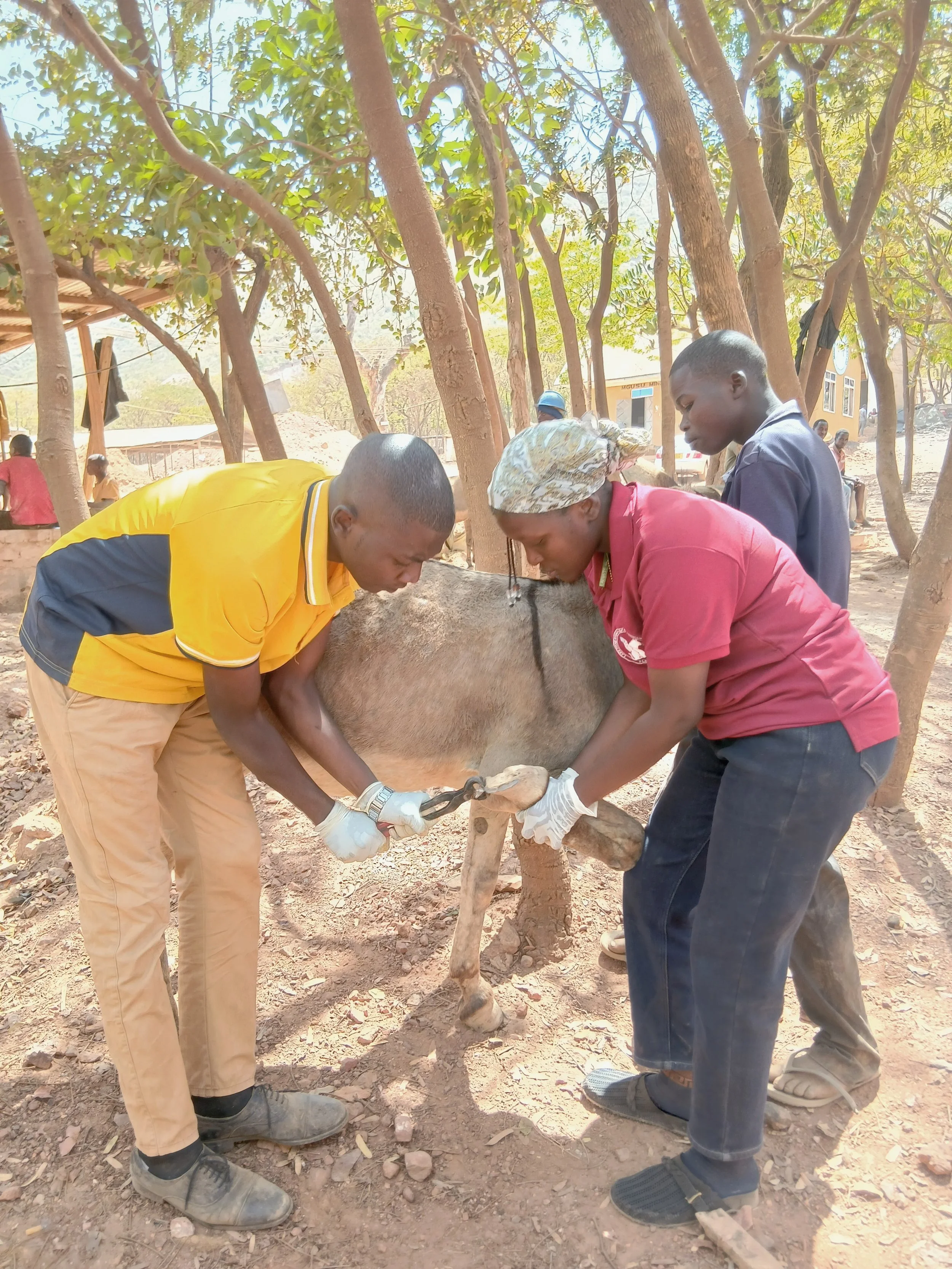
During the reporting period, the team conducted a total of 41 mobile clinics across the mining sites and surrounding communities. These outreach activities enabled the provision of veterinary services to 427 donkeys. Of these, 380 donkeys were attended to at the six mining sites, while a further 47 donkeys received veterinary care within community areas, bringing the total number of donkeys attended to during the month to 427.
Clinical cases attended.
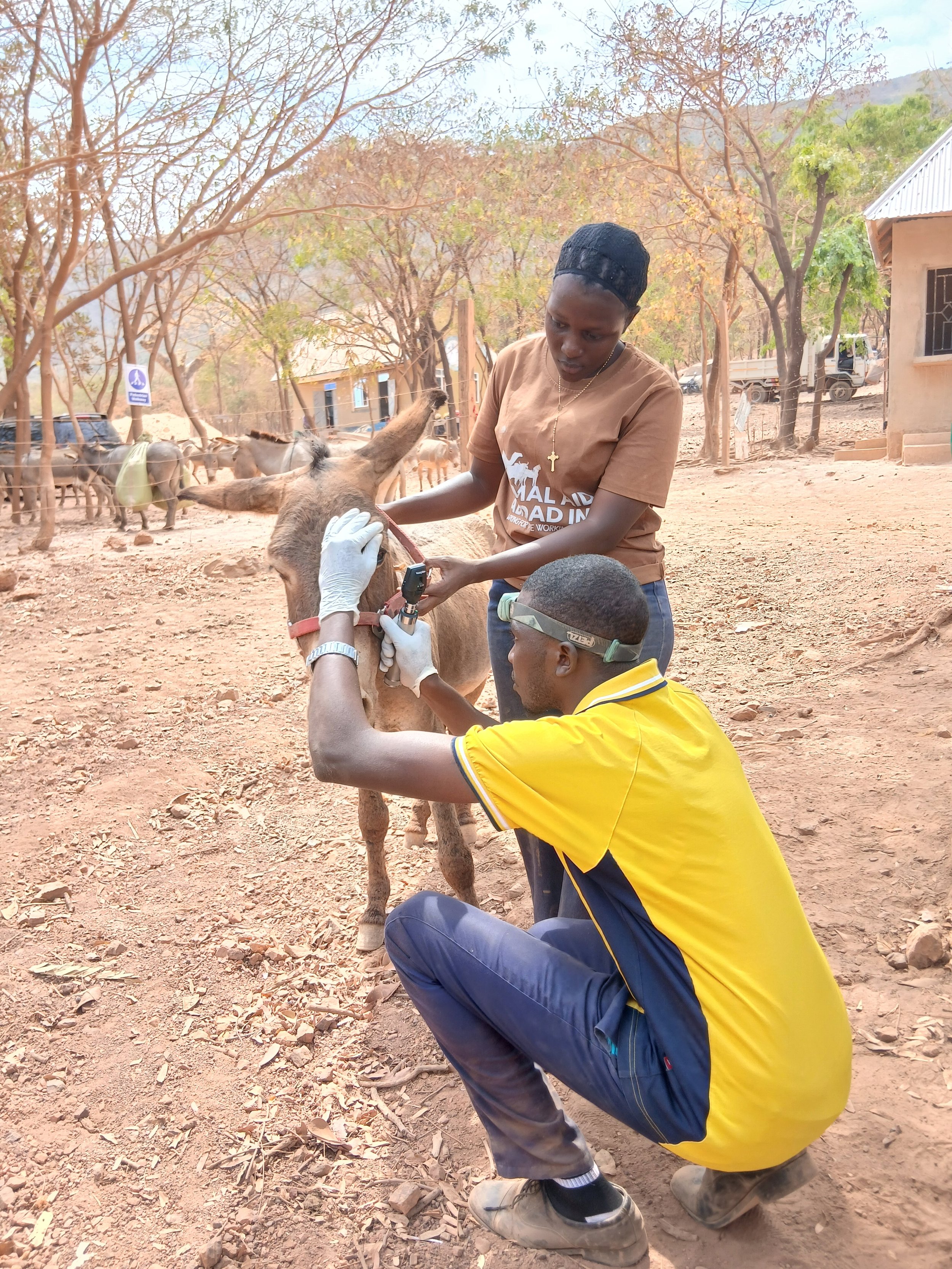
With the support of Animal Aid Abroad ( AAA ), the LAZAWO team was able to provide interventions to donkeys in need of health care. A range of clinical cases presented including wounds, ophthalmic conditions, hoof issues, parasite infestations requiring deworming, respiratory disease, enteritis, ptyalism, lameness, hematomas, trypanosomiasis, mange, dermatophilosis and tetanus.
3. Follow-up cases.
3.1 Follow-up of the donkeys under treatment at the sanctuary. The donkeys currently housed at the Sanctuary following rescue and rehabilitation continue to benefit from ongoing veterinary management, appropriate nutritional supplementation, and daily welfare checks tailored to the individual needs of each animal. Every donkey is placed on a specific recovery program intended to address the health problems and welfare concerns identified at the time of rescue.
During their stay at the Sanctuary, the animals are provided with proper husbandry and continuous veterinary oversight. Their condition is monitored regularly to identify any changes in health, provide treatment when necessary, maintain adequate nutritional intake, and ensure that they are kept in a secure and comfortable environment conducive to recovery and good welfare.
3.2 Follow-up of Mwasa, a hard-working donkey that has been abandoned following the death of his owner, Mr. Mbinga at Rwamgasa. As reported in August, Mwasa was very unwell, unable to eat, and unable to stand and had been abandoned following the death of his owner, Mr. Mbinga, who tragically died in a mining pit while engaged in mining activities. Following this incident, Mwasa was left without an owner to provide him with the necessary care and support. Following continued close monitoring and intensive veterinary care, Mwasa has made remarkable progress, and he is now in good condition. However, he remains at the sanctuary under the close supervision and care of the Lazawo veterinary team. We are truly proud of AAA’s support in Mwasa’s case. The timely support provided through essential medicines and veterinary supplies played a critical role in saving his life. Without that support at such a crucial moment, we could have lost Mwasa, an outcome that would have left a painful and lasting memory for the donor, the veterinary professionals involved, and, most importantly, his owner. Mwasa’s recovery is therefore a powerful reminder of the importance of timely veterinary support and the positive impact that AAA’s assistance can have on the lives of working animals and their owners.
Outreach, General Clinics and Anti-Cruelty Program.
4.1. Planned Veterinary clinics.
During 29-30 September 2026, the LAZAWO team conducted two major general donkey clinics in two gold mines, Rwamgasa and Nyaruyeye. During these two clinics, a total of 121 Donkeys ( 71 Donkeys from Rwamgasa and 50 donkeys from Nyaruyeye) with a variety of clinical cases were attended.
4.2. Pre-clinic welfare sessions
A total of 38 participants, including both donkey handlers and donkey owners, brought their donkeys to receive veterinary care (21 at Rwamgasa and 17 at Nyaruyeye). The LAZAWO team conducted a donkey welfare session during which participants received practical education on proper donkey handling, nutrition, health management, and the actions that constitute cruelty and violate animal welfare.
4.3. Impact of pre-clinic welfare sessions
Following education on animal welfare, particularly regarding the proper care and protection of donkeys, continues to be implemented successfully among donkey owners and the wider community.
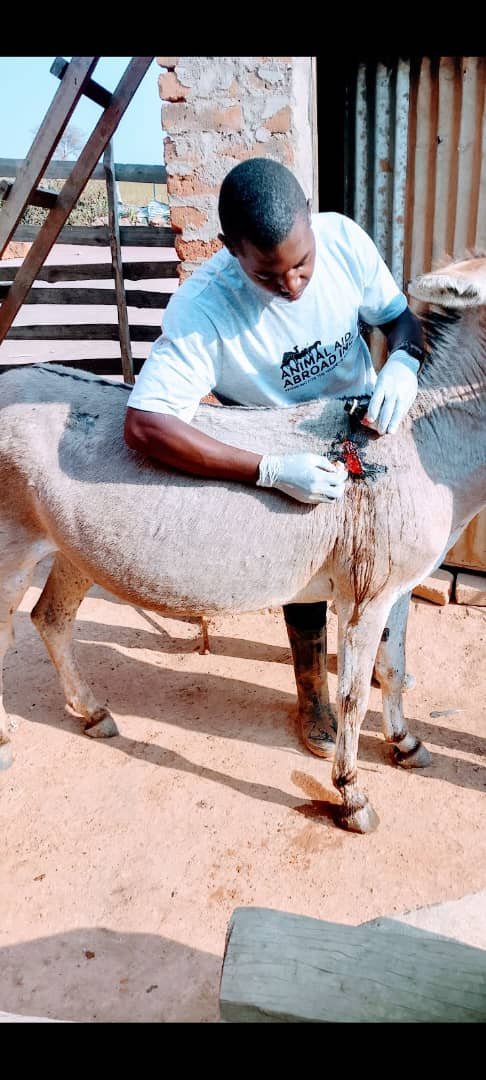
A good example is the case of Mr Musa, who demonstrated compassion and responsibility by providing care and support to a donkey involved in a road accident while pulling a cart along a dusty road. Following the accident, Mr Musa immediately postponed his journey, carefully removed the donkey from the cart, and moved it to a safe area away from the road. He then slowly and carefully took the donkey home to protect it from further injury and ensure that it could receive the necessary care and attention.
Mr Musa’s response demonstrates a significant positive change in community attitudes towards working donkeys. It shows that donkey owners and community members are increasingly developing compassion and a stronger sense of responsibility for donkeys, particularly those working under challenging conditions in mining areas. This is an encouraging indication that animal welfare education is creating meaningful changes in how working animals are perceived, treated, and protected within the community.

4.4. AAA Anti-Cruelty Recognition Program
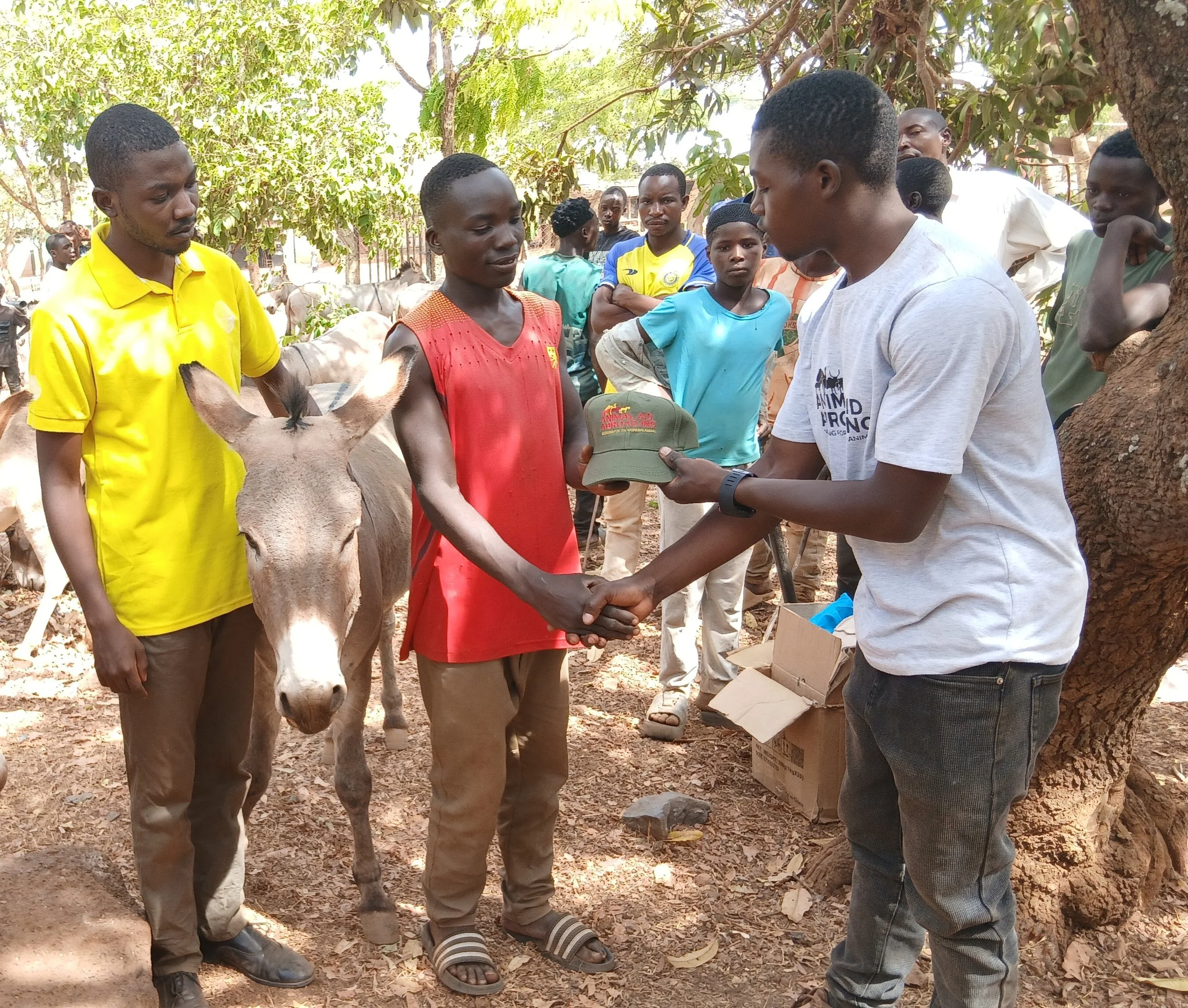
As part of our Anti-Cruelty Program, five exemplary donkey handlers whose animals were observed to be in good condition despite their demanding workloads were publicly recognised and rewarded. Three handlers from Rwamgasa were recognised, one received an AAA T-shirt, and two handlers received an AAA hat each; in Nyaruyeye, two handlers were rewarded, where one received an AAA T-shirt and the other received an AAA hat.
5. Case Studies.
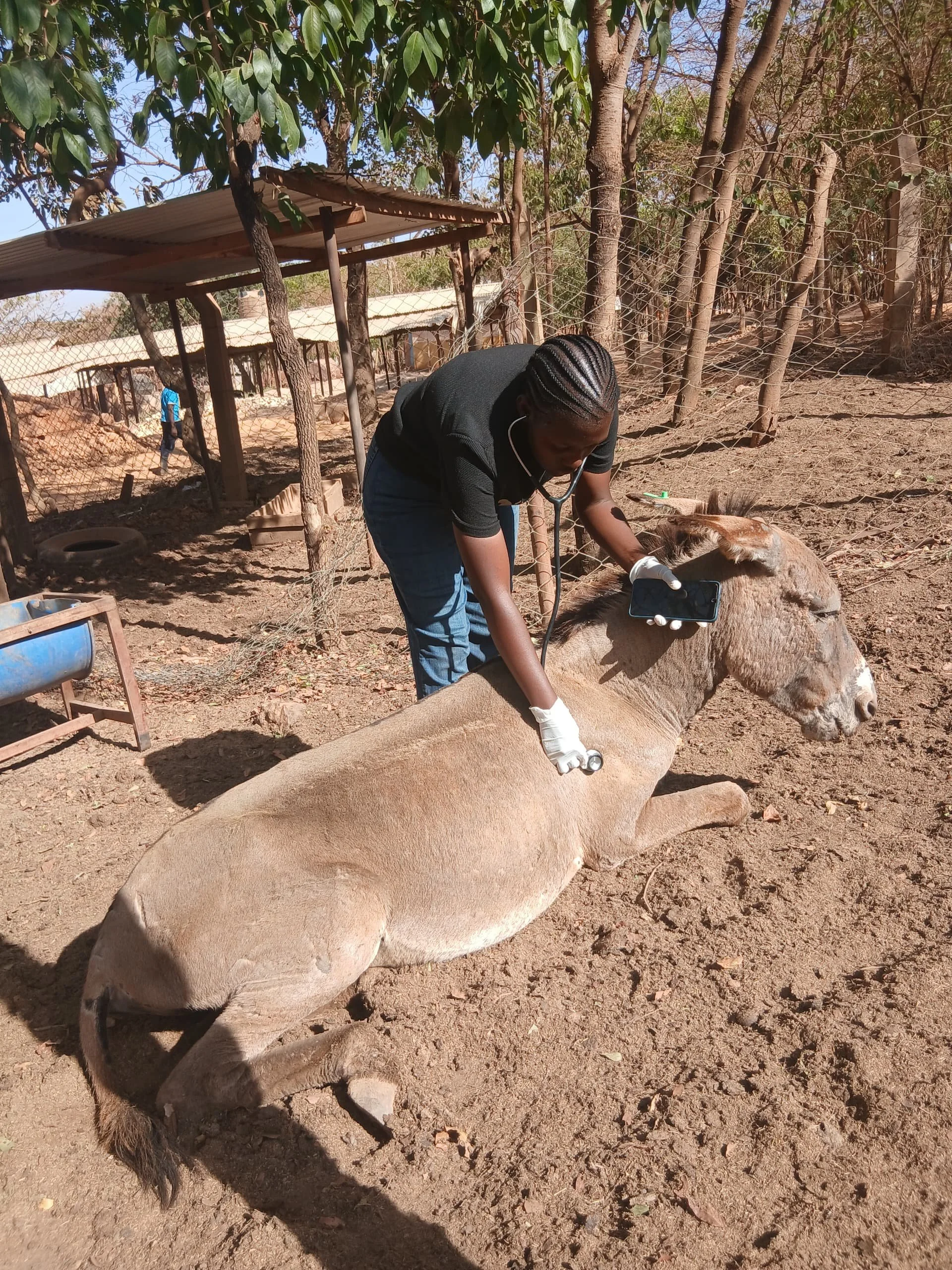
5.1. Kazwika story: The Hidden Cost of Food and Water Scarcity. In September, the LAZAWO team received an emergency call from a donkey owner named Jumanne, who reported that his donkey named Kazwika was extremely weak, had been lying down and rolling on the ground, and was unable to eat. According to Jumanne, the donkey had been in this condition for approximately two days. After carefully discussing the situation with him, Jumanne explained that Kazwika had not been able to work for the past four days because of her poor health. This prevented him from taking the donkey to work. When the LAZAWO team arrived, we conducted a thorough examination, made an assessment of the condition, and immediately administered Dextrose Normal Saline, rescued the donkey and transported her to the Sanctuary for further veterinary care.
At the Sanctuary, she received supportive treatment and a multivitamin injection. After approximately two hours, she responded positively to the treatment and was able to stand up and walk independently.
Under the continued care of the LAZAWO team, she is receiving appropriate veterinary treatment, adequate nutrition, close monitoring, and protection to support her full recovery and help her return to good health.
5.2 Mtukutu story: Use and Discard; a common form of Cruelty
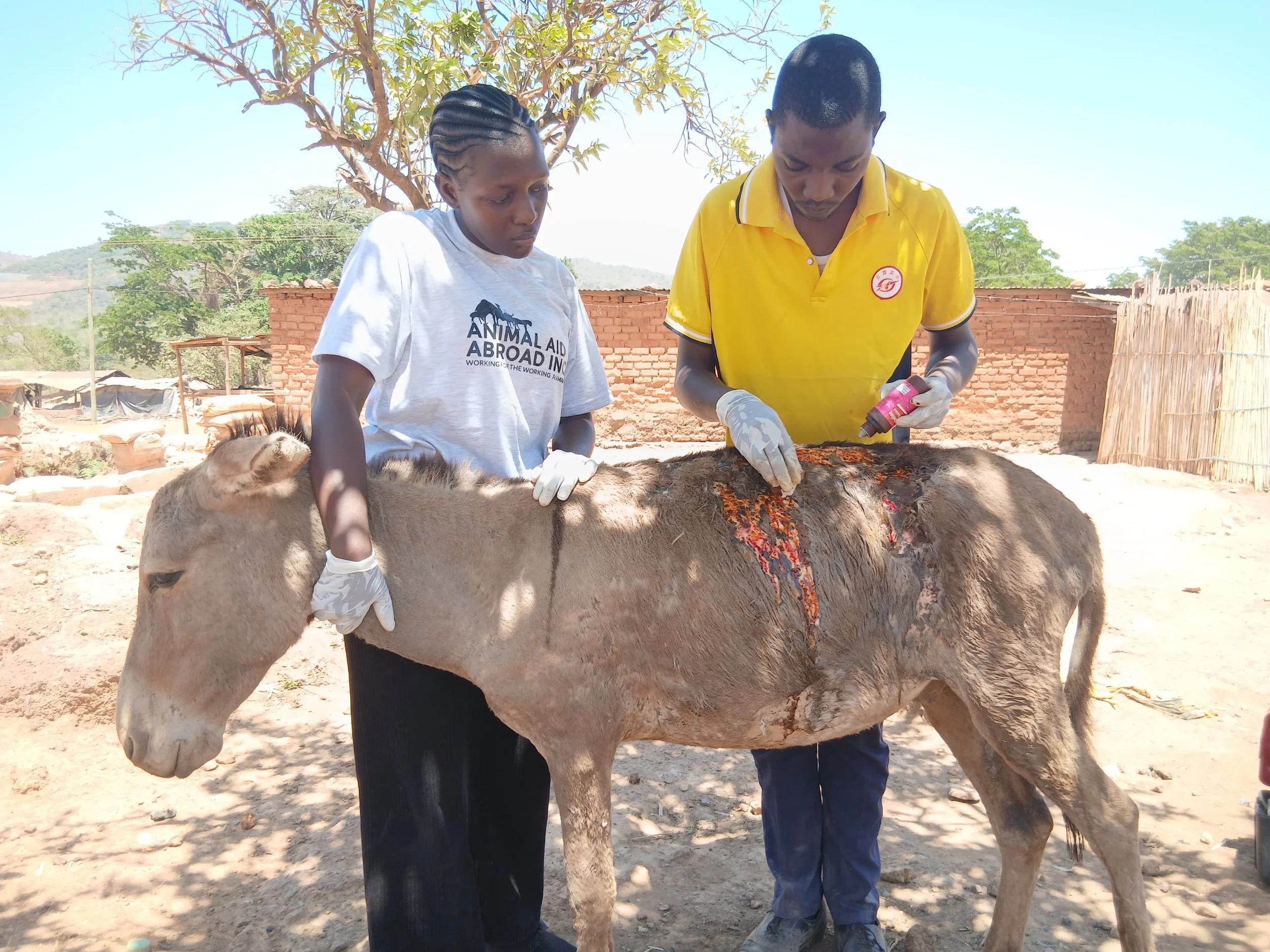
During September, the LAZAWO team received an emergency call from Nyarugusu concerning a donkey named Mtukututu, owned by a man named Musa. The owner reported that the donkey was in very critical condition. After a detailed conversation with the owner, the Lazawo team noted that the donkey had been involved in a road accident while pulling a cart on a corner of a dusty road. The accident caused a severe injury to the lower abdominal area, resulting in a large wound through which the abdominal contents were at risk of being exposed. When the LAZAWO team arrived at the site, we conducted a thorough examination and confirmed that the donkey had sustained a severe abdominal injury. The wound was approximately 40 cm long, with only the peritoneum remaining intact, creating a serious risk of abdominal organs becoming exposed. The donkey was immediately anaesthetised using a combination of ketamine and xylazine, after which urgent surgical intervention was performed to repair the abdominal wound. Following the surgery, Mtukututu has continued to recover well under close monitoring by the LAZAWO team. As part of his recovery and protection, he is not allowed to return to work until he has fully recovered.
6. Challenges And Gaps
During the reporting period, one of the pupils who participated in World Donkey Day (WDD) activities tragically lost her life due to rabies in Mgusu. Following a thorough investigation, we learned that there had been a delay in reporting the incident after the child was bitten by a suspected rabid dog. She was later referred to Bugando Medical Centre in Mwanza for treatment. Unfortunately, she developed clinical signs of rabies and passed away after five days in hospital. This tragedy has deeply saddened the entire Lazawo Geita team. We have lost a young life with great potential to become a valuable and productive member of the community.