India ~ VSPCA Working Bulls Program September Update
Overview of the Working Bull Program:
To improve the health, safety and protection of working and neglected animals, VSPCA implemented field-based activities focused on medical and awareness campaigns in the rural Anakapalle region to provide health checkups, vaccinations for parasite control and working animal monitoring by field members in the Sugarcane crushing units, jaggery areas and farms. As part of this, we improved our continuous efforts for emergency rescues of injured and abandoned animals by providing lifetime care and nutritious food in our shelter.
Key Achievements this Quarter:
Conducted Mobile Medical and Animal Welfare Awareness Camps across 7 villages in Anakapalle District, focusing on the health and welfare of working bulls involved in agricultural activities, jaggery production, and sand transportation.
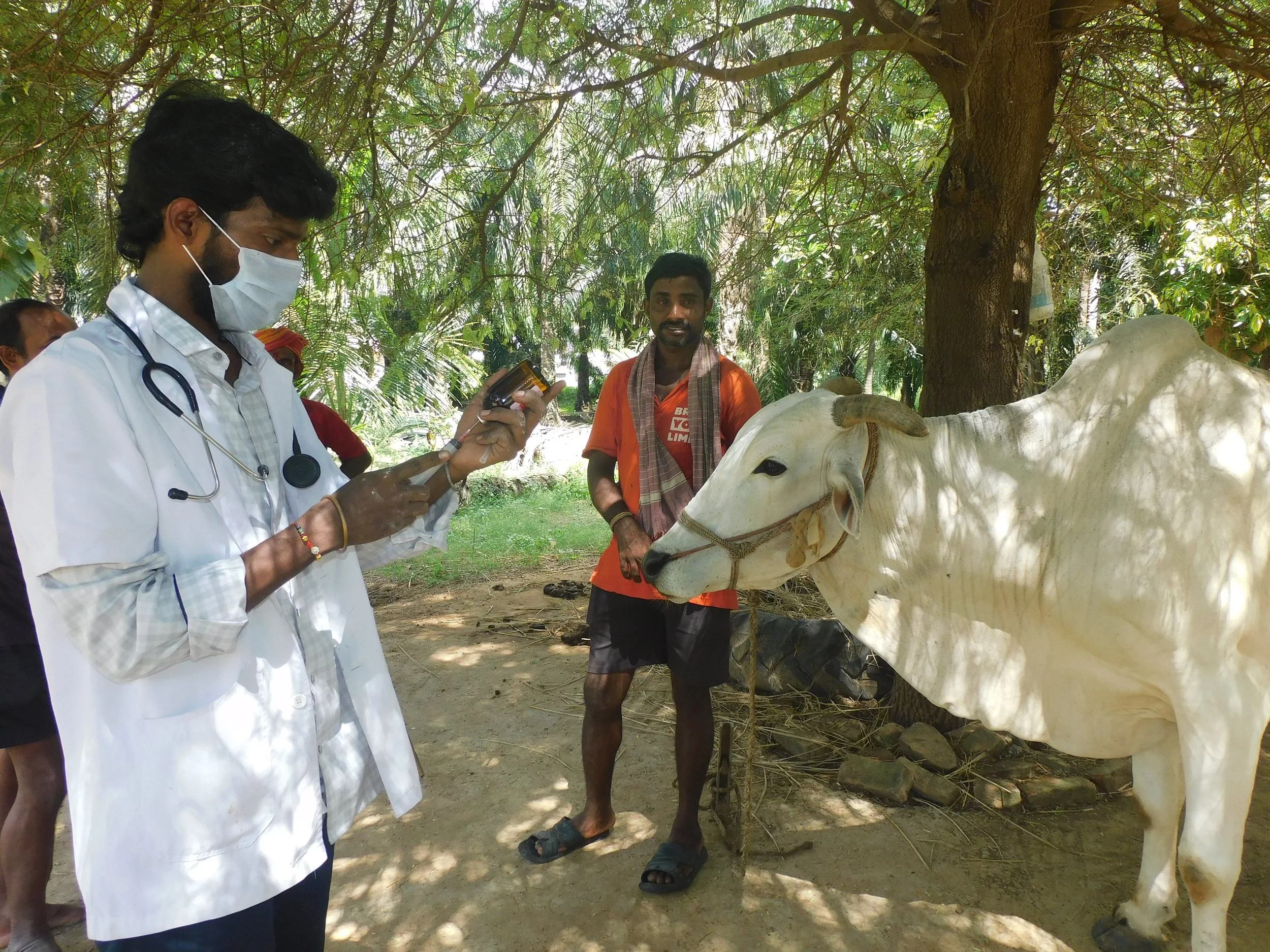
Vaccinated 105 working bulls against Foot-and-Mouth Disease (FMD) and provided essential veterinary care, including general health examinations, preventive healthcare, and necessary medical treatment to improve their health and well-being. Conducted field inspections of working bulls in Anakapalle District to assess their physical condition, identify injuries and health concerns, and provide necessary medicines and veterinary assistance. Provided treatment to injured and sick working animals, including wound cleaning, dressing, medication, and other essential veterinary services to relieve suffering, prevent infections, and support their recovery. Distributed nutritious mineral feed packets to owners of working bulls in Anakapalle region to support the animals’ nutritional requirements, maintain their strength, and improve their overall health and welfare.
Activities Conducted:
1. Medical and Awareness Camps in Anakapalle Region for Working Animals – To improve the health and welfare of working animals, we continued our mobile medical and animal welfare awareness camps across 7 rural villages in Anakapalle District. Our activities focused on sugarcane fields, jaggery production units, agricultural fields, and areas where bulls are extensively used for transporting sand and other heavy loads. Through these camps, we aimed to provide accessible veterinary care while encouraging responsible and compassionate animal management practices among owners. During our field visits, we conducted awareness programmes to educate farmers and owners about proper nutrition, humane handling, adequate rest, prevention of overloading, and the importance of regular veterinary care. We also emphasised the need for early identification of illnesses, timely treatment of injuries, and preventive measures against infectious diseases, particularly among working bulls exposed to physically demanding conditions.

2. Vaccination and Veterinary Healthcare for Working Bulls:
As part of our preventive healthcare efforts, we vaccinated a total of 105 working bulls against infectious diseases, including Foot-and-Mouth Disease (FMD) and Lumpy Skin Disease, to help protect them from serious infections and improve their overall health. Our veterinary team also conducted general health examinations and provided necessary medical services, including wound treatment, medication, parasite control, and preventive healthcare. We paid particular attention to bulls engaged in sand transportation, sugarcane cultivation, jaggery production, and agricultural activities, as these animals often work under physically demanding conditions. We also carried out field inspections to identify injured, sick, and weakened animals and provided necessary medicines and veterinary treatment. Through these efforts, we aimed to reduce preventable suffering and improve the health and working conditions of bulls across rural Anakapalle.

3. Distribution of Mineral Mixtures, Deworming Medicines and Multivitamins to Working Bulls:
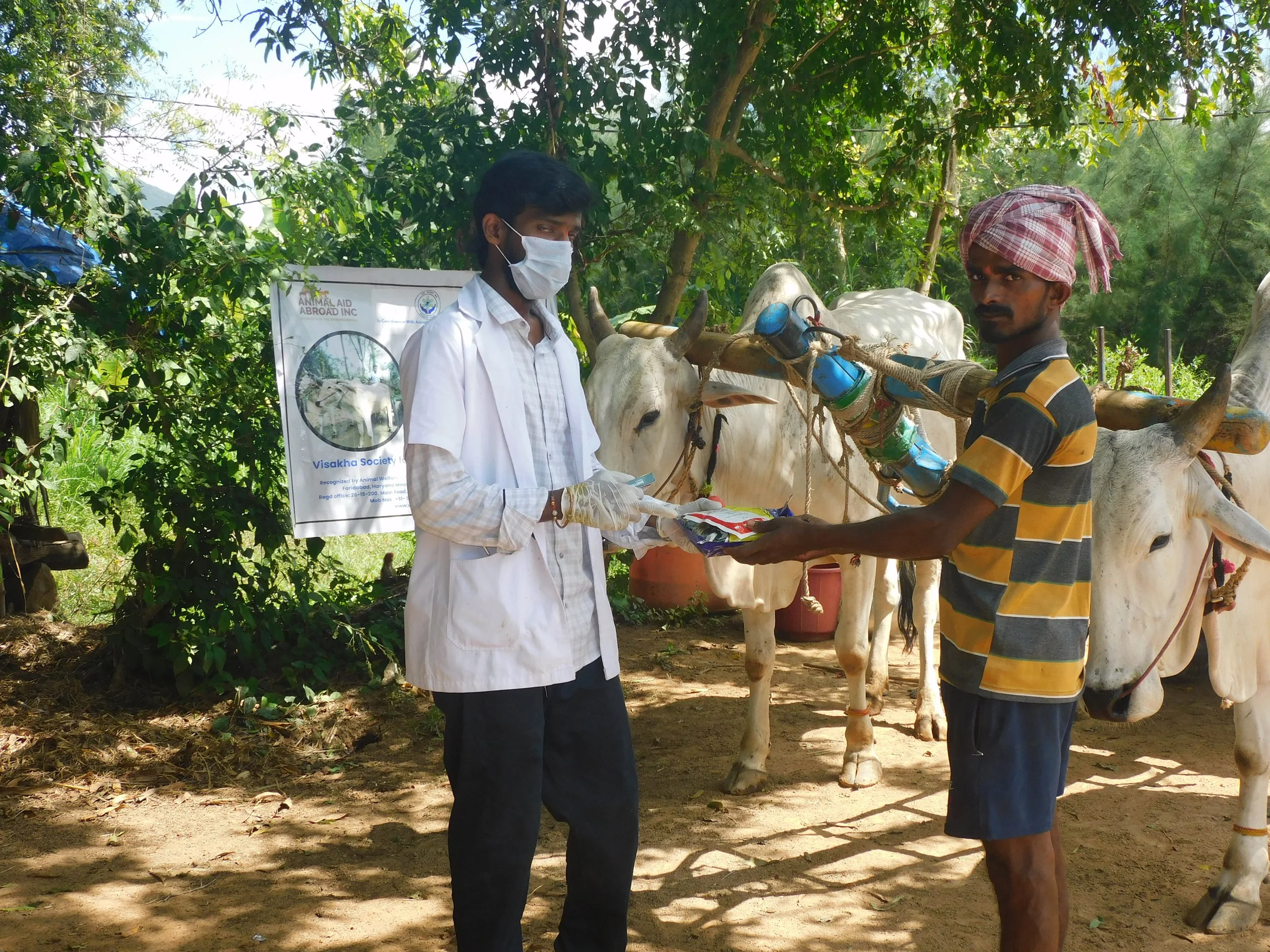
To improve the nutritional health and overall well-being of working bulls, we distributed mineral mixtures, deworming medicines, and multivitamin supplements to animal owners across rural villages in Anakapalle District. These animals are extensively engaged in agricultural activities, sugarcane cultivation, jaggery production, and transporting sand and other heavy loads, requiring proper nutrition and regular healthcare to maintain their strength and physical condition. Working bulls involved in these demanding activities often require additional nutritional support to maintain their energy, muscle strength, and overall health. Through this initiative, we provided mineral mixtures and multivitamin supplements to help address nutritional deficiencies and support their physical well-being. We also provided deworming medicines to help control internal parasites that can affect the animals' health and nutritional condition. During the distribution, we educated owners on the importance of balanced feeding, regular deworming, adequate drinking water, and proper rest. Through these efforts, we aimed to improve the nutritional condition of working bulls, prevent avoidable health problems, and encourage better care and management of these hardworking animals.
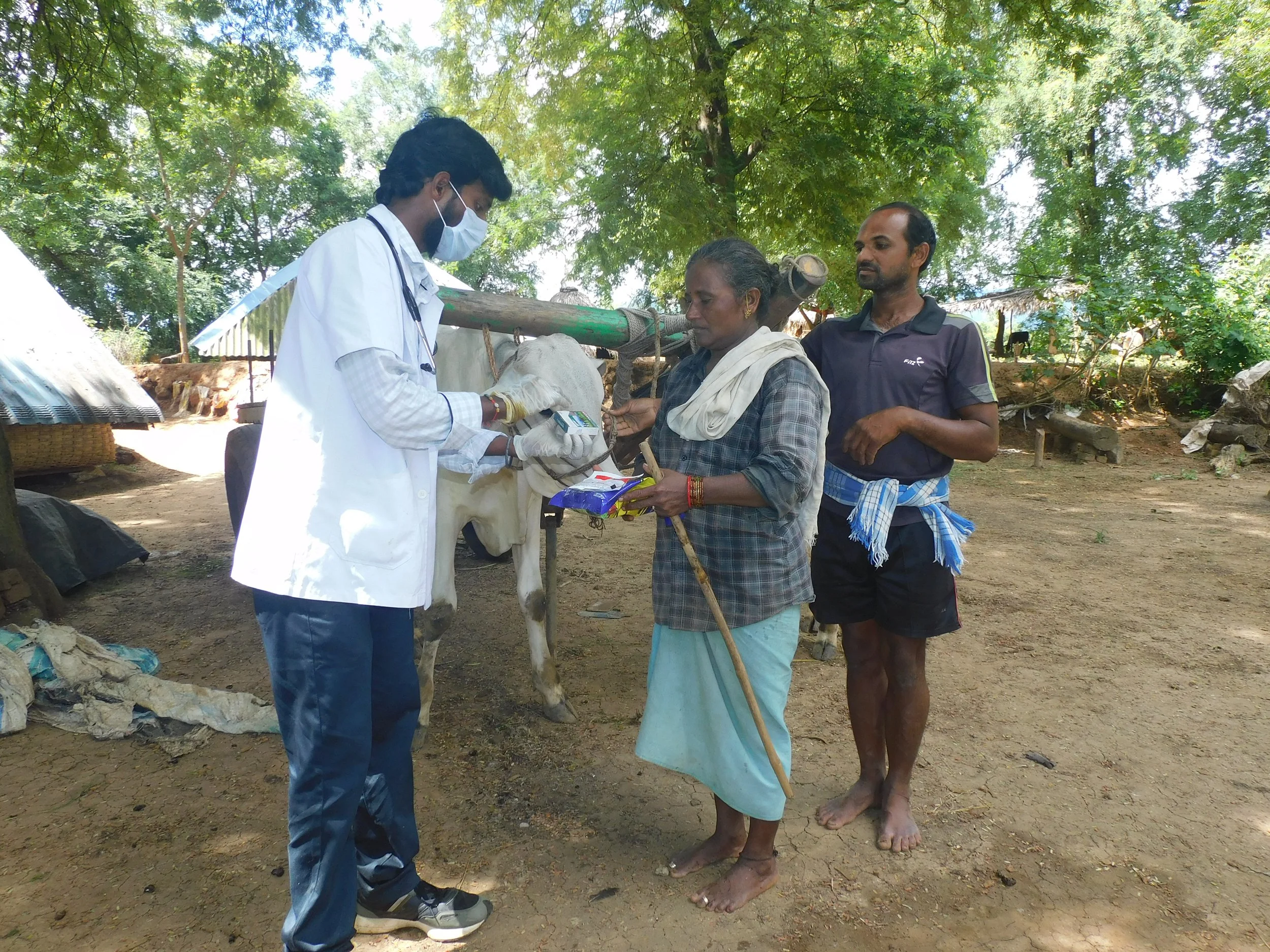
4. Field Inspection and Veterinary Care for Bulls Engaged in Sand Transportation: During our regular field inspections of working animals in Anakapalle District, we came across bullock carts engaged in transporting sand. These bulls are required to pull heavy loads, often under physically demanding conditions, which can lead to exhaustion, weakness, injuries, and other health complications if proper care and nutrition are not provided. As part of our field activities, we interacted with the bullock cart owners and examined the general health and physical condition of the working bulls. During these inspections, we provided mineral mixtures, deworming medicines, and multivitamin supplements to support their nutritional requirements, help control internal parasites, and improve their overall health and strength. We also educated the owners on the importance of balanced nutrition, regular deworming, adequate rest, clean drinking water, and avoiding excessive loads. Through these field-based interventions, we aimed to improve the health and well-being of bulls engaged in sand transportation while encouraging responsible and humane animal management practices across the Anakapalle region
5. On-Site Veterinary Treatment of an Injured Working Bull:
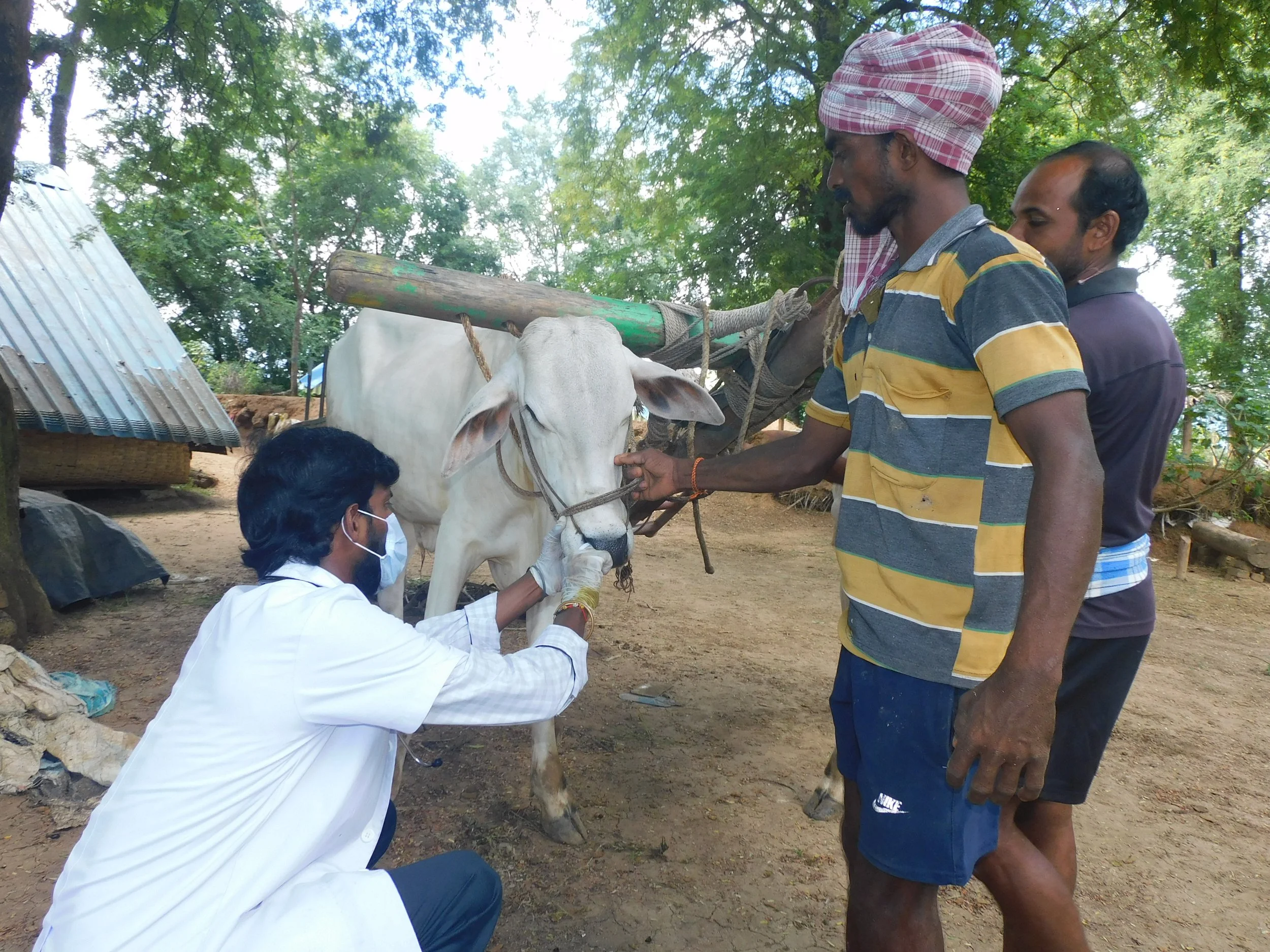
During our regular field inspections of working animals in Anakapalle District, we identified a working bull suffering from a painful injury around its nose caused by a tightly tied rope used for controlling and guiding the animal during work. The continuous pressure and friction from the rope had injured the sensitive nasal area, causing discomfort and making the animal vulnerable to further injury and infection. Our veterinary team immediately attended to the bull and provided necessary treatment on the spot. We carefully examined the affected area, cleaned the wound, and administered appropriate medication to prevent infection and support healing. We also advised the owner on proper handling and the importance of avoiding excessive pressure from ropes tied around the nose, which can cause serious injuries and unnecessary suffering.
Acknowledgement: We sincerely thank AAA for their continued support towards improving the welfare of working animals in Anakapalle District. Your generous assistance has enabled us to provide essential veterinary care, vaccinations, nutritional supplements, and medical treatment to animals in need.