India ~ APOWA working animal September Update
Project Summary
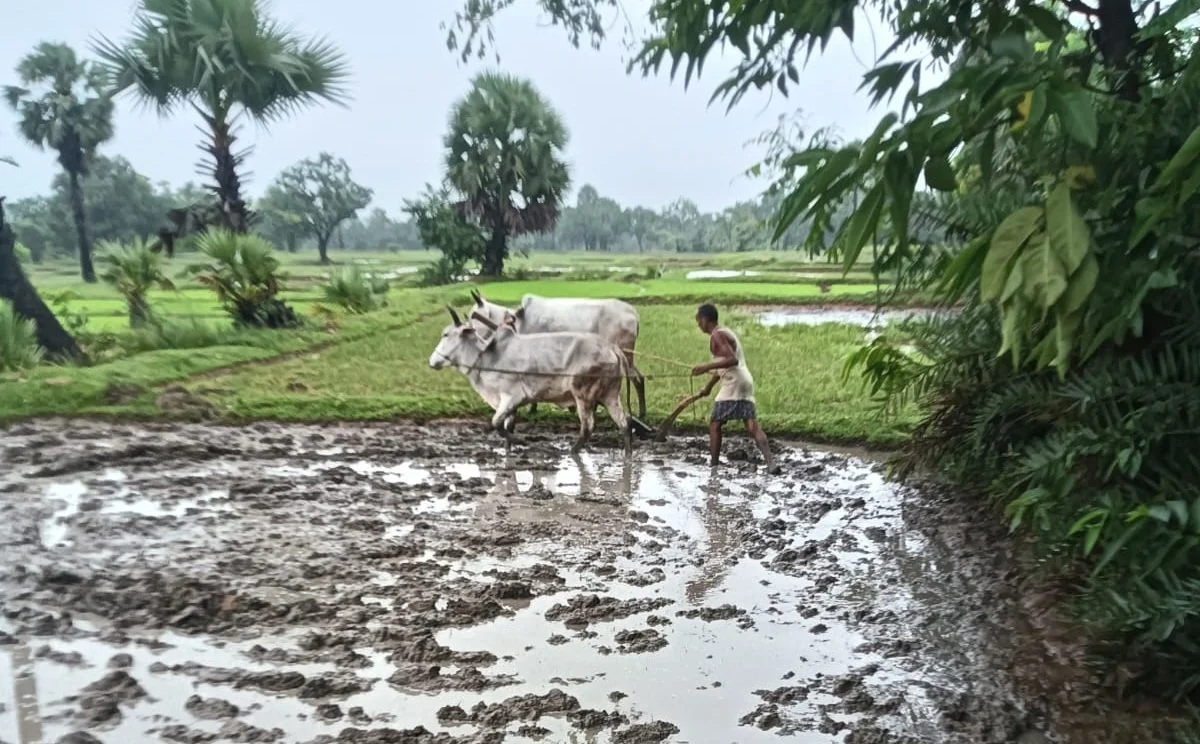
The Working Animal Welfare Project continued to promote the health and welfare of working animals through mobile veterinary services, preventive healthcare, first-aid assistance, animal-owner education and community-level monitoring. The Mobile Veterinary Clinic provided treatment to 102 animals, while an additional 3 animals received veterinary examinations and advice. Key health concerns addressed included fever and other infectious illnesses, eye and respiratory infections, digestive disorders, skin conditions, wounds, abscesses and parasitic infestations. Preventive healthcare, veterinary helpline guidance and follow-up visits further supported animal care. Training sessions and community engagement also emphasied the importance of early reporting of health problems and appropriate animal management during the monsoon season.
Highlights at a Glance
Animals Treated - 102
Helpline Reach- 28
First-Aid Cases -42
Vaccinated -250
Trainee Attendees -31
Activity Details
1. Rural Mobile Veterinary Clinic
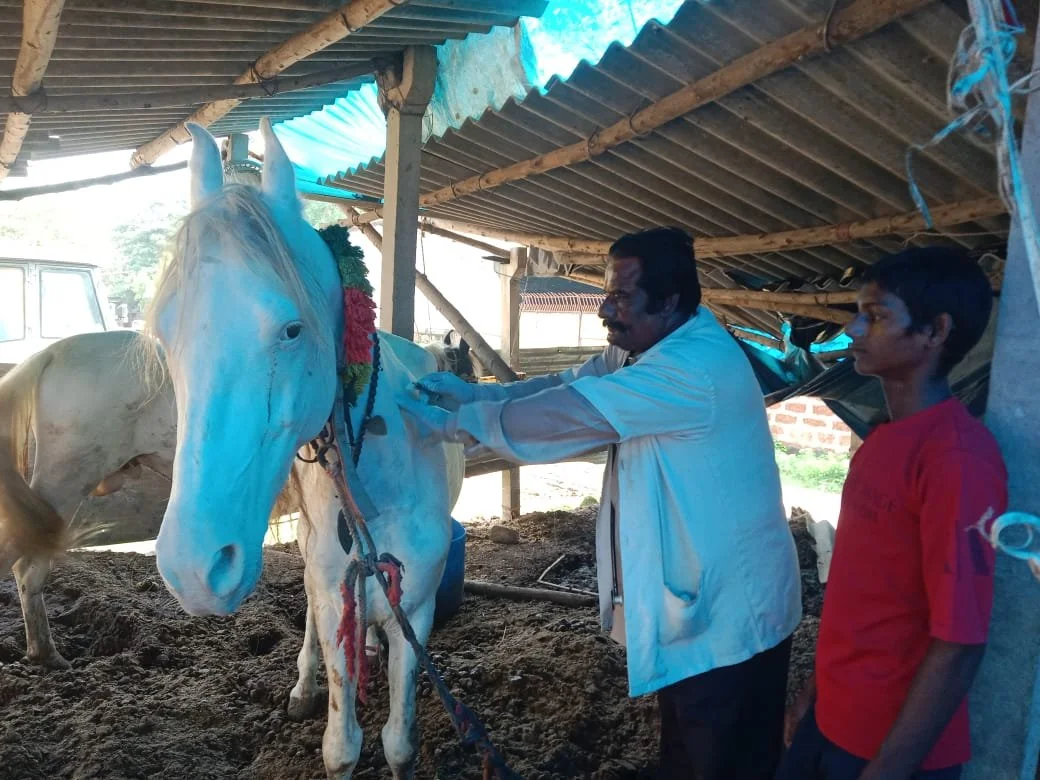
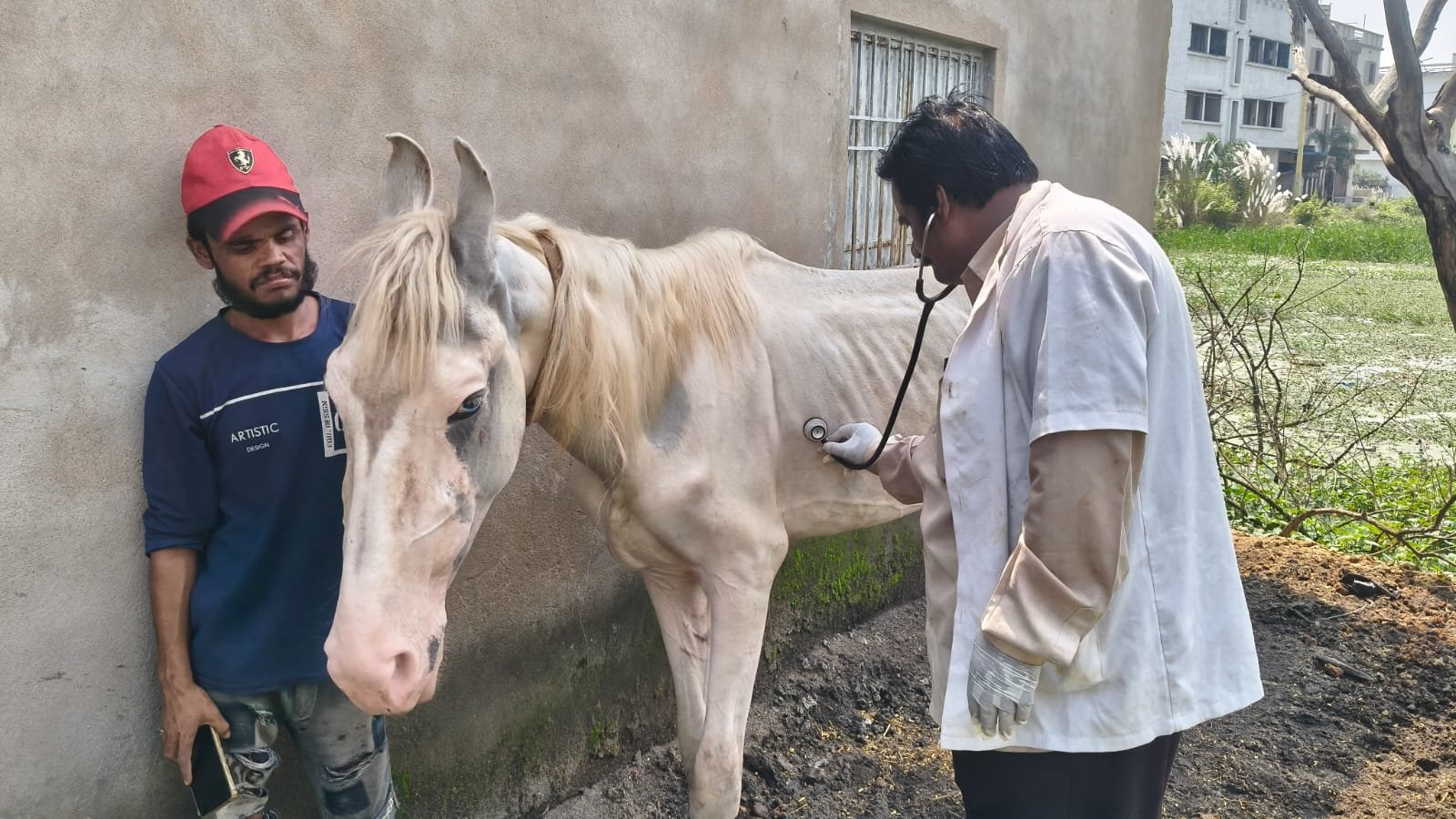
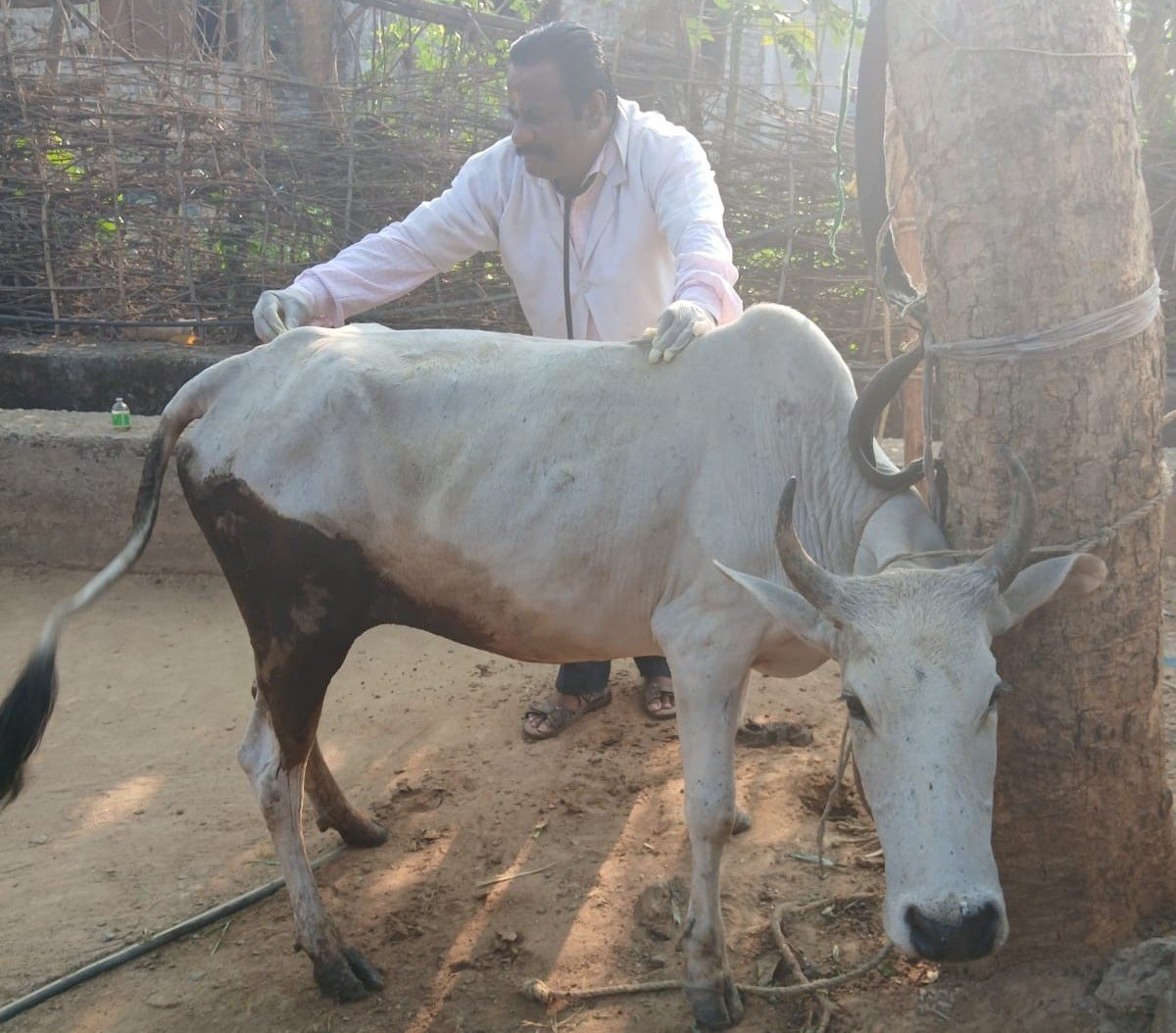
During September, the Rural Mobile Veterinary Clinic delivered essential veterinary services to working animals in remote and underserved communities. Field visits focused on the early identification of health problems, timely treatment, and guidance to animal owners on preventive healthcare and routine management. The veterinary team addressed a range of health conditions, including fever and other infectious illnesses, eye infections, respiratory and digestive disorders, skin diseases, abscesses, wounds, and internal and external parasitic infestations.
During the reporting period, 102 working animals (25 horses and 77 cattle) received veterinary examination and treatment. An additional three animals (one horse and two cattle) were examined, and their owners received veterinary advice. The team also counselled owners on balanced nutrition, hygiene, preventive healthcare, and appropriate animal management practices. Owners were encouraged to recognise early signs of illness and seek veterinary assistance promptly to prevent health conditions from worsening.
2. Vaccination Drive
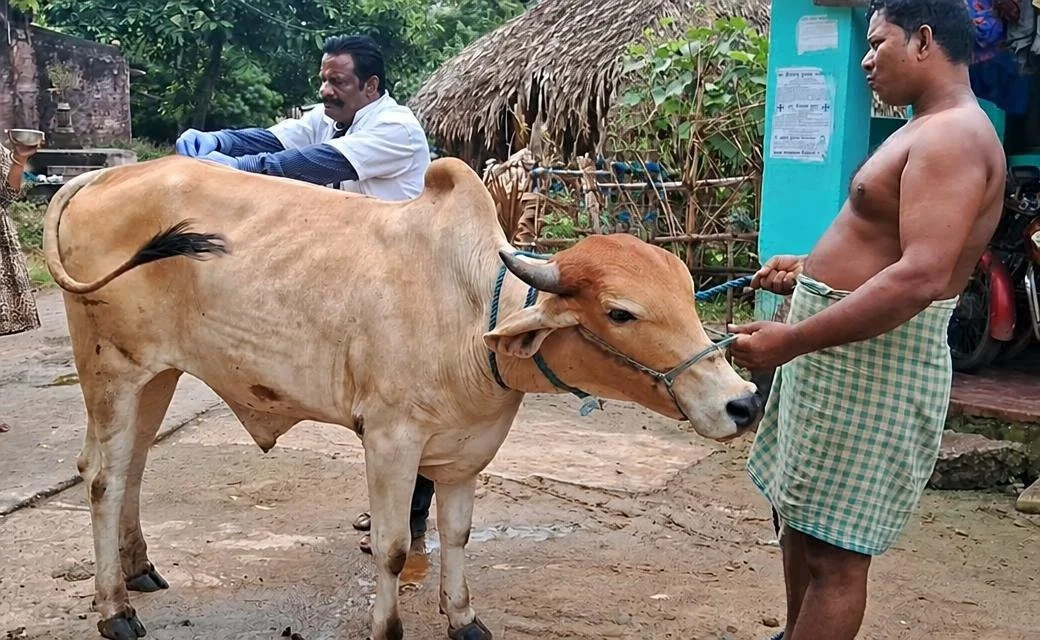
In September, 250 working animals were vaccinated against Lumpy Skin Disease (LSD). The vaccination initiative aimed to strengthen disease prevention and protect animal health. The team continued to monitor animal health in coordination with the Government Veterinary Department, with further vaccinations planned in accordance with the recommended vaccination schedule.
3. Helpline Service for Animal Owners
The veterinary helpline continued to provide accessible support to working-animal owners during September. A total of 28 owners received guidance on animal health, welfare, care, and management. The service enabled owners to seek advice on health-related concerns between field visits and facilitated access to veterinary assistance whenever necessary, helping maintain continuity of care for working animals.
4. First-Aid Care for Working Animals
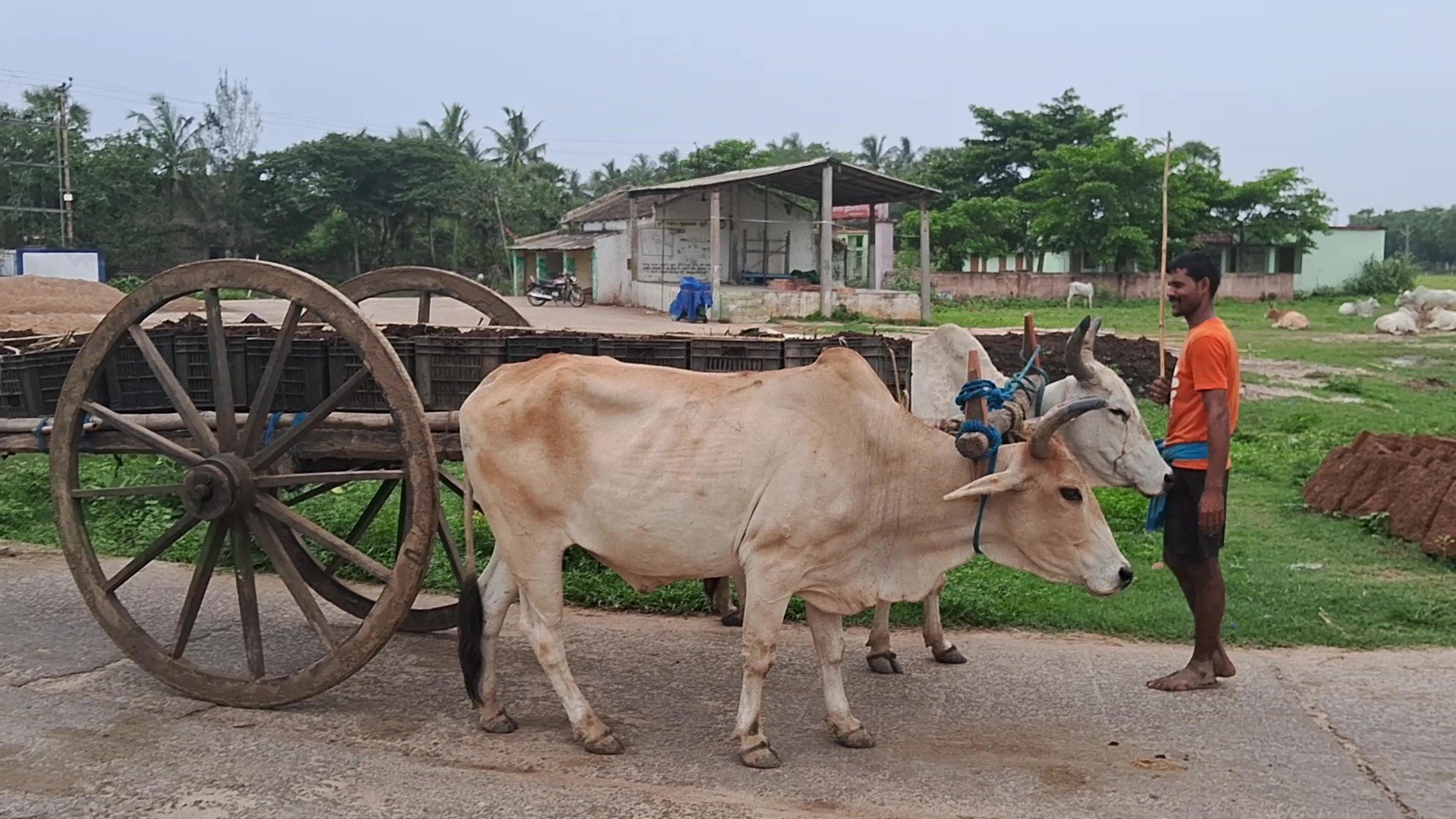
The trained volunteers continued to play an important role in supporting animal owners at the community level. They provided first-aid assistance to 42 working animals, primarily bullocks and horses, addressing minor injuries and health concerns at an early stage. They also advised owners on humane handling, proper nutrition, hygiene, suitable shelter, and routine animal care. Where health conditions required further examination or treatment, the Champions helped identify cases needing referral to veterinary services.
5. Training Workshops for Animal Owners
During September, 31 animal owners participated in a capacity-building session focused on working-animal health, welfare, and responsible management. The session promoted practical, humane husbandry practices and highlighted the importance of avoiding unsafe or harmful traditional methods. Owners were advised to avoid feeding animals wet, spoiled, or fungus-contaminated fodder, as it may contribute to digestive disorders, including bloat (tympany), gastrointestinal infections, and other health complications. The session aimed to strengthen owners’ knowledge and practical capacity to maintain animal health and welfare, particularly during periods of increased seasonal risk.
6. Follow-ups from the Previous Period
During September, the veterinary team carried out follow-up assessments of 43 previously treated working animals to monitor recovery and identify persistent or emerging health concerns. The follow-up covered 13 horses treated for conditions including pyrexia, digestive disorders, weakness, eye and skin infections and wounds. In addition, 30 bullocks were followed up for previously recorded conditions, including digestive disorders (10 cases), pyrexia (7 cases), abscesses and wounds (4 cases), eye infections (4 cases) and internal parasitic infestations (5 cases).
The visits enabled the veterinary team to review treatment progress, provide additional advice or care where necessary and reinforce good animal-management practices. Owners were reminded about clean drinking water, proper hygiene, suitable feeding, clean and safe shelter and humane handling to support recovery and long-term welfare.
7.Post-Vaccination Follow-up
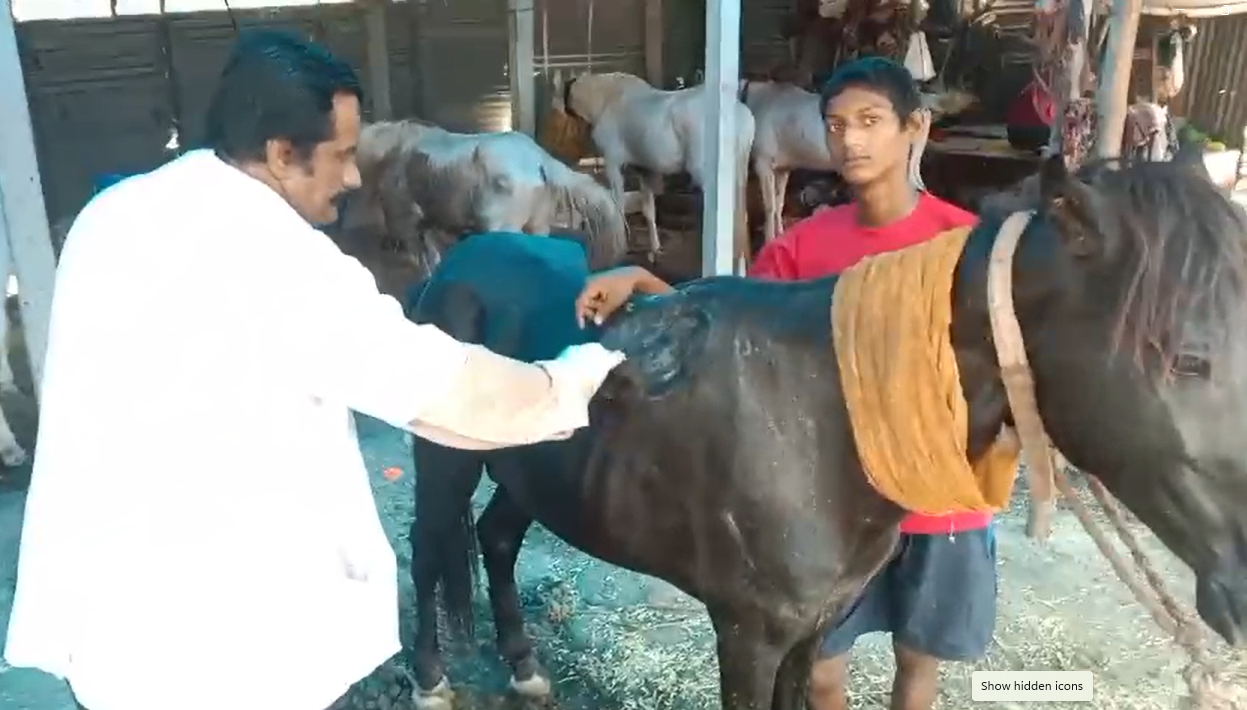
The veterinary team also conducted post-vaccination follow-up visits for 31 working animals to assess their health and monitor their response to vaccination. The animals were examined for adverse reactions or complications, and no abnormal signs were observed. The visits provided an opportunity to respond to owners’ concerns, identify potential health issues early and reinforce awareness of preventive healthcare, timely vaccination and routine animal management.