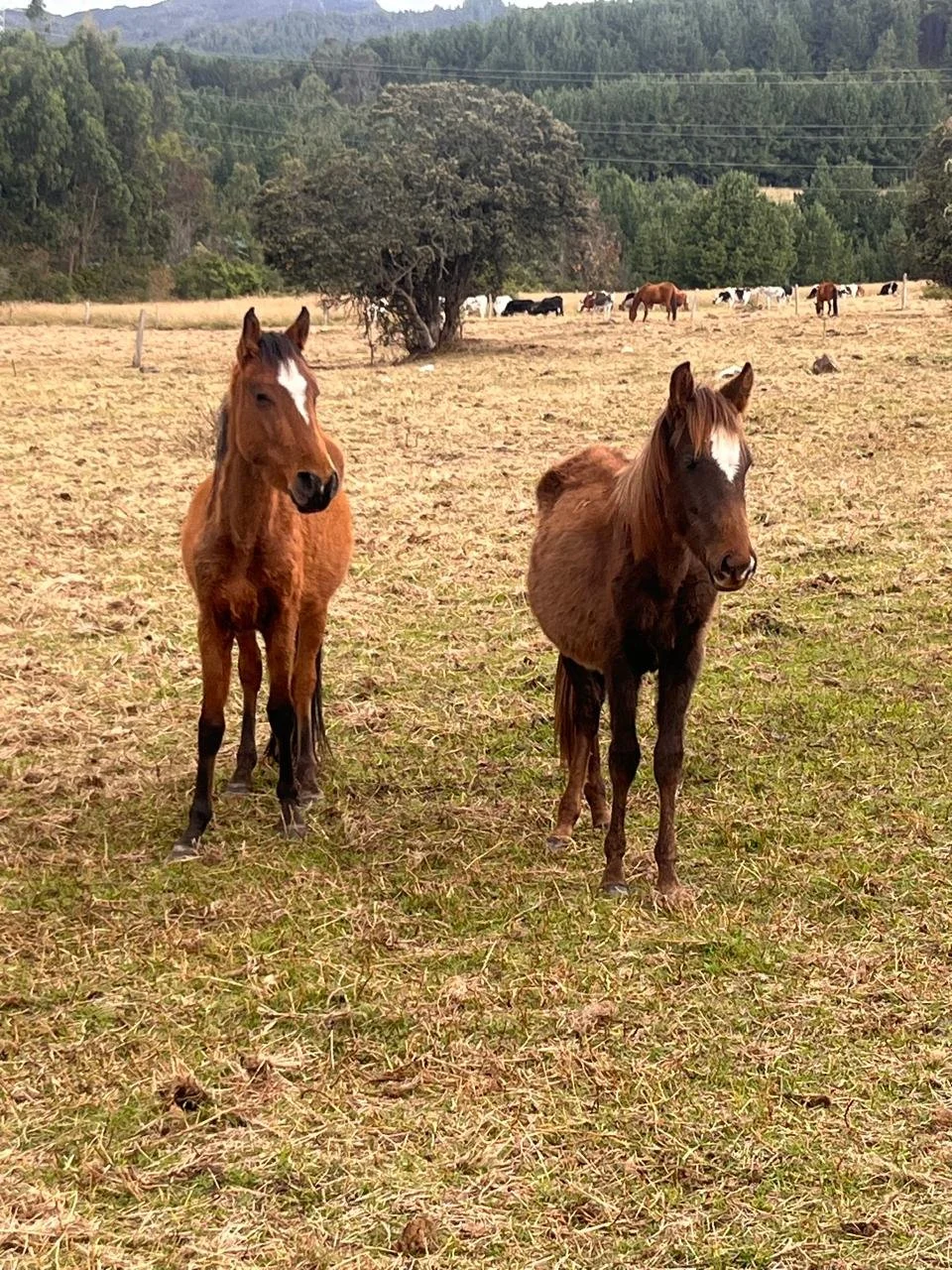
Our partner group in Colombia - Namigni Animal Sanctuary - assisted 13 severely neglected, starving horses during October. Unfortunately, the condition of these horses is a direct result of severe drought and skyrocketing hay prices in Colombia. Thankfully, the rescued equines, bulls and cows at Namigni’s sanctuary are all in a stable condition and enjoying good health.
summary
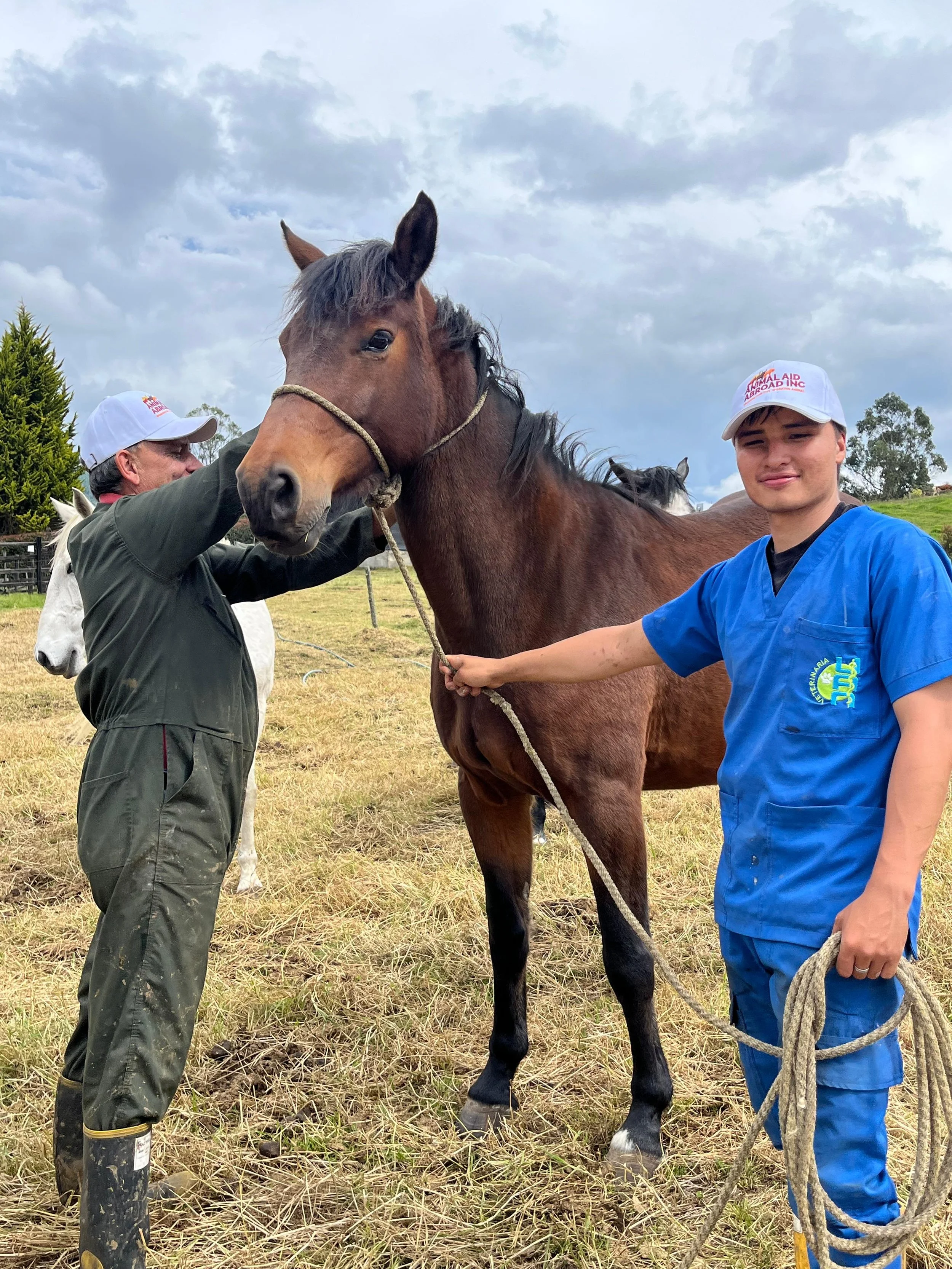
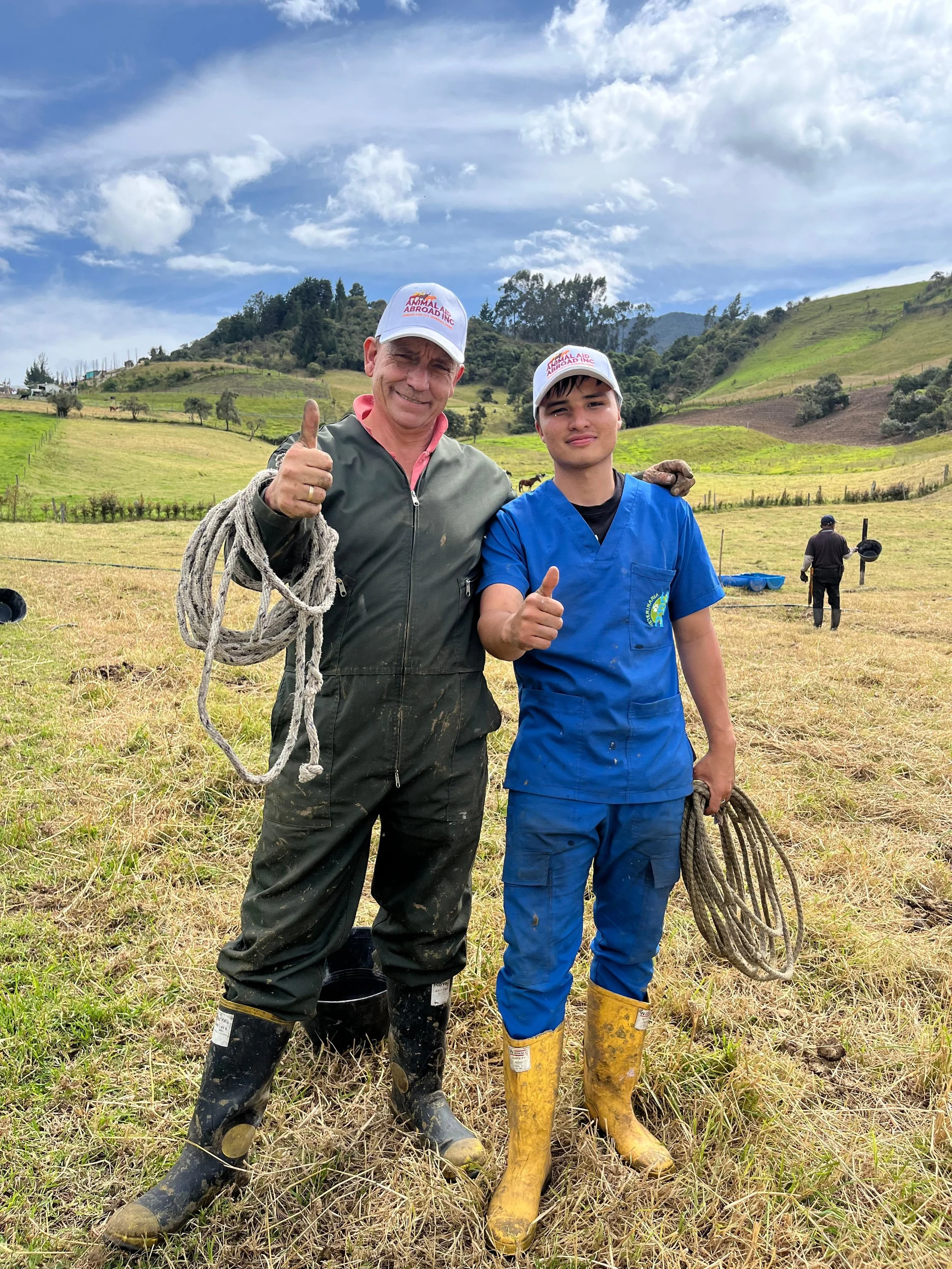
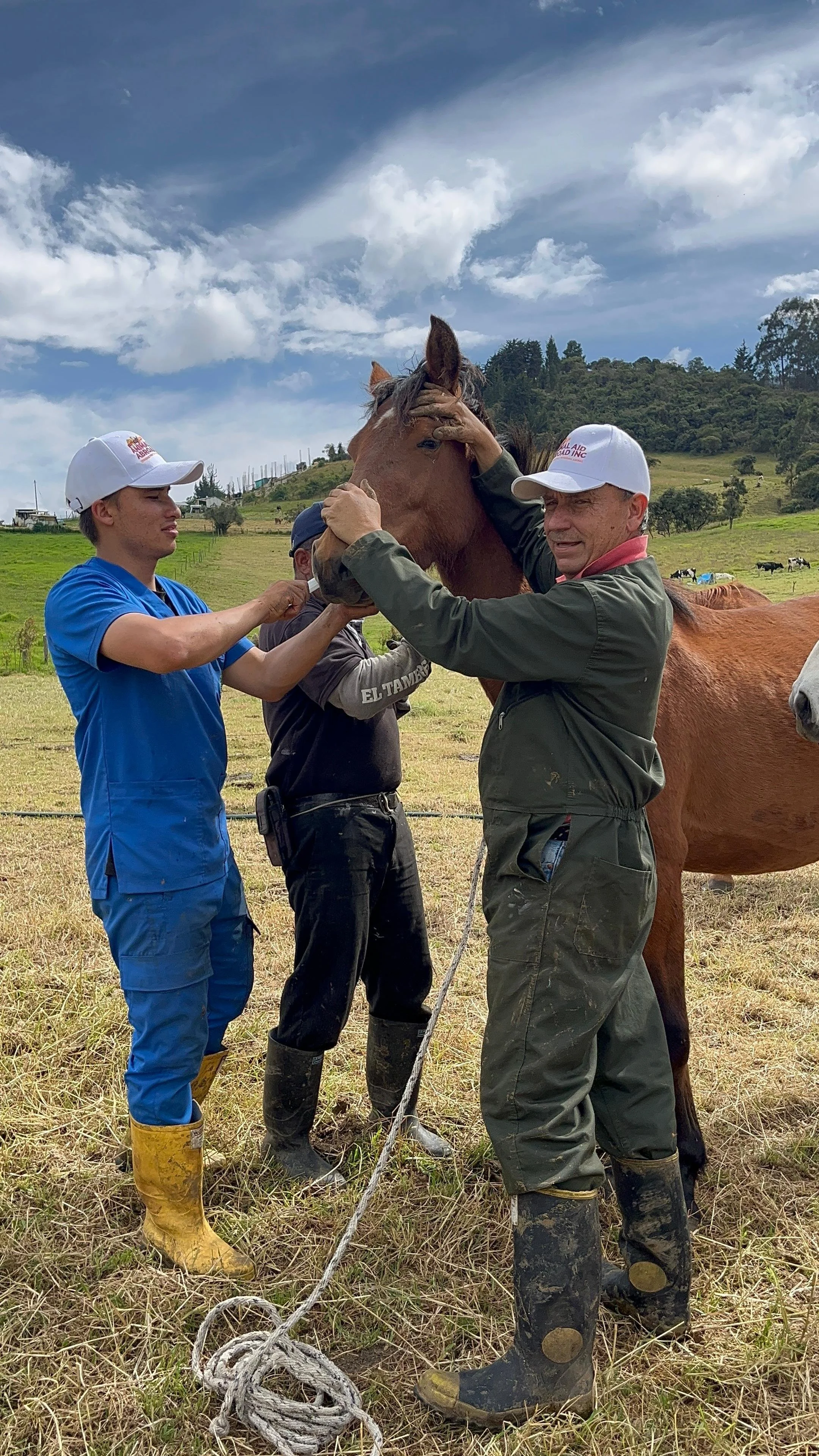
In October, the Namigni/AAA veterinary team held a mobile clinic across the La Calera sectors of San José del Triunfo and San Cayetano, examining and treating at least 31 working horses across several holdings.
Herd-level preventive care was combined with the management of dermatological disease, ectoparasitism (pediculosis), and dental issues. Eighteen Criollo-breed working horses were treated, alongside a riding and rental-stable herd. Most significantly, the team assisted two separate groups of severely neglected animals: seven horses abandoned in a La Calera paddock and six emaciated horses on a rented, grassless plot.
The owner of the six emaciated horses stated plainly that she keeps them in this condition because of the El Niño phenomenon. This is direct evidence that the drought crisis - until now largely a matter of hay price - is beginning to manifest as visibly starving working animals.
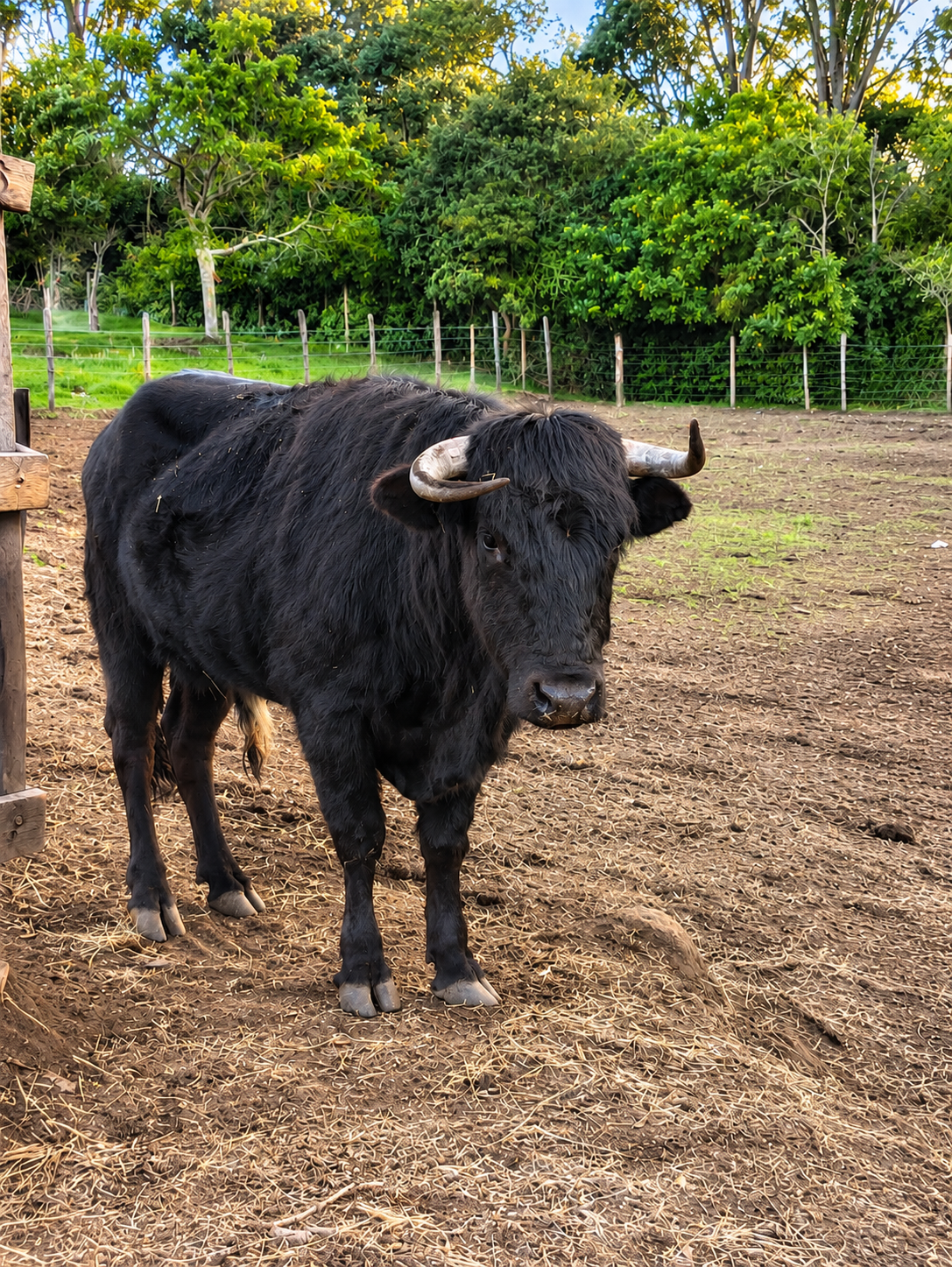
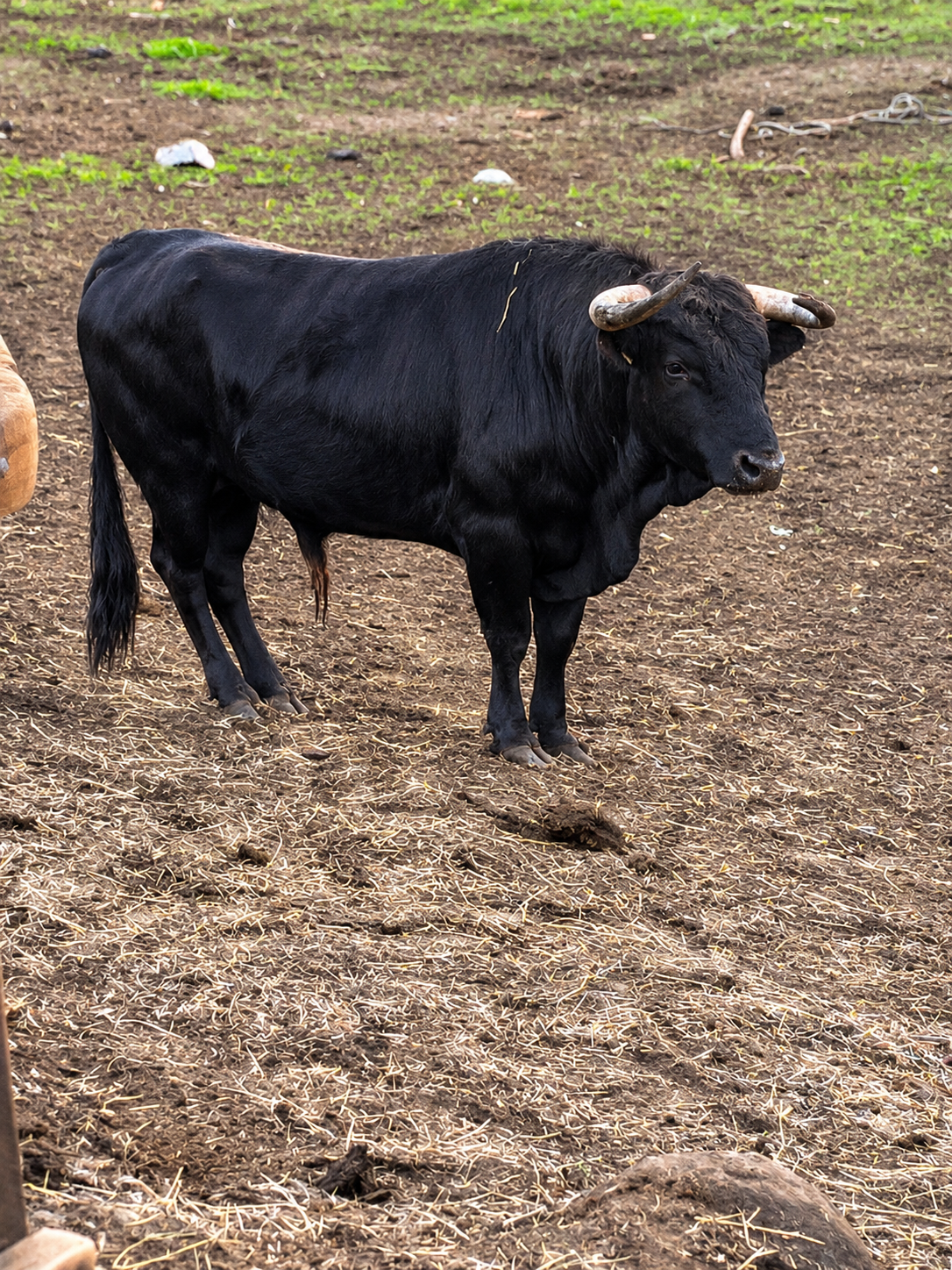
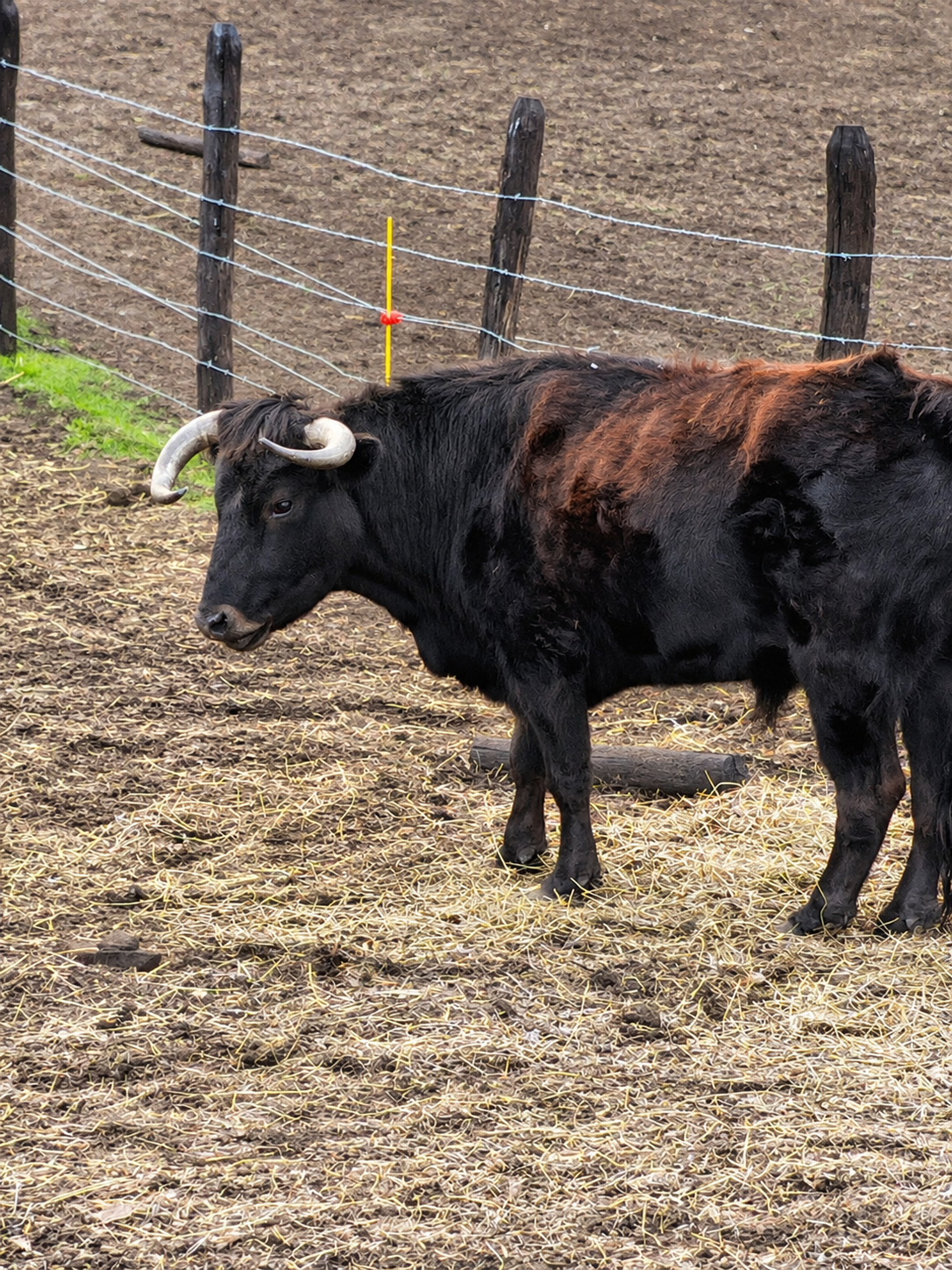
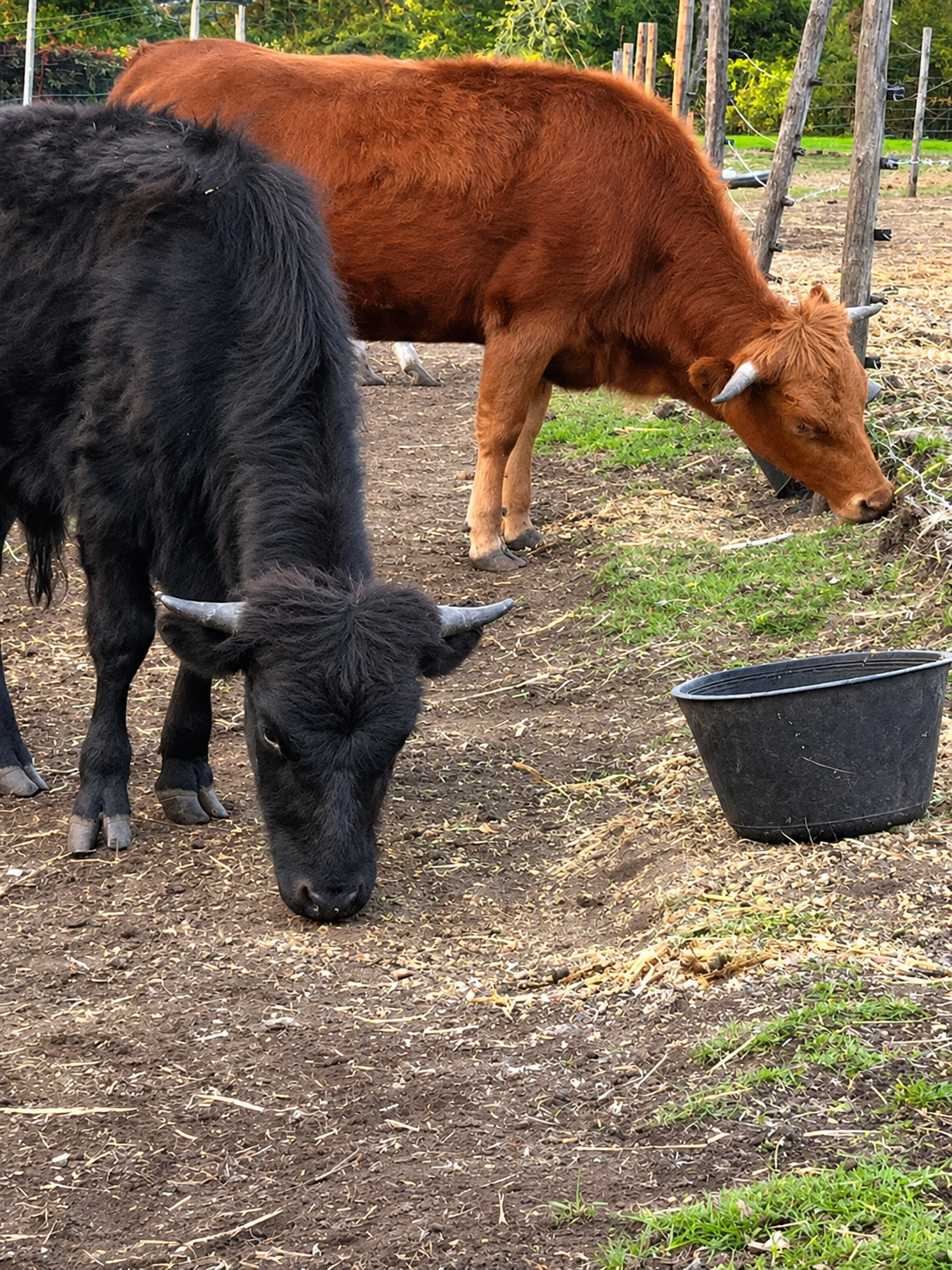
At the sanctuary, the rescued working equids and the herd of rescued Spanish fighting bulls and cows remained stable, with their body condition maintained. Continued AAA support, matched by patron Philip Wollen, remains critical to sustaining our mobile clinic, emergency responses and sanctuary operations.
Mobile clinic: La Calera (San José del Triunfo and San Cayetano)
The October clinic covered the La Calera sectors of San José del Triunfo and San Cayetano - areas with a substantial population of working horses and limited routine access to veterinary care.
The visit had three objectives: deliver herd-level preventive medicine; identify and manage individual clinical cases; and provide owner and handler education to reduce preventable, management-related disease.
As in previous months, the team travelled equipped for field treatments and responded to the neglect cases encountered during the visit.
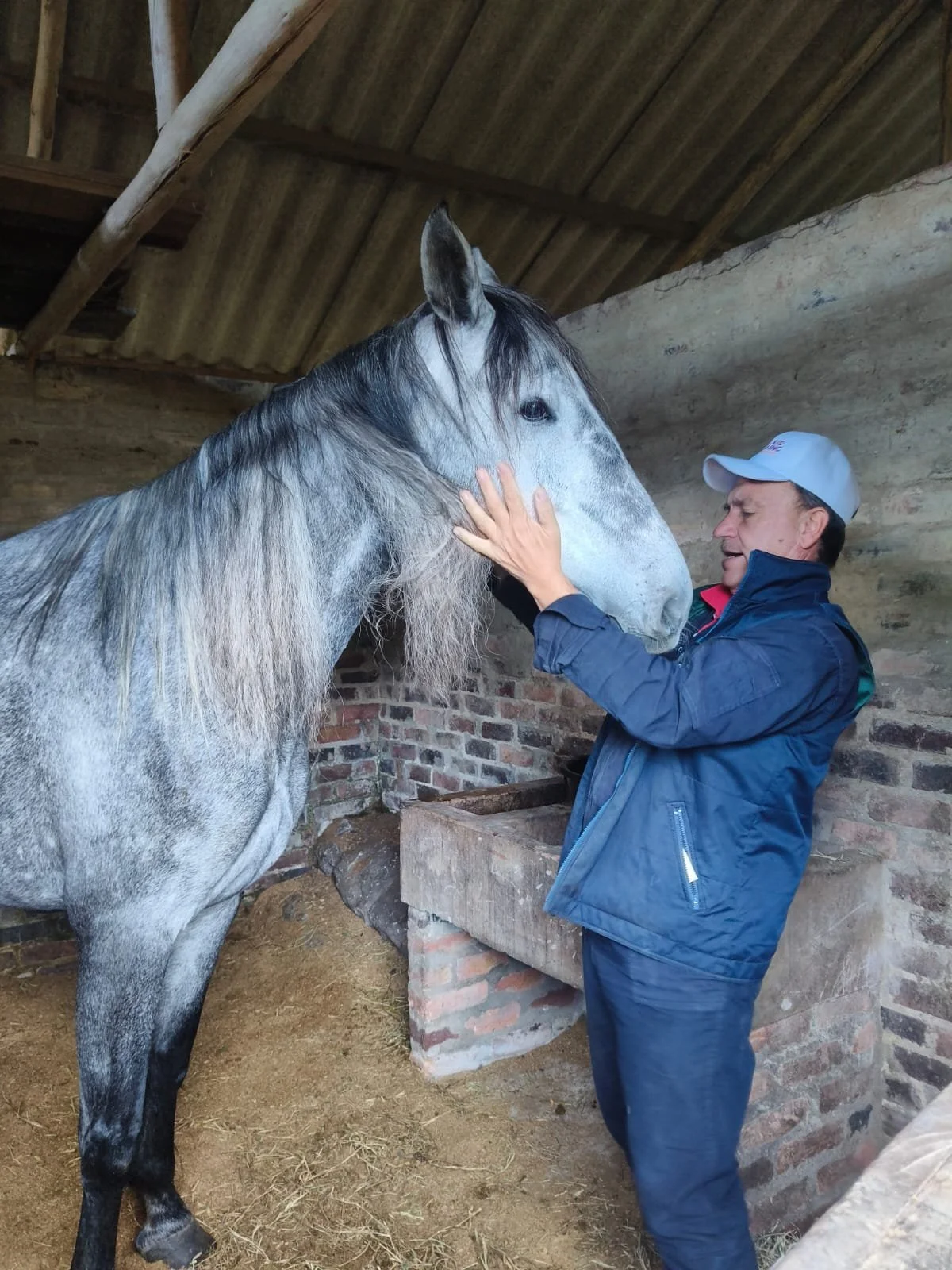
Herd-level interventions
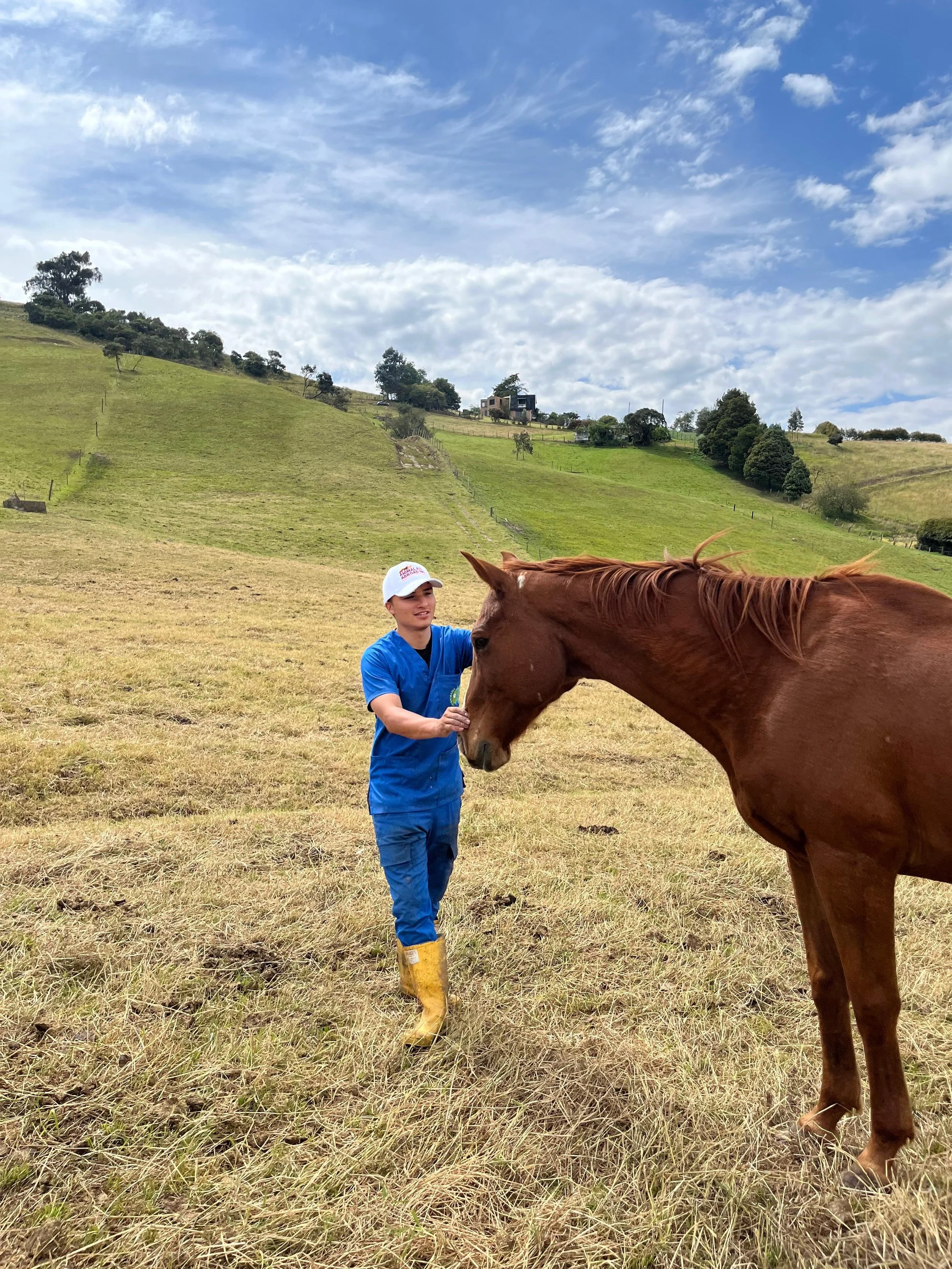
All horses received a clinical examination, deworming treatment, and vitamin and mineral supplementation.
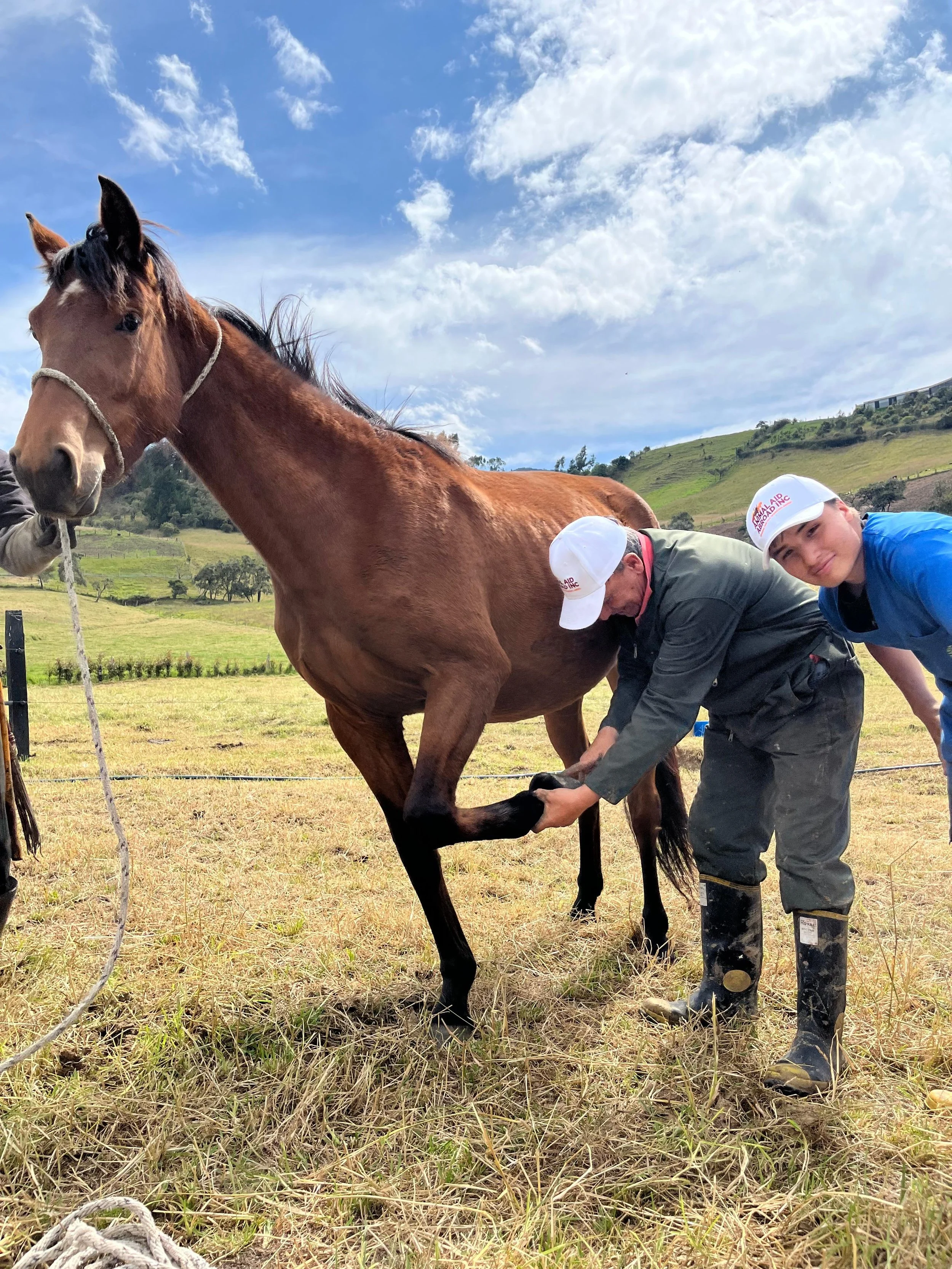
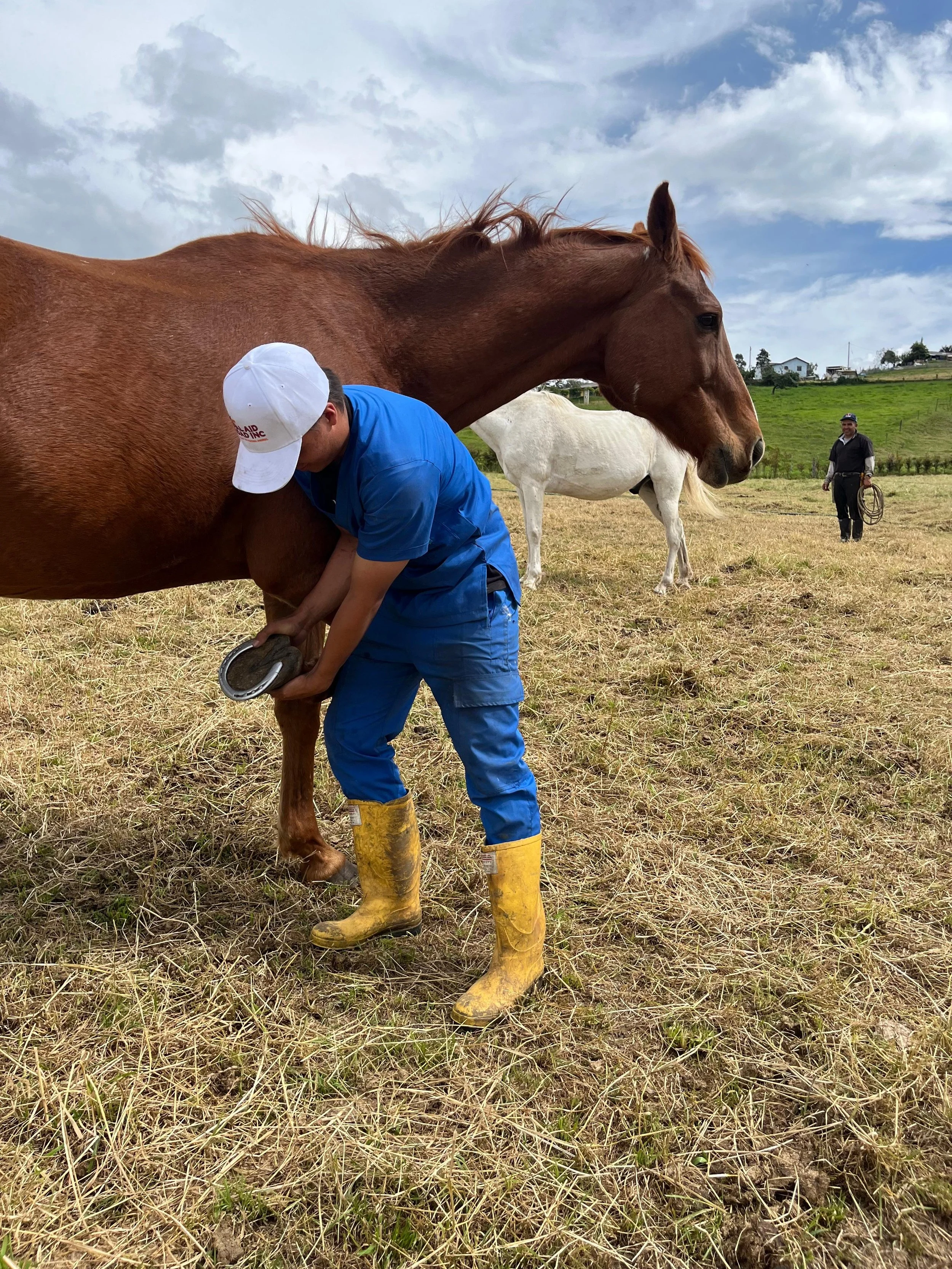
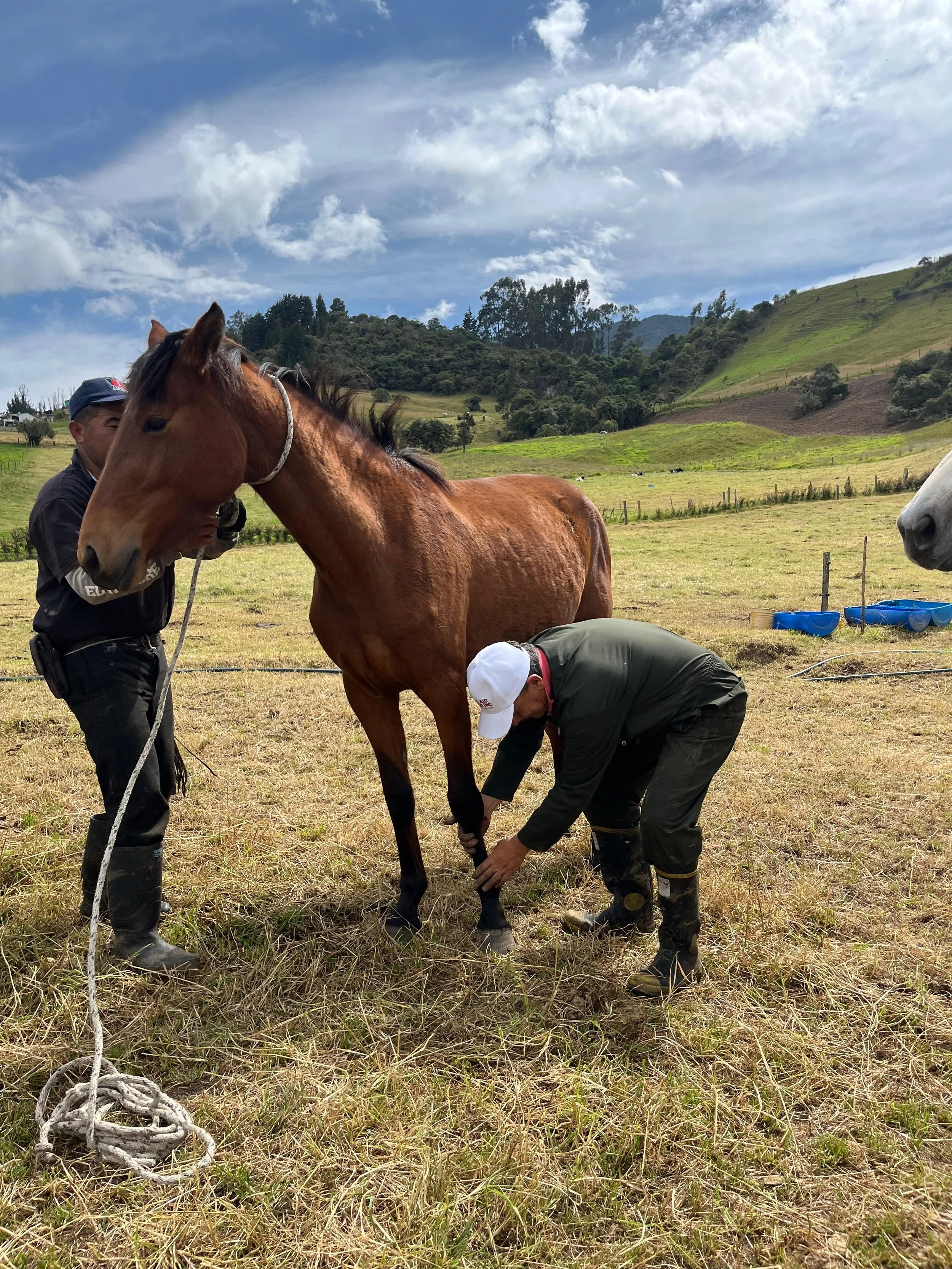
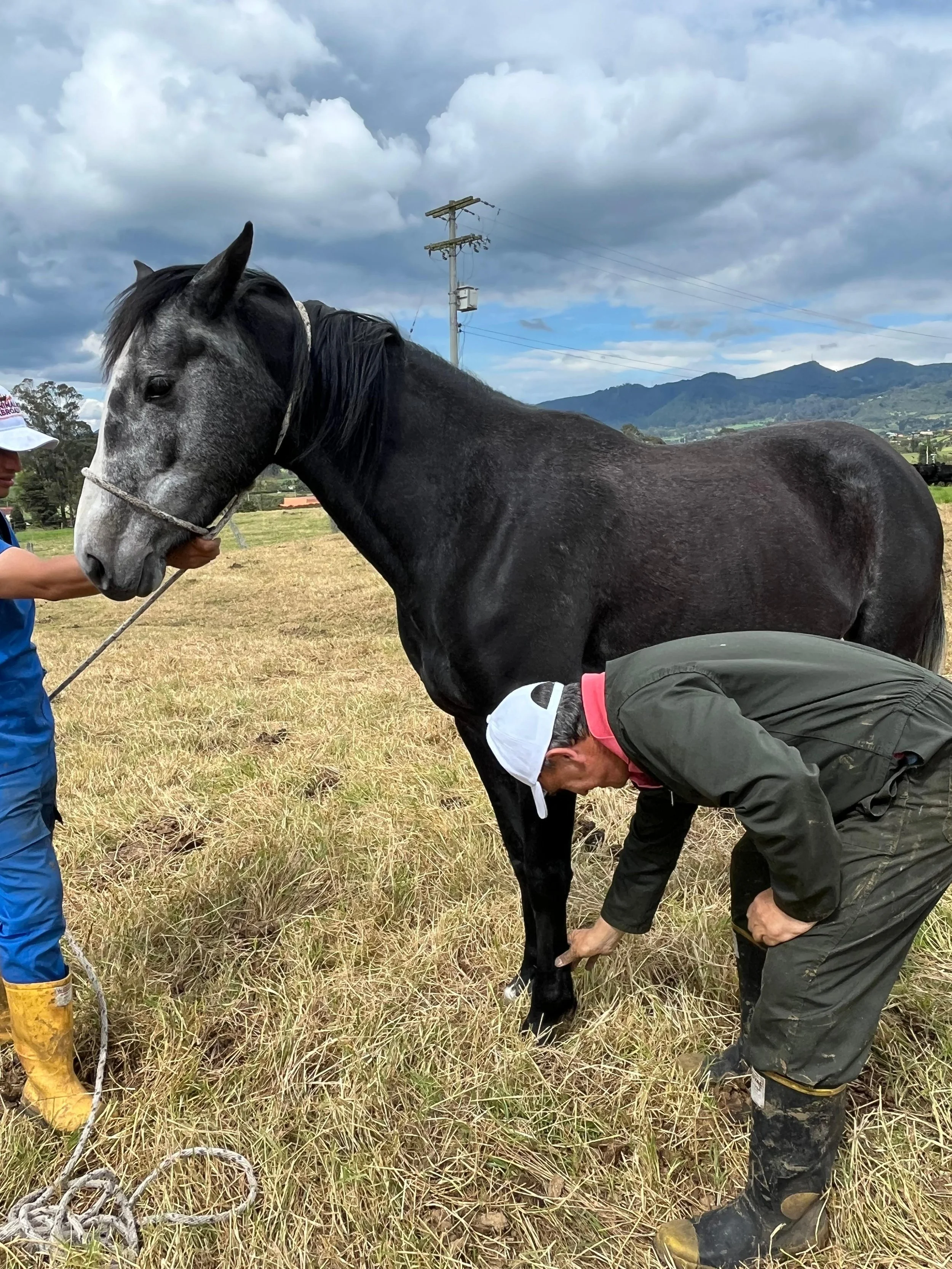
Functional hoof trimming and corrective farriery were completed across the main Criollo group. Dental work was carried out on three horses.
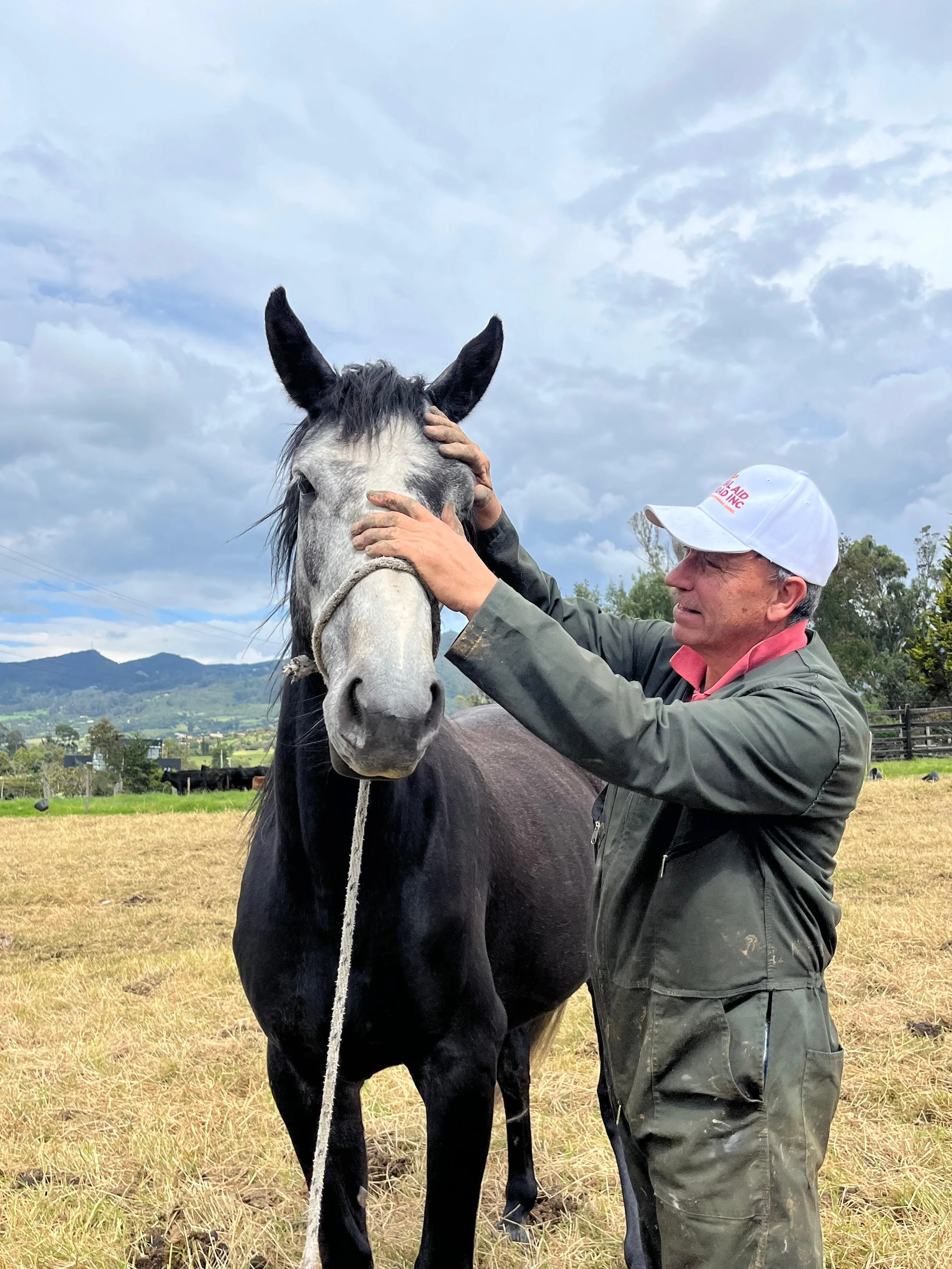
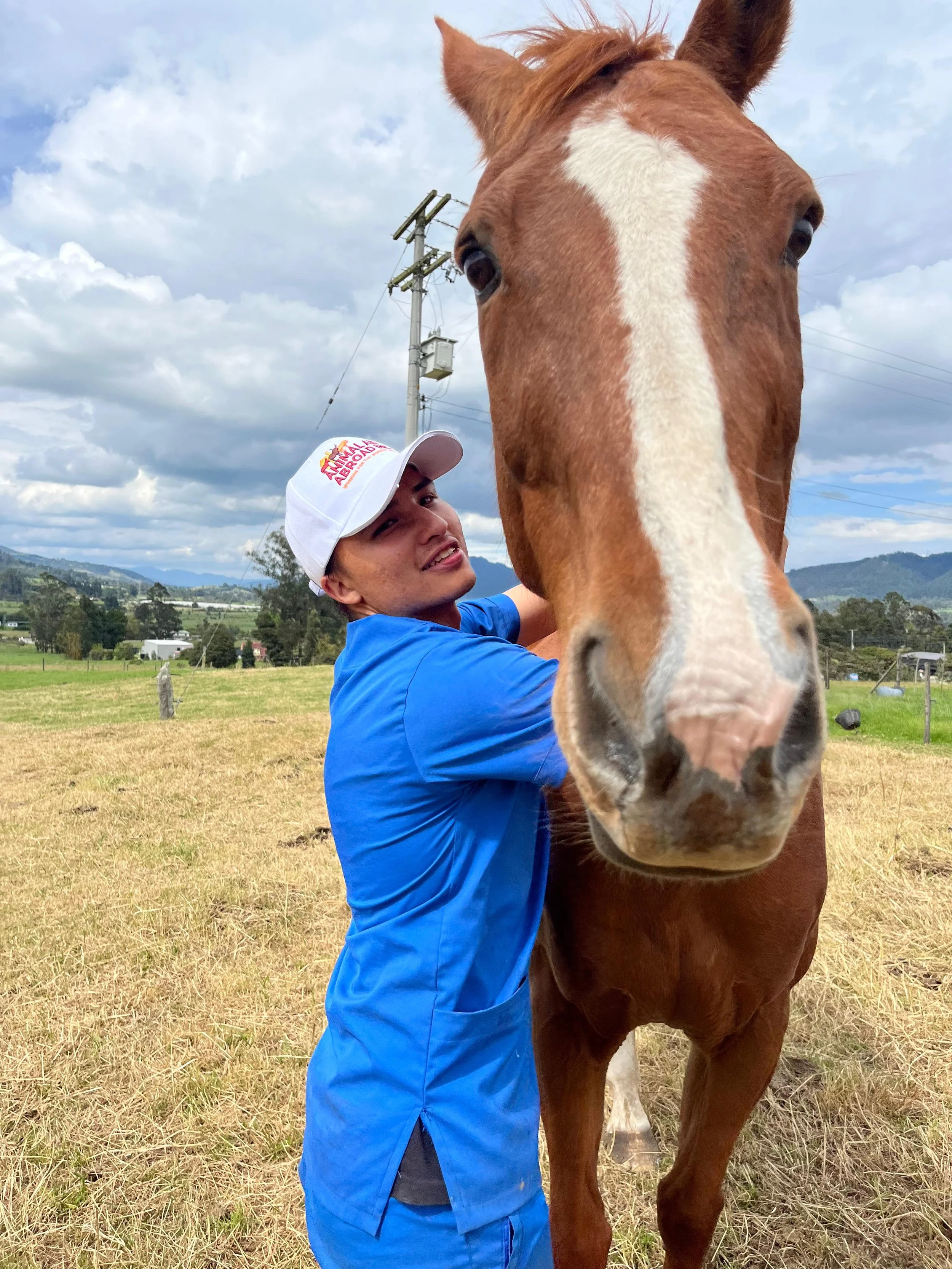
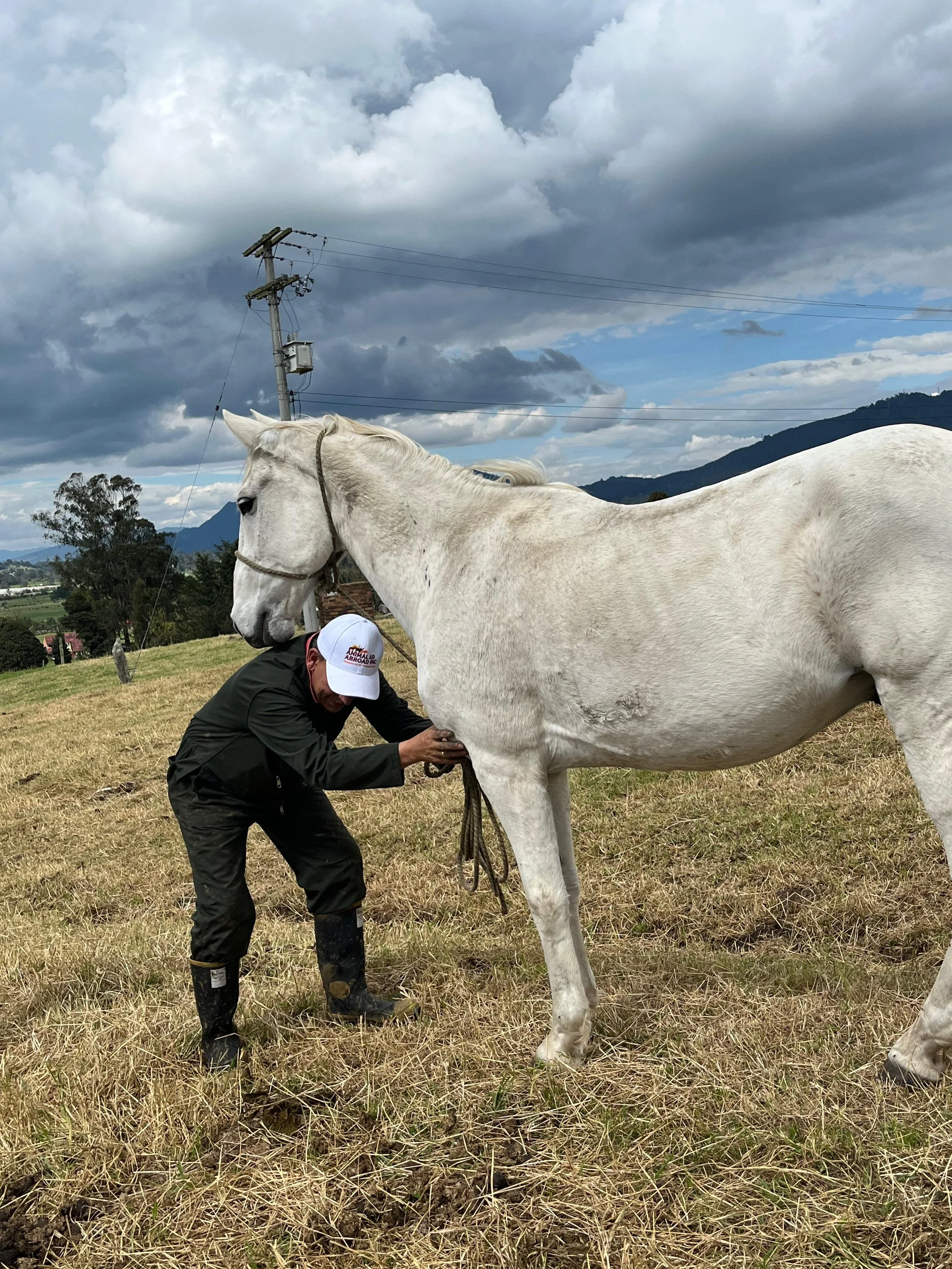
Clinical findings
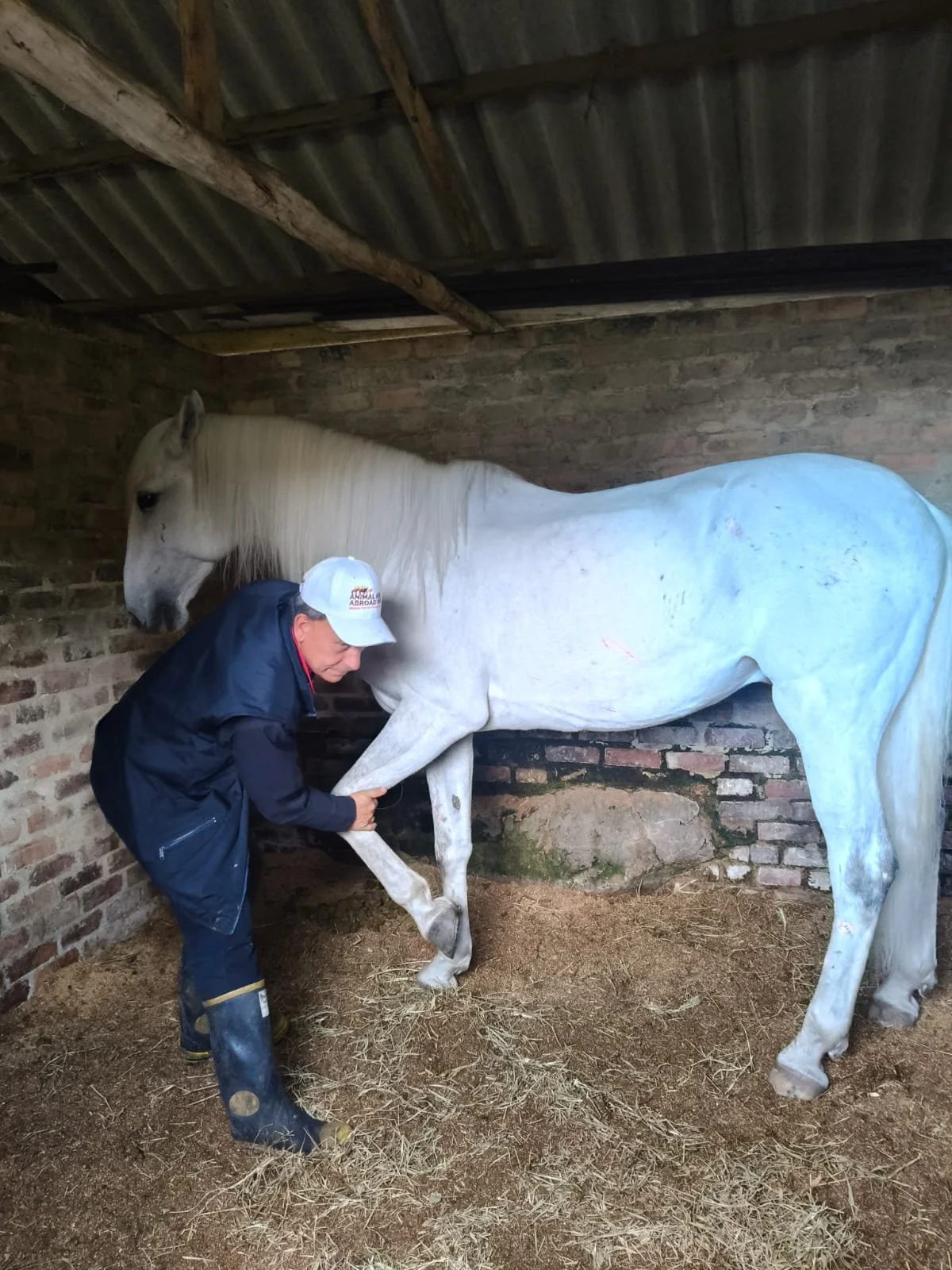
Angular limb deviations and hoof imbalance (Criollo working horses)
These horses presented with angular limb deviations of the fore and hind limbs arising from a combination of poor conformation and chronic hoof overgrowth. Uncorrected, this imbalance distributes load unevenly across the limb, accelerates irregular hoof wear, and predisposes the animal to chronic lameness and joint strain.
The team performed corrective trimming to restore balance and the immediate corrective techniques feasible under field conditions. Because durable correction requires a scheduled, ongoing farriery program rather than a single intervention, owners and handlers were given targeted guidance on preventive hoof management and the contacts of vetted local farriers to establish continuity of care.
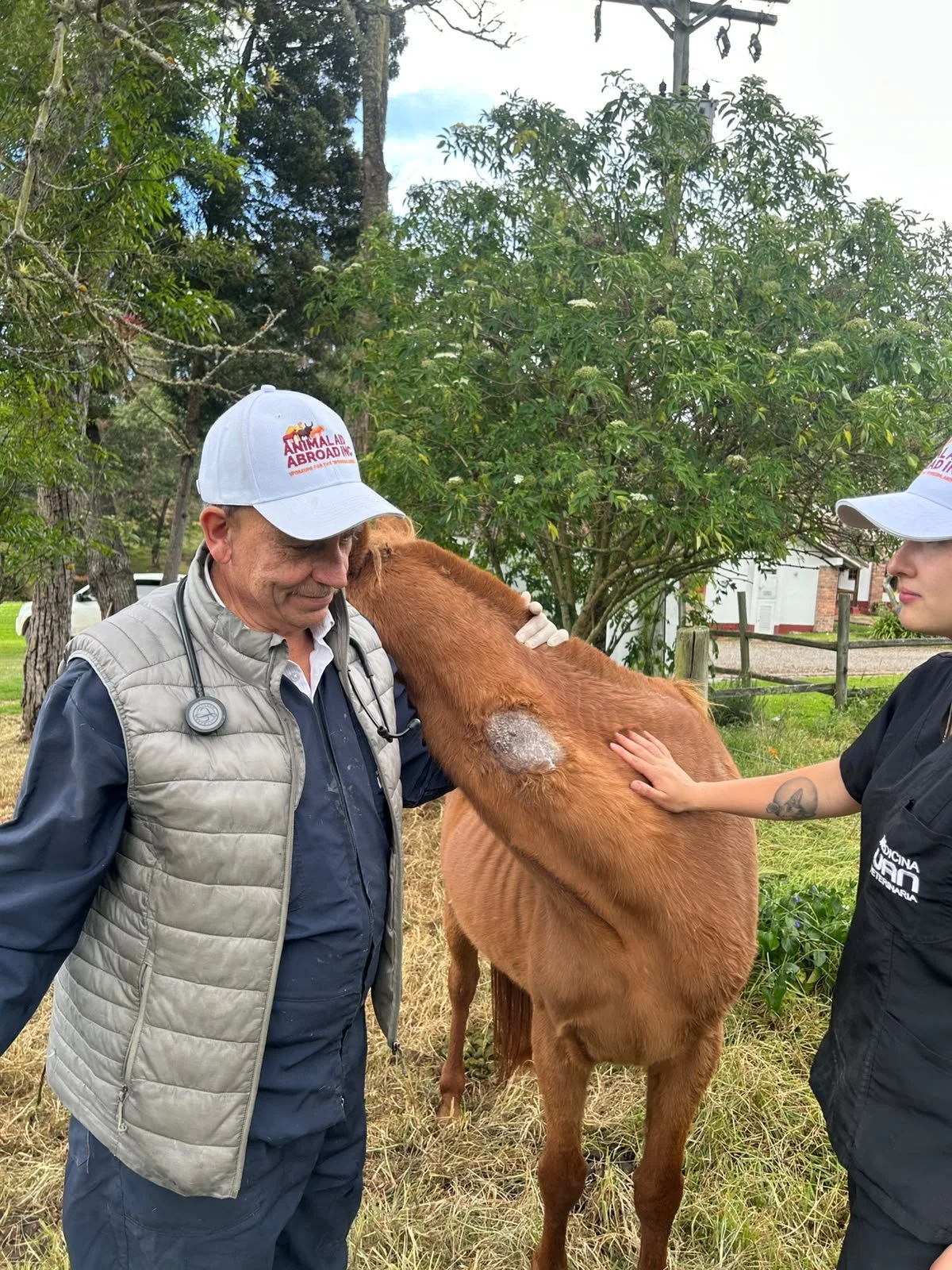
Dermatological disease and ectoparasitism (pediculosis)
Several horses presented with dermatological lesions, together with ectoparasite infestation consistent with pediculosis (lice). In equids, lice infestation is strongly associated with poor body condition, dense coats and compromised immune status, so its prevalence is consistent with nutritional stress.
Affected animals received appropriate anti-parasitic treatment, and owners were advised on coat and grooming management, segregation of affected animals, and hygiene of shared tack and equipment to limit transmission.
Dental pathology
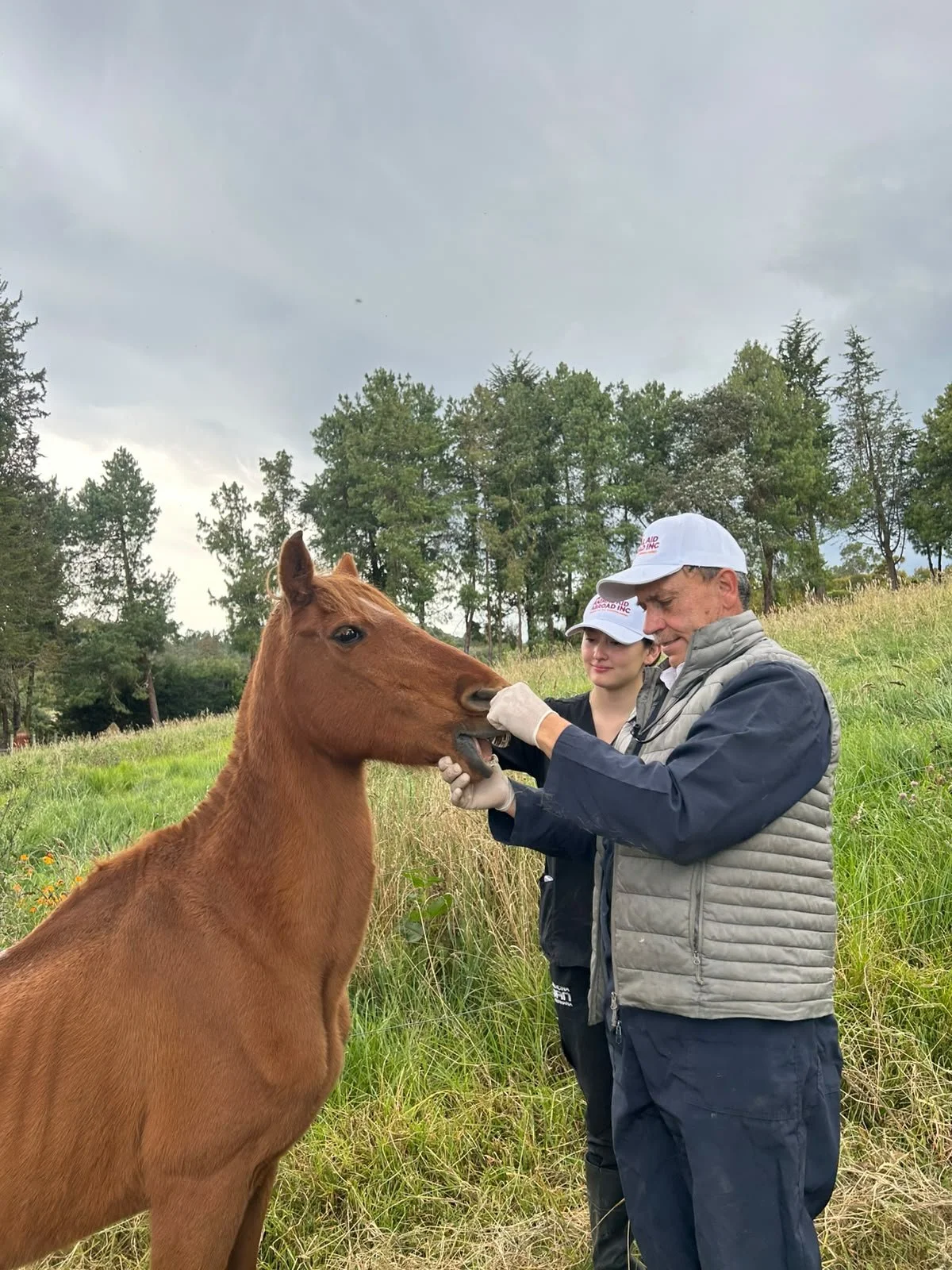
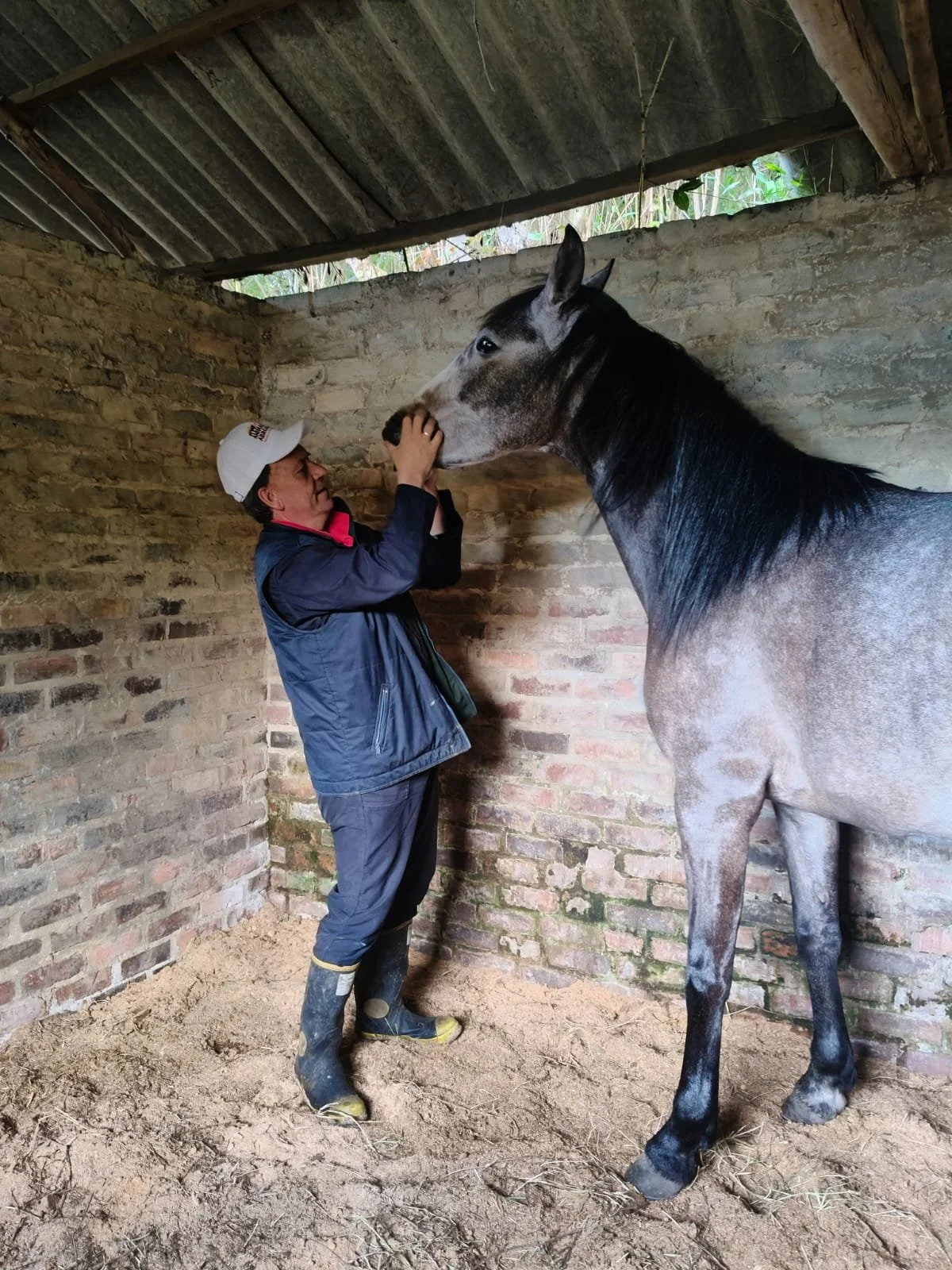
Three horses underwent odontological examination and correction (floating) of enamel overgrowths and malocclusions. Dental disease of this kind reduces the horses’ ability to eat and can lead to weight loss. This is a particularly important finding under conditions of forage scarcity, when all available feed must be used efficiently.
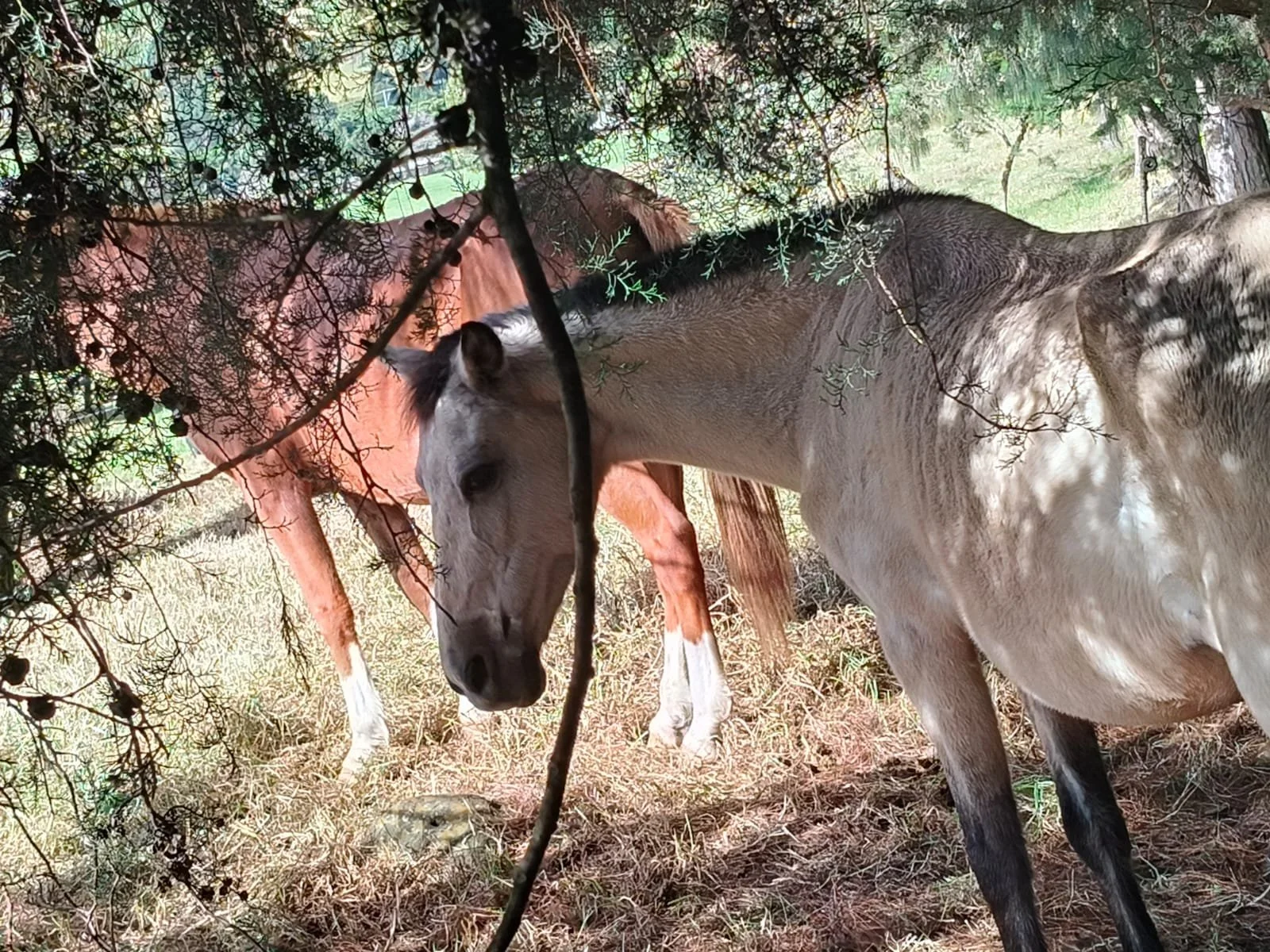
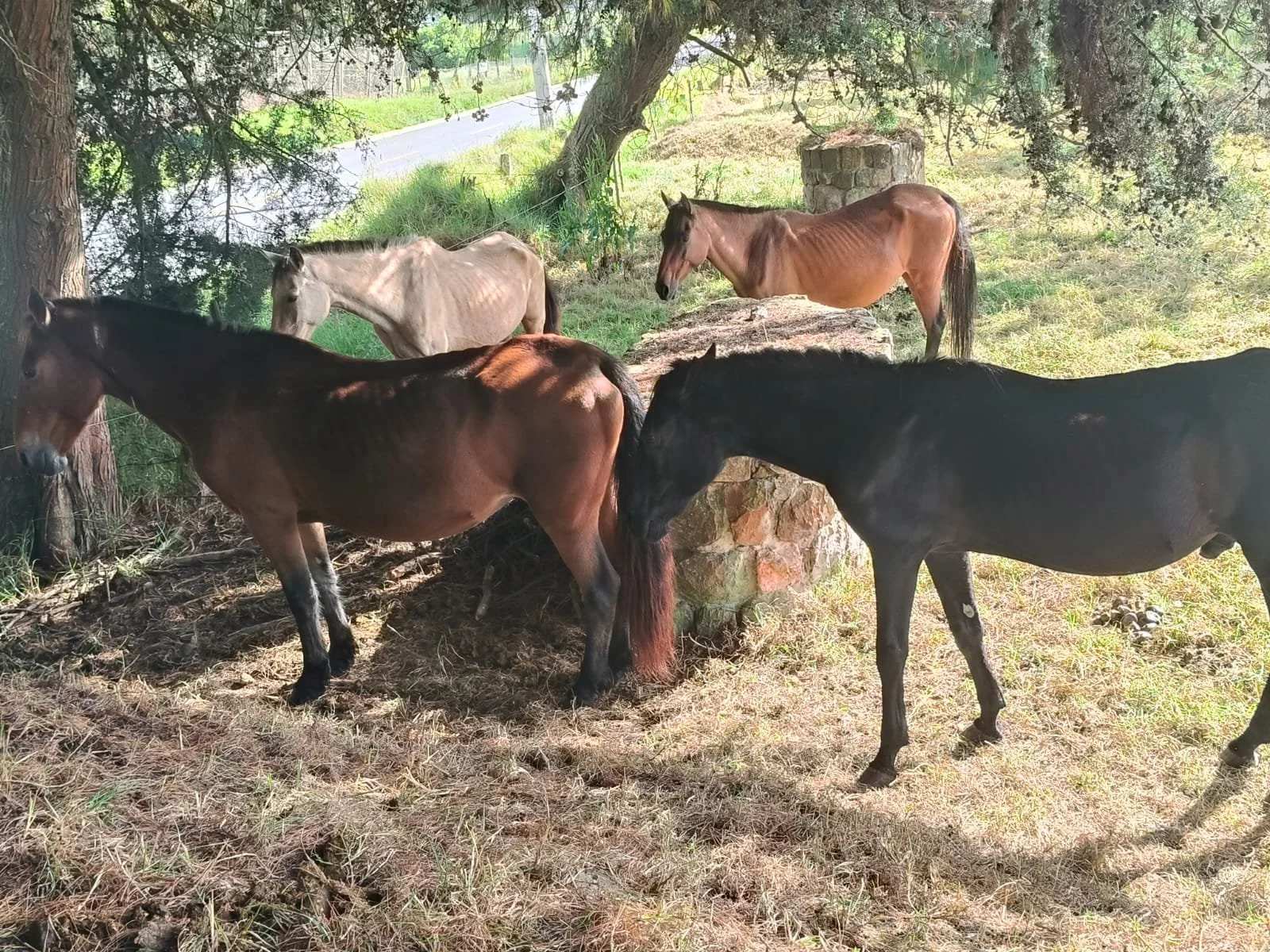
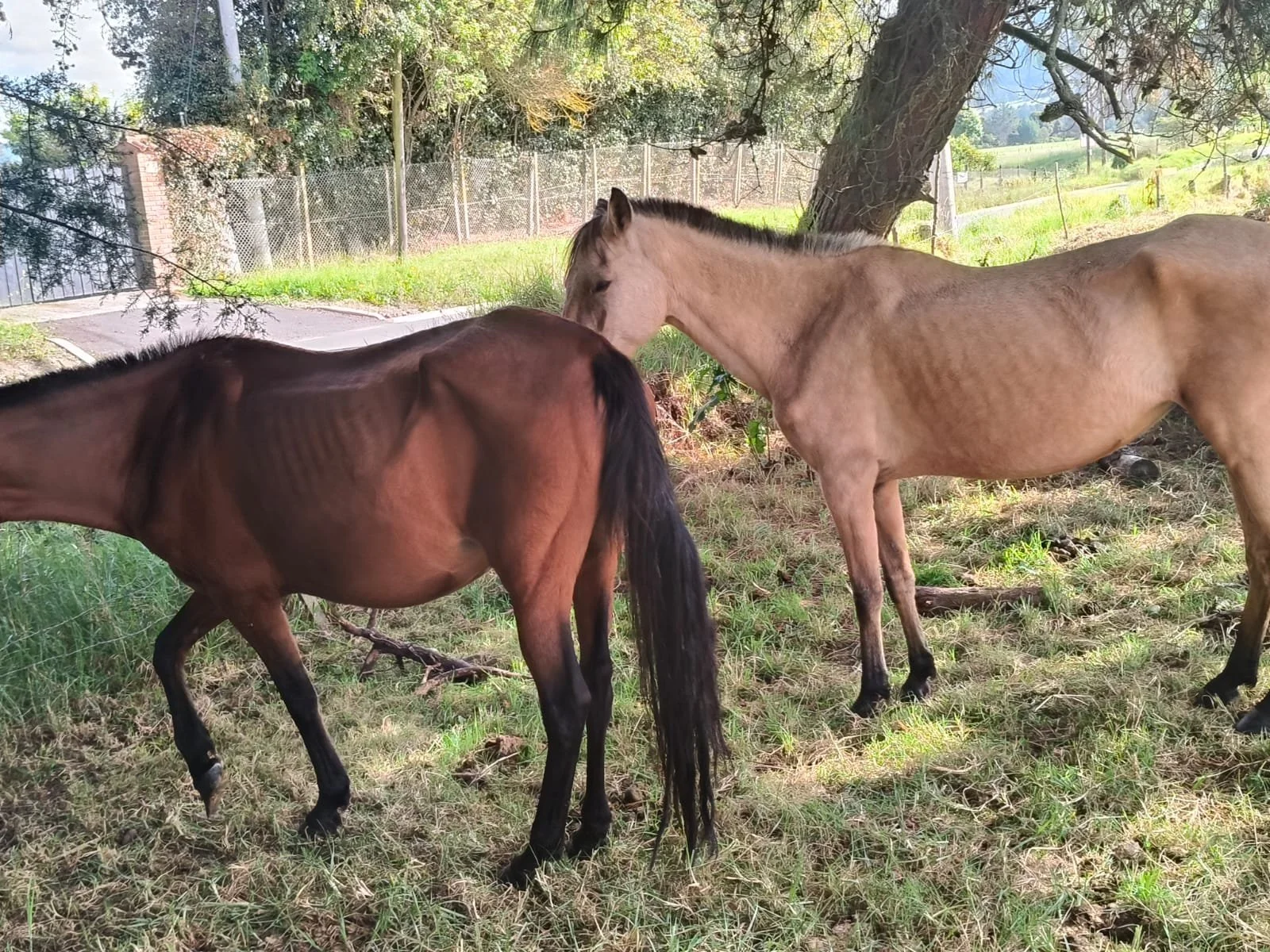
Seven abandoned horses in poor body condition (La Calera paddock)
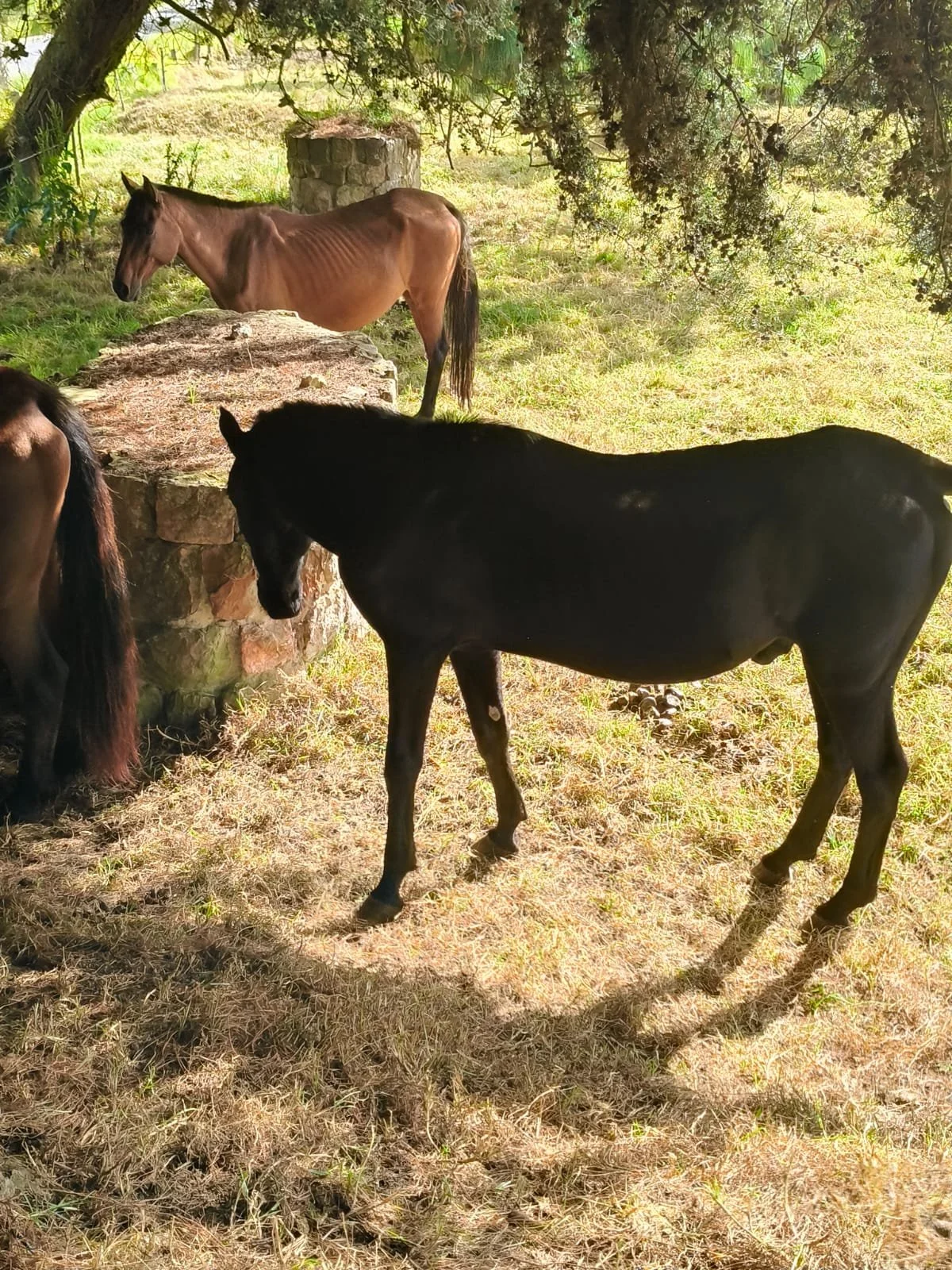
Seven horses were found abandoned in a paddock in La Calera, in markedly poor body condition. The team carried out a full examination and administered vitamins and deworming treatment, with supportive care.
Abandonment of working horses on this scale is itself a welfare issue consistent with owners losing the capacity - or the will - to maintain animals through the forage crisis.
Riding and rental-stable herd
The horses of a riding and rental stable (animals hired out for recreational rides) were examined, with particular attention to the limbs, the dorsal and saddle region for tack-related lesions, and dentition.
Findings and recommendations covered correct tack fit, workload appropriate to each animal, and routine preventive care.
Six emaciated horses found on a grassless paddock
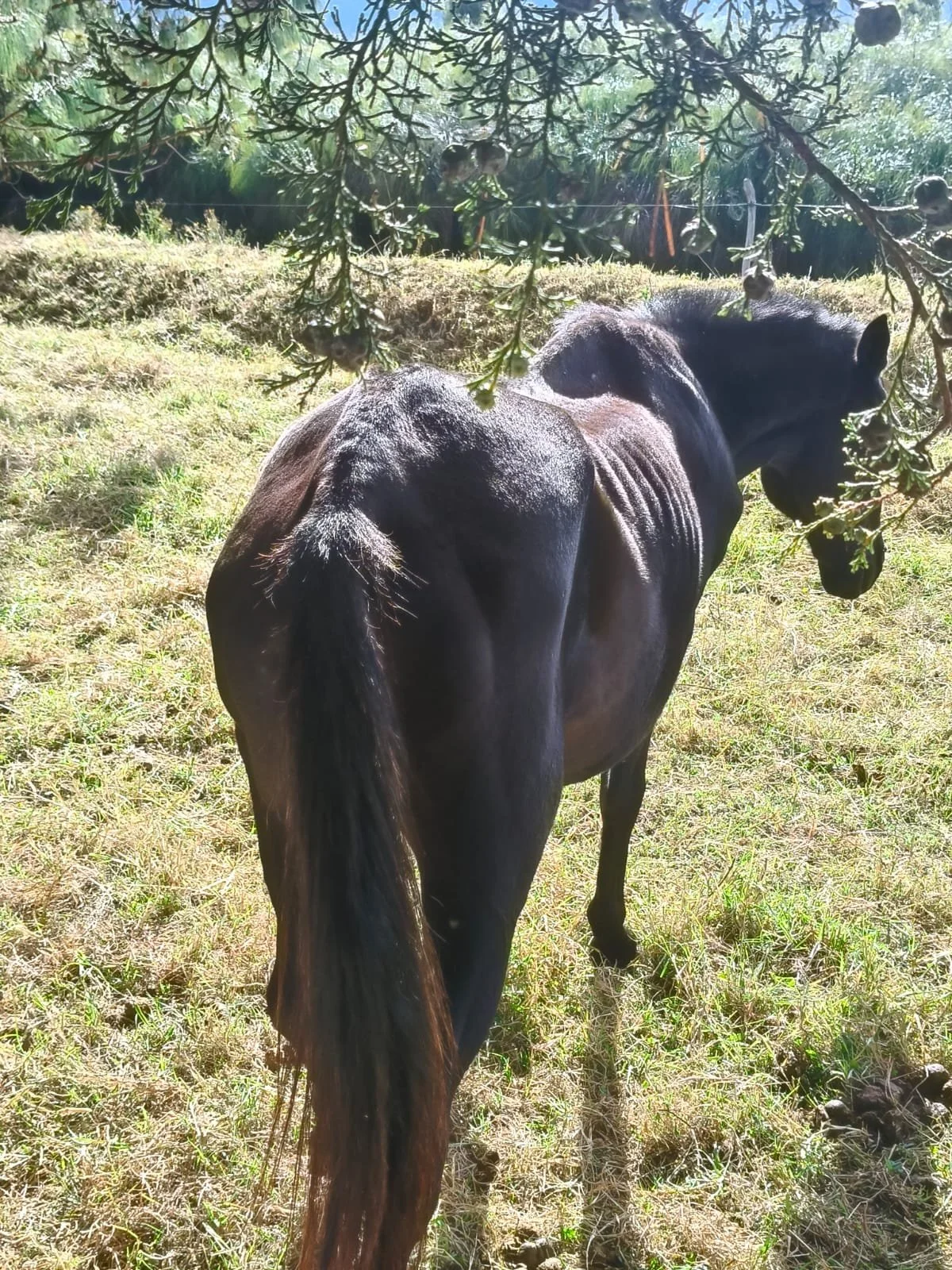
The team found six further horses on a rented plot with no remaining pasture, all severely emaciated and effectively starving. They required hoof care and basic dental care, and received vitamins and antiparasitic treatment.
Because the animals were starving, the team provided emergency hay, which is the appropriate first feed for starved equids, and advised gradual, controlled re-feeding to avoid complications.
The owner stated that she keeps the horses in this condition because of the El Niño phenomenon. Sadly, this case is the clearest field indication to date that the crisis is escalating from economic pressure into direct starvation of working animals.
Preventive medicine, owner education & recording
Across every holding, the team reinforced best-practice guidance on routine hoof care and scheduled farriery, tack fit and workload management, parasite control, and nutrition under conditions of scarcity.
Given the number of emaciation and neglect cases seen last month, we plan to adopt standardised body condition scoring at every clinic to closely monitor equine welfare.
Continued El Niño emergency response
The El Niño phenomenon continues to drive drought across Colombia, including the principal hay-producing regions, sustaining acute forage scarcity and keeping hay prices high.
What distinguishes October is that the crisis produced concrete, visible field evidence of escalation. In a single month and just one area, the team encountered two separate groups of severely neglected horses: seven abandoned animals and six starving ones.
Critically, the owner of the starving group attributed their condition directly and explicitly to El Niño. The crisis is no longer only pressure felt in the sanctuary's budget; it is now manifesting as the abandonment and starvation of working animals in the field. We regard these cases as an indication that conditions will likely intensify in the months ahead.
Namigni's mitigation strategy
Namigni continues to manage this through a two-tier capacity strategy. First, we maintain and develop a network of pre-vetted adoptive homes, so that healthy equids who are surrendered or abandoned can be relocated directly without consuming sanctuary resources. Second, this deliberately reserves Namigni's finite intake capacity for the most critical, non-placeable cases: emaciated, injured or otherwise compromised animals requiring intensive rehabilitation.
In October, this was extended by direct in-field emergency support, namely the provision of emergency forage to starving animals together with owner counselling. This strategy buys time for animals where immediate removal is neither possible nor, on its own, a solution.
Forward outlook
Conditions are projected to deteriorate before they improve, and the October neglect cases are most likely a leading edge rather than isolated incidents.
Sustained AAA support is critical to maintaining the mobile clinic, in-field emergency feed responses, and the reserved intake capacity that these converging climatic and economic pressures demand.
Sanctuary update: rescued equines & Spanish fighting bulls
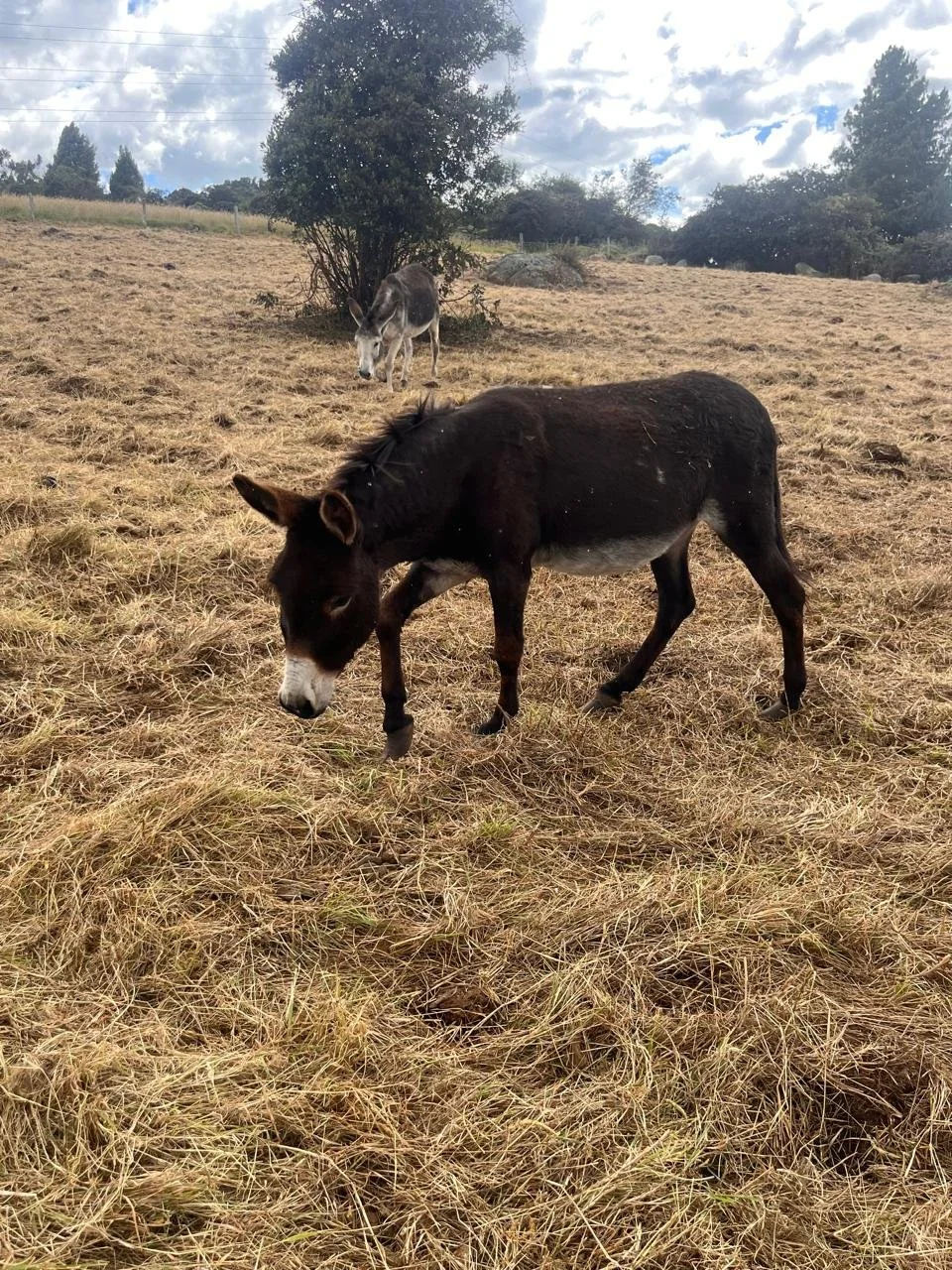
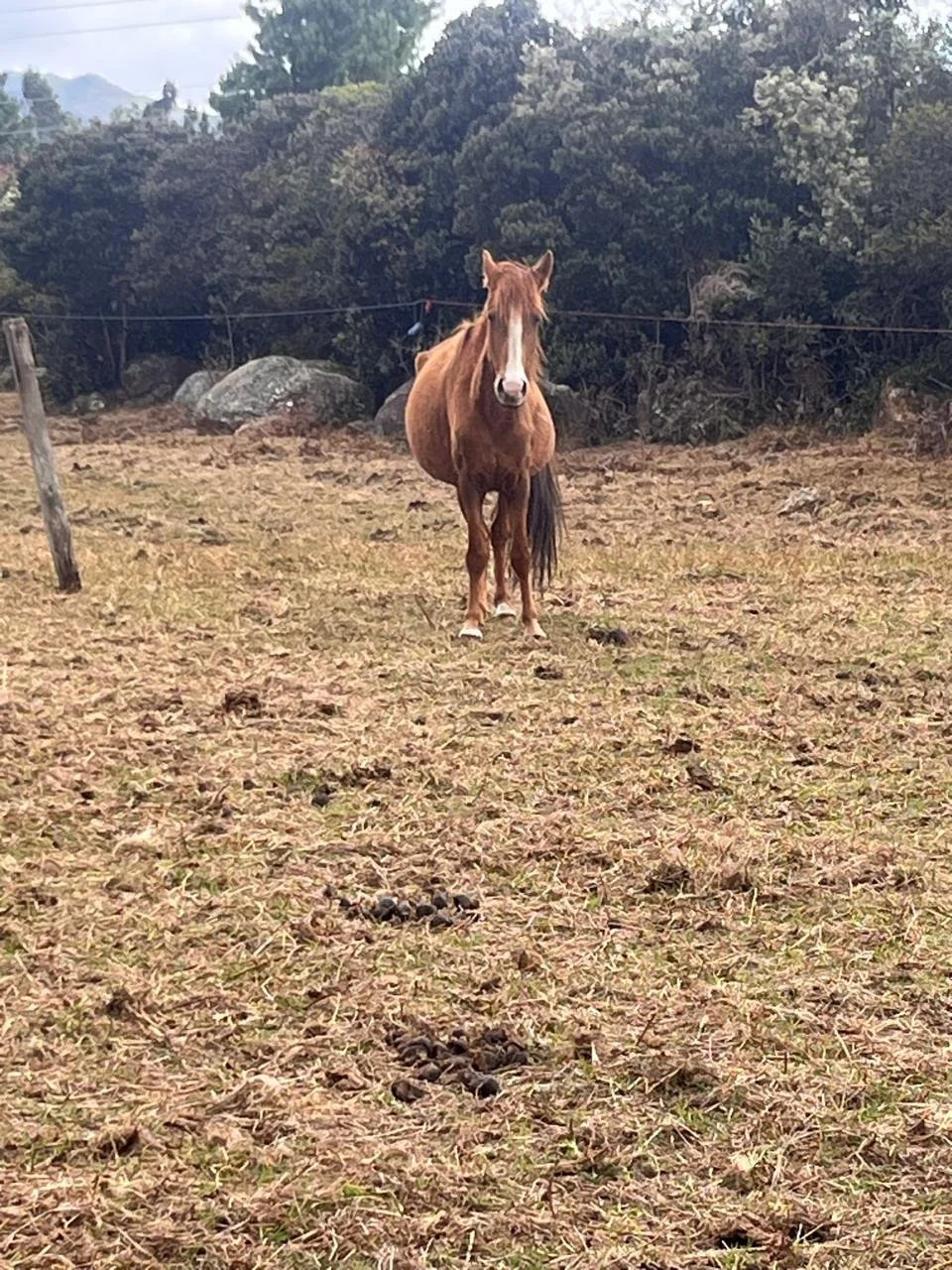
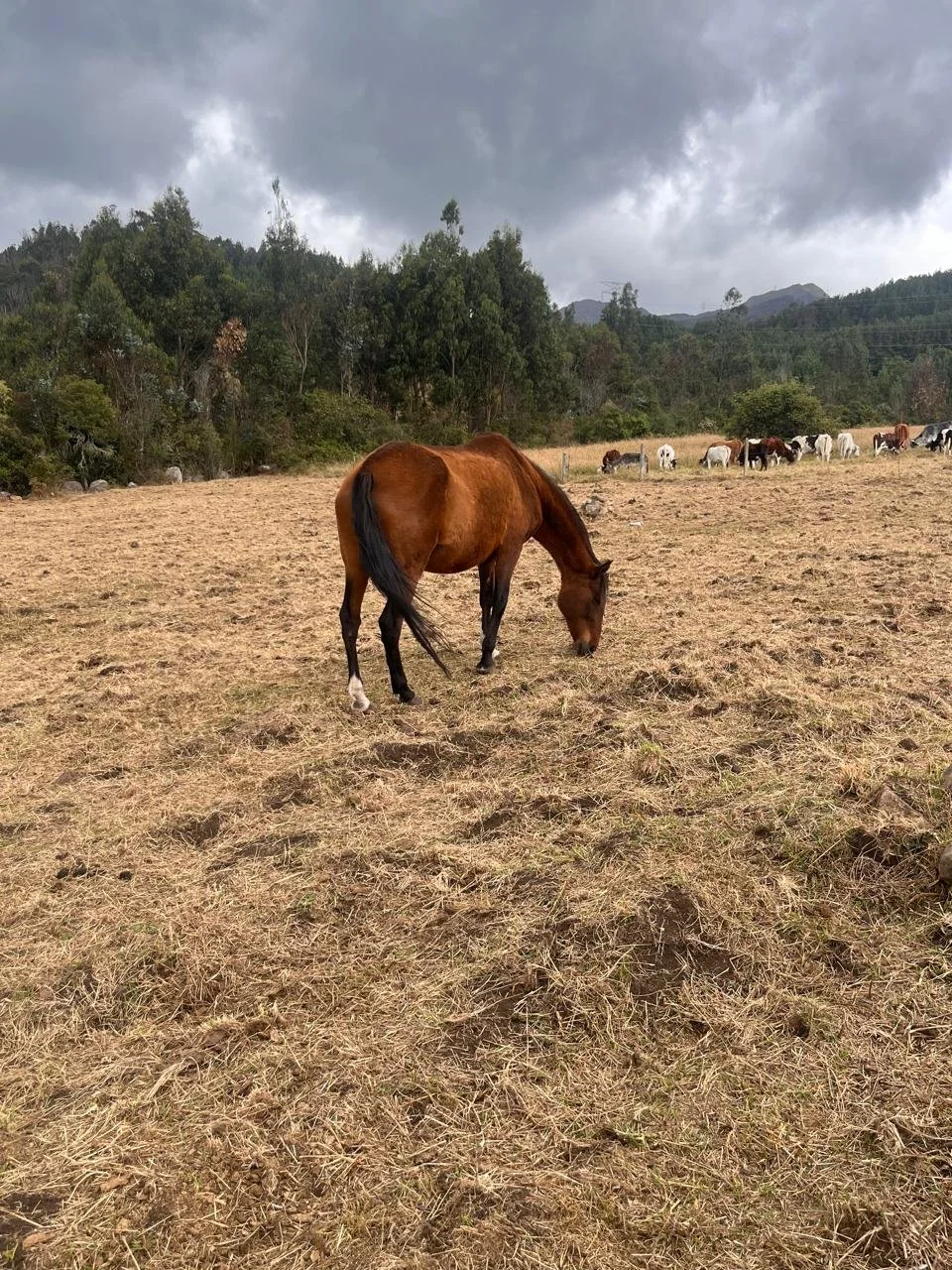
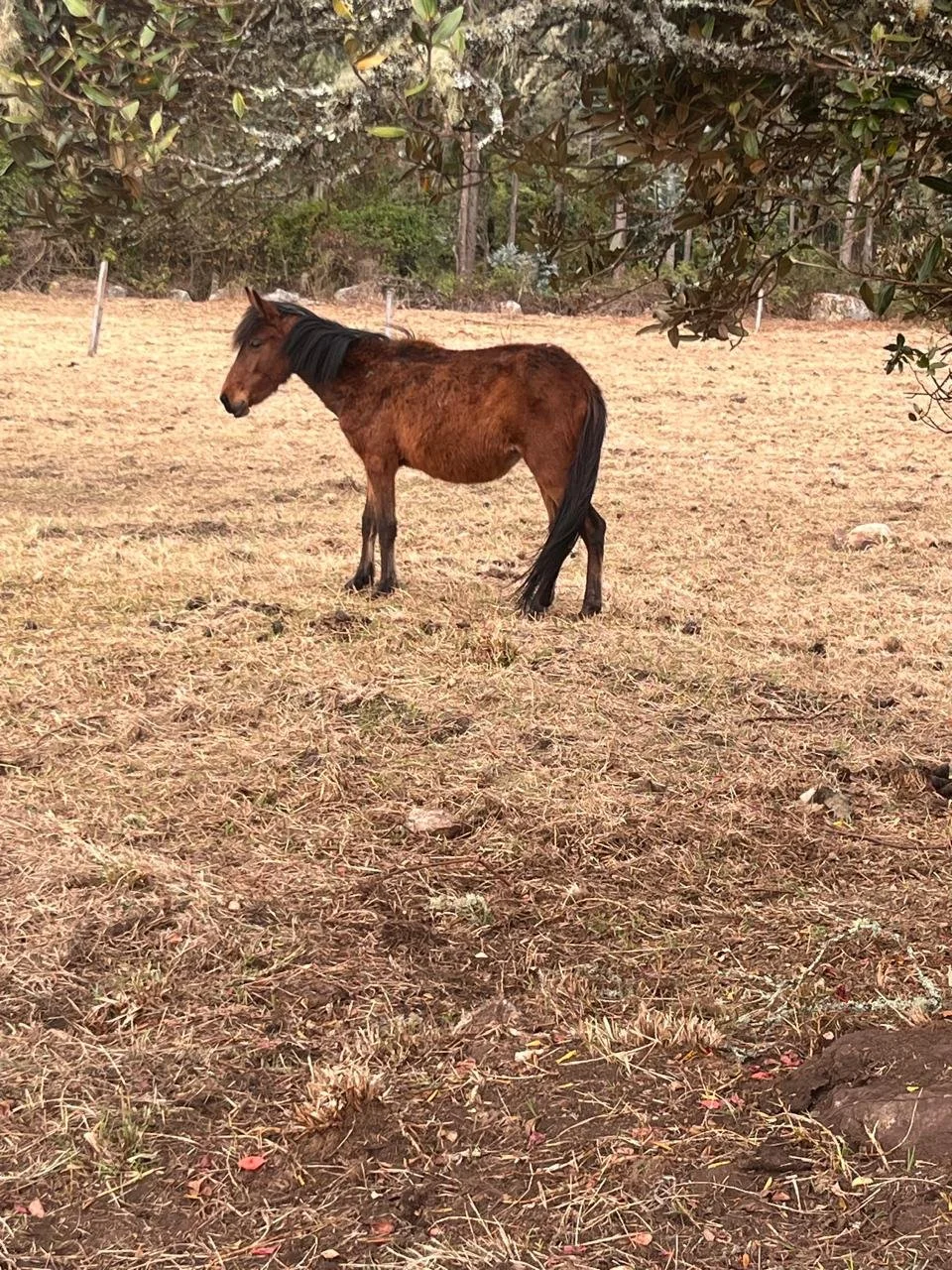
Rescued working equids
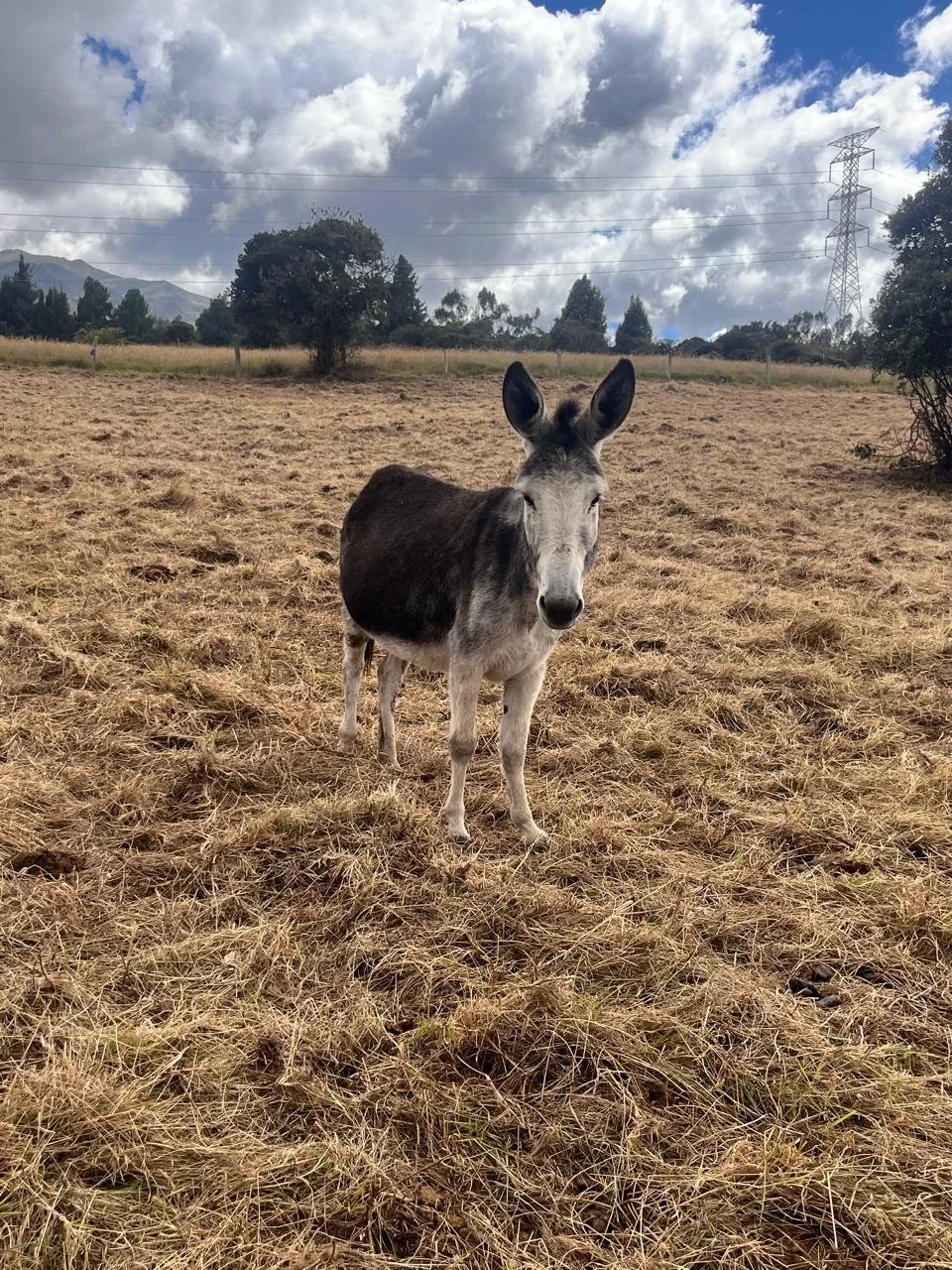
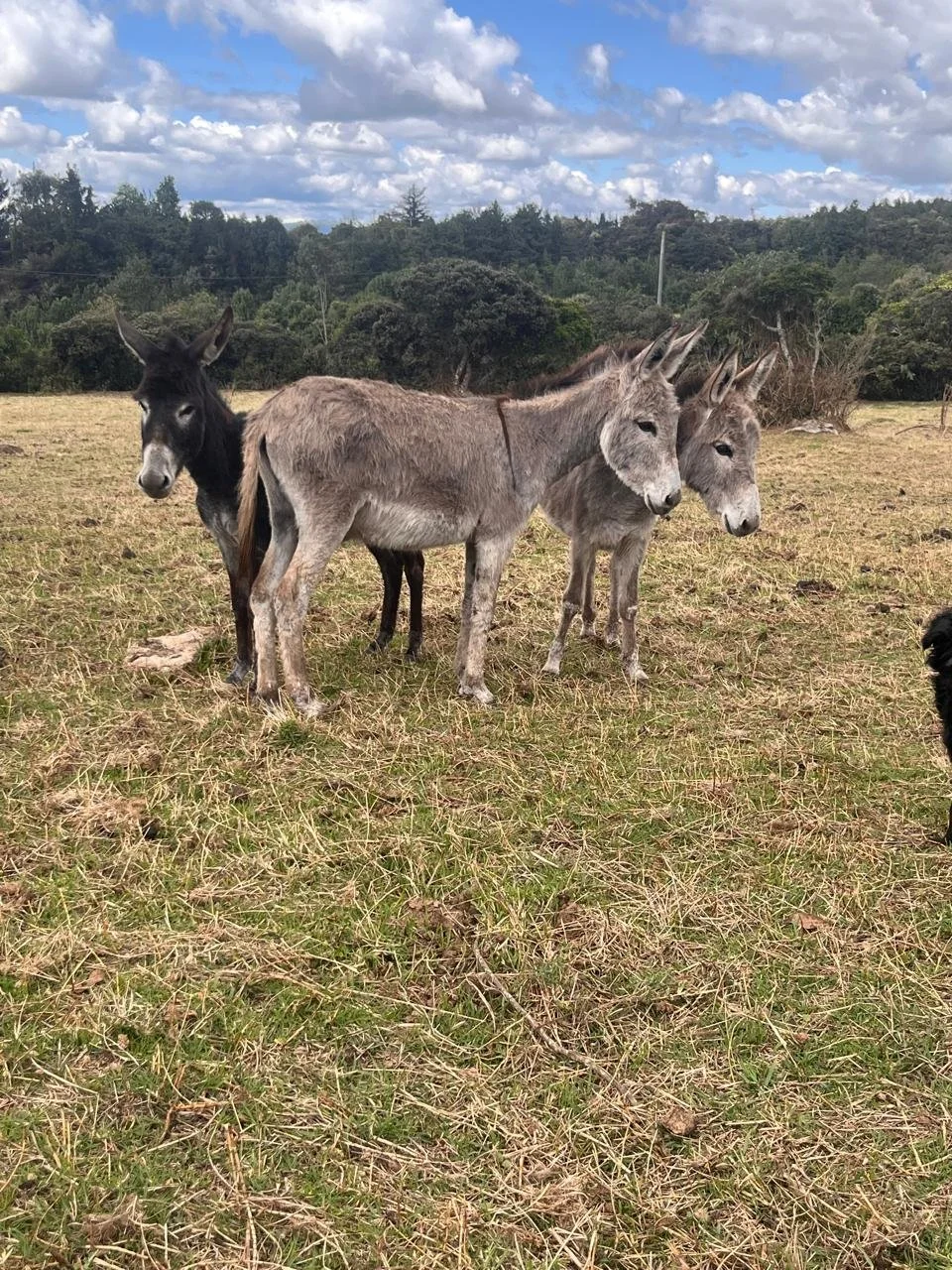
Throughout October, the rescued equine herd remained stable, with body condition maintained. El Niño-driven feed-cost pressure persists and continues to constrain how far supplementation can be scaled, but no significant adverse change was recorded during October.
Spanish fighting bulls and cows (AAA program)
The herd of rescued Spanish fighting bulls and cows continued to do well, maintaining stable body condition. The program requires ongoing vigilance on nutrition and welfare given sustained feed costs, but the animals remained resilient and settled through the month.
Conclusion
October was defined less by the routine clinic than by what the month revealed. The El Niño crisis is beginning to produce visibly starving and abandoned working horses, with at least one owner naming the drought as the direct cause of her animals' condition. Encountering two separate groups of severely neglected horses was a meaningful signal that the situation is escalating from economic pressure into direct animal suffering.
Against this backdrop, sanctuary operations remained steady, with the rescued equids and the herd of Spanish fighting bulls and cows in a stable condition.
Your continued support remains essential as the drought crisis deepens, and the demands on both our mobile clinic and the sanctuary's emergency capacity continue to grow. Thank you for caring about these vulnerable animals in Colombia.