Maun Animal Welfare Society (MAWS) in Botswana recently treated a number of seriously injured, neglected or mistreated equines. This included a donkey who had been burnt, a donkey with severe rope and wire wounds, a horse injured by a wire snare, and a stolen donkey who was abused. Despite these confronting cases, all the animals were successfully treated and are now recovering from their traumatic experiences thanks to the caring MAWS team.
Summary
During July, MAWS completed day-to-day case work rather than a scheduled outreach clinic. We treated a series of injured, neglected or mistreated donkeys and horses who were either brought to us or found in surrounding villages.
Several animals — including a burnt donkey, a donkey with severe rope and wire wounds, and a horse freed from a wire snare — remained in our care at the farm for daily treatment.
Last month also included the theft and recovery of a rescued donkey, Lucky, resulting in a police case now before the Kgotla (traditional law court).
Stories of Animals Treated
1. Burn injury — male donkey
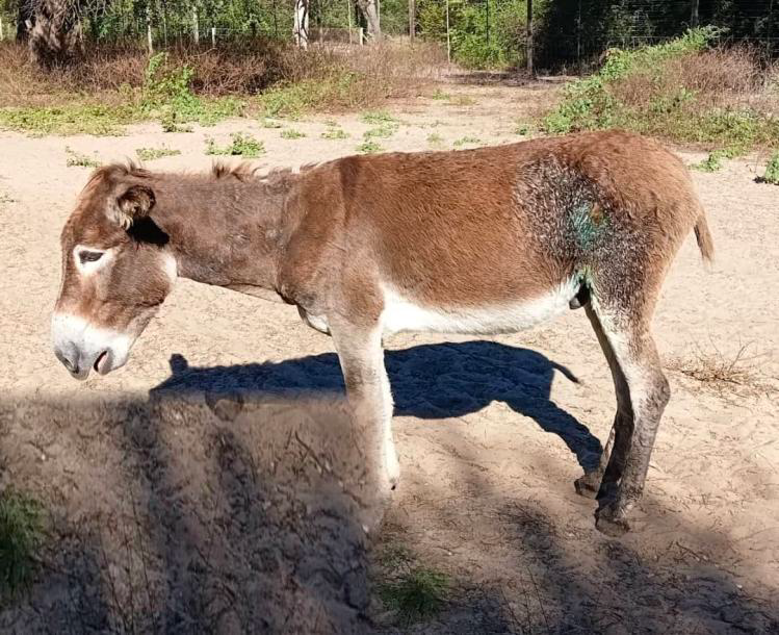
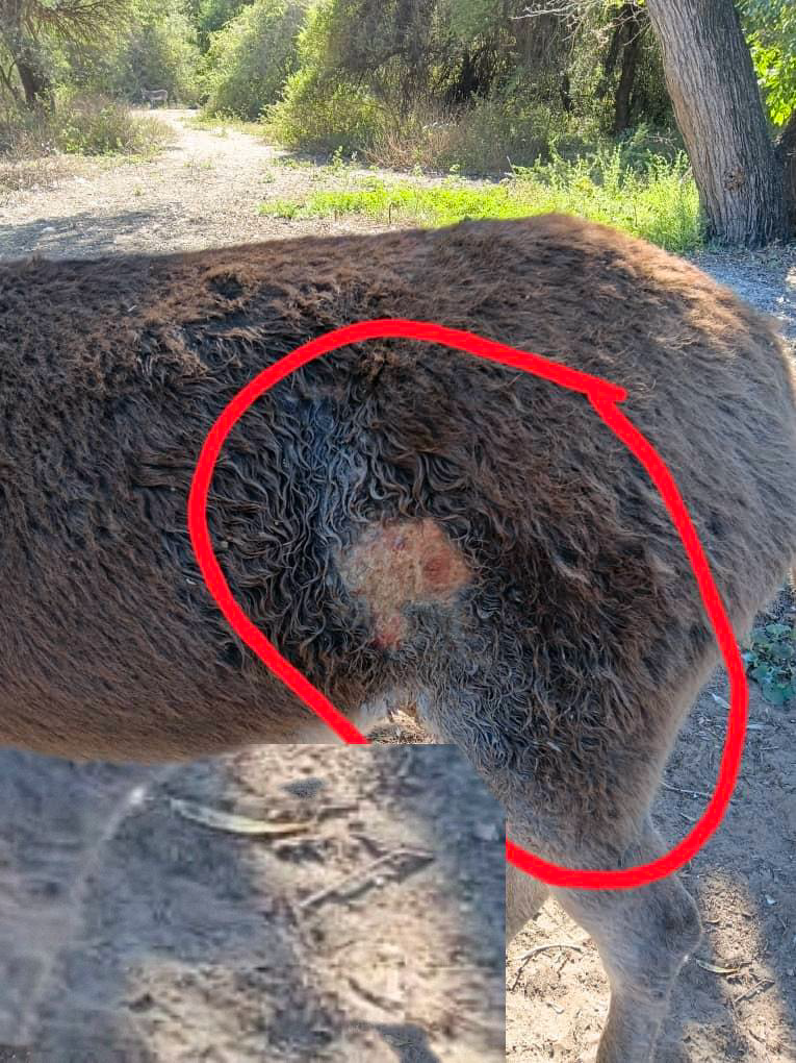
A male donkey was brought to us after being burned with boiling water on his left side. We treated the affected area with cool running water and gave him painkillers and antibiotics. Once the burnt hair came away, we continued treatment with Agrisulp ointment until the wound had fully healed.
2. Rope and wire wounds — male donkey
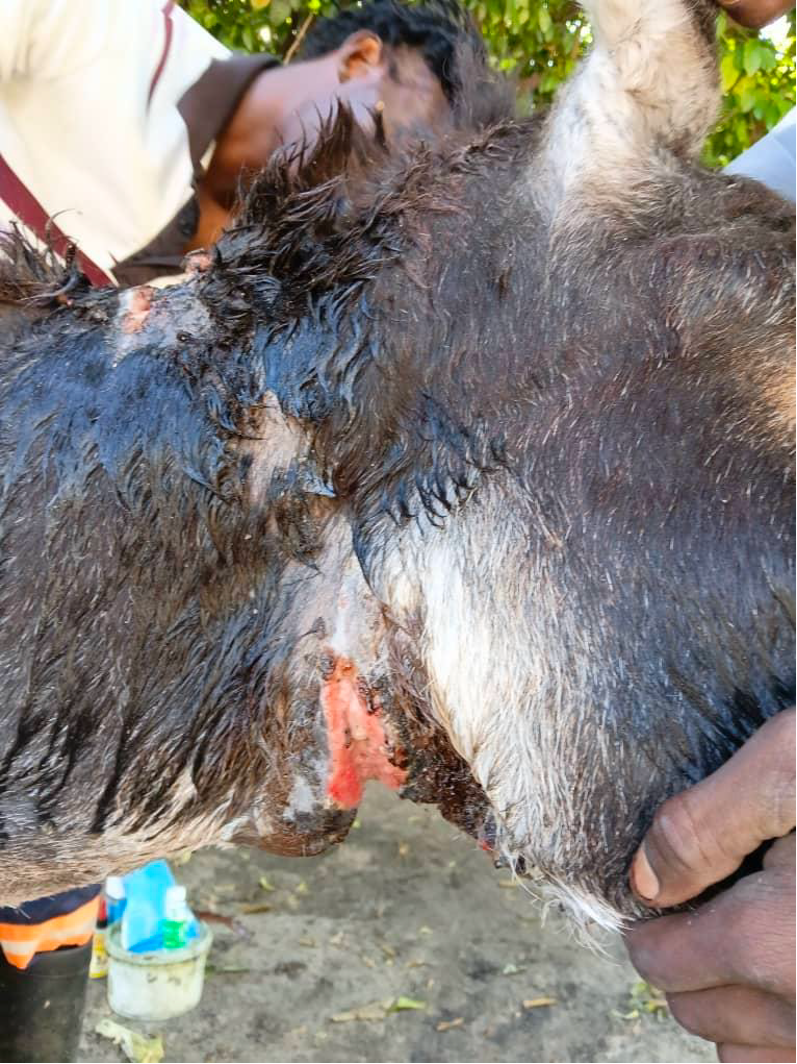
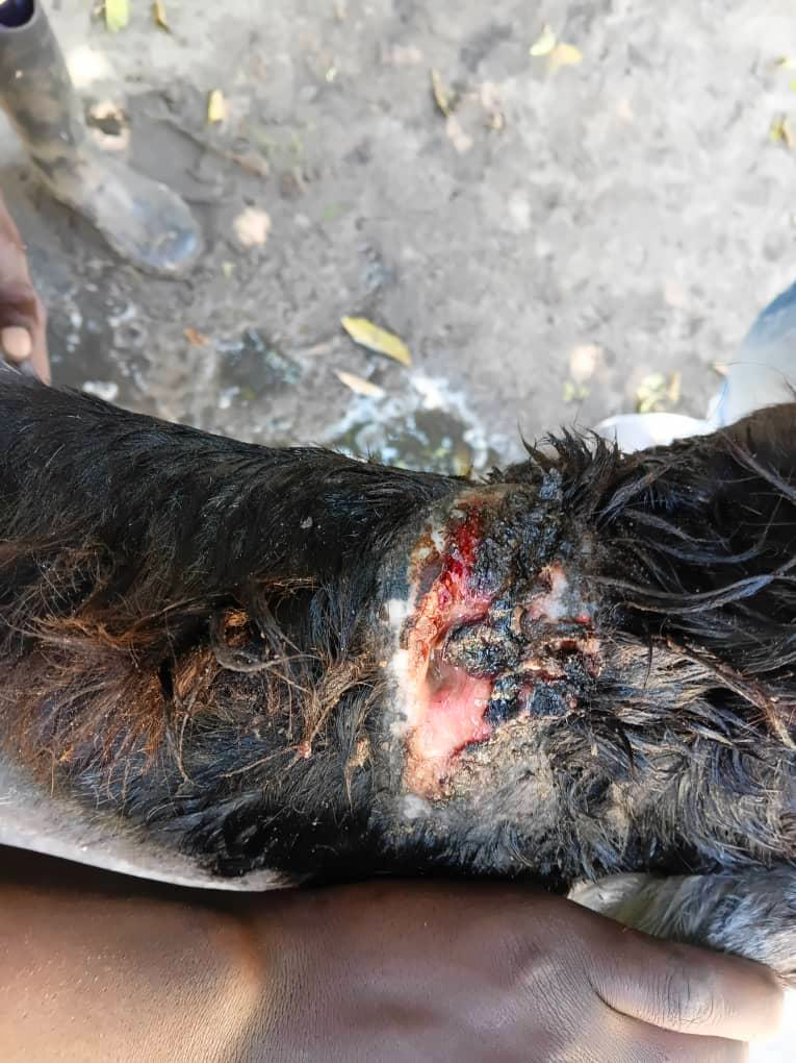
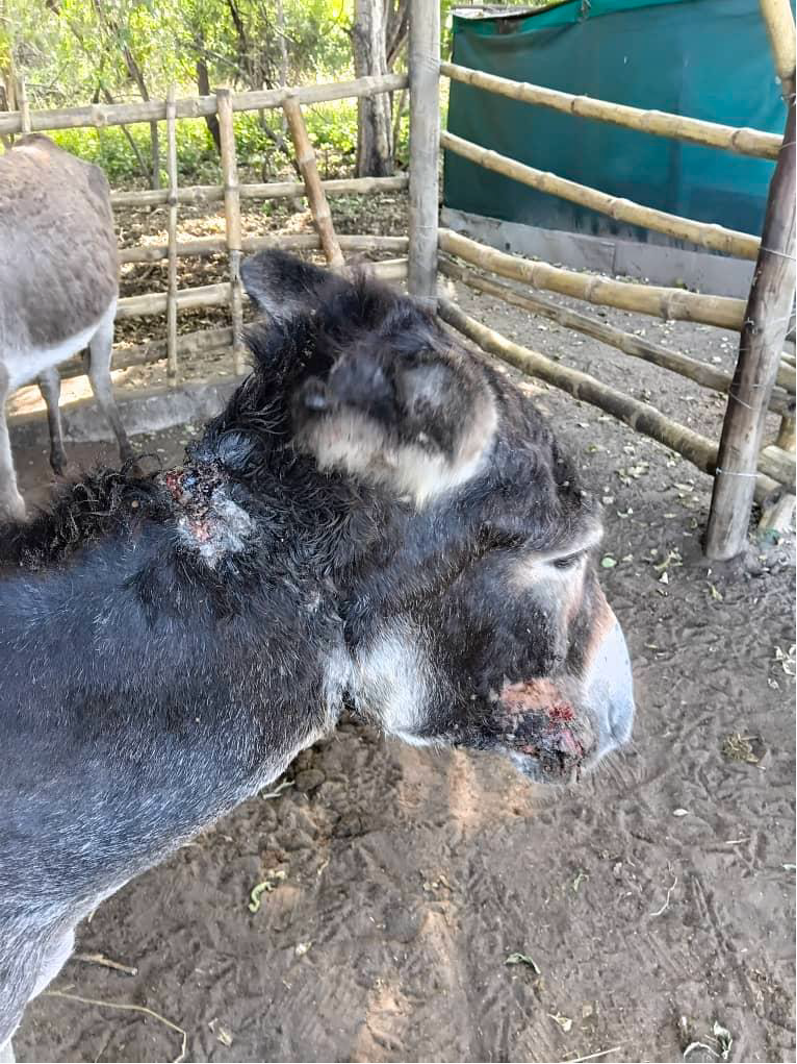
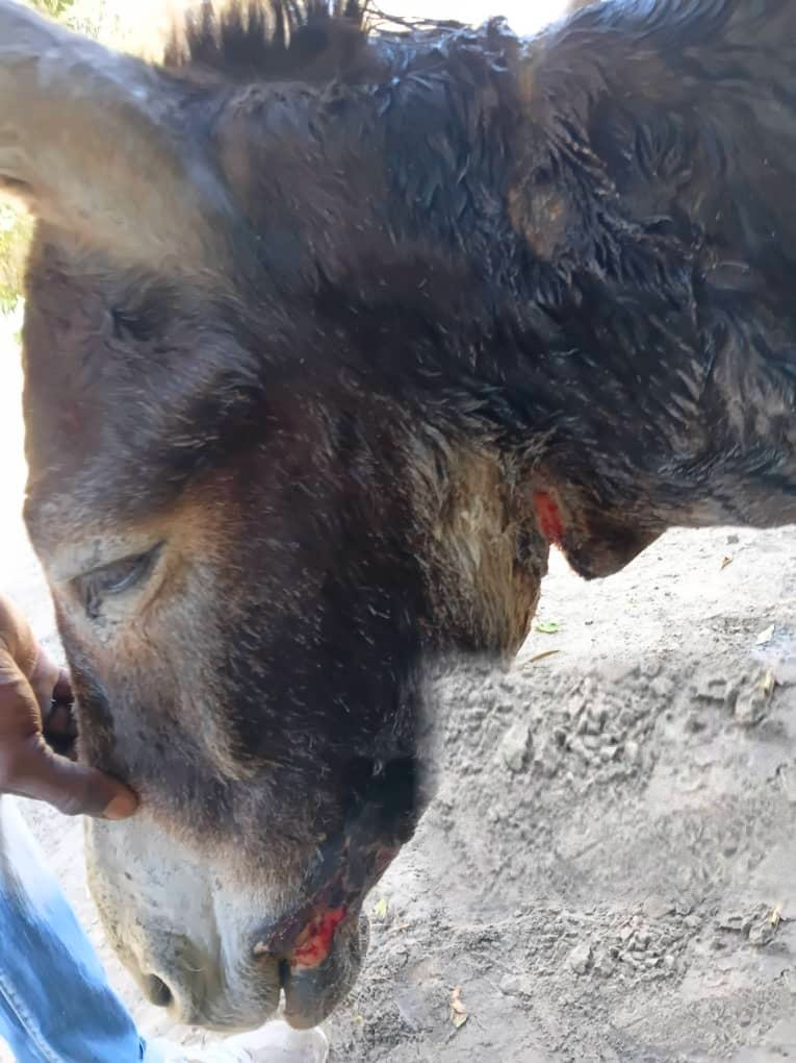
A donkey arrived at MAWS with severe wounds to his neck, throat and mouth caused by nylon rope and wire. He had been stolen from his owner and after several days, the owner found him in another village, tied up and tangled in the rope, with wire caught in his mouth.
He brought the donkey to us for help. The wounds were infected and had a strong odour. We administered antibiotics and painkillers, and washed the wounds daily with salt water and wound oil, then covered them with a turmeric mixture.
As the wounds dried out and became shallower, we switched to a wound spray. The wounds eventually fully healed, and the owner collected him after six weeks of treatment at our farm.
3. Deworming and wound care — 10 horses
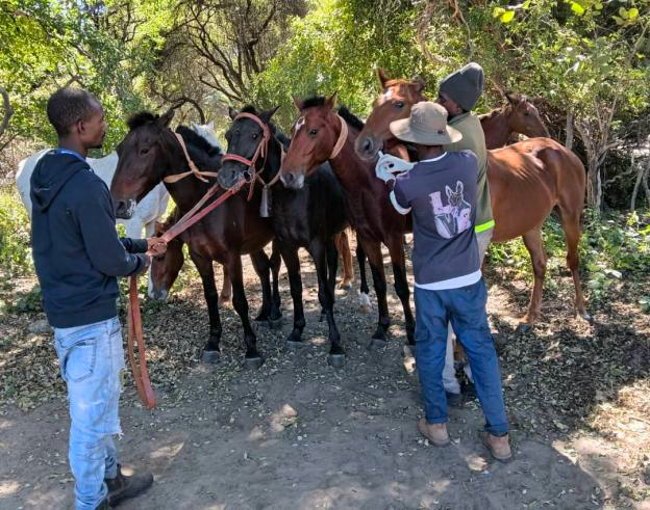
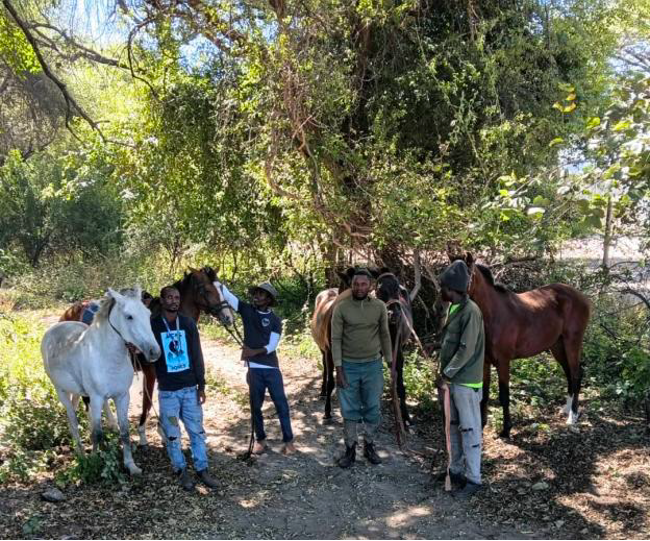
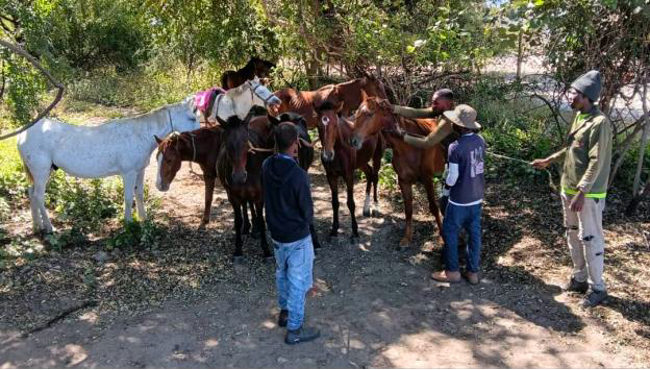
Ten horses were dewormed, and also treated for saddle and hobble wounds. Most wounds had already scarred over, with only a few fresh injuries remaining.
We advised the owners against hobbling their horses, and against riding a horse while a saddle is causing a wound.
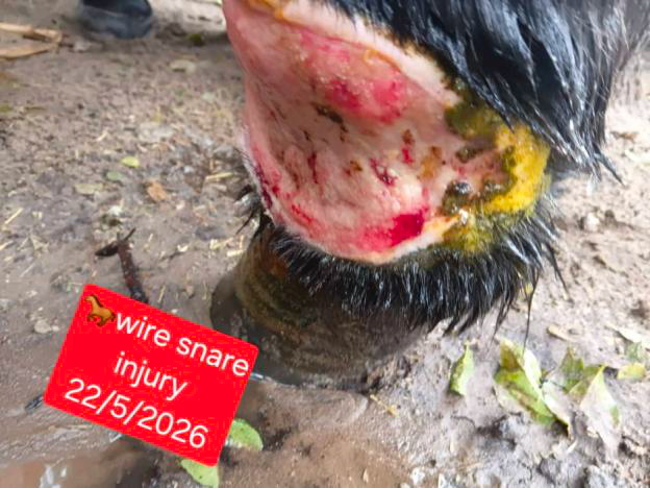
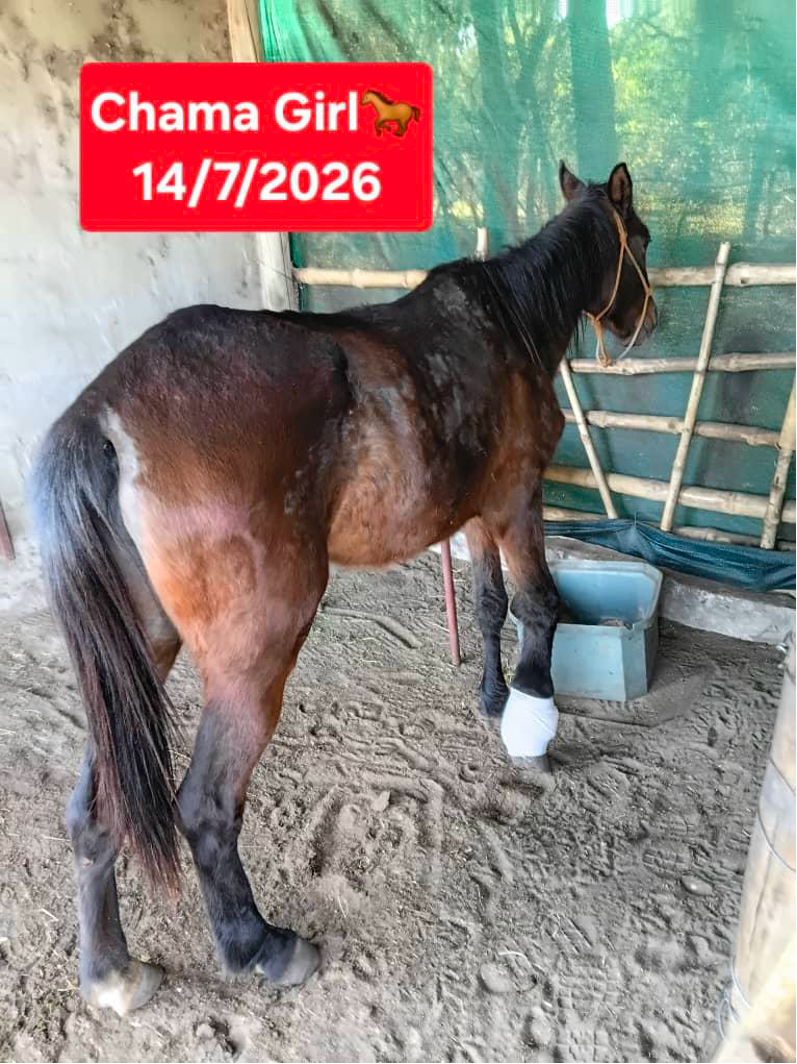
4. Charma Girl — female horse with severe wire snare wound
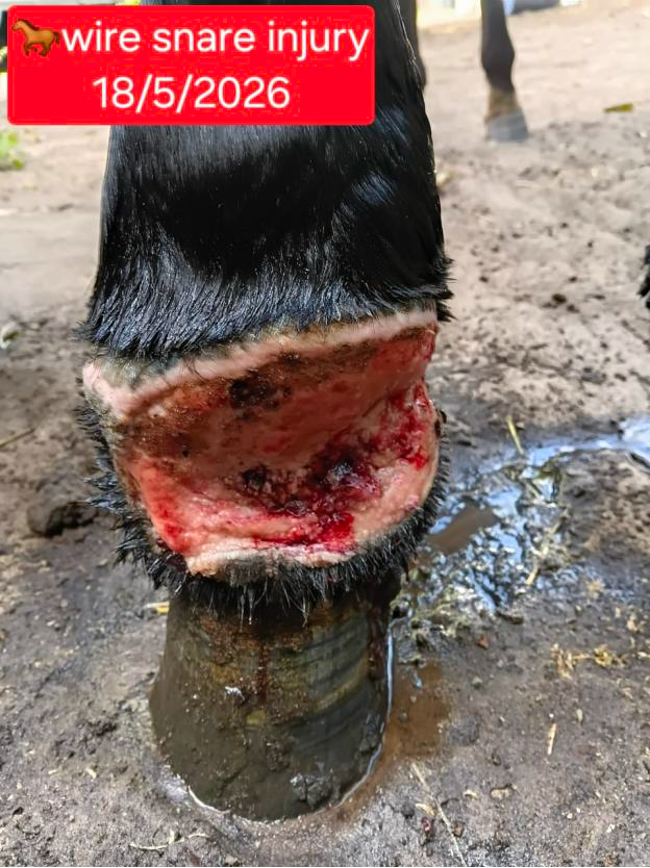
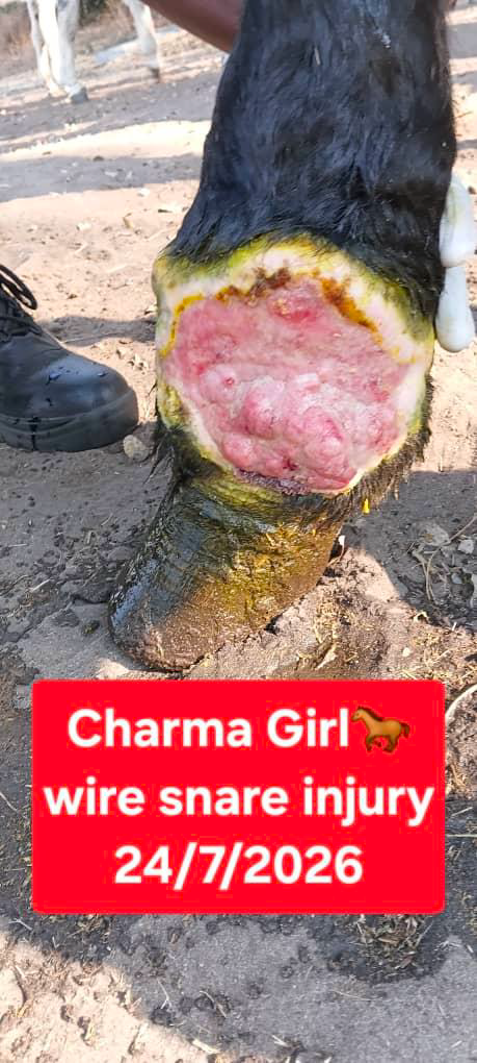
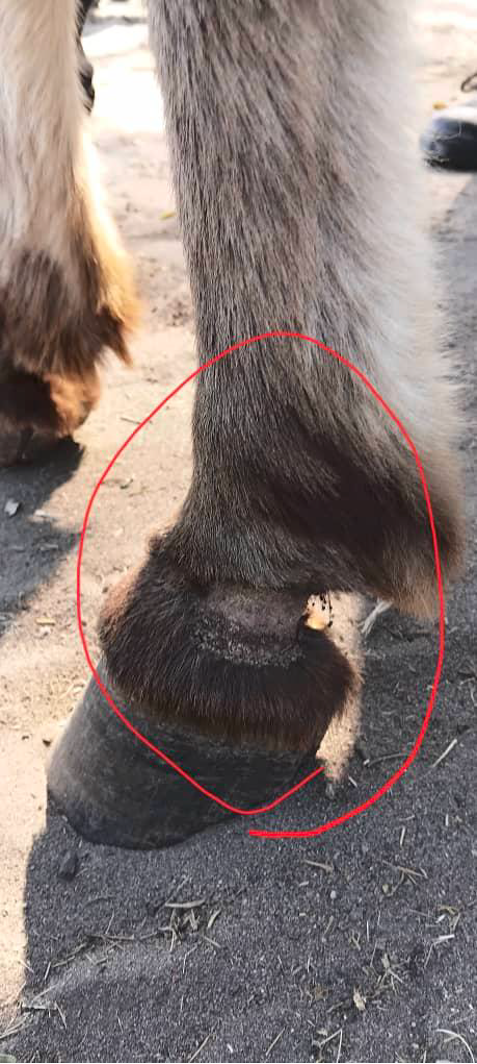
Charma Girl came to us in May with a large, infected and swollen wound on her right front leg, caused by a wire snare. We treated her with antibiotics, painkillers and daily dressing changes until the end of May.
She arrived very underweight and with a skin infection causing hair loss, but her condition steadily improved. From June onwards, we have dressed the wound each night with Agrisulp ointment mixed with aloe vera and bandaged it. During the day, it is left open to dry out. The wound has continued healing steadily, and she now runs freely with no sign of lameness.
Charma Girl did not trust people when she first arrived, but we have slowly earned her trust. She now allows us to trim her front hooves, though she is still not comfortable having her back feet handled, so we are continuing to work on this. She enjoys the attention we give her and is groomed daily. She now recognises and responds to her name, and remains in our care.
5. Atlas — male donkey with rope injury
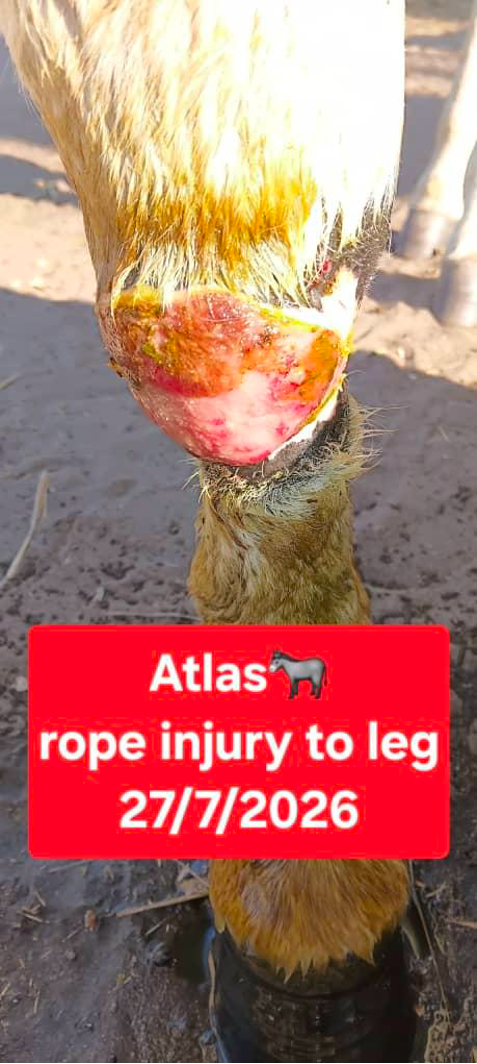
Atlas sustained a nylon rope injury to his right front leg, resulting in proud flesh. We are treating the wound daily with a turmeric mixture.
6. Lucky — male donkey subjected to theft and branding
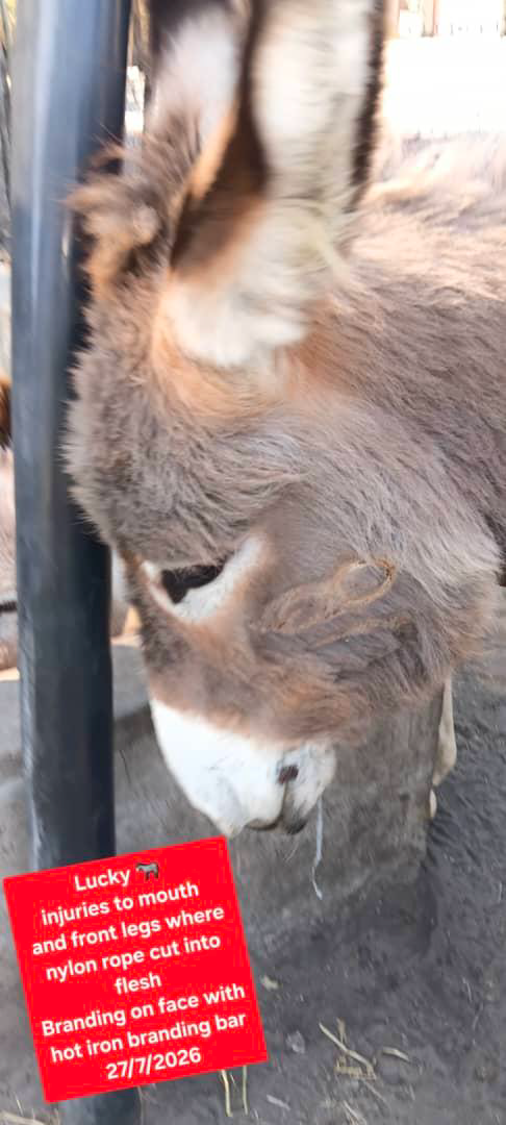
Lucky - a male donkey rescued in September 2022 - was stolen by a group of young boys on 21st July. They took him to the nearby village of Xaugha, where the thieves branded him on the left side of his face and his left shoulder.
Our team searched for him for a full week and found him 26th July. A police case was opened and the thieves were arrested; the matter now goes before the Kgotla (traditional court) for further action.
Lucky was very stressed by the ordeal, but within a day or two of being back with us he seemed to realise he was safe again. We are treating the brand wounds with povidone ointment.
7. Female donkey — foot caught in litter
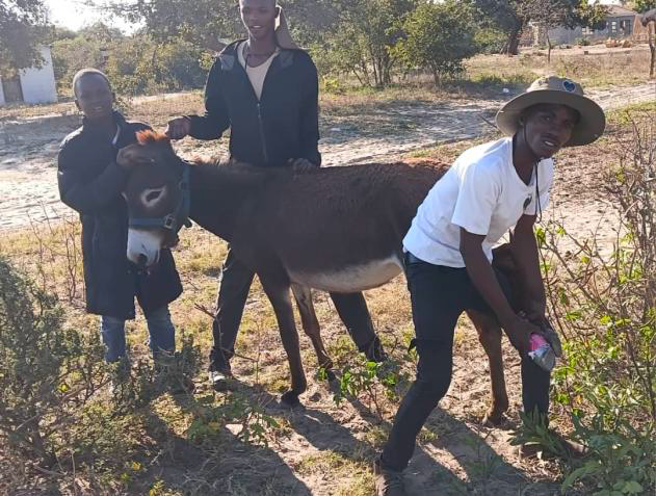
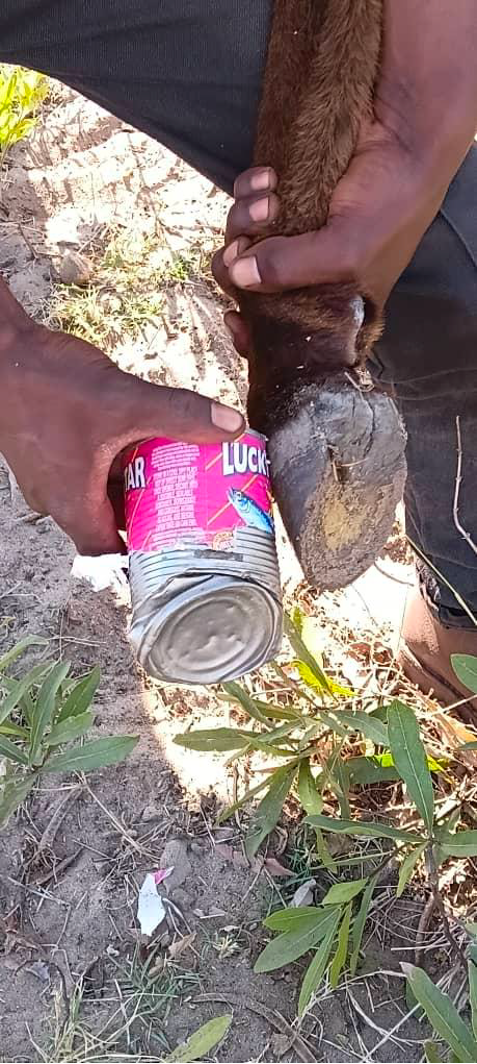
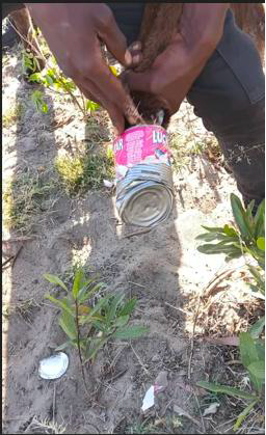
While out searching for Lucky, we found a female donkey in the village with a tin stuck on her left hind foot. We were able to remove it before the foot became swollen, and there was no wound.
This kind of injury is a direct result of littering in the area.
8. Horse freed from loose fence wire
On 30th July, we helped a horse who had become caught in loose wire from a plot fence. We found him just in time, before he could injure himself seriously, and cut him free using side cutters and pliers.
There was no wound, only mild swelling. Our farrier, Thomas, massaged the leg and the horse recovered fully with no lameness.
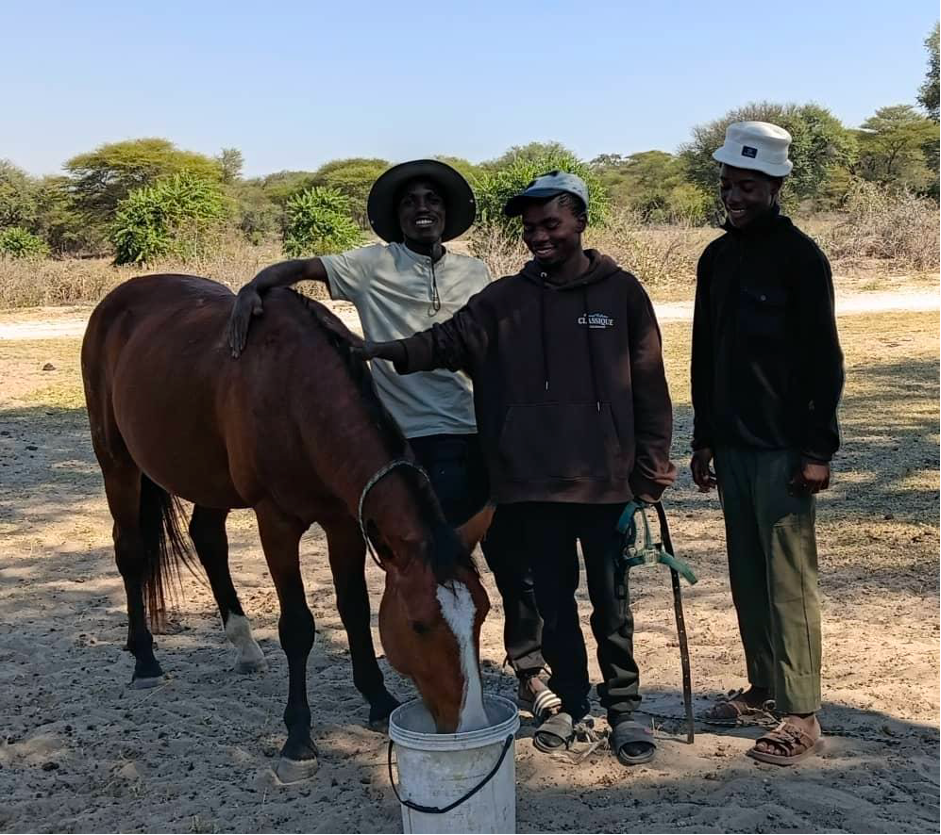
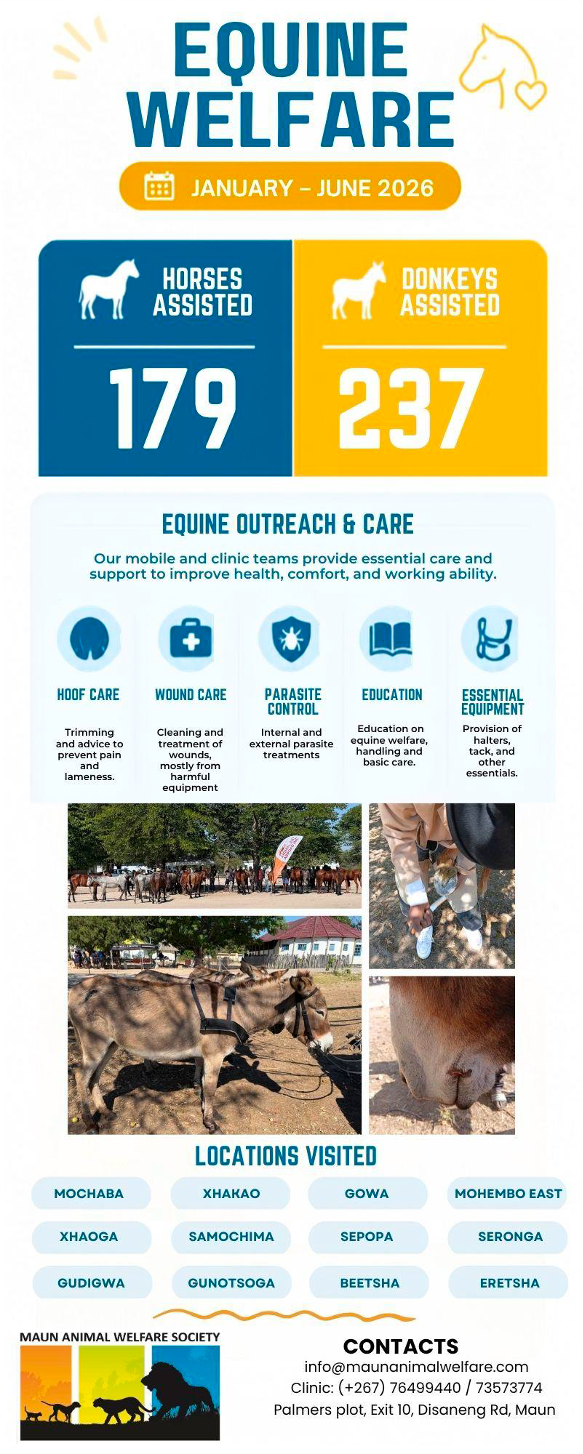
Six-Month Equine Welfare Snapshot (January – June 2026)
The infographic below summarises MAWS's equine outreach and care across the first half of 2026, including horses and donkeys assisted, range of care provided, and the locations we visited.
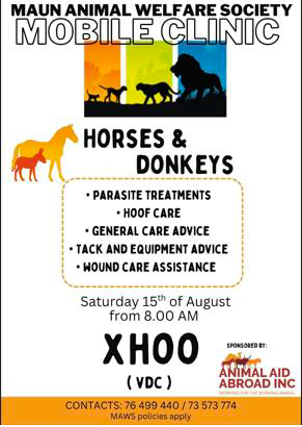
Future Outreaches
MAWS has two outreaches planned for August. Xhoo - taking place on 15th August - is a dedicated equine outreach day covering parasite treatments, hoof care, general care advice, tack and equipment advice, and wound treatments for horses and donkeys.
Tsutsubeca - being held on 22nd August - will be a combined outreach event for both companion and working animals. It will include spay and neuter, vaccinations, parasite treatments and general health checks for dogs and cats, alongside parasite treatments, general care advice, tack and equipment advice, and wound and hoof care for horses and donkeys.
With you by their side, MAWS will continue rescuing and treating equines who have been injured, neglected or mistreated within their community. Together, we are turning pain and trauma into healing and hope.