education & humane equipment improves welfare of equines in botswana
Thanks to your compassionate donations, Maun Animal Welfare Society (MAWS) in Botswana completed two remote outreach visits and provided veterinary care for 101 working equines during August. They noticed many animals now have fewer injuries caused by poor equipment due to their highly impactful program.
See how you are improving the lives and welfare of equines in Botswana:
Summary
In August, MAWS carried out two equine outreach visits: a follow-up visit to Xhoo, and a first-ever visit to the community of Tsutsubega.
Both outreaches were made possible through the support of Animal Aid Abroad (AAA).
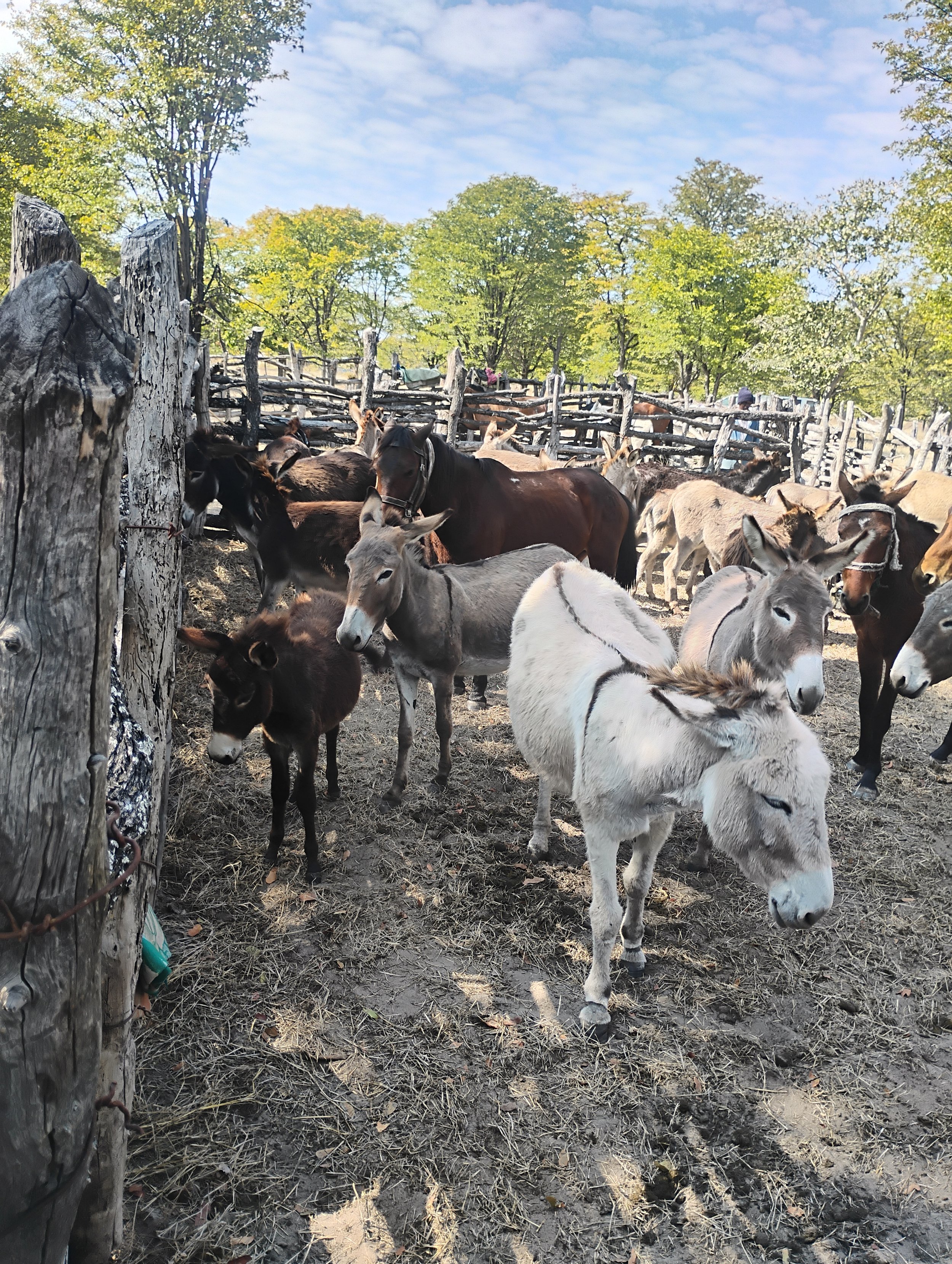
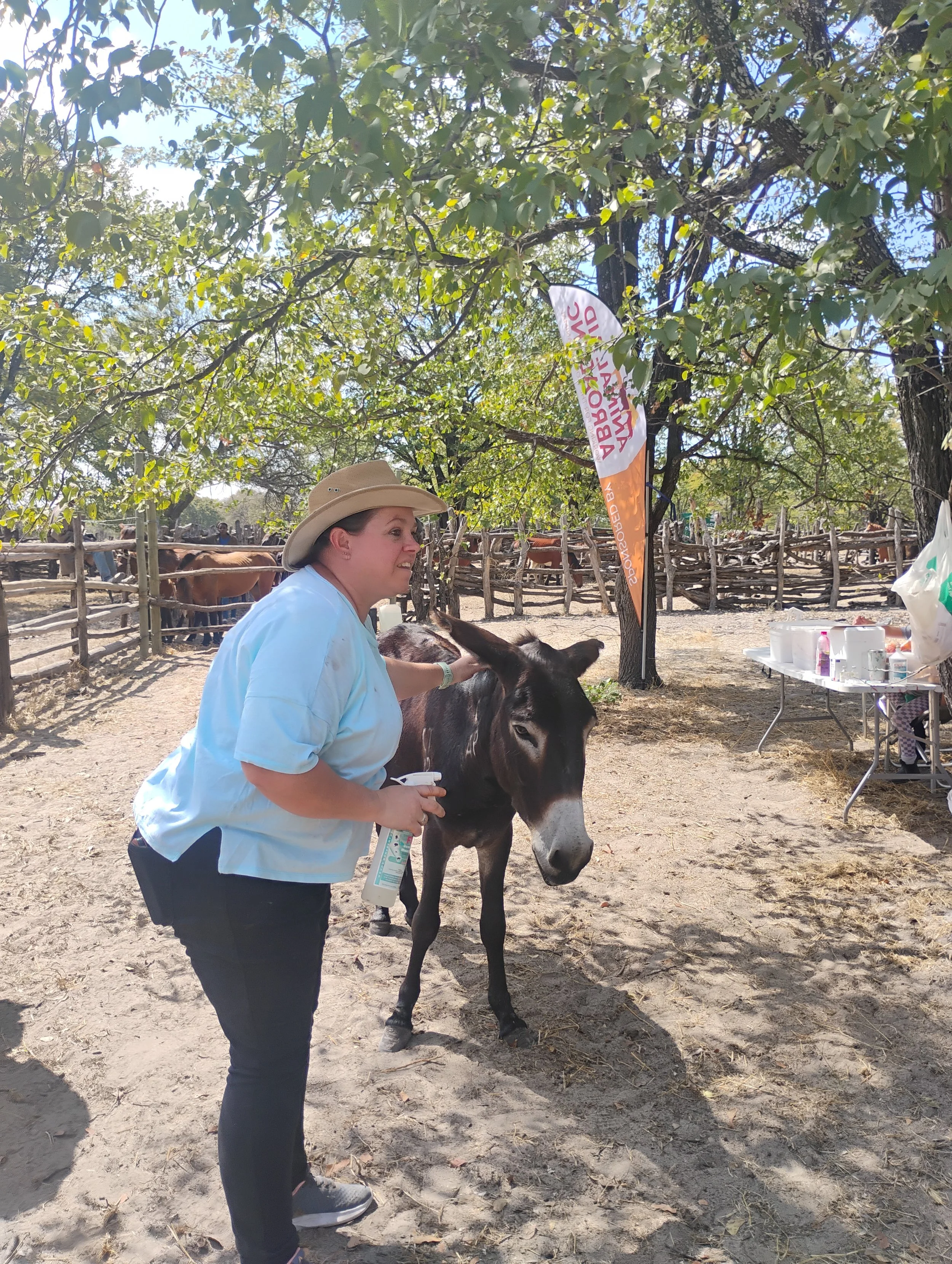
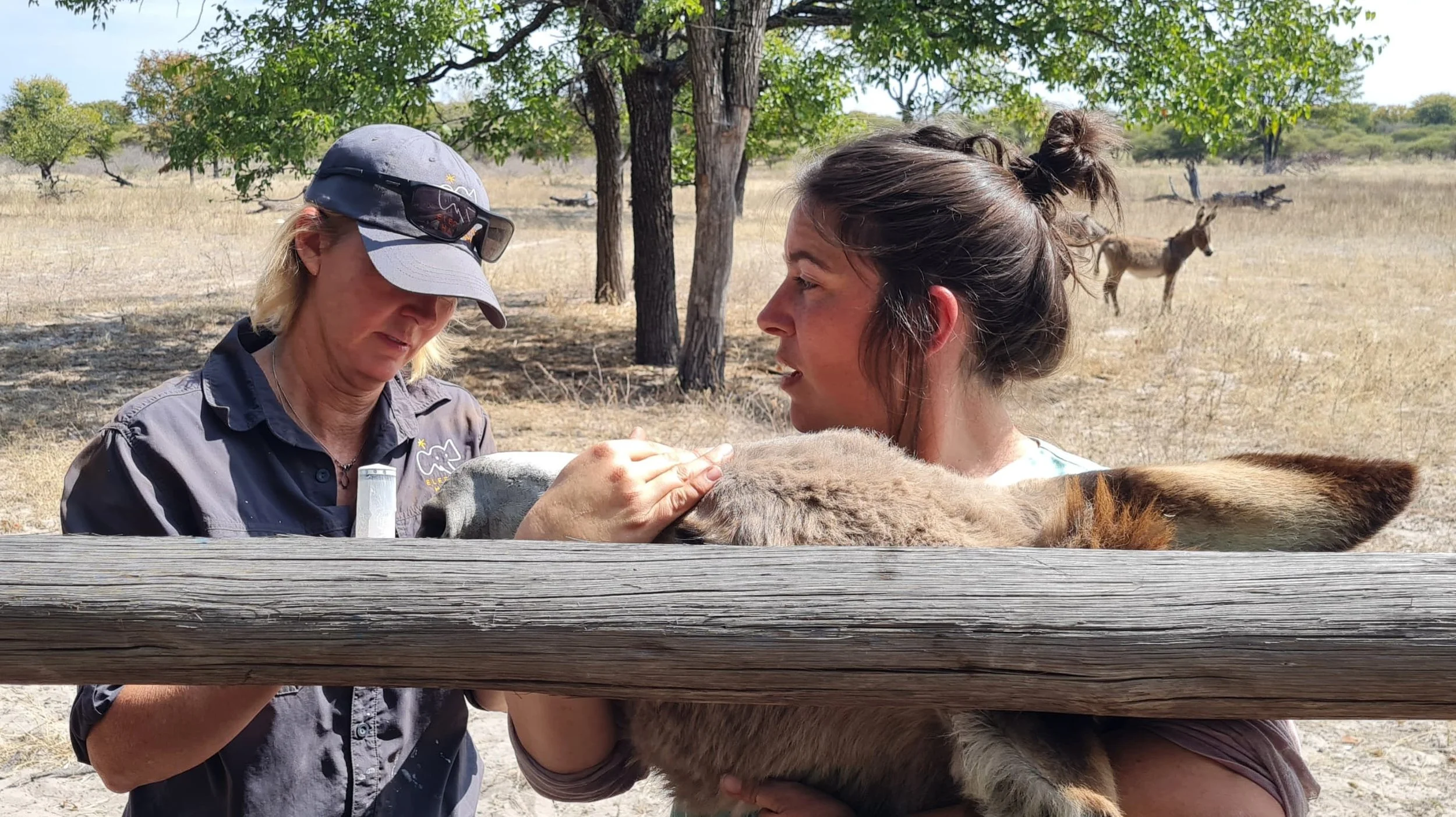
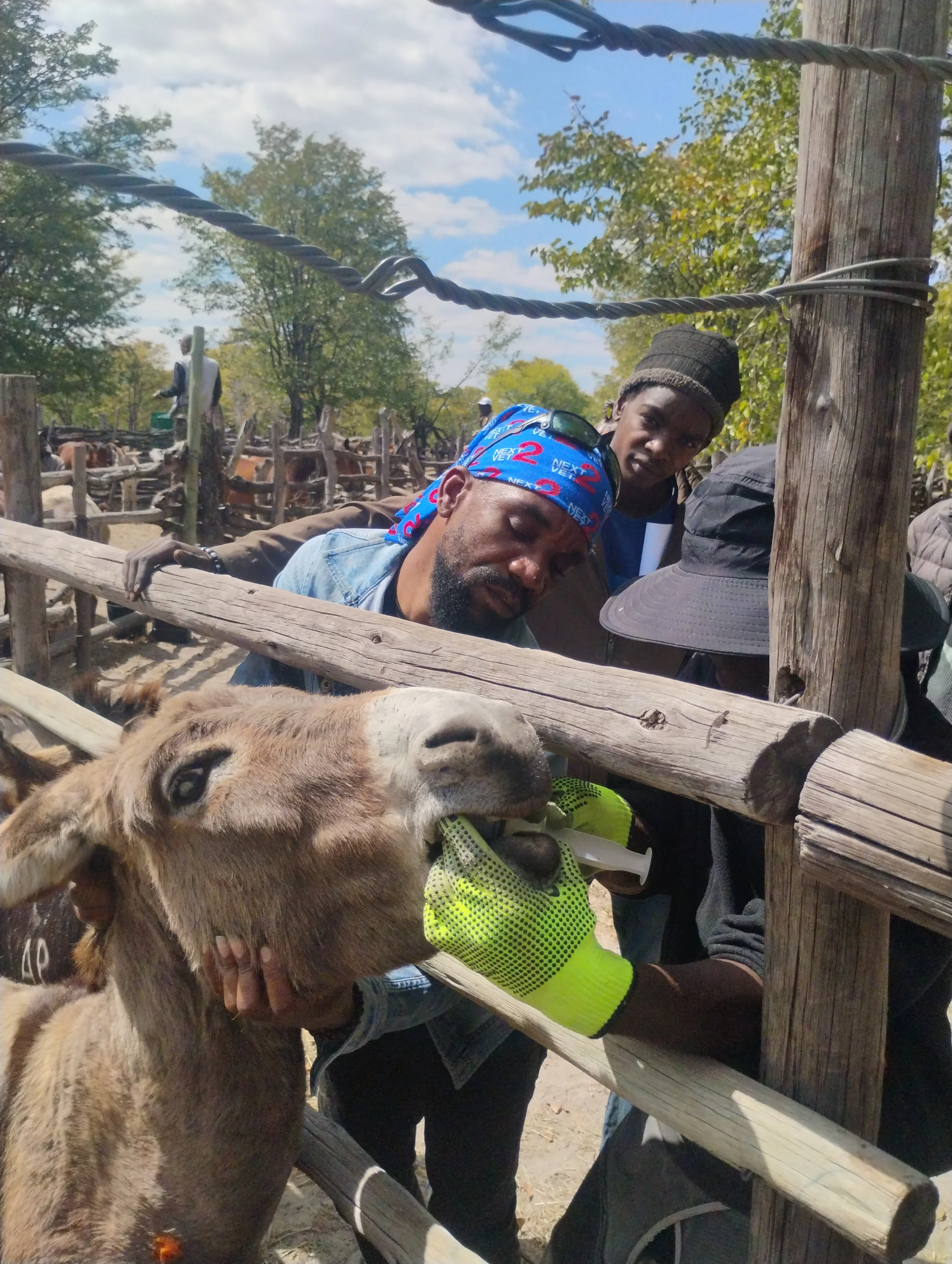
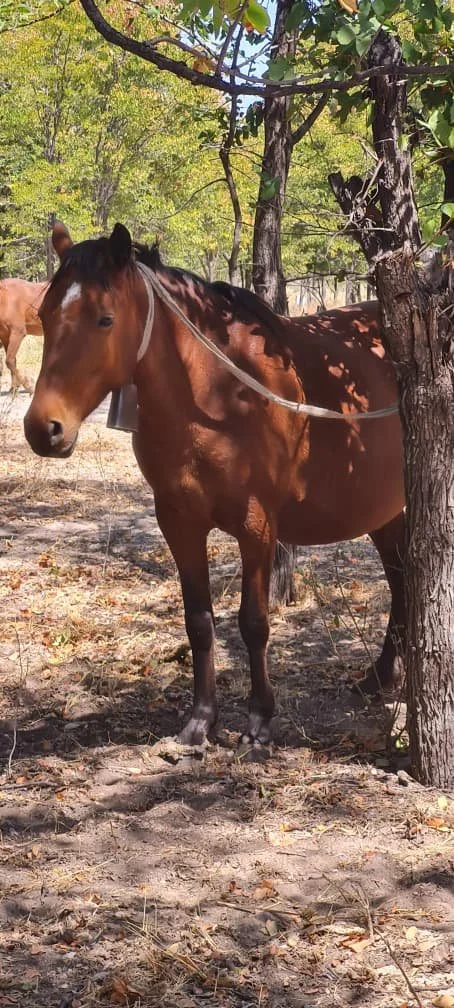
Across the two visits, MAWS provided veterinary care to 101 working equines — 28 horses and 73 donkeys — including deworming, tick treatment, wound assessment and treatment, hoof trimming, pain relief and antibiotics where needed, and equipment assessments.
Xhoo Outreach
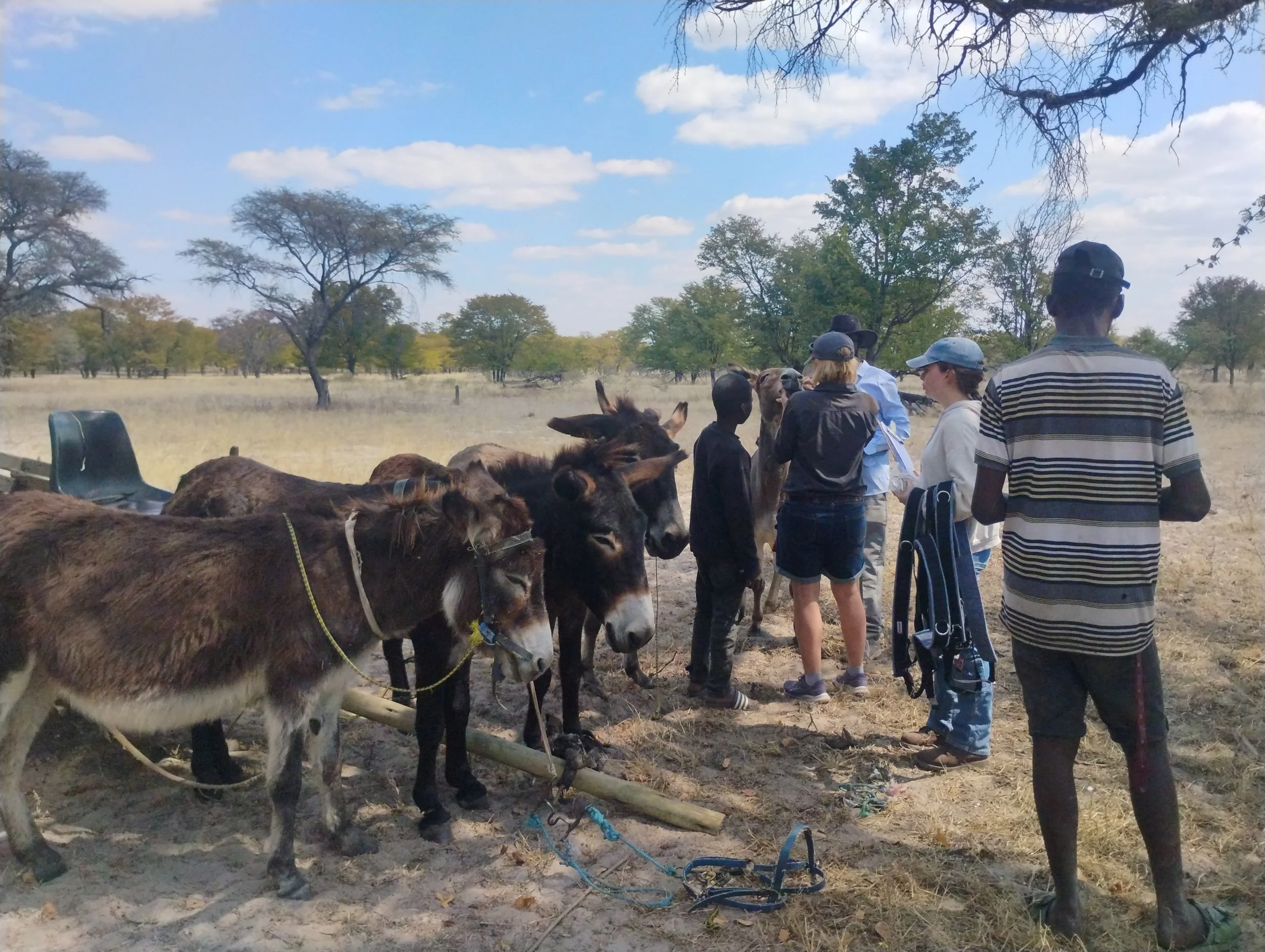
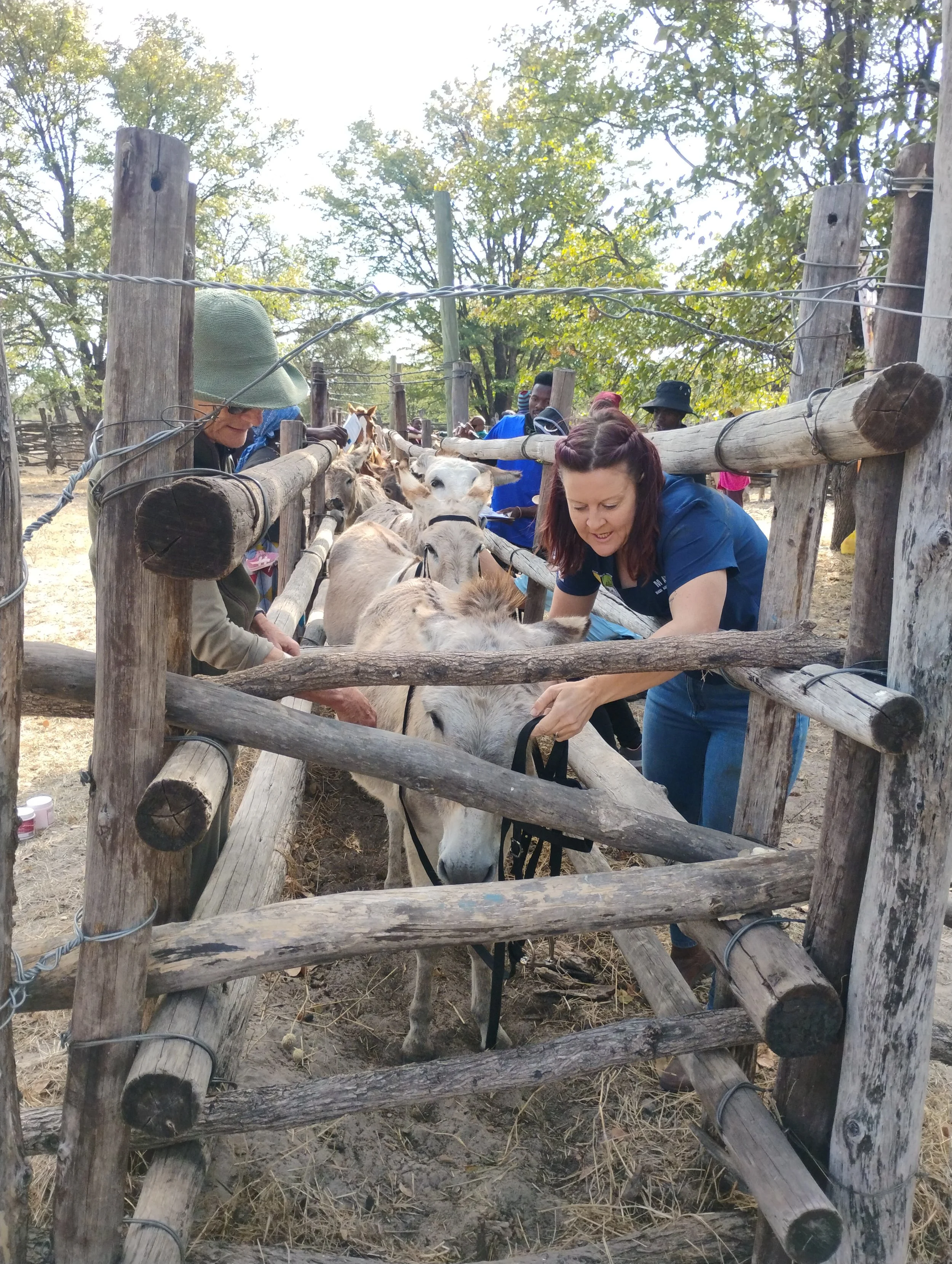
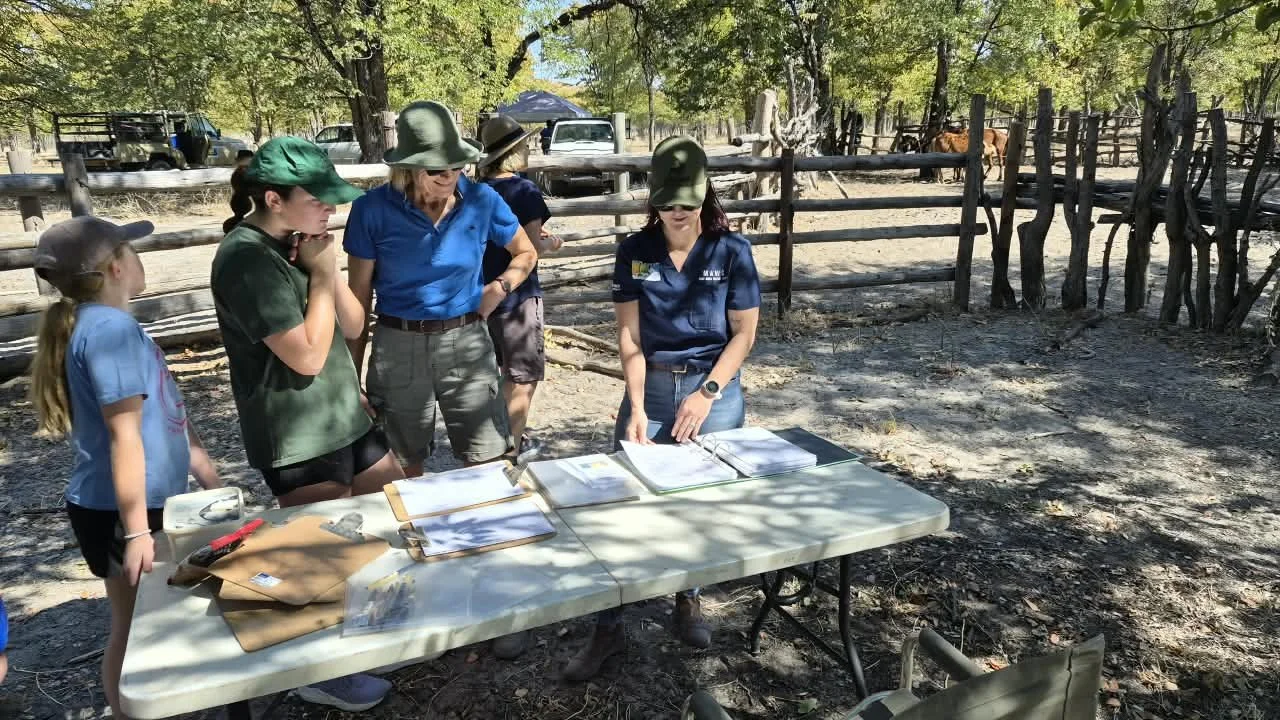
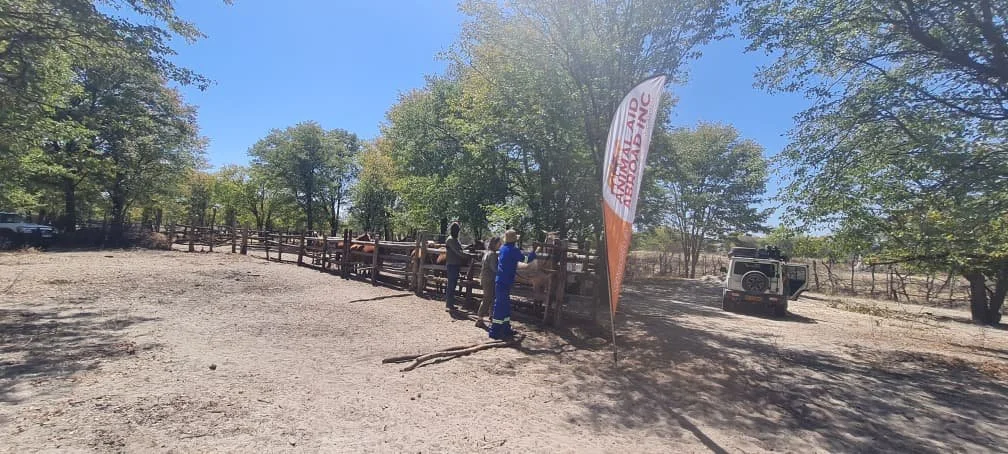
On August 15th, MAWS conducted an outreach visit to Xhoo - a remote farming community approximately one hour from Maun over extremely sandy roads. This was a follow-up visit, one year on from our previous visit, giving the team an opportunity to offer equine care again and to assess whether the earlier visit made a difference to the welfare of the community's working animals. Xhoo is a dispersed farming community with limited access to veterinary care.
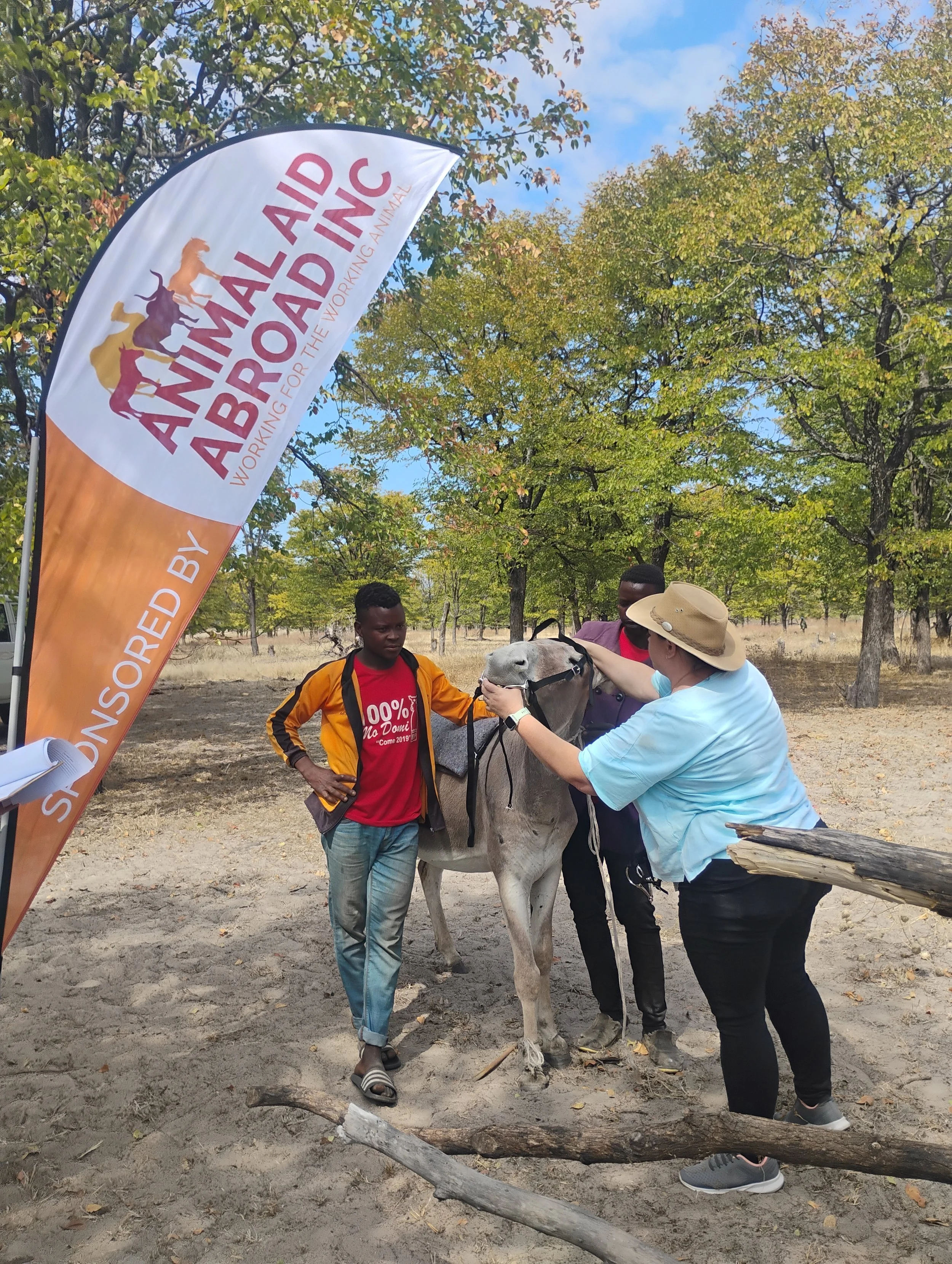
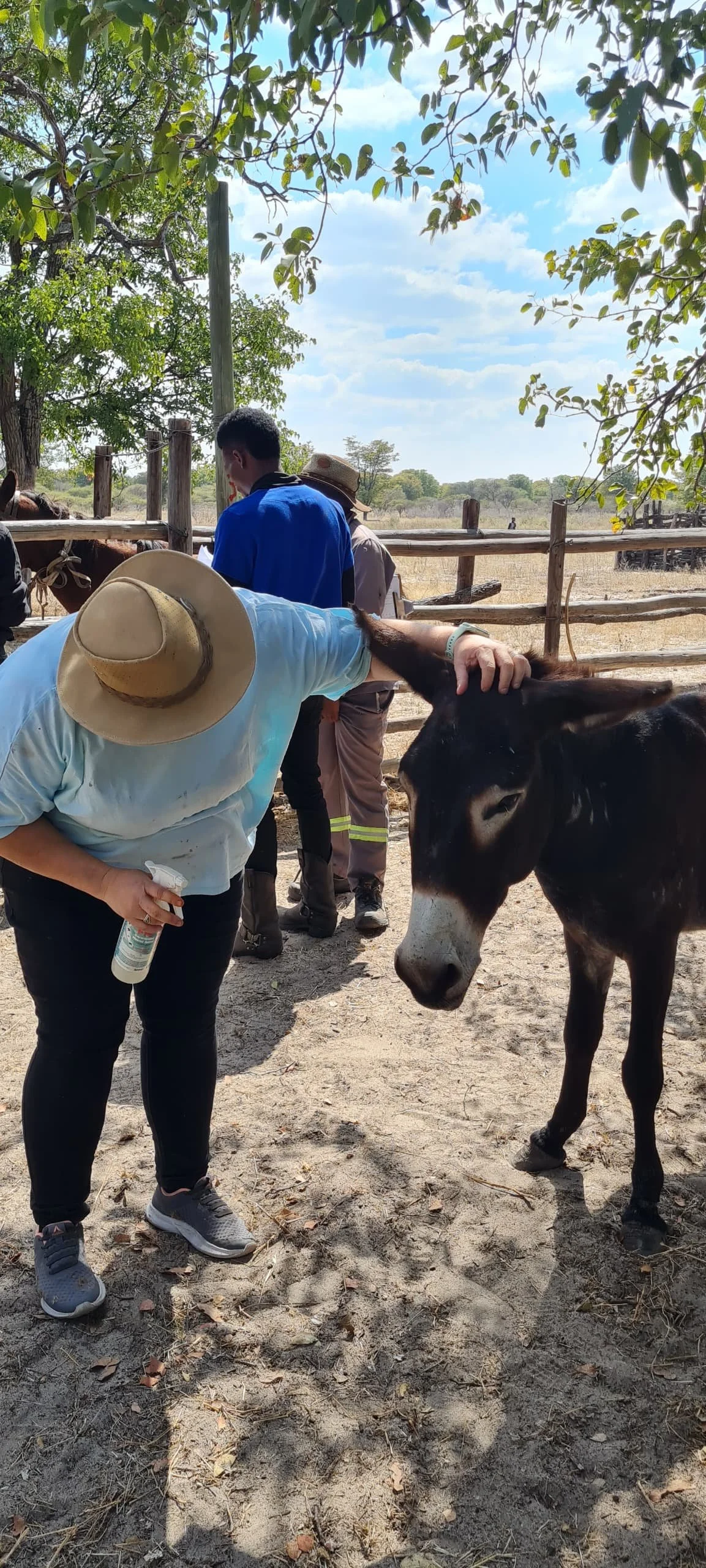
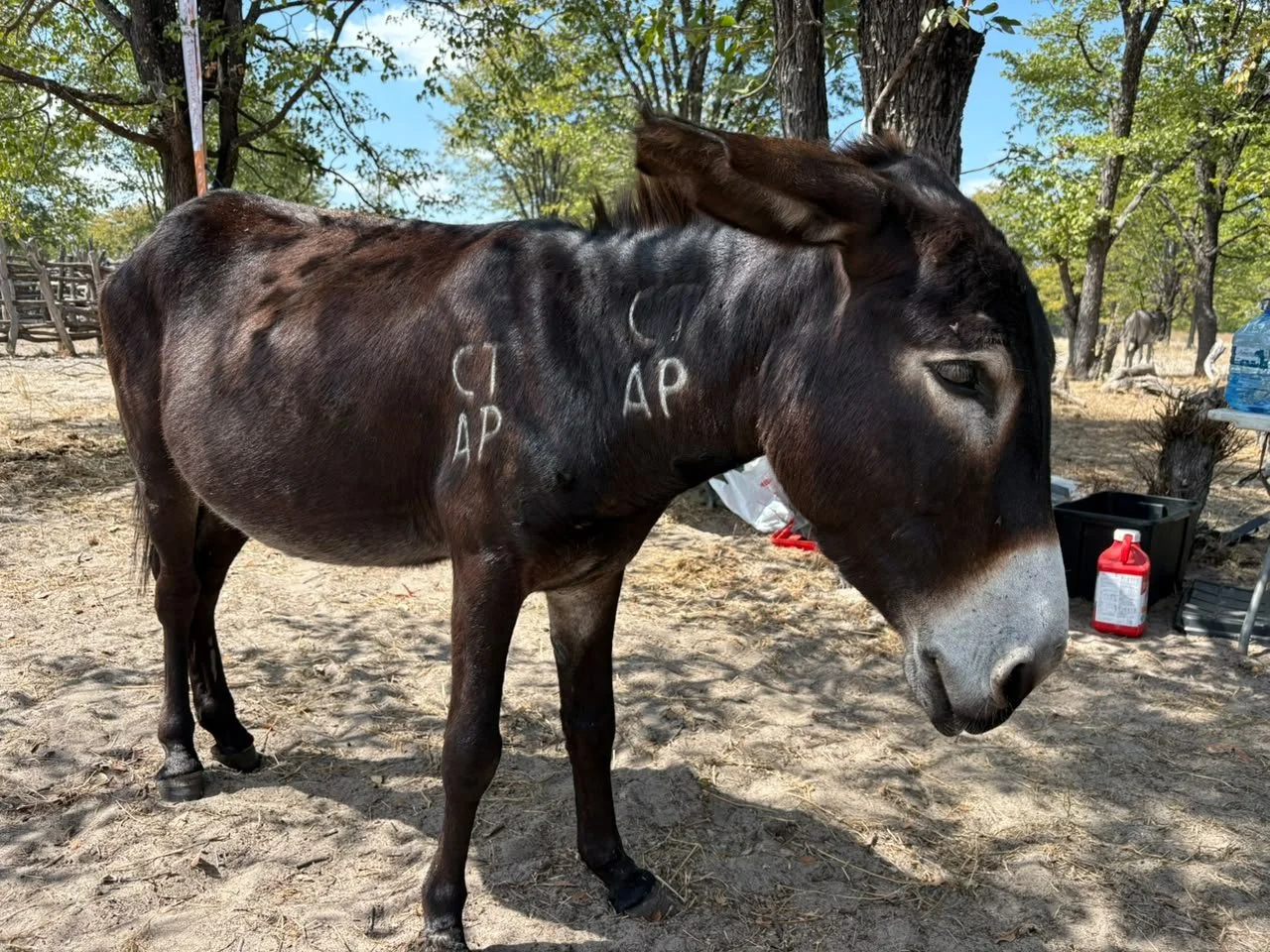
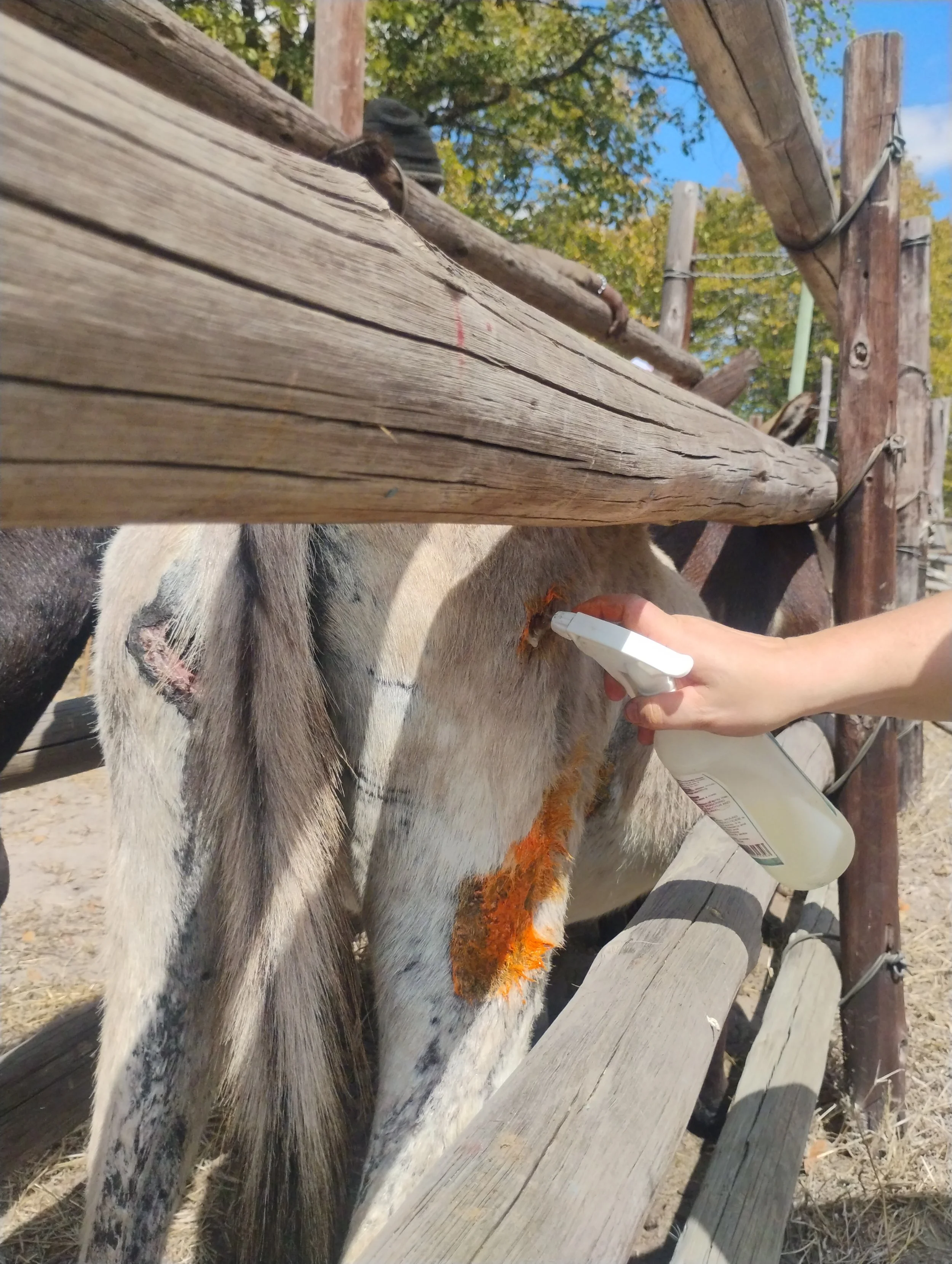
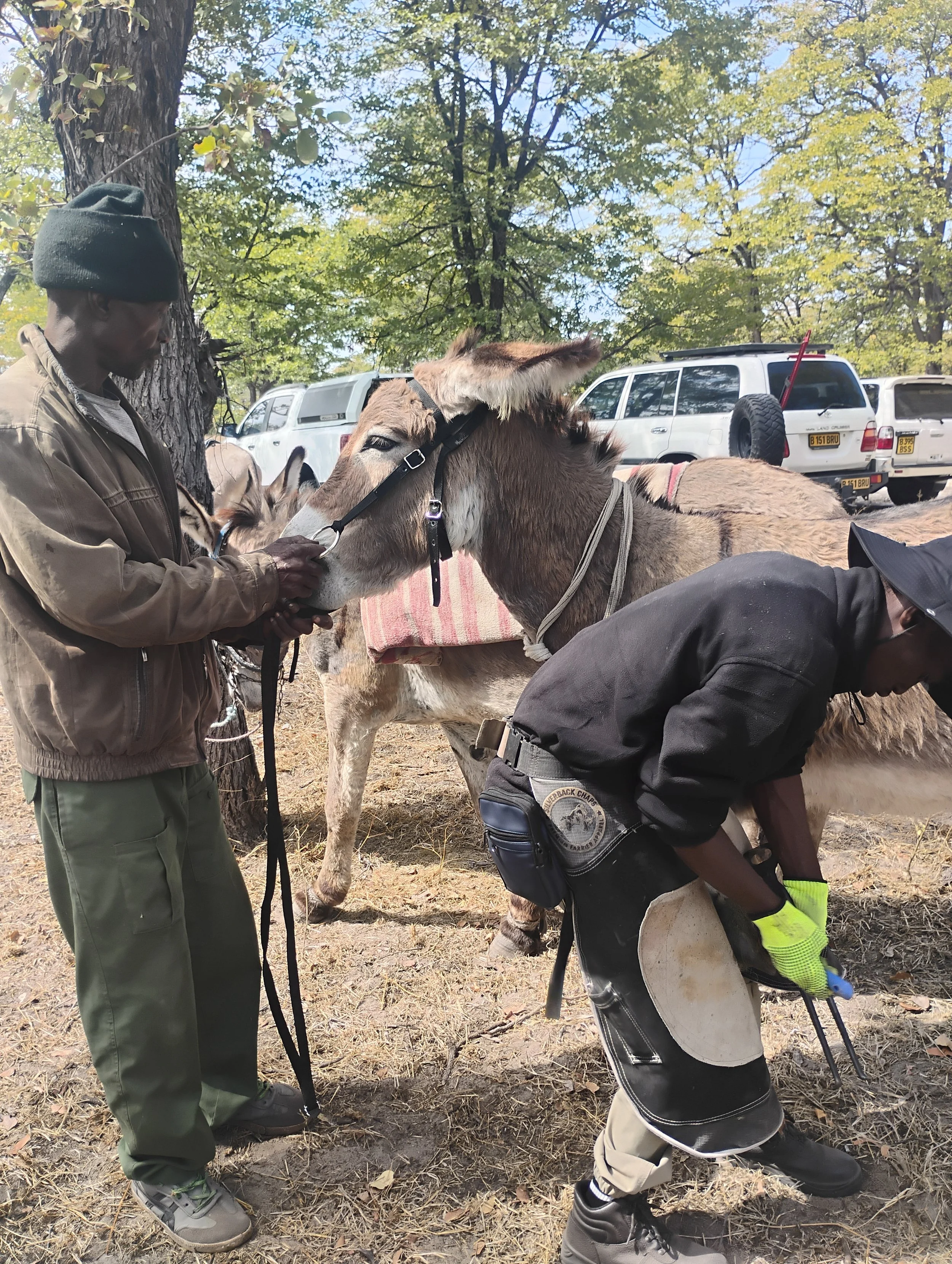
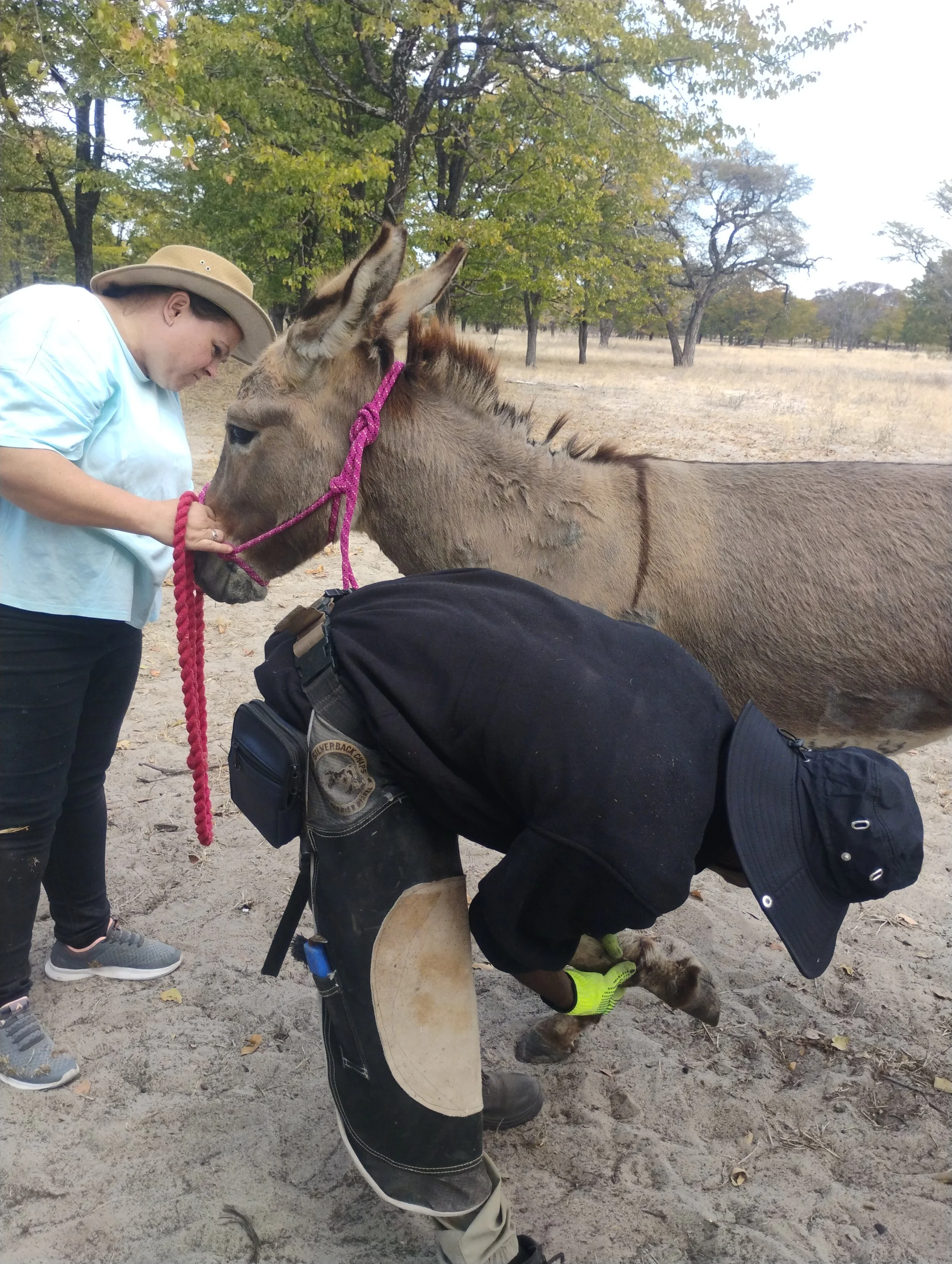
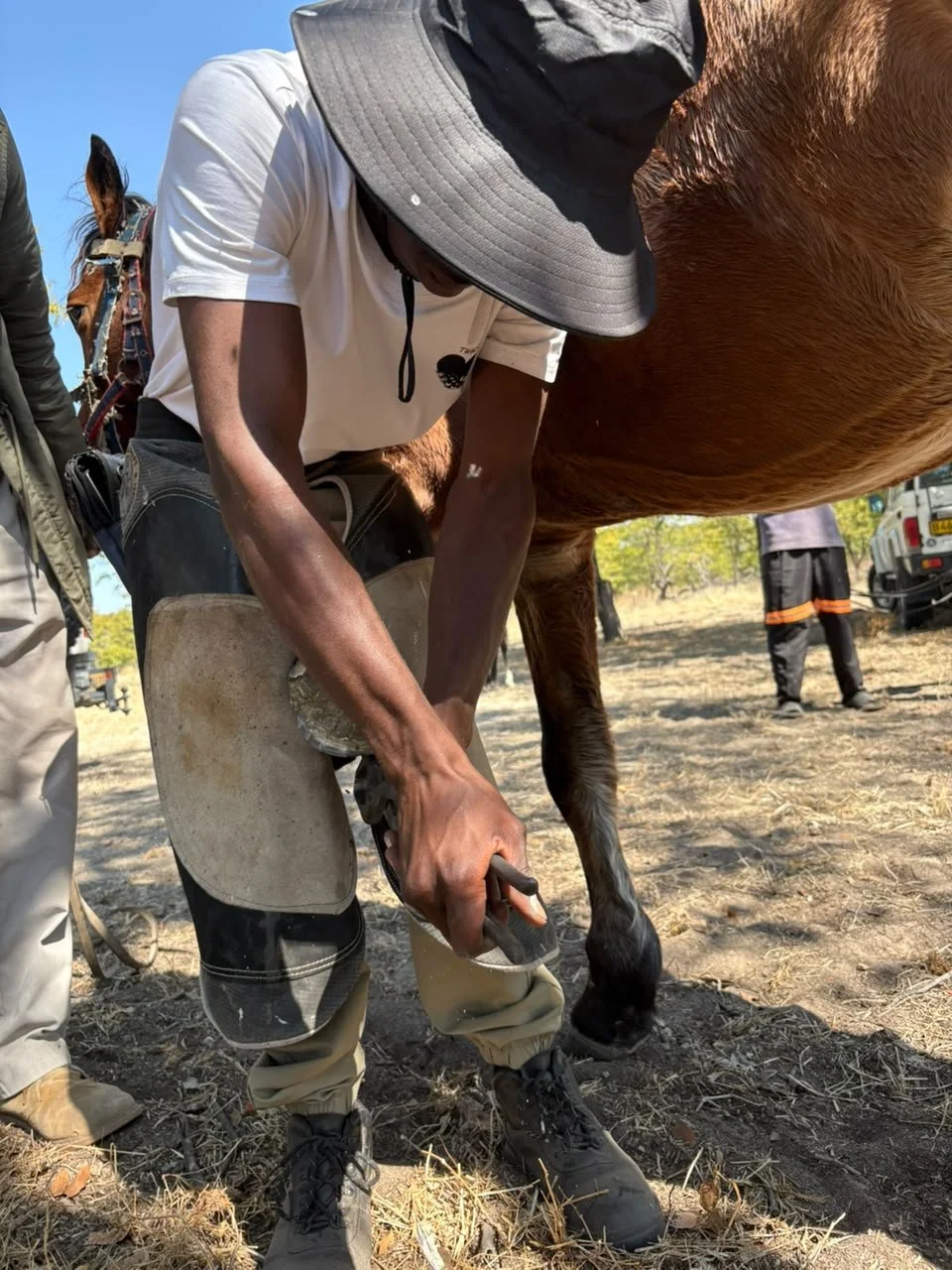
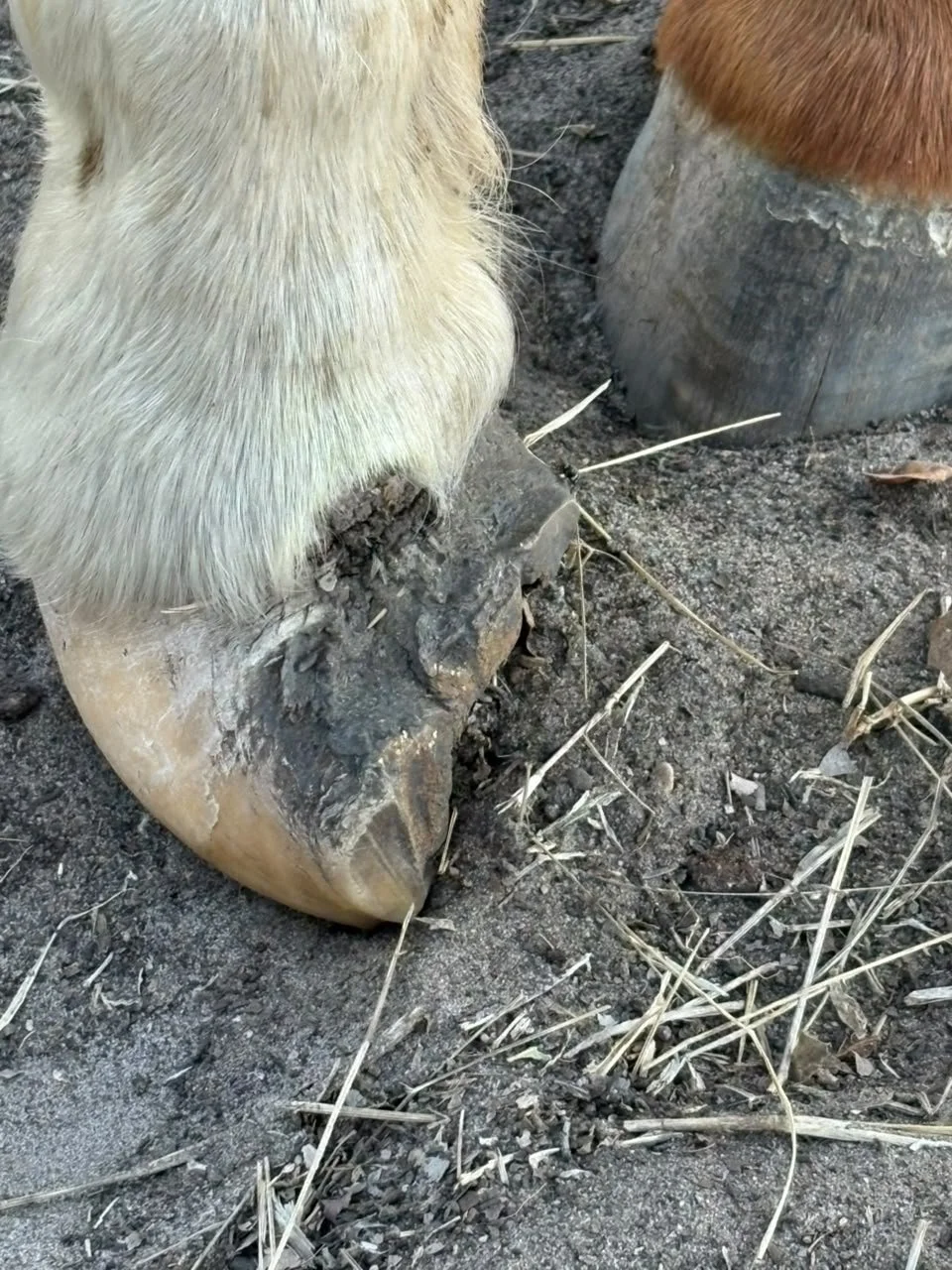
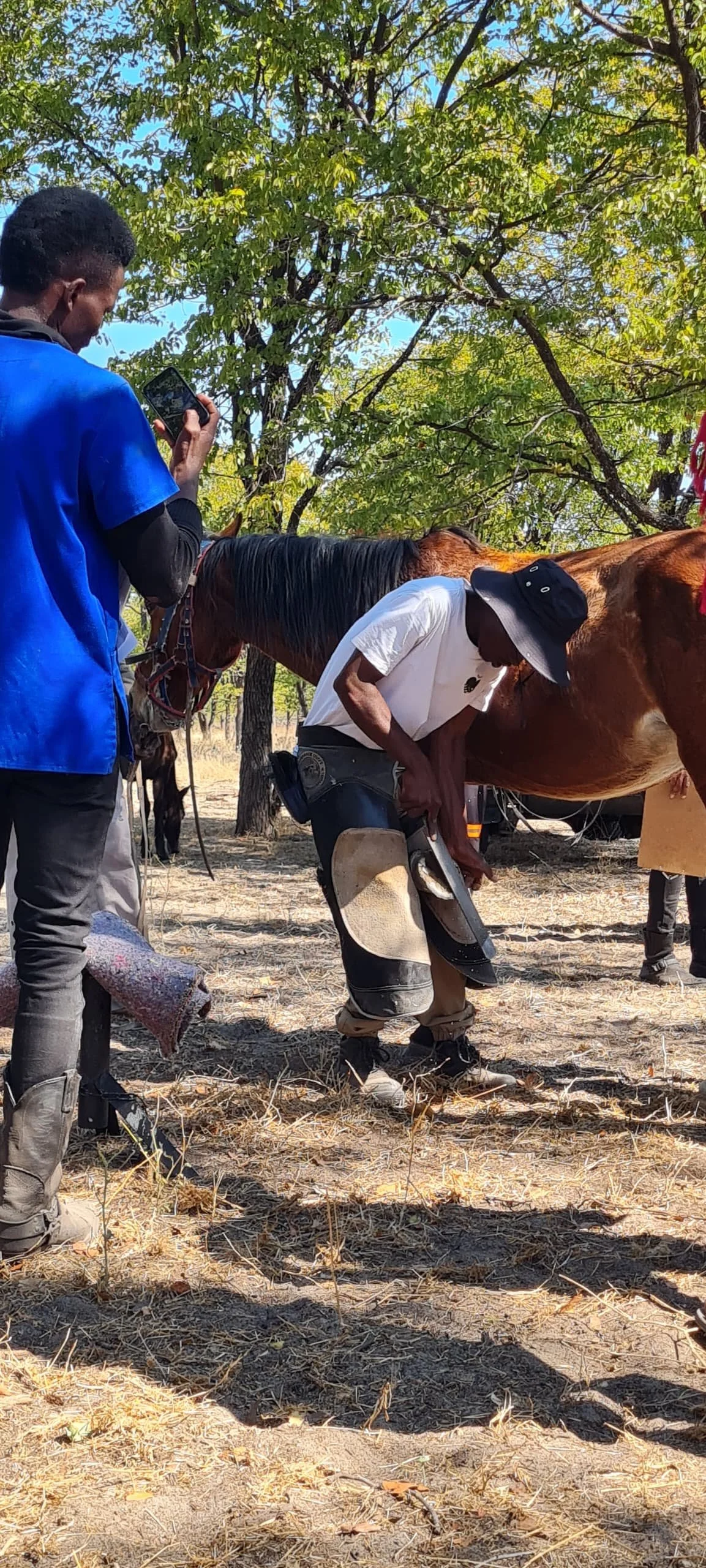
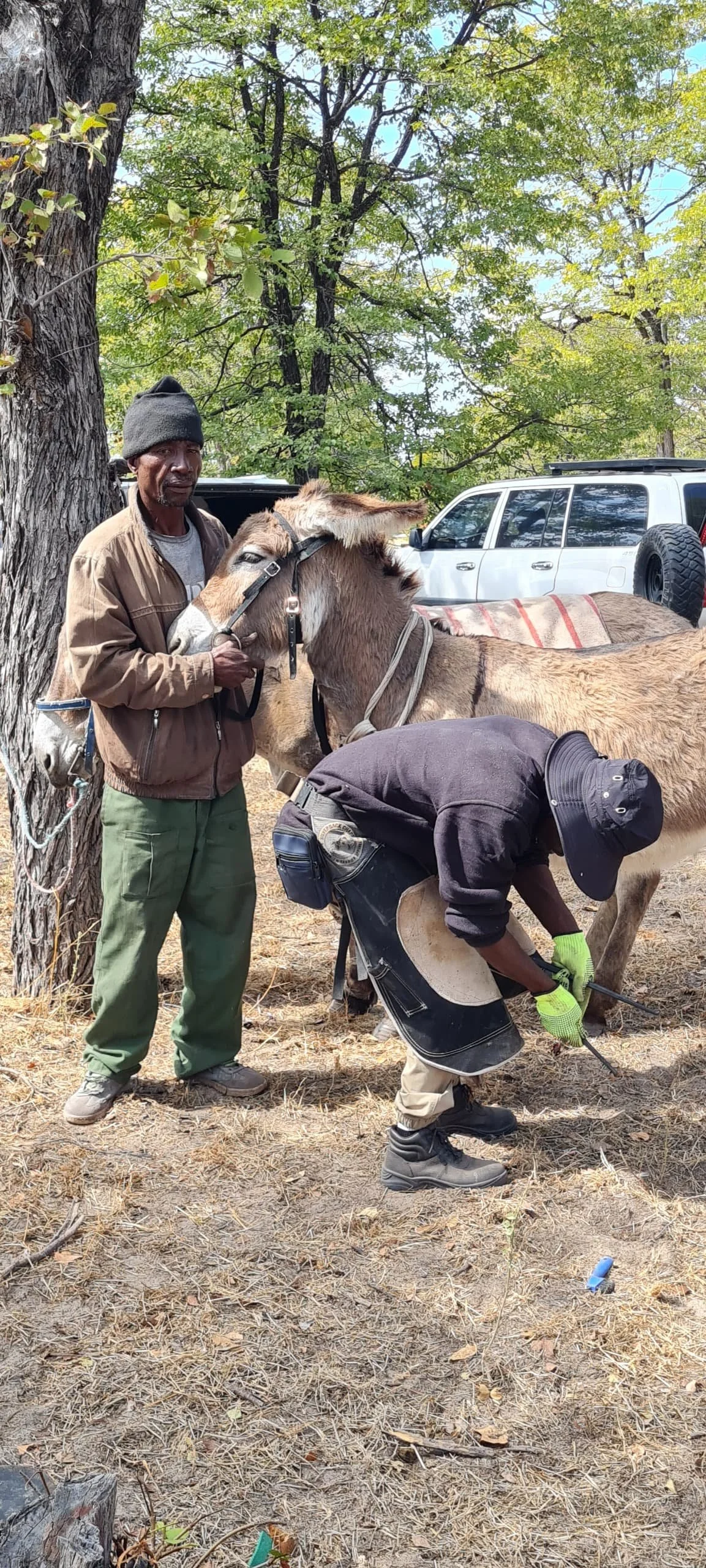
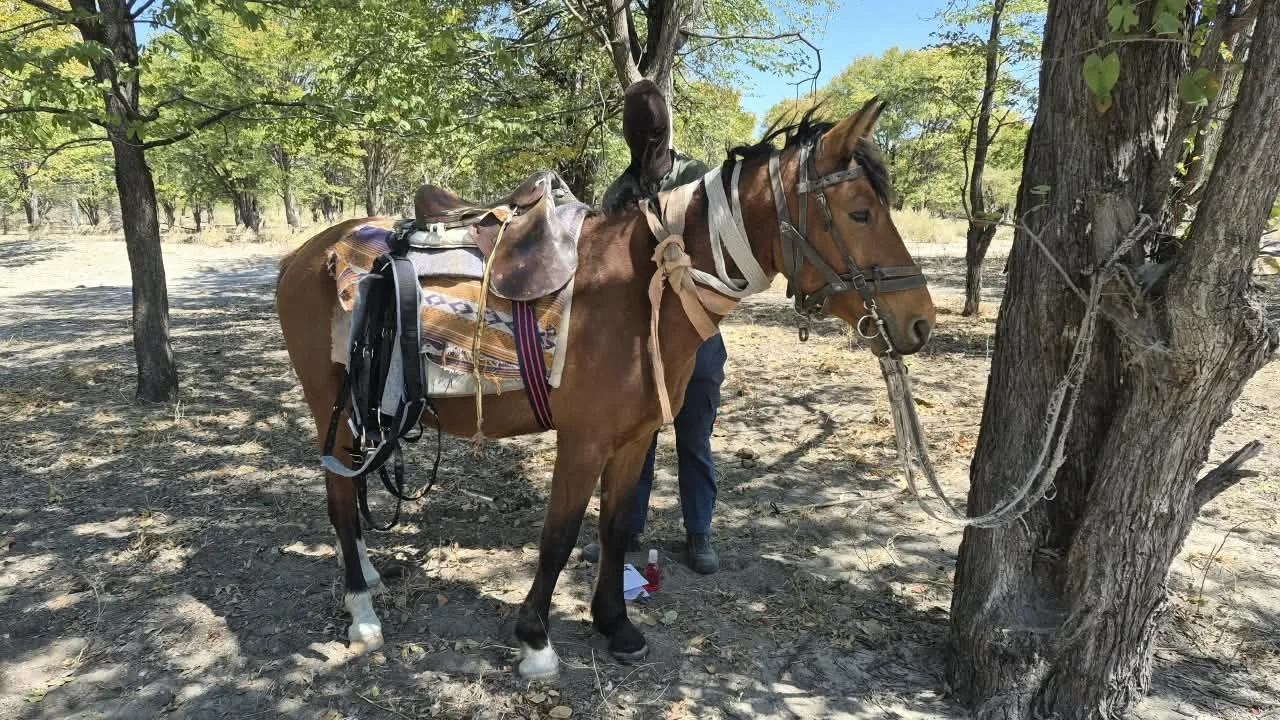
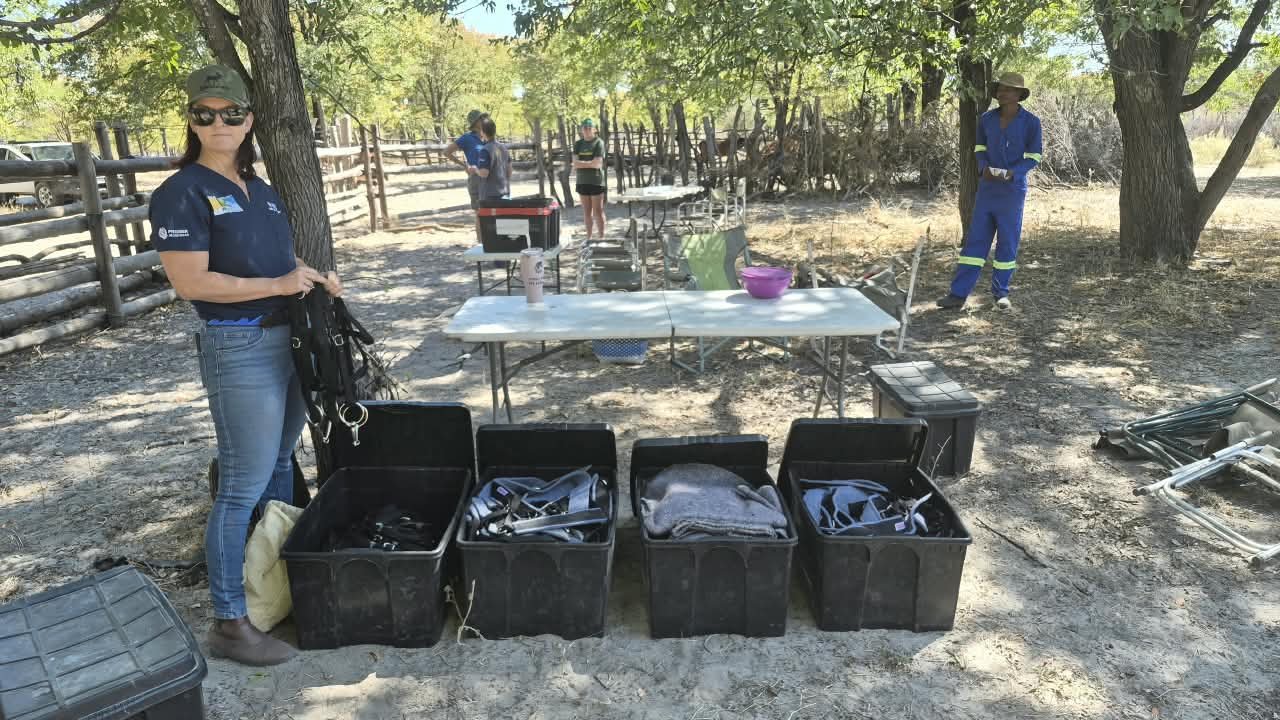
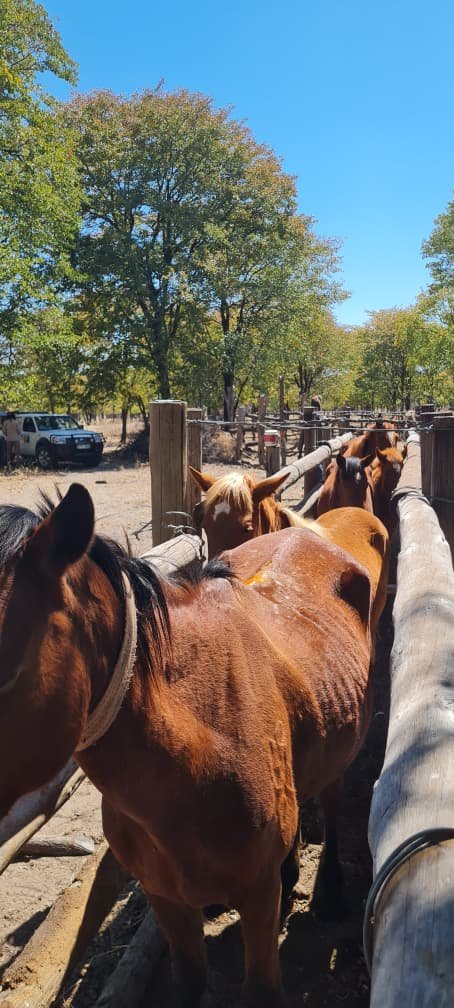
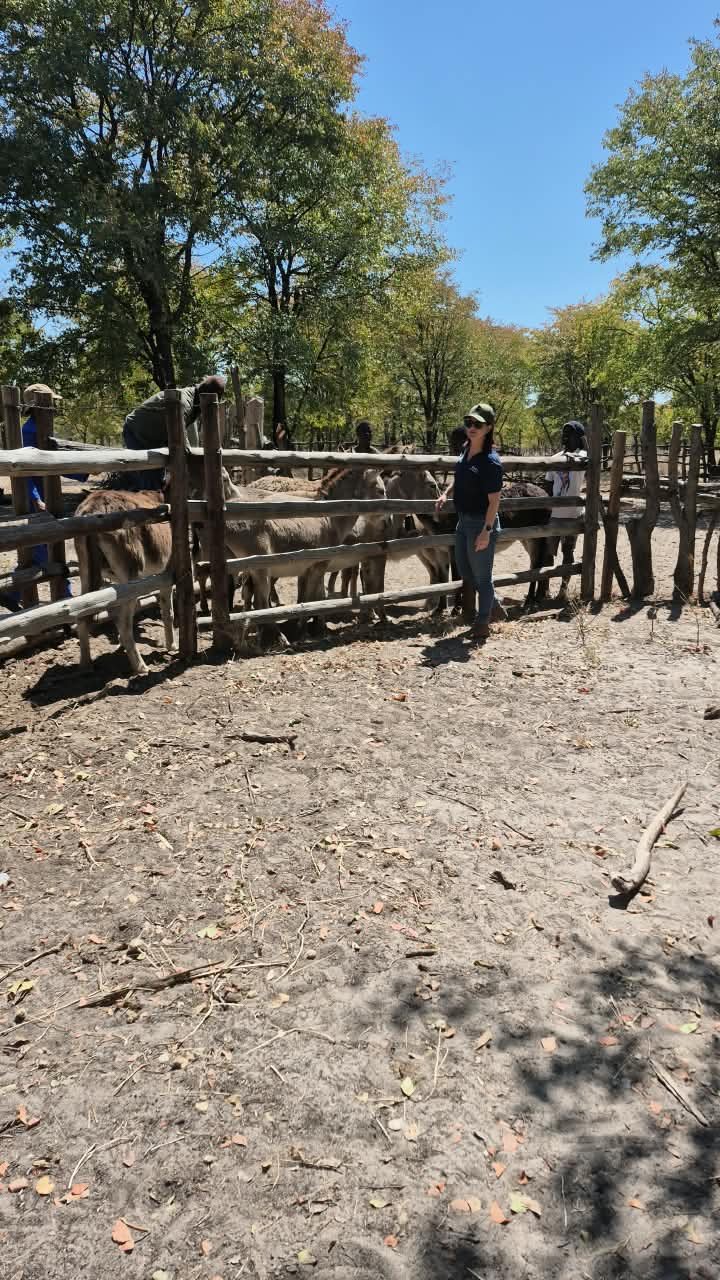
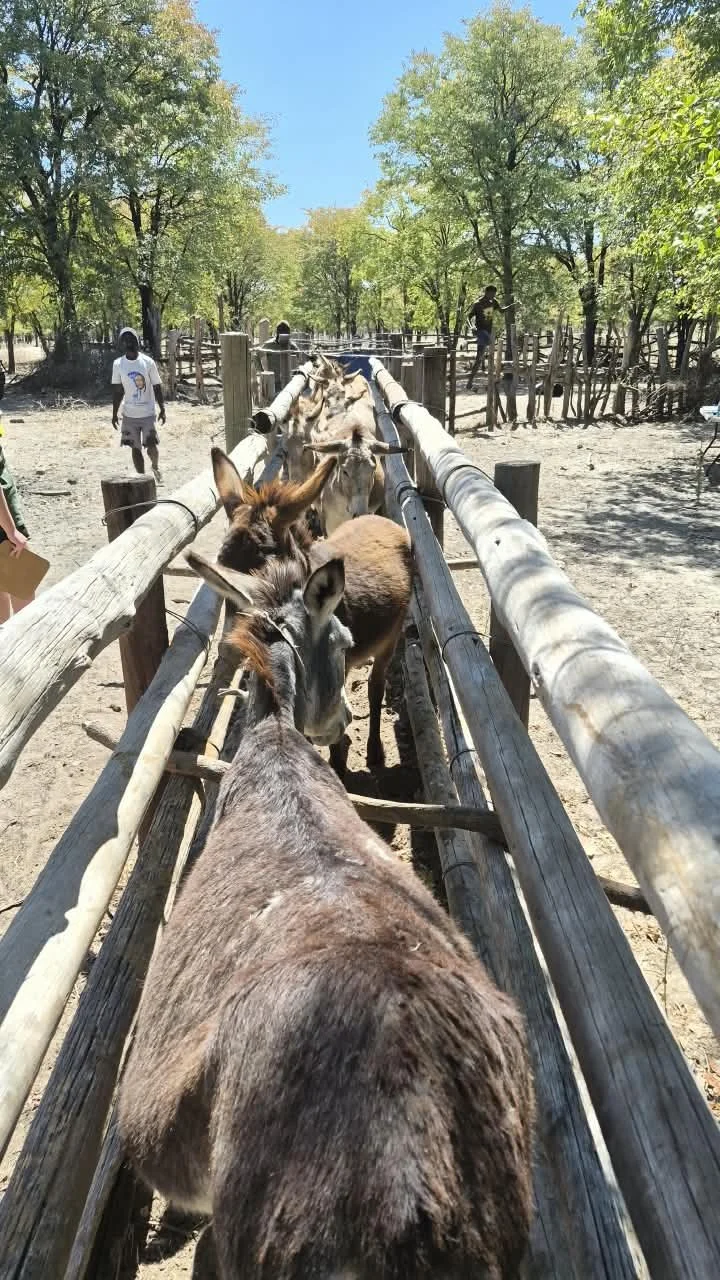
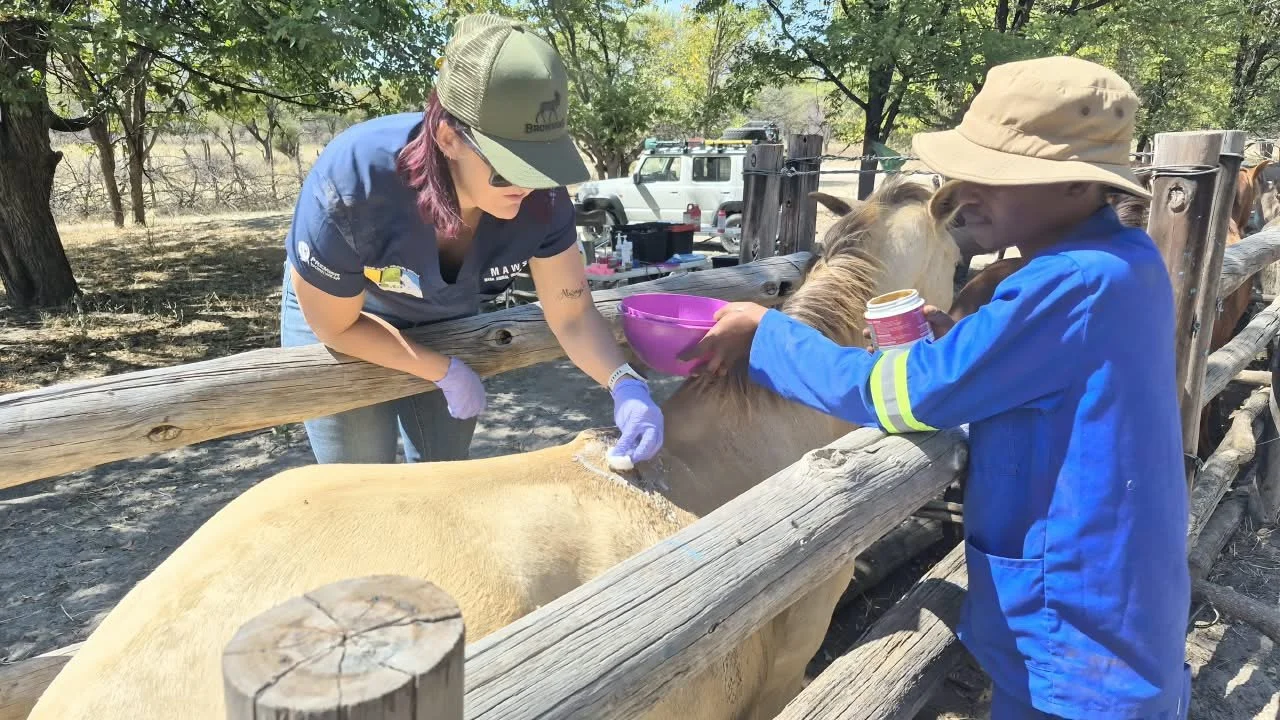
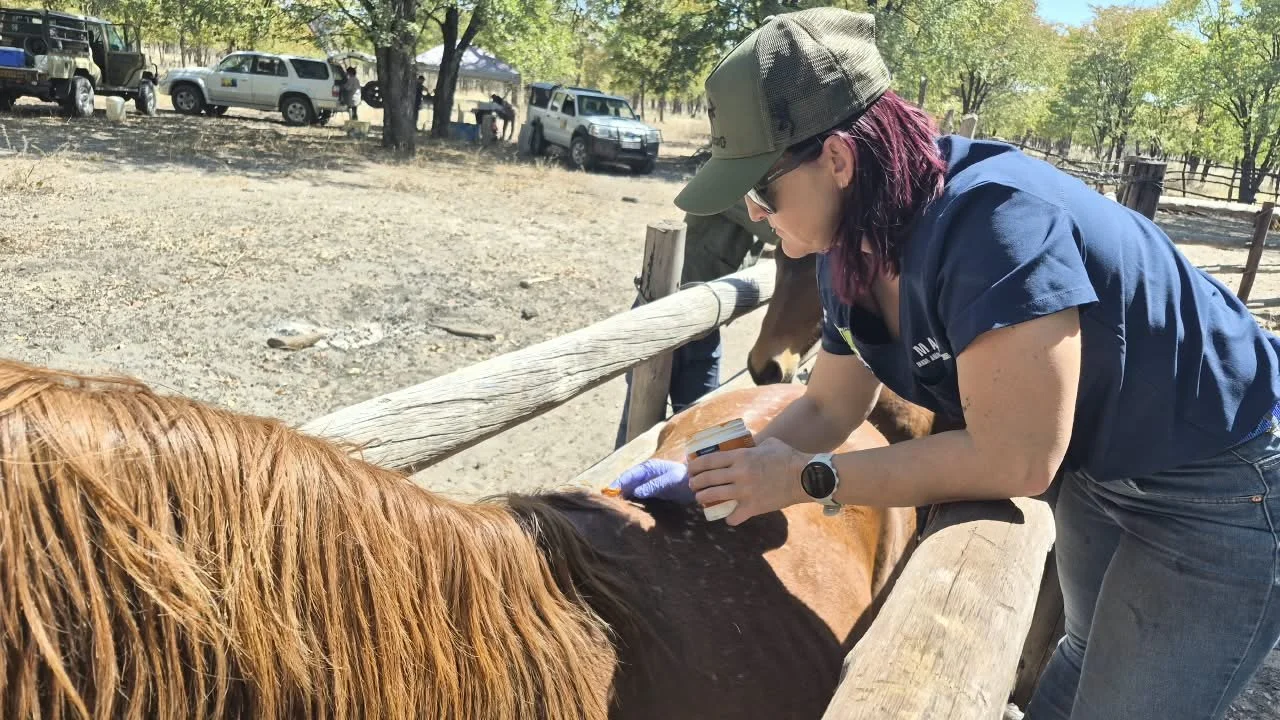
A total of 84 working equines were attended to — 19 horses and 65 donkeys. The animals received deworming, tick treatment and dipping, wound assessment and treatment, hoof trimming, pain relief when required, long-acting antibiotics where clinically indicated, and harness and tack assessments. Correctly-fitting harnesses, bits and other equipment were supplied wherever possible.
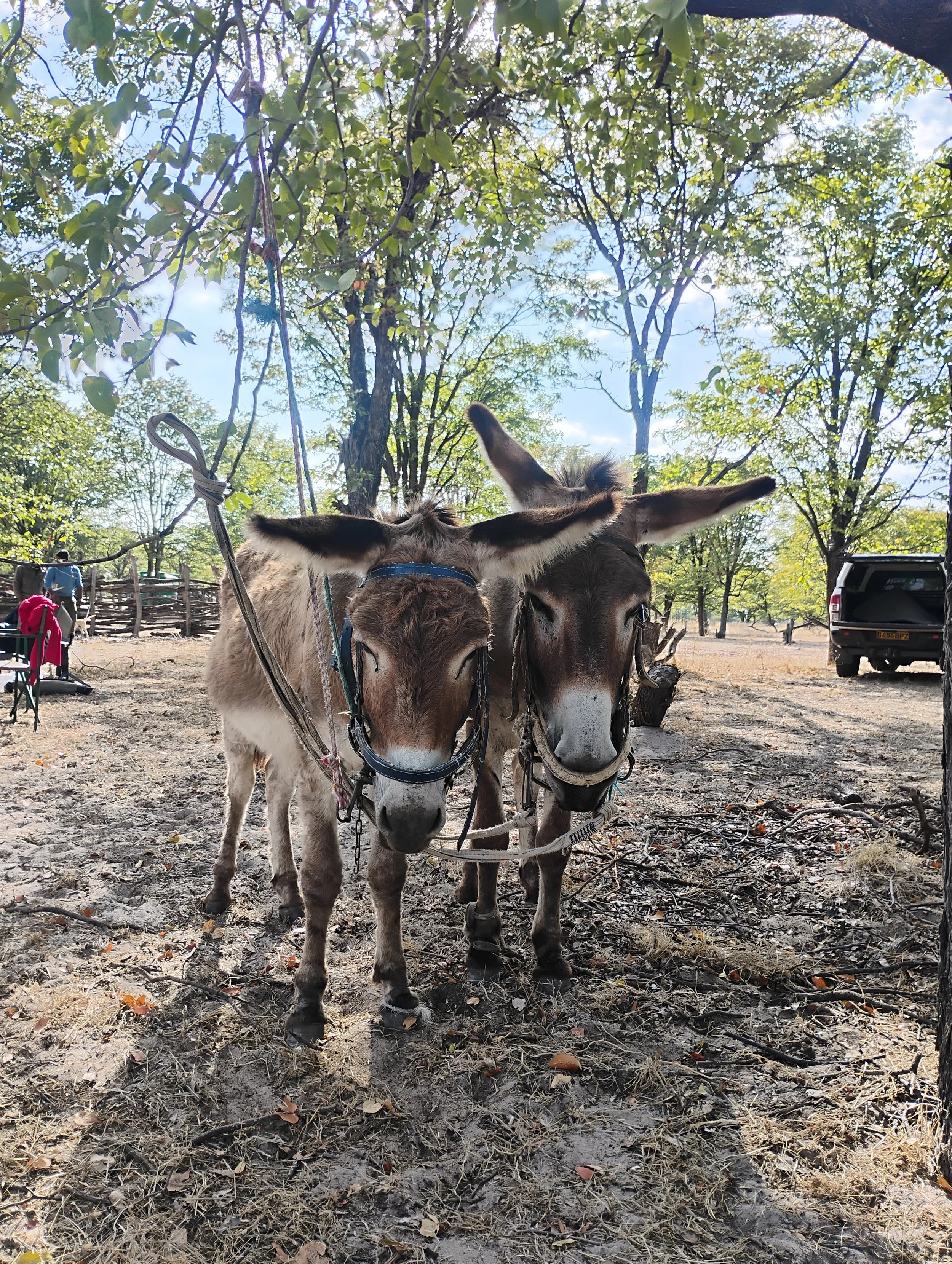
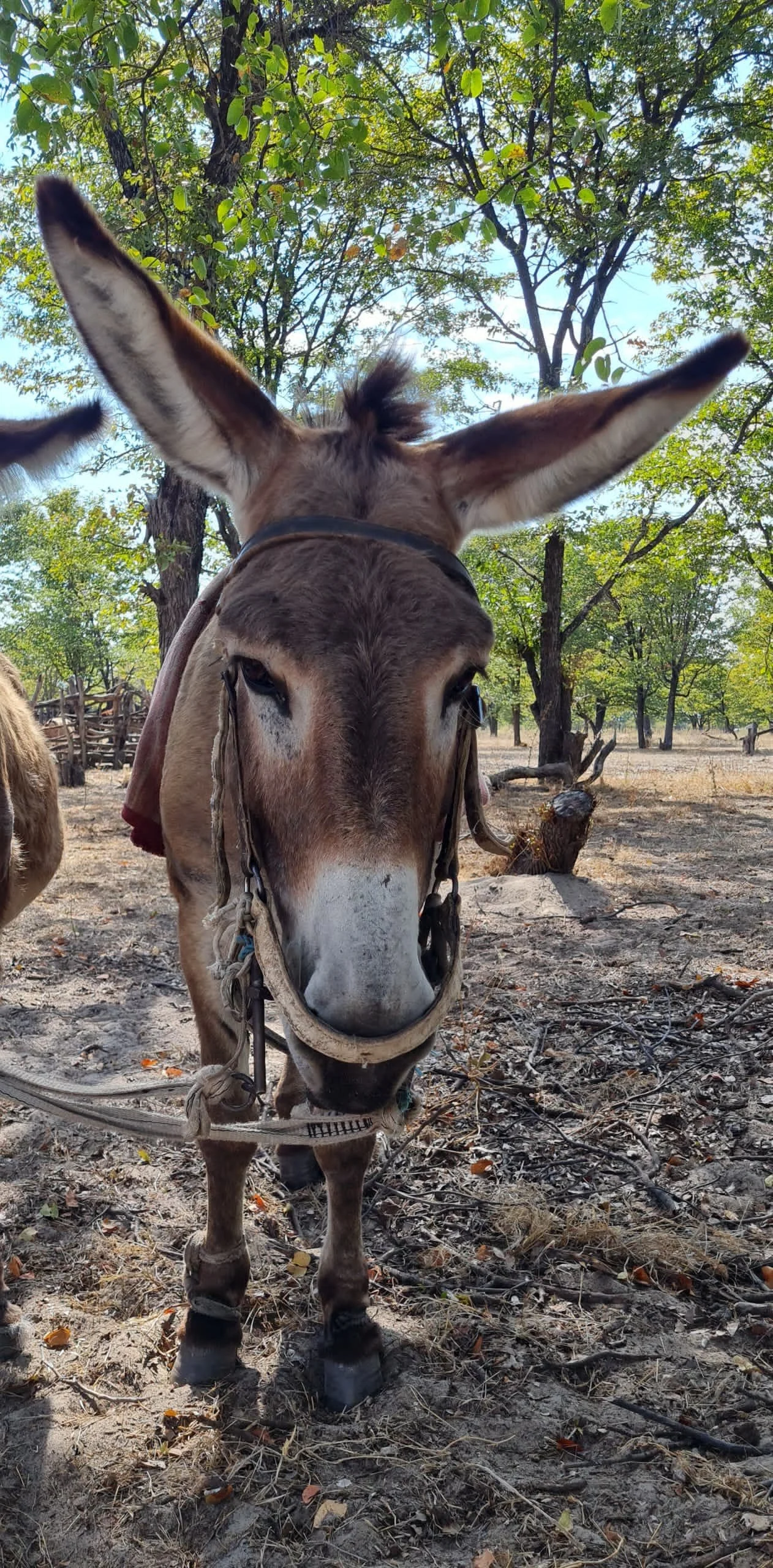
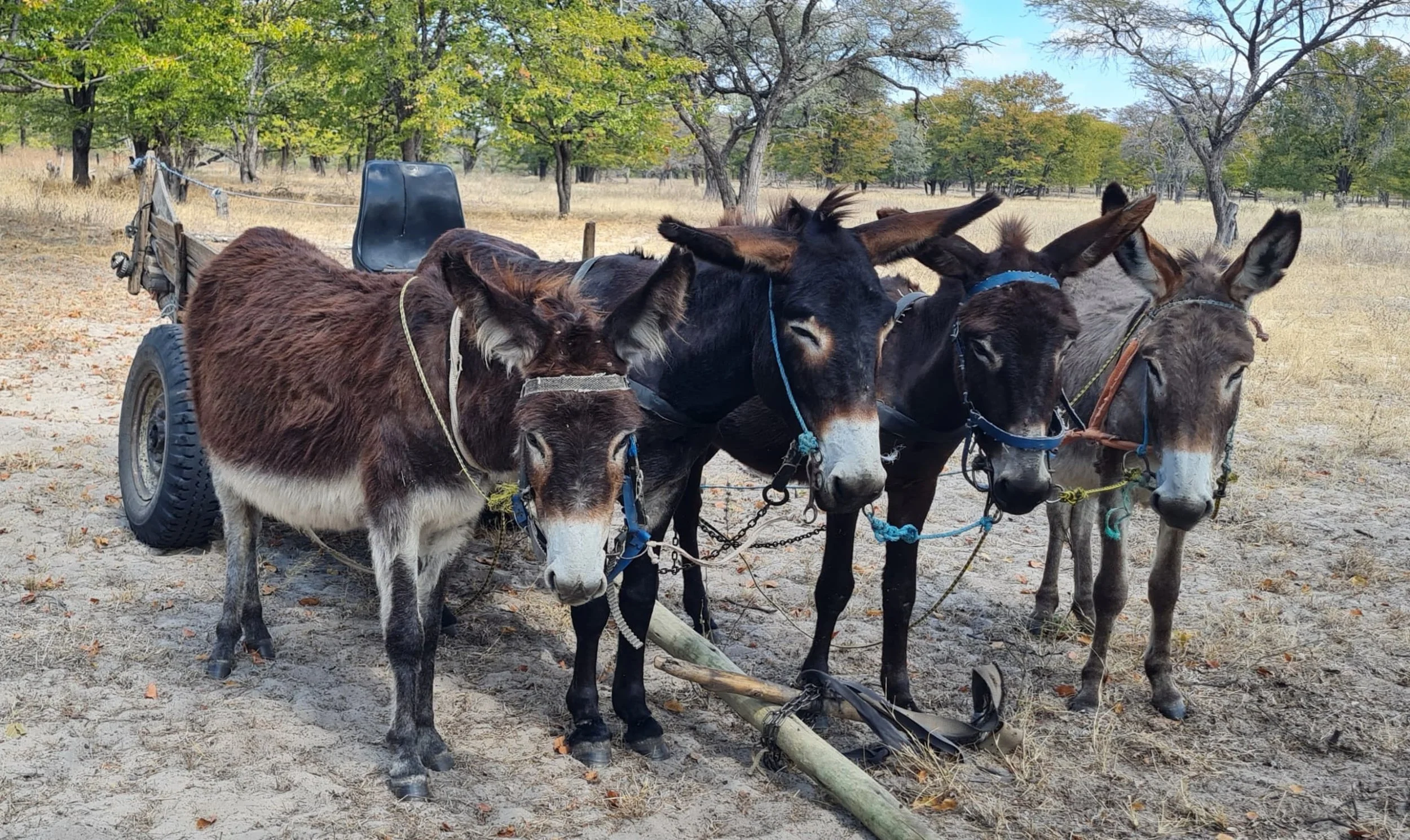
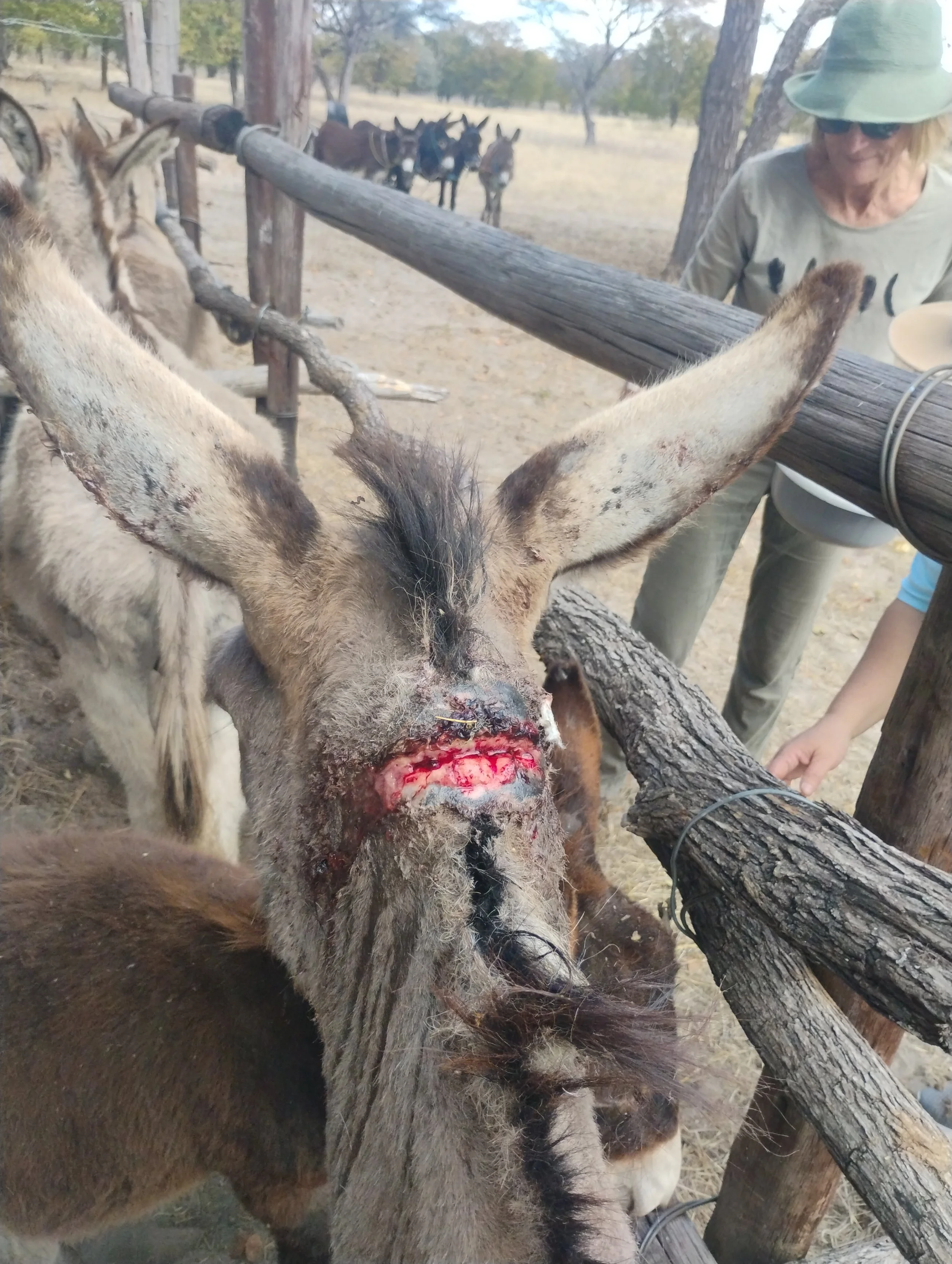
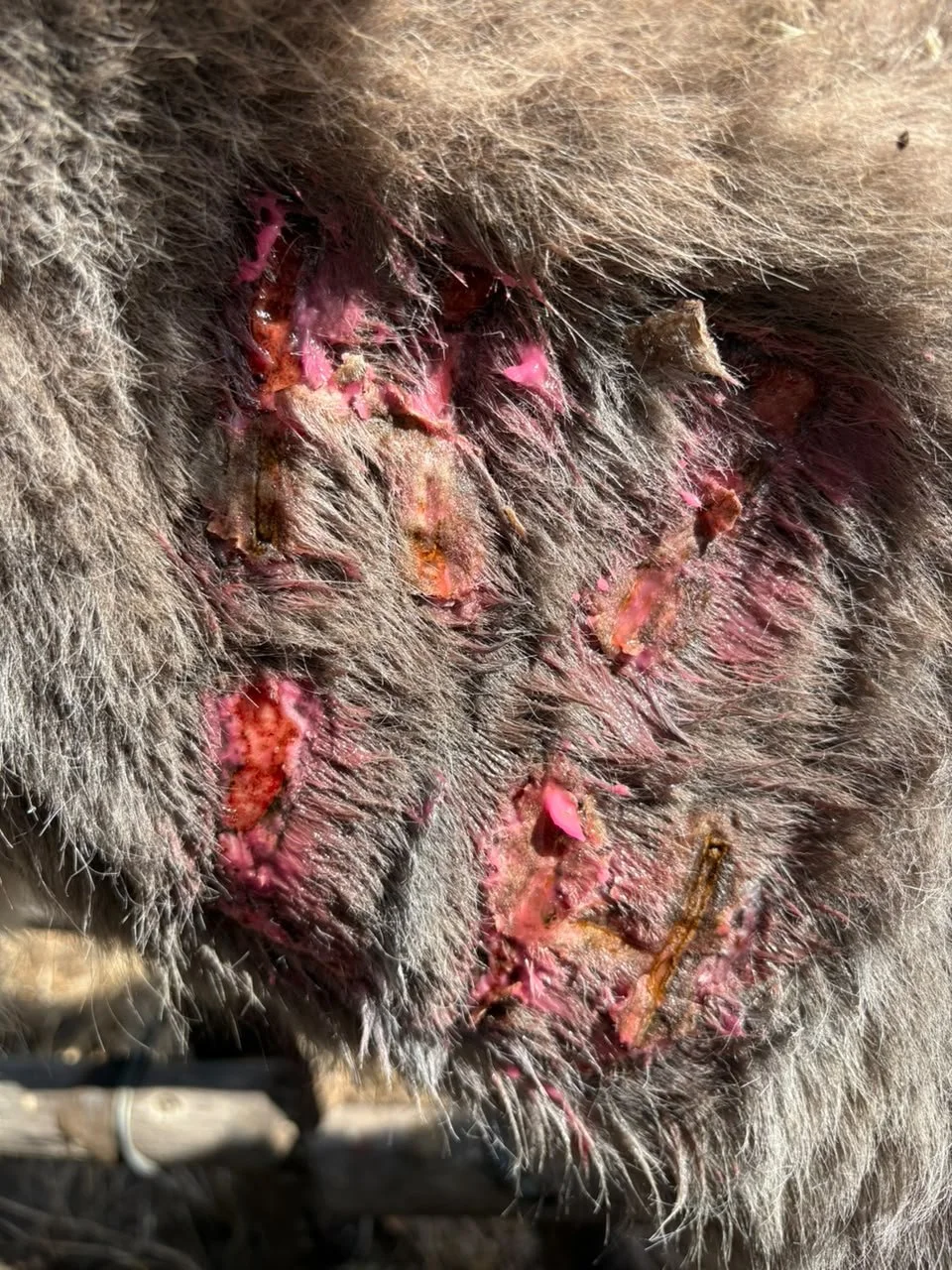
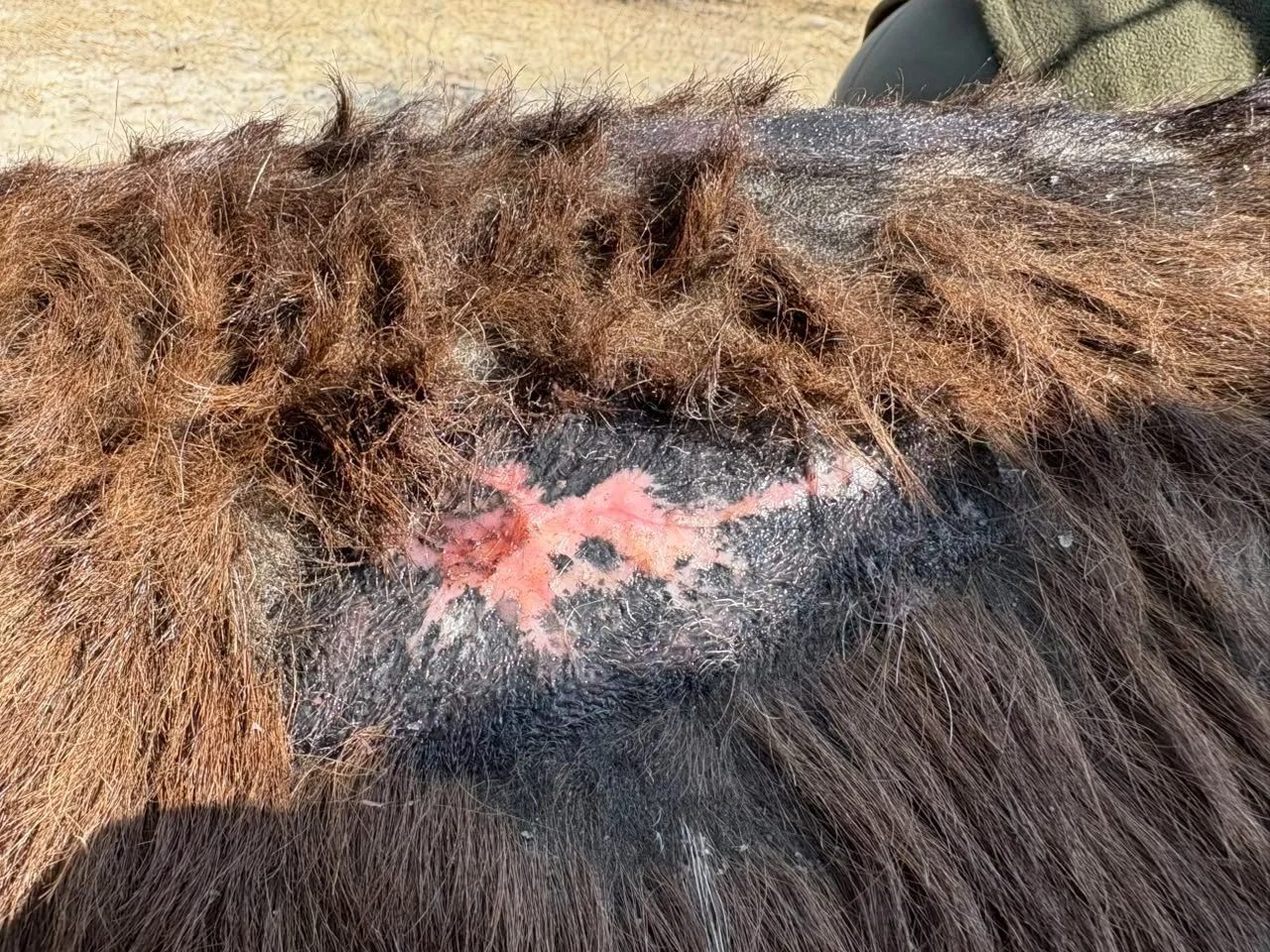
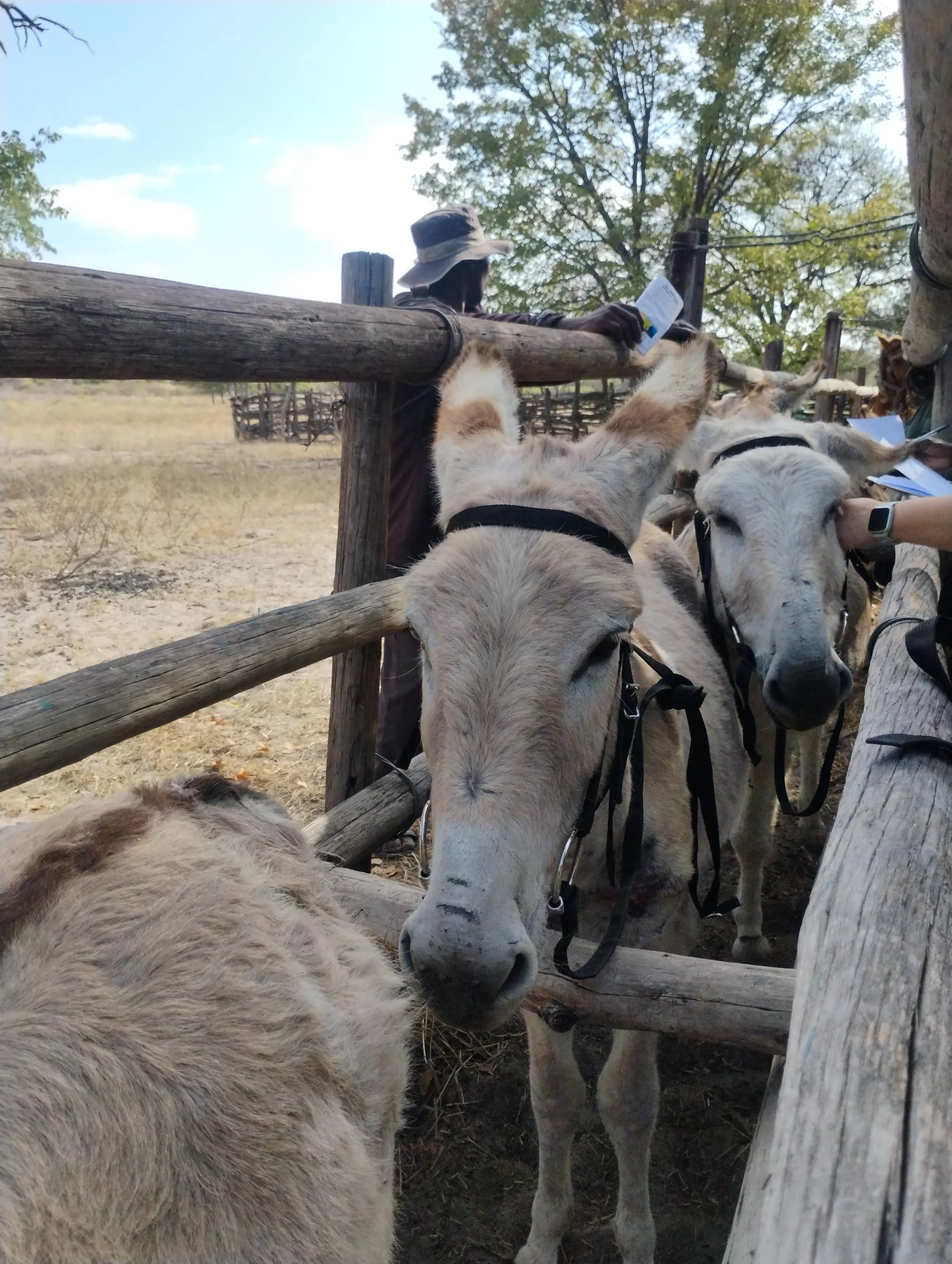
One of the most significant findings of the visit was a reduced number of injuries caused by poor equipment compared with the previous visit. That said, a number of owners were still using homemade bits, rope harnesses and poorly-fitting saddles — materials that are often used because they are accessible and affordable, but which can create significant pressure and friction, and lead to painful injuries.
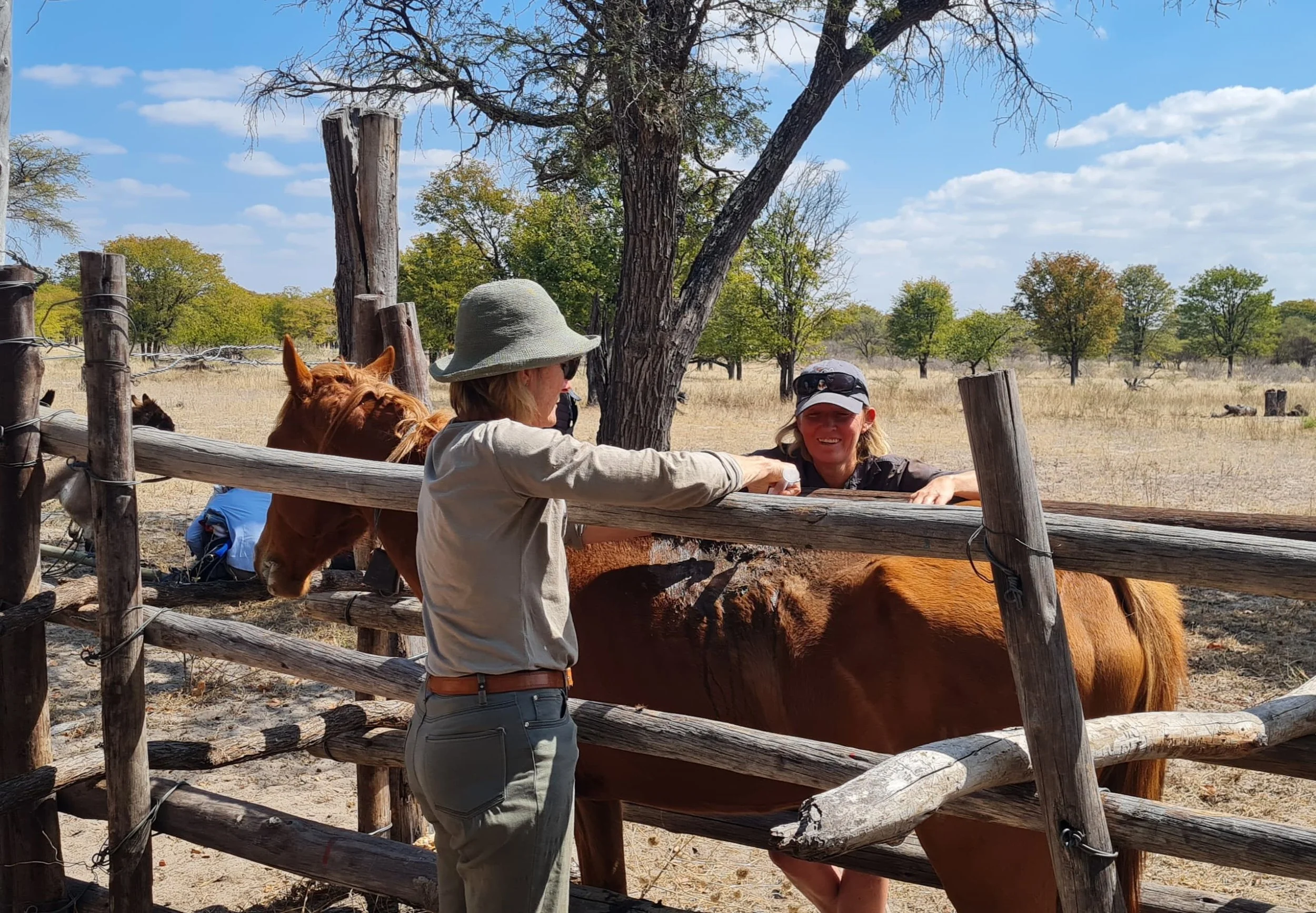
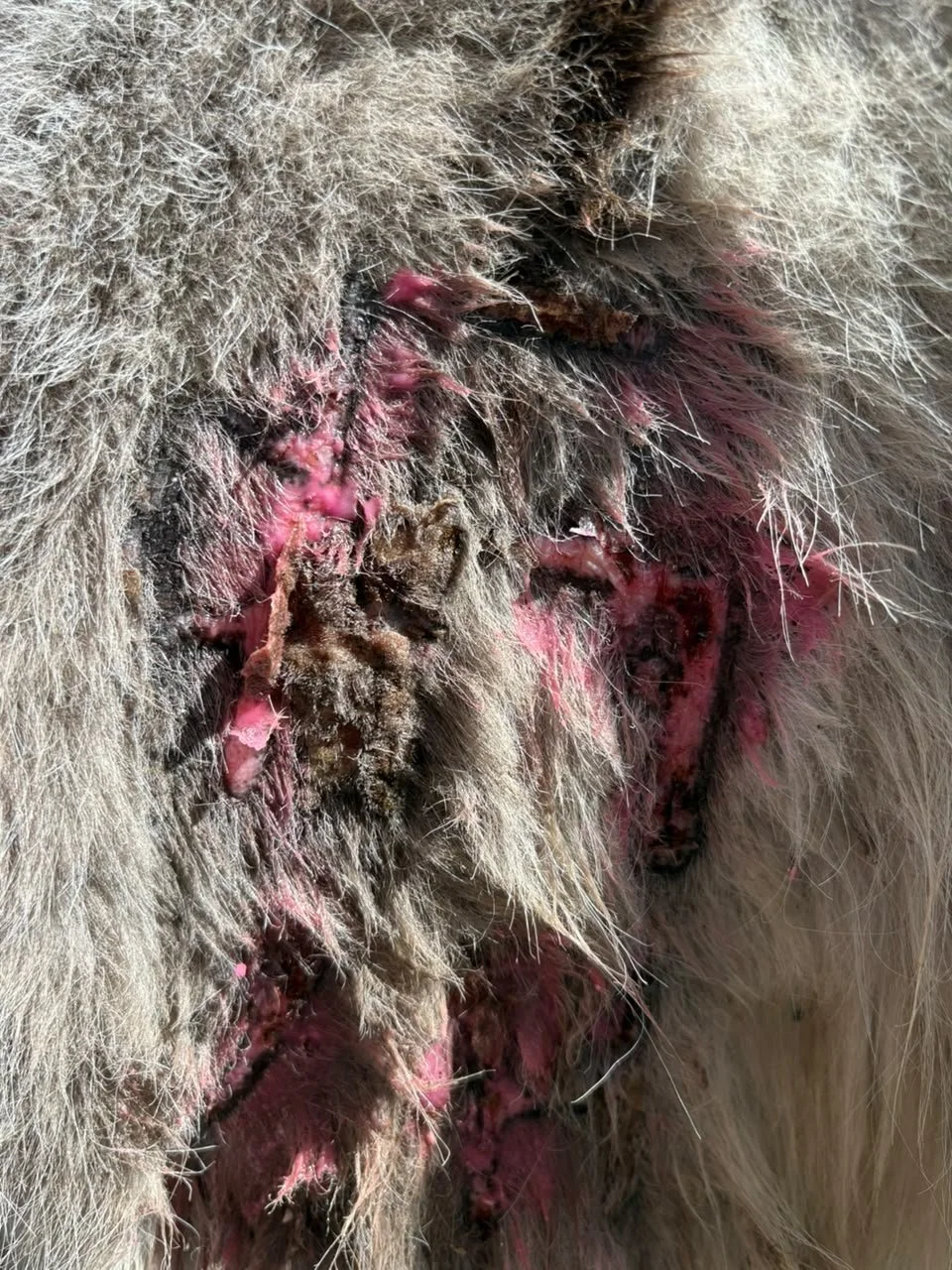
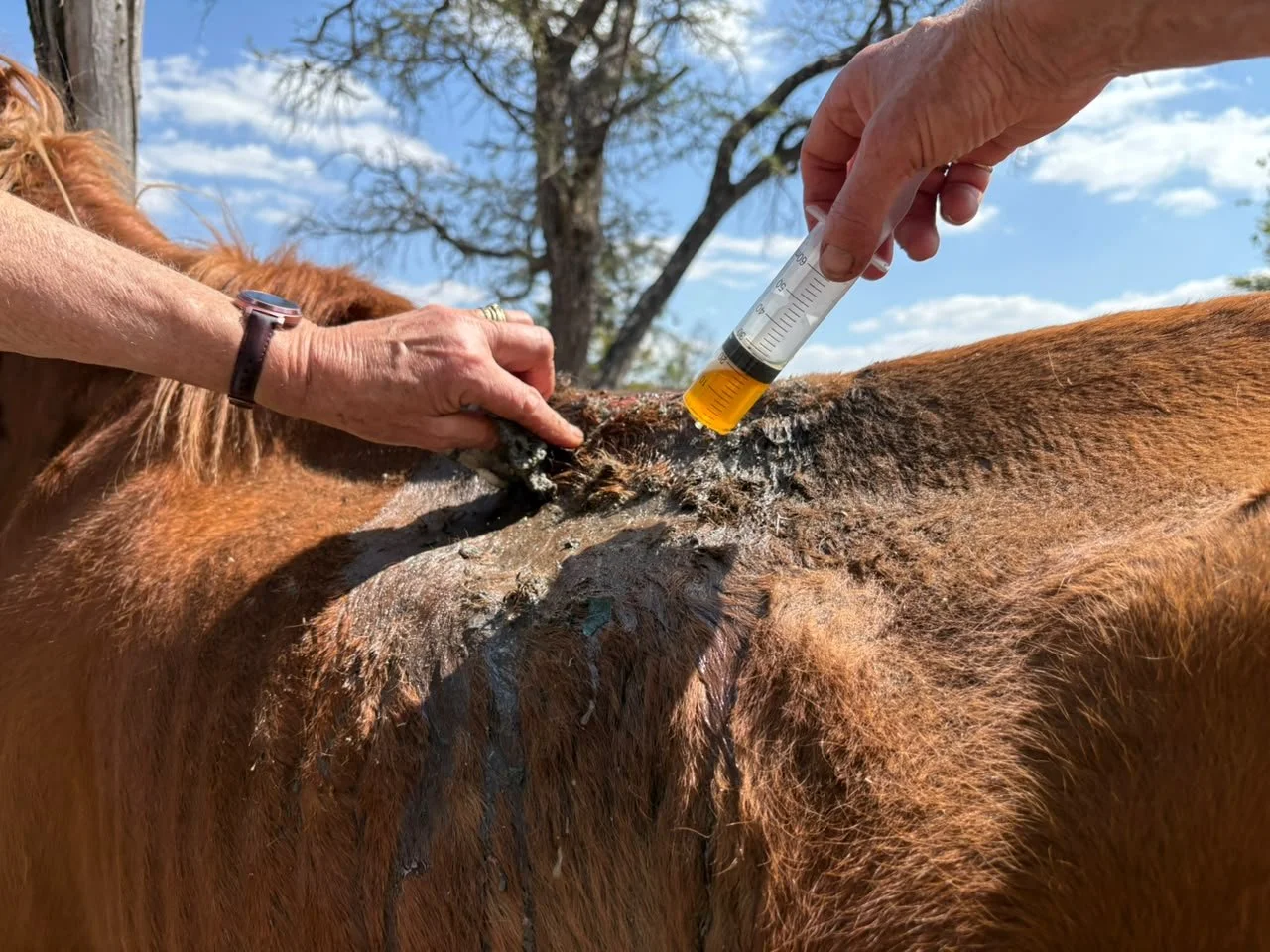
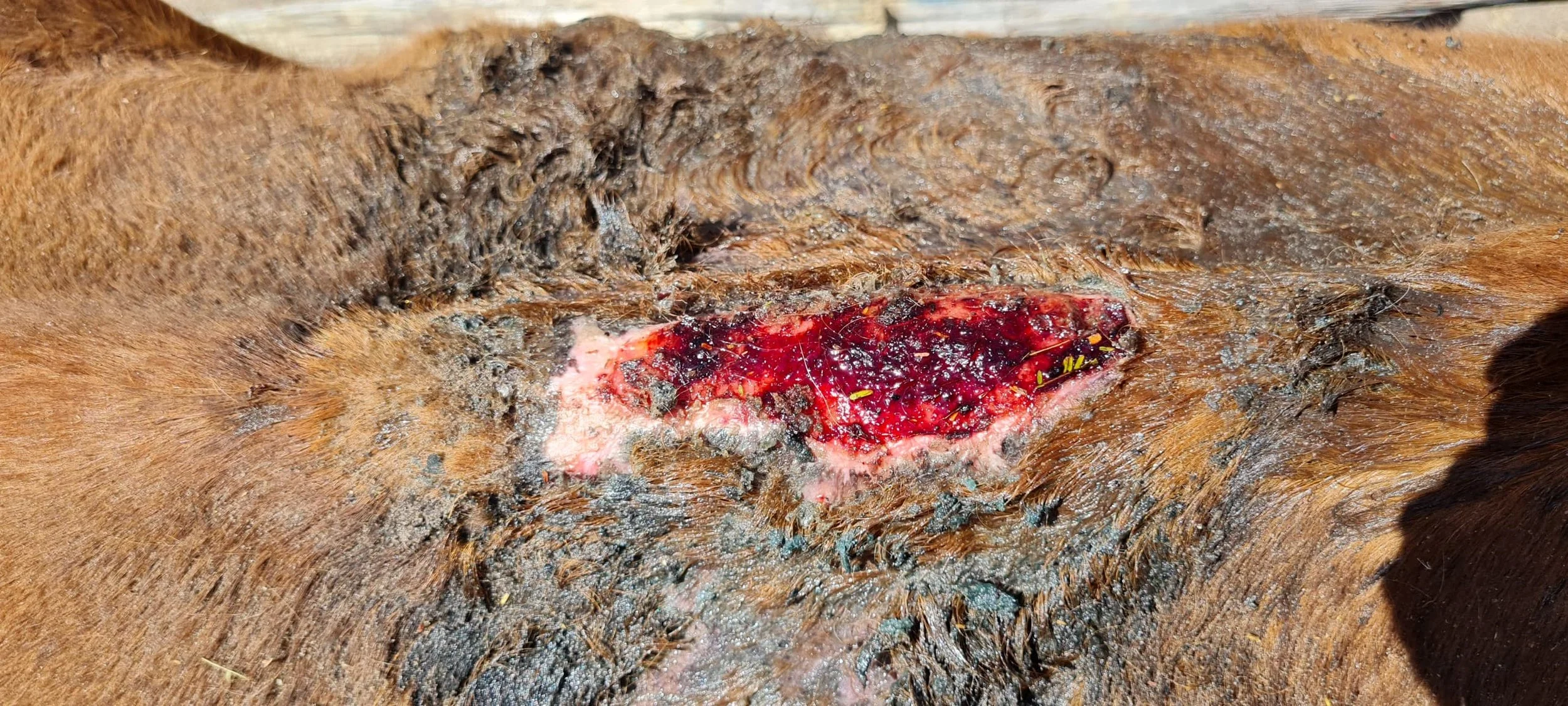
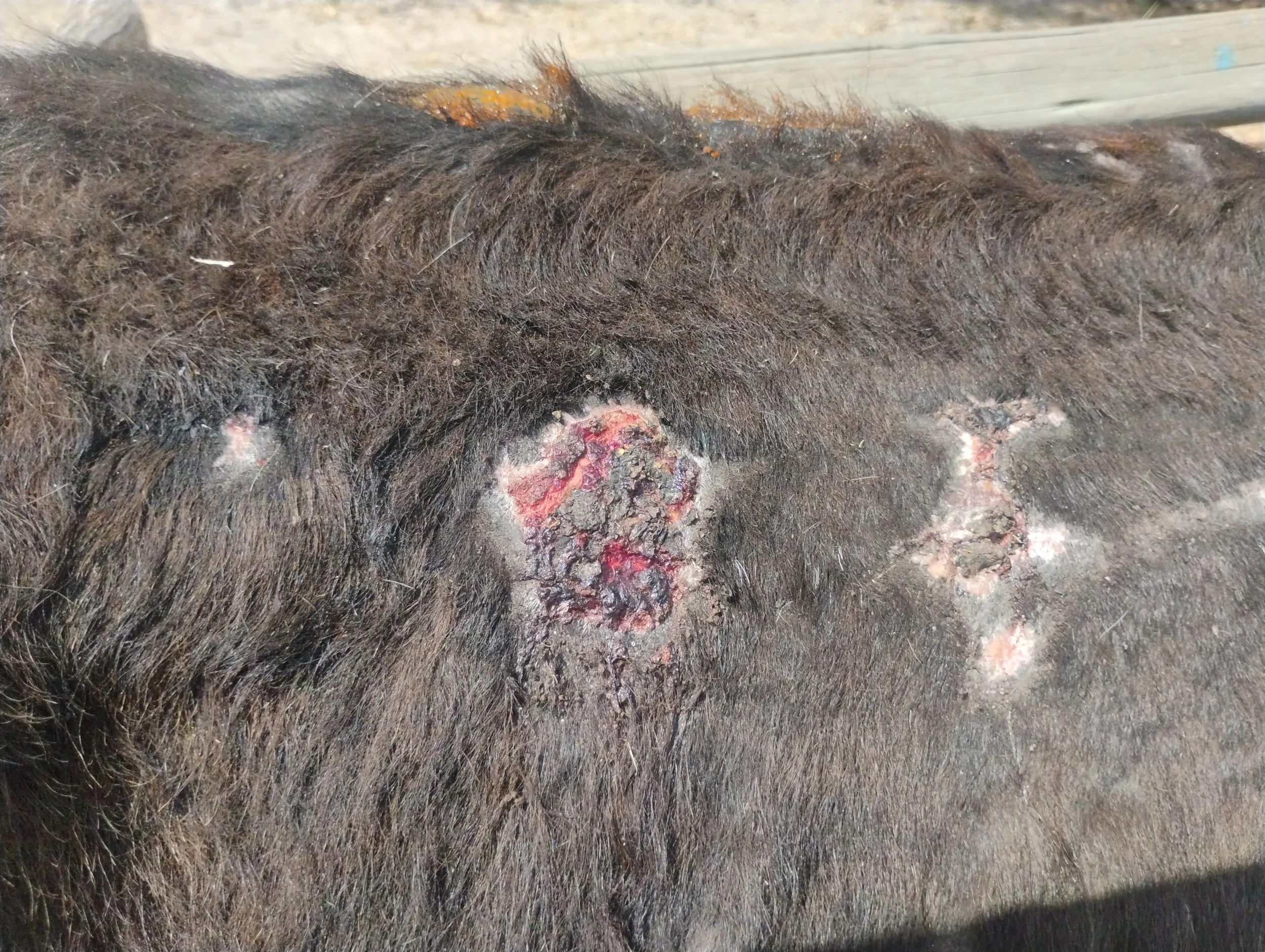
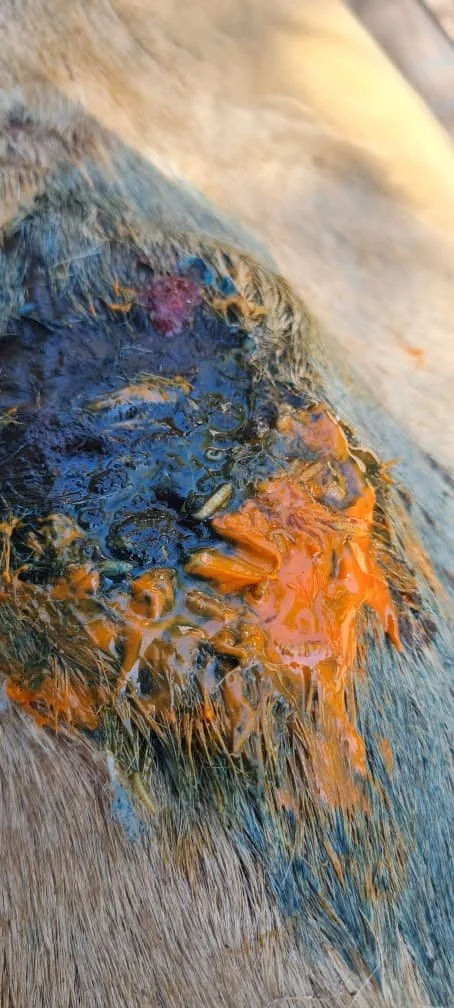
The team treated several serious wounds, including saddle rubs and injuries inflicted by hyenas. Pain relief, wound care and long-acting antibiotics were administered where required.
Where possible, MAWS supplied correct harnesses, bits and other equipment to help resolve existing injuries and reduce the risk of further equipment-related trauma. In this way, we are addressing both current injuries and their underlying causes.
The visit also gave the MAWS team valuable time to speak directly with community members. There is a clear, ongoing need for veterinary and animal welfare services in Xhoo, and not every community member had heard about our visit in advance. This was a reminder that increased communication with community representatives will help ensure more owners are aware of future outreaches, and that animals needing treatment can be identified and brought forward.
MAWS is extremely grateful to all Animal Aid Abroad donors for supporting this outreach, and making it possible for the team to reach animals and owners in a community with significant barriers to veterinary care.
Tsutsubega Outreach
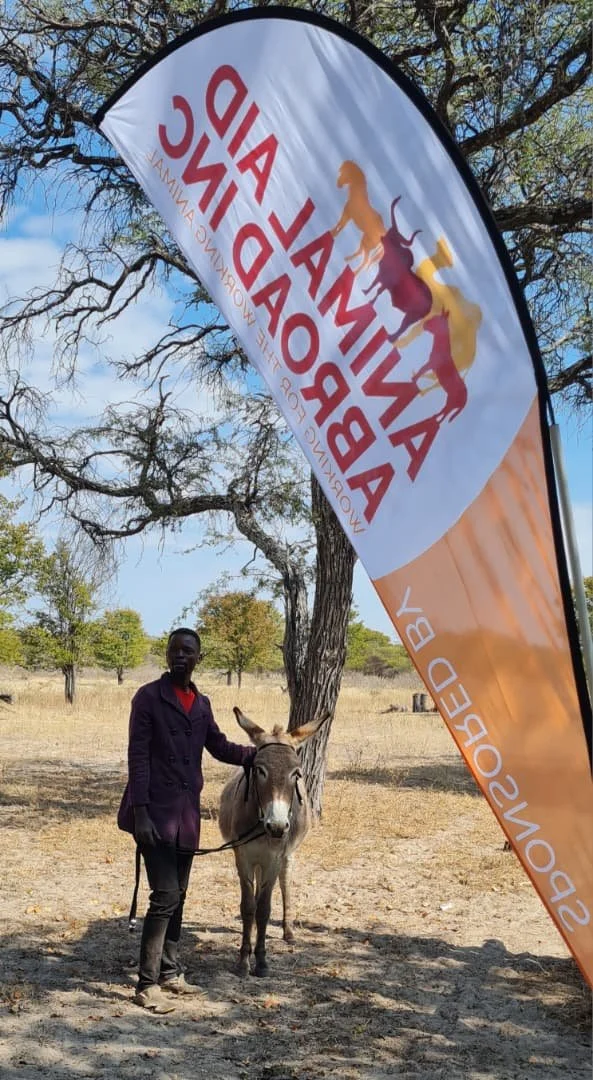
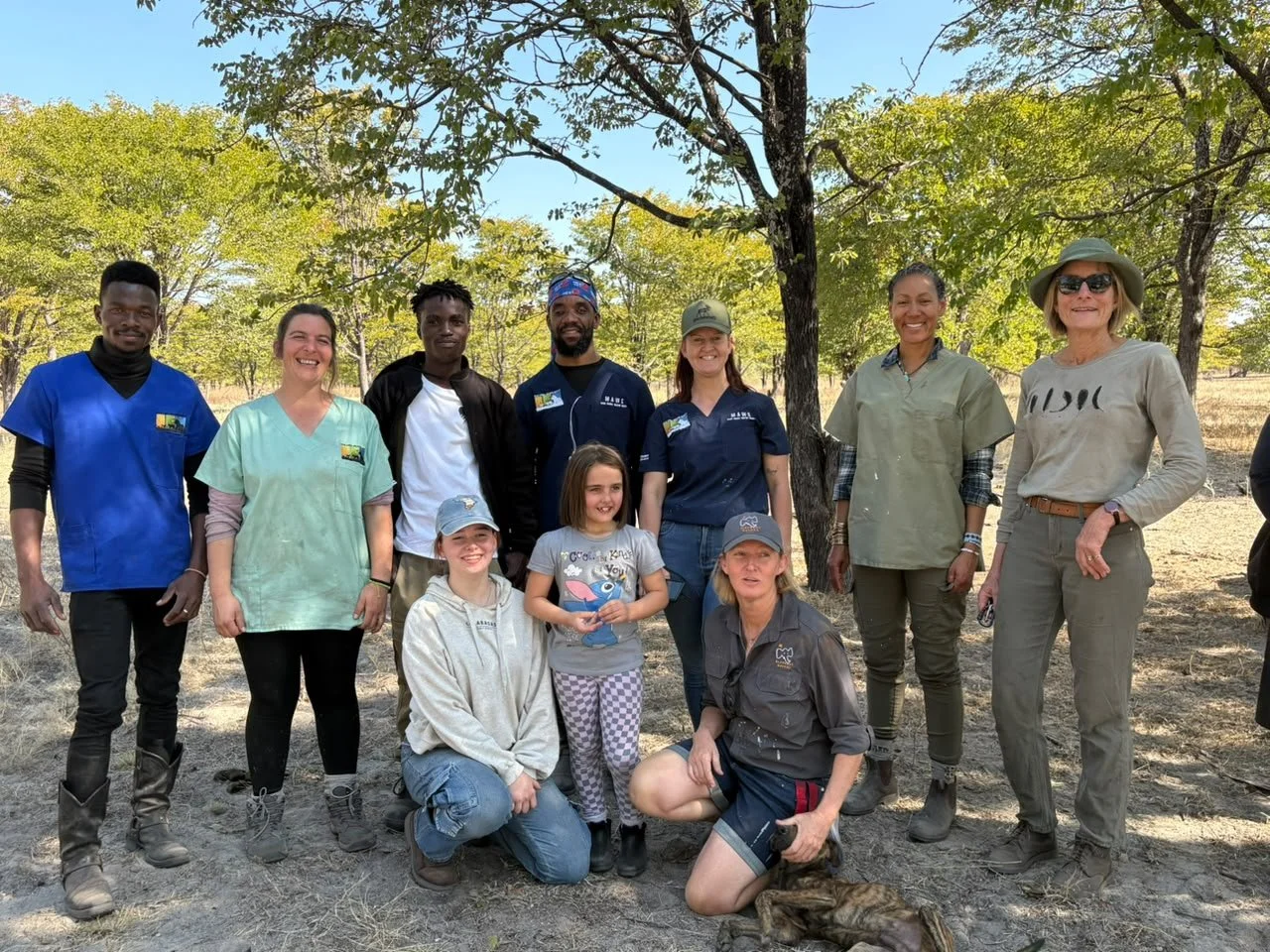
On August 22nd, MAWS conducted our first-ever outreach visit to Tsutsubega. This is a farming community similar to Xhoo - approximately one hour from Maun over extremely sandy roads - where people rely on their equines to transport water to and from town, and to round up cattle and goats.
A total of 17 working equines were attended to — 9 horses and 8 donkeys.
As expected, the usual tack- and harness-related injuries were seen among the community's working animals. Significant time was spent explaining to owners the benefits of correctly-fitting tack and harnesses, and new harnesses were provided to several equine owners.
The positioning of harnesses was also explained. It is often noted that carts are connected to the bit rather than to the chest harness, and when a team of four animals is connected, the two outer animals often have no pulling power, as they are connected only by their bits. This was discussed and explained in depth.
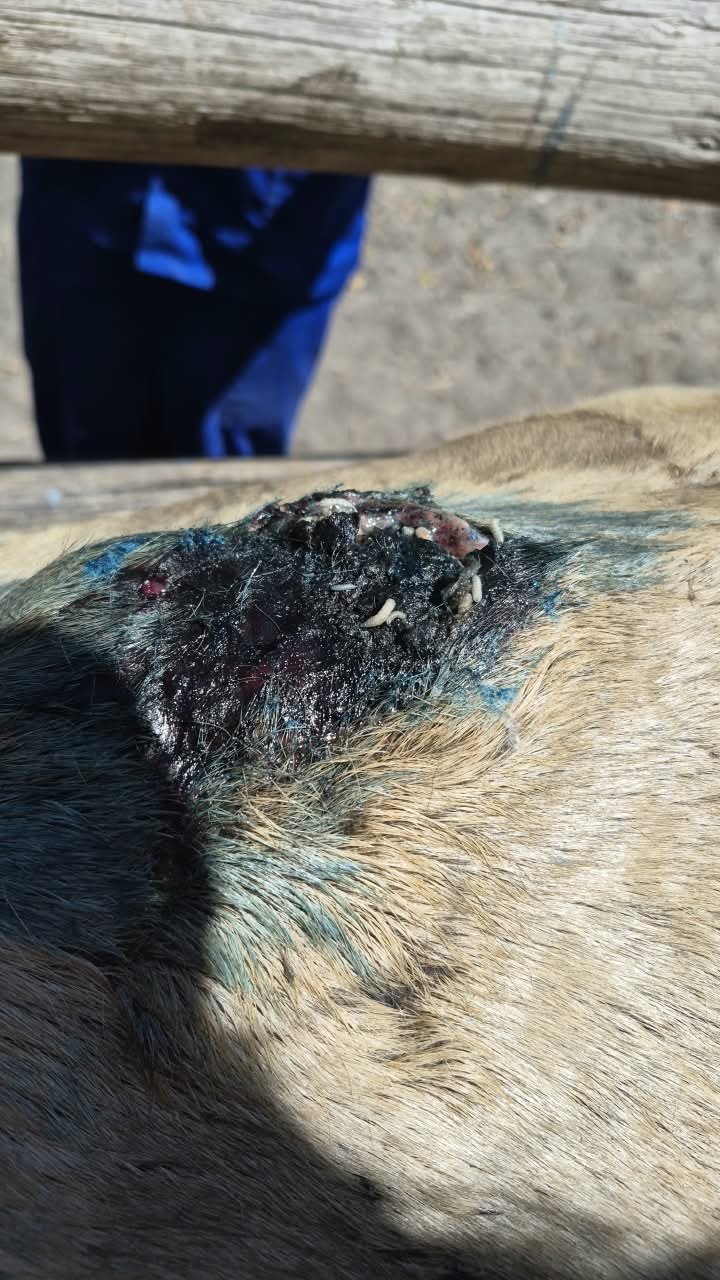
The team treated serious wounds as usual, with some severe saddle rubs containing maggots. Animals received pain relief, wound care and long-acting antibiotics where required.
All animals were treated for parasites, and owners were sent away with tubs of tick grease and wound treatment where appropriate.
Predator Conflict
Community members raised predator conflict involving working animals as an important concern, identifying hyenas, leopards and African wild dogs as particular threats.
Predator-related injuries and losses can seriously affect families who rely on their animals for transport, farming and other essential activities.
This is valuable information for MAWS as we build our understanding of the welfare challenges facing working animals in the communities around Maun. Further engagement with Tsutsubega may help us better understand the scale of the issue.
Community Engagement
This outreach gave the MAWS team valuable time to speak directly with community members, who expressed a clear need for ongoing veterinary and animal welfare services.
MAWS is extremely grateful to Animal Aid Abroad for supporting this outreach, and making it possible for the team to reach animals and owners in a community that had not previously benefitted from our programme.
With your heartfelt support, MAWS will continue reaching working equines in remote areas of Botswana, and ensure their lives and welfare are greatly improved over time.