October is a very hot, dry month in Malawi, so our partner group - the Lilongwe Society for the Protection and Care of Animals (LSPCA) - recently focused on educating owners about the importance of protecting their donkeys from heat stress and exhaustion. This included reinforcing the provision of clean drinking water and adequate shade, and avoiding working their donkeys during the hottest parts of the day.
See how your generous support is helping to protect donkeys from suffering during the hottest months in Southeast Africa.
Introduction
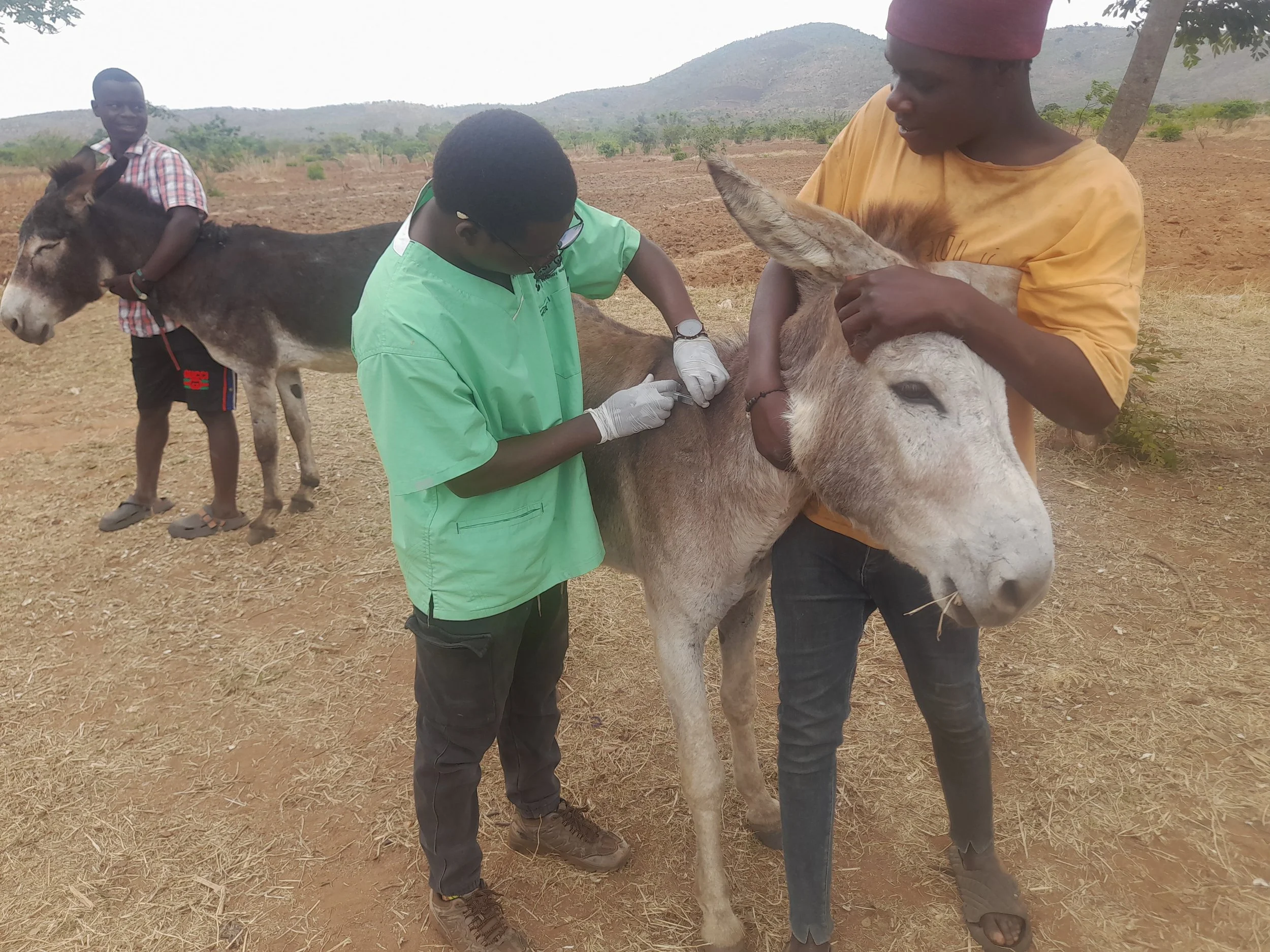
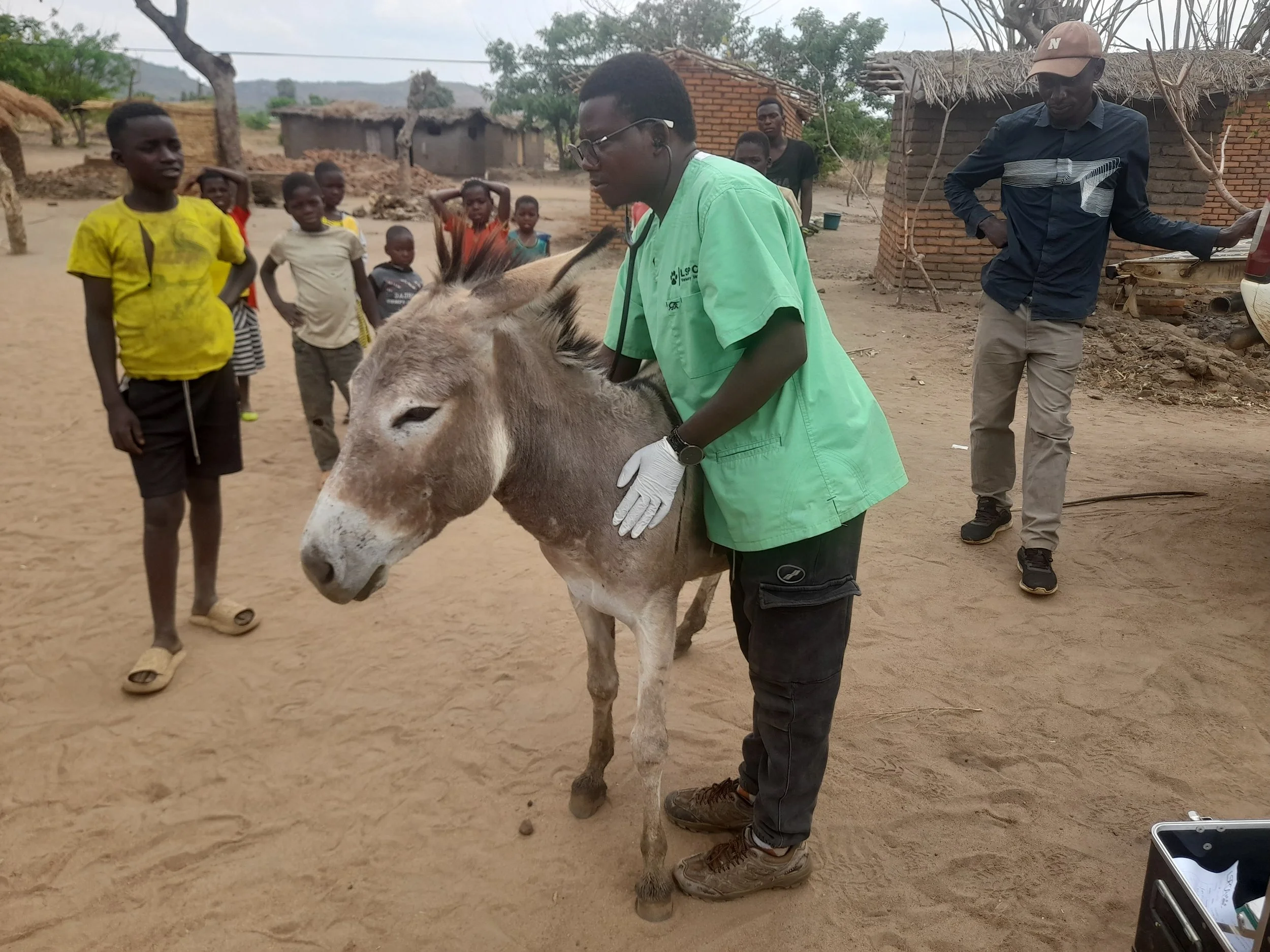
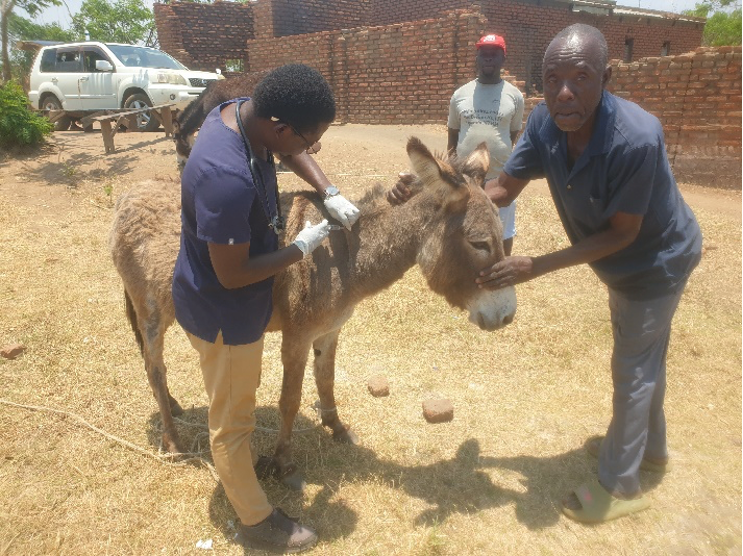
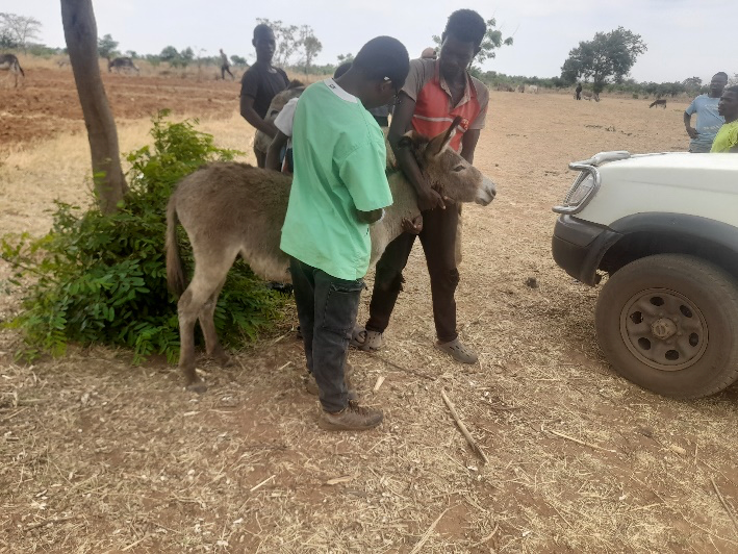
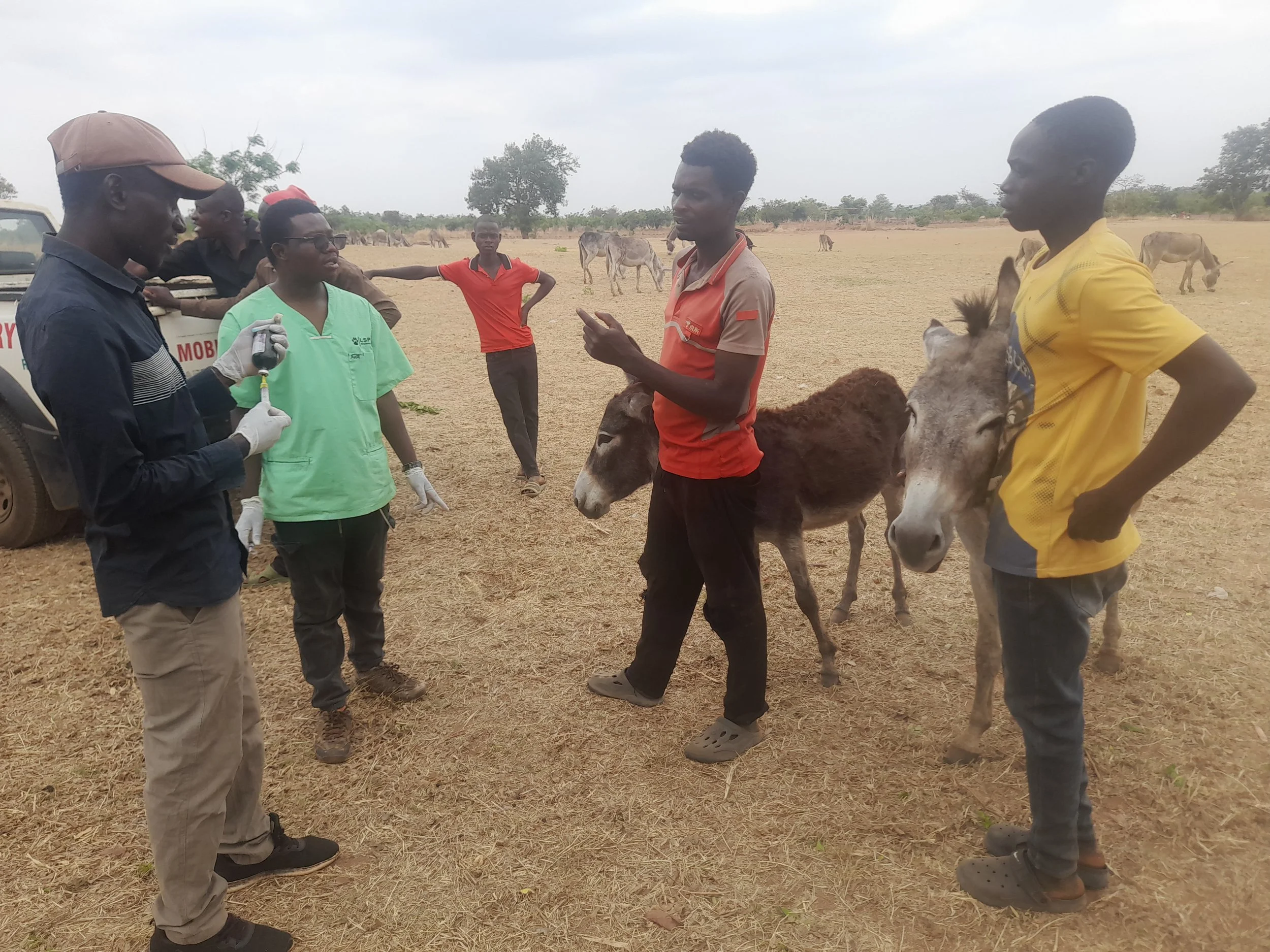
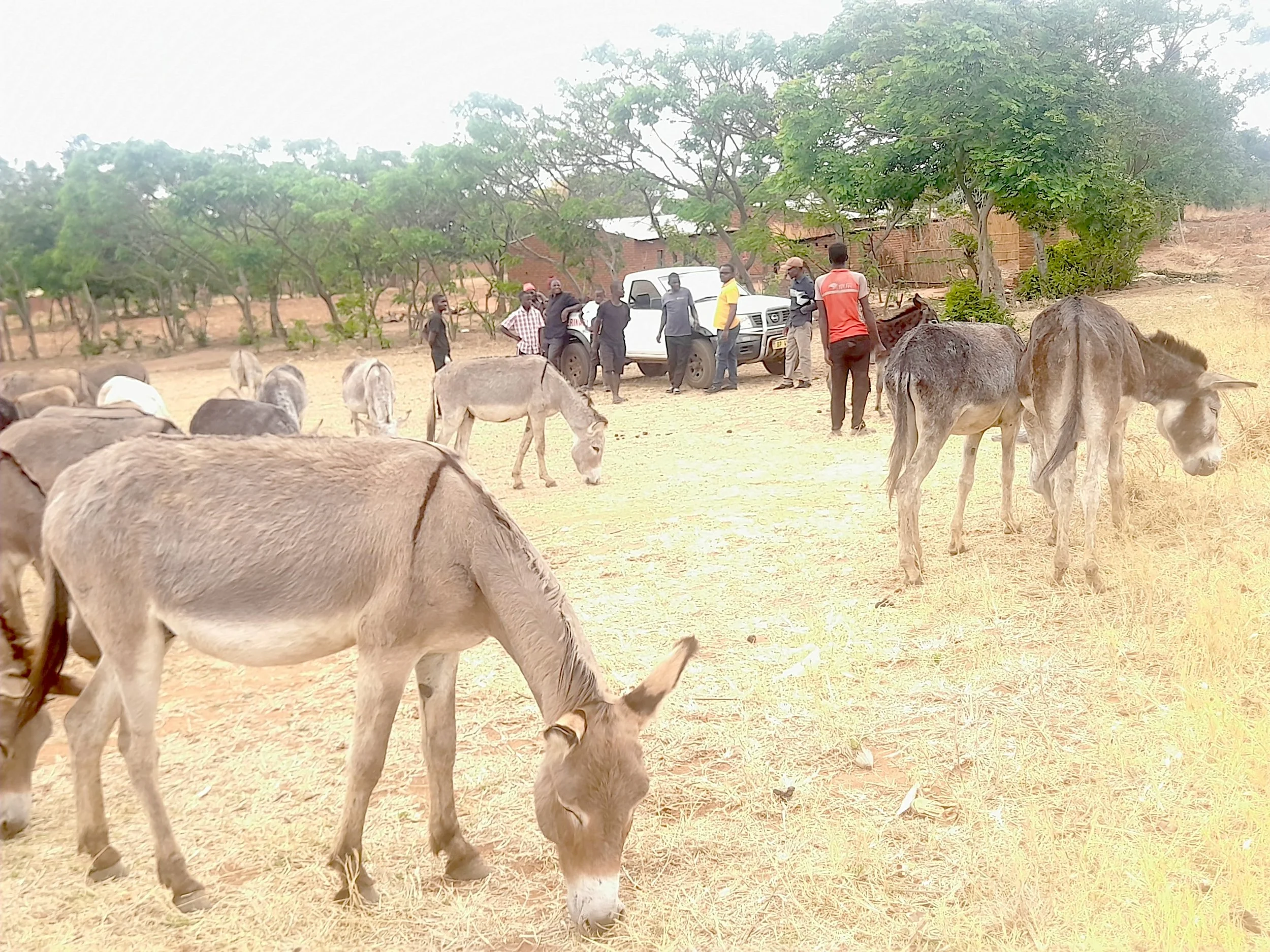
In October, the LSPCA completed follow-up outreach visits to the Mponela and Dzenza communities. During these visits, the team provided clinical examinations, general health care, wound management, hoof care and medical treatments for working donkeys, along with animal welfare education for their owners.
The visits aimed to improve donkey wellbeing by educating communities on the five freedoms of animal welfare, with particular emphasis on providing adequate shelter and access to clean drinking water. This activity was particularly important last month, when Malawi experiences high temperatures and dry conditions. This often results in limited availability of feed and water, and an increased risk of heat stress among donkeys. The team therefore encouraged owners to make use of stored crop residues, ensure a regular supply of clean drinking water and avoid working their donkeys during the hottest parts of the day. They were also advised to use well-fitted harnesses to avoid injuring their donkeys.
The follow-up visit to Mponela showed encouraging progress, with donkeys previously attended to by the team appearing to be in better condition. The team also noted an increase in the number of new donkey owners bringing their animals for treatment, suggesting that awareness of LSPCA's outreach services is spreading to more members of the community. This is a positive indication of growing community reach and increased willingness among owners to seek veterinary care for their donkeys. LSPCA will continue conducting regular visits to support these improvements and reach more donkey owners in the area.
Mobile Clinics & Field Activities
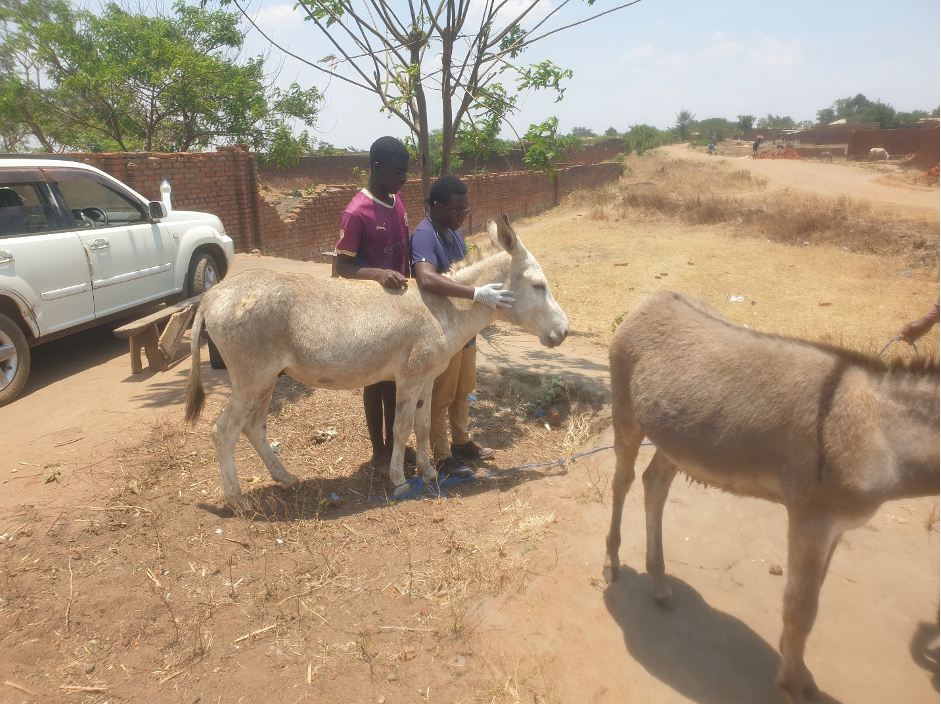
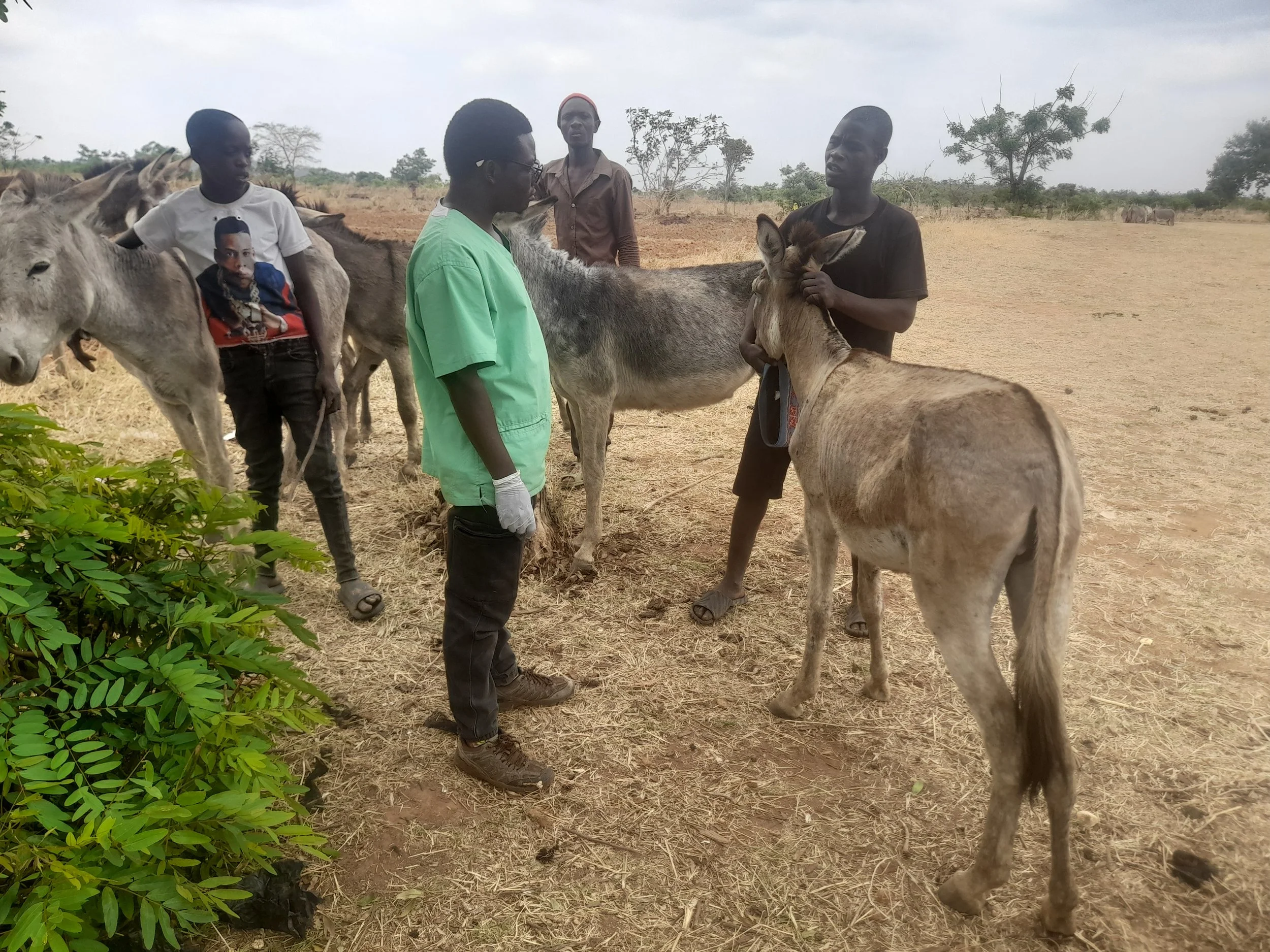
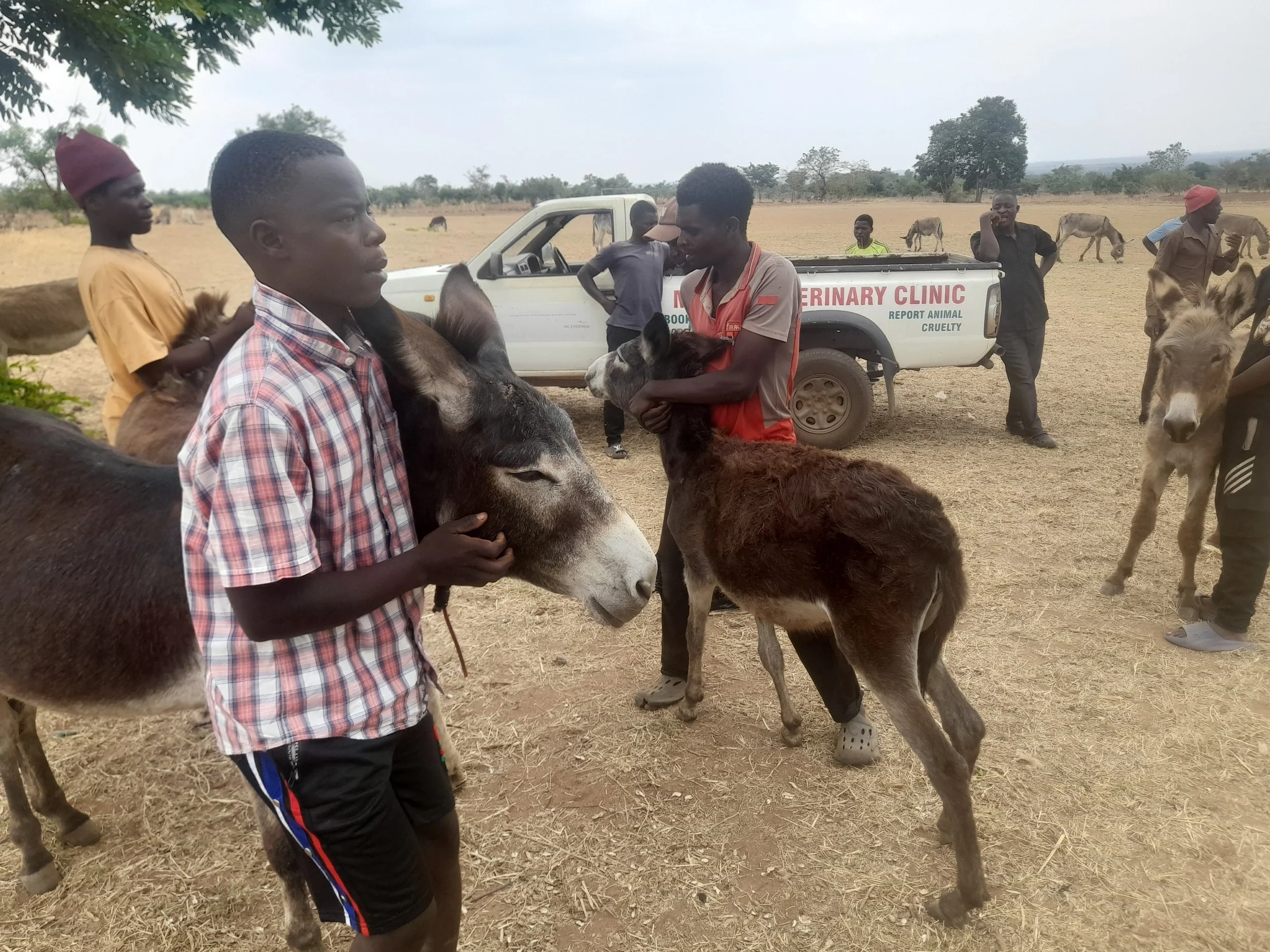
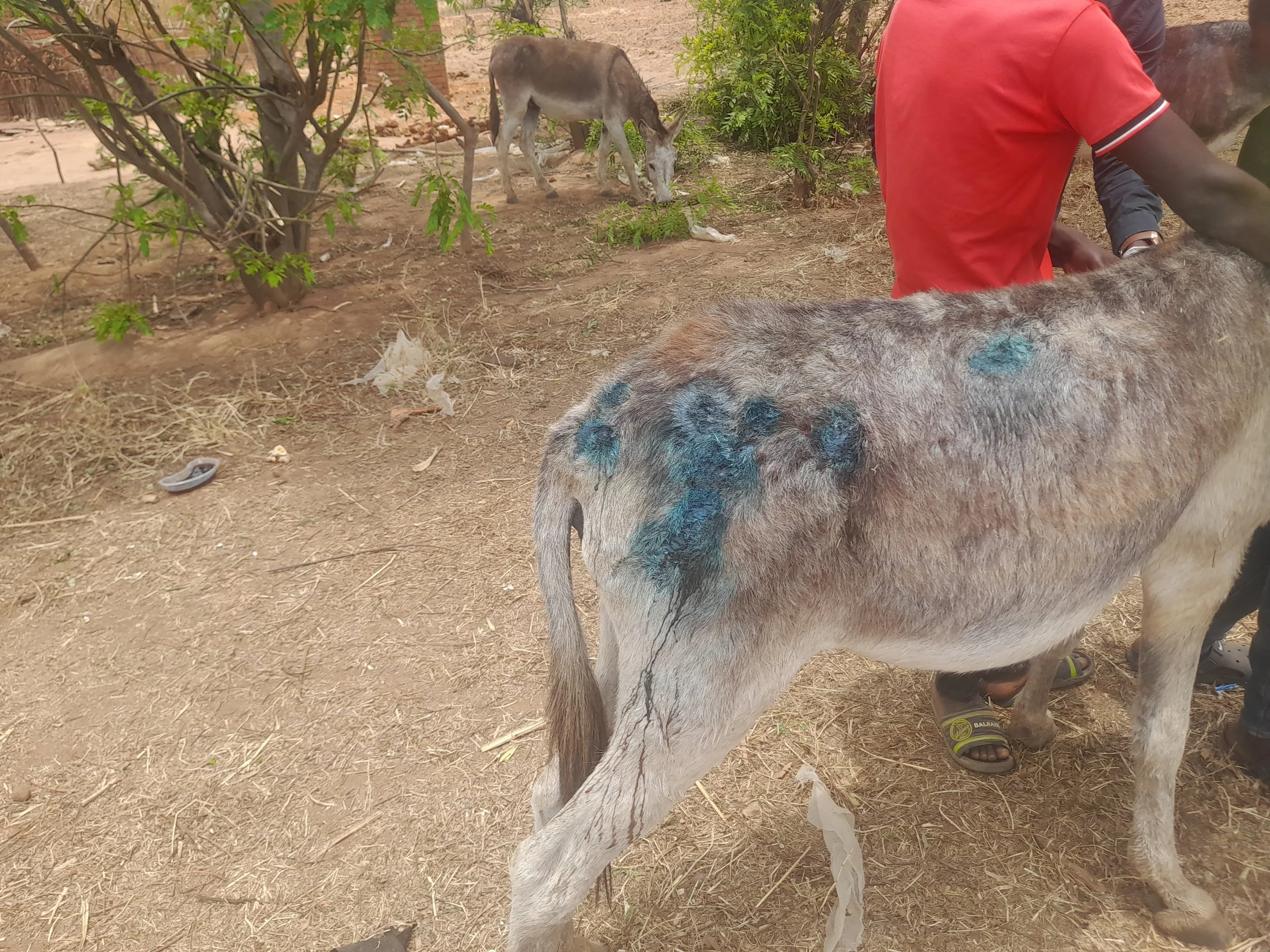
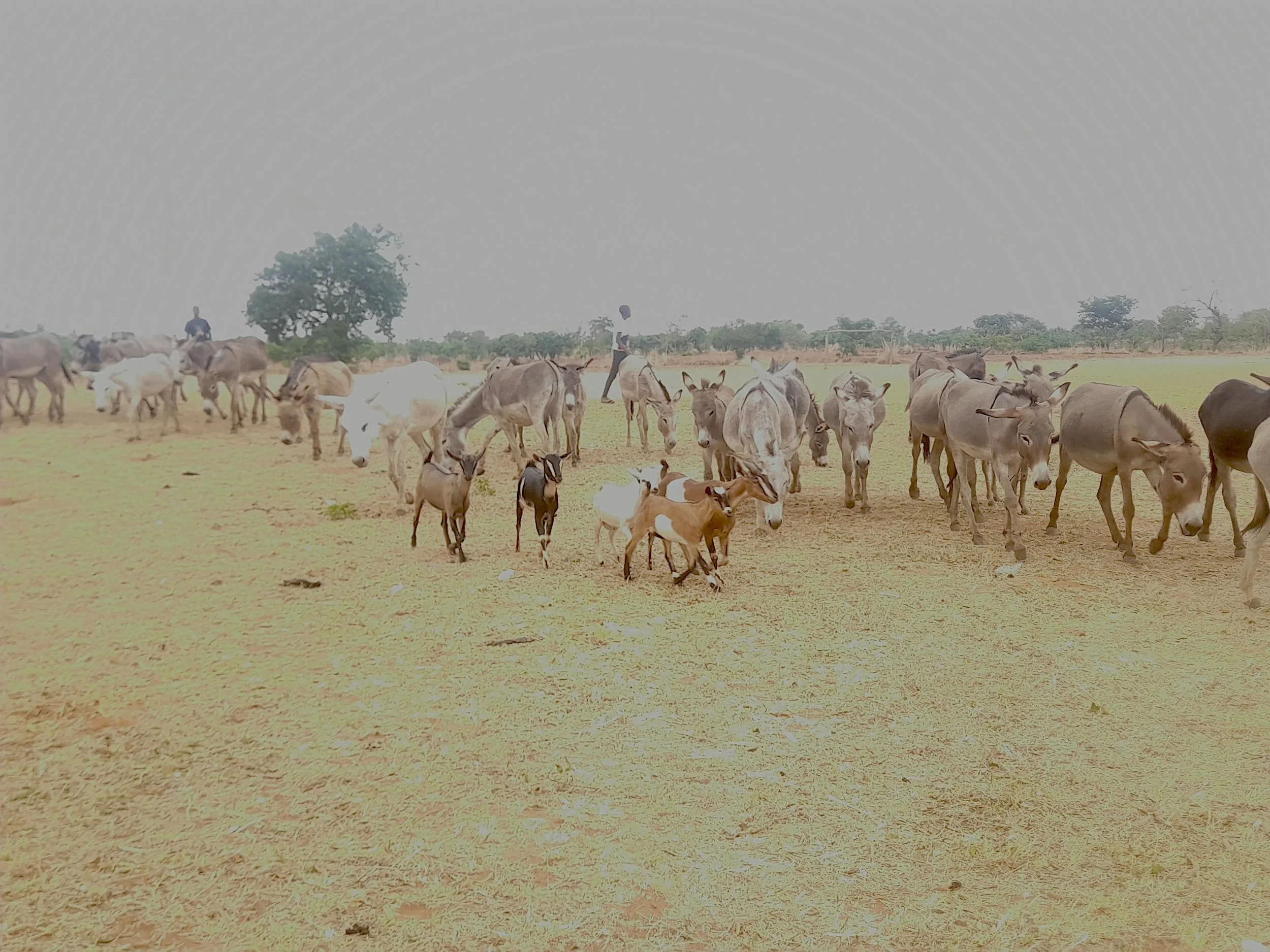
The mobile clinics in Mponela and Dzenza reached 89 donkeys, all of whom received physical examinations to assess their general health and welfare. Some donkeys showed signs of poor body condition, with owners reporting reduced strength for work. This was largely associated with limited availability of good quality grazing during the dry season. The team also identified three donkeys with joint-related conditions and a few minor wounds, which were treated appropriately.
Hoof checks showed that the donkeys generally had well-maintained hooves, with no cases of overgrown or uneven hooves observed. This was an encouraging finding.
Animal welfare education continued to be a key part of the outreach visits. The team reminded donkey owners about the importance of good care in maintaining their animals' health and ability to work. Discussions covered gentle handling, proper use of harnesses and pack saddles, and the importance of seeking veterinary assistance when donkeys show any signs of illness or injury. Owners were also advised to avoid overworking their animals, and to provide appropriate feed and shelter to support their health and welfare.
Pack Saddle Making in Mponela
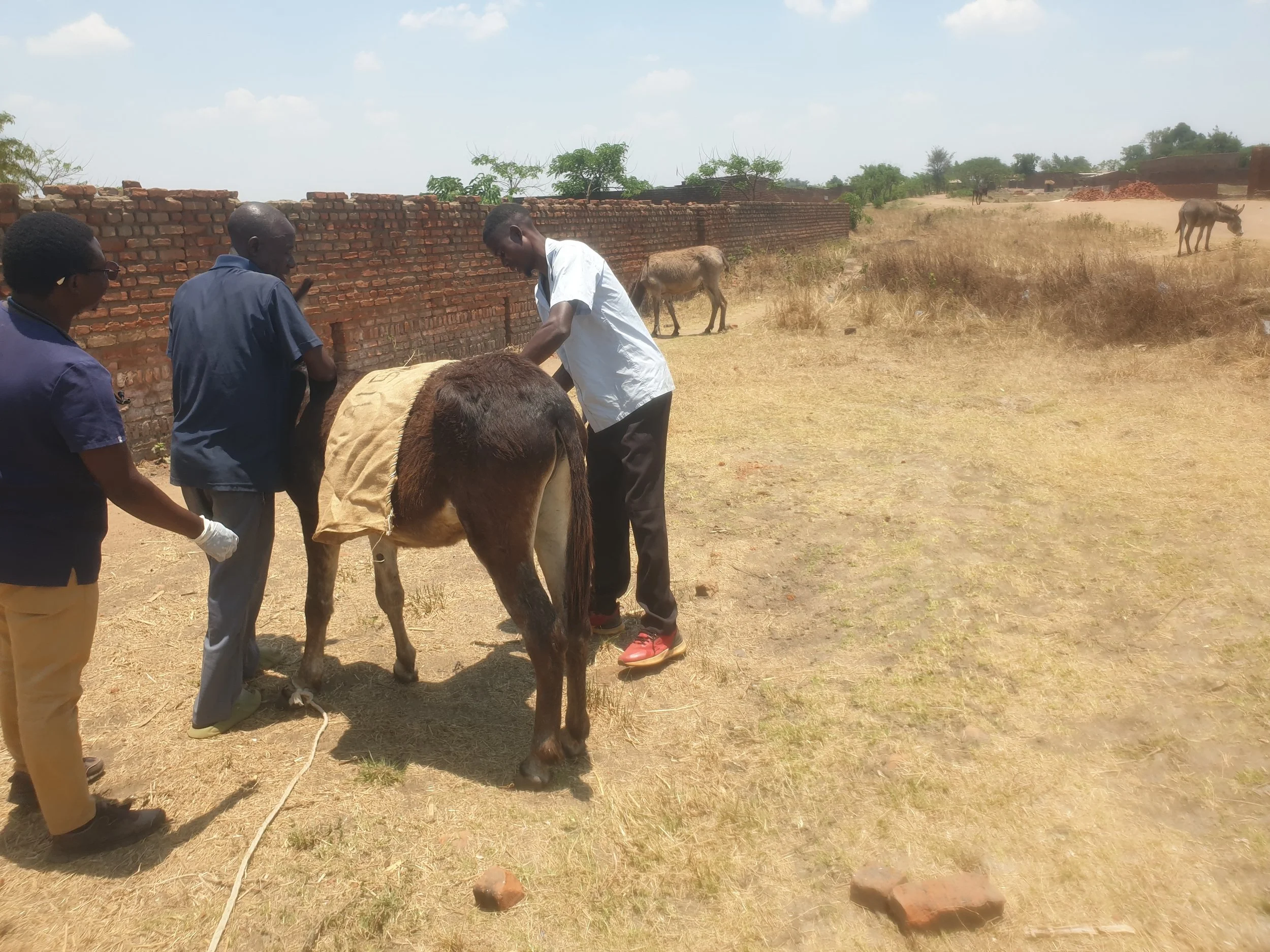
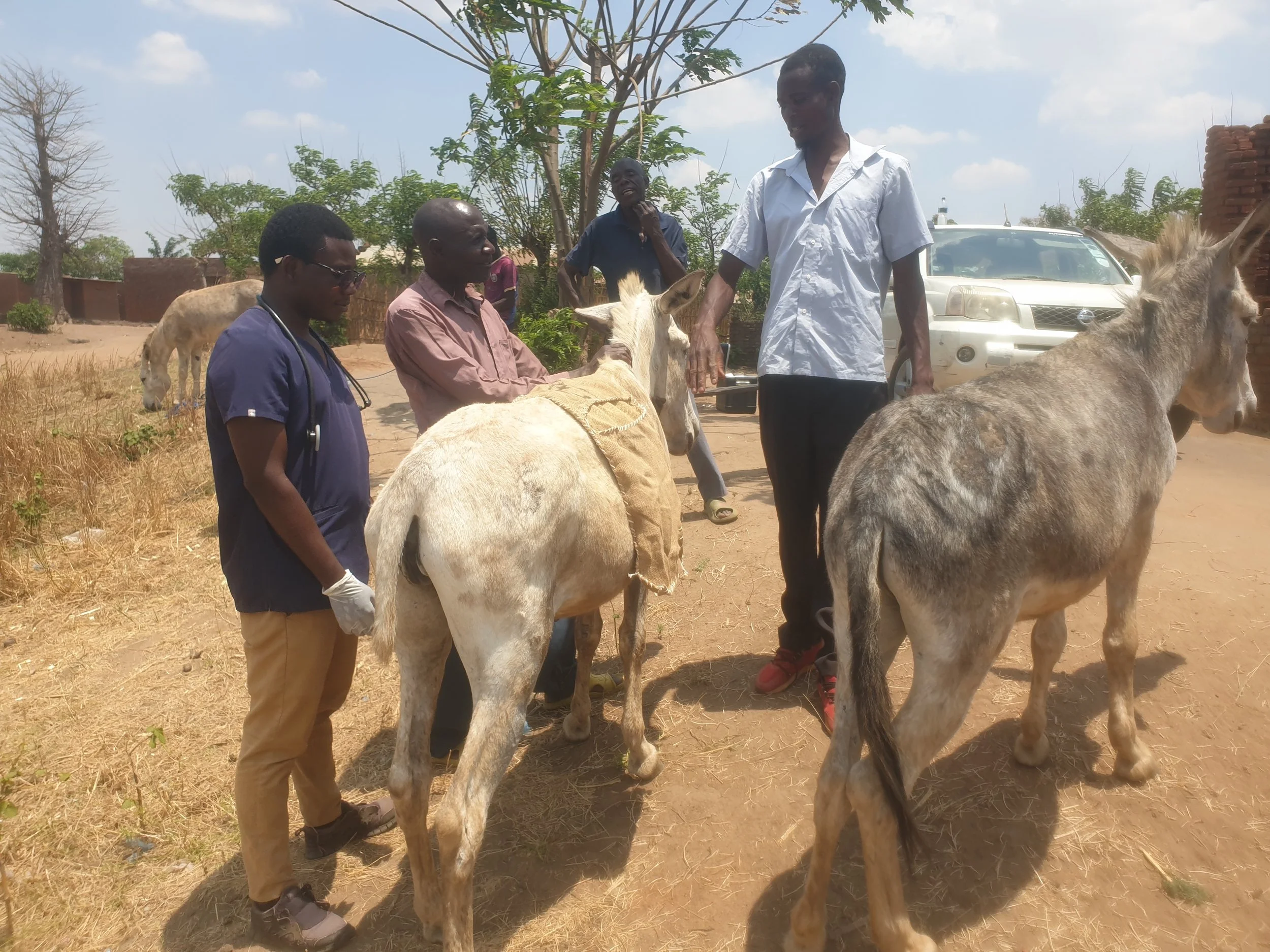
Farmers in Mponela received practical training on making simple pack saddles suited to the everyday needs of donkey owners. The pack saddles are designed to help carry small household and daily commodities, such as groceries, small quantities of farm produce and other light items. When properly fitted and used, they help distribute loads more evenly across the donkey's back, reducing friction, pressure and the risk of sores and injuries. During this session, five pack saddles were made and distributed to participating farmers.
Participants were encouraged to share the skills they had acquired with other donkey owners in their communities. This will help more farmers make and use appropriate pack saddles using locally-available materials, while also promoting safer load-carrying practices and better donkey welfare.
Challenges
The hot and dry conditions during October affected the availability of feed and water, leaving some donkeys in poor body condition and with reduced strength for work. Natural grazing and browsing were limited, making it difficult for owners to provide sufficient feed. The team advised owners to supplement available grazing with locally-sourced feed such as fresh leaves, maize bran and stored crop residues. They were also encouraged to provide adequate shade and ensure regular access to clean drinking water.
October was also marked by continued fuel shortages, which affected transport and the scheduling of field activities. This resulted in delays completing some follow-up visits. Despite these difficulties, the team made efforts to maintain the outreach schedule and ensure that the planned community visits and donkey welfare activities continued.
Heavy reliance on donkeys for transport continued to expose them to long working hours, including during the hottest parts of the day. This increased their risk of exhaustion and heat stress. Owners were advised to allow their donkeys adequate rest, avoid working them during peak temperatures and avoid placing heavy loads on young donkeys. Balancing household transport needs with appropriate working hours and rest for donkeys remains a challenge in the communities.
Conclusion
The October outreach visits to Mponela and Dzenza provided continued veterinary support and animal welfare education for donkey owners. The improved condition of some donkeys previously seen, alongside an increase in new owners bringing their animals for treatment, showed encouraging progress and growing awareness of LSPCA's services. The visits also provided an opportunity to address common health and welfare concerns, and equip farmers with practical skills to improve donkey care.
Despite seasonal challenges and fuel shortages affecting the timing of some activities, LSPCA continued to reach working donkeys.
With your wonderful support, LSPCA will continue to improve donkey welfare in Malawi by reaching more animals with essential veterinary services and providing owners with practical animal care education.