Making Strides Toward Better Welfare for Working Donkeys in Lilongwe
Animal Aid Abroad (AAA), together with our partner Lilongwe Society for the Protection and Care of Animals (LSPCA), is advancing the welfare of working donkeys in Malawi through veterinary care, education, and practical owner support. In April, mobile clinics and follow‑up visits reached 103 donkeys, focusing on treatment, shelter hygiene, humane harnessing, and workload management — creating long‑term improvements in donkey welfare.
Seasonal Challenges and Observations
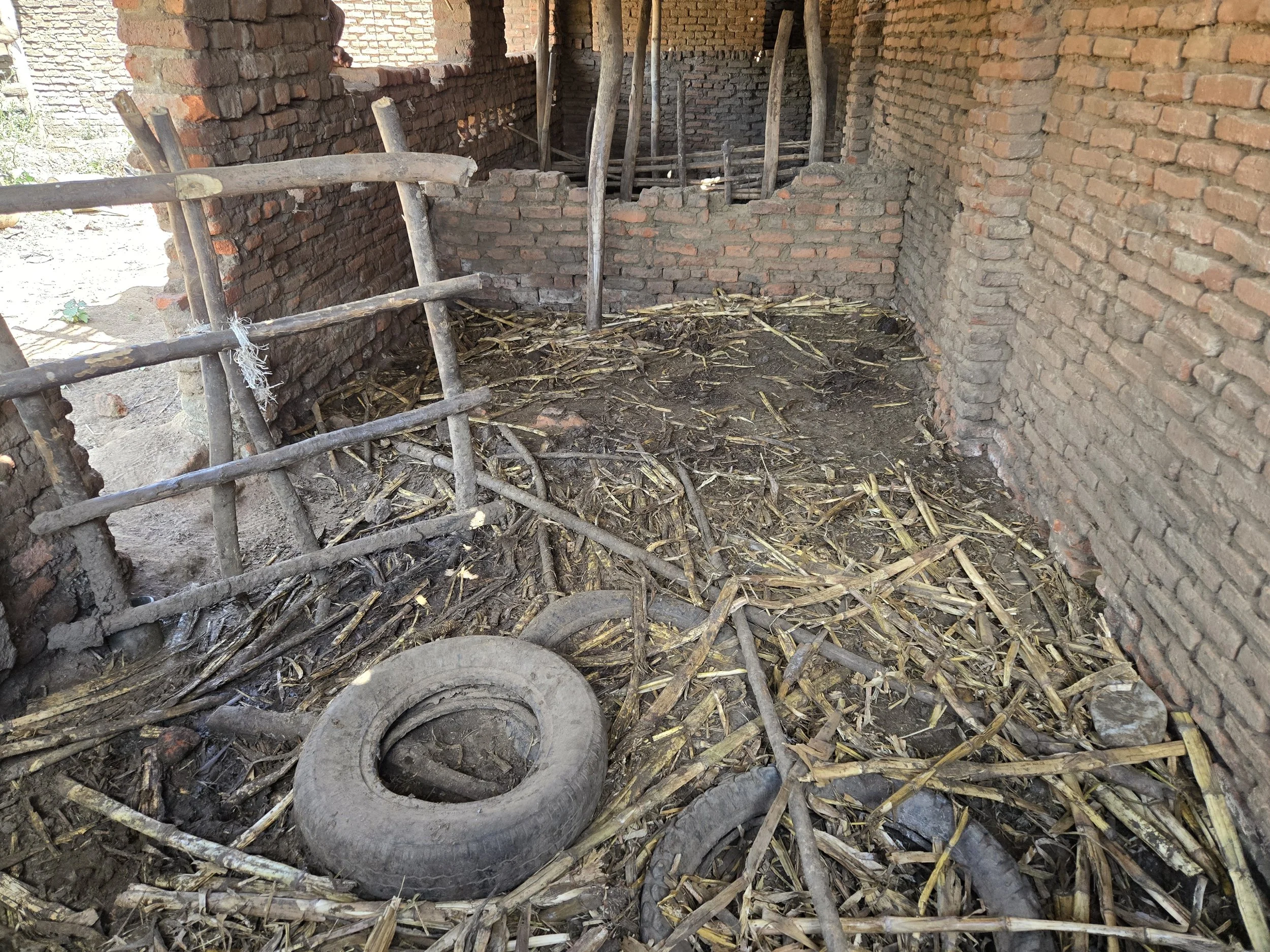
As donkeys transitioned out of the cultivation season, many showed signs of recovery from heavy workloads. However, wounds, bruising, scarring, fly irritation, and general illness remained common. Poor shelter conditions — damp floors, water accumulation, and inadequate drainage — were identified as major contributors to slow healing and infection risk.
Improving shelter hygiene and construction is now a priority intervention, alongside routine veterinary care and workload monitoring.
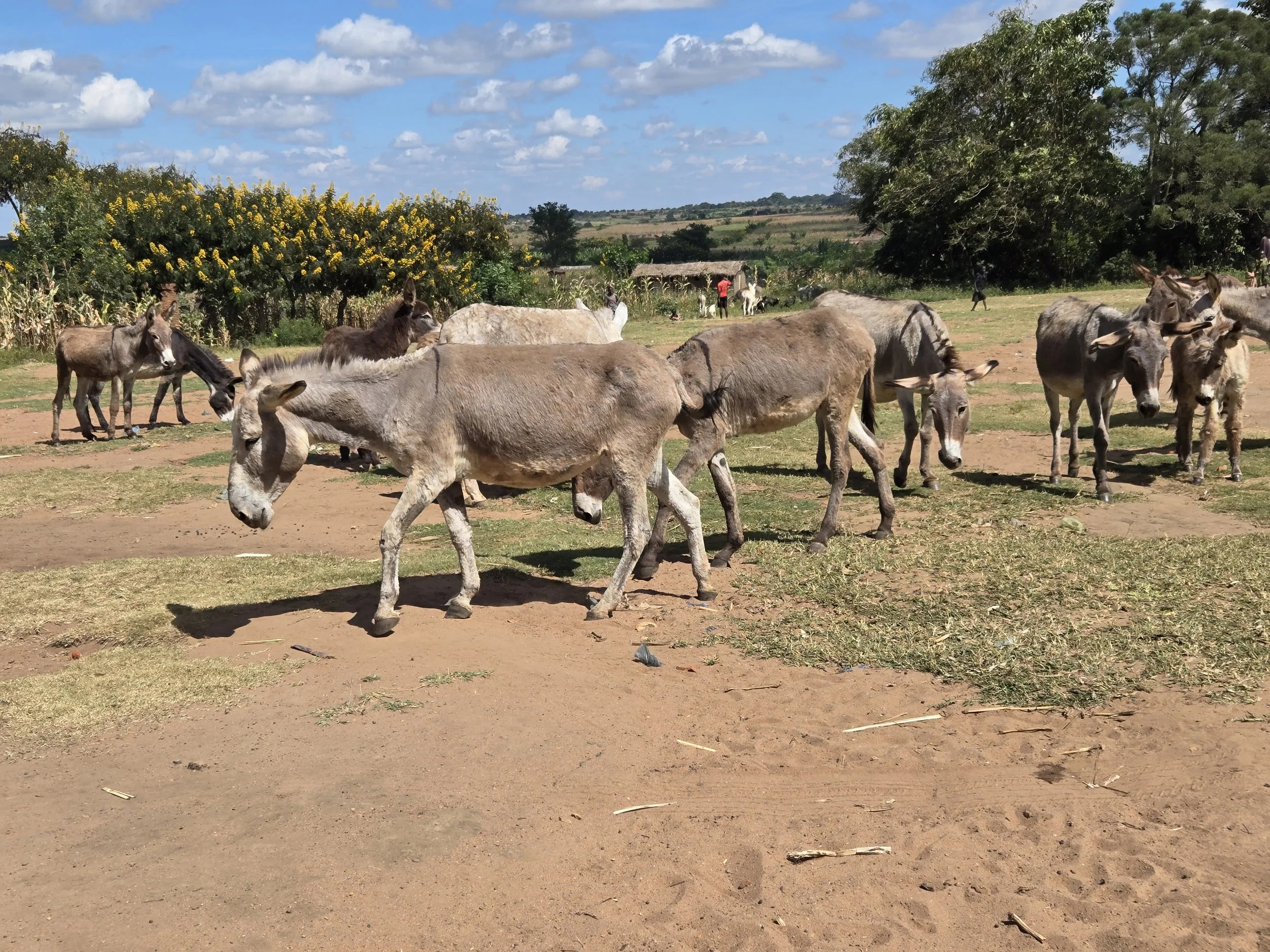
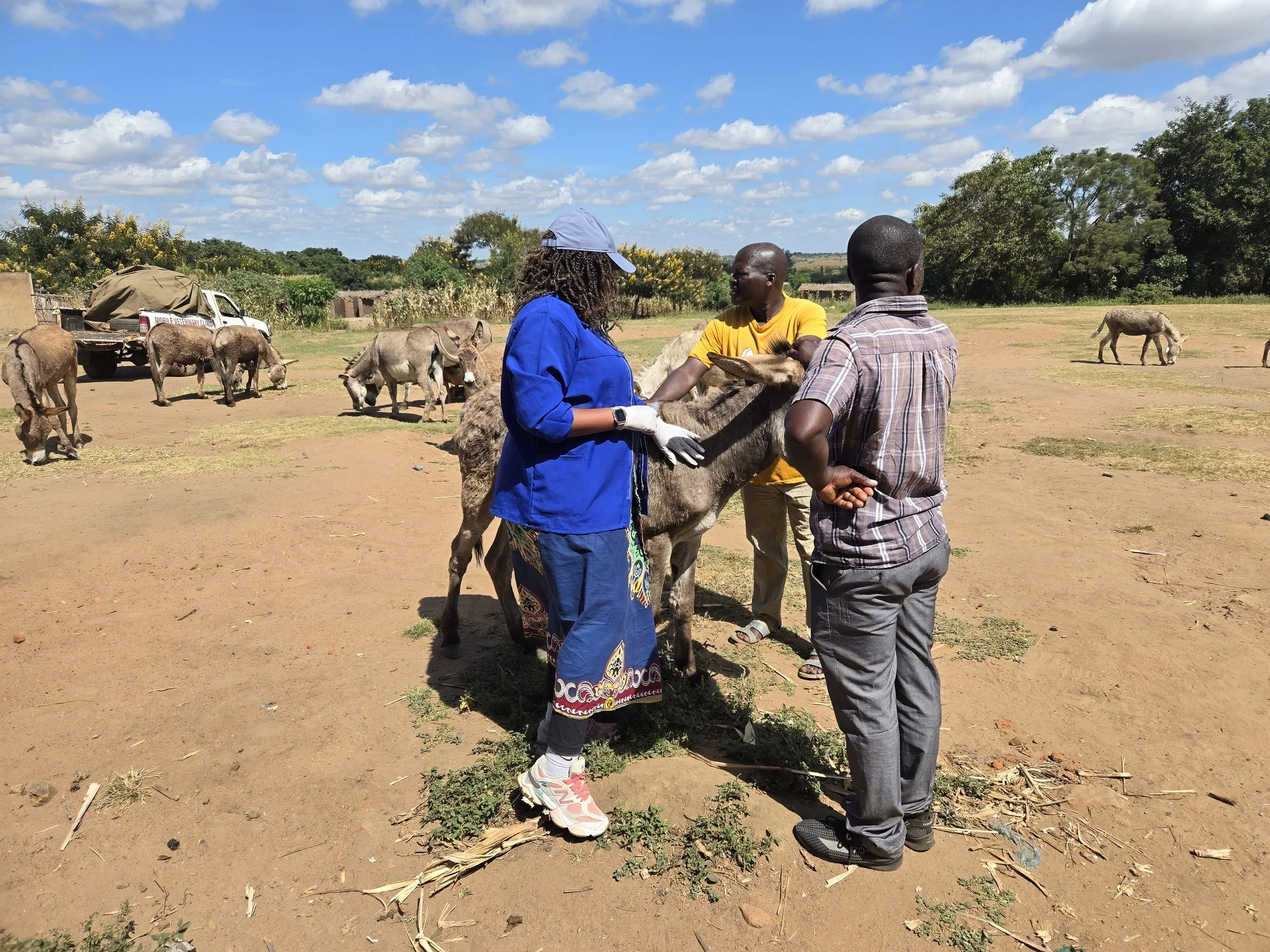
Arrival of donkeys at a mobile clinic.
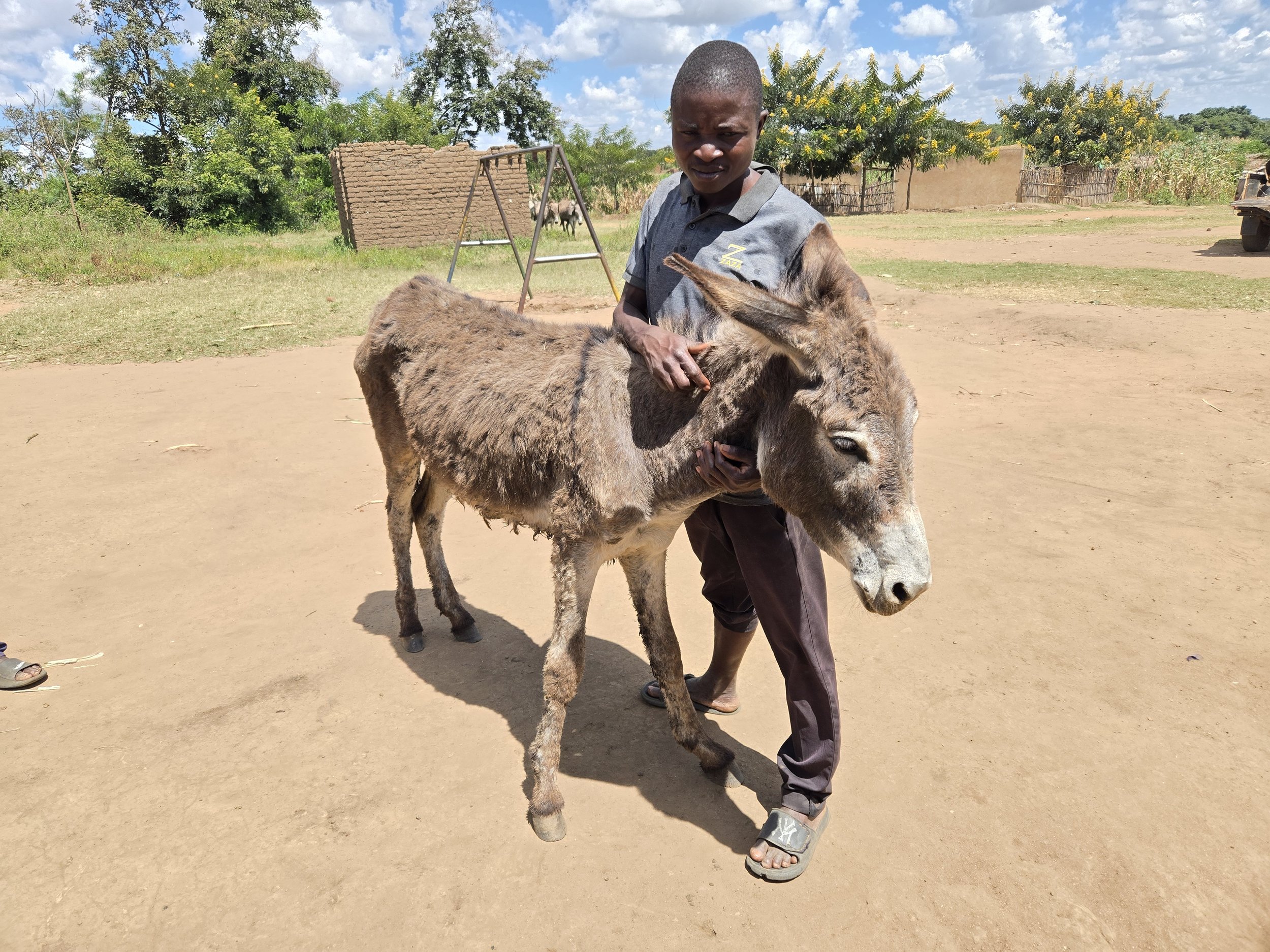
An owner with his donkey who received treatment.
Mobile Clinics and Field Activities
Two mobile clinics in Dzenza and Mpingu reached 103 donkeys:
53 received treatment for wounds, infections, parasites, and workload‑related stress.
50 were assessed and provided with management guidance.
Education sessions emphasized:
Shelter hygiene and proper site selection to avoid water runoff.
Correct harnessing to reduce injuries.
Workload management and humane handling practices.
Basic first aid and reporting pathways for timely intervention.
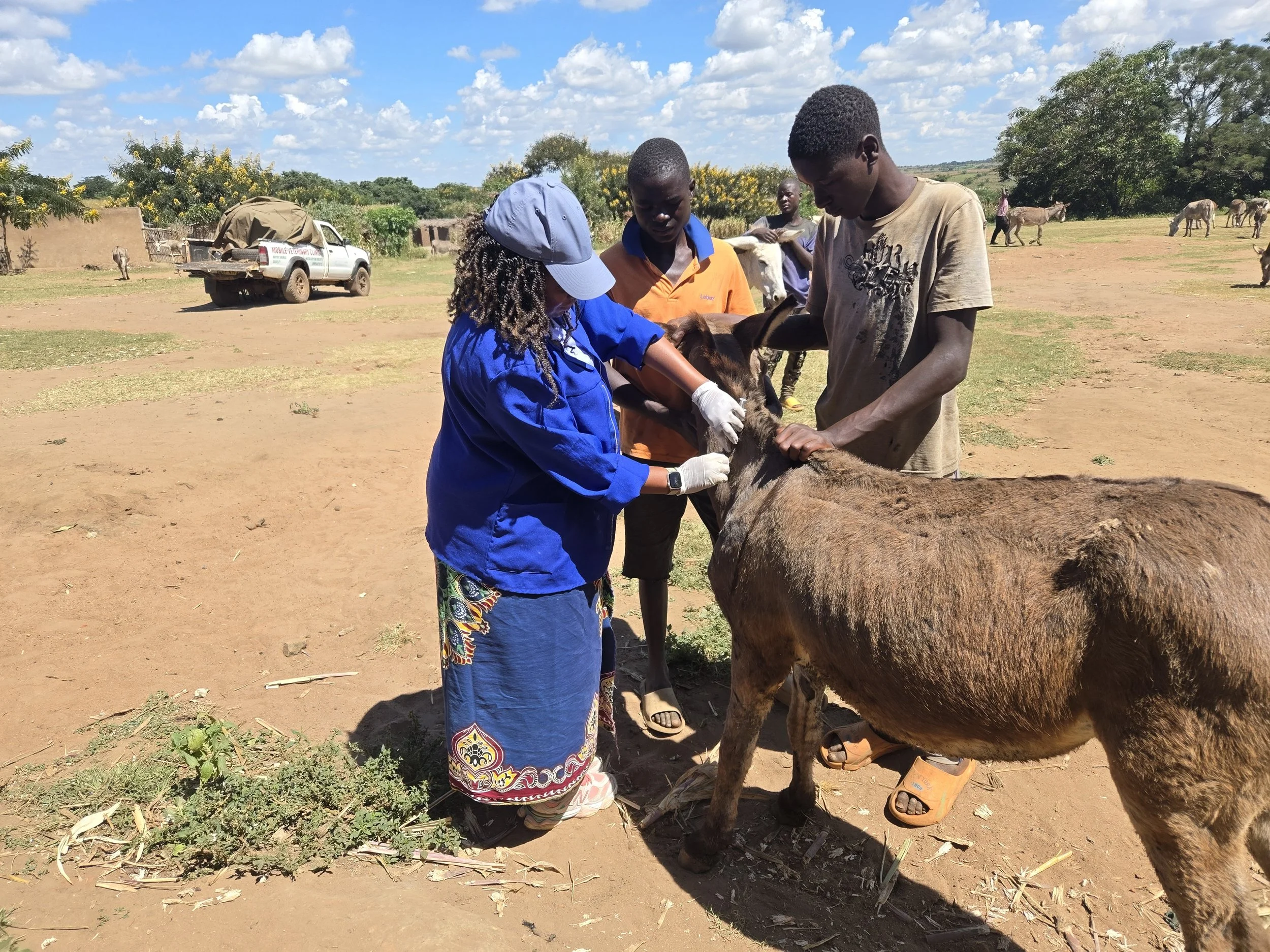
Case Study: Chronic Abscess in Mpingu
One donkey presented with a chronic pelvic abscess, likely linked to cart use or handling practices. The abscess was drained and treated, with aftercare instructions provided to the owner and government veterinary officers.
This case highlights the importance of routine checks, humane handling, and early intervention to prevent advanced, painful conditions.
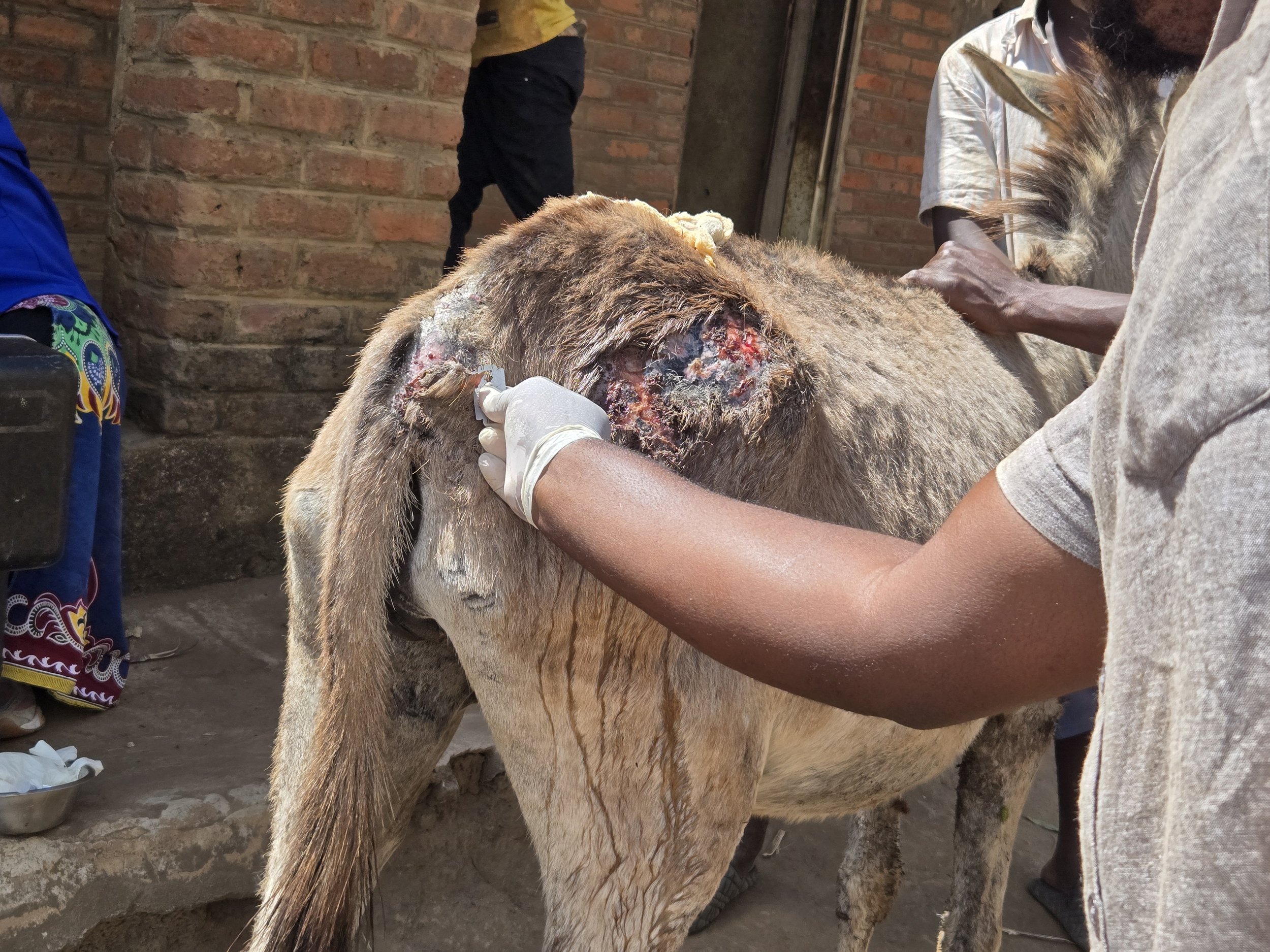
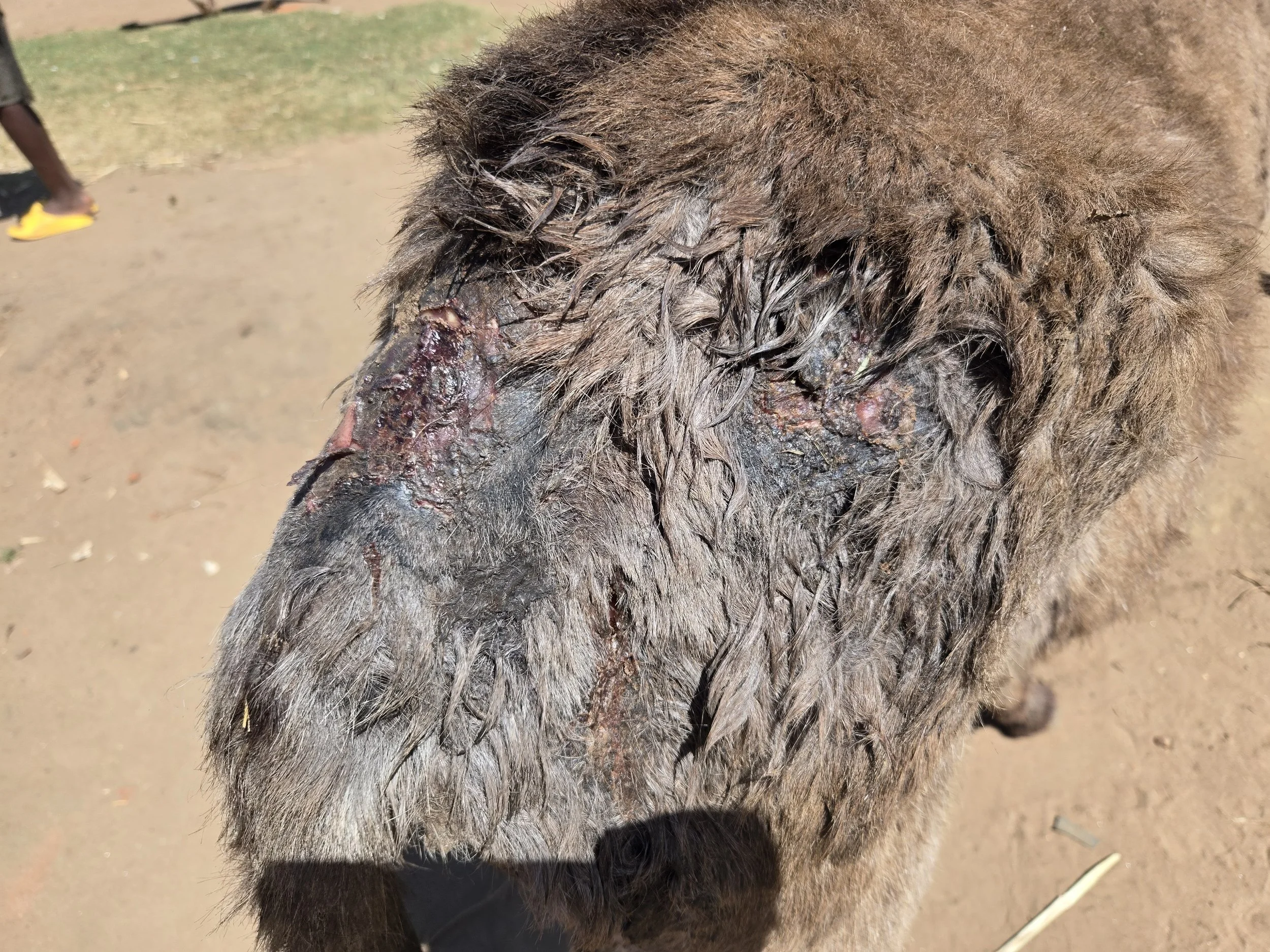
Wounds caused by poor handling.
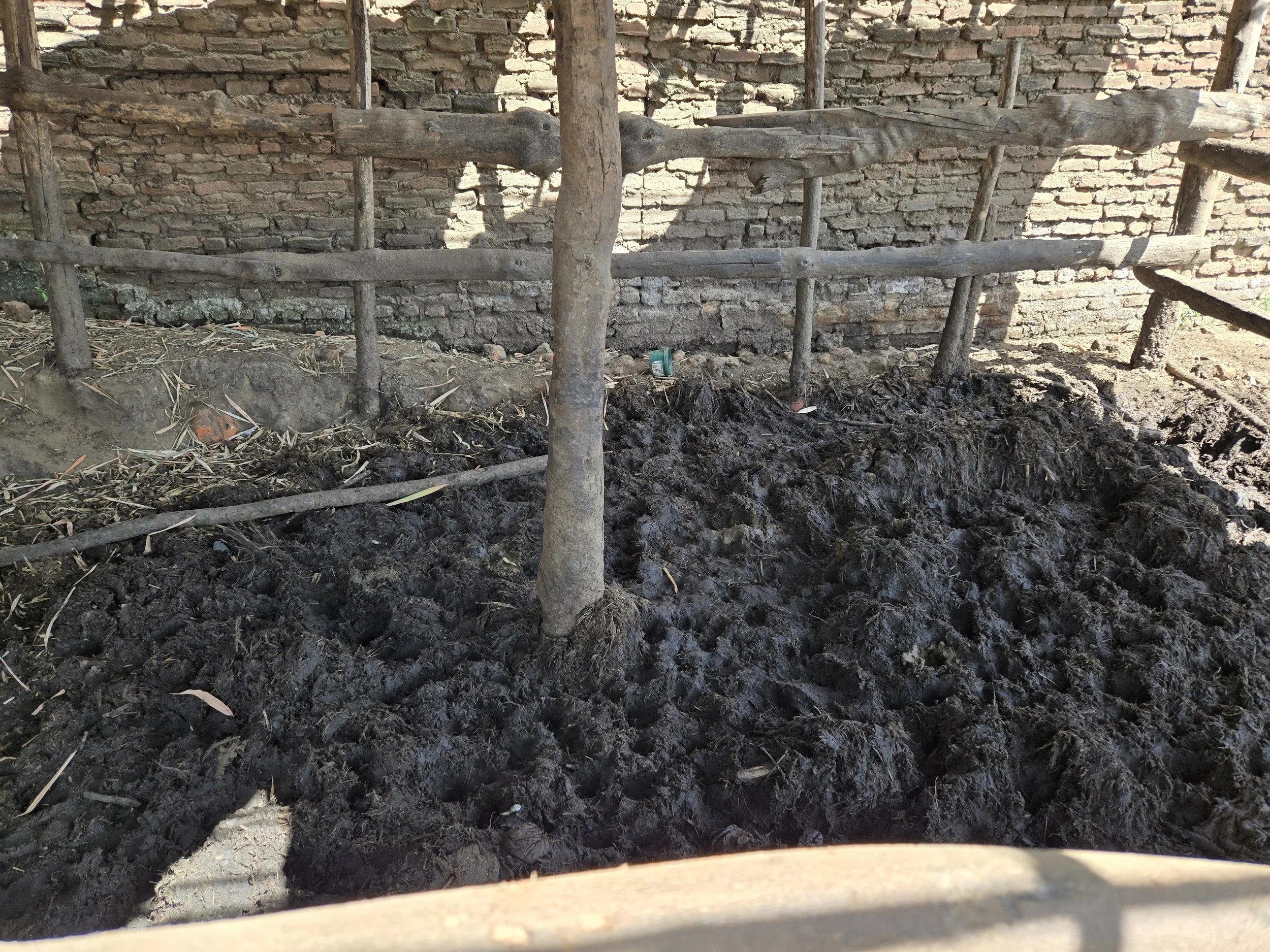
A poorly-kept shelter highlighting challenges in housing and hygiene.
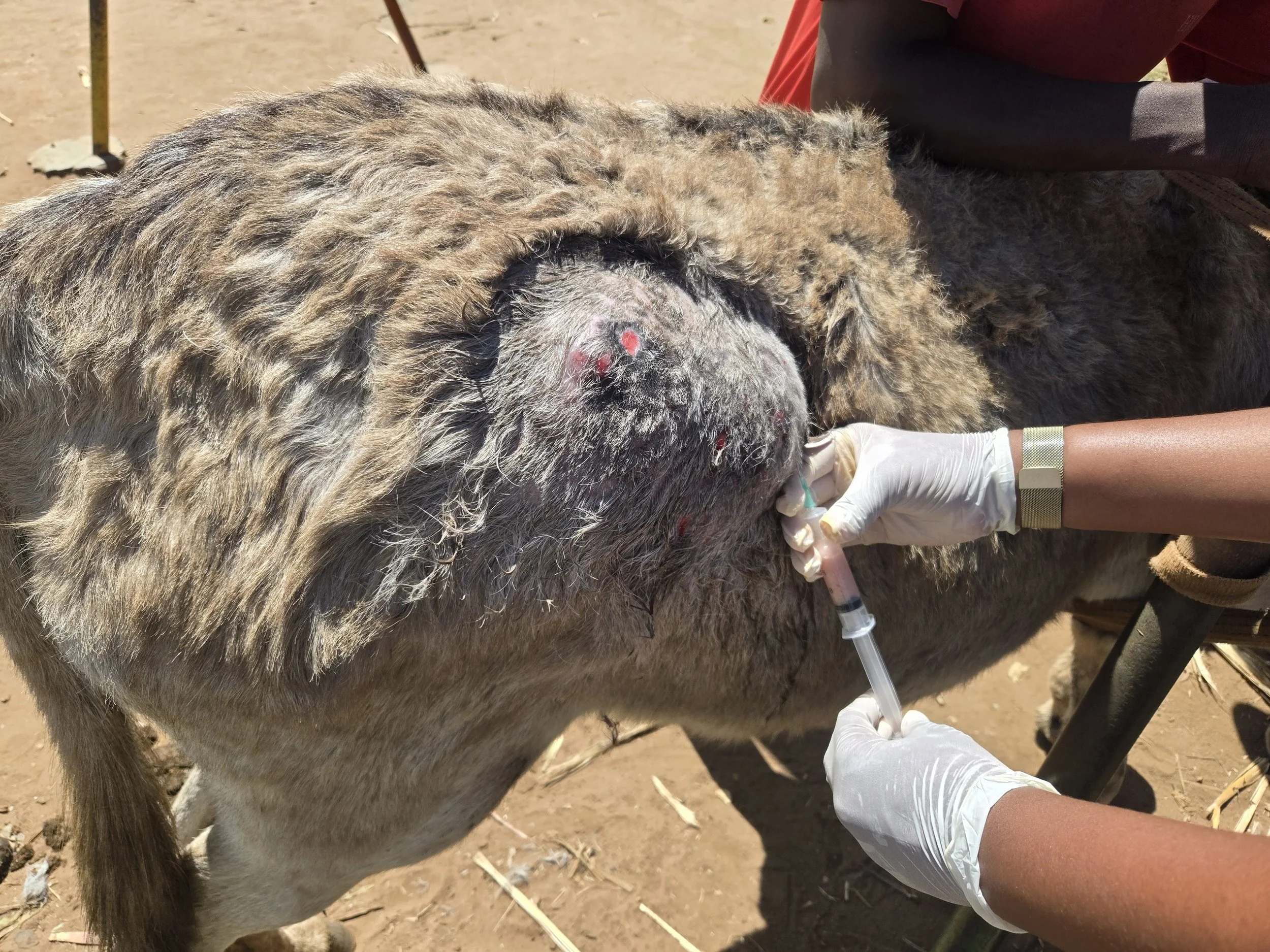
Abscess in the donkey’s pelvic region.
Challenges in April
Recurring overwork and harness wounds in Dzenza show the need for sustained owner education.
Fuel shortages in Malawi have increased costs and limited mobility for field teams, requiring adaptive planning and targeted interventions.
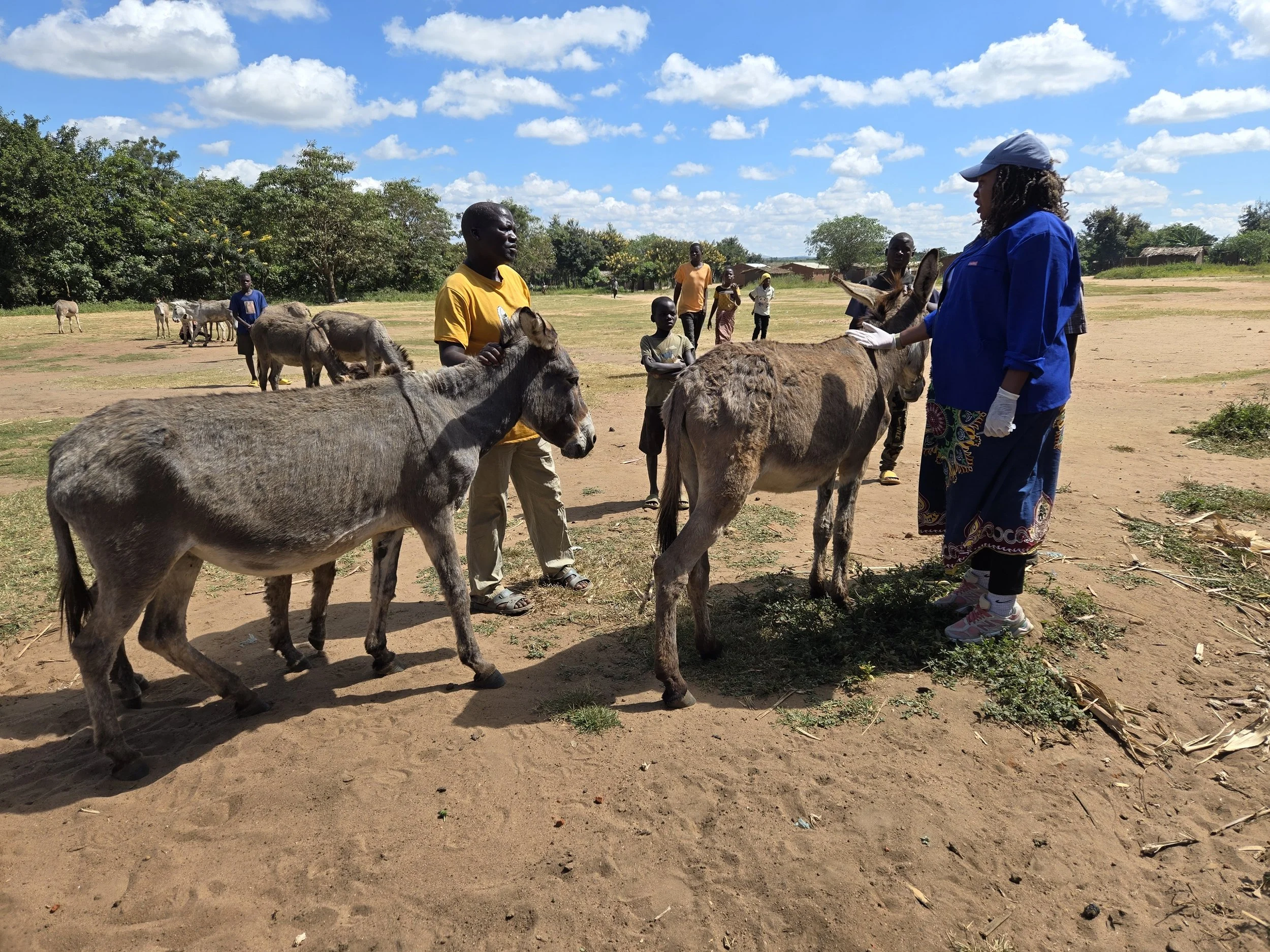
Owner education during a clinic.
Conclusion and Way Forward
April demonstrated both recovery after the cultivation season and the ongoing impact of workload‑related strain. Sustained progress depends on combining treatment, education, and practical guidance at the household level.
LSPCA will continue to prioritize:
Humane handling and workload management.
Shelter improvements.
Consistent follow‑up to reinforce behavior change.
💚 With your support, AAA and LSPCA are turning burden into care and proving that local partnerships are the key to global change — improving the lives of hundreds of donkeys in Lilongwe.