compassion and commitment leads to improved welfare for donkeys working in gold mines
In Tanzania, our partner group Lake Zone Animal Welfare Organization (LAZAWO) are continuing to provide essential veterinary care for the often-forgotten donkeys working in gold mines.
Thanks to your fantastic support, they assisted nearly 400 working animals in December. The team are also improving donkey welfare in mining communities through education, humane equipment and dedicated follow-up care.
1. Background Summary
December marked yet another demanding and deeply instructive chapter in LAZAWO’s ongoing mission to protect, treat, and advocate for the working donkeys of the Geita region. Working donkeys remain an indispensable backbone of livelihoods in Geita, particularly within mining activities, where they are often subjected to extreme physical strain, minimal rest, and limited access to veterinary care.
In December, LAZAWO’s field operations attended to 399 donkeys affected by trauma-related injuries, infectious diseases, parasitic burdens, and rabies - a significant zoonotic threat with serious public health implications.
As the year drew to a close, the veterinary issues encountered in the field reflected both the resilience of these animals and the persistent systemic challenges that continue to define their lives and labour.
With your generous support, LAZAWO continued to balance treatment, follow-up care, sanctuary services, and community education. These efforts were guided by the principles of compassion, professionalism, and animal welfare.
2. Veterinary Activities
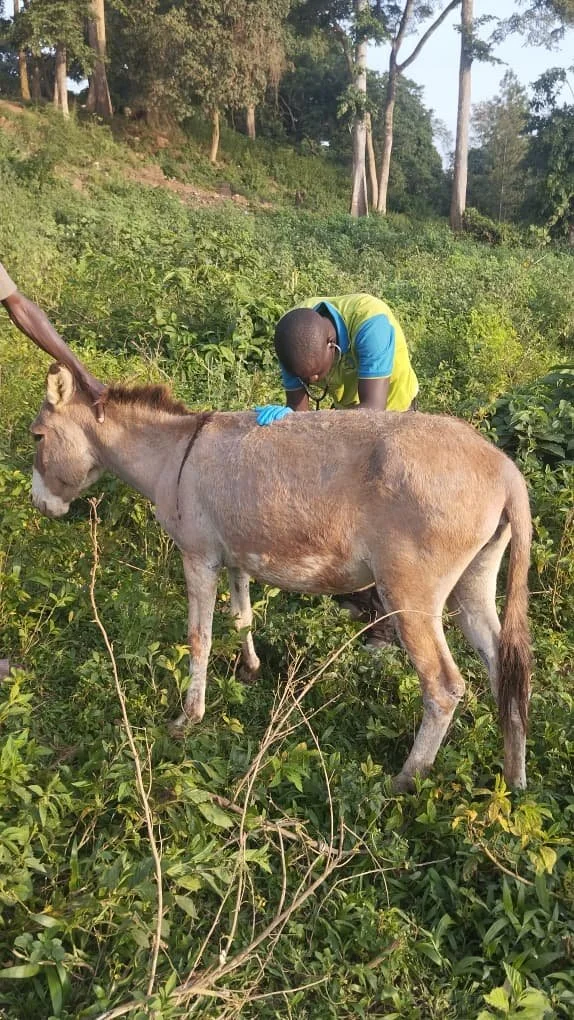
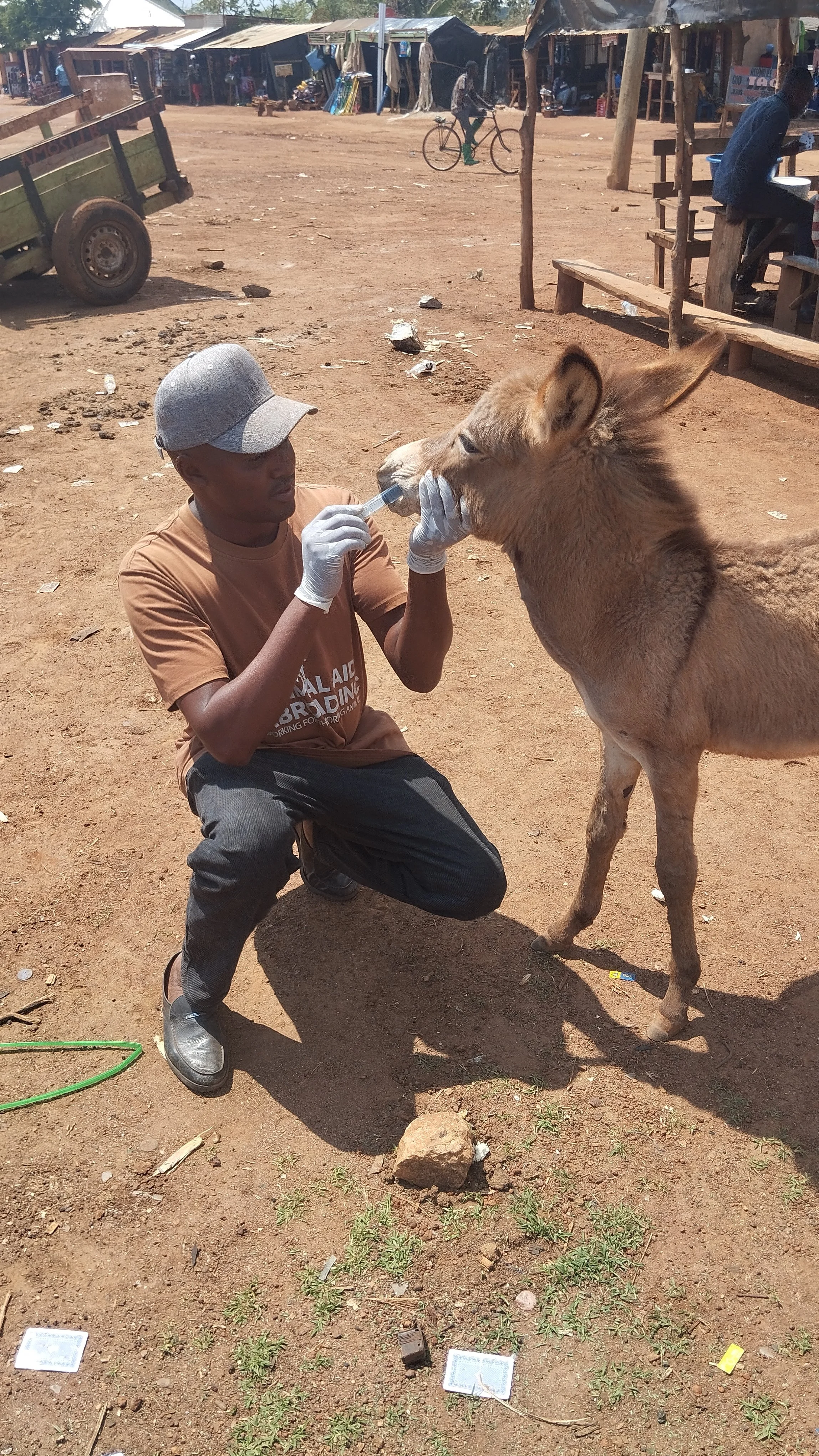
Veterinary activities conducted in December were extensive and multifaceted, reflecting the cumulative effects of poor harnessing, environmental hazards, infectious exposure, parasitic infestations, and heavy workloads. Each clinical encounter required not only technical expertise but also sound judgment, adaptability, and sensitivity to owners’ circumstances.
During the month, 399 donkeys were seen. Wounds, abscesses, and hematomas were commonly encountered, often resulting from blunt trauma or untreated injuries.
Respiratory conditions, including lung infections, were observed, particularly in donkeys weakened by malnutrition, parasitism, or prolonged exposure to harsh conditions.
Gastrointestinal disorders such as enteritis, along with hyper-salivation, were recorded and were often linked to sudden dietary changes, poor water quality, or heavy parasitic burdens. Lameness due to joint strain and soft tissue injury, plus skin conditions, were also noted.
Tick-borne infections, including theireliosis, were diagnosed clinically, while trypanosomiasis remained a concern in some areas. This causes chronic weight loss, anaemia, and reduced working capacity. A confirmed rabies case in Mgusu added an important zoonotic dimension to the veterinary response.
Through your generous support and donations, all cases were managed promptly with compassion, professionalism, and a strong commitment to animal welfare.
3. Follow-Up Activities
3.1 Follow-up of Didas, a working donkey
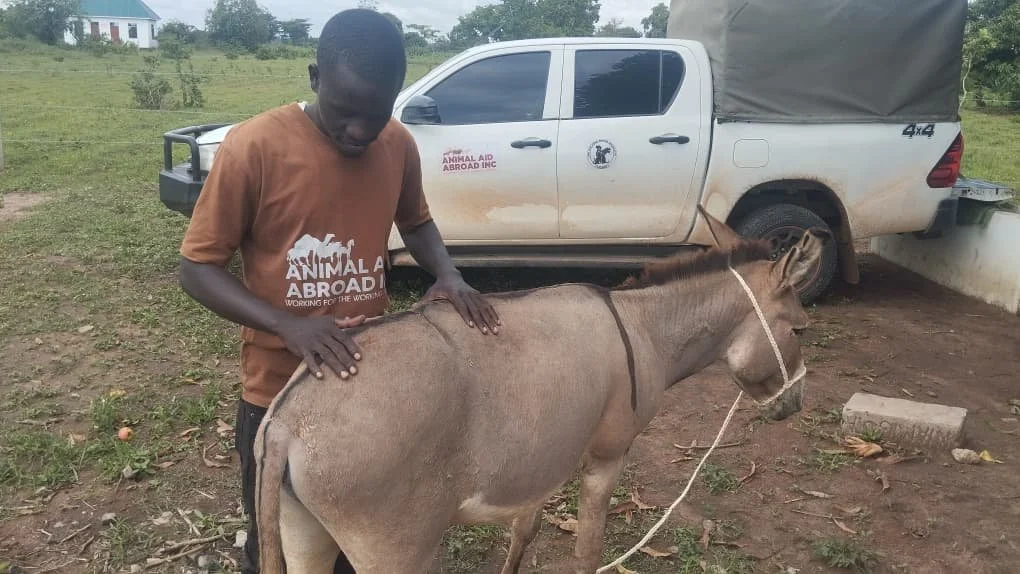
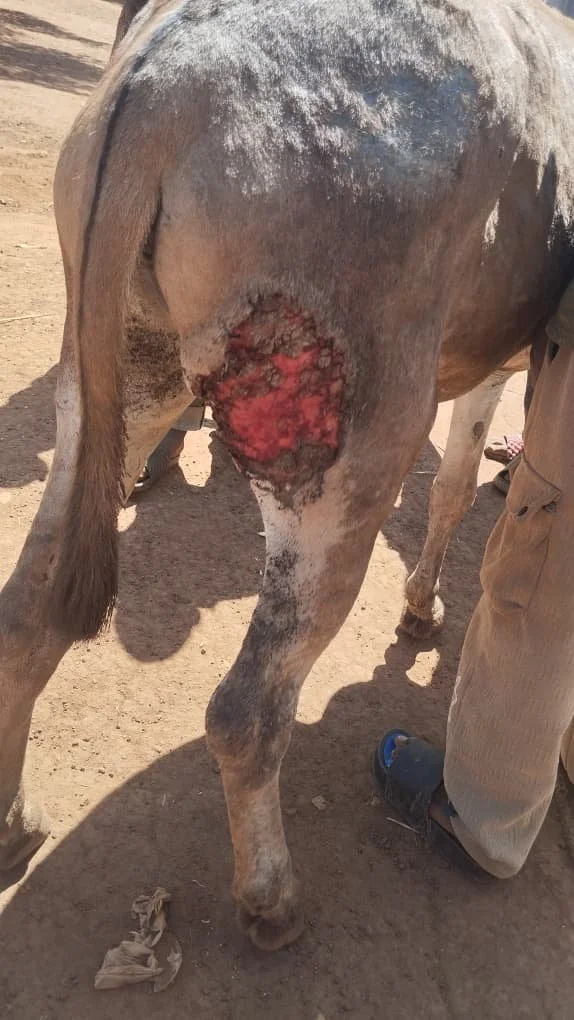
As reported in November, Didas was found in severe pain, with deep cuts on his back and coccygeal area. Follow-up at the sanctuary revealed that Didas had sustained two severe panga wounds affecting his back and tail.
The extent and severity of the injuries necessitated his removal from the working environment and admission to the LAZAWO sanctuary.
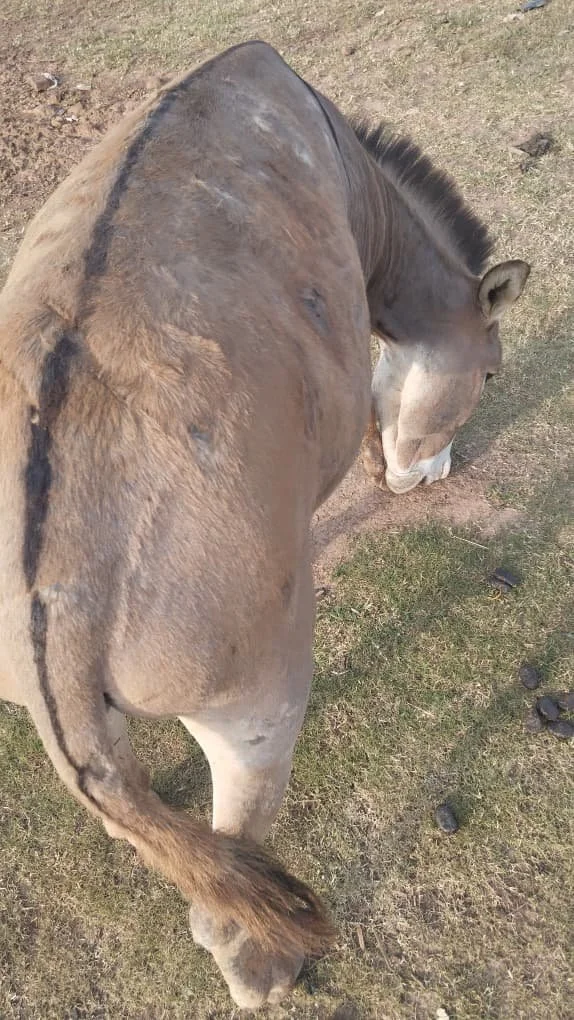
Through sustained wound care, pain management, nutritional support, and rest, Didas made a full recovery. This case stands as a testament to the value of your kind support and the importance of sanctuary-based intervention whenever severe trauma cases occur.
3.2 Follow-up and ongoing case monitoring
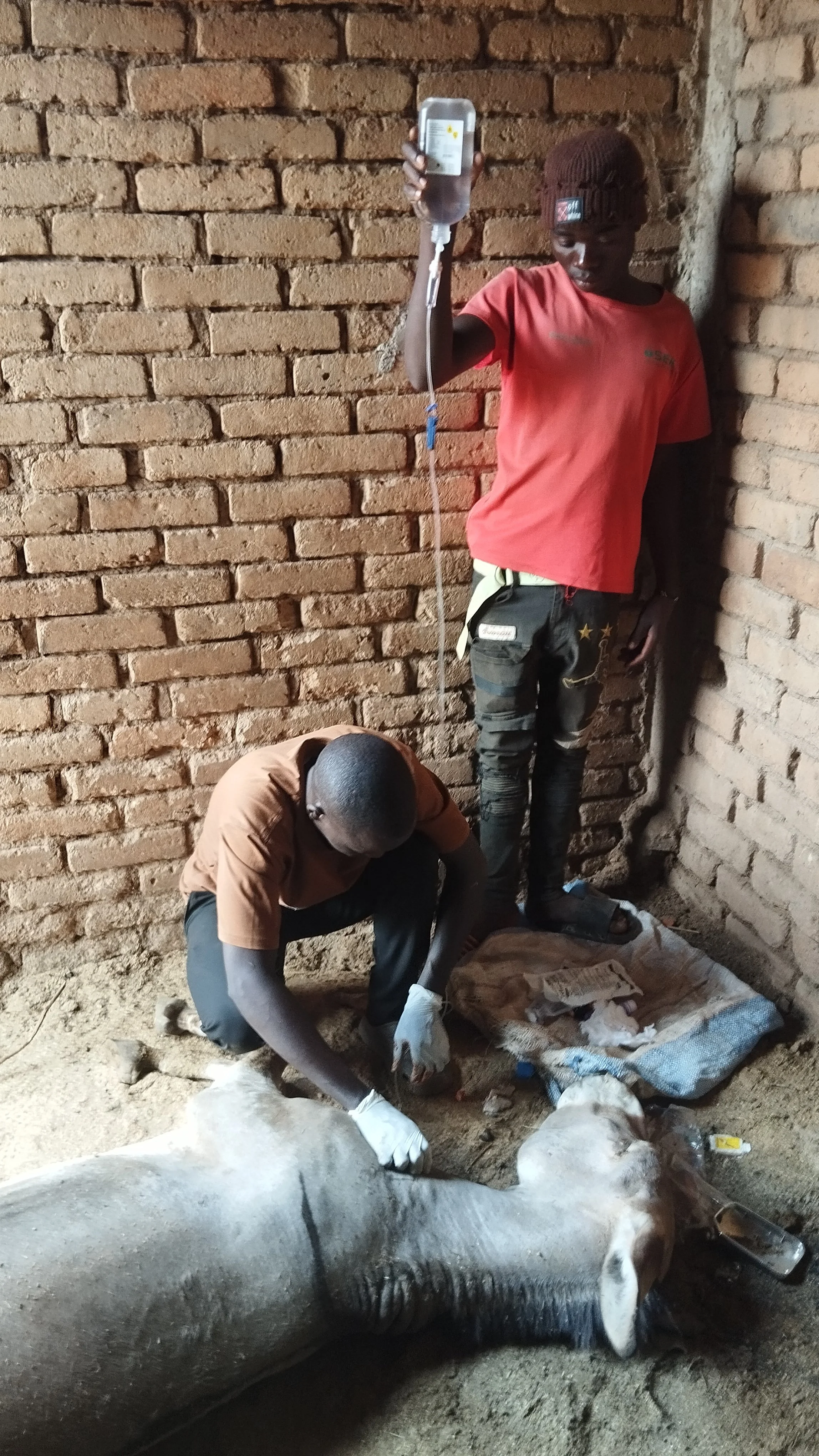
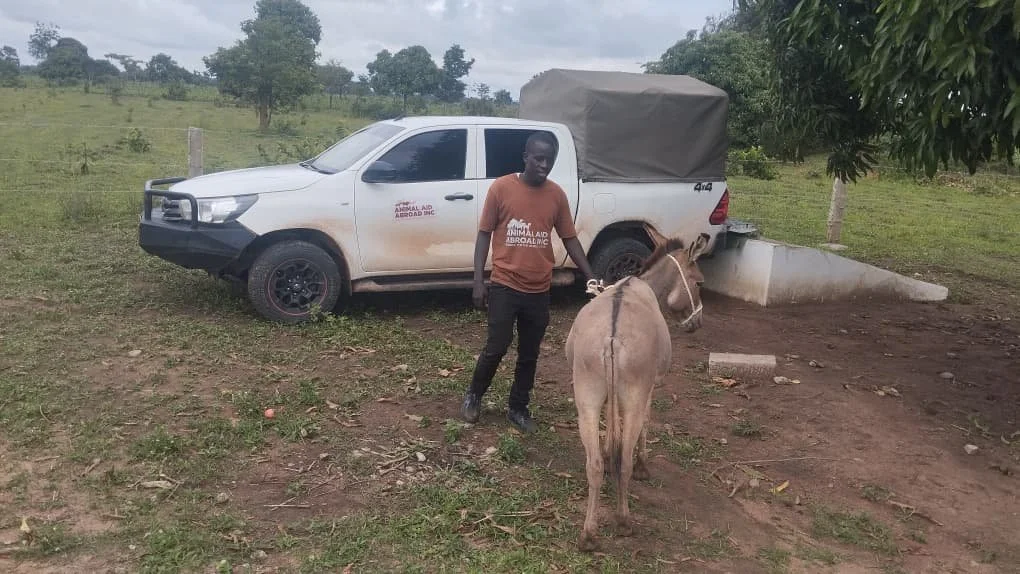
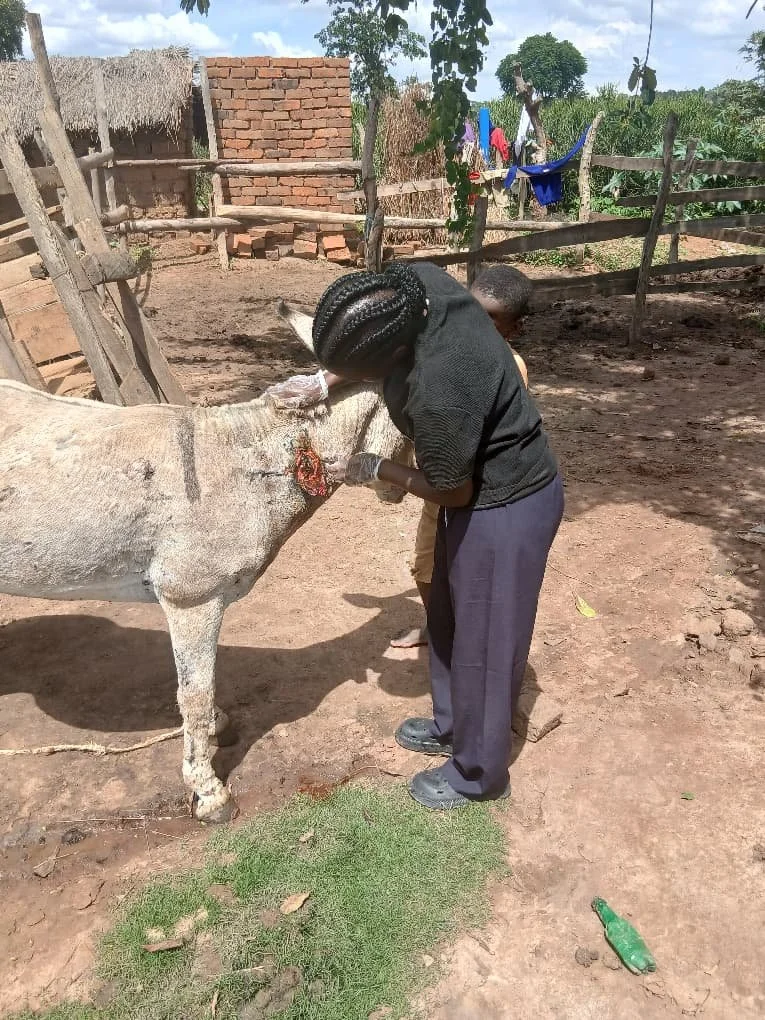
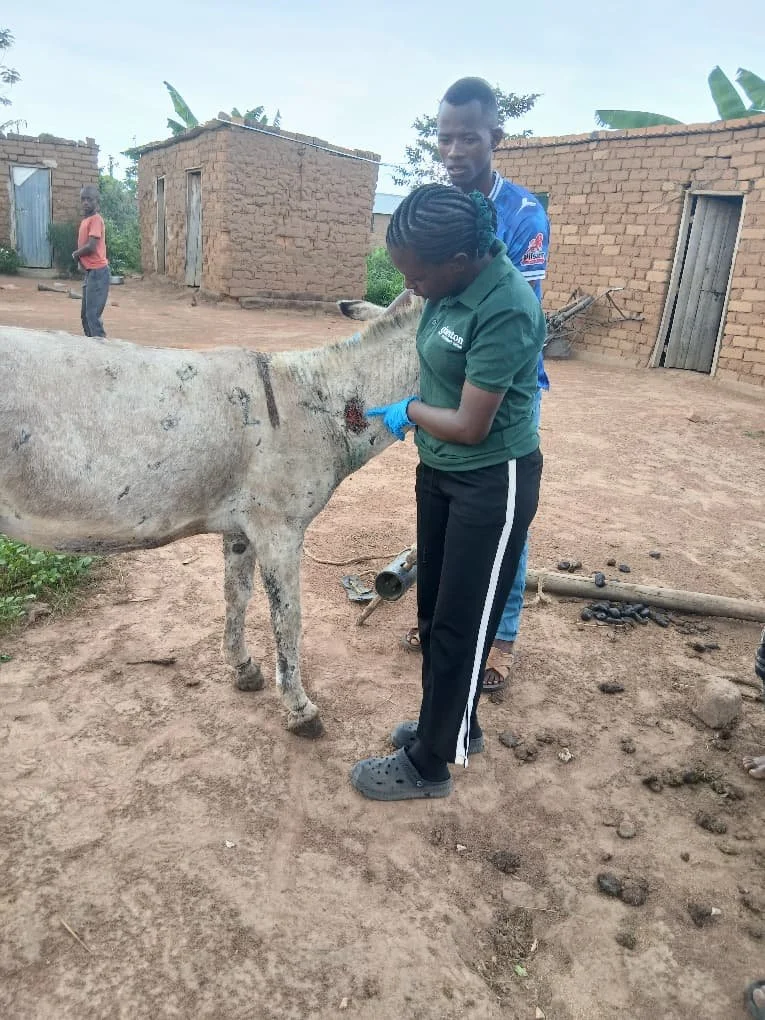
Multiple donkeys previously treated for wounds, infections, and musculoskeletal conditions were revisited to assess their healing progress, address any emerging complications, and gently adjust treatment where needed.
These follow-up visits formed a vital part of LAZAWO’s December operations, reflecting the understanding that veterinary care does not end with initial treatment.
For working animals especially, recovery depends on continued monitoring, thoughtful reassessment, and ongoing support for owners managing care at home. The follow-ups often highlighted the difficult circumstances faced by both animals and their owners, where economic pressures can lead to animals returning to work before they are fully healed.
Even so, many donkeys showed encouraging signs of recovery, reminding us that timely, compassionate veterinary care can make a meaningful difference to animal welfare, even in challenging settings.
4. Monthly Clinics and Outreaches
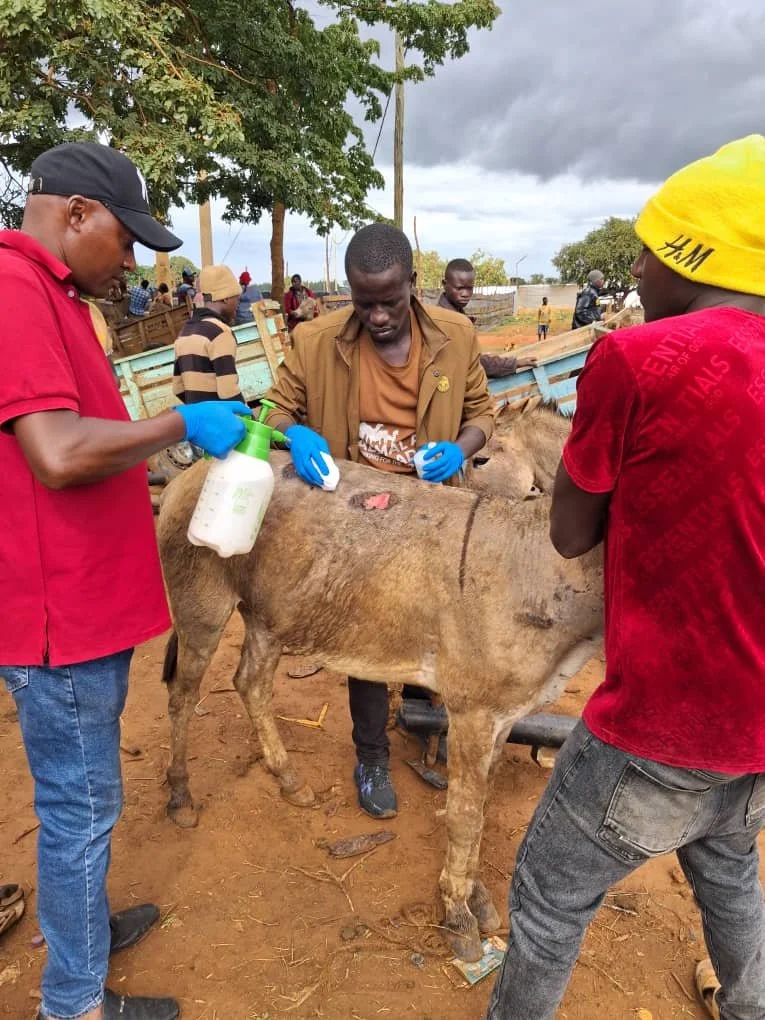
In December, we conducted two monthly clinics in Nyarugusu and Nyaruyeye. Community-based monthly clinics remain a cornerstone of LAZAWO’s strategy, serving not only as treatment hubs but also as platforms for education, dialogue, and trust-building. These clinics provided an opportunity to address a wide spectrum of health issues while simultaneously engaging owners in discussions on humane handling and preventive care.
These engagements brought together 36 donkey owners from Nyarugusu and 29 donkey owners from Nyaruyeye. Coupled with daily visits and outreach activities in all six gold mines, we continued to emphasise our goal of achieving humane working conditions. This included promoting humane restraint practices, discouraging the use of whips, and encouraging non-invasive handling methods that respect the animals’ behaviours and physical limitations.
A significant and promising dialogue emerged around harness design, where owners were invited to share their preferences, challenges, and expectations. These discussions revealed a willingness among handlers to adopt improved harnessing systems, provided they align with daily work demands. This level of participation and openness was remarkable and laid a strong foundation for future welfare interventions.
5. Case Studies
5.1 Rabies in a donkey
In December, a donkey from Mgusu was reported following sudden and alarming behavioural changes. The animal exhibited extreme restlessness, nervousness, self-biting, circling behaviours, and aggression toward other donkeys and handlers. These severe neurological signs immediately raised a strong suspicion of rabies.
Recognising the grave risk to both people and animals, the donkey was promptly isolated in a cool, quiet area near the owner’s home, away from human and animal contact. In the absence of a dart gun or specialised containment facilities, maintaining this isolation required careful coordination, constant vigilance, and great commitment from those involved.
Despite these efforts, the poor donkey sadly succumbed to the illness within ten days. Subsequent laboratory testing confirmed rabies infection. The carcass was disposed of under strict biosecurity measures to prevent any further transmission.
This heartbreaking case underscores the critical and urgent reality that rabies is actively circulating - most likely maintained by stray and semi-owned dogs. This ongoing threat places donkeys, other livestock, and humans at significant risk.
With your kind support, meaningful and lasting action can be taken to control this disease through vaccination, ensuring protection for animals and safeguarding the health and livelihoods of the communities that depend on them.
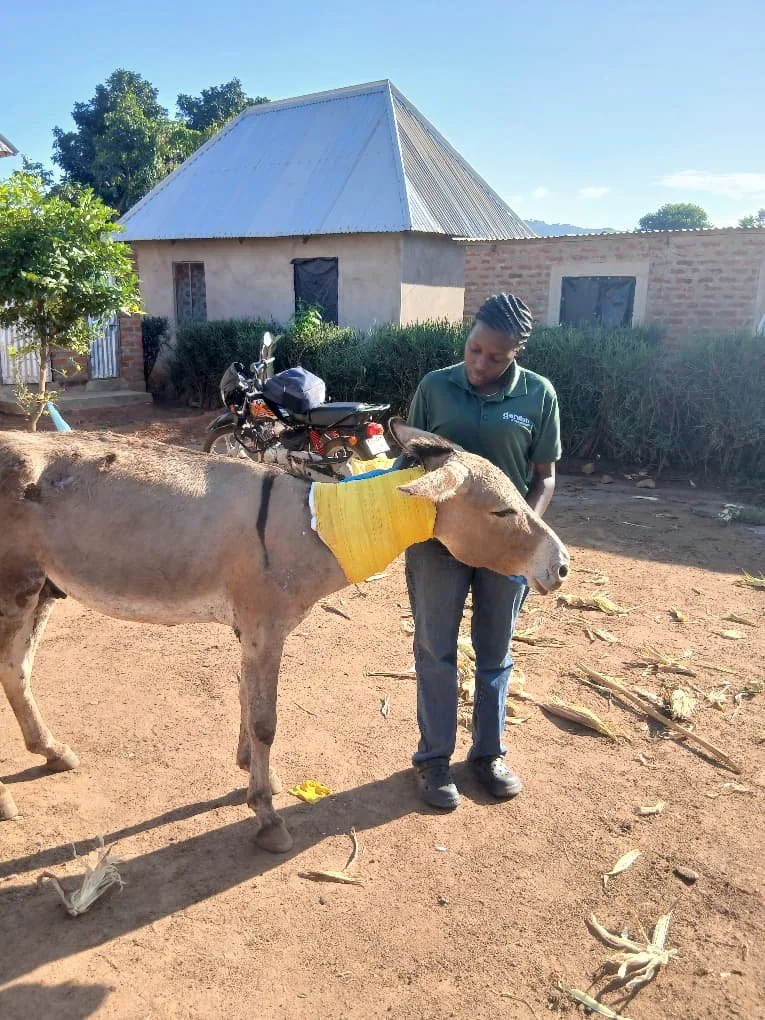
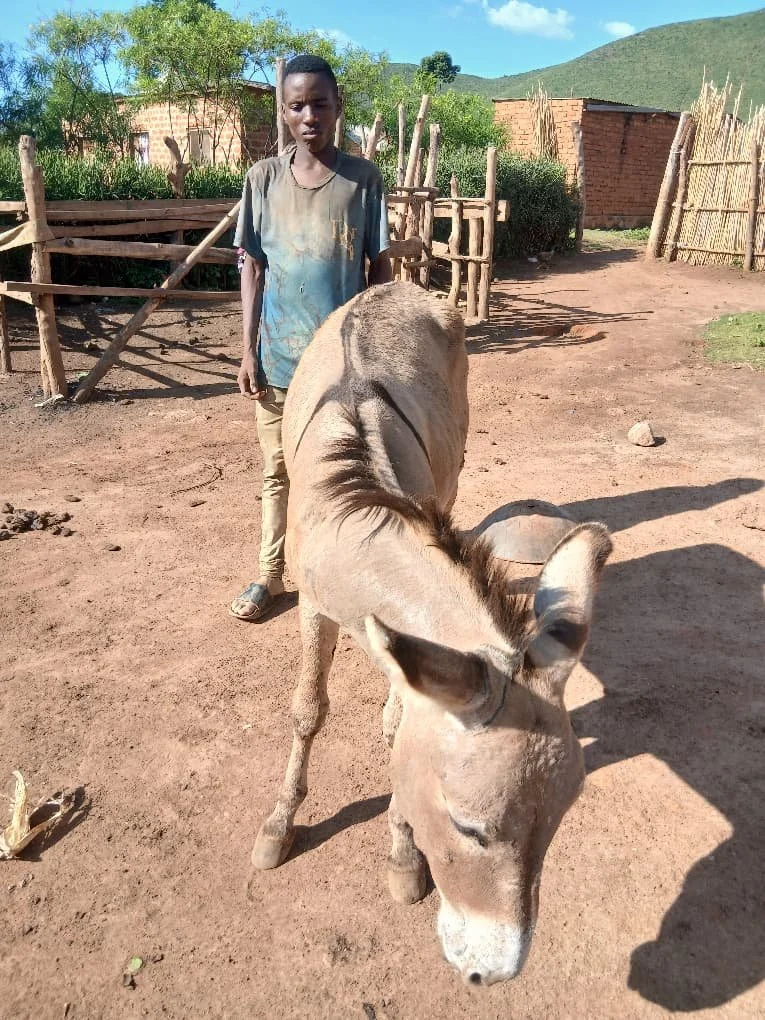
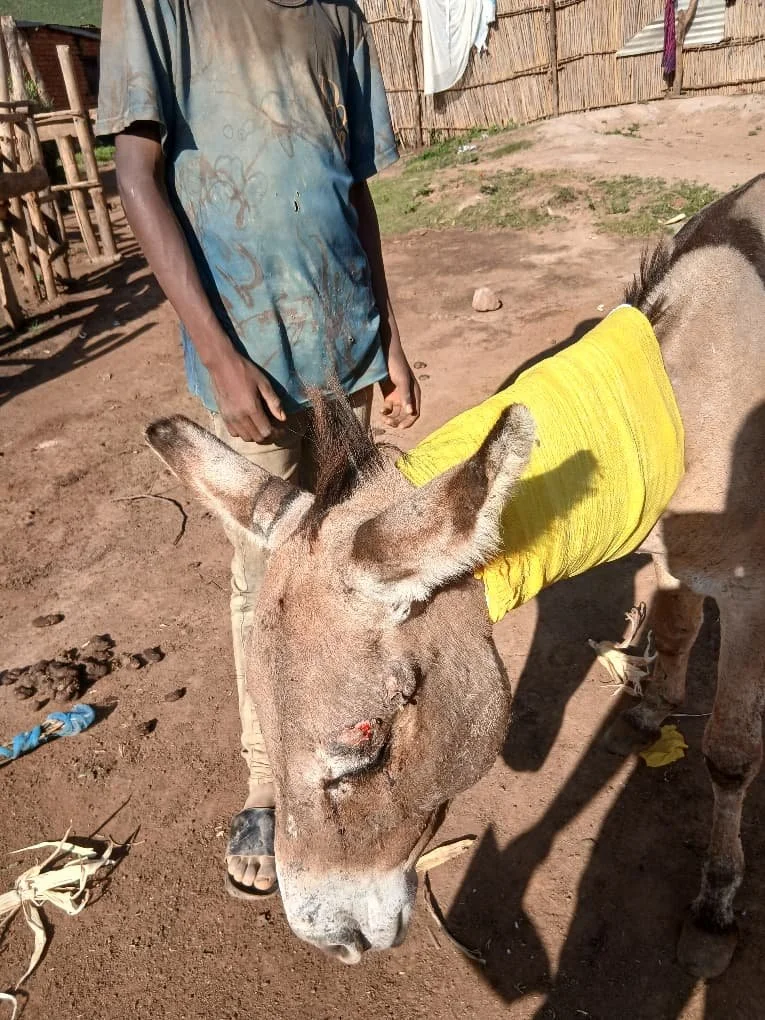
5.2 Maina, who sustained neck trauma from an abandoned gold pit
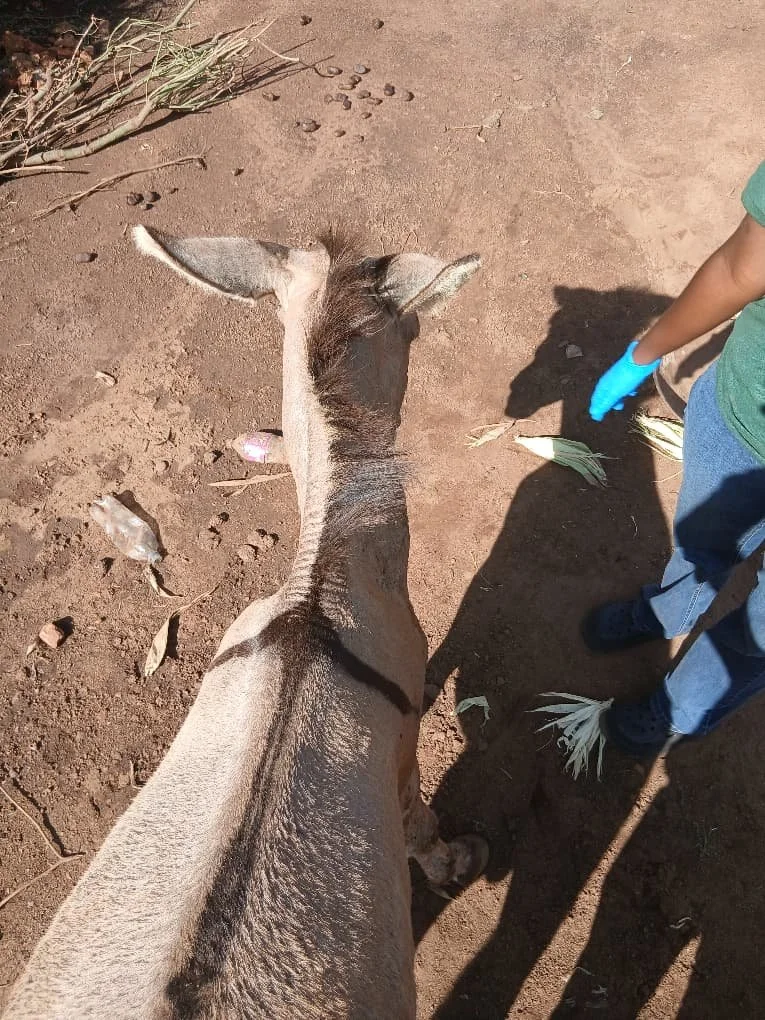
Maina, a hardworking donkey from Mgusu, was reported by his owner after being found with a visibly deformed neck. He had fallen into an abandoned gold pit hidden by overgrown grass - a common yet overlooked hazard in mining communities that threatens both animals and humans.
On examination, Maina was standing but in obvious pain, with an S-shaped neck deformity. Veterinary care was provided immediately, including gentle sedation to reduce pain and stress, followed by careful external correction of the neck. Wooden splints and supportive bandaging were applied to stabilise the injury.
The case demanded both technical skill and delicate handling, as improper care could have caused permanent paralysis or death. Maina is now in recovery and has a hopeful prognosis.
Cases like Maina’s highlight the need for ongoing, compassionate care for working donkeys in Geita. Every successful intervention is only possible because of your continued support and their recovery is truly your success.
6. Challenges
During our veterinary activities in December, one major challenge was confirming a donkey with rabies. We are grateful for your support, as the team involved in the process received post-exposure rabies vaccinations in case of any accidental contact with infected tissues from the donkey.
This case, however, indicates the persistent circulation of rabies in the communities of these working donkeys. With your support, mass vaccination of these donkeys against rabies and tetanus will not only ensure their health but also protect other animals and people against zoonotic diseases.
7. Conclusion and Appreciation
LAZAWO and the mining communities are deeply grateful for your support for our Geita Donkey Project throughout 2025, which has truly transformed the lives of these animals.
We also sincerely appreciate your immediate support in providing the team with vaccinations following their exposure to rabies in Mgusu. This recent emergence of rabies highlights the urgent need for vaccination campaigns targeting both donkeys and dogs, stronger collaboration with public health authorities, and improved equipment for humane disease control.
LAZAWO extends heartfelt appreciation to Animal Aid Abroad, donkey owners, local government leaders, and livestock officers for their cooperation and trust throughout 2025.
We look forward to your continued support in 2026 to ensure these special animals are treated humanely, so their lives are valued and their welfare is protected.