dedicated vet team enhance the health & wellbeing of working animals in rural india
One of our partner groups in India - Action for Protection of Wild Animals (APOWA) - provide essential medical care for working horses and bullocks in rural areas, and educate their owners to enhance animal welfare long-term. With help from your compassionate donations, APOWA are improving the health and wellbeing of animals who do not usually have access to veterinary services.
Project Summary
The Working Animal Welfare Project continued to improve the health and welfare of working animals - especially bullocks and horses - through mobile veterinary services, preventive healthcare, first-aid support and owner education.
During August, APOWA combined direct treatment with community-level monitoring and follow-up, helping owners to identify health concerns early and access timely veterinary support. Our activities last month placed greater emphasis on vaccination, hygiene, nutrition, humane handling and seasonal care during the monsoon period.
The team worked closely with animal-owning communities to strengthen early reporting of illness, referral of serious cases and continuity of care after treatment. These combined interventions helped strengthen owners' knowledge and confidence, while promoting more responsible and sustainable management of working animals.
Rural Mobile Vet Clinic
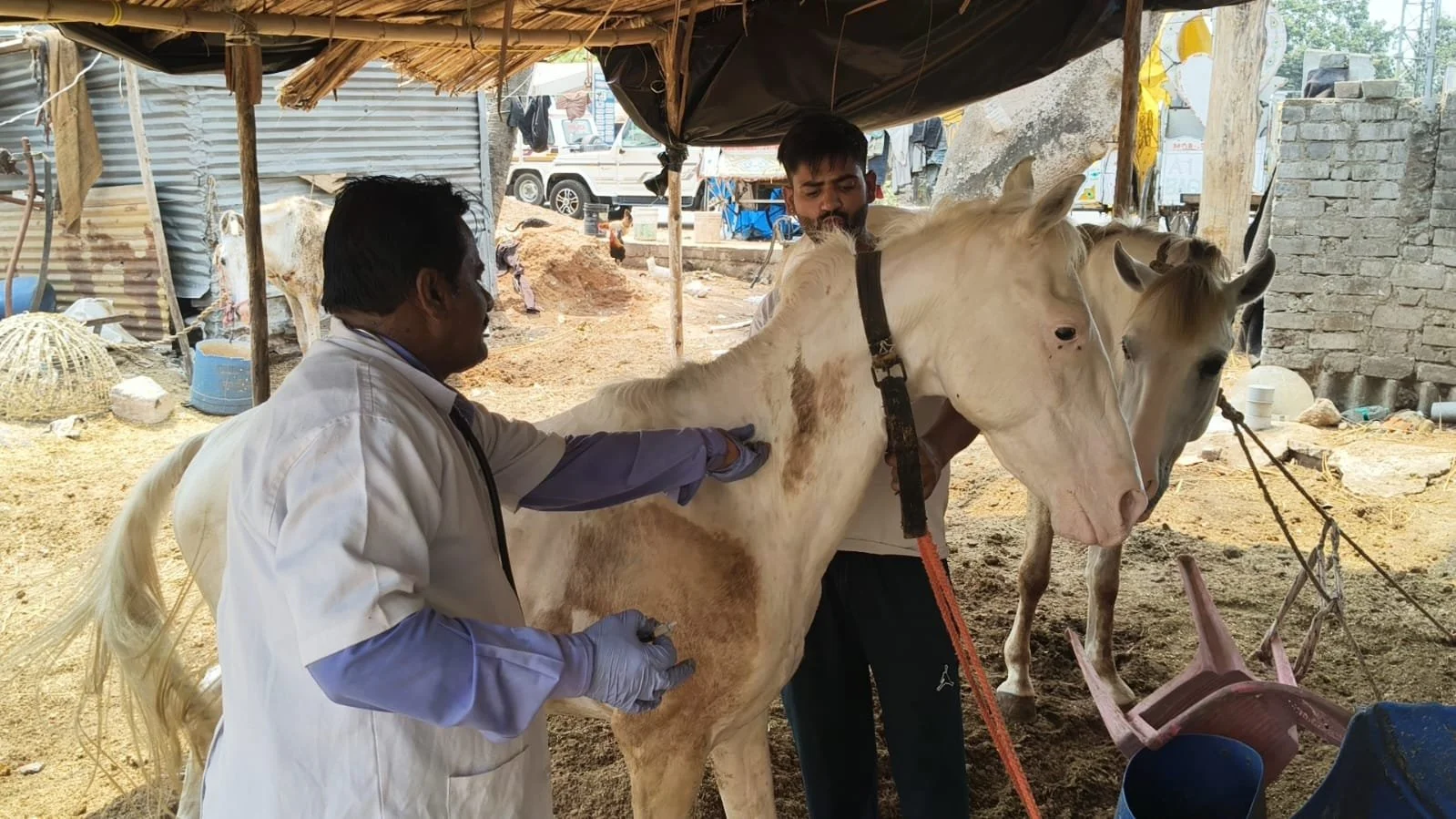
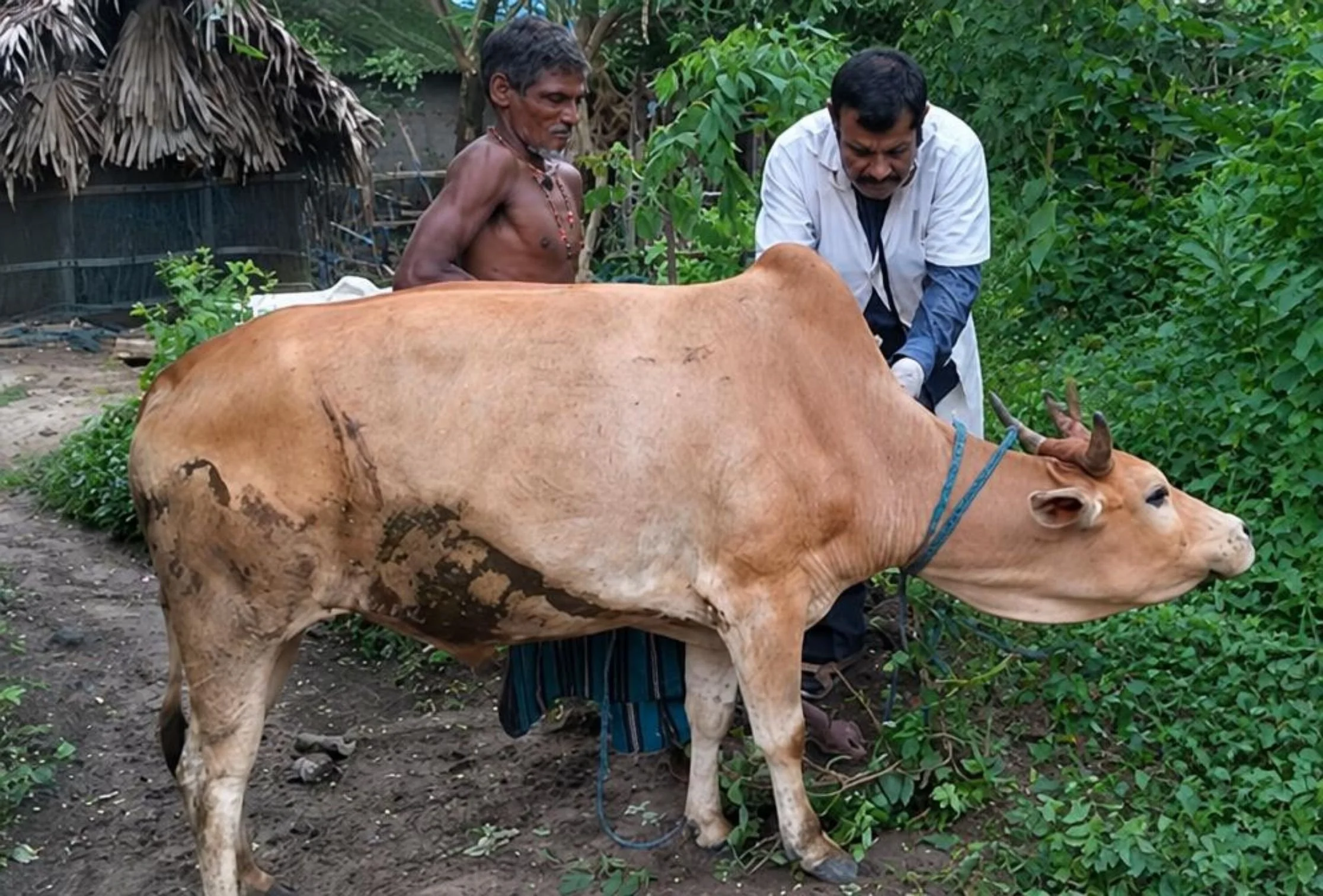
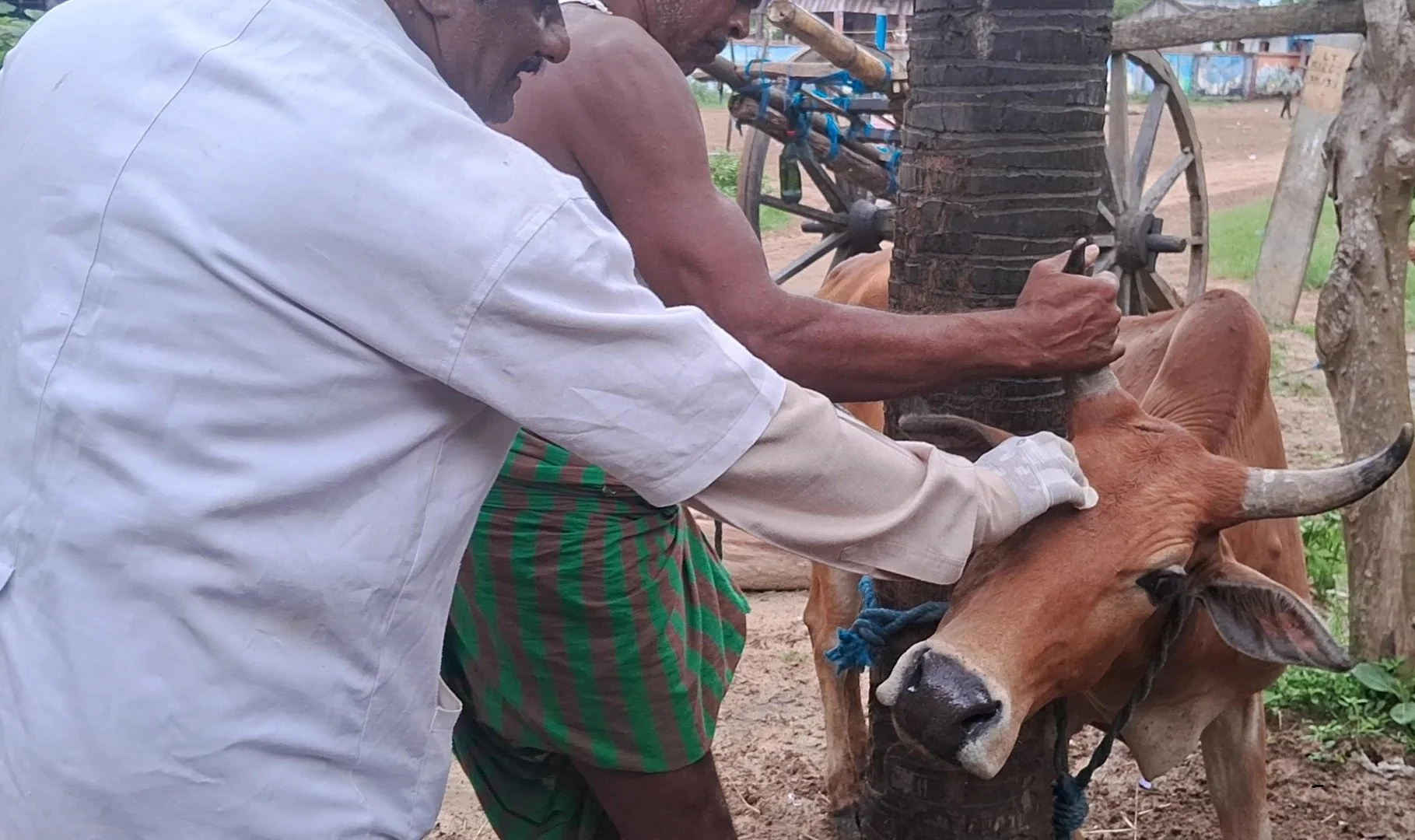
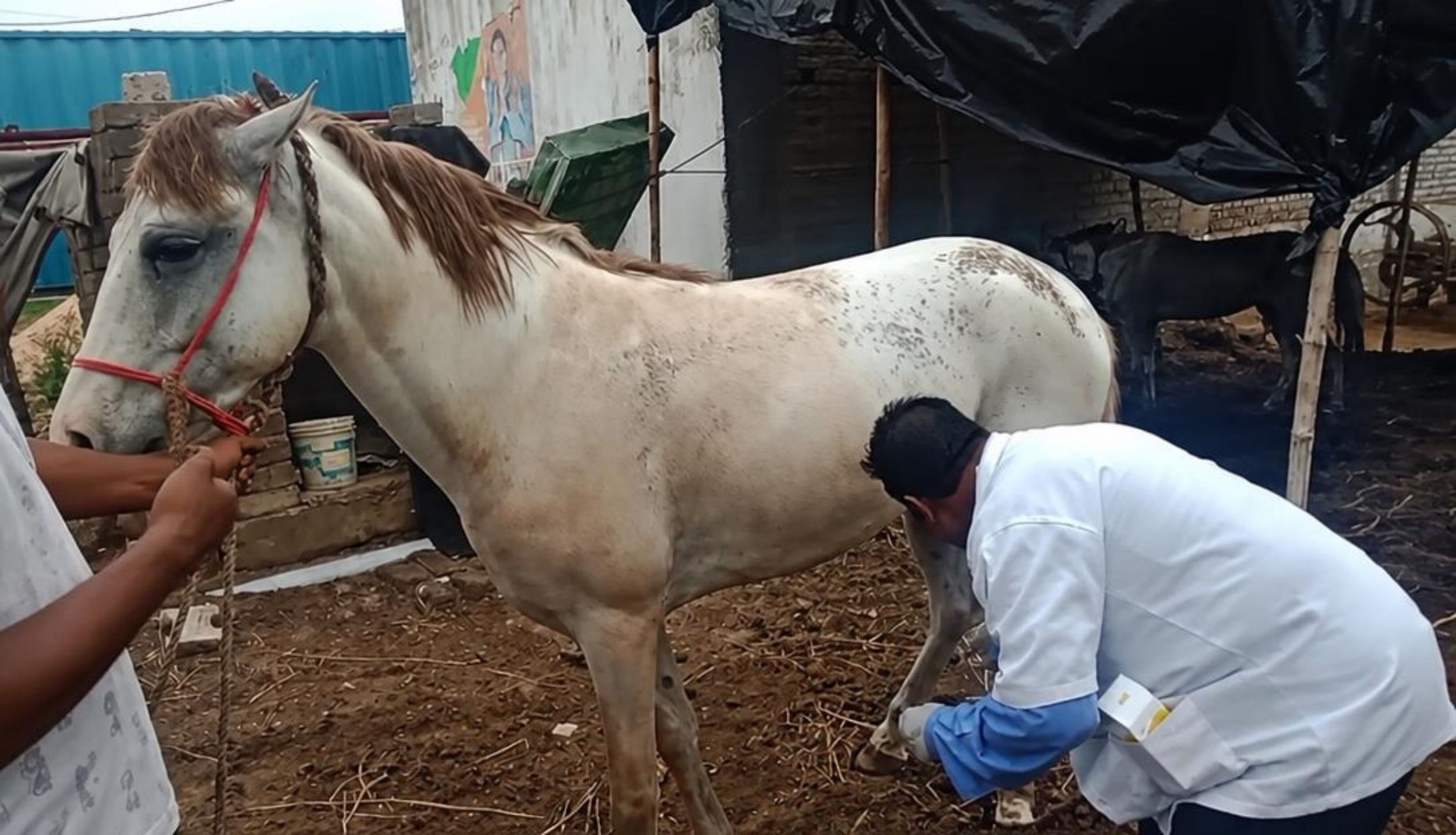
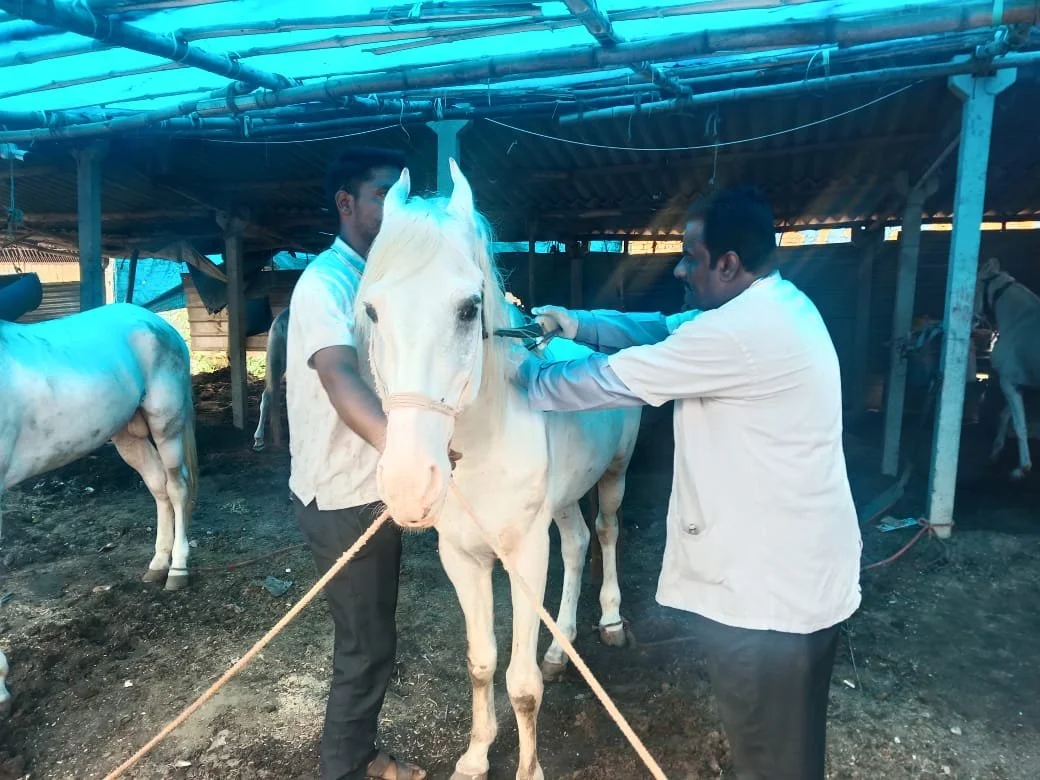
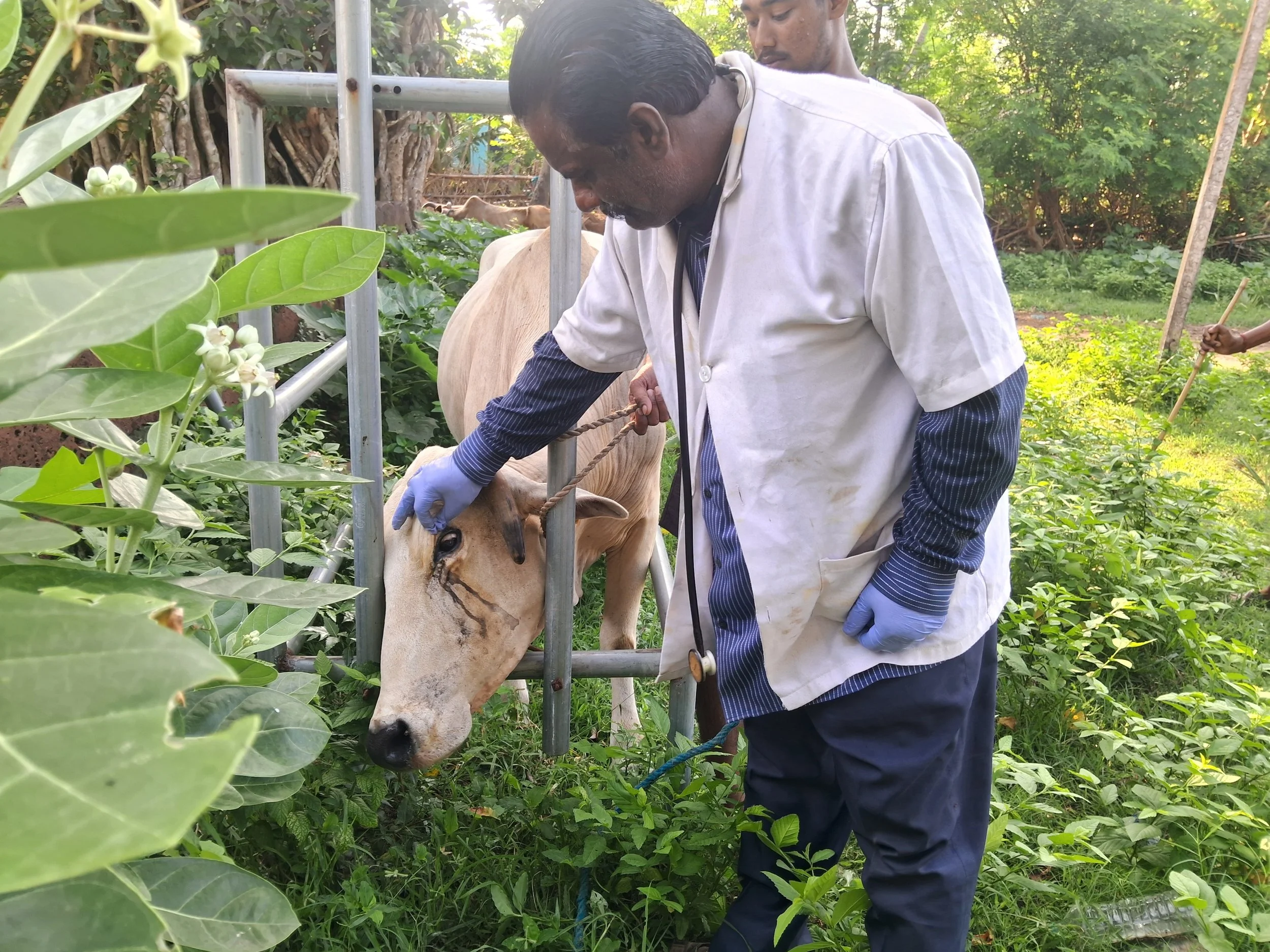
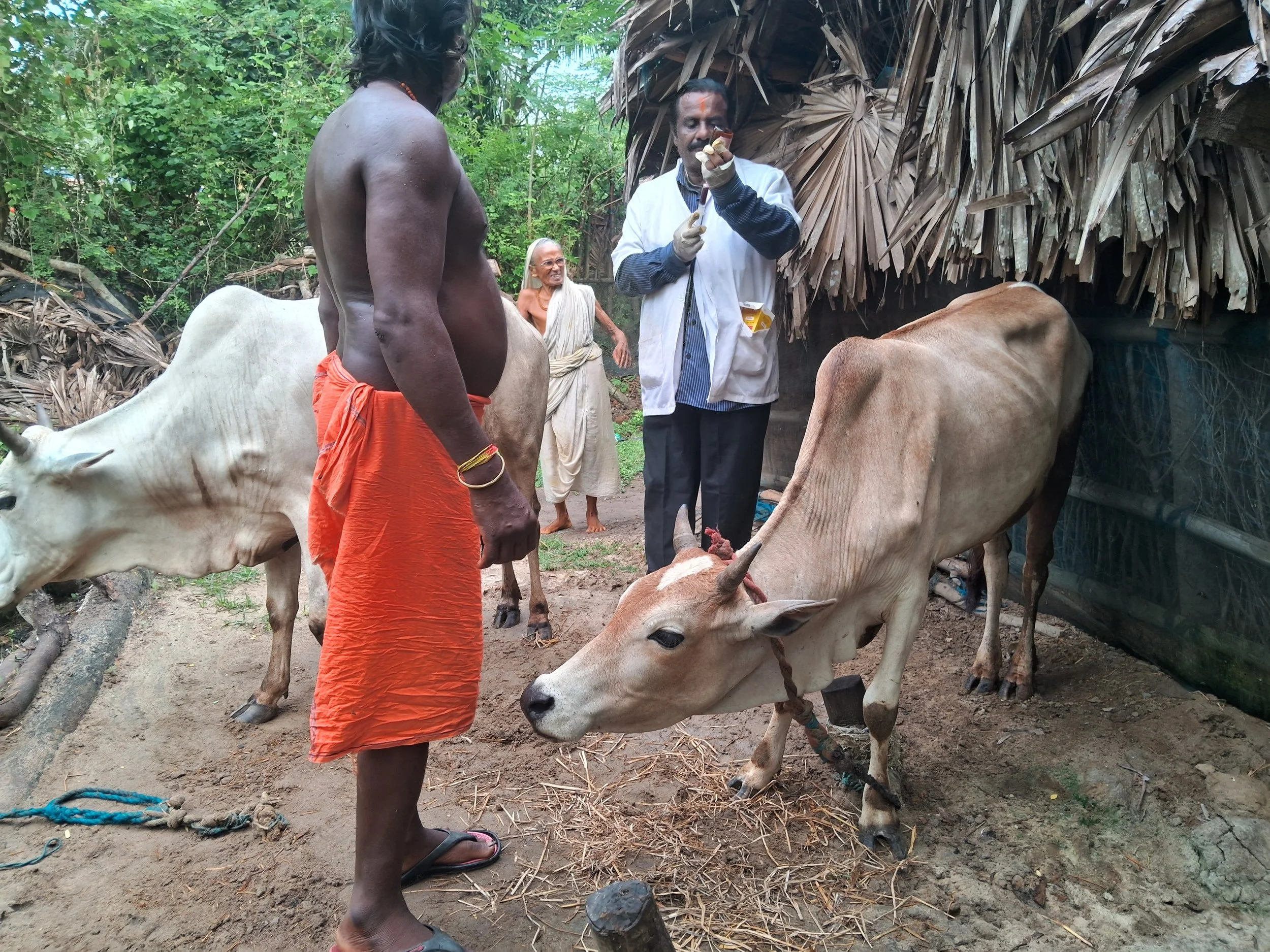
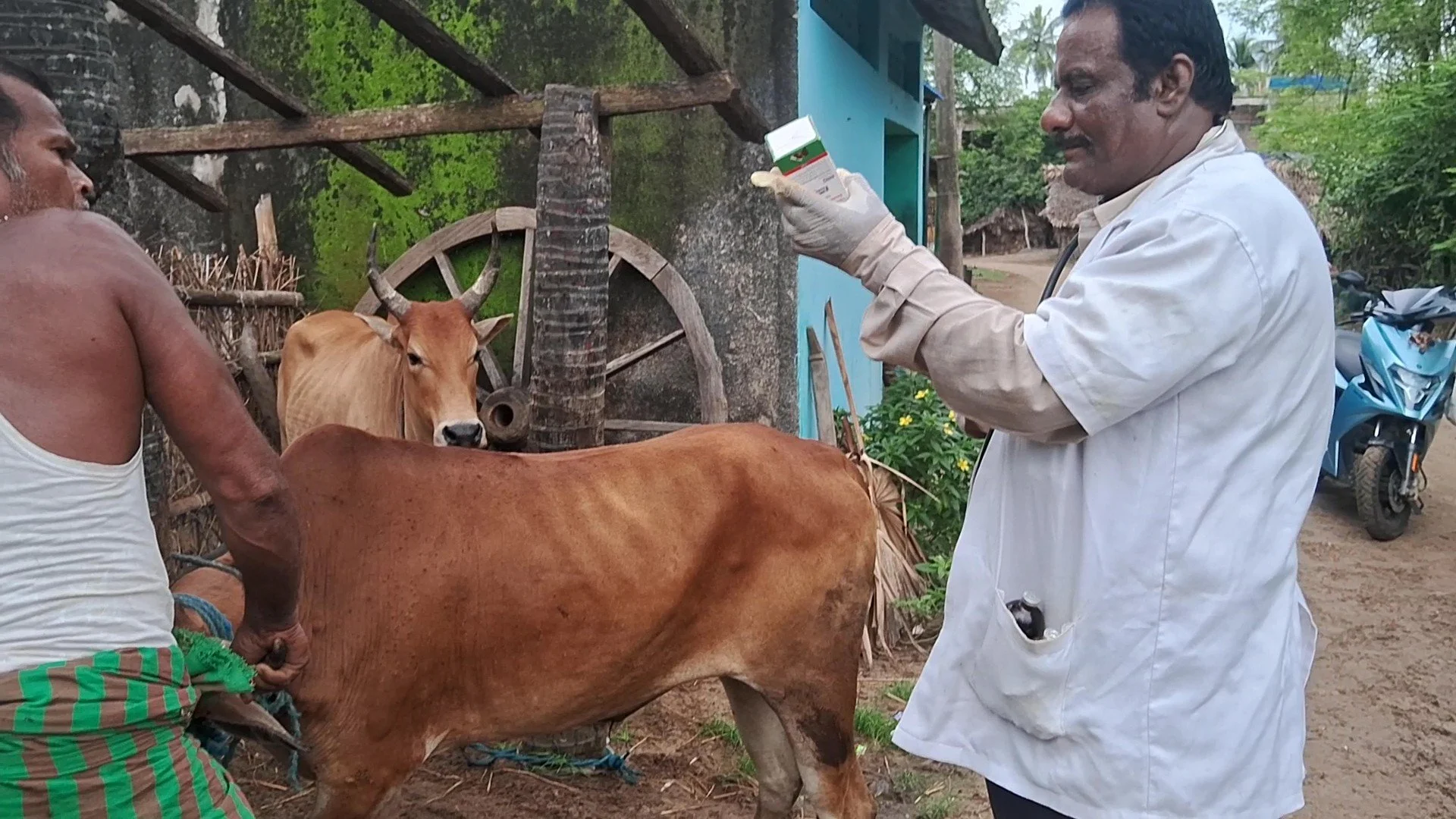
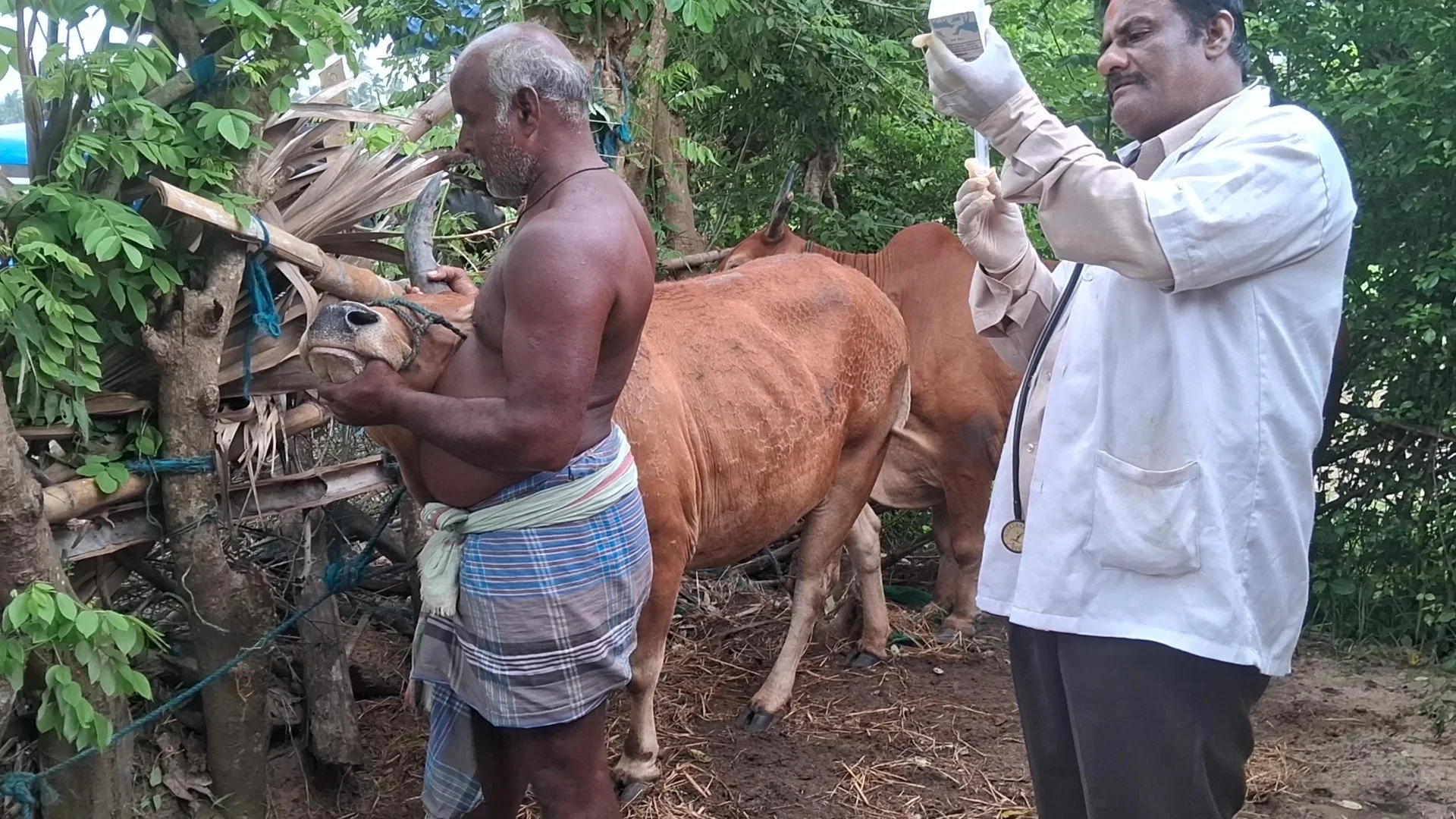
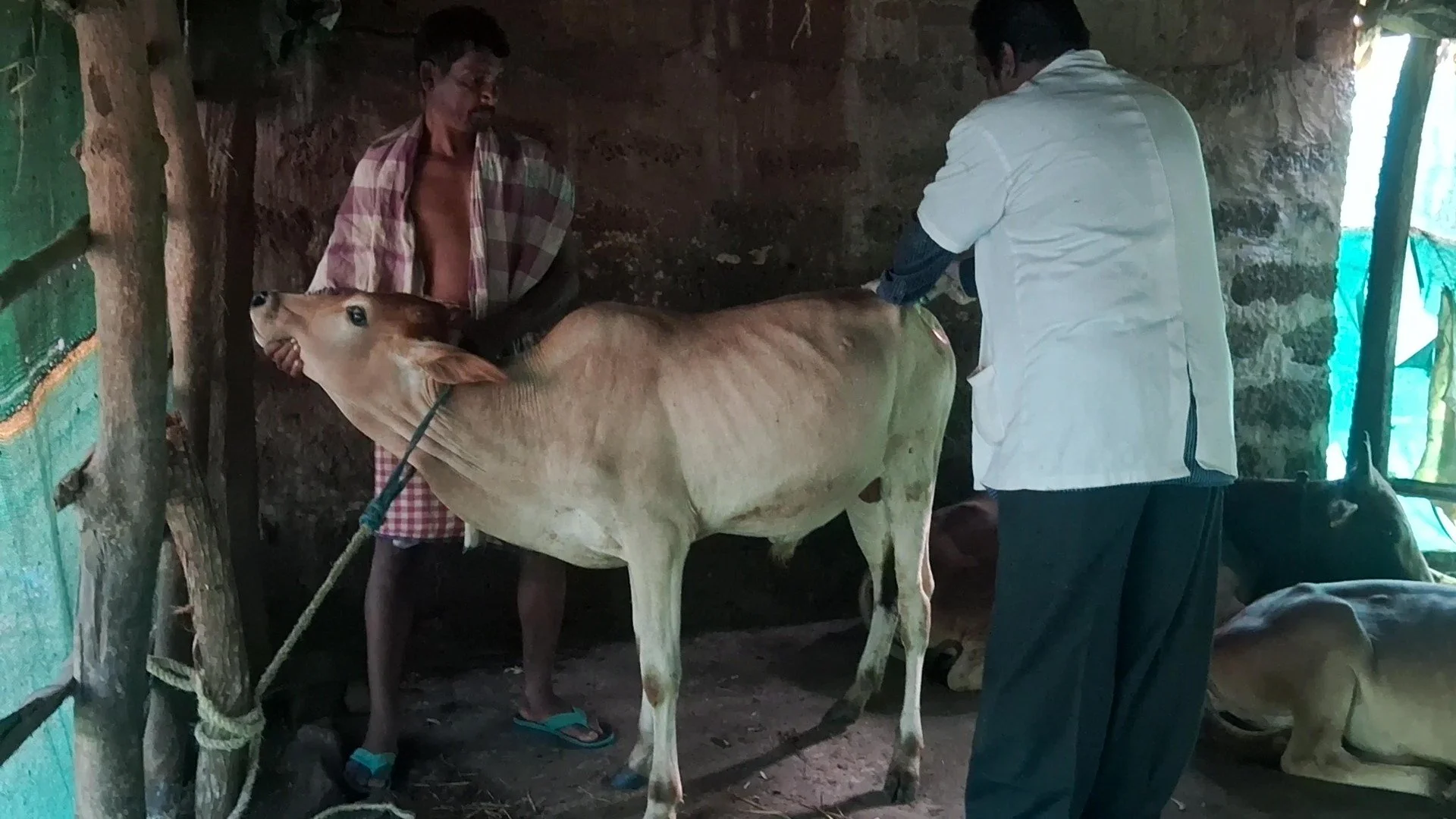
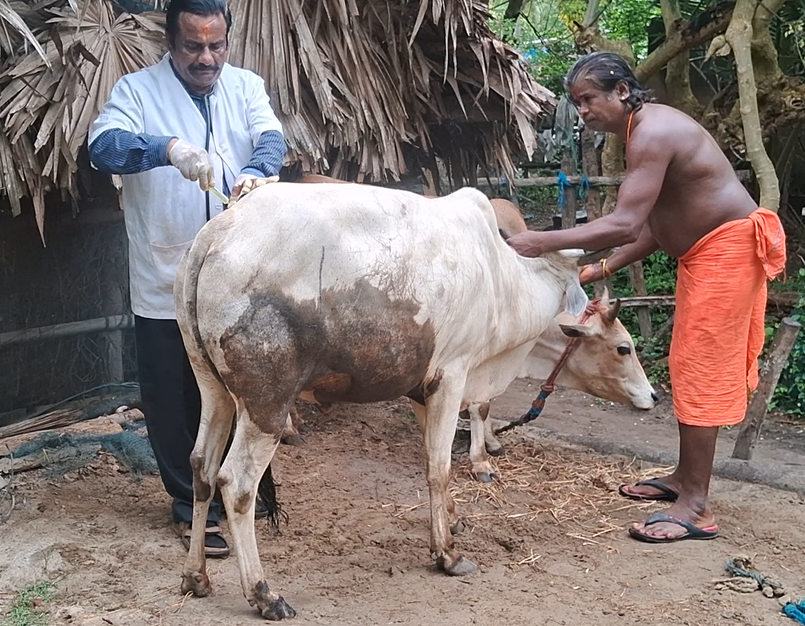
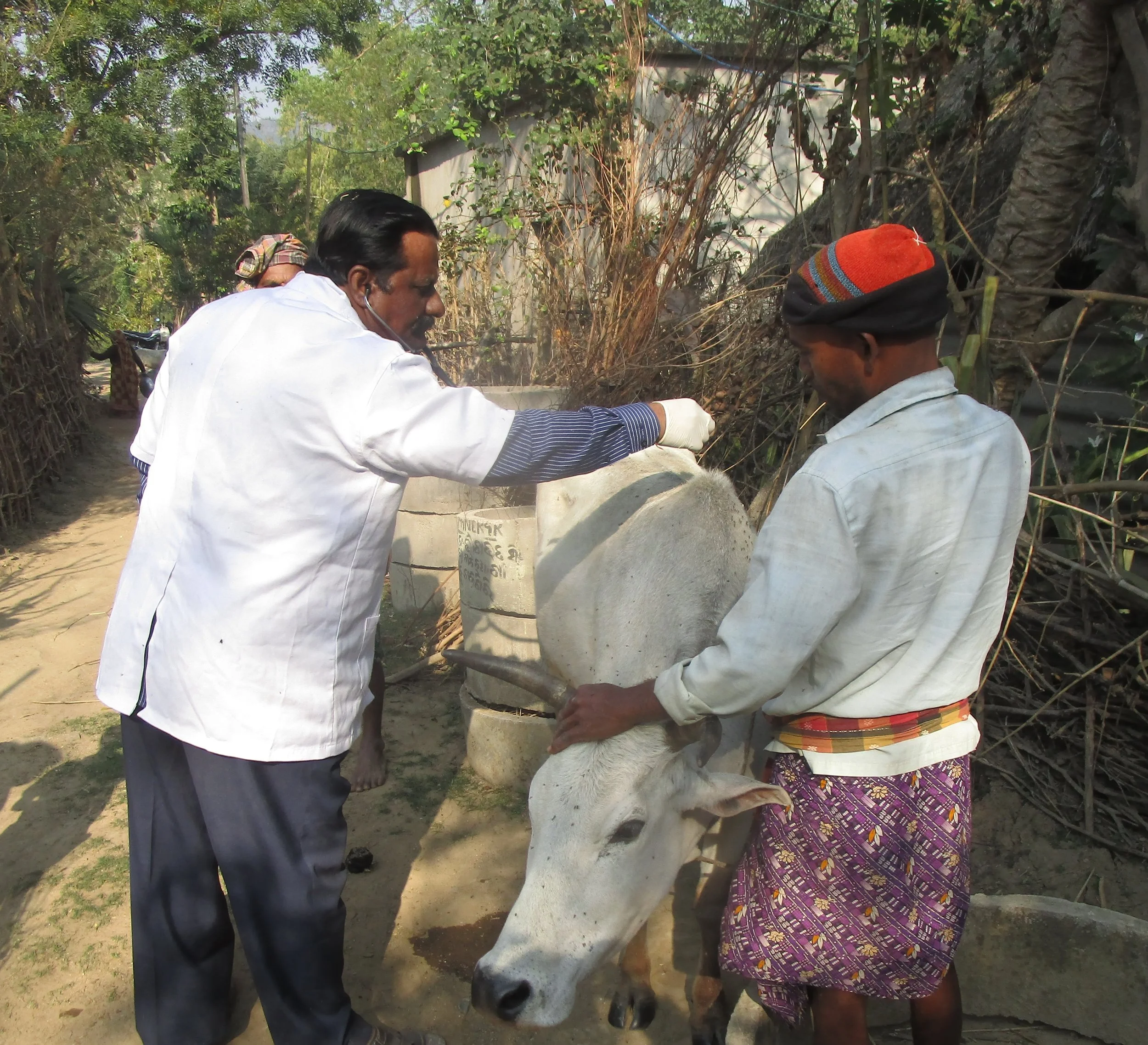
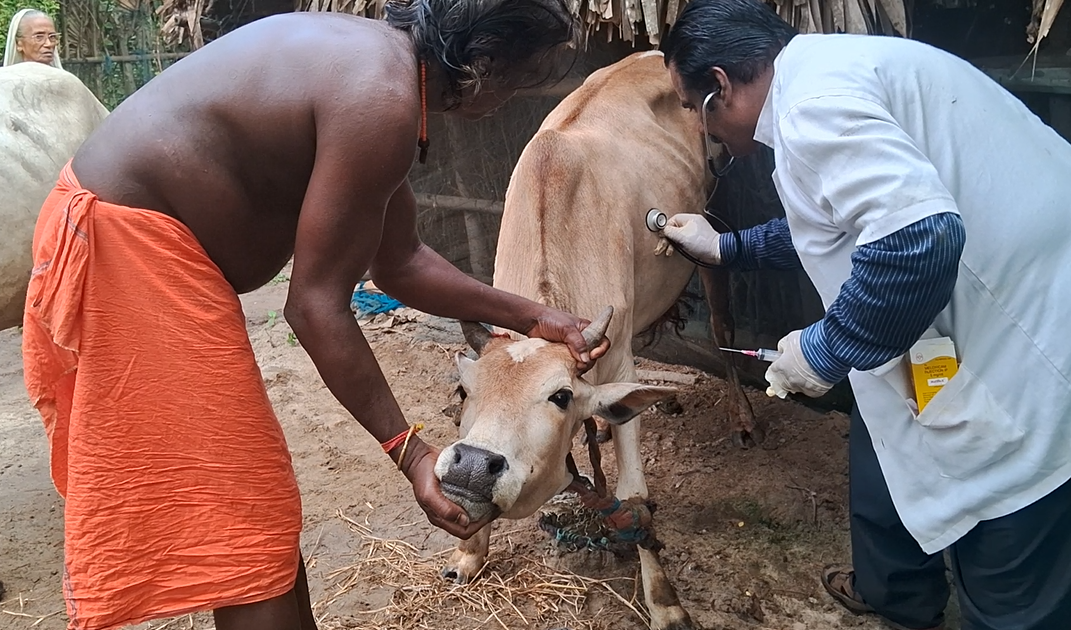
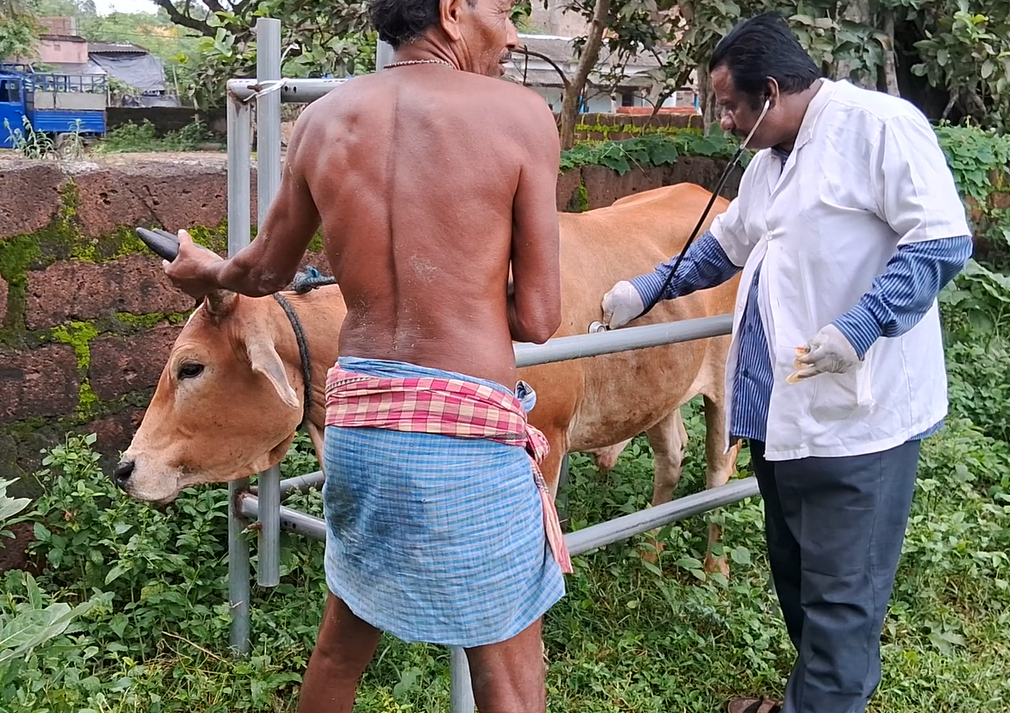
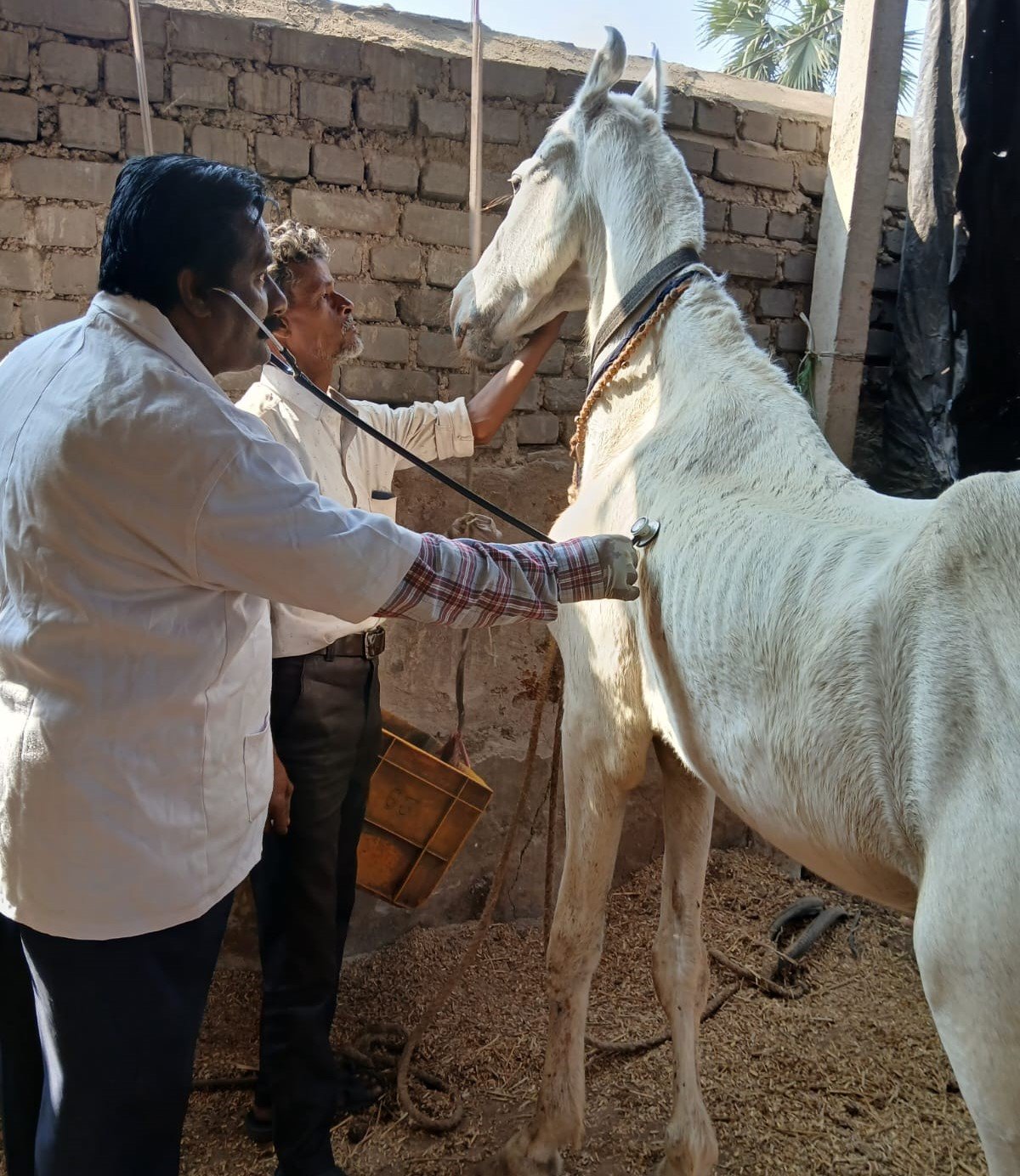
During August, the mobile veterinary clinic continued to provide accessible veterinary services to working animals in underserved communities. The field-based approach enabled the veterinary team to identify health problems early, provide timely treatment and advise owners on appropriate care, management and preventive practices.
Some notable health conditions identified and treated last month included:
Fever and other infectious conditions
Eye infections, respiratory problems and digestive disorders
Abscesses, wounds and associated infections
Skin and other dermatological conditions
Internal and external parasitic infestations
Weakness and malnutrition-related concerns
A total of 97 working animals - mainly bullocks and horses - received veterinary treatment. A further two animals were examined and their owners required advice only.
Owners were counselled on nutrition, hygiene, preventive healthcare, early reporting of illness and responsible animal management. The service improved access to timely care and helped protect the animals' health.
Vaccination Drive
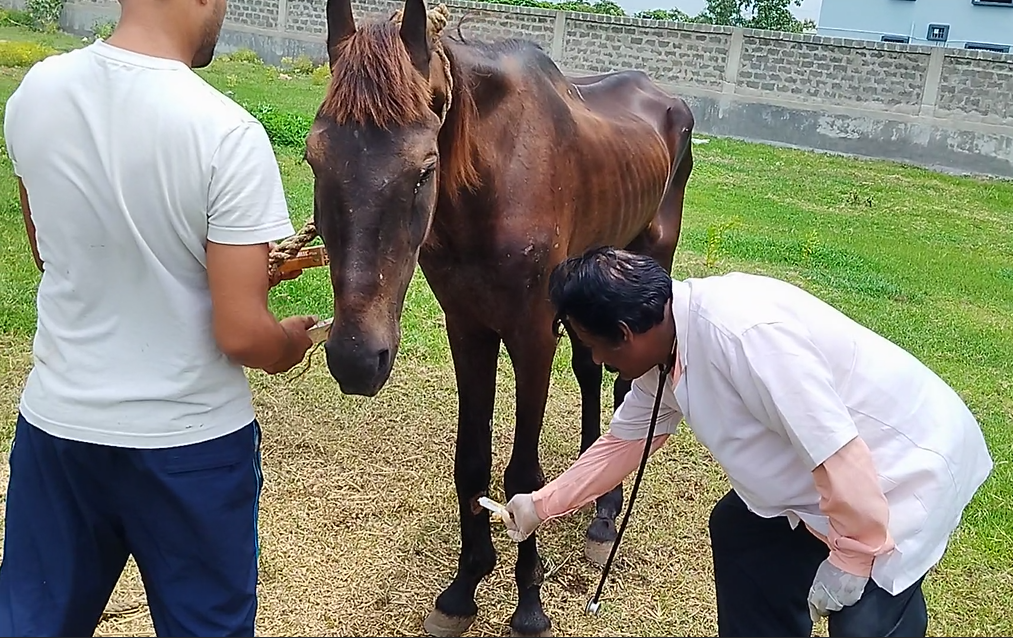
During August, 350 working animals were vaccinated against Haemorrhagic septicaemia (HS) as part of the project's preventive healthcare efforts.
The team also monitored animals for signs of infectious disease or other emerging health risks. Vaccination was undertaken in coordination with the Government Veterinary Department and will continue according to the recommended schedule.
vet Helpline Service
The veterinary helpline remained an accessible source of support for working animal owners. During August, 25 owners received timely advice on animal health, management and care.
The service helped owners respond promptly to health concerns and facilitated additional veterinary assistance where needed, thereby supporting continuity of care in between field visits.
First-Aid Care for Working Animals
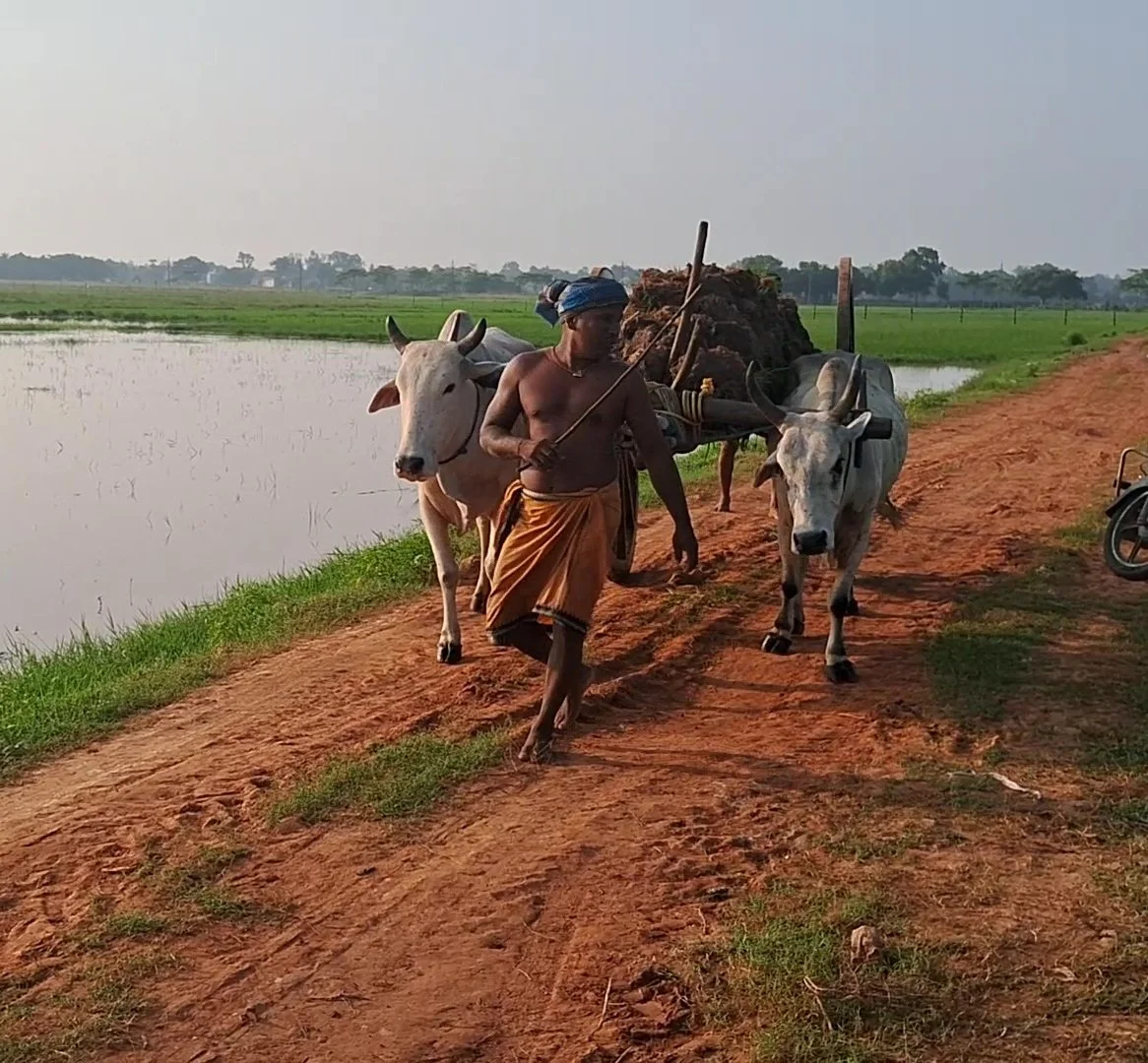
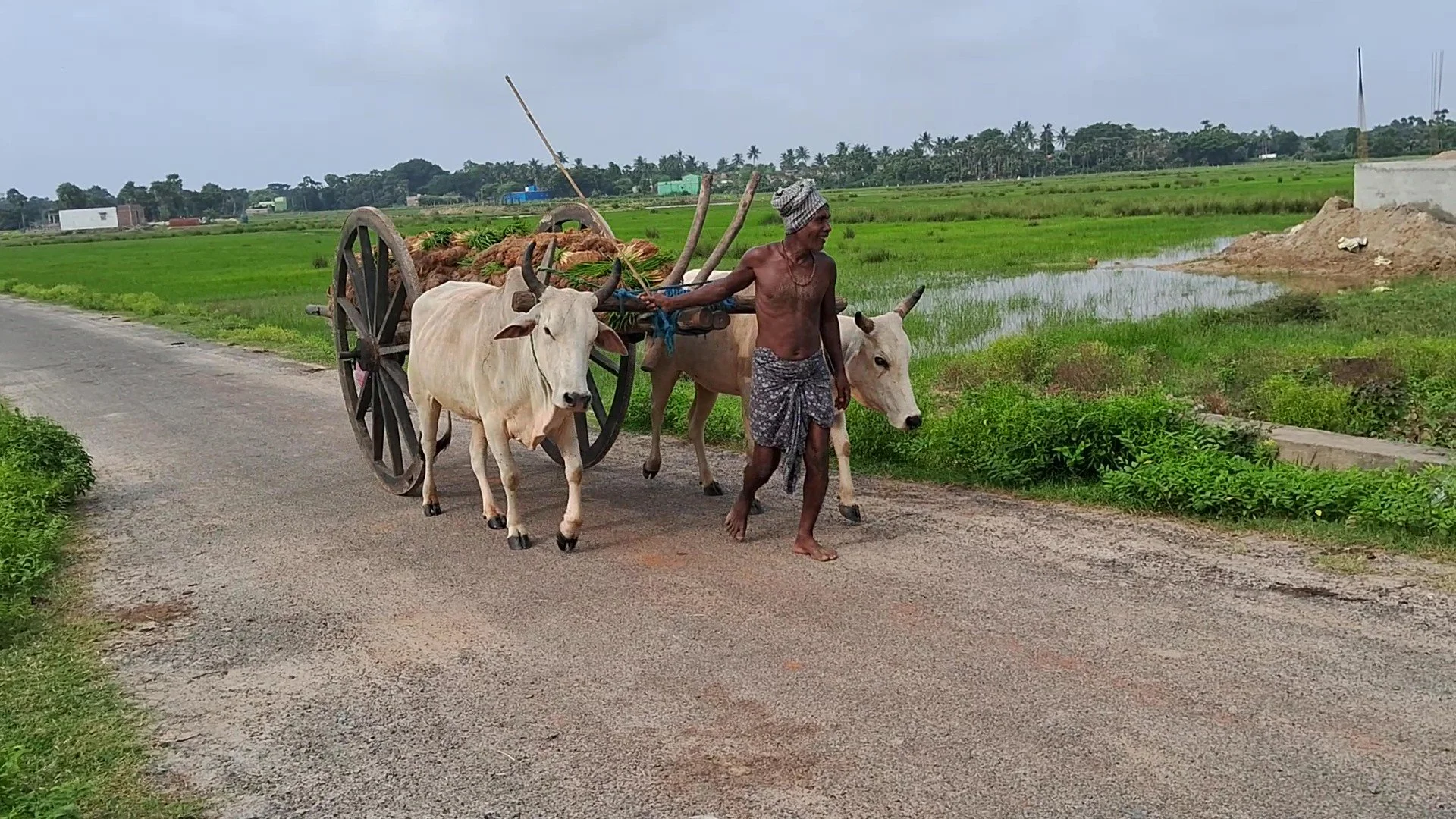
Trained community volunteers continued to provide first-aid assistance to working animals.
During August, 48 animals - primarily bullocks and horses - received first-aid support for minor injuries and health concerns.
Training Workshops for Owners
A capacity-building session was conducted for 34 animal owners to strengthen knowledge of working animal health, welfare and responsible husbandry. The session emphasised practical and humane management, and discouraged unsafe or harmful traditional practices.
Special attention was given to monsoon-season care, including keeping shelters dry and hygienic, providing safe feed and clean drinking water, preventing infections and recognising illness at an early stage. Owners were specifically advised to avoid feeding wet, spoiled or fungal-contaminated fodder, as such feed can contribute to digestive problems including bloat, stomach infections or other complications.
Follow-up visits
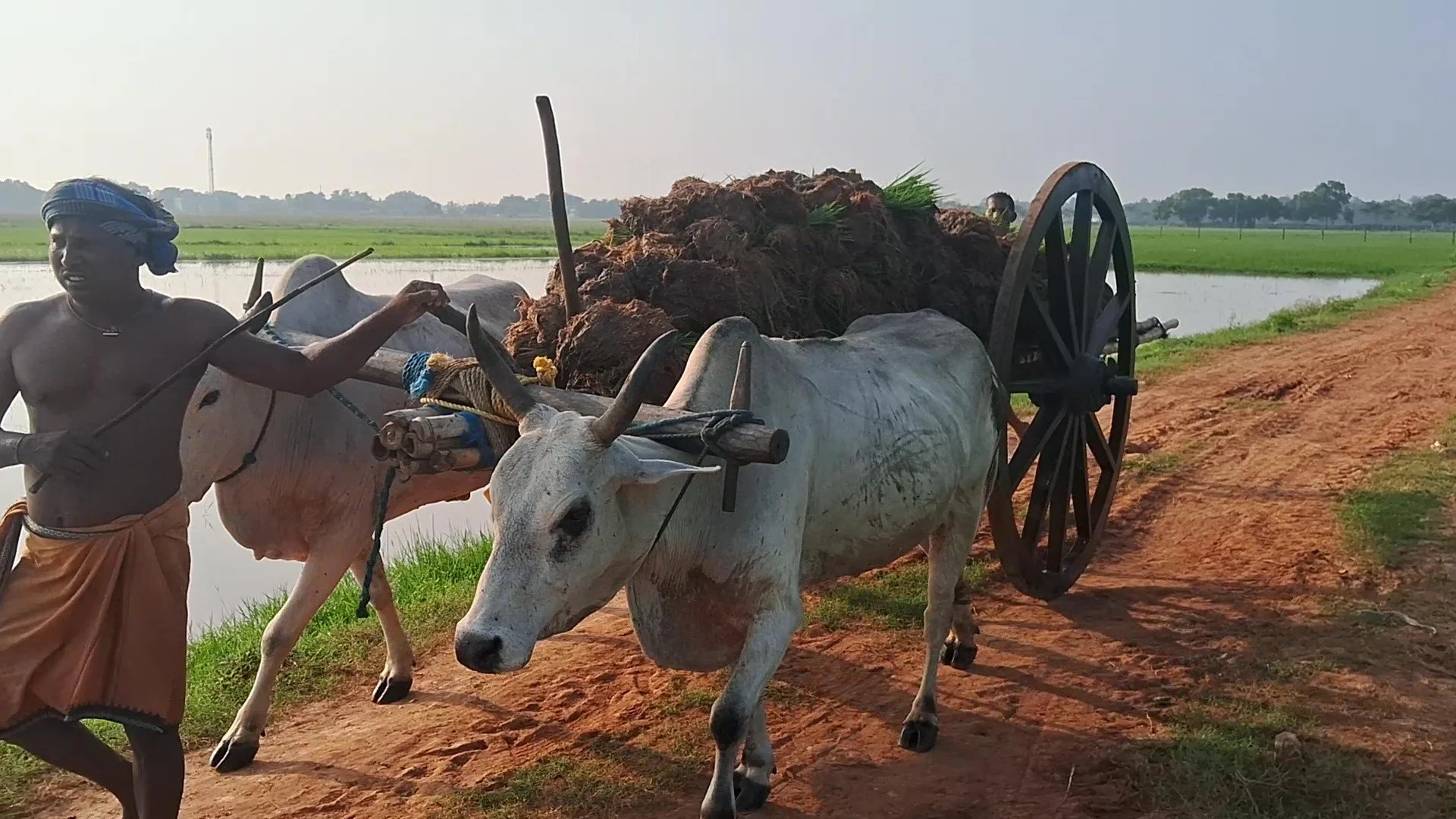
In August, the veterinary team conducted follow-up assessments for 47 previously-treated working animals to monitor their recovery and identify any continuing or emerging health concerns.
The follow-up visits enabled the team to assess treatment progress, provide additional care or guidance where needed, and reinforce recommended management practices. Owners received reminders about clean drinking water, hygiene, appropriate feeding, proper shelter and humane handling, thereby supporting sustained recovery and improving long-term animal welfare.
In addition, post-vaccination visits were conducted for 32 working animals to assess their health and response to vaccination. No abnormal signs or adverse reactions were observed. These visits also provided an opportunity to address owners' concerns and reinforce preventive healthcare and timely vaccination.
Thank you for your generous support, which enables APOWA to reach hundreds of working animals every month, and make significant improvements to their lives, health and wellbeing.